- 1
Morning practice in Fukuoka is only possible in November, during the three-week Kyushu Basho window.
- 2
Stables train from about 7 am to 10 am, and late arrivals can miss the practice entirely.
- 3
You cannot walk into a stable on your own; visits run through a booked guide.
What sumo in Fukuoka gave these travelers, in their own rated reviews
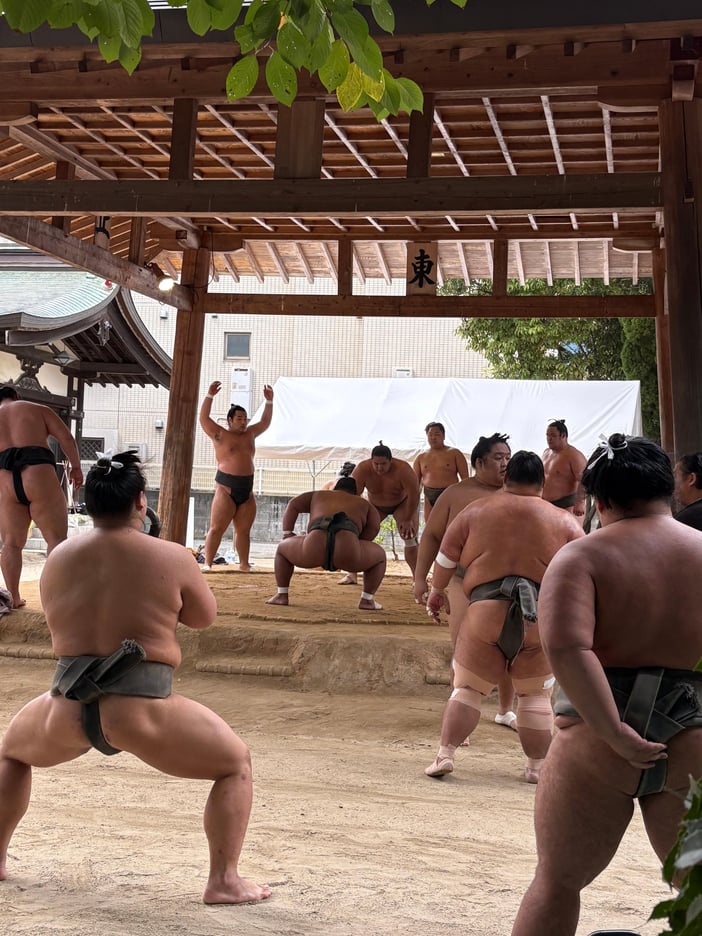 ★★★★★
Great mix of activities. Watching sumo practice was fascinating, hearing the bodies hit live is.
Josée · Canada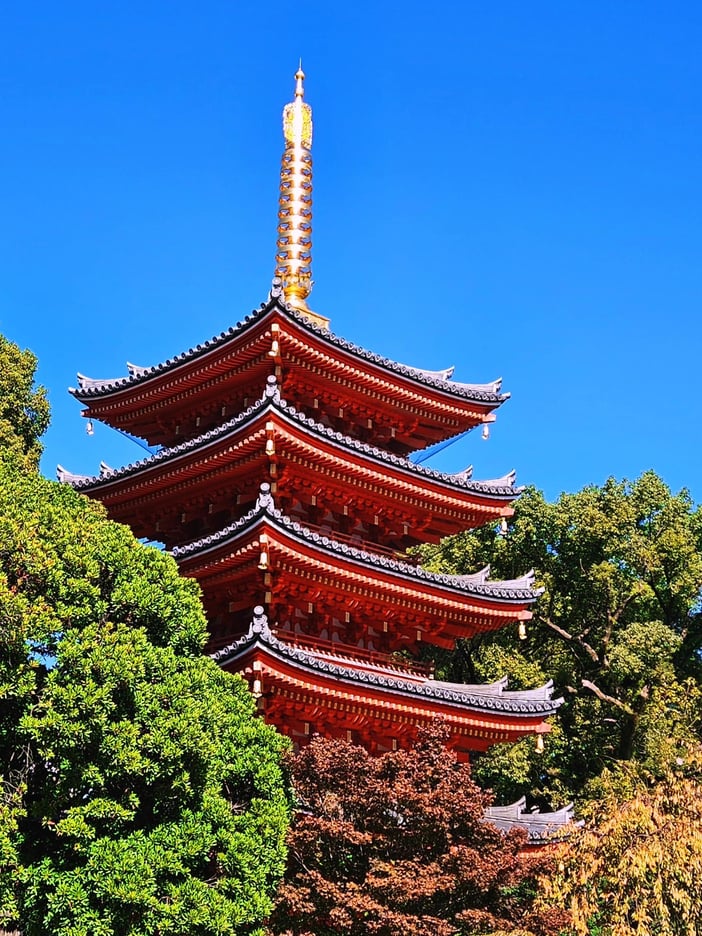 ★★★★★
One of our best tours in Japan. The real sumo wrestlers' training was very very nice.
Aart · Netherlands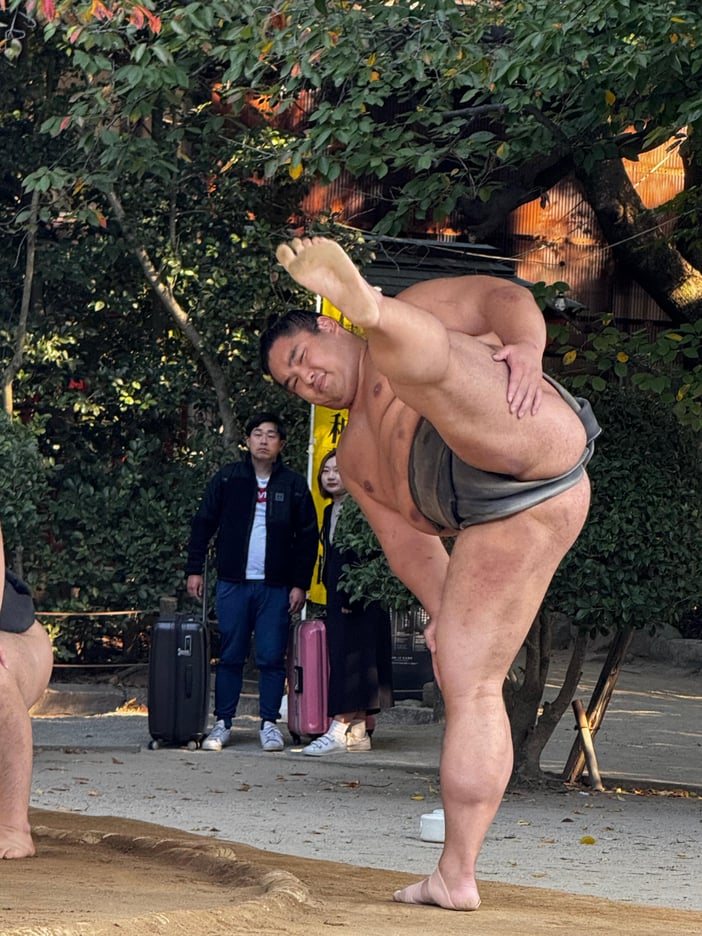 ★★★★★
Loved watching the sumo wrestlers train outside their dojo. Guide was knowledgeable and friendly, and the walking pace was just right.
A traveler · United Kingdom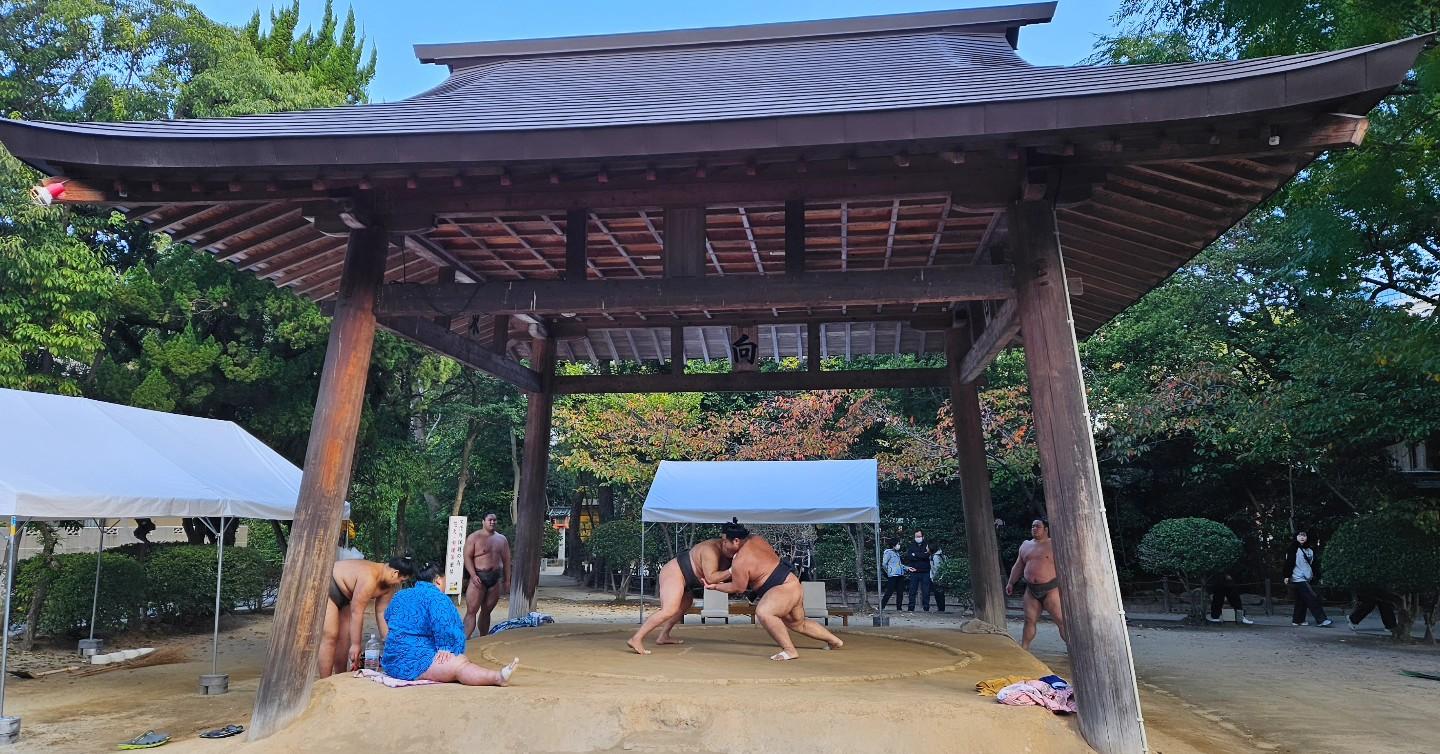 ★★★★★
Great morning. Small group: two of us from New Zealand, a German couple, and two guides from Czechia and Japan.
Imelda · New Zealand ★★★★★
Guide Patrik was very good. He answered all our questions, even general ones about Japan.
Alexandra · Germany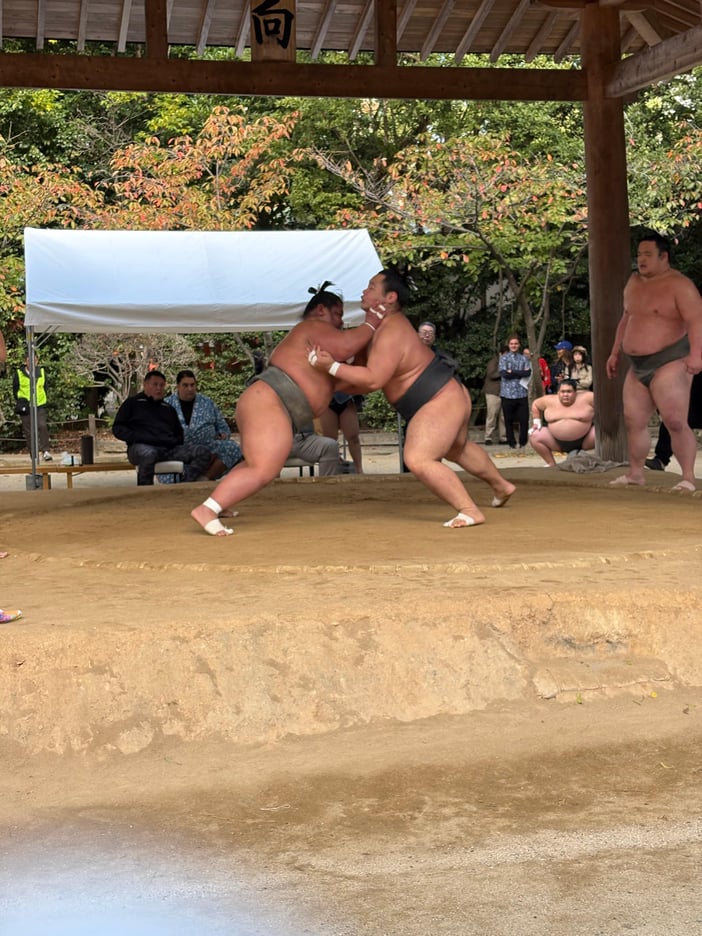 ★★★★★
Tour with Patrik in Fukuoka was fantastic! The sumo training and shrine walk through old Hakata were informative and fun. Patrik is a great guide, we were extremely satisfied. Highly recommended!
Melinda · Switzerland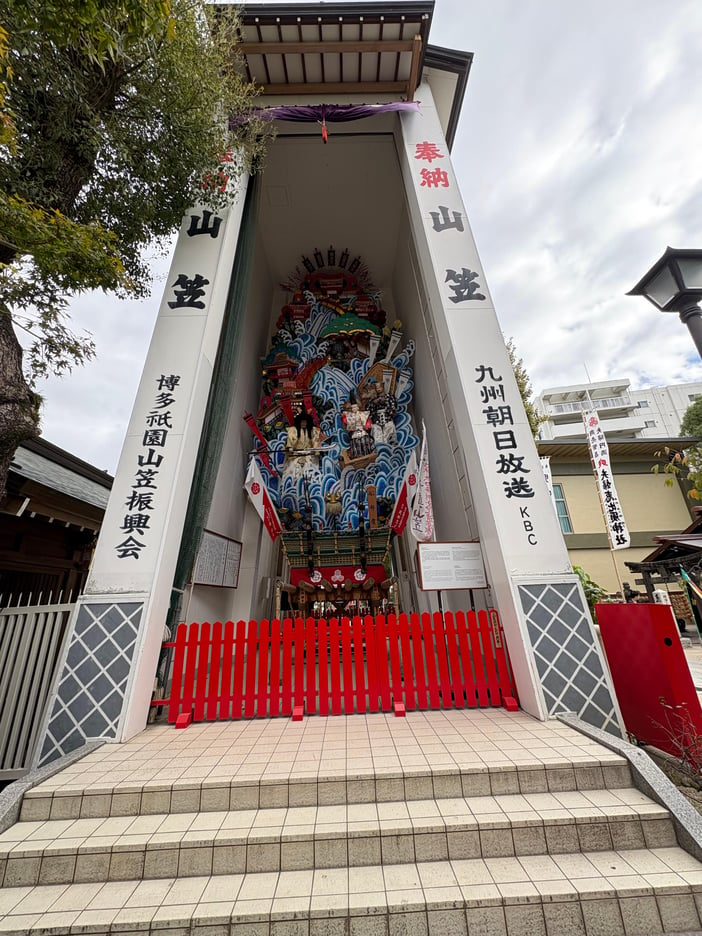 ★★★★★
Both guides spoke clearly, ran things efficiently, and handled our group of 17, including one latecomer, well.
Linda · United States
Why watch a real sumo practice in Fukuoka
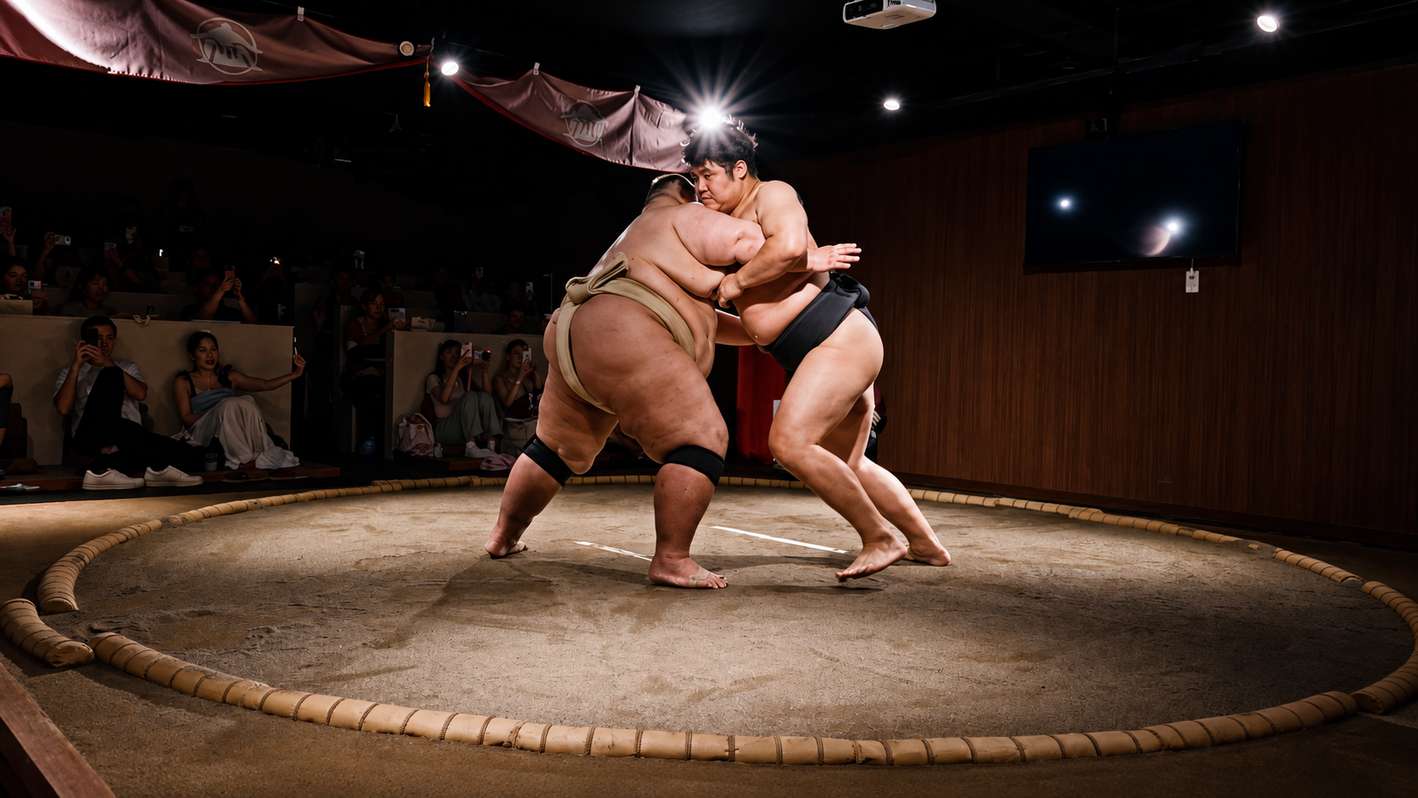
The sound reaches you before the sight: the slap of flesh on flesh as a wrestler drives another backwards across the clay. This is butsukari, a training drill, and it happens a few metres from the bench where you sit. Nothing here is staged. The wrestlers are working, and their November tournament is weeks away.
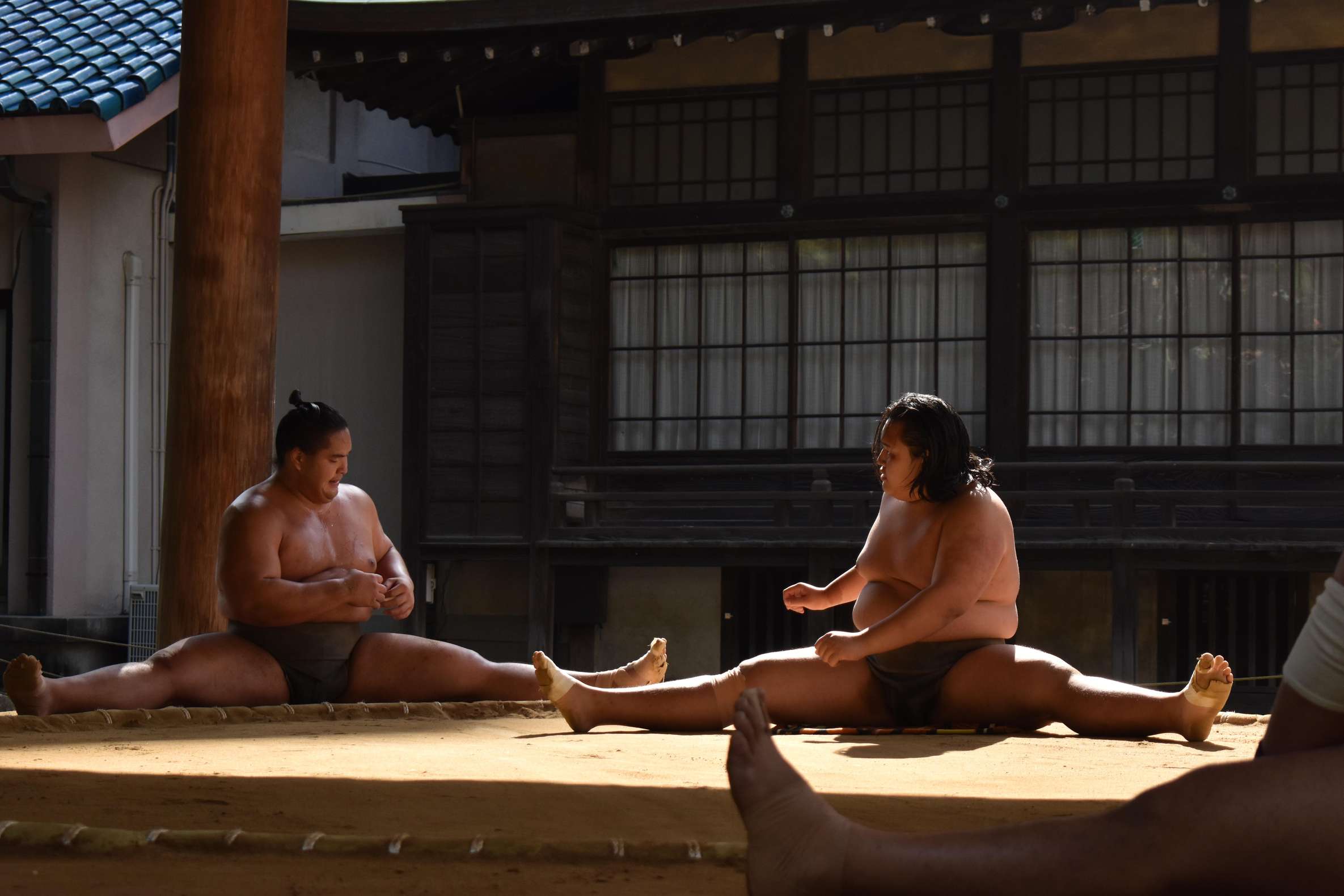
Morning practice is the closest most visitors ever get to sumo's real life. You watch stretching, the high shiko leg stomps, footwork drills and practice bouts, all from arm's length. The wrestlers' power and the sounds of the session hit differently at this distance than they ever do from an arena seat.
It suits curious travelers and sports fans, and it works even if you know nothing about the sport. A guide's explanations turn the hour into a cultural lesson, and children are often amazed by the wrestlers' speed. One visitor arrived indifferent to sumo and left converted.
Tour with Patrik in Fukuoka was fantastic! The sumo training and shrine walk through old Hakata were informative and fun. Patrik is a great guide, we were extremely satisfied. Highly recommended!
Casual visitors who want comfort and interaction may prefer a tournament or a show. For everyone else, this is the version worth setting an alarm for.

When sumo happens in Fukuoka - the November window
Fukuoka's sumo calendar is short and it is fixed. The Kyushu Grand Sumo Tournament, the last of the year's six Grand Sumo tournaments, runs 15 consecutive days each November at Fukuoka Kokusai Center, from the second Sunday to the fourth Sunday. In 2026 that means November 8 to 22.
Morning practice follows the same window. Stables move their bases to Fukuoka for the tournament month, and the wrestlers train in temporary quarters around the city, usually from about 7 am to 10 am. Outside those three weeks, morning practice in the city is simply not available.
The timing matters in another way. The weeks before the tournament are when young wrestlers arrive to prepare, and practice during the Kyushu Basho is considered the true highlight of the event. The wrestlers are sharpening themselves for a ranked competition, and it shows in every drill.
April: 5 out of 5 for how busy it gets.
Tap a month to read it.
So your travel dates decide everything. If your trip falls in November, book early; if it falls in any other month, the practice visit is off the table and the year-round dining show is the fallback. Plan the rest of your Fukuoka days around whichever one you land on.
Where morning practice takes place and how to get there from Hakata Station
During the Kyushu Basho, the stables train close to Hakata Station, closer than the practice venues used at other times of year. That short distance is a real advantage: less time on transport means more time watching, and an early start stays manageable.
From the station it is a flat 2 km walk, about 24 minutes on foot, or an 11-minute taxi covering 2.2 km if you are short on time. The tour meets at Hakata Station and walks you in, so you never have to find a temporary training quarters on your own in the dark.
The clock is the part people underestimate. Practice runs roughly 7 am to 10 am, and stables enforce strict entry windows. Arrive late and you can miss the practice entirely, with no way to slip in afterwards. Build in buffer time for the walk and reach the meeting point with minutes to spare.
What a morning of sumo practice looks like, minute by minute
The morning starts early. You meet at Hakata Station around 7:30 am, walk to the stable, and the training session itself gets going around 8 am. From a bench overlooking the ring you watch the session build: stretching first, then the shiko leg stomps, footwork drills, and finally the practice bouts.
The butsukari drills are the part people talk about afterwards. One wrestler slams into another and pushes him across the ring, again and again, close enough that you feel the impact through the floor.
Depending on the stable you may see top-ranked wrestlers spar, and some seat visitors at the edge of the training area while others watch through an opening from a separate room.
- 1Meeting at Hakata StationGuide briefing and walk to the stable
Around 7:30 am
- 2Practice viewingStretching, shiko stomps, drills and bouts from a bench by the ring
Roughly 7:30 am to 9 am, session from about 8 am
- 3Hakata Old Town walkKushida Shrine, Zen temples and the old gate with your guide
The remaining hour or so
Afterwards there may be time to meet the wrestlers and take photos. The whole visit runs about three hours, though one November group's tour stretched to four with over an hour at the practice. Treat the morning as open-ended.
Stable etiquette - what you must and must not do
A stable is a workplace and a home, and the rules follow from that. For the length of the practice you are a silent, still observer. The silence runs down to whispers. No moving around. No eating or drinking, no hats or sunglasses, phone silenced, shoes off at the entrance.
Silence includes your camera. Flash is banned, and so are loud shutter sounds, so switch to silent shooting or put the camera away during the bouts. Stay seated, and never stretch your legs toward the ring or step on the dirt surface. The ring is sacred ground.
What nobody tells you
Switch your camera to silent mode before the bouts start
Save them for after practice, when your guide can translate
Photos and selfies are often possible once training stops
Winter has one more surprise: there is no heating in the stable, so dress warmly for the room itself.
Women watch freely from the seating areas; in professional sumo the ban covers entering the ring only. Sit still, stay until the wrestlers finish, and you will be the guest they are happy to see again.
What to wear and bring for a November morning
November mornings in Fukuoka are cool, around 10°C at sunrise, warming to about 18°C by afternoon, and it rains on roughly 8 days of the month. The stable itself is unheated, so the cold you feel outside follows you in.
Warm layers are the whole answer. Put on a coat you can sit still in for an hour, over clothes you would happily walk two kilometres in.
Comfortable walking shoes matter twice over: the visit includes the walk to the stable and then roughly two more hours on foot through Hakata Old Town, past Kushida Shrine, Shofukuji and Tochoji.
Dress modestly and comfortably. You will be sitting quietly on the floor or a bench, so anything that pinches when crossed-legged will make itself known quickly.
A compact umbrella earns its place in the bag. Rain on a third of November days is enough to plan for, and the walk between the station, the stable and the old town leaves you exposed. Nothing else is needed; the tour covers the rest.
Watching with a guide or on your own
Here is the access problem, stated plainly: you cannot just turn up at a sumo stable.
Visits are by appointment, many stables never open themselves to the public at all, and whether a stable accepts visitors, and how many, is the stable's own decision. Turning up without permission usually ends in disappointment and may interrupt training.
A guide is the practical route in. The Fukuoka: Real Morning Sumo Practice & Hakata Old Town Tour arranges the visit, handles the etiquette with the stable on your behalf, and explains what you are watching while you watch it. Most overseas visitors see a stable this way.
| Morning practice | Kyushu Basho tournament | Chanko-nabe dining show | |
|---|---|---|---|
| What you watch | Real training by active wrestlers | Ranked competitive bouts | Retired professionals performing |
| Comfort | Silent, still, hard floor | Arena seats, crowds | Seated dining, interactive |
| When it runs | November only | 15 days each November | Year-round |
- What you watch
- Real training by active wrestlers
- Comfort
- Silent, still, hard floor
- When it runs
- November only
- What you watch
- Ranked competitive bouts
- Comfort
- Arena seats, crowds
- When it runs
- 15 days each November
- What you watch
- Retired professionals performing
- Comfort
- Seated dining, interactive
- When it runs
- Year-round
The tournament gives you the spectacle and the dining show gives you comfort and interaction all year. Morning practice is the raw one. If your dates allow it, take the raw one.
How to choose a sumo practice tour in Fukuoka
Not all practice tours are equal, and the differences show up before you ever reach the ring. Group size comes first: one Fukuoka operator caps its morning tour at 20 travelers, another at 10, and a smaller group means a quieter, more intimate stable visit.
A good guide also briefs you before the practice, on a wrestler's daily life, stable hierarchy, diet and training, so the hour at the ring makes sense.
Look for a venue near Hakata Station, a guide who answers questions willingly, and a fallback if training is cancelled, such as continuing the walking tour with a partial refund. Latecomers can lose the practice entirely; the stable sets the entry windows and keeps them.
- A guide with youLive tour guide
- Free cancellationCancel up to 24 hours in advance for a full refund
- Book now, pay laterReserve your place and pay closer to the date
- Hotel pickupNo, you meet at the start
- Your languageEnglish
The Fukuoka: Real Morning Sumo Practice & Hakata Old Town Tour measures up on each point: a live English-speaking guide, free cancellation up to 24 hours ahead, reserve-now-pay-later booking, and a meeting point at Hakata Station with the practice venue close by.
It runs two to three hours and pairs the practice viewing with the old-town walk, so a cancelled session still leaves you a full morning in Hakata.
What else to see around Hakata Old Town
The tour's second half leaves you in one of Fukuoka's most walkable corners. Hakata Old Town is a compact temple-and-shrine district within reach of Hakata Station, and the sights your guide covers are easy to revisit with the rest of your day.
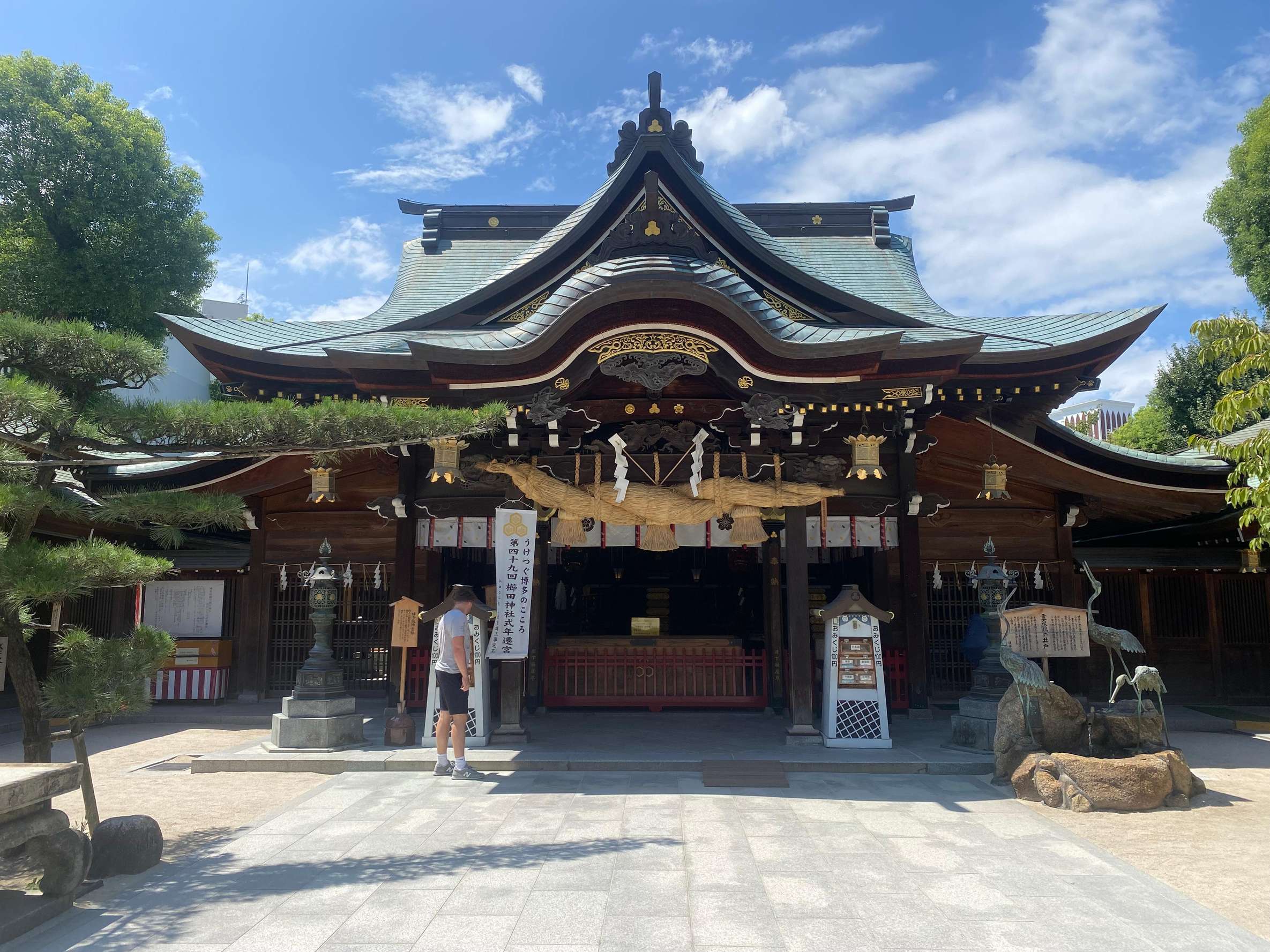
Kushida Shrine anchors the district. Tochoji Temple holds one of Japan's biggest Buddha statues, Shofukuji counts as Japan's first Zen temple, and Jotenji carries a monument marking the birthplace of udon and soba.
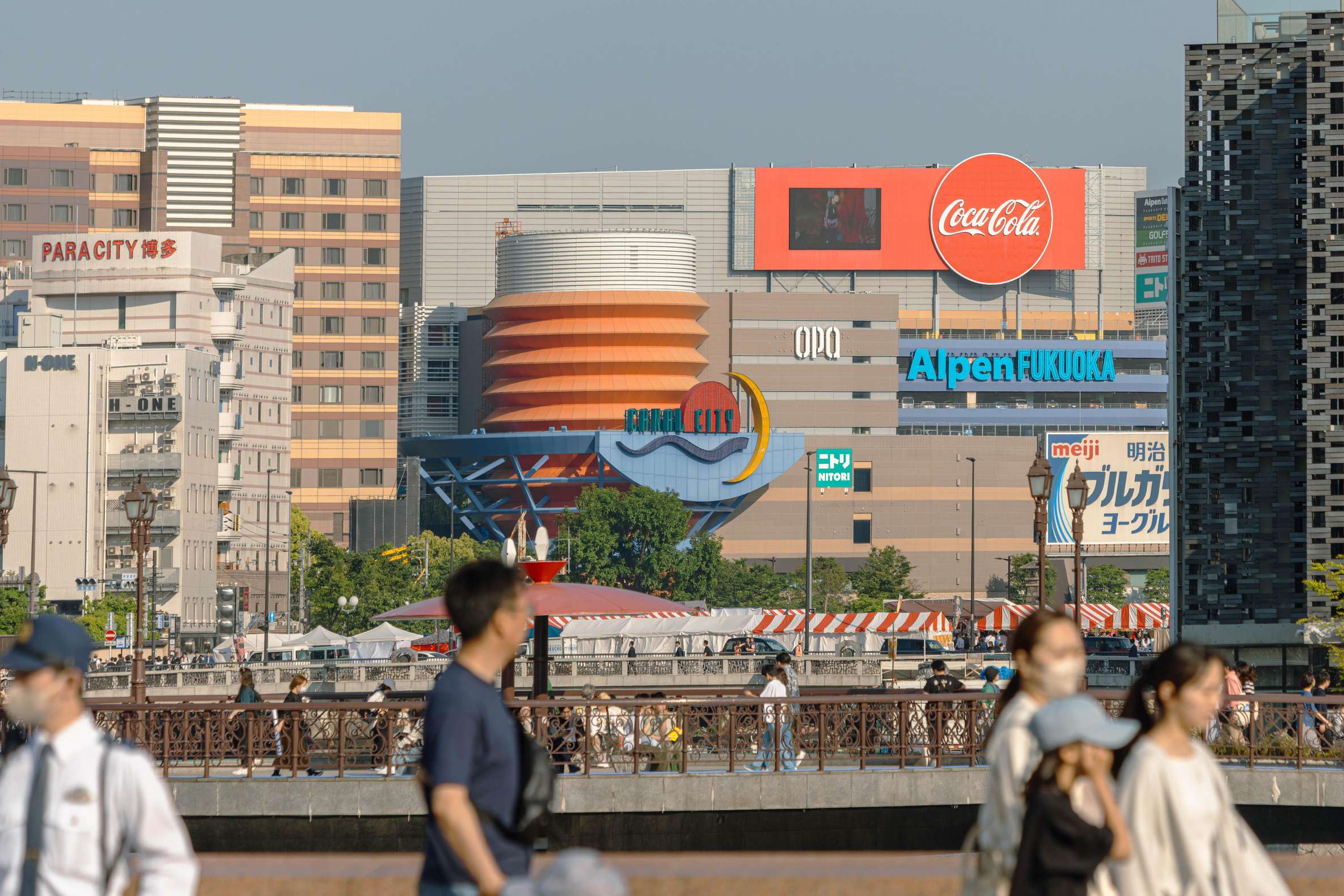
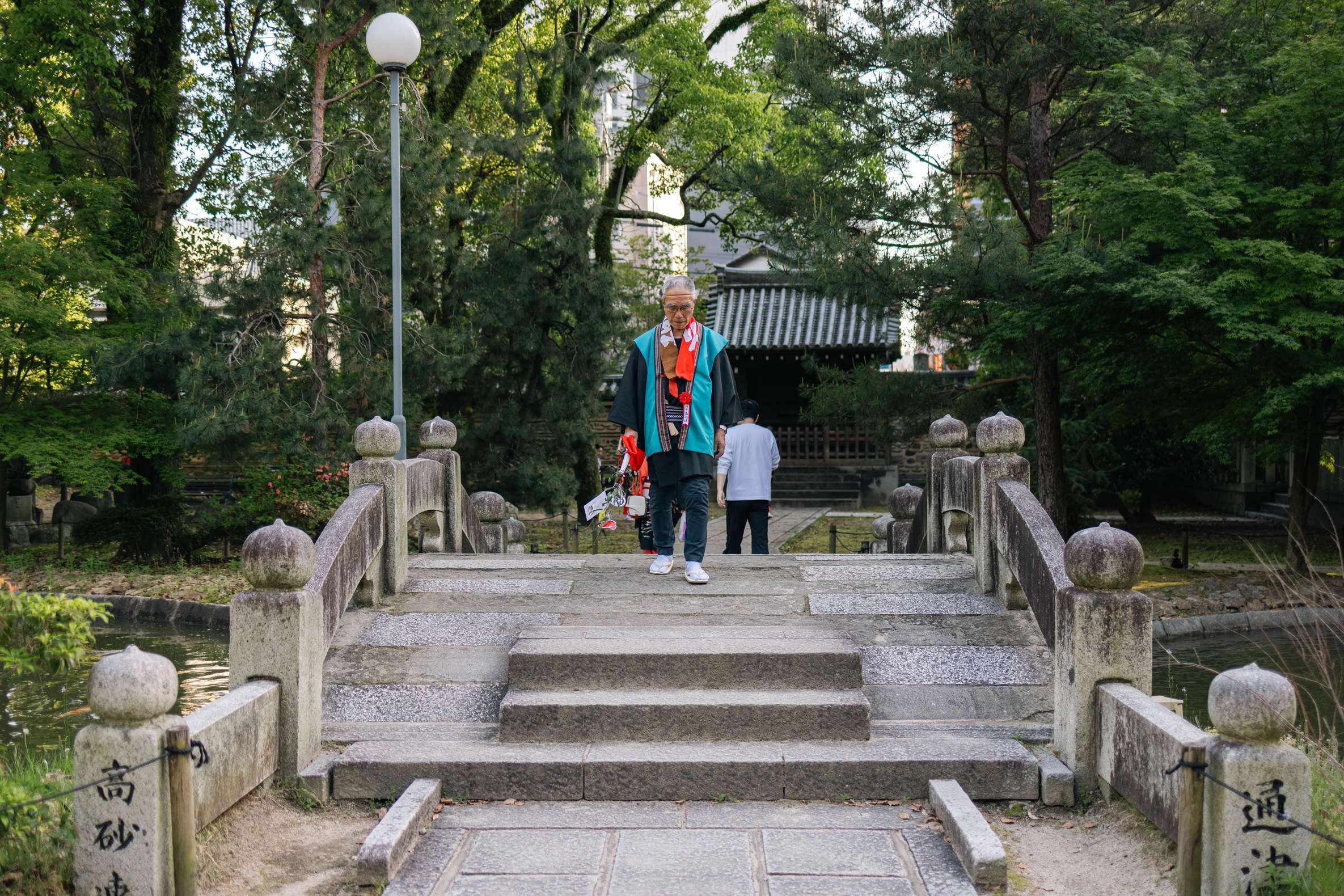
The Hakata Sennen no Mon gate ties the walk together. Travelers on the tour describe the area as shrines and Zen temples mixed with modern buildings, which is exactly why extra time pays off.
- 1Tōchō-jitemple, shrine or church9 min driveDirections
- 2Hakata Port Towerviewpoint9 min driveDirections
- 3Shōfuku-jitemple, shrine or church10 min driveDirections
- 4Hakata Sitehistoric place11 min driveDirections
- 5Fukuoka Asian Art Museummuseum11 min driveDirections
- 6Suguokamoto Sitehistoric place15 min driveDirections
An afternoon plan writes itself: return to any temple that caught your eye, then add the Fukuoka Asian Art Museum or a viewpoint at Hakata Port Tower, both a short ride away.
You will have walked in around 10 am with the morning's sumo still fresh, which is a good state of mind for old Hakata.
What to know before you book a sumo practice visit in Fukuoka
Morning practice viewing in Fukuoka runs only during the Kyushu Grand Sumo Tournament season, a window of about three weeks in November. Outside November the practice part of the tour does not operate, so plan your trip around that.
There is no hotel pickup. The tour meets at Hakata Station, and the stable sits about 2 km away, a 24-minute walk or an 11-minute taxi ride. The guide walks you in from the meeting point.
Stables train roughly 7 am to 10 am in November, and this tour's viewing runs about 7:30 am to 9 am with the session starting around 8 am. Stables enforce strict entry windows, so arrive on time or *you can miss the practice entirely*.
This is real training by active wrestlers preparing for the tournament, watched from a bench close to the ring. Expect stretching, shiko leg stomps, footwork drills, butsukari pushing drills and practice bouts, sometimes with top-ranked wrestlers sparring.
You sit still and silent for about an hour: no talking, no moving around, no eating or drinking, phones silenced, no hats or sunglasses indoors. Photos are fine without flash or loud shutter sounds, and never step onto or stretch legs toward the ring.
Wear comfortable walking shoes and modest clothes, since you sit on the floor at the stable and then walk about two hours through Hakata Old Town. November mornings in Fukuoka sit around 10°C at sunrise and the stable has no heating, so bring warm layers.
You can cancel up to 24 hours ahead for a full refund. The stable, not the tour, decides whether training happens, and weather or tournament conditions can change it. If practice is called off, you still get the full Hakata Old Town walking tour.
Worth it, if your dates say November
For travelers set on Fukuoka, this is the deepest sumo experience the city offers: real training, watched from metres away, followed by Hakata's temples with a guide who explains both. It suits culture enthusiasts, sports fans and curious travelers, including families with children old enough to sit quietly.
If your trip falls outside November, or you would rather have comfort and interaction, the year-round chanko-nabe dining show or a tournament day will serve you better.
Sumo in Fukuoka FAQ
When is the Grand Sumo Tournament held in Fukuoka?+
Every November at Fukuoka Kokusai Center. The Kyushu Basho runs 15 consecutive days, from the second Sunday to the fourth Sunday of the month; the 2026 edition runs November 8 to 22.
How do I get tickets for the Fukuoka sumo tournament?+
Advance tickets go on sale about seven weeks before the tournament opens, so for the 2026 basho that meant September 19, 2026. Buy as soon as sales open, since good seats go fast.
What time should I arrive at the Fukuoka tournament?+
Doors open at 8:45 on most days, at 10:30 on November 20 and 21, and at 10:00 on the final day. Matches run from morning to about 6 pm, with top-division bouts from around 2 pm. Re-entry is allowed until 5 pm.
Can I watch real sumo morning practice in Fukuoka?+
Yes, but only during the Kyushu Basho season in November, when stables train in temporary quarters in the city from about 7:00 to 10:00. Outside that window, morning practice viewing is not available in Fukuoka.
Is morning practice a show, or real training?+
It is real training by professional wrestlers preparing for the tournament, watched from a bench close to the ring. Expect stretching, shiko leg stomps, footwork drills and practice bouts, including butsukari drills where one wrestler drives another across the ring.
What is the etiquette at a sumo stable practice?+
Sit still and stay silent: no talking, no eating or drinking, no hats or sunglasses, phones silenced, and photos without flash or loud shutter sounds. Never step onto or stretch your legs toward the ring. Save questions for after practice, when your guide can translate.
What does the guided Fukuoka morning practice tour include?+
Guided sumo practice viewing plus a walking tour of Hakata Old Town with a local guide. The tour runs 2 to 3 hours, and the practice venue sits near Hakata Station, so little time is lost on transport.
What happens if the wrestlers cancel practice on the day?+
The stable decides the training schedule, and weather or tournament conditions can change it. If no practice takes place, you still get the full Hakata Old Town walking tour, and you can cancel up to 24 hours ahead for a full refund.
Can I watch sumo in Fukuoka outside November?+
A sumo dining experience runs year-round with no blackout periods: about two hours of chanko nabe while retired professionals wrestle on a real ring, ending with a photo. Real morning practice stays tied to the November tournament season.
Are women and children allowed to watch sumo in Fukuoka?+
Women can watch tournaments and stable practice as spectators; the traditional rule bars entering or touching the ring itself. Children can watch a tournament and shout along with the crowd, though morning practice suits families whose kids can sit quietly for a couple of hours.