

Likely to sell out
2 hours
4.4(553)

Osaka: Sumo Show with Bento or Snack at Sumo Hall Hirakuza
Sumo show ticketCommemorative pictureGuide
From
$92 /person

You searched for a named sumo venue, so start by pinning down the right one. Both locations sit in Ryogoku, Tokyo, a short walk from JR Ryogoku Station, where former top-division wrestlers put on live bouts and guests raise a hand to step into the ring themselves. Open the city page that matches your trip and plan the visit from there.
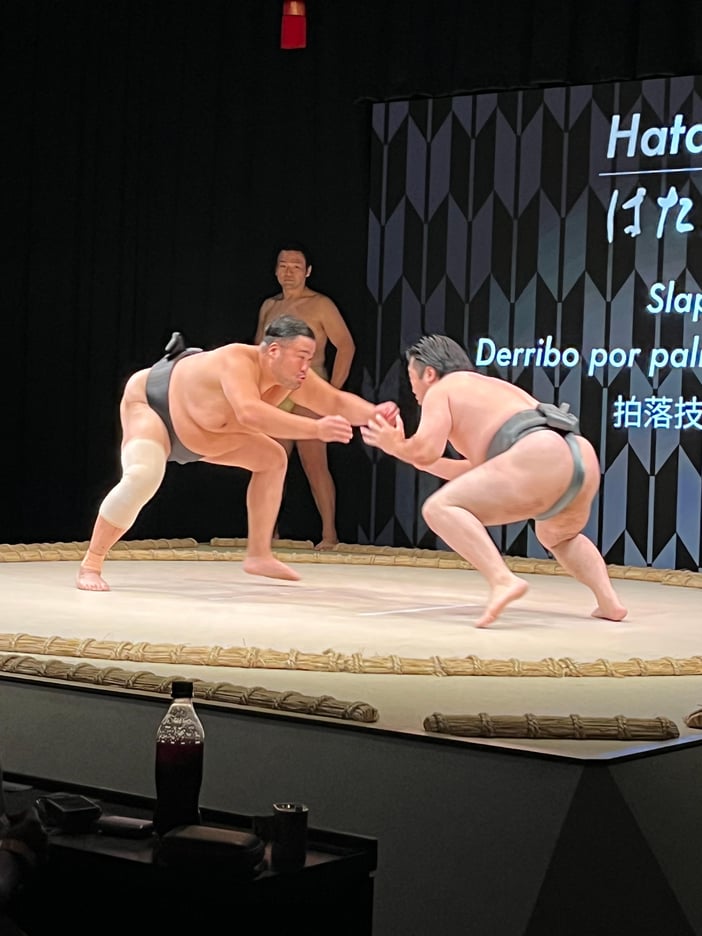
"Best experience ever! I got to wrestle TOMA, the biggest sumo, he was lovely. Great food, even better show. 10/10 recommend."








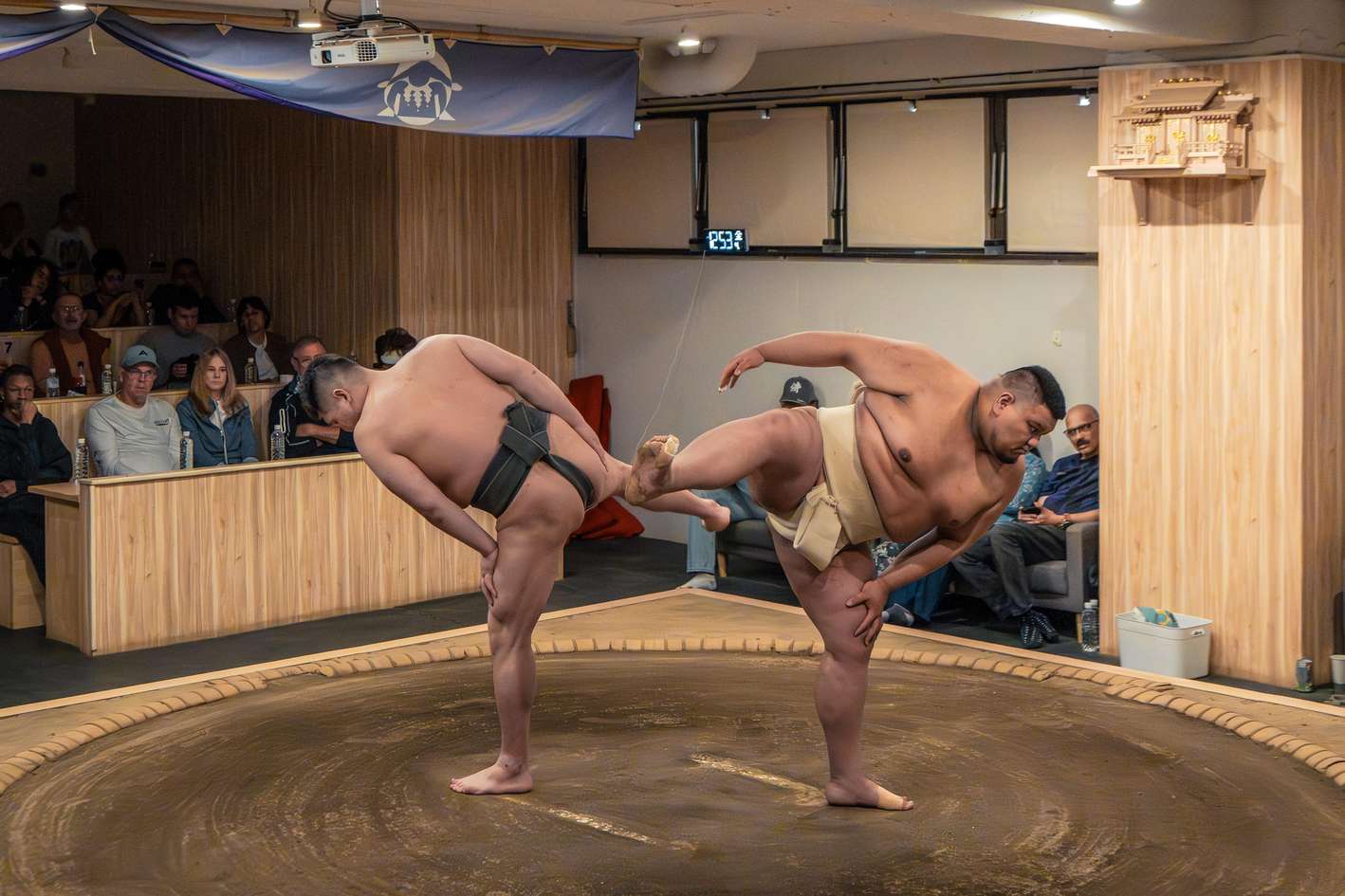
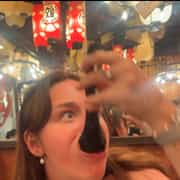
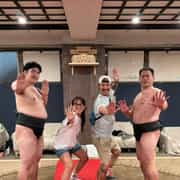
The Osaka venue is Sumo Hall Hirakuza in Namba, a two-hour show with food, photos and a lottery ring challenge.
Read the guide
The Tokyo side sits in Ryogoku, near JR Ryogoku Station, with a Signature plan of show, chanko hot pot and mochi pounding.
Read the guideSumoLand runs two venues, one in Ryogoku, Tokyo and one show in Osaka that carries the name. The difference that decides it is simple: only the Tokyo side has confirmed addresses and daily openings, so start there if your trip is in the capital.
Both pages cover a sumo entertainment venue; one sits in Ryogoku, Tokyo, the other in Namba, Osaka, and your city picks for you.
A theatrical sumo show with sound and lighting, bento in hand, on the 8th floor of Namba Parks.
The show runs on the top floor of Namba Parks, a shopping complex in Namba, and lasts about two hours including your meal. Former professional wrestlers perform bouts on an elevated stage, lottery winners put on a sumo suit and step into the ring, and everyone gets a commemorative photo afterwards.
Practical points decide this one. Same-day booking usually works, with online sales open until 3 pm and leftover seats sold at the hall from then.
Tuesdays are closed except in busy periods, so check the monthly calendar for your date. Arrive 15 to 20 minutes early, because shows can start later than the printed time and a late arrival means a rushed seat search.
Two venues a minute apart in Tokyo's sumo district, run by former top-division wrestlers.

Ryogoku is Tokyo's sumo district, and the venue opened there in June 2025 with a purpose-built ring. The wrestlers are former professionals, some from the top division, and the whole thing is supervised by the 63rd Yokozuna. You watch live bouts up close, then raise your hand to challenge one yourself.
Two formats split the visit. The Signature plan runs 90 to 120 minutes and adds chanko hot pot made to a stable recipe plus mochi pounding with the wrestlers.
The Express plan runs 60 minutes with no meal, easy to slot into a day of sightseeing. Both venues open every day of the year, and the station is a one to three minute walk. Book ahead for busy months, because seats go.
The name you searched hides a fork: a hands-on hall in Tokyo's sumo district and a dinner-show theater in Osaka. Which one matches your trip is what the next chapters work out, along with how to time the evening.
Both venues under the name sit in Ryogoku, Tokyo; the Osaka hall is a different operator's show at Namba Parks.
The wrestlers are former professionals, some from the top division, supervised by the 63rd Yokozuna, but the bouts are staged, not tournament contests.
The Osaka show runs about two hours with a bento or snack bag, and same-day booking usually works until 3 pm.
In Tokyo, the Signature plan runs 90 to 120 minutes with chanko hot pot and mochi pounding; the Express runs 60 minutes with no meal.
Shows can start later than the printed time, so arrive 15 to 20 minutes early and leave slack after the evening.
Book ahead if your trip falls in April, May, September, June, August or October, when demand runs well above an ordinary month. If you decide late, check the online ticket page within half an hour of a session; if nothing is left, the 6 pm Signature show at the venue 3 minutes from JR Ryogoku Station East Exit is the slot most likely to still have room earlier in the day.
The doubt shows up in almost every search: is this a tourist show with actors in costumes, or sumo? Both answers are yes and no at once.
The performers are real former professional wrestlers, some of whom competed in the top Makuuchi division, and the whole program is supervised by the 63rd Yokozuna Asahifuji. The bouts are staged demonstrations, yet the skill in the ring is genuine.
The other surprise is geography. The name suggests a chain, yet both venues sit in Ryogoku, Tokyo, a minute apart near JR Ryogoku Station. There is no location in Osaka under this name; the sumo hall in Namba is a separate operator's show entirely.
Both venues are in Ryogoku, Tokyo; the Osaka hall is a different operator
They are former pros, including Makuuchi-ranked ones
They are staged demonstrations with real skill
So set expectations before you book: authentic wrestlers, entertainment format. That combination is exactly why families and first-timers rate it so highly.
Namba Parks is a shopping complex with a garden roof, and the sumo hall sits on its 8th floor, a short walk from several Namba stations on the Metro, Nankai and Kintetsu lines.
The show runs about two hours including your meal, with an evening slot around 5 pm to 7 pm and a later show on selected dates.
The format is theatrical: an act on the legend of sumo's origins, then training, rules, a three-match mini tournament and an audience challenge where lottery winners put on a sumo suit.
Admission includes a bento box or snack bag and a drink, and everyone gets a commemorative photo. Children aged 2 and under are not permitted.
Booking is forgiving. Online sales stay open until 3 pm on the day, and leftover seats sell at the hall from then.
The calendar is the thing to watch: the venue closes on irregular days, Tuesdays in quiet periods, so check the monthly schedule for your date. The full visitor details live on our Sumo Land in Osaka page.
For a bookable evening in the same style, the Osaka: Sumo Show with Bento or Snack at Sumo Hall Hirakuza runs two hours with former professionals on an elevated stage.
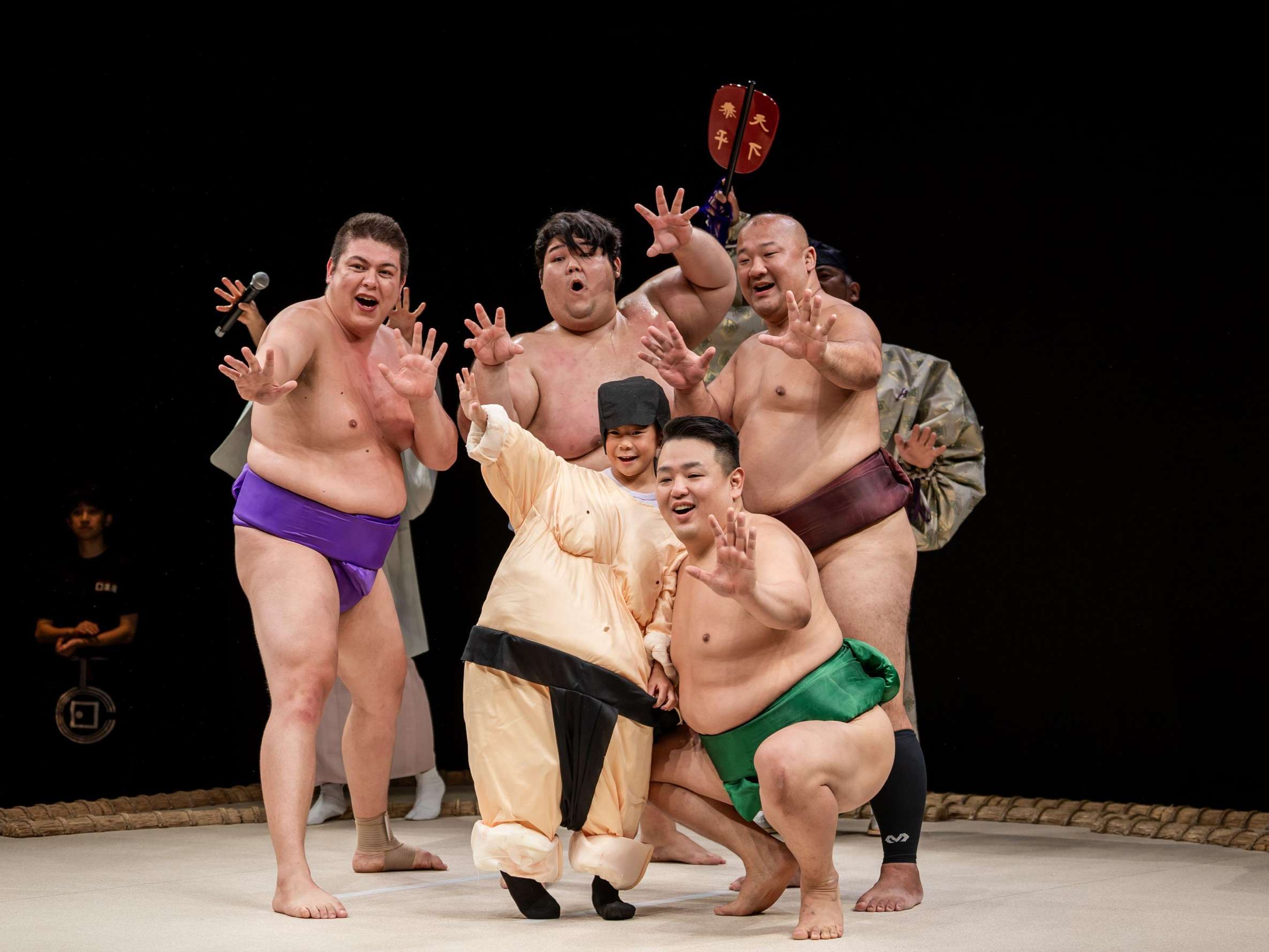
Ryogoku is Tokyo's sumo district, and the venue opened there in June 2025 with a purpose-built ring. Two halls sit a minute apart from JR Ryogoku Station's East Exit, both open every day of the year with no closed days.
Two formats split the visit. The Signature plan runs 90 to 120 minutes and adds chanko hot pot made to a stable recipe plus mochi pounding with the wrestlers. The Express plan runs 60 minutes with no meal, easy to slot between Asakusa and Akihabara, both about ten minutes away by train.
What makes it different from a dinner show is the participation. You watch former top-division wrestlers up close, then raise your hand and step into the ring yourself. Children are welcome in the match and the mochi pounding, and the whole thing runs in English and Japanese.
Demand spikes around the big tournament months, so book ahead then. Our SumoLand in Tokyo page carries the addresses, session times and booking detail.
If you want the same neighborhood with a meal built in, the Tokyo: Sumo Wrestling Experience with Chanko Nabe & Mochi pairs a show around the ring with hot pot and mochi making.
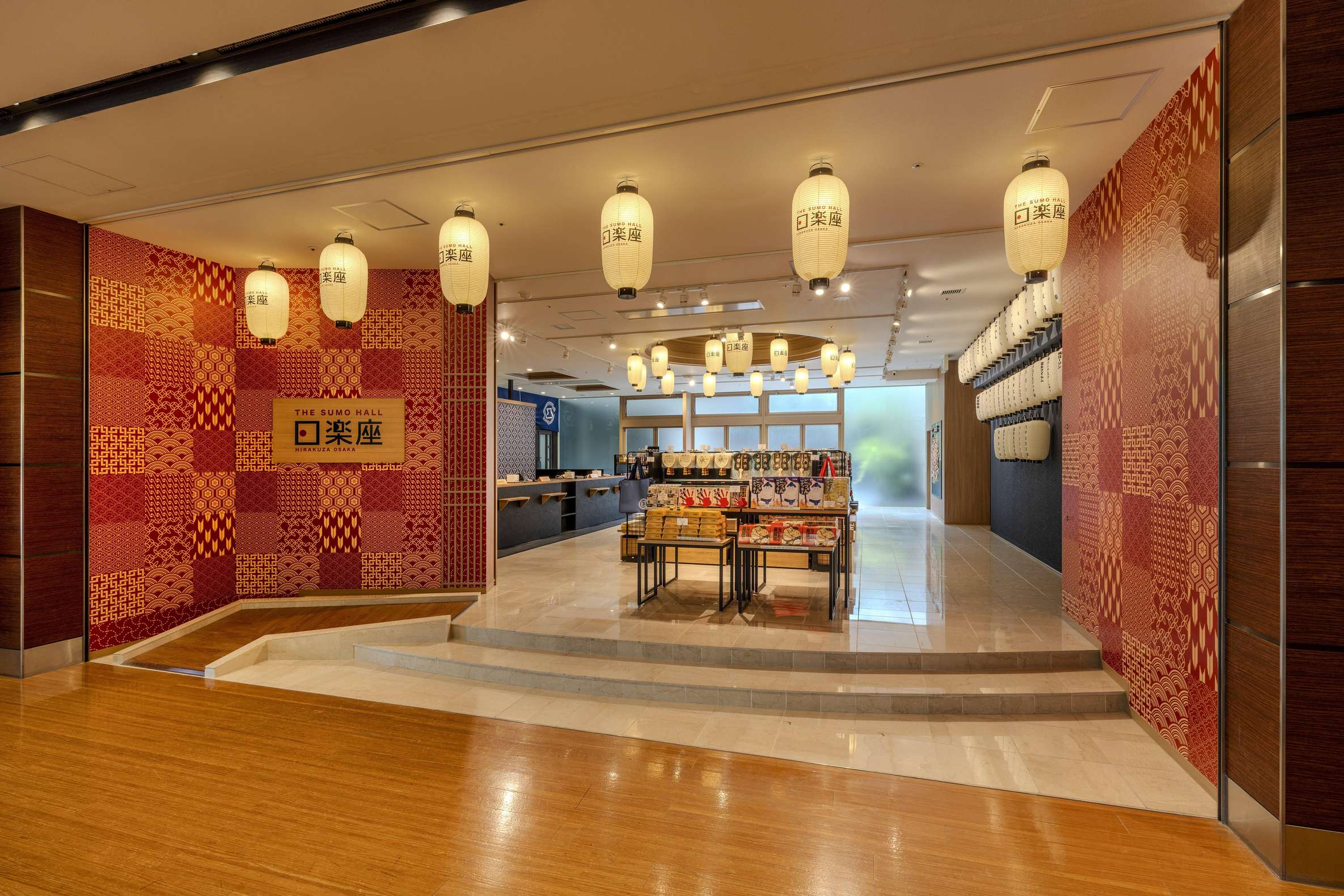
The choice turns on four things: what kind of sumo you want, where you are, how long you have and how you book.
Osaka gives you a polished theatrical evening with dinner in hand, best when your trip is already in Kansai. Tokyo gives you the hands-on version in the sport's home district, where you can also walk to the Kokugikan and working stables.
| Kind of sumo | Where it is | Show length | Booking ahead | |
|---|---|---|---|---|
| SumoLand Osaka | Entertainment show, not tournament | Namba Parks 8F, Namba | About 2 hours | Same-day until 3 pm |
| SumoLand Tokyo | Hands-on with former pros | Ryogoku, near JR Ryogoku Station | 60 to 120 minutes | Same-day, 30 min before |
Osaka wins on ease: same-day booking until 3 pm, a single two-hour slot, a meal included. Tokyo wins on substance: former top-division wrestlers, a ring you can enter, and a whole sumo neighborhood around the venue.
Dates matter too. Tokyo hosts grand tournaments in January, May and September, Osaka in March. If your trip overlaps a tournament, buy a tournament seat instead of either show; outside those weeks, the shows are the sumo you will actually see.

No bookable tour on this site takes place at either Ryogoku venue, so pick a date and book ahead for the nearest alternative. The tours on sale run in Shinjuku, at Tokyo Tower, in Namba, Kyoto and by Lake Yamanaka, none of them under the name you typed.
The nearest thing on sale is the Tokyo: Shinjuku Sumo Show & Experience with Photo.
It delivers the same core experience in a different Tokyo building: live matches by professional wrestlers, history from an English-speaking MC, a lottery chance to challenge a wrestler in the ring, and pictures with the wrestlers afterwards. It runs about 90 minutes and cancels free up to 24 hours ahead.
What it lacks is the chanko dining and mochi pounding of the Signature plan, and it will not put you in the sumo district near JR Ryogoku Station. If the address itself is the point, book directly with the venue; if the experience is the point, this show covers it on the date you choose.
That first-hand line is why the Shinjuku show keeps its following: the core of the evening, bouts, challenge and photos, travels well to a different building.
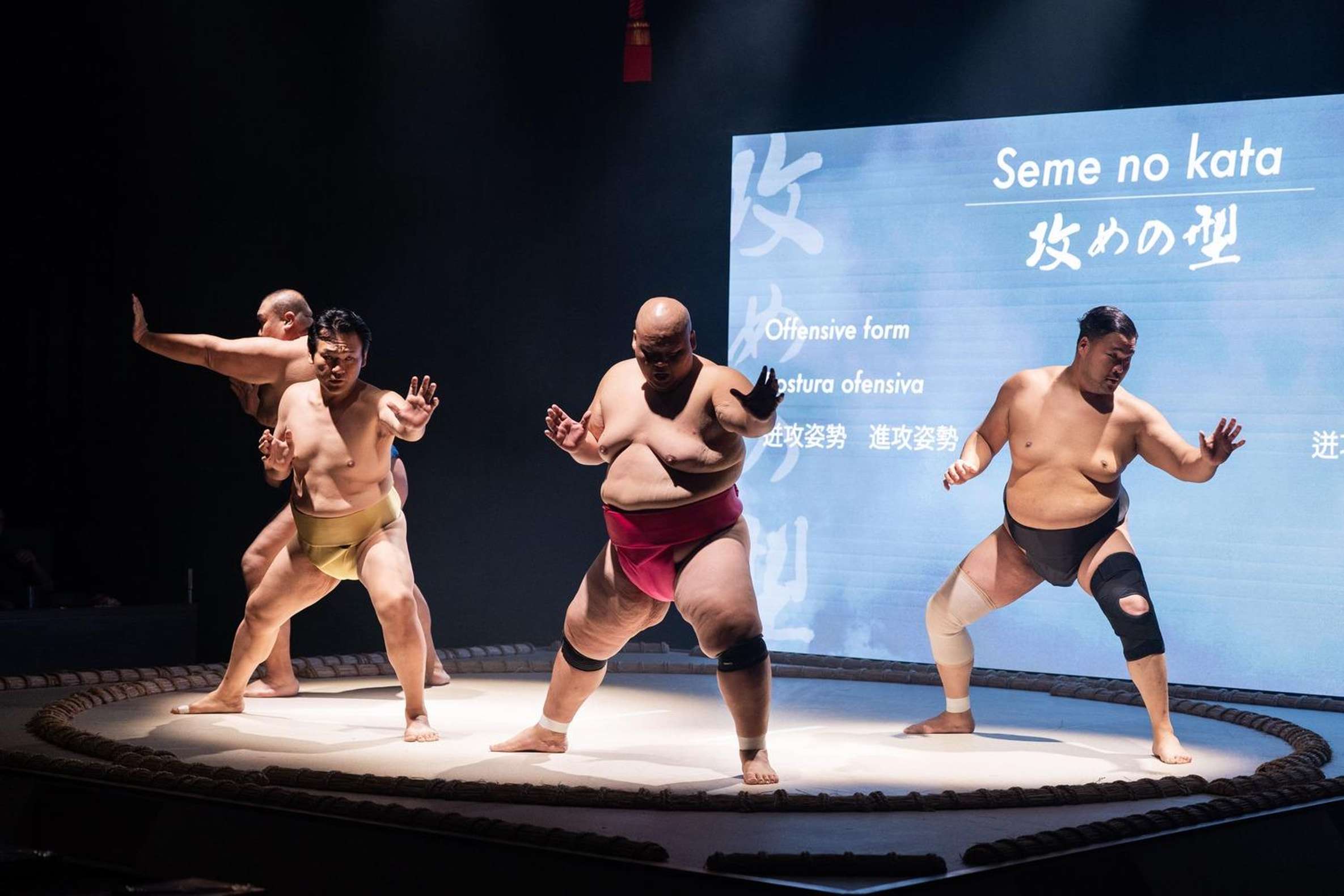
The evening has a shape, and knowing it helps you decide when to volunteer. It opens with a guide show on sumo's roots in Shinto ritual, its history and its culture, told by an English-speaking MC. Then the bouts, close enough to feel the ring shake.
Sets up everything that follows
The closest seats feel the ring
Cannot be reserved in advance
Express has no food
Signature adds a souvenir gift
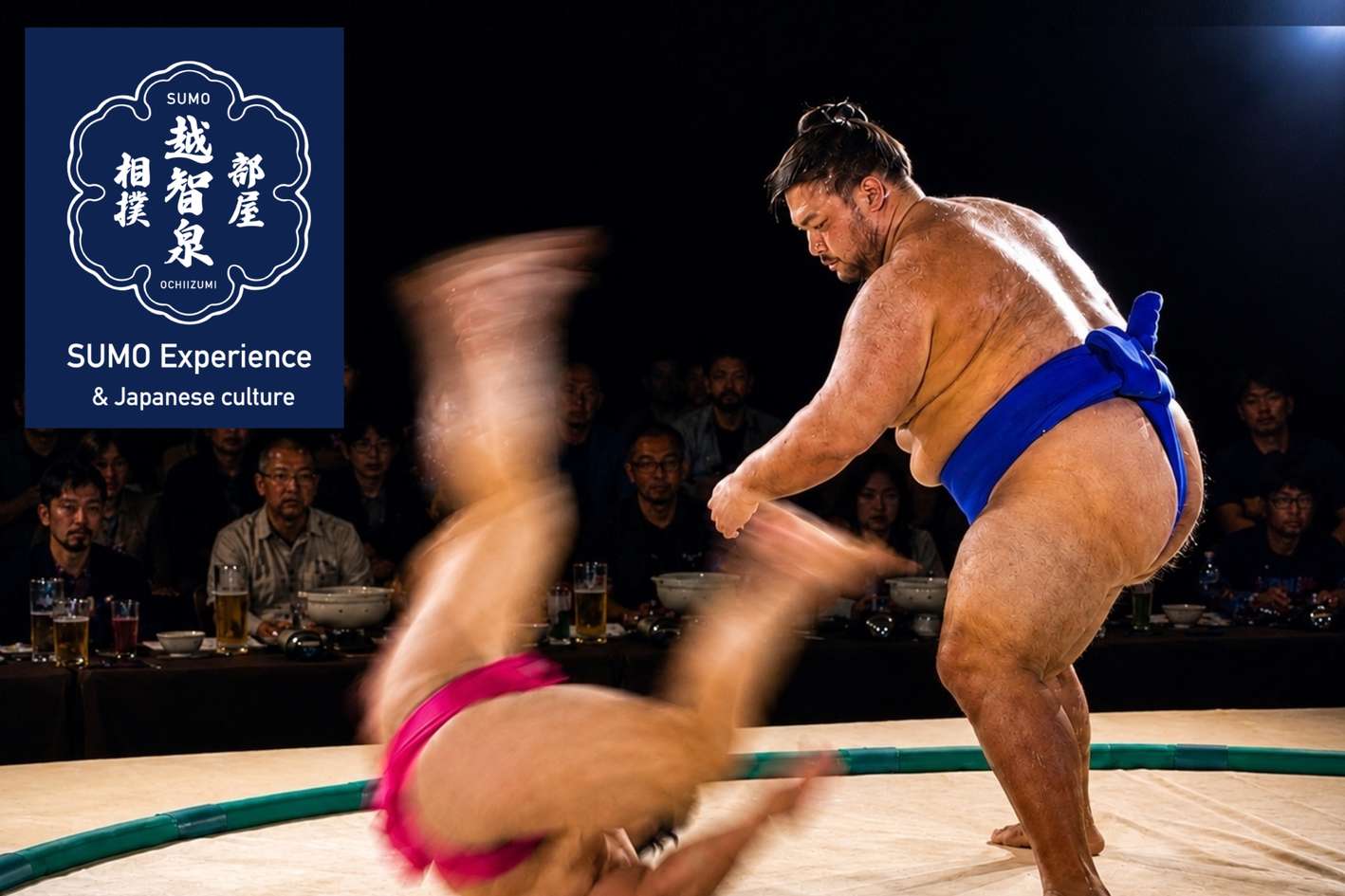
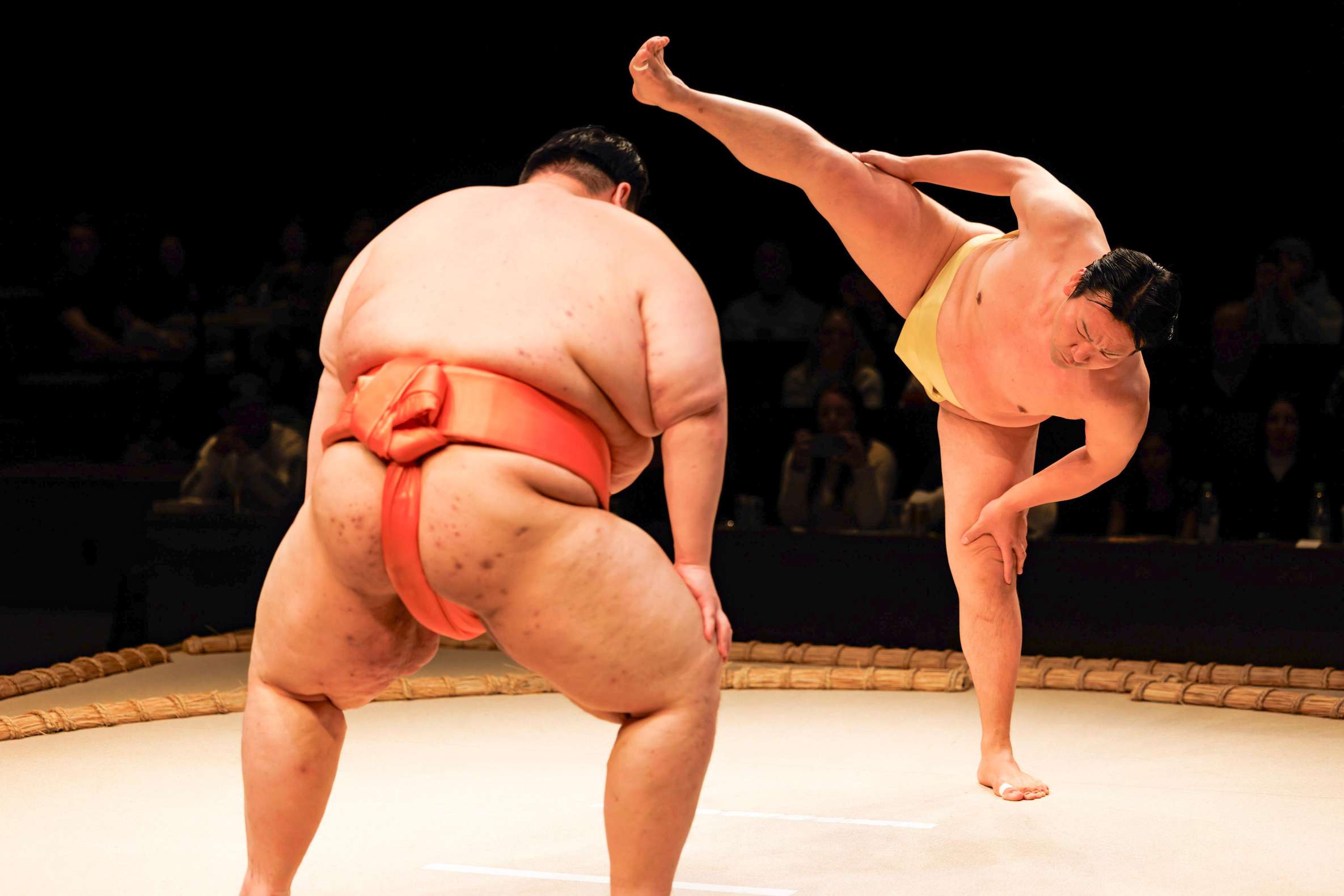
The wrestling itself takes up a slice of the session, not all of it; at exhibition shows the bouts often fill only the last 15 to 30 minutes. That is the deal everywhere in this genre, and the parts around it, the food, the stories, the photo, are what families remember.
The Tokyo venues run fixed sessions. The Signature hall starts its evening show at 6 pm and runs 90 to 120 minutes; the Express hall runs shorter 60-minute sessions at 5 pm and 7 pm. Both are open daily with no holidays.
Osaka is looser. The Hirakuza show may end slightly later than scheduled, and sumo shows in general can start noticeably later than the time printed on the ticket. One traveler reports a 8 pm show that began at 9 pm with people still walking in.
What can derail your evening Shows can start noticeably later than the ticket time Don't stack a tight reservation right after a show evening; arrive 15 to 20 minutes early
So build slack into the night. Put dinner after the show and treat the printed start as a floor, since it can slip. If you arrive late in Tokyo, you may join partway through and miss sections of the program.
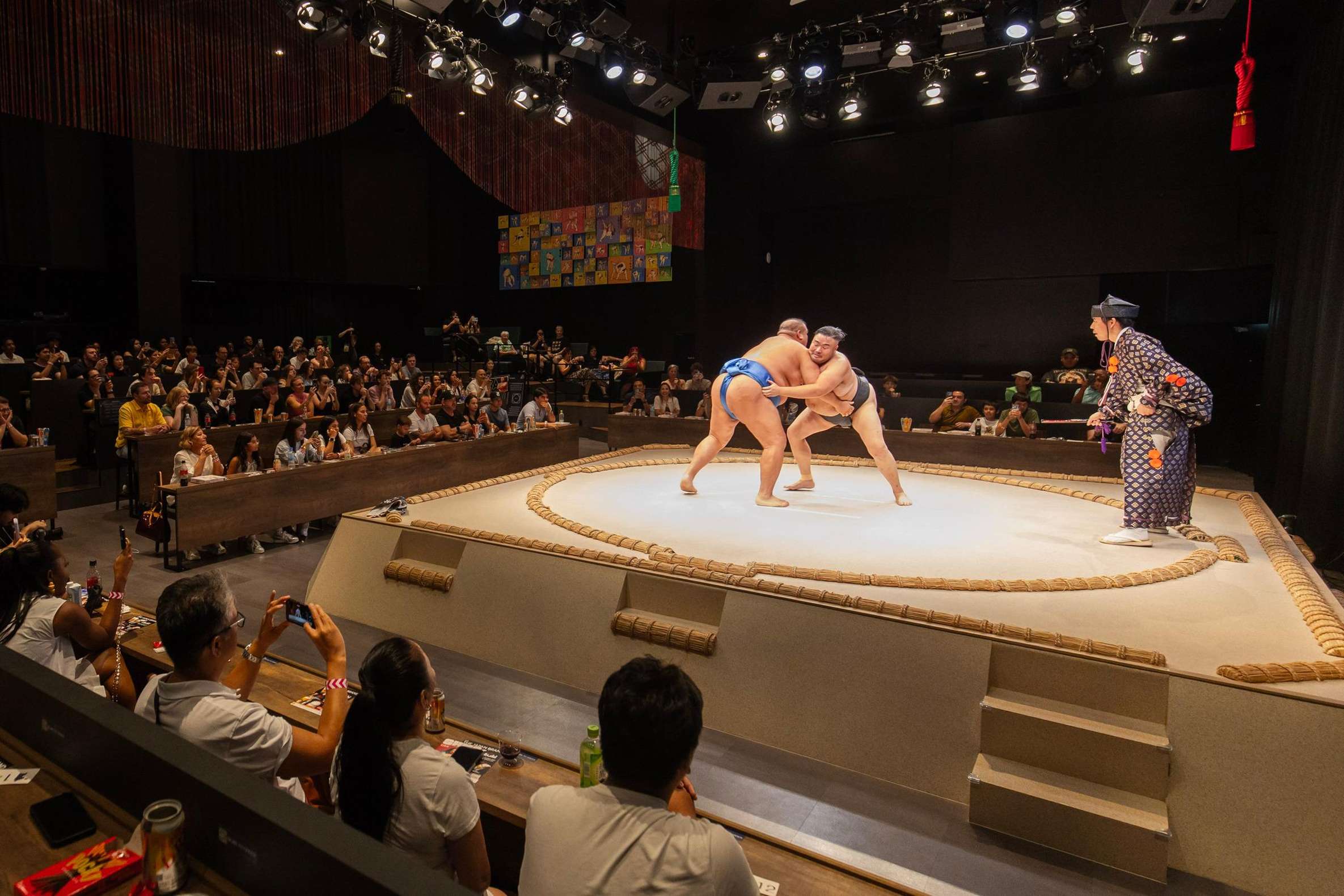
Both adults and children get something here, and the format is built for mixed groups. Children can put on a sumo costume, mock-wrestle a real former pro, pound mochi and take photos, all by raising a hand during the show with no advance reservation.
Infants are allowed with a guardian at all times; at the Tokyo Express, children aged 2 and under watch from an adult's lap.
You raise your hand during the show; if many volunteer, one per group is chosen or a lottery decides
They are the recommended pick with children, safe and roomy
They are stored at the entrance, so travel light
Adults get genuine former-pro skill, which is why the show works without children in the room too. For contrast, other Tokyo shows draw harder lines: the Ginza hands-on plan excludes under-fives and pregnant guests, and some venues are not suitable for wheelchair users, so check the specific show if mobility matters.
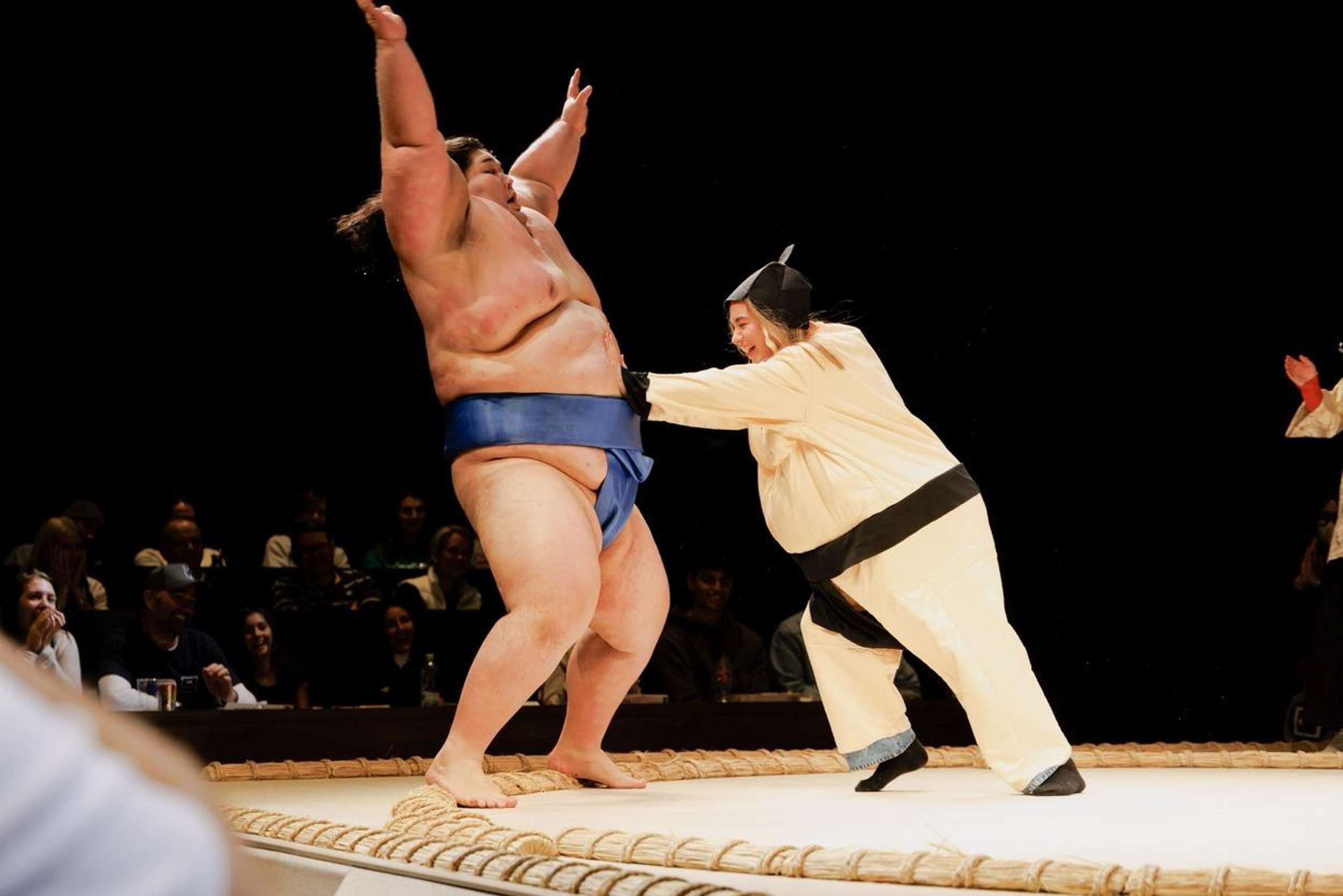
In Tokyo, the two addresses are a minute apart. The Signature venue sits at Takashima Ryogoku Mansion 1F, 4-32-19 Ryogoku, three minutes on foot from JR Ryogoku Station East Exit.
The Express venue is in the Eiko Building at 3-25-8 Ryogoku, one minute from the same exit. Ryogoku Station is about 13 minutes from Tokyo Station with a change at Akihabara, and the Kokugikan arena is a seven-minute walk away.
In Osaka, the hall is on the 8th floor of Namba Parks in Naniwa-ku, walkable from Osaka-Namba, Nankai Namba and the Metro Namba stations. Note the naming trap one more time: the Ryogoku addresses belong to the venue you searched, and the Namba hall is a different operator's show.
Whichever door you pick, both sit on train lines that reach the rest of the city in a quarter of an hour, so neither venue costs you a sightseeing day.
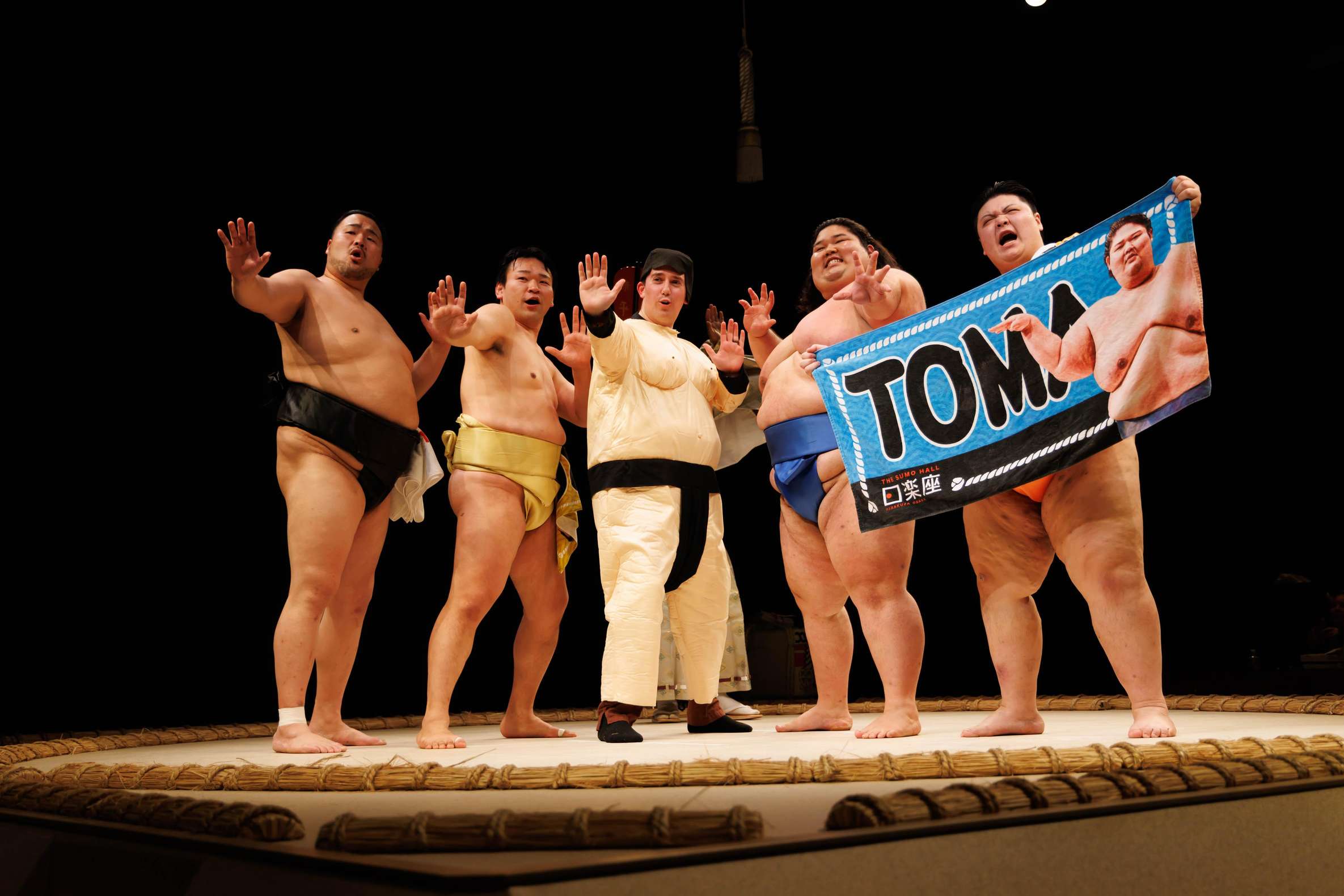
Chanko is the thread through both cities. In Tokyo, the Signature plan serves a soy sauce-based hot pot from an Isegahama Stable recipe, made by a wrestler before your eyes and eaten during the show, with freshly pounded mochi for dessert. The Express plan has no food, and outside food and drinks are not permitted.
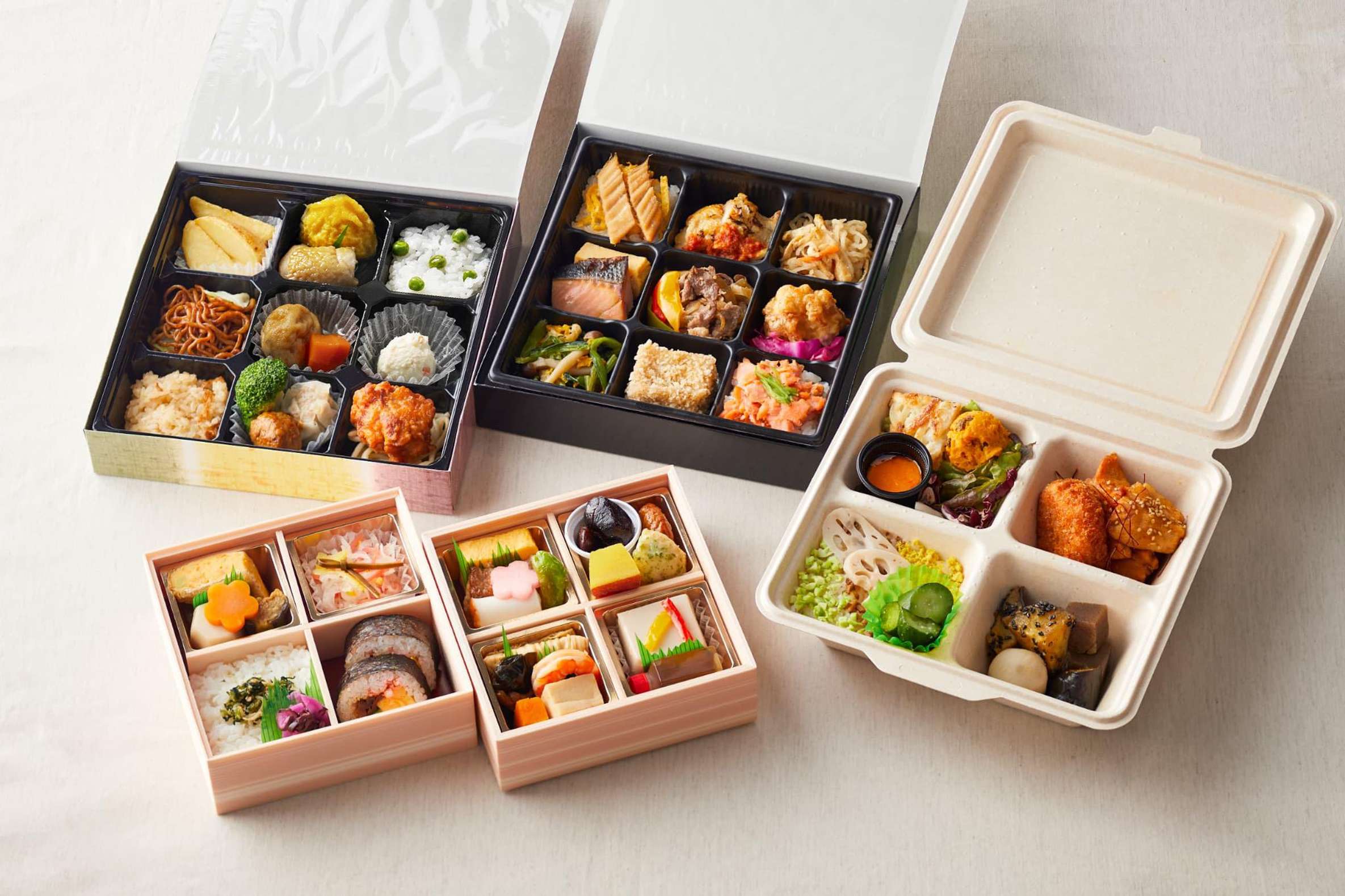
In Osaka, the Sumo Show ticket includes a bento box or snack bag and a drink. The bento must be reserved by 10 am three days before the performance; miss that and you get only a snack bag, and all bento arrive at room temperature.
Chanko nabe, a chicken hot pot, comes with the workshop ticket or can be bought inside during the show.
Every visit ends with a commemorative photo with the wrestlers, taken on your own camera or phone. If chanko is the whole point of your evening, Ryogoku also has the densest cluster of chanko restaurants in Tokyo, including Sumo Chaya Terao two minutes from the station.
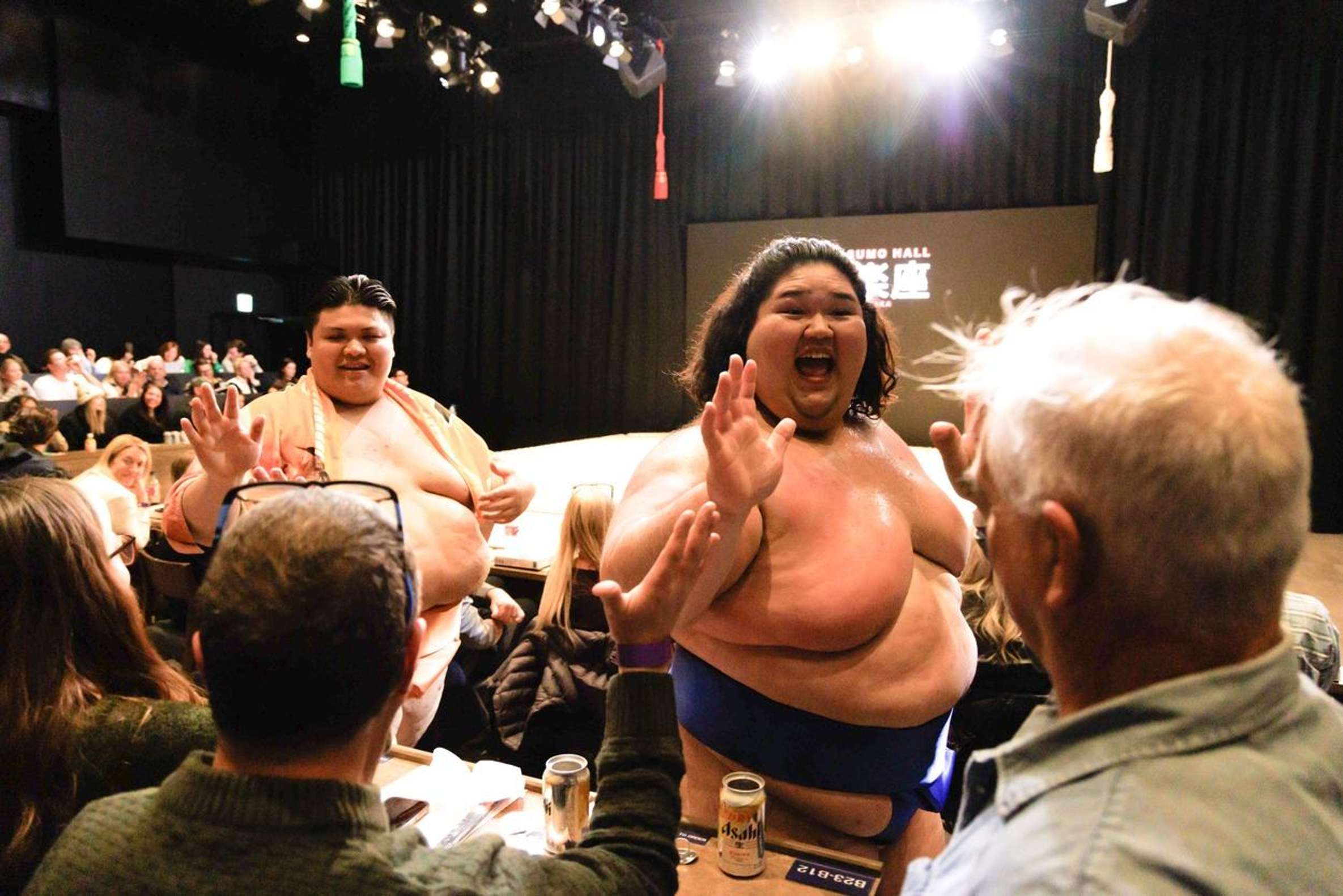
Ryogoku rewards a slow afternoon. Most visitors walk past the small Sumo Museum inside the Kokugikan, the sumo-themed train station next door, and the chanko restaurants run by retired wrestlers. The temple where wrestlers pray before tournaments, Ekō-in, sits in the same few blocks. Asakusa, Akihabara and Tokyo Skytree are all close by train.
Morning practice is the other half of the district. Several stables around Ryogoku open their training to visitors, typically from 6 or 7 am, but only by appointment, and many never open to the public at all.
Book a stable visit about two months ahead, and expect the strictest etiquette in Japanese tourism: silent, still watching, no flash photos, questions saved for the end.
A guided three-hour walk from Ryogoku Station covers the history, the Kokugikan area and a chanko lunch, and works well as a companion to an evening show. Just remember that in tournament months the stables close their doors, so a show is the reliable pick then.
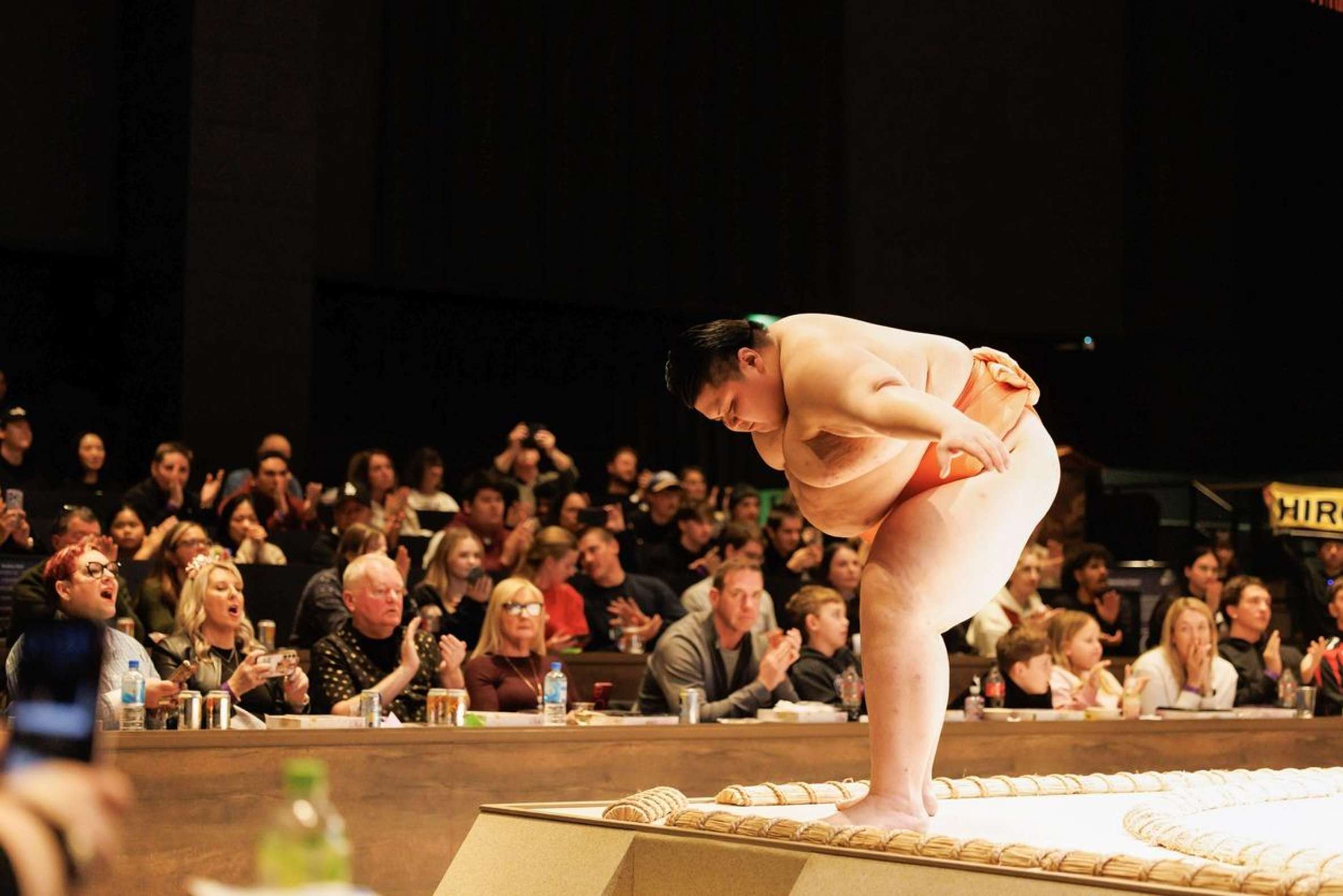
Tokyo runs every day of the year. The Signature venue holds three sessions daily at 11 am, 2:30 pm and 6 pm, the Express five sessions from 10 am to 8 pm, and same-day tickets sell online up to 30 minutes before a show when seats remain.
That flexibility has a limit: in the peak months the seats go, and booking ahead is the safe move.
July: 5 out of 5 for how busy it gets.
Tap a month to read it.
May, September and April run well above an ordinary month, with June, August and October busy too; November, March and the depths of winter are quiet, and July spikes around the Nagoya tournament drawing fans through Tokyo. Fixed dates in a busy month mean booking the moment you have them.
Osaka plays by different rules. Same-day booking stays open online until 3 pm on the day, with leftover seats at the hall from then, so last-minute plans usually work there. Booking early in Osaka matters mainly for the premium front-row seats.
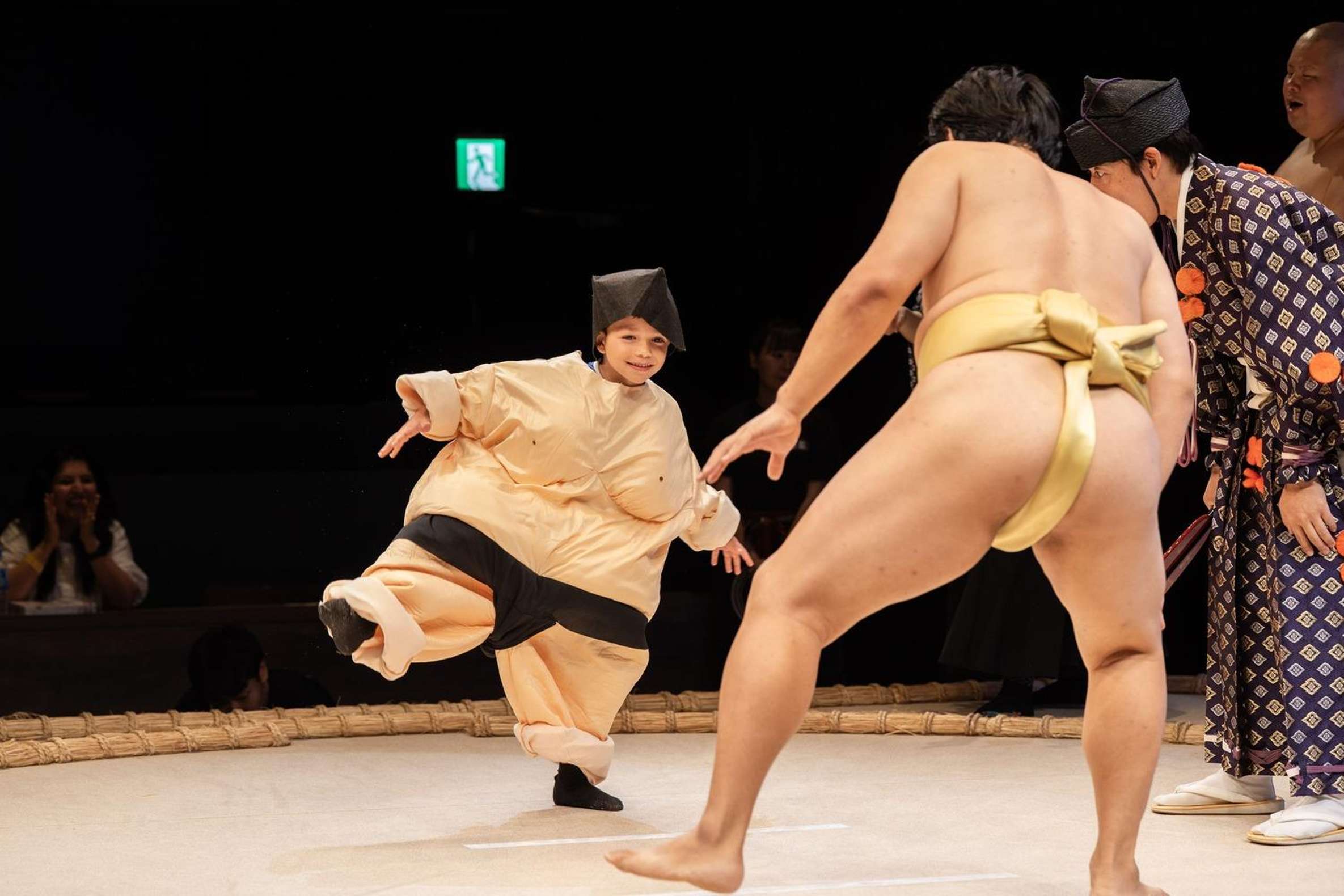
The name you searched leads to Ryogoku, Tokyo, twice over, and the hands-on format with former top-division wrestlers is the stronger pick for families and first-timers. The Osaka hall is a fine evening out, but it is a different operator's show. Book Tokyo ahead in the peak months, Osaka can wait until the day.

Work out which cities host live sumo during your travel dates, tournament or not.

Compare every way to watch sumo in Tokyo, from Ryogoku shows to guided arena visits.
See what Osaka offers year-round, including the Namba entertainment shows near your search.
Find out which sumo experiences run in Kyoto and how they differ from Tokyo's.

Plan a Fukuoka sumo outing, including the November tournament window and morning practice.

Check what the Sapporo sumo show involves and when its three daily performances run.
Sort out the difference between watching a show, joining a class and visiting a stable.

Picture a sumo outing near Mt Fuji, with matches, rituals and photos at Lake Yamanaka.

Compare hands-on sumo classes in Tokyo and Osaka if you want to try the moves yourself.

Choose a guided way to watch real morning training at a Tokyo sumo stable.
See how dressing up in sumo attire fits into a Tokyo show or experience.

Go deeper into sumo's traditions with a Tokyo masterclass and chanko nabe lunch.
Get the full annual tournament schedule and host cities in one place.

Pin down Tokyo tournament dates, the Kokugikan venue and how tickets sell out.
Check the Osaka tournament's March venue and schedule before planning around it.

Get Fukuoka's November tournament dates and venue details for your Kyushu trip.

Understand Nagoya's July tournament, its tickets and how to secure a seat.
Learn what the Minoh Expo tournament near Osaka is and whether you can watch it.
Decide whether a guided tournament visit suits you better than buying seats alone.

See how a guided Nagoya tournament visit works and whether it fits your July dates.

Weigh a guided Osaka tournament outing with tickets against arranging seats yourself.

Find out what a guided Tokyo tournament visit to the Ryogoku arena includes.

Map out where real morning training happens across Japan and how to visit.

Pick a guided Tokyo stable visit and learn the etiquette before you go.

Understand why morning practice in Osaka is rare outside the March tournament.

Compare Kyoto's training visit options and decide between practice and performance.
Work out what a sumo show includes and where the good ones run.

Find a premium Tokyo sumo evening with wagyu, drinks and front-row seats.
Compare Tokyo's sumo shows in Ginza, Shinjuku and beyond before booking.
Choose an Osaka sumo show, from Namba theater formats to restaurant venues.

Confirm what Kyoto's sumo shows involve and pick the evening that suits you.

Check the Sapporo show's food, format and current availability before you plan.
Find a Tokyo outing that pairs a live sumo show with a chanko nabe lunch.
Turn a sumo-themed dinner in Osaka into a specific evening you can book.

Compare every way to watch and try sumo in Japan before committing to one.

Get quick answers on sumo rules, match length and daily schedules for Tokyo.

Plan around the Tokyo sumo museum's hours and find museum options elsewhere.

Explore Ryogoku, Tokyo's sumo district, and what to see beyond the arena.
Short answers to the things people ask before booking: locations, show times, food, kids and photos.
Both venues sit in Ryogoku, Tokyo, not Osaka. One is at Takashima Ryogoku Mansion 1F, 4-32-19 Ryogoku in Sumida-ku; the other is at Eiko Building 2-3F, 3-25-8 Ryogoku. Each is a short walk from JR Ryogoku Station East Exit, and the Kokugikan arena is about seven minutes away on foot.
There is no venue of this name in Osaka. If you searched for an Osaka sumo show, you are likely thinking of a separate entertainment hall in Namba, which runs its own program with former wrestlers, a bento or snack bag and a commemorative photo.
The two Ryogoku venues in Tokyo are the ones covered here.
Signature runs 90 to 120 minutes and adds chanko hot pot dining, mochi pounding with the wrestlers and a souvenir gift. Express is a 60-minute session with the show and hands-on sumo only, no meals, which makes it easy to slot into a day of Tokyo sightseeing. Both run daily with no closed days.
At the Signature venue the evening show starts at 6 pm and runs until about 8 pm. At the Express venue the evening sessions are shorter, starting at 5 pm and 7 pm, each lasting one hour. Arriving a little early helps you settle in before the ring action begins.
They are former professional sumo wrestlers, some of whom competed in the top Makuuchi division, and the experience is supervised by the 63rd Yokozuna Asahifuji. The bouts are staged for entertainment, yet the skill on the ring is genuine, and you can step up for a mock match against one of them.
Children are welcome to join the sumo match and, at Signature, the mochi pounding. Kids can put on a sumo costume and wrestle a former pro, then pose for photos.
You cannot reserve these spots in advance; raise your hand during the show, and if many want to join, a lottery or one representative per group decides. Infants may attend with a guardian, and at Express children two and under sit on an adult's lap.
Yes. Both plans end with a photo session where you can take pictures with the former wrestlers using your own phone or camera. At Express the photos come after the hands-on experience.
What the ticket price covers beyond the session itself is not stated, so treat the photos as part of the visit rather than a guaranteed takeaway.
If your Tokyo dates overlap a grand tournament in January, May or September, buy a tournament seat, since a show cannot match a full day of ranked bouts.
Outside those months a show is the sumo you can actually see in the city, and this one suits first-timers and families who want close contact with the wrestlers. Read a short primer beforehand if you want deeper detail on rules and rankings.
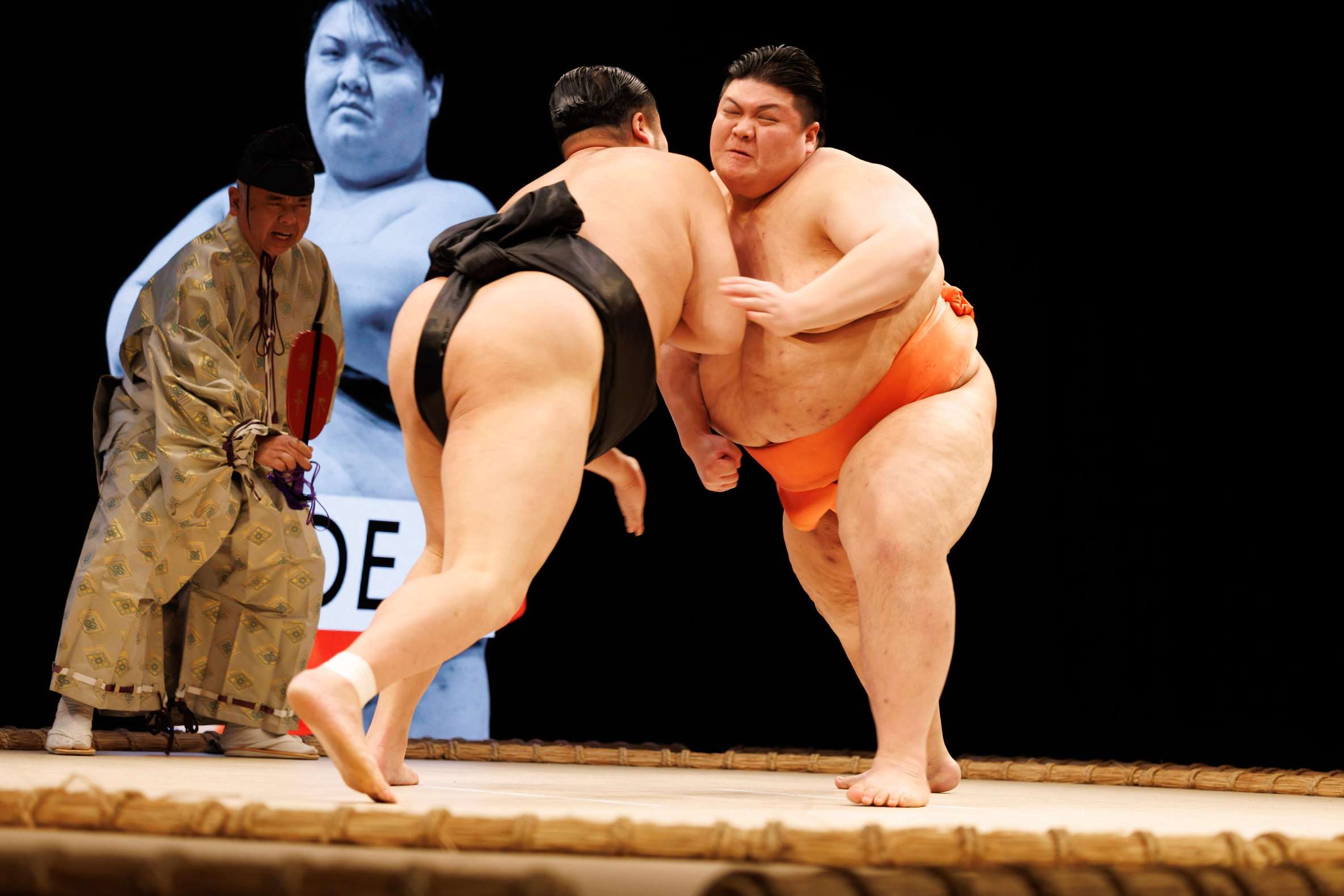
Former pros wrestle on an elevated stage at Namba Parks while you eat, and your booking includes a commemorative picture with the wrestlers, so reserve your seat today.

