




2 - 3 hours·English
4.2(24)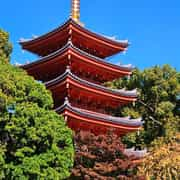
Fukuoka: Morning Sumo Practice and Hakata Old Town
Witness Sumo Morning PracticeExplore Historic Hakata Old TownImmerse Yourself in Local Culture
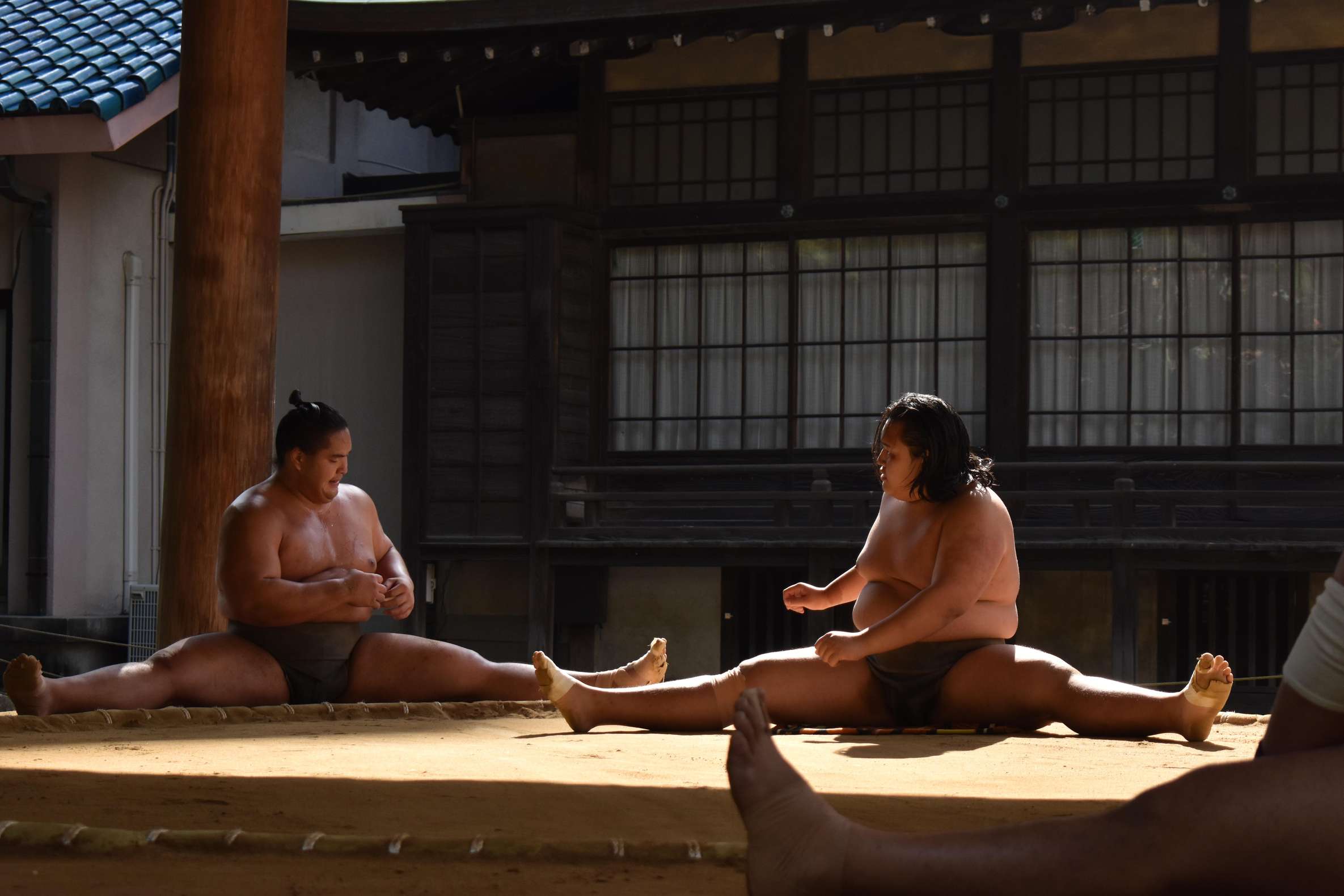
Book the real thing - a guided morning practice at a working sumo stable in Fukuoka, open during the November Kyushu tournament, with a walk through Hakata Old Town after. Kyoto's own listings bring retired wrestlers, chanko nabe and a geisha dance to your evening. Choose the visit that matches your trip and reserve it now.
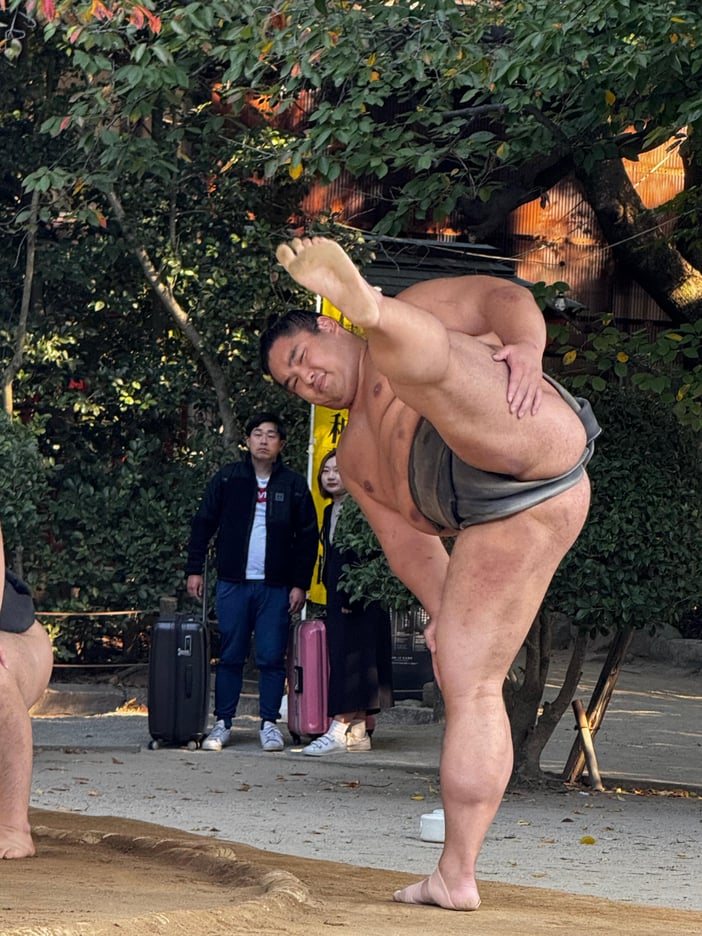
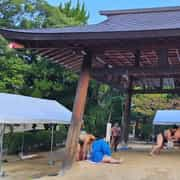
"Loved watching the sumo wrestlers train outside their dojo. Our guide knew his stuff and was friendly. Walking pace was just right too"
Kyoto has no sumo stables that open their doors to visitors, so real practice means leaving the city. The city's two daily shows with retired wrestlers fill the evenings, and the genuine training sits a train ride away.
No Kyoto stable accepts visitors, so every bookable sumo experience in the city is a show with retired wrestlers.
Real morning practice runs roughly 7 am to 10 am, and there is no evening session anywhere in Japan.
The closest real practice to Kyoto is in Tokyo's Ryogoku district, or in Osaka, Nagoya and Fukuoka around their tournament months.
Jungyo regional tour events, some about 90 minutes from Kyoto, let you see top wrestlers between tournaments if you plan late.
A Kyoto sumo show with chanko nabe and a geisha dance is a good night out for families; morning practice is for the dedicated.
Book for a November date and keep the morning flexible: if training is called off you still get the full Hakata Old Town walking tour, and the Kyoto sumo shows run all year.
Start with the fact that shapes everything else: Kyoto hosts no grand sumo tournament and has no sumo stables that welcome visitors. The wrestlers you would want to watch train live in Tokyo, Osaka, Nagoya and Fukuoka, and they move with the tournament calendar.
What Kyoto does have is a pair of sumo shows, both performed by retired professional wrestlers, both running daily. One pairs the bouts with an all-you-can-eat chanko nabe hot pot and a geisha dance; the other puts you on a real dohyo to push a wrestler yourself, with a traditional meal alongside.
In Kyoto you book an evening; the morning belongs to other cities. The choice comes down to how much the real thing matters to you, and how much travel you will trade for it.
The chicken hot pot show runs two hours and packs a lot in. You eat unlimited chanko nabe, the hot pot that feeds sumo wrestlers, with drinks included, while retired professionals demonstrate techniques, wrestle a best-of-three match, and take on volunteers from the audience.
A geisha performs a traditional dance during the evening, and you leave with a souvenir gift set. English commentary explains the rules and history as it goes.
The participative experience near Kyoto Station is the one for people who want to get physical. You wear an authentic mawashi belt, step onto a real dohyo, and challenge a wrestler in the ring, guaranteed if you want it.
It is seven minutes by subway from Kyoto Station and a one-minute walk from Marutamachi Exit 6. Sessions run at midday, late afternoon and a 9:30 pm late show without dinner.
Neither is a tournament. Both are entertainment performed by former pros, and travelers who go in knowing that tend to rate them highly.
Both Kyoto venues run daily, with three sittings. The chicken hot pot show holds slots at noon, 3:30 pm and 7 pm, so a lunchtime show exists as well as the evening one.
The participative venue serves full meals at the noon and 6 pm sessions and light snacks at 3 pm. Closures are listed only as irregular holidays, so expect the occasional one-off dark day and check the calendar for your date before booking.
Families are welcome at both. The chicken hot pot show takes children with age bands of 12 to 99 and 11 and younger, and is not suitable for babies under one.
At the participative venue, children can join from age two, with four and up recommended, and kids twelve or under need a private booking with a supervising adult.
There is no dress code. Wear something comfortable you can move in, especially if you want the ring challenge, and a colourful top makes a better photo in the mawashi belt. Book a few days ahead; the venues are small and shows fill up, though same-day booking with instant confirmation has been possible when checked.
If the real thing is what you are after, the clock decides before anything else does. Sumo training at a stable is a morning-only activity.
Sessions run roughly from 7 am to 10 am, the tours that visit active stables set off around 7:30 am, and by about 9 am you are usually done. There is no evening practice anywhere in Japan.
What runs at night is something different by definition. The sumo shows in Kyoto, Tokyo, Osaka and Sapporo are entertainment performances by retired wrestlers, with food, geisha and audience challenges built in. One tour operator says outright that its show is not the serious morning practice.
So the two wishes stand or fall together. If you want to watch wrestlers train for real, you are committing to an early morning, and in Kyoto's case to leaving the city for it.
If your trip runs on evenings, a show is what the schedule allows, and the good ones make a genuinely fun night of it.
Tokyo is the year-round answer. Most stables cluster in the Ryogoku district, guided visits run there outside tournament months, and one stable, Arashio-beya, lets anyone watch morning practice through an open window just by turning up early, no booking needed.
It is home to the Wakabros, so at least one top-division wrestler is guaranteed at the window, and stars like Kirishima and Hoshoryu sometimes train there too.
The other cities work on the tournament calendar. Osaka's stables move to the city in late February and some open practice from early March until the tournament starts; outside that run-up, morning practice in Osaka is largely unavailable.
Nagoya hosts every stable for about a month around the July tournament, and Fukuoka's practice viewing runs during the November tournament season.
Weigh that against a Kyoto base. Tokyo is a Shinkansen ride and a very early alarm. Osaka and Nagoya work only in specific weeks. Fukuoka demands an overnight stay, because the earliest train arrives after practice ends.
Between the six annual tournaments, the top wrestlers go on regional exhibition tours called jungyo, and some of those events land within reach of Kyoto. The Sakai sumo center near Osaka, a jungyo venue, sits only about 90 minutes away, close enough for a day trip.
Jungyo events are open to visitors and are a genuinely fun way to see the top names outside the basho months. Expect mostly the salaried sekitori wrestlers, with a few lower-division men there in a support role, though they still bout and train.
Timing is the constraint. Local promoters announce jungyo schedules only up to about six months ahead, and the Japan Sumo Association confirms them roughly two months before each tour.
You cannot plan a spring trip around a jungyo date in January. The way to play it is to check the Association's jungyo page once your dates are near and build a day trip around whatever is confirmed.
The dream version of this trip is a dawn Shinkansen to Fukuoka, a real stable practice, and the rest of the day in Hakata. The timetable kills it. The earliest train leaves Kyoto at 6:55 am and reaches Hakata at 9:39 am, and the fastest trains take about two and a half hours.
Practice happens before that: travelers report the training takes up roughly the first hour and a half of a roughly three-hour tour, so the bouts are over before you arrive.
Driving is worse. The route runs 645 km and takes nearly eight hours by car without traffic, which is not a morning detour by any measure.
So real Fukuoka practice means an overnight stay, timed to the November tournament season when the practice tour operates. If you are already planning a Kyushu leg of your trip, that is a reasonable ask.
If you are based in Kyoto for a week and hoping to slot practice in as a morning excursion, the honest answer is that it does not fit.
A stable is a private workplace where wrestlers live and train, and the etiquette reflects that. You are a silent, still observer: no talking, not even a whisper, no moving around, no flash photos, no eating or drinking, and no camera shutter sounds.
Shoes come off at the entrance, you sit on the tatami floor without a chair, and you never step on the dirt practice surface or point the soles of your feet at the ring.
Phones go off, hats and sunglasses come off, and you stay until practice ends.
Regular cameras, including DSLRs, are fine without flash, and you can get good shots from your seat. Save your questions for the end, when the guide translates and the wrestlers may chat and take selfies with visitors.
Women watch freely. Professional sumo's restriction applies to entering the ring, and spectating is open to everyone, so women are welcome at stable practice tours, watching from designated seating at some stables.
Young children are the honest limit. Kids who can sit quietly are welcome on practice tours, paying the same fee as adults. A child who cannot stay silent and still will have a far better time at a show or a tournament, where shouting along is part of the fun.
Two filters decide whether a practice visit happens at all: demand and the tournament calendar.
On demand, travelers book stable visits about 58 days ahead on average, and operators suggest getting in touch within three months of your date, because stables often finalise their schedules only about a month beforehand. April and October are the busiest months, with May close behind; February, December and January are the quietest.
On availability, the calendar bites harder. Tokyo stables close to visitors when the wrestlers travel to away tournaments in March, July and November, so whole months offer no morning practice in Tokyo.
During a tournament month, stables do only light practice and most shut their doors entirely. One Tokyo stable tour stops running in every odd-numbered tournament month.
Cancellations happen too, sometimes on the day, if a wrestler is injured or a tournament schedule shifts. Tours can be cancelled up to 24 hours ahead for a full refund, and if a stable cancels a session you are notified immediately and get a refund or an alternate experience at no extra cost.
April: 5 out of 5 for how busy it gets. Busiest month of the year and one of the most reliable for practice, so book well ahead.
Tap a month to read it.
February is one of the quietest and best months: practice runs normally, crowds are thin, and late February is an off-week between tournamen….
Tap a month to read it.
Read the two layers together and the pattern is clear: the busiest booking months, April and October, are also months when practice runs well, while the tournament months show practice squeezed or closed.
If your trip lands in January, May or September, a show becomes the realistic sumo plan; in February or December, a stable visit is easier to arrange than the crowds suggest.
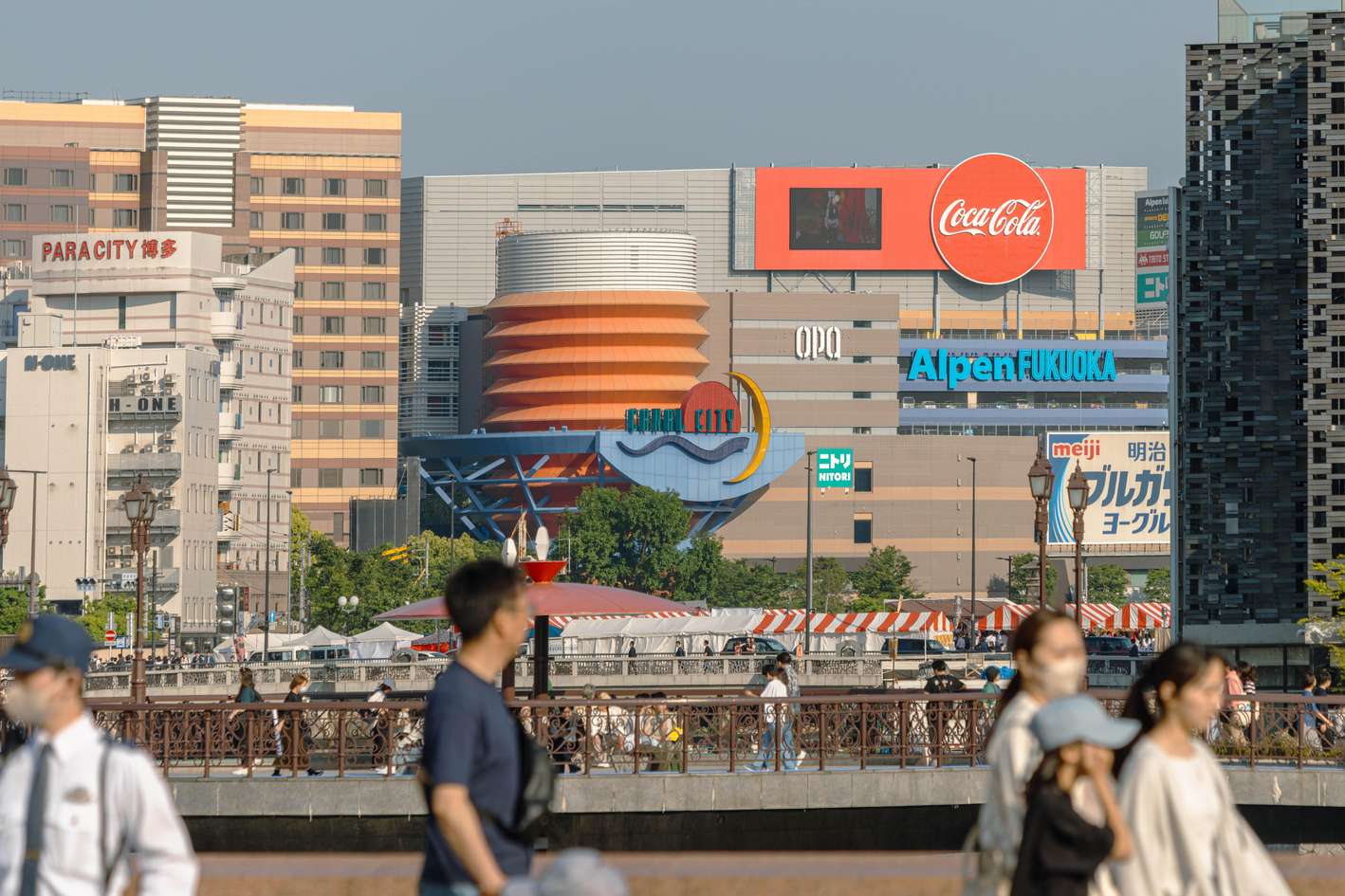
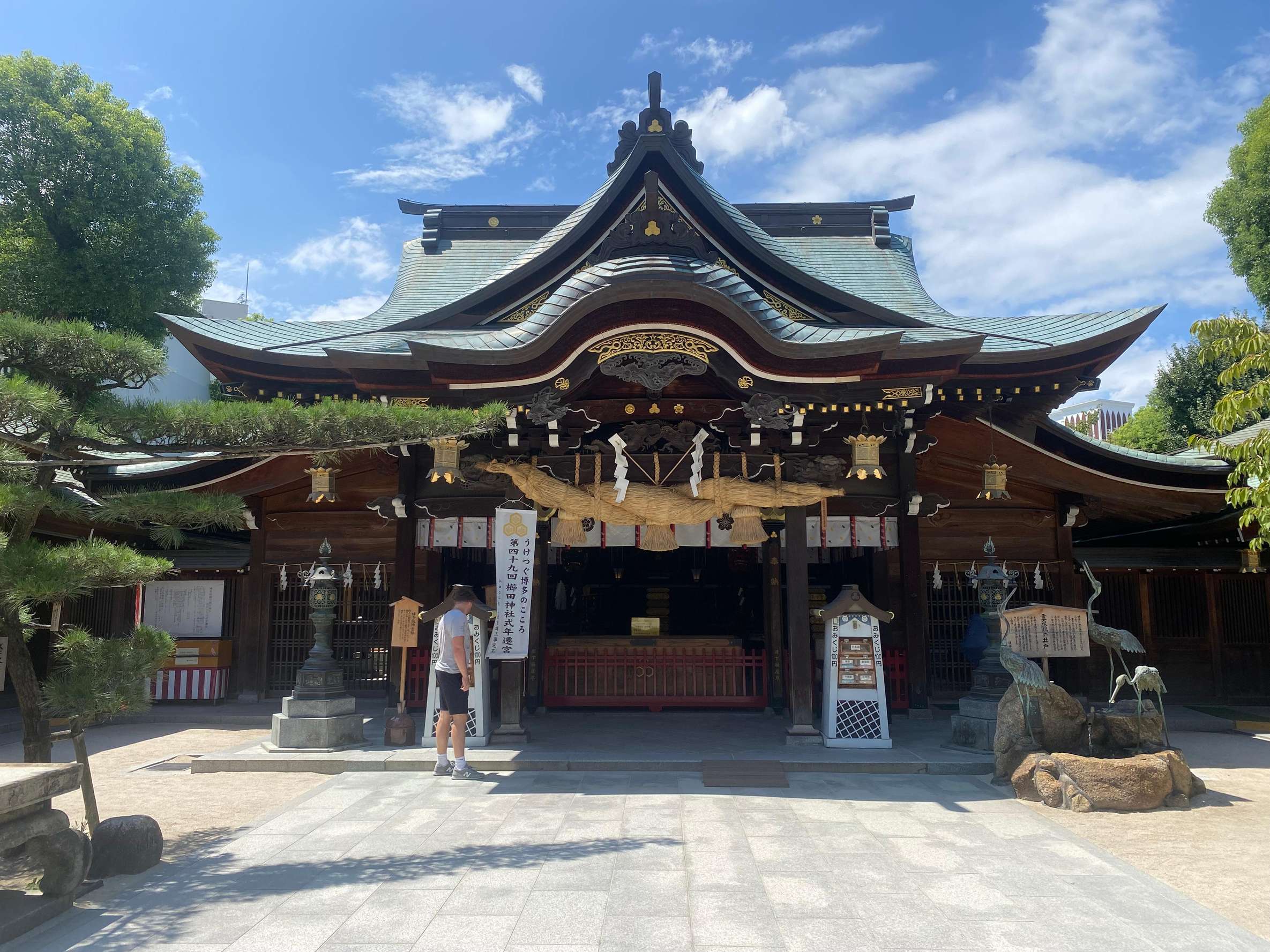
If you do commit to the November trip, the practice morning extends naturally into a full day, because Hakata Old Town sits within walking distance of Hakata Station. The same sights the guided tour covers are easy to revisit on your own before or after practice.
Kushida Shrine anchors the district, and Tochoji Temple holds one of Japan's biggest Buddha statues. Shofukuji is Japan's first Zen temple, and Jotenji carries a monument marking the birthplace of udon and soba. The Hakata Sennen no Mon gate ties the walk together, and the whole route links into a short cultural circuit.
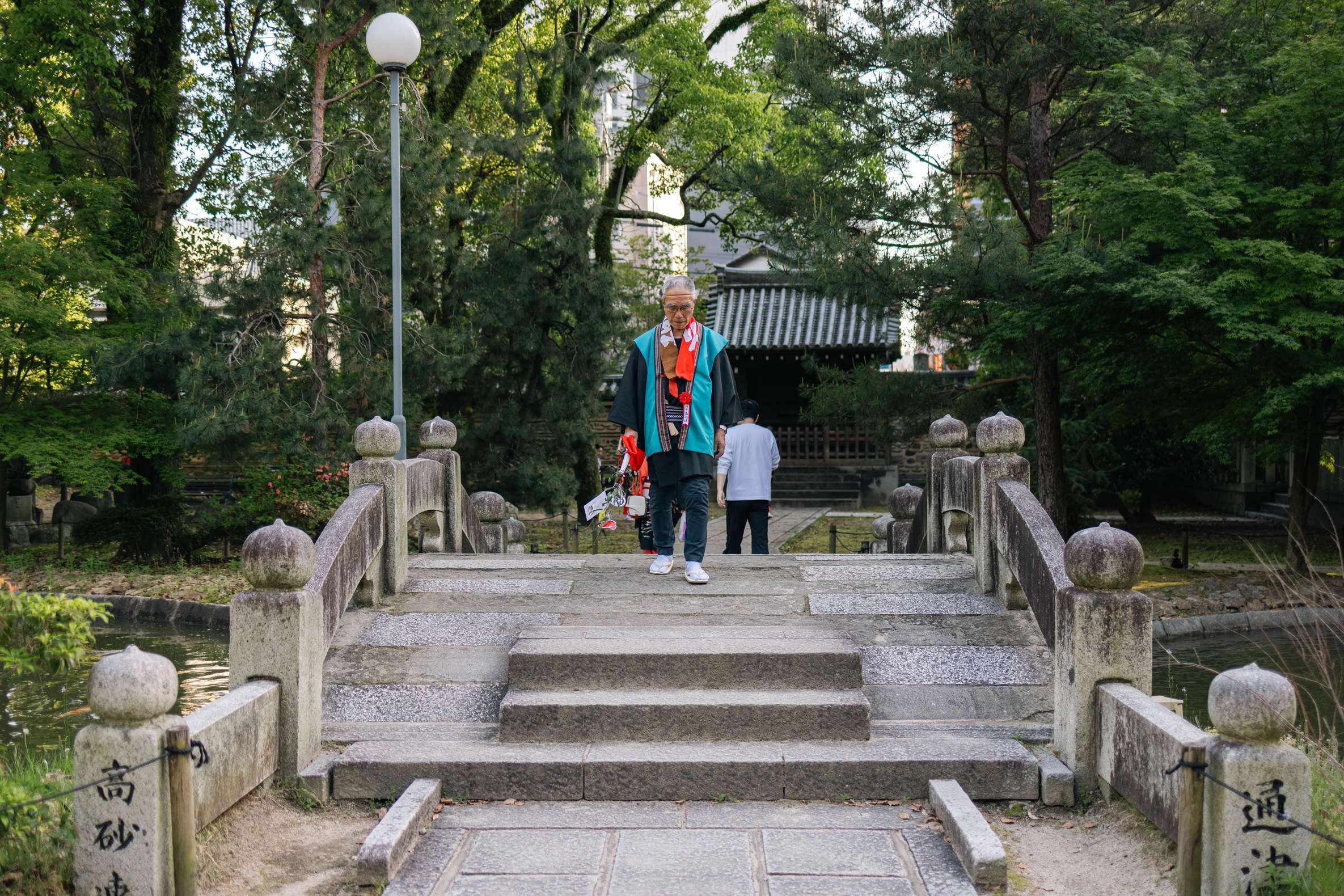
Travelers on the tour describe the old town as shrines and Zen temples mixed with modern buildings, and that mix rewards a slow afternoon.
Arrive the night before for the 7:30 am practice, spend the morning at the stable, and give the old town the afternoon. That turns a train-and-alarm ordeal into one of the better days you can build around sumo in Japan.
The choice comes down to what you want from the two hours. Real stable practice is quiet, close and unfiltered: warm-up drills, then roughly an hour of full-intensity sparring a few metres from where you sit.
A Kyoto show is loud, funny and fed: retired wrestlers, a best-of-three match, a geisha dance, unlimited chanko nabe, and a ring challenge if you want one.
| Real training or show | Where it happens | What's included | Who it suits | |
|---|---|---|---|---|
| Fukuoka stable practice | Real training | Fukuoka, Japan | Practice + Hakata Old Town walk | Hardcore sumo fans |
| Kyoto sumo show | Staged show | Kyoto, Japan | Chanko-nabe + geisha dance | Families welcome |
| Kyoto sumo experience | Staged show | Kyoto, Japan | Meal + step in the ring | All ages |
Neither is better in the abstract. The practice suits people who care about sumo itself and can work around a 7 am start and a city that is not Kyoto. The shows suit families, first-timers and anyone whose evenings are the free part of the day.
The participative Kyoto experience sits between them: staged, but with a real dohyo under your feet and a wrestler across from you, which is more sumo than most visitors ever touch.
If sumo is the reason for part of your trip and your dates are flexible, chase the real thing: a stable practice in Tokyo's Ryogoku district outside the January, May and September tournaments, or the Fukuoka practice in November with an overnight stay. Add a jungyo event near Osaka if one lands near your dates.
If you are staying in Kyoto, travelling with family, or simply want a good evening, book the show and enjoy it for what it is.
The chicken hot pot and geisha evening is the fuller night out; the participative experience near Kyoto Station is the one that puts you in the ring. Both run daily, both welcome children, and both are performed by retired professionals who know how to work a room.
Many visitors call a sumo experience a highlight of their trip even knowing little about the sport beforehand. Made with open eyes, either choice is a good one.
Kyoto will not give you real sumo practice, because no stable there opens to visitors. What it gives instead is a daily show with retired professionals, a hot pot dinner and, if you want it, your own turn in the ring.
For the genuine article, plan a Tokyo morning outside the tournament months, or an overnight in Fukuoka in November.

A two-hour Kyoto show with retired wrestlers, a geisha dance, chanko nabe and a lottery ring challenge.
Read the guide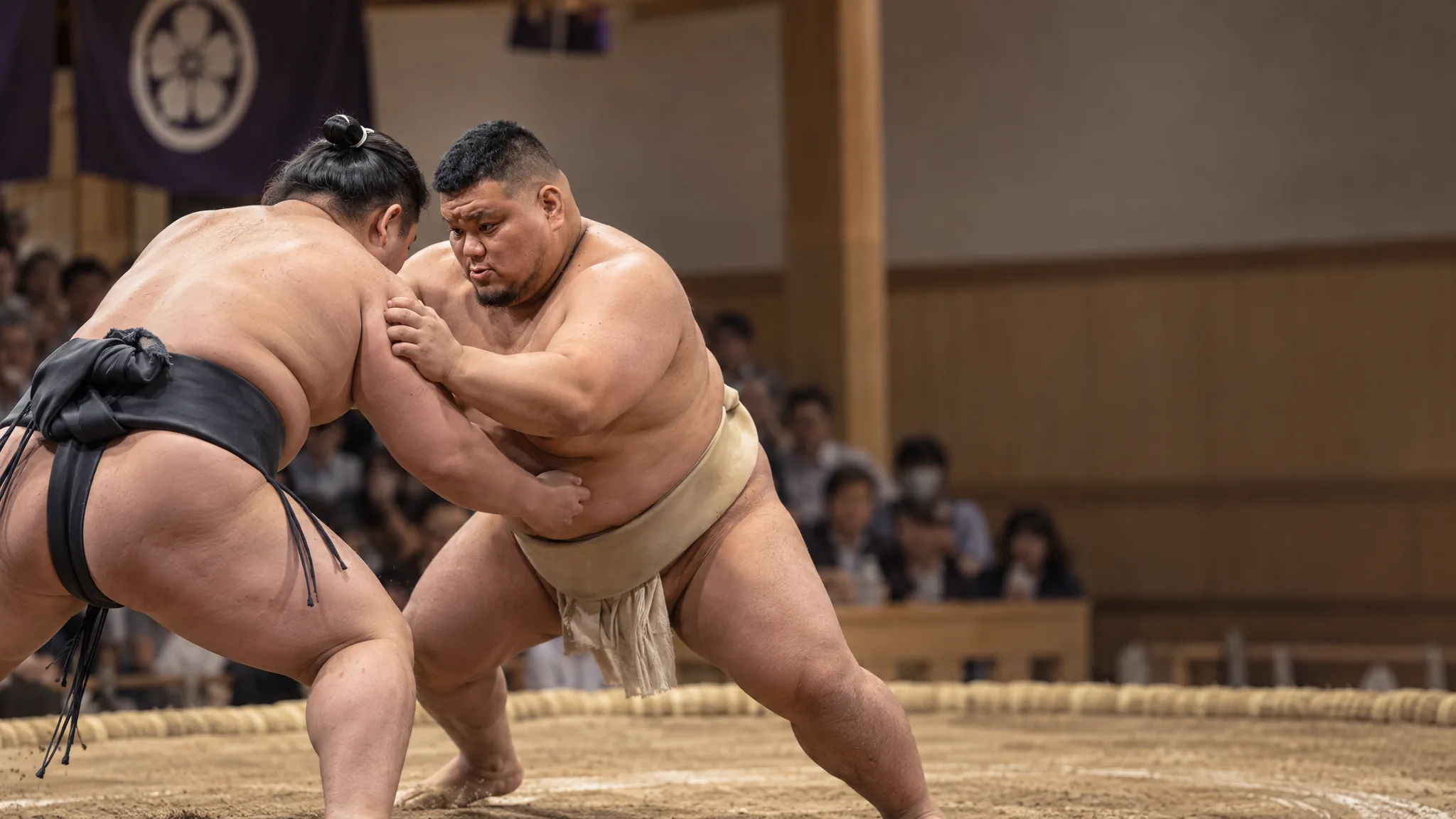
Shows and hands-on sumo activities in Tokyo, Osaka, Kyoto and near Mt Fuji, compared in one place.
Read the guide
Guided morning visits to Tokyo stables, meeting at Ryogoku Station at 7:45 am for two hours of training.
Read the guideOsaka's sumo shows run all year; the bookable real practice visit runs in Fukuoka each November.
Read the guideThe pages below compare Kyoto's sumo shows with real stable practice visits in other cities, so you can pick by travel time and by what you want to watch.
Retired pros, a geisha dance and all-you-can-eat chanko nabe in two hours
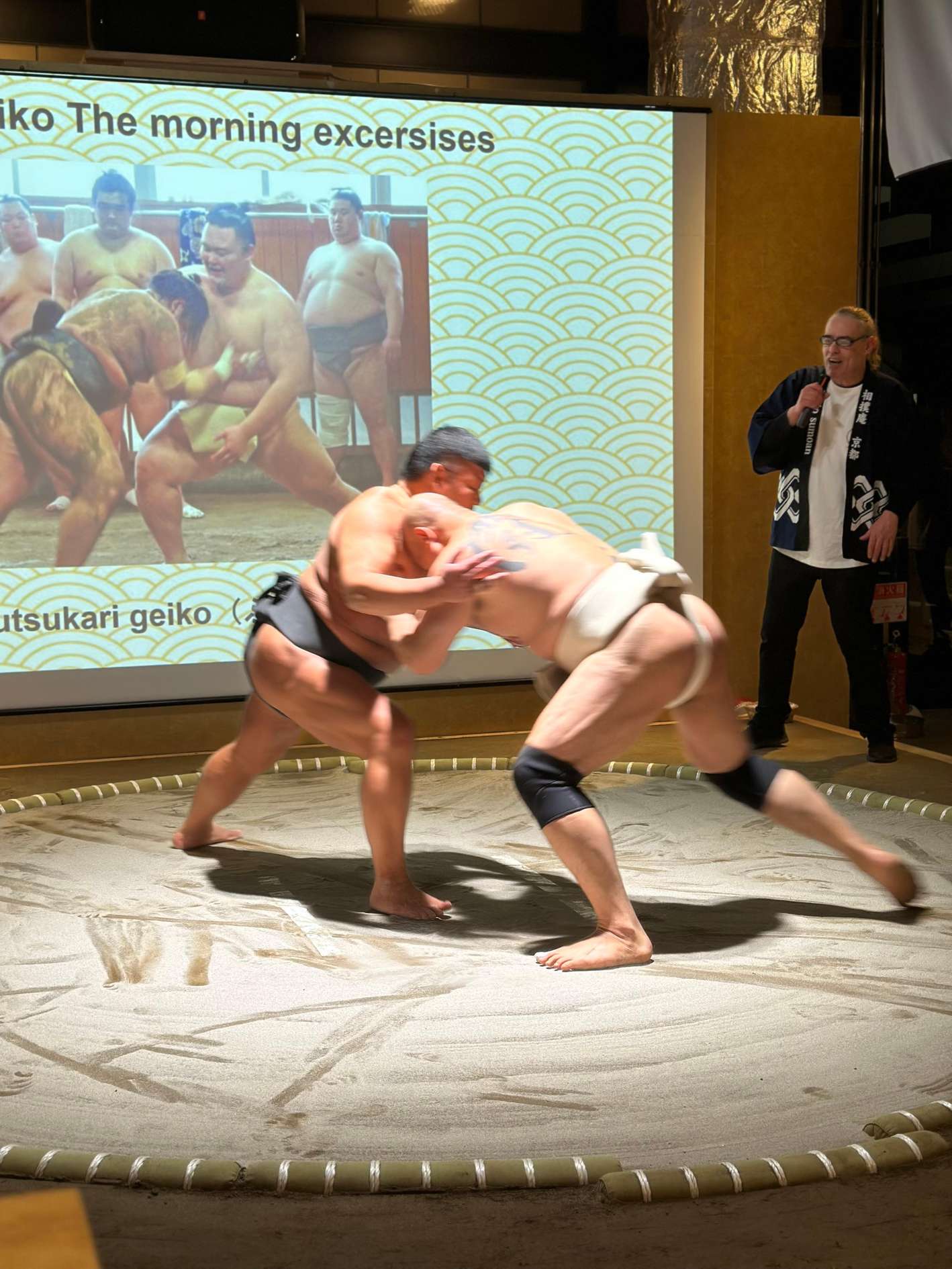
The show runs on the 5th floor of a building near the Montbell store, and it packs a lot into two hours: retired professional wrestlers demonstrating techniques, live English commentary, a geisha dance, and all-you-can-eat chanko nabe.
A few guests per show get picked by lottery to step into the ring. People who went call it a highlight of their time in Kyoto, even those who arrived knowing little about sumo.
It is family friendly, with age bands covering children, though babies under 1 year old stay home. Sessions run daily, so it slots into almost any Kyoto itinerary. Book a few days ahead because shows fill up, though same-day spots have been available with instant confirmation.
Compare shows, classes and activities across Japan's sumo cities

Shows and hands-on activities run across Japan: Shinjuku, Shibuya, Ginza, Asakusa, Tokyo Tower, Osaka, Kyoto and even beside Mt Fuji. Most last 1.5 to 2 hours, hosted in English, with retired wrestlers demonstrating throws, salt rituals and shiko stomps. At several shows you can join a ring challenge, sometimes chosen by lottery.
The hosts explain rules, history and etiquette in a way newcomers follow easily, and photos with the wrestlers close the visit.
This page helps you pick the format: a seated show with dinner, a hands-on class, or a private outing with hotel pickup. If watching wrestlers train for real is the goal, the practice pages suit you better.
 1.5 hours · ★ 4.9 (3,242)Tokyo: Shibuya Sumo Show with Experience & PhotoFrom $49
 50 minutes · ★ 4.9 (15)Mt Fuji Sumo | Photo with Wrestlers, Family & VIP, YamanakaFrom $51
 3 hours · ★ 4.9 (6)Tokyo: Discover the World of Sumo History & LunchFrom $89 1.5 hours · ★ 4.9 (9,863)Tokyo: Shinjuku Sumo Show & Experience with a PhotoFrom $49
Real stable training in Tokyo, watched in silence from close to the ring
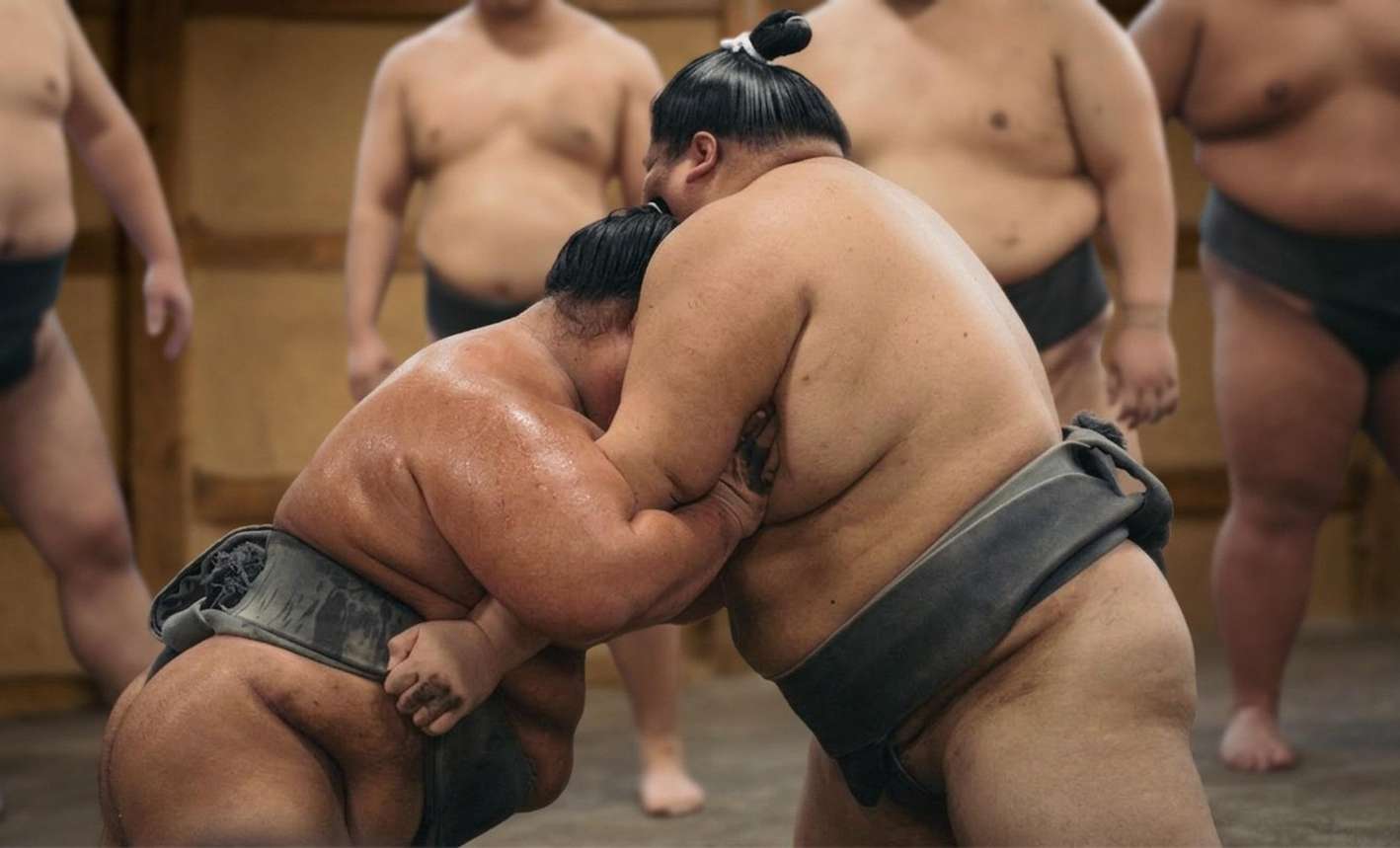
Tokyo is where real stable practice happens. Guided visits meet at Ryogoku Station around 7:45 am and watch training from 8 am for 90 minutes to two hours: stretching, shiko stomps, footwork drills and full-intensity sparring.
You sit close to the ring, silent and still, with no talking, no flash photos and no food. Questions wait until the end, when the guide translates and the wrestlers may chat and pose for selfies.
One tour adds a sumo-specialist journalist and runs three hours. Stables close to visitors when wrestlers travel to tournaments in other cities, so check your month carefully. This suits you when genuine training matters more than comfort or taking part.
Osaka shows run all year; real practice viewing lives in Fukuoka
Osaka's sumo scene is mostly shows, because morning practice there is largely unavailable outside the run-up to the March tournament. In late February, stables move into temporary quarters in temples and shrines and open viewing roughly 6:30 am to 10 am, first come, first served.
The bookable practice visit on this page runs in Fukuoka instead: a three-week November window during the Kyushu tournament, pairing guided stable viewing with a walk through Hakata Old Town.
If your trip falls outside those windows, the Osaka shows with retired wrestlers and audience challenges fill the gap. Real training demands a plan around the calendar; the shows run all year.
The guided stable visits that exist across Japan, and how to pick one you can actually book.

Tokyo's morning practice options in detail, with meeting times and what a stable visit involves.
How Osaka's practice viewing works, and how to tell real training from a staged show there.

Every city where you can see sumo, so you can fit it into the trip you already have planned.

Tokyo's live sumo options compared, from tournaments to shows, with what each one gives you.

A clear answer to whether you can watch sumo in Osaka, and which kind of viewing suits you.
The full picture of sumo in Kyoto, including the shows you can book there on any day.
Fukuoka's sumo scene explained, including the November morning practice window and its shows.
What the Sapporo sumo show involves, its daily times, and how to check it runs on your dates.
The different kinds of sumo experience on sale, and how to choose between watching and taking part.
What the sumo show at Lake Yamanaka involves, with Mt Fuji behind the ring and family seating.
Where you can learn sumo moves and face a wrestler, and what each class actually asks of you.

How a guided Tokyo stable visit works, from the early start to the etiquette you must follow.

Where to try on sumo attire in Tokyo, and how dress-up fits into a show or a day out.

A Tokyo class that unpacks sumo's traditions, with a chanko nabe lunch and no early wake-up.
Find the sumo venue you mean by name, with locations and visitor details for each city.

Practical details for the Osaka sumo venue, so you can see whether it fits your Osaka plans.

The Ryogoku location and visitor details for the Tokyo venue, and how to plan a visit there.

The annual tournament calendar and host cities, so you can time a trip around a real basho.

Tokyo tournament dates, the Kokugikan venue and how tickets sell, in one workable plan.

The Osaka tournament's venue and March schedule, and how hard its tickets are to get.
Fukuoka's November tournament, its venue and dates, and what a day there looks like.

How Nagoya's July tournament works, and the ticket route for visitors buying from abroad.

What the Minoh Expo tournament is, and how to watch sumo in Osaka at this one-off event.
Guided tournament viewing explained, and how to pick the city that fits your trip.

Whether a Nagoya tournament tour matches your plan, and what the available option covers.

Osaka tournament viewing with tickets included, and who that guided day suits best.

Tokyo tournament tours at Ryogoku, and whether a guided visit matches what you pictured.

What a sumo show includes, where they run, and how to tell a good one from a weak one.

Tokyo's premium sumo evenings, with sukiyaki, drinks and front-row seats compared.

Tokyo's sumo shows by neighbourhood, with seating, food and formats set side by side.
Osaka's sumo shows and restaurant options, and which evening suits families or couples.

Kyoto's sumo shows in detail, with meals, geisha and ring challenges you can book any day.

The Sapporo show with food included, its three daily sittings and current availability.
Tokyo outings that pair a live show with chanko nabe lunch, and which one fits your day.
Osaka's sumo dining spots, where retired wrestlers perform while you eat at your seat.

A comparison of the best sumo experiences across Japan, by city, format and who they suit.

Sumo's rules, schedules and match length explained, so a tournament day makes sense.

The Tokyo sumo museum's hours, plus what sumo museums exist in other cities.

Tokyo's sumo district, what to see there and how to explore it with some context.
Short answers to what visitors ask most before booking a sumo experience in Kyoto.
The sumo you can book in Kyoto comes in two forms: an entertainment show with retired professional wrestlers, and a participative experience where you step into the ring yourself. If watching an actual training session is the priority, the closest bookable visit on this site runs in Fukuoka, during the November tournament season.
At a stable you sit silently for about two hours while wrestlers train: no talking, no moving, no flash photos, no eating or drinking.
A Kyoto show is built for visitors, with English commentary, food, a geisha dance and a chance to challenge a wrestler. The wrestlers are retired professionals showing the drills they once trained on.
Real stable practice is a morning activity, usually running from around 7 am to 10 am. Evening sumo in Japan means the shows, which run in Kyoto, Tokyo, Osaka and elsewhere with meals and audience challenges. If you want to see wrestlers train, plan a morning.
Yes. Women can watch tournaments and stable practice as spectators, and some experience venues welcome women onto the ring. What professional sumo prohibits is women entering or touching the dohyo, the sacred ring itself.
The Kyoto shows suit families well: the format is lively and humorous, and children stay engaged. A real stable practice asks visitors to sit still and silent for up to two hours, so families with young children generally get more out of a show or a tournament.
Booking a few days ahead is recommended because the shows fill up. When checked, same-day booking at Kyoto's sumo venues was possible with instant confirmation, so a spontaneous evening can work if seats remain.
The guided morning practice tour sold here runs in Fukuoka, only during the three-week November window when stables train near Hakata Station. Elsewhere, stable viewing clusters around Tokyo's Ryogoku district, and some stables open up in Nagoya and Osaka in the weeks before the July and March tournaments.
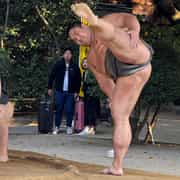
About an hour at a stable, from stretching and shiko leg stomps to butsukari drills where one wrestler slams into another and drives him across the ring. You sit close by, keep quiet, and afterwards the tour continues through Hakata Old Town's shrines and temples with a local guide.
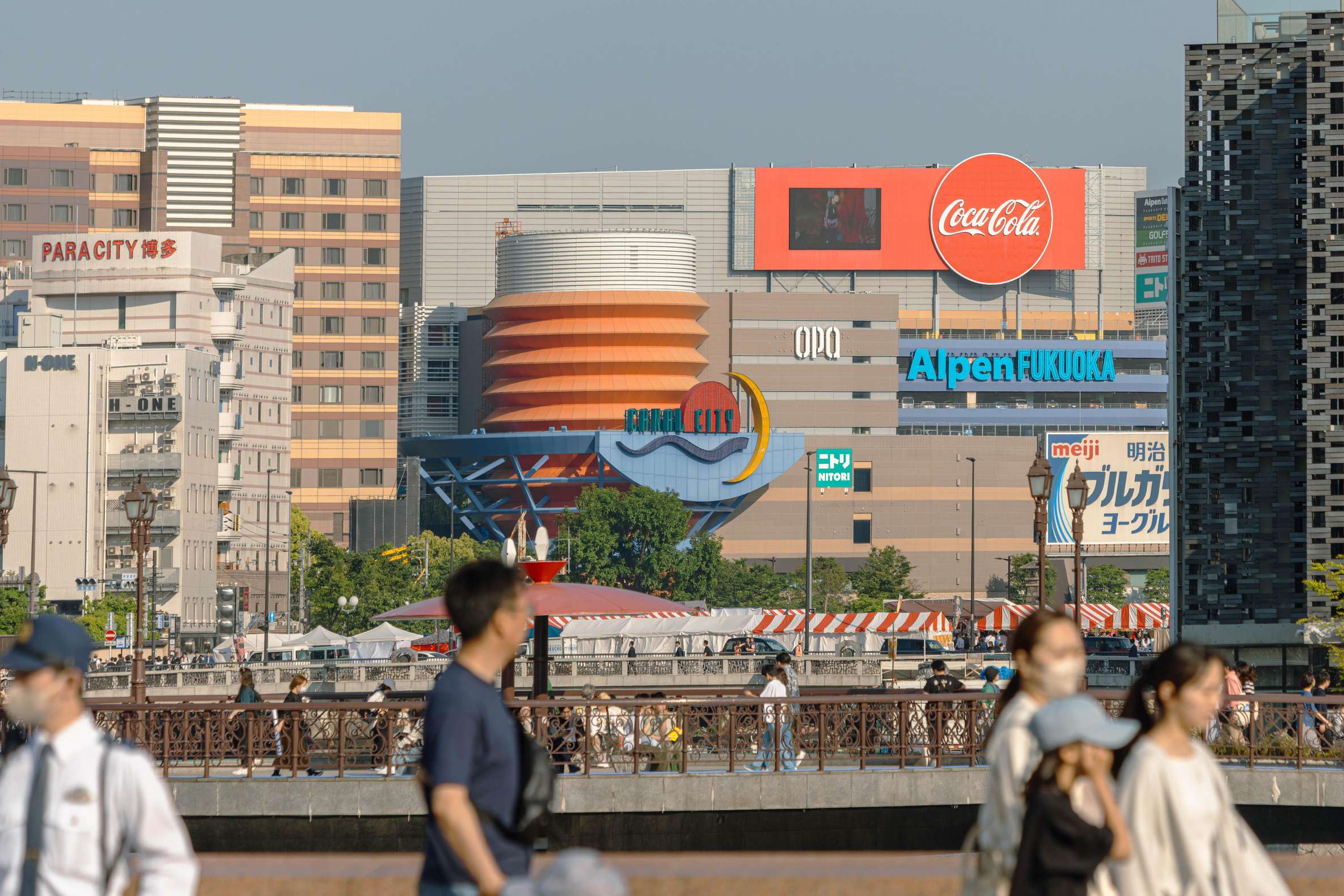
See real morning training at a Fukuoka stable, then walk Hakata Old Town with a local guide, and cancel free up to 24 hours ahead if plans shift.


