




2 - 3 hours·English
4.2(24)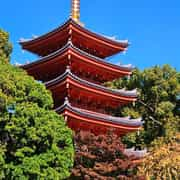
Fukuoka: Morning Sumo Practice and Hakata Old Town
Witness Sumo Morning PracticeExplore Historic Hakata Old TownImmerse Yourself in Local Culture
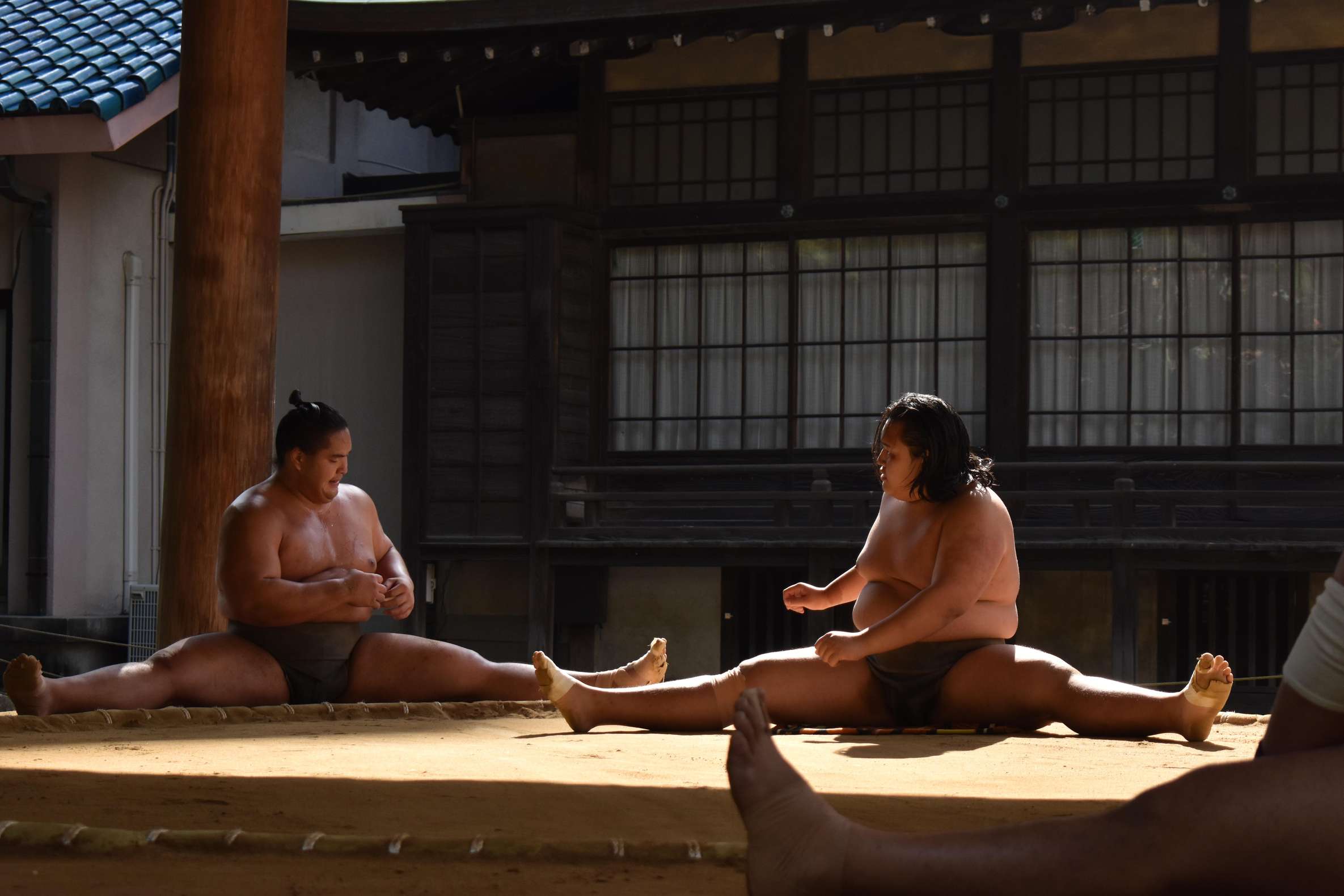
Plan your November sumo morning in Fukuoka. Watch real professional wrestlers train at a stable near Hakata Station during the Kyushu tournament season, then walk Hakata Old Town with a local guide. Book the practice visit while the wrestlers are in town.
"Such a cool way to see sumo wrestlers up close in an intimate setting. Our English-speaking guides were super friendly, sharing history and fun details while we watched practice."
Fukuoka's grand tournament fills 15 November days in a hall where every seat sees the ring, yet no tour on this page includes a seat. The guide settles the dates, the ticket sprint and the closest sumo you can book.
The Fukuoka basho runs 15 straight days from the second Sunday of November at Fukuoka Kokusai Center, and no tour here sells a seat at it.
All 15 days sold out on the first day of sales two years running, so book on the official English site the moment it opens in September.
Doors open at 8:45 am, top-division bouts start around 2 pm and the day ends near 6 pm, in time for the yatai food stalls.
You sit in socks in box seats, carry a bottle of tea for the warm hall, and leave flash photography and cushion-throwing at the door.
The November morning practice visit at a real Fukuoka stable is the closest live sumo you can book here, and it runs only in tournament season.
Book the guided practice visit knowing its schedule is the wrestlers', not yours: you can cancel up to 24 hours ahead for a full refund, and if training does not happen the guided Hakata Old Town walking tour still fills your morning.
The window is narrow: the Kyushu basho fills 15 straight days from the second Sunday of November, November 8 to 22 in 2026, at Fukuoka Kokusai Center. Fifteen days, one hall, once a year, and the date does not move for anyone.
If your trip touches any of those dates, the tournament is on. If it doesn't, no amount of planning puts ranked wrestlers in a Fukuoka ring until the following November.
The belief worth killing early is that sumo is a year-round attraction you can bolt onto any itinerary. Grand sumo happens six times a year, always in odd-numbered months, each tournament in a single host city.
Tokyo takes three of them, in January, May and September at its own arena, and Osaka, Nagoya and Fukuoka one each.
Six official tournaments exist, all in odd months, two weeks each in a single host city
The Kyushu basho runs once a year, 15 straight days from the second Sunday of November
Tournament bouts change a wrestler's rank; a show is staged entertainment
With the calendar fixed, the rest is logistics: a hall you can walk to, a ticket that must be caught the minute it drops, and a day shaped around the bouts.
Book accommodation around Hakata Station and everything about the venue stays easy. Fukuoka Kokusai Center stands at 2-2 Chikko Honmachi, Hakata Ward, just north of the station, and the address matters: being close means you can slip back to the hotel between the morning divisions and the afternoon bouts.
From Hakata Station the quickest way in is the direct bus. Numbers 99 and 88 leave from Stop E of the Hakata-eki Center Building and stop at Kokusai Center/Sunpalace-mae, right by the door.
Walking the whole way takes about half an hour. On tournament days, when those buses crowd up after big events, most people ride the subway to Gofukumachi instead and walk the flat ten minutes north.
Coming from the airport, the domestic terminal connects straight to the subway, so you can land at Fukuoka and be standing near the ring within the hour. A taxi covers the trip by road without fuss but buys you nothing once you reach the hall; the walk from Gofukumachi beats fighting event-day bus crowds.
Every bout at Fukuoka Kokusai Center carries a rank on its back: results change a wrestler's career, and the wrestlers know it; the crowd feels that in the silence before the charge. Show performers are entertainers first, and the atmosphere is a different thing entirely.
The hall does half the work. Kokusai Center is small, so even the cheapest seats sit close enough to read the wrestlers' faces. Stables move their whole operation to Fukuoka for the month, wrestlers ride the buses in yukata, and local crowds cheer loudest for men born on Kyushu soil.
| November tournament | Stable morning practice | Tourist sumo show | |
|---|---|---|---|
| Wrestlers | Ranked professionals in active competition | Real professionals in training | Retired wrestlers performing |
| Stakes | Every bout changes a rank and a career | Practice builds toward the next basho | Entertainment only |
| Atmosphere | Full arena, yells and cushions after an upset | Silent, still room, the sound of bodies | Comedy, theatre and an English MC |
| Who it suits | Anyone who planned the trip around real sumo | Die-hard fans who want the sport up close | Families and first-timers |
Only the first column has ranked wrestlers and results that count, which is why the tournament draws travelers who planned the whole trip around it.
One more reason, and it is a Fukuoka one: bouts finish around 6 pm, exactly when the yatai stalls light up. Sumo in the afternoon, hotpot by the river at night. Even visitors who arrived knowing nothing about the sport call the day a highlight, because the atmosphere does the explaining.
The shape of the day decides how much of it you give. Doors open at 8:45 am for the first twelve days of the tournament, later at 10:30 am on November 20 and 21 and 10 am on the final day, when the whole schedule shifts forward half an hour to fit the victory ceremony.
Most of what the crowd comes for happens late. Top-division bouts start around 2 pm, the ring-entering ceremonies and marquee matches run from about 3:45 pm, and the day closes near 6 pm
The arena is half empty and the wrestling is raw, but this is where you see future stars up close, and most visitors skip it entirely.
On the last three days the doors open later, at 10:30 am on Friday and Saturday and 10 am on the final Sunday, with the top matches wrapp…
The juryo division arrives in colourful ceremonial robes and the crowd starts filling in; most visitors aim to be seated by 2:30 am to 3 pm for…
The best matches of the day all fall here: the makuuchi entrance ceremony at 3:45 pm, then the marquee bouts ending around 6 pm.
The morning is the half most visitors throw away. From 8:30 am to about 2 pm the lower divisions fight in a half-empty arena, and that is where the future stars appear, close enough to watch a debutant's first bouts.
A full-day ticket lets you come and go, so the plan many locals follow is simple: arrive early, wander out for lunch, be back in the seat by 2:30 pm.
The hall runs on rules nobody announces, and they are easy to follow once you know them. Eating and drinking at your seat is normal, with bento boxes, yakitori, onigiri, beer and sake sold inside and many spectators bringing their own food.
The exception is the ringside tamari seats, where no food, phones or photos are allowed at all.
Shoes come off in the traditional box seats, so wear a pair that slips off easily and carry clean socks. Chair seats upstairs spare you the floor if hours cross-legged sounds grim.
Shoes come off, so slip-on footwear and clean socks decide how comfortable your day is
A light shirt under a light jacket, plus a bottle of tea, keeps a full day pleasant
Walk to the nearest subway station instead of hunting a cab at the doors
When the referee directs the bout, hand-claps bring you into the crowd; shouting over others does not
During the bouts the arena falls strikingly quiet, which surprises first-timers more than anything else in the building. Cheering a good moment is fine, standing up or shouting over others is not, and clapping along when the referee directs the bout is the local way in.
Cushions stay where they are, even after an upset that tempts everyone to throw them. Stay to the end for the bow-twirling ceremony; walking out before it wastes the ticket.
Here is the number that shapes the whole plan: all 15 days sold out on the first day of general sales two years running, and fans who chased tickets describe a sell-out inside minutes. Waiting for November means waiting too long.
The official English ticketing site opened sales for the 2026 tournament on September 19 at 10 am, ahead of the general sale in Japan in early October.
It takes credit cards only, adds a service fee per ticket, and hands you a voucher to print at a Seven-Eleven in Japan, so build that errand into your first days. Bought tickets cannot be changed or cancelled.
All 15 days of the November basho sold out on the first day of sales two years running Book the moment the English site opens in September, and remember bought tickets cannot be changed or cancelled
Seat choice is the other decision. Box seats, sold as whole units of four, put you closest to the clay on floor cushions.
Chair seats sell individually, suit solo travelers and odd-sized groups, and trade a little distance for comfort; two-person boxes and pair seats with a table cover smaller parties. Weekday chair seats cost less than the same seat does in Tokyo, and weekends, opening day and the final day go first.
April: 5 out of 5 for how busy it gets.
Tap a month to read it.
Read the months against the tournament: the city itself crowds hardest in April and October, while November sits mid-scale, so the fight for a seat is a sumo fight rather than a citywide crush. The demand belongs to the basho.
The site's ticket-buying page carries the full walkthrough for sale day and seat types.
Be clear about what is on sale here: no tour on this page includes a seat at the basho. What Fukuoka does sell, and sells well, is the next thing to it.
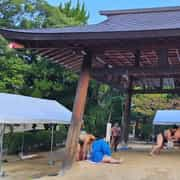
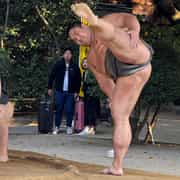
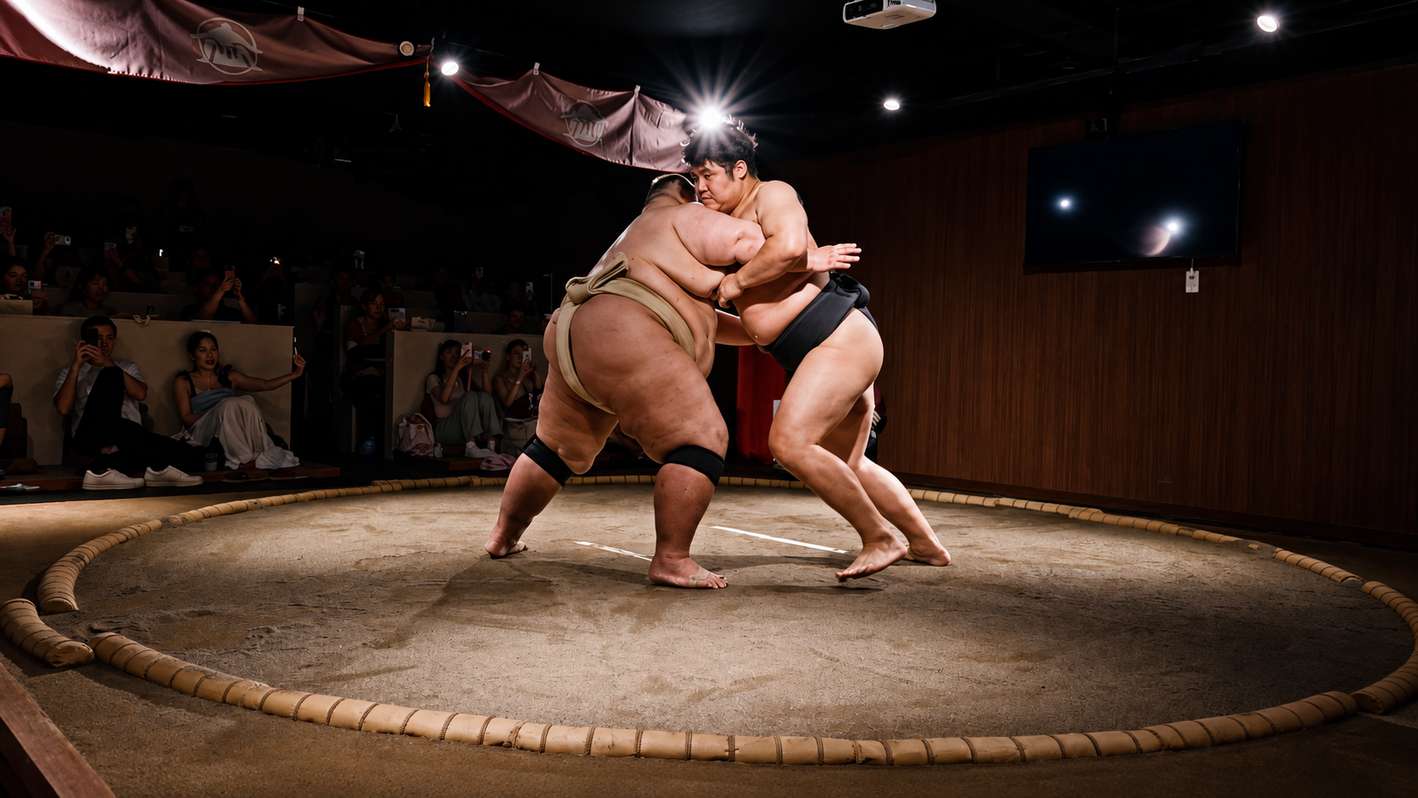
The Fukuoka: Real Morning Sumo Practice & Hakata Old Town Tour gets you inside a real professional stable during the three November weeks when the wrestlers are in town, watching the same men who fight at Kokusai Center prepare for it.
The training is real, with careers on the line, and the difference shows; travelers talk about hearing the impact of bodies from a few steps away. A guide handles the etiquette, the visit is by appointment only, and stables decide for themselves who may enter, so turning up unannounced gets you nowhere.
Two caveats belong in your planning. The stable, not the operator, decides whether training happens on a given day, and if it doesn't the tour becomes the full Hakata Old Town walk. Latecomers can miss the practice entirely, so arrive early.
If Fukuoka in November was never on the table, the sumo you can actually book moves to the show circuit, and Osaka runs the strongest of them.
A show puts retired wrestlers in the ring for demonstrations, drills and an audience challenge drawn by lottery, with an English-speaking MC explaining the rules and rituals as they go.
Expect comedy and theatre alongside the wrestling: the bouts are staged entertainment, and at most shows the actual wrestling fills only the last half hour or so.
That difference matters and it does not have to spoil anything. The performers were professionals, and the technique is genuine; for families or first-timers the welcoming, humorous format does a job a silent stable never could. Osaka's own tournament page covers the March basho there if you can shift city and month together.
| If this happens | What happens then |
|---|---|
| A show starts later than the ticket time | Arrive 15 to 20 minutes early so a late start never costs you a seat |
| Plans change before the day | Most tours can be cancelled up to 24 hours ahead for a full refund |
| You arrive after the start | The show cannot be extended, so you join partway through and miss a section |
Logistics stay simple. Shows run about two hours with food included at several venues, and the cancellation window keeps the evening cheap to commit to.
Bouts finish around 6 pm, and that timing is a gift. Fukuoka keeps about 100 yatai food stalls, the open-air counters the city is known for, mostly in Nakasu, Tenjin and Nagahama, so a tournament day ends with ramen or hotpot while the stalls are in full voice.
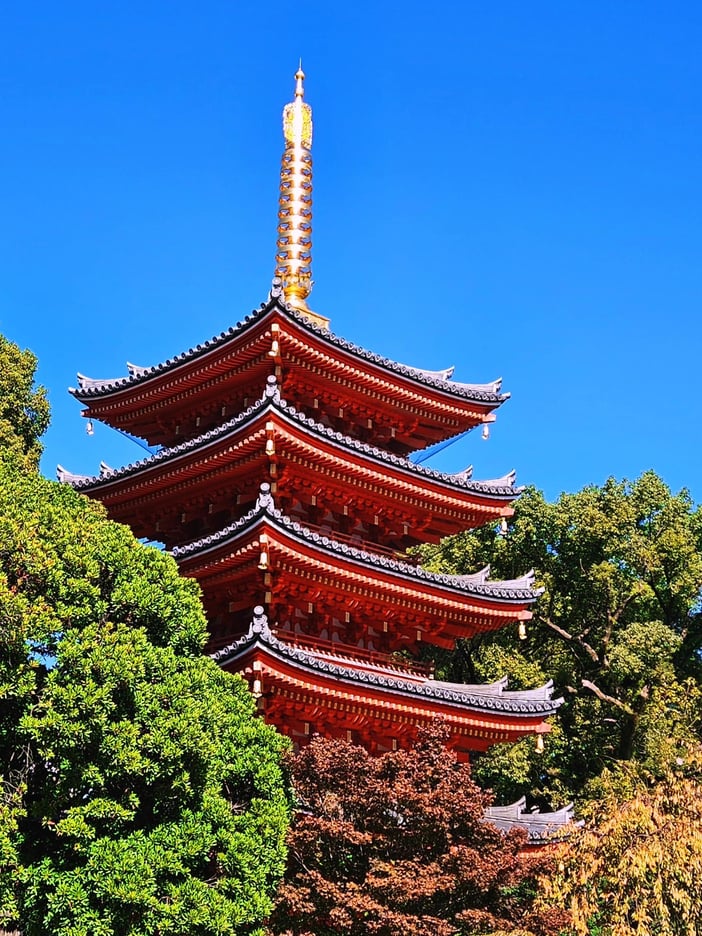
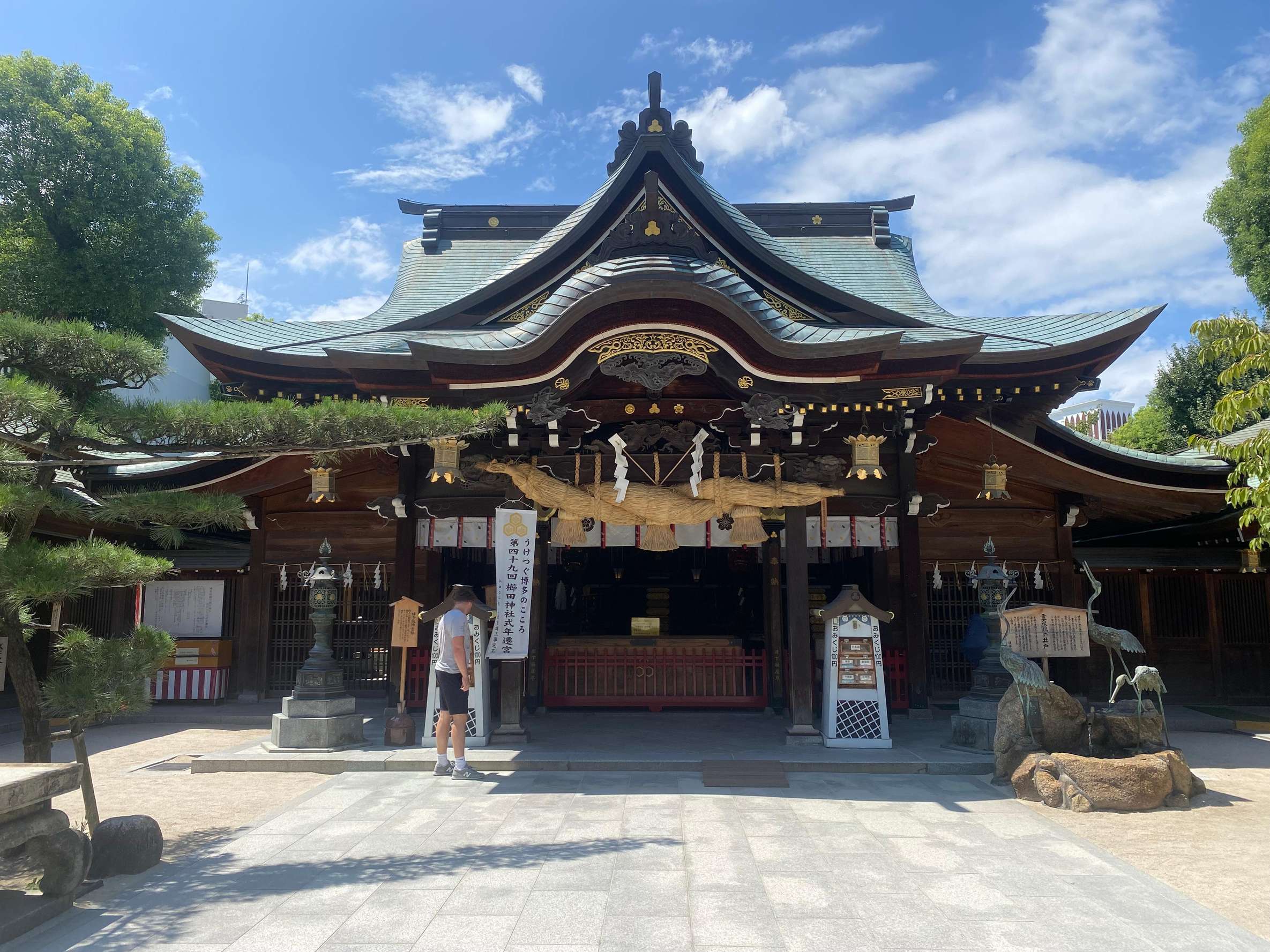
The hall sits in the middle of it. Temples and shrines, a museum and gardens all lie within a short walk of Kokusai Center, close enough to fill a slow morning before an afternoon ticket.
Beyond the walking radius, the city earns its keep as Kyushu's front door. Dazaifu Tenman-gu shrine, Ohori Park and day trips to Nagasaki, Kumamoto and Beppu all fit around a sumo afternoon, and November adds autumn color just as the tournament begins.
Baseball fans can catch the Fukuoka SoftBank Hawks, though in tournament season the wrestlers in yukata wandering town are the celebrities that matter.
Fukuoka in November is the easiest real basho in Japan to love: a small hall, a loud Kyushu crowd and bouts that end in time for the yatai stalls. The only hard part is the ticket.
Commit the morning the English site opens in September, take a weekday chair seat, and go. If your dates miss the fifteen days, the November morning practice keeps real sumo in the trip.
Tokyo hosts three of the six annual tournaments, in January, May and September, all at Ryogoku Kokugikan.
Read the guide
The March tournament runs 15 days at Edion Arena, a five-minute walk from Namba Station Exit 5.
Read the guideJuly brings 15 days of grand sumo to IG Arena beside Nagoya Castle, a five-minute walk from Nagoyajo Station.
Read the guide
The Expo grand tournament filled the Sky Arena in Minoh with Yokozuna and 200 wrestlers for Expo 2025.
Read the guideTournament tickets open at 10 am Japan time, and the good seats can be gone within minutes of that.
Read the guide
A wrestler wins by pushing his opponent out of the ring or down onto anything but the soles of his feet.
Read the guideEach chapter tells you what one of these subjects is like on the ground, so you can weigh it against the November plan you came here for.
Three basho a year in an arena small enough for every seat to see the ring
Three of the year's six tournaments run at Ryogoku Kokugikan, in January, May and September, and the arena is small enough that even the back rows see the ring clearly. The crowd shouts for its favorites, cushions fly after a big upset, and every bout counts toward a wrestler's rank.
The buying window is the squeeze. Decent seats can sell out within minutes of the 10 am sale opening, so commit the moment tickets drop. An upper-floor chair seat suits most first-timers, and an afternoon arrival catches the top bouts that run to about 6 pm.
The March tournament in the smallest hall, with the liveliest crowd of the six
March brings Osaka its one basho, 15 days at Edion Arena in Namba, and the crowd is the liveliest in tournament sumo: cushions sail through the air after an upset. The hall is the smallest of the six venues, so seats sit close to the ring.
The ticket is the hard part. Sales open about a month out and popular seats go within minutes of the 10 am opening. The walk from Namba Station Exit 5 takes five minutes, and outside March the sumo you can book in the city is a show by retired wrestlers.
The July basho, where every day can sell out weeks before opening
Every July, 15 days of grand sumo run at IG Arena beside Nagoya Castle. In 2026, all 15 days had sold out roughly seven weeks before opening day, a record that tells you how early July plans need committing to.
Tickets go on sale at 10 am Japan time about five to eight weeks ahead, and the arena is a five-minute walk from Nagoyajo Station. Morning practice viewing in the city runs in June and July only, so July doubles as your one chance at both.
The 200-wrestler Expo 2025 event, a one-off with no future dates
The sumo staged at the 2025 Osaka Expo brought 200 Japan Sumo Association wrestlers, Yokozuna included, to a ring at the Sky Arena in Minoh. It was a festival occasion, separate from the six official tournaments whose results decide a wrestler's rank.
The Expo year has passed, so the event holds no date on any future calendar. If Osaka is your city, the March basho at Edion Arena is its one official tournament, and the sumo you can book outside March is a show by retired wrestlers.
How to buy when good seats vanish minutes after the 10 am sale opens
Tournament tickets open at 10 am Japan time, and decent seats can be gone within minutes, a pattern that repeats in every host city. Buying from abroad adds its own rules: the official English service takes credit cards only, adds a per-ticket fee, and prints tickets at a Seven-Eleven in Japan.
Seat choice matters as much as speed. Chair seats upstairs beat floor boxes for comfort, and even the farthest back rows of the small arenas see the ring clearly.
How a bout is won, how the day runs and which seat to choose

A bout ends when a wrestler is pushed out of the ring or touches the ground with anything but the soles of his feet. There is no starting whistle: the charge begins when both fists come down together, and a forbidden move, hair-grabbing among them, ends the bout on the spot.
The day itself rewards planning. The top division fights from late afternoon to about 6 pm, the morning belongs to lower-ranked wrestlers in a half-empty arena, and the seat you pick decides how ten hours of sitting treat you.
Shows the full annual schedule of six tournaments and their host cities, so you can match one to your trip dates.

Sets out Tokyo's January, May and September dates, the Kokugikan venue and how tickets sell for each basho.
Explains where and when the Osaka tournament runs, and why its March tickets are the toughest to get.

Answers how Nagoya's July tournament tickets and venue work, for a sumo trip in the height of summer.

Details the one-off Minoh Expo tournament near Osaka and how to watch sumo around the event.

Walks through buying grand tournament tickets in Japan, from seat types to how fast they sell out.

Maps every place you can watch sumo in Japan, useful once you know which city your trip centers on.

Compares Tokyo's live options, from stable practice visits to sumo shows, for a visit to the capital.

Explains the sumo shows in Osaka and how they differ, so you can pick a live option in Kansai.
Shows where to watch sumo in Kyoto, including shows that pair the ring with a geisha dance and a meal.
Turns a wish to watch sumo in Fukuoka into a plan, with morning practice as the local highlight.

Covers the year-round sumo show in Sapporo and its current availability before you commit.

Breaks down the kinds of sumo experiences on sale, from watching a show to stepping into the ring.

Describes the Lake Yamanaka sumo show with Mt Fuji behind the ring and what VIP seating adds.

Compares sumo classes in Tokyo and Osaka, including which ones let you challenge a wrestler.

Explains how guided Tokyo stable visits work and which morning practice tours to choose.

Shows how a Tokyo sumo outing can include trying on sumo attire, and which show suits it best.

Details the Tokyo masterclass that pairs sumo history with an authentic chanko nabe lunch.
Sorts out the sumo venue locations people search by name, so you find the right city and booking.

Gives the location and visitor details for the Osaka sumo venue many people search for by name.

Covers the Ryogoku sumo venue's location and visitor details, so you can judge if it fits your day.
Explains guided tournament viewing and points you to the city-specific information you need.

Tells you how well guided options fit a plan to watch the Nagoya tournament, before you book.

Weighs guided Osaka tournament viewing with tickets against what you might expect on the day.

Describes arena visits in Tokyo during a tournament and whether a guided viewing matches your plan.

Rounds up where you can watch real morning training across Japan and what a guided visit involves.

Explains how to watch morning training at Tokyo stables and which guided visits run there.
Separates real morning training in Osaka from staged shows, so you book the viewing you want.
Explains what watching sumo practice in Kyoto involves and how to choose a training visit.

Sets out what a sumo show includes and where the performances run, before you pick a city.

Highlights Tokyo shows with premium cuisine, drinks and photos for a special evening out.

Compares Tokyo's sumo shows by neighborhood, food and format so you can book with confidence.
Lists Osaka's live sumo shows and restaurant options, including which ones suit families.

Answers whether a sumo show runs in Kyoto and what a visit there includes, meal and all.
Explains the Sapporo show with Japanese food and what to check about its current schedule.

Gives venue details for Tokyo sumo halls and compares the shows you can book there.

Confirms what the Ryogoku sumo show involves and whether it matches what you want to see.

Shows what a night at the Tokyo Tower sumo show includes, from bouts to a Japanese set meal.
Matches Tokyo sumo shows with chanko nabe lunches, so you can fit both into one outing.
Covers sumo-themed dining in Osaka, from hot pot with a show to wrestler-sized menus.

Compares every way to watch or try sumo across Japan, for readers still weighing the options.
Answers practical questions about sumo in Tokyo: timing, match length, rules and schedules.

Gives the Tokyo sumo museum's hours and covers museum options in other cities too.

Explains what the Ryogoku sumo district offers, from the arena to the neighborhood around it.
Short answers to what visitors ask about the November grand sumo tournament in Fukuoka, Japan: dates, venue, tickets, and how to see sumo if you miss it.
Fukuoka2026The Kyushu tournament fills the second half of November, running 15 straight days from the second Sunday to the fourth Sunday. In 2026 those dates are November 8 to 22. It is the last of the year's six grand tournaments and the only one held on Kyushu.
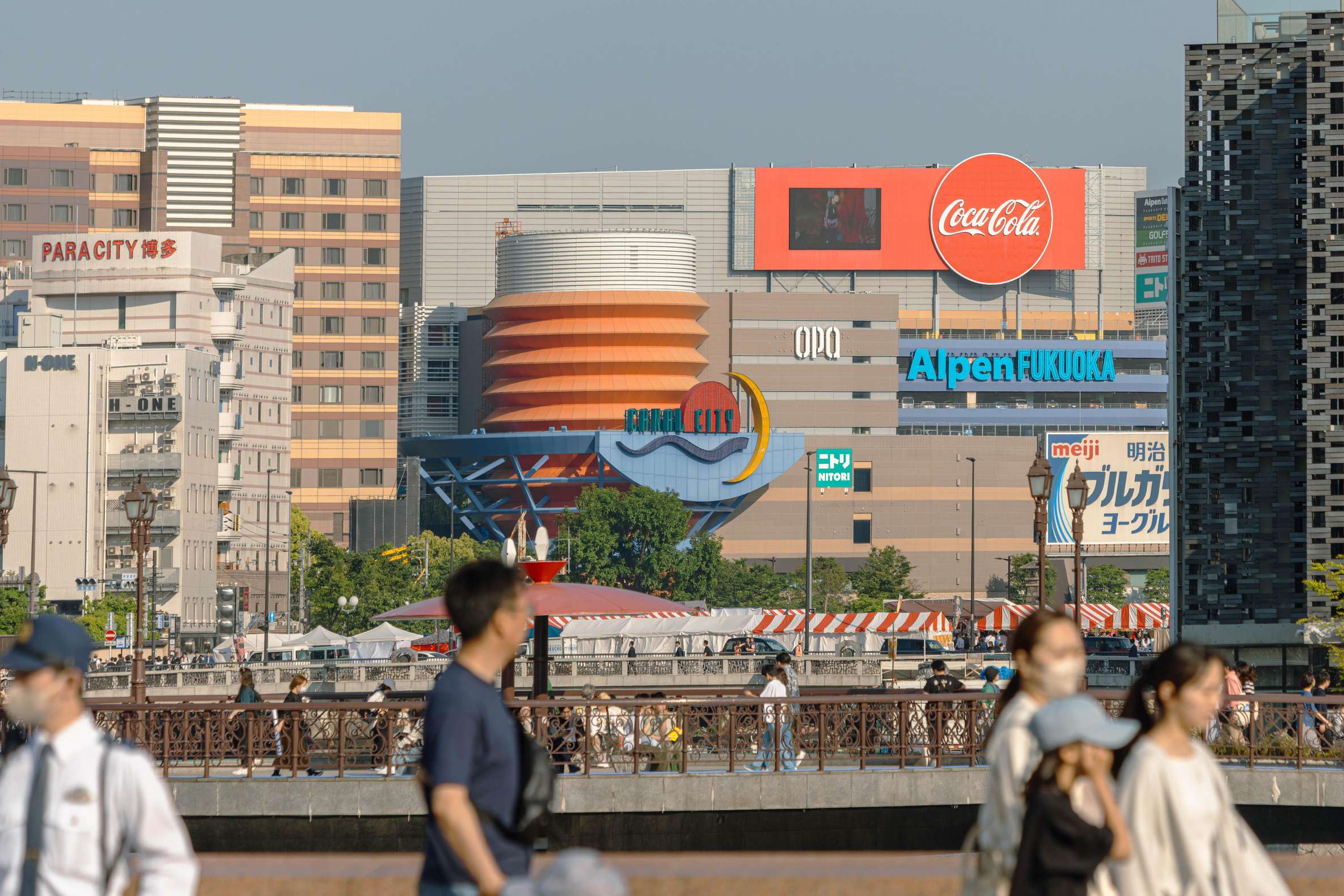
A guided morning of practice viewing at a stable near Hakata Station, plus a walk through Hakata Old Town, with free cancellation up to 24 hours ahead.