- 1
Four shows run daily at 10:30 am, 1:30 pm, 4:30 pm and 7:30 pm, each a 120-minute stay including the meal.
- 2
Reach the 5th-floor front desk of Foot Town at least 15 minutes before your show time.
- 3
Book ahead in April, May and October; walk-ins work on quiet weekdays when seats are free.
What the sumo show at Tokyo Tower is
A clay dohyo sits in the middle of the room, seats wrapped around it, on the 5th floor of Foot Town inside Tokyo Tower. The venue opened in August 2026 with one idea: put Japan's national sport, plus lion dance, kabuki and live traditional music, inside the landmark most visitors already plan to see.
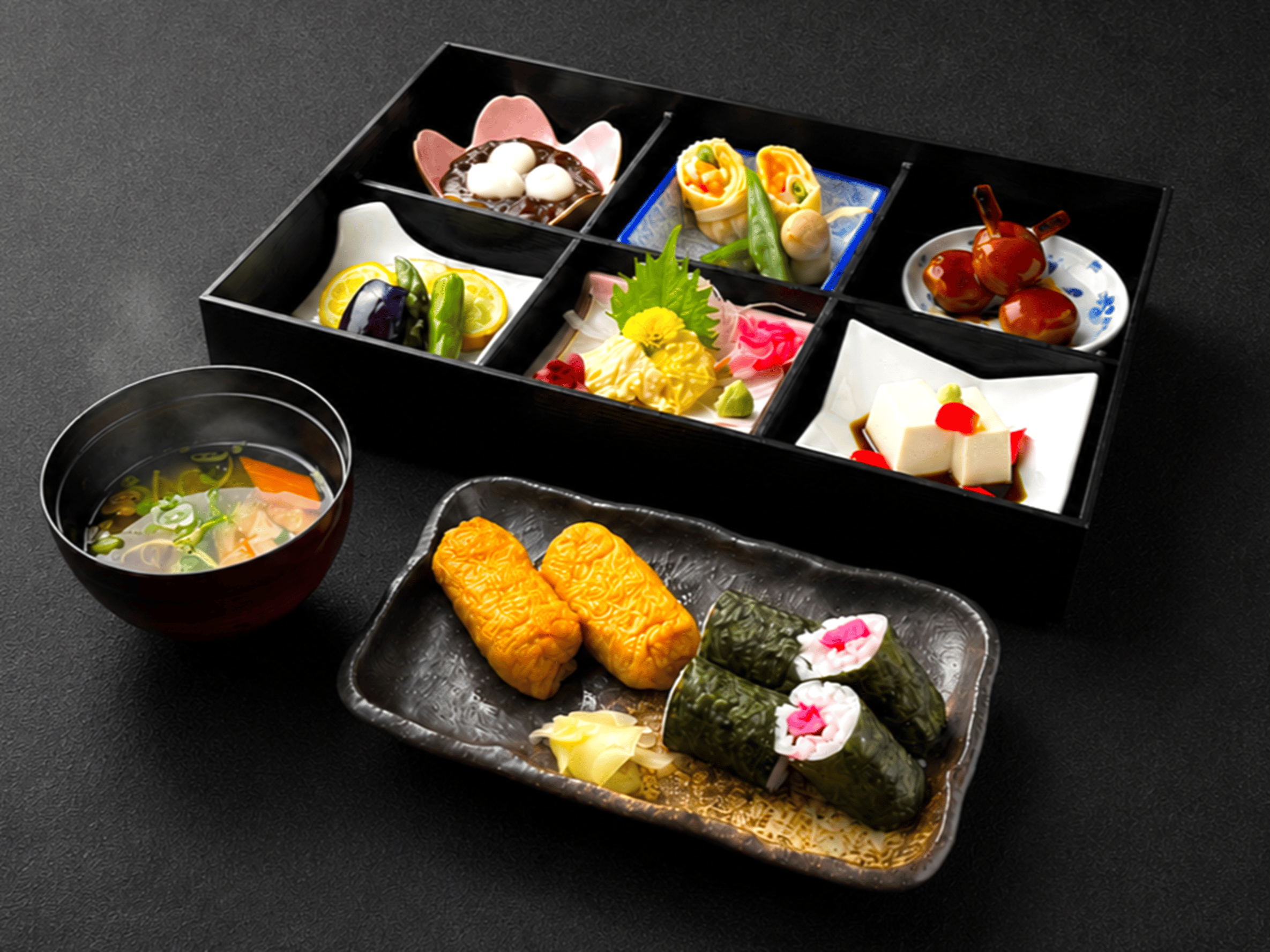
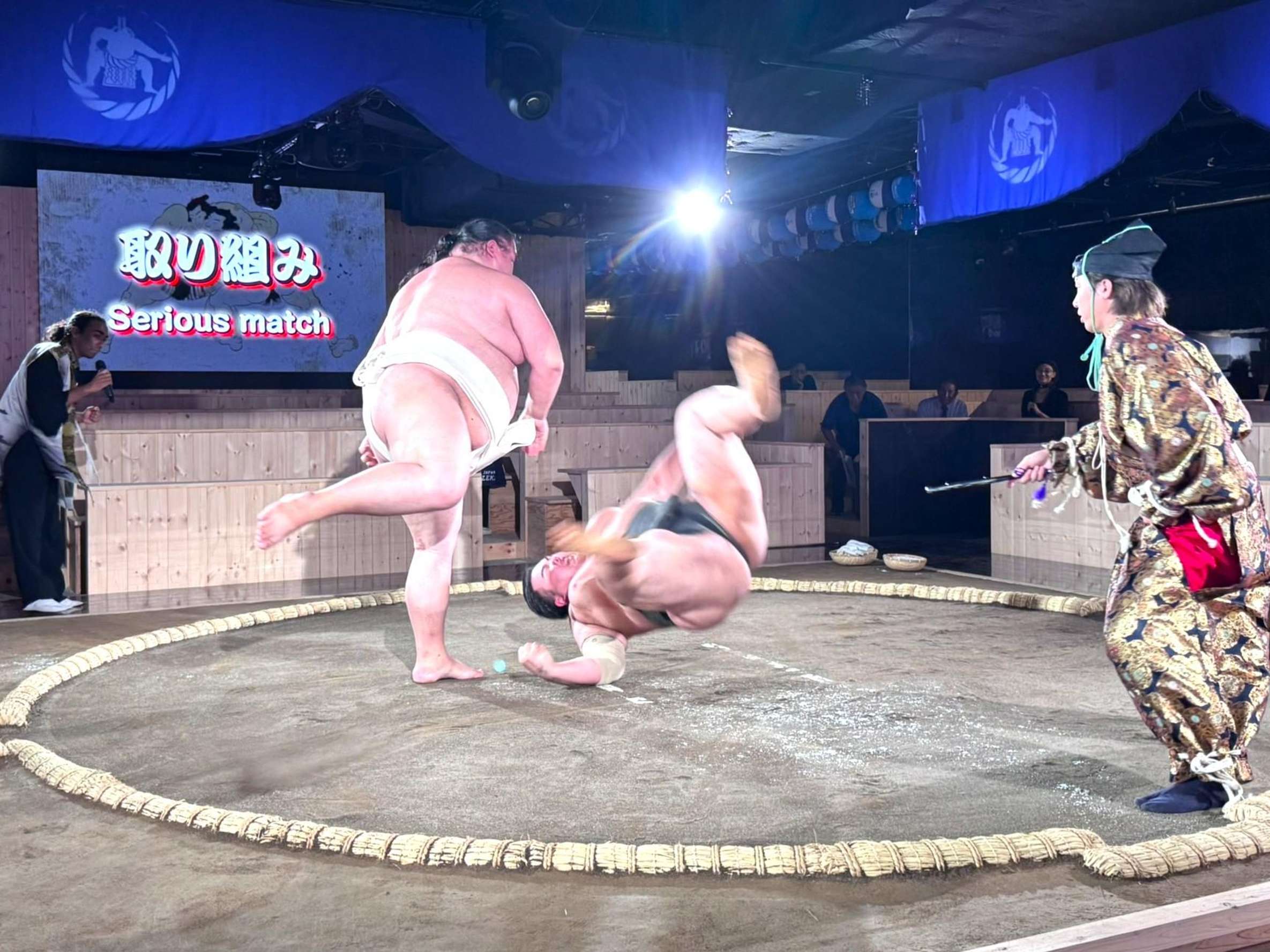
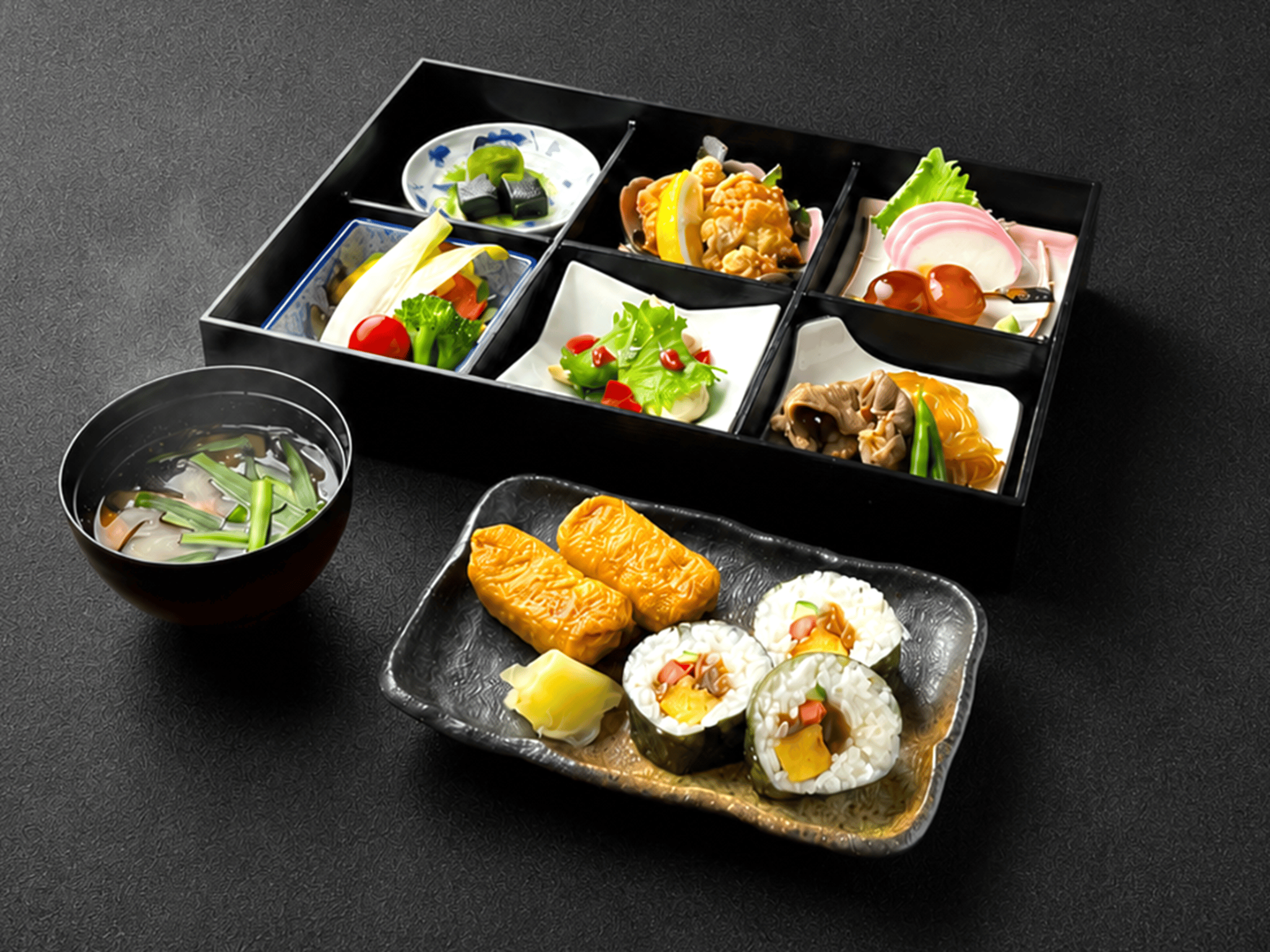
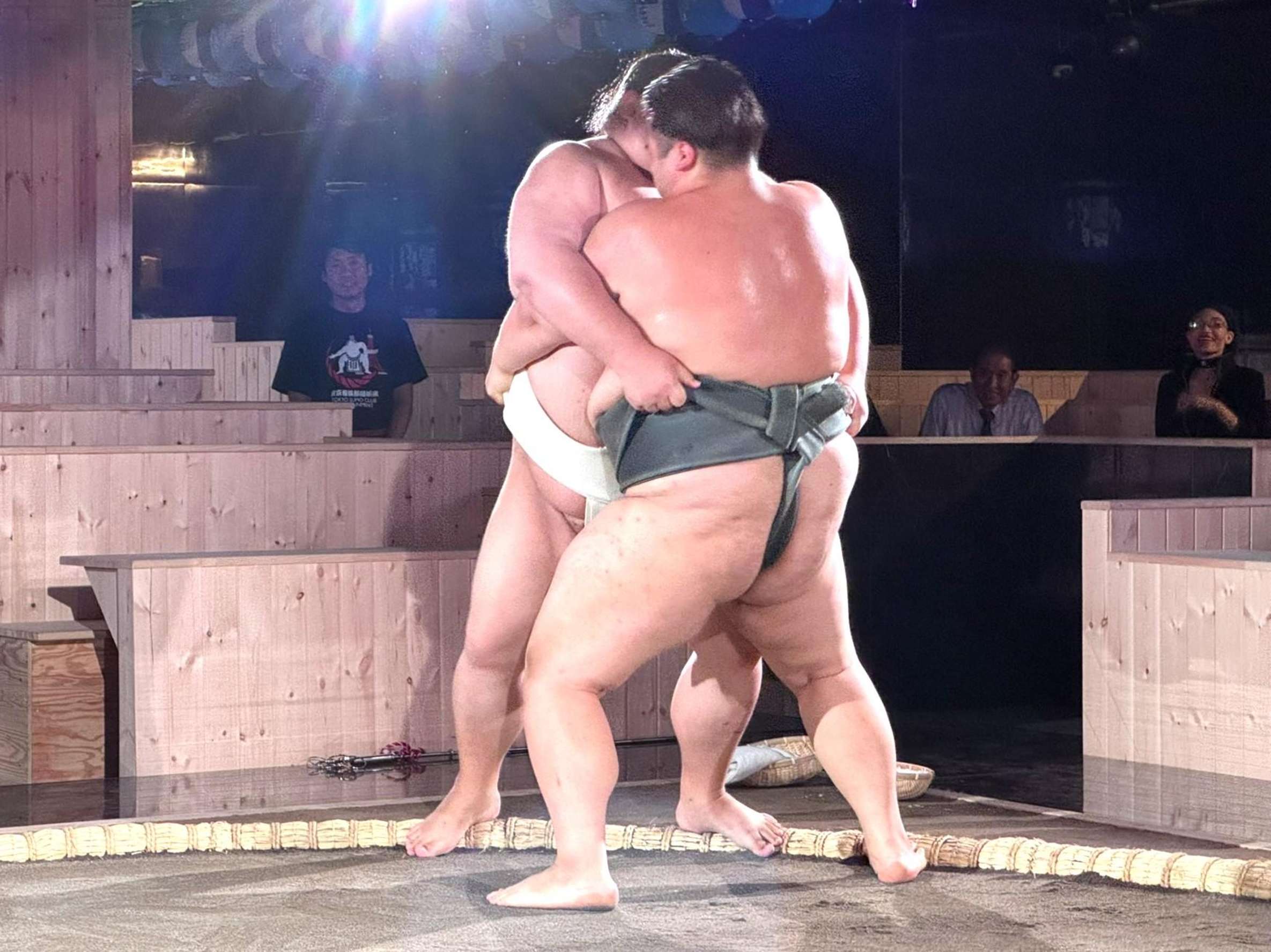
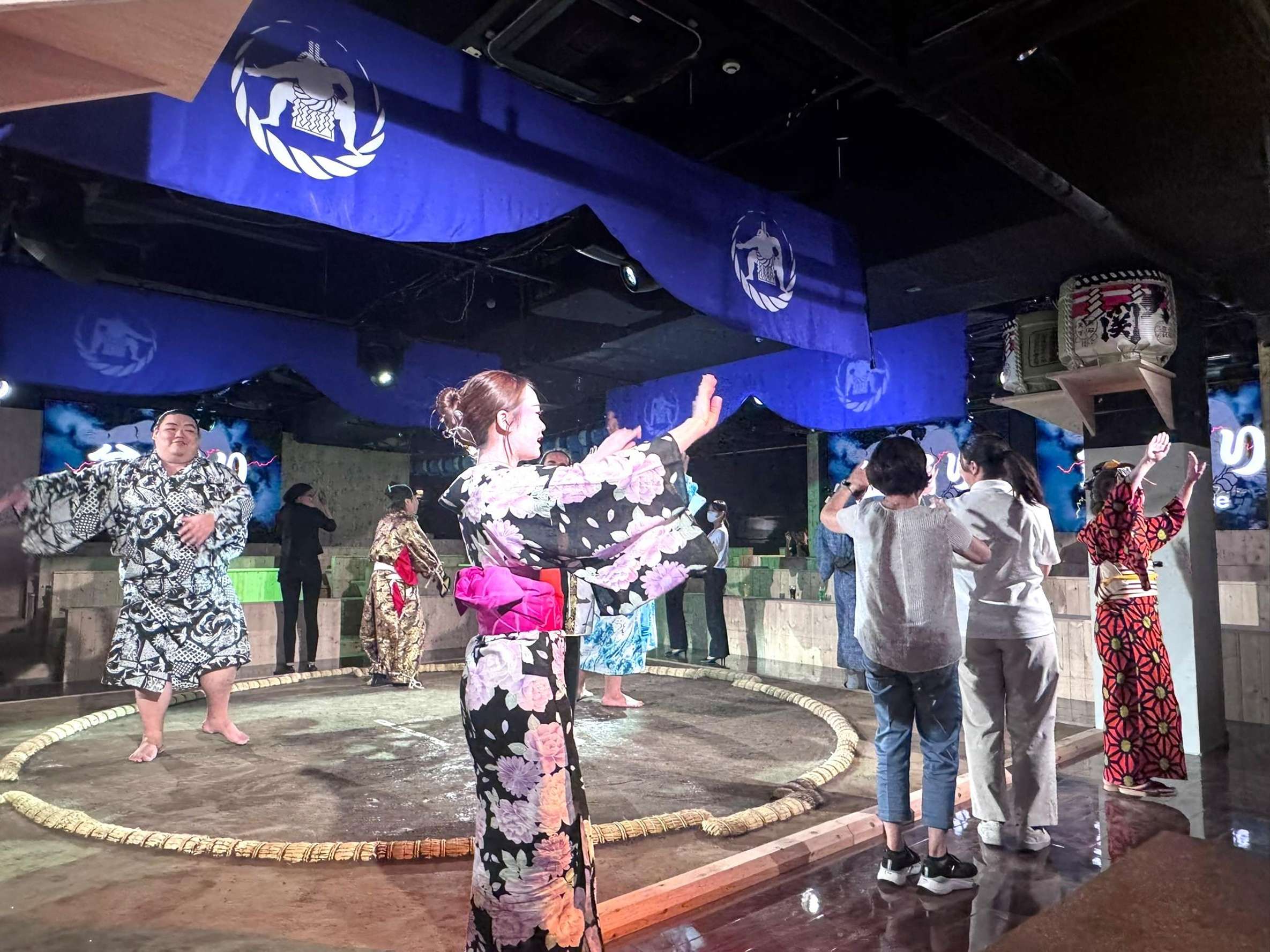
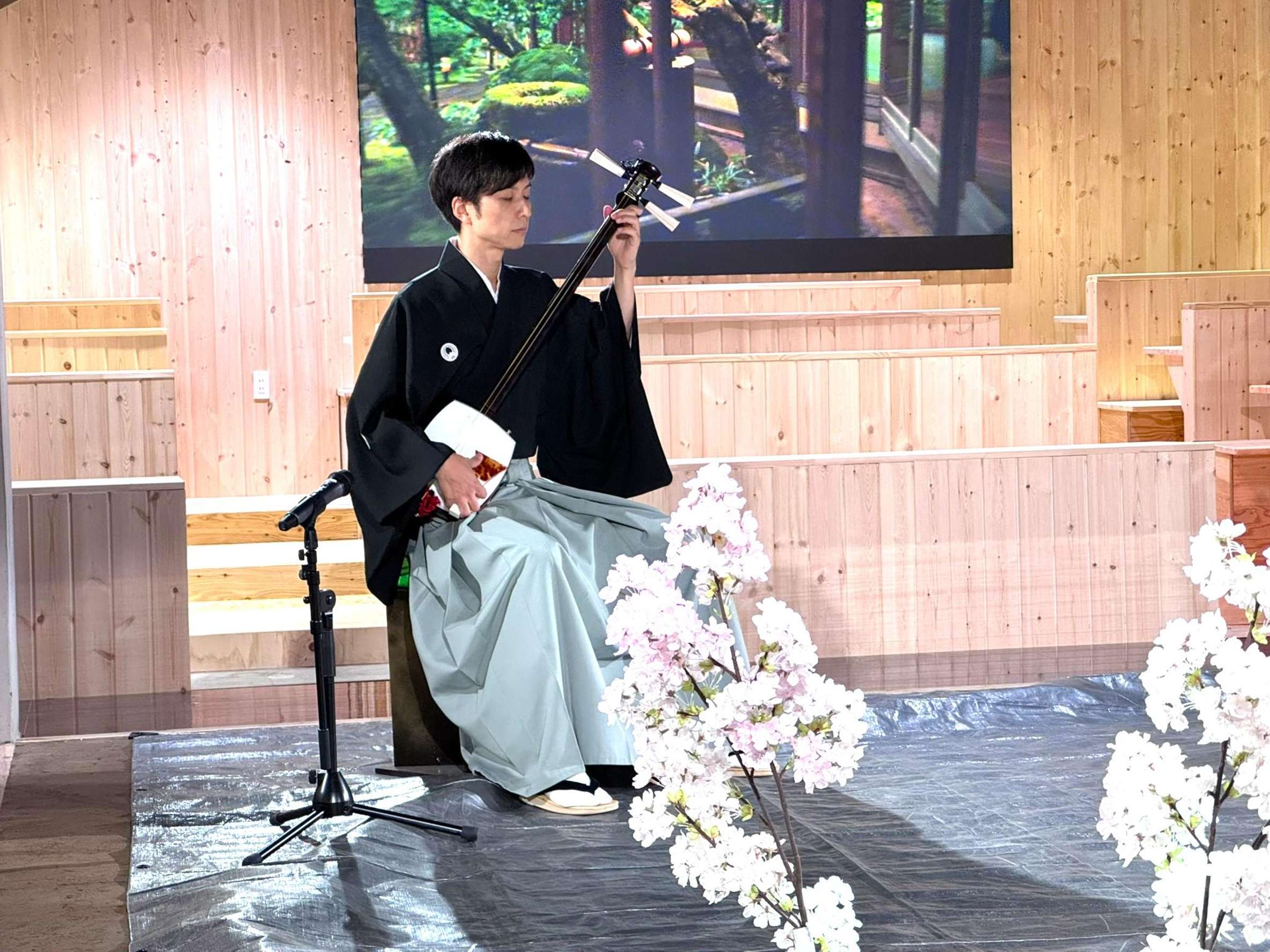
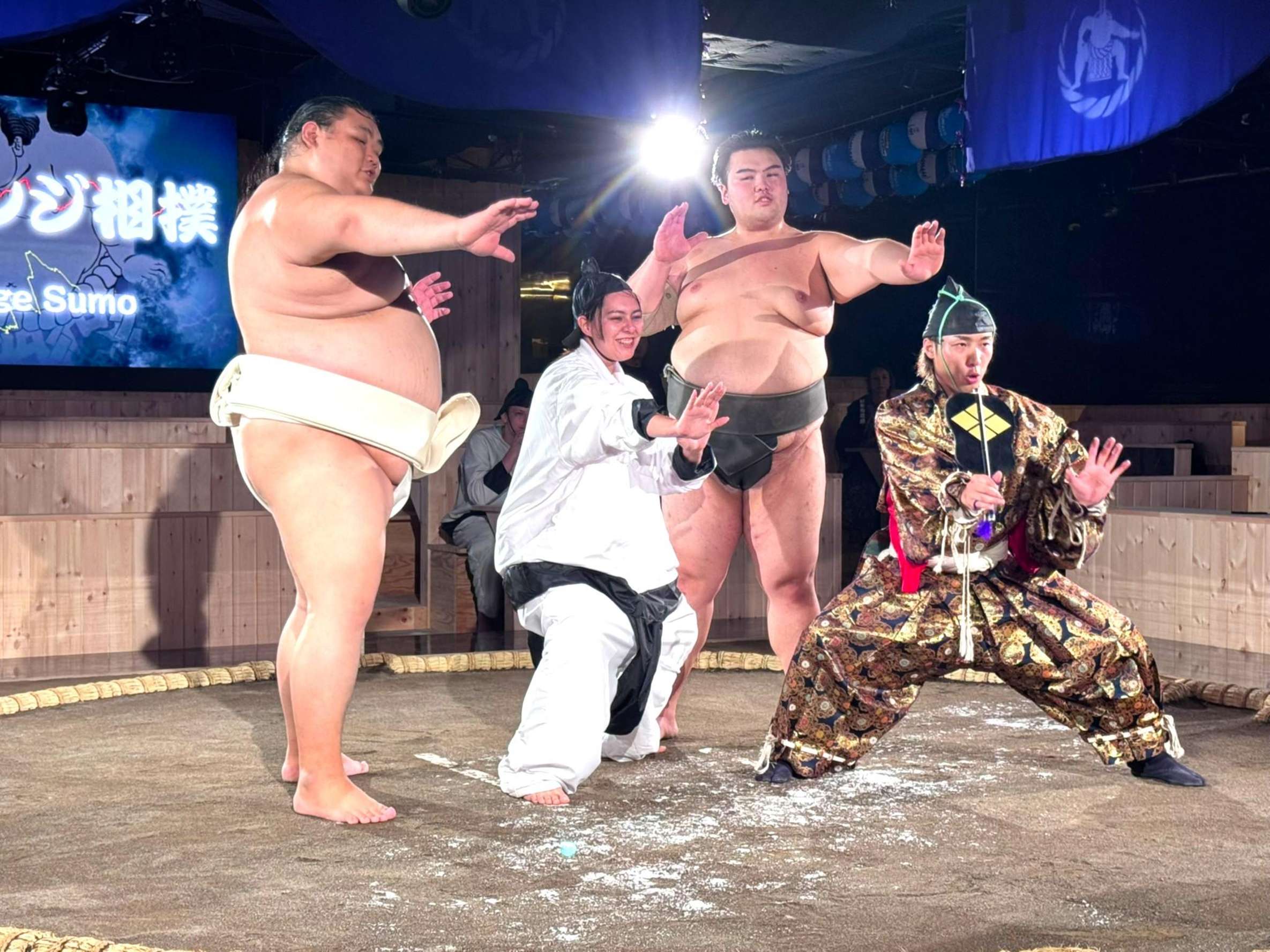
The wrestlers are retired professionals, and the bouts are serious exhibition matches where you feel the power from a few metres away. Around the sumo come an Oiran dance, a Shishimai lion dance and classical instruments, with a Japanese set meal served during your stay.
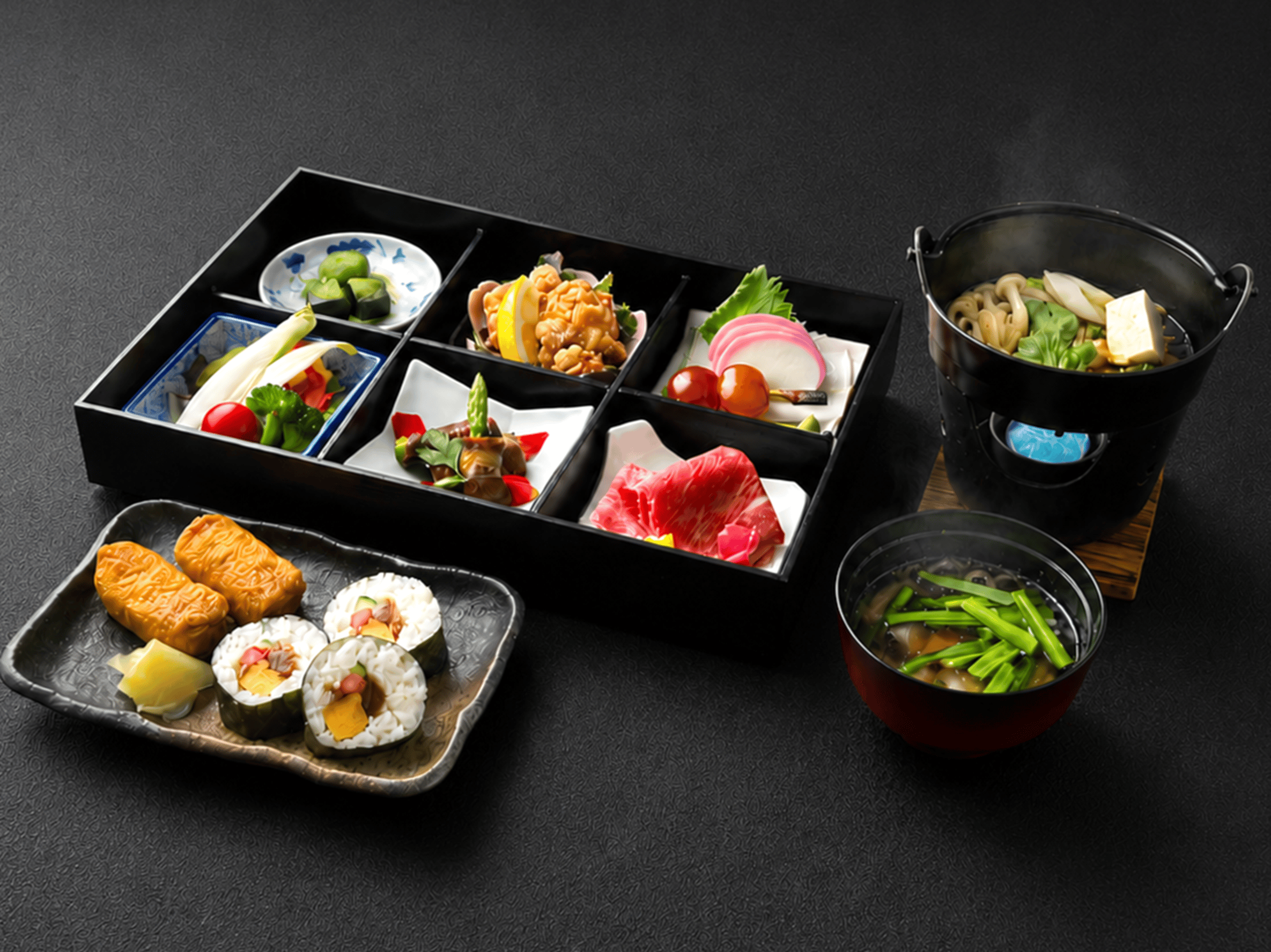
Every meal comes with chanko nabe, the hot pot wrestlers eat to build their bodies, here endorsed by the 63rd Yokozuna Asahifuji.
Know what you are buying. This is an entertainment show: scripted, comedy-leaning, with a lottery that sends volunteers into the ring. Go in expecting an exhibition and it lands well; go in expecting grand sumo and you will be the one disappointed.
It is an entertainment show by retired professionals; the bouts are genuine skill, but nothing competitive is at stake
It is loud, funny and built for visitors, with a meal, dances and a photo session included
The hot pot is the real sumo staple, endorsed by a former yokozuna and served with every meal
Settle that in your head before you book and the evening does what it promises: real skill, real food, no tournament stakes.

Is the sumo show at Tokyo Tower worth it for adults and children
The format is built for mixed groups. Hosts explain sumo's rules, rituals and history in plain, funny English, and the comedy beats keep children watching while the bouts give adults something to lean into. The age bands include children aged 11 and younger, though babies under 1 year are not suited to it.
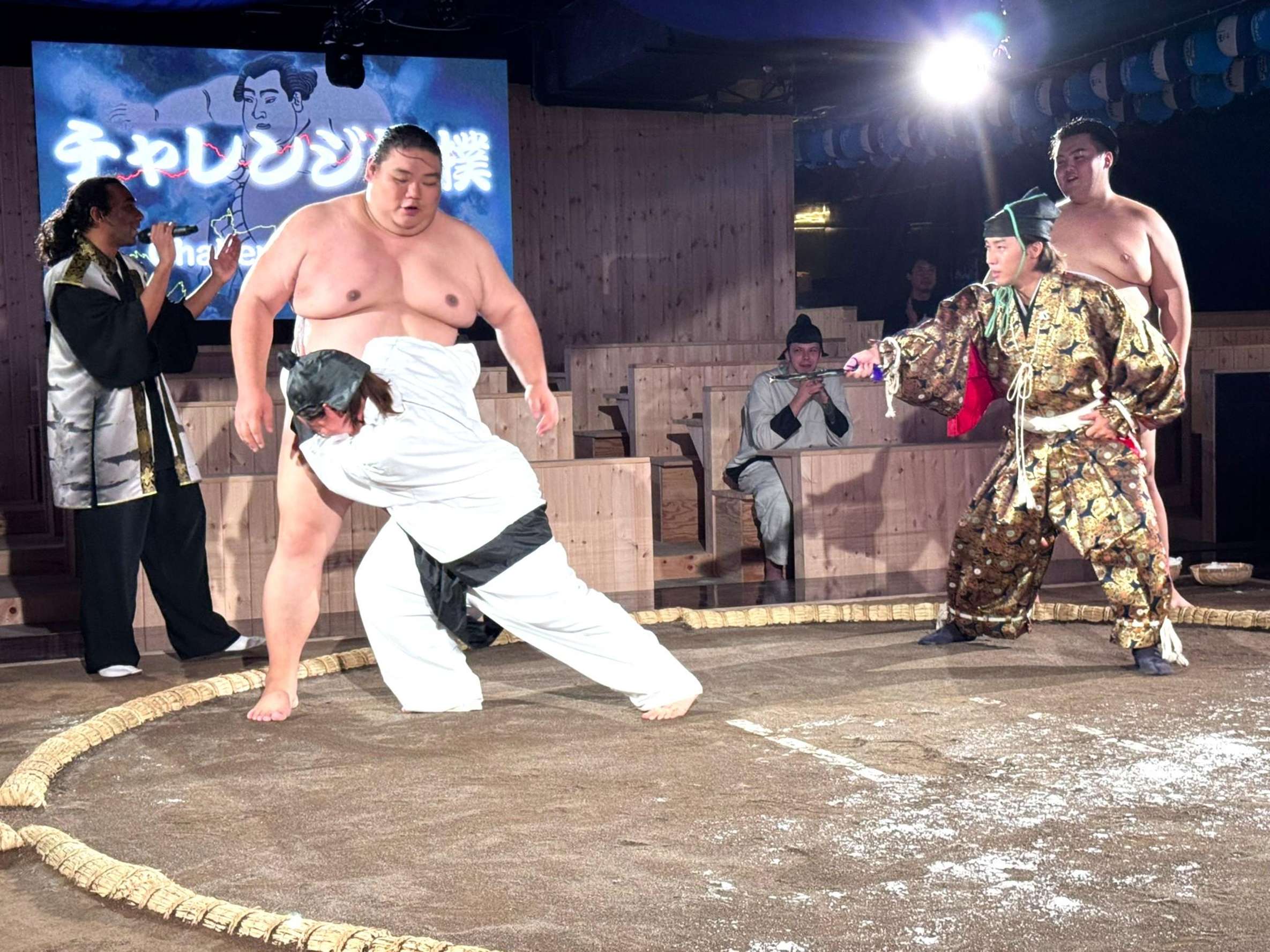
The part people talk about afterwards is the Sumo Challenge lottery. Winners step onto the clay ring in a padded mawashi and face a former wrestler, and joining is voluntary, so nobody is dragged up from their seat.
Even guests who arrive knowing nothing about sumo tend to leave calling it a highlight of the trip.
That mix, comedy for the kids and genuine bouts for the adults, is what the ticket buys.
When to go - showtimes and the busiest months
Four sittings a day, at 10:30 am, 1:30 pm, 4:30 pm and 7:30 pm, each about 120 minutes including the meal. The morning slot pairs well with a day of sightseeing; the 7:30 pm show puts you inside the tower for the evening and leaves the night free afterwards.
Seats thin out fastest in April, May and October, when cherry blossom and autumn colour pull the crowds. In quieter months, walk-ins on the day are realistic when seats are free, though a booking costs you nothing but a few minutes.
April: 5 out of 5 for how busy it gets.
Tap a month to read it.
The busiest months on that chart are the ones to book early; in a quiet February you can gamble on the door.
The tower itself has its own rhythm. Weekday nights stay relatively calm, while the window between 5 and 7 pm is peak time for the night views and elevator waits can stretch past half an hour.
If you want the deck as well as the show, aim for the transition into evening, when the skyline shifts from daylight to the tower's orange light-up in one visit.
How to get to Tokyo Tower for the show
Six stations put you within a short walk, and the closest is Akabanebashi station on the Toei Oedo Line, five minutes on foot from the Akabanebashi exit.
Onarimon (Mita Line, exit A1) is six minutes, Kamiyacho (Hibiya Line, exit 1) seven, and Shibakoen and Daimon about ten. From Hamamatsucho on the JR Yamanote line it is a 15-minute walk.
From Tokyo Station, the Keihin-Tohoku Line takes about ten minutes to Hamamatsucho. From Shinjuku, the Yamanote Line runs roughly half an hour to the same station.
A taxi beats the train only from Tokyo Station, where the ride is about nine minutes without traffic; from Haneda, the monorail to Hamamatsucho then the walk is the better call.
On that table the train-and-walk rows win from every starting point except Tokyo Station, where a taxi saves real time.
Once inside the tower's Foot Town building, head for the 5th floor front desk, where check-in happens at least 15 minutes before your sitting.
Your visit to the sumo show, step by step
Check-in comes first, and with it the thing many guests remember most: a commemorative photo with the wrestlers right after you reach the front desk, before the meal and performances begin. On the evening show that lands around 7:15 to 7:30 pm.
Then the two hours unfold. A ring-entering ceremony and training demonstrations open the sumo, followed by exhibition bouts on the clay dohyo, serious enough that you feel the impact from your seat.
Between the sumo come the Oiran dance, the Shishimai lion dance, kabuki-style performance and live traditional instruments. The Japanese set meal, with chanko nabe, arrives during the show, and a salt-throwing moment and Q&A with the wrestlers fill out the programme.
Those three numbers shape the whole plan: two hours inside, four chances a day, and a quarter of an hour of buffer at the desk.
A few things regulars wish they had known. Seats are assigned by reservation order, so early bookers sit closer to the ring; the front-row VIP and V-VIP options guarantee it. One drink is included and more cost extra.
The soup portion runs small. Dress is smart casual: comfortable shoes, light layers, clean socks for low seating, nothing tight around the waist, and no gym wear or beach sandals.
Ten minutes of highlights on the train ride over is enough.
Booking the tour or going on your own
Walk-ins are possible when seats are free, but booking ahead wins in the busy months and locks in the seat you want, since tables are assigned by reservation order.
The tour that matches this search, Tokyo: Sumo Entertainment with Japanese Meal at Tokyo Tower, bundles the show, the traditional performances, the Japanese set meal, one drink, the photo session with the cast and a souvenir, with front-row VIP and sukiyaki-upgraded options if you want to sit close.
The practical rule that decides your evening is timing. Arrive 15 minutes before your show time at the 5th-floor front desk; late entry may not be accepted, and the show cannot be extended for latecomers. Most bookings can be cancelled up to 24 hours ahead for a full refund, which makes reserving early low-risk.
What can stop the visit Arrive at the 5th-floor front desk at least 15 minutes before your show time Late entry may not be accepted and the show cannot be extended, so build the walk from the station into your plan
Build that quarter of an hour into your plan and the evening runs itself.

What to look for in a sumo show in Tokyo
Tokyo's sumo shows look similar in the ring; what separates them is setting, food and what the ticket covers. The Ginza show sits on a basement floor, runs cashless and includes no food or drinks.
The Shinjuku show meets on the second floor of the Sekisaku Building, also cashless, with a bottled water welcome drink. The Shibuya show, a minute from Yoyogi Station's East Exit, includes a welcome drink but does not suit wheelchair users.
The Tokyo Tower show stands apart on inclusions: a Japanese set meal and a drink with every seat, four sittings a day, and the landmark itself before and after. When you compare bookings, weigh the meal, the seating guarantee, the language of the commentary and the cancellation terms.
- A guide with youHost or greeter
- Free cancellationCancel up to 24 hours in advance for a full refund
- Book now, pay laterReserve your place and pay closer to the date
- A small groupSmall group
- Hotel pickupNo, you meet at the start
- Wheelchair accessibleYes
- Your languageEnglish, Japanese
Measured on that list, the Tokyo Tower booking covers the meal, the language and free cancellation in one reservation.
What else to do around Tokyo Tower
Two hours inside the show leaves the rest of the day, and the neighbourhood rewards it. The Old Cathedral of St. Joseph is about four minutes on foot, Tsukudajima's old water town seven, and Tsukiji Hongan-ji temple nine. Hatoba Park and Namiyoke Inari Shrine fill out a short loop.
For culture indoors, the Artizon Museum is a 13-minute walk, with the Tokyo International Forum and the Idemitsu Museum of Arts at the 20-minute edge. If you have a car or a taxi ride to spare, KidZania Tokyo and Kokyo Gaien National Garden sit within a short drive.
- 1Old Cathedral of St. Josephtemple, shrine or church4 min walkDirections
- 2Tsukudajimasight7 min walkDirections
- 3Tsukiji Hongan-jitemple, shrine or church9 min walkDirections
Show all 10 places
- 4Hatoba Parkpark or garden10 min walkDirections
- 5Namiyoke Inari Shrinetemple, shrine or church13 min walkDirections
- 6Artizon Museummuseum13 min walkDirections
- 7Tokyo International Forummuseum17 min walkDirections
- 8Ad Museum Tokyomuseum20 min walkDirections
- 9Dai-ichi Life Hibiya Firsthistoric place20 min walkDirections
- 10Idemitsu Museum of Artsmuseum21 min walkDirections
- 1KidZania Tokyopark or garden6 min driveDirections
- 2Kokyo Gaien National Gardenpark or garden9 min driveDirections
- 3Sakurada Gatehistoric place11 min driveDirections
- 4Fukagawa Edo Museummuseum11 min driveDirections
- 5Chōwaden Reception Hallhistoric place11 min driveDirections
- 6Shiba Tōshō-gūtemple, shrine or church12 min driveDirections
A clean way to shape the day: sights in the morning, the 1:30 or 4:30 pm show, then the tower's evening views, or the reverse for the 7:30 pm sitting with the afternoon free first.
What to know before you book the Tokyo Tower sumo show
The venue sits on the 5th floor of Foot Town, inside Tokyo Tower itself. Come to the 5th-floor front desk at least 15 minutes before your show time, since late arrivals can miss the opening.
Four shows run daily at 10:30 am, 1:30 pm, 4:30 pm and 7:30 pm, and the whole stay, meal included, lasts about 120 minutes. Walk-ins are possible when seats are free, though booking ahead is the safer bet.
In the busiest months for these tours, April, May and September, seats go first, so reserve early for cherry-blossom and autumn trips. Quieter months leave more room to book on the day.
You can cancel up to 24 hours in advance for a full refund, which makes it easy to slot the show into a shifting Tokyo itinerary.
Your booking covers the sumo show, the traditional performances, a Japanese set meal, one drink, a photo session with the cast and a souvenir. Extra drinks cost more, and the Tokyo Tower observation deck ticket is separate.
Seats are assigned by reservation order, so earlier bookings sit closer to the ring in the center of the room. Some tables end up farther away, and the soup portion runs small, so order extra if you are hungry.
Smart casual works: comfortable shoes, light layers and clean socks for the low seating. Skip gym wear, beach sandals and anything tight around the waist, and keep your booking confirmation on your phone.
Worth it, if you want sumo without the tournament hunt
This suits first-timers, families with school-age children and anyone who wants sumo, a meal and traditional performances in one sitting inside a landmark, without chasing tournament tickets or a dawn stable visit. Serious sumo fans who want competitive bouts or a silent, authentic practice would be happier elsewhere.
Sumo Show at Tokyo Tower - questions before you book
What actually happens at the sumo show at Tokyo Tower?+
You get a sumo entertainment show with serious exhibition bouts by former professional wrestlers, plus an Oiran dance, a lion dance, kabuki-style performance and live traditional music.
A Japanese set meal and one drink come with your ticket, and a photo session with the cast and a souvenir round it off. A lottery picks guests who want to challenge a wrestler in the ring.
Is the Tokyo Tower sumo show real competitive sumo?+
The wrestlers are real former professionals and the bouts are serious exhibition matches on an authentic clay ring, but the event is an entertainment show rather than a tournament. Expect a lively, comedy-leaning program where the wrestlers still genuinely try. Go in with that in mind and the evening works.
How long does the show last, and how is it paced?+
Your whole stay runs about 120 minutes including the meal. The program blends sumo bouts with the cultural performances and a Q&A with the wrestlers, and there is a salt-throwing experience too. Four shows run daily at 10:30 am, 1:30 pm, 4:30 pm and 7:30 pm.
Where exactly is the venue, and when should I arrive?+
The restaurant sits on the 5th floor of Foot Town inside Tokyo Tower. Come to the 5th-floor front desk at least 15 minutes before your show time, because check-in comes first and the commemorative photo with the wrestlers happens right at the start, before the meal and performances.
Can I get in the ring and wrestle a wrestler myself?+
Yes, if you want to. A lottery selects guests for the Sumo Challenge, where you wear a padded mawashi and face a former wrestler on the real clay ring. Joining is voluntary, and guests are invited up rather than pulled from their seats.
What meal is served, and is chanko nabe included?+
Every ticket includes a Japanese set meal and one drink, and the restaurant serves chanko nabe, the hot pot stew wrestlers eat to build strength, endorsed by a former Yokozuna. You can order extra drinks beyond the one included for an additional charge. Some visitors mention the soup portion runs small.
Is the show good for kids?+
The age bands cover children aged 11 and younger, and the lively, humorous format keeps them engaged. Kids can watch the bouts up close, and families often find the mix of wrestling, dancing and music holds their attention for the full two hours.
Do the shows run every day, and how far ahead should I book?+
The venue holds four shows daily, so it runs every day rather than only certain nights. Walk-ins are possible when seats are free, but in the busiest months for these tours, April, May and September, seats go first, so booking ahead is the safer play.
Where should I sit, and do front-row guests get pulled into the matches?+
The clay ring sits in the center with seats arranged around it, and seats are assigned by reservation order, so earlier bookings tend to sit closer. VIP and V-VIP options are front row. Nobody gets pulled in from their seat; the ring challenge is by lottery and only if you volunteer.
What should I wear to the sumo show at Tokyo Tower?+
The dress code is smart casual: comfortable shoes, light layers and clean socks for the low seating. Skip gym wear, beach sandals and anything tight around the waist, and bring a small bag for your lap plus your booking confirmation on your phone.