


Likely to sell out
1.5 hours·English, Japanese
4.9(90)
Tokyo: Sumo Entertainment with Japanese Meal at Tokyo Tower
Free cancellationSumo entertainment showJapanese set meal

See real sumo without waiting for a tournament. Book a sumo hall show with retired pro wrestlers on an authentic clay ring, a Japanese meal served during the performance, and a lottery that lets you challenge a wrestler in the ring. Book a show today and watch from just a few meters away.
"As a solo traveler I didn't know what to expect, but everyone was so welcoming and professional. I'd happily do it again, recommend it fully."


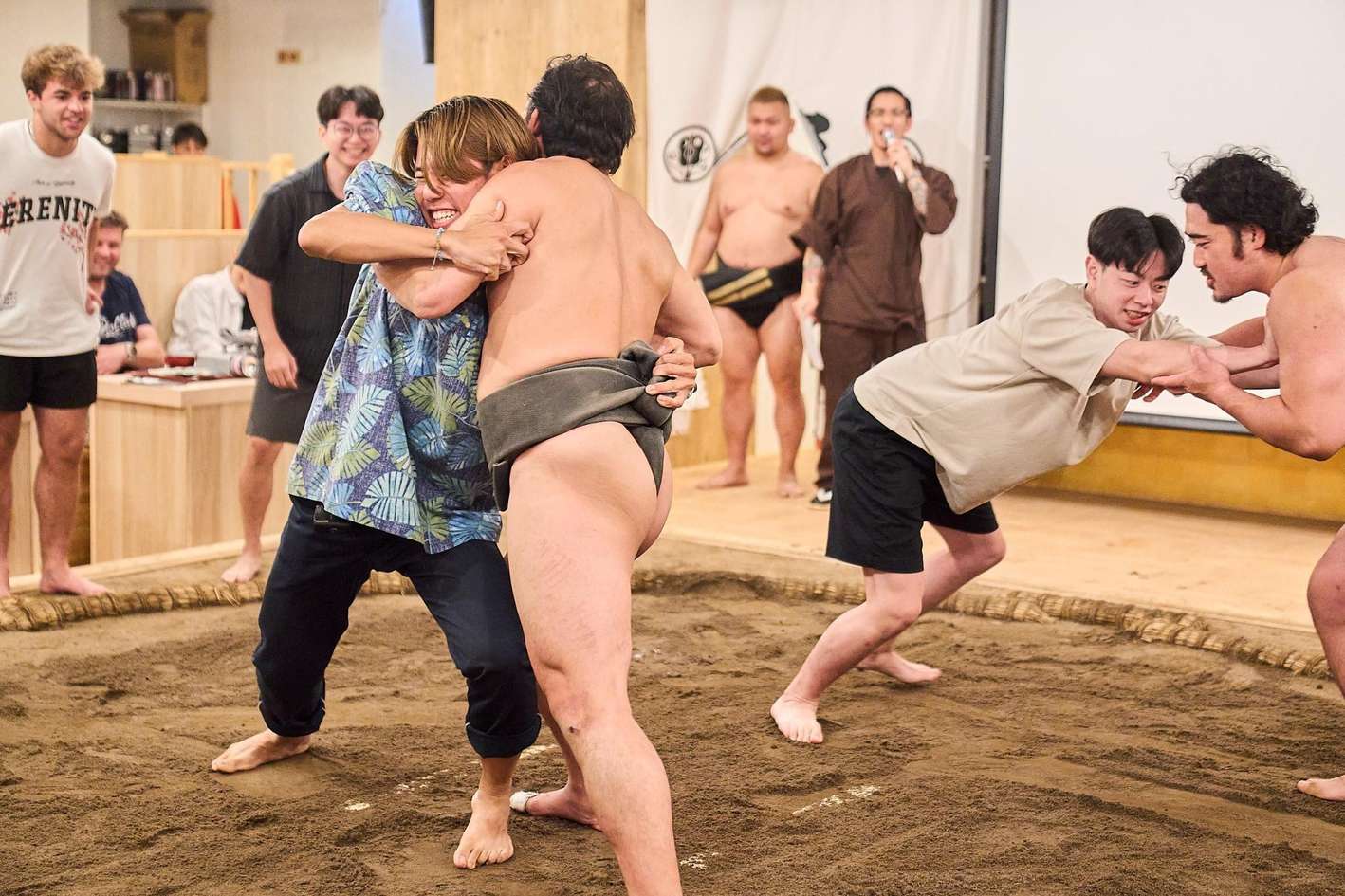
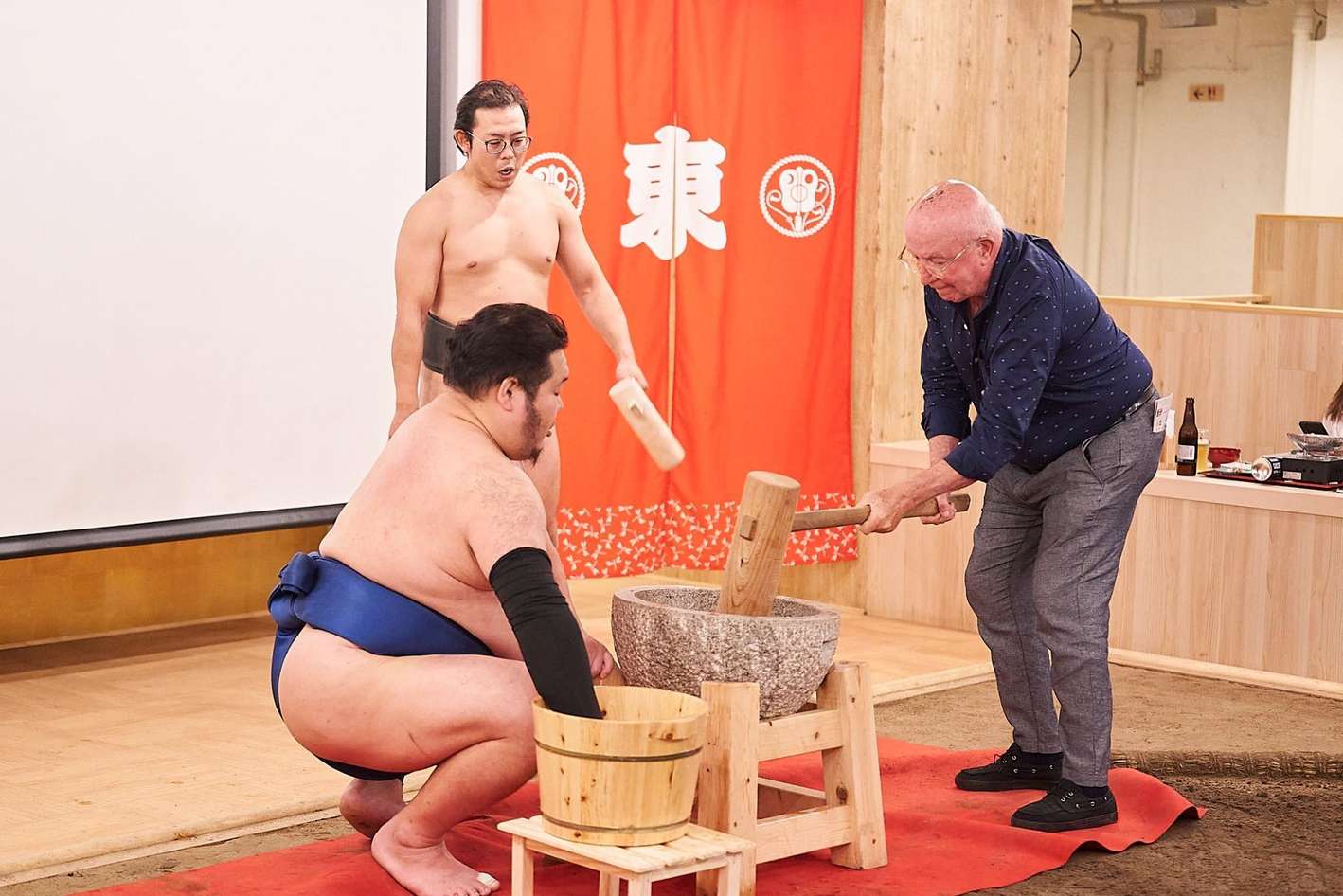
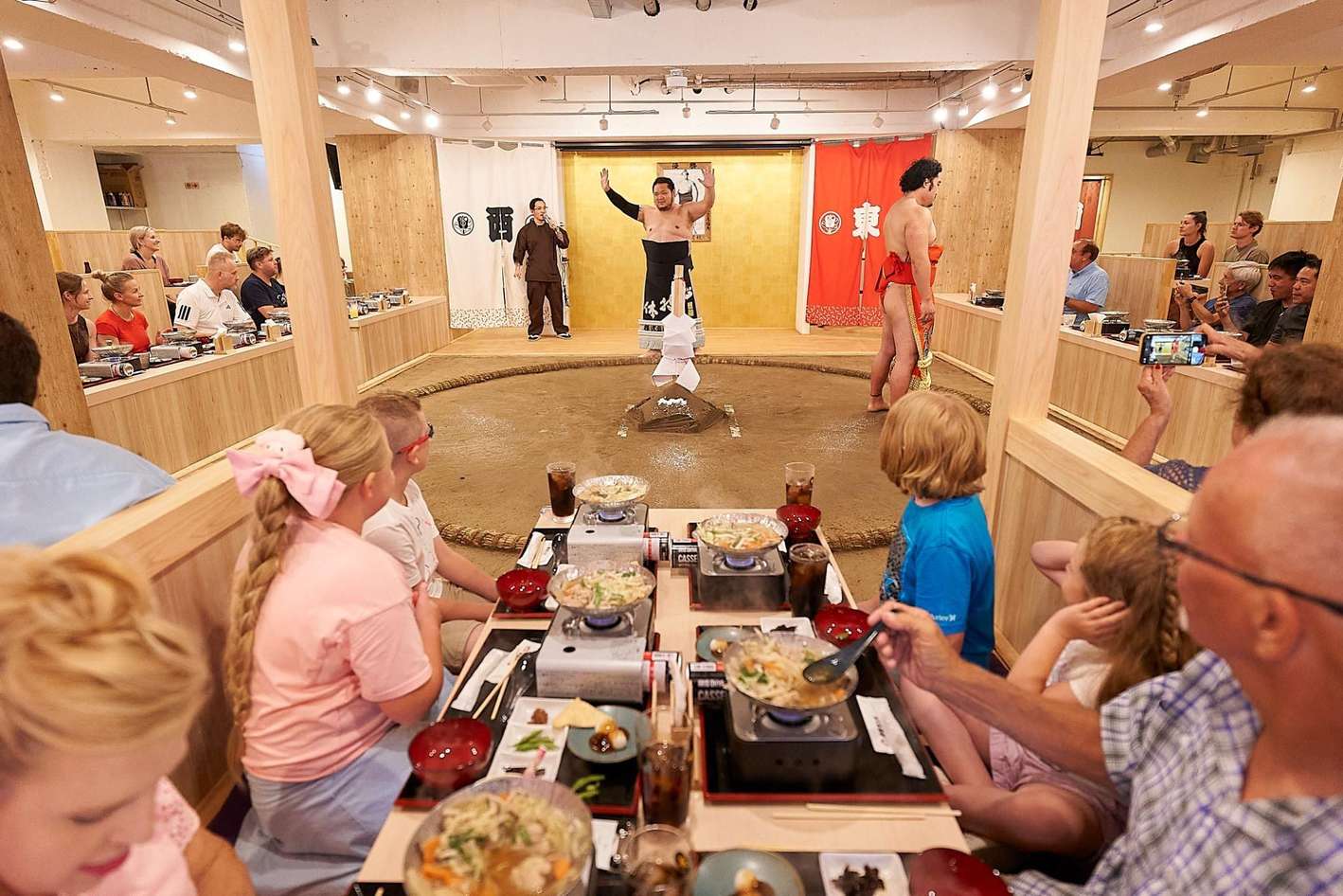
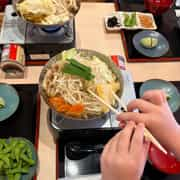
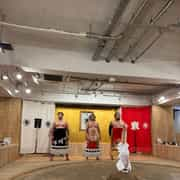
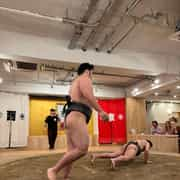

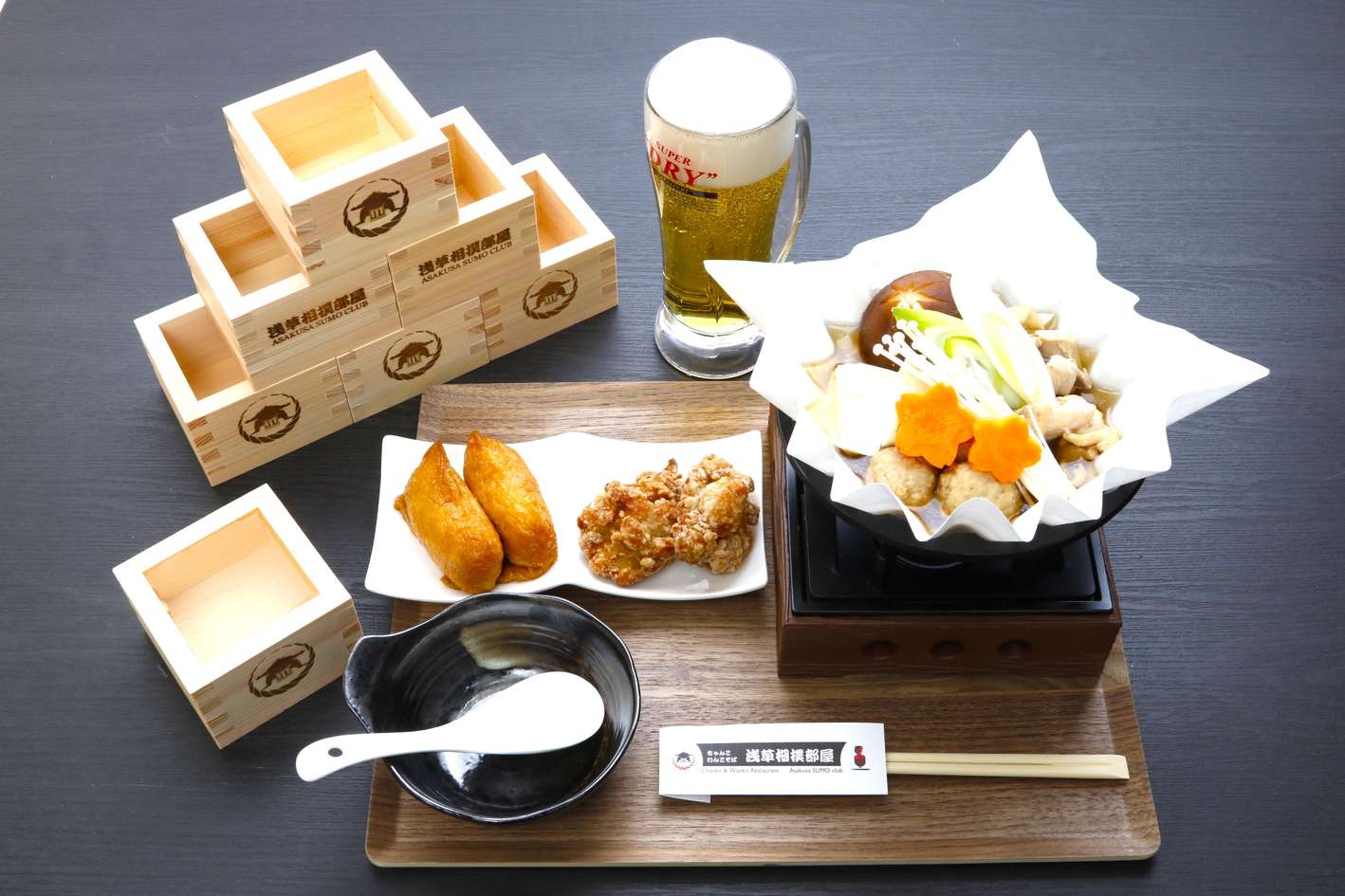
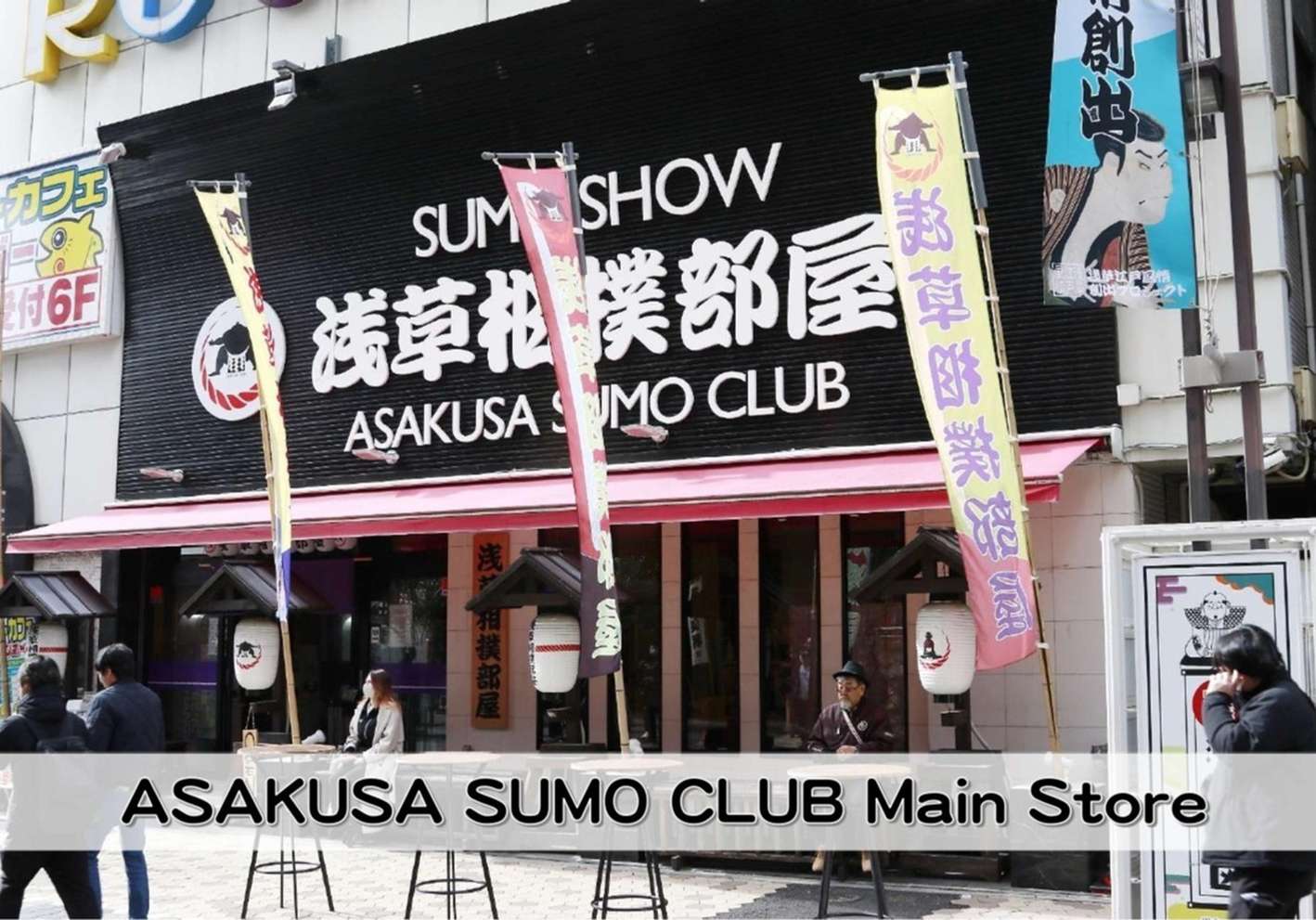
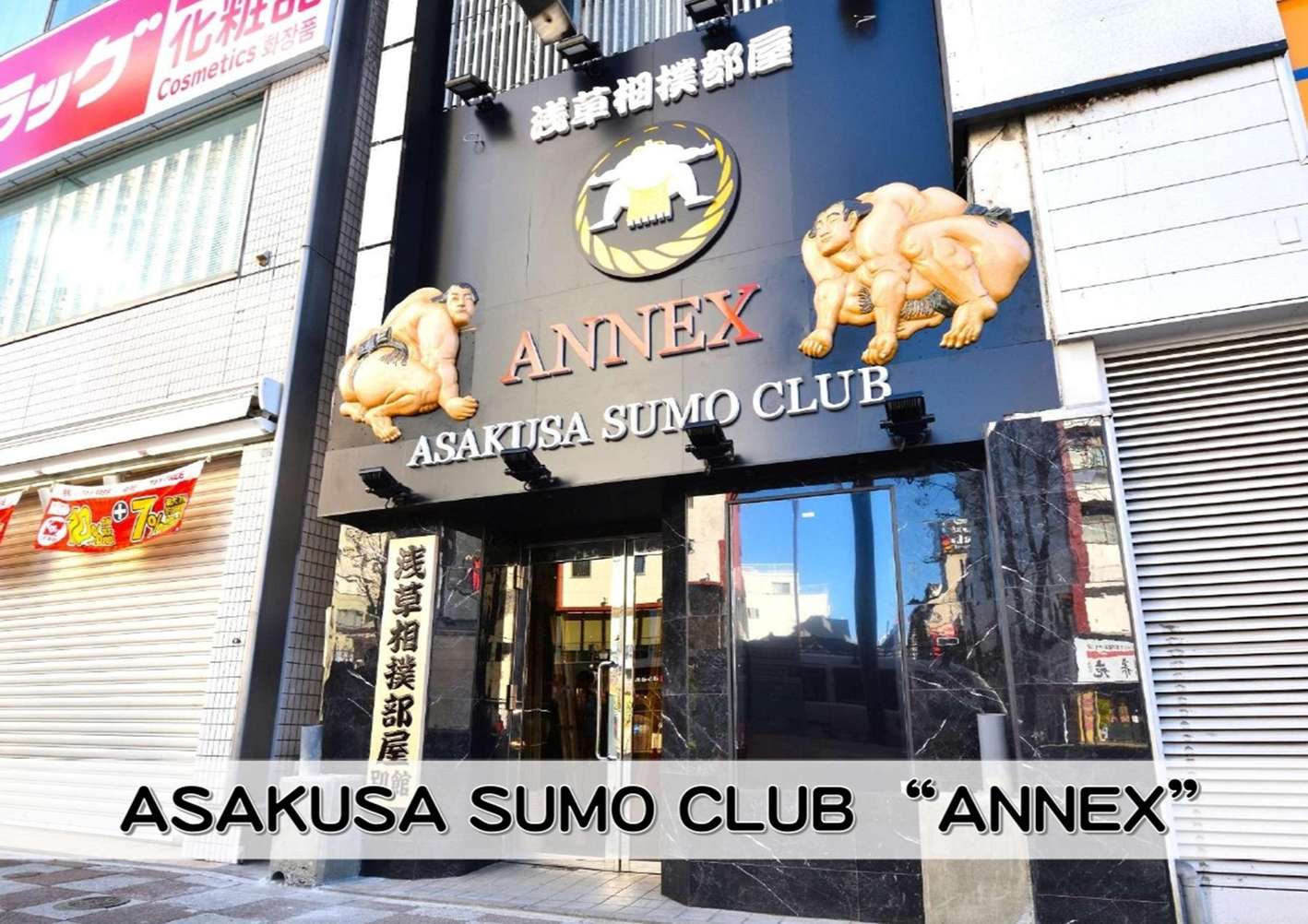
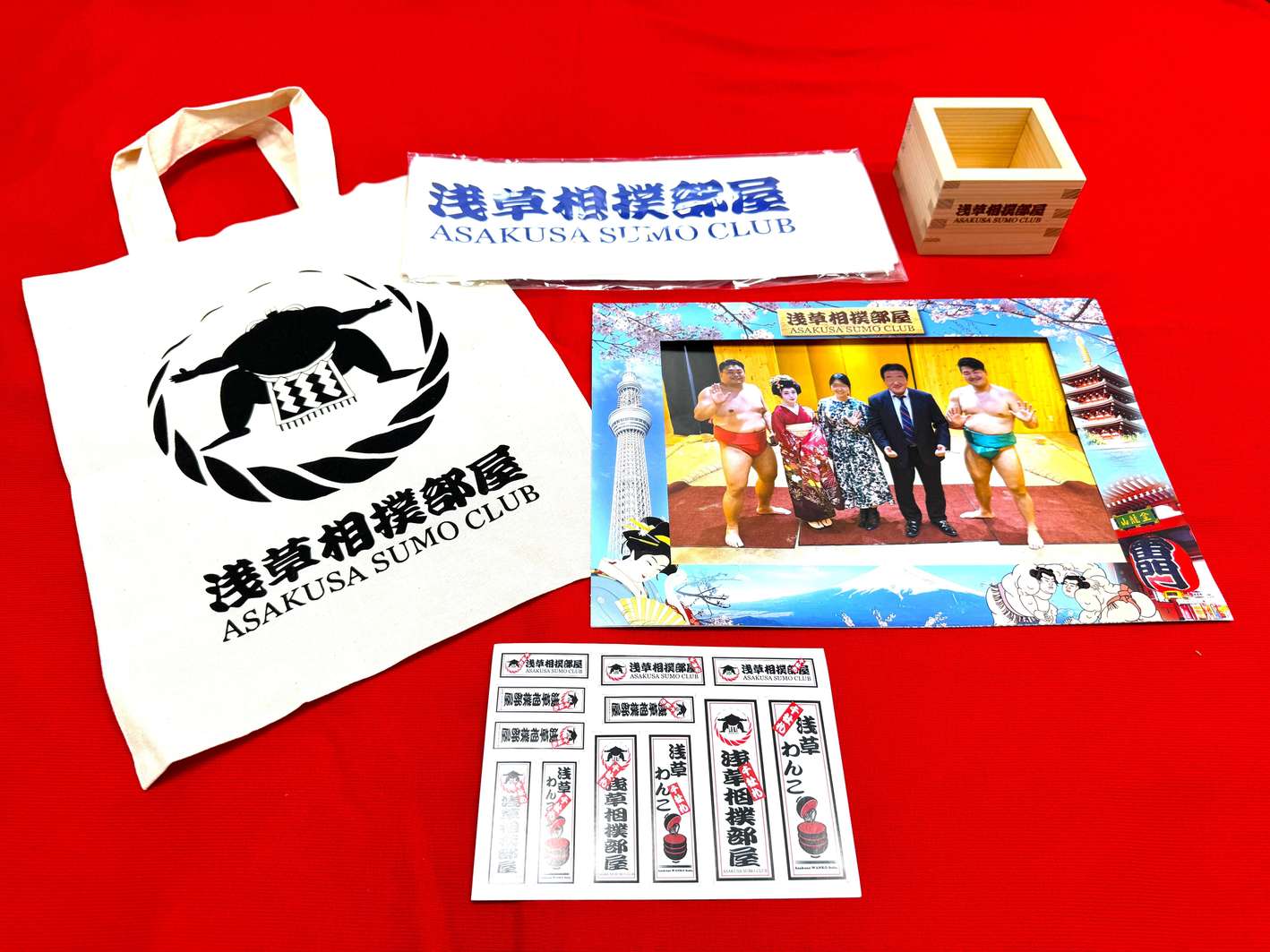
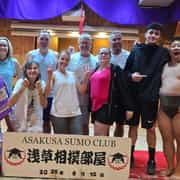
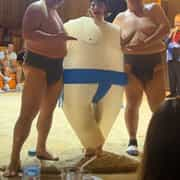

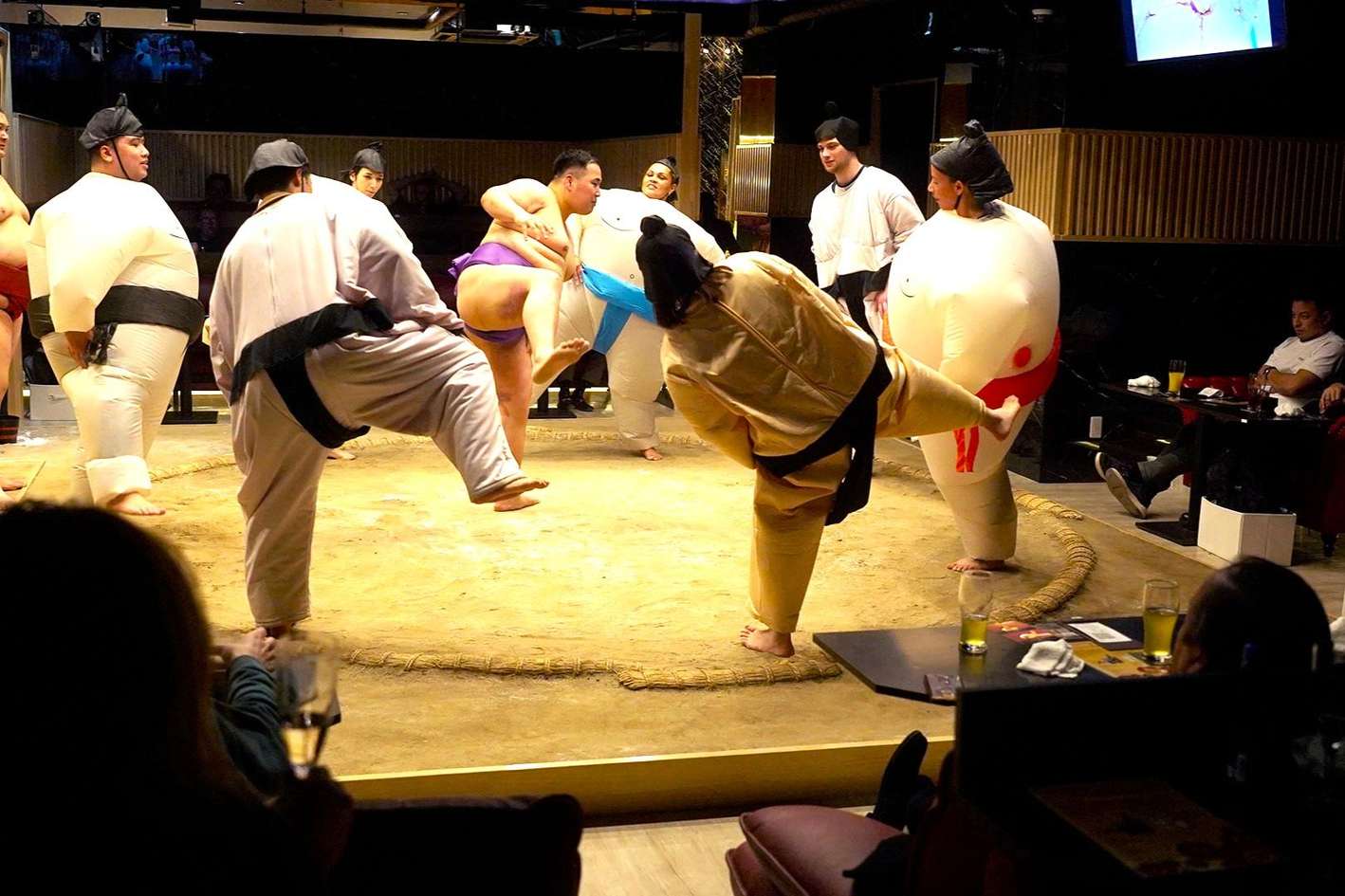
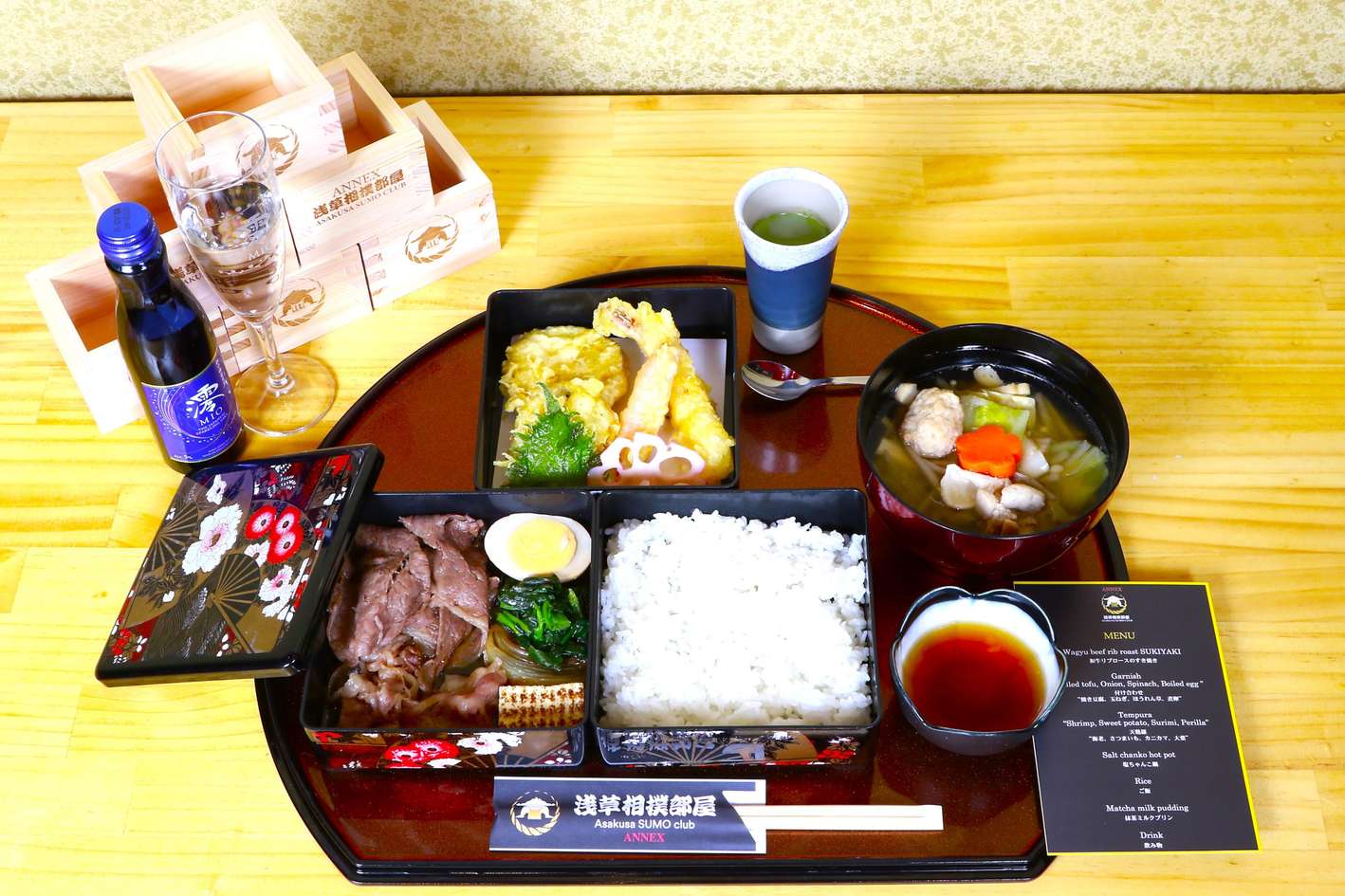
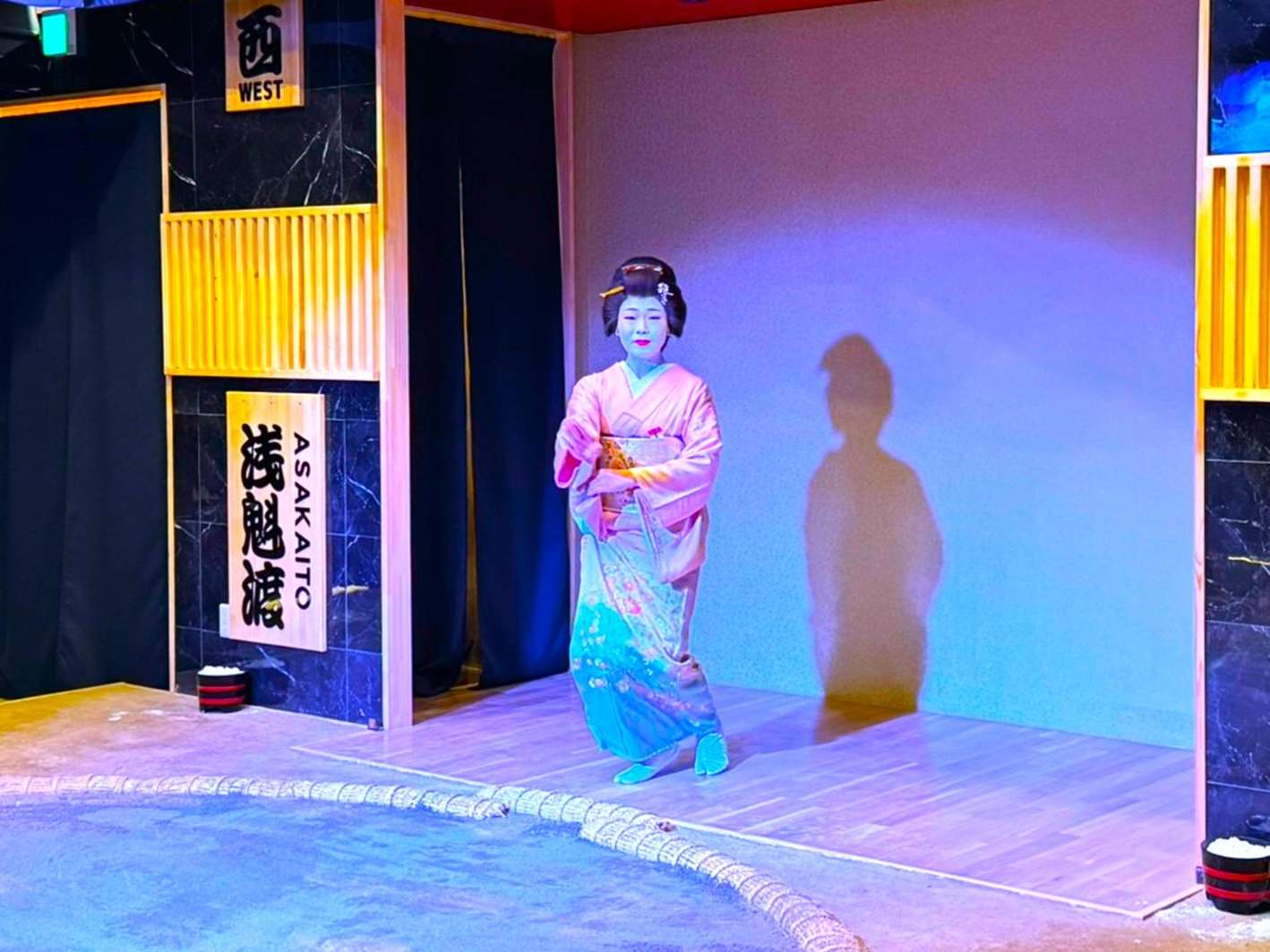
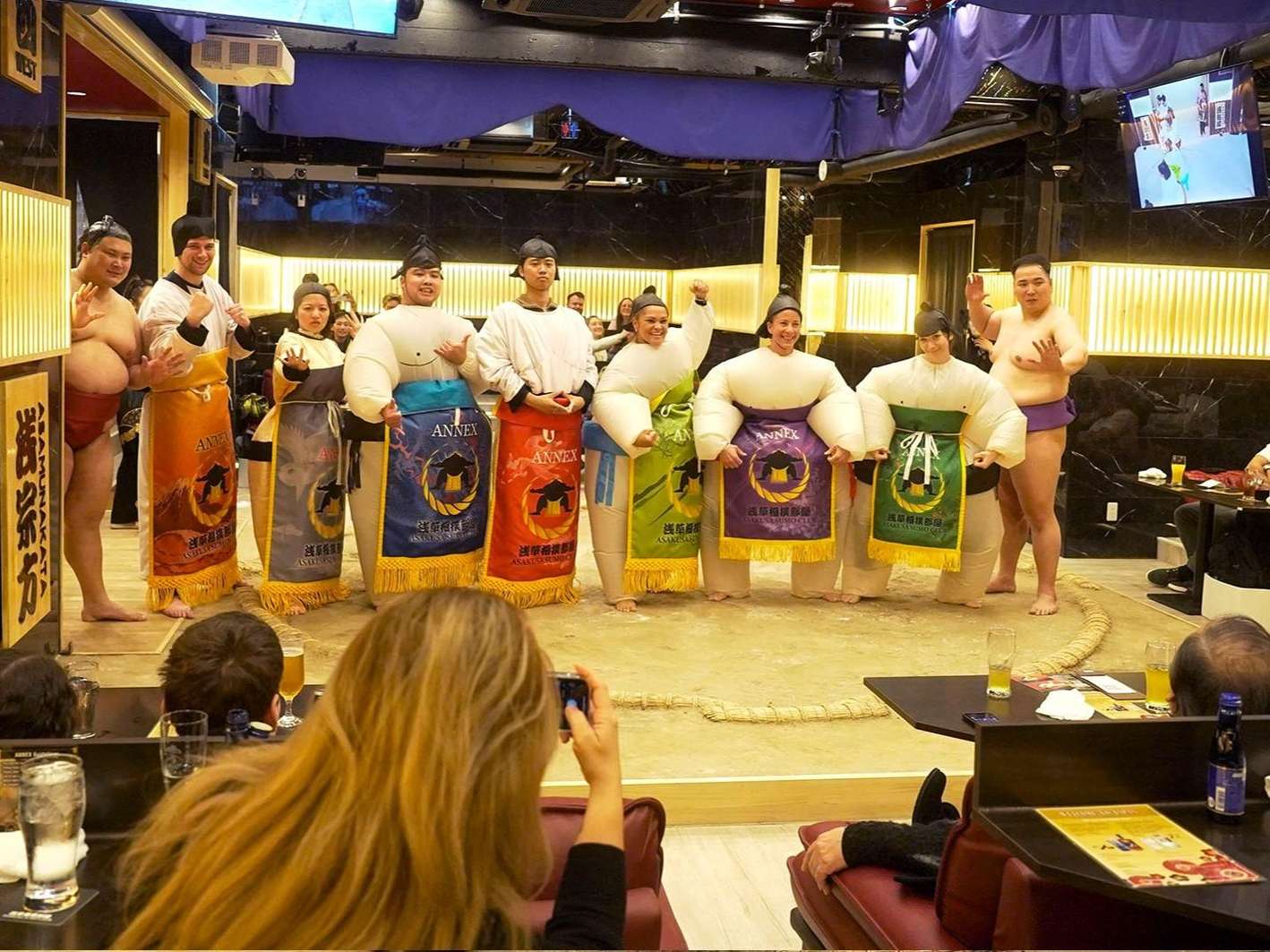
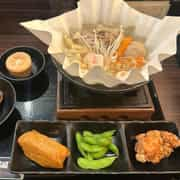
Live bouts by former top-division wrestlers run here daily at 11 am, 2:30 pm and 6 pm, with a hot pot meal served alongside.
Read the guideFour shows run daily inside Tokyo Tower, each pairing bouts by retired wrestlers with a Japanese set meal and one drink.
Read the guideTwo halls, two kinds of evening. The Ryogoku show is all sumo: live bouts, chanko nabe and mochi pounding in the sport's home district. The Tokyo Tower hall mixes sumo with an Oiran dance and a lion dance, and sits inside a landmark you were probably visiting anyway.
Both halls stage live bouts by retired wrestlers; they differ in setting, food and how much of the evening belongs to sumo alone.
The sumo district itself, with chanko nabe and mochi pounding at your seat
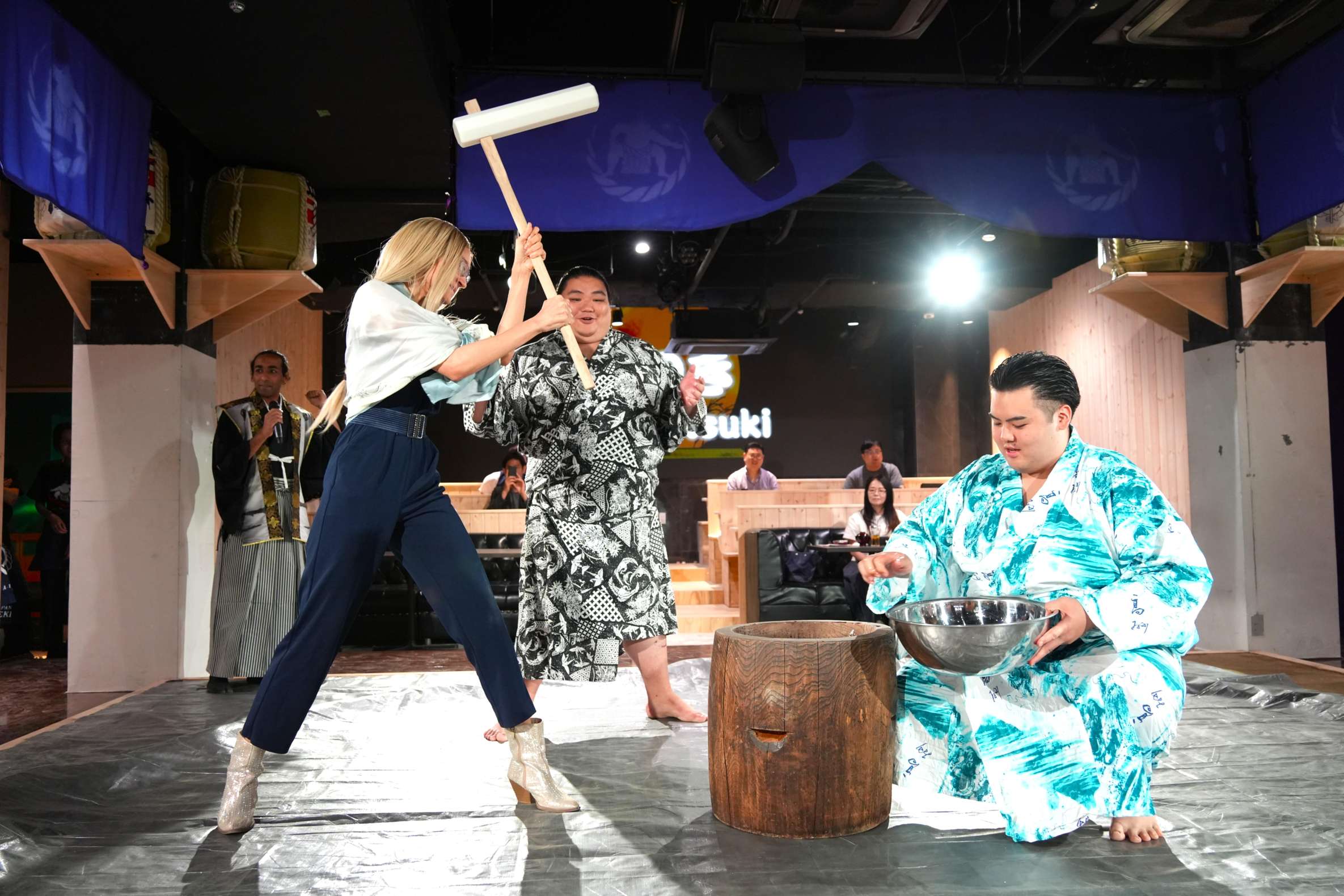
Ryogoku is where sumo lives. The Kokugikan arena stands two stops from Akihabara, stables sit around the corner, and a show here runs 90 to 120 minutes of live bouts, chanko nabe at your seat and, if you raise your hand at the right moment, mochi pounding with the wrestlers.
It is the closest a visitor gets to the sport's home ground on a year-round schedule.
Sessions run at 11 am, 2:30 pm and 6 pm, so the 2:30 slot fits neatly between sightseeing and dinner. April and October draw the biggest crowds, which means booking well ahead for cherry blossom and mid-autumn trips. Cancel up to 24 hours before for a full refund; inside that window there is none.
Sumo bouts, an Oiran dance and a lion dance inside a landmark
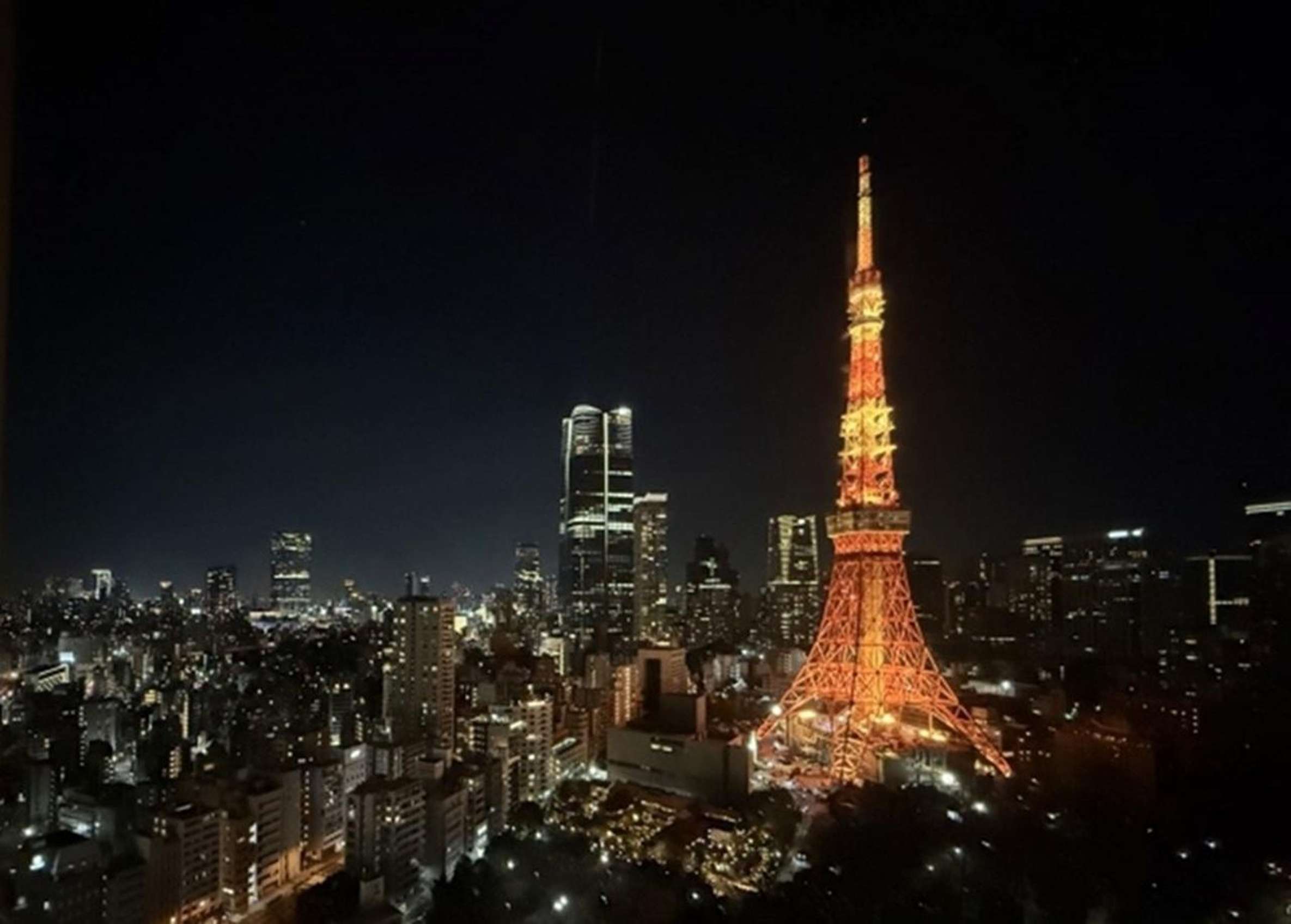
This hall sits on the 5th floor of Foot Town inside Tokyo Tower, so the show doubles as the landmark visit.
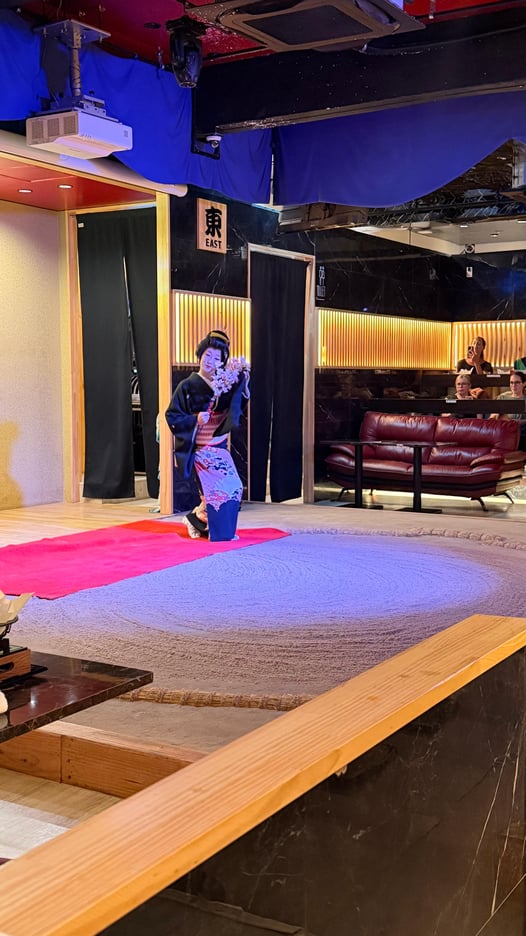
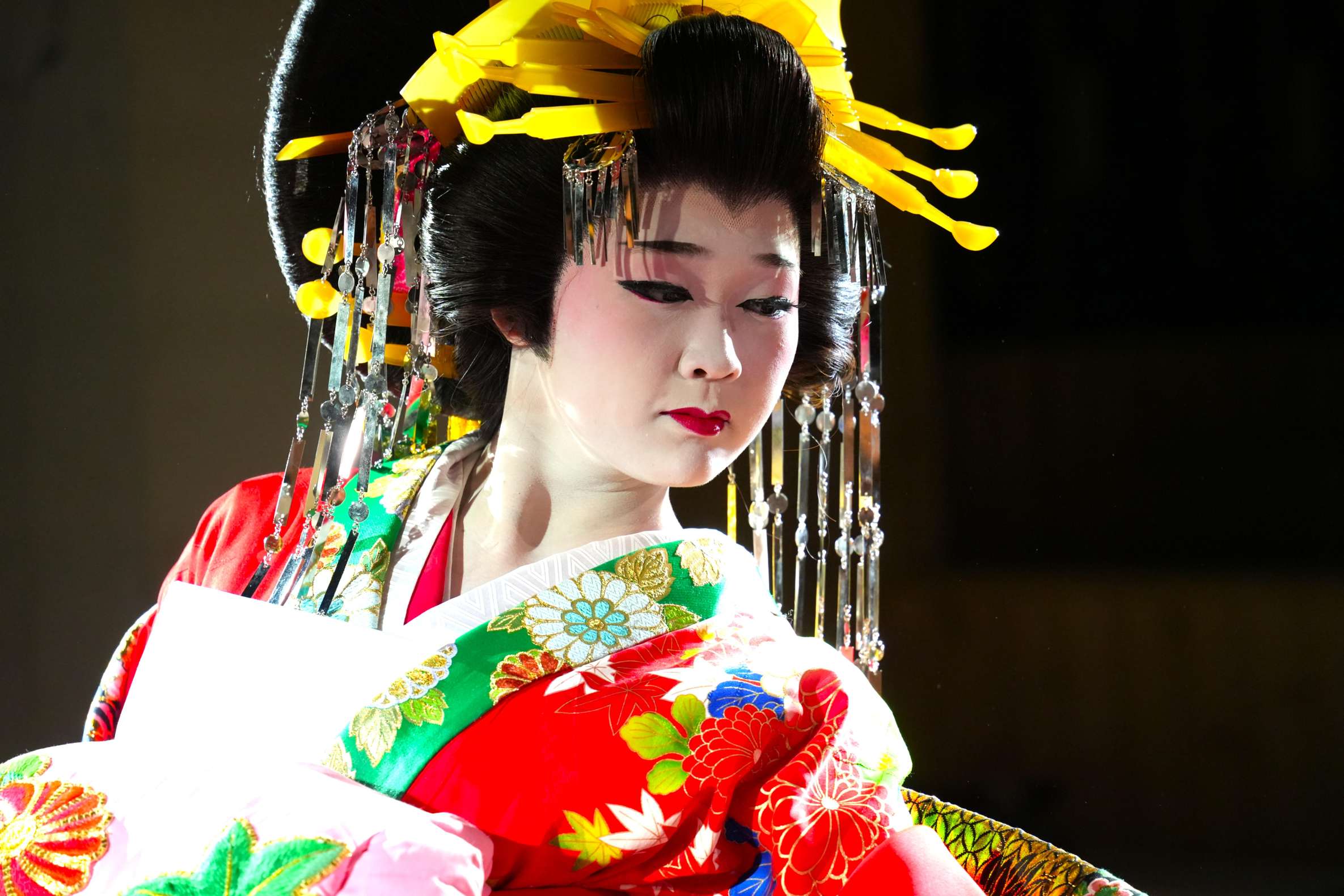
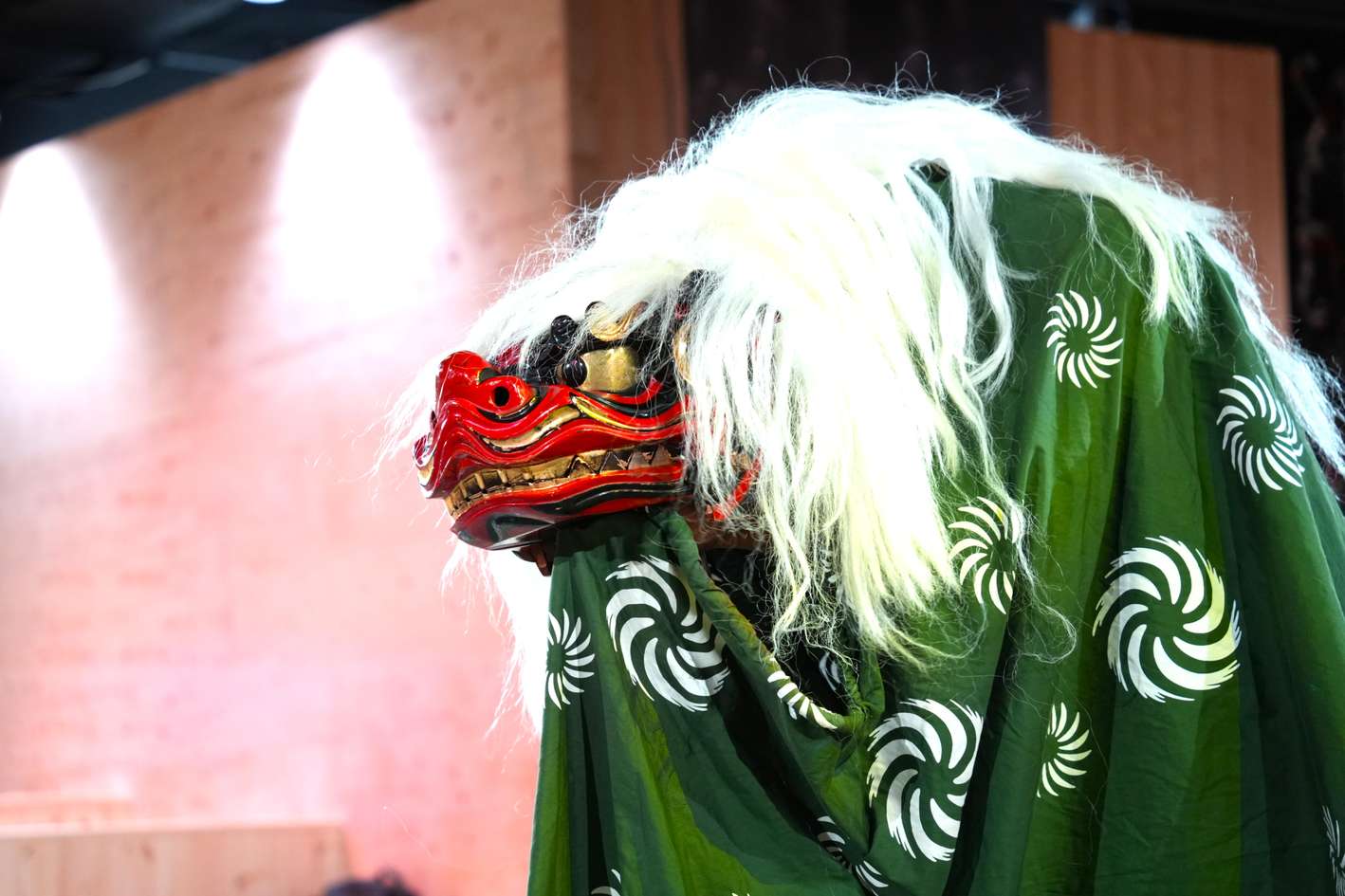
Alongside bouts by former professional wrestlers you get an Oiran dance, a lion dance and live traditional music, plus a set meal and a drink during your stay. A lottery picks who challenges a wrestler in the ring.
The show itself runs about 90 minutes on the ticket, while the operator counts the whole stay at 120 minutes including the meal, a slow, generous evening either way.
Four sittings daily at 10:30 am, 1:30 pm, 4:30 pm and 7:30 pm; reach the 5th-floor desk at least 15 minutes early. Book ahead in April, May and September, when seats go first; on quiet weekdays walk-ins sometimes work.
A sumo hall in Tokyo is a dinner-show venue where retired professional wrestlers perform, and knowing that decides whether you leave delighted or let down. The choice of hall matters as much as the night itself.
The wrestlers are retired professionals, so the skill is real even when the bouts are choreographed.
Venues cluster in five districts, each a short walk from a station.
Shows run 90 minutes to two hours, and much of that is explanation before the bouts.
If a grand tournament overlaps your trip, go to the real thing.
Shows sell out fast in peak months, so book early for evening slots.
Book your seats well in advance, front-row and weekend sessions first, and lock in your date before you plan the rest of the day around the show.
A sumo hall is a small venue where retired professional wrestlers stage a performance for visitors. You sit close to the ring, an English-speaking host explains the rules and rituals, and the wrestlers put on exhibition bouts.
Some halls add a meal, others a photo session or a turn in the ring for guests chosen from the audience.
The Tokyo Tower sumo hall runs four shows a day at 10:30 am, 1:30 pm, 4:30 pm and 7:30 pm, listed at an hour and a half each, with a Japanese set meal and a drink included; the total visit, with the meal eaten during the performance, comes to about two hours.
Between the bouts you watch Oiran dancers, a Japanese Lion Dance and classical instrument performances, so the evening mixes sumo with a wider slice of traditional stage art.
The hall is a stage and the matches follow a script, and that is exactly what most visitors want: sumo explained in English, seen from a few metres away, without waiting for a tournament month.
The wrestlers at these halls are usually former professionals who competed in the Japan Sumo Association ranks, so the technique on the ring is genuine even though the contests have no stakes. The matches themselves are choreographed. What you are buying is entertainment performed by people who spent years as competitive rikishi.
The honest way to judge a show is the cast list. A genuine show can name each performer and their professional career.
One performer at a Tokyo hall, for example, competed for 14 years under the ring name Itadaki Sennosuke before retiring through injury. If a booking page stays vague about who is on the ring, that tells you something.
Drop one expectation before you book: nobody is fighting for a championship here. Visitors who walk in expecting a real tournament often feel let down, while those who book it as a lively introduction with retired pros tend to have a great evening.
Book it for what it is, and check whether the operator names its performers' professional careers.
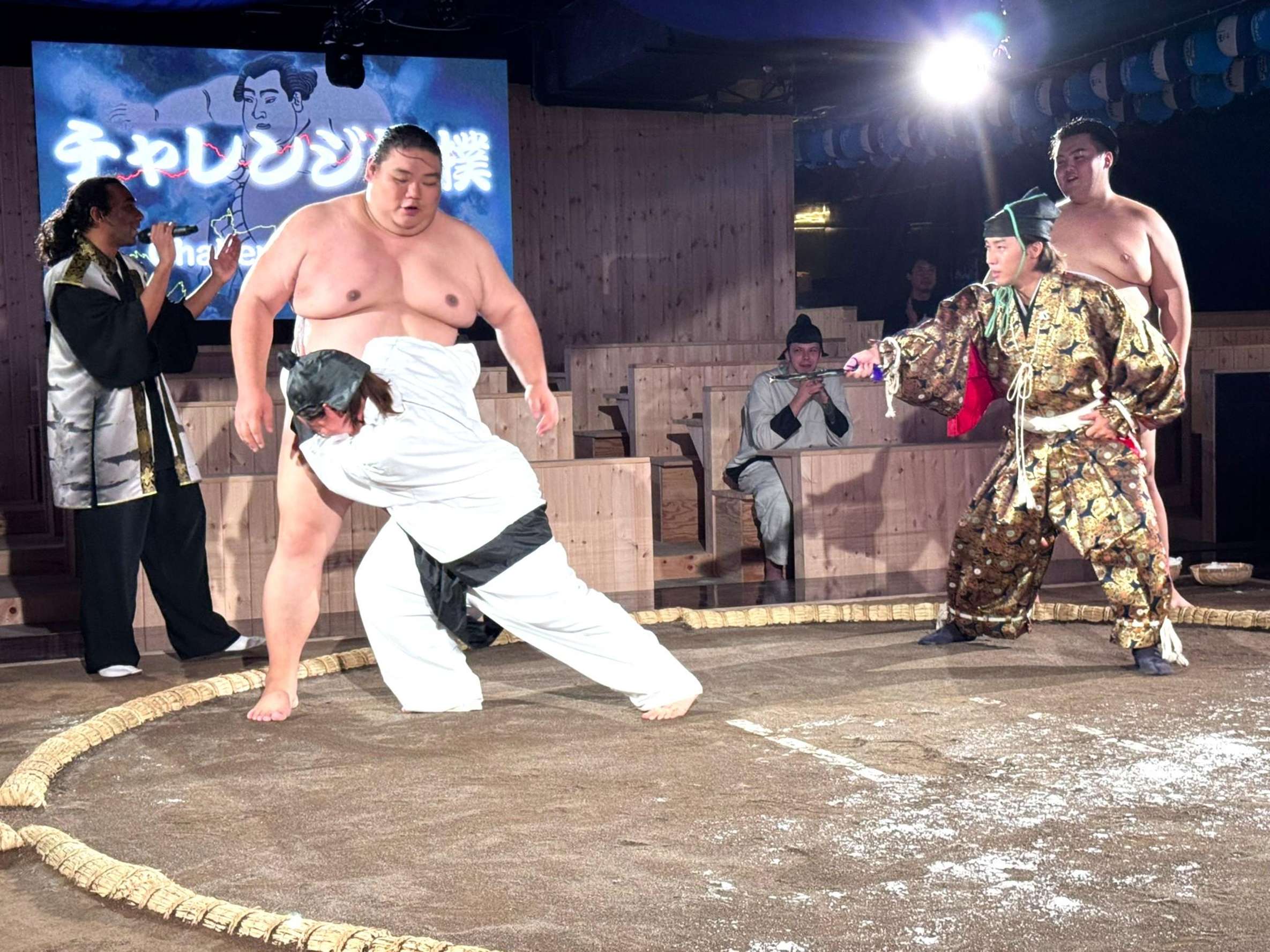
Tokyo's visitor sumo halls sit in five districts, each a short walk from a station, and the choice between them is mostly about format and neighbourhood. Ryogoku, the traditional sumo district, stages shows with retired pros plus chanko hot pot and mochi pounding.
Tokyo Tower pairs its show with a Japanese set meal. Ginza runs a no-meal format aimed at an upscale dinner-and-a-show evening elsewhere. Shinjuku's Kabukicho venue keeps things short and interactive, and Shibuya is the family option where kids can watch or wrestle.
Ryogoku and Tokyo Tower turn the meal into part of the evening, which suits anyone who wants dinner and the show in one sitting, with no separate restaurant booking. Shinjuku and Shibuya keep prices low and the format light, with a welcome drink and photos built in.
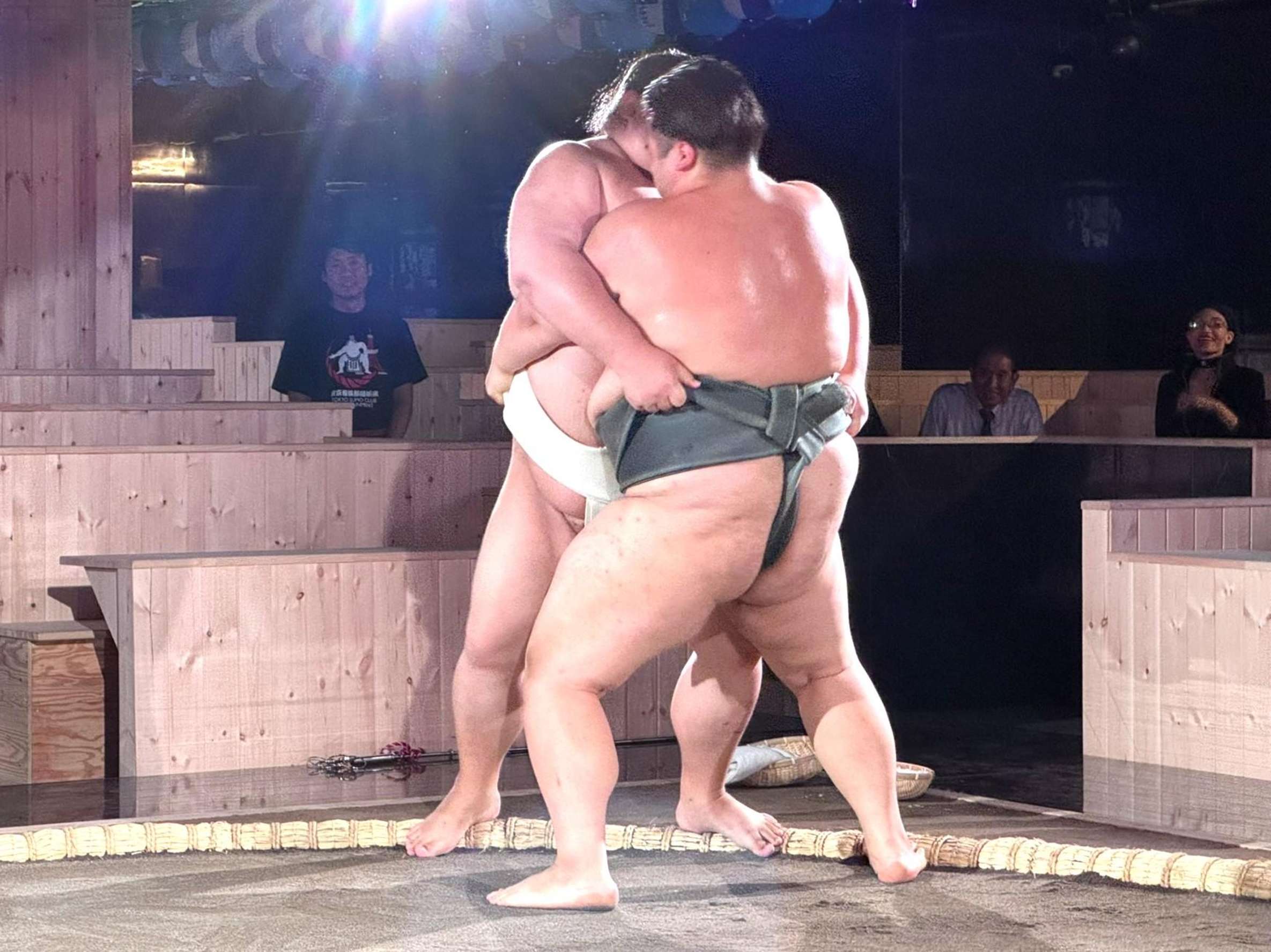
Wrestling looks similar across venues. What differs is the bundle around it. Across Tokyo's formats, seven include a meal, five include photos with the wrestlers, and six let you try a bout yourself. The Tokyo Tower hall bundles a Japanese set meal and one drink with the show and the traditional performances.
The meal deserves a word of its own, because it is usually chanko nabe, the hot pot that sumo wrestlers eat. In the sumo world, chanko means any dish a wrestler eats, and the stew is only one of them.
The hot pot served at the shows is prepared by ex-professional wrestlers and tastes much like what stables cook. Luxury formats add wagyu sukiyaki, tempura and matcha dessert on top.
A meal-included seat is also worth it for pacing. Eating during the show keeps the long talking sections entertaining. Check your booking details for which food and drinks are included before you pay, because the tiers vary from a welcome drink to a full hot pot dinner.
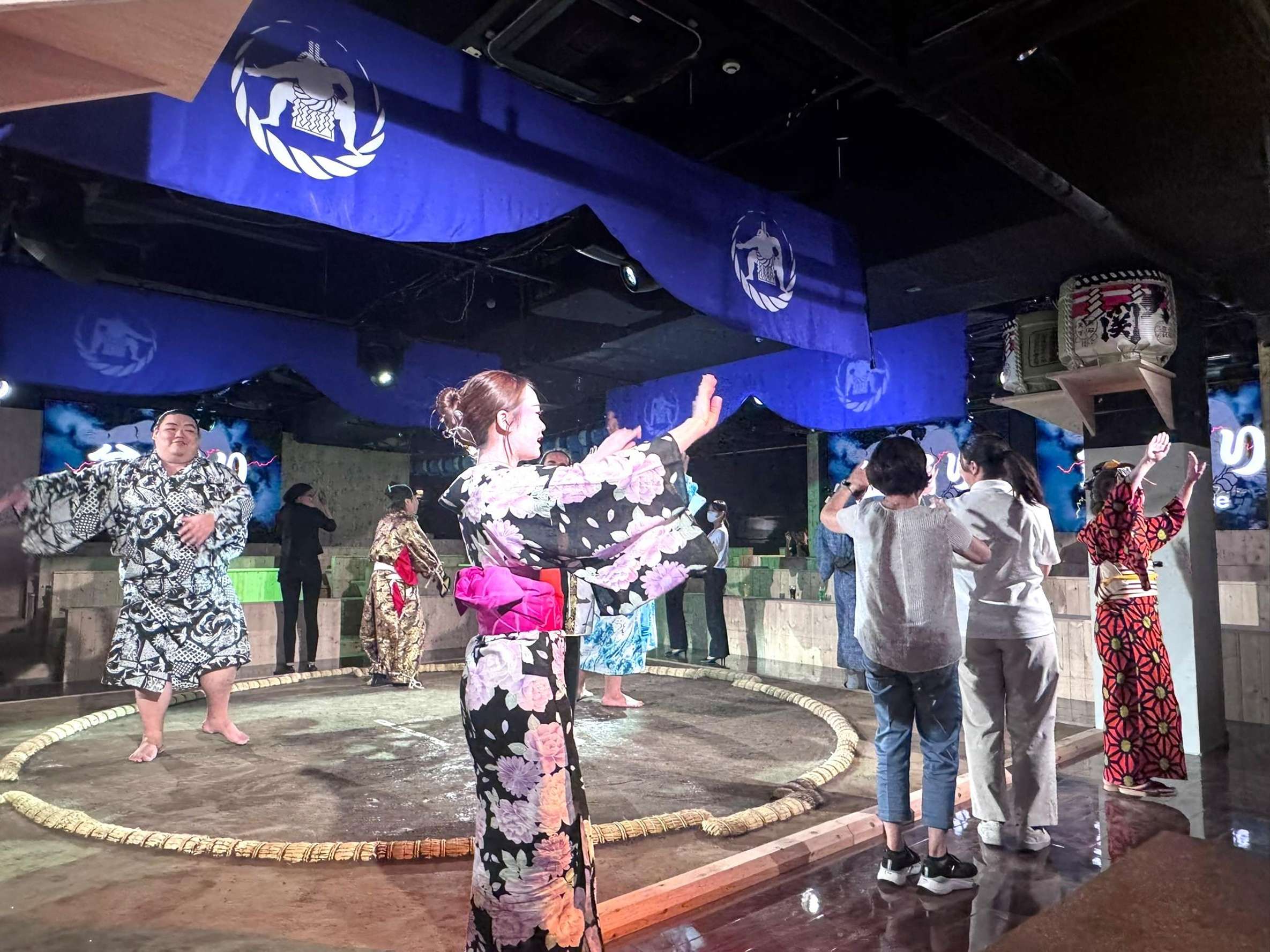
Some halls lean funny and participatory so children stay hooked from the first bout. Shinjuku and Shibuya accept children of 12 and younger, and at Shibuya infants sit on laps.
The Ryogoku experience is built for adults and children together, and children are sometimes picked for the ring challenge, with the wrestlers making a show of losing to them. If the room is lively and the host is telling jokes, a four-year-old can follow along.
Adults who want craft should look elsewhere. The hands-on training option at the Ginza show, run separately from the main performance, is not suitable for children under 5, pregnant guests or guests with serious medical conditions, and children there must be with a guardian.
For intensity and genuine technique, morning practice at a working stable beats any hall, but it demands strict silence and stillness, so it suits older, quieter kids or adults travelling without children.
Mobility is worth checking too. The Shibuya show is not suitable for wheelchair users, while the Ginza venue asks wheelchair users to contact staff in advance for assistance.
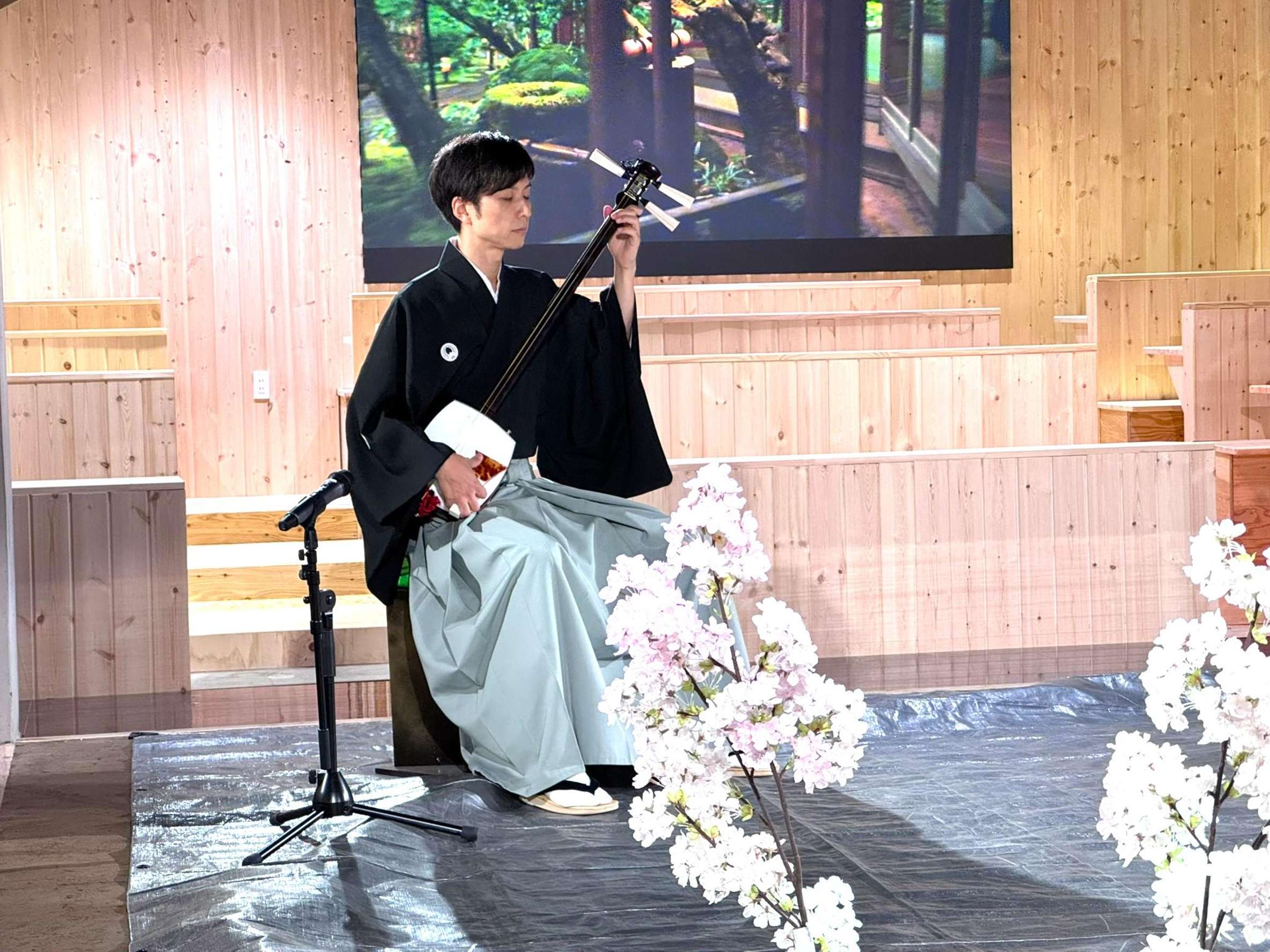
Tokyo shows run 90 minutes to two hours, and the actual wrestling often fills only the last 15 to 30 minutes. The 90-minute format opens with roughly 40 minutes of explanation about the wrestlers' lives, the stretches and the rules, then about 20 minutes of bouts and demonstrations, then the ring challenge and photos.
That split matters when you slot the show into an itinerary: if you arrive expecting wall-to-wall wrestling at minute one, the opening can feel slow.
Meal-included formats stretch longer because eating happens during the performance. The Tokyo Tower show is listed at an hour and a half of performance, and the total visit, with the meal served during it, comes to about two hours.
Shows can also start noticeably later than the time printed on the ticket, so arriving right at the printed time risks a rushed seat search. Plan 15 to 20 minutes of slack and the whole thing runs smoother.

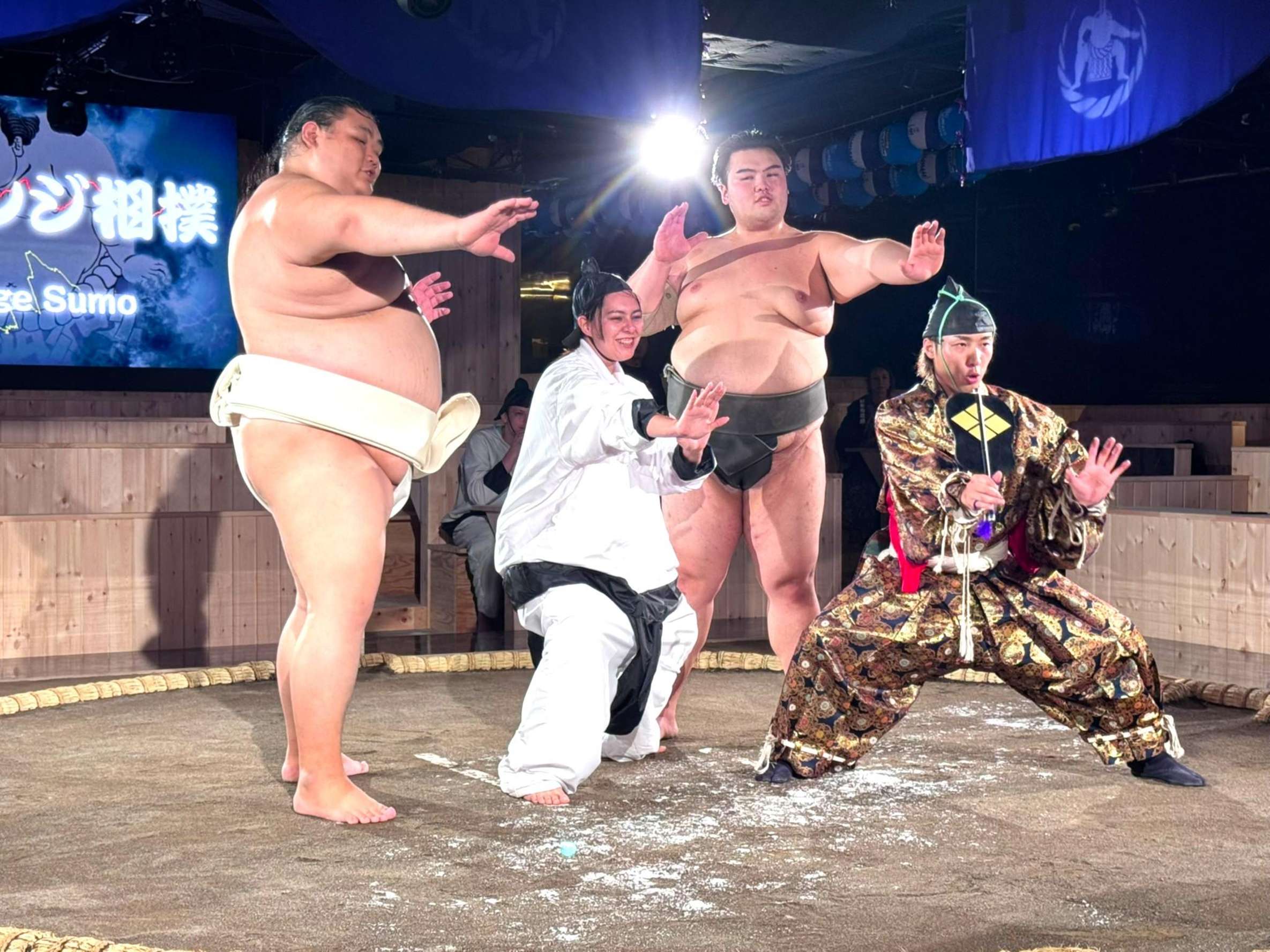
Sometimes you can book on the day itself. One operator in Tokyo sells same-day tickets online up until 30 minutes before the show starts, if seats are still available. The Ginza venue books online on the day of the show until 3 pm, and another accepts same-day reservations up to three hours before the start.
The limits are just as real. Venues hold irregular dark days each month, published on monthly calendars, and shows sell out fast in April, May, September and October, the months when tour bookings peak. Availability can disappear when you try to rebook closer to your date, so a same-day booking only works on quiet weekdays.
The Tokyo Tower hall runs four shows a day at 10:30 am, 1:30 pm, 4:30 pm and 7:30 pm, which gives you several chances in one day if an earlier session is full. Decide early in your trip, before the peak sessions sell out.
Venues have irregular dark days each month, and shows can sell out fast in April, May, September and October, when availability can vanish on a rebook closer to your date.
Those calendar quirks mean a loose plan costs you seats: pick your date, check the venue's calendar for dark days, and book before the peak months bite.
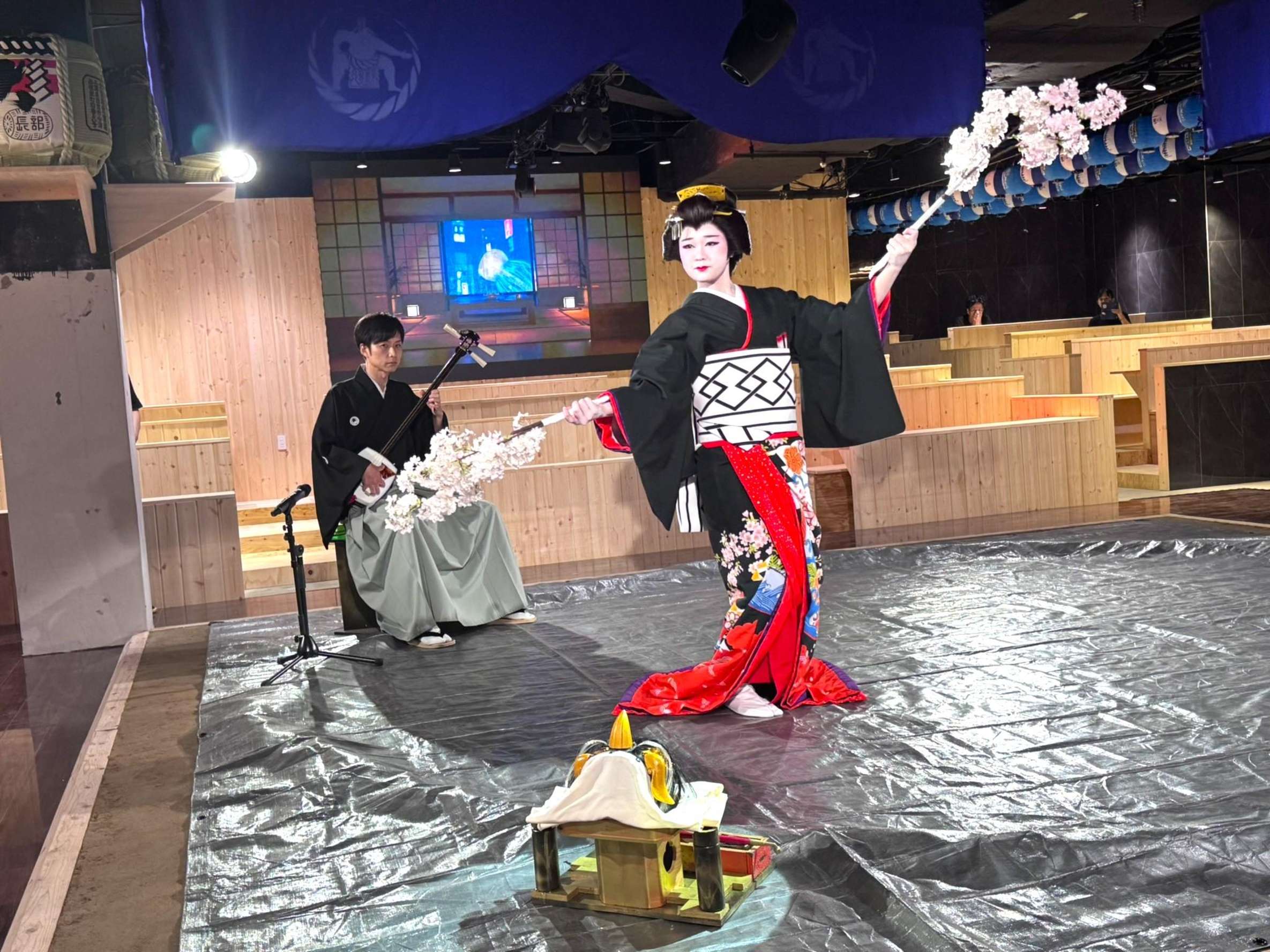
If a grand tournament overlaps your trip, go to the real thing. Tokyo hosts tournaments in January, May and September, Osaka in March, Nagoya in July and Fukuoka in November, each running 15 days. A tournament has the crowd, the pressure and the careers being decided, and no staged bout reproduces that.
Outside those weeks, the hall is exactly what a tournament cannot be. Shows run year-round, the host explains every ritual in English, and you get close enough to the wrestlers for photographs and the ring challenge.
A tournament gives you none of that access, and a stable practice visit gives even less: at a real stable you sit still and silent, with no talking and no questions until the end.
The experienced-traveller rule is simple. Tournament in town, buy tournament tickets and book early, because seats sell out within minutes. No tournament in town, book a hall for the explanation and the participation, and treat a stable visit as a second, quieter option.
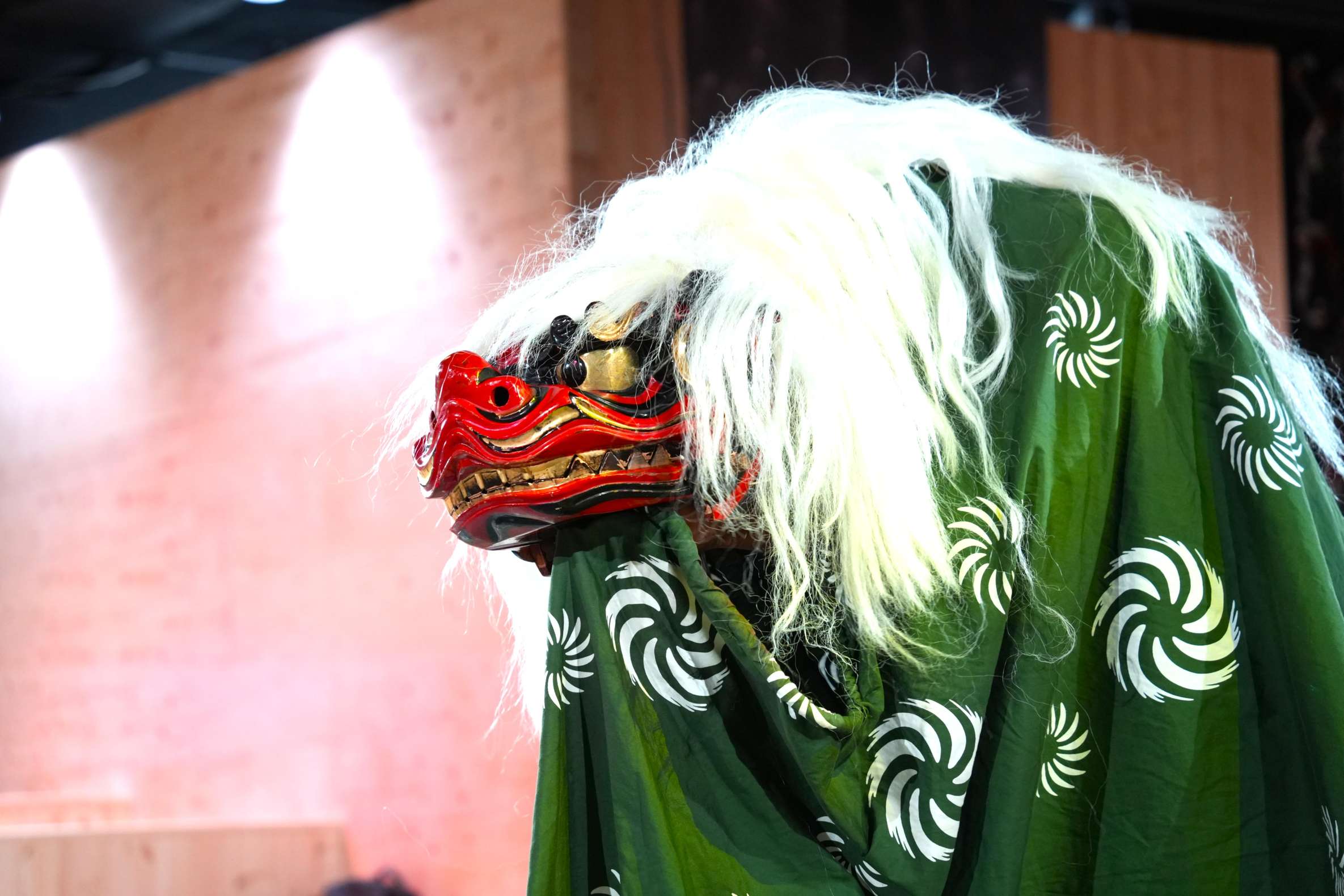
Every venue sits a short walk from a station, so the train wins almost every time. From Tokyo Station, the Marunouchi Line takes about 10 minutes to the Ginza show, then a 4-minute walk.
From Shinjuku, the same line reaches Ginza in about 20 minutes. Ryogoku takes about 13 minutes from Tokyo Station on the JR Sobu Line with a change at Akihabara, or 22 to 25 minutes from Shinjuku.
Taxis still have their uses. From Tokyo Station, a taxi without traffic covers the 3.7 km to the Tokyo Tower show in about 15 minutes, which beats the walk-plus-train combination for anyone with limited time or tired feet.
Distances are short, though, so a rental car buys you little in central Tokyo and parking costs the time you saved.
Pick your route by where the evening ends. If you are eating in Shinjuku afterwards, the Shinjuku or Shibuya venues cut the return trip to a couple of stops on the Yamanote Line.
The rules in a sumo hall are gentle but consistent. Follow the crowd on when to cheer and when to stay quiet. Clapping is welcome; loud yelling, jeering, noisemakers and heckling are not.
Keep your phone on silent, take photos quietly from your own seat without flash or tripods, and never touch or block a passing wrestler.
The ring itself is the line you never cross. Never enter or touch the dohyo without being invited as part of the show, and never throw a cushion into the ring, even when the crowd does it after a big upset.
Cushion-throwing is officially banned because zabuton can cause injuries, so leave yours on the seat. The whole venue is non-smoking.
On the practical side, book early in the busy months. Sessions in April, May, September and October fill first, and weekend evening slots go before weekday ones. Booking early also matters for seat tiers, because at some venues only premium tickets include the chance to wrestle, which you want to know before you pay.
Pair the evening with the neighbourhood and the ticket covers a whole night out. Around Shinjuku's venue, locals start with dinner in Omoide Yokocho, a lantern-lit lane of tiny yakitori counters best around 5 pm, then drift to Golden Gai's micro-bars after 9 pm. The show slots neatly between the two.
If you are at the Tokyo Tower hall, the tower itself and the sights within a 20-minute walk fill the gaps: Tsukiji Hongan-ji temple about 10 minutes away, Namiyoke Inari Shrine and the Artizon Museum about 13 minutes, and the Idemitsu Museum of Arts at the 20-minute edge.
For sumo itself beyond the show, Ryogoku is the district to add: the Edo-Tokyo Museum, the Sumida Hokusai Museum and chanko-nabe restaurants, where a former wrestler's place doubles as an izakaya in the evenings and you might hear stories about the wrestlers over dinner.
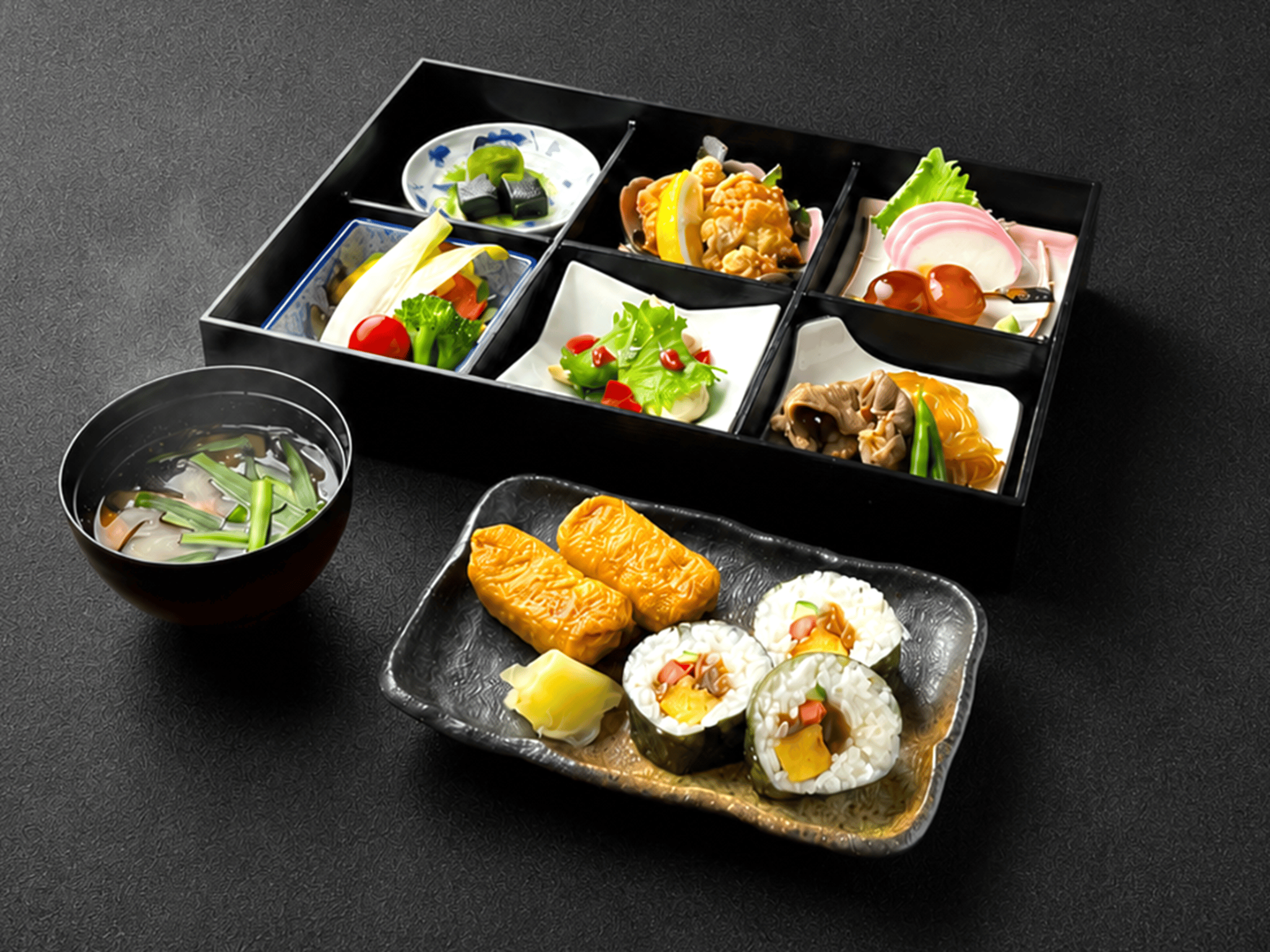
The Tokyo Tower sumo hall is listed at an hour and a half, and the total visit, with the meal served during the performance, runs to about two hours: a sumo show with an English-speaking host, a Japanese set meal, one drink, and traditional performances including Oiran dancers, a Japanese Lion Dance and classical instruments.
Because the meal is included, you book it as a full evening in one sitting, and the four daily sittings let you pick between a lunch show and an after-dark one.
Book through this site's tour cards, choose your sitting, and note that wheelchair-accessible seating at Tokyo shows is limited, so request it at the time of reservation. The show follows a fixed schedule, so arrive with time to spare; late entry may not be accepted and the show cannot be extended for latecomers.
If the meal format does not fit, the same site lists the lighter halls in Shinjuku and Shibuya and the meal-heavy rooms in Ryogoku, so the comparison above becomes your shortlist.
A Tokyo sumo hall is entertainment performed by retired professional wrestlers, with the technique real and the bouts scripted. Book it for the English commentary, the closeness to the ring and the meal, and treat it as entertainment first.
If a grand tournament overlaps your trip, spend on that instead. Otherwise, pick the hall that matches your evening and book early in the busy months.

Work out where you can watch sumo live, city by city, and how each venue's season shapes your plan.

Settled on Tokyo? Compare guided viewing, shows and practice visits in the capital and pick your kind of live sumo.

Osaka has no stables open to visitors most of the year, so this page shows how a live sumo show there works.
Kyoto has no grand tournament, but this page maps the sumo experiences you can actually book there.

Fukuoka pairs morning practice with the old town, and this page shows when both are possible in November.

Planning a sumo outing in Sapporo? This page covers the local show, its schedule and its current availability.

Unsure whether you want a show, a class or a practice visit? This page sorts the sumo experiences by kind.

See what the Lake Yamanaka sumo show with Mt Fuji behind the ring involves, from rituals to the challenge.

Want to learn the moves yourself? This page compares sumo wrestling classes in Tokyo and Osaka.

Going to a Tokyo stable? This page explains how to book a guided morning practice visit and what to expect.

If dressing up as a wrestler is the goal, this page shows how sumo attire fits into a Tokyo sumo outing.

For more depth than a show, this page walks through the Tokyo masterclass on sumo culture and traditions.
Searching for SumoLand by name? This page sorts out the Osaka and Tokyo locations and where to book each.

This page pins down the SumoLand venue in Osaka, so you can judge how it fits into your trip.
This page covers the Ryogoku SumoLand venue, from its location to what a session there involves.

Turn a wish for grand sumo into a plan: the annual schedule, the six host cities and how to get tickets.

Tokyo hosts the tournament in January, May and September. This page covers dates, venue and tickets.

The March Osaka tournament is the hardest to get tickets for. This page covers the venue and schedule.

This page gives the Fukuoka tournament venue and the November dates, so you can plan around it.

Nagoya hosts grand sumo only in July. This page makes the ticket and venue question simple to answer.

This page explains the Minoh Expo Tournament near Osaka and how to watch it.
If guided tournament viewing is your plan, this page shows how the tours work and which cities they cover.

This page gives a clear answer on how a Nagoya tournament tour fits a July trip.

This page checks whether an Osaka grand tournament tour with tickets matches the plan you have in mind.

This page walks through a Tokyo tournament viewing tour at the Ryogoku arena and how the day runs.

Want to see real training, not a show? This page explains where to watch morning practice and how to book.

This page covers guided morning practice visits in Tokyo, from meeting times to stable etiquette.

In Osaka, real training is rare. This page explains the difference between stable practice and a show.

Kyoto has no stables to visit. This page compares what you can watch there and how to choose.

This page shows what a sumo show includes, where they run and which format suits your evening.
For a special Tokyo outing, this page covers the luxury shows with wagyu sukiyaki, drinks and photos.

This page compares Tokyo's sumo shows in Ginza, Shinjuku and beyond, so you can book the right one.
This page lays out the Osaka sumo shows, including the ones with a meal served while you watch.

Yes, Kyoto has sumo shows. This page covers the events and what you experience in the venue.

This page covers the Sapporo show with food, and is clear about its current closure and reopening plans.
Want sumo and a meal in one Tokyo outing? This page matches the lunch shows with chanko nabe.
This page turns a sumo-themed dinner in Osaka into a specific evening you can book.
Not sure which sumo experience is worth your time? This page compares watching and taking part across Japan.

This page gives practical answers on sumo rules, schedules and match length for your Tokyo trip.

This page covers the sumo museum in Tokyo, its opening hours and the museum options in other cities.

This page explains what makes Tokyo's sumo district worth exploring and how to see it with context.
Short answers to what travelers ask before booking a seat at a sumo show in Tokyo.
 Tokyo2026
It is an entertainment show performed by retired professional wrestlers on a real clay ring. The bouts are choreographed exhibitions, and no rank or championship is at stake. Book it as a lively, close-up way to learn sumo, with a grand tournament as the place for genuine competition.
Shows run across five districts, each a short walk from a station: Shinjuku, Shibuya near Yoyogi Station, Ginza, Asakusa and Ryogoku. There is also a show on the fifth floor of Foot Town inside Tokyo Tower. Pick by neighbourhood, meal and seating, since the wrestling itself looks similar from venue to venue.
Most shows run about 90 minutes to two hours. The wrestling often fills only the last 15 to 30 minutes; the rest goes to explanations of rules, rituals and training.
The Shinjuku schedule, for example, splits its 90 minutes into roughly 40 minutes of explanation, 20 of bouts and 30 of the ring challenge and photos.
Book as early as you can. Popular dates and evening sessions sell out fast, and availability can vanish when you try to rebook close to your trip. The busiest months for tours are April, October and May, so secure those dates first.
Often yes, if seats remain. The Tokyo Tower show runs four times a day at 10:30 am, 1:30 pm, 4:30 pm and 7:30 pm. One Ryogoku venue sells same-day tickets online until 30 minutes before the show. Decide early in the day rather than at the door, because sellouts do happen.
The shows with chanko nabe meals in Asakusa and Ryogoku, and the Tokyo Tower show, are built for adults and children together. The hosts use humor, kids can join audience challenges, and the sessions stay short. A real stable practice visit, by comparison, demands silence and stillness, so save that for quieter travelers.
Many do. Several formats bundle unlimited chanko nabe, wagyu sukiyaki or a full set meal into the ticket, and eating during the talking sections keeps the pace pleasant. Read your booking details carefully, because some venues sell meal-free tickets and others reserve the wrestling or participation for premium tiers.
Tokyo venues are small rooms where you sit a few meters from the clay ring with an English host explaining between bouts. Hirakuza Osaka in Namba is a bigger theatrical show with sound and lighting, running 5 pm to 7 pm with a bento, snack bag or workshop included. Both are entertainment by retired wrestlers.
Stay seated during the bouts and keep quiet while the wrestlers face off, then follow the crowd's lead on cheering. Clapping is welcome. Photos are fine from your seat without flash, phones go on silent, and leave the cushion where it sits even when the crowd throws them after an upset.
It can be, if you want access a tournament cannot give: a ring meters away, English commentary, photos with the wrestlers and a chance to step in yourself. Tokyo hosts grand tournaments only in January, May and September, so a show also fills every other month of the year.
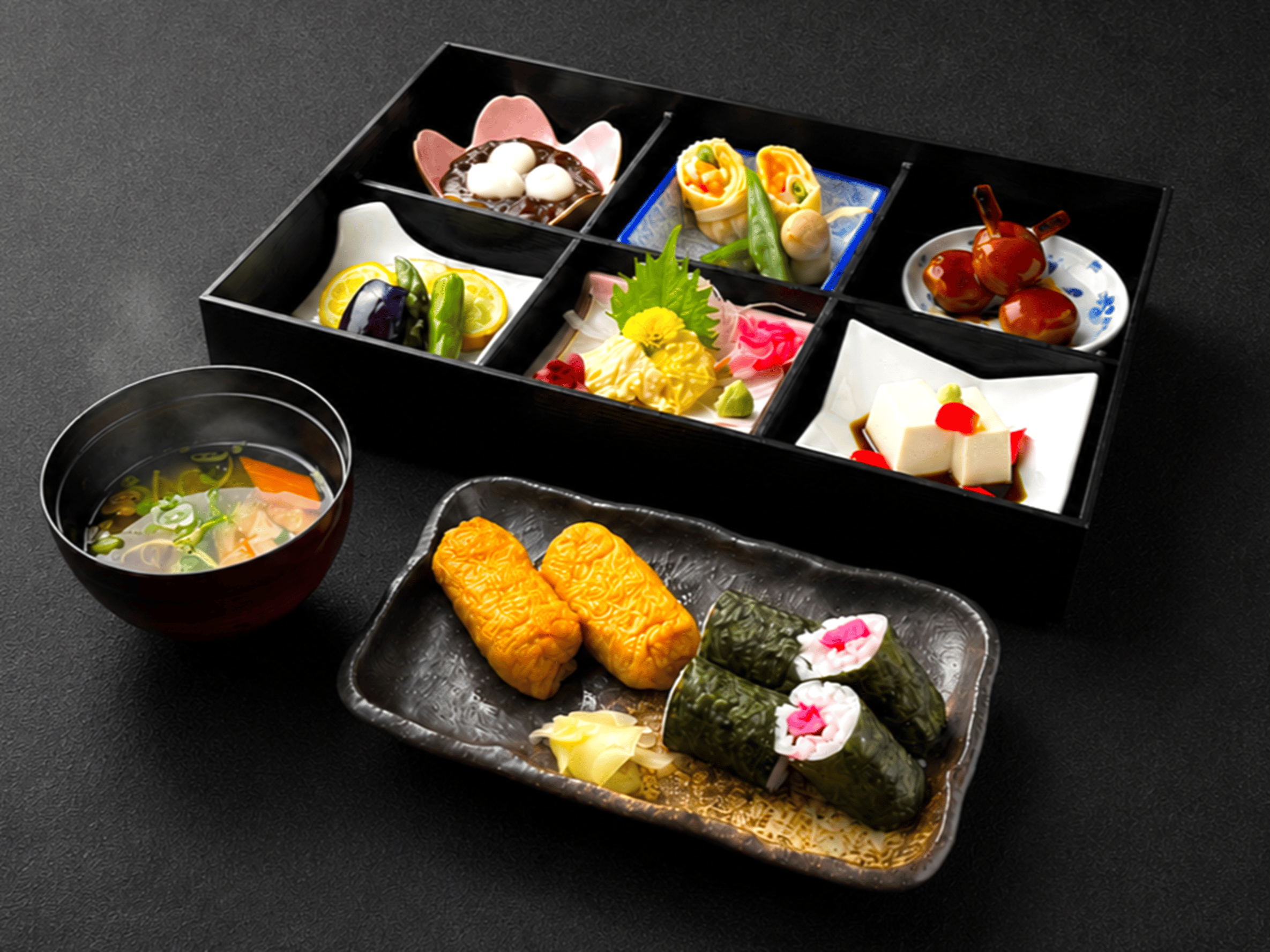
Two hours at the sumo hall inside Tokyo Tower, with a Japanese set meal, a ring challenge lottery and a photo session, and you can cancel up to 24 hours ahead for a full refund.