
3 hours·English
4.9(309)
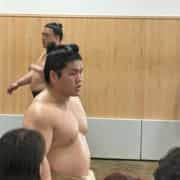
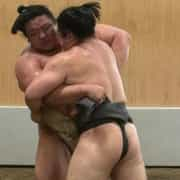
Tokyo: Sumo Watching with journalist and walks
Free cancellationLive sumo viewingCommemorative photos

See sumo wrestling practice in Japan the way it really happens - a silent seat beside the clay ring at a working stable, a guide whispering what each drill means, and photos with the wrestlers after. Book a morning visit and keep the rest of your day free.
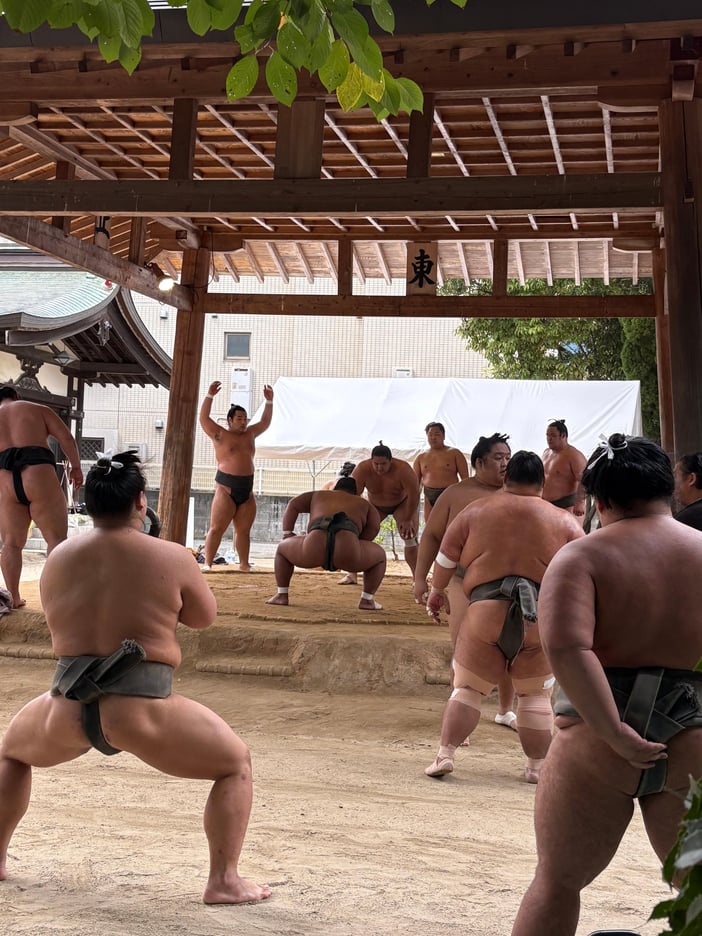
"Great mix of activities. Watching sumo wrestlers practice was fascinating, hearing the impact of bodies live is impressive!"





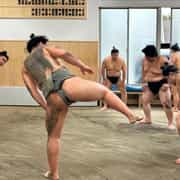





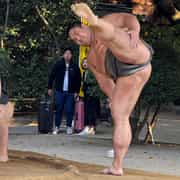
Tokyo has the stables, so this is where a real morning practice visit is easiest to book.
Read the guideOsaka's stables open for viewing only around the March tournament, so timing decides everything here.
Read the guideKyoto has no professional stables, so this page helps you pick a show or plan around it.
Read the guideReal stable training exists in some cities and not others, so the city you pick decides what you will actually see.
The city with the stables, and the only one with guided practice visits all year
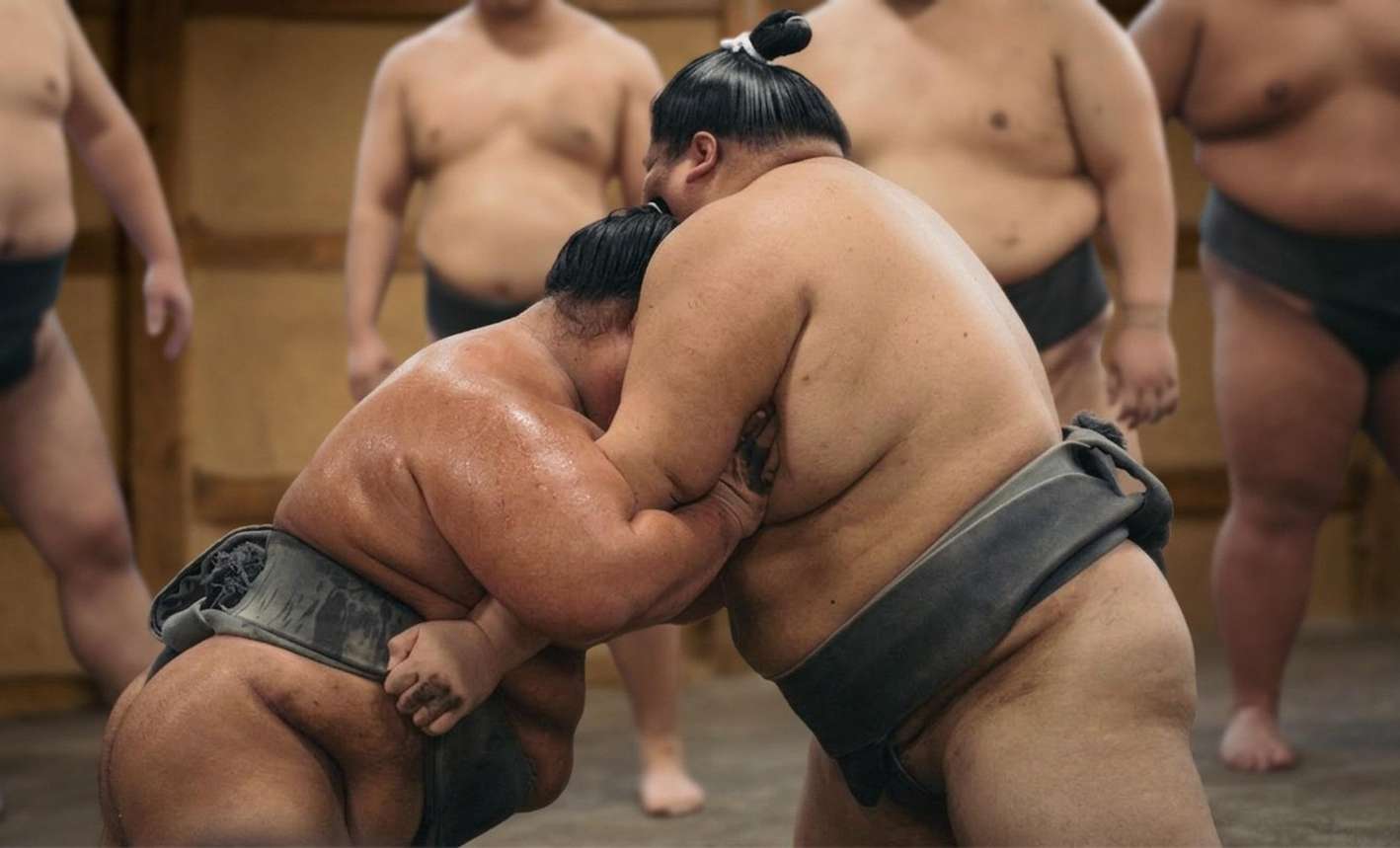
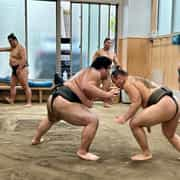
Takasago-beya opens its doors to a small guided group most mornings. You meet at 7:45 am at Ryogoku Station, walk ten minutes, and sit beside the practice ring for 90 to 120 minutes while wrestlers drill and spar a few feet away.
Most people are done by about 9 am, with the whole day still ahead.
The guide whispers what is happening, then translates your questions at the end, when the wrestlers may chat and pose for photos. Two visits run here: a focused 2-hour one and a 3-hour outing led by a sumo journalist, with walks and time for questions. Expect silence, floor seating and no flash photos.
Real practice in Osaka only around the March tournament; the Fukuoka visit runs in November
Osaka has no stable practice most of the year. Stables move into the city in late February to prepare for the March tournament, and for a few weeks some of them let visitors watch from about 6:30 am to 10 am. Outside that run-up, dinner shows take over the Osaka sumo scene.
The reliable real-training visit near this page sits in Fukuoka, where a guided morning practice pairs with a walk through Hakata Old Town. It runs only during the three weeks of the November tournament season, near Hakata Station. If training is called off by the stable, the walking tour still goes ahead.
No stables in Kyoto, so the page sorts shows from training and points to Fukuoka
Kyoto has no professional sumo stables at all. Every Japan Sumo Association stable sits in the Kanto region around Tokyo, and no guided morning practice visit runs in Kyoto. What the city does have is shows, where former professional wrestlers demonstrate the same drills they train on each morning and then fight full-strength bouts.
The page lays out both Kyoto venues, their daily showtimes and what each includes, from chanko nabe to a geisha dance. It also does the train math for you: the first Shinkansen from Kyoto reaches Hakata at 9:39 am, after the morning practice is over, so real training means an overnight stay in Fukuoka.
Morning practice at a Tokyo stable runs from about 7 to 10 am, and Tokyo is the only city where you can sit inside and watch most of the year. Your city, your month and your booking decide whether it happens at all.
Tokyo is the default: guided visits at Takasago-beya meet at 7:45 am at Ryogoku Station and run 90 to 120 minutes, usually done by about 9 am.
Real practice means silence: no talking, no flash, no moving, shoes off, and questions saved for the end.
Osaka only opens in the weeks before the March tournament; Kyoto has no stables at all, only shows by former wrestlers.
Fukuoka runs a guided practice visit only during the three weeks of the November tournament season, near Hakata Station.
Book about two months ahead; April, May and September fill first, and stables can cancel with a day's notice.
Confirm the day before that practice is actually happening, either by phoning the stable or through your tour operator, and if training is cancelled on a guided visit you are notified and moved to another experience or refunded.
The sound reaches you before the ring does: a shout, the slap of bodies on clay, then silence again. At Takasago-beya in Tokyo, visitors sit a few feet from a working practice ring, and the room is so quiet on the guest side that every impact carries.
Tokyo is the only city with guided practice visits most of the year. The visit that does it plainly is "Tokyo: Watch sumo! with English Guide", a two-hour outing that meets at 7:45 am at Ryogoku Station.
Ten minutes on foot, then you sit beside the ring while wrestlers drill and spar for 90 to 120 minutes. Most people are out by about 9 am with the whole day still ahead.
Ten-minute walk to the stable with the guide
90 to 120 minutes of drills and bouts
The guide translates, and wrestlers may chat and pose
The guide walks you in, seats you and whispers what is going on. Save your questions for the end, when the guide can translate and the wrestlers may chat and take selfies with visitors. The full detail on stables and times sits in the chapter on sumo practice in Tokyo.
Osaka looks tempting on a map, and then the calendar argues back. Stables only move into the city in late February to prepare for the March tournament, setting up temporary training grounds in temples and shrines.
From the first week of March until the basho starts, some of them open their doors, with viewing from about 6:30 am to 10 am during the tournament period and 7 to 11 am the week before.
Outside that window, Osaka has no real practice to watch. The wrestlers leave for the next host city, and dinner shows with retired wrestlers take over the sumo scene. Stables that open their doors in the run-up include Sakigawa in Neyagawa, Isenoumi in Matsubara, Kise in Suita and Miyagino in Tennoji-ku.
Contact the stable in advance to confirm practice on your date, though the inquiry is not a reservation; viewing is first-come, first-served. The month-by-month detail lives in the guide to sumo practice in Osaka.
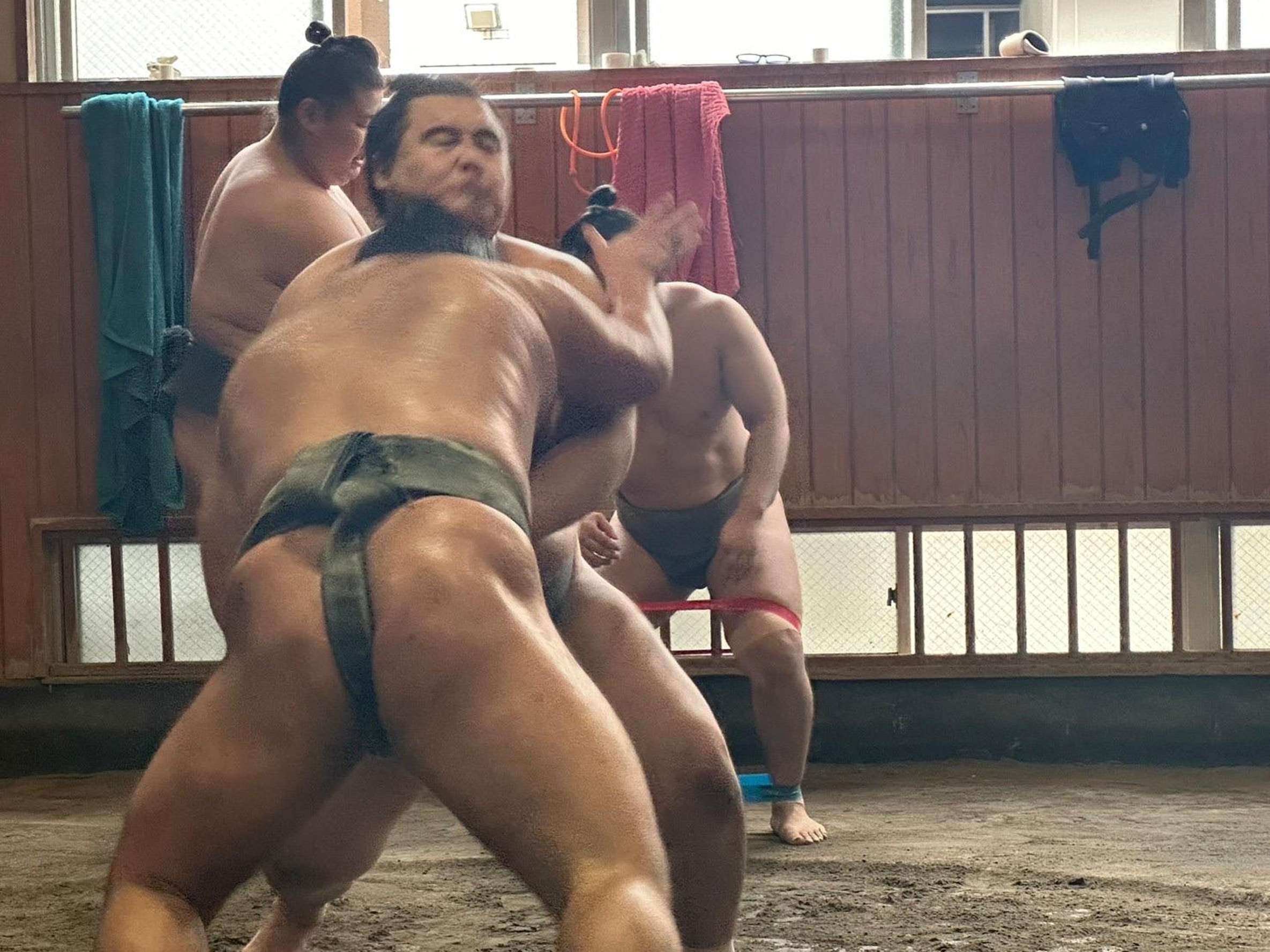
Kyoto has no professional sumo stables at all. Every Japan Sumo Association stable sits in the Kanto region around Tokyo, and no guided morning practice visit runs in the city.
What Kyoto has instead are shows, where former professional wrestlers demonstrate the same drills they train on each morning and then fight full-strength bouts, with an English-speaking host explaining the rules and rituals.
A show is the only way to see sumo in Kyoto, and a good one bundles chanko nabe, a geisha dance and a chance to step into the ring yourself. It is a performance, and worth knowing that before you book.
The train math also rules out a day trip for real practice: the first Shinkansen leaves Kyoto at 6:55 am and reaches Hakata at 9:39 am, after the morning's training is over.
Real training means an overnight in Fukuoka. Both Kyoto venues and their showtimes are compared in the guide to watching sumo practice in Kyoto.
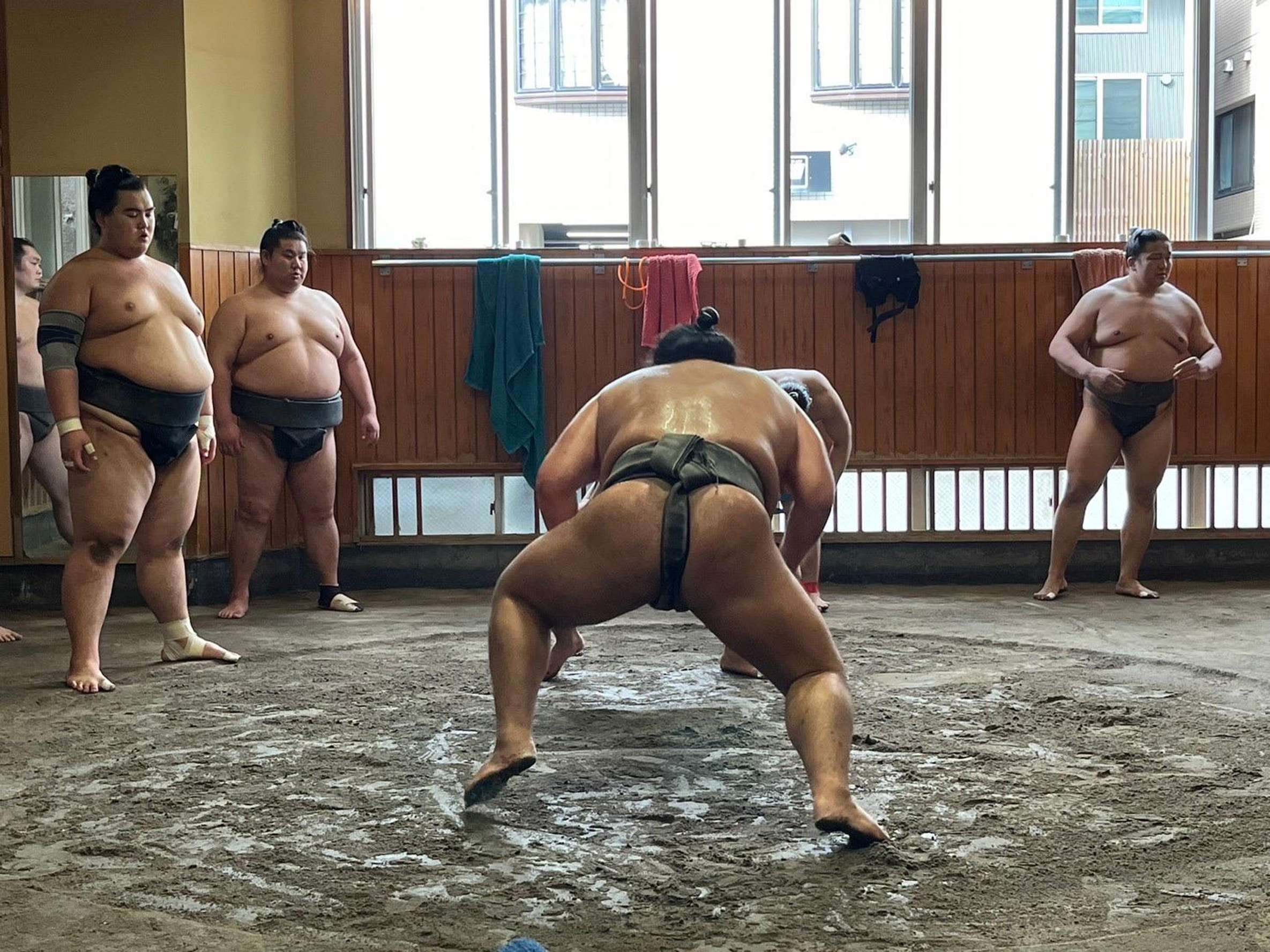
Plenty of tours carry the words authentic sumo experience and mean none of it. Many are entertainment shows with retired wrestlers, photo opportunities and audience participation, and the wrestlers at those shows do not belong to the sumo association. The mistake is booking one believing you will sit in a working stable.
The test is simple. Ask whether the visit means sitting silently in a corner of a working stable. A heya is where rikishi live and train, so expect a sparse, silent viewing. Real wrestlers take practice seriously because results affect their careers; show performers are entertainers, and the atmosphere differs completely.
Many are shows with retired wrestlers, photos and audience participation
Performers at tourist shows are retired or hired; they hold no sumo association rank
Casual adult sumo clubs are rare, beginners stay out of the ring, and insurance is often required
Also worth knowing: you cannot just turn up at a stable. Visits are by appointment, and many stables never open themselves to the public.
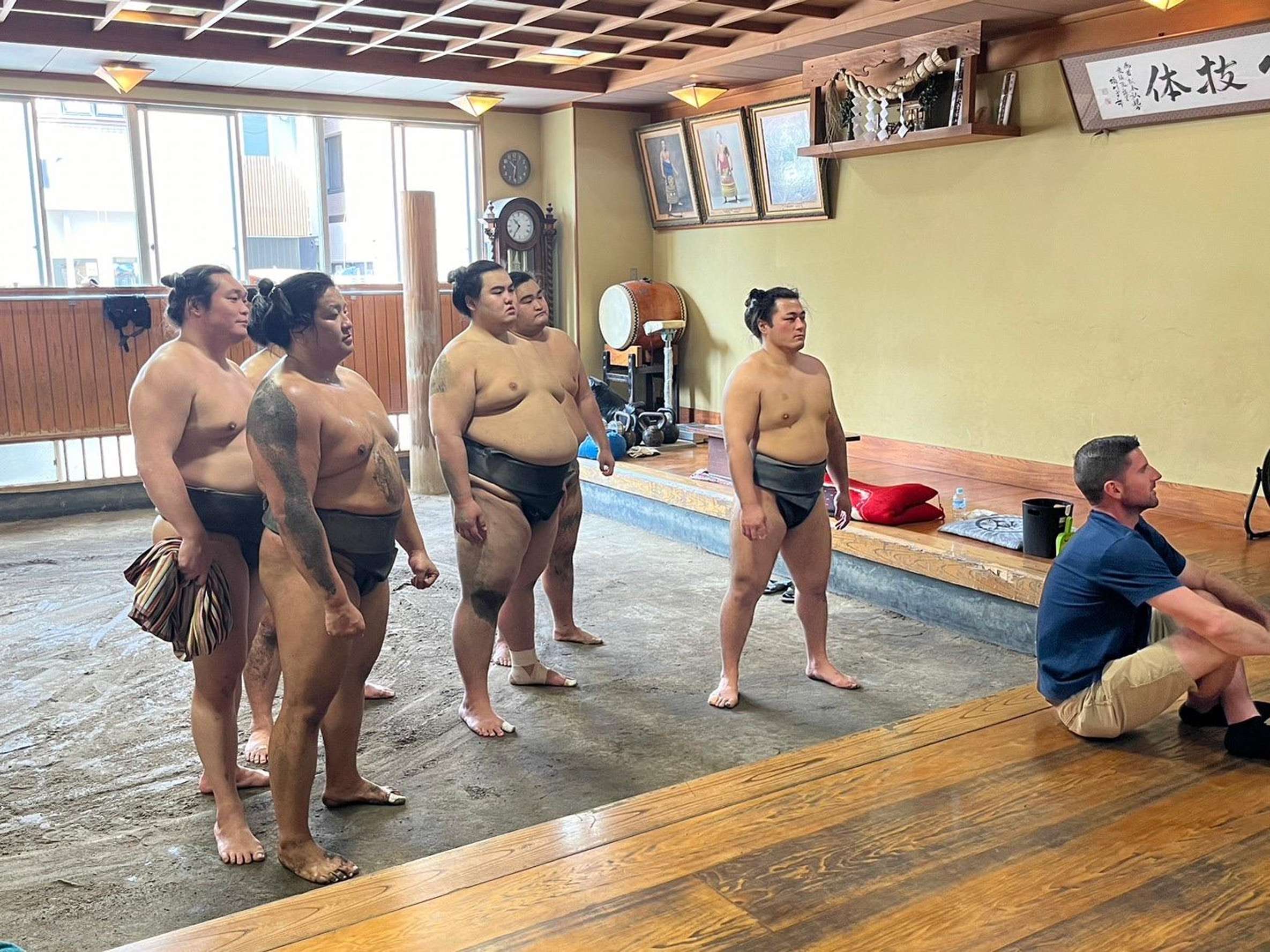
Four cities, four different answers, and the one that works depends on your dates more than anything else. Tokyo runs guided stable visits most months. Osaka opens only before the March tournament. Kyoto trades training for shows. Fukuoka gives you the most intense room in sumo, for three weeks in November.
| Real training or show | When viewing runs | Guide explains practice | Book how early | Practice length | |
|---|---|---|---|---|---|
| Tokyo stable practice | Real stable training | Most months, not tournaments | Guide whispers explanations | Well ahead; Apr, May, Sep worst | 90-120 minutes |
| Osaka stable practice | Real, pre-tournament only | Late Feb to March only | not known | Contact stable; first-come | About two hours |
| Kyoto sumo shows | Show, not training | Shows year-round | English-speaking host | Advance booking required | Two-hour shows |
| Fukuoka stable practice | Real intense training | November tournament period | Guided, with local guide | not known | not known |
The months matter as much as the city. Tokyo practice is best between tournaments, Osaka's window is a few weeks, Kyoto shows run all year, and Fukuoka is November only.
Geography is the last filter. Tokyo's stables cluster in Ryogoku, Osaka's temporary stables sit in temples and shrines around the city, and Kyoto has nothing to map.
One more thing travelers learn on the ground: you usually don't get to choose which stable you visit, because they operate on a rota.
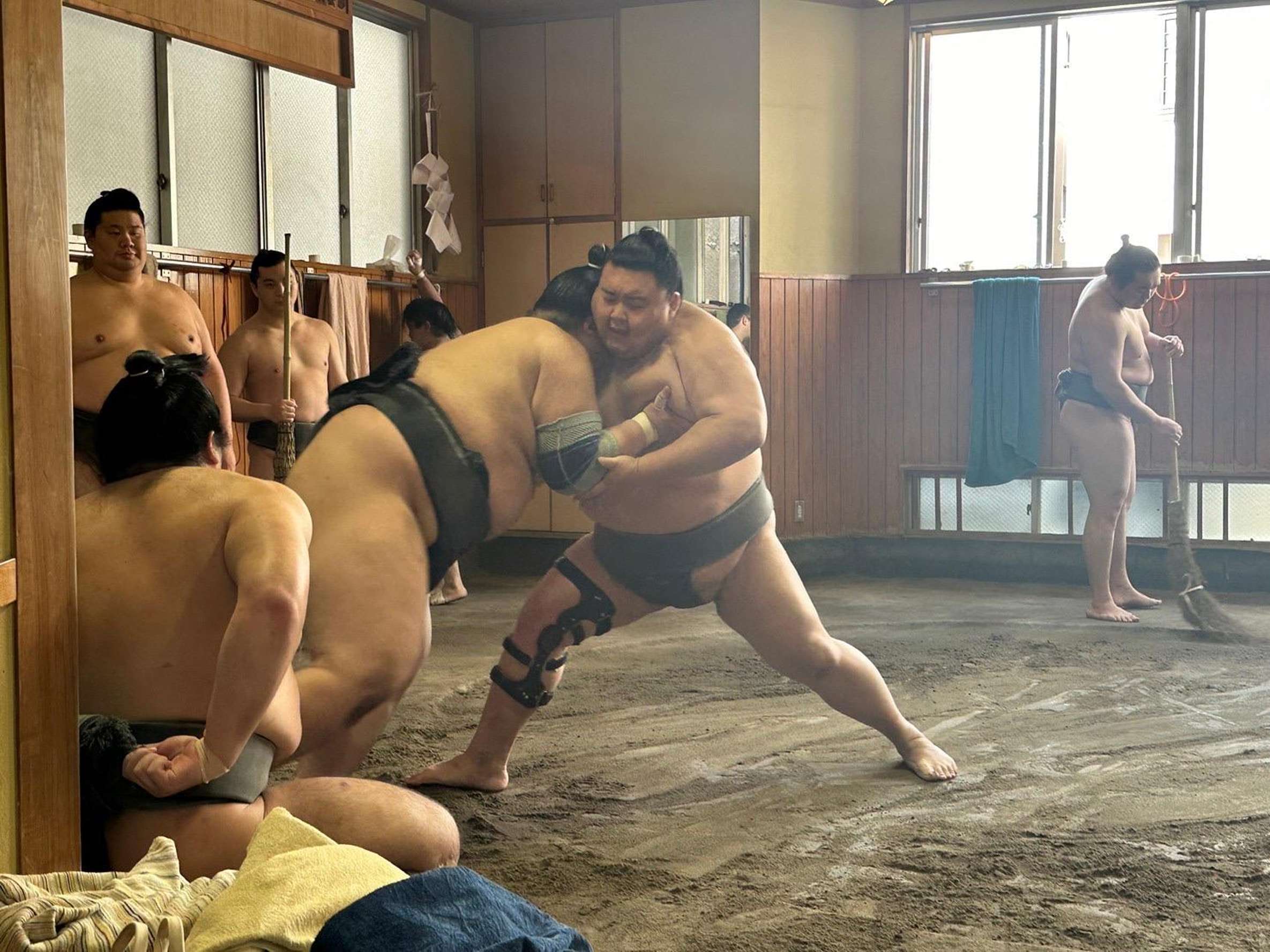
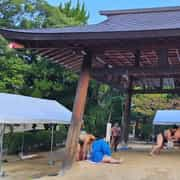
The room in Fukuoka is the one people describe afterwards in detail. Shouting, the slap of bodies, a musty humidity with sweat-damp sand underfoot, wrestlers drilling for hours a few feet away. This is real training for professionals preparing for the Kyushu tournament, and it shows in every drill.
The window is short: about three weeks in November. The visit that runs it is "Fukuoka: Real Morning Sumo Practice & Hakata Old Town Tour", which pairs guided practice viewing near Hakata Station with a walk through Hakata Old Town.
Practice viewing runs about 7:30 am to 9 am with the session starting around 8 am, and the whole outing is about 3 hours, though one November traveler's stretched past 4 with over an hour at the practice.
Arrive on time. Stables keep strict entry windows and late arrivals can miss the practice entirely. If training is called off by the stable, the walking tour still goes ahead.
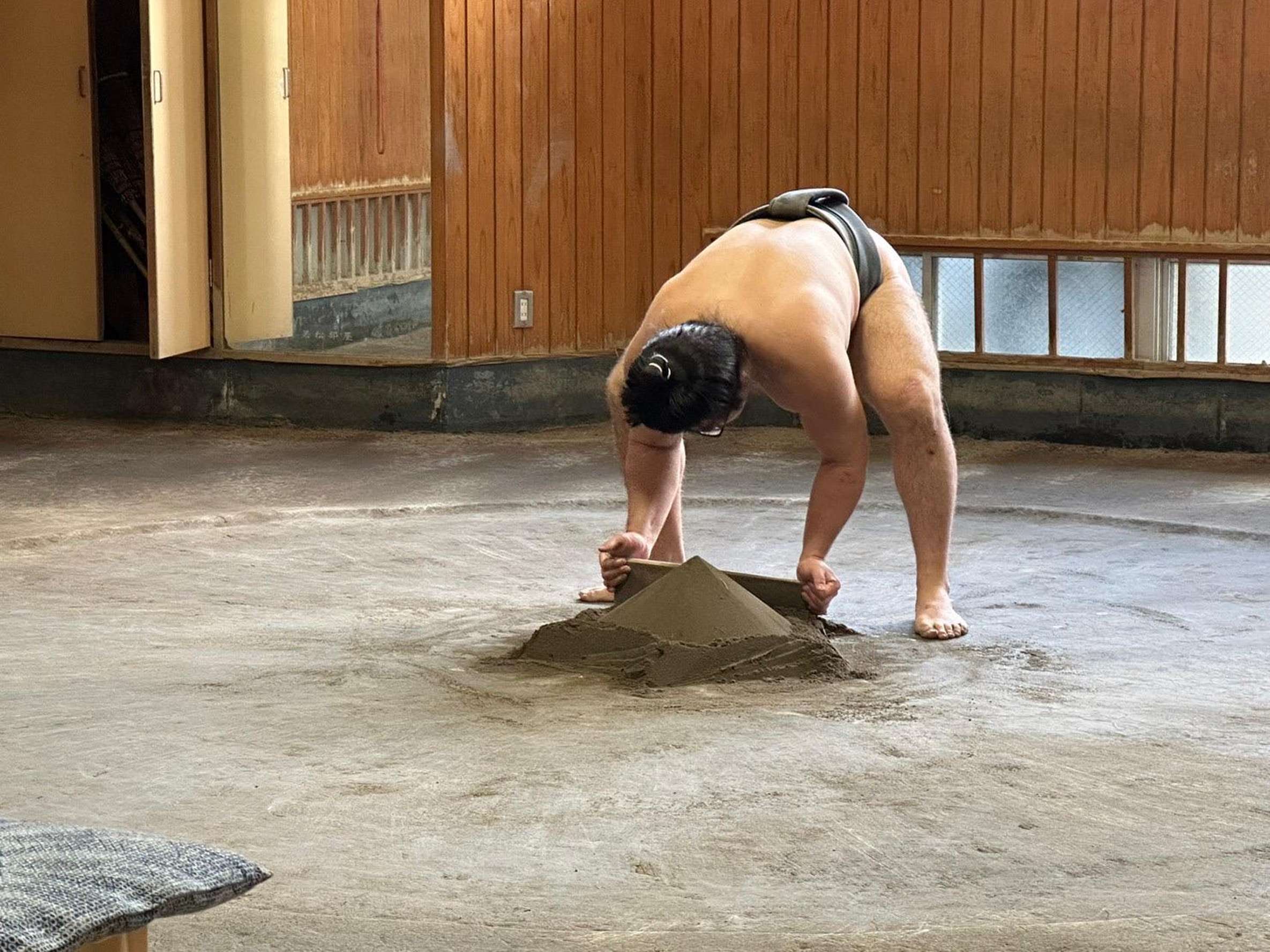
Six tournaments a year rule everything: Tokyo in January, May and September, Osaka in March, Nagoya in July, Fukuoka in November. During a tournament month the wrestlers are competing, so morning practice is closed to outsiders or drastically simplified, and keiko tours pause for about ten days before and throughout each basho.
The best months for full, intense practice are the even ones between tournaments: February, June to August and October to December. In April, with no tournament at all, stables hold regular morning practice and the sessions run long.
April: 5 out of 5 for how busy it gets. Very busy with travelers, and hard pre-tournament training is on show until practice tours wind down.
Tap a month to read it.
February: 5 out of 5 for tournament or practice season. With no tournament, February is one of the best months for full, intense morning practice, and it is also the quietest month on the tours.
Tap a month to read it.
Use it to pick your month. A month with no tournament is the month you want for practice, and the quiet stretch between the January and March basho still brings regular morning sessions.
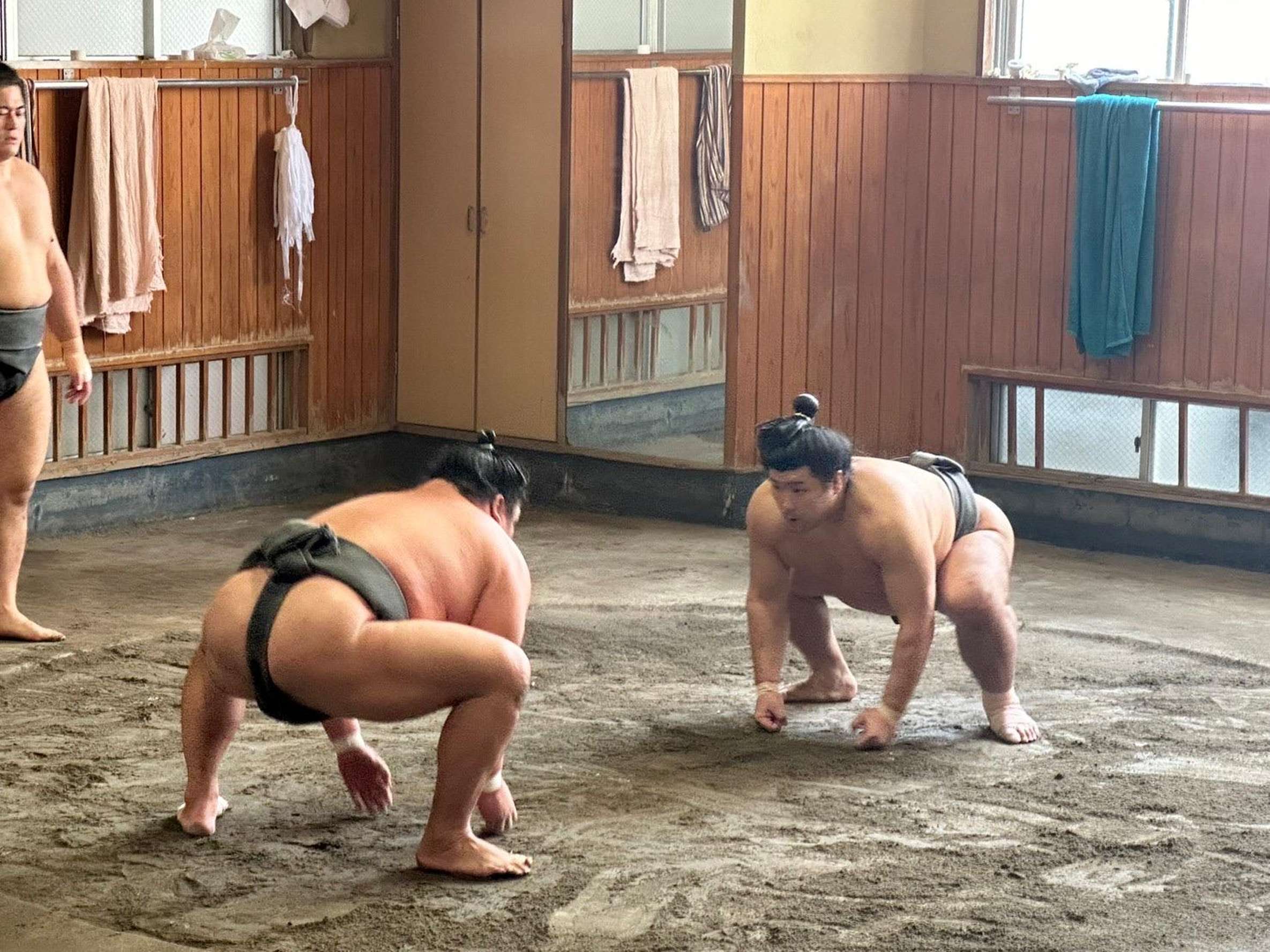
Scarcity is the story here. Places on stable visits are limited, small groups run as few as six seats on some official visits, and travelers on average book about 58 days ahead.
Operators advise booking at least two weeks out and within about three months of your date, because stables often finalise their schedules only a month beforehand.
The hardest months to book are April, May and September, when demand runs at up to about twice an ordinary month, followed by June and August. November, March and July are the quietest and easiest.
Stables can close to visitors with about 24 hours' notice, or cancel on the day Check the refund and alternate-experience terms before you build a morning around the visit
You have two routes: book online through a tour company, or in person at a tourist information office such as the one at the Tokyo Metropolitan Government Building, which can book up to the day before and gives you more help. Compare both before you commit.
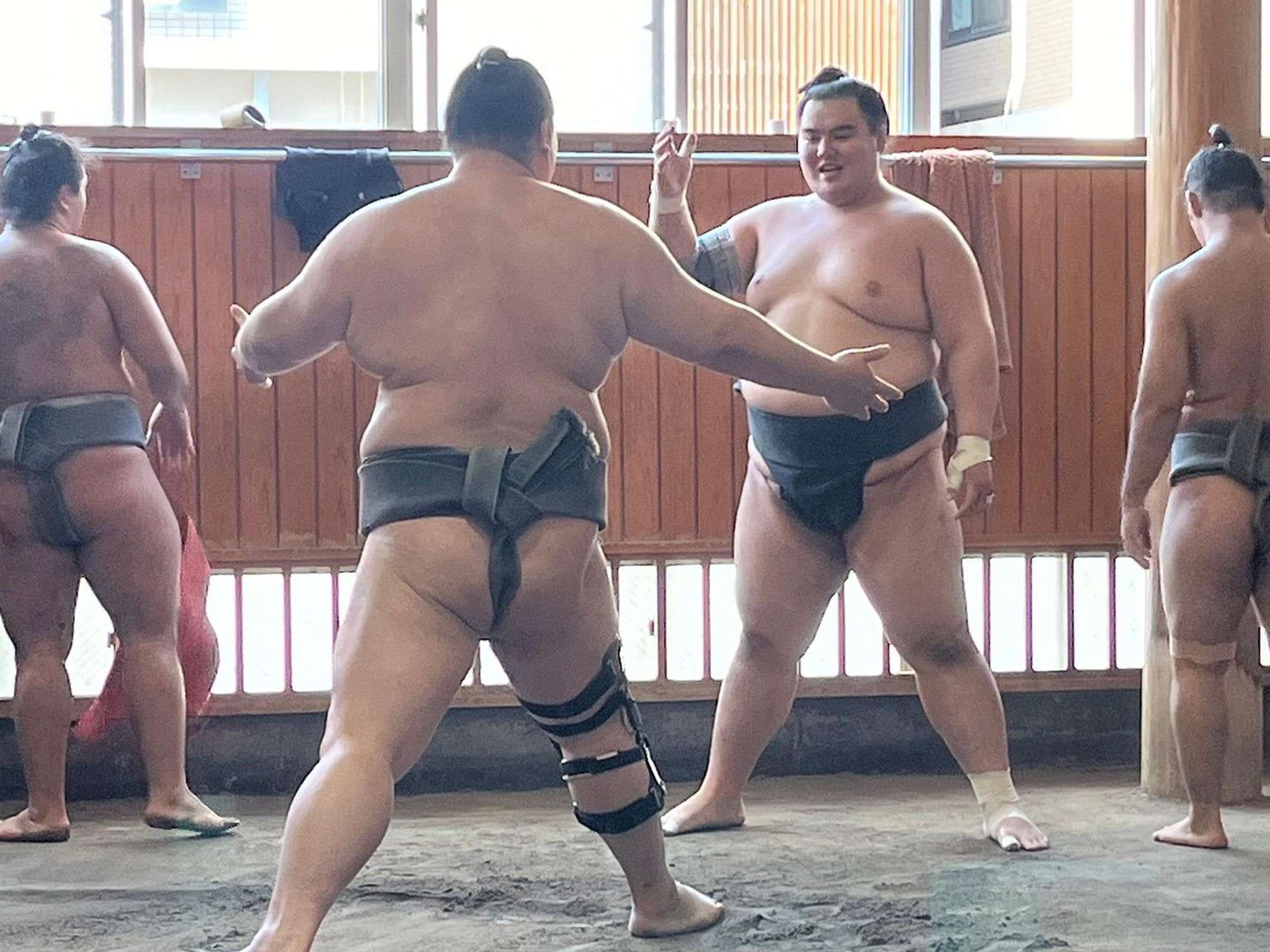
Ryogoku wakes late, but you won't. Plan to reach the station between about 5:30 and 6 am, when the trains are thin and the streets are quiet.
From Haneda a taxi takes about half an hour without traffic, or about 45 minutes by train with one change; from Shinjuku the JR Sobu Line runs direct in about 22 minutes.
Inside, the shape of the morning is always the same. Warm-up drills around the ring first, shiko stomps and suriashi steps repeated until muscle memory takes over.
Around 8 am, when the stablemaster arrives, lower-ranked wrestlers enter the ring and grapple bout after bout, winners picking their next opponents. It ends with butsukari-geiko, one wrestler driving another across the ring with everything he has.
The length shifts with the calendar. In the build-up to a tournament, practices run longer, and visitors report two to two and a half hours. Wrestlers train fasted, their first meal around noon, which is part of how they build mass.
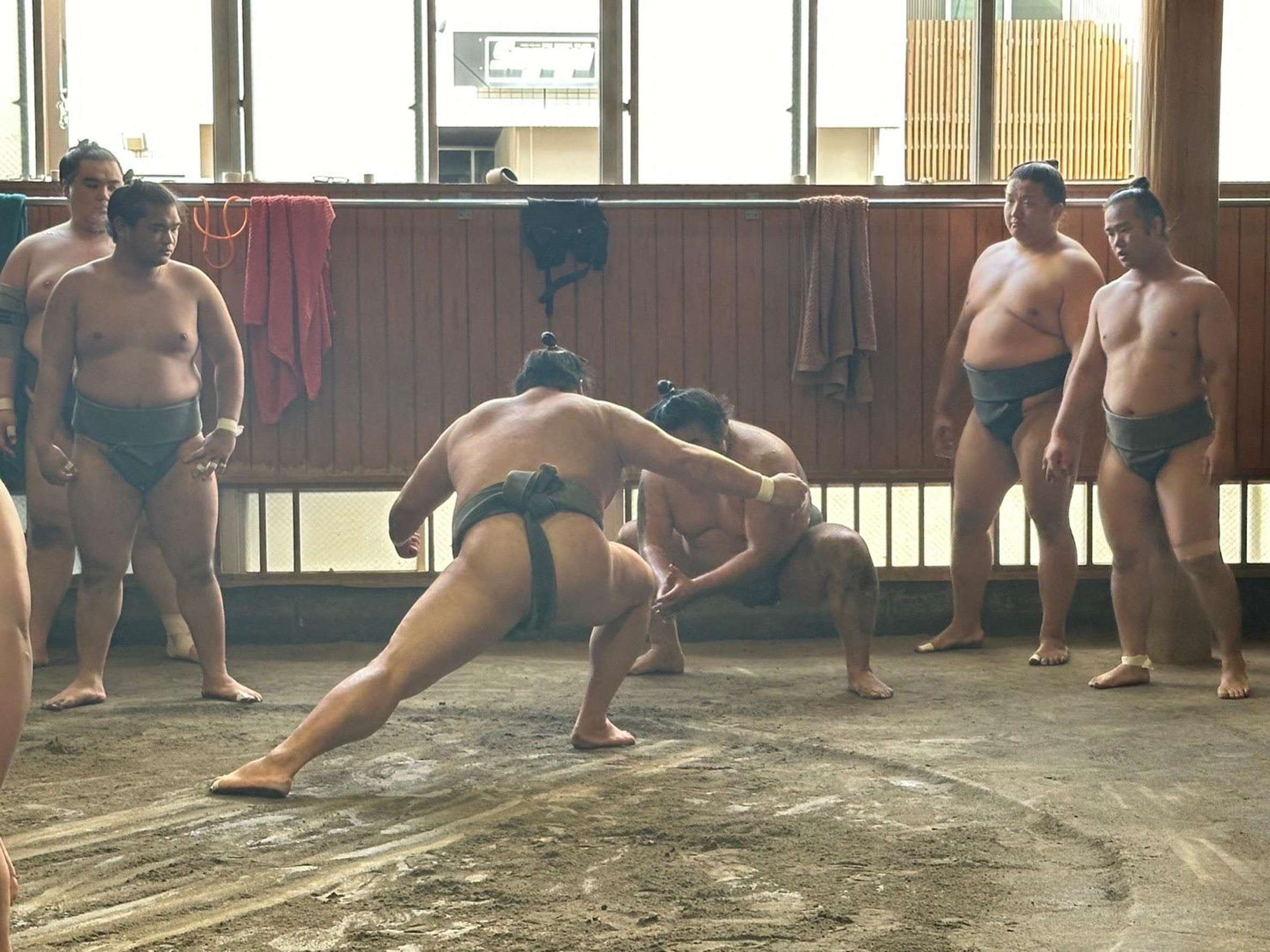
Arashio-beya in Chuo-ku lets anyone watch practice for free through its street-facing windows, no booking needed, and if you already know sumo that is a fine way to spend an hour. For everyone else, a guide changes what you see.
Most stables require visitors to be accompanied by a Japanese speaker so the house rules can be explained, which is why guided visits exist.
On one, the guide walks you to the stable, seats you and whispers explanations of what is going on; because talking is prohibited, guides use audio devices so you can still hear commentary.
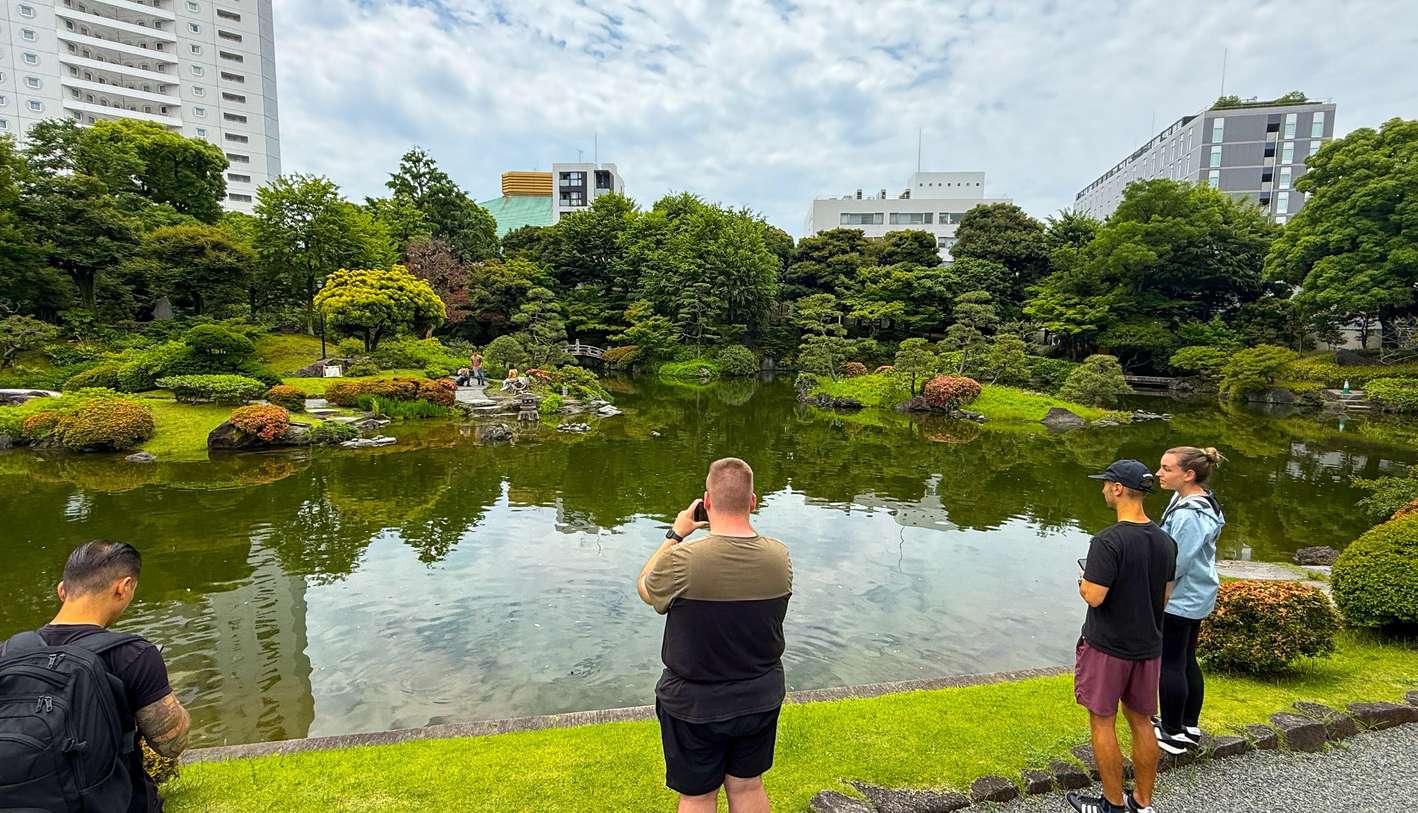
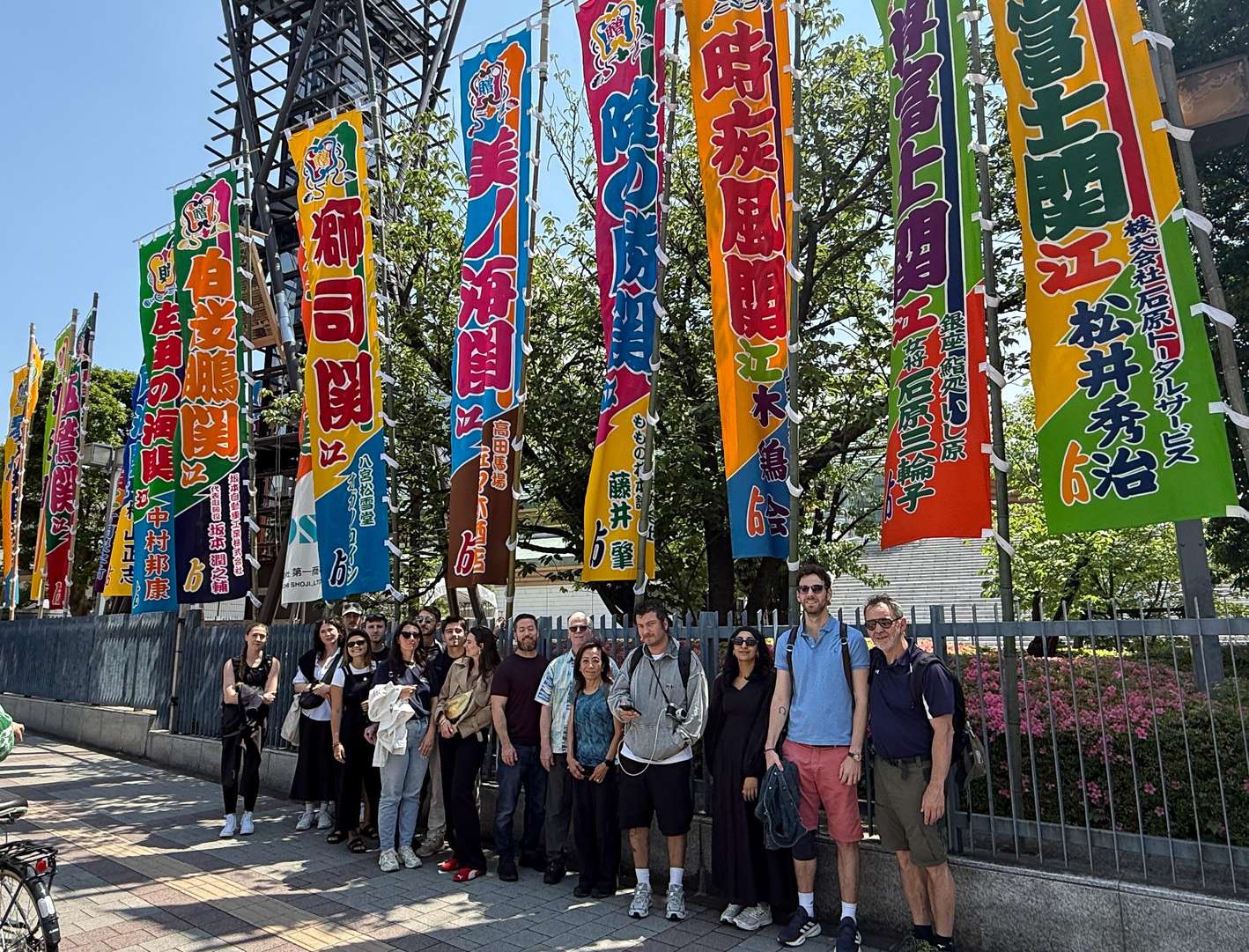
The deeper option is "Tokyo: Sumo Watching with journalist and walks", three hours led by a sumo specialist who writes for a national newspaper, with special permission from the stable and time to ask every question you have.
Guides also give background on stable life, rankings, ritual and the tournament calendar, and point out neighbourhood sights like the washed mawashi belts drying from rooftops. Some stables, including Arashio-beya, Nakamura-beya and Hidenoyama-beya, take direct observation applications through their own websites.
A stable is a private workplace and home, and the rules follow from that. You are a silent, still observer: no talking, no moving, no flash photos, no eating or drinking, and no heating in winter, so dress for a cold tatami floor in December.
Shoes come off at the entrance and you sit cross-legged on the floor, never stretching your legs toward the ring or showing the soles of your feet to the wrestlers.
Never step on the dirt practice surface; the ring is sacred. Phones go off, hats and sunglasses come off, and you stay until the wrestlers finish.
Photos are allowed during practice as long as they don't get in the way, and regular cameras including DSLRs are fine, but flash is banned and loud shutter sounds are poor form.
Women watch from the seating areas like everyone else; the traditional ban covers entering the ring, while spectating is welcome. Smoking is prohibited inside.
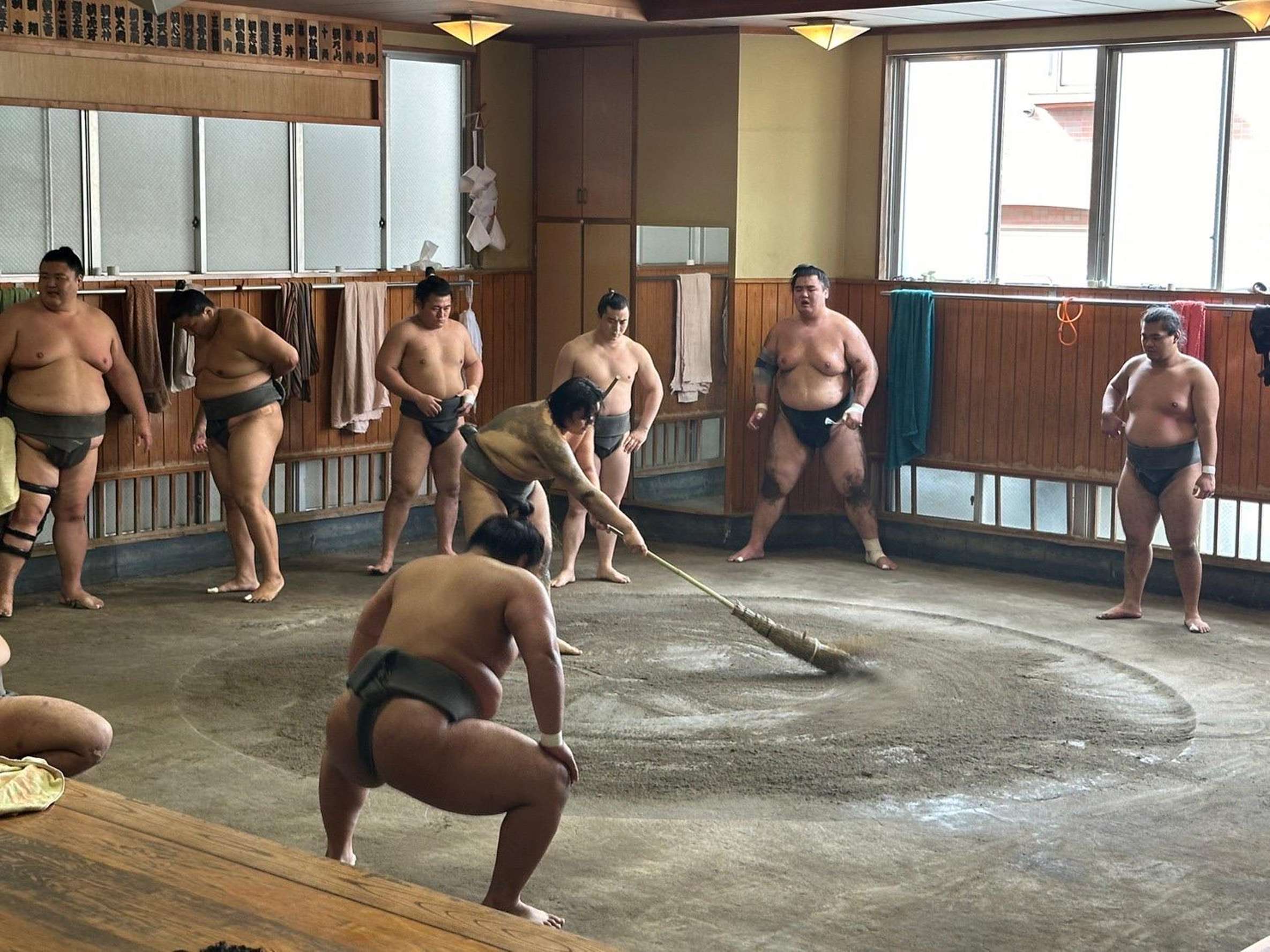
By 9 am you are back on the street in Ryogoku, the sumo district, with the whole day ahead. Look up first: the washed mawashi belts hung out to dry from the rooftops are the sight most visitors miss.
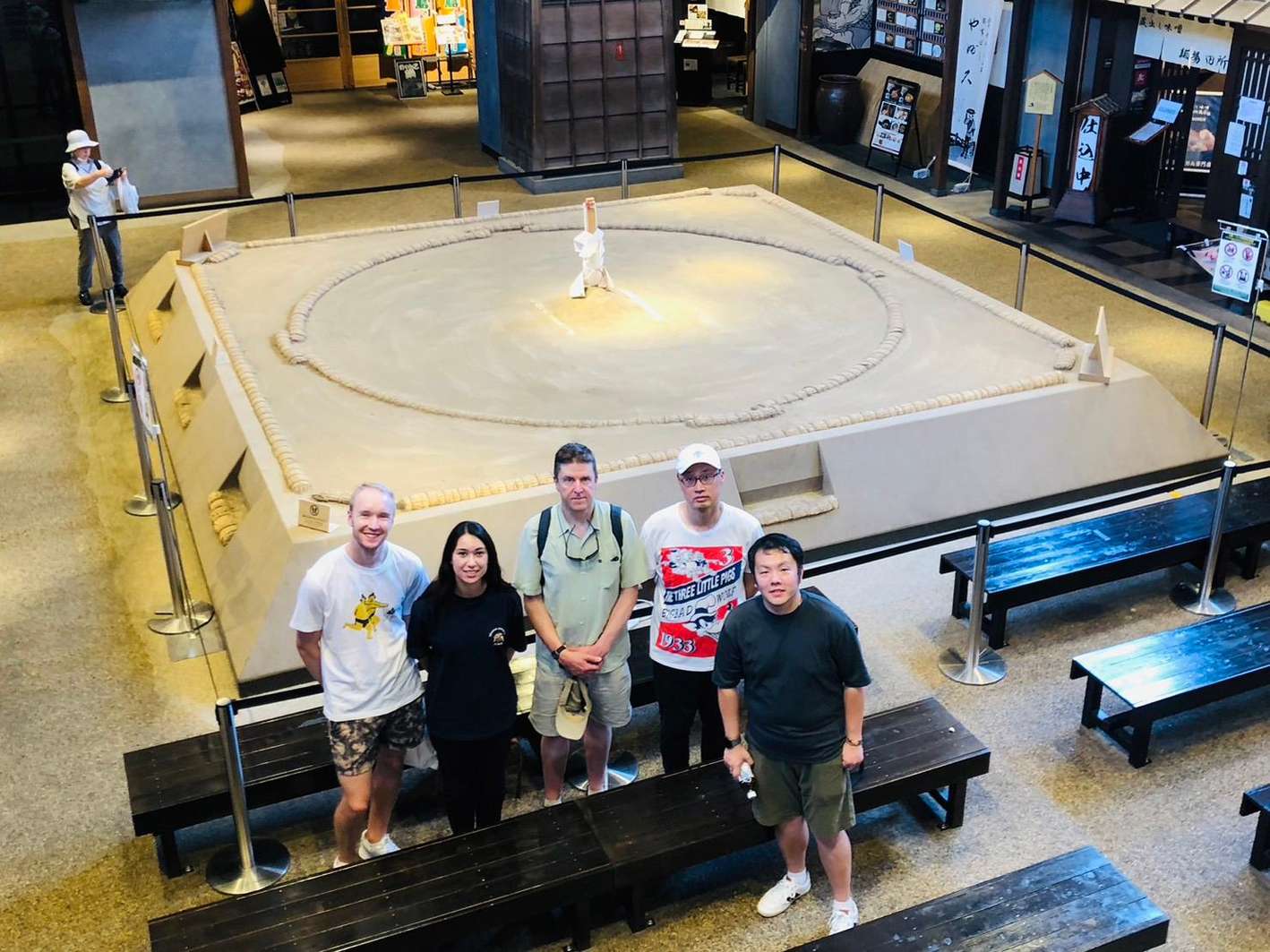
Chanko nabe, the hot pot wrestlers eat after practice, makes a late breakfast in the neighbourhood, and the sumo museum on the Kokugikan's main floor closes in the late afternoon, so it fits before a tournament day.
If your trip catches a Tokyo basho, a morning at a stable makes a good appetiser to a tournament day at the Kokugikan later, where wrestler-themed bento at the concessions are built around a named rikishi's favourite foods.
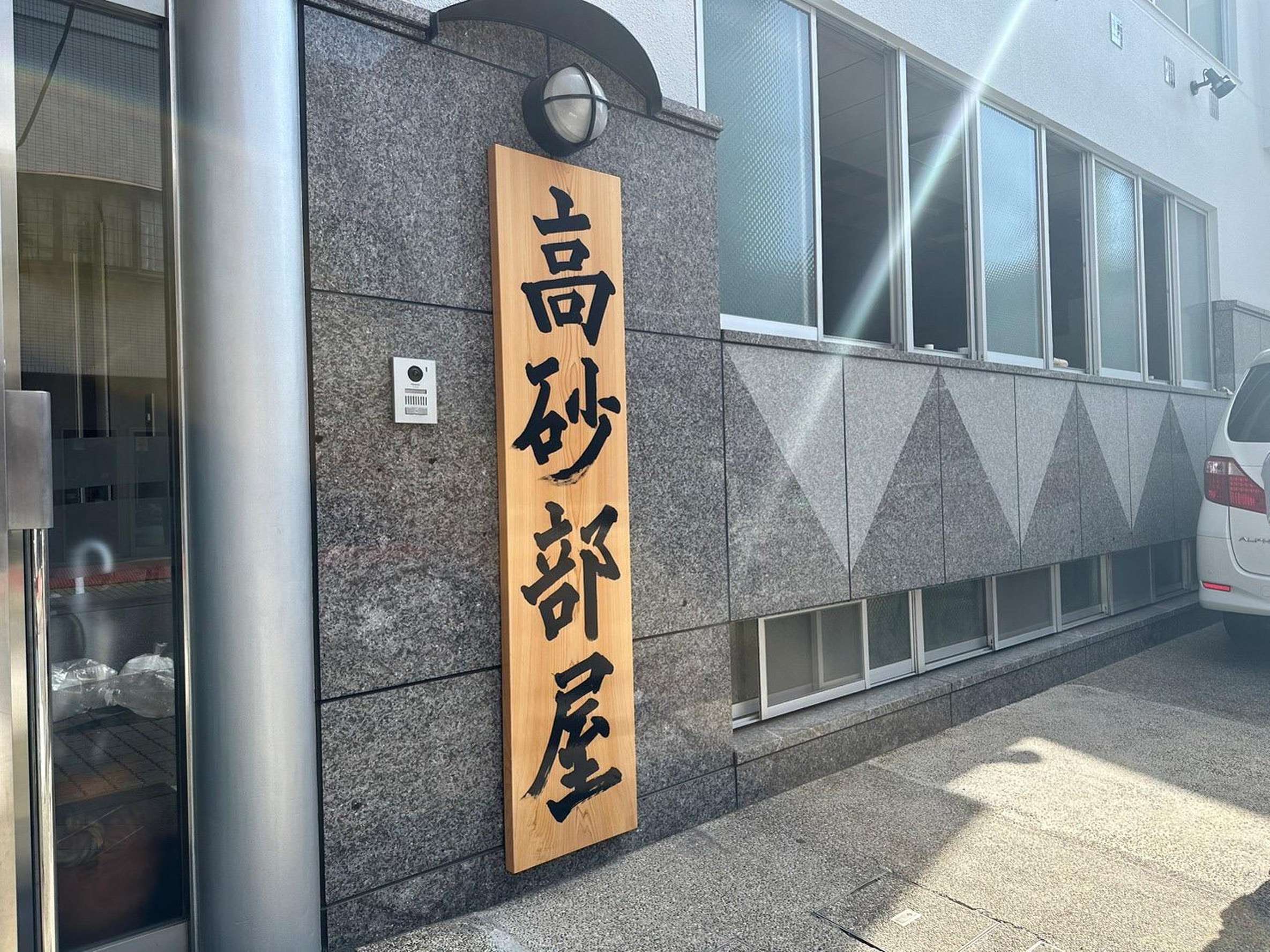
A real stable practice is the most intimate sumo you can watch in Japan, and Tokyo makes it easy most of the year.
The catch is the calendar: tournaments close the doors, Osaka opens for a few weeks only, Fukuoka for three. Book about two months out, arrive before dawn, stay silent, and you will hear sumo the way no arena lets you.
Work out which cities let you watch sumo live, and how each one fits the dates of your trip.
Settled on Tokyo? Compare every live viewing option there, from stable visits to shows.

Osaka has no year-round practice viewing, so see what the city's sumo shows offer instead.
Kyoto has no stables, so find out how the city's sumo shows fill the gap for visitors.
Fukuoka's November practice window is short. See how to plan a visit around it.

Check what the Sapporo sumo show involves and whether it is running for your dates.

Unsure whether you want a show, a class or a stable visit? Compare the kinds here.

See how a sumo outing fits a Mount Fuji day at the Lake Yamanaka venue.

Want to try sumo yourself? Find the classes and ring challenges in Tokyo and Osaka.
Going deeper on Tokyo stable visits? Compare the guided practice tours in detail.

Add sumo attire to a Tokyo outing and see where the dress-up experiences happen.

Want the traditions explained? See what the Tokyo culture masterclass covers.

See the full annual tournament schedule and which city hosts in your travel month.

Planning a Tokyo tournament? Get the venue, dates and ticket options in one place.

Pin down the Osaka tournament's venue and schedule to judge how it fits your trip.
Get the Fukuoka tournament's venue and November dates before you commit.

Turn a Nagoya tournament plan into a next step with ticket and venue details.

See what the Grand Sumo Minoh Expo Tournament is and how to watch it.
Prefer a guided tournament day? See what the viewing tours include by city.

Searching for a Nagoya tournament tour? Check how the options fit your plan.

Picture an Osaka tournament with tickets included? See whether the tours match.

Chosen Tokyo for a tournament? See whether a guided arena visit suits you.

Decided on a sumo show? Work out where to find one and which kind suits you.

Want a special Tokyo evening? Compare the luxury shows with meals and drinks.

Compare Tokyo's sumo shows in Ginza, Shinjuku and beyond, then book one.
Settled on Osaka? Find the live show or restaurant option that fits your evening.

Get a straight answer on whether Kyoto has a sumo show and what it includes.

See what the Sapporo show offers and plan a sumo-and-food outing there.

Want sumo and lunch together? Find the Tokyo shows that serve chanko nabe.
Turn a sumo-themed dinner idea in Osaka into a specific evening to book.

Still comparing? See every way to watch and try sumo across Japan, ranked.

Get Tokyo answers on sumo timing, match length and rules before you go.

Plan around the Tokyo sumo museum's hours and see what other cities offer.

Explore Tokyo's sumo district and see what makes Ryogoku worth a walk.
Quick answers on watching real sumo training in Japan, from timing and cities to etiquette and booking.
Yes. Guided stable tours in Tokyo and Fukuoka take you into a working stable to watch real morning training, and a few stables, like Arashio-beya in Tokyo, let anyone watch through street-facing windows for free.
Tokyo has the most options, with stables clustered around Ryogoku and Asakusa. Fukuoka offers guided practice viewing during the November tournament season. In Osaka, morning practice is largely unavailable outside the run-up to the March tournament, and Kyoto has no professional stables at all.
Morning practice at a Tokyo stable runs roughly from 7 am to 10 am. You do not have to arrive at the exact posted start time; you can come during the practice window and still watch, though an early arrival gets you a spot close to the viewing window.
Plan on about 60 to 90 minutes of watching, with the whole morning slot running roughly 8 am to 10 am. The length shifts day to day because the wrestlers' needs and the tournament calendar set the schedule.
The even-numbered months between tournaments, especially February, June to August and October to December, bring full, intense sessions. During a Tokyo tournament in January, May or September, practice shrinks to about 30 to 40 minutes or closes to visitors entirely.
A stable is where wrestlers live and train, so expect a sparse, silent viewing with no performance. Many tours marketed as authentic sumo experiences are entertainment shows with retired wrestlers, so ask directly whether a visit means sitting silently in a corner of a working stable.
The guide walks you to the stable, seats you, and whispers explanations of what is happening during practice. Most stables require visitors to be accompanied by a Japanese speaker so the house rules can be explained, and questions can wait until the end, when the guide can translate.
Sit still and stay silent: no talking, no moving, no flash photos, no eating or drinking. Regular cameras are fine, save your questions for after practice, and never step on the dirt practice surface. Smoking is prohibited inside the stable.
Yes. Women can watch practice at a stable and tournaments from the arena seats. The tradition that bars women applies to entering or touching the ring, the dohyo, and at some stables women watch from designated seating areas.
Book about two months ahead. Travelers book roughly 58 days in advance on average, and stables often finalise their schedules only about a month beforehand, so waiting until the week of your trip risks missing out.
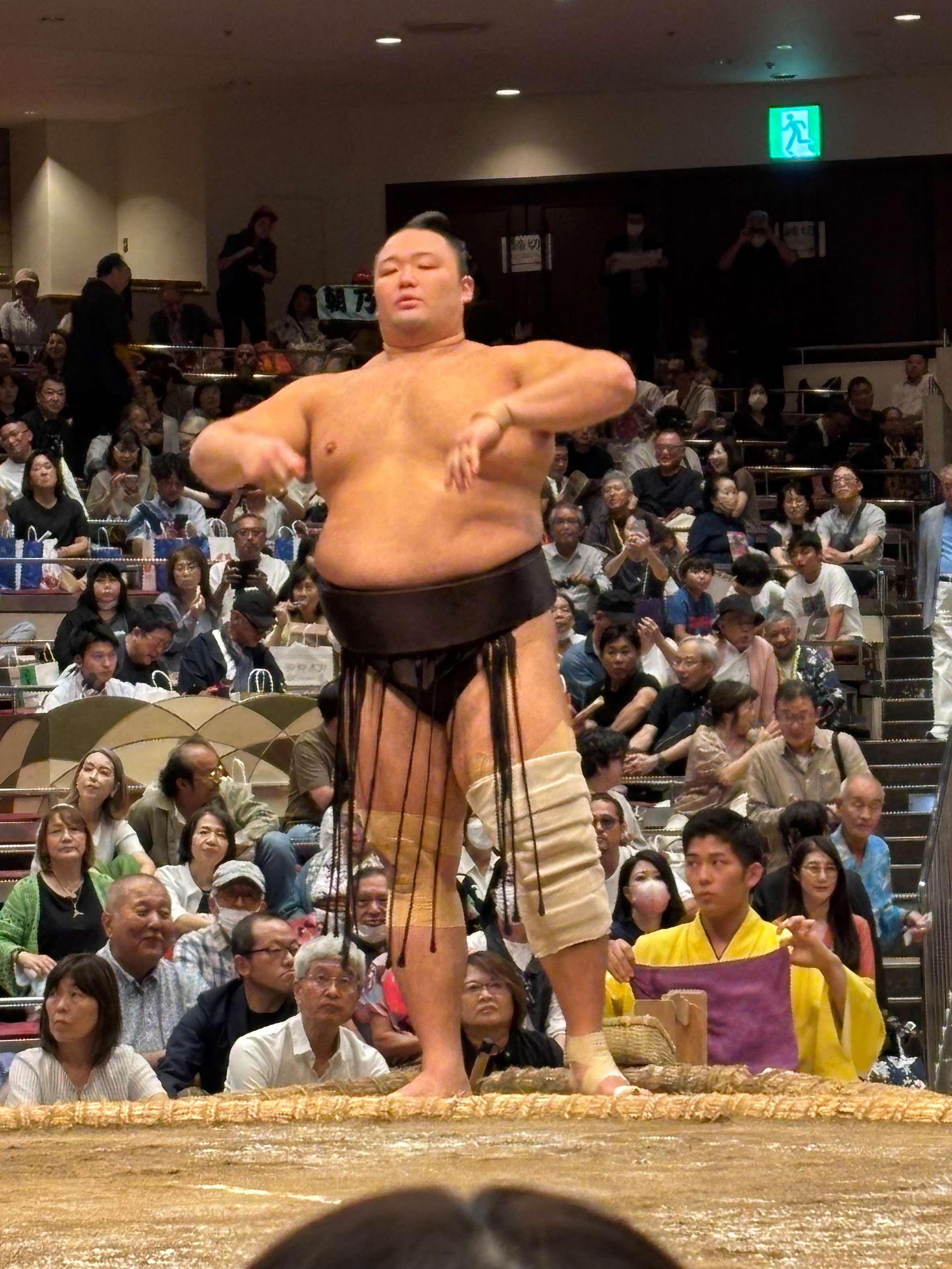
Meet an English-speaking guide in Tokyo, sit close to the ring as wrestlers train, and cancel up to 24 hours ahead for a full refund.




