
3 hours·English
4.9(309)
Tokyo: Sumo Watching with journalist and walks
Free cancellationLive sumo viewingCommemorative photos
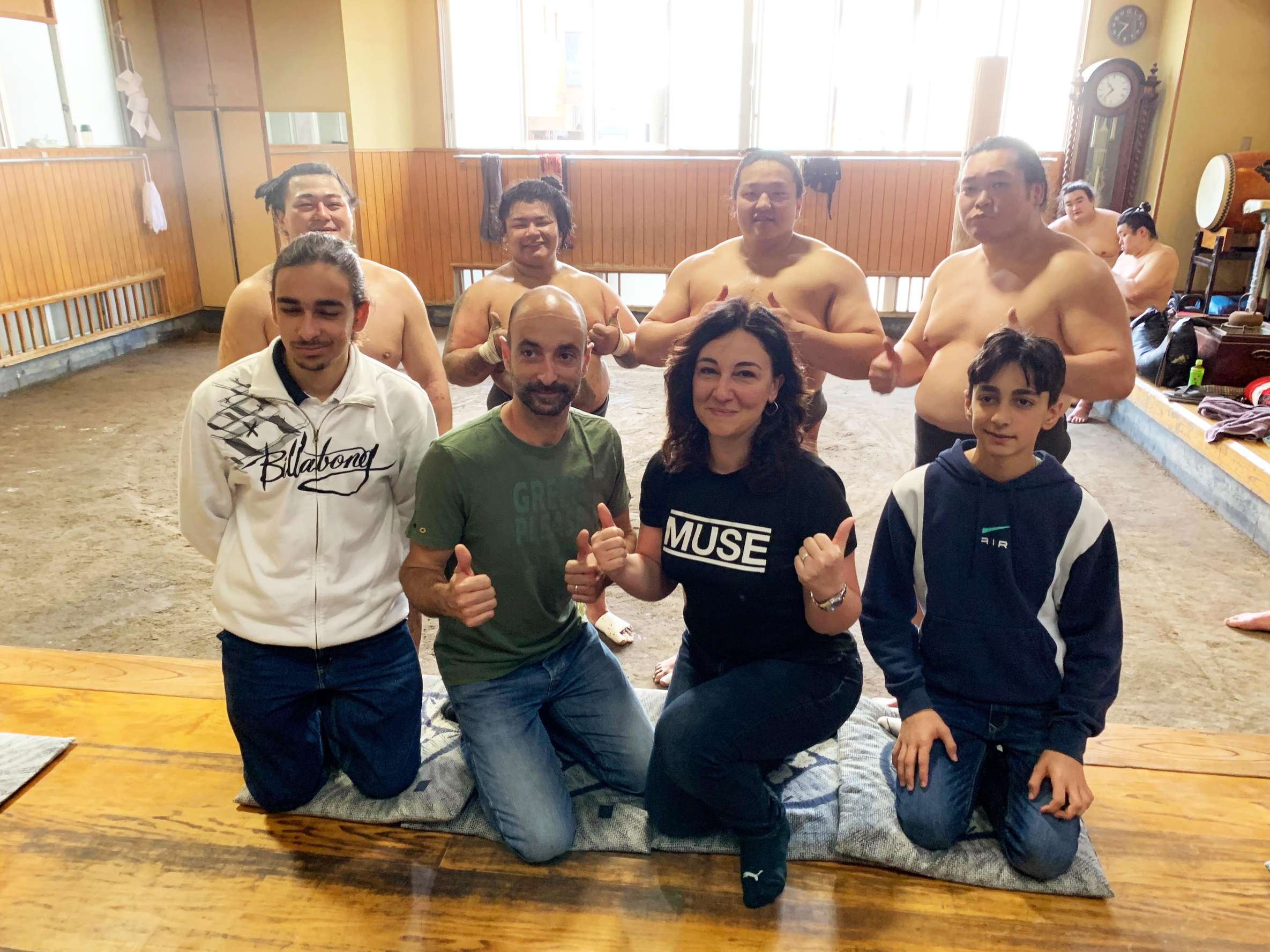
See sumo practice Tokyo wrestlers do every morning, at a real stable. An English-speaking guide walks you from Ryogoku Station, seats you beside the ring and explains the drills as they happen. Book your morning at the stable.
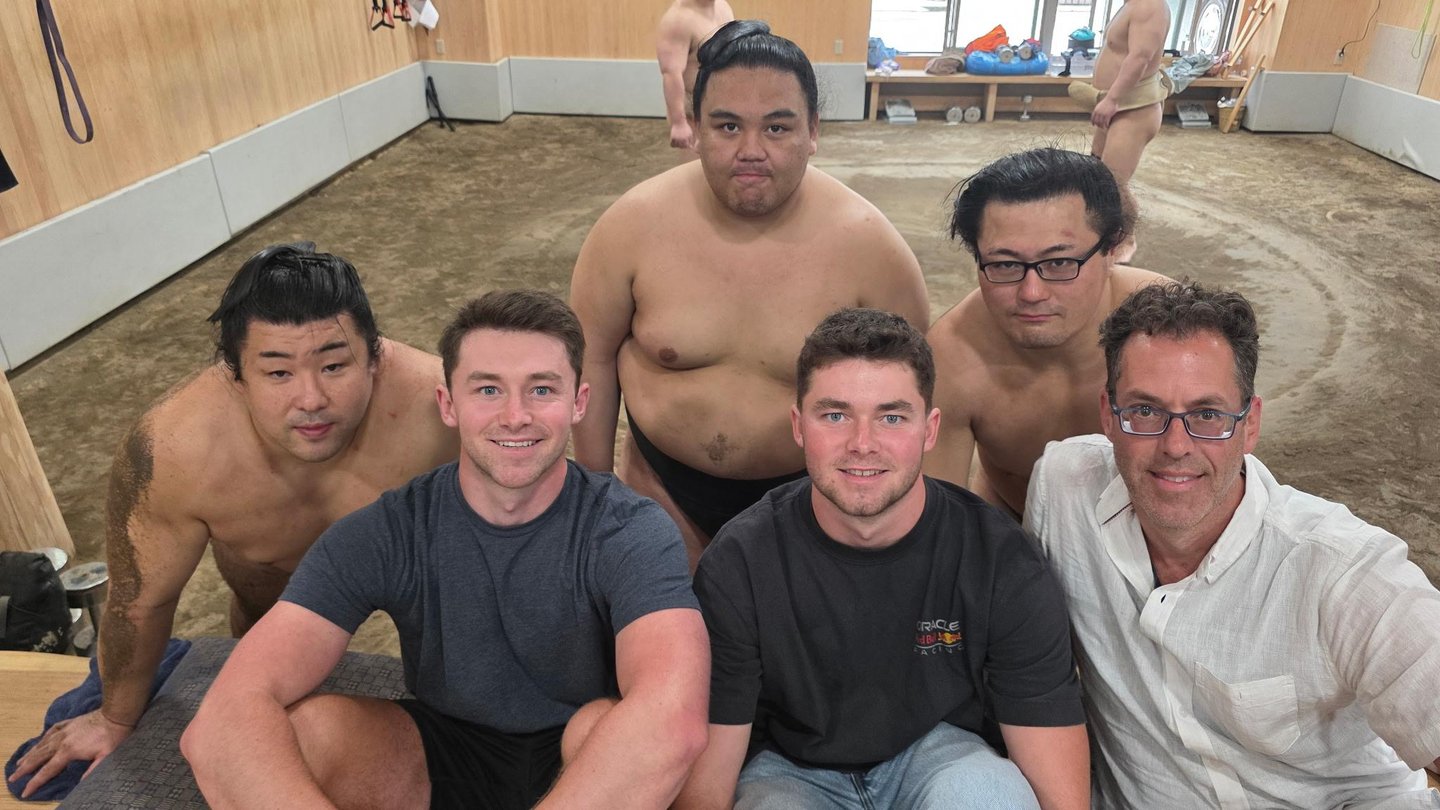
"Fantastic tour, highly recommend. Guides gave great info, watched 1.5 hours of practice, got photos with the sumos, then a park walk, souvenir shop, museum and stadium. Superb value."





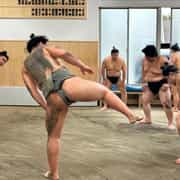
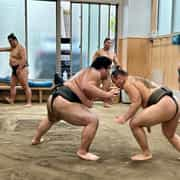

A Tokyo stable opens its door to a handful of quiet visitors on most mornings, and closes it just as fast. Getting in takes the right month, the right manners and a booking made well ahead of the trip.
Real practice happens at a stable in Ryogoku, and it means silent, still viewing for up to two hours.
Tokyo stables close to visitors during tournament months, especially when the wrestlers travel to Osaka, Nagoya or Fukuoka.
Meet at Ryogoku Station at 7:45 am, watch from 8 am for 90 to 120 minutes, and you are usually done by 9 am.
The rules are strict: no talking, no flash photos, no phones, shoes off, and you stay until practice ends.
Book about two months ahead, and expect the odd same-day cancellation with a full refund or a swap.
Plan your stable visit outside the tournament months, when most Tokyo stables either travel with their wrestlers or cut practice short. Book a guided visit about two months ahead, since spots are limited, and confirm the day before that practice is actually taking place.
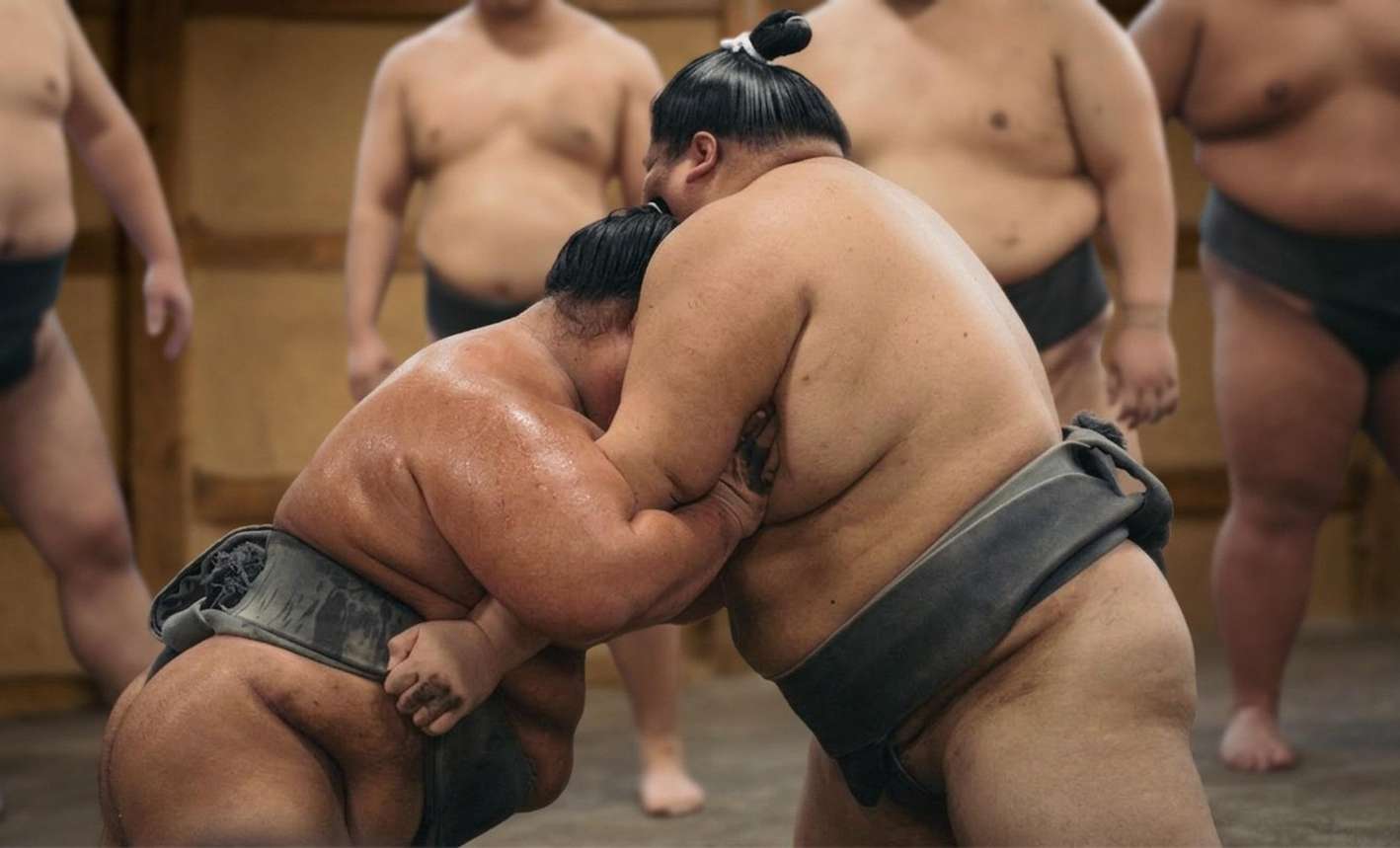
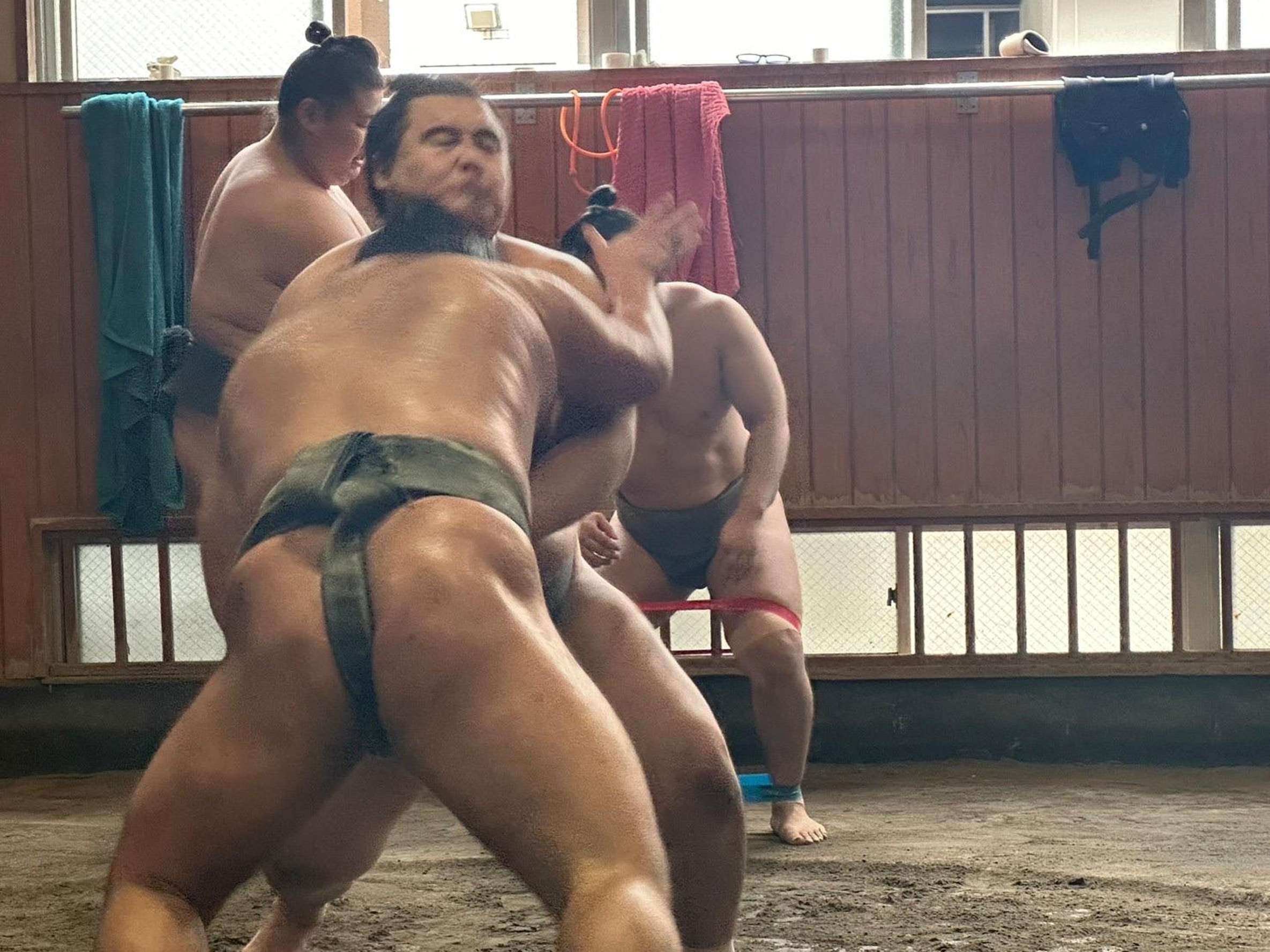
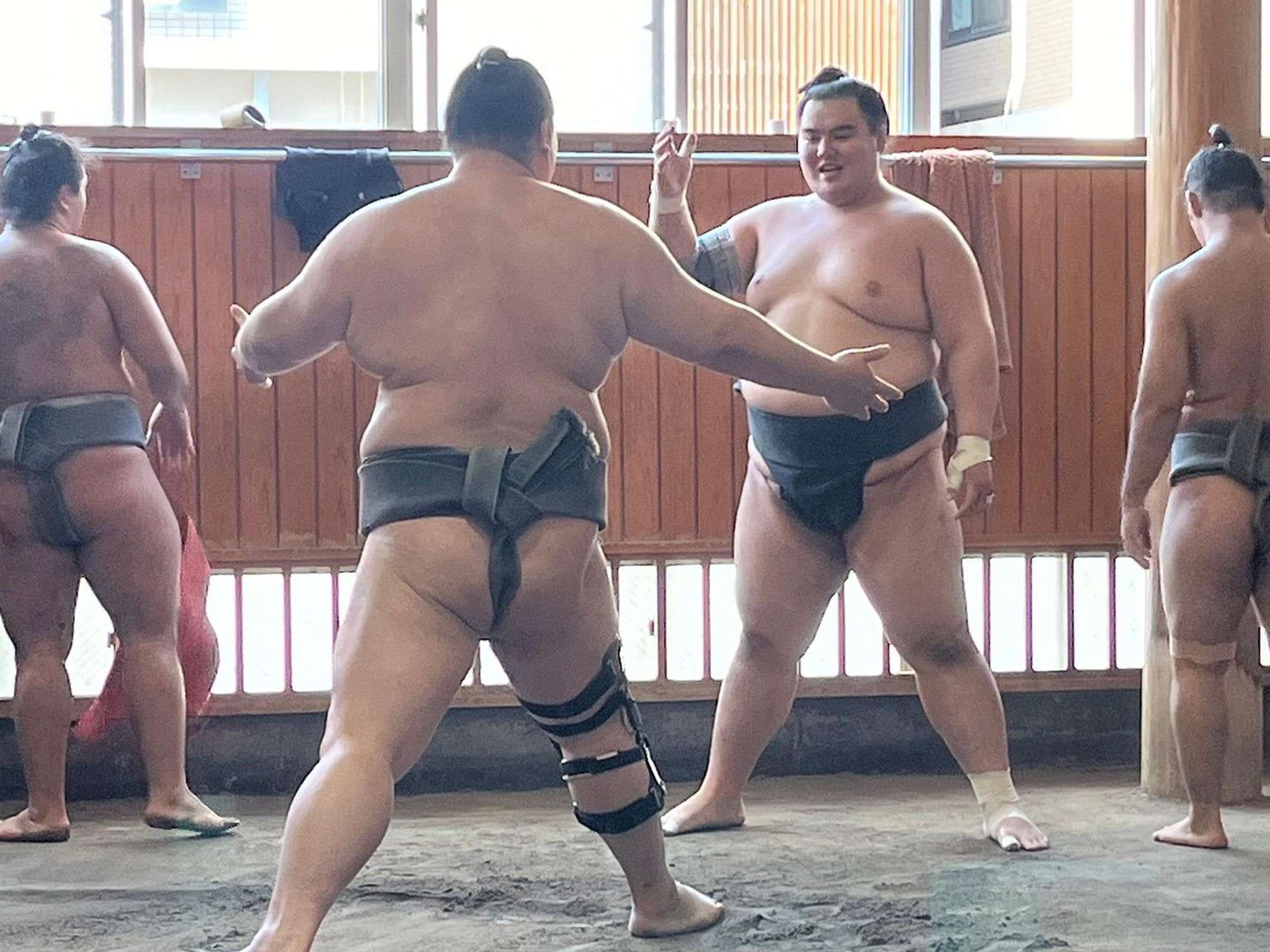
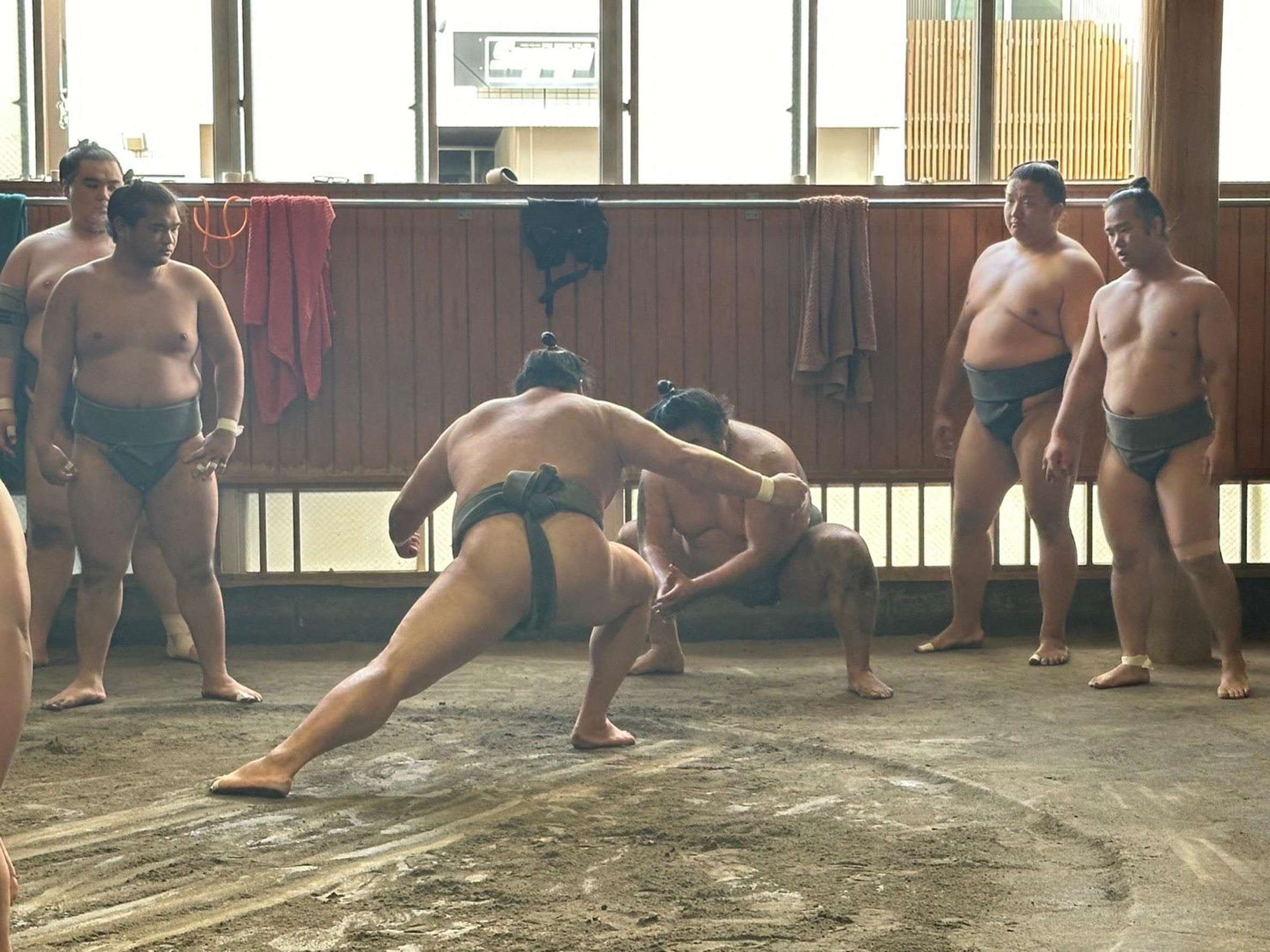
A sumo stable, a heya, is where rikishi live and train. It is a workplace and a home, and the morning session is real training: warm-ups, drills, then bouts on the dirt ring, with nothing staged for an audience.
The visitor-friendly stables cluster in Ryogoku, a neighbourhood in eastern Tokyo's Sumida Ward, where roughly 30 to 40 of them welcome respectful guests. You cannot simply walk in.
Visits are by appointment, and many stables never open to the public at all. The easiest routes in are a guided tour or, at a few stables, a street-facing window.
One stable in Tokyo lets anyone watch morning practice for free through its open window from about 7 am to a little after 10 am, no booking needed.
Stables that once let crowds inside have stopped doing so, and window viewing is now the norm at several. For a seat beside the ring, you book a guided visit, and the small-group tours from Ryogoku Station run with the stable's own permission.
The trade is worth understanding before you commit. You get closer to real sumo than any show can take you, and in exchange you follow the stable's rules to the letter.
Stable practice and the sumo shows around Tokyo are two different things, and the marketing blurs them on purpose. Many tours sold as an authentic sumo experience are entertainment evenings with retired wrestlers, audience challenges and photo sessions.
People assume that phrase means real training, that stables are attractions you can wander into, and that a show with retired wrestlers is the same as watching practice. None of the three holds.
The shows are good in their own way. The wrestlers at them are usually former professionals, so the technique is genuine even without competitive stakes, and a real show can name each performer and their career. Check whether the operator publishes a cast list of ex-professional rikishi. If it cannot, you are booking theatre.
Stable practice is the opposite trade. There is no commentary, no challenge, no meal. You sit still for up to two hours while young wrestlers drill and the senior ones spar at full intensity.
Travelers who care most about sumo call morning practice the authentic choice, and casual first-timers usually get more from a show or a tournament. Decide which kind of morning you want before you book, because the two experiences share almost nothing.
The sumo calendar decides everything. There are six grand tournaments a year, in the odd months: Tokyo hosts in January, May and September, Osaka in March, Nagoya in July and Fukuoka in November.
When a tournament is on, stables do only light morning practice, and most close their doors to visitors. When the wrestlers travel to an away tournament in Osaka, Nagoya or Fukuoka, whole months in Tokyo offer no morning practice at all.
The best months for full, intense sessions are the even-numbered gaps between tournaments, especially February, June to August and October to December, plus the two weeks before a Tokyo basho, when practices run longest. One Tokyo stable tour stops running entirely in every odd-numbered tournament month.
Even in a good month, a stable can close with about a day's notice for an injury or a family obligation, and practice is often suspended for about a week after a tournament.
People who go often telephone the stable the day before to confirm practice is happening, and call in Japanese if they can. The posted start time on a stable's website is not reliable either; the real practice window can open earlier than it says.
The widget below lays out the year month by month, showing how busy each month gets and where the tournament and practice seasons fall.
April: 5 out of 5 for how busy it gets. Very busy with travelers, and hard pre-tournament training is on show until practice tours wind down.
Tap a month to read it.
February: 5 out of 5 for tournament or practice season. With no tournament, February is one of the best months for full, intense morning practice, and it is also the quietest month on the tours.
Tap a month to read it.
Read it as a booking calendar: aim for the practice-season months with room to spare, and treat the tournament months as show-and-arena months instead.
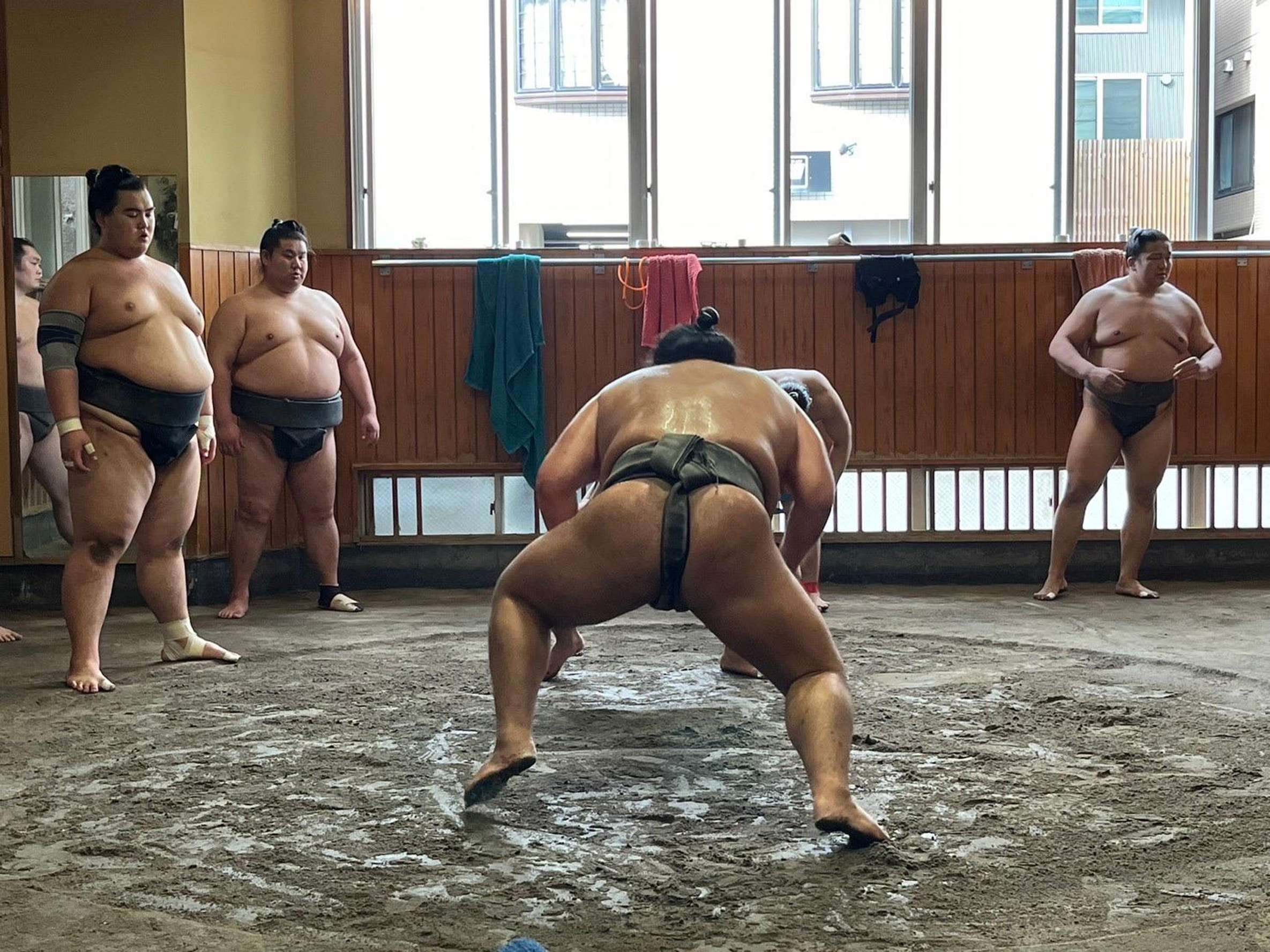
The guided visit starts at 7:45 am at Ryogoku Station. The guide walks you ten minutes to the stable, seats you to the side of the practice ring, and whispers explanations of what is unfolding. Practice runs from 8 am for 90 to 120 minutes, and you are usually done by about 9 am.
The shape of the session is the same most days. Warm-up drills come first, then roughly an hour of full-intensity sparring, with the lower-ranked wrestlers having started earlier in the morning.
The length varies because this is a working training ground: the day's schedule, the wrestlers' needs and the distance to the next tournament all decide it. In the build-up to a tournament, visitors report practices of two to two and a half hours. During the Tokyo tournament weeks themselves, the session shrinks.
You do not have to arrive at the exact posted start time. You can come during the practice window and still watch a full stretch of it. If you want a spot close to the viewing window, especially with children who need to see over shoulders, come early.
The two numbers below are the ones to plan your morning around.
Plan on the longer figure when a tournament is approaching, and treat anything shorter as a bonus hour for the rest of your day.
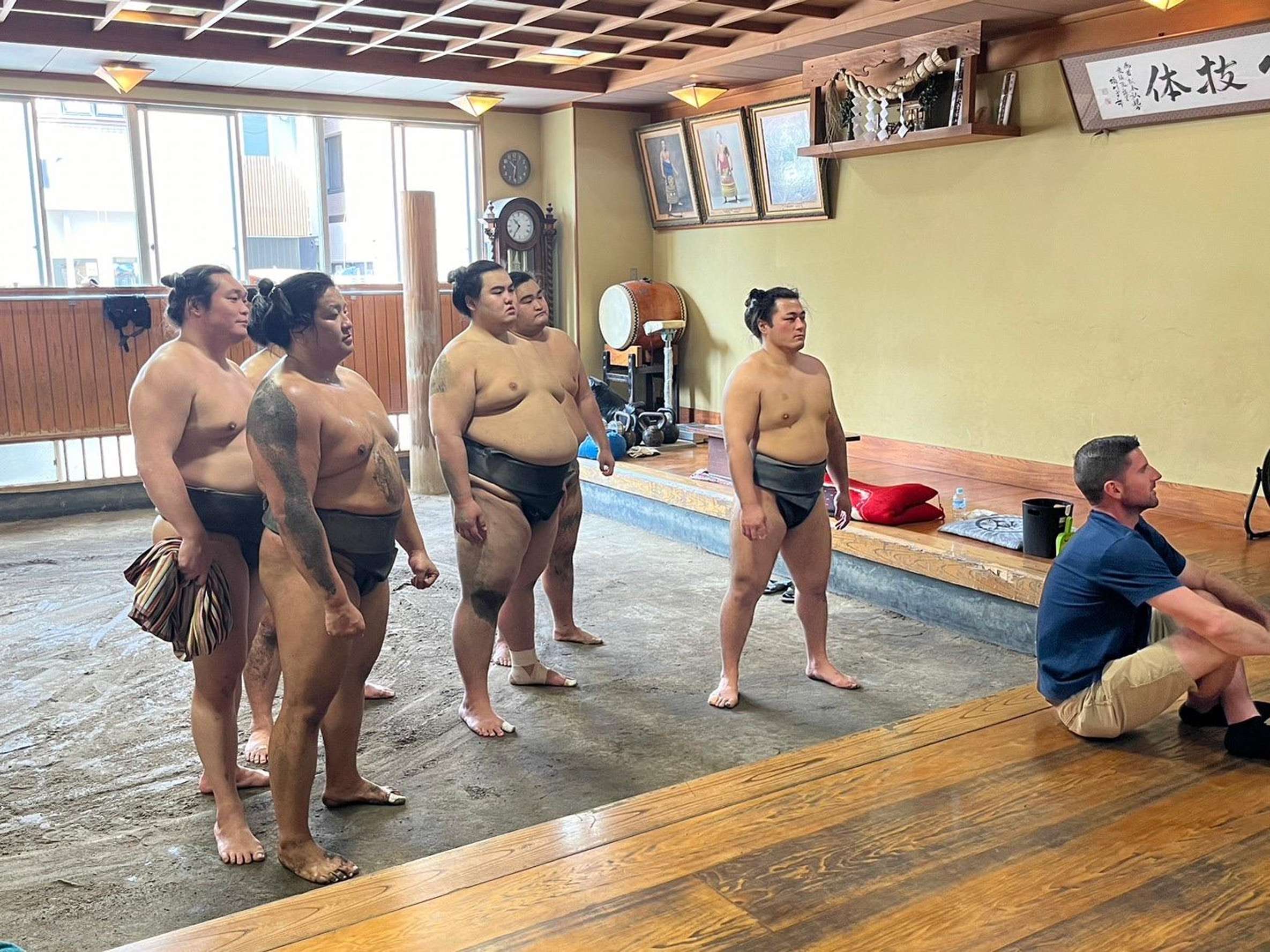
A stable is a private workplace and home, and the etiquette follows from that. You are a silent, still observer: no talking, not even a whisper, no moving around, no eating or drinking, no smoking, and no flash photography.
Regular cameras, including DSLRs, are fine, and you can get good shots from your seat. Turn your phone off. The ring and the sandy ground are sacred, so never step on them.
You take off your shoes at the entrance and sit on the tatami floor without a chair, cross-legged, without stretching your legs toward the ring or showing the soles of your feet to the wrestlers.
Hats and sunglasses come off inside. There is no heating in winter, so dress for a cold room. You stay until the wrestlers finish; leaving mid-practice is not done.
Women are welcome as spectators, on tours and at tournaments alike. The ban in professional sumo covers entering or touching the ring; watching from the seats is open to everyone, though at some stables women watch from designated seating away from the ring's edge.
Children can come if they can sit quietly and still, and they pay the same fee as adults. Families with toddlers who cannot manage that get far more from a sumo show or a tournament day.
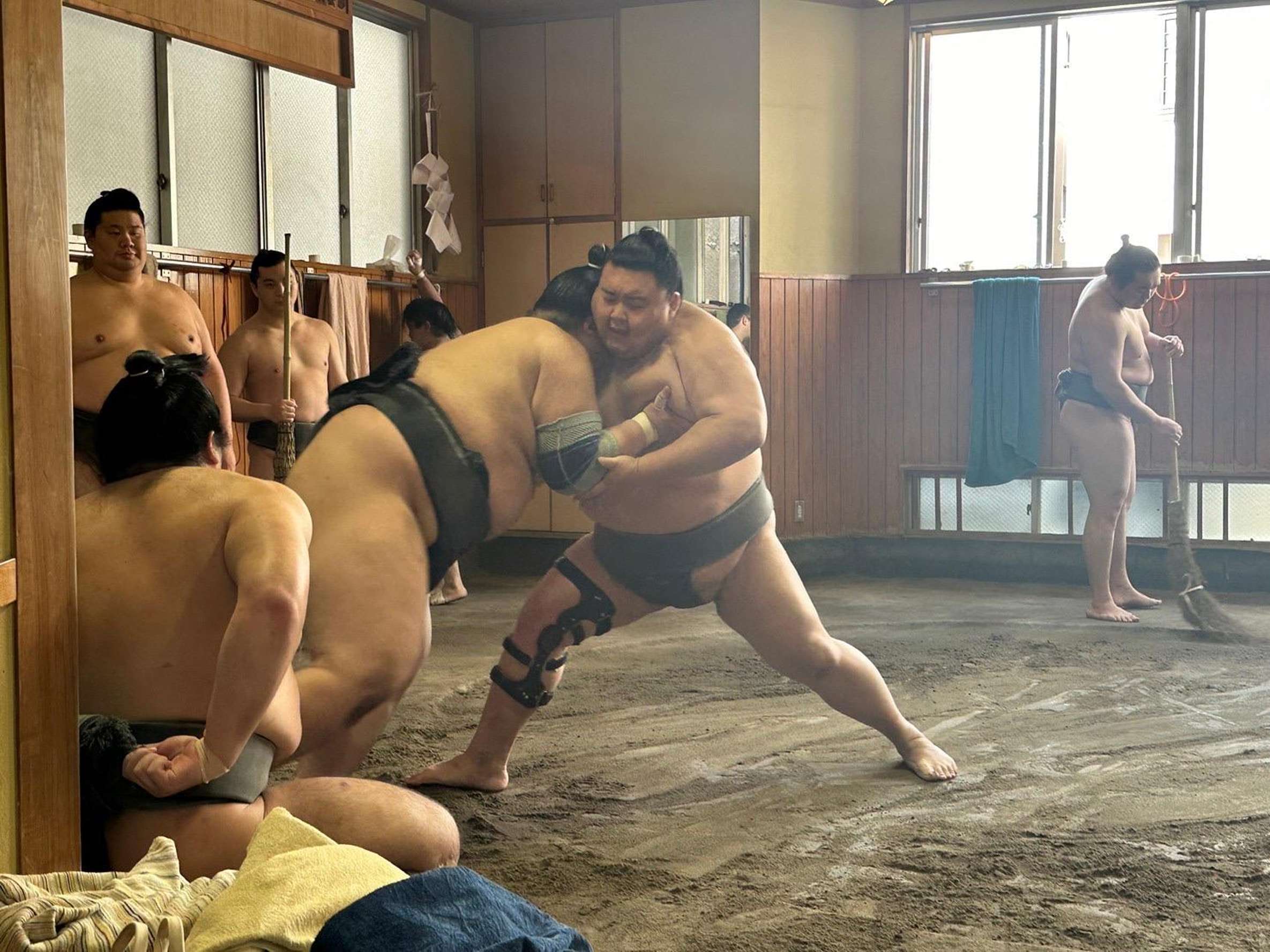
Practice explains itself to nobody. The wrestlers train in Japanese, the rituals go unannounced, and without help two hours of watching stays two hours of watching. A guide changes that.
On the guided visits the guide walks you to the stable, seats you, and whispers explanations during practice, then opens a question window at the end, translating both ways while the wrestlers chat and pose for photos.
One three-hour tour goes further: it is led by a sumo specialist who works as a national newspaper journalist, and it holds special permission from the stable for access.
The journalist frames what you see in the sport's history and rituals, and the tour builds in time to ask anything you want. Travelers who have done it say the wrestlers' power and discipline, and the sounds of the practice itself, land hardest from a few metres away.
The choice is simple. If you want access and a seat, the standard guided visit does it. If you want to understand the training, the ranks and the rituals as they happen, the journalist-led morning earns its extra hour. Both run in English, and both include photos with the wrestlers at the end.
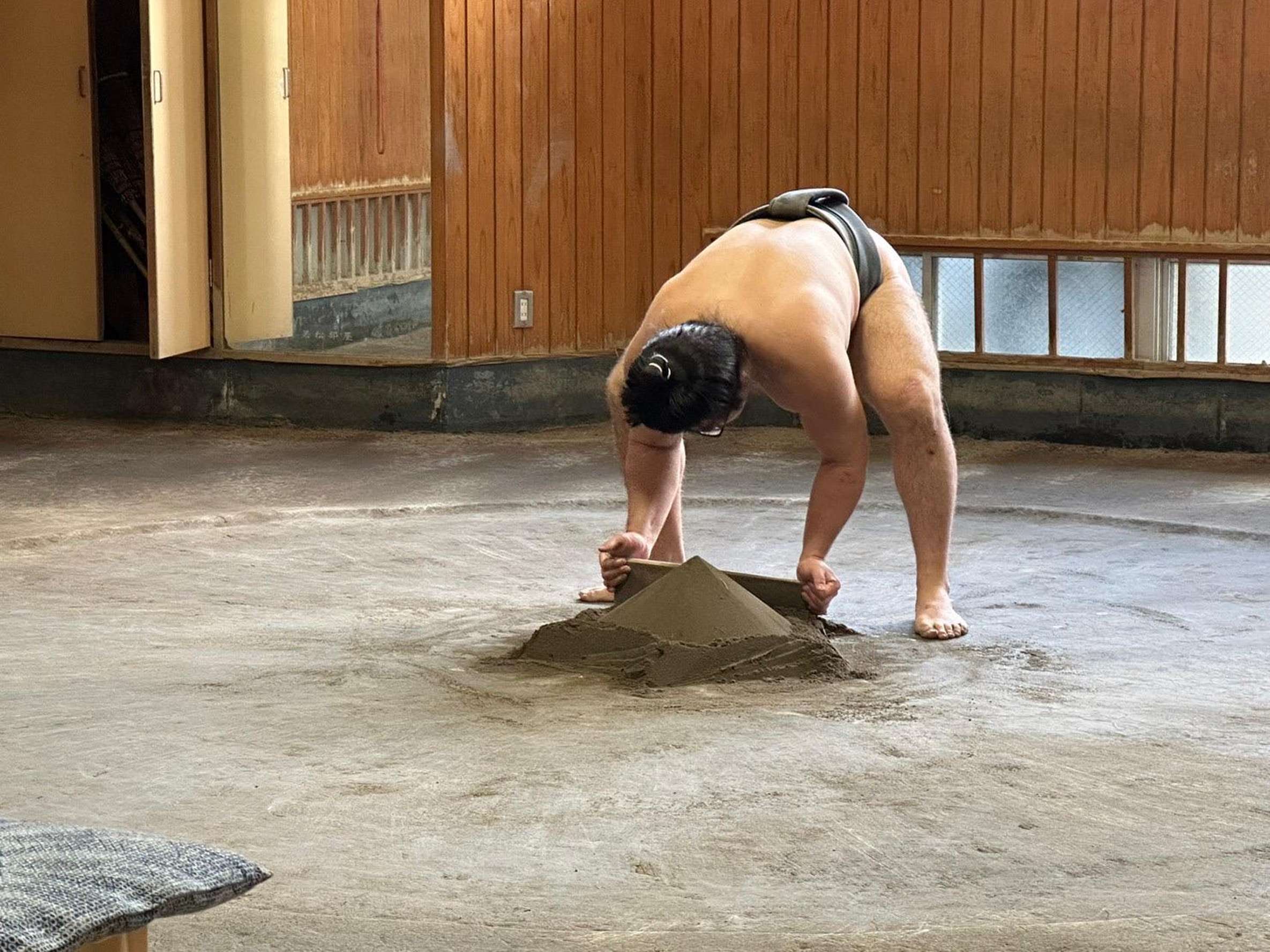
Plan to reach Ryogoku Station between about 5:30 and 6 am if you want the full picture. Training starts early, around 6 am for lower-ranked wrestlers and around 8 am for the top ones, and practice generally wraps by 10 or 11 am.
The guided tours meet at 7:45 am, so a later start works for them, but the journey still lands in the pre-dawn hour.
From Shinjuku, the JR Sobu Line runs direct to Ryogoku in about 22 minutes, then it is an 8-minute walk. A taxi from Shinjuku takes about 35 minutes door to door over 13 kilometres without traffic.
From Haneda Airport, a taxi covers the 22 kilometres in about 31 minutes before the traffic builds, or you can take the Keikyu Line to Daimon and change once onto the Oedo Line, about 45 minutes in all.
Driving yourself is rarely the answer for a morning start. Parking around the stables is thin, the streets are narrow, and you will be walking the last stretch in the dark anyway. The train handles the dawn hour better than a car does.
The routes below compare train and taxi times from the two places most visitors set out from.
Whichever route you pick, the last stretch is on foot, so build in ten minutes of walking after the station or the drop-off.
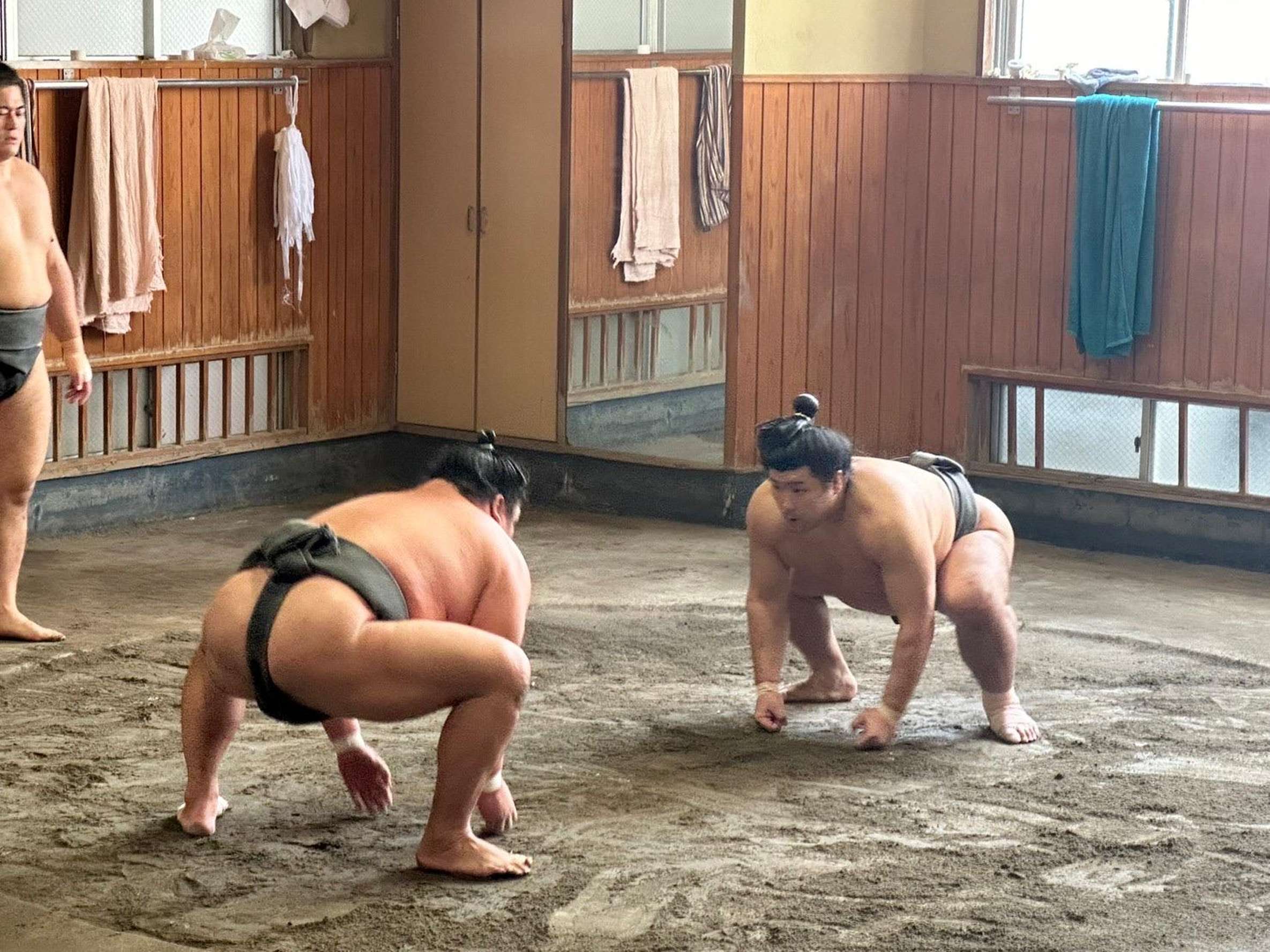
Book about two months ahead. On average travelers reserve a stable visit roughly 58 days in advance, and one stable-tour operator suggests getting in touch within three months of your date, because stables often finalise their schedules only about a month beforehand.
Small-group capacity runs as low as six seats on some official stable visits, and waiting until the week of your trip is a mistake: the places sell out and confirmations can take days.
The hardest months are the Tokyo tournament months of January, May and September, when stables close their doors or cut practice short. Outside those windows, book early and you will have your pick of dates.
Then accept the risk that comes with a working training ground. A stable can cancel on short notice, sometimes the same day if a wrestler is injured or a tournament schedule shifts, and sometimes with about 24 hours' notice for internal reasons.
If a session is cancelled you are notified immediately, and the tour's terms cover you: most of these tours can be cancelled up to 24 hours in advance for a full refund, and if the stable cancels, you get a full refund or an alternate experience, such as Edo Kiriko glass carving or shodo calligraphy, at no extra cost.
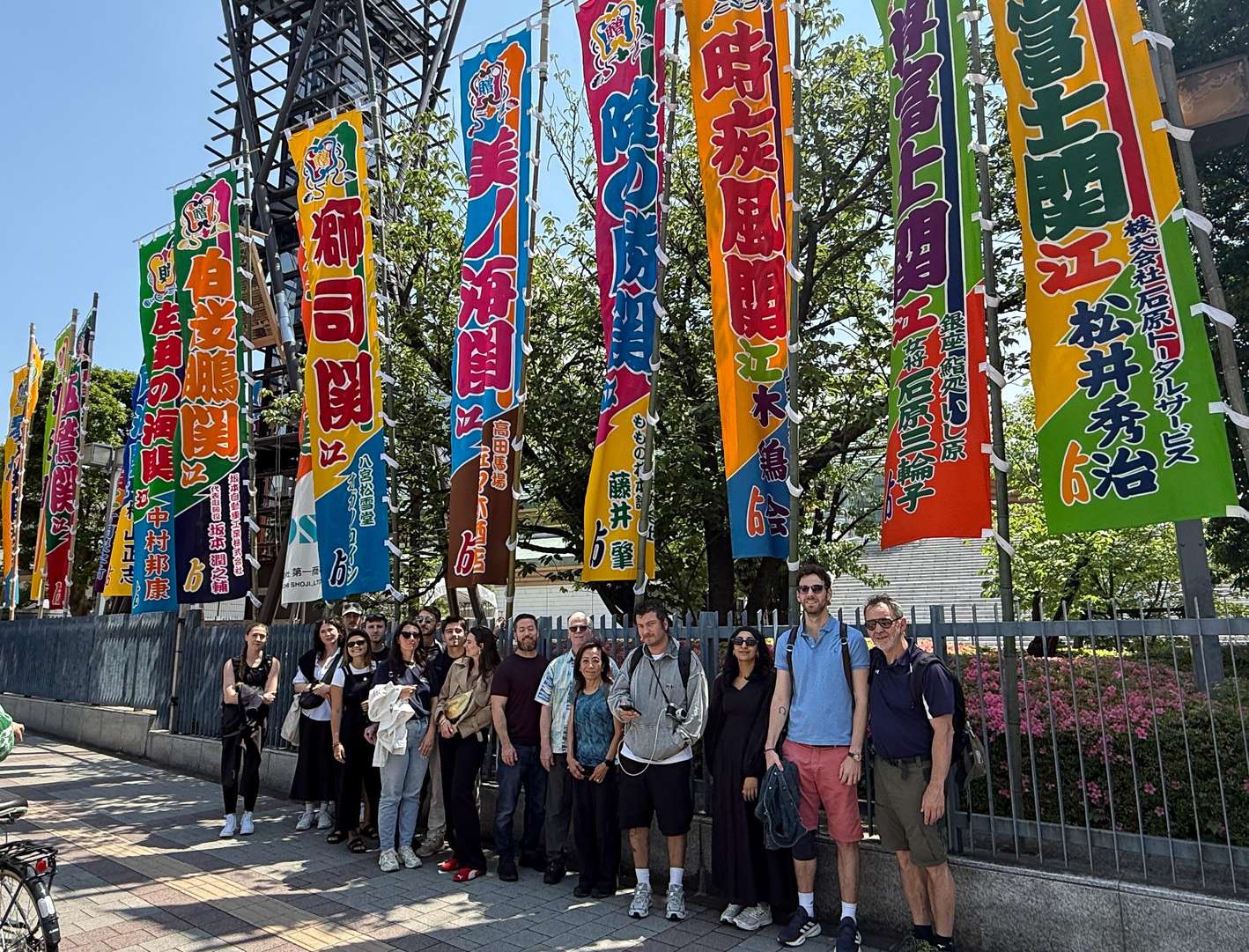
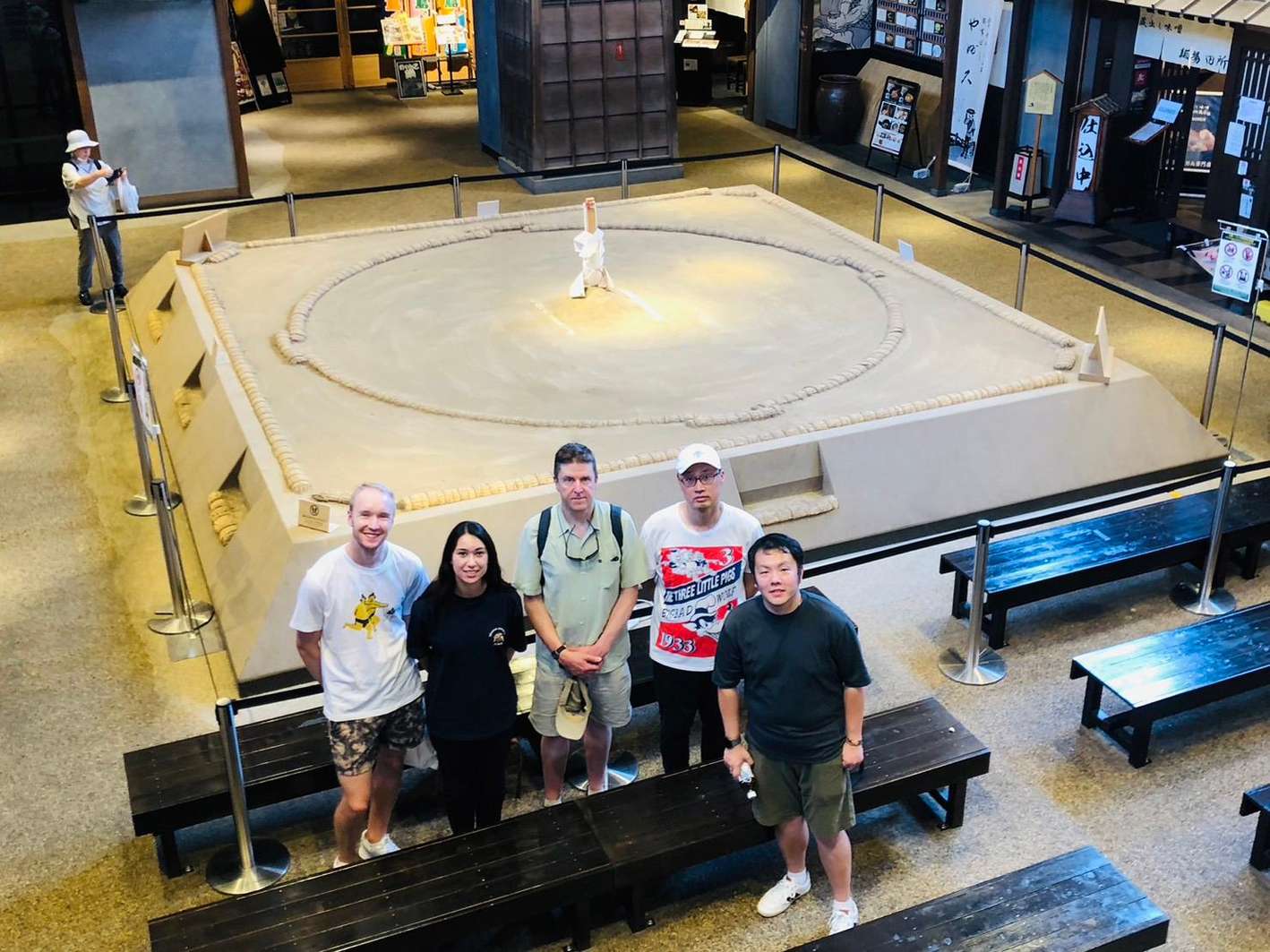
Practice ends by 9 am, which hands you most of a day in a part of Tokyo many visitors skip. The Sumo Museum sits on the main floor of Ryogoku Kokugikan, a short walk away, and it closes in the late afternoon, so go before the top division bouts if a tournament is on.
On tournament days the museum is reserved for ticket holders, and on non-tournament days the arena hall itself is shut, with the museum and souvenir shop open on weekdays only.
The Edo-Tokyo Museum and the Sumida Hokusai Museum are both about two minutes from where the tours start, and Ekō-in, the temple where professional sumo tournaments were born, is eight minutes on foot.
From there the Sumida riverfront pulls you toward Asakusa: Sumida Park, the Kaminarimon gate and the tourist information center all fall inside a 20-minute walk, and Sensō-ji is nine minutes by taxi if your legs are done.
The list below ranks what sits within a 20-minute walk of the tours' starting point, plus a few places worth a short drive.
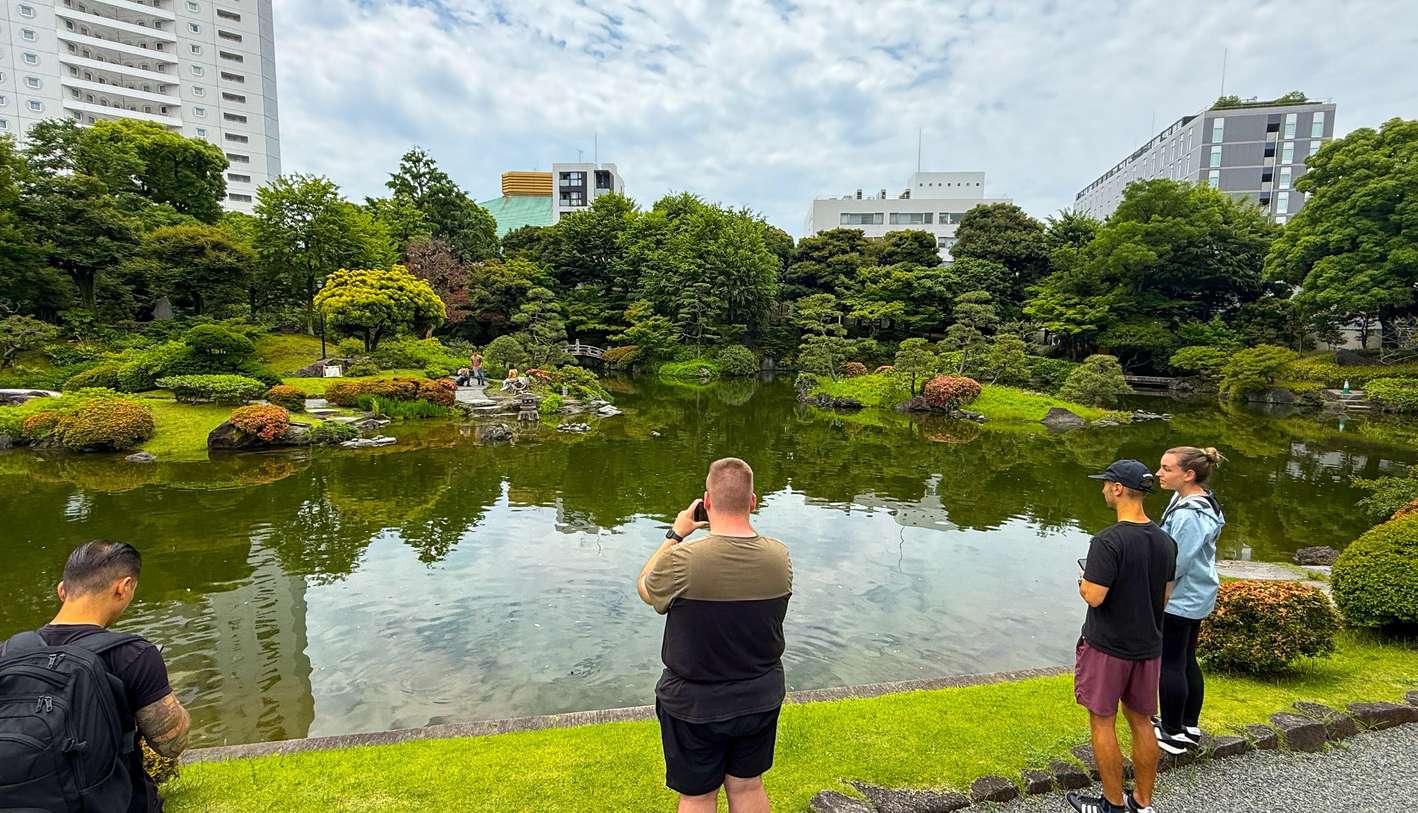
That makes a natural shape for the day: silence and sparring from 8 am to 9 am, a museum and a temple mid-morning, and a slow walk along the river into Asakusa for lunch.
A morning at a Tokyo stable is the closest a visitor gets to real sumo, and it earns its place on the itinerary if you time it outside the tournament months and book two months ahead.
If your dates land in January, May or September, or you cannot sit silent on tatami for two hours, a sumo show with retired professionals is the better evening.

Stables in Osaka open up only in the weeks before the March tournament; the rest of the year, shows fill the gap.
Read the guide
Kyoto has no professional stables, so its sumo venues are shows with ex-wrestlers demonstrating real drills and bouts.
Read the guideTokyo is the one city where stable practice runs most of the year. Osaka and Kyoto both lean on the same fallback: a November practice tour in Fukuoka, or a show in town. What separates them is how much real training each can actually offer you.
Tokyo is the only one of the three cities with stable practice you can book most of the year, so it helps to know what Osaka and Kyoto can and cannot give you.
Shows all year, real training only in the March run-up and a November Fukuoka tour.
Late February is the moment in Osaka. The wrestlers arrive to prepare for the March tournament, set up practice rings at temples and shrines, and some stables let you watch from about 6:30 am to 10 am. Contact the stable before you go, because an inquiry holds no seat; viewing is first-come, first-served.
Outside that window, morning practice in Osaka is largely unavailable and dinner shows take over. The one on-sale visit for real training runs in Fukuoka during a three-week stretch of November, pairing stable viewing with a walk through Hakata Old Town.
No stables in Kyoto, so the city answers with shows led by former professionals.
Kyoto has no professional sumo stables at all. Every stable in Japan sits in the Kanto region around Tokyo, so no guided morning practice visit runs in the city. What Kyoto does have is shows: former professional wrestlers demonstrate the drills they trained on every morning, then fight full-strength bouts.
If watching real training is the point, the closest on-sale visit is the Fukuoka practice tour, which runs only during about three weeks of November.
From Kyoto that means an early Shinkansen and a tight schedule, since the first train reaches Hakata after the practice has started. Stay in Kyoto for the show; go to Fukuoka only with a night there.
See how morning practice visits work across Japan, from booking windows to what you will actually watch at the stable.
Osaka's practice scene explained, including how a real stable visit differs from the city's staged sumo shows.
Kyoto's training visit options laid out, so you can tell genuine practice from a performance before you book.
A map of where sumo happens across Japan, useful when you are fitting it around a particular city or date.
Every way to watch sumo live in Tokyo compared, from stables to tournaments to evening shows.

Osaka's live sumo options in one place, so you can pick the show or viewing style that suits your trip.
Where to watch sumo in Kyoto, with the practical answer to whether a live option exists there at all.

Fukuoka's sumo options, including the morning practice visits that only run during the November tournament.

What the Sapporo sumo show involves and when it runs, so you can check it against your dates.

The full range of sumo experiences compared, from watching to taking part, to help you choose the right kind.

What a sumo outing near Mount Fuji looks like, from the ring challenge to the photo with the wrestlers.

Sumo classes in Tokyo and Osaka, for when watching practice makes you want to try the moves yourself.
A closer guide to visiting a Tokyo stable, with the tours and etiquette that make a morning visit work.

How to dress up in sumo attire in Tokyo, and which show pairs the costume with a live performance.

A Tokyo class on sumo's traditions and history, for visitors who want the culture explained in depth.
Find the SumoLand venue you mean, in Tokyo or Osaka, with the visitor details for each location.

The Osaka SumoLand venue's location and practical details, so you can judge how it fits your day.

SumoLand's Ryogoku location and visitor information, for when you have already picked it.

The grand tournament schedule and host cities, so you can see whether your trip catches one.

Tokyo's tournament dates, venue and ticket routes, including how fast the good seats disappear.

The Osaka tournament's venue and schedule, and why its tickets are the hardest to score in Japan.

Fukuoka's November tournament, its venue and dates, for a trip planned around the Kyushu basho.

How to get tickets for the Nagoya tournament, with the July dates and the booking rules spelled out.

Details on the Grand Sumo Minoh Expo Tournament and how to watch sumo in Osaka around it.
Guided tournament viewing explained, city by city, for visitors who want help following the bouts.

What a Nagoya tournament tour involves and whether it matches a July trip to the city.

Osaka tournament tours with tickets included, and how they compare with buying seats yourself.

Tokyo tournament tours at the Ryogoku arena, and what a guided day there actually covers.

Sumo shows across Japan, what a performance includes and where the good ones run.

Tokyo's premium sumo evenings, with wagyu meals, drinks and front-row seats compared.

Tokyo's sumo shows in Ginza, Shinjuku and beyond, with the formats and seating laid out.
Osaka's sumo shows and restaurant options, including the Namba venue and its food plans.

Whether Kyoto has a sumo show, and what the city's daily performances involve.

The Sapporo sumo show with its food and entertainment, and the current performance schedule.

Sumo hall options in Tokyo, with venue details to help you choose where to spend an evening.

The Ryogoku sumo show's venue details, so you can confirm it matches what you want to see.

The Tokyo Tower sumo show, with its bouts, cultural performances and meal options described.

Tokyo outings that pair a sumo show with chanko nabe, the hot pot the wrestlers eat.
Osaka's sumo-themed dining, where a meal and a performance come in one booking.

A broad comparison of sumo experiences across Japan, to help you decide which is worth your time.

Practical answers on sumo timing, match length and rules, so you know what a day of watching involves.

The Tokyo sumo museum's opening hours, plus museum options in other cities.

Tokyo's sumo district and what makes the neighborhood worth a walk before or after a visit.
Short answers to what people ask before booking a morning at a Tokyo sumo stable.
Guided visits take you to working stables such as Takasago-beya in Ryogoku, where you watch morning training from beside the practice ring. Arashio-beya also lets anyone watch through its street-facing windows for free, no booking needed, though you see less from the street.
Book a guided visit. Two run in English: one with an English-speaking guide who meets you at Ryogoku Station, and one led by a sumo journalist who explains the history and rituals and takes your questions after practice.
Training at a Tokyo stable runs roughly from 7 am to 10 am. On the guided Takasago-beya visit you meet at 7:45 am at Ryogoku Station and watch from 8 am. It is an early start, so plan the rest of your day around it.
Expect about 90 minutes to two hours of watching, usually done by around 9 am. The length varies with the day's training schedule and how close the next tournament is; before a tournament, practices can run longer.
The wrestlers warm up with drills first, then move into roughly an hour of full-intensity sparring on the dirt ring. You sit to the side and watch it all unfold, with the guide whispering explanations of what you are seeing.
Usually no. Stables are private workplaces and homes, visits are by appointment, and many never open to the public at all. A few, like Arashio-beya and Nakamura-beya, take direct applications, and most want a Japanese speaker with you to explain the house rules.
You are a silent, still observer: no talking, no moving around, no flash photos, no eating or drinking, and phones off. Sit on the tatami without stretching your legs toward the ring, and never step on the dirt. Save questions for the end.
Yes, as long as it does not disturb the wrestlers, but flash is banned and so are loud shutter sounds. On the guided visits you can also take photos with the wrestlers after practice, and some days they chat and pose for selfies.
Children can observe if they can sit quietly for the whole session, and they pay the same fee as adults. If your kids cannot stay silent and still for two hours, a sumo show or a tournament suits a family far better.
The even-numbered months between tournaments, especially February, June to August and October to December, bring the fullest training sessions. In January, May and September the wrestlers are competing, so stables close to visitors or cut practice short.
Yes. Women are welcome on stable practice tours and watch from the designated seating areas alongside everyone else. The old restriction applies to entering or touching the ring, not to watching, and the same holds at tournaments.
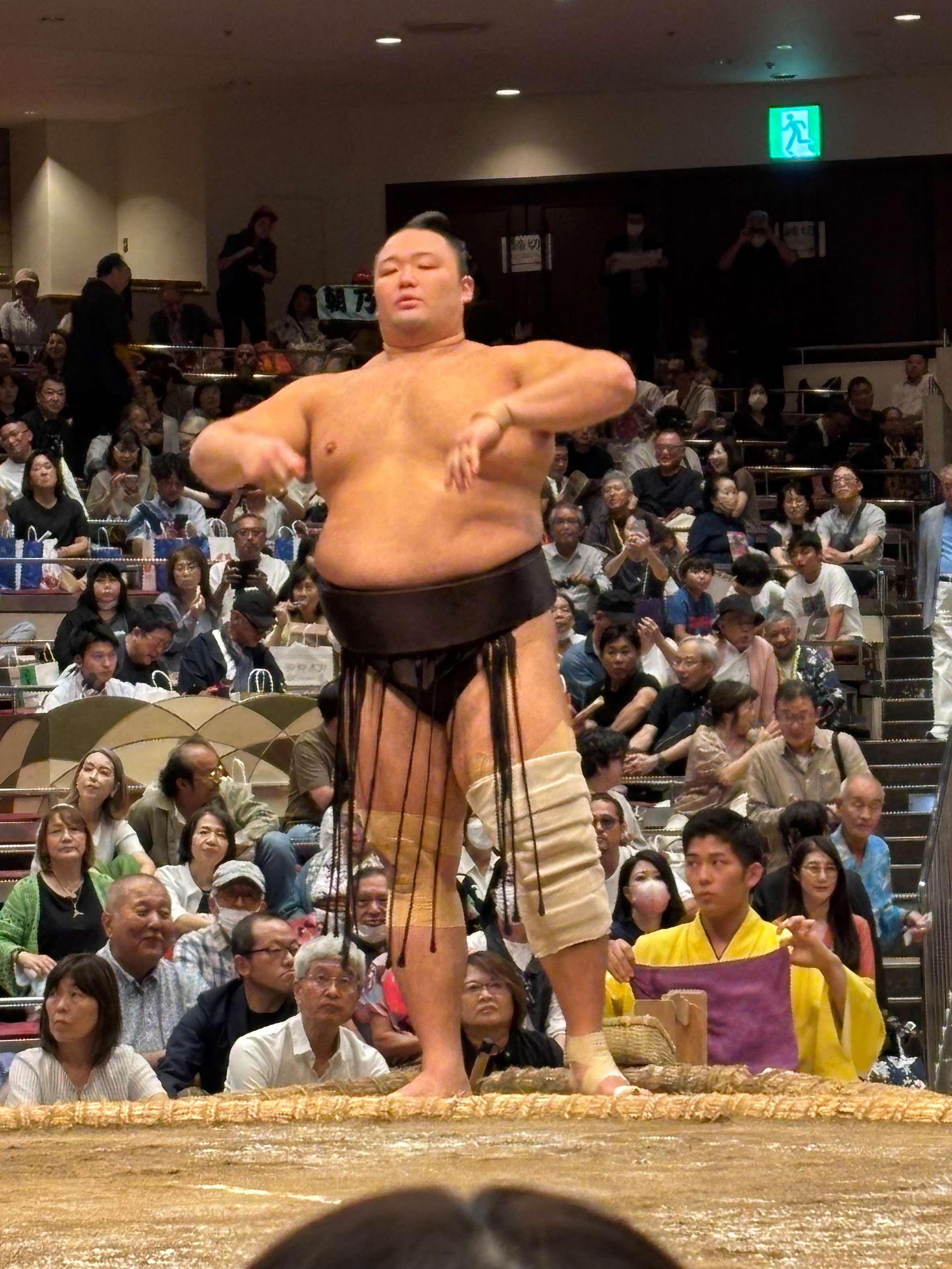
Meet at Ryogoku Station, watch wrestlers train up close with an English-speaking guide, and cancel free up to 24 hours in advance.