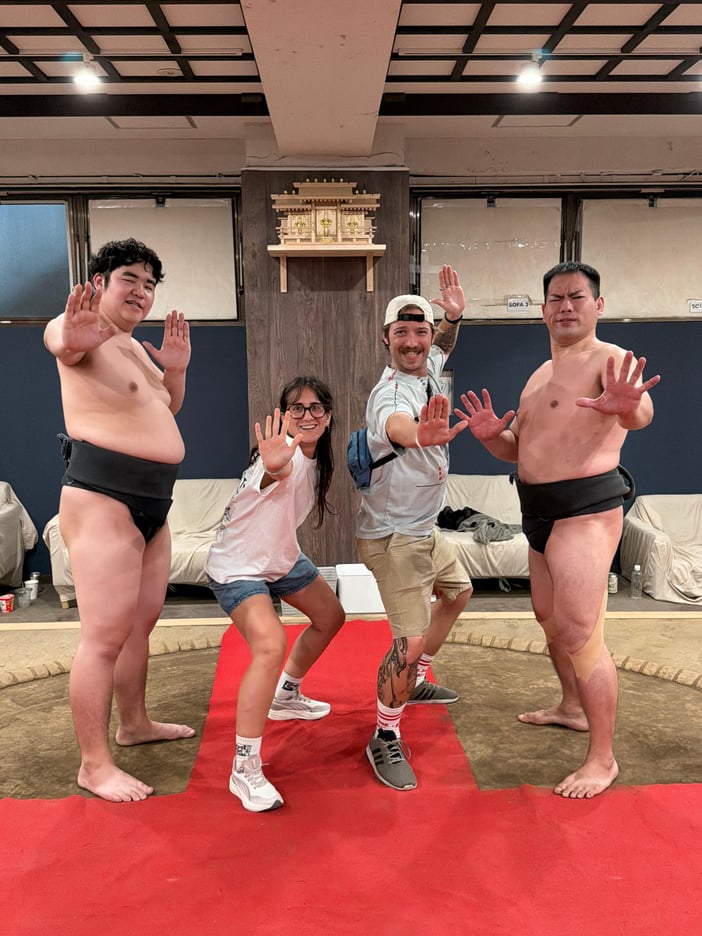
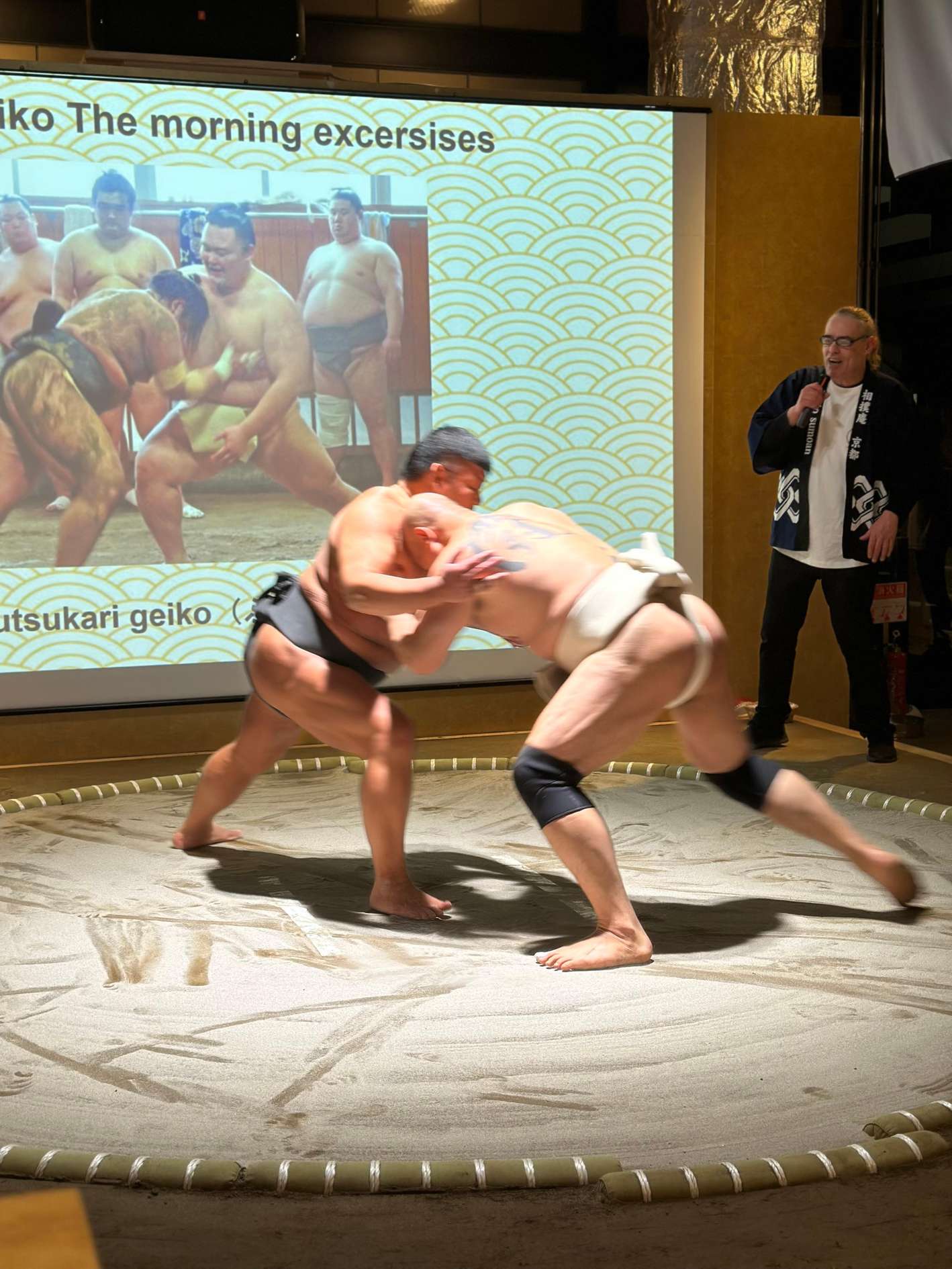
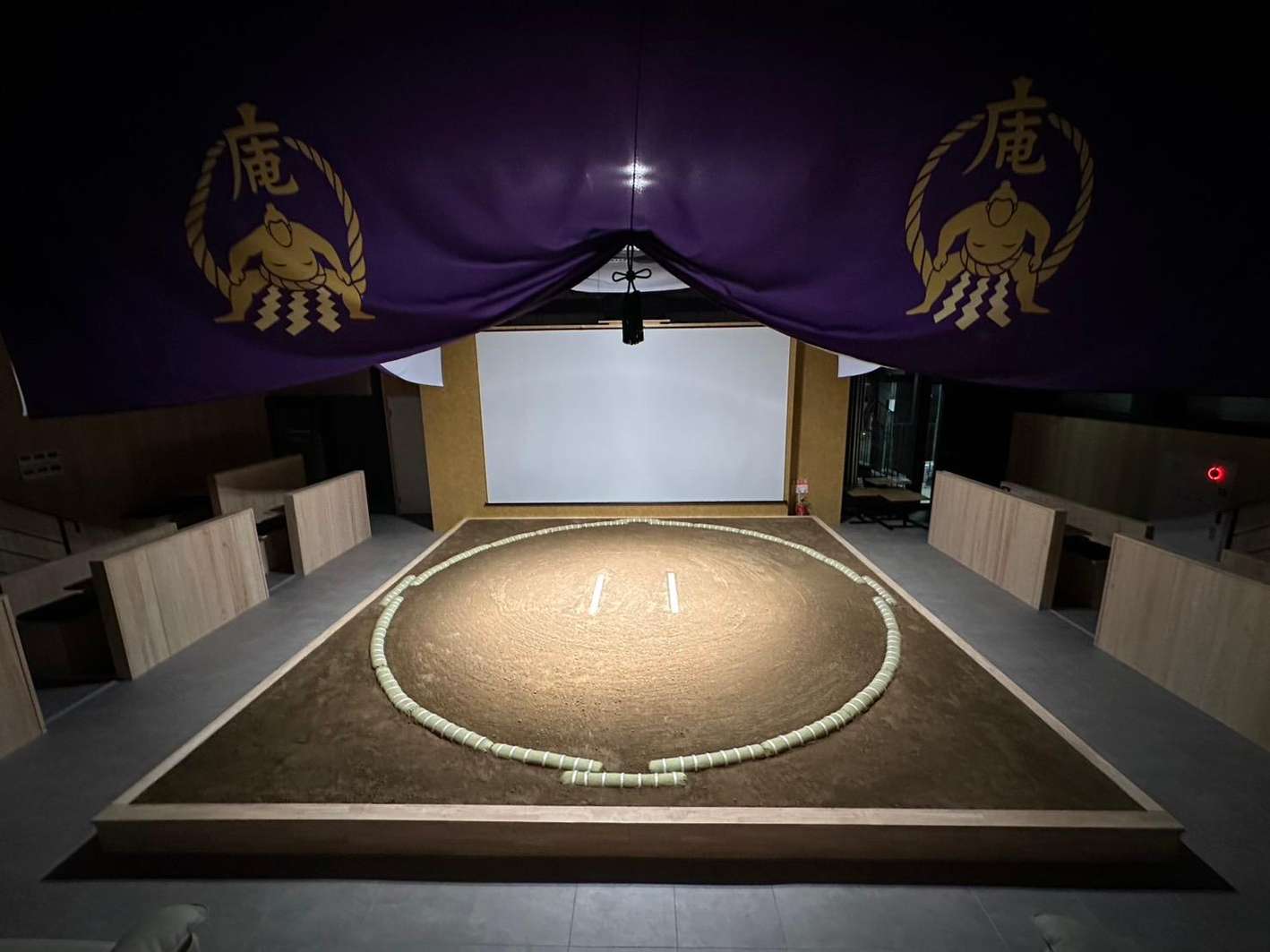
Sumo Wrestling Show What's Included and Where to Watch
Book a sumo wrestling show in Japan and watch retired pros fight feet from your seat. English commentary, a lottery chance to step into the ring, photos with the wrestlers, and chanko nabe at select venues. Pick your city and reserve a seat.
"What a blast! Wrestlers Hiro and Koji put on a great show, with MC John guiding us. Learned sumo history, saw cool techniques, asked questions, even wrestled them. Friendly team too, highly recommend!"
4.6★average rating31,144traveler reviews13 of 14free cancellation62countries travelers came from
Choosing a sumo wrestling show in Japan
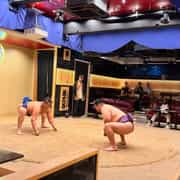
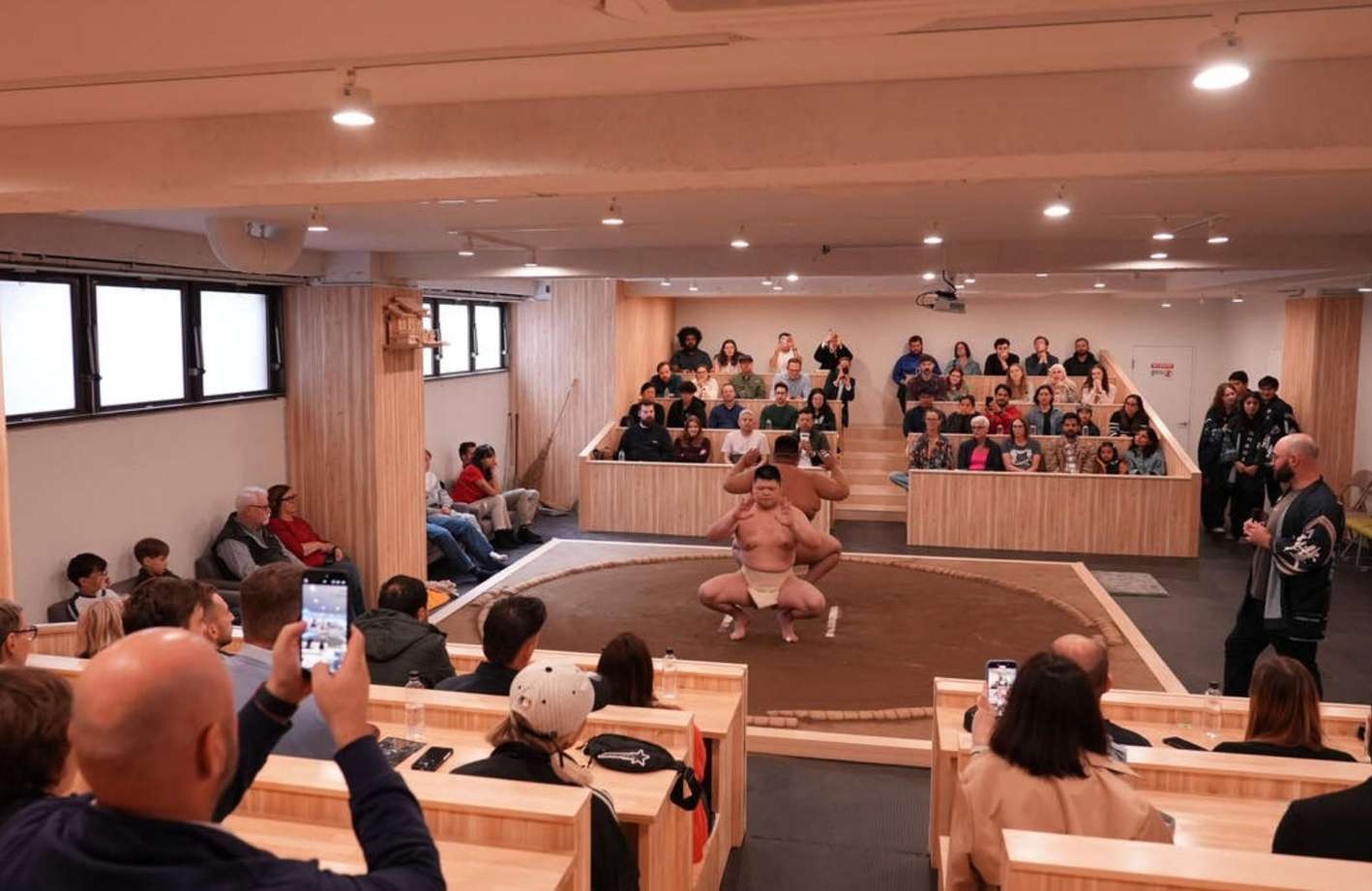
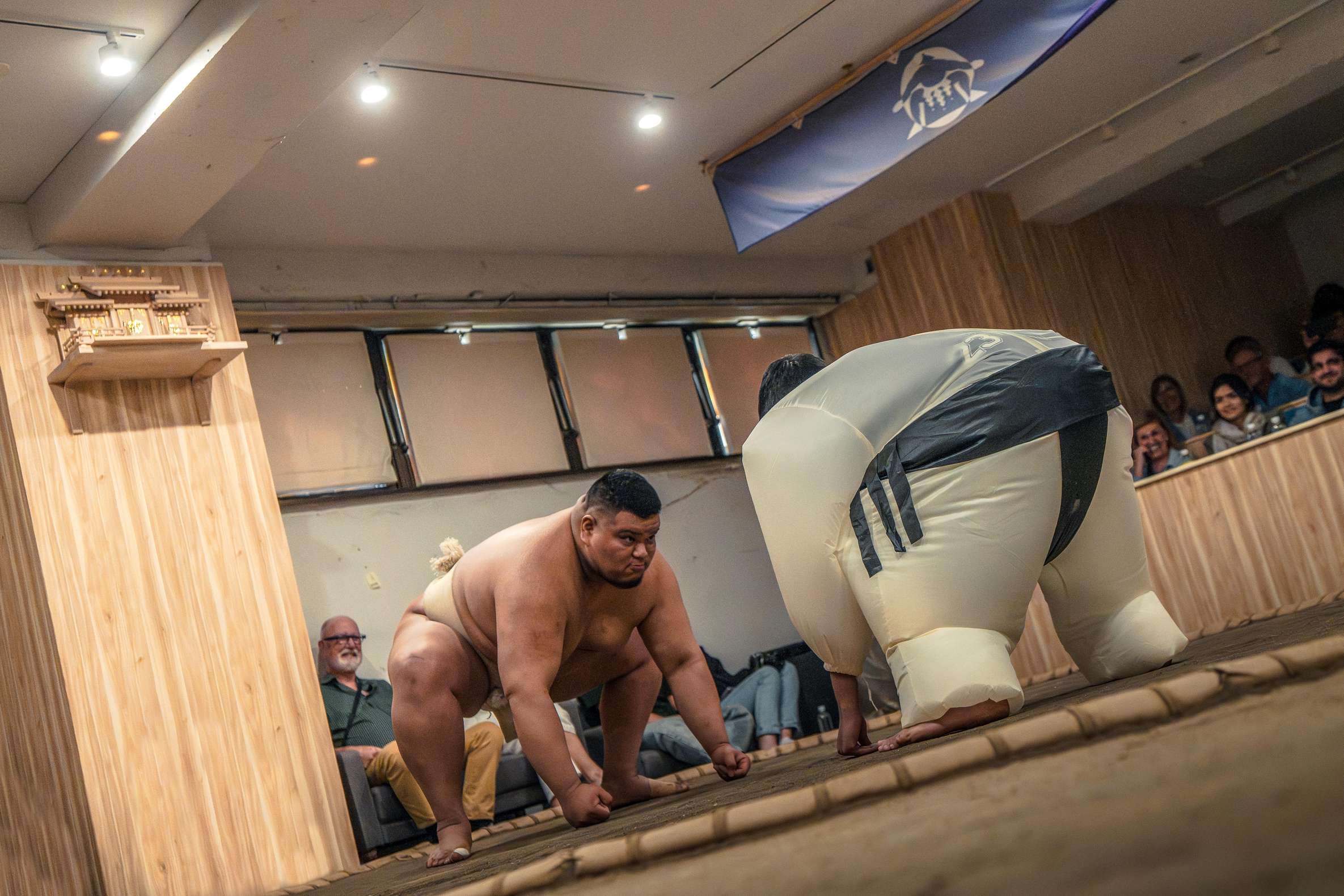
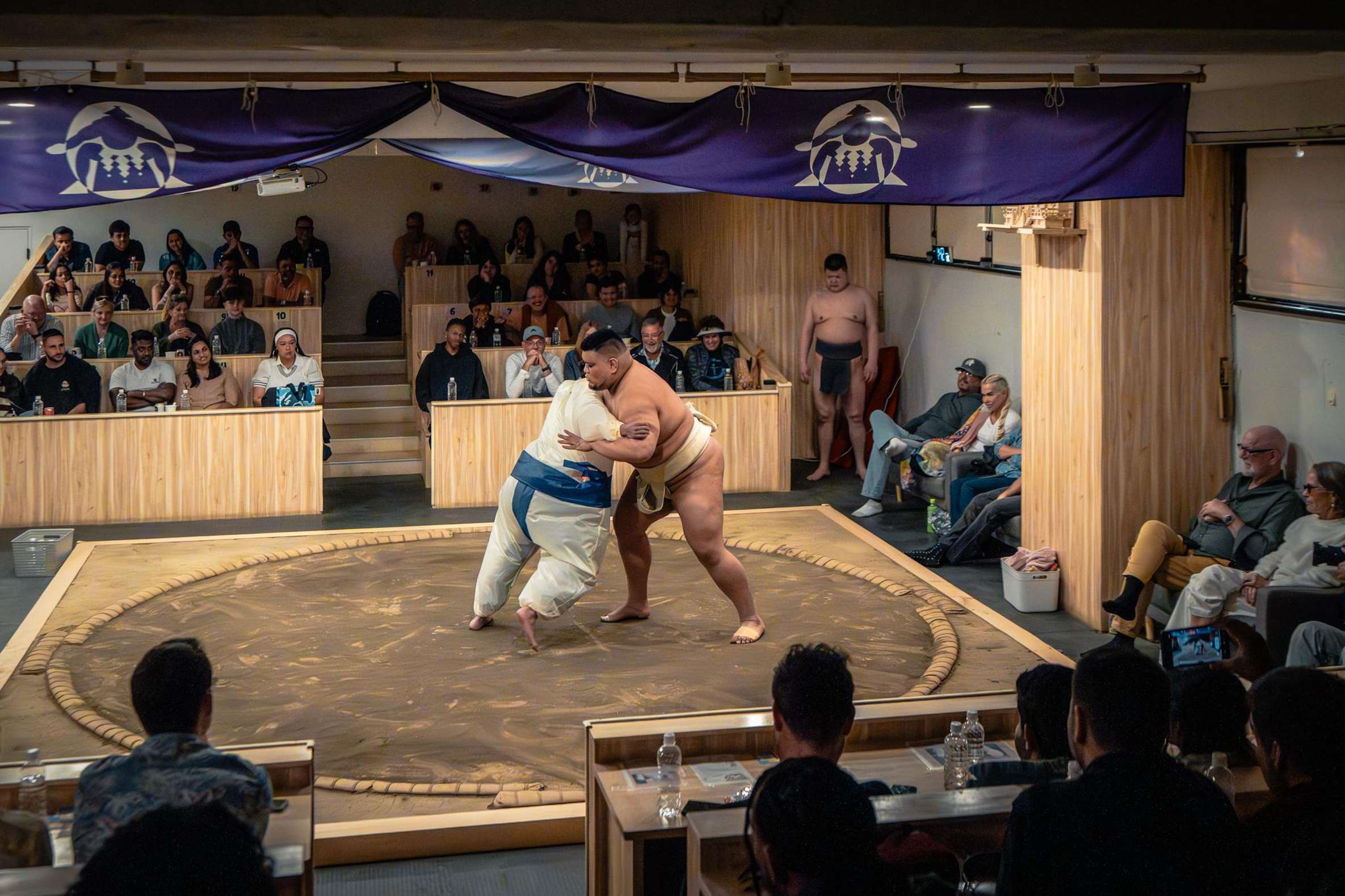
A sumo wrestling show puts retired professionals on a sand ring a few feet from your seat, with a host explaining the rules and rituals as they go. Some shows add a meal, some add a geisha dance, and most end with a chance for a few guests to step into the ring. The one that fits depends on where you are and how much you want to join in.
BookingShows in Tokyo and Osaka are busiest in April, May and October, so reserve early in those months; February, December and January are quietest.
ParticipationThe chance to wrestle a wrestler is limited at most shows and often assigned by lottery, so treat it as a bonus rather than a promise.
ArrivalThe Shinjuku show follows a strict schedule and late entry may be refused at the front desk, so get there before the start time.
PaymentThe Shinjuku and Ginza venues are cashless and take major credit cards.
KidsThe Tokyo and Osaka shows are built for families, with children from around age two welcome at some venues; babies under one are not admitted at the Asakusa and luxury shows.
MobilityThe Shibuya show and the Asakusa luxury venue cannot take wheelchair users, and accessible seating elsewhere is limited, so mention your needs when booking.
DietsVegetarian and vegan meals are possible at the meal-included shows if you request them at least two days ahead; gluten-free and halal meals are not provided, though you may bring your own food.
CancellationMost of these shows can be cancelled up to 24 hours in advance for a full refund; cancel later and you get nothing back, though you may be able to move to another slot.
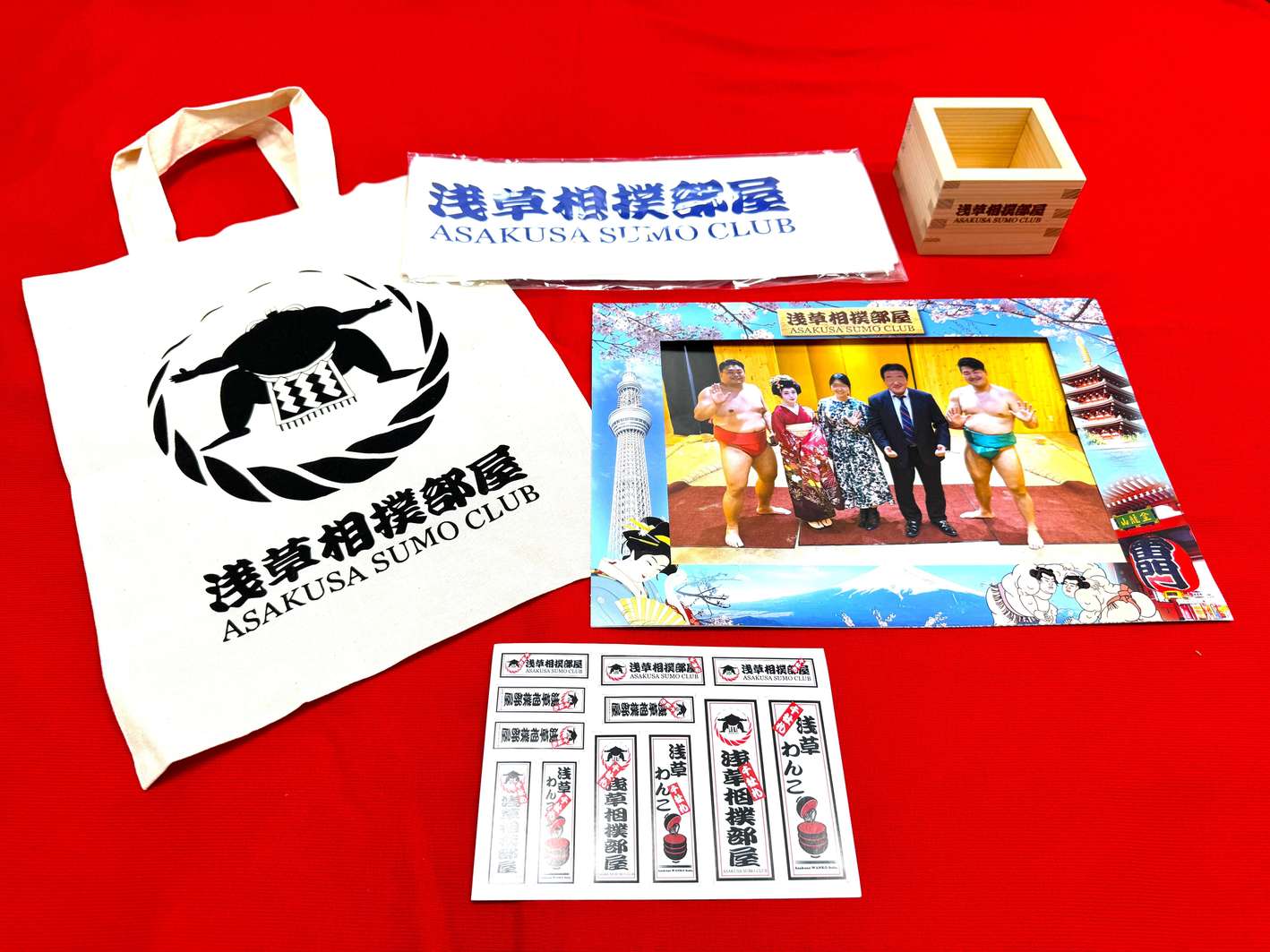
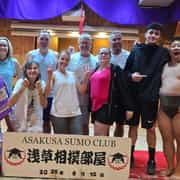
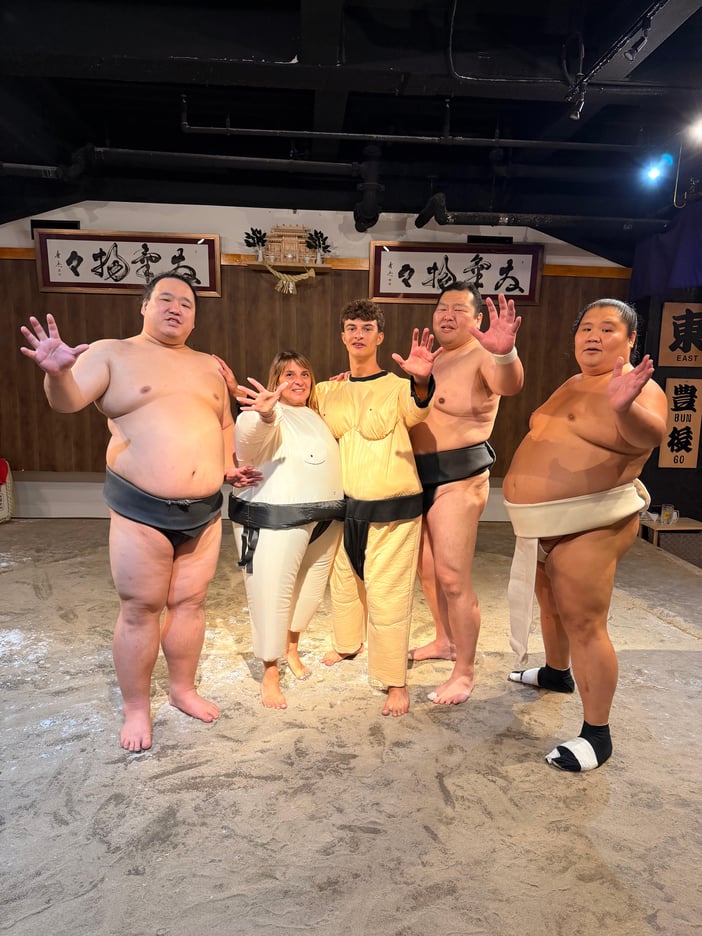
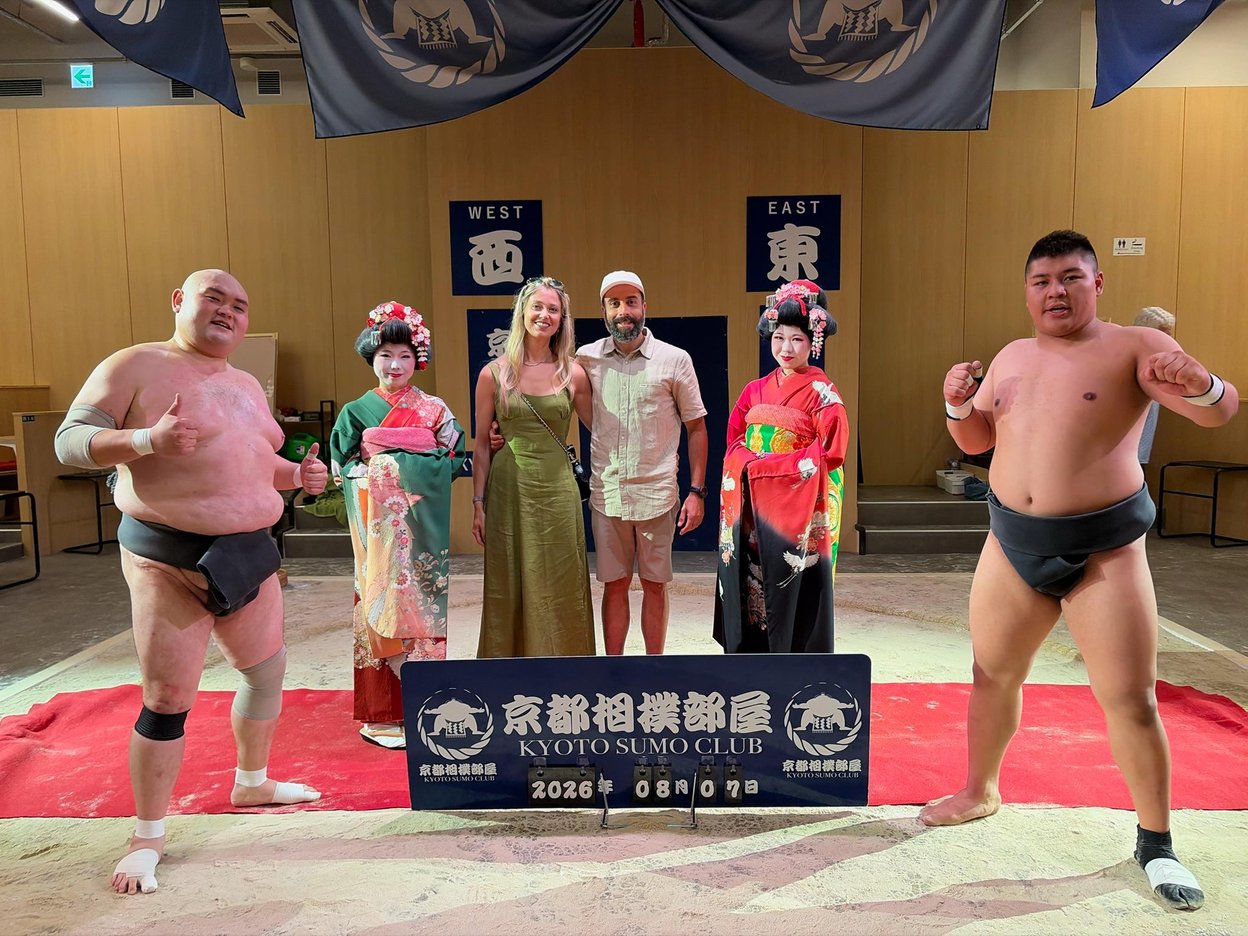
PhotosPhotography is encouraged at shows and pictures with the wrestlers are usually included, which is the opposite of a stable practice visit, where flash and noise are banned.
sell-outSumo shows in Tokyo and Osaka are busiest in April, May and October, and seats in those months can sell out before the day.
Book early if your trip falls in a peak month, and check the cancellation terms: most shows let you cancel up to 24 hours in advance for a full refund, so reserving ahead costs you nothing if plans change.
Which wrestling show should you book?
Best for participation
1.5 hours
4.8(837)
Kyoto: Participative Sumo Experience, Traditional Meal, Pic
Every guest who wants to wrestle gets a ring challenge, guaranteed, plus an authentic mawashi belt and a chanko nabe meal.
Free cancellationSumo showLive MC with English explanations
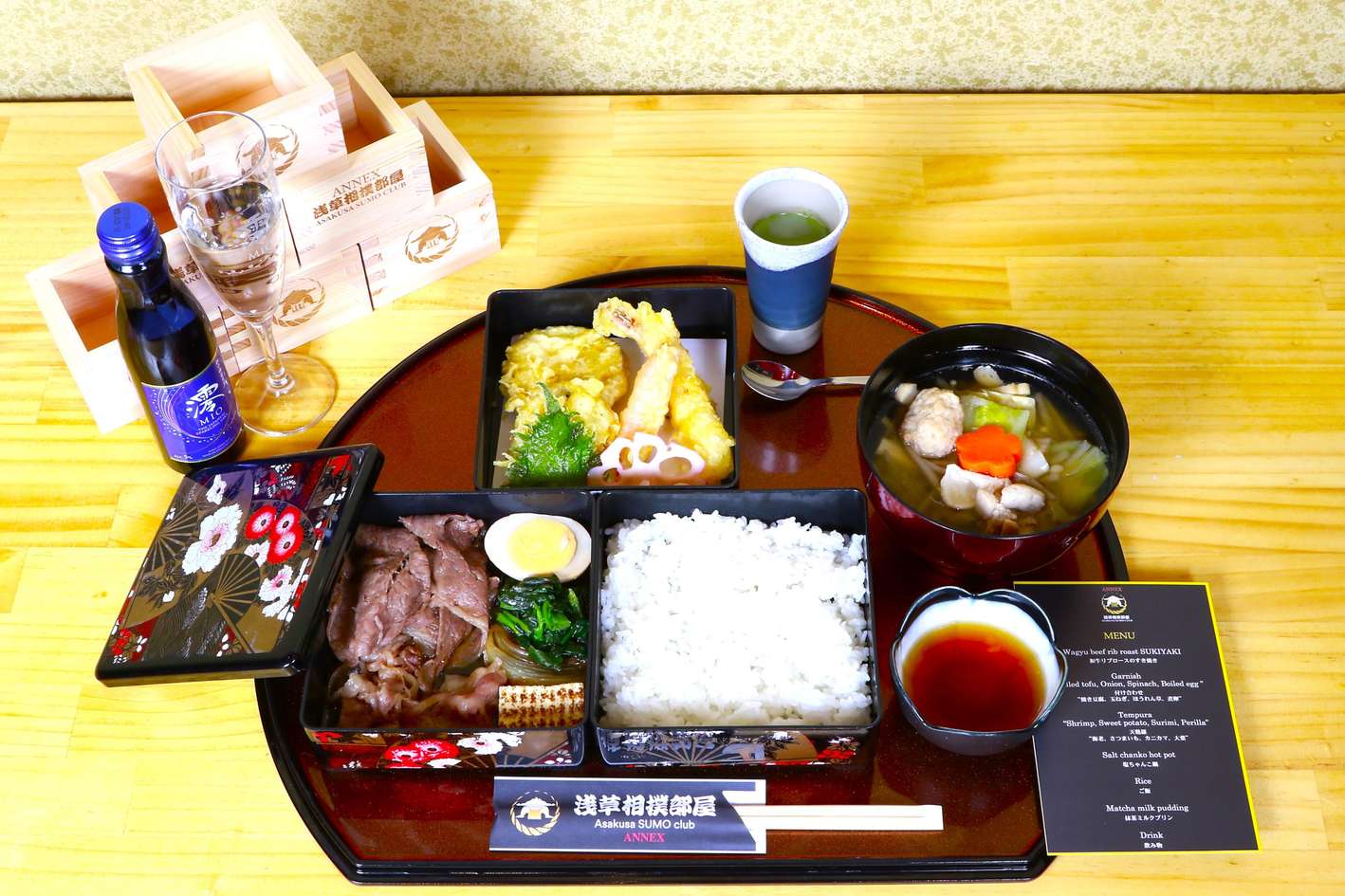
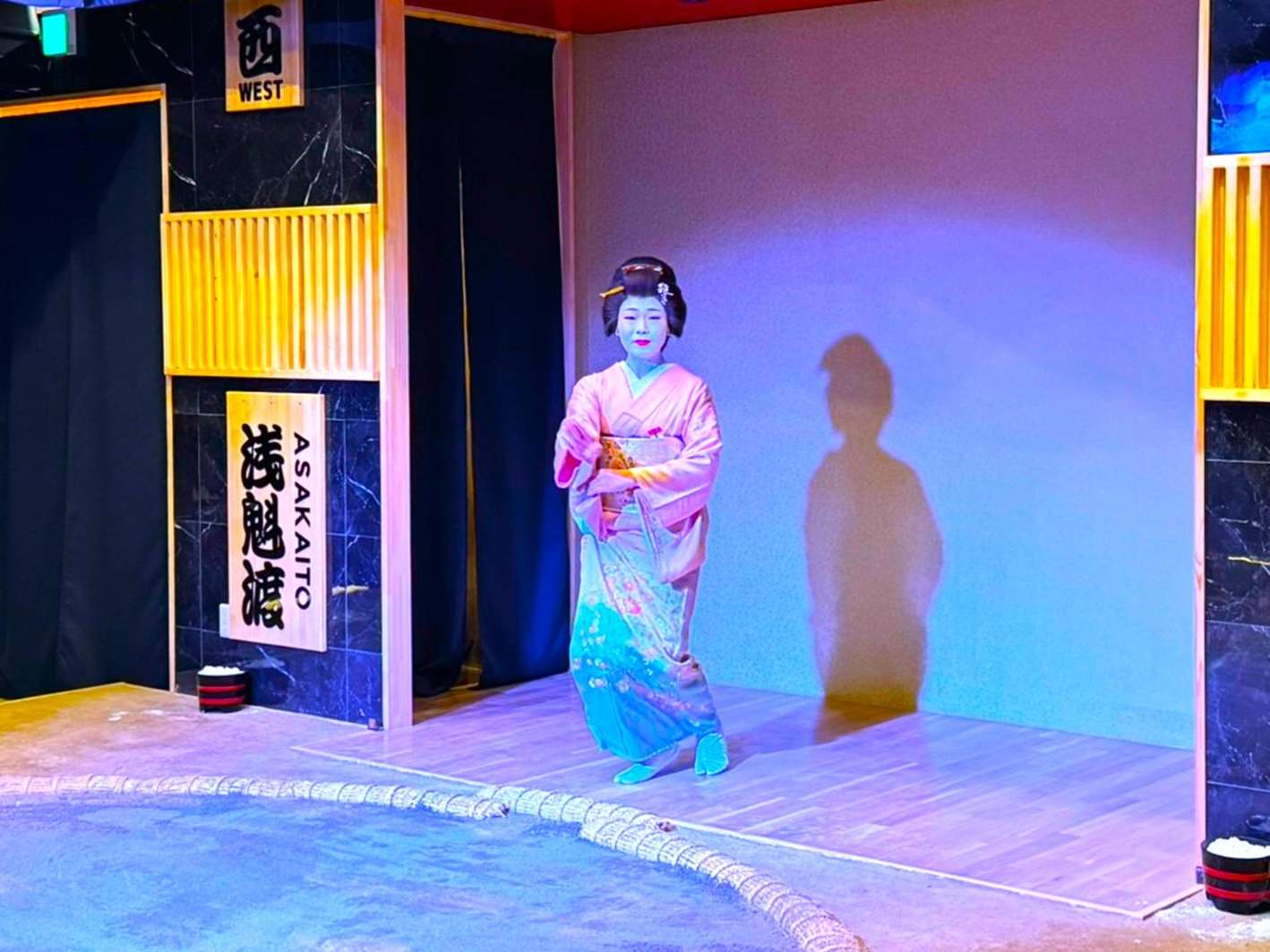
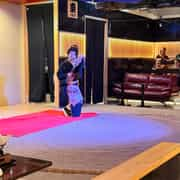
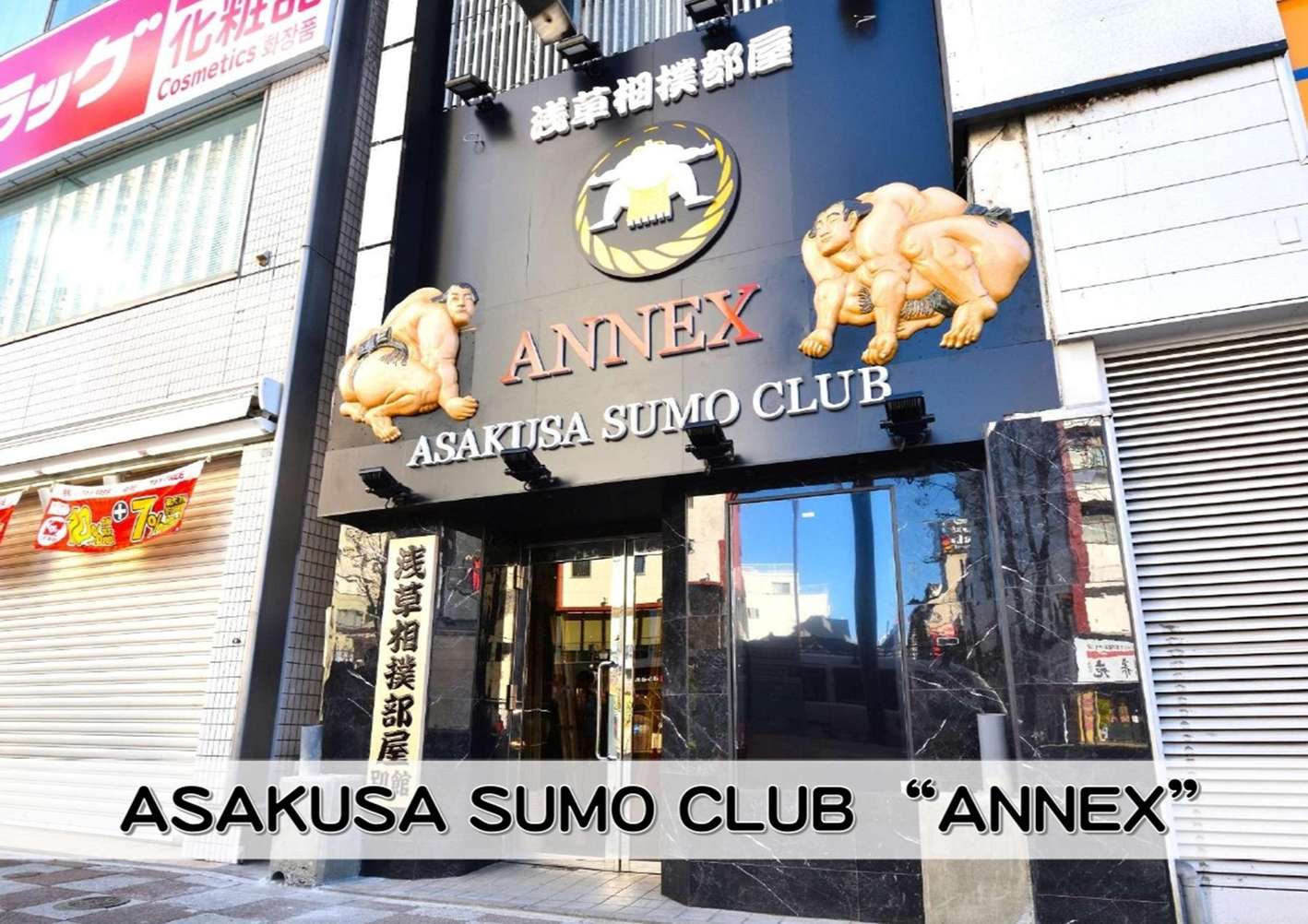
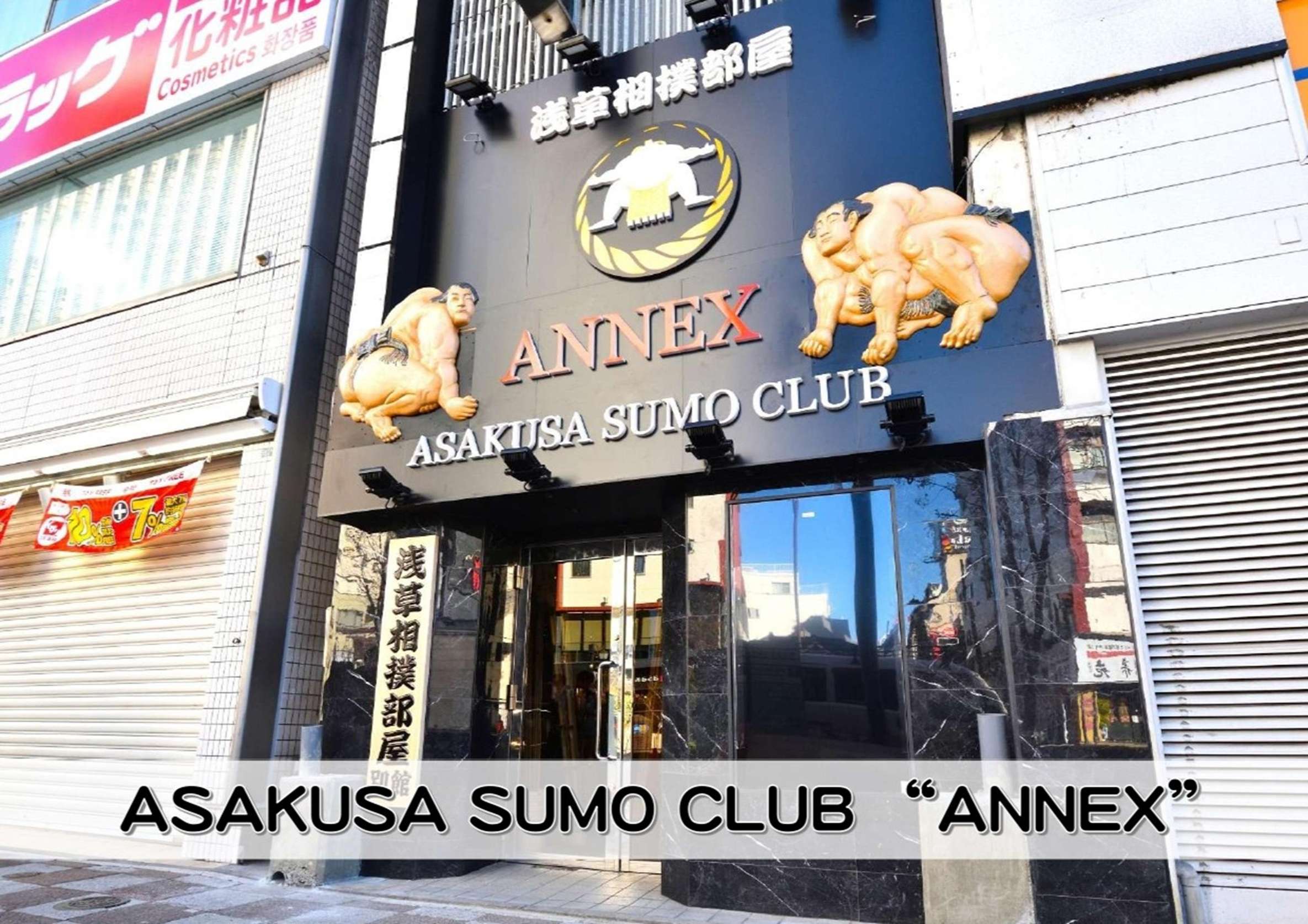
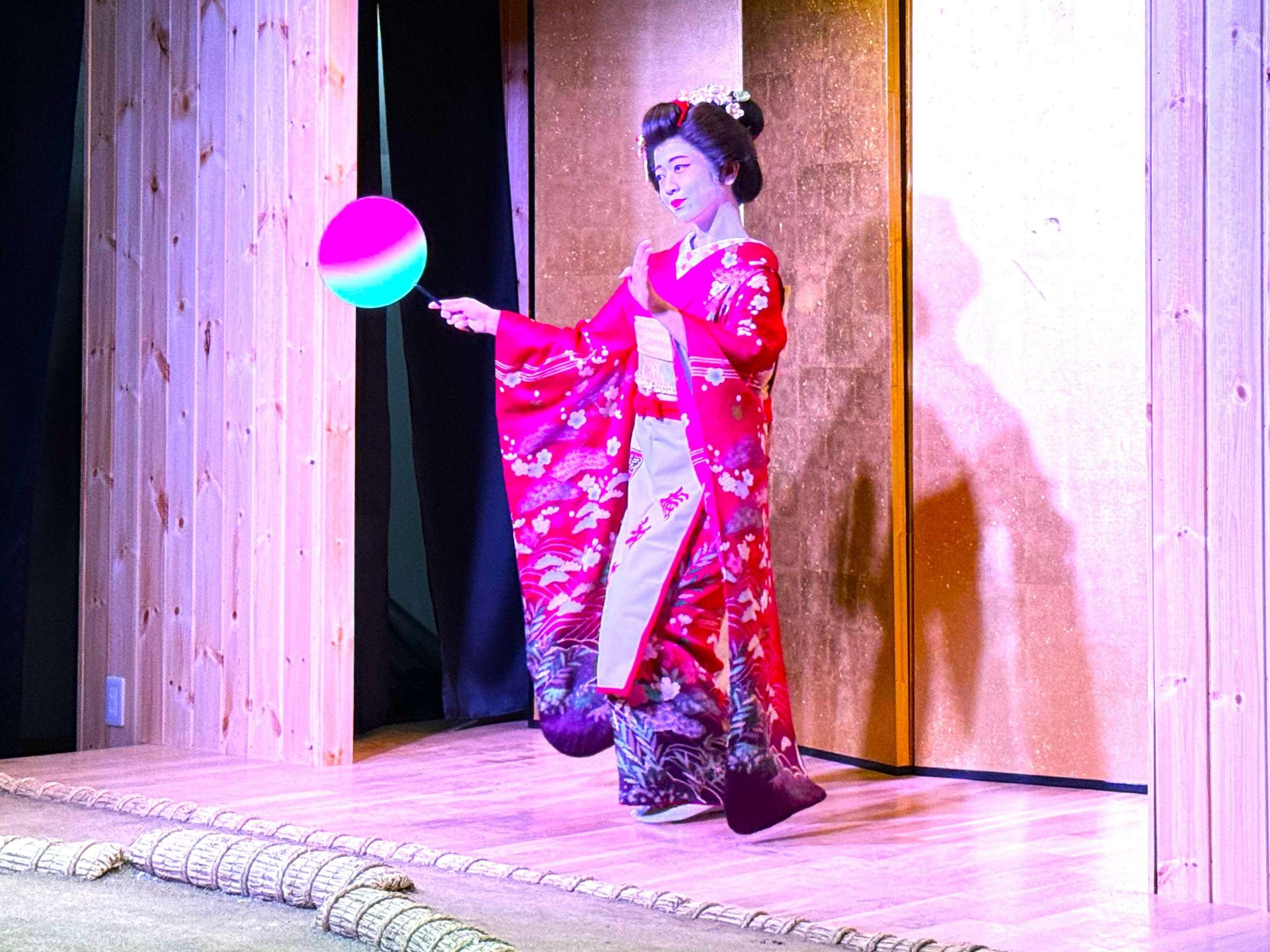
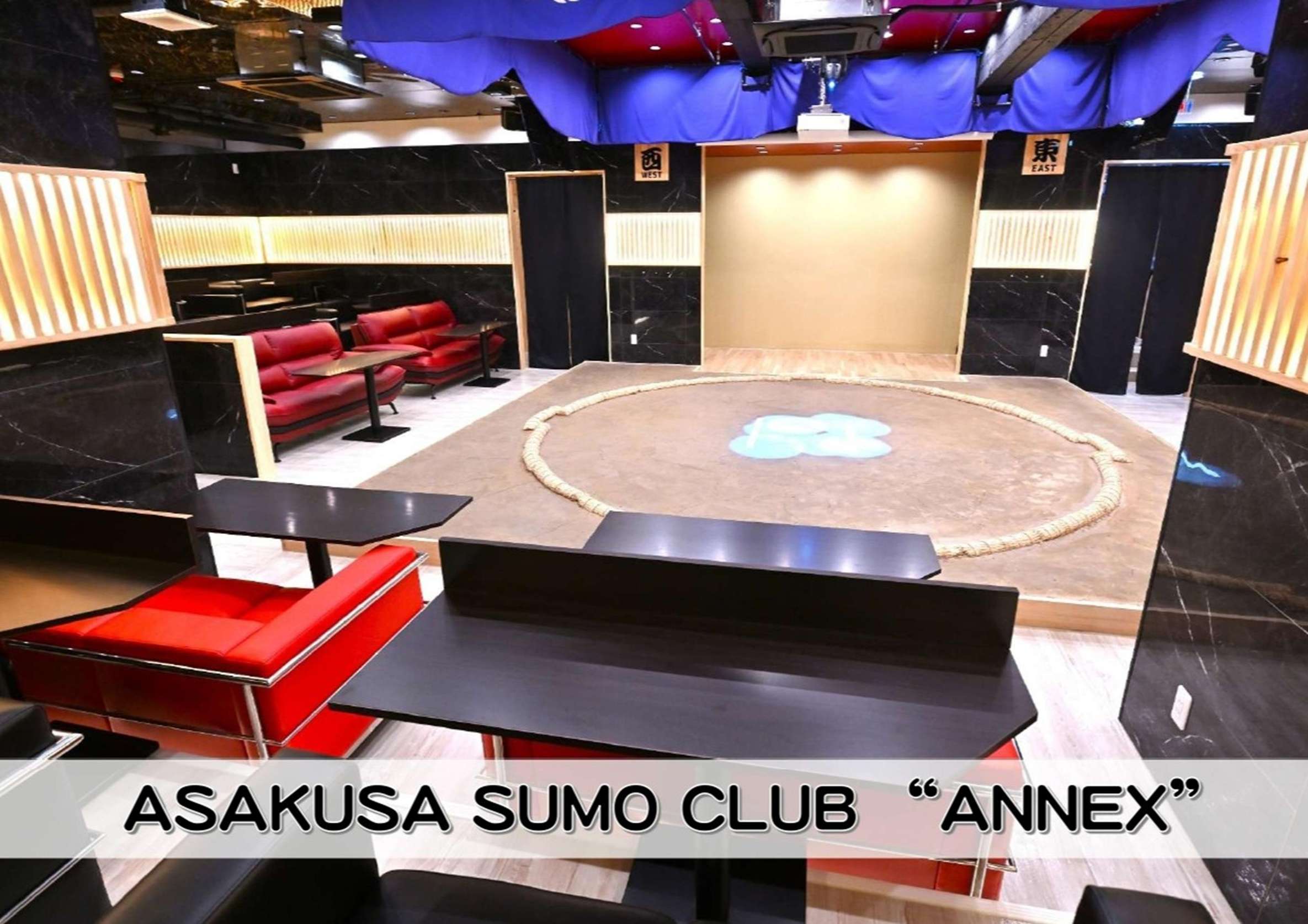
For a Tokyo evening that goes beyond the bouts, the Asakusa Sumo Club Annex pairs a live wrestling show with wagyu sukiyaki, chanko nabe and a geisha dance.
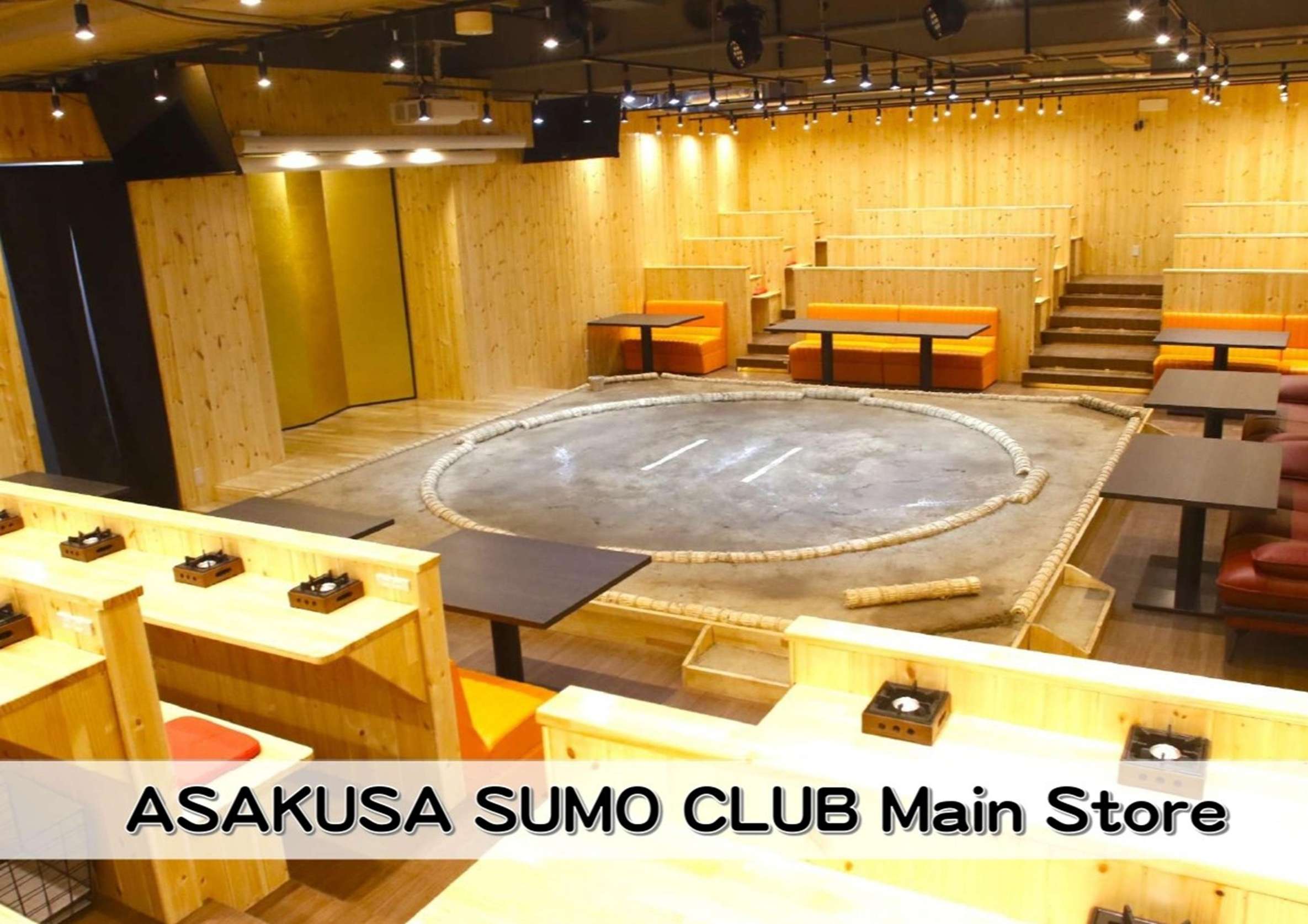
Seating runs from table seats to front-row sofas, with all-you-can-drink at the top tiers. It suits couples and anyone marking a special night, and children are welcome too.
Tokyo has the widest choice of wrestling shows in Japan, from Shinjuku and Shibuya to Ginza, most running about 90 minutes.
You watch retired professionals demonstrate techniques and fight live bouts, then try a ring challenge or a photo with the wrestlers. Compare the city's venues and pick the one that fits your neighbourhood and budget.
Osaka's wrestling shows run year-round, so you can see live sumo even when the March tournament is months away. One studio show keeps things simple with a retired-wrestler bout and audience challenge, while another adds front-row seats and wagyu sukiyaki. Either way you sit close enough to hear the slap of the ring.
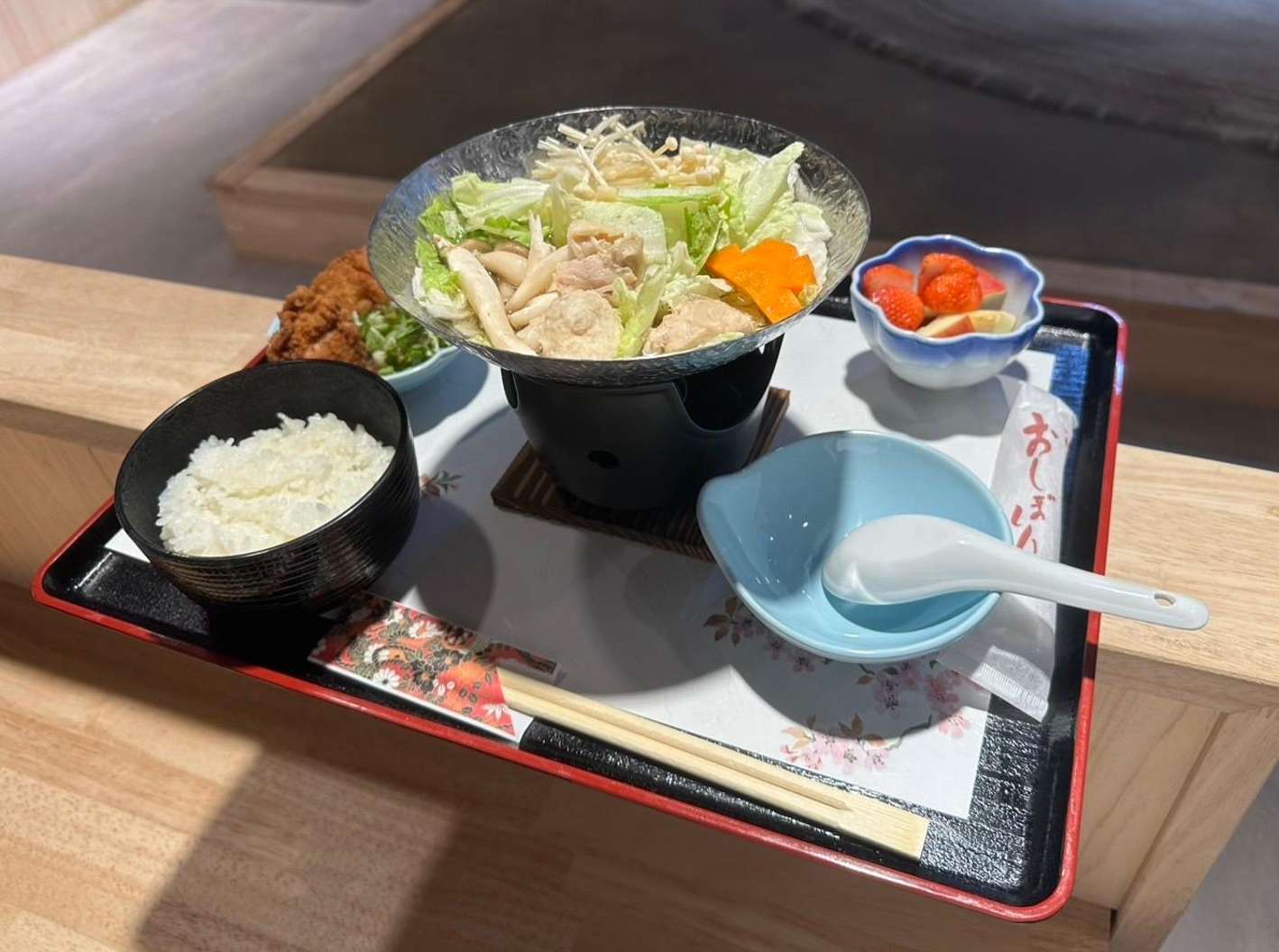
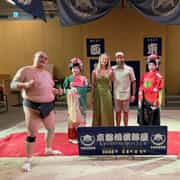
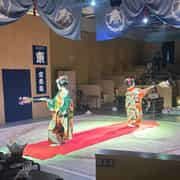
Kyoto's wrestling shows lean into culture. One opens with a geisha dance and serves all-you-can-eat chicken hot pot; another guarantees every willing guest a turn against a real wrestler in the ring, with a traditional meal at the midday and evening sessions. Both run daily, which makes them easy to slot into a Kyoto itinerary.
At the sumo hall in Namba, your ticket comes with a bento or a snack bag of Japanese sweets, plus a drink. The two-hour show includes tournament-style bouts and a lottery that sends a few guests into the ring. It suits families and anyone who wants dinner and a performance in one sitting.
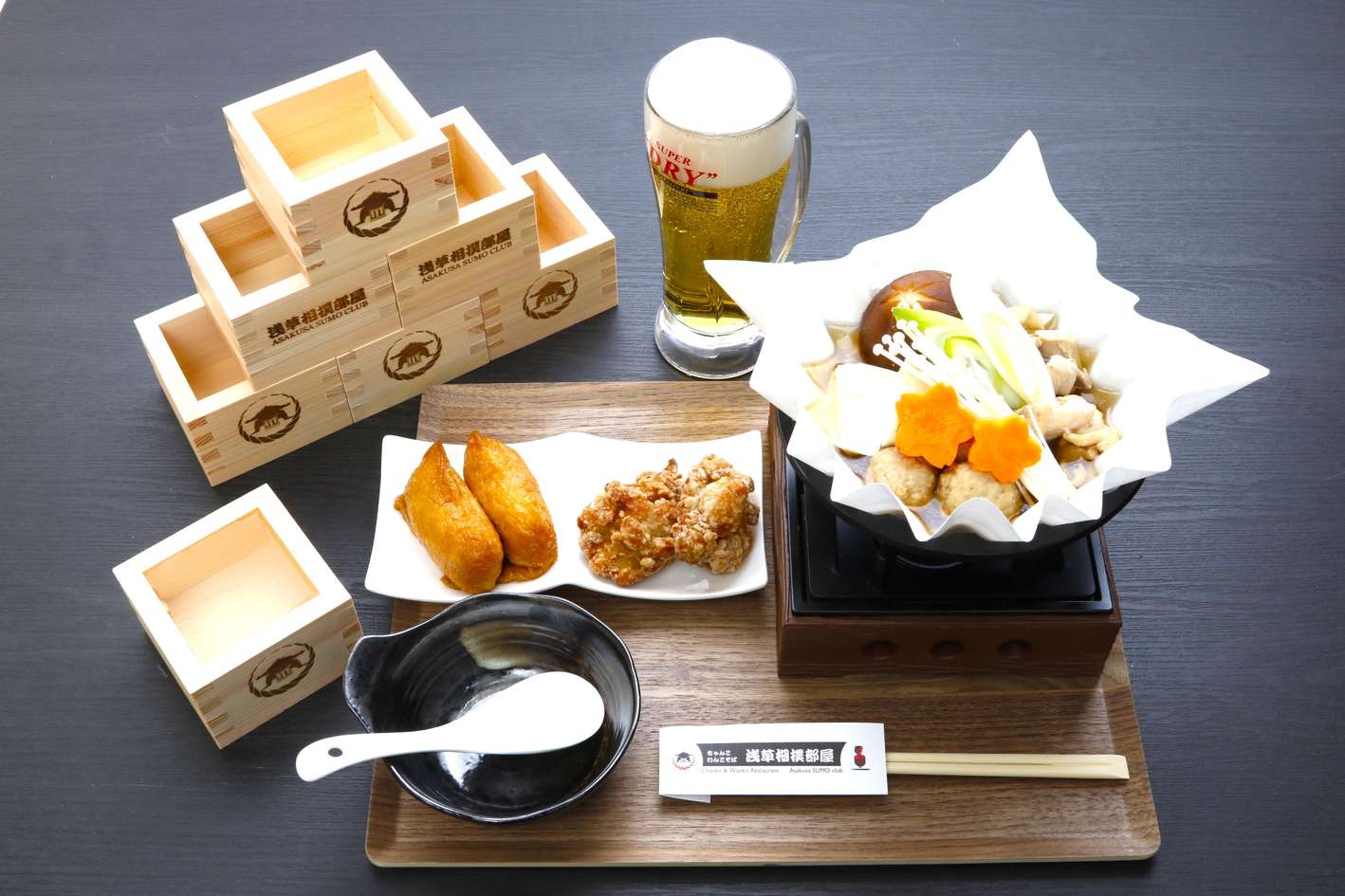
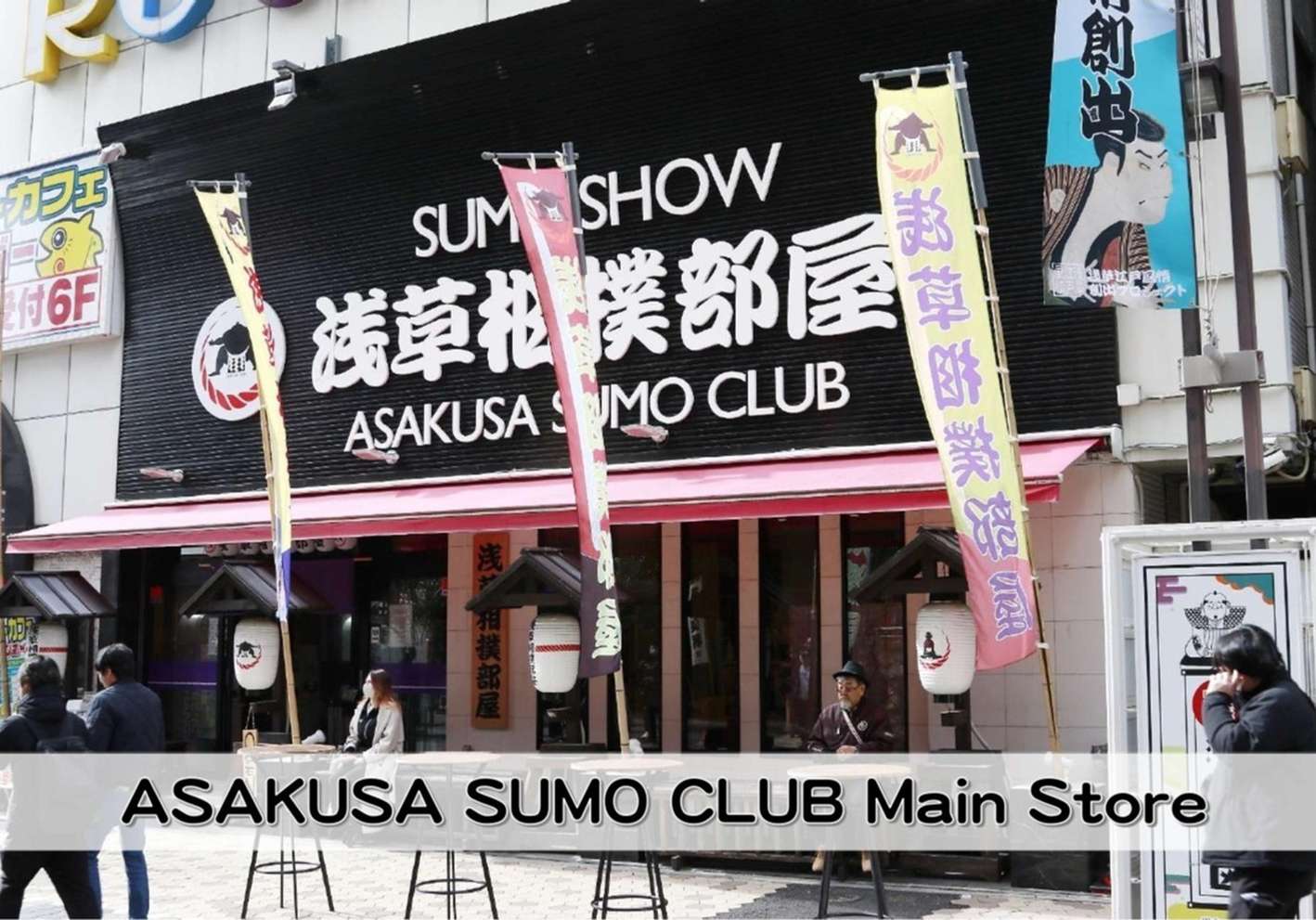
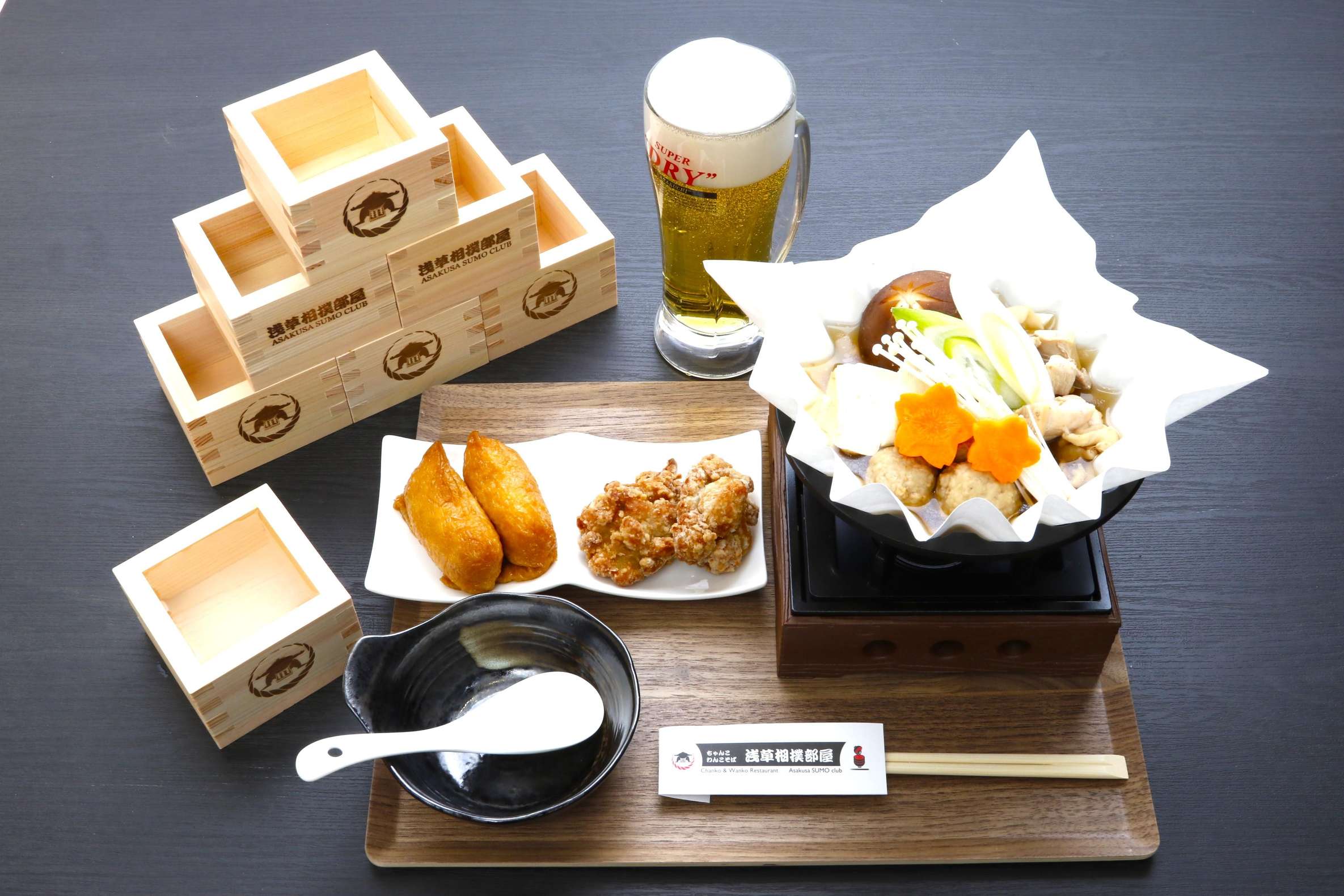
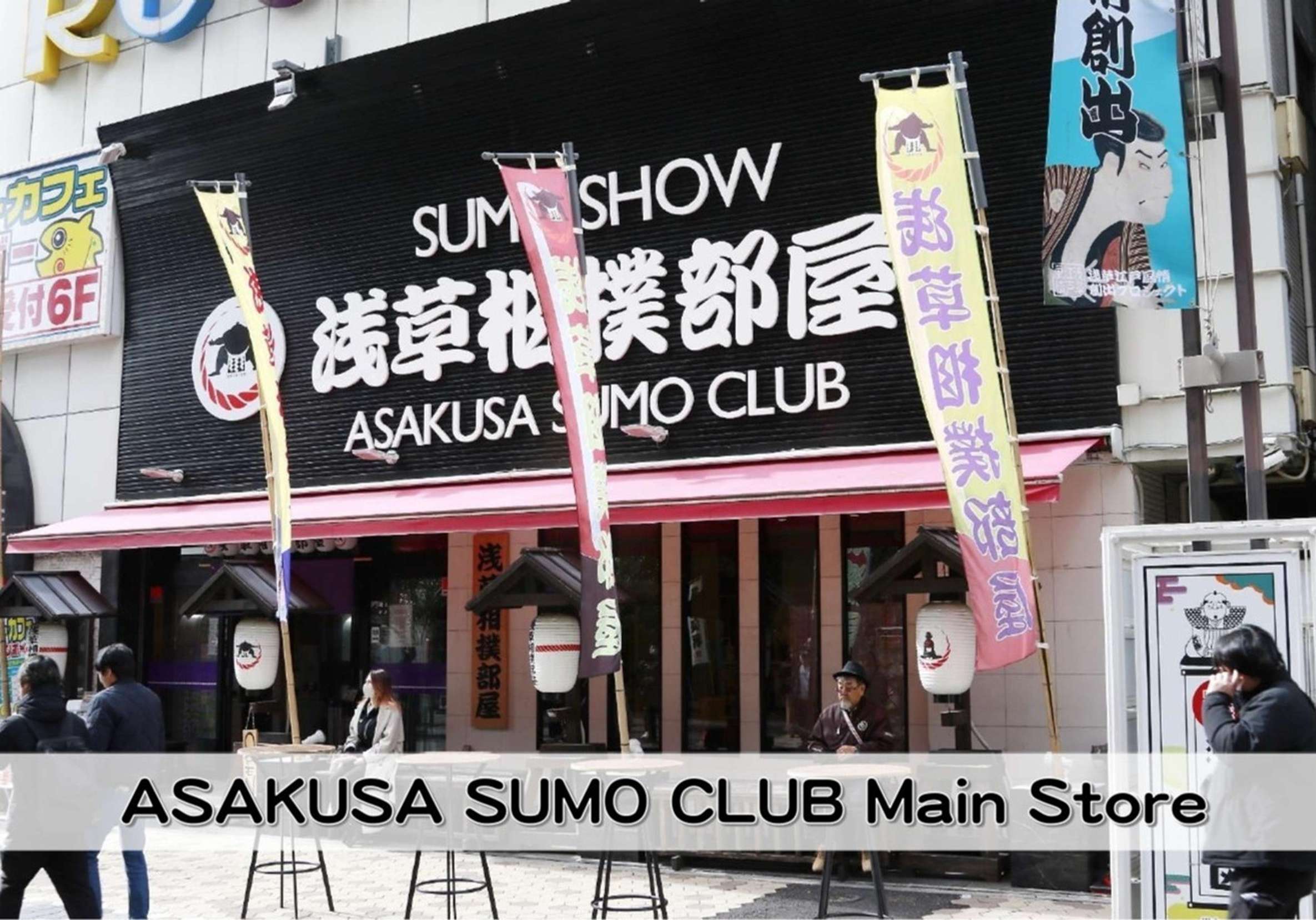
The Asakusa Sumo Club builds its evening around chanko nabe, the hot pot wrestlers eat, served all-you-can-eat while retired professionals fight a best-of-three match on a real ring in the middle of the restaurant. A geisha dance opens the night. Families with young children do especially well here.
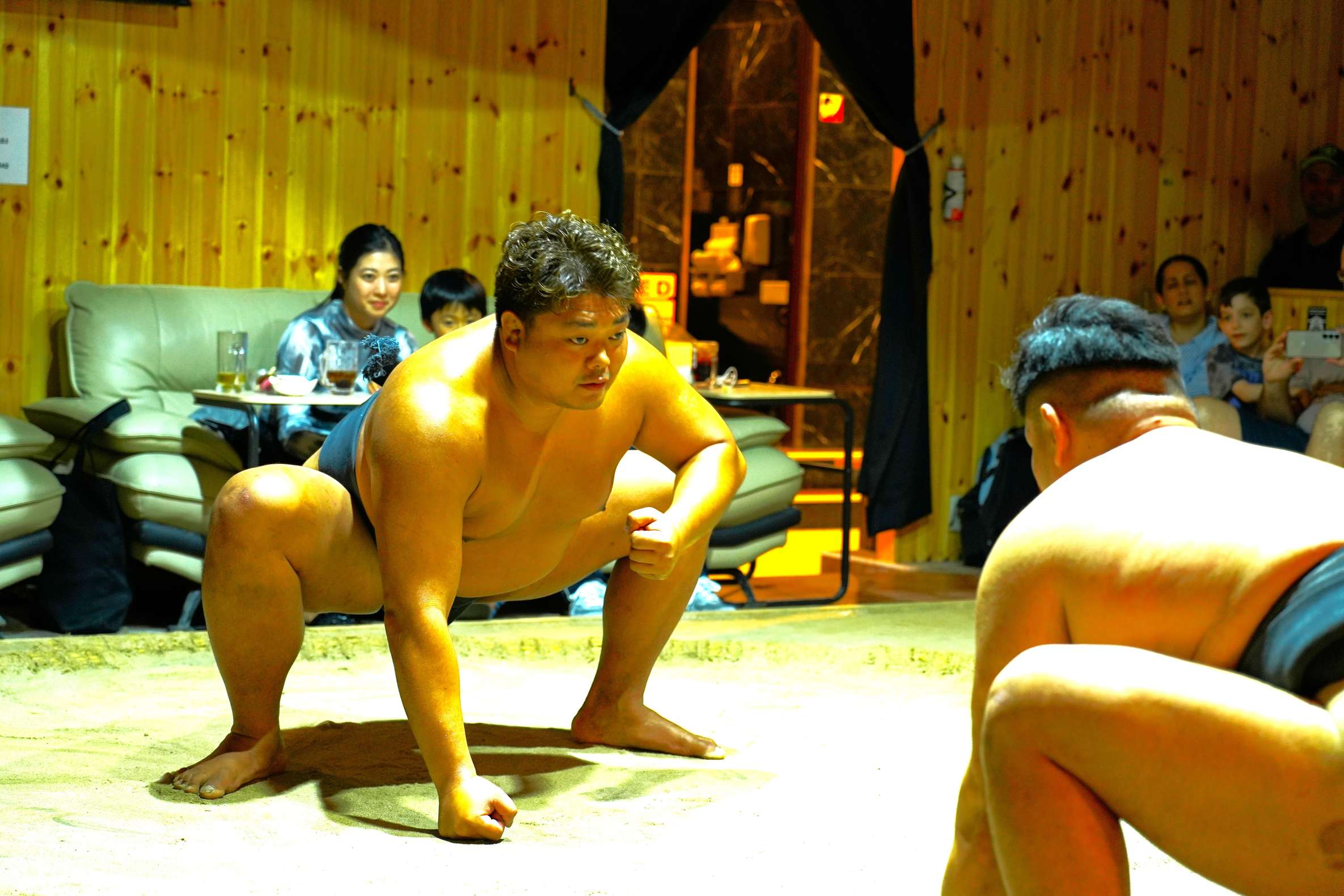
The evening starts with hotel pickup in a private luxury vehicle, then heads to a Shinjuku venue where retired professional wrestlers perform on a sand ring just feet from your seat. An English-speaking MC explains the salt throwing, the shiko stomps and the techniques behind each bout as the wrestlers demonstrate them.
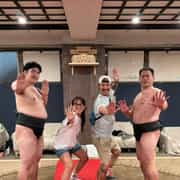
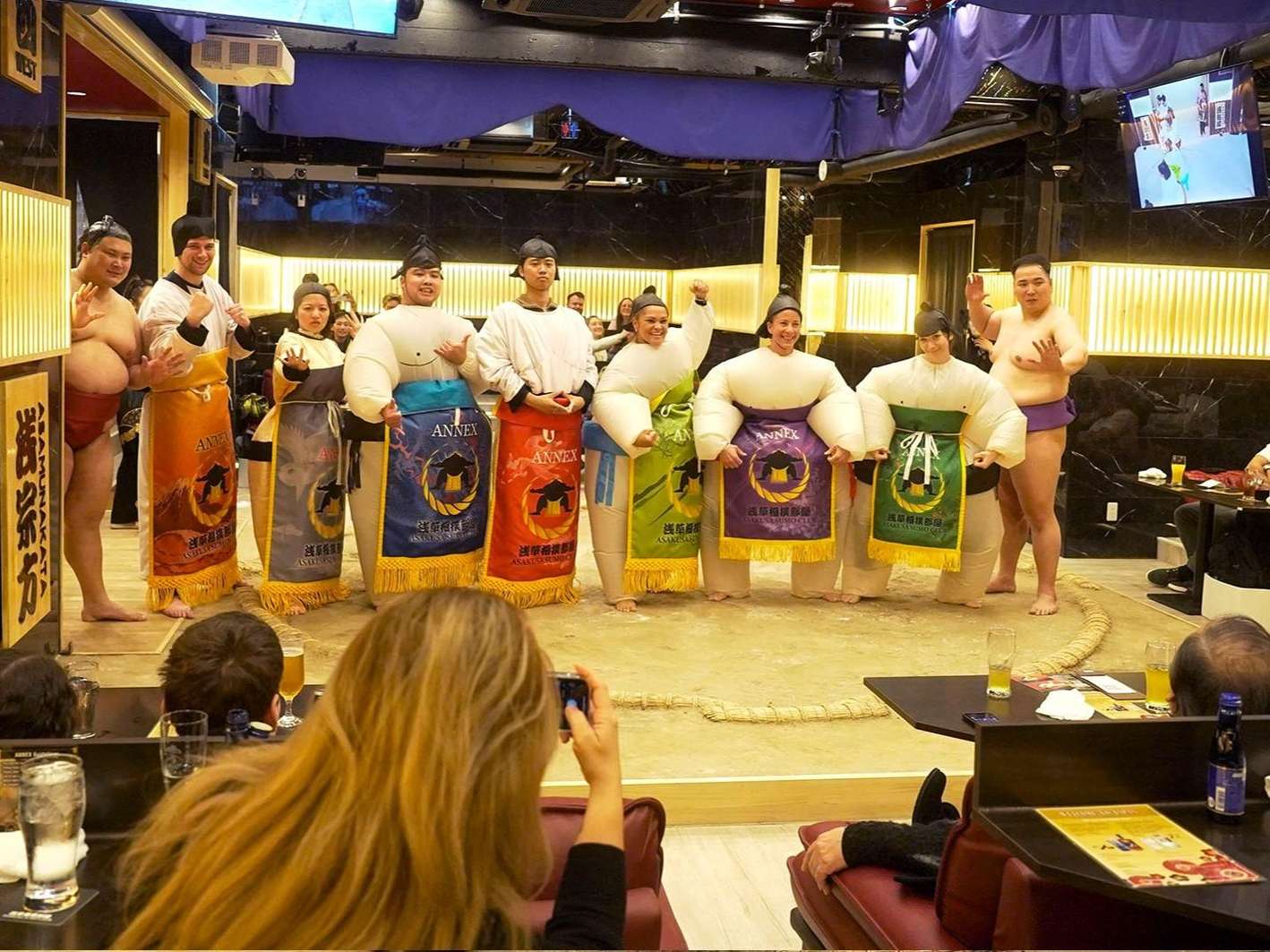
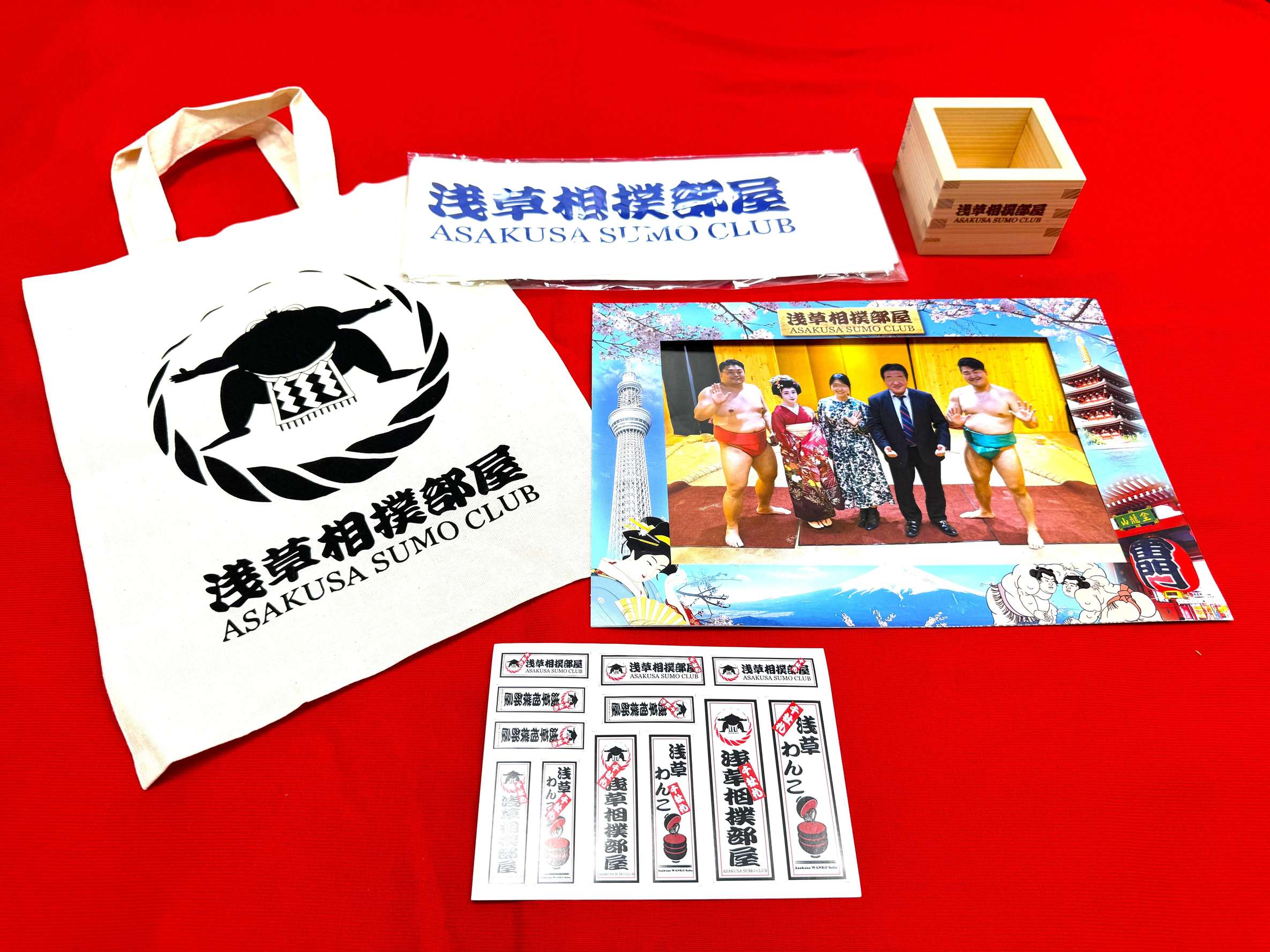
After the matches, guests can volunteer to step into the ring and try a move, and the night ends with photos beside the wrestlers before the car takes you back.
The whole thing runs about three hours door to door, with the show itself lasting around 90 minutes, so it fits an evening without eating up a sightseeing day.
Places you'll pass
Tokyo · Shinjuku
Included
Professional sumo wrestling demonstrationHistory and Background information about SumoEnglish speaking MCWelcome drink (Bottled water)Opportunity to challenge a sumo wrestler (Limited participants; lottery if too many apply)
Comparing each wrestling show by city, meal and seat
Green marks the lowest price. Each price says whether it is per person or per group.
Tour
Price
Duration
Languages
Best for
Our pick
Tokyo: Shinjuku Sumo Show & Experience with a Photo
4.9★ (9,863)
from $49per person
1.5 hours
English
first-timers who want a short, lively show with photos
Decide whether you want the show in Tokyo, Osaka or Kyoto, then pick a date. Shows run daily in most venues, but Osaka's Namba hall takes irregular midweek dark days, so check the monthly calendar for your date.
Pro tipApril, May and October are the busiest months for these shows, so book weeks ahead in those periods; February, December and January are quiet.
RecommendedEvening slots fill first with visitors, so a daytime show can be the easier booking in peak season.
02
Choose the right option
Compare what each option includes before you click: some tickets are show-only, others add chanko nabe, a bento or wagyu sukiyaki, and front-row or VIP seating costs extra at most venues. Check whether the ring challenge is part of your tier.
Pro tipA meal-included seat keeps the long talking sections entertaining, and eating chanko nabe ringside is part of the fun.
Common mistakeAssuming the meal is the same at every session. At some venues the food changes with the show time, so read the option notes.
03
Note the limits before paying
Check the age and health notes for the option you picked. The hands-on training plan at the Ginza show is unsuitable for children under 5, pregnant guests and anyone with serious medical conditions, and wheelchair seating is limited at several venues.
ImportantWheelchair-accessible seating must be requested at the time of reservation, and vegetarian or vegan meals need to be reserved at least two days ahead.
Common mistakeBooking seats for fewer people than your group. At some venues children cannot sit on a lap in standard seats, so reserve the exact number.
04
Pay and check your confirmation
Most of these shows can be cancelled up to 24 hours in advance for a full refund, so a same-day cancellation gets nothing back, though you may be able to move to another slot if there is space. Your voucher and any operator messages arrive by email after payment.
Pro tipIf your plans wobble, reschedule before the 24-hour mark rather than cancelling late.
ImportantSeveral venues are cashless, so bring a card for any drinks or extras on site.
05
Arrive early on the day
Aim to reach the venue 15 to 20 minutes before the start. At the Tokyo Tower show you check in at the 5th floor front desk at least 15 minutes prior, and at the Shinjuku show the schedule is strict, so late entry may not be accepted.
Pro tipEarly arrival also gets you closer to the ring; front-row seats go to the first people in the room.
Common mistakeTurning up exactly at the ticket time and rushing through the seat search while the wrestlers are already warming up.
What to know before you book a wrestling show
Can stop the dayGood to knowGood news
01
ChoosingWhat it is, who it suits, when to go
4
The format
A sumo wrestling show is staged entertainment by retired professionals, with comedy, history and demonstrations before the bouts. The matches look genuine but carry no rankings, and the whole thing runs 1.5 to 2 hours.
English
You need no Japanese. The Shinjuku and Shibuya shows use an English-speaking MC, the Asakusa and luxury venues run bilingual English and Japanese commentary, and the Ginza venue provides support in both languages.
Participation
The ring challenge comes at the very end and is optional. At the Shinjuku show only six guests per show can take part, chosen by lottery, so treat it as a bonus. Women are taught moves by the wrestlers instead of entering the ring.
Meals
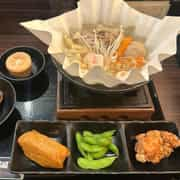
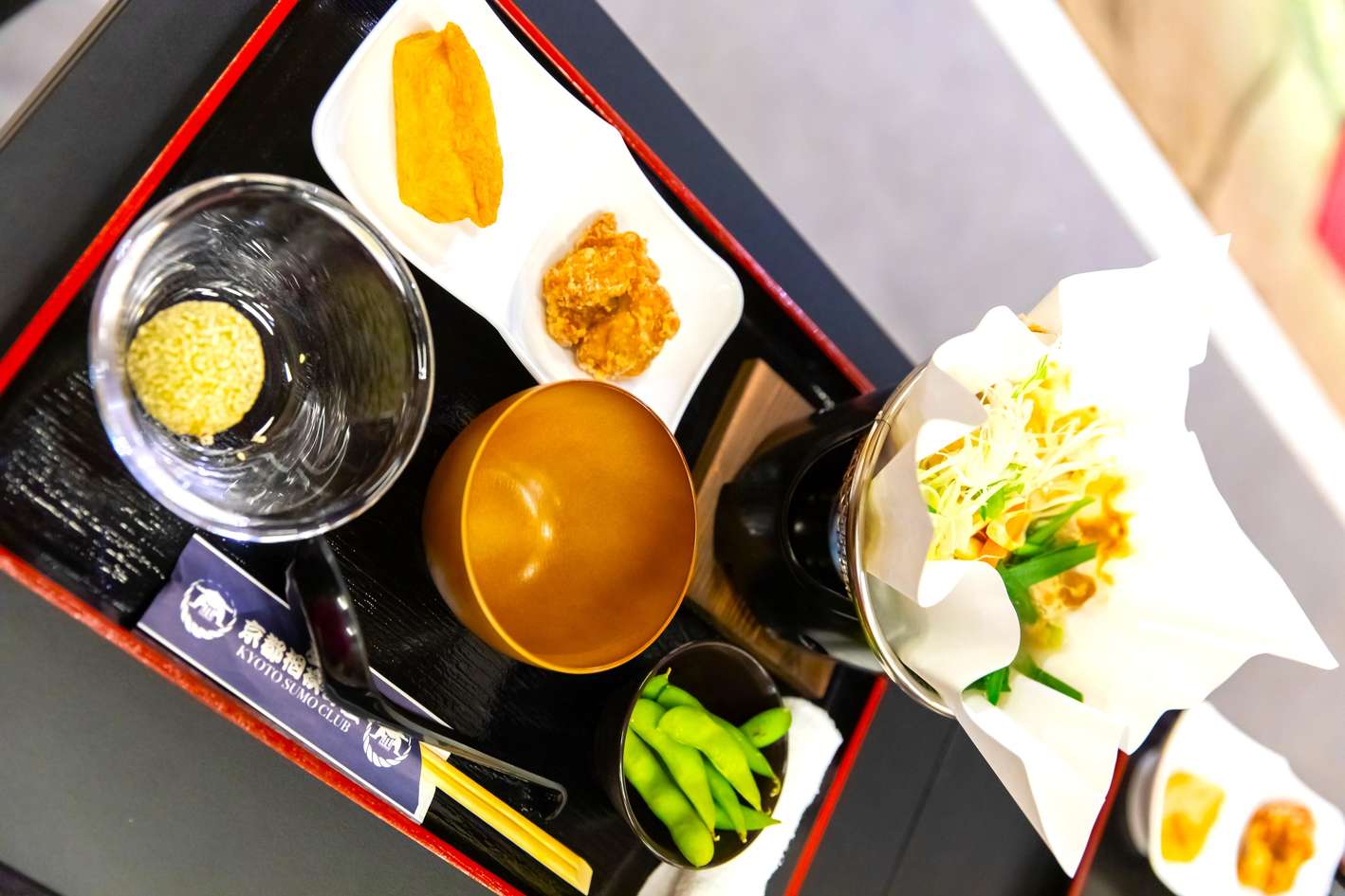
Some shows serve chanko nabe, bento or wagyu sukiyaki during the performance, which keeps the long talking sections entertaining. Check your booking details for exactly which food and drinks are included, since drinks often cost extra.
02
BookingHow far ahead, and what happens if plans change
1
Cancellation
Most of these shows can be cancelled up to 24 hours in advance for a full refund, which makes booking early easy. Photos with the wrestlers are included at several venues, and photography is allowed at the Shibuya show.
03
Before you goPapers, health, what to bring
2
What to wear
There is no dress code, but wear comfortable, modest clothes you can move in, since you may be picked for the sumo challenge. Some venues have you remove shoes, so easy-to-slip-off footwear helps.
Age and healthCan stop the day
The hands-on training option at the Ginza show is unsuitable for children under 5, pregnant guests and anyone with a serious medical condition, and children need a guardian. The Shibuya show cannot take wheelchair users, so check access before booking.
04
On the dayWhere to be, when, and how you get there
2
How close
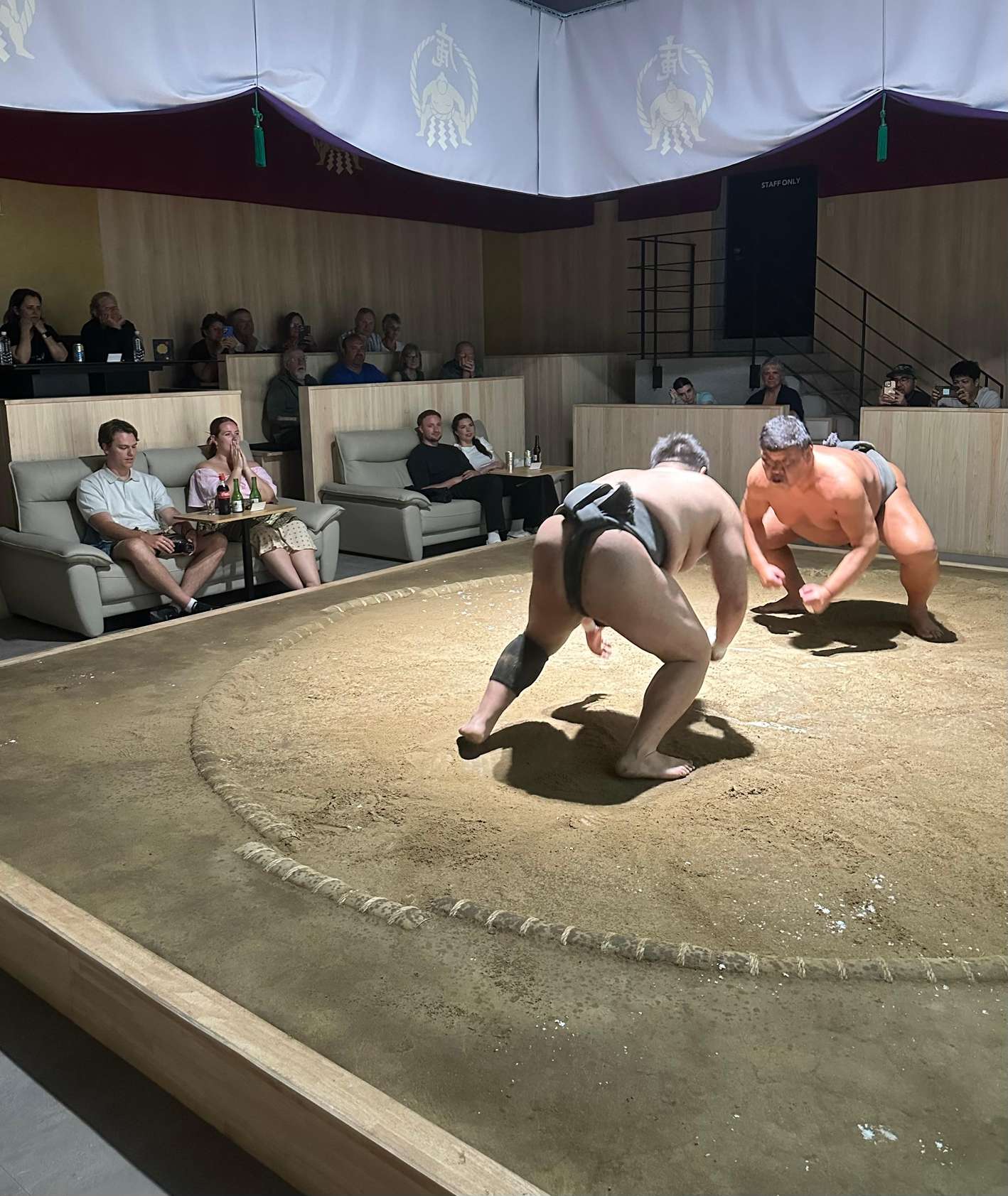
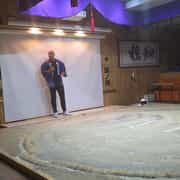
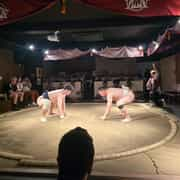
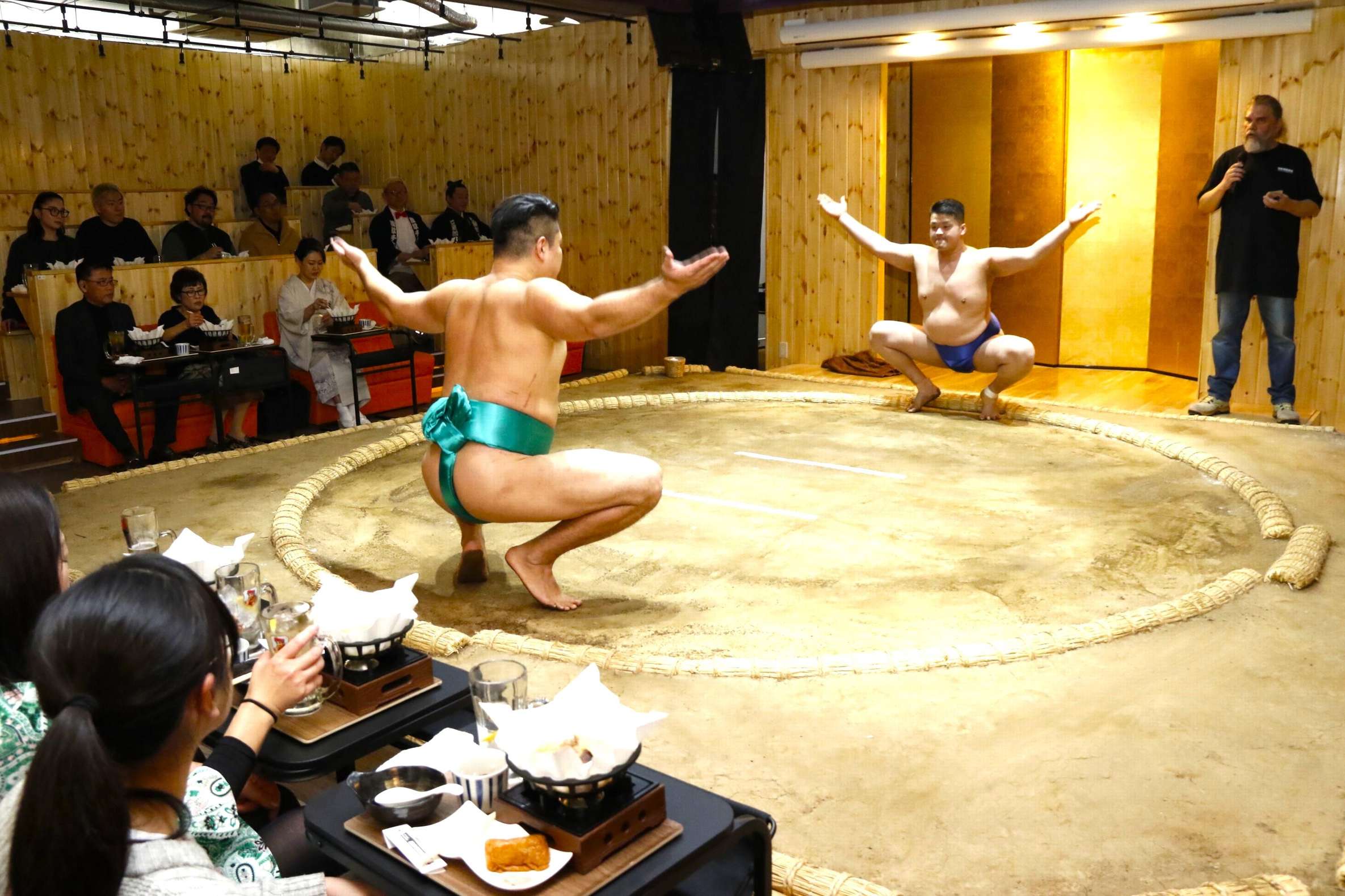
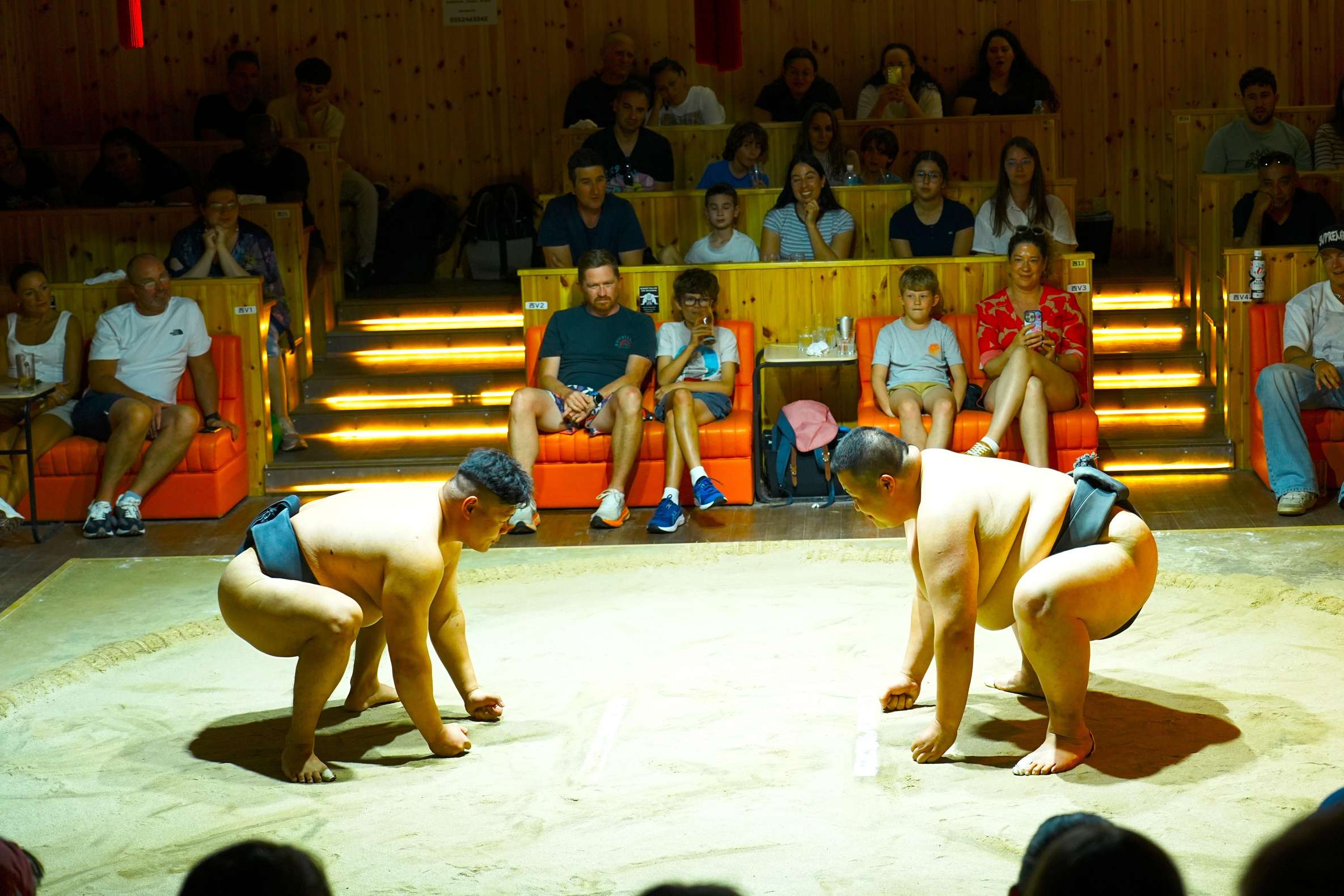
The ring sits just feet from the seats. Visitors report sitting about five feet from the wrestlers, and front-row seating puts you right at the edge of the sand. Arrive early to claim the closest spots.
Timing
Shows can start noticeably later than the time printed on the ticket, and some Osaka performances may end slightly late too. Arrive 15 to 20 minutes early; at the Shinjuku venue, late entry may not be accepted.
05
During the tourWhat is expected of you
1
Behavior
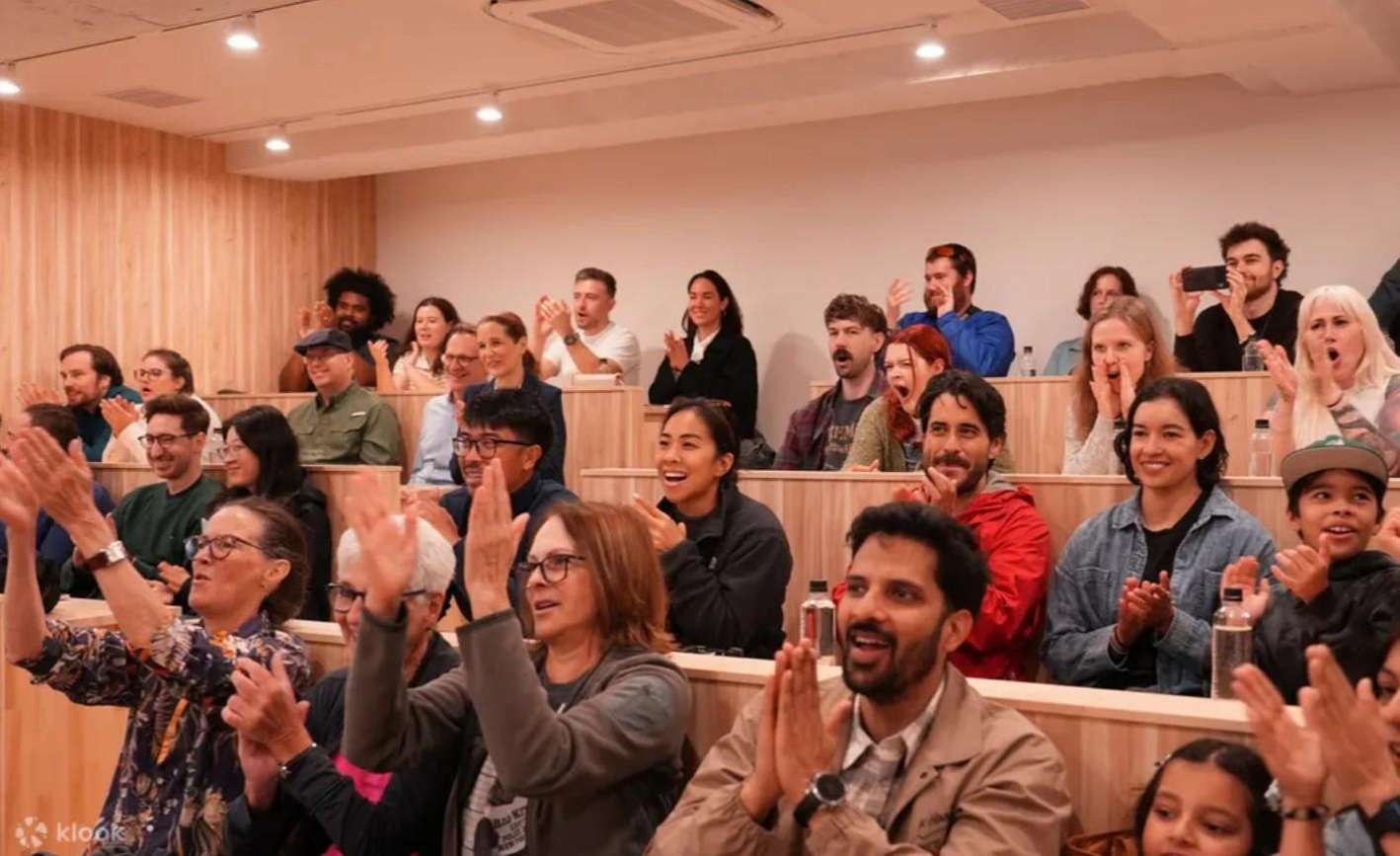
Shows are relaxed and welcoming, and clapping or calling a wrestler's name is fine. Keep phones on silent, skip flash during the bouts, never throw a seat cushion, and follow the MC's instructions if you enter the ring.
A night at the wrestling show - what you get and where to book
A retired wrestler throws salt a few feet from your seat, then invites a volunteer from the audience into the ring. Shows run almost every night in Tokyo, Osaka and Kyoto, so the only real decision is which one fits your trip.
Tokyo· 35.68° N, 139.65° E
If you only remember three things
1
Book early for April, May and October, the months shows fill fastest.
2
Arrive 15 to 20 minutes before the ticket time; at Shinjuku, late entry may not be accepted at all.
3
The ring challenge is a lottery, so treat it as a bonus.
Why a wrestling show is worth your evening in Japan
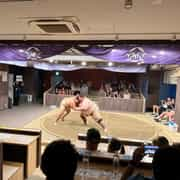
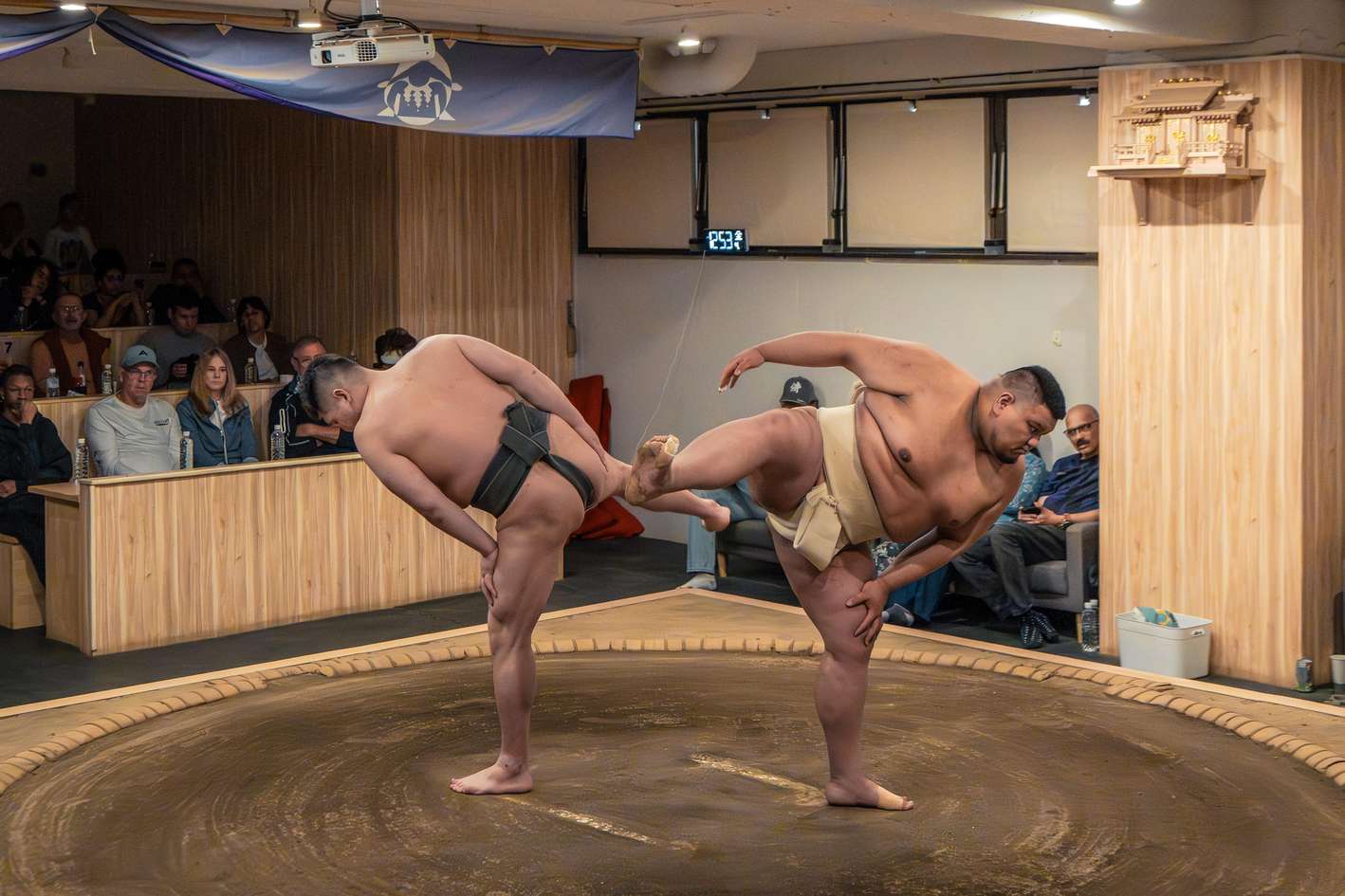
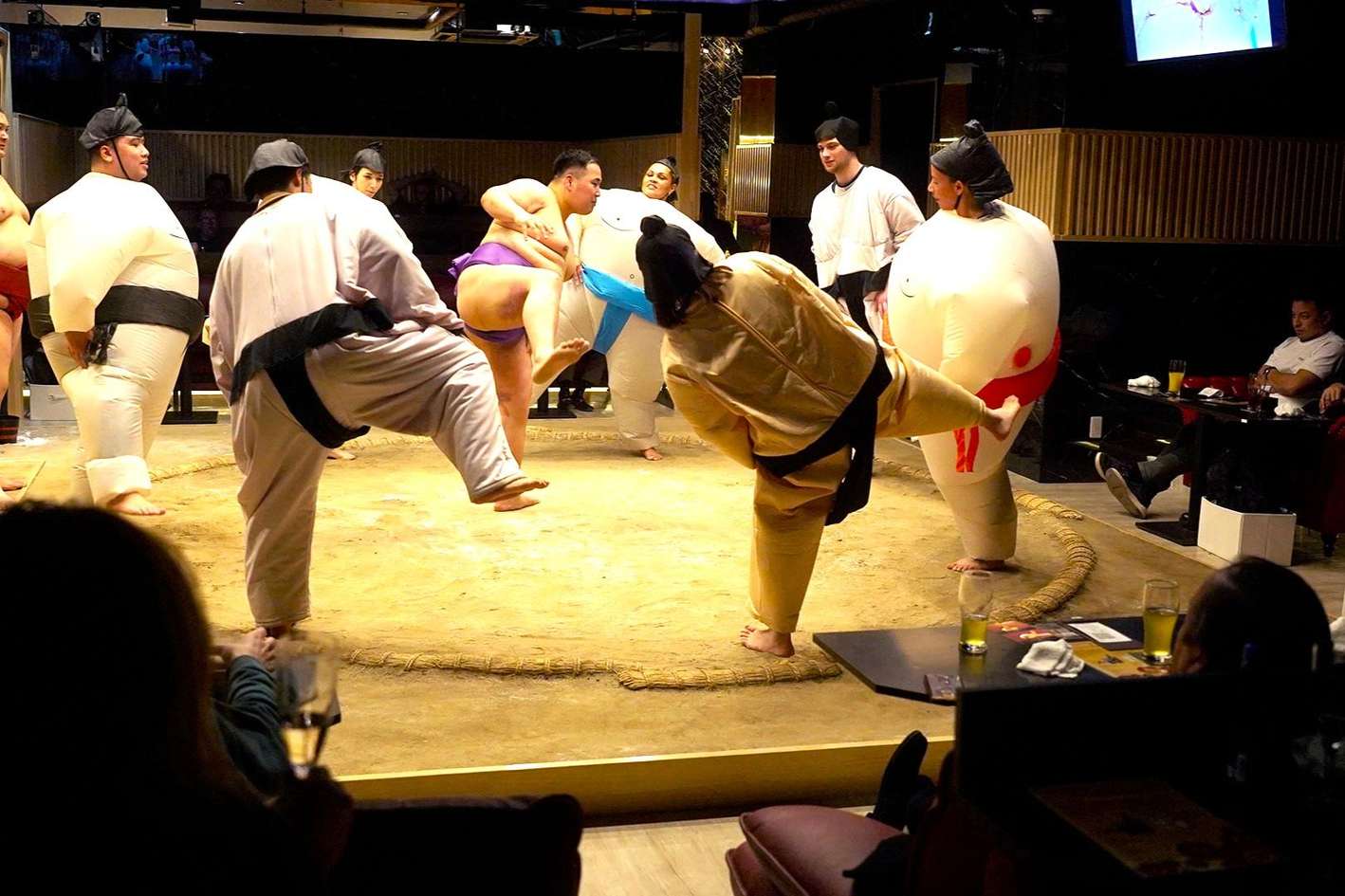
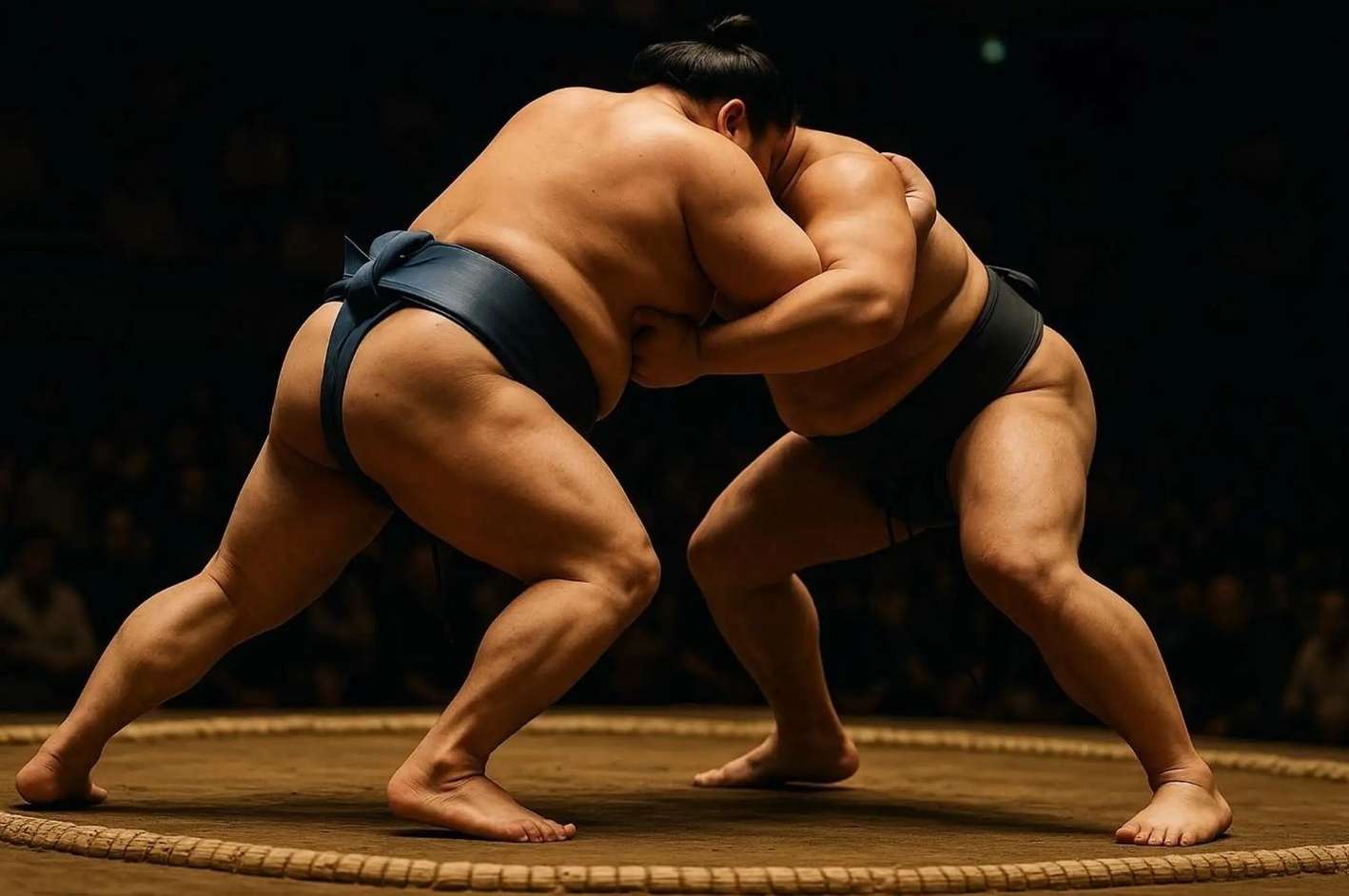
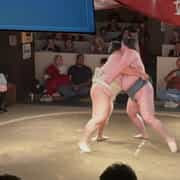
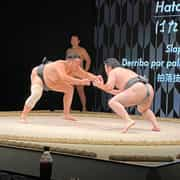
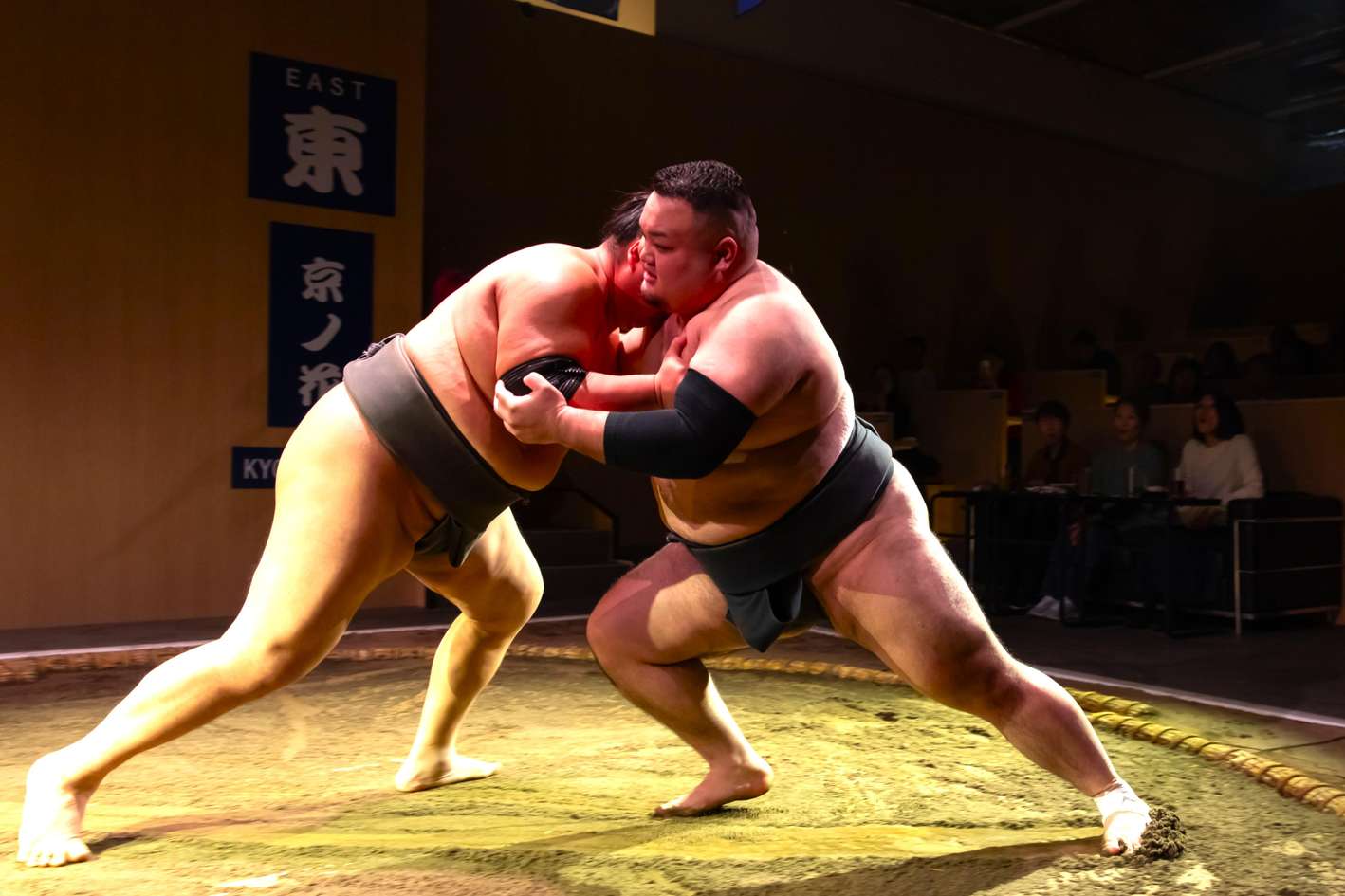
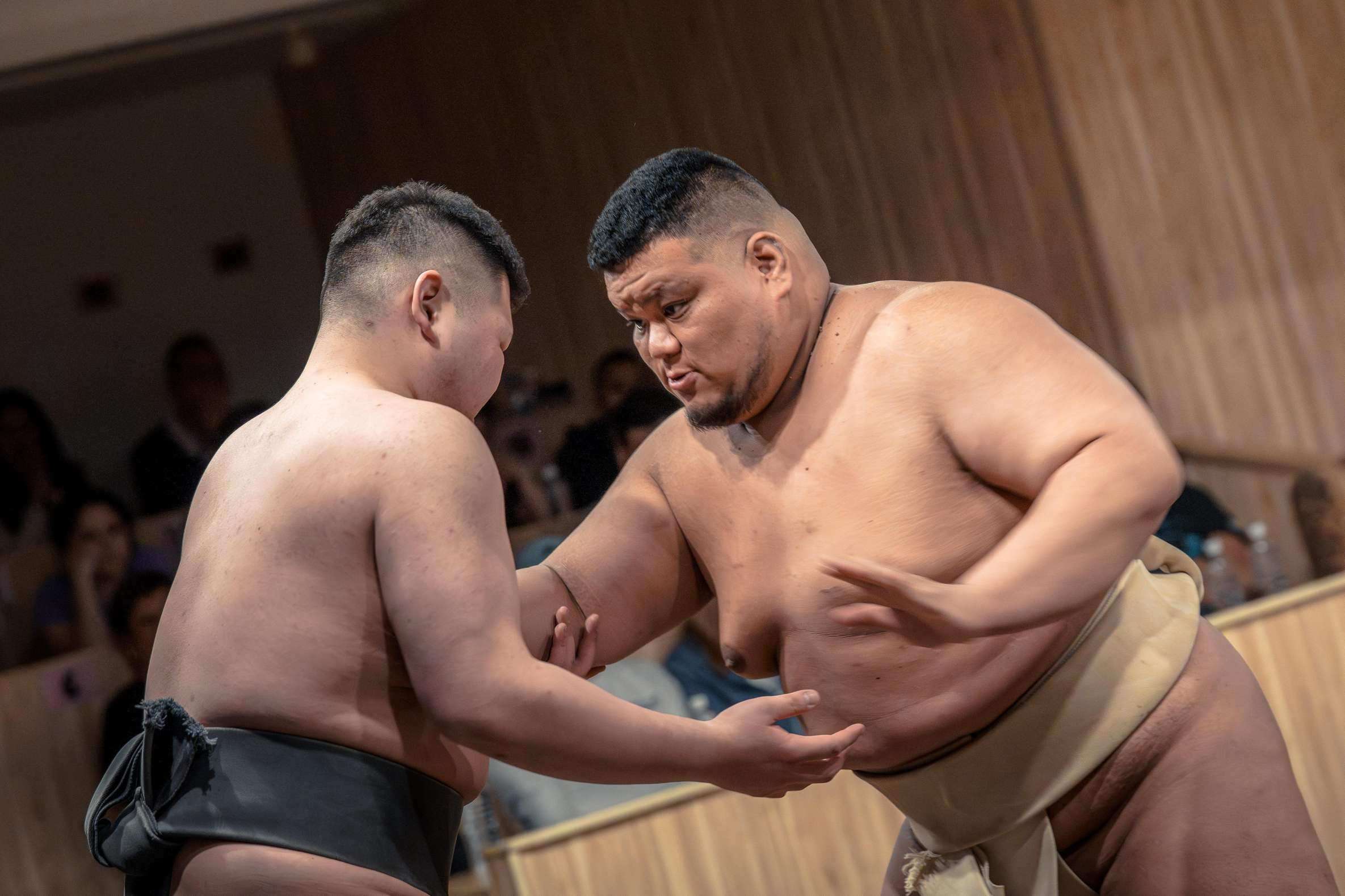
The room goes quiet, then a former professional wrestler plants a leg high and brings it down on the sand ring with a crack you feel in your chest. The wrestlers are retired professionals, the bouts are staged, and the whole thing is built so visitors can follow every rule and ritual in English.
First-timers who could not get tournament tickets call it a fun and worthwhile substitute, best done once. Families with children around 10 to 12 are the core audience, and the lively, humorous format keeps kids engaged across ages.
Myth vs reality
MythThe bouts are real contests
Reality
They are staged exhibition bouts that do not count toward any ranking; the wrestlers are entertainers that night.
MythA show is the same as a tournament
Reality
A tournament is real competition run by the Japan Sumo Association; a show is scripted entertainment with commentary, photos and often dinner.
MythIf you already know sumo, a show is pointless
Reality
Even tournament-goers find the close-range experience worthwhile, though the educational section can feel long if you know the sport.
The reason these shows exist at all: there are only six major tournaments a year, so daily performances by former wrestlers fill the gap. Demand grew further after the Netflix drama Sanctuary became a hit in 2023.
Tour for this
Osaka: Sumo Experience with Live Show & Audience Challenge4.9★ (2,124) · 1 - 1.5 hours · Free cancellation
A wrestling show, a tournament or morning practice
Three ways to see sumo, and they feel nothing alike. The tournament is the only one where ranked wrestlers genuinely compete and the result matters: six events a year, 15 days each, in Tokyo, Osaka, Nagoya and Fukuoka. It is an all-day affair in a big arena, with no interaction.
Morning practice at a stable is the opposite extreme. You sit silently for about 90 minutes from around 7:30 am, no talking, no moving, no flash photos, no eating. It is the closest a visitor gets to sumo as the wrestlers live it, and it suits teenagers and die-hard fans who can stay still.
The show is the middle path, and the one you can book almost any day. It runs one to two hours, invites you into the ring, encourages photos, and usually serves chanko nabe. Stables pause practice during tournament weeks, but shows run year-round regardless of the calendar.
One honest note from travelers: the wrestlers at a show are retired professionals, so the level differs from a grand tournament. Many treat the show as the introduction and a real tournament as the natural next trip.
Tour for this
Tokyo: Luxury Sumo Show Experience & Japanese Cuisine & Drinks4.7★ (1,033) · 2 hours · Free cancellation
Inside a two-hour wrestling show and how close you sit
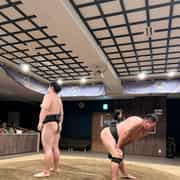
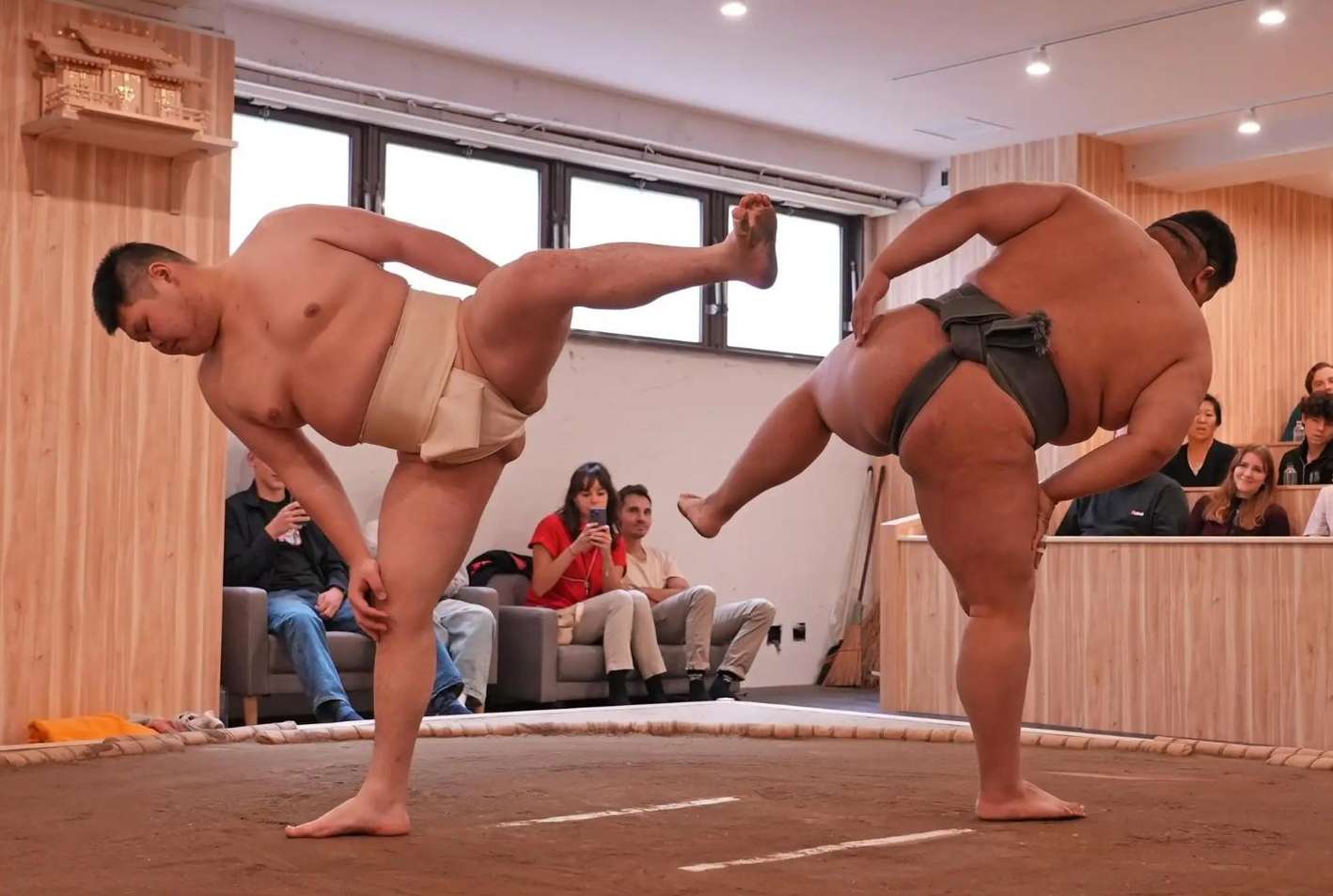
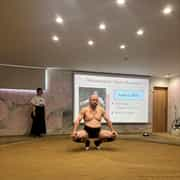
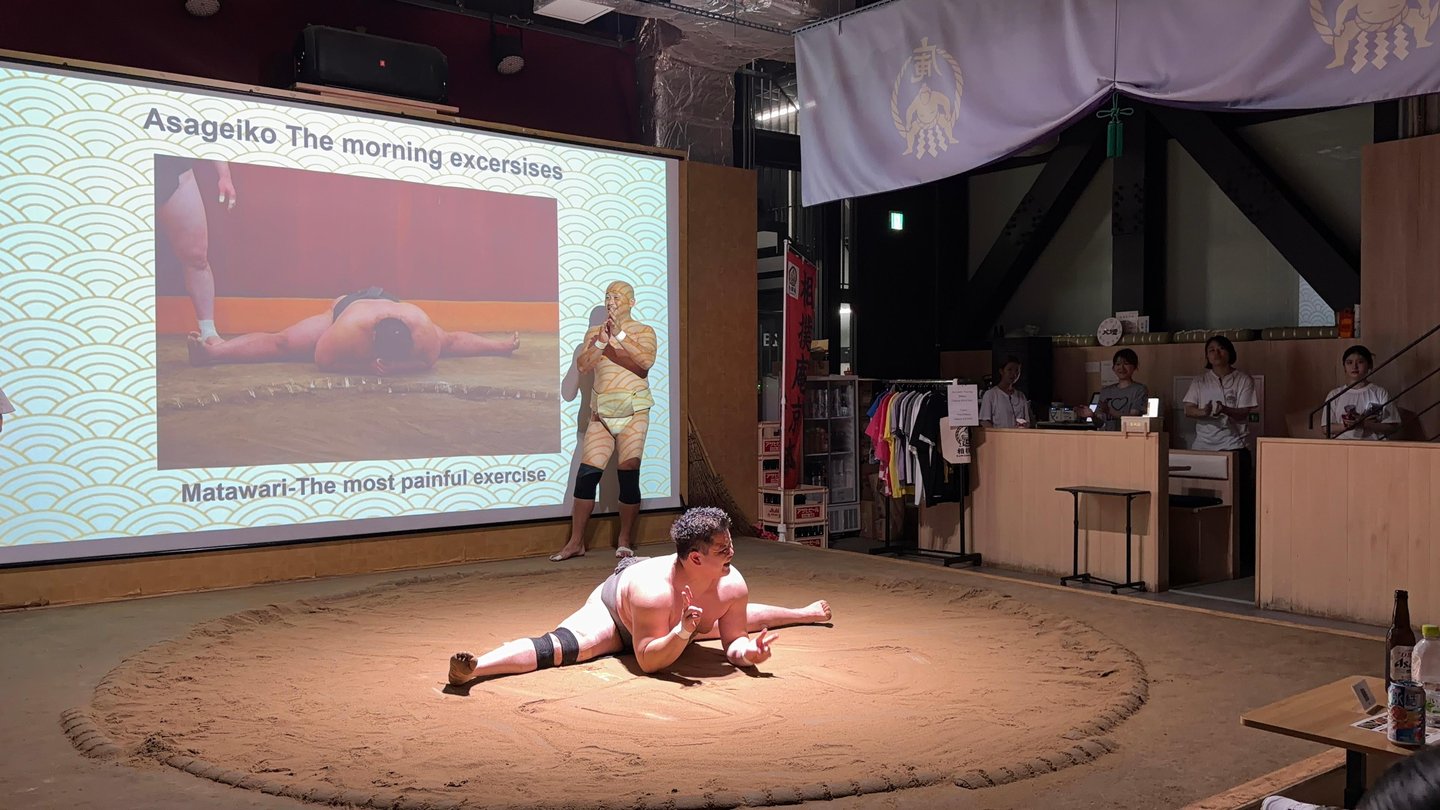
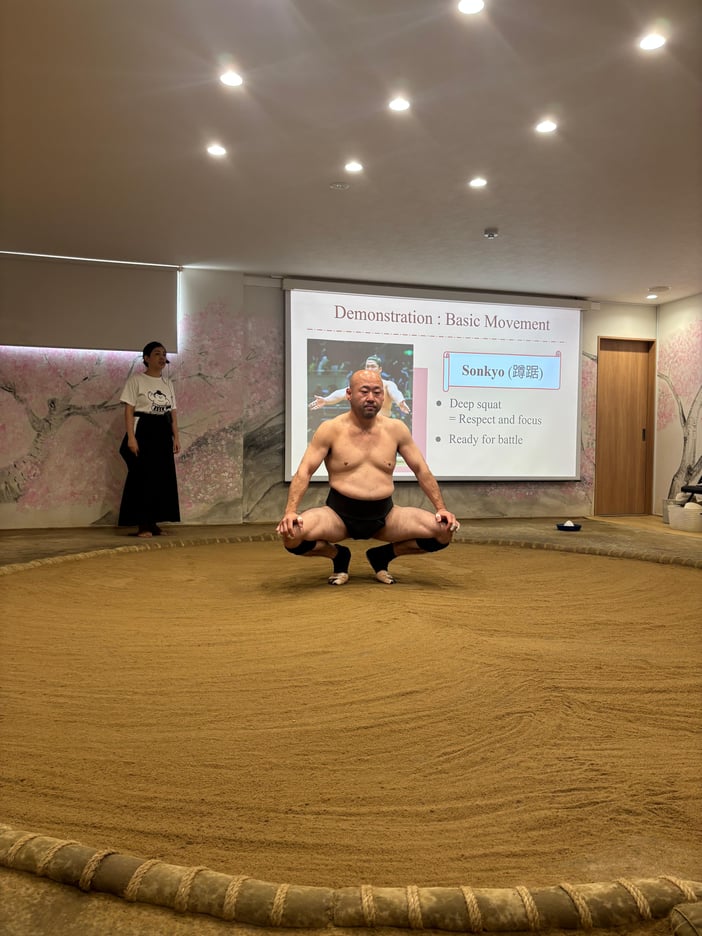
The salt comes first, thrown to purify the ring, which sumo considers a sanctuary for a deity. Then the shiko, the high leg stomp that drives evil spirits into the ground and doubles as a warm-up. An English-speaking MC explains the rules, the wrestlers' lives and the famous techniques as the demonstrations unfold.
The actual wrestling is the finale, often only the last 15 to 30 minutes. That surprises people. The better shows still make the exhibition bout look like the wrestlers are genuinely trying.
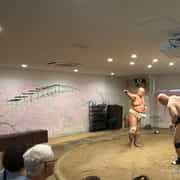
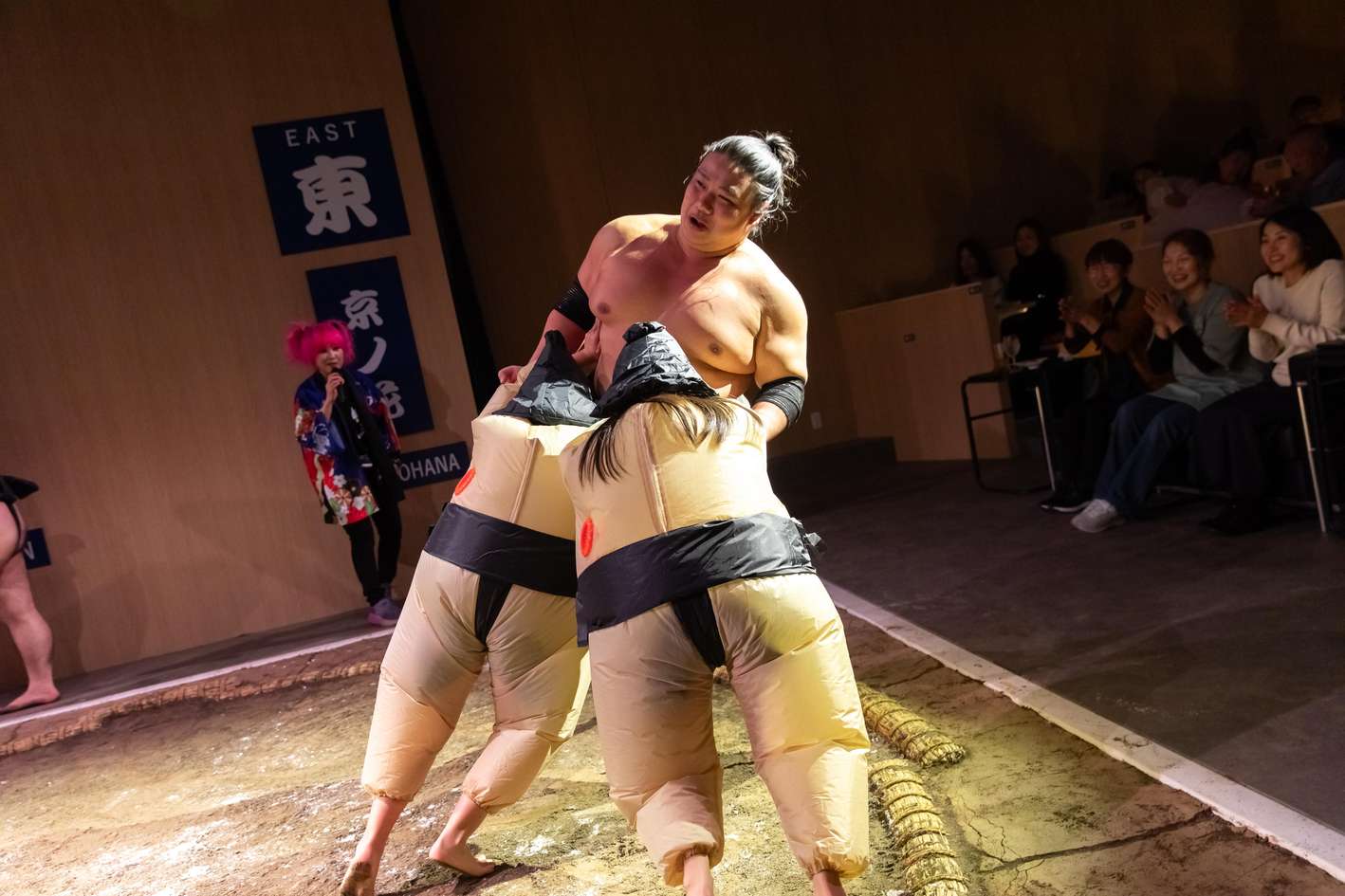
You sit close. Visitors report about five feet from the wrestlers, with front-row seats right at the ring. Volunteers can step up and challenge a wrestler; women, who by tradition do not enter the ring, are taught pushes and moves by wrestlers who come out to them instead.
1
Opening
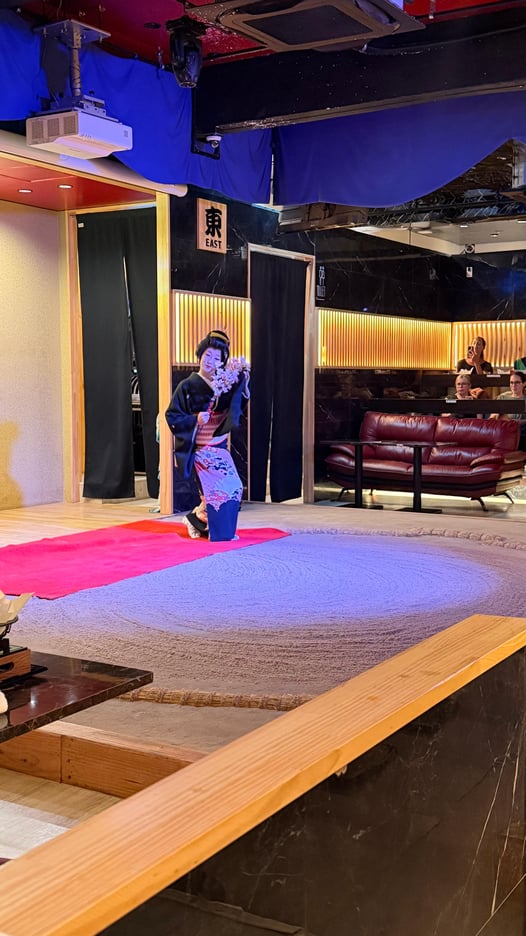
Geisha dance and welcome drink
Sets the tone before the wrestling begins at some venues
2
Middle
History, stretches and demonstrations
The longest section, which a meal helps pass enjoyably
3
Final 15 to 30 minutes
Live bouts on the sand ring
The part you came for
4
End
Ring challenge and photos
Challengers chosen by lottery
The Tokyo: Sumo Entertainment Show with Chicken Hot Pot & Geisha packs all of it into two hours: bilingual commentary, a geisha dance, all-you-can-eat hot pot and a printed souvenir photo.
Tour for this
Tokyo: Sumo Entertainment Show with Chicken Hot Pot & Geisha4.8★ (8,711) · 2 hours · Free cancellation
Tokyo, Osaka, Kyoto or Sapporo, where to see a wrestling show
Tokyo has the deepest bench, with shows in Shinjuku, Shibuya, Ginza, Asakusa, Ryogoku and at Tokyo Tower. The family-friendly clubs in Asakusa and Shinjuku welcome children from age four, and the Ginza venue is the upscale pick for a dinner-and-a-show evening.
Osaka's scene is anchored in Namba, where a theatrical hall on the 8th floor of Namba Parks runs a two-hour show with bento or snacks. A smaller studio show there includes the chance to face a wrestler one on one. Outside the March tournament, dinner shows dominate the Osaka sumo scene entirely.
Kyoto has no grand tournament but runs participative shows daily, including a late 9:30 pm session, and Sapporo runs three shows a day at 1:30 pm, 5 pm and 7:30 pm, each about two hours, year-round.
Match the venue to your evening: families with little ones do best at a show paired with chanko nabe, couples and solo travelers often pick the premium formats with wagyu sukiyaki and drinks, and anyone chasing authenticity should look at Tokyo's morning practice instead.
Tour for this
Osaka: Sumo Show with Bento or Snack at Sumo Hall Hirakuza4.4★ (553) · 2 hours
When to book a wrestling show, seasons and sell-outs
The calendar matters more than most people expect. April, May and October are the busiest months for sumo shows in Tokyo and Osaka, running at more than one and a half times an ordinary month, and February, December and January are the quietest.
Sumo practice and tournaments through the year
April: 5 out of 5 for how busy it gets. Very busy with travelers, and hard pre-tournament training is on show until practice tours wind down.
HighestMar to May, Oct
In betweenJun to Sep, Nov
LowestDec to Feb
Darker: a higher how busy it gets score, out of 5
Tap a month to read it.
February: 5 out of 5 for tournament or practice season. With no tournament, February is one of the best months for full, intense morning practice, and it is also the quietest month on the tours.
HighestFeb, Jun, Oct
In betweenApr, Nov to Dec
LowestJan, Mar, May, Jul, Sep
Darker: a higher tournament or practice season score, out of 5
Tap a month to read it.
There is no single sell-out window that holds across every venue.
The Osaka hall in Namba keeps online sales open until 3 pm on the day of the performance when seats remain, while some Tokyo experiences are flagged as likely to sell out, and travelers who go often say decide early if you want a specific date.
Tournaments reshape everything around them. During a Tokyo tournament in January, May or September, morning practice closes or shrinks, and stable tours pause. Shows, by contrast, run straight through, which is precisely why they exist: outside tournament months they are often the only live sumo in a city.
The practical read: traveling in spring or autumn, book the moment your dates are fixed. Traveling in winter, you can often decide a day or two ahead.
Tour for this
Tokyo: Shinjuku Sumo Show & Experience with a Photo4.9★ (9,863) · 1.5 hours · Free cancellation
Which day and showing fits your wrestling show plans
Tokyo makes this easy: the venues run every day of the week, some with several performances a day, and the Tokyo Tower club stages four shows daily at 10:30 am, 1:30 pm, 4:30 pm and 7:30 pm.
Osaka needs a check. The Namba hall runs its 5 pm show daily but takes irregular closed days, often midweek, and adds a second later show only on selected dates that cluster around Fridays and weekends.
Which days the sumo shows run
Sat: the busiest. Saturday is a sure day in both cities: Tokyo venues run their full daily schedule and Osaka adds its extra night show on many Saturdays.
Bar height: how busy each day is, from very quiet to the busiestThe busiest: Sat
Tap a day to read it.
The pattern in the days above is simple: any day works in Tokyo, and in Osaka the weekend is the safest bet. The time of day matters just as much, and the slots below show how a show fits around a full day of walking.
When sumo shows run in Tokyo and Osaka
Morning practice7:30 am to 10 am
Real stable practice starts early in the morning, so it takes the first hours of your day.
Midday show10:30 am to 1 pm
Daytime shows start late morning or around noon, an easy fit before an afternoon of sightseeing.
Afternoon show1 pm to 4:30 pm
Early afternoon slots at 1 am and 3:30 pm work well as a break in the middle of a sightseeing day.
Early evening show Peak5:30 pm to 7:30 pm
The most popular slot: shows at 5:30 am, 6 am or 7 pm let you sightsee all day and end with sumo and dinner.
Late evening show8 pm to 10 pm
Late shows at 8 pm and later suit a full day out, and Osaka adds a 8 pm to 10 pm second show on some dates.
QuietBusyThe busiest
The early evening slot is the most popular for a reason: it lets you sightsee all day and end with sumo and dinner. Midday and early afternoon shows work well as a break between neighborhoods, and the late 8 pm and 9:30 pm sessions in Osaka and Kyoto suit a full day out.
One caution from the facts: shows can start noticeably later than the time printed on the ticket, and some may end slightly late too. Build in a little slack before anything you have booked afterward.
Tour for this
Tokyo: Sumo Entertainment with Japanese Meal at Tokyo Tower4.9★ (90) · 1.5 hours · Free cancellation
Meal included or show only, choosing your wrestling show ticket
The tiers differ in three things: food, seat and keepsake. Show-only seats still get you a direct view of the ring, so front-row seating is a preference, and every standard seat sees the action.
What changes the evening is the meal, because eating during the show keeps the long talking sections entertaining, and travelers praise the hearty, generous food.
Show-only
Meal included
Premium ringside
Food
None or snacks
Chanko nabe, bento or sukiyaki
Wagyu sukiyaki and all-you-can-drink at some venues
View
Direct view of the ring
Same, often at tables
Closest to the ring, wrestlers' presence most apparent
Participation
Lottery chance at most venues
Same lottery rules
Sometimes bundled with the ticket tier
Photos
Often included
Printed souvenir photo at some venues
Photo plus souvenirs
Show-only
Food
None or snacks
View
Direct view of the ring
Participation
Lottery chance at most venues
Photos
Often included
Meal included
Food
Chanko nabe, bento or sukiyaki
View
Same, often at tables
Participation
Same lottery rules
Photos
Printed souvenir photo at some venues
Premium ringside
Food
Wagyu sukiyaki and all-you-can-drink at some venues
View
Closest to the ring, wrestlers' presence most apparent
Participation
Sometimes bundled with the ticket tier
Photos
Photo plus souvenirs
The ring challenge deserves a reality check: at the Shinjuku show it is limited to six guests per show, selected by lottery, so you are not guaranteed a match even if you want one. Treat participation as a bonus. Photos with the wrestlers are one of the easiest wins, quick and requiring no arranging.
Drinks are often not included even when a meal is, so plan to pay for those separately. The Osaka: Sumo Show with Bento or Snack at Sumo Hall Hirakuza bundles the meal, a drink and a commemorative picture into one ticket.
Tour for this
Osaka Sumo Show with Front-Row Seating & Wagyu Sukiyaki4.7★ (45) · 2.5 hours · Free cancellation
Every Tokyo venue is a short station walk, which is why the train beats a taxi almost every time. The Shinjuku show sits about two minutes from Higashi-Shinjuku Station.
The Shibuya venue is one minute from the East Exit of JR Yoyogi Station, one stop from Shibuya. The Ginza hall is a minute from Ginza-itchome, and the Asakusa club is close to the subway.
From Tokyo Station, the fastest run to the Ginza venue is the Marunouchi Line and a four-minute walk, about ten minutes door to door. From Shibuya, the Yamanote to Shinjuku and a short walk gets you to Shinjuku in about six.
In Osaka, every trip ends at Namba. All the shows meet in the same hall on the 8th floor of Namba Parks: three minutes on foot from the Nankai side of Namba Station, about ten from the Metro lines, and a ten-minute walk north from Dotonbori.
From Umeda, the Midosuji Line runs straight to Namba in eight to nine minutes with no changes.
Kyoto is easier still: the venue in the Shinkyogoku arcade is a three-minute walk from Hankyu Kyoto-Kawaramachi Station, so if you are already around Gion or Shijo you need no train at all.
On wrestling show night, when to arrive and running late
Arrive 15 to 20 minutes before the ticket time. That is the number that decides the evening, because arriving right at the printed time risks a rushed seat search, and the shows themselves can start noticeably later than advertised.
Can stop the day
At Shinjuku the show follows a fixed schedule and late entry may simply not be accepted Build in buffer time and reach the front desk early, since the schedule cannot be extended for latecomers.
The tension is real: the start may drift late, but your entry window does not. At the Tokyo Tower show, come to the 5th floor front desk at least 15 minutes before your appointment.
If you do arrive late at a venue that lets you in, you may join partway through but will miss sections of the program, and the show cannot be extended.
On cancellations: most of these tours can be cancelled up to 24 hours in advance for a full refund. Cancel on the day and you get no refund, though you may be able to move to another slot if there is availability.
If a performance is cancelled by the organizer, refund procedures depend on how the ticket was bought, so keep your booking confirmation handy.
Tour for this
Tokyo: Live Sumo Show Entertainment in Tokyo with Photos2.7★ (6) · 3 hours · Hotel pickup · Free cancellation
What to wear and how to behave at a wrestling show
Come in ordinary, comfortable clothes you can move and sit in. There is no dress code at the Ginza venue, and if you are picked for the ring challenge the gear is provided: a happi festival costume in Tokyo, shorts and a T-shirt to change into at the Osaka show.
What to wear and bring to a sumo show
Comfortable clothes you can move inSelected guests may try simple sumo movements under safe guidance, and you sit close to the ring for a show that lasts a couple of hours.
Dec to Feb: a warm coat and layersTokyo and Osaka winter days reach only about 9 to 12°C and mornings drop near 0 to 3°C, so you need a warm layer walking to the venue.
Jun to Sep: light, breathable clothingSummer days reach 31 to 33°C with humid air and rain on about 13 to 17 days a month, so light clothes keep you comfortable on the way in.
Mar to May and Oct to Nov: a light jacketSpring and autumn days sit around 15 to 24°C with cooler mornings near 5 to 15°C, so one extra layer covers the walk there and back.
Nothing special for the ring challengeThe Osaka show provides shorts and a T-shirt to change into before you challenge the wrestlers, so you only need something easy to change out of.
A camera or phonePhotos and videos are welcome at the Tokyo show, and the Osaka team takes photos and videos of your match for you.
An appetiteThe Tokyo Ginza show includes a complimentary chanko-nabe hot pot, the same kind of meal wrestlers eat, and travelers say they leave very full.
No costume or gear neededYou wear a happi festival costume at the Tokyo show that is provided for you, so you arrive in your own ordinary clothes.
Behavior is simpler than the rule lists suggest. The hosts and wrestlers create a welcoming atmosphere, laughing is expected, and audience participation is free to choose. Clapping and calling out a favorite wrestler's name are normal and welcome.
The out-of-bounds list is short: no heckling, keep your phone on silent, no flash during the bouts because it startles the wrestlers, and never throw a seat cushion into the ring, even after a big upset. Stay in your seat while a bout runs.
Photos and videos are welcome at the shows, which is the reverse of a stable practice visit, where you sit silent and still. Bring a camera or phone and use it; the Osaka team even films your match for you if you wrestle.
Tour for this
Tokyo Ginza Sumo Show: Live Performance & Photo Experience4.7★ (2,064) · 1.5 hours · Free cancellation
The age bands vary by venue, so check before assuming. The Shinjuku and Shibuya shows accept ages 12 and younger alongside adults, with infants on laps at Shibuya. The Tokyo hot pot show welcomes children but not babies under one.
At the Ginza venue, the hands-on training option is not suitable for children under 5, pregnant guests or anyone with serious medical conditions, and children must be accompanied by a guardian.
The Kyoto participative show is the most open of all: children from age two, recommended from four, and kids from about five can join the ring challenge. Children twelve or under there need a private booking with a supervising adult.
On mobility, the picture is mixed and worth a message before booking. The Shibuya show is not suitable for wheelchair users, one Tokyo venue's restaurant is unreachable by stairs, and the Osaka hall has wheelchair spaces but only a few, so contact the venue as soon as you know.
At the Ginza show, wheelchair users should contact staff in advance for assistance.
Participation itself is always optional. Guests can watch or do adapted activities instead of physical contact, and access needs should be shared in advance so the team can plan.
Tour for this
Tokyo: Shibuya Sumo Show with Experience & Photo4.9★ (3,242) · 1.5 hours · Free cancellation
Before and after the wrestling show, what's within a walk
The Shinjuku venue sits in a neighborhood built for filling the hours around a show. Shinjuku Central Park is about four minutes on foot, the Juniso Kumano Shrine six, the Sompo Museum of Art seven and the Japanese Sword Museum eleven.
Hanazono Shrine, Meiji Shrine and the Shinjuku Gyoen gardens all fall within a 20-minute walk.
A 20-minute walk from the Shinjuku sumo show venue
A workable afternoon: museum or shrine first, an early dinner slot at the show, then the gardens or the arcade streets afterward if the evening ran long.
Around the Ginza venue the picks are different in flavor: the Ad Museum Tokyo about eight minutes away, Karasumori Shrine the same, the Idemitsu Museum of Arts ten, and Tokyo International Forum with the Hibiya open-air park ten to eleven minutes on foot.
Tsukiji Hongan-ji temple is close too, and Kabukiza Theatre and the Tsukiji Outer Market sit within easy reach for a fuller Ginza day.
Both neighborhoods reward the walk, so pick the venue partly for what surrounds it. A show in Shinjuku pairs naturally with an evening in the entertainment district; one in Ginza turns into a gallery-and-dinner day.
Tour for this
Kyoto: Sumo Entertainment Show with Chicken Hot Pot & Geisha4.8★ (1,815) · 2 hours · Free cancellation
An easy way to see Geisha dance and sumo while learning history and culture in two hours. Interactive, informative, all-you-can-eat lunch with drinks including alcohol. Funny antics, audience wrestling. Great deal for the price.
A sumo show is the easiest live sumo you can arrange in Japan: year-round, in English, feet from the ring, often with dinner included.
Go in knowing the bouts are staged and the wrestling is the finale, and it delivers. Book ahead for spring and autumn, arrive 15 to 20 minutes early, and treat the ring challenge as a lottery bonus.
Go ifYou could not get tournament tickets, or no tournament falls during your tripYou are traveling with children around 10 to 12 who want to be part of the actionYou want sumo plus dinner in a single evening
Skip ifA real grand tournament runs during your dates and you can get ticketsYou want unfiltered, silent observation of real training; morning practice at a stable is the experience built for that
Our pick to book
Tokyo: Sumo Wrestling Experience with Chanko Nabe & Mochi4.8★ (746) · 1 - 2 hours · Free cancellation
Quick answers on what a sumo wrestling show involves, where to find one and how to pick the right seat.
What actually happens at a sumo wrestling show in Japan?
Retired professional wrestlers demonstrate real techniques and fight a live bout on a sand ring, with a host explaining the history, rules and famous moves as they go. Shows open with an educational section, and the wrestling itself often fills the last 15 to 30 minutes.
How close do you sit to the ring at a sumo show?
Very close. Visitors report sitting about five feet from the wrestlers, and front-row seats put you right at the ring. Arriving early helps secure the closest seats, since some tables sit farther back in a packed session.
Can you wrestle a sumo wrestler at a show?
At many shows you can. Audience participation usually comes at the very end, with guests invited to try warm-ups or wrestling, and joining in is always your choice. Spots are usually limited, so at many venues challengers are picked by lottery, and a match is never guaranteed.
How is a sumo show different from a grand sumo tournament?
A tournament is real competition run by the Japan Sumo Association, where results decide rankings, and it happens only six times a year. A show is staged entertainment by retired wrestlers, with bouts that count for nothing, but it runs year-round, includes English commentary and lets you take photos and join in.
How is a sumo show different from a morning practice visit at a stable?
At a stable you watch real daily training in silence: no talking, no moving, no flash photos, no eating or drinking. A show is lively and interactive, with photos encouraged and a chance to enter the ring. Families with young children generally get more from a show.
How long does a sumo show last?
Most run one and a half to two hours. The Shinjuku show, for example, breaks its 90 minutes into about 40 minutes of explanation, 20 minutes of bouts and demonstrations, and 30 minutes for the ring challenge and photos.
Which sumo shows include a meal like chanko nabe?
Several do. The Tokyo chicken hot pot show includes all-you-can-eat chanko nabe, and other venues add bento, wagyu sukiyaki or snacks depending on the seat you book. Eating during the show keeps the long talking sections entertaining, so a meal-included seat can be worth it for the pacing alone.
Where can you watch a sumo show in Japan?
Tokyo, Osaka, Kyoto and Sapporo all host year-round shows. Tokyo has venues in Shinjuku, Shibuya, Ginza, Asakusa and at Tokyo Tower, while Osaka's shows cluster around Namba. Kyoto does not host a Grand Tournament but runs shows daily, including one near the Imperial Palace.
Do sumo shows run every day of the week?
Tokyo venues run every day, some with several shows daily. In Osaka the Namba hall holds its 5 pm show daily but takes irregular closed days, often midweek, so a specific date can be dark. Check the monthly calendar for your date before booking.
Are sumo shows good for kids?
Yes. The lively, humorous format keeps children engaged, and families with children around 10 to 12 are a core audience. Some venues welcome children as young as four, and a show with a chanko nabe meal is a relaxed format for families with little ones.
Where to go next once your wrestling show is booked