




3 hours·English, German
4.9(6)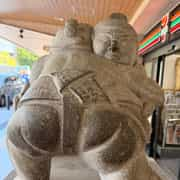
Tokyo: Discover the World of Sumo History & Lunch
Free cancellationIn English and German
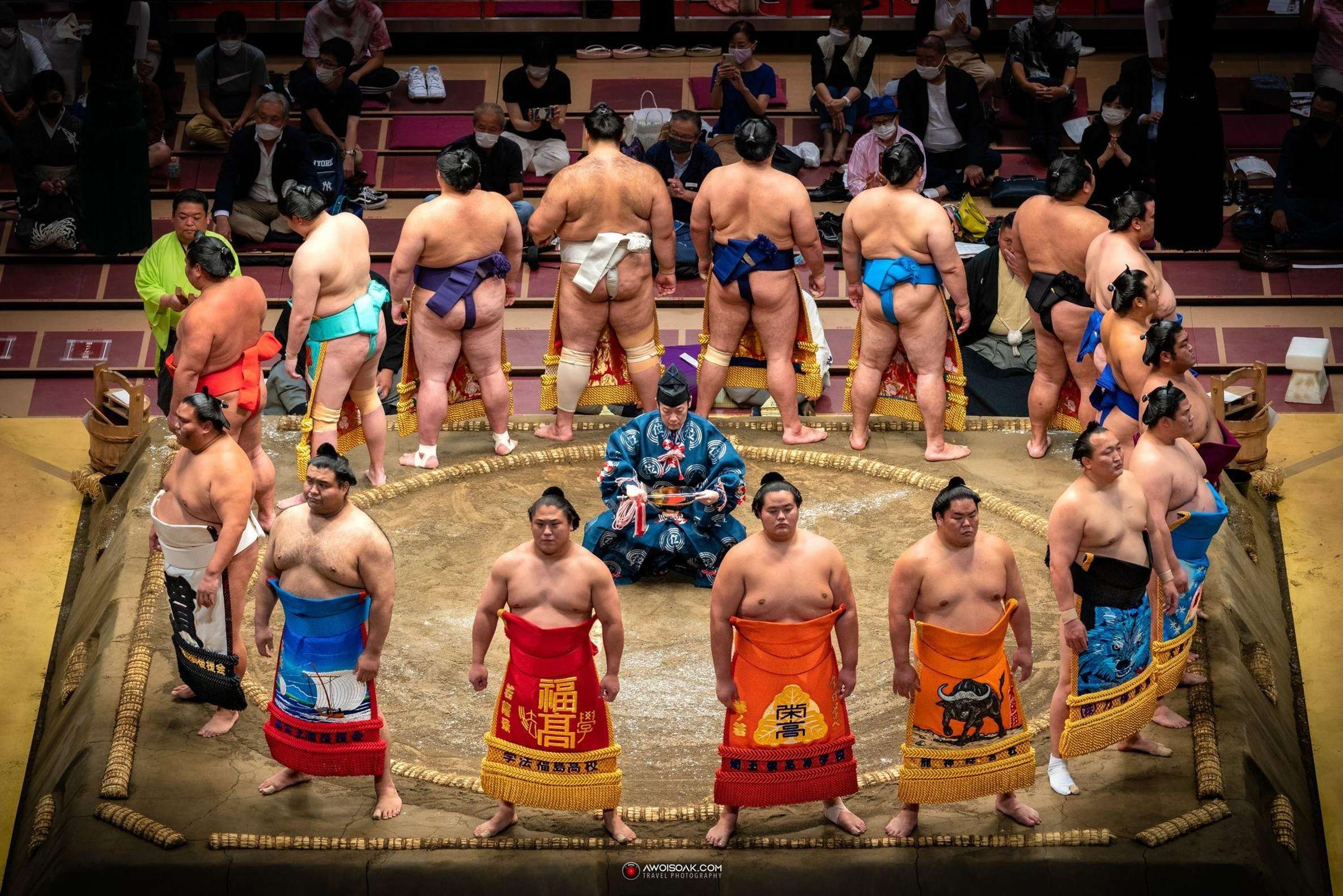
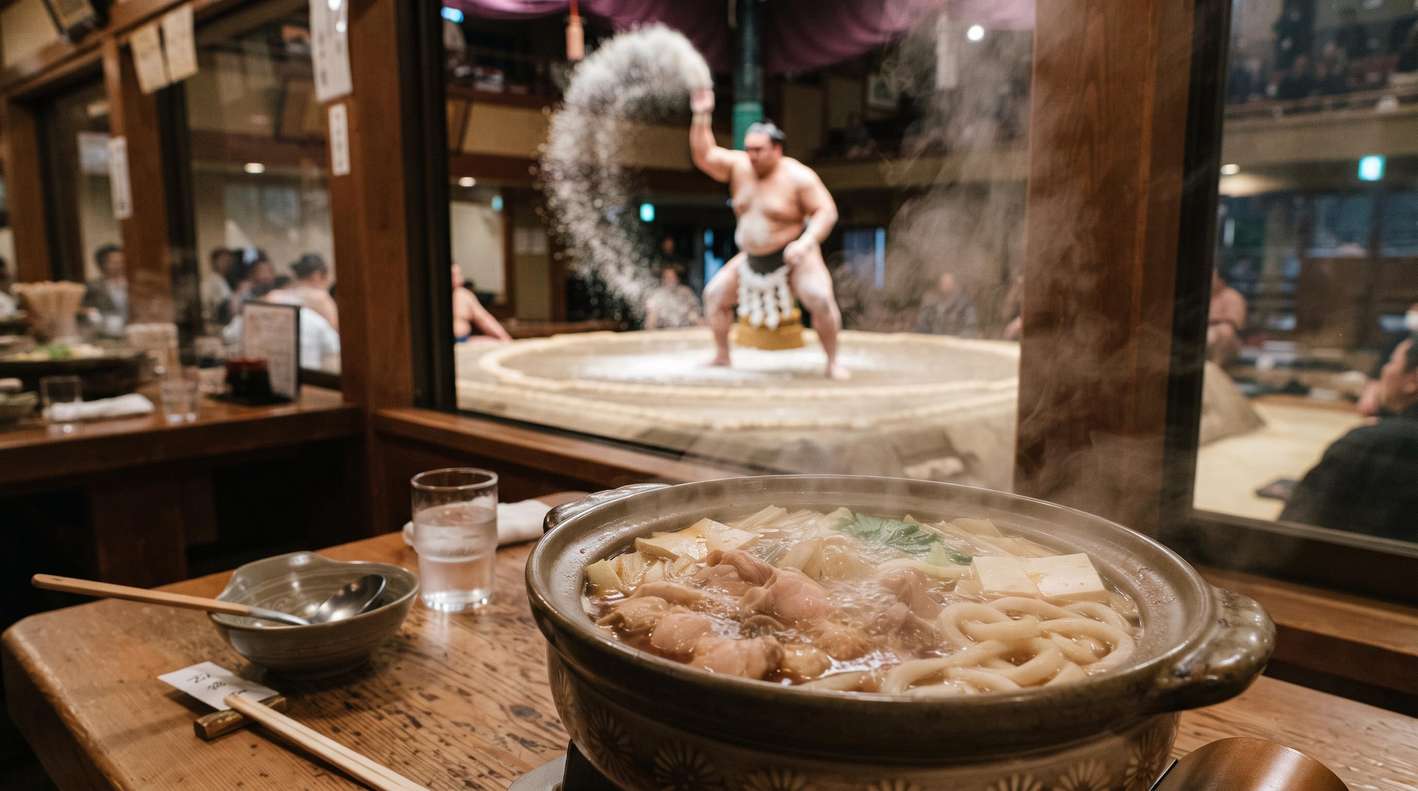
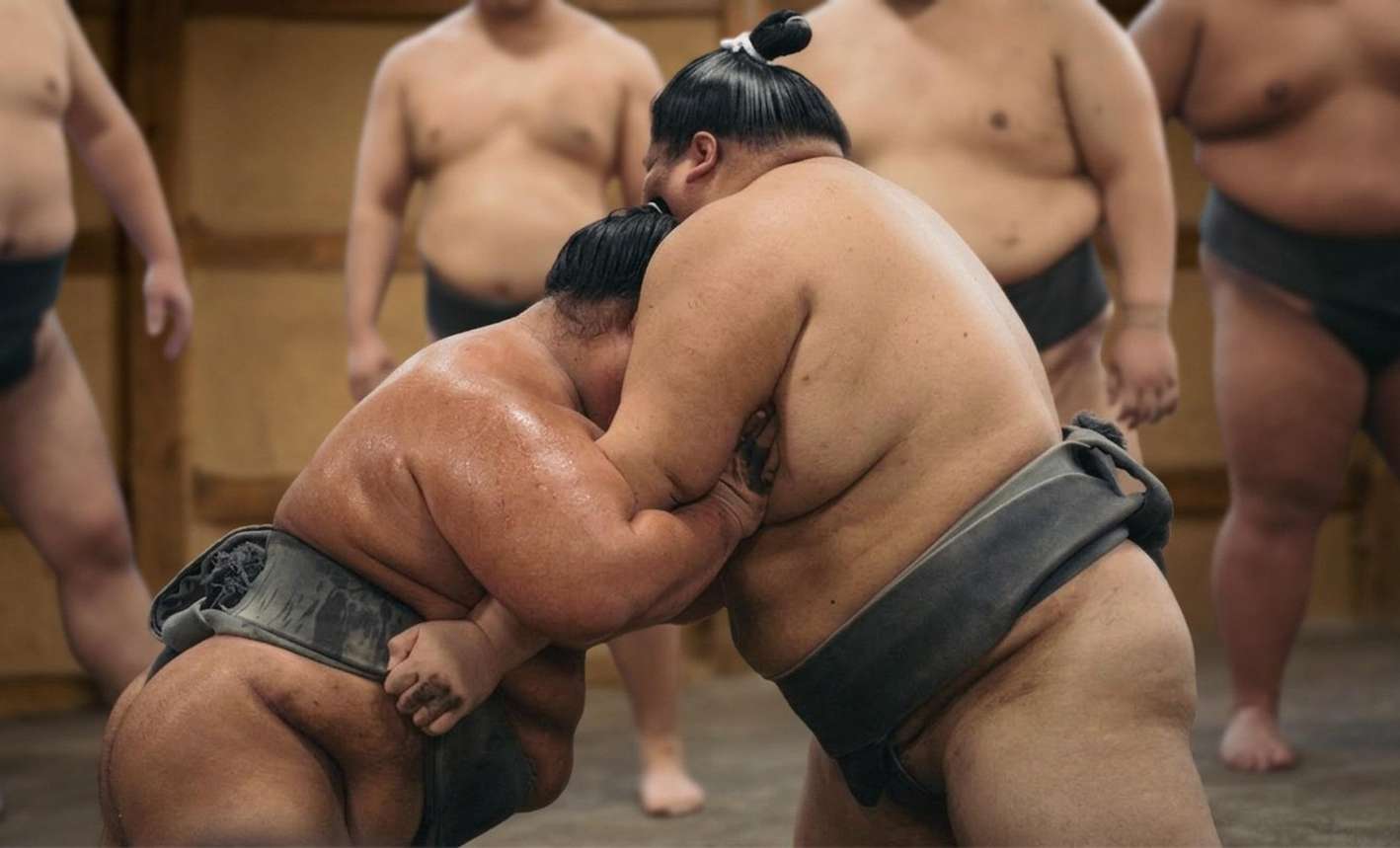
Learn grand sumo tournament rules before you sit down, so every bout makes sense. Find out how a match is won, how the day runs and where to sit, then walk sumo's home district with an expert guide and finish over chanko nabe, the wrestlers' own hot pot. Book your place today.
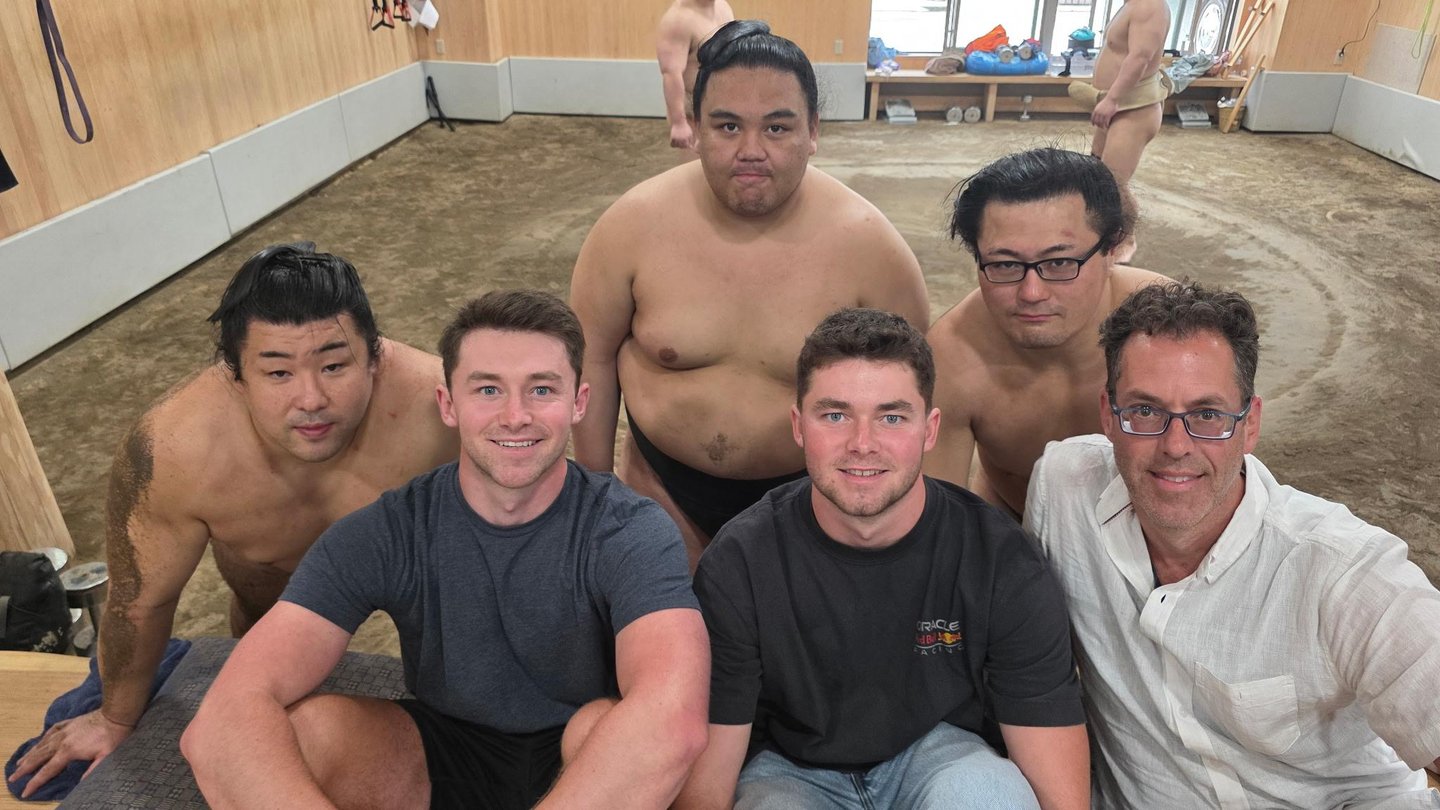
"The training and tour were great, guide explained everything about sumo. Eight years ago I couldn't reach any stables by phone. This was a dream come true. Thanks!"

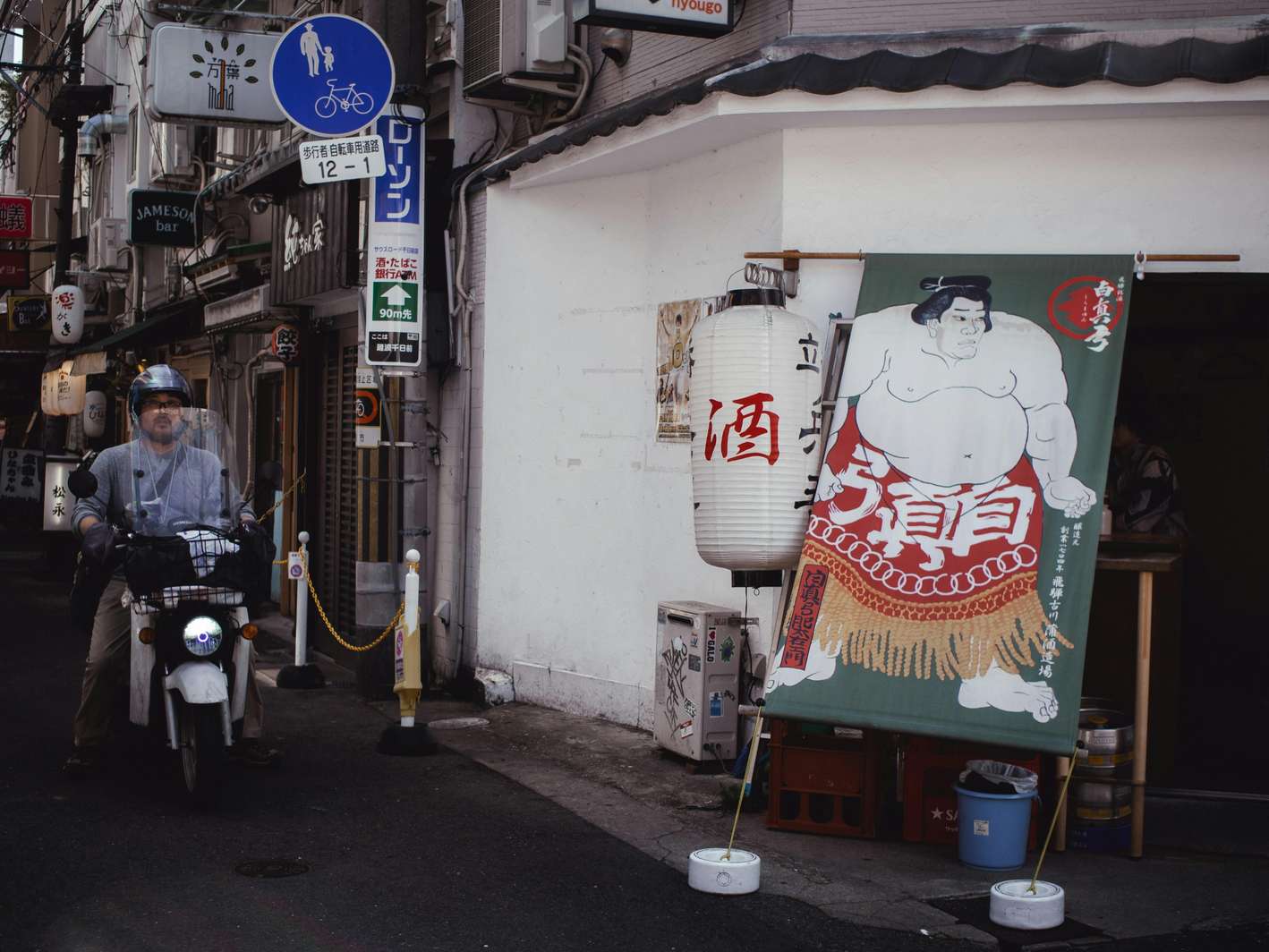
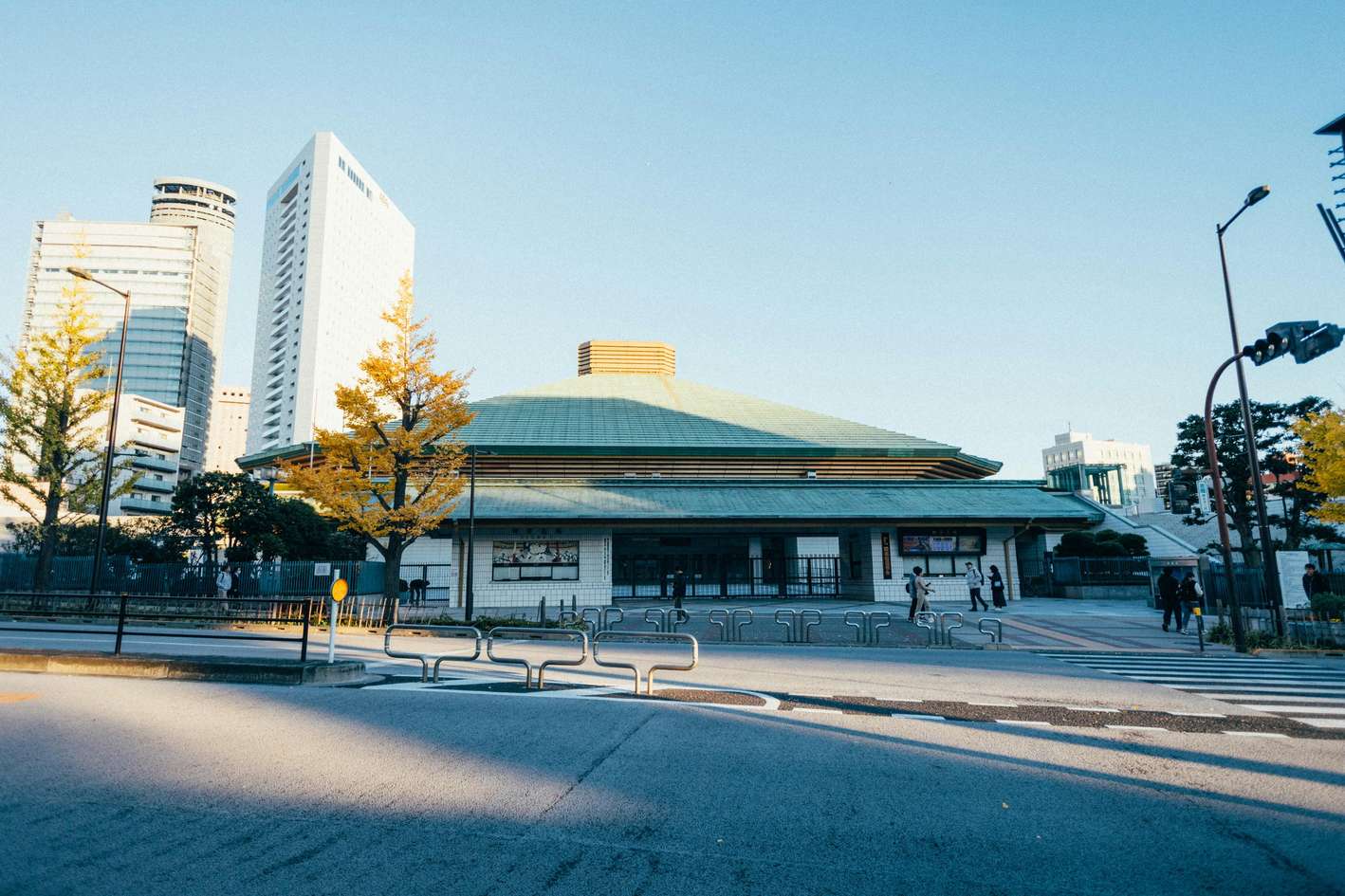
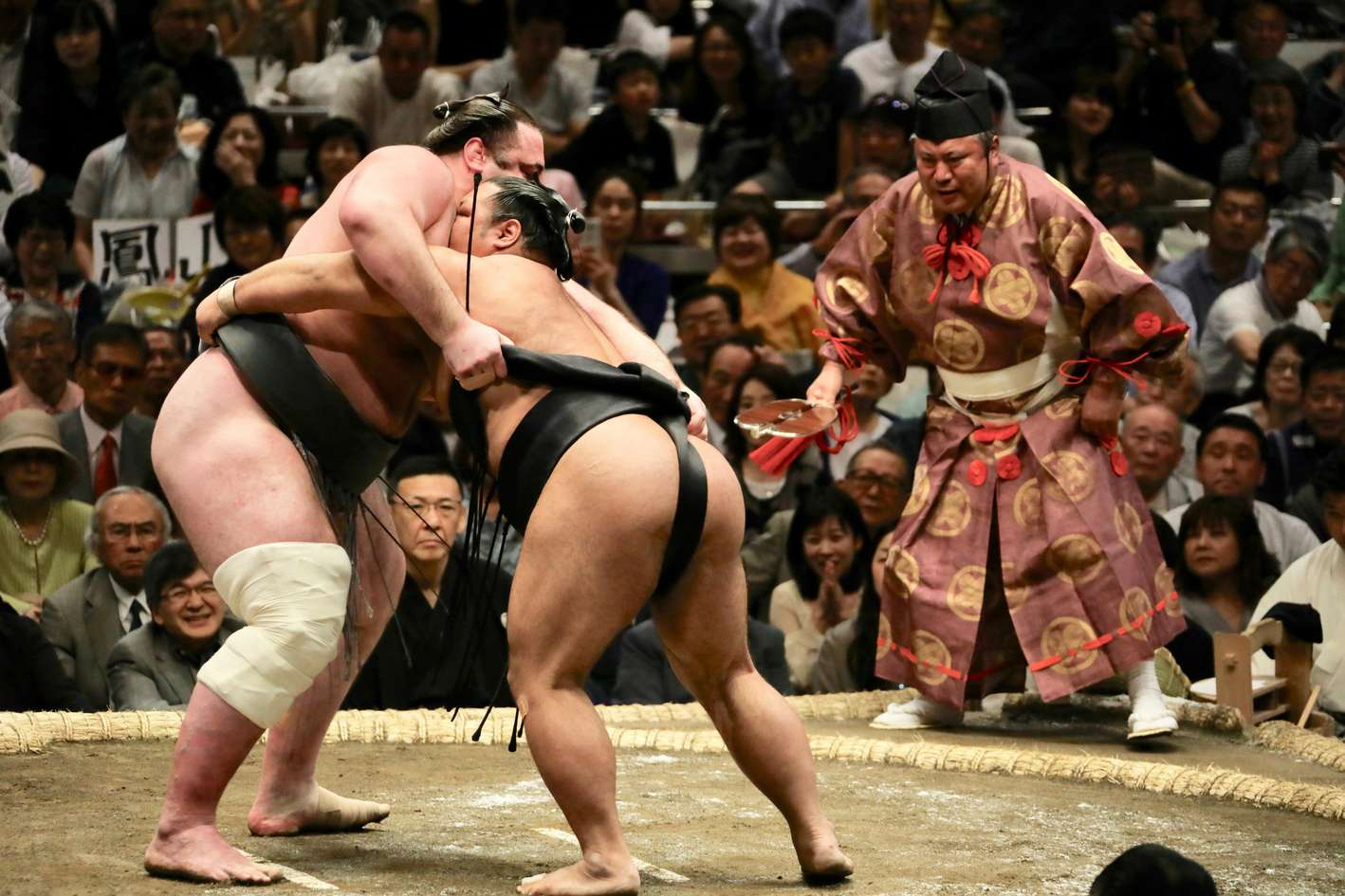
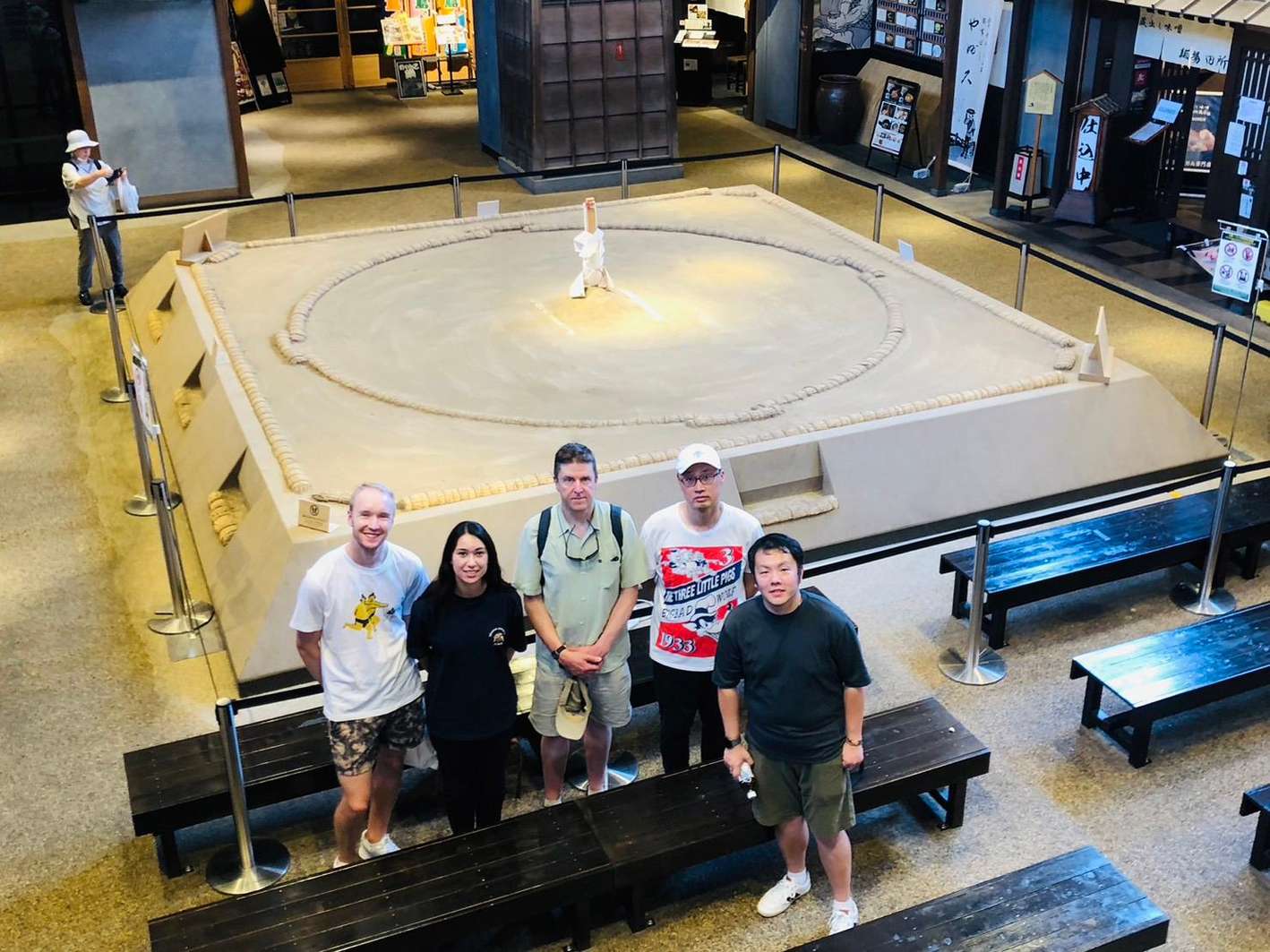
A tournament day runs ten hours and the rules decide everything you see. Here is how a bout is won, how the day unfolds and where to sit, so you arrive knowing what you are watching.
A bout ends when a wrestler is pushed out of the ring or any part of him but the soles of his feet touches the ground.
There is no starting whistle: the charge begins when both wrestlers put their fists down on the ring together.
The top division fights from about 4:15 pm to 6 pm; the morning belongs to lower-ranked wrestlers and a near-empty arena.
Grand tournaments run only six times a year: Tokyo in January, May and September, Osaka in March, Nagoya in July, Fukuoka in November.
Decent seats sell out within minutes of the 10 am sale opening, so buy the moment tickets drop.
Buy the moment sales open, either on the Japan Sumo Association's English site or through a ticket agent if you are booking from overseas, and pick up printed tickets at a 7-Eleven in Japan.
A bout has two endings. One wrestler is either pushed out of the ring, or any part of his body other than the soles of his feet touches the ground. That is the whole scoring system, and once you know it you can follow every match without commentary.
The start is the part that catches people out. The referee calls "Hakkeyoi!" and the two wrestlers charge at the tachiai, the jump-off. If one jumps early, the referee calls "Matta!" and they reset. There is no whistle: the charge begins the moment both sets of fists touch the ring, so watch the knuckles.
Certain moves end a bout on the spot: closed-fist punches, finger pokes, kicks to the chest or belly, grabbing hair or throat, bending back fingers, and slapping the face with a wide outstretched arm. When the referee spots one, he stops the bout immediately.
Judges sit around the ring and can overrule the referee by majority vote. If a bout runs past three minutes with no result, it is stopped and the wrestlers fight again. There are 82 officially recognised winning techniques, from straightforward pushes to throws, and the ring announcer names each one after the match.
Win: push the opponent out of the ring, or make any part of him but his soles touch the ground Start: tachiai charge, called with "Hakkeyoi!"; a false start is called back with "Matta!"
Banned: fist punches, finger pokes, chest kicks, hair or throat grabs, bending fingers, wide face slaps Judges: can overrule the referee by majority vote Timeout: any bout over three minutes is stopped and re-fought
That card is all you need in your pocket for a first tournament. Every call the referee makes traces back to one of those lines, and the rest of the day is atmosphere.
Doors open at 8 am and the lowest-division bouts begin around 8:30 am. For the first few hours the arena is nearly empty and the wrestling is young and raw.
Most locals do not arrive until the afternoon, and there is a reason: bouts run in order of rank all day, so the best action comes last.
Juryo, the second division, starts around 2 to 3 pm, and the top division enters the ring around 3:45 pm to 4 pm.
The makuuchi bouts run from about 4:15 pm, the top-ranked matches and the final ceremony fill 5:30 pm to 6 pm, and the day closes with the bow-twirling ceremony around 6 pm Those last two to three hours are when the arena is loud and full.
If you only attend part of the day, take the afternoon and evening. Leaving before the main event wastes the ticket, and plenty of visitors do exactly that.
The trade-off goes the other way too: ticket holders can move down to better seats in the quiet morning, and dedicated fans come early to follow wrestlers climbing the divisions.
The schedule shifts on the last days. From day 13, bouts begin at 10 am instead of 8:30 am, and the final day moves forward half an hour to fit the victory ceremony.
The arena opens at 8 and lower-ranked bouts start around 8:30 am, but very few spectators turn out this early; a quiet time to move down closer…
Bouts continue through midday with the arena still fairly quiet; most visitors have not yet arrived for the main divisions.
Crowds build from early afternoon as the Juryo wrestlers fight and the top-division stars arrive at the stadium, with fans lining the walkwa…
The busiest and loudest stretch: makuuchi bouts start around 4:15 am, the yokozuna close the day, and the bow-twirling ceremony ends it at 6 pm…
Read that table as a planning tool. The busy column climbs through the afternoon, so a ticket bought for a full day pays off twice: quiet hours to explore and move seats, then a packed house for the bouts that matter.
Grand sumo happens only six times a year, in odd-numbered months, each tournament lasting two weeks in a single city. Tokyo hosts in January, May and September. Osaka takes March, Nagoya July and Fukuoka November. Kyoto never hosts one.
That calendar decides your whole plan. If your dates land on a tournament, book tickets the moment they go on sale, because the full 15 days can sell out within minutes. If your trip falls between basho, the stables are running morning practice as normal, and that becomes your sumo.
Each city has its own rhythm outside its month. In Osaka, morning practice is largely unavailable away from the March run-up, so dinner shows dominate the scene there.
In Nagoya, the wrestlers stay and train only around the July tournament, roughly two weeks before it until about a week after. In Fukuoka, practice viewing is only possible during the November season.
April: 5 out of 5 for how busy it gets.
Tap a month to read it.
The busiest bars in that chart are April and October, when no tournament runs at all and the sumo shows and exhibitions carry the season. Match your month to the chart before you fix any other part of the trip.
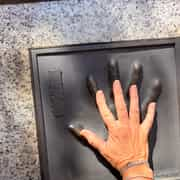
One way to fill a non-tournament month in Tokyo is a guided morning practice visit with a sumo specialist journalist: three hours, live training at a real stable, commemorative photos, and time to ask anything you want about the sport. Access to stables requires special permission, which the tour arranges.
Two ways to watch. Box seats are sold as a whole box, usually for four people, and you sit on the floor on cushions. Chair seats are sold individually and are the more comfortable choice, especially if an afternoon on tatami does not appeal.
A four-person box is not large. If your group is not used to sitting on the floor for hours, a box tests you by the evening bouts.
Families often prefer them anyway: boxes come as small two-person versions or larger family boxes, and young children can enter free in some seat types, which can work out cheaper for two adults and a child than three individual chairs.
Box seats: sold as a set of four, floor cushions, room to order bento and drinks to your box, best for families and groups who want the traditional feel Chair seats: sold individually, more comfortable for a long day, best for couples and solo visitors Ringside (tamarizeki): allocated by lottery before general sale, phone entry only, and nearly impossible for visitors from abroad to get
The Kokugikan is a small arena. Even the farthest back chair seat gives a clear view of the ring, so there is no bad row to worry about. Comfort and budget decide your choice; sightlines never do.
Buy from the Japan Sumo Association's English ticket page or pick tickets up at a 7-Eleven in Japan. From overseas, the official English service takes credit cards only, adds a per-ticket service fee, and issues tickets only as printouts at Seven-Eleven stores, so you collect once you arrive.
A ticket agent that handles resale of its own purchased tickets is another route that stays within the Association's rules.
Timing is everything. General sales open at 10 am Japan time on a Saturday roughly four to eight weeks before each tournament, and decent seats are gone within minutes. Popular tournaments can be sold out before you even start looking, so set an alarm and be on the site at the stroke of ten.
Decent seats can sell out within minutes of the 10 am sale opening, and there are no same-day tickets at the door. A sold-out tournament is a visit that does not happen.
If you do miss out, Tokyo has one last resort: queue at the Ryogoku Kokugikan main entrance around 6 am on a tournament day with cash, buy the cheapest seat, one per person in the queue, and return for the afternoon bouts.
Do not buy extra tickets hoping to resell them. Resale for profit breaks the Association's rules, and even selling at face value sits in a grey area.
A tournament is one of the most child-friendly ways to see sumo in Japan. The crowd shouts along with the bouts, and nobody minds a bit of noise. A stable practice visit is the one place children must sit silent and still, so the arena suits families far better.
The mid-day break is built for families. It features comedy acts and chances for children to dress up in the ring, which gives restless kids something to look forward to between sessions.
Seating makes the difference. Box seats come as small two-person boxes or larger family boxes, and in some seat types young children enter free.
For two adults and one child at the Tokyo Kokugikan, a box often works out cheaper than three individual chairs, and it gives everyone room to spread out during a ten-hour day.
If your children are very young, skip the quiet morning and arrive for the afternoon sessions. The top division runs from about 4:15 pm, so a family that comes after lunch still gets the loudest, best wrestling and skips the early hours that test small patience.
The arena has a rhythm, and the crowd teaches it to you. Right before each bout the whole arena falls strikingly quiet, which surprises first-time visitors.
Then the charge lands, the noise erupts, and after a big upset the seat cushions fly through the air. Follow the locals' lead and you will be cheering and hushing at the right moments without knowing a single rule.
Stay to the end. The Yumitorishiki, the bow-twirling ceremony, closes the day, and true fans watch it. Leaving before the main event wastes the ticket, and many visitors do exactly that by slipping out at 5 pm.
Smoking is not allowed anywhere inside the Kokugikan. The arena has been a no-smoking venue during tournaments since 2005, and the information handed out at entry states the entire building is a smoking-free zone.
Smokers use the designated areas on the terraces outside the building but within the ticket area, one on each side, so you can step out and come back without leaving the venue.
Women are welcome as spectators, and always have been able to watch from the seats. Professional sumo restricts entering or touching the ring; watching from the seats has always been open.
Eating at your seat is a normal part of a tournament day in the box and chair seats. You can bring your own food in, beer costs about convenience-store prices, and the arena's food and merchandise are surprisingly cheap overall.
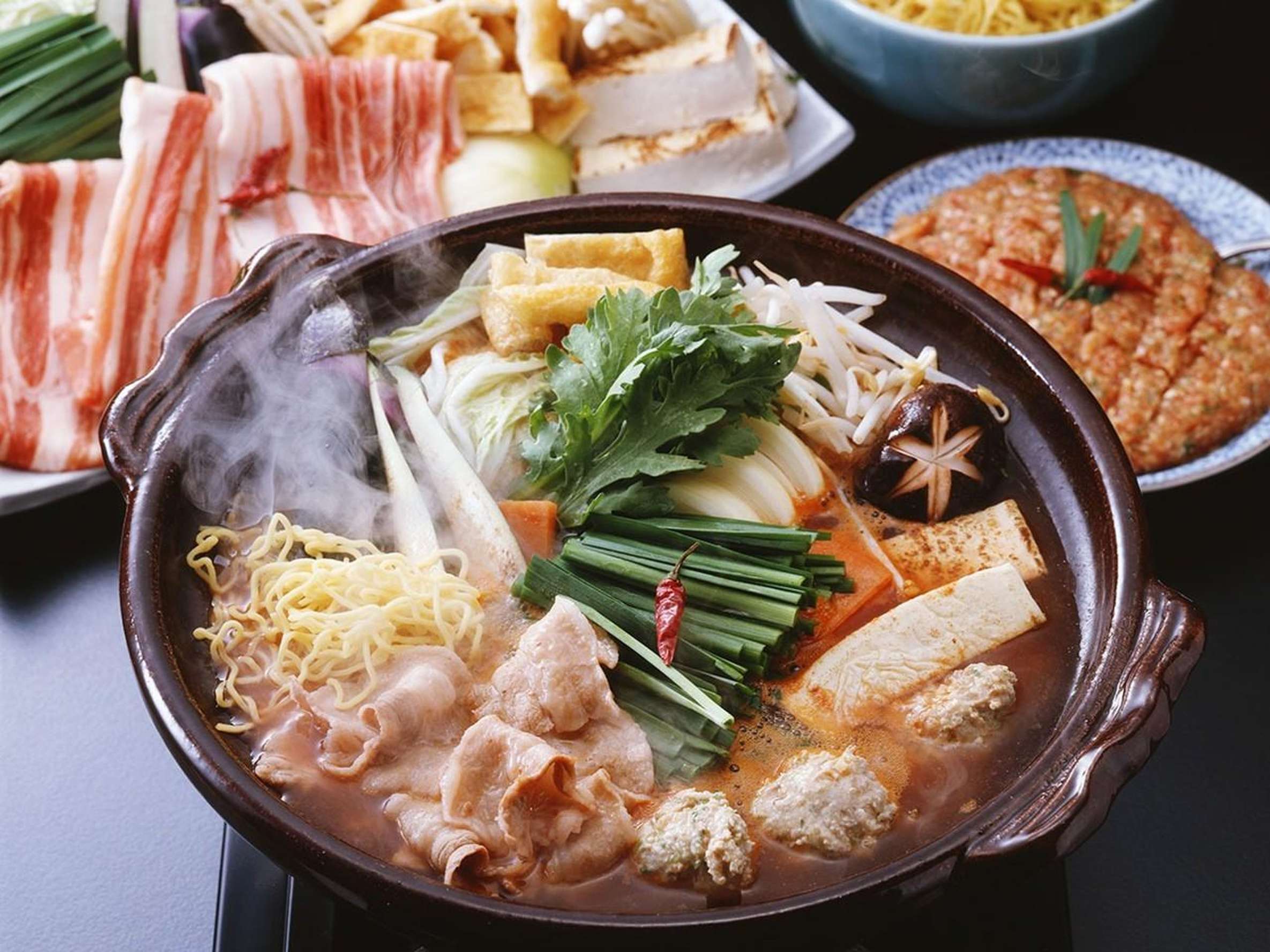
The dish to look for is chanko nabe, the sumo hot pot. A bowl at the arena makes a cheap, good lunch, and a chanko stew stand operates in the basement banquet hall during tournaments.
Yakitori is the other tradition: it is grilled at the Kokugikan and sold at shops on the first and second floors, and chicken is considered lucky because the bird stands on two legs and never falls on its back.
Wrestler-themed bento appear at the concessions, some built around a named rikishi's favourite foods, alongside stalls selling tempura, roast beef, sushi and small bowls of chanko.
In box seats you can order bento and drinks delivered to your box, so you never miss a bout. The one exception is the ringside tamarizeki seats, where eating and drinking are not allowed.
For dessert there is soft-serve ice cream or hiyochan-yaki, a grilled bun filled with red bean paste or sweet cream cheese.
One more thing to fit in: the small Sumo Museum on the arena's main floor closes in the late afternoon, so visit it before the top division bouts begin.
The Kokugikan sits right next to Ryogoku Station. From the JR Sobu Line's Ryogoku Station it is about a one-minute walk from the West Exit, and the Oedo Line exits of the same station are about five minutes away.
From Tokyo Station the trip takes about 13 minutes with one change at Akihabara. From Haneda, the monorail-and-JR route runs about 45 minutes with two transfers; from Narita, take the Sobu Line rapid train to Kinshicho, about 80 minutes, then one more stop on the local line.
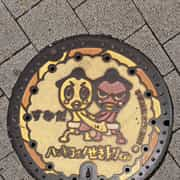
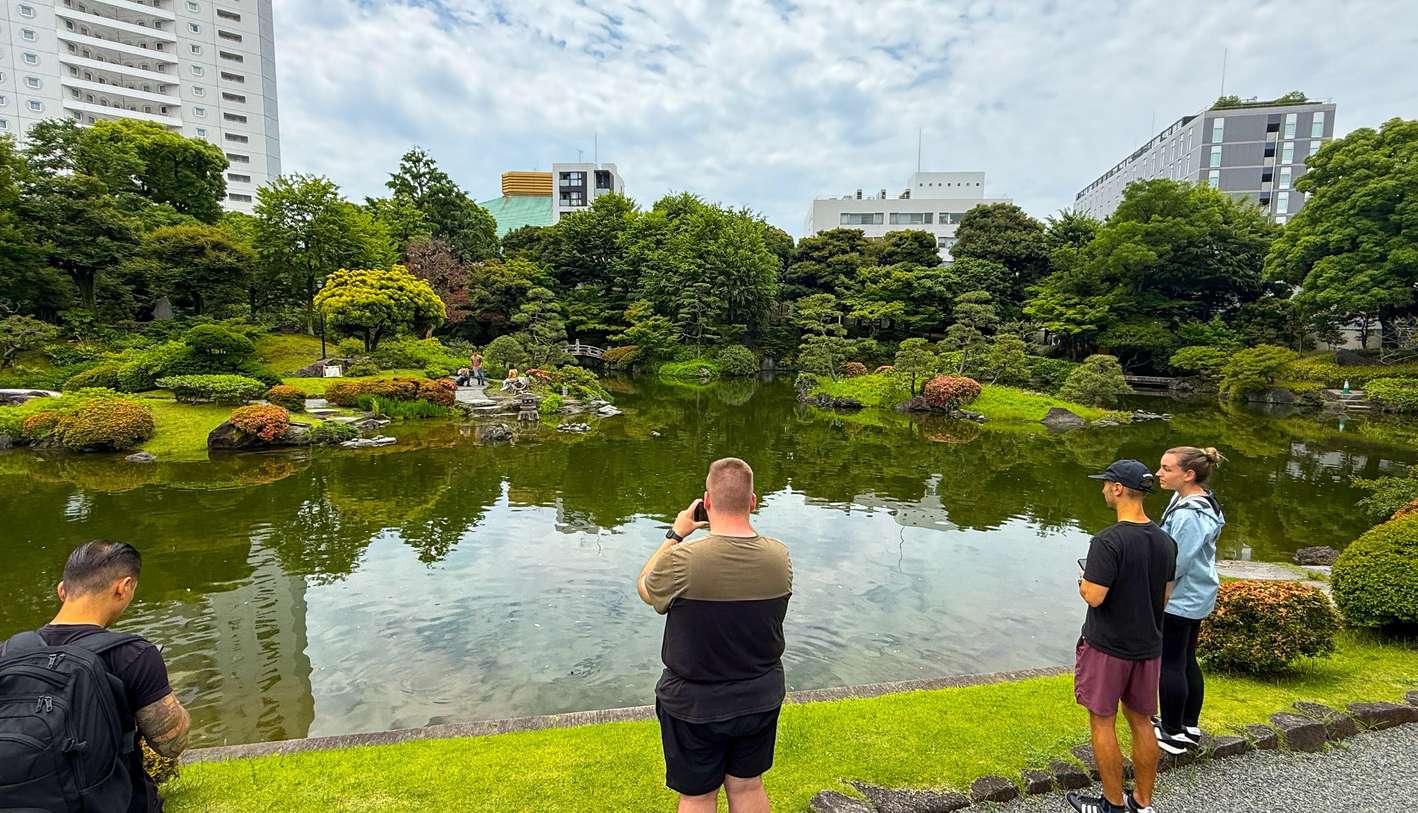
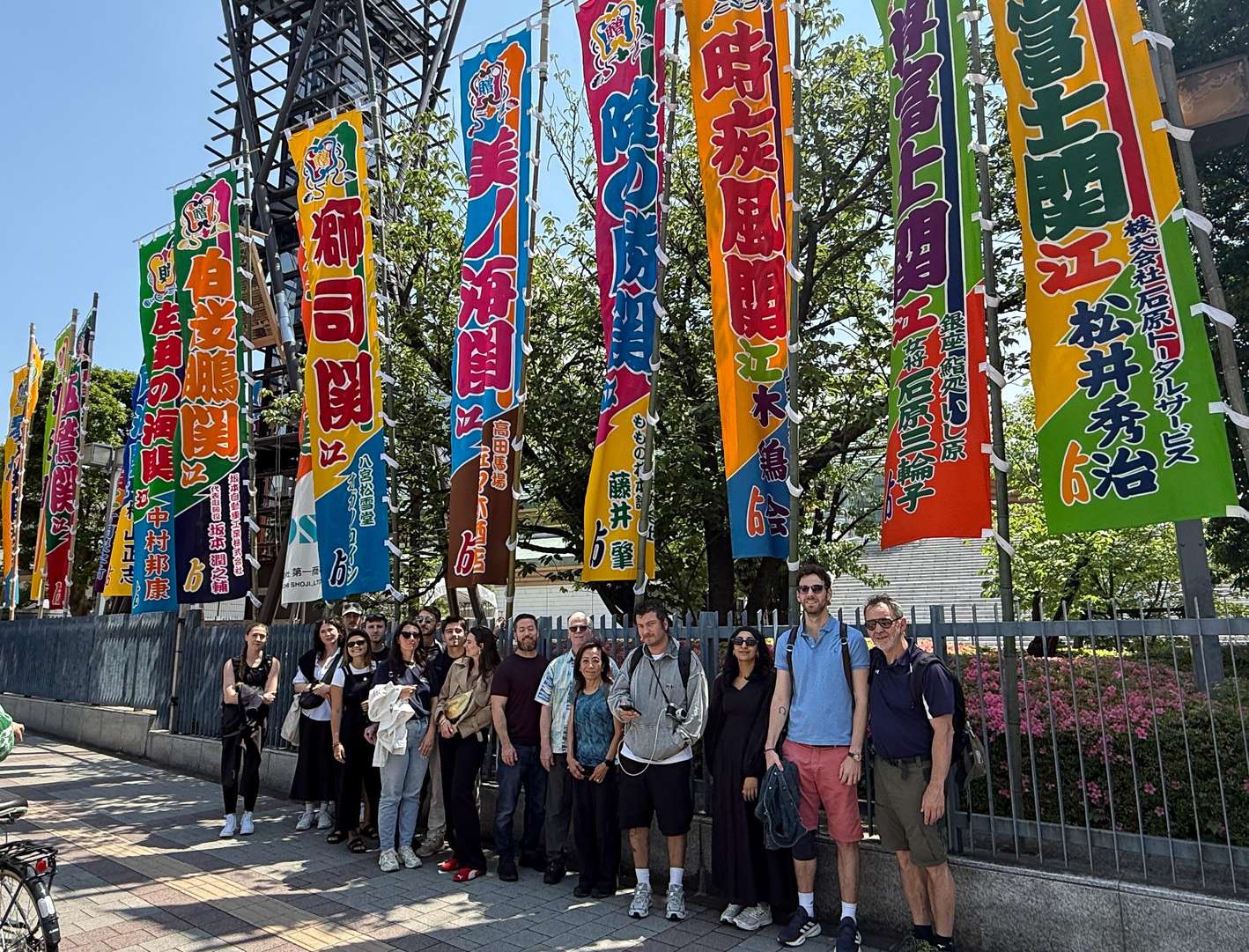
The neighbourhood is the birthplace of professional sumo, and it rewards a slow walk. Ekō-in Temple, where professional tournaments began, is four minutes away, and the Edo-Tokyo Museum is the same distance. The Sumida Hokusai Museum is six minutes on foot.
That list fills a whole morning before an afternoon session, and every stop on it is close enough to walk back in time for the bouts. Pick two or three and leave the rest for a second visit.
On non-tournament days the arena hall itself is shut, and only the Sumo Museum and souvenir shop open, on weekdays only. The museum also closes between exhibitions and over the New Year period.
On tournament days the museum is reserved for ticket holders, so a guided visit on those days focuses on the atmosphere outside the arena instead. A guided Ryogoku walk that includes Ekō-in and the Kokugikan area is a good way to fill a morning before an afternoon session.
A grand sumo tournament is one of the best days you can spend in Japan, but only if you match it to the calendar and the clock. Go for the afternoon and evening, when the top division fights and the arena roars, and stay for the bow-twirling ceremony.
Book tickets the moment they go on sale, because the good seats vanish in minutes. If no tournament lines up with your trip, a morning practice visit or a sumo show keeps the sport in your itinerary.
Tokyo hosts three of the six annual tournaments, in January, May and September, all at Ryogoku Kokugikan.
Read the guide
Osaka hosts the March tournament at Edion Arena near Namba, in the smallest venue on the tour, so tickets vanish fast.
Read the guide
Fukuoka's November tournament runs 15 days at Fukuoka Kokusai Center, and it has sold out on the first day of sales two years in a row.
Read the guideNagoya hosts the July tournament at IG Arena, and every day sold out about seven weeks before the 2026 opening day.
Read the guide
The Osaka Minoh Expo Grand Sumo Tournament was a festival event tied to the 2025 Expo, with 200 wrestlers including yokozuna.
Read the guideTournament tickets go on sale about two months ahead at 10 am Japan time, and good seats can vanish within minutes.
Read the guideEach of the six host cities runs its tournament in a fixed month, with its own venue and ticket race. These pages set out the dates, the seats and what to do when tickets are gone.
Three tournaments a year at Ryogoku Kokugikan, plus shows and stable practice the rest of the time
Tokyo runs three of the six annual tournaments, in January, May and September, each lasting 15 days at Ryogoku Kokugikan. Decent seats can sell out within minutes of going on sale at 10 am.
Chair seats on the upper floor suit most first-timers, and the arena is small enough that even the back rows see the ring clearly.
Outside tournament months the city fills the gap with sumo shows, hands-on experiences and morning practice visits at the stables. Book stable visits about two months ahead, and keep in mind that stables close to visitors when the wrestlers travel to tournaments in other cities.
The March basho at Edion Arena, the hardest tournament ticket in Japan
Osaka hosts the March basho at Edion Arena, a short walk from Namba Station, and its tickets are the hardest in Japan to score. The venue is the smallest of the six in a huge city, sales open about a month ahead, and popular seats go within minutes of the 10 am opening.
If your trip falls outside March, sumo dinner shows carry the city's sumo scene, since morning practice is largely unavailable. Retired wrestlers perform, some shows invite you into the ring by lottery, and several pair the bouts with a bento or sukiyaki meal.
The November tournament at Fukuoka Kokusai Center, sold out on day one two years running

Fukuoka's November tournament at Fukuoka Kokusai Center runs 15 days from the second Sunday of the month, and it has sold out on the very first day of general sales two years running. Book the moment sales open in early September rather than waiting for November.
The local alternative is a guided morning practice visit at a Hakata stable, which runs only during a three-week November window and pairs with a walk through Hakata Old Town. Outside that window the practice tour does not operate, so plan around it.
The July tournament at IG Arena, with all 15 days gone weeks before opening day
Nagoya hosts the July tournament at IG Arena, which replaced the old Aichi Prefectural Gymnasium in 2025. All 15 days of the 2026 tournament were sold out roughly seven weeks before opening day, so set your purchase for mid-May, when sales open.
No sumo tours run in Nagoya outside July, because the wrestlers are only in town around the tournament, from about two weeks before it starts to a week after. If July does not fit your trip, the Osaka and Tokyo shows are the nearest bookable options.
A one-off Expo festival event with 200 wrestlers, outside the official six
The Osaka Minoh Expo Grand Sumo Tournament was a festival event tied to the 2025 Osaka Expo, bringing together 200 Japan Sumo Association wrestlers, yokozuna among them. It sits outside the six official honbasho tournaments, so results there carry no ranking weight.
If you want live sumo in Osaka regardless of the calendar, the city's shows deliver retired wrestlers, audience challenges and meals, and they run all year. That makes them a dependable fit for a trip that does not line up with the March basho.
How to buy tournament tickets from abroad, and which seats to pick first
Grand tournament tickets go on sale about two months ahead, at 10 am Japan time, and good seats can vanish within minutes. From abroad, the official English ticket page takes credit cards only, adds a fee per ticket, and hands tickets over at Seven-Eleven stores in Japan.
When sales close, guided tour packages and Japanese resale sites are the realistic fallback. Decide your seat type before the sale opens: chair seats beat floor boxes for comfort, and even the back rows of the small arenas give a clear view of the ring.
See the full annual schedule and the six host cities, so you can match a tournament to your travel dates.

Get the Tokyo tournament's dates, venue and ticket options in one place before you plan your day at the arena.
Pin down the Osaka venue and March schedule, and judge how tightly the smallest tournament venue fits your trip.
Check Fukuoka's November venue and schedule, and decide whether the Kyushu tournament works for your itinerary.

Work out how Nagoya's July tournament tickets and venue fit your plan, with the practical details laid out plainly.

Understand what the Minoh Expo Tournament in Osaka actually is and how to watch sumo at this one-off event.

Map out every place in Japan where you can watch sumo, from tournaments to stables and shows, city by city.

Compare Tokyo's live viewing options, guided and otherwise, and pick the kind of sumo day that suits you.

See how Osaka's sumo shows and venues differ, so you can answer the simple question of what to watch there.
Find out where to watch sumo in Kyoto and which experiences run there, even without a local tournament.
Turn a wish to watch sumo in Fukuoka into a concrete plan, including real morning practice with a guide.

Get a direct answer on watching sumo in Sapporo, what the local show involves and when it runs.

Compare the kinds of sumo experience, from watching a show to joining in, before you commit to one.

Picture a sumo outing at Lake Yamanaka with Mt Fuji behind the ring, and see what visitors can actually do there.

See how sumo classes in Tokyo and Osaka differ, from basic drills to challenging a wrestler in the ring.

Learn how a guided Tokyo stable visit works, what morning practice looks like and which tours run it.

Find out how dressing up in sumo attire fits into a Tokyo outing, and which shows include it.
Go deeper into sumo's traditions with a Tokyo masterclass that explains the culture behind the sport.
Identify the sumo venue you mean by name and get its location and visitor details in one place.

Check the Osaka venue's location, opening pattern and show options before you build an evening around it.

Get the Ryogoku location and visitor details for the Tokyo venue, so you can judge whether it fits your day.
See what a guided tournament-viewing tour includes and whether it suits the way you want to watch.

Get a clear answer on how well a Nagoya tournament tour fits your July plan before you book anything.

Work out whether an Osaka tournament tour with tickets matches the viewing day you have pictured.

See whether a Tokyo tournament-viewing tour gives you what you want from a day at the Ryogoku arena.

Find out where in Japan you can watch real morning training and how a guided visit works.

Turn an interest in Tokyo morning practice into a real visit, with the guided options compared.

Understand the difference between real Osaka training and a staged show, then choose with confidence.

See what watching practice in Kyoto involves and decide between real training and a performance.

Compare sumo shows by city and content, from comedy-led performances to meals with the bouts.

Find a Tokyo sumo evening with premium food and drinks, and see which deluxe format is worth choosing.

Weigh Tokyo's sumo shows by location, seating and food, and book the live experience that fits.
See which Osaka sumo shows and restaurant options run, and pick the evening that suits your trip.

Get the direct answer on whether Kyoto has a sumo show, and what the venues there include.

Check what the Sapporo sumo show offers, from food to showtimes, before adding it to a Hokkaido trip.

Compare Tokyo's sumo hall options with venue details, so you can choose a show with confidence.

Confirm what a sumo show in Ryogoku includes and whether it matches what you want to see.

See what a sumo show at Tokyo Tower involves, from live bouts to a Japanese meal and photos.
Find a Tokyo outing that combines a live sumo show with a chanko nabe lunch in one booking.
Turn a sumo-themed dinner idea in Osaka into a specific evening you feel good about booking.

Compare every way to watch and try sumo across Japan's cities and pick the experience worth your time.
Get practical answers on sumo timing, match length and rules for Tokyo, so watching fits your plans.
Plan around the Tokyo sumo museum's hours and see what sumo museum options exist in other cities.
Explore Tokyo's sumo district and find out how to experience the neighborhood with real context.
The questions visitors ask most about how a tournament works, how long the day runs and what to expect in the arena.
Two ways: push the opponent out of the ring, or make any part of his body other than the soles of his feet touch the ground. There are 82 officially recognized winning techniques.
Closed-fist punches, finger pokes, kicks to the chest or belly, grabbing hair or throat, and bending back fingers are all prohibited. If a wrestler uses one, the referee stops the bout immediately and the other wrestler wins.
There is no whistle. Watch the wrestlers' fists: the charge begins when both put their hands down on the ring together, and the referee calls "Hakkeyoi!". If one jumps early, the start is restarted.
About ten hours. Doors open at 8 am, the lowest-division bouts begin around 8:30 am, and the day closes with the bow-twirling ceremony around 6 pm. On the last three days everything shifts about 30 minutes earlier.
The makuuchi ring entrance runs around 3:45 to 4 pm, with top-division bouts from about 4:15 pm and the top-ranked matches from 5:30 pm. The arena is fullest and loudest in those final hours.
Only if you want to watch young, lower-ranked wrestlers in a near-empty arena. Most locals come for the afternoon, and the last two to three hours carry all the atmosphere. Leaving before the main event wastes your ticket.
Top-division wrestlers fight once every day of the 15 days. Lower-ranked wrestlers have only seven bouts across the tournament, so they appear roughly every other day.
Yes. Kids can shout along with the crowd, and the mid-day break features comedy and chances for children to dress up in the ring. A tournament is a far better fit for families than a silent stable practice visit.
Follow the crowd on when to cheer and when to stay quiet; the arena falls strikingly silent right before each match. Stay off your phone during bouts, never throw your cushion into the ring, and stay to the end for the bow-twirling ceremony.
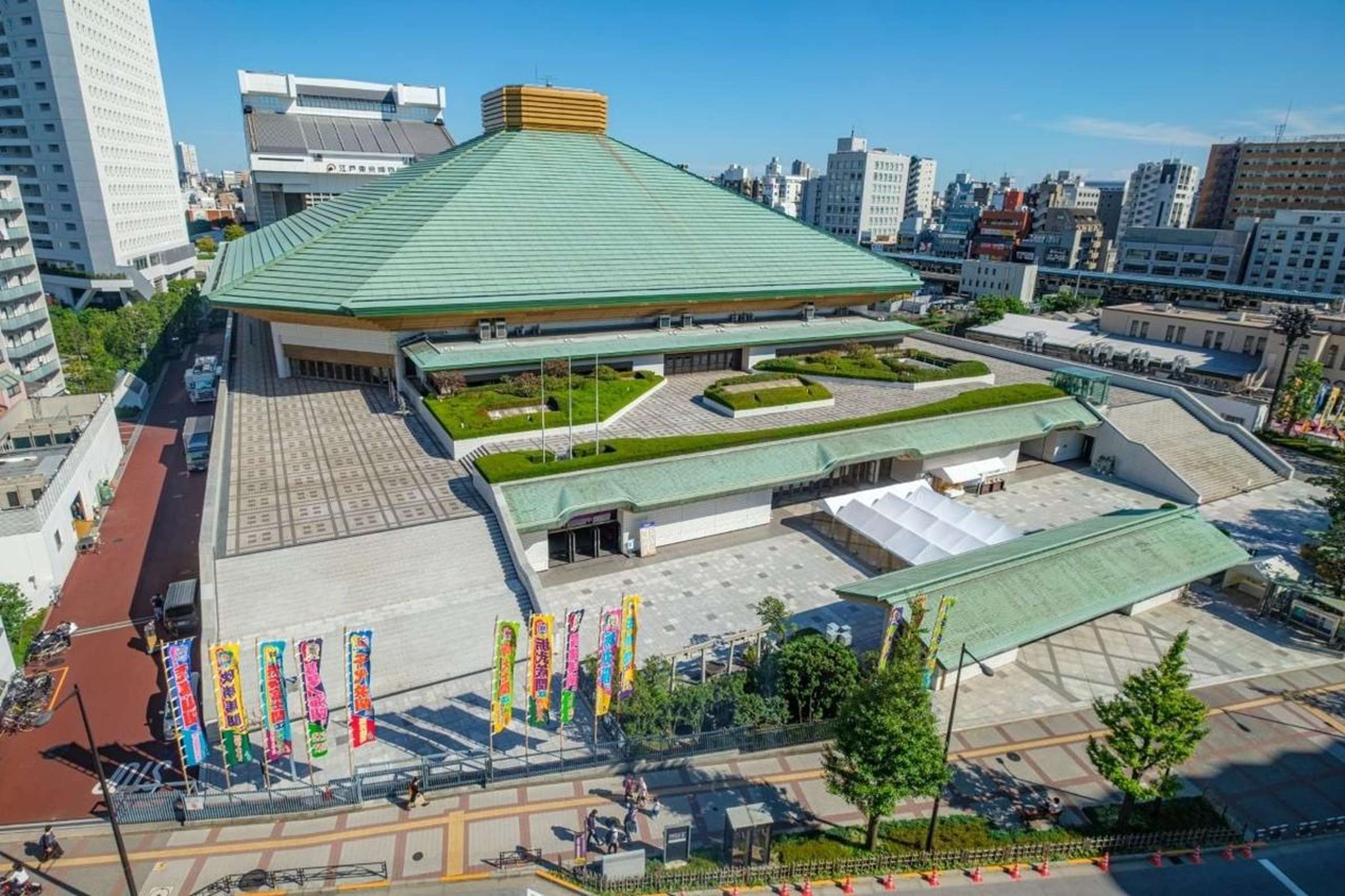
Walk sumo's home district with an expert English-speaking guide, see the Kokugikan and Sumo Museum, and finish with a chanko nabe lunch, with free cancellation up to 24 hours ahead.