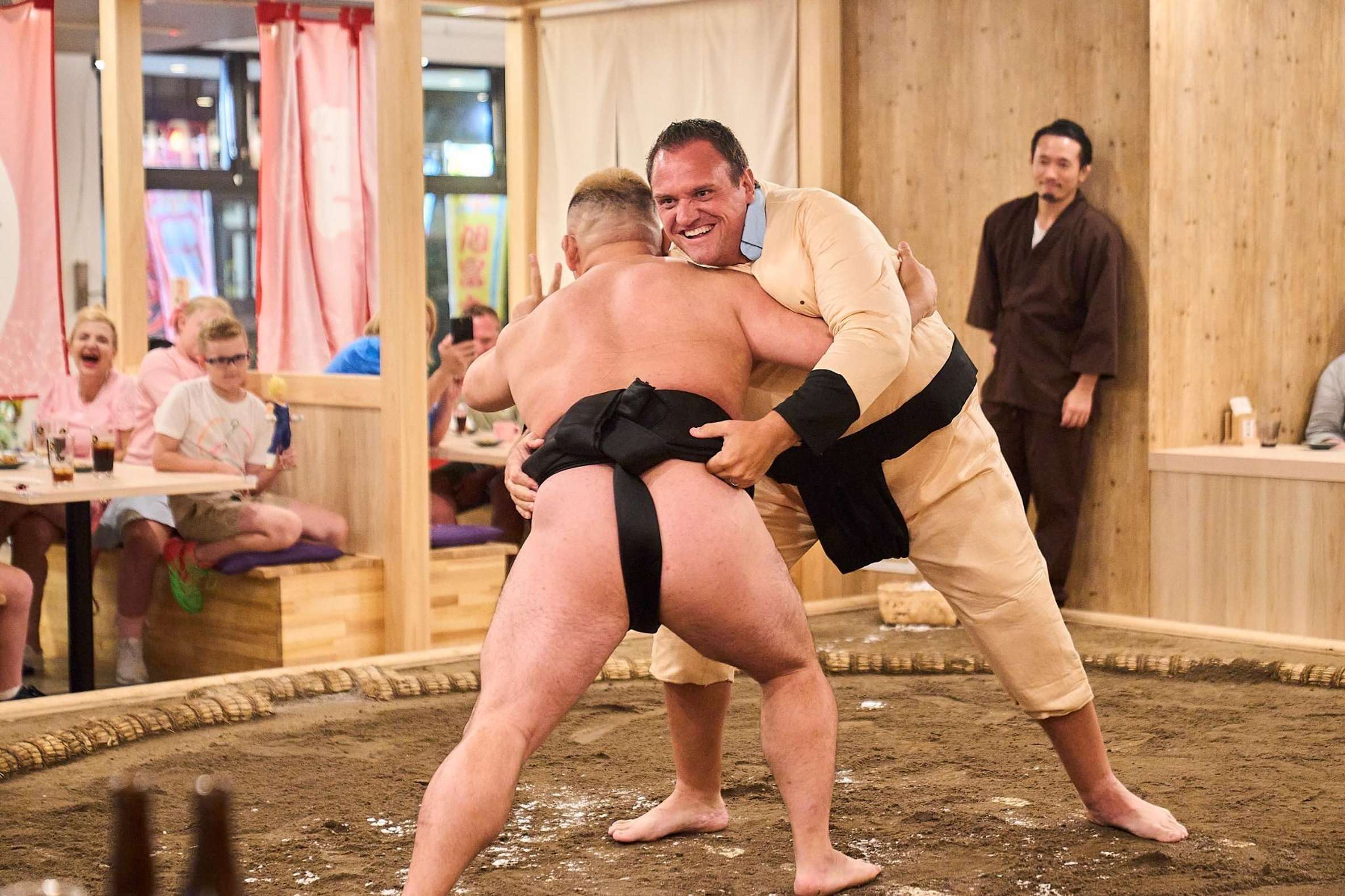
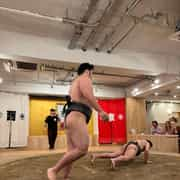
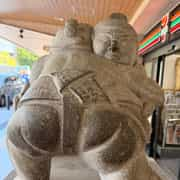
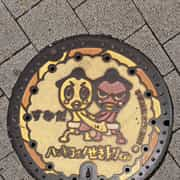
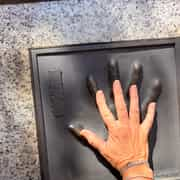
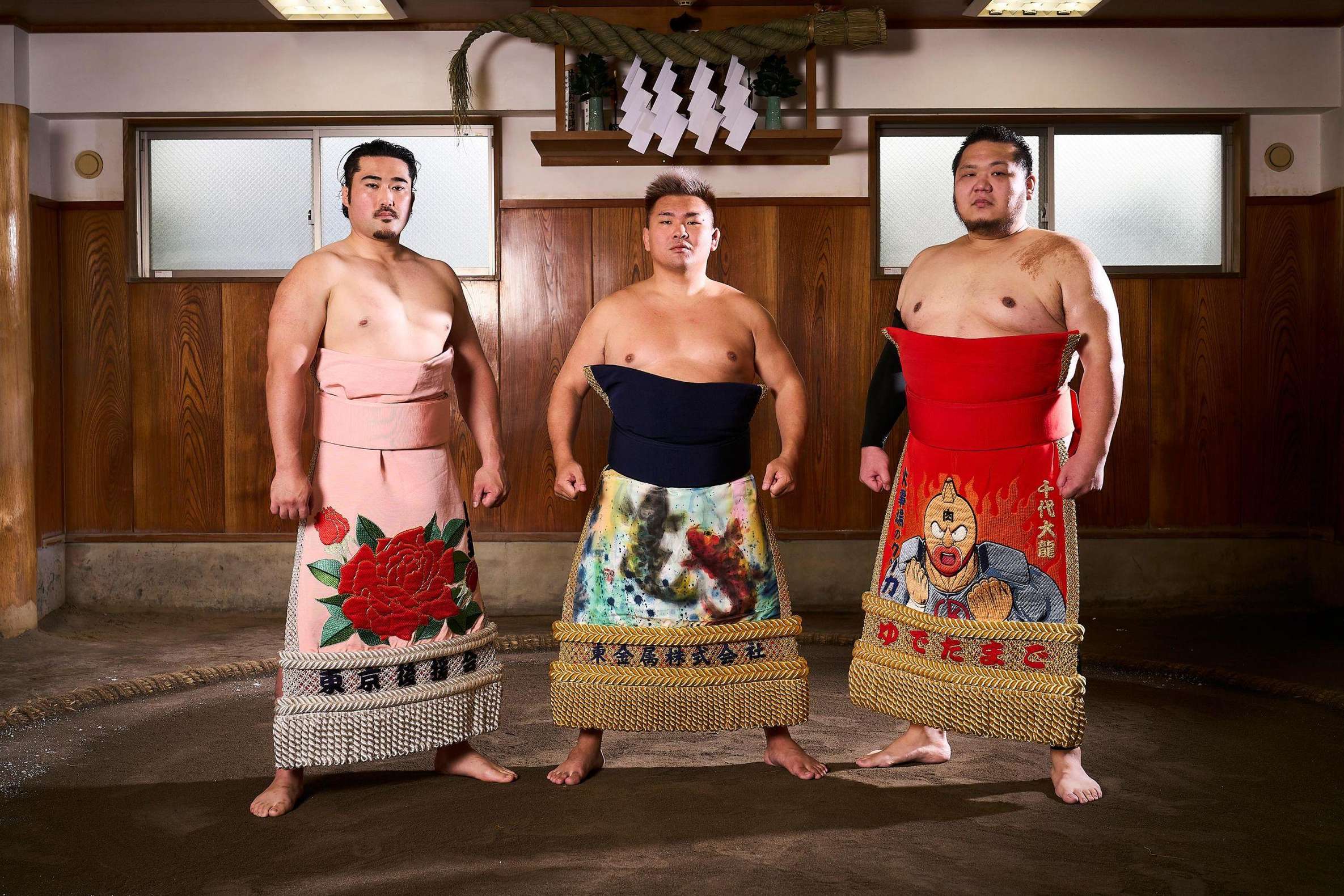
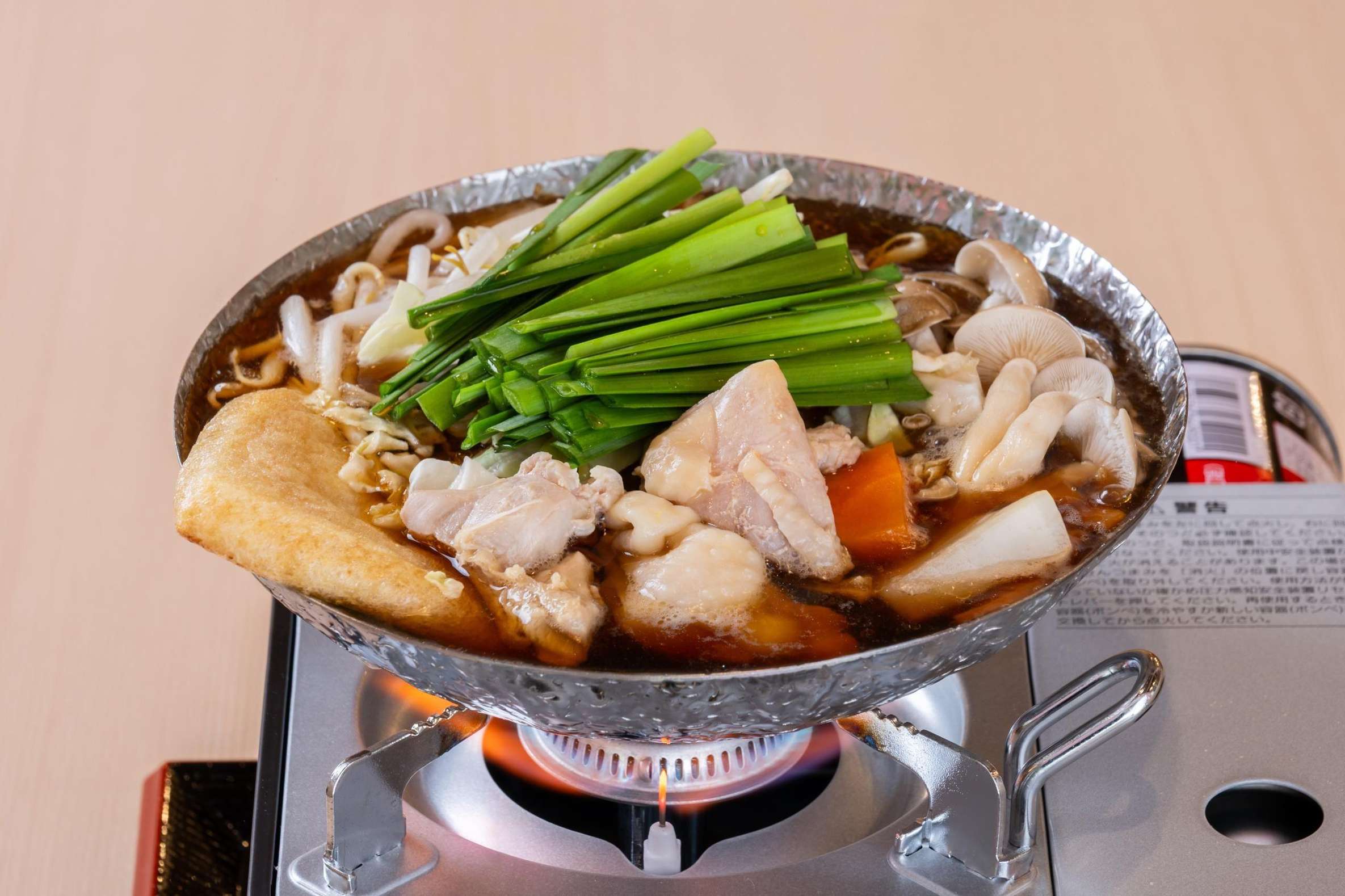
Book a sumo show in Ryogoku and watch real bouts from beside the ring, then eat chanko nabe with the wrestlers and pound mochi alongside them. Two stops from Akihabara, this is the closest you will get to sumo without a tournament ticket. Reserve your seat at the dohyo today.
4.9★average rating752traveler reviews100%free cancellation20countries travelers came from
Sumo show in Tokyo's Ryogoku - which one to book
Ryogoku gives you two ways to spend a sumo day: a live show where you eat chanko nabe, pound mochi and step onto the ring yourself, or a guided walk through the sumo district that ends with the same wrestler's stew. The difference is watching and doing versus walking and learning.
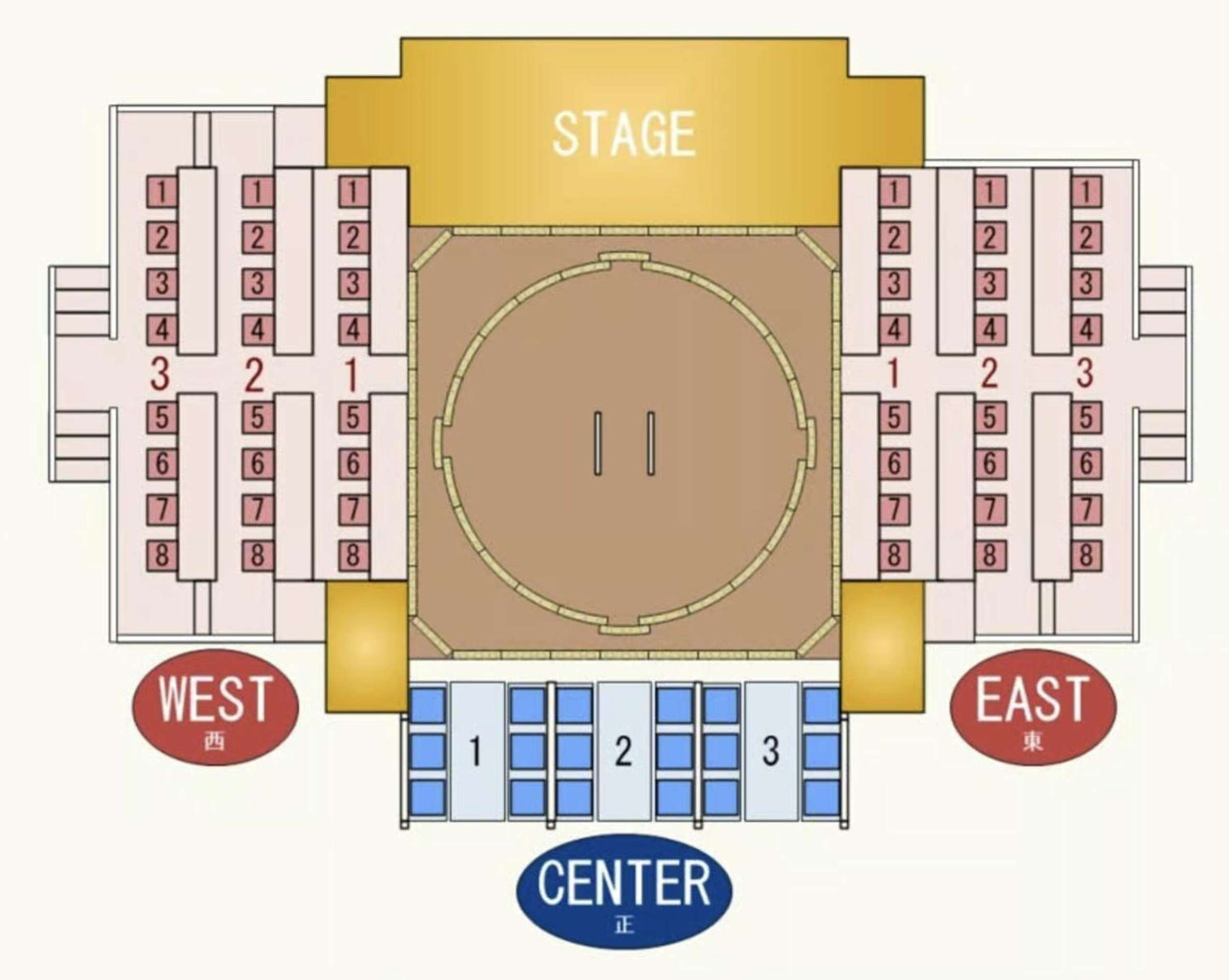
SeatsAt the chanko nabe and mochi show, the venue assigns seats and you cannot request a specific one.
KidsThe Ryogoku show welcomes children, and box seats seat up to six, including a child on a lap; standard seats need a booking for the exact number of people.
AccessThe Ryogoku show and the history tour are both not suitable for wheelchair users.
LanguageThe Ryogoku show runs in English and Japanese, and the history tour runs in English and German.
MuseumThe Sumo Museum inside the Kokugikan is part of the history tour on non-tournament days; on tournament days it is reserved for ticket holders, so the tour covers the arena's outside atmosphere instead.
MealsThe chanko nabe show offers vegetarian, vegan and gluten-free meals if you ask at least two days ahead; halal cannot be provided, but you may bring your own food.
TicketsNeither the show nor the history tour includes grand sumo tournament tickets.
Getting thereRyogoku is two stops from Akihabara by train, and the show venue is a few minutes' walk from Ryogoku Station.
ExpectationsThe Ryogoku show is an entertaining experience with retired wrestlers, not serious morning training, and it suits adults and children alike.
accessThe Ryogoku sumo show venue is not suitable for wheelchair users, and standard seats require booking the exact number of guests, including children.
Book a box seat if you want to hold a child on your lap, and if you have limited mobility, share your access needs with the operator in advance so they can advise what is possible.
Sumo show Ryogoku - two ways to book it
The full show
1 - 2 hours·English, Japanese
4.8(746)
Tokyo: Sumo Wrestling Experience with Chanko Nabe & Mochi
The only Ryogoku option that pairs live sumo with chanko nabe and mochi pounding, and it draws the bigger crowd of the two.
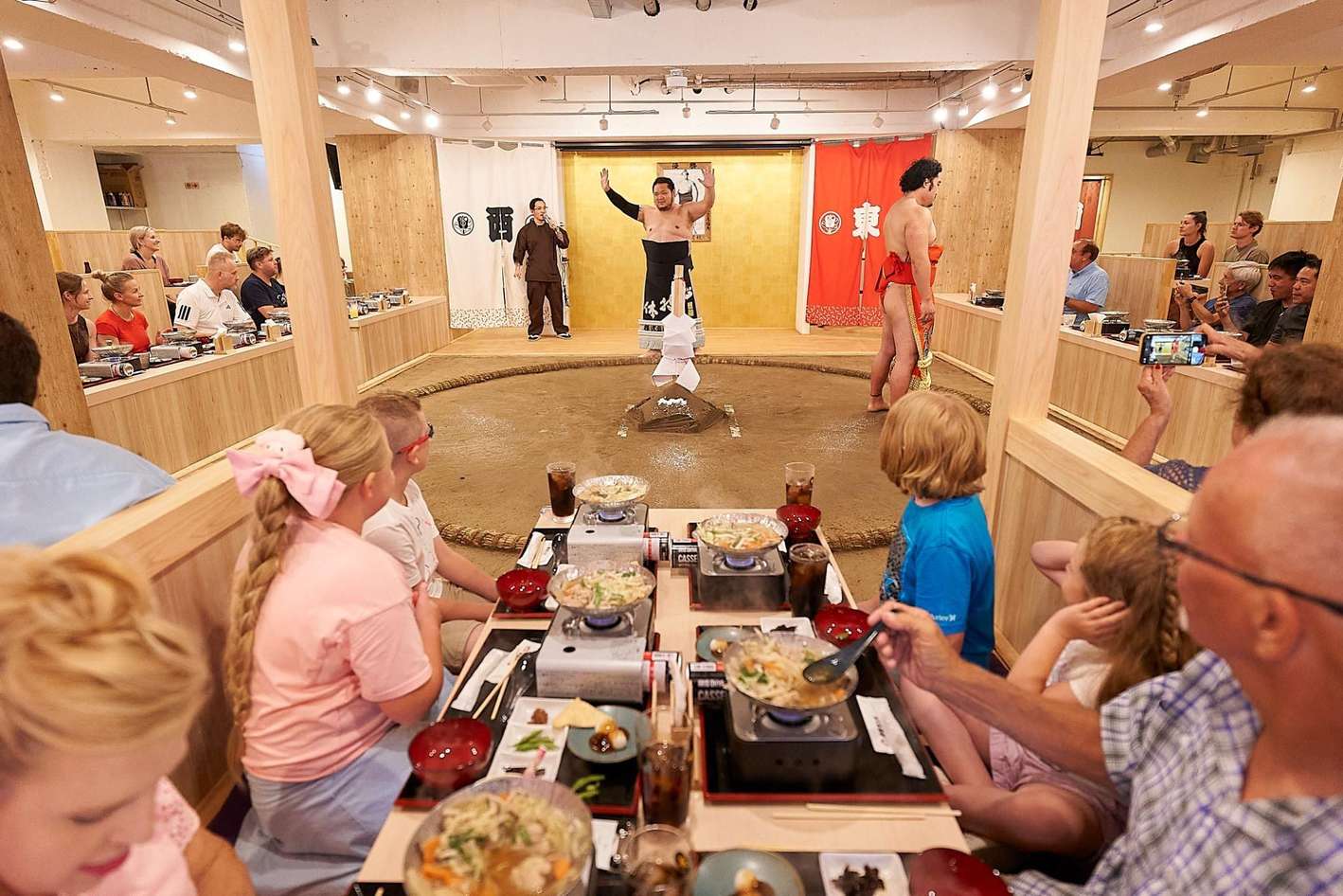
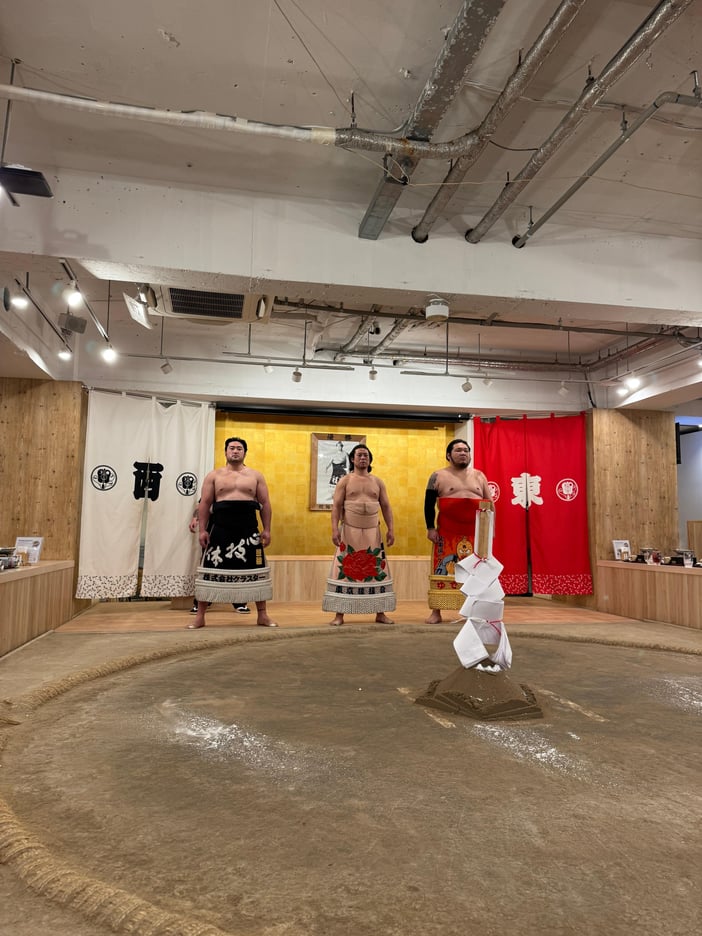
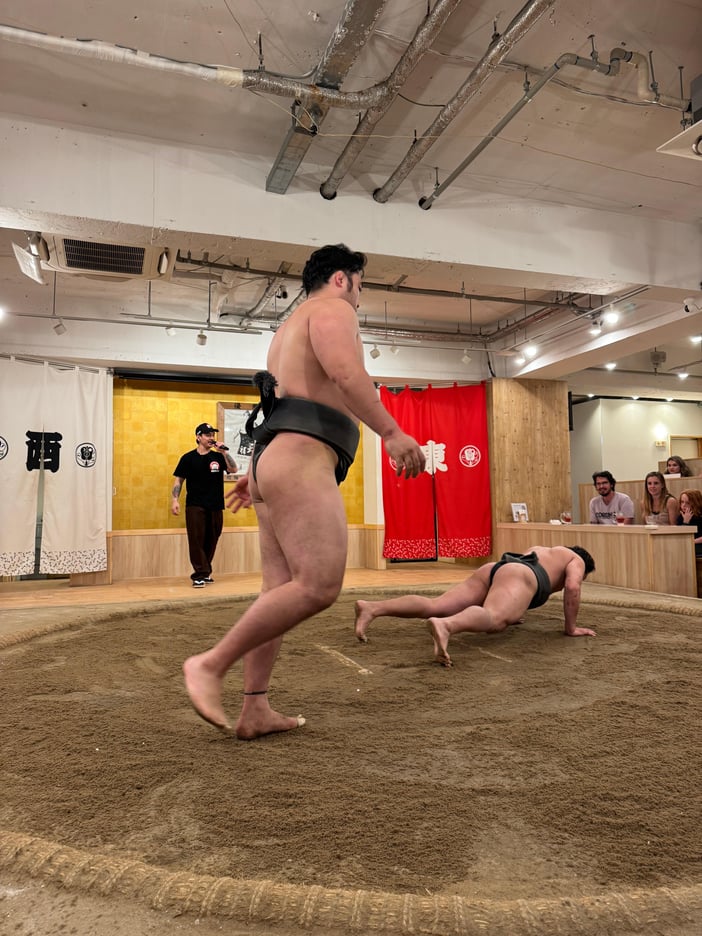
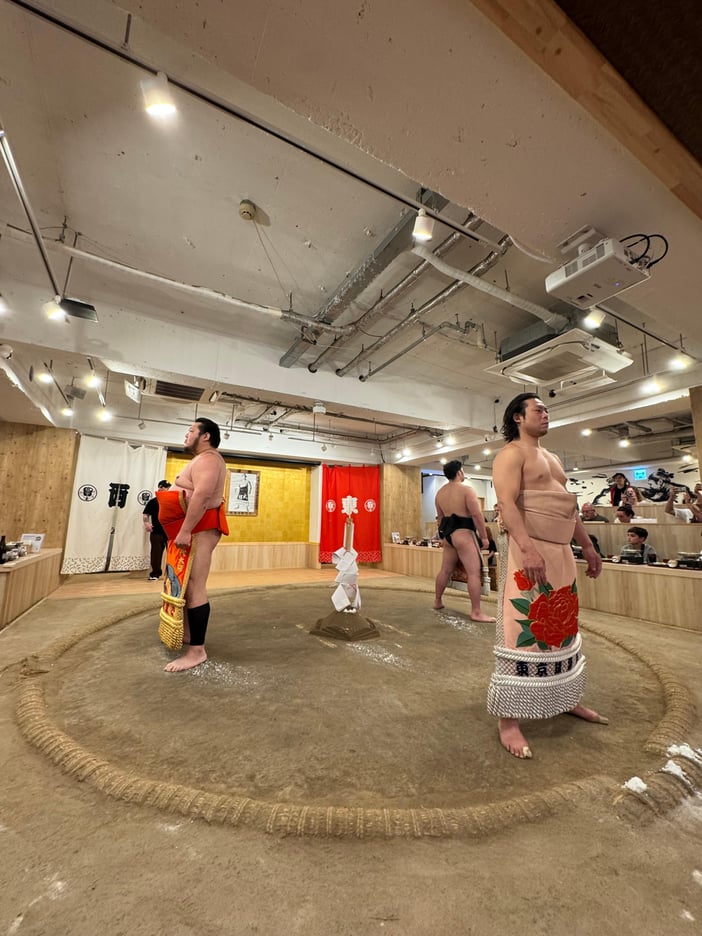
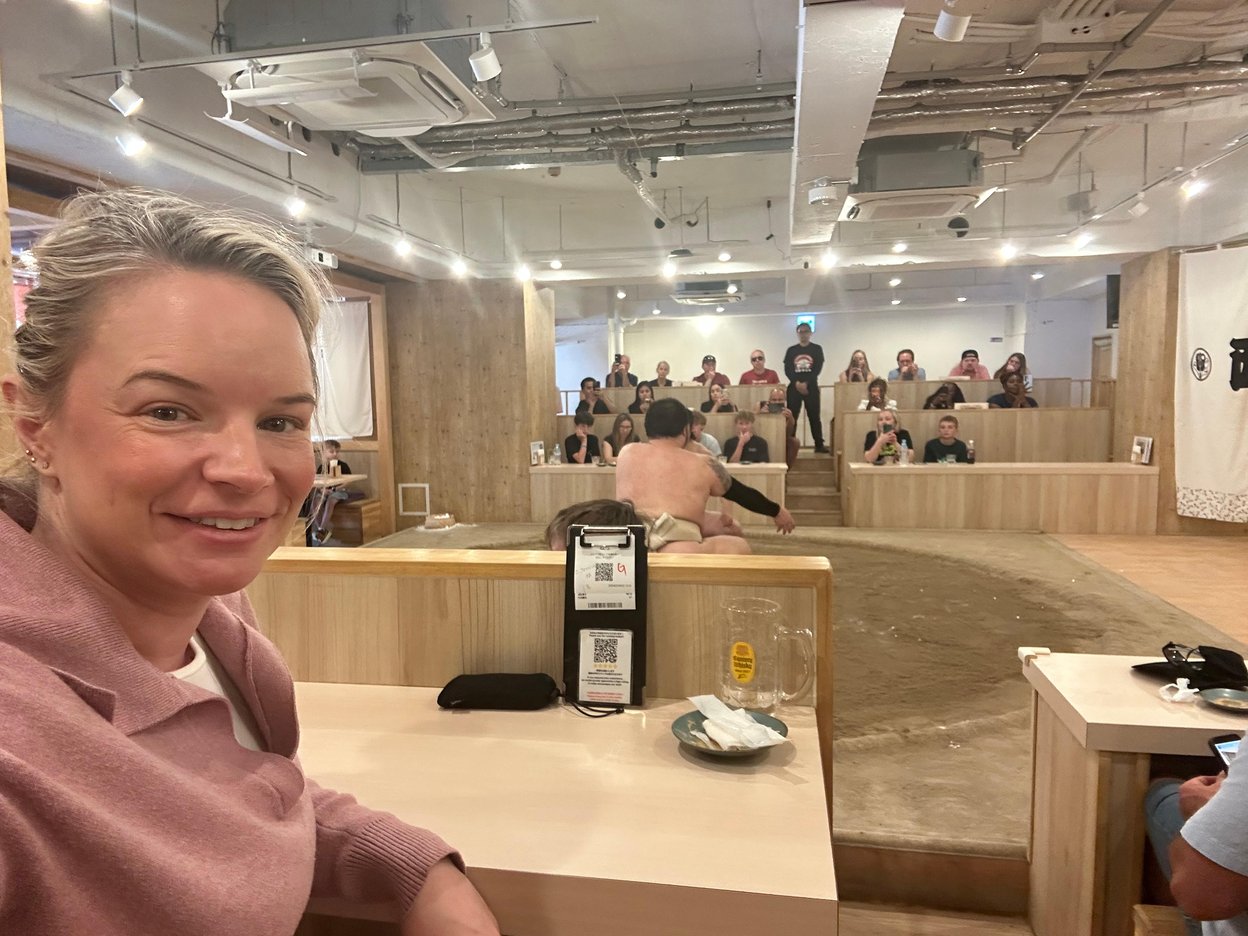
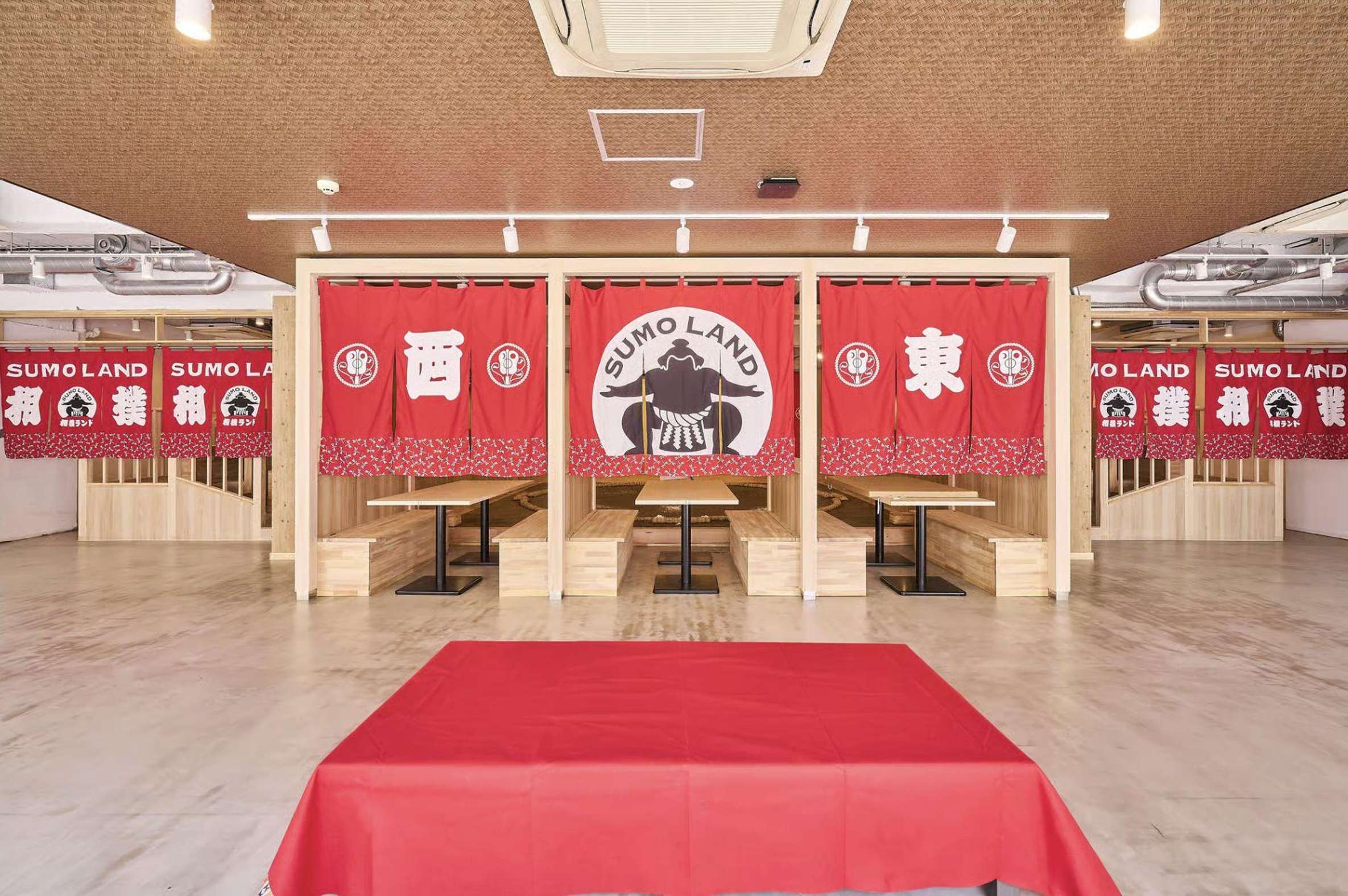
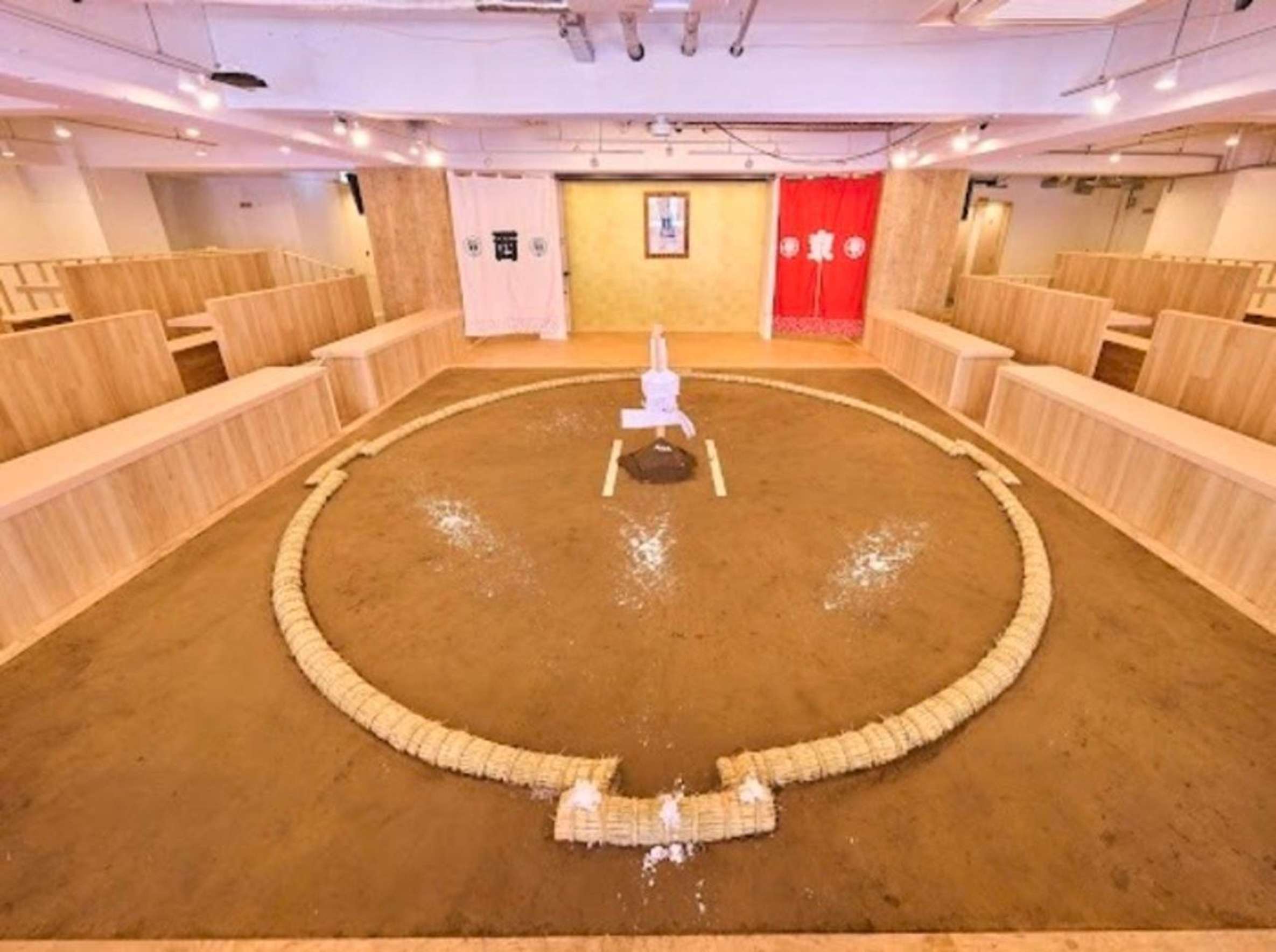
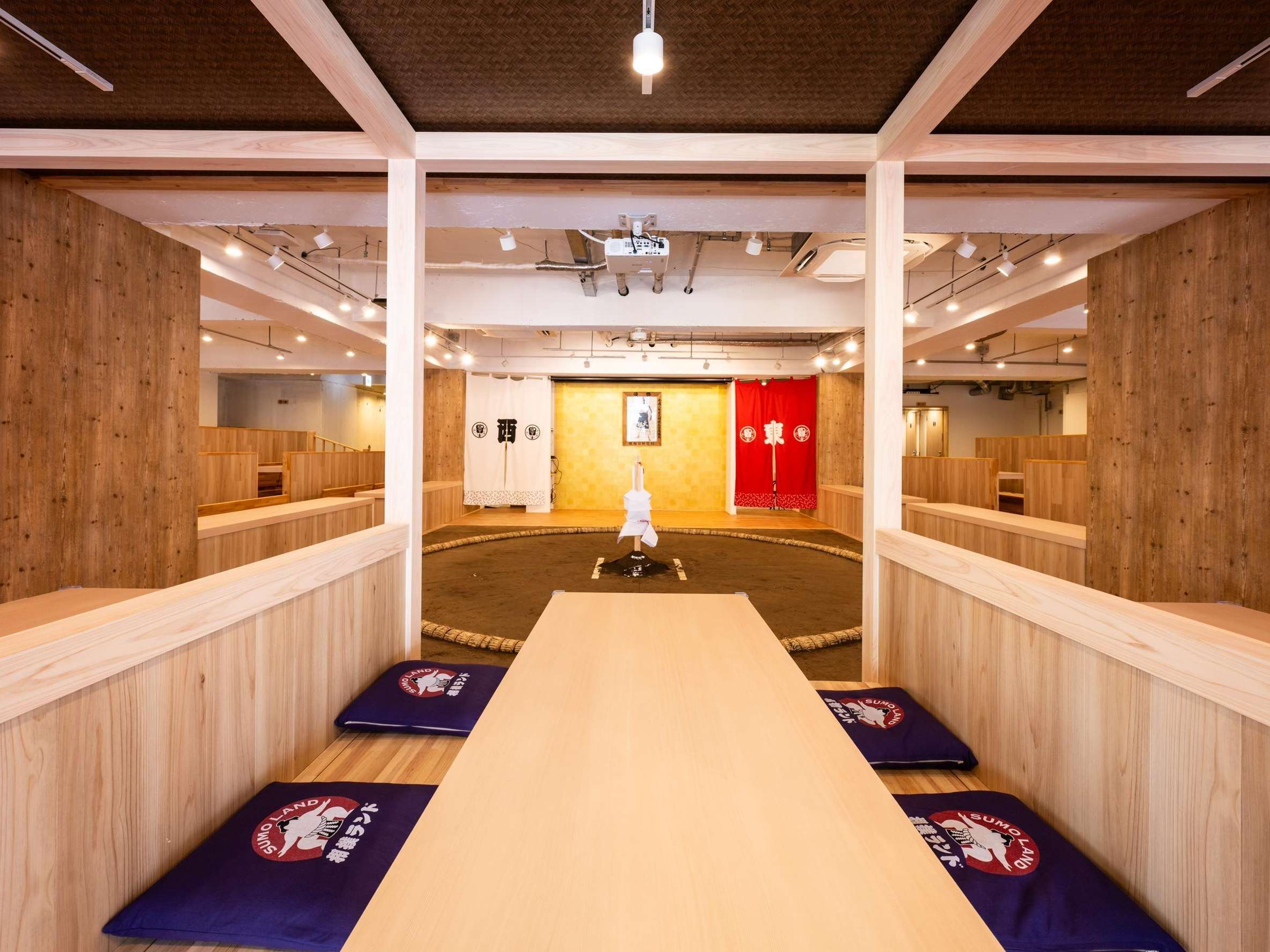
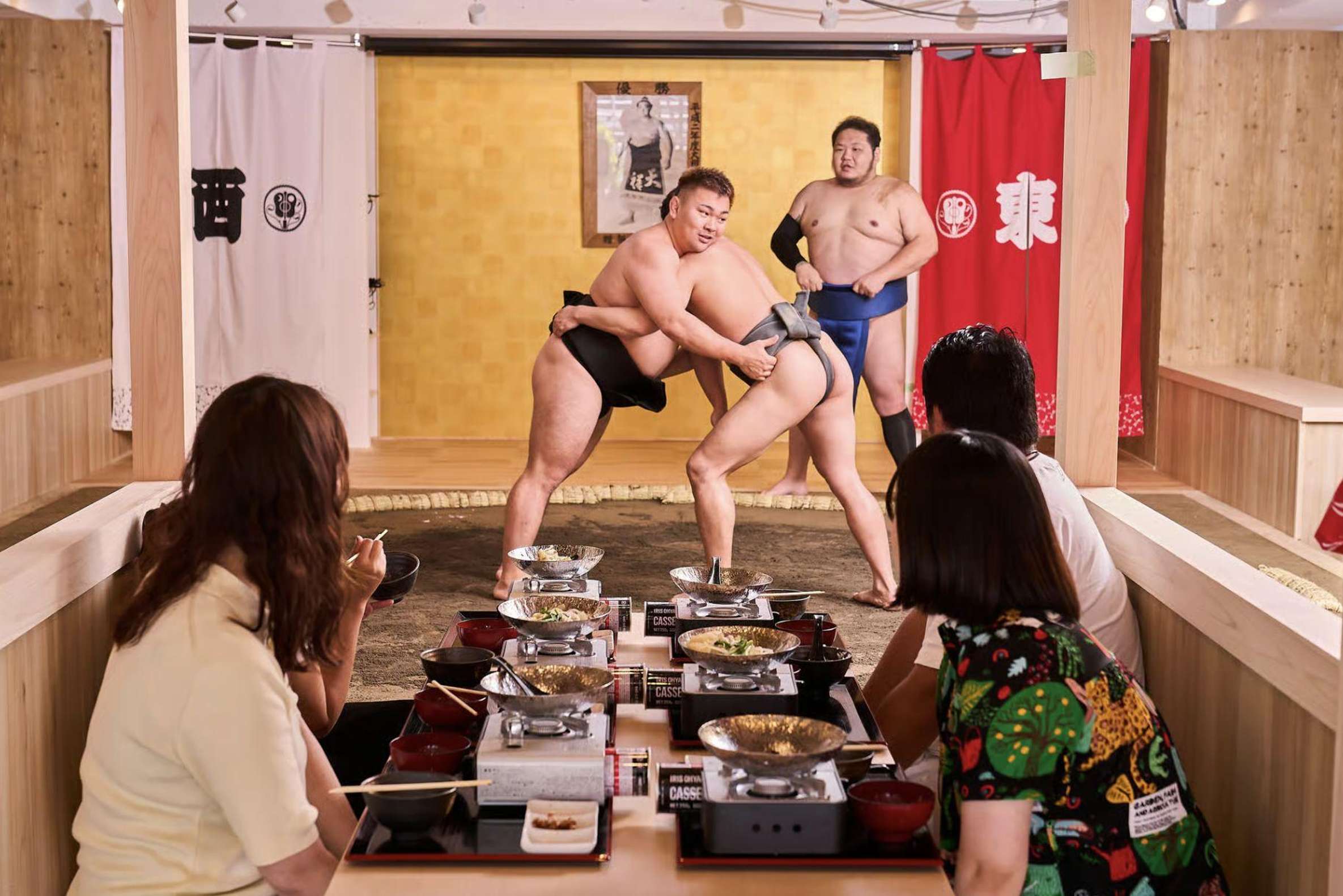
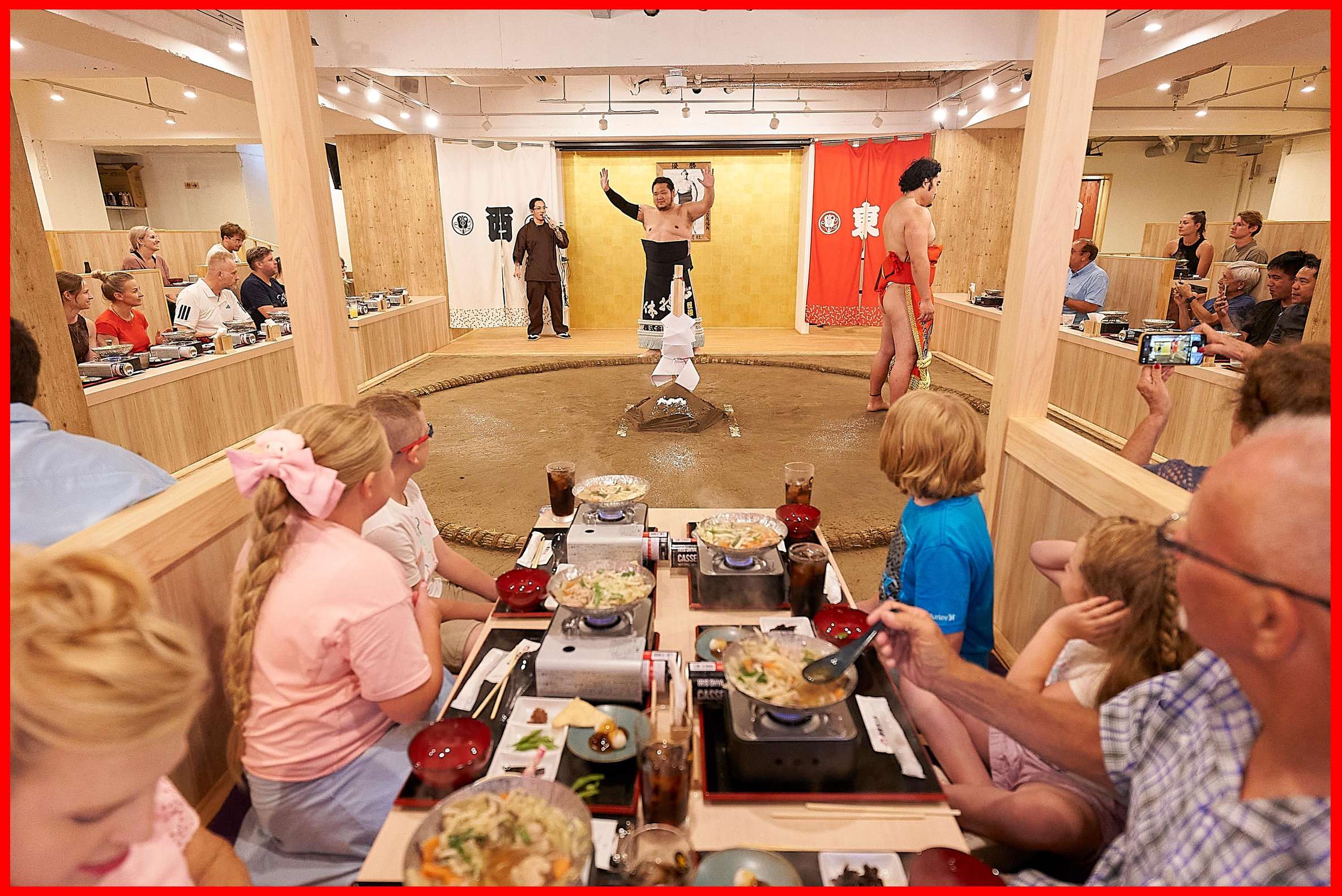
The main sumo show in Ryogoku seats you around a real dohyo, a few minutes' walk from Ryogoku Station, while former wrestlers throw each other across the clay in front of you.
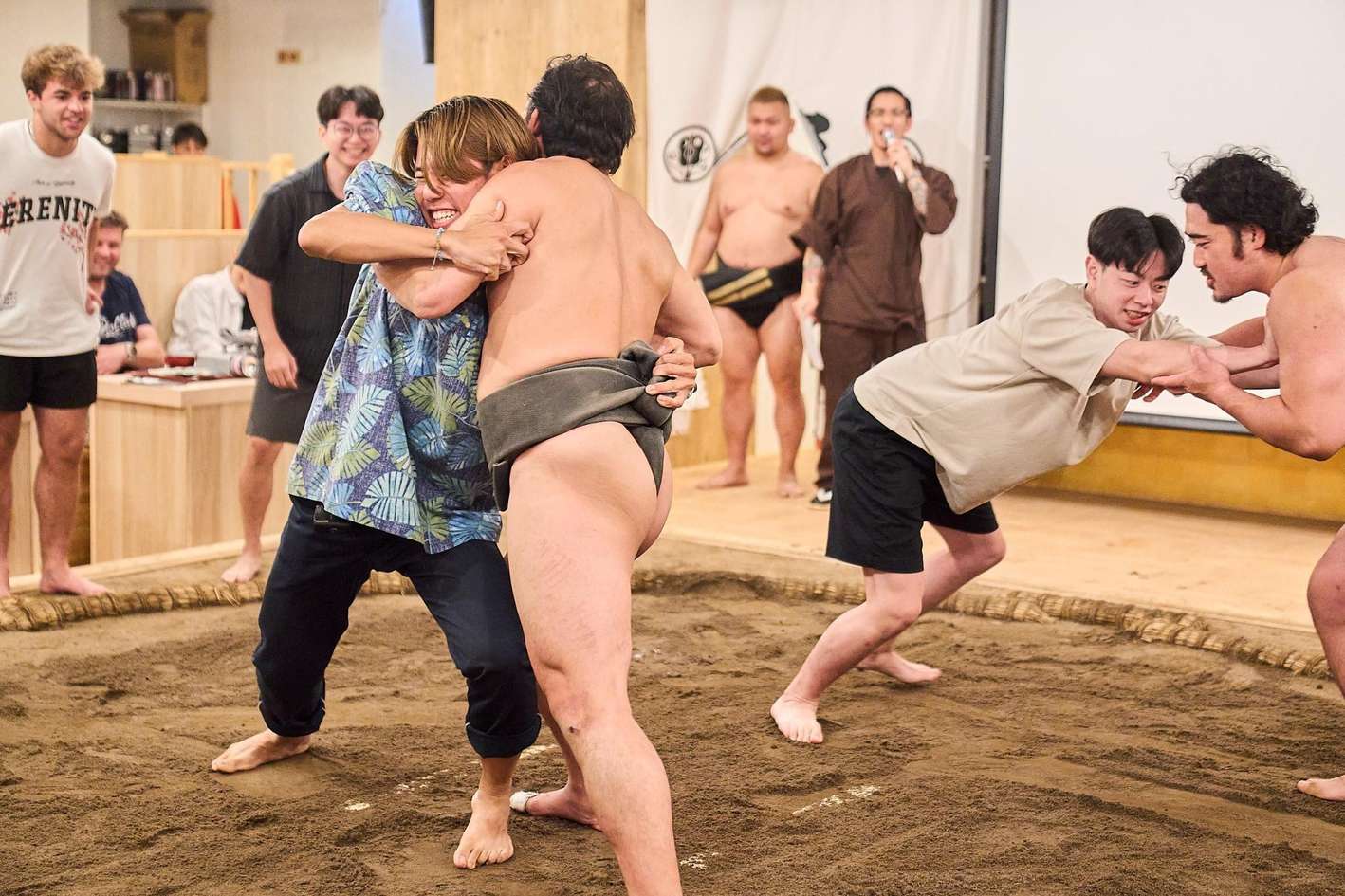
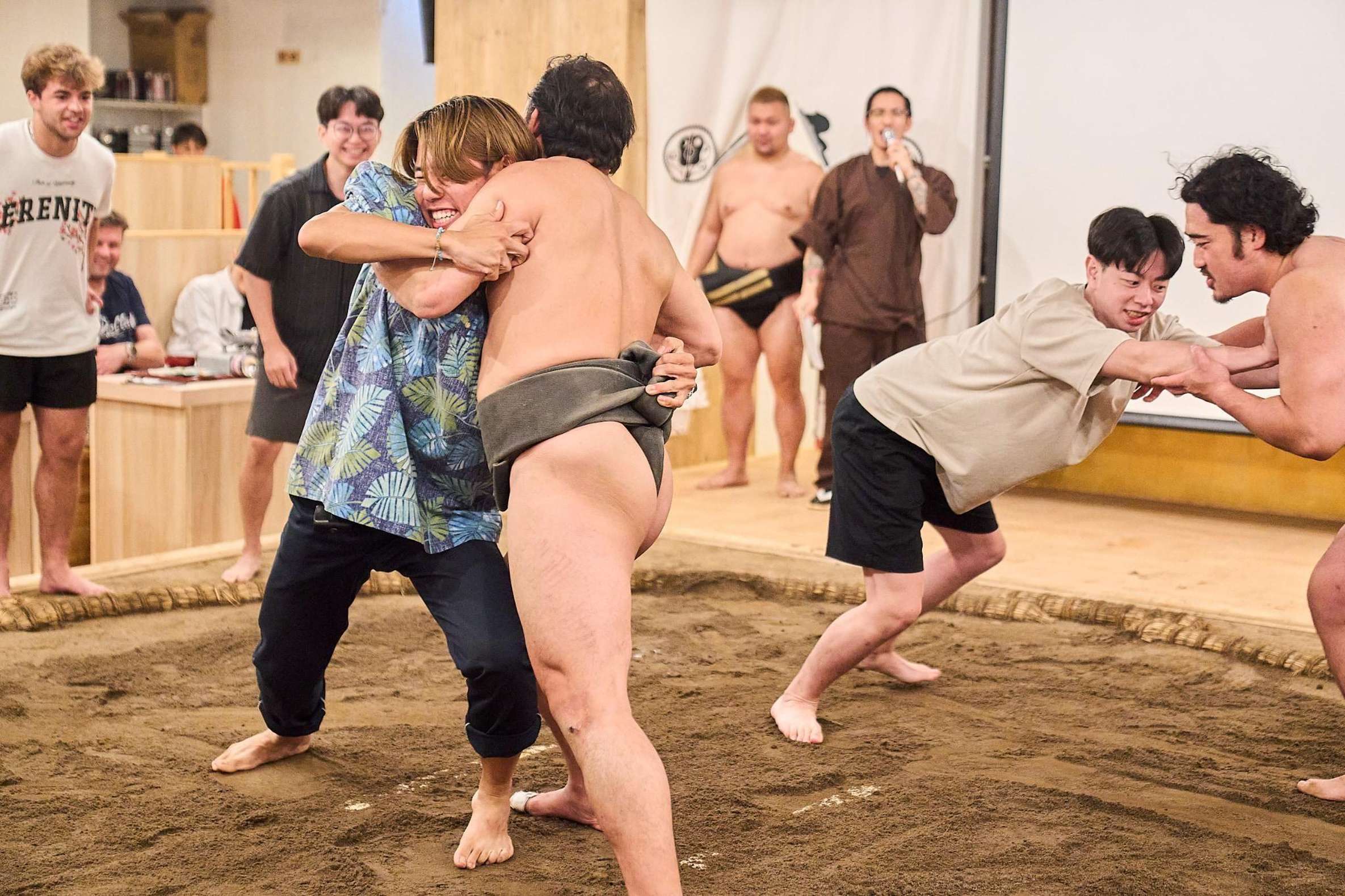
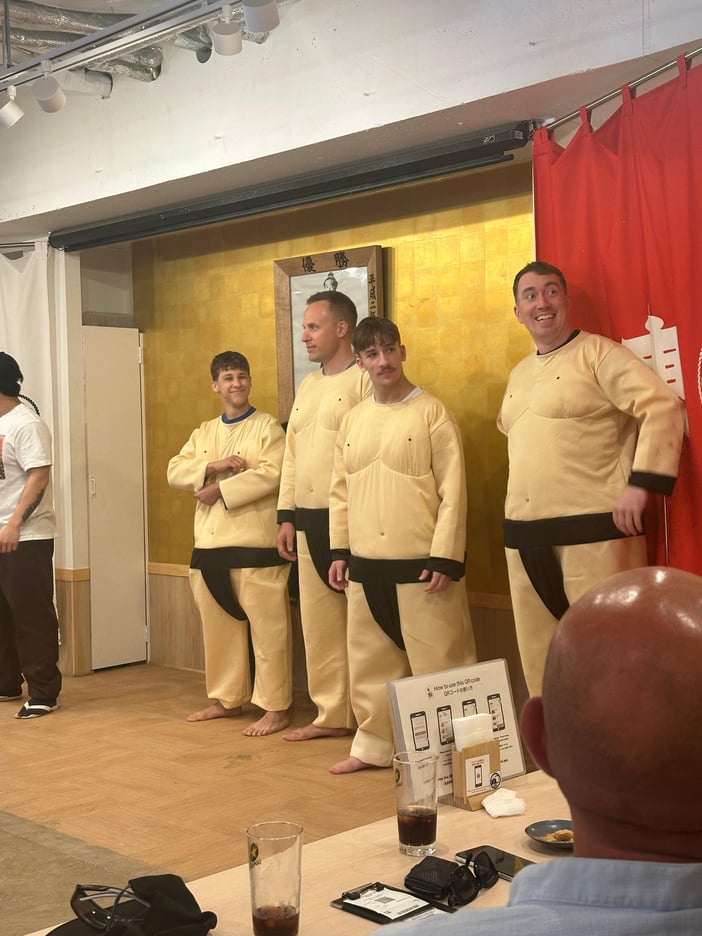
Between bouts a host explains the rules, the rituals and the history, and you can step onto the ring yourself and try a match.
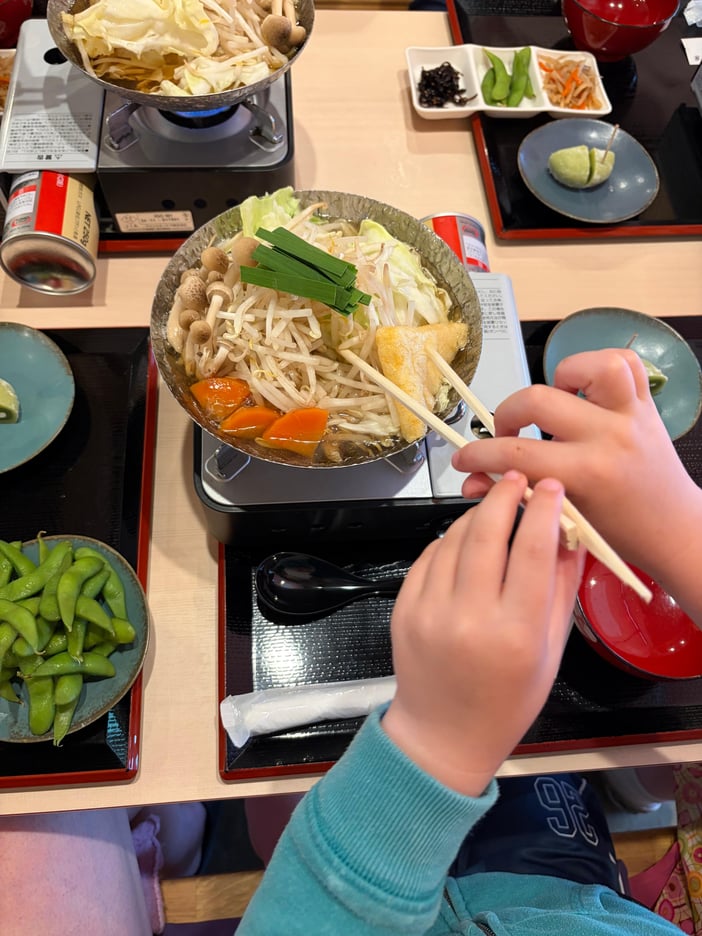
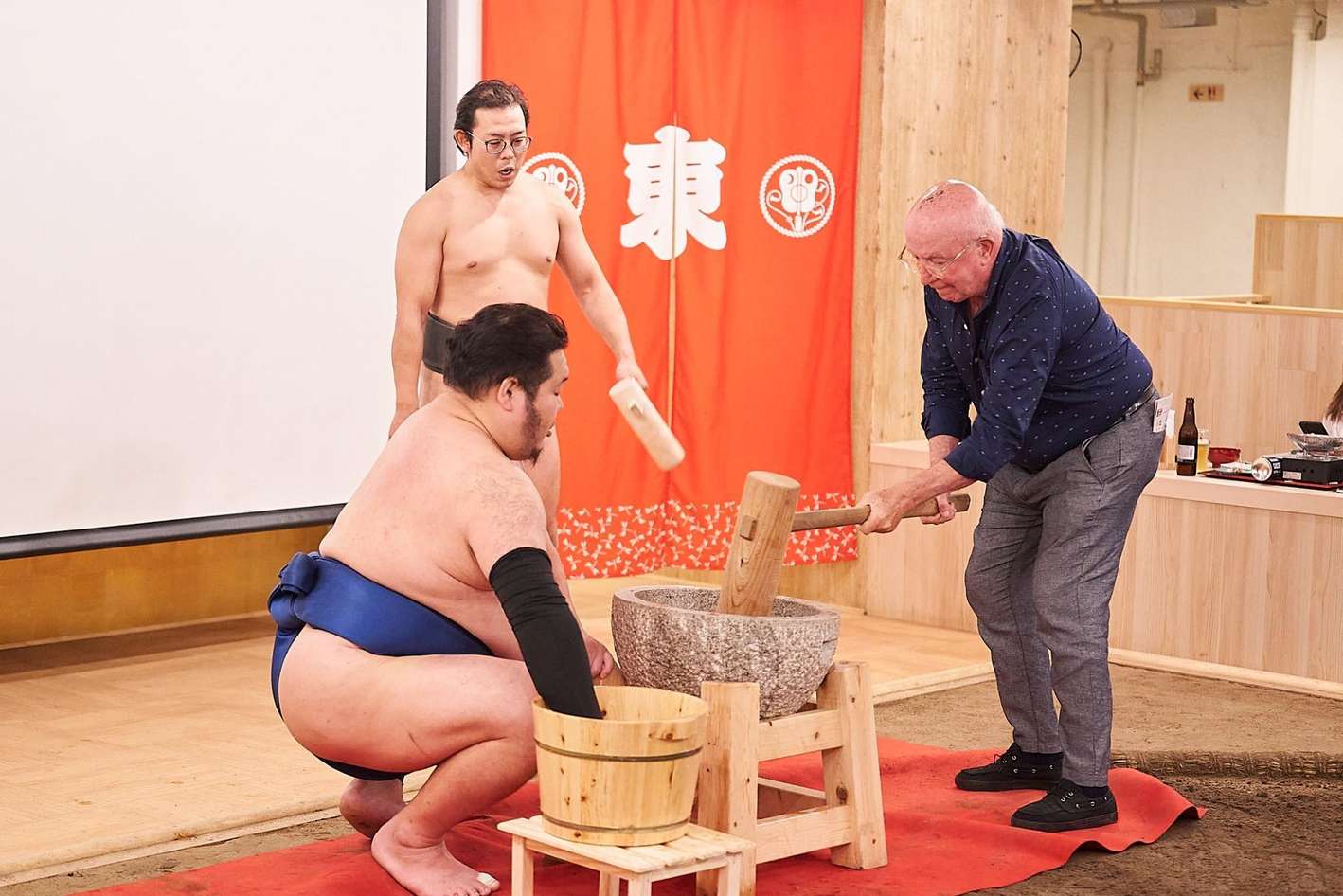
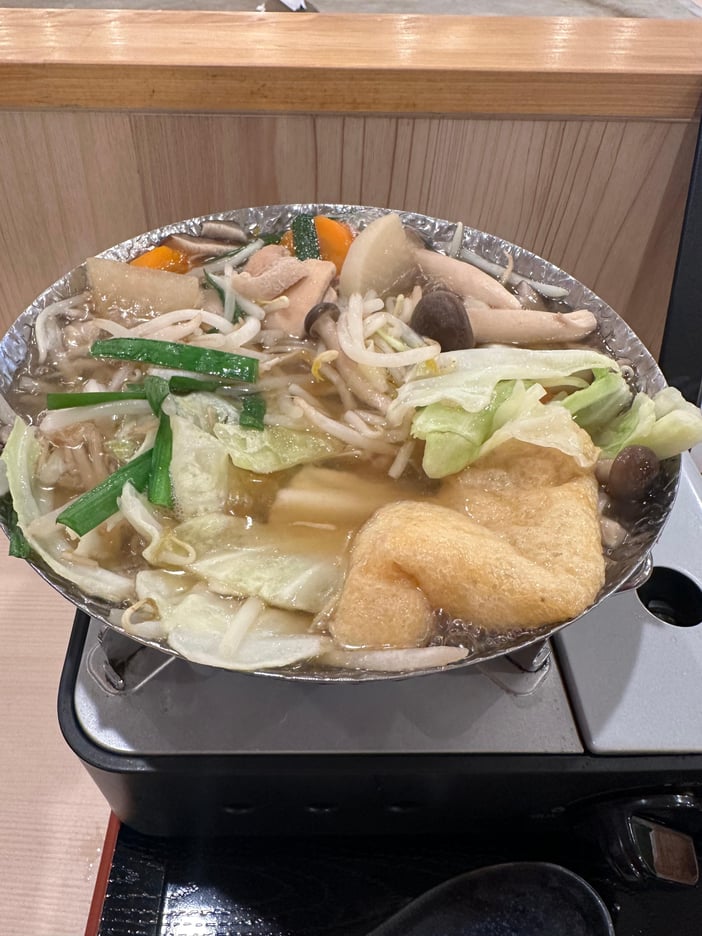
Food is part of it. You eat chanko nabe, the hot pot wrestlers live on, its flavor supervised by wrestlers from a working stable, and you can join the mochi pounding, swinging the wooden mallet with the wrestlers before the sweetened result arrives as dessert.
The whole thing runs one to two hours depending on the option you pick, and the shorter version skips the meal.
Included
Dynamic sumo experienceChanko nabe mealMochi making experienceSumo wrestling experience
Choose a date, then pick the session that fits your day: the full show with chanko nabe and mochi runs about two hours, and there is a one-hour early-morning option without a meal if your afternoon is already booked.
Pro tipThe one-hour no-meal option suits travelers with plans later in the day, since the full experience takes about two hours.
RecommendedArrive a little early so you are settled before the show starts.
02
Choose the right seating option
Standard seats put you around the ring with the meal and mochi included. Box seats hold up to six guests at one group rate, and unlike standard seats they are safe for sitting with a child on your lap.
Common mistakeBooking standard seats for a family with a small child on your lap. Reserve the exact number of people for standard seats, or take a box seat instead.
Pro tipBox seats are priced the same for up to six guests, so a group of four to six often pays less per person.
03
Sort dietary needs before you pay
Vegetarian, vegan and gluten-free meals are available if you request them at least two days before your reservation date. Halal meals are not provided, but you can bring your own food.
ImportantDietary requests need two days' notice. Ask on the day and the kitchen cannot change the chanko nabe for you.
04
Confirm, cancel or adjust
After payment you get confirmation with the meeting details near Ryogoku Station, a few minutes' walk from the platform. You can cancel up to 24 hours in advance for a full refund, so book early and adjust later if plans shift.
ImportantThe venue assigns seats and you cannot request a specific one, so book early if you want a good chance of a spot close to the ring.
Common mistakeCancelling within 24 hours of the start time. That forfeits the refund, though you may be able to move to another slot if there is availability.
What to know before booking a sumo show in Ryogoku
Can stop the dayGood to knowGood news
01
ChoosingWhat it is, who it suits, when to go
2
Booking ahead
The Ryogoku show runs daily with sessions at 11 am, 2:30 pm and 6 pm, so a slot usually exists for your dates. Book a few days out anyway, since seats around the ring are limited and the venue assigns them.
Access and agesCan stop the day
This Ryogoku venue is not suitable for wheelchair users. Guests aged 13 to 99 and children 12 and younger are welcome, and box seats safely seat up to six, including a child on a lap; with standard seats, book the exact number of people.
02
BookingHow far ahead, and what happens if plans change
1
Cancellation
You can cancel up to 24 hours in advance for a full refund, which makes it easy to hold a seat while your Tokyo plans settle. Inside 24 hours there is no refund, though you may be able to move to another session if one has space.
03
Before you goPapers, health, what to bring
3
What to expect
The wrestlers are retired professionals, and the show is built as entertainment for adults and children. Expect an opening section on sumo's rules, rituals and history, then bouts and demonstrations, with the wrestling often taking up the last stretch of the session.
Mochi pounding
The mochi-pounding experience cannot be reserved in advance. You raise your hand when prompted during the show, and if many people want to join, one person per group or a lottery decides. Pounding takes more movement than watching, so wear comfortable clothes.
Food and diets
The chanko nabe is supervised by wrestlers from a real stable, and travelers praise how hearty it is. Vegetarian, vegan and gluten-free meals are possible if you ask at least two days before your booking; halal meals cannot be provided, but you may bring your own food.
04
On the dayWhere to be, when, and how you get there
1
Length and timing
The Signature show runs about 90 to 120 minutes; the meal-free option lasts one hour. Arrive early, because the show follows a fixed schedule and late entry may not be accepted at the front desk.
05
During the tourWhat is expected of you
1
Photos
Photography is welcome at the show, and pictures with the wrestlers are part of it. Skip the flash, since it distracts the wrestlers, and keep your phone on silent during the bouts.
Planning a sumo show in Tokyo's Ryogoku
Ryogoku hosts a real grand sumo tournament only three months a year, which leaves most visitors choosing between a tourist show, a history walk or a stable visit. The right pick depends on your dates, your appetite for live sumo and how much of the district you want to see.
Tokyo
If you only remember three things
1
Shows run 90 to 120 minutes with sessions at 11 am, 2:30 pm and 6 pm daily, and late entry may not be accepted.
2
April and October are the busiest months for Ryogoku shows, so book well ahead for spring and mid-autumn.
3
Cancel up to 24 hours before the show for a full refund; inside 24 hours there is no refund.
Is a sumo show in Ryogoku worth it if a real tournament isn't on?
The clay ring sits a few steps from your seat, and a wrestler the size of a doorway is explaining how he plants his feet.
That closeness is the whole argument for a Ryogoku show. At a tournament you watch from arena seats; here the wrestlers pass close enough to photograph, and some guests step onto the ring themselves.
A show is entertainment by retired wrestlers, and the championship stakes belong to the honbasho alone. There is no title on the line, no crowd of thousands, no towels flying after an upset.
If a real tournament is on during your trip, experienced travelers say go to the real thing. A show runs year-round, which a Tokyo tournament does not, and it explains every ritual in English while a tournament leaves you guessing.
For a first-timer, travelers call the dinner show a friendly introduction and morning practice the choice for die-hard fans. Many visitors who knew nothing about sumo beforehand still count the show among the highlights of their trip.
Myth vs reality
MythTourist sumo shows are a trap
Reality
Exhibition sumo is a real part of sumo culture, and the performers are often former professionals
MythA show is the same as a tournament
Reality
A show has no competitive stakes; it is a performance, and a tournament is where careers are decided
MythEvery 'authentic sumo experience' is real training
Reality
Many are entertainment shows with retired wrestlers; check that the operator names its performers and their careers
That last row is the one to act on. A good operator publishes its cast and their professional careers, so a minute of checking before you book tells you whether the wrestlers in the ring once competed for real.
Tour for this
Tokyo: Sumo Wrestling Experience with Chanko Nabe & Mochi4.8★ (746) · 1 - 2 hours · Free cancellation
What actually happens at the Ryogoku show with chanko nabe and mochi
A few minutes' walk from Ryogoku Station, seats ring the dohyo and the hot pot arrives while the wrestlers do. The show runs about 90 to 120 minutes, with sessions at 11 am, 2:30 pm and 6 pm daily, and commentary in English and Japanese, so no Japanese is needed to follow a bout.
It opens with the educational stretch: wrestlers' lives, the stretches, the rules. The bouts and demonstrations come after, and at shows like this the actual wrestling often fills only the last 15 to 30 minutes. Then comes the part people remember: guests raise their hands to challenge a wrestler, and photos follow.
1
Opening
Educational section on wrestlers' lives, stretches and rules
The host explains in English and Japanese
2
Bouts and demonstrations
Live matches by former top-division wrestlers
The wrestling often takes up the last 15 to 30 minutes
3
Ring challenge and photos
Guests raise their hands when prompted
Mochi pounding cannot be reserved in advance
The mochi pounding is the hands-on signature here. You watch the demonstration, then one person swings the wooden mallet while another turns the rice, with the wrestlers guiding beginners through. The freshly pounded mochi comes back sweetened as dessert.
You cannot book it ahead; you raise your hand during the show, and if many want in, one person per group is picked, sometimes by lottery. Children join too. It takes more movement than a standard dinner show, hence the comfortable clothes.
The day's sessions set the shape of the evening, from the lunchtime slot to the last sitting.
When sumo shows start around Ryogoku
Morning practice Peak7:25 am to 10 am
The real Ryogoku stables train in the morning; most groups meet between 7:25 am and 7:45 am and watch about two hours of practice, leaving the …
Early evening dinner show5 pm to 7 pm
The dinner-show format replaces dinner rather than fitting around it: a two-hour show with a full kaiseki meal served as you watch, ending a…
Late evening second show8:30 pm to 10:30 pm
On some days a second show starts at 8:30 pm with a lighter meal and one drink, for nights when dinner comes first.
QuietBusyThe busiest
The tour that bundles all of this is the Tokyo: Sumo Wrestling Experience with Chanko Nabe & Mochi, running one to two hours with the meal, the mochi making and the ring time included.
Tour for this
Tokyo: Discover the World of Sumo History & Lunch4.9★ (6) · 3 hours · Free cancellation
When real tournaments come to Ryogoku, and what the sumo show runs the rest of the year
The Kokugikan is the only arena the Japan Sumo Association owns, a sumo building all year round, yet the real tournaments come to Ryogoku just three times: January, May and September, fifteen consecutive days each.
The other three tournaments of the year move to Osaka, Nagoya and Fukuoka, so no sumo happens at the Kokugikan in those months.
On a tournament day the hall opens in the morning to a half-empty arena while the lower divisions wrestle. The top division fills it in the late afternoon, with the last bout around 6 pm.
Arrive at opening and you can sit close to the ring in a near-empty hall; most visitors come for the afternoon and early evening instead.
Outside those fifteen-day runs, the arena hall itself is shut. Only the Sumo Museum and the souvenir shop open, and on weekdays only. The museum also closes between exhibitions and over the New Year period.
Which is exactly why the shows exist. A sumo show runs on any date, including the long stretch of the year when there is no Tokyo tournament, and the Ryogoku shows follow their own daily schedule.
If your trip falls in February, April, June or any of the other months, the show and the museum are what Ryogoku gives you, and for most first visits that is enough sumo for one evening.
Which months make a Ryogoku sumo show evening easiest to plan?
Shows run every month, so crowding is what decides how easy your booking is. April and October are the busiest months for these tours, each running well over one and a half times an ordinary month, with May close behind. Book those spring and mid-autumn evenings early or risk finding the session full.
February, December and January are the quietest, when seats are easiest to get and a booking made a week out is usually safe.
The busy and the quiet months sit at opposite ends of the year, and the middle months fall in between.
How busy Tokyo sumo show evenings are through the year
April: 5 out of 5 for how busy it gets. The busiest month for sumo show evenings, so book early; evenings are mild but April brings 12 wet days on average.
HighestMar to May, Oct
In betweenJun to Sep, Nov
LowestDec to Feb
Darker: a higher how busy it gets score, out of 5
Tap a month to read it.
For the evening itself, October and November are the comfortable months: mild air, around 14 to 22 degrees, and roughly 19 to 23 dry days each.
December is the driest of all with 25 dry days, though it turns cold after dark, so the walk to the venue needs a coat. Summer evenings run hot and humid, which matters when you are sitting close to a ring full of wrestlers.
The practical read: pick your month for the trip first, then book the show to match. Spring and mid-autumn travelers should lock in seats as soon as the rest of the itinerary is set; winter travelers have room to decide late.
Either way, the 6 pm session pairs naturally with dinner plans, since the meal is part of the show.
Sumo show with mochi, or a Ryogoku history walk with chanko lunch?
Two experiences share this district, and the choice comes down to one question: do you want to watch sumo happen, or understand where it came from?
The live show puts you beside the dohyo for bouts by former top-division wrestlers, with chanko nabe at your seat and mochi pounding with the wrestlers. It runs one to two hours, works for children, and needs no prior knowledge. This is the pick for anyone who wants the evening to be an event.
The Tokyo: Discover the World of Sumo History & Lunch tour is the other shape: three hours on foot with an English-speaking guide, from Ryogoku Station West Exit through Ekō-in Temple, where organized sumo began in the 17th century, past the Chikara-zuka Monument and the Kokugikan area, with entry to the Sumo Museum on non-tournament days.
It ends with a chanko-nabe lunch, the meal wrestlers eat. No tournament tickets are included, and on tournament days the tour follows the atmosphere outside the arena instead of the museum.
The two options divide cleanly by what you want from the hours you spend in the district.
Sumo show with chanko nabe and mochi
History and lunch walking tour
What you watch
Live bouts by former wrestlers, close to the ring
Temples, monuments and the Kokugikan area
What you eat
Chanko nabe during the show, sweet mochi after
Chanko-nabe lunch at the end
How long
1 to 2 hours
3 hours
Who it suits
Families and first-timers who want sumo happening in front of them
Travelers who want the story behind the sport
Sumo show with chanko nabe and mochi
What you watch
Live bouts by former wrestlers, close to the ring
What you eat
Chanko nabe during the show, sweet mochi after
How long
1 to 2 hours
Who it suits
Families and first-timers who want sumo happening in front of them
History and lunch walking tour
What you watch
Temples, monuments and the Kokugikan area
What you eat
Chanko-nabe lunch at the end
How long
3 hours
Who it suits
Travelers who want the story behind the sport
A morning practice visit at Takasago-beya is the third option, the one die-hard fans pick for real training.
Tour for this
Tokyo: Discover the World of Sumo History & Lunch4.9★ (6) · 3 hours · Free cancellation
How do you get to the sumo show district in Ryogoku from central Tokyo?
Ryogoku sits east of the center, and the train beats everything except a taxi's front door. From Tokyo Station, the JR Sobu Line takes about 13 minutes with a change at Akihabara; Ryogoku is only two stops from there. From Shinjuku, the Chuo-Sobu Line runs direct in about 22 minutes, closer to 25 in practice.
From Ginza, a direct subway from Higashi-ginza toward Asakusabashi takes about 8 minutes, then a short hop to Ryogoku. Trains on these lines run every few minutes, so the timetable never really constrains you.
Door-to-door times show where each way of getting there wins.
Direct subway toward Asakusabashi, then short hopDirections →
15 minDeparts every 10 min
On foot
Too far to walk
—Not possible
Taxis win only door to door: about 15 minutes from Tokyo Station without traffic, 14 from Ginza, and 30 from Shinjuku, the longest drive of the three. In evening traffic those times stretch, and the train usually matches or beats them.
Walking is possible but long, about 44 minutes from Tokyo Station and 53 from Ginza on flat ground. Fine for a fine afternoon, less so before a show where you want to arrive early.
One timing note: during tournament season the station crowds and the area fills with flags and spectators watching wrestlers arrive, so build in extra minutes then.
For a show night outside tournament weeks, the trip is straightforward. Aim to reach the venue 15 to 20 minutes before the session, since arriving right at the printed time risks a rushed seat search.
What should you wear and bring to a sumo show in Ryogoku?
Shoes come off at the entrance, and you sit on tatami or cushions on the floor for an hour or more. That single fact decides the packing.
Wear comfortable clothes you can sit in; skirts and tight trousers turn uncomfortable fast, and travelers report the mochi pounding needs more movement than a standard show anyway. Clean socks matter more than you think, because you stand and sit in them.
The full list, season by season, is short.
What to wear and bring to an evening sumo show in Ryogoku
Dec to FebEvenings drop to about 0.5 to 3°C, so bring a warm coat, scarf and layers for the walk and the unheated traditional venue.
Jun to AugEvenings stay around 25 to 31°C and humid, so wear light, breathable clothes you can sit on the floor in.
Mar to May, Sep to NovMild evenings from about 9 to 22°C, a light jacket is enough for the walk to and from the venue.
Comfortable clothesYou sit on tatami or cushions on the floor for the practice or show, so skirts and tight trousers get uncomfortable.
Clean socksShoes come off at the entrance of the traditional venue, so you stand and sit in socks.
Small cushionThe floor and seats are hard with no back support, and a cushion makes an hour or more of sitting far easier.
Some yen in cashTravelers tip the wrestlers with yen after photos, even where the venue itself only takes cashless payment.
Camera or phonePhotos are welcome at most shows, but flash photography is not allowed during the practice, so switch the flash off.
The seasons shape the rest. Tokyo evenings drop to around freezing from December to February, and traditional venues can be unheated, so a warm coat, scarf and layers cover both the walk and the room.
Midsummer evenings run around 25 to 31 degrees and humid; light, breathable clothes are the answer. Spring and autumn evenings sit between about 9 and 22 degrees, where a light jacket is enough.
A small cushion earns its place in your bag: the floor and seats are hard with no back support, and an hour of sitting goes far easier with one. Bring some yen in cash too. Travelers tip the wrestlers with yen after the photos, even where the venue itself only takes cashless payment.
The camera or phone comes with you, of course. Photos are welcome at most shows, but switch the flash off before the bouts start.
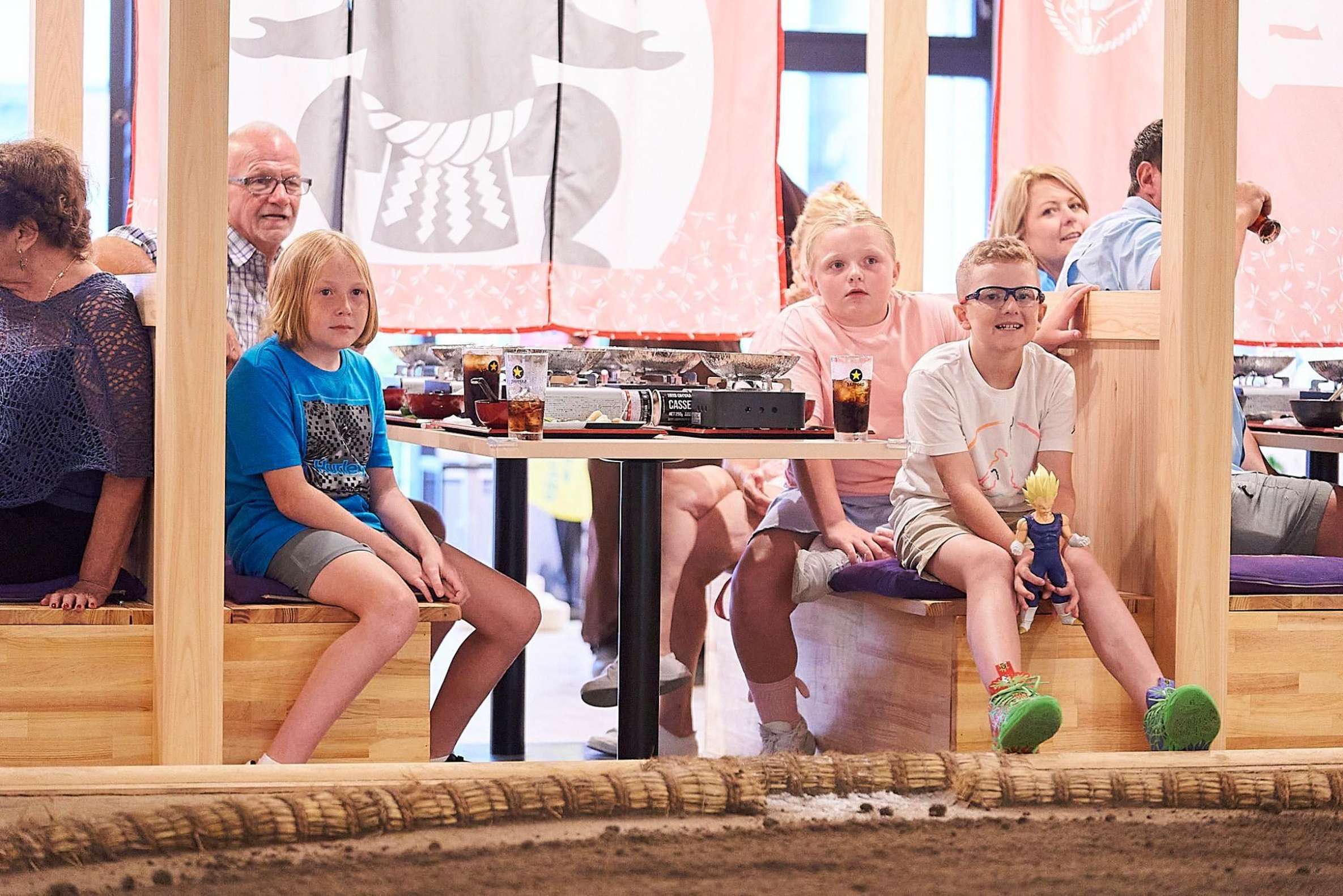
Families with children around 10 to 12 are a core audience for sumo shows, and the Ryogoku experience is built for them: an entertaining format for adults and children alike, with a lively, humorous tone that keeps kids engaged across ages.
Children can join the sumo match and the mochi pounding, and they are sometimes invited into the ring at Tokyo's show-format venues.
Seating is where the fine print lives. Box seats are the family choice: they hold up to six people and are safe for sitting with a child on your lap.
Standard seats are different; holding a child on your lap there is dangerous, so the operator asks you to reserve the exact number of people. Infants are allowed when accompanied by a guardian at all times.
The contrast with a stable visit is worth knowing. Morning practice tours in Ryogoku require silence and stillness, which young children cannot sustain; the show format exists precisely so families do not need to. If your children can stay quiet for two hours, a practice visit suits teenagers better than toddlers.
One accessibility note that affects some families and groups: this Ryogoku experience is not suitable for wheelchair users, and the venue's traditional setup means floor seating. Anyone with limited mobility should raise it with the operator before booking, so nothing surprises them at the entrance.
What do first-timers get wrong at a Ryogoku sumo show?
The arena falls strikingly quiet right before each match, and that silence surprises first-time visitors every time. The tachiai, the initial charge, is the moment to hold still and hold your tongue; talking through it marks you as the tourist the wrestlers remember.
Bouts are decided in seconds, so standing up mid-match costs the people behind you the whole thing.
Shoes are the other trap. In box seats you remove them, and the cushions are not floor space; stepping on them with shoes is the classic newcomer error. Shoes go in the small locker under the seat.
A few of these habits are worth knowing before you sit down.
What nobody tells you
The hall goes silent before each bout
Follow the crowd's lead on when to cheer and when to stay quiet
Bouts end in seconds
Stay seated; a bout can be decided while you are reaching for your bag
Cushion-throwing has rules
The tradition only applies after a grand champion loses to a lower-ranked wrestler, and it is officially banned elsewhere
The ring-entering ceremony is not an intermission
Leaving your seat during it means missing one of the ritual highlights
Photography rules are simple: photos from your own seat are fine, flash is not, because it startles the wrestlers. Never touch or block a passing wrestler on the walkway, and never enter or touch the dohyo unless the show invites you up.
Cheering with clapping is welcome; heckling, noisemakers and loud yelling are not. Keep the phone on silent, take calls outside, and stay in your seat until the bout ends.
One rule from professional sumo carries over: women may watch everything from the seats, and the ring itself stays closed to them under the sport's tradition. At shows, the invitation to step up comes from the performers.
How far ahead should you book a Ryogoku sumo show?
Sumo shows can sell out fast, so decide early if you want to go.
The pattern from the tournament side tells you how hungry demand is: grand tournament tickets at the Kokugikan go on sale only four to eight weeks ahead and sell out before the first day, with all fifteen days of recent tournaments gone well in advance.
Show seats are easier, but the busy months punish late deciders.
Same-day booking exists when seats remain. One operator in Tokyo sells same-day tickets online up until 30 minutes before the show starts, so a spontaneous evening is not impossible. It is a gamble, not a plan.
Two numbers decide how safe your booking is: the cancellation window and the arrival time.
Can stop the day
Shows can sell out fast, and same-day seats are not guaranteed Book as soon as your travel dates are set, especially for April, May and October Cancel inside 24 hours of the start time and there is no refund Cancel up to 24 hours ahead for a full refund, or move the booking to another slot if seats allow Arriving late can cost you part of the show Shows follow a fixed schedule and cannot be extended; arrive 15 to 20 minutes early
The cancellation window is generous: most of these tours refund in full up to 24 hours before the start. Inside that window you get no refund, though you may be able to move to another time slot or day if there is availability.
That flexibility is the reason to book early rather than wait: an early booking costs you nothing if plans change, while a late decision can cost you the evening.
What else is there to see around Ryogoku's sumo show district?
Ryogoku rewards the hours around the show. Ekō-in Temple, where wrestlers pray before tournaments and organized sumo began in the 17th century, sits two minutes from the station. The Edo-Tokyo Museum is four minutes away, the Sumida Hokusai Museum six.
Most of the district sits within a short walk of the station.
The small Sumo Museum inside the Kokugikan is the one most visitors miss, and it is free: champion portraits and ceremonial aprons, open on weekdays on non-tournament days. On tournament days it is reserved for ticket holders, and it closes between exhibitions and over New Year.
Then there is the food. Many chanko nabe restaurants in Ryogoku are run by retired wrestlers, often serving the flavors of their old stables, and there is no single authentic recipe; every kitchen has its own broth.
Some, like Kappo Yoshiba, occupy former sumo stables with a real practice ring in the dining room, where ring-side seats go first to course reservations. If the former wrestler who owns the shop is around, you might hear stories about the wrestlers; seeing them serve customers is something you only see in Ryogoku.
The traditional meal ends with a shime, rice or noodles added to the leftover broth, so ask whether it is included. Vegetarians should ask about the broth too, since it is usually chicken or fish based.
Farther afield, the Fukagawa Edo Museum and Kiyosumi Garden sit about twenty minutes on foot, and Asakusa, Akihabara and Tokyo Skytree are all short train rides from the same station.
More to book around Tokyo
Live dates and prices
A traveler's note
Great fun! Perfect intro to sumo in a new purpose-built venue. Friendly staff, ex-pros doing demonstrations and training exercises, and guests could wrestle the sumos. Unique and memorable.
A Ryogoku sumo show is the right call for most first visits: live bouts by former top-division wrestlers, chanko nabe at your seat, mochi pounding with the wrestlers, all in English, on any date of the year.
Book early for spring and mid-autumn, arrive 15 to 20 minutes before the session, and keep the 24-hour cancellation window in mind.
If your dates catch a January, May or September tournament, go to the real thing instead, and save the show for the months the Kokugikan sits dark.
Go ifYou want live sumo up close with a meal, and your trip falls outside the three tournament monthsYou are traveling with children who want to join the ring and the mochi poundingYou are new to sumo and want every ritual explained in English
Skip ifA grand sumo tournament is on at the Kokugikan during your trip; experienced travelers say choose the real thingYou are a die-hard fan who wants real training; a morning practice visit at Takasago-beya suits you betterYou need wheelchair-accessible seating; this Ryogoku venue is not suitable for wheelchair users
Our pick to book
Tokyo: Sumo Wrestling Experience with Chanko Nabe & Mochi4.8★ (746) · 1 - 2 hours · Free cancellation
Quick answers on the Ryogoku sumo show: what happens, who can join, and how the day works.
Is there a sumo show in Ryogoku, Tokyo?
Yes. A sumo experience with live matches, chanko nabe and mochi making runs a few minutes' walk from Ryogoku Station, in the middle of Tokyo's sumo district. Sessions run daily, and the show lasts about 90 to 120 minutes.
What is included in a sumo show with chanko nabe in Ryogoku?
The Ryogoku experience includes a live sumo show, a chanko nabe meal, a mochi making experience and a chance to try sumo wrestling with the wrestlers on the dohyo. The chanko nabe is supervised by wrestlers from a real stable.
Is the Ryogoku sumo show a real tournament?
No. It is an entertainment show performed by retired wrestlers, with commentary on sumo's rules and rituals and audience participation. Real grand sumo tournaments come to Ryogoku Kokugikan only in January, May and September.
What does the mochi-making part involve?
You watch a mochi-pounding demonstration, then get a chance to swing the wooden mallet with the wrestlers guiding you. The freshly pounded mochi is served sweetened as dessert.
You cannot reserve it in advance; you raise your hand when prompted during the show, and if many people want to join, participants may be chosen by lottery.
Are sumo shows in Ryogoku suitable for young children?
Yes. The show is designed for both adults and children, and children take part in the sumo and mochi-pounding experiences. Box seats seat up to six people and are safe for holding a child on your lap; for standard seats, book the exact number of guests.
How long does the show last, and how much of it is wrestling?
The Signature show runs about 90 to 120 minutes. Like most sumo shows, it opens with an educational section about wrestlers' lives, stretches and rules, and the bouts and demonstrations come later in the program, alongside the ring challenge and photos.
Can I book a Ryogoku sumo show on the same day?
Often, yes. The operator sells same-day tickets online up until 30 minutes before the show starts, as long as seats are available. Shows can sell out fast, so booking earlier is the safer bet.
Is the Ryogoku show worth it if I have already seen a grand sumo tournament?
A show gives you things a tournament cannot: English commentary, seats close to the ring, photos with the wrestlers and a chance to step onto the dohyo. It runs year-round, while Tokyo tournaments happen only three months a year.
What else can I do in Ryogoku around the show?
The free Sumo Museum inside the Kokugikan displays champion portraits and ceremonial aprons on non-tournament days. There is also a guided history and lunch tour that visits Ekō-in Temple and the Kokugikan area and ends with a chanko-nabe lunch in Ryogoku.
How do I get to the Ryogoku sumo show?
The venue sits a few minutes' walk from Ryogoku Station, two stops from Akihabara on the JR Sobu Line. Asakusa, Akihabara and Tokyo Skytree are all nearby, so the show fits easily into a day of sightseeing on that side of the city.