4.525,009 travelers challenged a wrestler in the ring
Sumo Wrestling Show in Tokyo Ginza, Shinjuku and Live Show Tickets
See a live sumo wrestling show in Tokyo and step into the ring yourself. Watch retired professional wrestlers up close, hear every ritual explained in English, and add chanko hot pot, photos or front-row seats to match your evening. Book early, weekend and front seats go first.
4.5★average rating25,009traveler reviews100%free cancellation50countries travelers came from
Choosing a sumo wrestling show in Tokyo
Tokyo's live sumo shows fall into two camps: short performances with photos and a ring challenge, and longer evenings that add a meal or a geisha dance. The difference that decides is how much of the night you want the show to fill. A 90-minute show suits a packed itinerary; a dinner show turns it into the evening itself.
BookingTokyo sumo shows sell out quickly, especially popular dates and evening slots, so book well before your trip rather than rebooking closer to it.
ExpectationsThese are entertainment shows with retired or professional wrestlers, not real tournaments; the bouts are demonstrations, and the wrestling often fills only the last part of the program.
ArrivalThe Shinjuku show follows a strict schedule and late entry may not be accepted, while the Tokyo Tower venue asks you to reach the 5th floor front desk at least 15 minutes before your show.
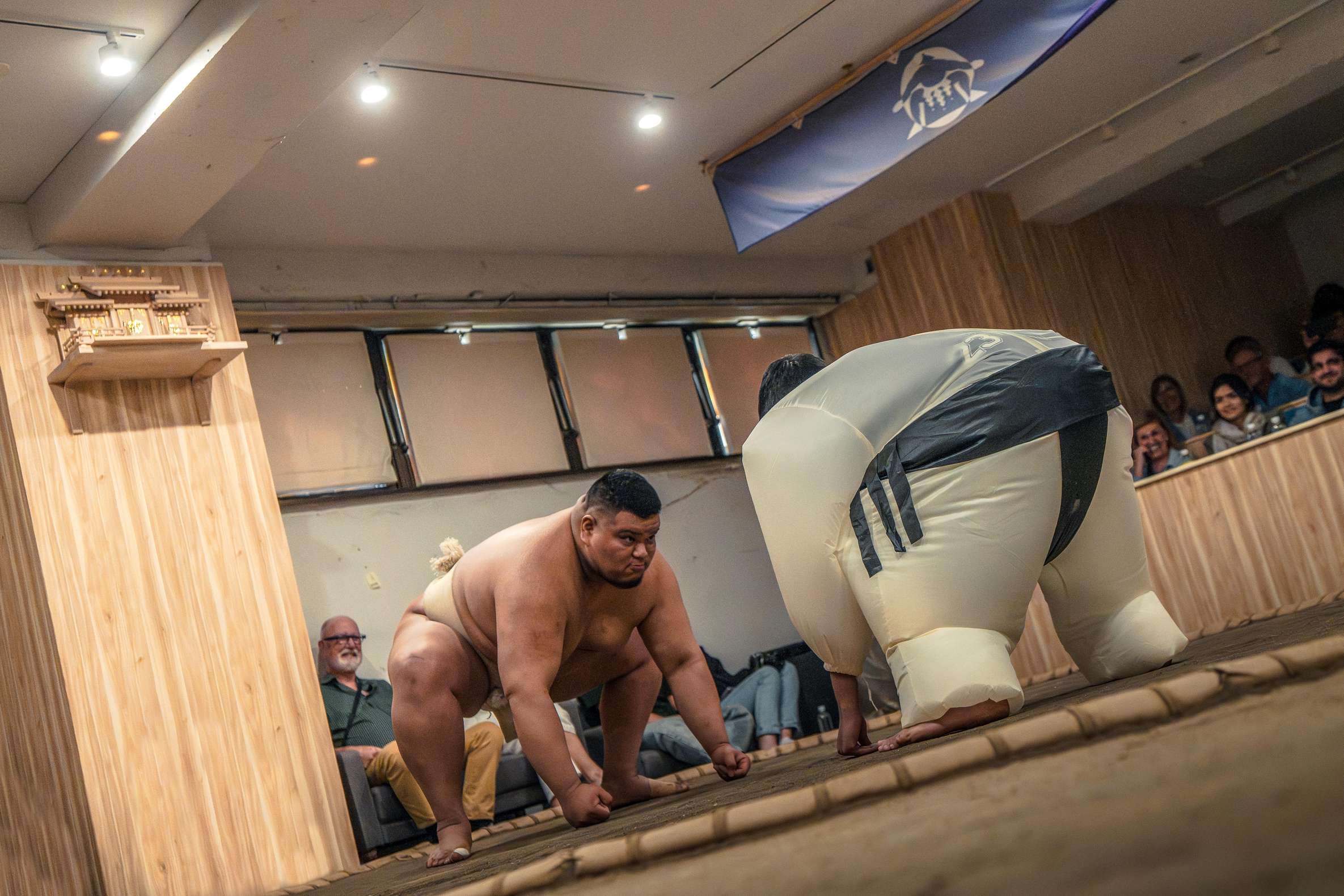
Ring challengeSpots to wrestle a wrestler are limited at every show, usually six or fewer, and participants are chosen by lottery when too many apply.
AgesThe Shinjuku and Shibuya shows welcome children, the Tokyo Tower show suits adults and kids alike, and the Ginza hands-on training option excludes children under 5 and pregnant guests.
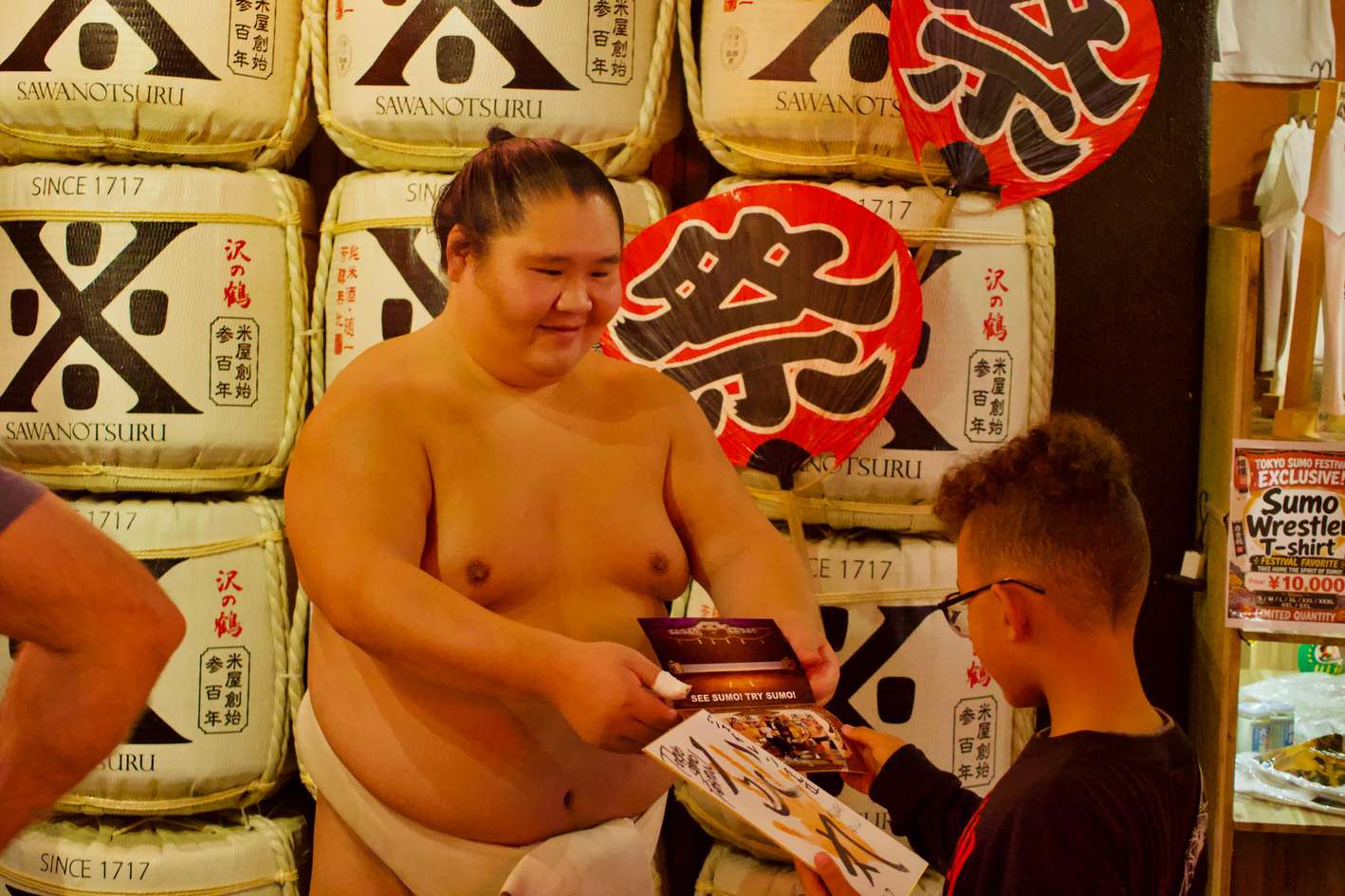
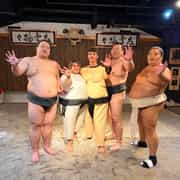
PhotosPhotography is allowed at the Shibuya show, and the Shinjuku, Asakusa and Tokyo Tower shows all include pictures with the wrestlers.
PaymentsThe Shinjuku and Ginza venues are cashless, so bring a card; Visa, Mastercard, American Express, JCB, Diners Club and Discover are accepted in Shinjuku.
AccessThe Shibuya show is not suitable for wheelchair users, the Asakusa venue has limited wheelchair-accessible seating to request at booking, and the Tokyo Tower restaurant sits on the 5th floor of Foot Town.
FoodVegetarian and vegan meals at the Asakusa shows must be requested at least two days in advance, and gluten-free or halal meals are not provided, though you can bring your own food.
CancellationThese tours can be cancelled up to 24 hours in advance for a full refund.
sell-outTokyo sumo shows sell out quickly, especially evening slots and popular dates, and some venues have dark days that vary by month.
Book your show as soon as your travel dates are fixed, and check the venue's monthly calendar before you go to confirm a performance runs that day.
Sumo wrestling show Tokyo - which ticket fits your evening
Cheapest way in
1.5 hours·English
4.9(9,863)
Tokyo: Shinjuku Sumo Show & Experience with a Photo
The lowest starting price of the four, and it still packs a 90-minute show, a lottery ring challenge and wrestler photos into one ticket.
Free cancellationProfessional sumo wrestling demonstrationHistory and Background information about Sumo
A live sumo wrestling show in Tokyo runs about 90 minutes to two hours, and the shape of the evening is much the same at every venue.
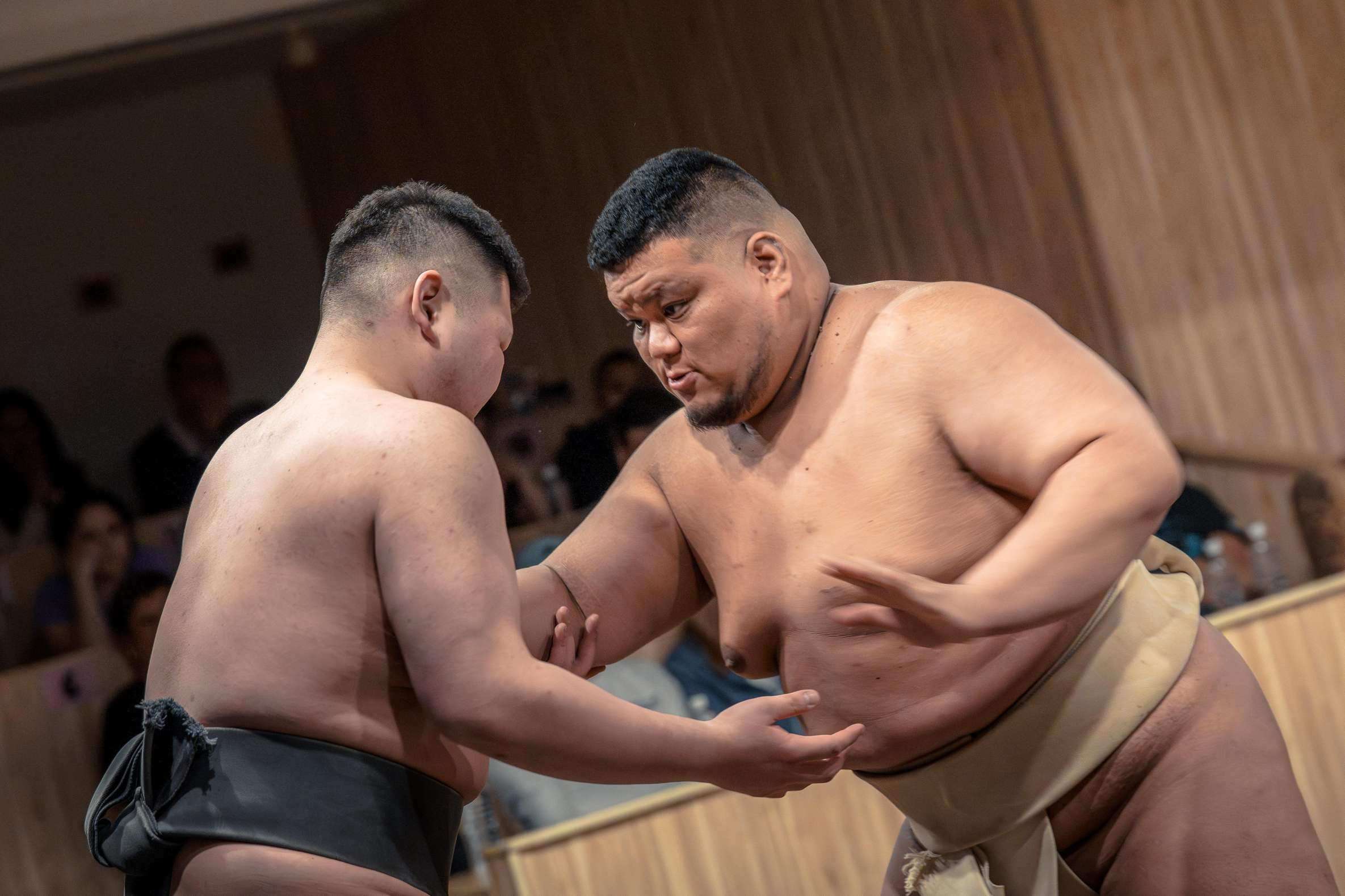
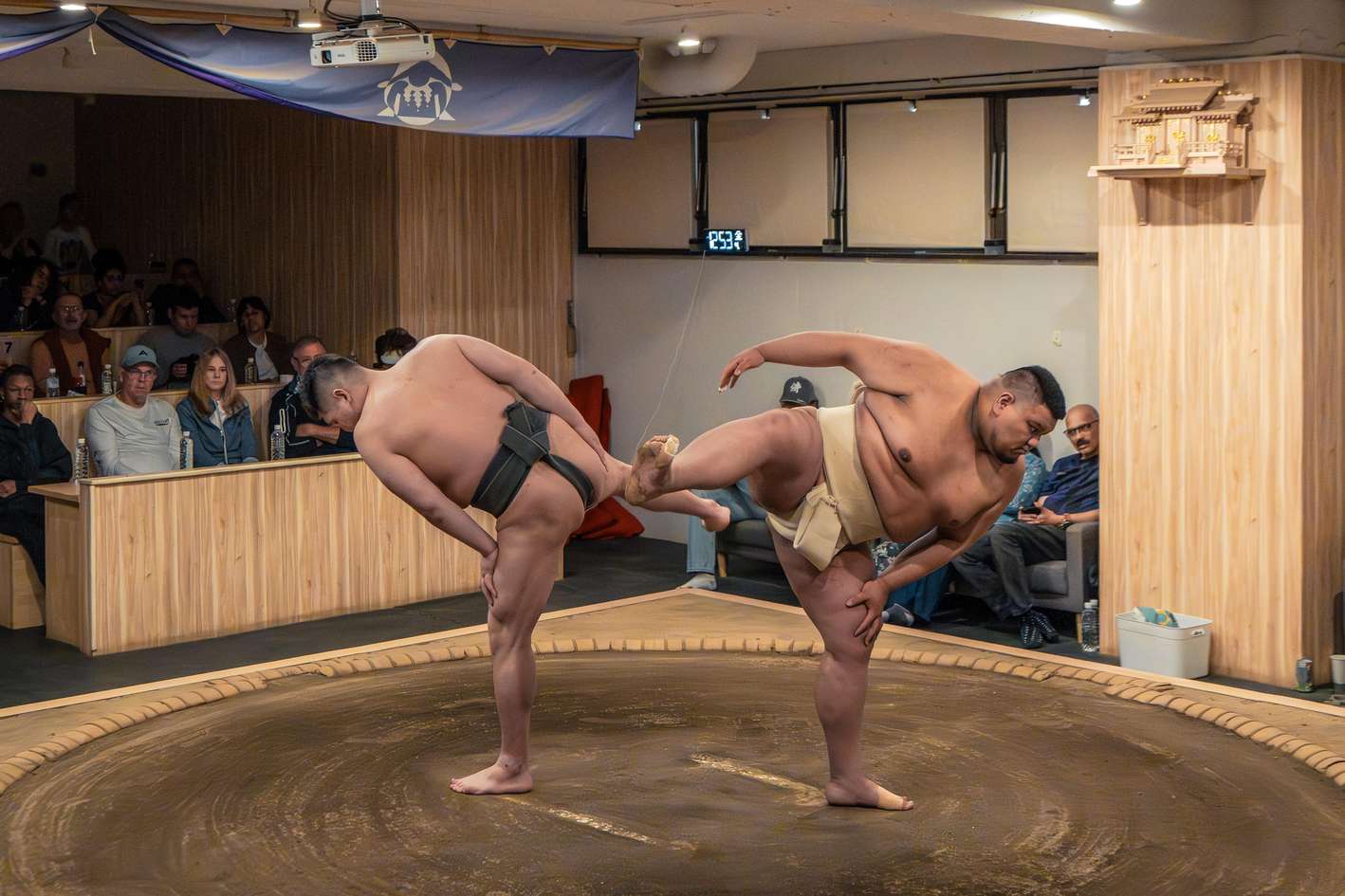
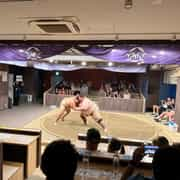
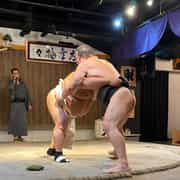
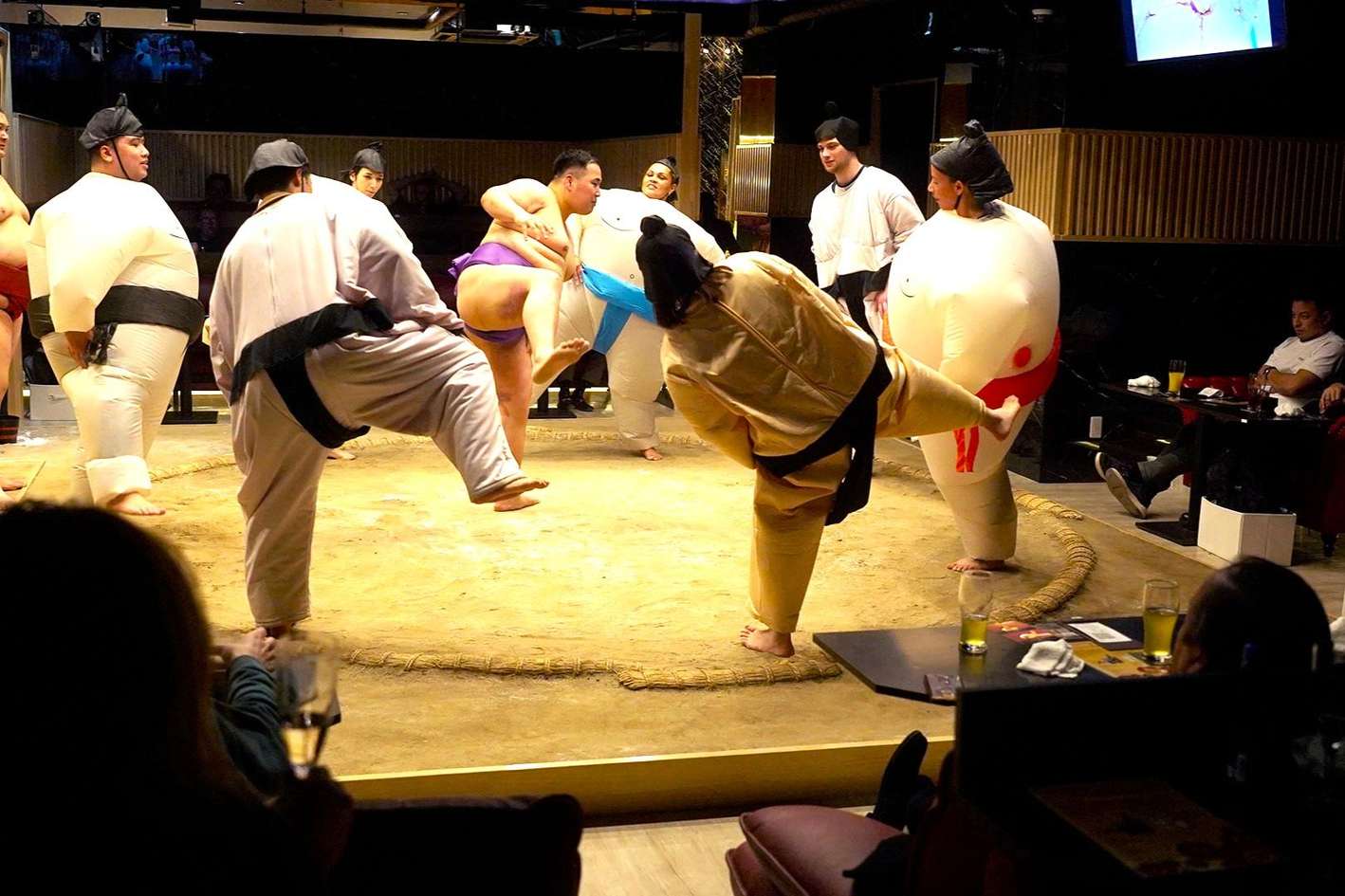
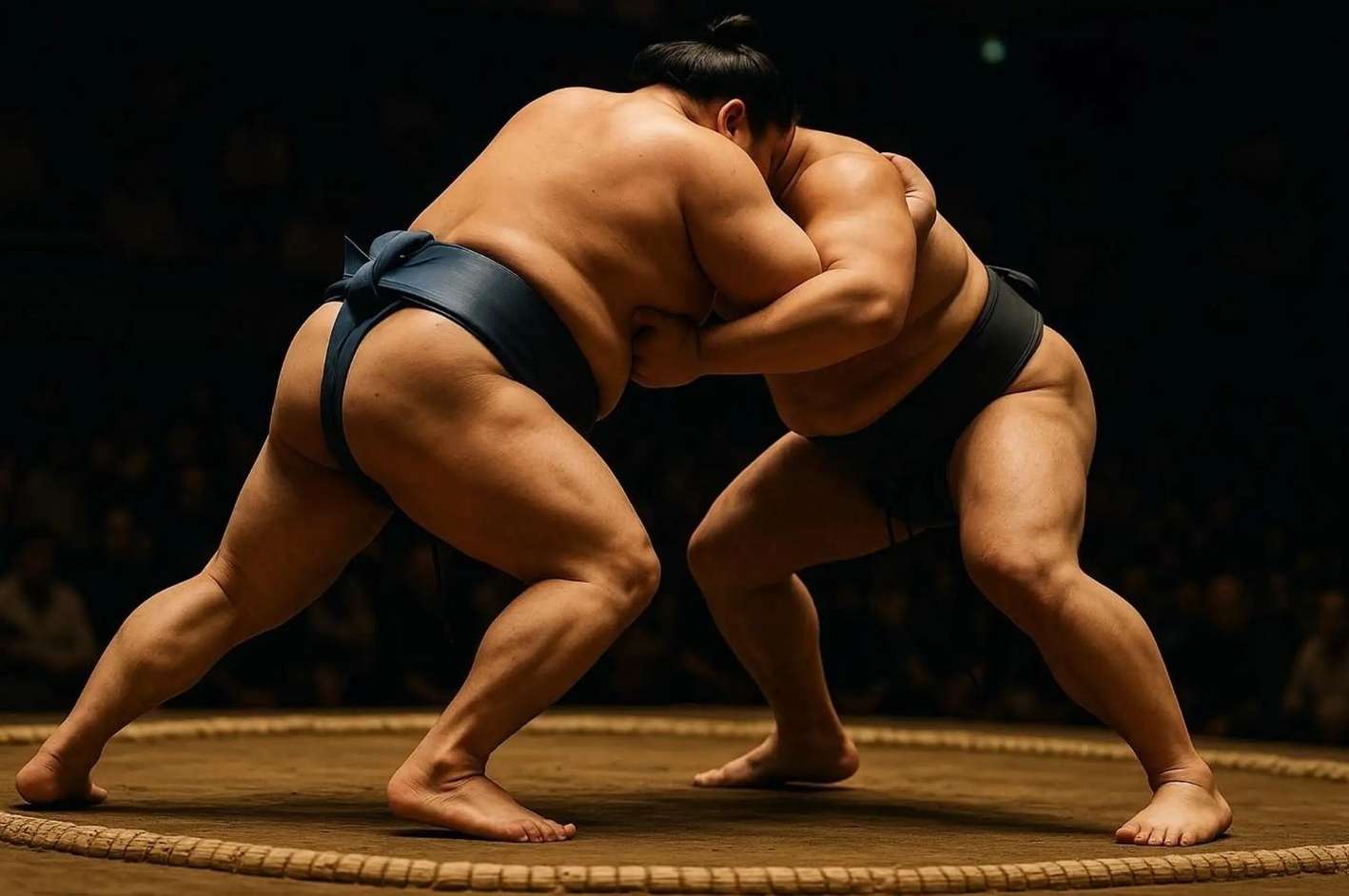
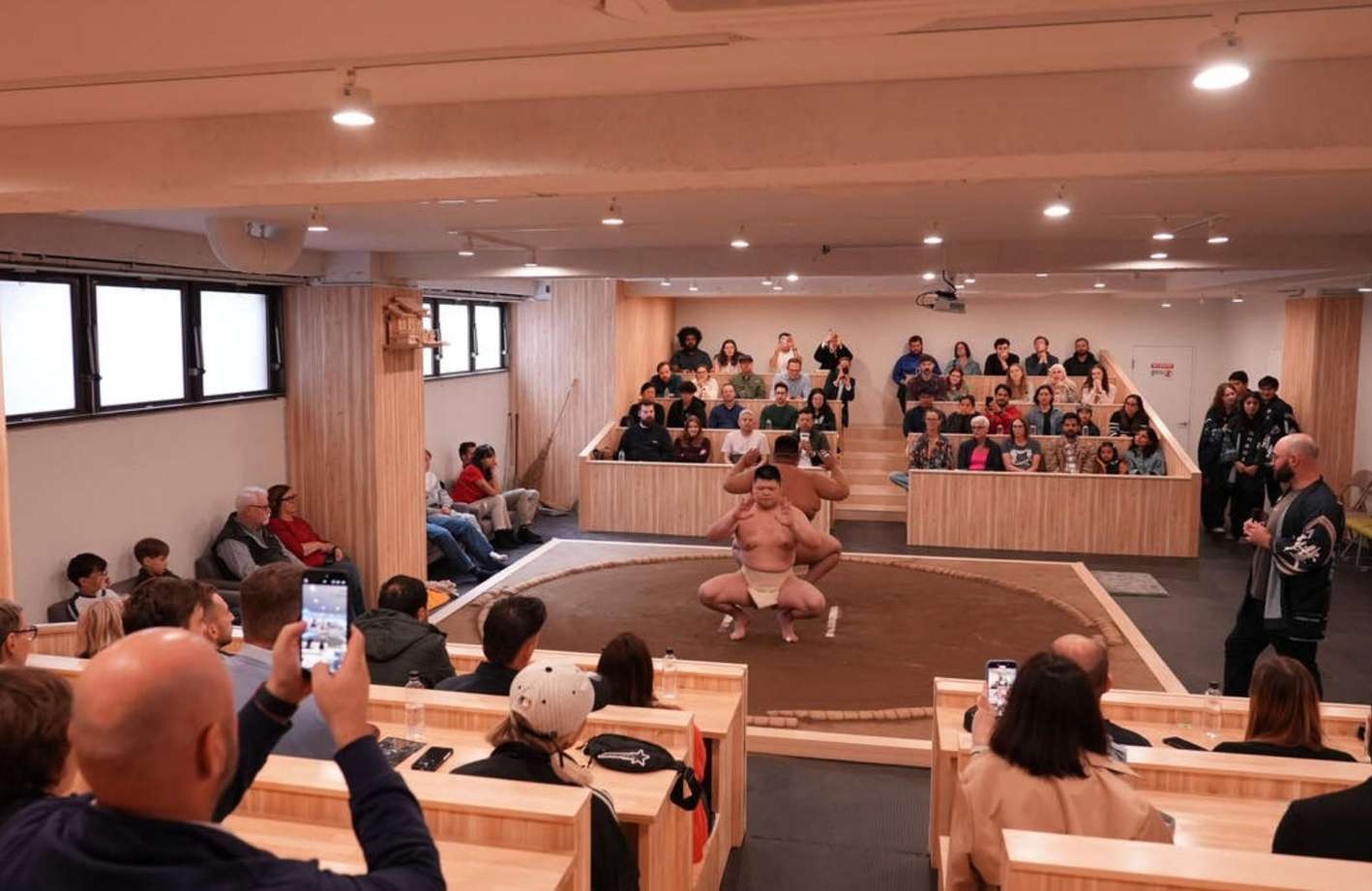
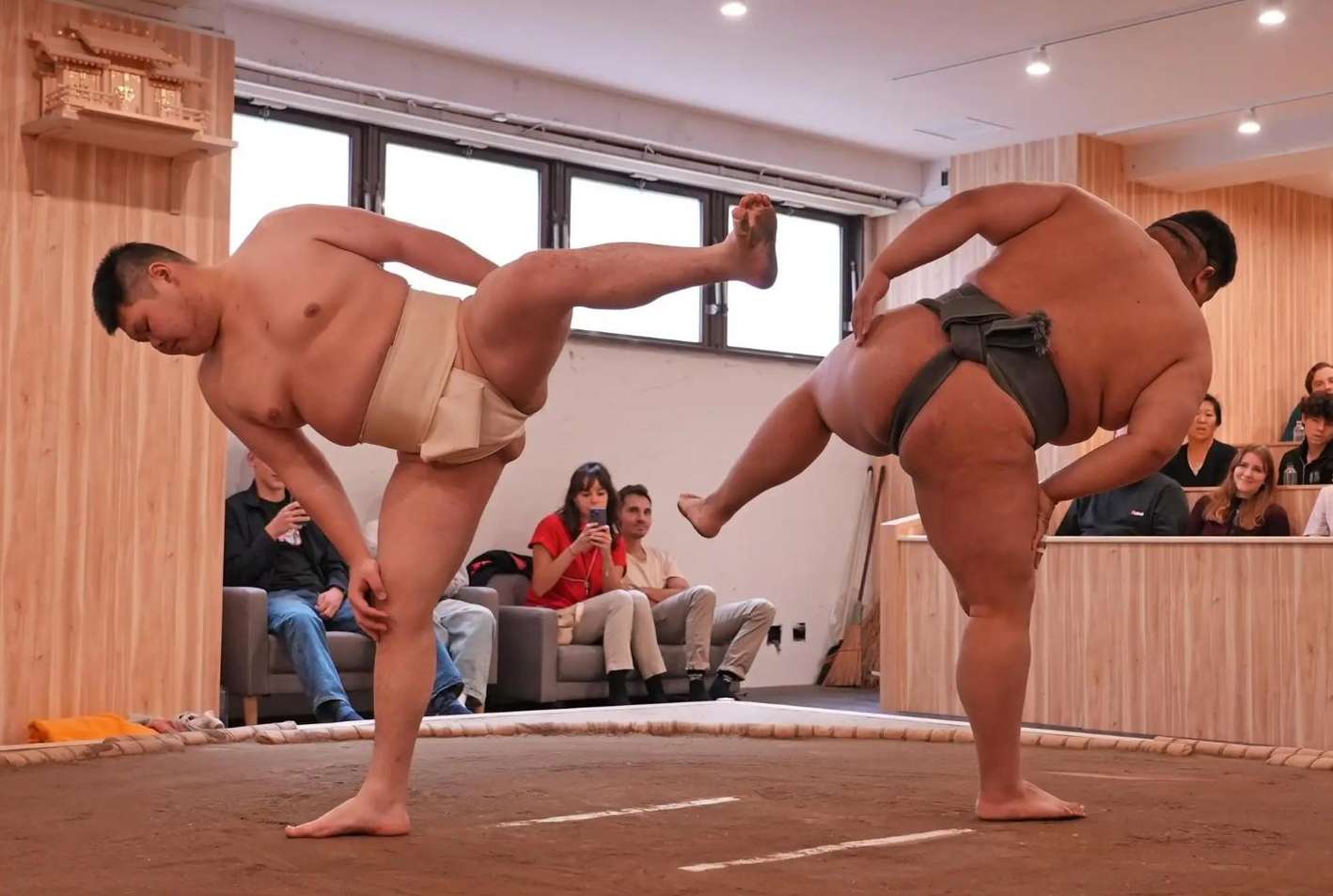
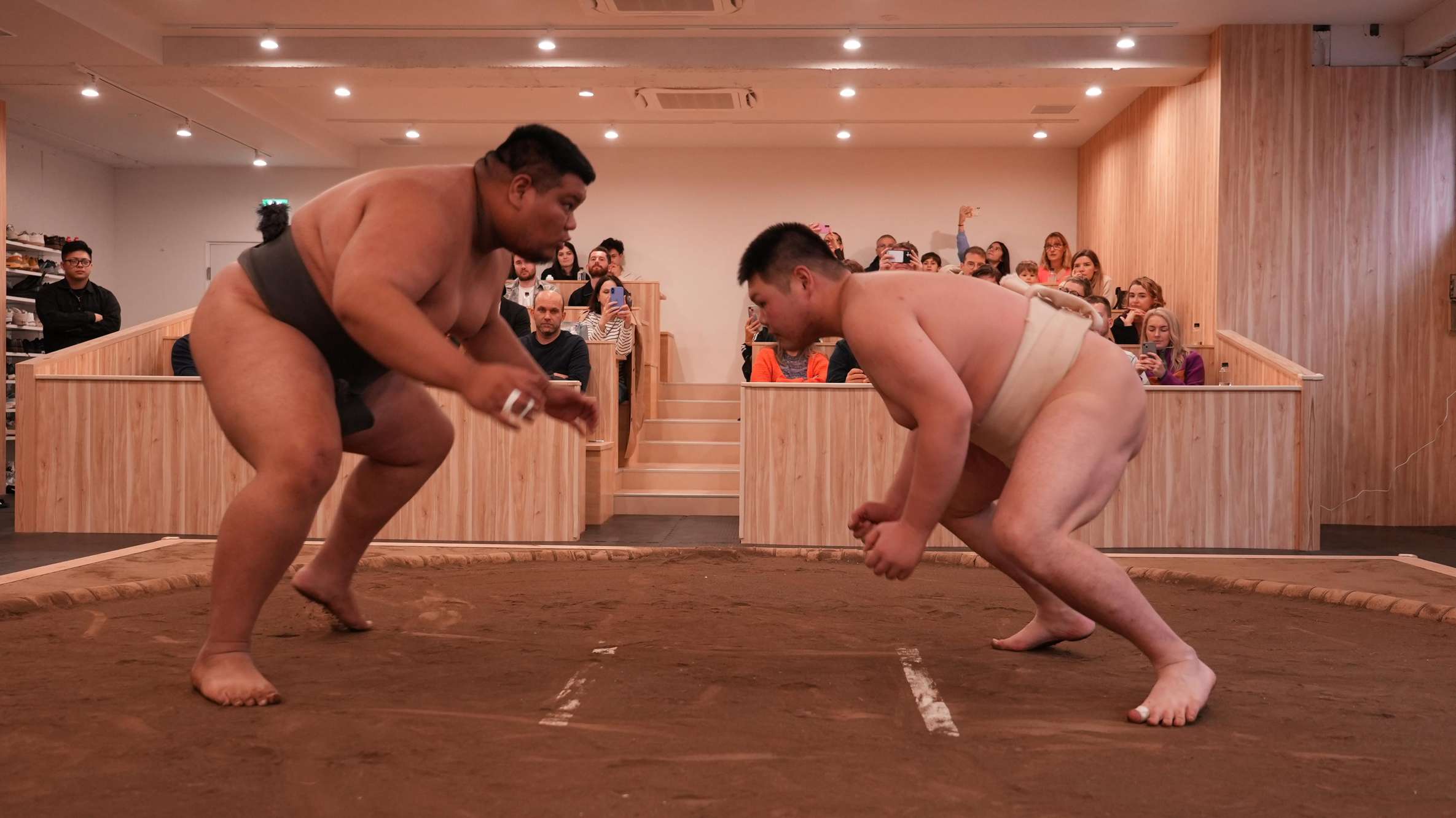
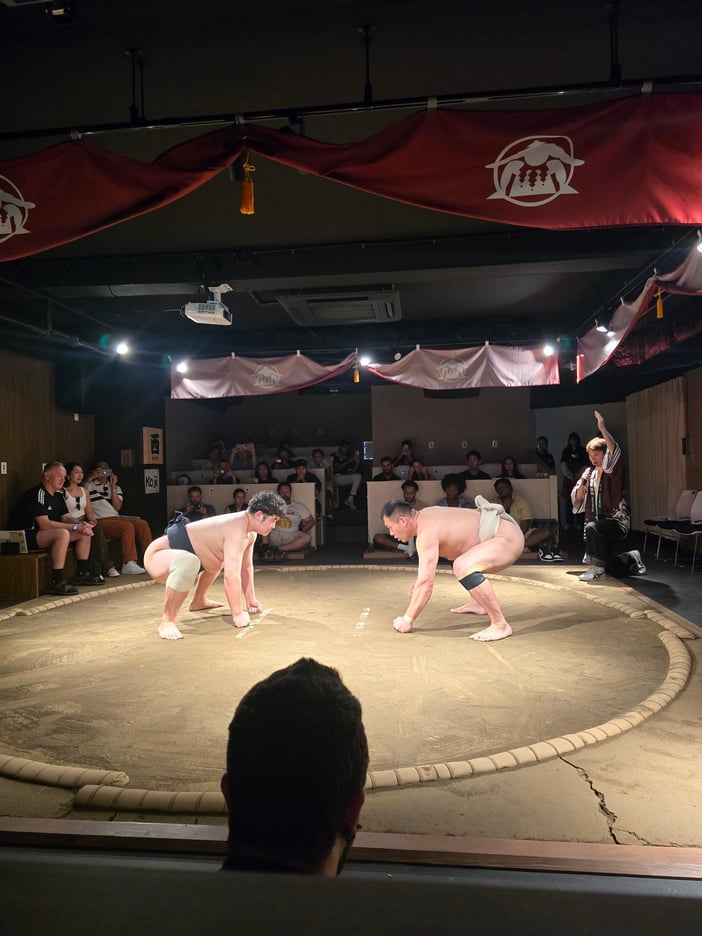
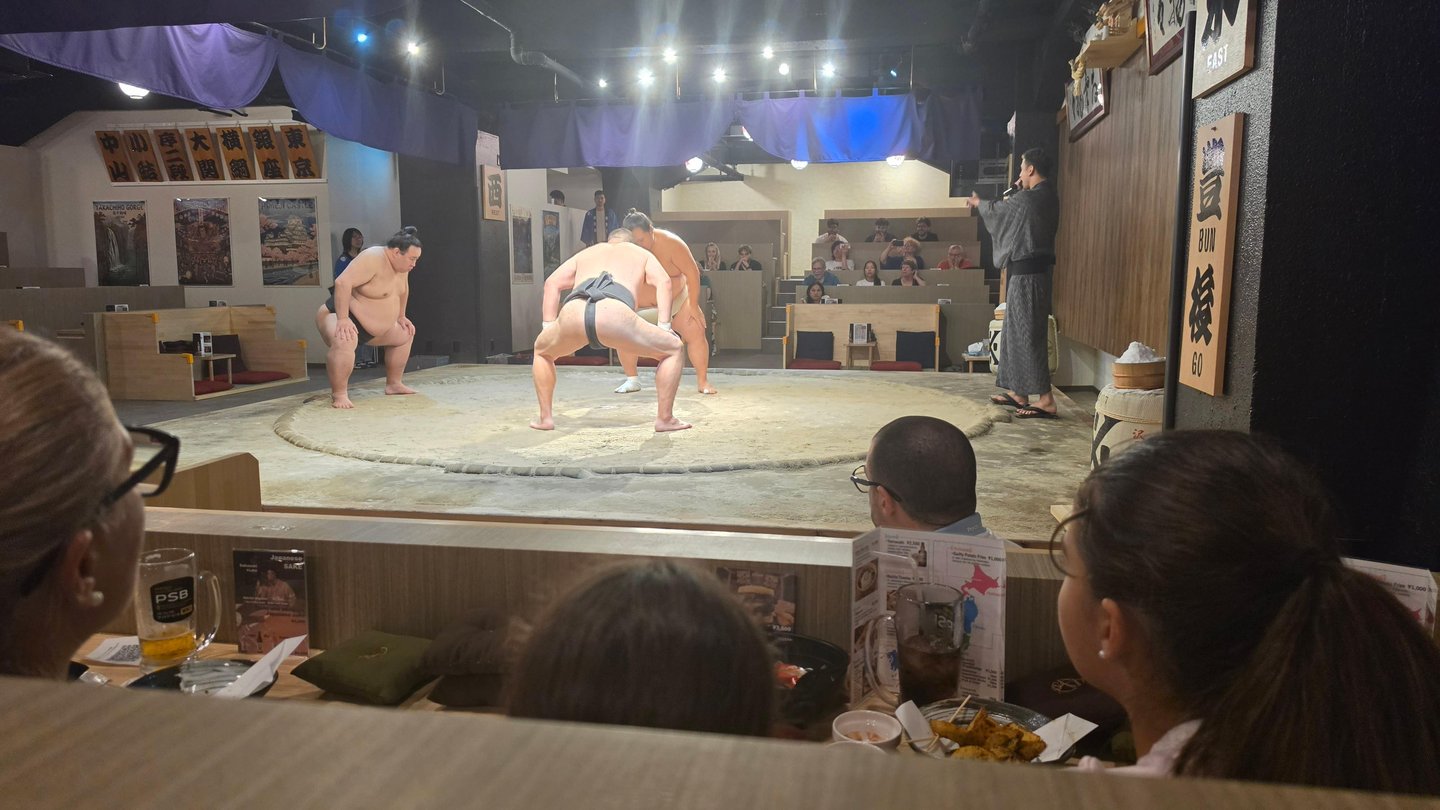
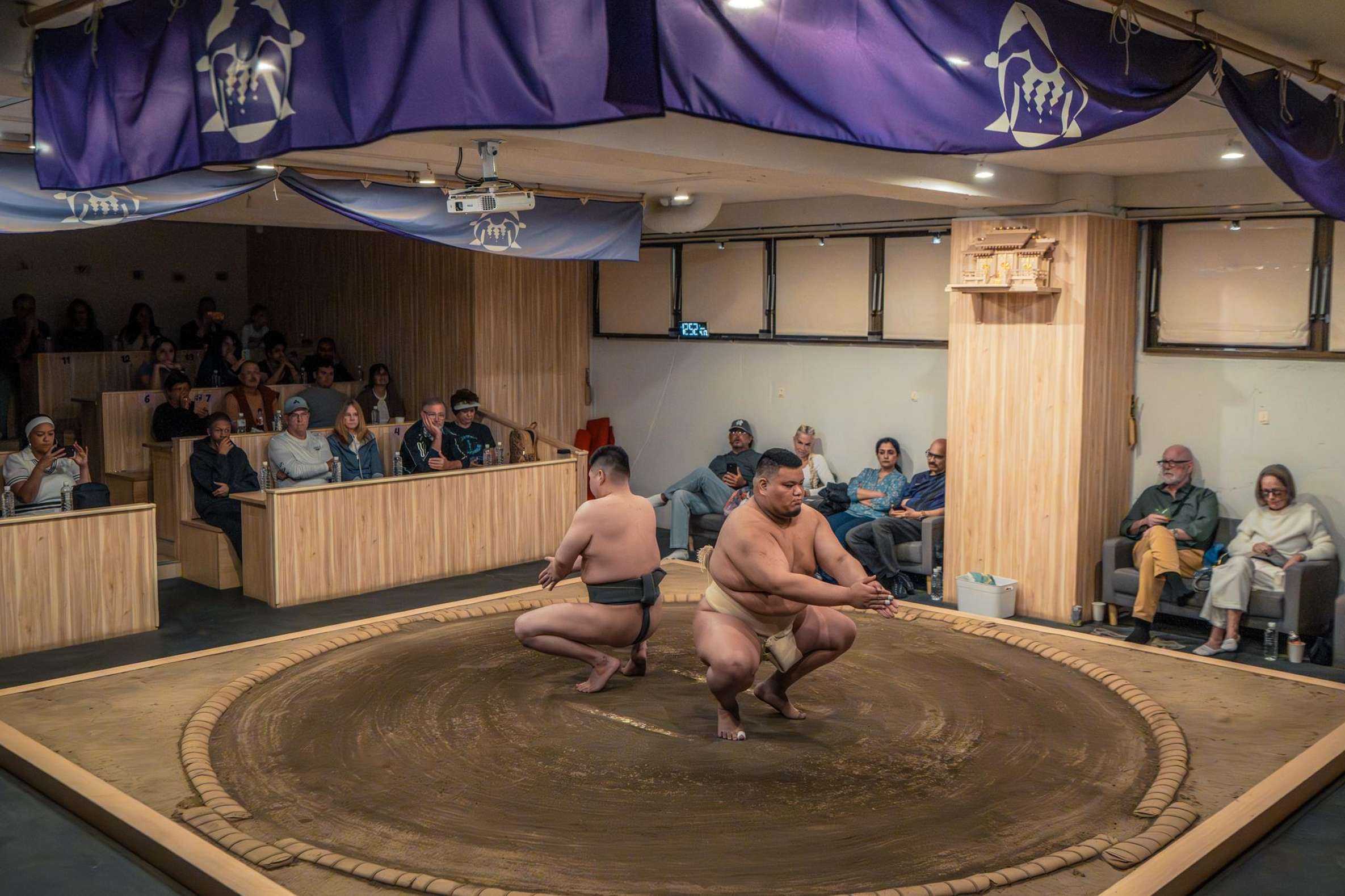
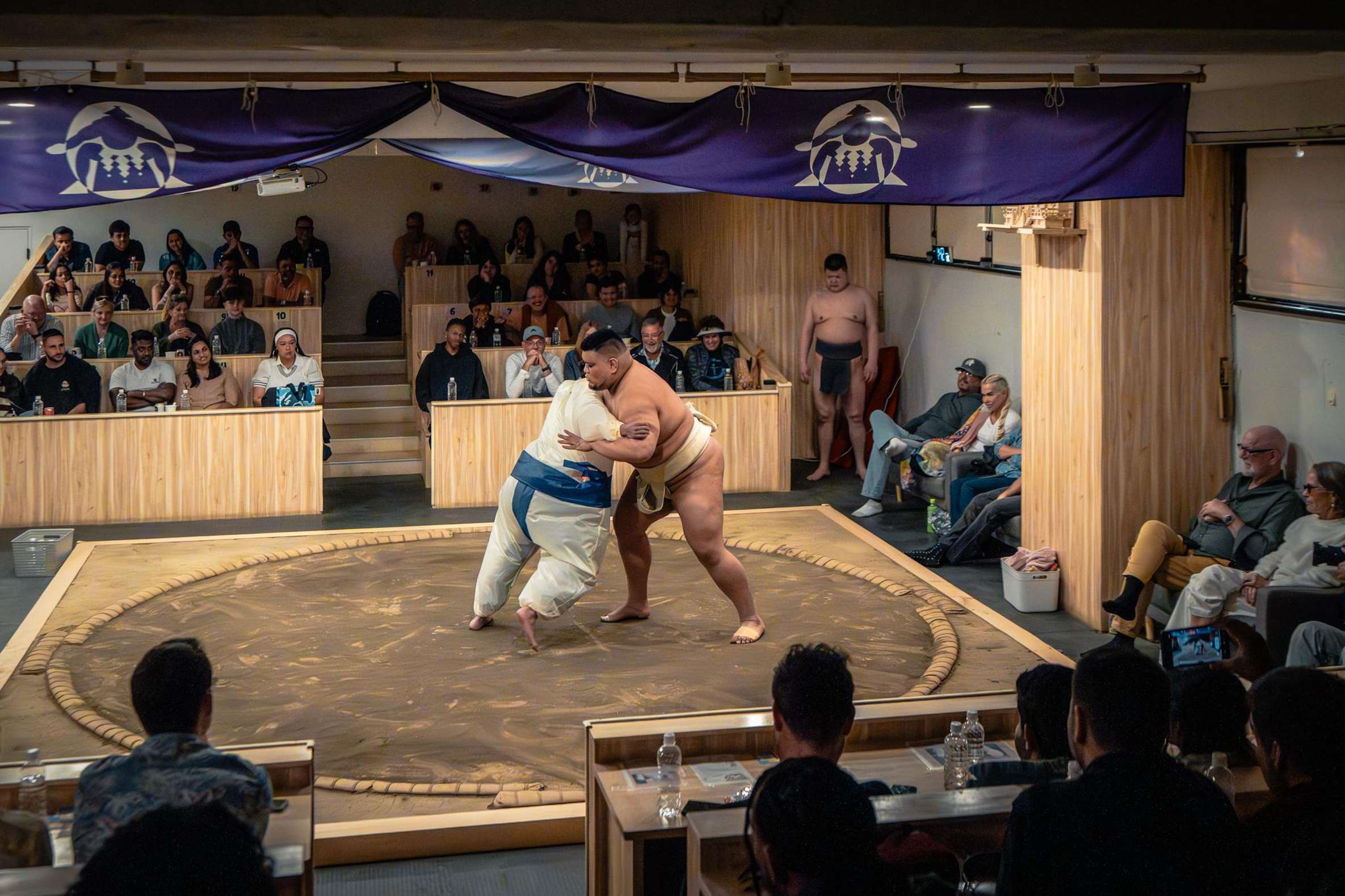
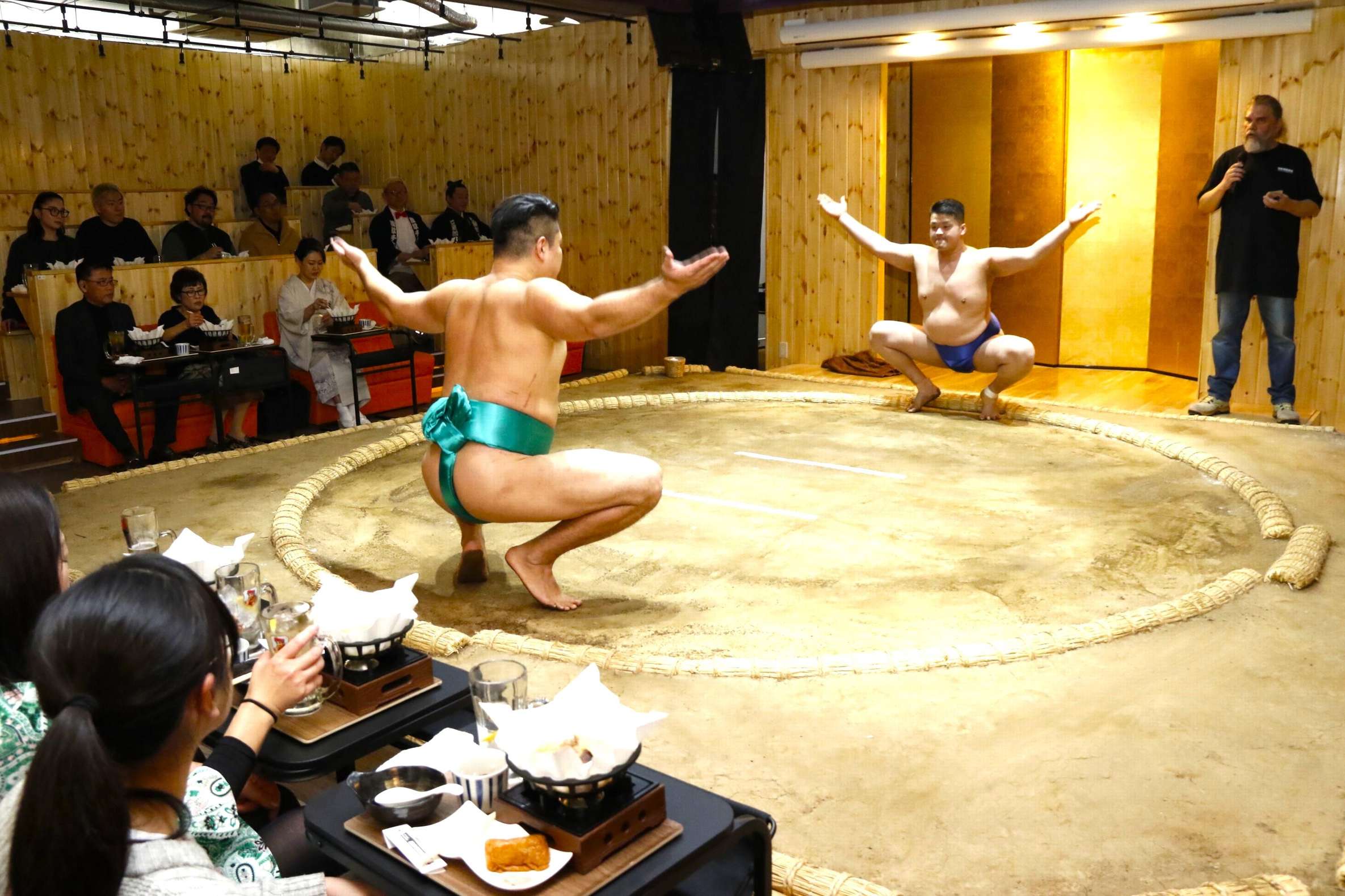
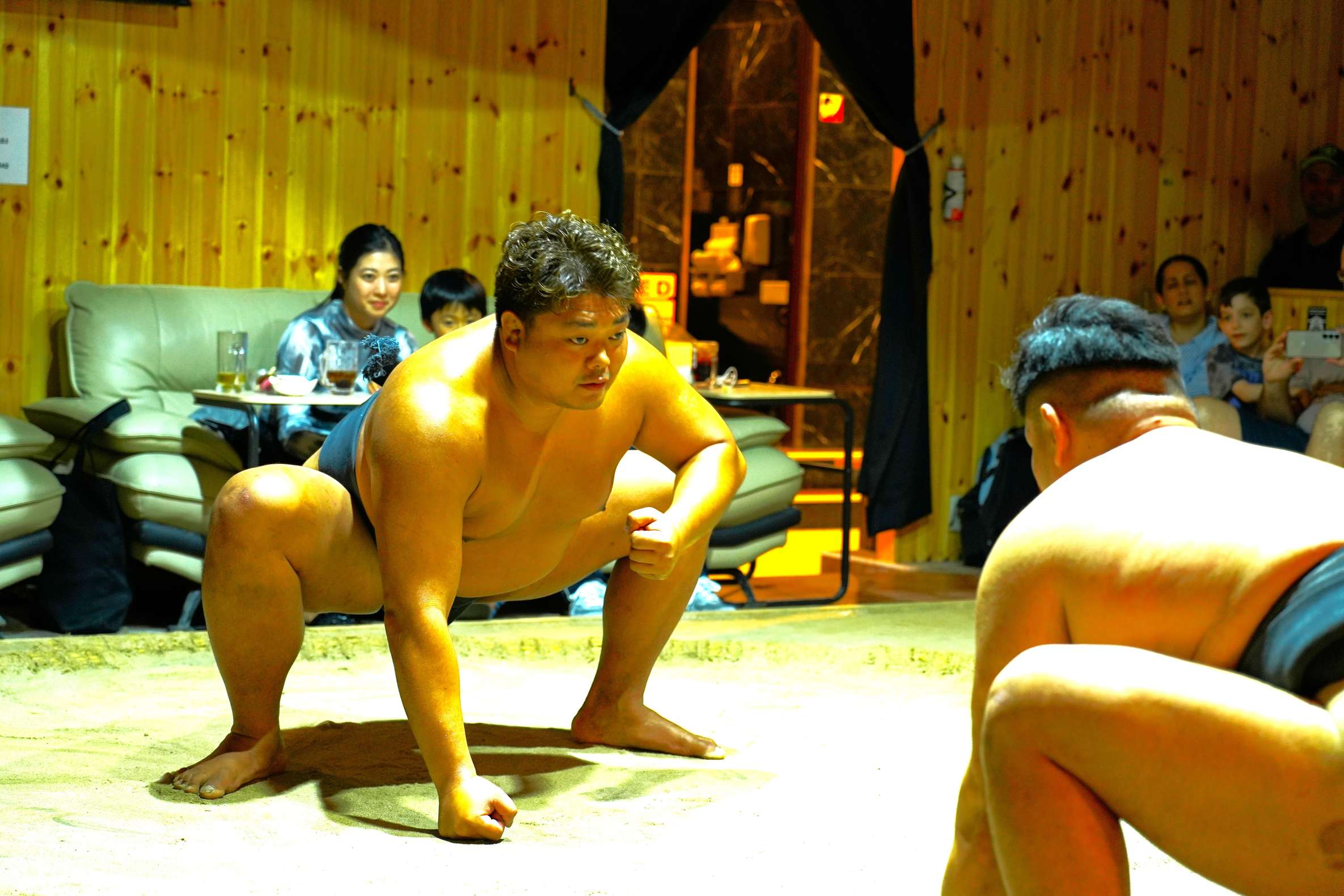
It opens with an explanation of the wrestlers' lives, the stretches and the rules, then moves into demonstrations: the thunderous shiko foot stomps, salt throwing, and bouts between retired professional wrestlers. The wrestling itself usually fills the last 15 to 30 minutes.
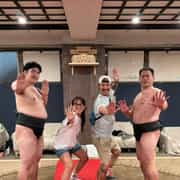
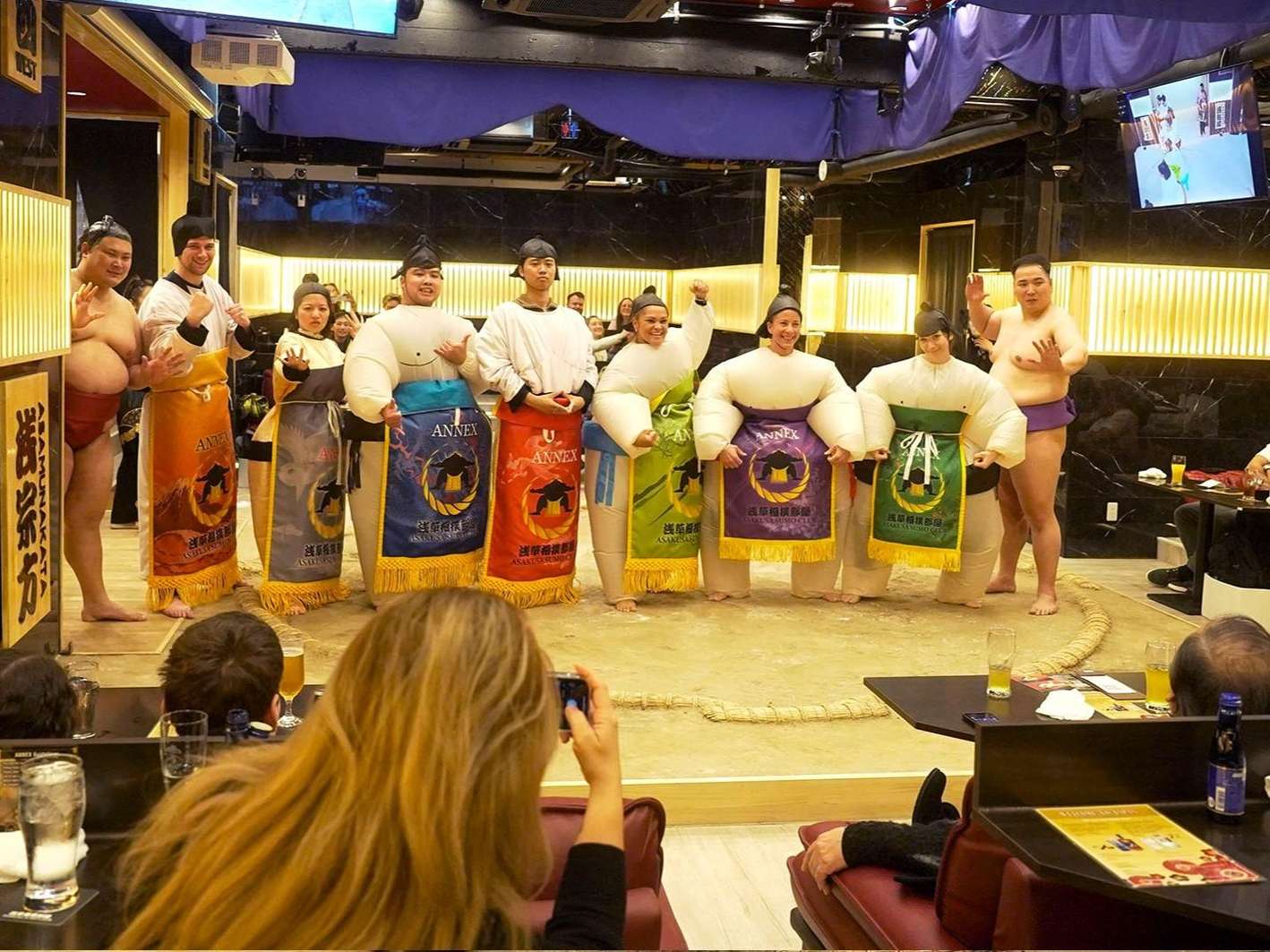
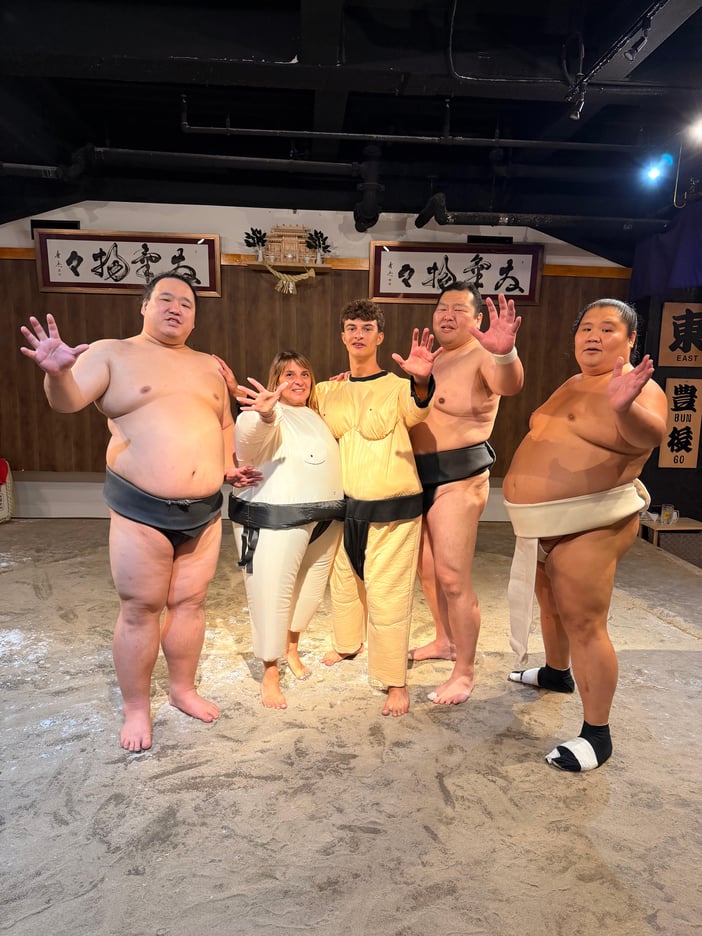
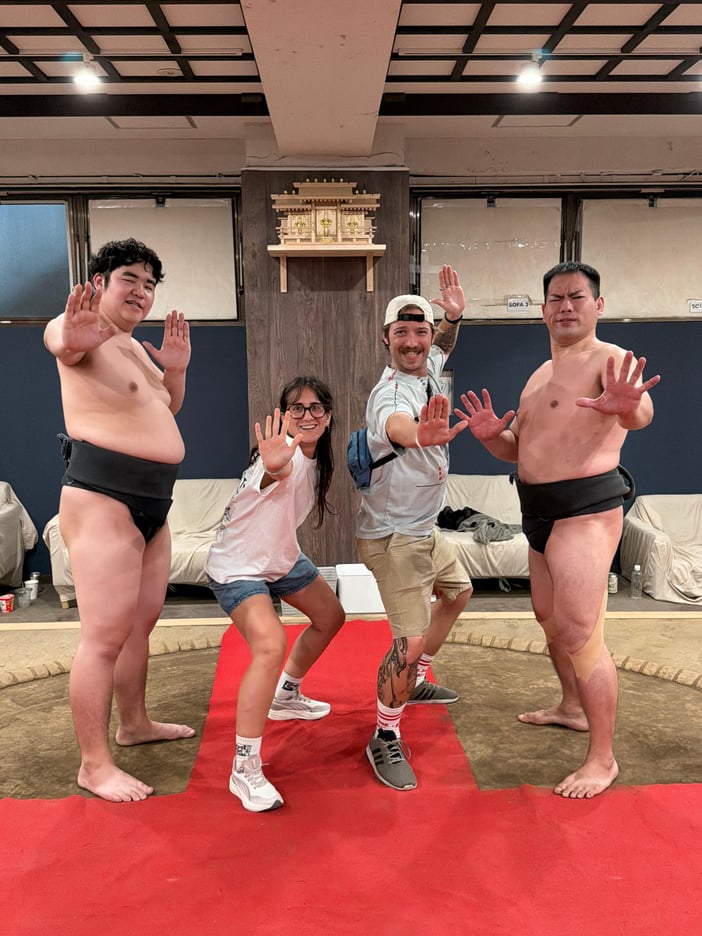
The matches are choreographed, but the skill is real, because the performers are former professionals. Most shows end with a lottery for a chance to step into the ring yourself and photos with the wrestlers.
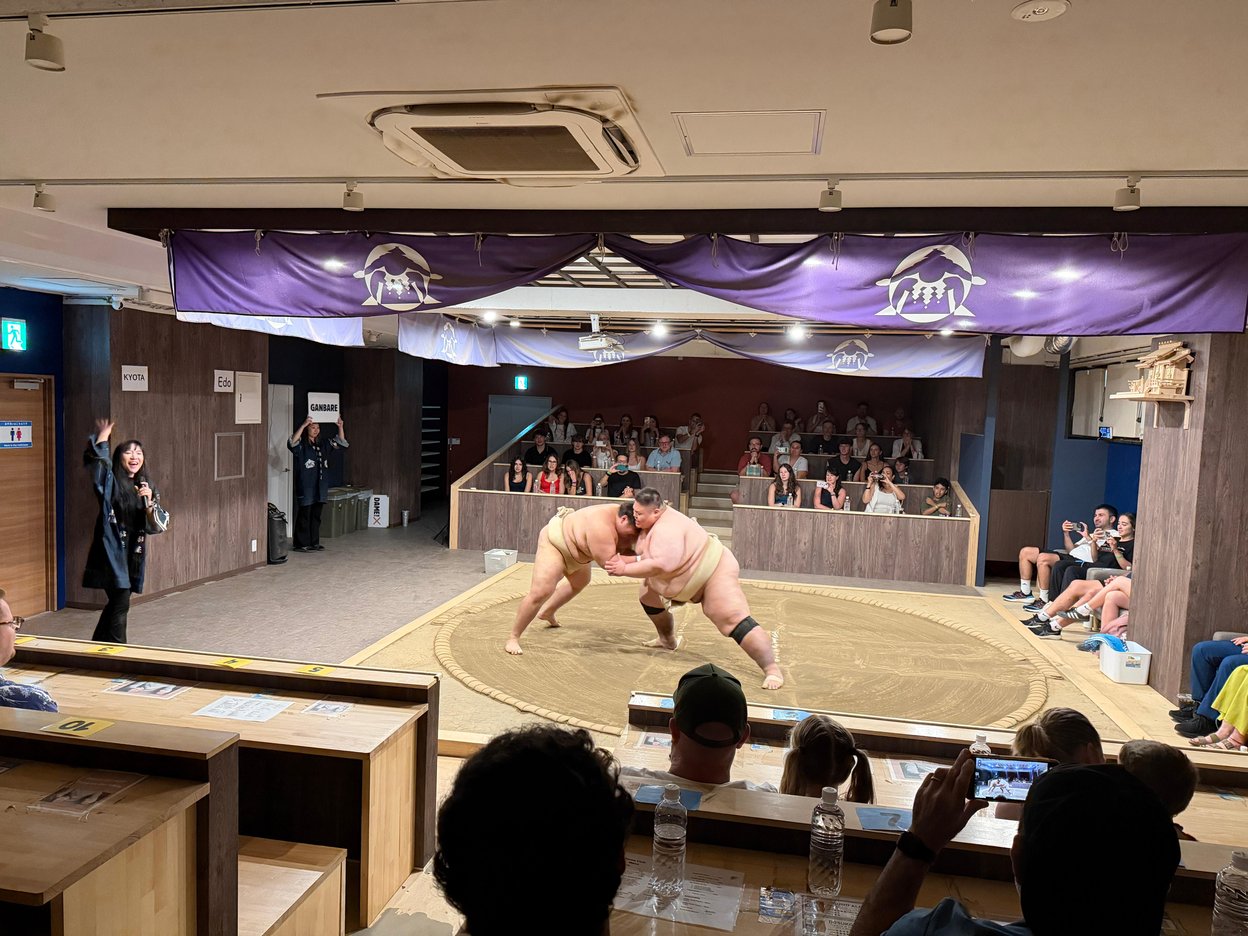
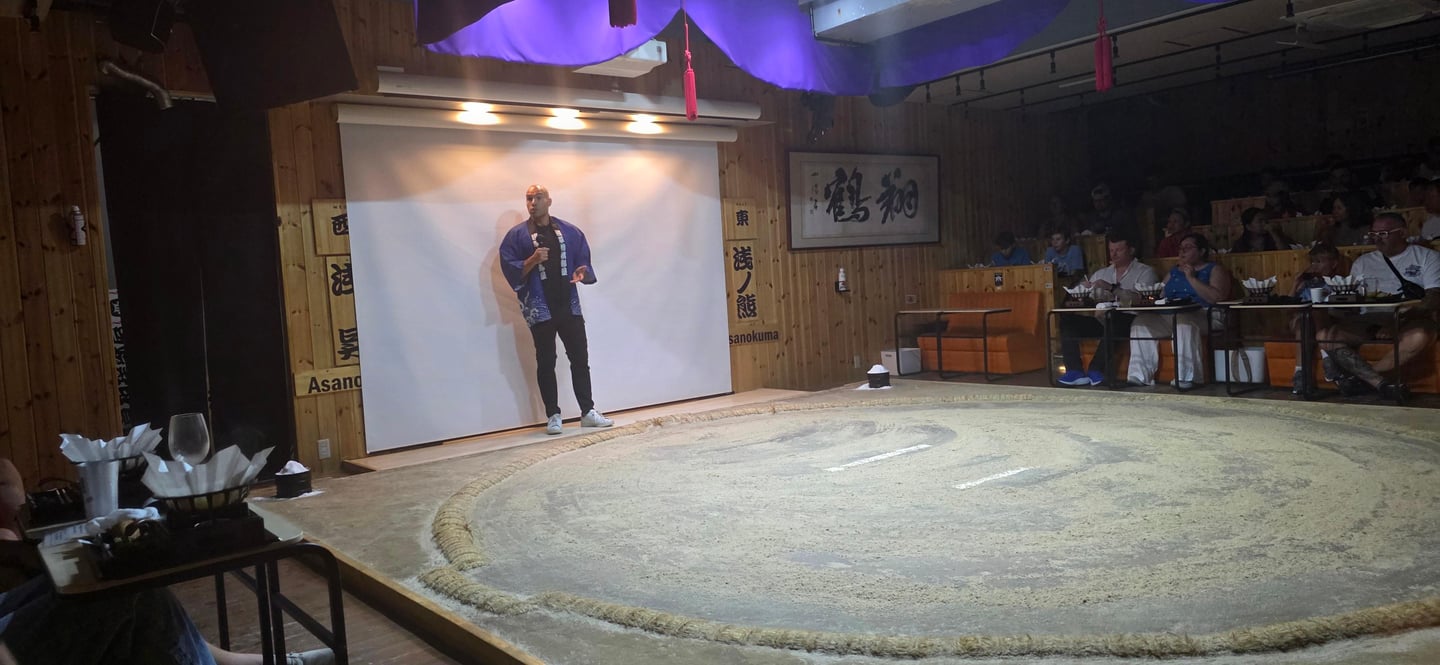
At the Shinjuku show the challenge is limited to six guests, and an English-speaking MC explains each ritual as it happens.
Places you'll pass
Tokyo · Shinjuku
Included
Professional sumo wrestling demonstrationHistory and Background information about SumoEnglish speaking MCWelcome drink (Bottled water)Opportunity to challenge a sumo wrestler (Limited participants; lottery if too many apply)
Which sumo wrestling show in Tokyo suits your evening
Green marks the lowest price. Each price says whether it is per person or per group.
Tour
Price
Duration
Pickup
Languages
Best for
Our pick
Tokyo: Shinjuku Sumo Show & Experience with a Photo
4.9★ (9,863)
from $49lowest price
1.5 hours
no
English
budget travelers who want a short Shinjuku show with photos
Choose your date as soon as your Tokyo plans are set. Sumo shows sell out quickly, especially evening slots and weekends, and availability can vanish when you try to rebook closer to your trip.
Pro tipApril, May and October are the busiest months for these shows, so lock in those dates first.
Common mistakeWaiting until the week of your trip. Popular sessions are gone by then and there is no walk-in fallback at most venues.
02
Choose the right option
Compare what each ticket tier includes before you pay. Some shows are performance only, while others add chanko nabe hot pot, wagyu sukiyaki, a geisha dance or front-row seating, and the wrestling part of the evening can differ by tier.
Pro tipIf you want to wrestle a wrestler in the ring, check your tier covers it. At some venues only certain tickets let you take part.
ImportantVegetarian and vegan meals at several venues must be requested at least two days before your booking date, or you get the regular meal.
03
Pay and confirm
Book online and watch for the operator's confirmation messages, which carry your meeting details. Most of these tours let you cancel up to 24 hours in advance for a full refund, so an early booking stays flexible.
Pro tipSame-day booking is sometimes possible. The Ginza show takes online bookings until 3 pm on the day, and some venues sell tickets online up to 30 minutes before the show, but only if seats remain.
Common mistakeAssuming a refund if you cancel late. Inside 24 hours there is no refund, though you may be able to move to another slot if one is open.
04
Find the meeting point
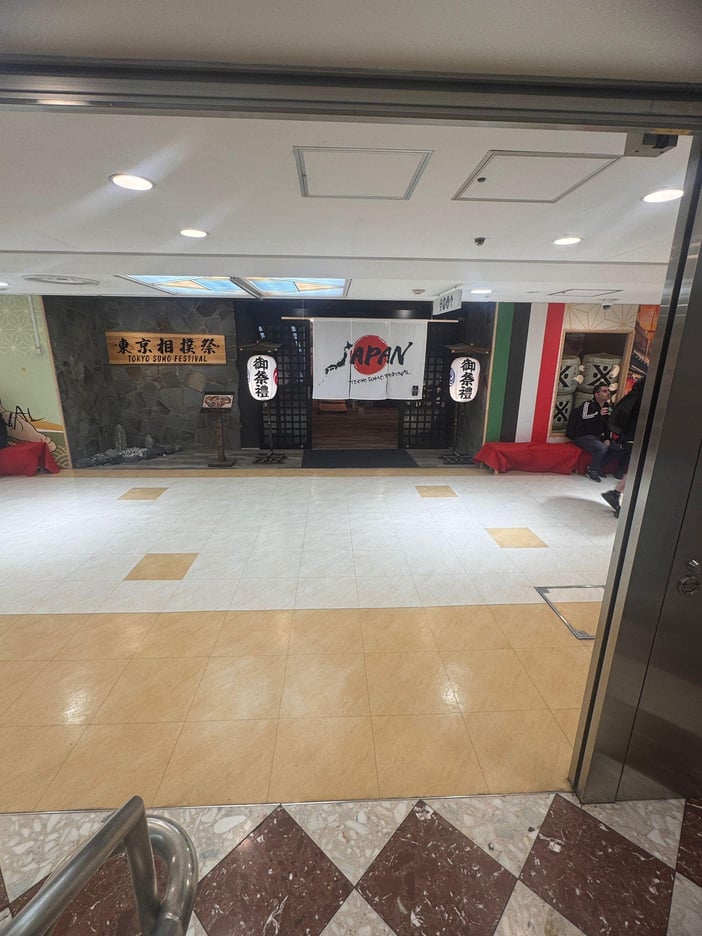
Check your voucher for the exact entrance. The Shinjuku show meets at Shinjuku Sumo Club Kabukicho, a two-minute walk from Higashi-Shinjuku Station Exit A1, and entry is only through the front door facing the main street next to Daiso. The Ginza show sits in the Prime Ginza Yanagidori Building basement, one minute from Ginza-itchome Station.
Pro tipAt the Tokyo Tower show you check in at the 5th floor front desk of Foot Town, so build in time for the tower itself.
ImportantThe Shinjuku venue is cashless, so bring a card. Visa, Mastercard, American Express, JCB, Diners Club and Discover are accepted.
05
Arrive ahead of the slot
Get there 15 to 20 minutes before your session. The Tokyo Tower show asks guests at the front desk at least 15 minutes before the appointment time, and the Shinjuku show runs to a fixed schedule, so late entry may not be accepted.
RecommendedAt weekend shows the room fills, so arriving early also gets you a better seat before the challenge lottery is drawn.
Common mistakeTurning up right on the ticket time. You risk a rushed check-in, and if you arrive late the show cannot be extended for you.
What to know before you book a sumo wrestling show in Tokyo
Can stop the dayGood to knowGood news
01
ChoosingWhat it is, who it suits, when to go
3
Joining in
Most shows end with a chance to step into the ring and challenge a wrestler. Spots are limited, often six guests or fewer, and when demand is high the participants are drawn by lottery. Joining is always optional, so you can stay in your seat and just watch.
Meals
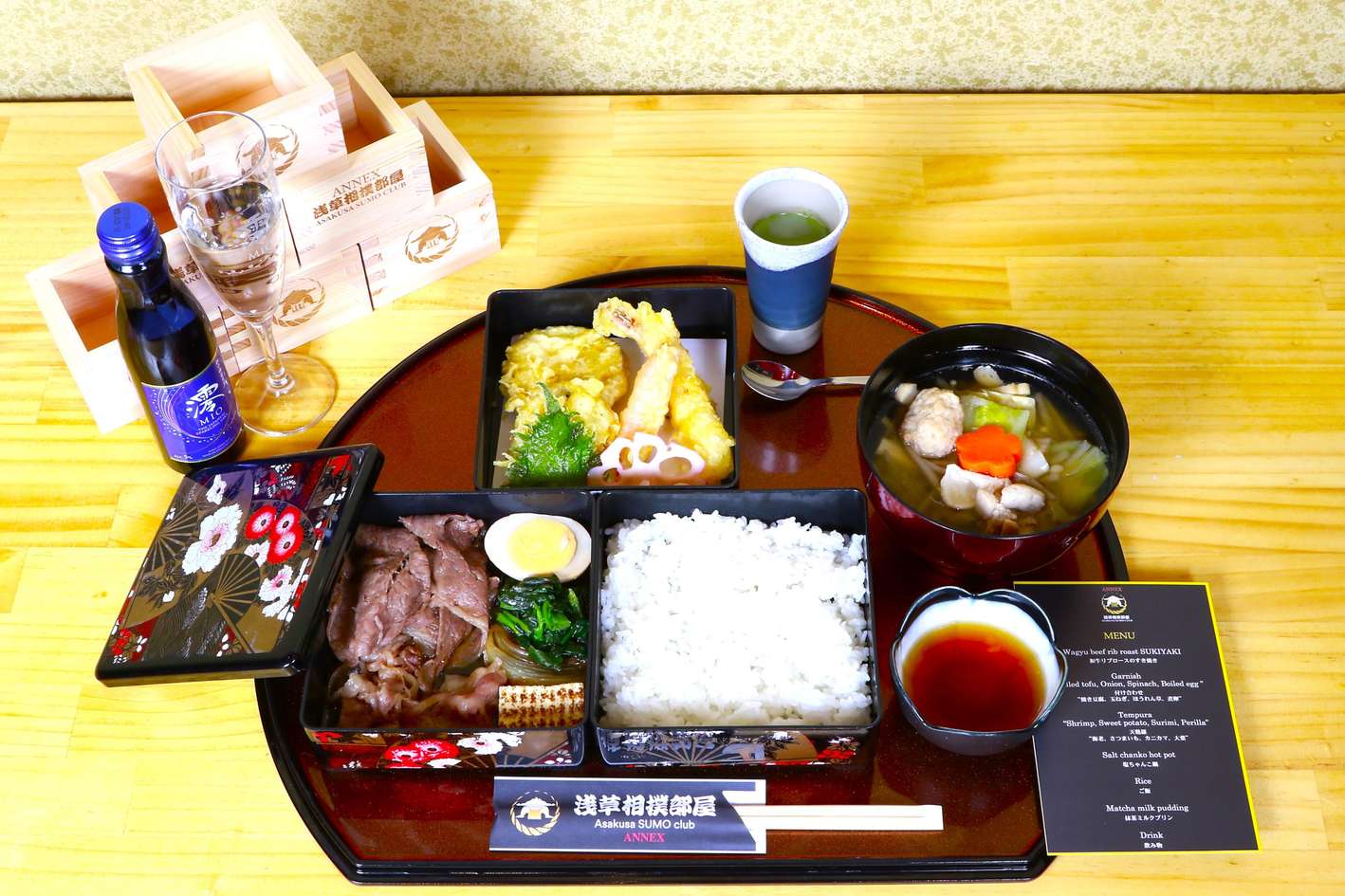
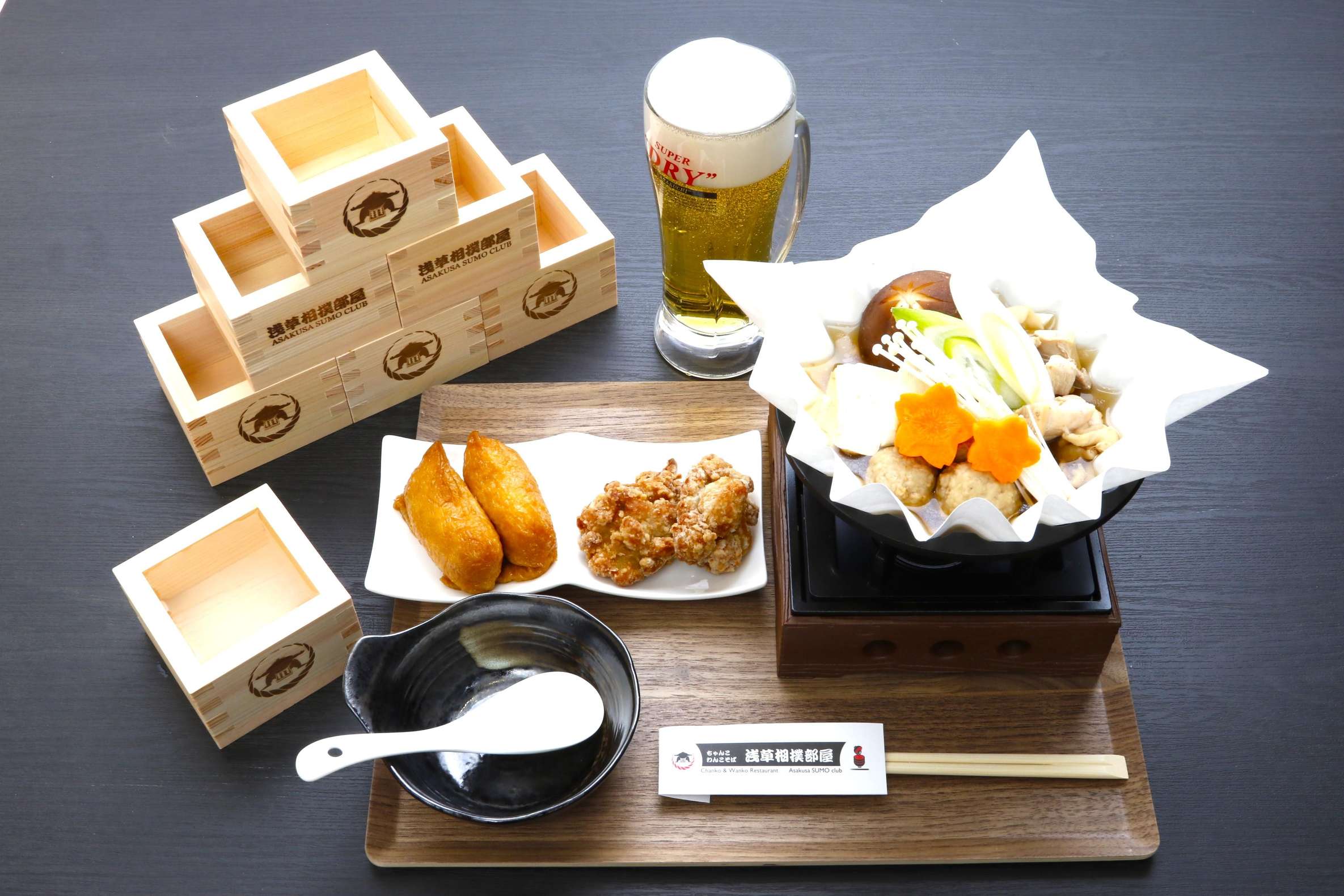
Some tickets come with food, from all-you-can-eat chicken hot pot to chanko nabe with wagyu sukiyaki and matcha dessert, and travelers praise the hearty, generous portions. Others cover the show alone. Check your booking details for exactly which food and drinks are in your tier.
Booking
Book early, especially for a weekend or a front-row seat, because the good seats go first. At some venues only premium tiers include the wrestling part, so read what your ticket covers before you pay.
02
BookingHow far ahead, and what happens if plans change
1
Cancellation
Plans change in Tokyo, and these tours let you cancel up to 24 hours in advance for a full refund. Cancel inside that window and there is no refund, though you may be able to move to another time slot if one is free.
03
Before you goPapers, health, what to bring
1
Age and healthCan stop the day
At the Ginza show, the hands-on training plan is unsuitable for children under 5, pregnant guests and anyone with a serious medical condition, and children need a guardian with them. The Shinjuku and Shibuya shows use age bands of 13 to 99 and 12 and younger. The Shibuya show is not suitable for wheelchair users, and some venues have stairs, so mention access needs when you book.
04
On the dayWhere to be, when, and how you get there
2
Getting there
None of these shows includes hotel pickup, so you make your own way to the venue. They sit in central spots: Shinjuku, Shibuya, Ginza near Yurakucho and Tokyo stations, Asakusa, and the 5th floor of Foot Town at Tokyo Tower. At the Shinjuku venue, entry is only through the front door next to Daiso.
Timing
Arrive at least 15 minutes before your slot; at Tokyo Tower you check in at the 5th floor front desk. At the Shinjuku show the schedule is strict and late entry may be refused at the front desk. Shows can also start noticeably later than the printed time, so leave slack in your evening.
05
During the tourWhat is expected of you
3
The show
These are entertainment performances by retired professional wrestlers, and the matches are choreographed. A show usually opens with an educational section on wrestlers' lives, stretches and rules, and the wrestling itself often fills only the last 15 to 30 minutes. The skill on the ring is genuine.
Etiquette
Keep your phone on silent, stay seated during matches and clap to cheer. Flash photography distracts the wrestlers, booing and noisemakers are poor form, and throwing your zabuton cushion is officially banned. Never enter the ring or touch a wrestler without permission.
Photos
A photo with the wrestlers is part of the deal at these shows, and some add a printed souvenir or a picture with the geisha. The Ginza venue allows video too. Shoot quietly from your own seat during the bouts and skip the flash.
The sumo wrestling show in Tokyo - A visitor's Guide
Tokyo runs live sumo shows every night of the week, in Ginza, Shinjuku, Shibuya and at Tokyo Tower. Each one shapes a different evening, from a tight 90-minute bout card to a two-hour dinner with geisha.
Tokyo· 35.68° N, 139.65° E
If you only remember three things
1
Book a few days ahead: popular dates and evening slots sell out, and some venues take same-day bookings only until 3 pm.
2
Arrive 15 minutes early; at the Shinjuku show, late entry may not be accepted at the front desk.
3
The wrestling itself fills only the last 15 to 30 minutes of a 90-minute show, so come for the whole event.
Is a sumo wrestling show in Tokyo worth an evening?
Salt hits the clay and the room goes quiet for a second before the charge. That moment, repeated a handful of times over an evening, is what a Tokyo sumo show sells, and for most first-timers it lands.
Here is the honest position. A show is entertainment with retired wrestlers, and the people who book it expecting genuine competition come away flat. As a first taste of sumo, it is the friendly pick: an English-speaking host explains the rituals, the room is warm, and nobody minds if you know nothing about the sport.
Morning practice at a real stable is the authentic choice, and it is left to die-hard fans who can sit silent on a tatami floor for two hours.
Many visitors call the show a highlight of their Japan trip even though they arrived knowing nothing. A sumo wrestling show in Tokyo is worth an evening once, especially if tournament tickets never came through.
The people who say it best put it plainly:
A traveler's note
100% worth the money. Incredible, funny, entertaining experience. I loved that they taught us some traditional aspects of sumo before the show. Would definitely recommend to others traveling to Japan :)
First-timers who cannot get tournament tickets say the dinner show is a fun and worthwhile substitute, best done once. That is the bar it clears, and it clears it comfortably.
Tour for this
Tokyo: Shinjuku Sumo Show & Experience with a Photo4.9★ (9,863) · 1.5 hours · Free cancellation
Inside the ring - what a Tokyo wrestling show looks like from your seat
The evening has a shape, and knowing it changes how you plan the night. Shows open with an educational stretch: the wrestlers' lives, the stretches, the rules, the meaning of the salt and the stomping. Only then come the bouts.
At the Shinjuku show, the 90 minutes break into roughly 40 minutes of explanation, about 20 minutes of bouts and demonstrations, and a final half hour for the ring challenge and photos.
The wrestling is the last 15 to 30 minutes almost everywhere. Individual matches last seconds. Watch a few NHK highlight clips before you go and the short bouts make sense when you see them live.
The matches are choreographed, but the wrestlers are often former professionals, so the skill on the clay is genuine even if the stakes are not. Plan the evening around the whole event; a single bout lasts seconds.
1
Start
History, rules and the wrestlers' lives
An English-speaking MC carries it
2
Mid-show
Bouts and demonstrations
About 20 minutes at the Shinjuku show
3
Final stretch
Ring challenge and photos
Lottery picks the challengers
If you want the format with the most wrestling per minute, the Tokyo Ginza Sumo Show: Live Performance & Photo Experience runs 1.5 hours of retired professionals, with salt throwing and photo moments built in.
Tour for this
Tokyo Ginza Sumo Show: Live Performance & Photo Experience4.7★ (2,064) · 1.5 hours · Free cancellation
Which night and time slot gives the best wrestling show atmosphere
Tokyo's sumo shows run every day of the week, so the calendar question is really about crowding. Visitors describe the same high-energy, interactive room whatever the night: chanting, crowd challenges, photos with the wrestlers at the end.
The difference is how full the seats are. Weekends fill the house, so arrive early for a good seat and expect the handful of challenge spots to go to a lottery. Weekday evenings run the same program with more room to choose where you sit.
Which day gives the best sumo show atmosphere in Tokyo
Sat: the busiest. Saturdays fill the house, so come early for a good seat and expect the wrestler challenge spots to go to a lucky few drawn by lottery.
Bar height: how busy each day is, from very quiet to the busiestThe busiest: Sat
Tap a day to read it.
Aim for the evening slots. The dinner-and-show seatings run 6 pm to 8 pm, with a late 8:30 pm to 10:30 pm option alongside the midday shows. Shinjuku runs sessions at 1 pm, 3:30 pm, 6 pm and 8:30 pm, and Shibuya runs five a day from mid-morning to 7:30 pm
How busy it gets, month by month
April: 5 out of 5 for how busy it gets.
HighestMar to May, Oct
In betweenJun to Sep, Nov
LowestDec to Feb
Darker: a higher how busy it gets score, out of 5
Tap a month to read it.
Busy months matter too. April, May and October pack the rooms, while February and December are quiet enough that a midweek seat is easy.
One more thing the calendar decides: individual venues keep dark days. The Ginza venue publishes a monthly calendar with a few closed dates each month, so check it before you fix the evening.
Tour for this
Tokyo: Shibuya Sumo Show with Experience & Photo4.9★ (3,242) · 1.5 hours · Free cancellation
Picking your wrestling show in Ginza, Shinjuku, Shibuya or at Tokyo Tower
Four neighborhoods, four different evenings. The choice comes down to what you want wrapped around the wrestling.
Ginza is the dinner-and-a-show pick, with sessions at 6 pm and 8:30 pm and both a 90-minute format and a longer meal-included version. Shinjuku runs a tight 90-minute show with photos and a lottery challenge, easy to pair with the nightlife streets around Kabukicho.
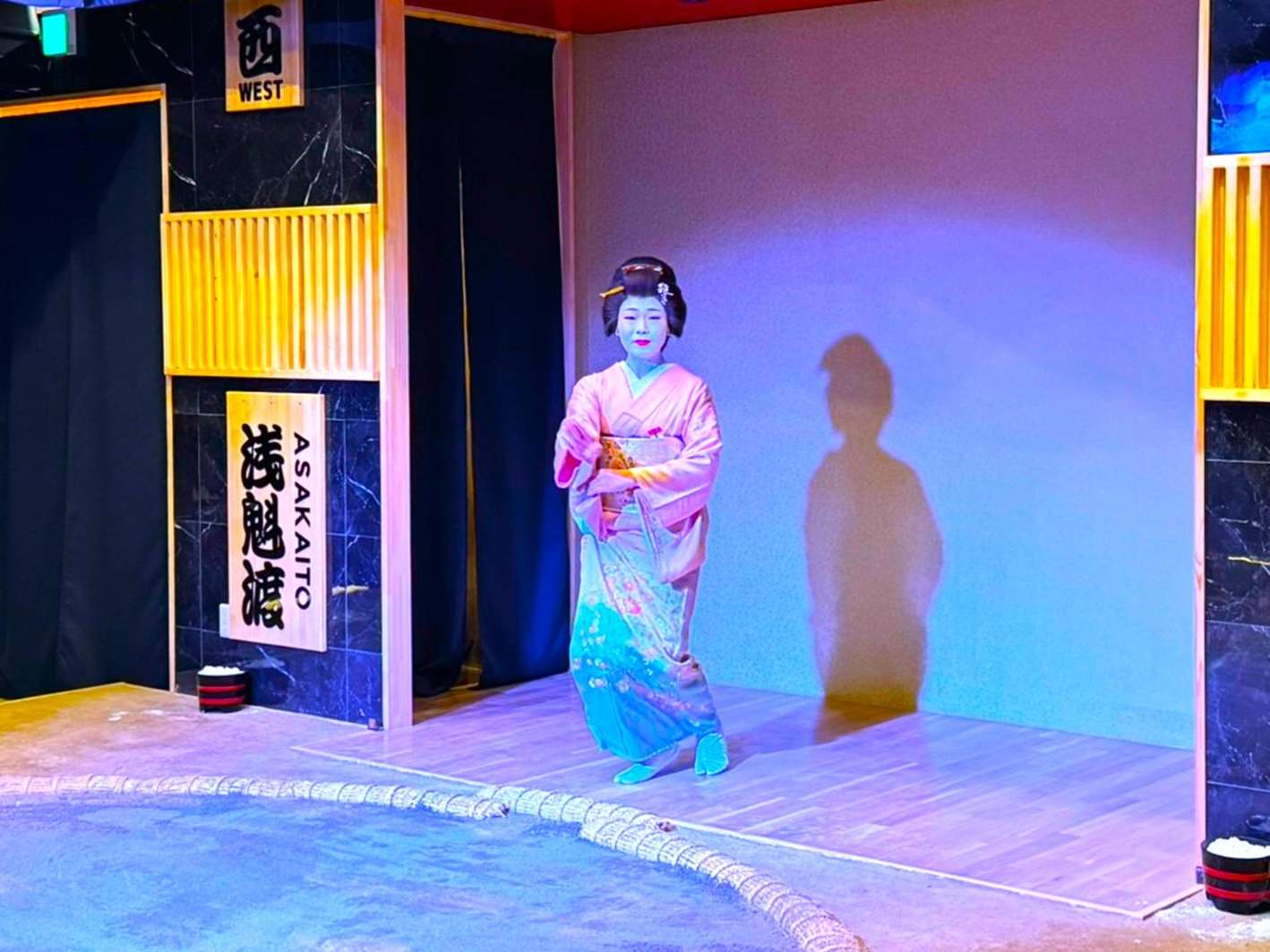
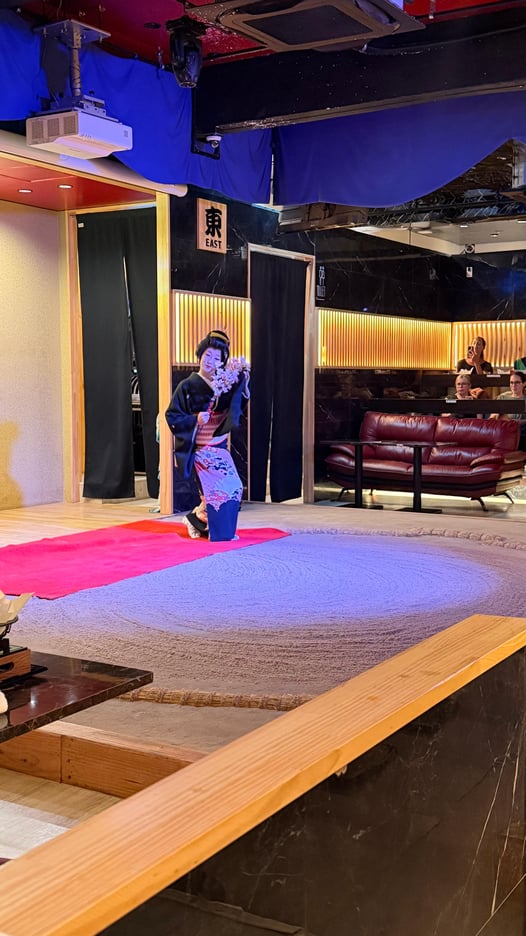
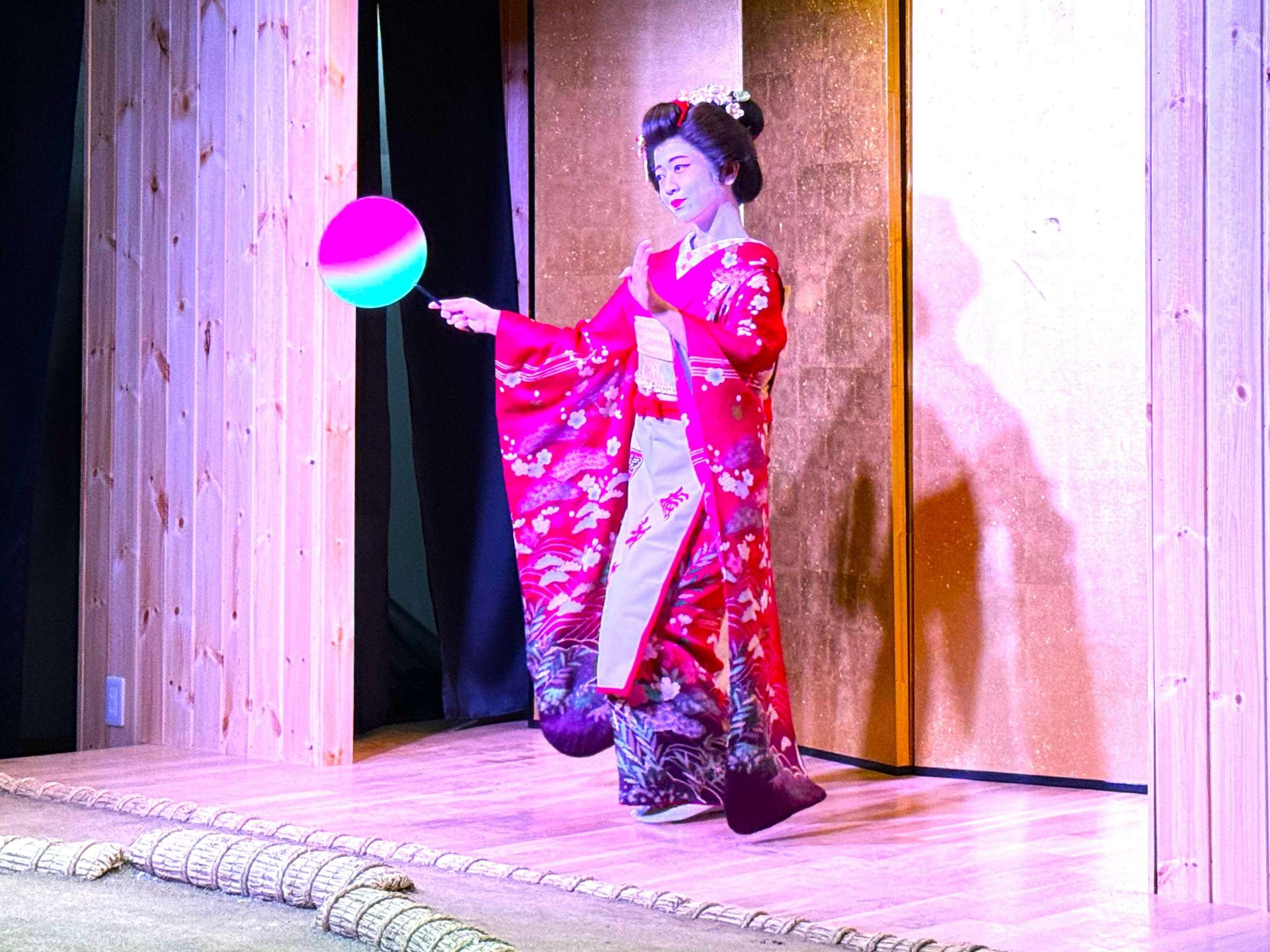
Shibuya is the shortest walk from a station and keeps things simple: show, challenge, photos. Tokyo Tower combines the bouts with Oiran dancers, a lion dance and live traditional instruments, plus a Japanese set meal, in a venue of about 170 seats.
For families, the hot pot and geisha format is the one built for children, with a lively, humorous style that keeps young ones engaged. The Asakusa Sumo Club welcomes a four-year-old. Match the show to the evening you want, then book the neighborhood.
Ginza
Shinjuku
Tokyo Tower
Length
90 minutes to 2 hours
90 minutes
120 minutes with meal
Meal
Optional dinner formats
Welcome drink only
Japanese set meal included
Participation
Salt throwing, photo moments
Lottery ring challenge
Lottery ring challenge
Extras
Photo and video opportunities
Pictures with the wrestlers
Oiran and lion dance
Ginza
Length
90 minutes to 2 hours
Meal
Optional dinner formats
Participation
Salt throwing, photo moments
Extras
Photo and video opportunities
Shinjuku
Length
90 minutes
Meal
Welcome drink only
Participation
Lottery ring challenge
Extras
Pictures with the wrestlers
Tokyo Tower
Length
120 minutes with meal
Meal
Japanese set meal included
Participation
Lottery ring challenge
Extras
Oiran and lion dance
The Tokyo: Sumo Entertainment Show with Chicken Hot Pot & Geisha is the family format: two hours with all-you-can-eat hot pot, a geisha dance to open, and a printed souvenir photo.
Tour for this
Tokyo: Sumo Entertainment Show with Chicken Hot Pot & Geisha4.8★ (8,711) · 2 hours · Free cancellation
Getting to your sumo wrestling show venue in Tokyo
Every show sits a short walk from a station, so pick the show first and the station comes with it. The Shinjuku venue is about two minutes from Higashi-Shinjuku Station, and the Tokyo Station ride out is roughly 14 minutes on the JR Chuo Line.
The Shibuya venue is actually next to JR Yoyogi Station, one stop from Shibuya, a detail that saves people a long walk. The Ginza venue is a minute from Ginza-itchome Station.
Train and walk is the fastest ride from central Tokyo in every case. From Shinjuku, the Ginza show is a direct Marunouchi Line ride plus a four-minute walk, about 25 minutes door to door. Taxis work for door-to-door evenings: roughly 15 minutes from Tokyo Station to Tokyo Tower without traffic.
Neither Shinjuku nor Shibuya is the right base for sumo; both have venues, and Shinjuku is easy to reach from Shibuya in two stops.
If you would rather not think about trains at all, the Tokyo: Live Sumo Show Entertainment in Tokyo with Photos includes hotel pickup and drop-off in a private vehicle over three hours.
Tour for this
Tokyo: Live Sumo Show Entertainment in Tokyo with Photos2.7★ (6) · 3 hours · Hotel pickup · Free cancellation
What to wear and bring to a wrestling show evening
There is no formal dress code at an evening sumo and geisha dinner show in Tokyo. Smart casual clothes you can sit and eat a full meal in are all the room asks for.
Two details decide comfort. Shoes come off at the entrance for tatami seating, so slip-on shoes and whole socks beat laces and holes. And if you want a shot at the ring challenge, wear something you can bend and step in, since guests are invited to try.
What to wear and bring to an evening sumo show
Smart casual clothesNo formal dress code: something comfortable you can sit and eat a full meal in is all the evening asks for.
Clothes you can move inGuests may be picked for the sumo challenge in the ring, so pick something you can bend and step in easily.
Slip-on shoesShoes come off at the entrance for tatami seating, and slip-ons make low seating and shared tables simple.
Clean socksYou go barefoot or in socks on the tatami once your shoes come off, so whole socks beat holes.
Light layersThe dining room with the hot pot can be warm while the walk back is cool, so a thin layer covers both.
Small bagA small bag on your lap beats a big daypack in the close seating around the ring.
The dining room with the hot pot runs warm while the walk back is cool, so a light layer covers both.
Keep your things in a small bag on your lap; the seating around the ring is close, and a big daypack has nowhere to live. That is the whole packing list. Sort it once, the day you book, and stop thinking about it.
Tour for this
Tokyo: Luxury Sumo Show Experience & Japanese Cuisine & Drinks4.7★ (1,033) · 2 hours · Free cancellation
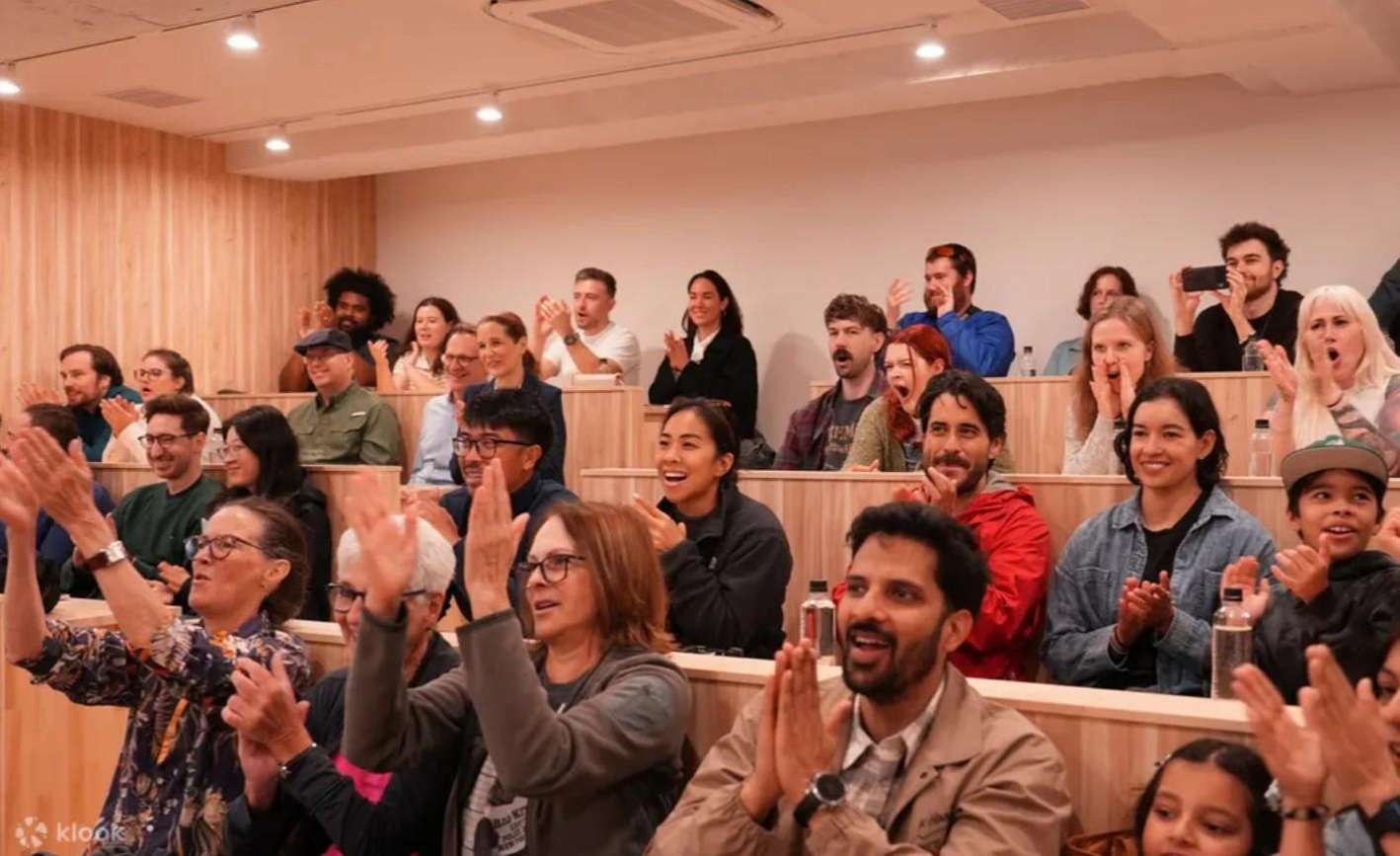
The room has a rhythm and the crowd teaches it. Clapping is welcome, cheering for a favorite is fine, and when the referee's fan points forward for the charge, the whole venue goes quiet. Stay seated during the bouts and keep your phone on silent.
The hard lines are few and simple. No flash photography, ever; it startles the wrestlers. No noisemakers, no heckling, no shouting or finger whistling. Never enter or touch the ring, and never touch a wrestler without permission.
If cushions fly after a big moment, leave yours where it is; throwing them is officially banned. Joining the audience participation is always your choice.
What nobody tells you
Shows can start noticeably later than the printed time
Build slack into the evening, and leave any dinner reservation for after the show
Only premium ticket tiers may include the wrestling part
Check what your tier covers before you book
Seating can be tight, with some tables far from the ring
Ask about seat position when you book if seeing the clay matters
Food and drinks vary by ticket
Confirm which meal and drinks your booking actually includes
Timing matters as much as manners. The Tokyo Tower show wants you at the 5th floor front desk at least 15 minutes before your slot, and at the Shinjuku show late entry may simply not be accepted.
Tour for this
Tokyo: Sumo Entertainment with Japanese Meal at Tokyo Tower4.9★ (90) · 1.5 hours · Free cancellation
Kids and accessible seating at a Tokyo wrestling show
These shows are built for children. The format is lively, humorous and welcoming, and the family-oriented venues run age bands that include kids of 11 and younger, with infants on laps at Shibuya. Babies under one year are the usual cut-off at the meal-included shows.
The hands-on wrestling carries its own limits. At the Ginza show, the active training plan is not suitable for children under 5, pregnant guests, or anyone with a serious medical condition, and children need a guardian with them. Participation is optional everywhere; a guest can watch or do an adapted activity instead.
Access needs change the picture. The Shibuya show is not suitable for wheelchair users, one venue's restaurant is unreachable by stairs, and wheelchair-accessible seating is limited at the Tokyo shows. Tell the operator at the time of booking and the Ginza staff can arrange assistance in advance.
Can stop the day
The Shibuya show is not suitable for wheelchair users, and some venues sit behind stairs Contact the operator when you book; the Ginza show arranges assistance if told in advance
None of this rules the evening out; it just moves one conversation to booking day. Say what you need when you reserve, and the seating can be sorted before you ever reach the door.
What to do before and after your Tokyo wrestling show
The evening plans itself once the show is fixed, because every venue sits in a district that fills the hours either side.
Ginza gives you the most. Within about a 20-minute walk of the venue are the Artizon and Idemitsu museums, Karasumori Shrine and Tsukiji Hongan-ji, and the Tokyo International Forum. On weekend afternoons from noon, Chuo Dori closes to cars and becomes a pedestrian strip, a good pre-show wander.
Shinjuku's venue is a few minutes from Hanazono Shrine, with the Sompo Museum of Art, Shinjuku Central Park and the gates of Shinjuku Gyo-en inside 15 minutes on foot, and the restaurant and nightlife streets all around.
At Shibuya, Hachikō's statue stands at the crossing and the Ukiyo-e Ōta Memorial Museum sits 15 to 18 minutes away toward Harajuku.
Tokyo Tower writes its own afterpiece. The tower lights up every night after sunset, and the 150-meter Main Deck holds a 360-degree night view, so a 7:30 pm show flows straight into the light-up.
Booking a sumo wrestling show seat, and changing plans
Same-day seats exist more often than you would think. One Tokyo operator sells tickets online until 30 minutes before a show, and the Ginza venue takes same-day bookings until 3 pm.
The Tokyo Tower show runs four sittings a day at 10:30 am, 1:30 pm, 4:30 pm and 7:30 pm, so a free afternoon can become an evening ticket.
Still, deciding early is the safer play. Popular dates and evening slots sell out, and availability can vanish when you try to rebook closer to your trip. Weekend front seats go first.
The change-of-plan rules are clear. Most shows can be cancelled up to 24 hours in advance for a full refund. Cancel inside that window and there is no refund, though you may be able to move to another slot or day if seats exist.
Arrive late and the show cannot be extended; you join partway and miss sections, and at Shinjuku the front desk may not let you in at all. Fix the date, arrive 15 minutes early, and the evening is yours.
A Tokyo sumo wrestling show is the friendly first taste of the sport: retired professionals, real technique, a warm room and a photo at the end. Book the format that fits your evening, arrive early, and keep your expectations set on entertainment.
Go for the dinner shows if you want the meal and the spectacle in one sitting. Save morning practice at a stable for a later trip, when the quiet etiquette will feel like part of the appeal.
Go ifYou want a first taste of sumo without tournament tickets or a 7 am startYou are traveling with children who would not survive two silent hours at a stableYour trip falls between tournaments and you still want live sumo
Skip ifYou expect genuine competitive matches with real stakesYou want the unfiltered, silent reality of wrestlers' daily trainingYou cannot manage stairs or floor seating and the venue cannot accommodate you
Our pick to book
Tokyo: Shinjuku Sumo Show & Experience with a Photo4.9★ (9,863) · 1.5 hours · Free cancellation
Sumo wrestling show in Tokyo - your questions answered
Short answers to what travelers ask before booking a live sumo show in Tokyo, from what the wrestlers do to when to arrive.
What do you actually see at a sumo wrestling show in Tokyo?
A show opens with an educational section on wrestlers' lives, stretches and the rules, then moves into bouts, rituals like salt throwing and a chance for a few guests to challenge a wrestler.
The wrestling itself often fills only the last 15 to 30 minutes, and the matches are choreographed entertainment. The performers are usually former professionals, so the technique is genuine.
Is a Tokyo sumo show a real tournament?
It is a performance by retired wrestlers, and the operators say so plainly on their booking pages. If you want genuine competitive sumo, you need a grand tournament ticket, which Tokyo hosts in January, May and September and which sell out fast.
Are sumo shows in Tokyo explained in English?
Yes. The Shinjuku and Shibuya shows have an English-speaking MC, the Ginza show provides English and Japanese support, and the Asakusa and Tokyo Tower shows run live commentary in both languages. You can follow the whole thing without any Japanese.
Where in Tokyo can you see a sumo wrestling show?
Shows run in Shinjuku, Shibuya, Ginza, Asakusa and at Tokyo Tower, each a short walk from a station. The Shibuya venue sits next to JR Yoyogi Station, one stop from Shibuya, and the Ginza venue is about a minute from Ginza-itchome Station.
How long is a sumo show in Tokyo, and how much is actual wrestling?
Most Tokyo shows run 1.5 to 2 hours. At the Shinjuku show, the 90 minutes break down into roughly 40 minutes of explanation, 20 minutes of bouts and demonstrations, and 30 minutes for the ring challenge and photos.
Which Tokyo sumo shows include a meal like chanko nabe?
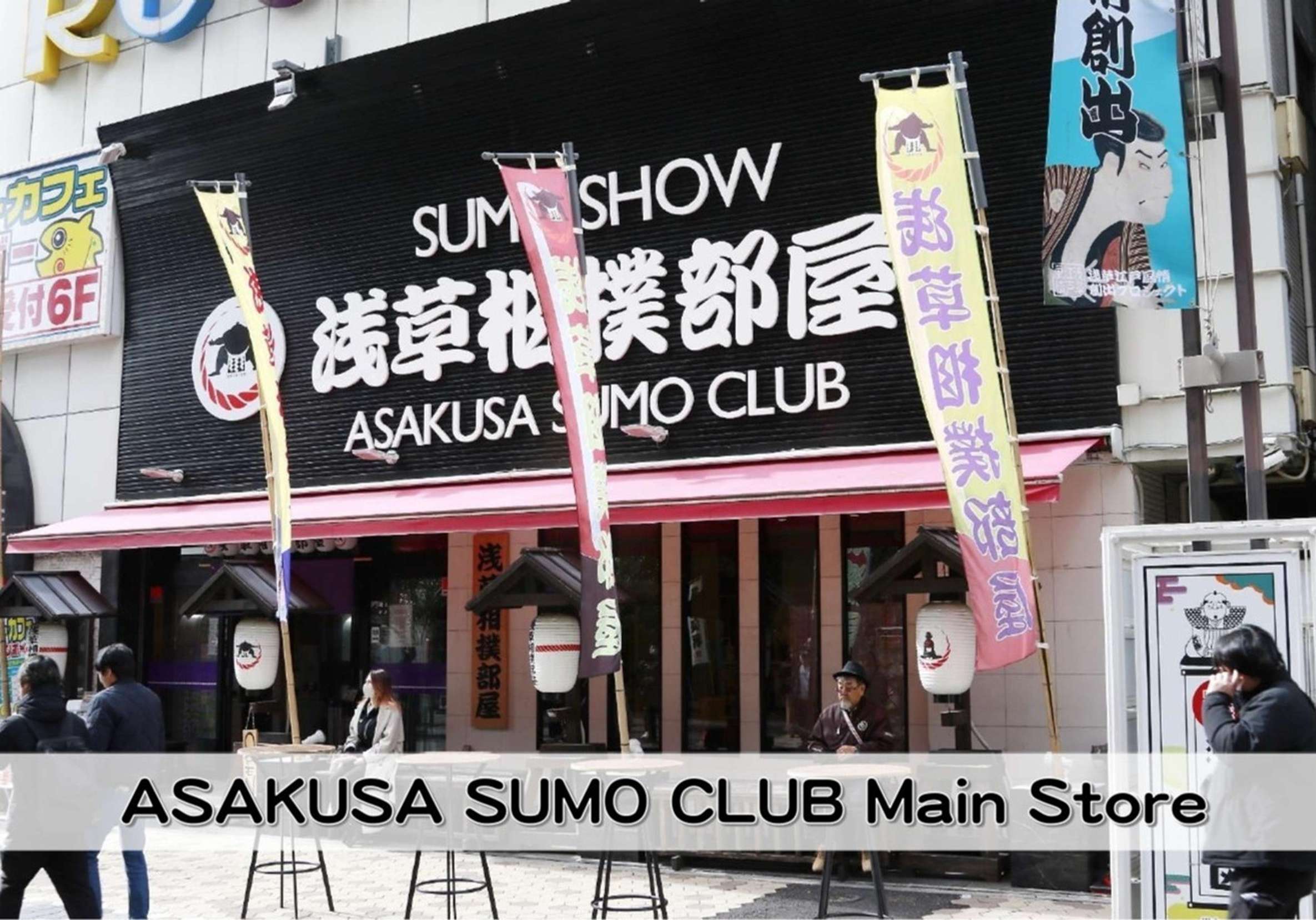
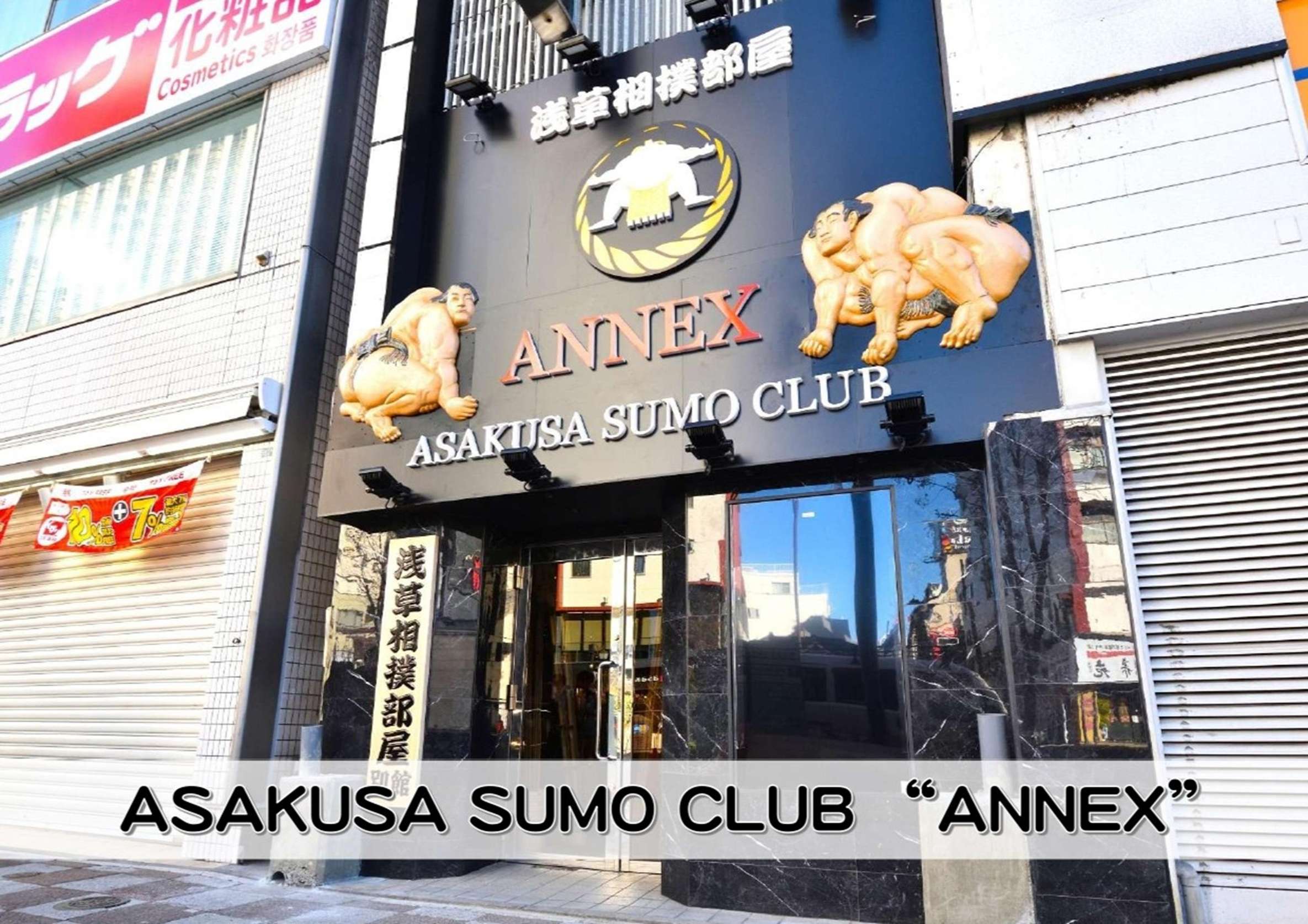
The Asakusa show includes all-you-can-eat chicken hot pot with a geisha dance, and the luxury Asakusa Annex show adds wagyu sukiyaki, tempura and a matcha dessert. The Tokyo Tower show serves a Japanese set meal during the performance. Travelers praise the food as hearty and generous.
Can you take photos or step into the ring yourself?
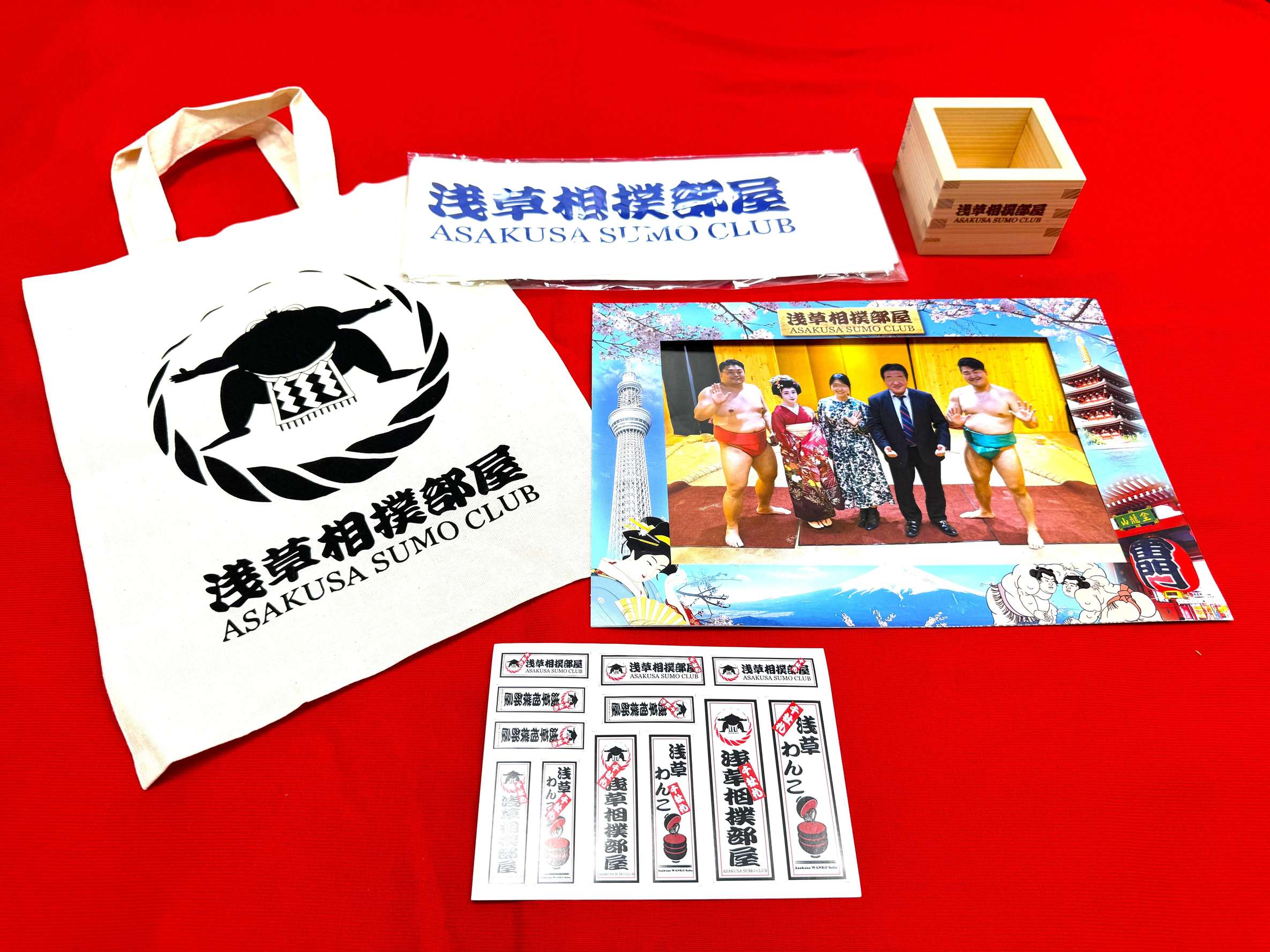
Every show on this page includes photos with the wrestlers, and several give a printed souvenir. Most also run a lottery for the chance to challenge a wrestler in the ring, with spots limited to a handful of guests per show, so joining in is never guaranteed.
Are Tokyo sumo shows suitable for children?
The Asakusa and Tokyo Tower shows are designed for adults and children together, with a lively, humorous format that keeps kids engaged. Babies under 1 year are not admitted at the Asakusa shows, and at the Ginza show the hands-on training option is not suitable for children under 5.
Is a sumo show worth it compared with a tournament or morning practice?
Experienced travelers see the dinner show as the better pick for casual first-timers, while morning practice at a stable suits die-hard fans who can sit still and silent. Many visitors call the show a highlight of their trip even knowing little about the sport.
Can you book a sumo show in Tokyo on the same day?
Sometimes. The Ginza venue takes same-day online bookings until 3 pm, and some venues sell tickets up to 30 minutes before the show, but seats can sell out fast. Booking a day or two ahead is the safe move, especially for weekends and front seats.
How early should you arrive for a Tokyo sumo show?
Arrive 15 to 20 minutes before the printed time. The Tokyo Tower show asks guests at its 5th floor front desk at least 15 minutes ahead, and the Shinjuku show may refuse late entry because it runs to a fixed schedule. Shows can also start later than the ticket says, so build in some slack.
More sumo wrestling show ideas for your Japan trip