





Likely to sell out
1.5 hours·English
4.9(3,242)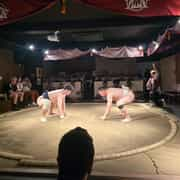
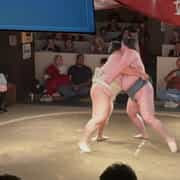

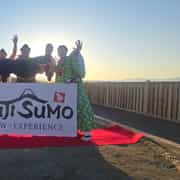
Tokyo: Shibuya Sumo Show with Experience & Photo
Free cancellationSumo show and live demonstrationsWelcome drink (bottled water)

Find sumo wherever your dates land, not just when a tournament is on. Tournaments at the Kokugikan, silent practice at a real stable, or a show you can join. Guides who know the sport take you in, and photos with the wrestlers come after. Pick a city and book your seat.
"Such a fun time! Loved the mix of music, sumo traditions, training and how fights run, all engaging. I volunteered for a fight, so funny."





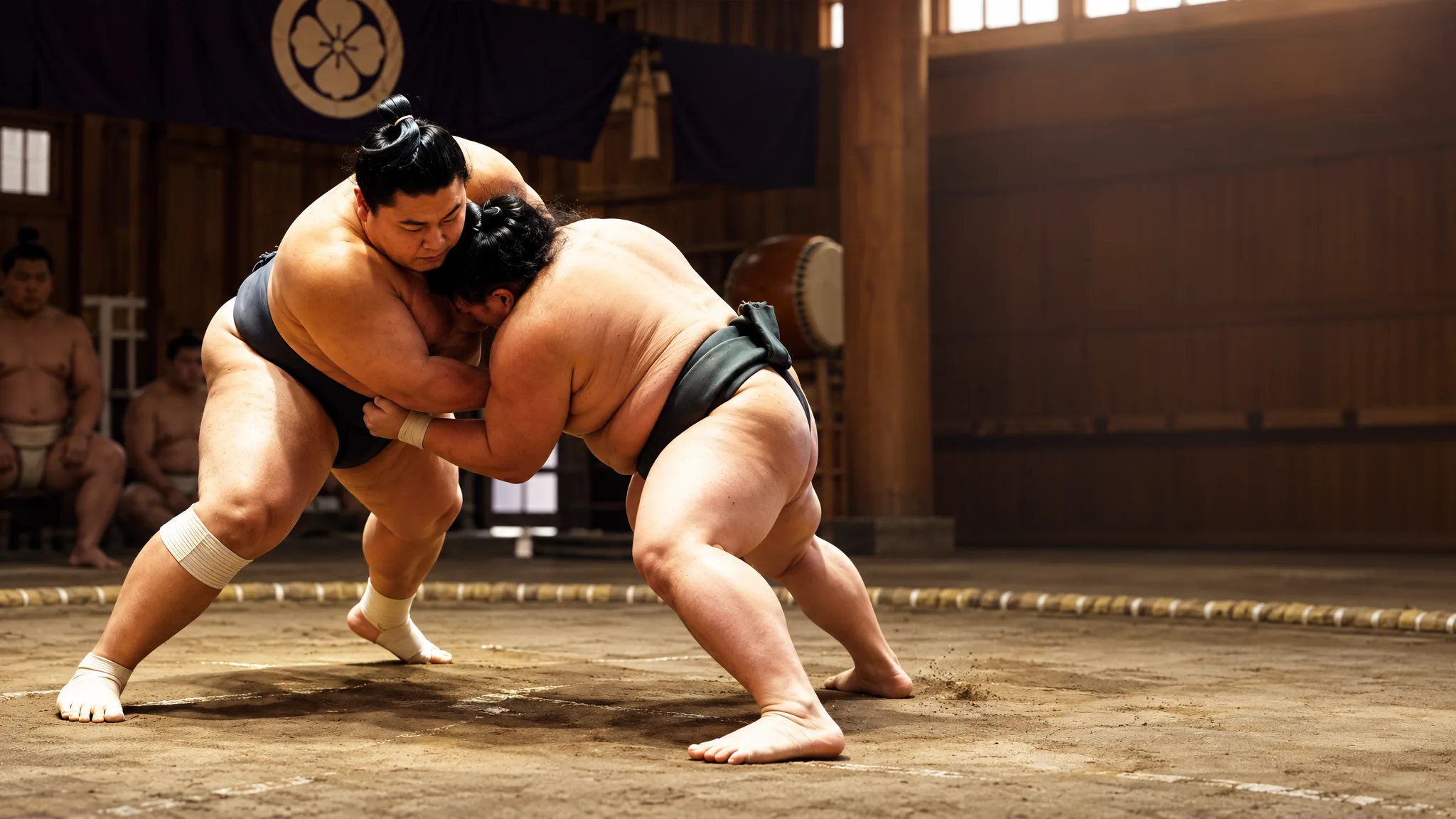
The six ranked tournaments of the year, where they run and how to get a seat before they vanish.
Read the guide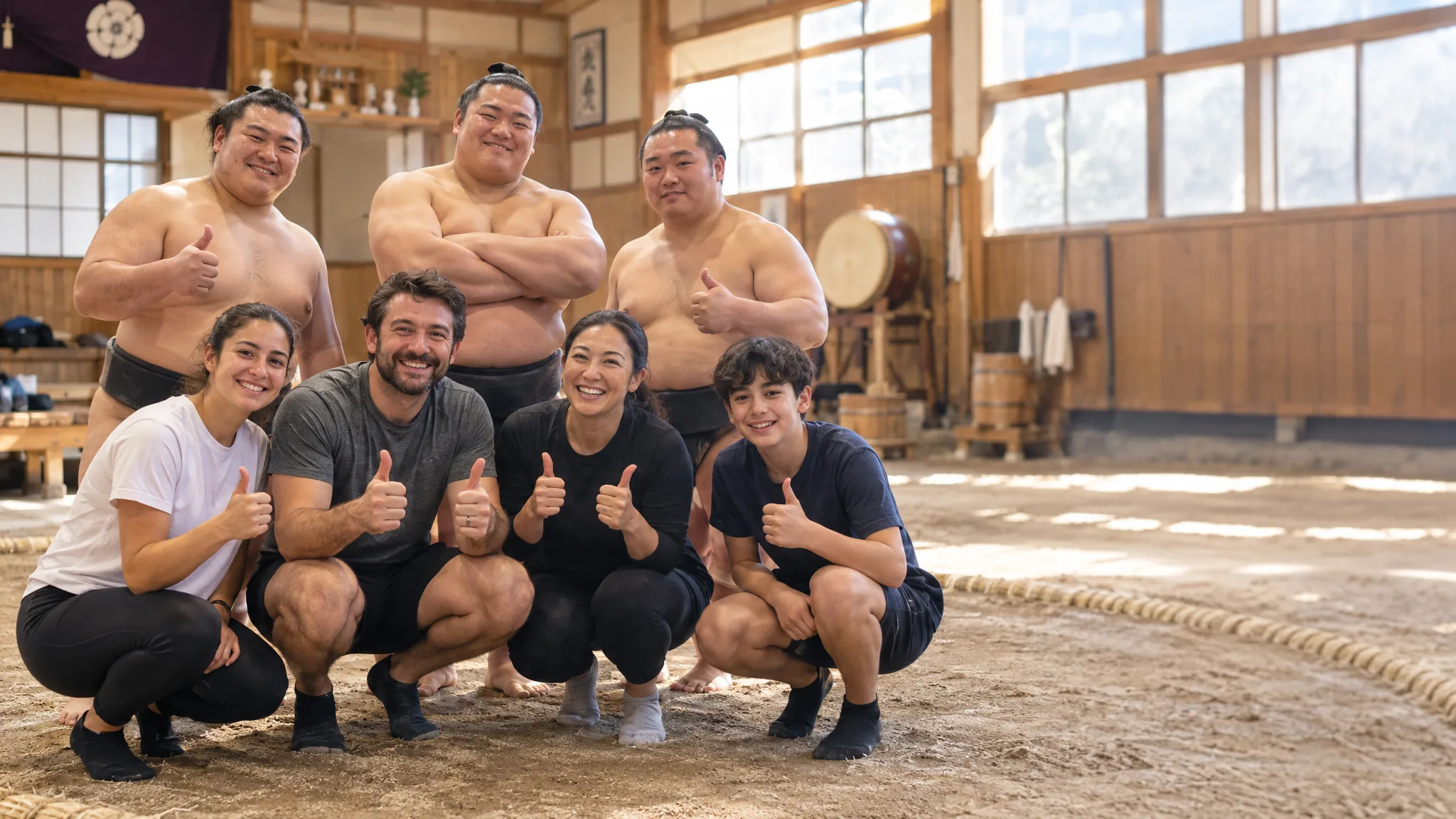
Real morning training at working stables, watched in silence from a floor cushion a few feet away.
Read the guide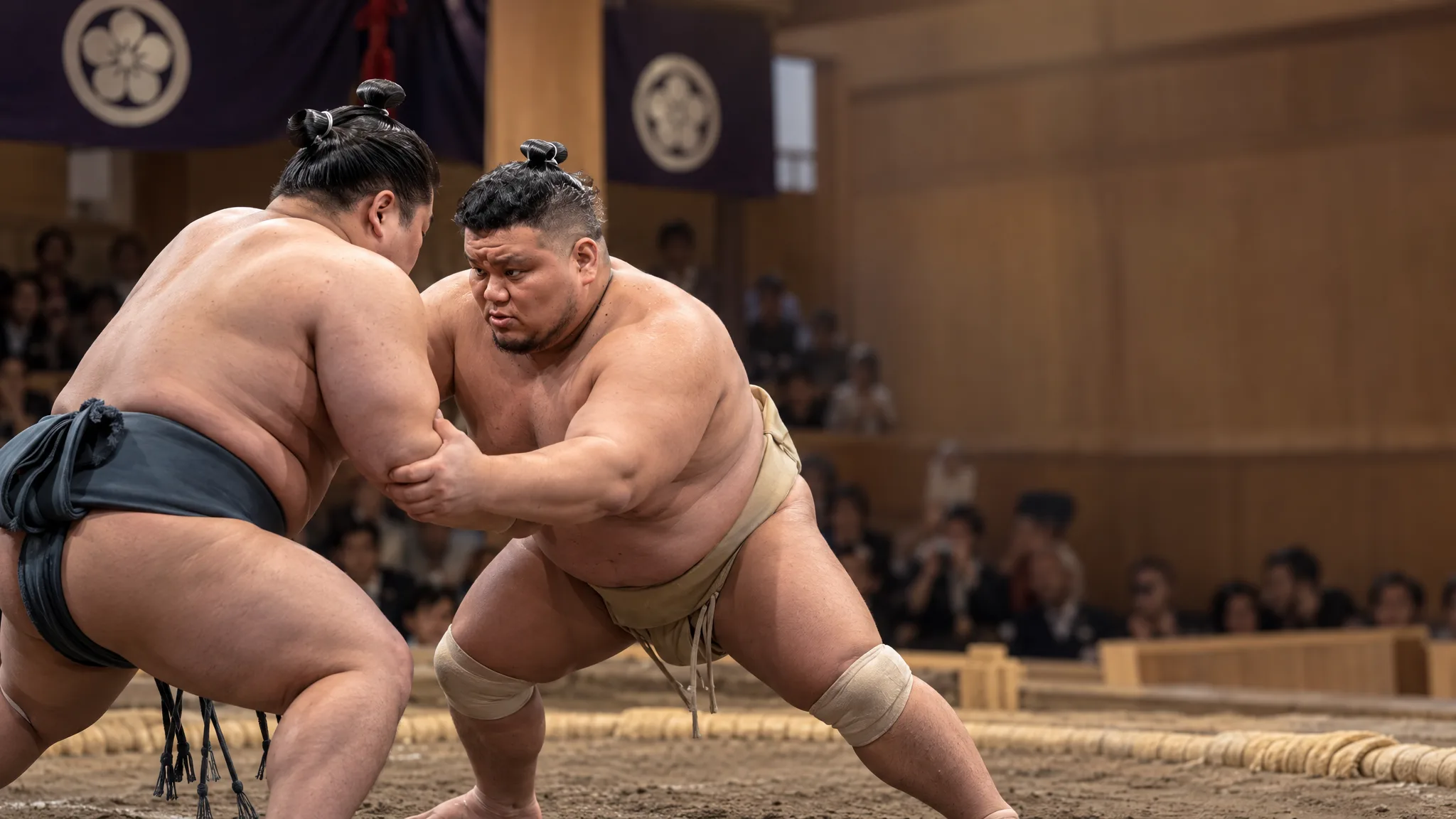
Retired wrestlers a few feet from your seat, with dinner, photos and a ring challenge.
Read the guide
Tournaments, stables and shows in one city, with the month that decides each.
Read the guide
The March tournament and year-round shows by retired professionals in Namba.
Read the guide
Daily shows by former top-division wrestlers, indoors, all year, with dinner.
Read the guide
Real morning practice and the November tournament, inside one short window.
Read the guideA dinner show on a full clay ring in Susukino, three sittings a day.
Read the guideThe July tournament and the weeks of practice around it, and nothing else.
Read the guideNo tournament in April, so here is what your dates can still hold.
Read the guideThe six tournaments, the stable mornings and the nightly shows ask different things of your dates. Here is how each kind of viewing works and which one your trip allows.
The real competition, six times a year, gone in minutes once sales open.
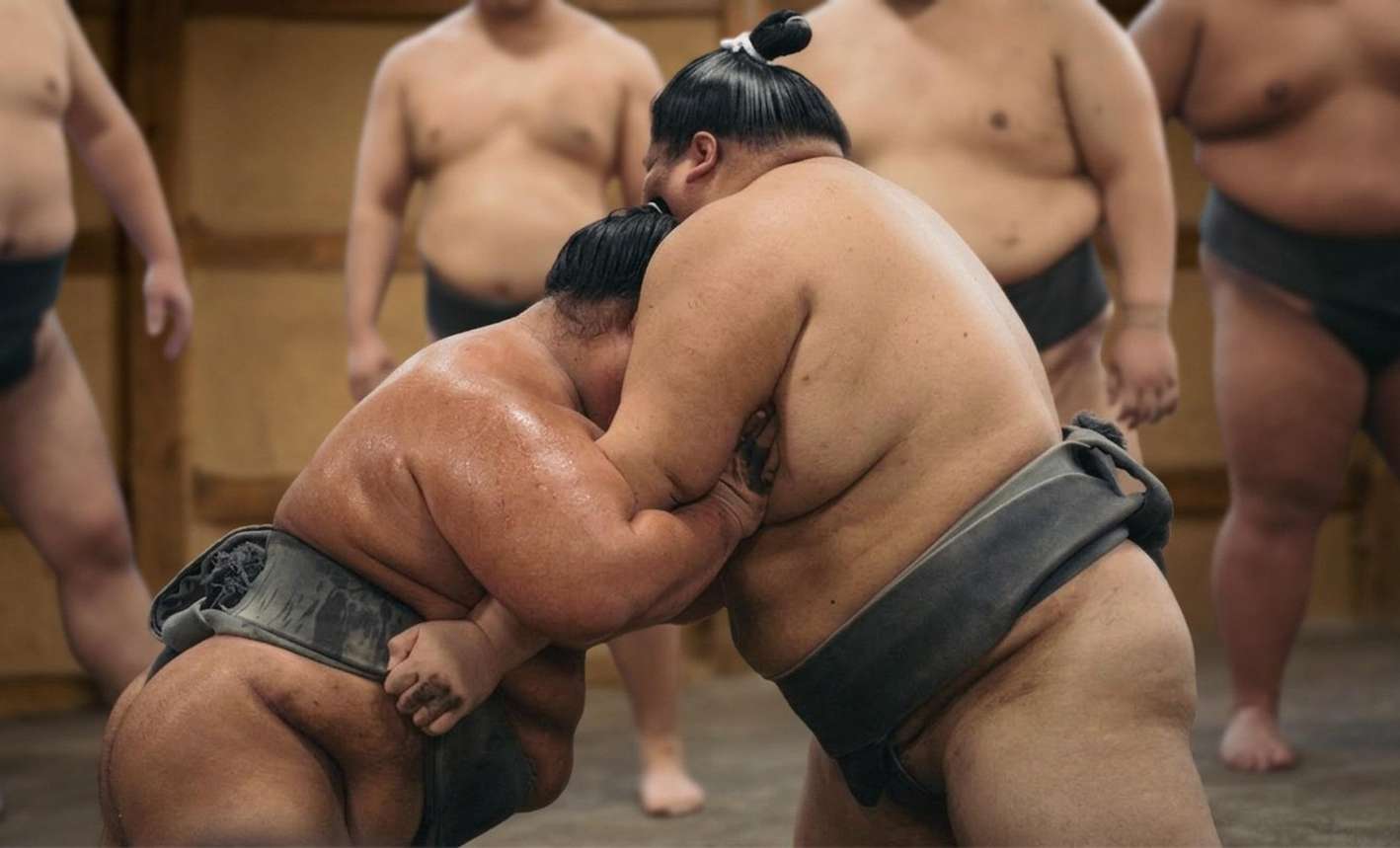
For two weeks at a time the ranked wrestlers fight for real, with records, ranks and the championship riding on every bout.
Japan holds six of these tournaments a year: Tokyo in January, May and September, Osaka in March, Nagoya in July and Fukuoka in November. The crowd yells for its favorites, cushions fly after an upset, and the room goes quiet seconds before each charge.
The hard part is the ticket. Sales open at 10 am Japan time about a month ahead, and popular days can go within minutes. If your month matches the calendar, buy the moment they drop, and aim for the afternoon bouts.
Sumo as the wrestlers live it, silent and close, done by nine.
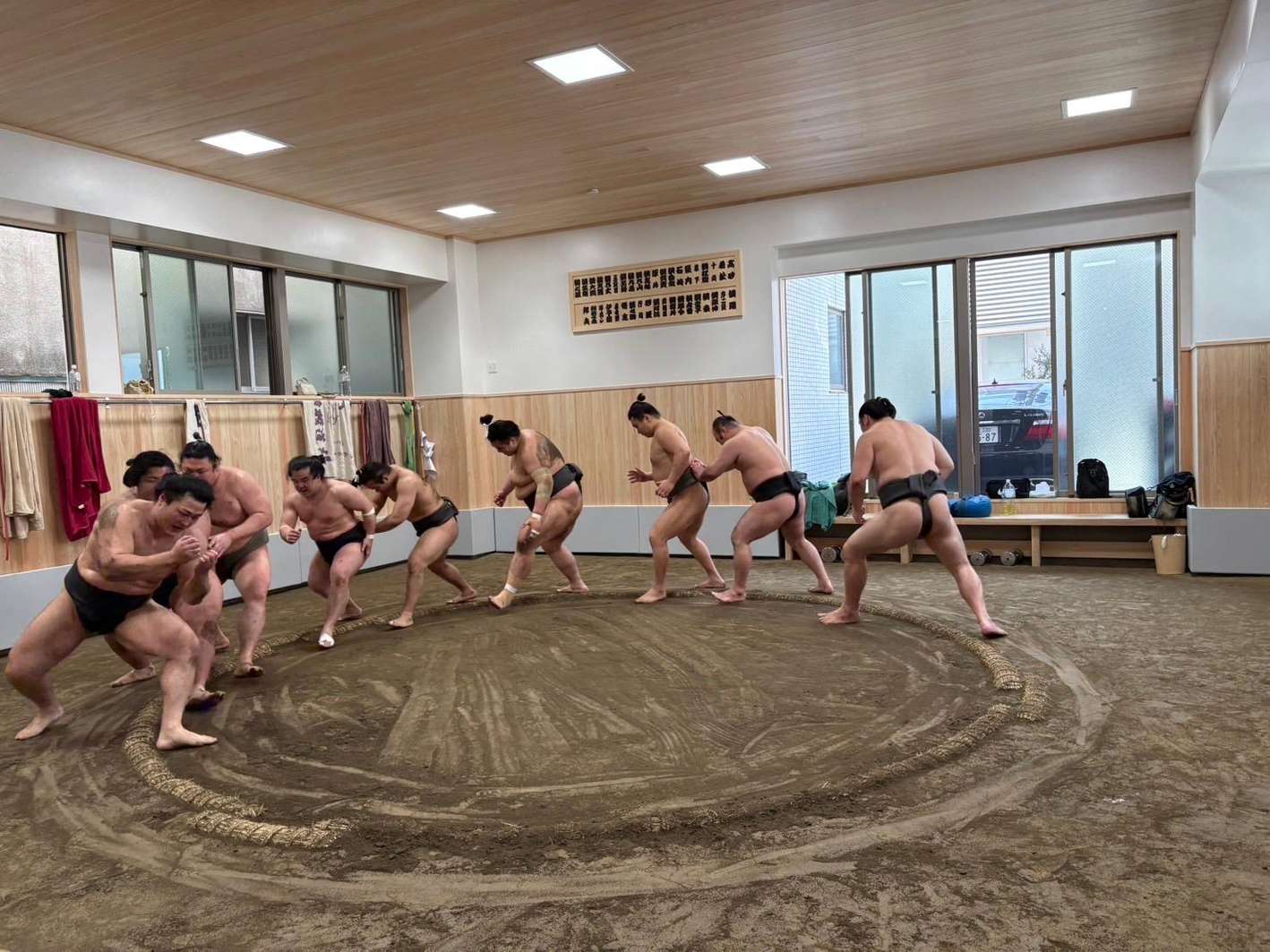
Morning practice is sumo as the wrestlers live it: drills, leg stomps and full-intensity sparring inside a working stable, watched from a cushion close to the ring. Guided visits in Tokyo run from about 7 to 10 am, so you are usually done by nine and the day stays yours.
Two rules shape the morning. You stay silent and still, with no talking, no flash photos and no phones, and your questions come at the end. Book about two months ahead, because stables close their doors when the wrestlers travel to tournaments, and Osaka opens only in the weeks before its March basho.
Year-round, in English, with the bouts saved for the last half hour.
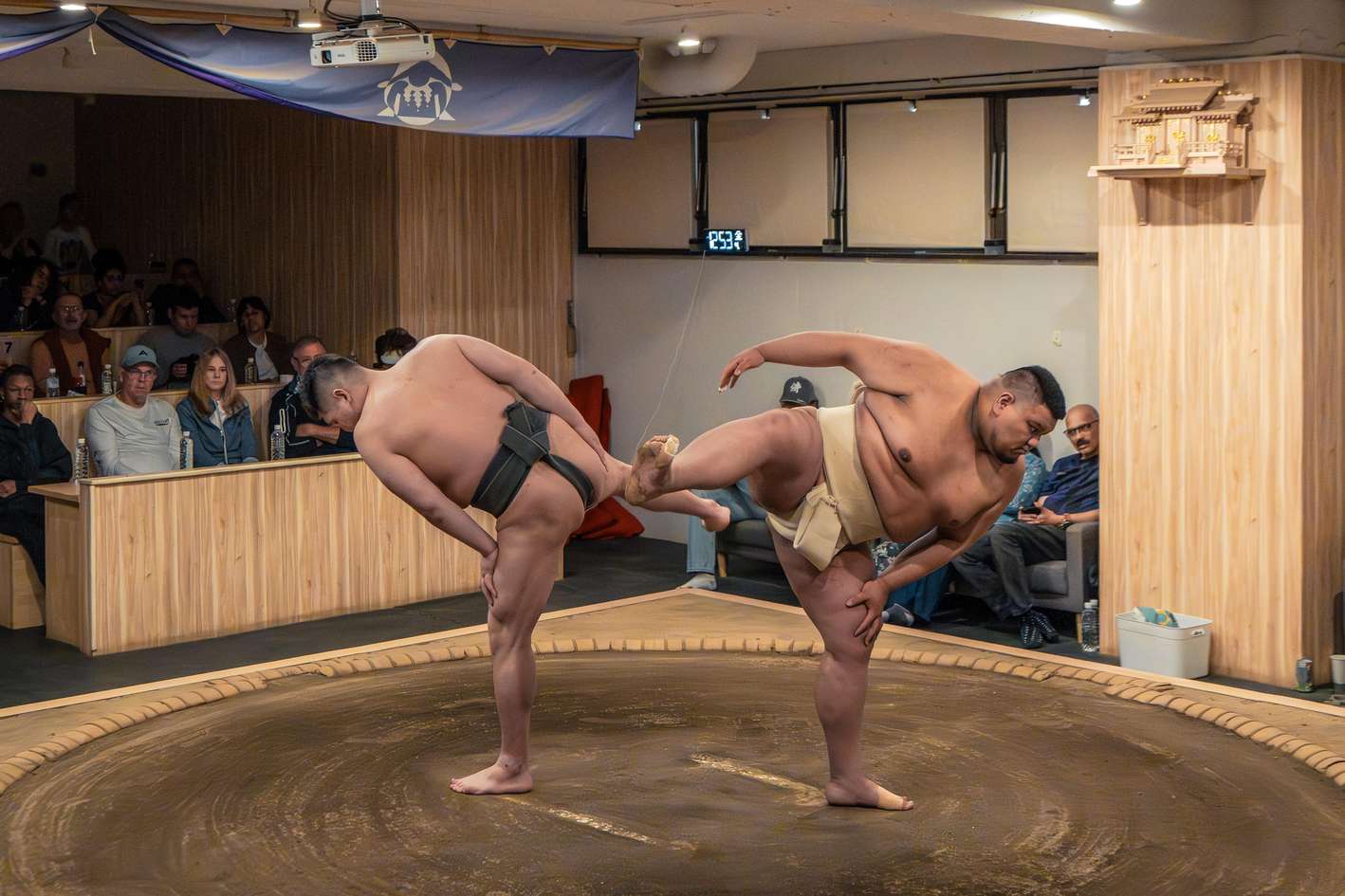
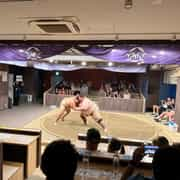
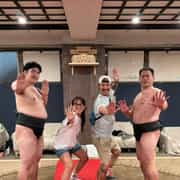
A show puts retired professional wrestlers a few feet from your seat, with a host explaining the history and rules as they go, and a lottery handing a few guests the chance to step into the ring. The bouts are staged, and the actual wrestling often fills only the last 15 to 30 minutes.
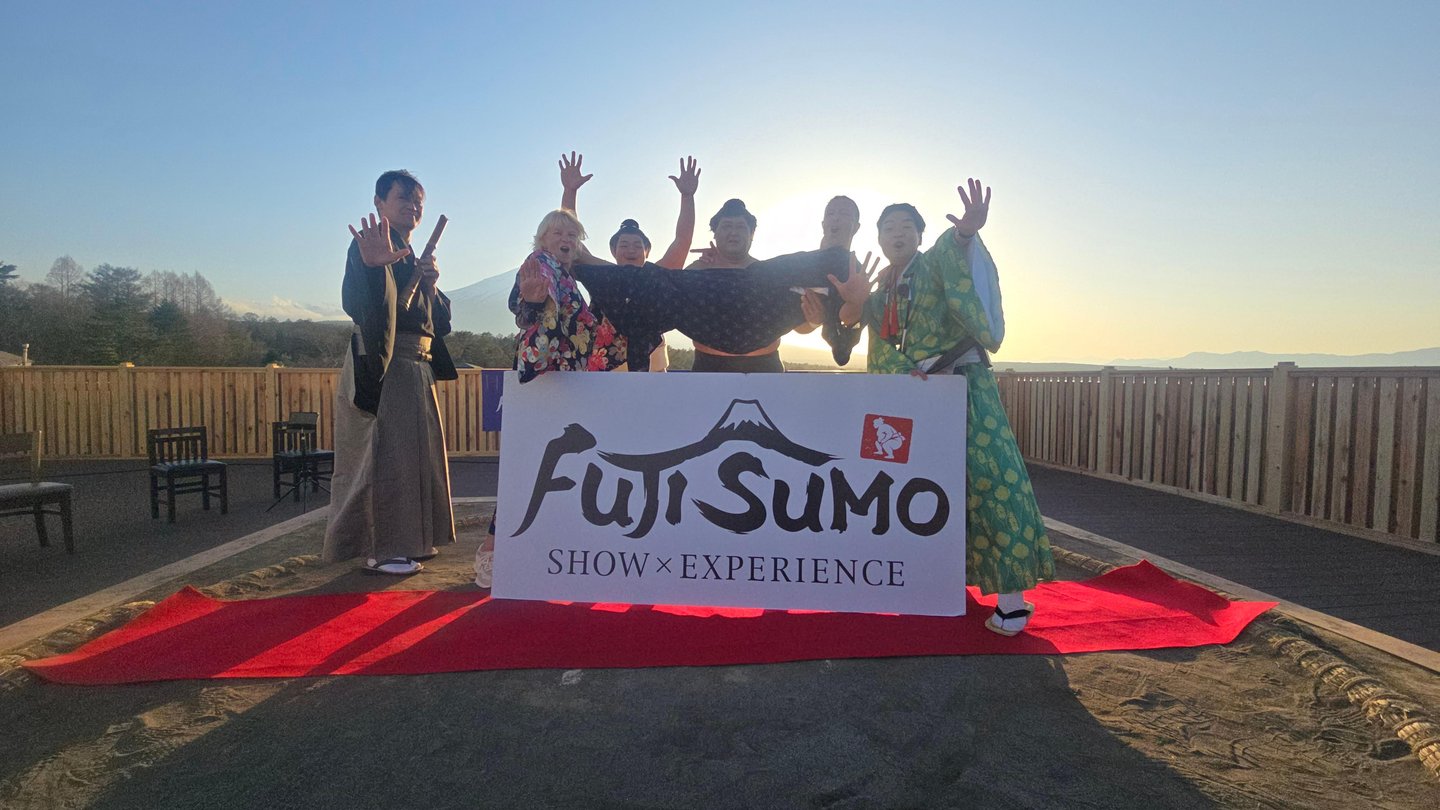
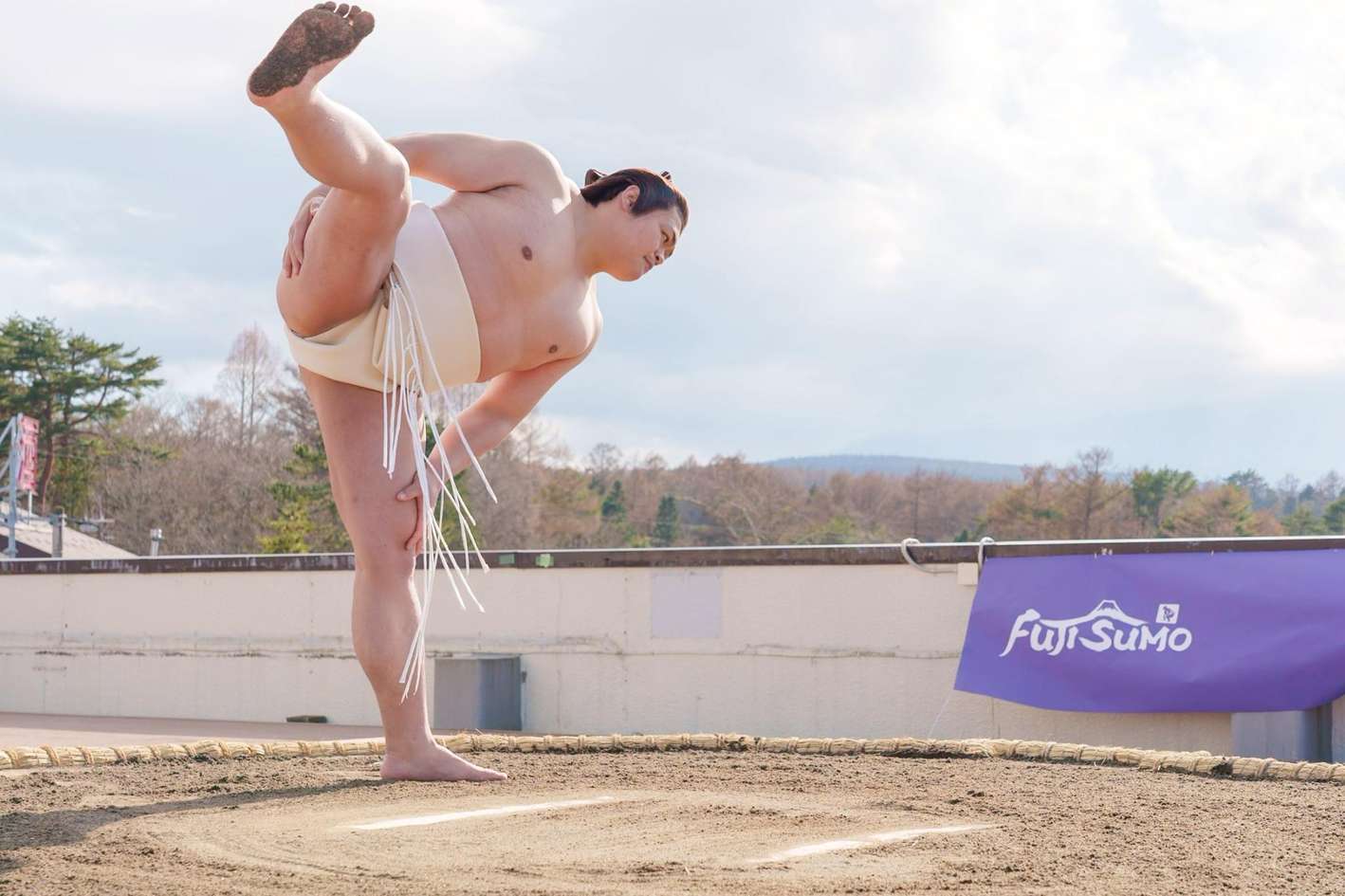
What you gain is access. Shows run almost every night in Tokyo, Osaka and Kyoto, in English, and most pair the performance with a meal. Most run one and a half to two hours; the outdoor show near Mt Fuji packs the same format into 50 minutes. Book early for April, May and October.
1.5 hours · ★ 4.9 (3,242)Tokyo: Shibuya Sumo Show with Experience & PhotoFrom $49 50 minutes · ★ 4.9 (15)Mt Fuji Sumo | Photo with Wrestlers, Family & VIP, YamanakaFrom $51 1.5 hours · ★ 4.9 (9,863)Tokyo: Shinjuku Sumo Show & Experience with a PhotoFrom $49  1.5 hours · ★ 4.9 (90)Tokyo: Sumo Entertainment with Japanese Meal at Tokyo TowerFrom $91
Three tournaments, working stables and nightly shows, all in one city.
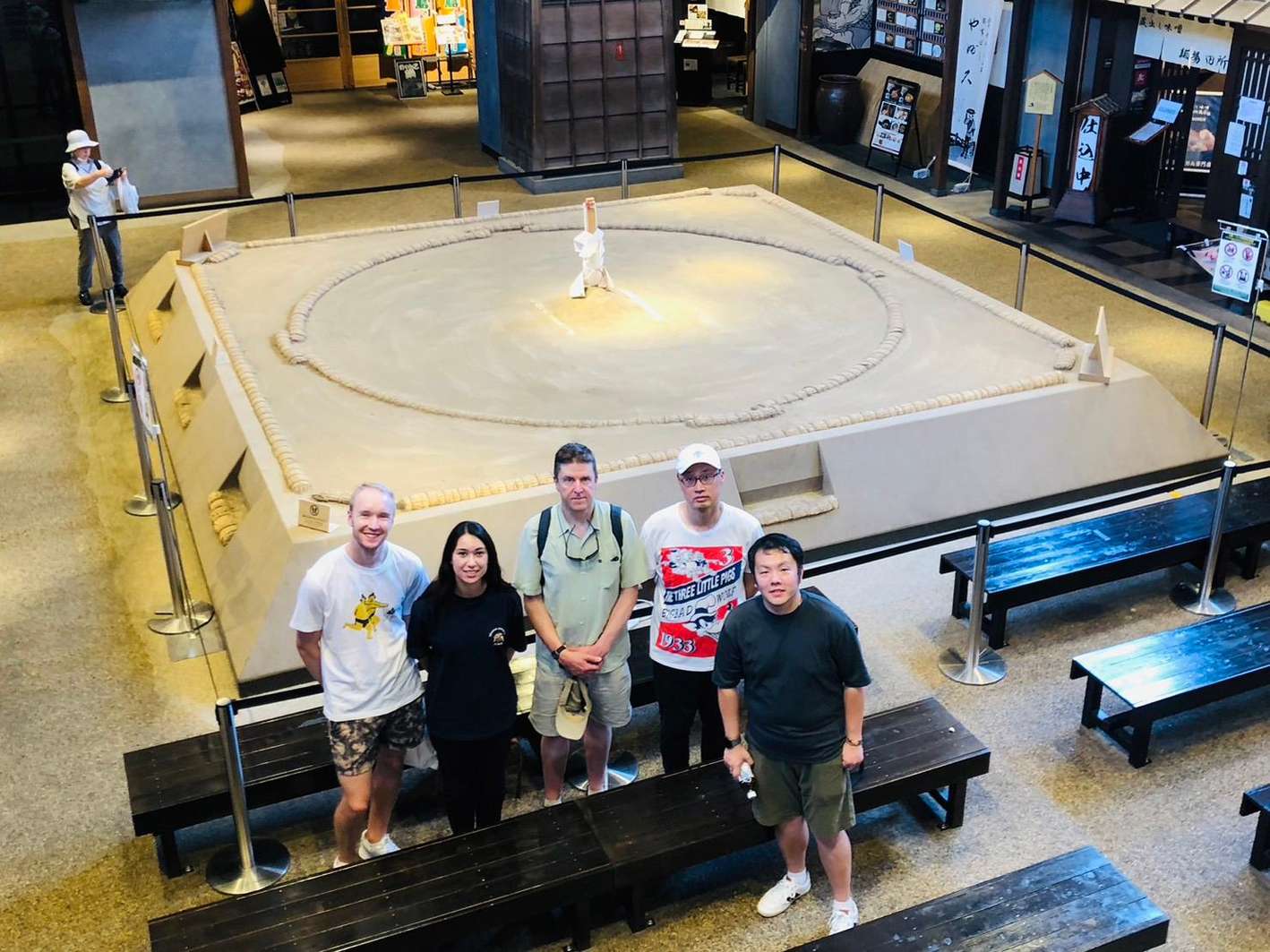
Tokyo is the simplest city for sumo. Three of the six annual tournaments run at Ryogoku Kokugikan, a two-minute walk from its JR station, and the Ryogoku district around it holds the stables, the free Sumo Museum and chanko nabe restaurants run by retired wrestlers.
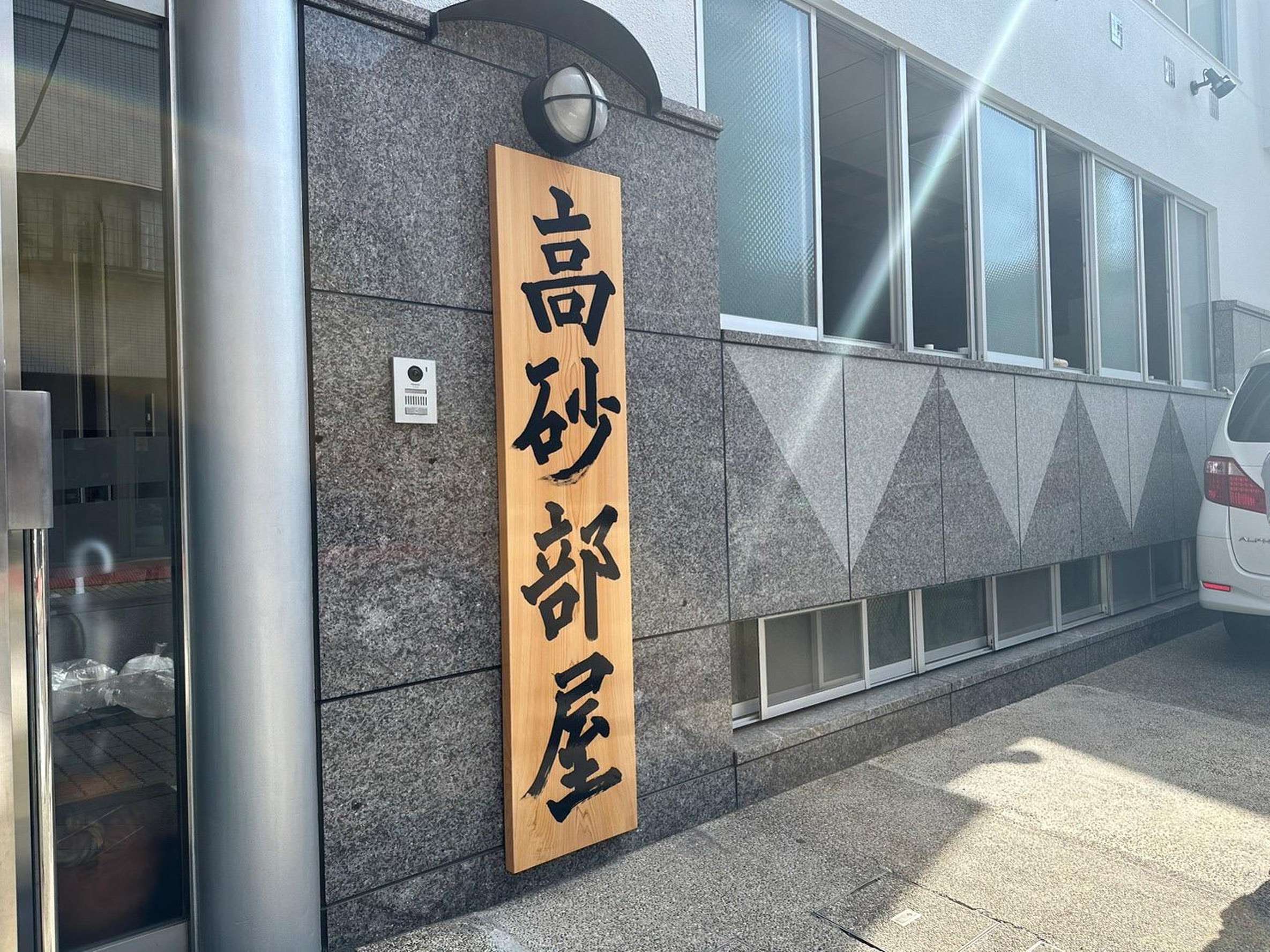
The rest of the year still has sumo. Entertainment shows by retired wrestlers run daily in Shinjuku, Shibuya, Ginza and Asakusa, and guided morning practice visits at Takasago-beya meet at Ryogoku Station at 7:45 am. Tournament seats vanish within minutes of sales opening at 10 am; shows and stable tours you book weeks ahead.
1.5 hours · ★ 4.9 (3,242)Tokyo: Shibuya Sumo Show with Experience & PhotoFrom $49 1.5 hours · ★ 4.9 (9,863)Tokyo: Shinjuku Sumo Show & Experience with a PhotoFrom $49 3 hours · ★ 4.9 (309)Tokyo: Sumo Watching with journalist and walksFrom $94  2 hours · ★ 4.8 (8,711)Tokyo: Sumo Entertainment Show with Chicken Hot Pot & GeishaFrom $101
Japan's hardest tournament tickets, and daily shows the rest of the year.

Osaka's sumo year splits in two. In March the ranked wrestlers take over EDION Arena in Namba for two weeks, in the smallest venue on the tour, which makes its tickets the hardest to get in Japan.
Every other month belongs to the shows. Retired professionals perform in Namba and elsewhere most days, with front rows close enough to high-five the wrestlers as they pass. A handful of days each month go dark, so check the calendar before you fix an evening, and arrive 15 to 20 minutes before the printed start.
No tournament, but sumo every day of the year, indoors and up close.
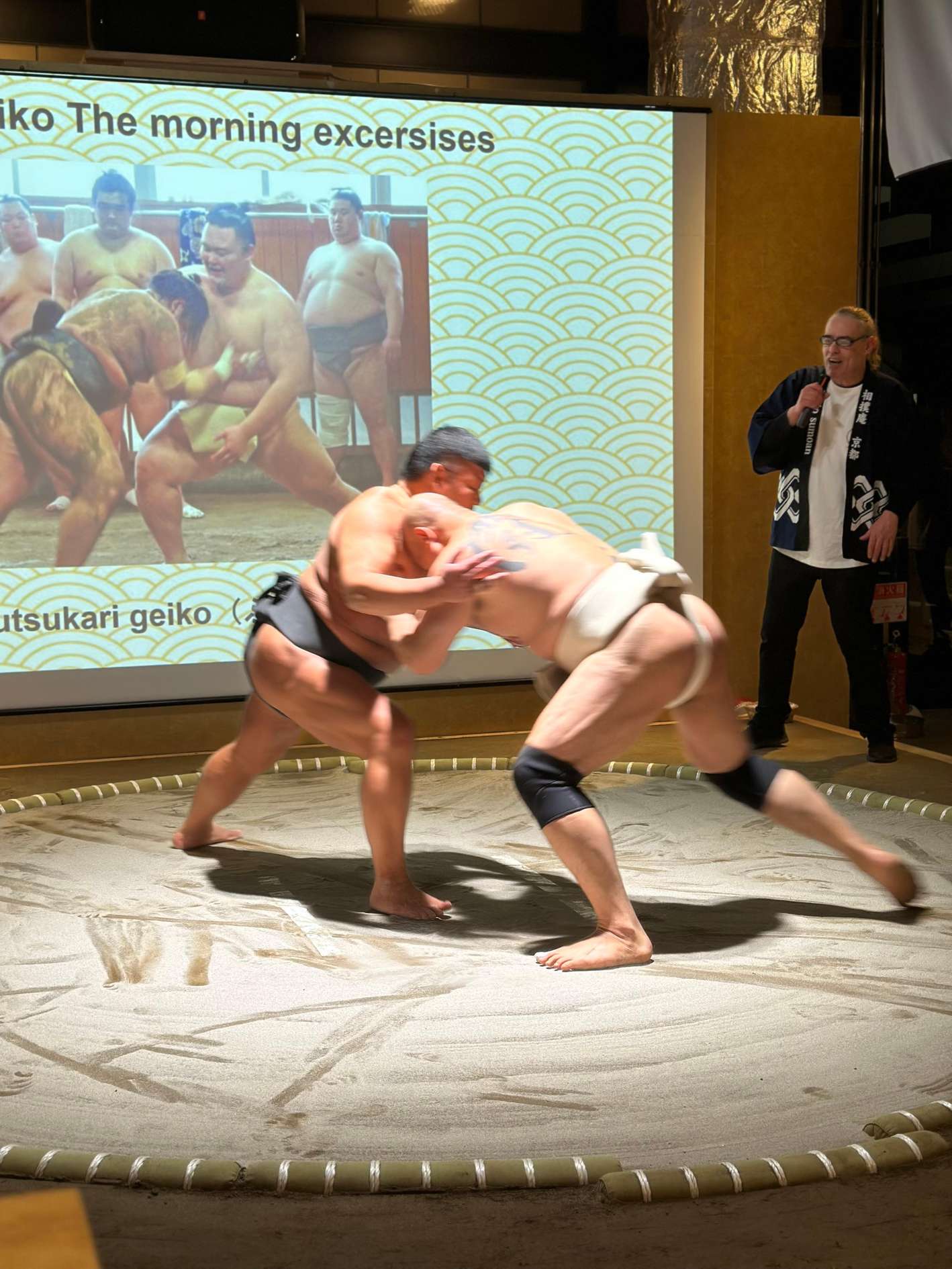
Kyoto hosts no tournament, yet sumo runs here every day of the year, indoors. Two venues put former top-division wrestlers on a real ring in small rooms: one opens with a geisha dance and serves all-you-can-eat chicken hot pot, the other is built around joining in yourself.
At the participative venue, seven minutes by subway from Kyoto Station, everyone who wants a bout gets one, guaranteed. Both shows need advance booking because the rooms are small, though same-day spots were still open when checked. Arrive 20 minutes early; the show cannot be extended.
Fifteen days of November hold everything sumo Fukuoka has.

Fukuoka closes the sumo year. Every November the Kyushu tournament fills Fukuoka Kokusai Center for 15 days, and for those three weeks the stables around the city open their morning training to guided visitors near Hakata Station.
The window is the whole story. Outside November there is no practice viewing and no local show, so a Fukuoka sumo day has to land in that month.
The guided visit pairs the morning at the stable with a walk through Hakata Old Town, and wraps up around midday with the rest of the day still yours.
One venue, one ring, dinner included, since August 2025.
Sapporo's sumo lives in one venue in Susukino, open since August 2025, where former professionals fight on a full clay ring with dinner included. Three sittings run daily at 1:30, 5:00 and 7:30 pm, and each lasts about two hours.
Every booking comes with a meal, so there are no walk-in, show-only seats; reserve ahead or check the calendar for a free slot. The venue shut from July to September 2026 for ring repairs and reopened in October, so look at the schedule before you fix a night. For ranked competition, the tournaments run elsewhere.
One tournament month, and tickets gone within five minutes.
Nagoya belongs to July. The tournament takes over the city for 15 days, and the wrestlers arrive about two weeks early, so late June and July are the only stretch when stables open morning practice to visitors.
Tickets are the hard part. General sales open in mid-May, and the whole tournament can sell out in about five minutes. If your trip misses July, Tokyo hosts three tournaments a year and shows run daily in Tokyo, Osaka and Kyoto, so the fix is usually a different city or a different kind of evening.
The one month the professional calendar skips, and what fills it.
April is the one month professional sumo skips entirely: the March tournament in Osaka ends around March 22 and the Tokyo tournament does not start until May 10. What fills the gap is a spring exhibition tour, daily shows and open stable mornings.
The shows make the dependable plan. Tokyo and Osaka venues run fixed daily calendars you can book for a known date, which matters around Golden Week when the crowds swell. For practice, call the stable the day before to confirm training is on, and check the exhibition schedule close to your dates.
Six tournaments a year, stables that close whole months at a time, and shows running nightly in four cities. The options are all real; the trick is matching the right one to your dates.
Grand tournaments run only six times a year, in odd-numbered months: Tokyo in January, May and September, Osaka in March, Nagoya in July, Fukuoka in November.
Popular tournament days sell out within minutes of tickets going on sale at 10 am Japan time, so buy the moment they drop.
Morning practice at a Tokyo stable runs about two hours from 8 am and you are done by nine, silent and still throughout.
Sumo shows run year-round in Tokyo, Osaka and Kyoto, but the bouts fill only the last 15 to 30 minutes.
April has no tournament at all, so shows and exhibition tours carry that month.
Buy the moment sales open through the Japan Sumo Association's English ticket service, or plan on a sumo show or guided morning practice visit instead if your dates fall outside a tournament.
Sumo is spread across a handful of cities, each running a different kind of viewing. Tokyo holds three of the six annual tournaments at Ryogoku Kokugikan, in January, May and September. Osaka takes March, Nagoya July and Fukuoka November, each at its own arena, each tournament lasting 15 days.
Between the tournaments, the shows carry the year. Entertainment venues run daily in Tokyo, Osaka, Kyoto and Yamanaka near Mt Fuji, and Tokyo's Ryogoku district adds stables, a free Sumo Museum and chanko nabe restaurants run by retired wrestlers.
In even-numbered months the wrestlers train, tour the regions on exhibition visits and appear at ceremonies like Meiji-jingu's ring-entering ritual.
The map settles where; the dates settle when. Whichever city you pick, three things hold everywhere: the etiquette, the booking lead times and the last short walk from a station to the door. Get those right and the city almost picks itself.
Leaving sumo plans until you land is the classic error. By then the tournament tickets are gone and the stable mornings are booked.
Three experiences, three different days. A tournament is the real thing: ranked wrestlers, records and the championship on the line, a whole day from mid-morning to early evening, and a crowd that yells, goes suddenly quiet, and throws cushions after an upset.
Morning practice is sumo as the wrestlers live it, silent and close inside a working stable, over by nine. A show is the social one, with a host explaining the rules in English and a lottery sending a few guests into the ring.
| When it runs | Where to watch | What you see | Time needed | Booking | |
|---|---|---|---|---|---|
| Grand tournament | Six tournaments, Jan to Nov | Tokyo, Osaka, Nagoya, Fukuoka | Real ranked competition | Whole day, 10 am, 6 pm | Sells out within minutes |
| Morning practice | Year-round, except tournament months | Tokyo mainly; Osaka, Nagoya, Fukuoka | Real silent training, no ceremony | About two hours, done by 9 am | Book roughly two months ahead |
| Sumo show | Year-round, any day | Tokyo, Osaka, Kyoto, Sapporo | Choreographed bouts, last 15-30 minutes | One to two hours | Same-day tickets often possible |
The honest labels matter. Show bouts are choreographed, and the actual wrestling often fills only the last 15 to 30 minutes. Practice is no performance at all: you sit still and say nothing. The tournament is the only one where the result counts.
If a tournament is on where you are, choose it over everything else. If you are new to sumo, a show is the friendliest introduction and morning practice is for die-hard fans. Check your dates against the month chart before you book anything.
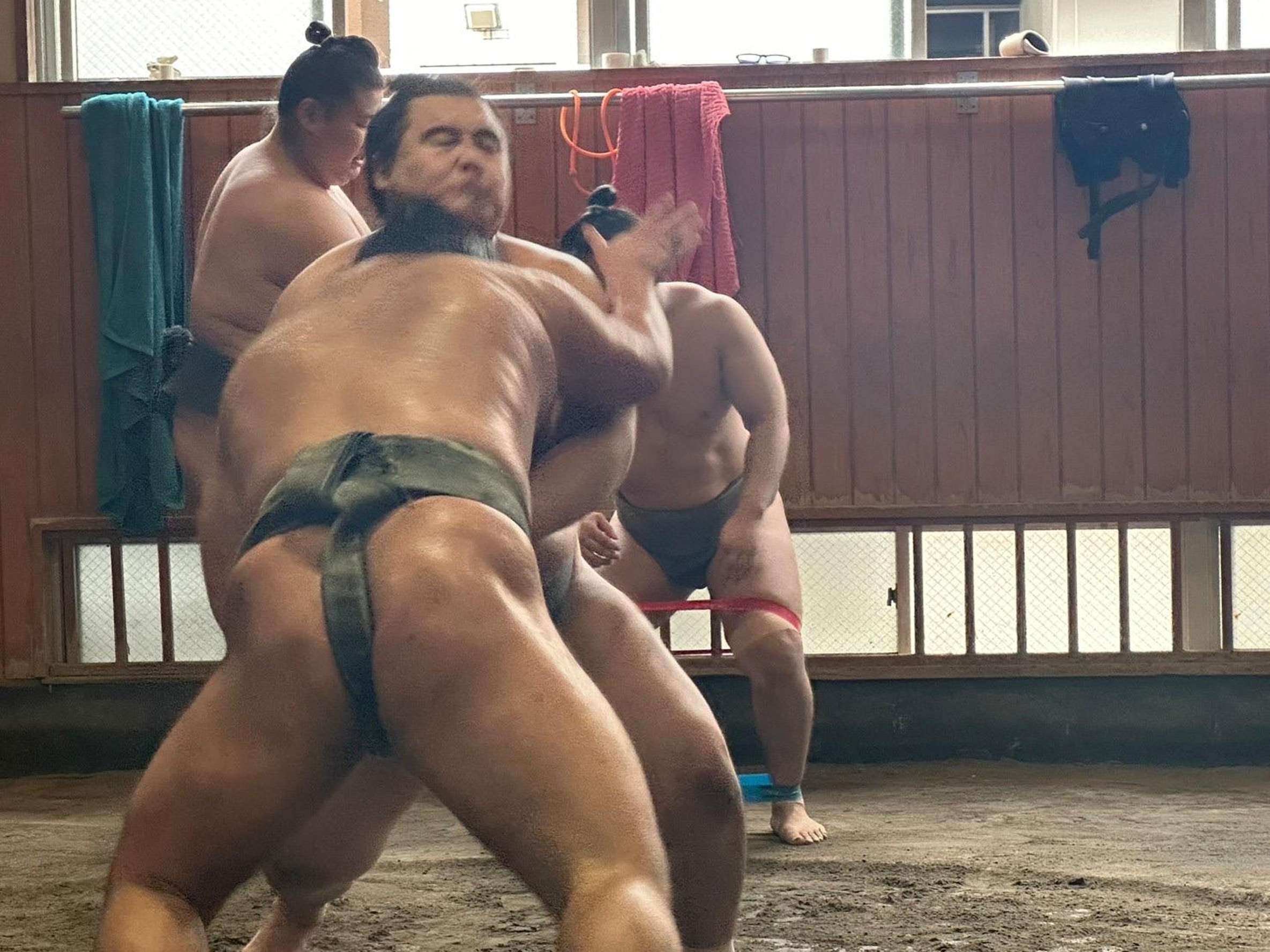
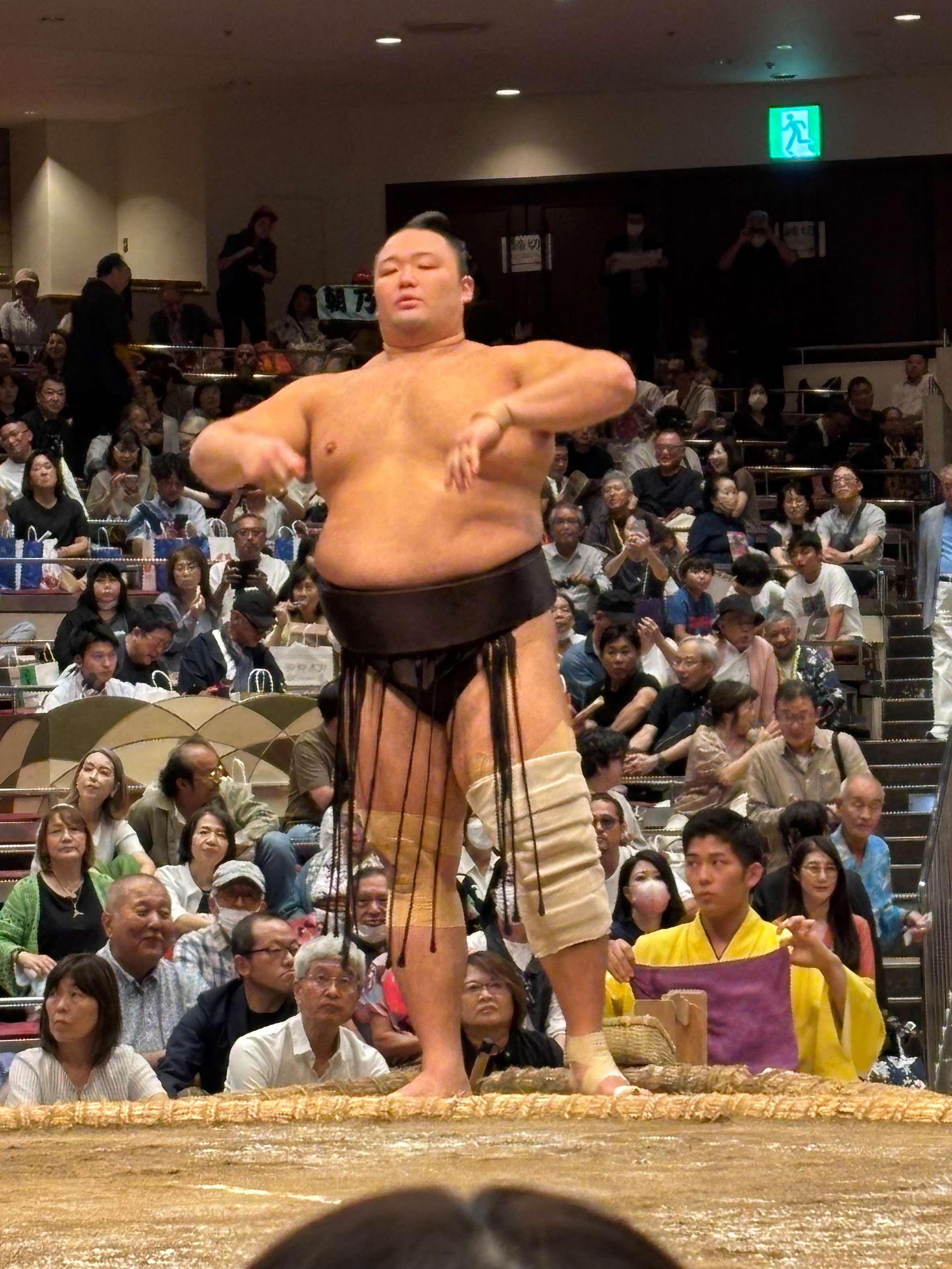
The arena falls strikingly quiet seconds before each charge, and that silence is what first-timers remember. Then the throw lands, towels fly, and the crowd roars for its favorite. This is ranked competition: records, promotion and the Emperor's Cup riding on every bout, which no show or practice can give you.
A basho day is long. Lower-ranked wrestlers fight from about 10 am, the better divisions climb through the afternoon, and the top bouts run roughly 4 to 6 pm. Families drift in and out all day, bento arrives at the seats, and after the final match everyone files out together through a closing ceremony.
The arena is half empty and relaxed
The crowd starts filling in
Ceremonies and the first big names
The loudest, fullest hours of the day
Tickets are the hard part. Sales open at 10 am Japan time about a month ahead, and popular days can sell out within minutes.
The final day, senshuraku, is the most spectacular and the hardest to get. Follow the crowd's lead on when to cheer, and stay to the end for the bow-twirling ceremony; leaving early wastes the seat.
Everything about buying and seating lives on the grand sumo tournament page.
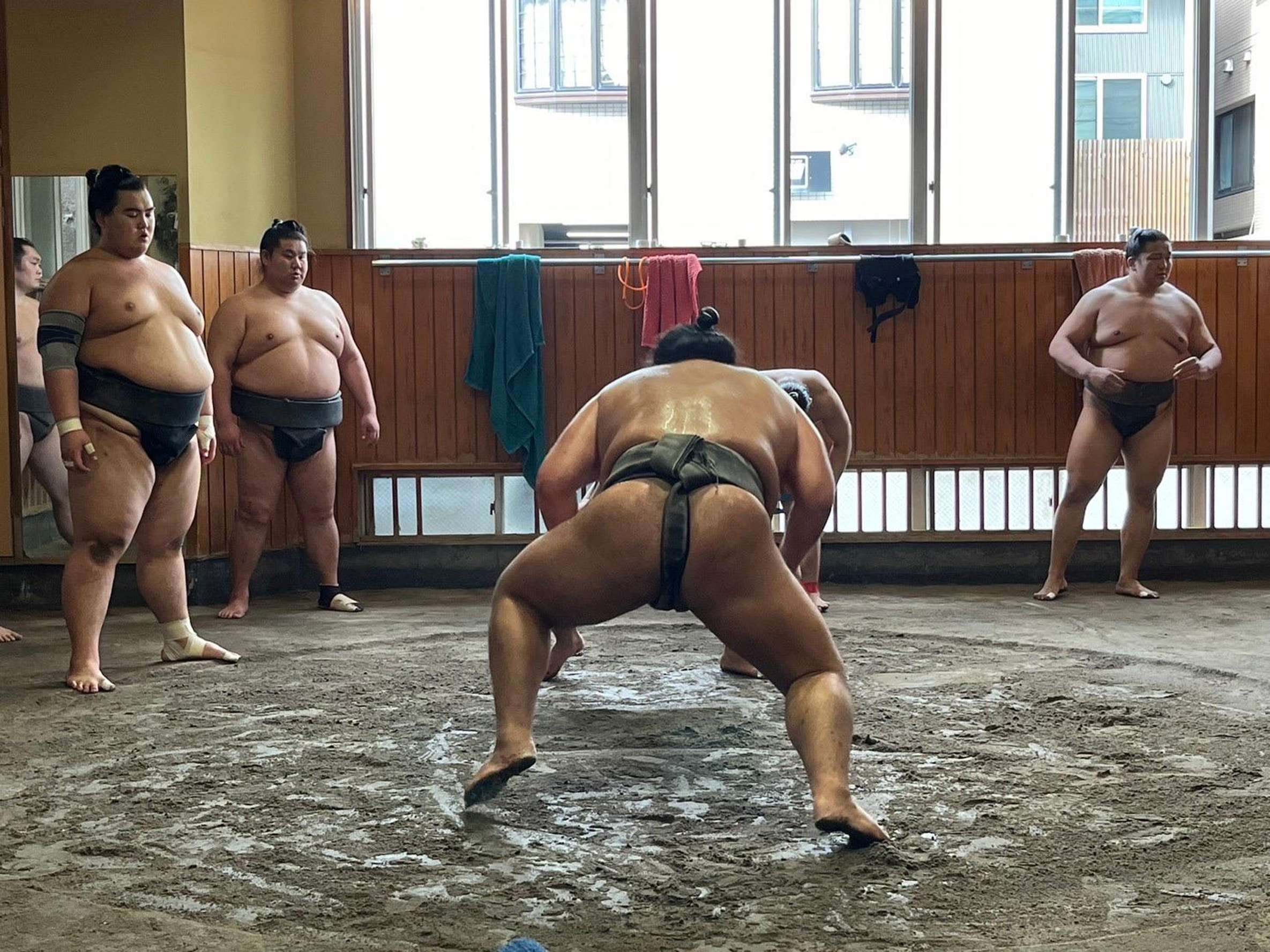
The practice room is silent except for the sound of the wrestlers.
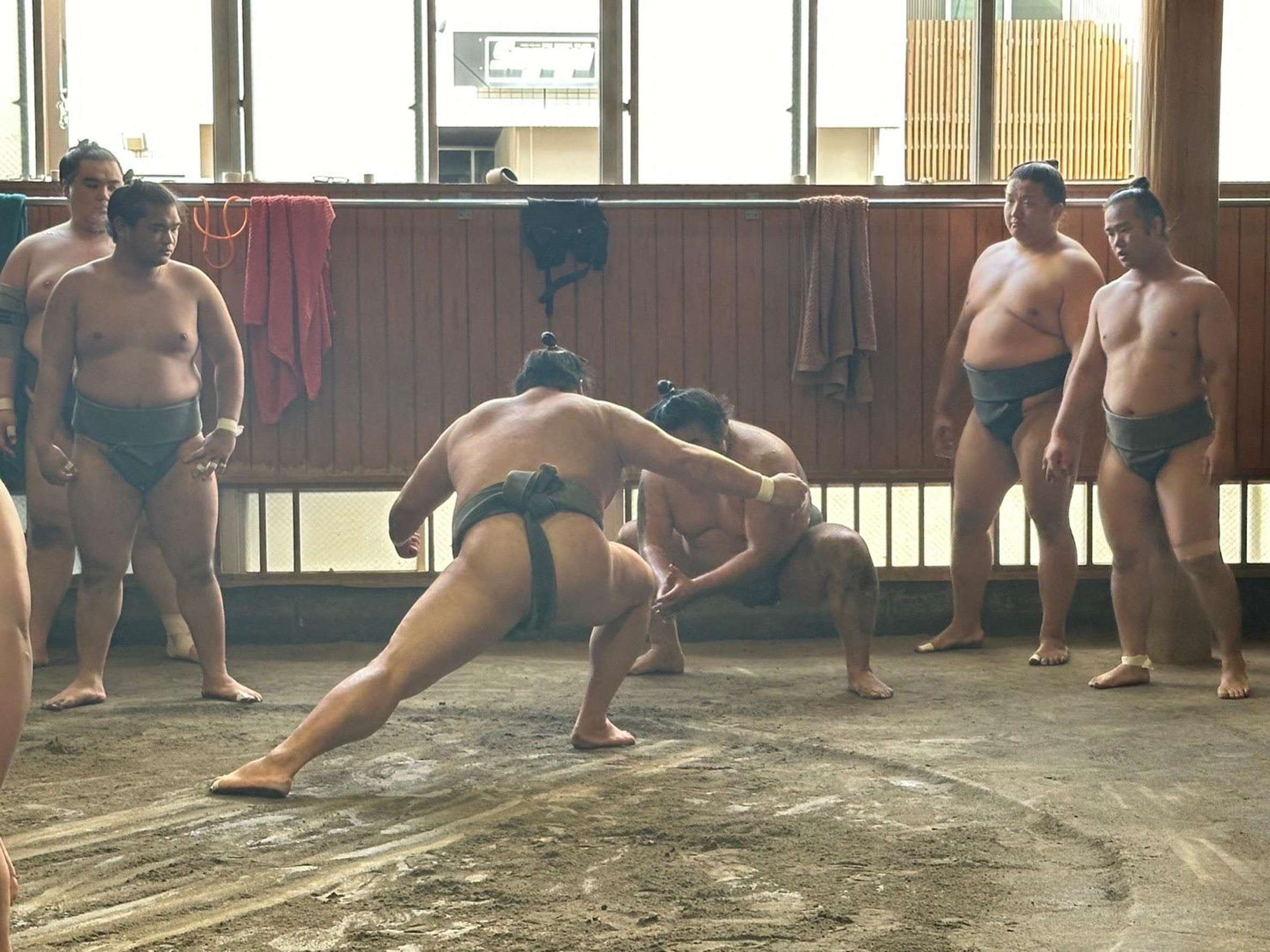
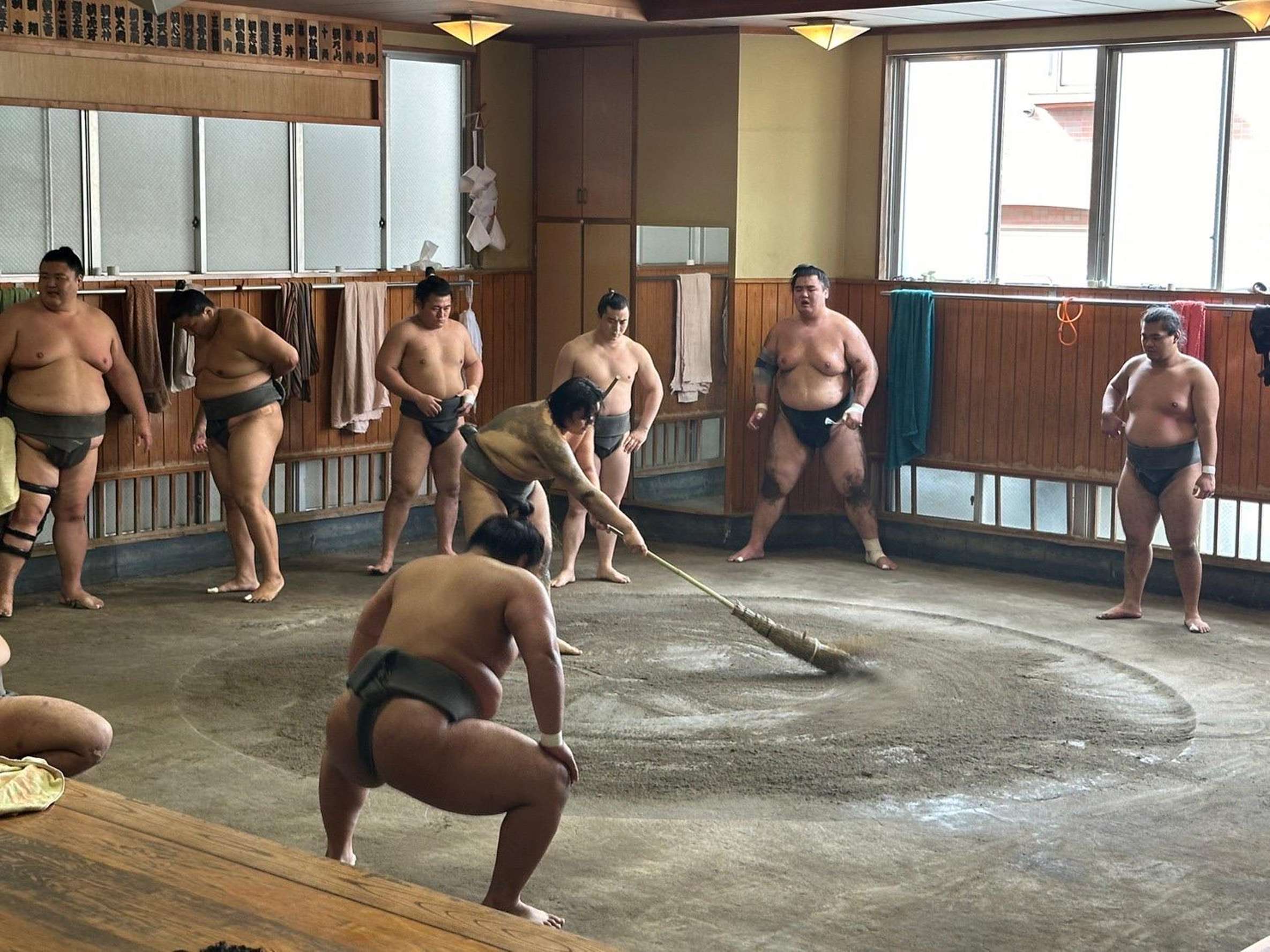
You sit on a floor cushion to the side of the dirt ring, shoes off, and for the next 90 to 120 minutes from 8 am you do nothing but watch: warm-up drills first, then roughly an hour of full-intensity sparring that leaves you out by nine with the whole day ahead.
The rules are strict because a stable is a workplace and a home. No talking, no moving, no flash, no shutter sounds, no eating, and never a step on the sand.
Phones stay out entirely on some visits, and you sit on the floor. Your questions wait until the end, when the guide translates and the wrestlers may chat and pose for photos.
You stay silent for the whole session; even a whisper disturbs the wrestlers
The guide translates, and the wrestlers may chat and take selfies with visitors
Stables keep the practice room cold, so wear warm layers under your coat
Tokyo stables close to visitors whenever the wrestlers travel to tournaments, so whole months offer no practice at all. Book about two months ahead, and go with a guide who can explain what you are watching.
The tour that does this best is Tokyo: Sumo Watching with journalist and walks, three hours with a sumo specialist who holds special permission from the stable and takes every question you have. For the wider picture, see sumo wrestling practice in Japan.
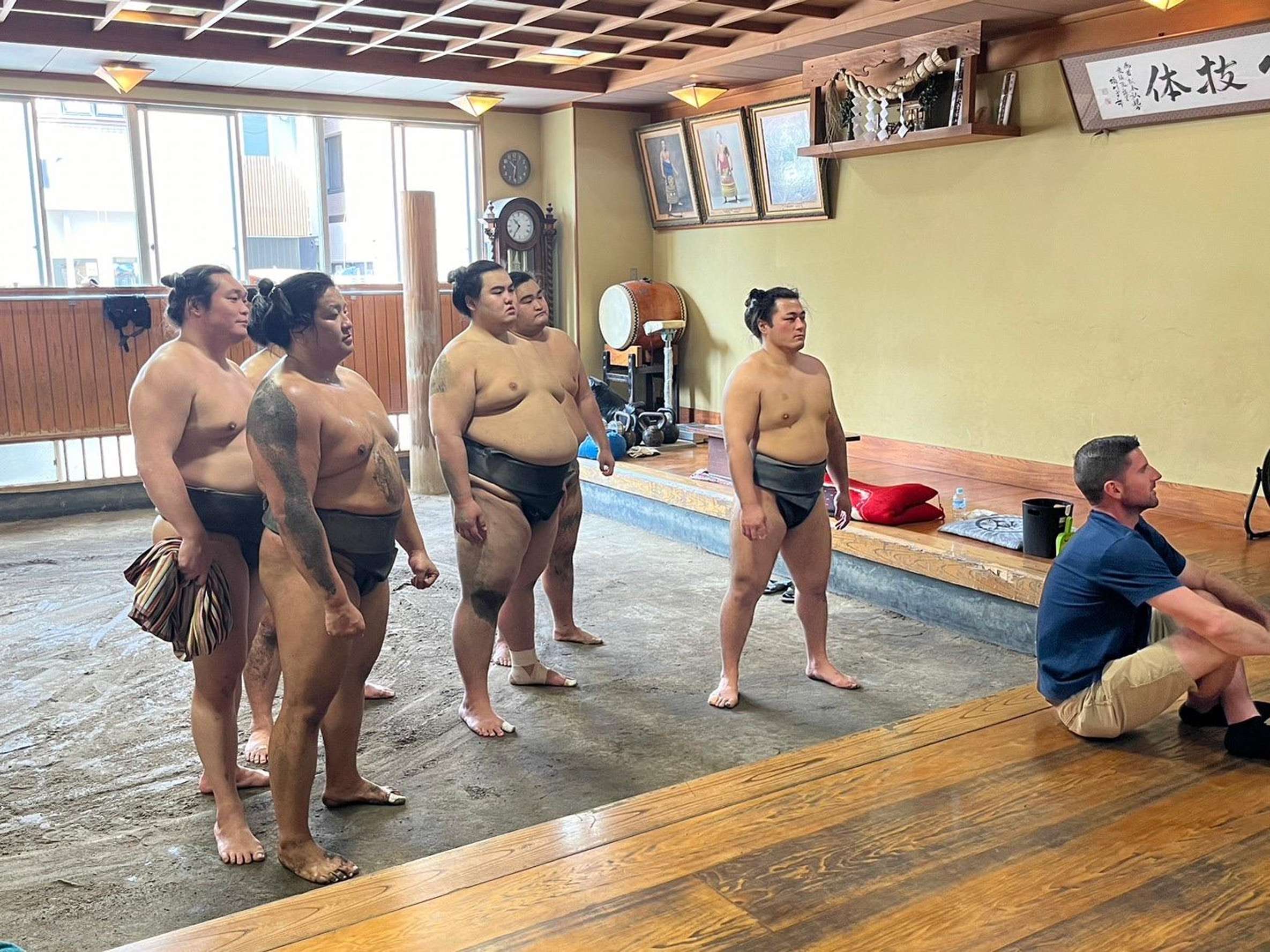
Call it what it is: a staged evening. The bouts are choreographed, the wrestling fills the last 15 to 30 minutes, and no ranking moves because of anything that happens in the ring. Walk in expecting genuine competition and you will be disappointed.
Walk in knowing that, and the evening works. The wrestlers at the better shows are retired professionals, so the technique is real even when the contest is not.
A host explains the history, rituals and moves in English as it happens, guests invited into the ring can join or sit it out, and you sit about five feet from the wrestlers with front rows right at the clay. Photos with the wrestlers come at the end.
A meal helps the pacing. Talking sections run long, and eating chanko nabe through them keeps the evening moving, so a meal-included seat earns its place. Families with children around 10 to 12 are the core audience, and the format is lively enough to hold younger ones too.
First-timers who missed tournament tickets say a dinner show is a fun substitute, best done once. Full details sit on the sumo wrestling show page.

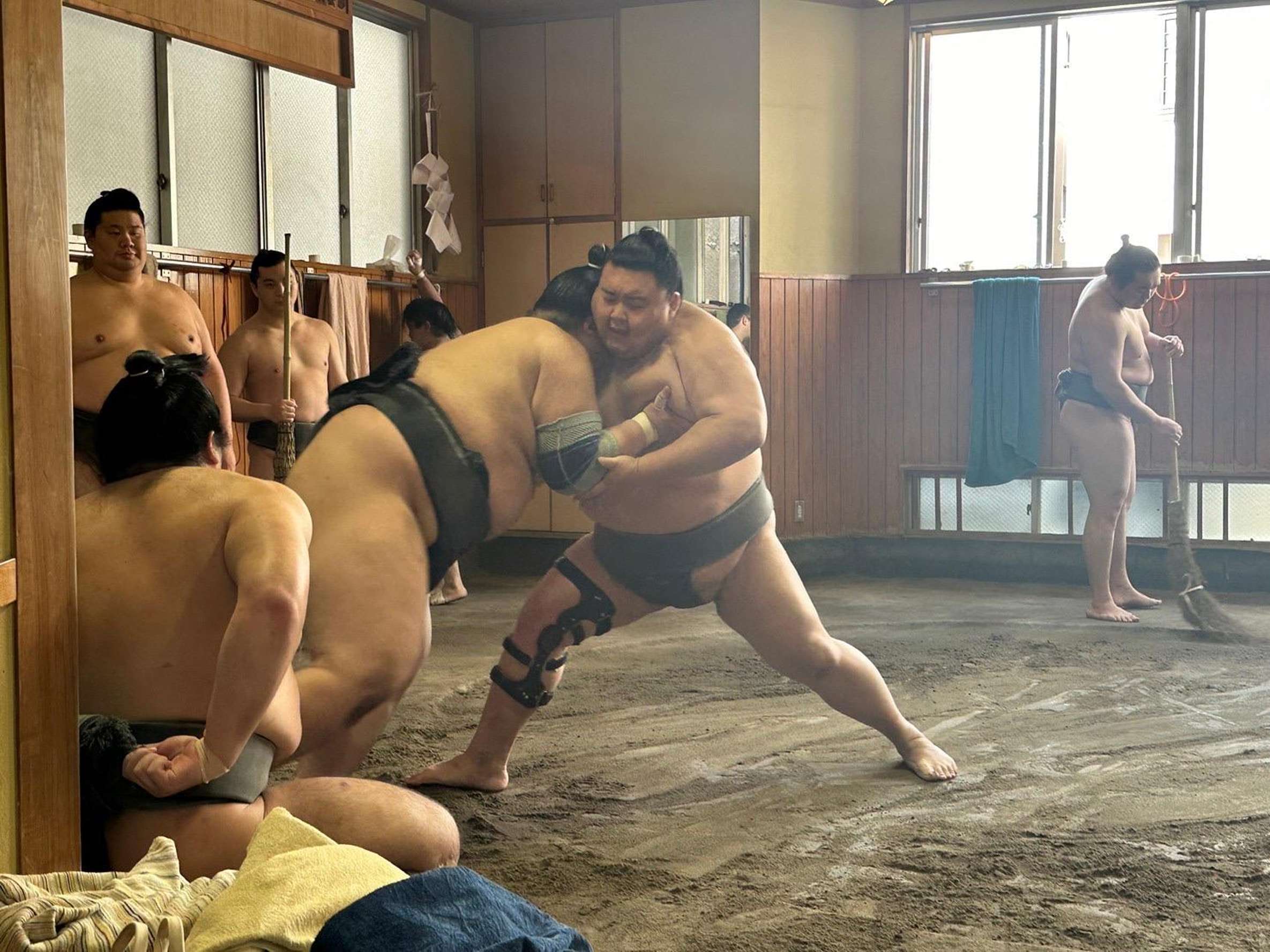
Tokyo runs three of the six tournaments a year at the Kokugikan in Ryogoku, a two-minute walk from its JR station, and the district around it holds the stables, the free Sumo Museum and the chanko nabe kitchens. That density is why Tokyo is the simplest answer for most trips.
Between tournaments, shows run daily across five districts: Shinjuku, Shibuya, Ginza, Asakusa and Tokyo Tower, each a short walk from a station, each in English.
Seven shows now compete in the city, and the wrestling looks similar across them; what differs is the room, the seating, the food. Practice visits at the Takasago-beya stable meet at Ryogoku Station at 7:45 am
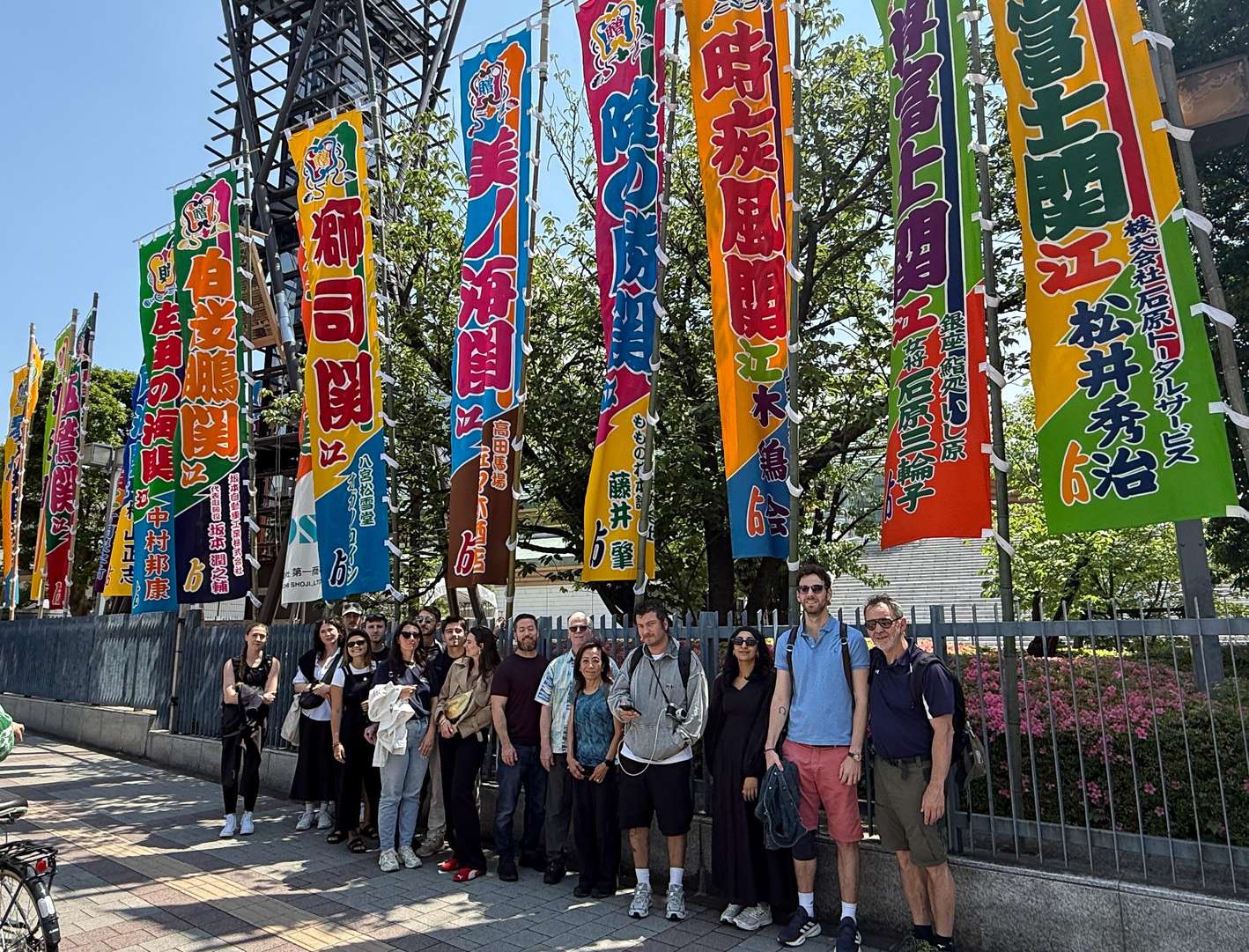
Free things fill the gaps. At Arashio-beya you can watch real morning practice from the street window for nothing, and during a basho the wrestlers arrive at the arena under colourful banners with drums morning and evening, a spectacle most ticket-holders walk past. All the options live on the sumo wrestling in Tokyo page.
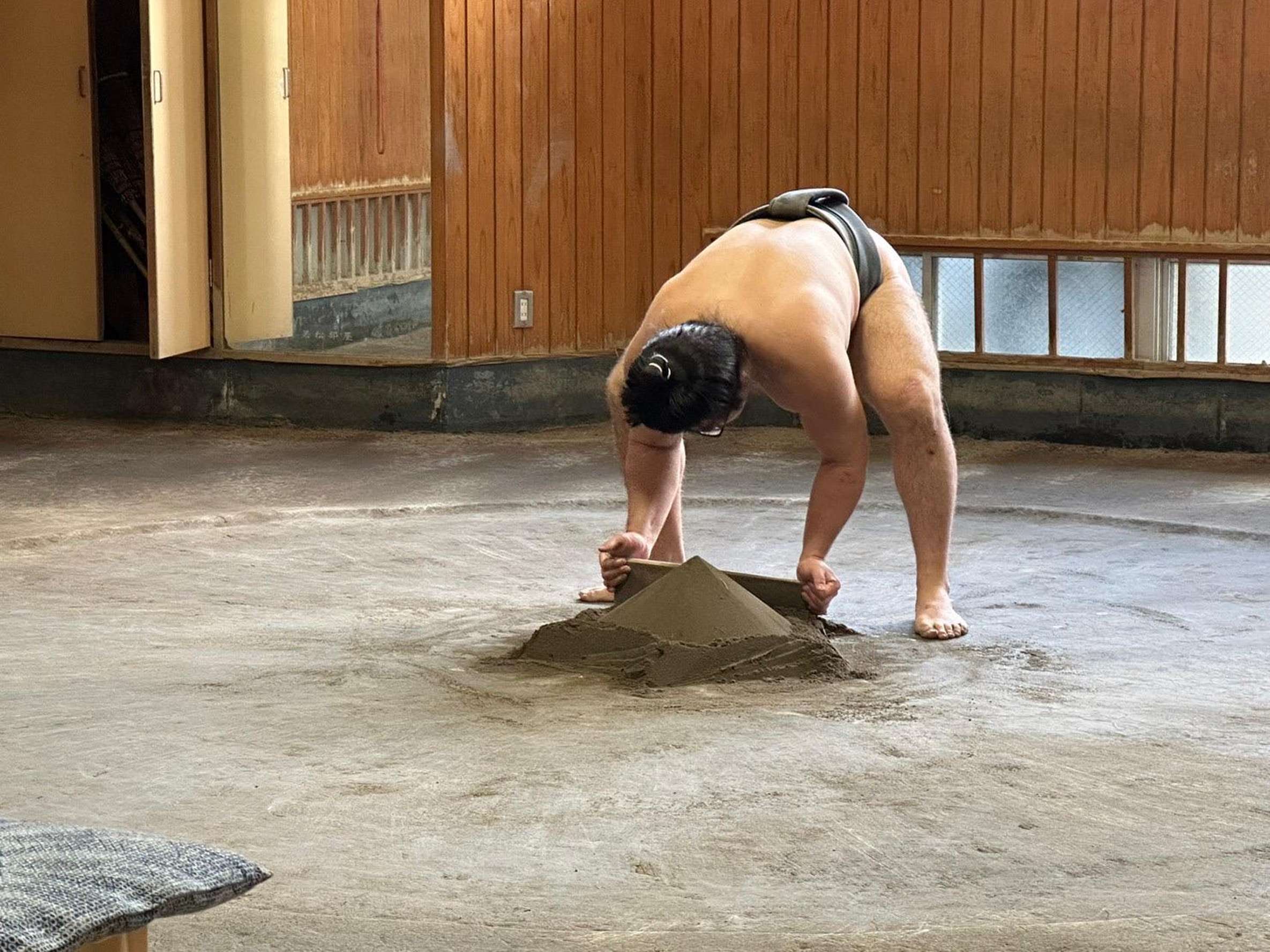
Osaka's sumo year splits in two. In March the ranked wrestlers take EDION Arena in Namba, the smallest venue on the tour, which makes the March tickets the hardest in Japan. Every other month belongs to the shows, because morning practice in Osaka is largely unavailable outside the tournament run-up.
The shows fill the evenings well. Hirakuza in Namba runs a theatrical two-hour production from 5 to 7 pm with bento or a snack bag, and retired wrestlers fight in a small studio venue too.
Front rows sit close enough to high-five the wrestlers as they pass, and lottery winners in sumo suits get their bout in the ring.
| If this happens | What happens then |
|---|---|
| The show is dark on your date | Check the venue's monthly performance calendar before you fix the evening, and pick another day |
| You arrive at the printed start time | Shows can begin noticeably late and end slightly past schedule, so come 15 to 20 minutes early and keep the seat hunt calm |
| A wrestler cannot perform | The Osaka venue cancels the performance and refunds admission tickets in that case |
Arrive 15 to 20 minutes before the printed start. The show can begin noticeably late and end slightly past schedule, and arriving at the ticket time leaves you hunting for a seat in a hurry.
If your month is March and you hold a ticket, build the day around the arena; from Kyoto the Keihan Line to Yodoyabashi, then the Midosuji subway to Namba Exit 5, is the quickest route. Everything else is on the sumo in Osaka page.
The evening option to book is Osaka: Sumo Experience with Live Show & Audience Challenge, about an hour and a half with a one-round match between retired wrestlers and English commentary throughout.
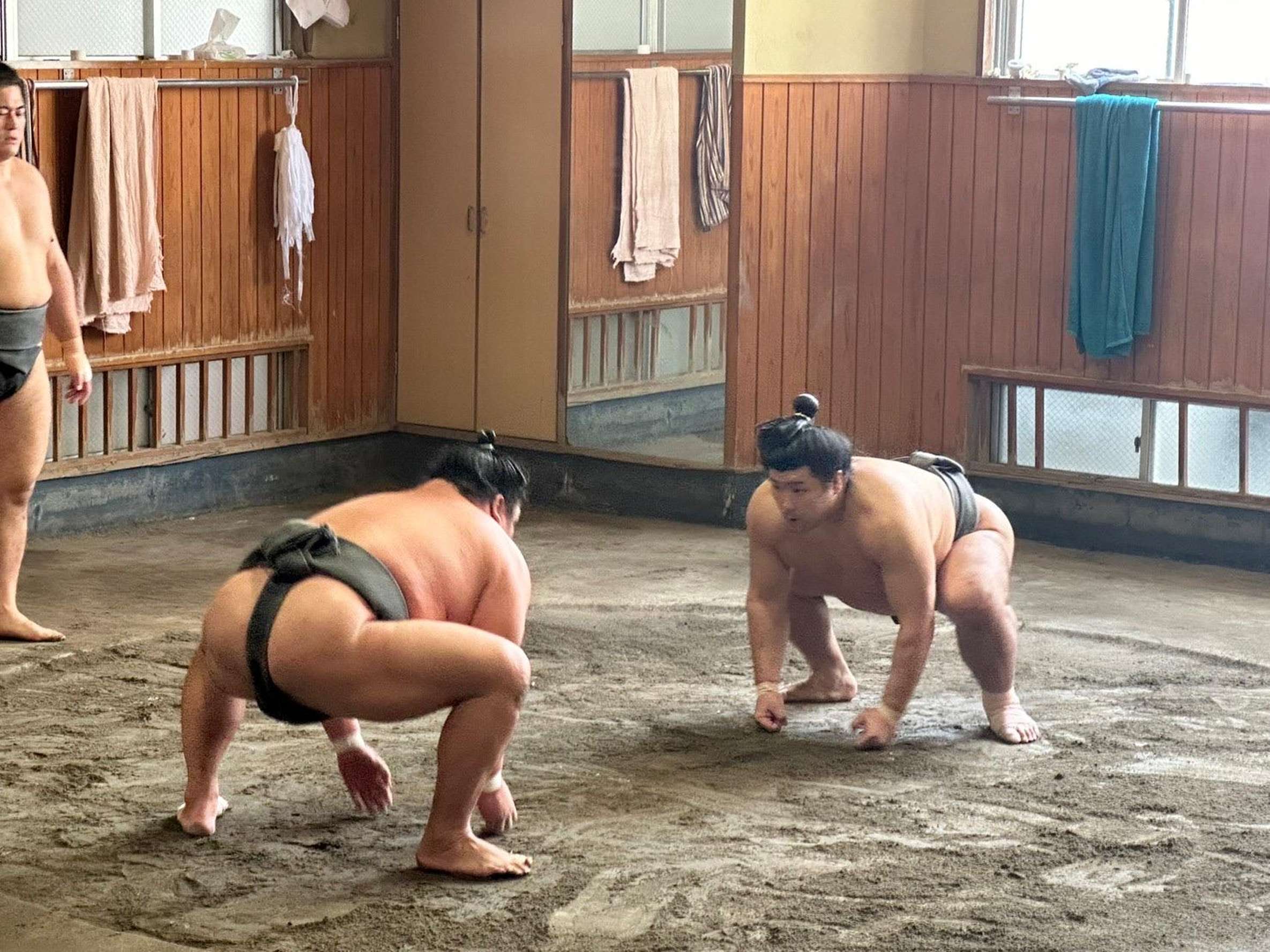
No basho ever comes to Kyoto. The tournament cities rotate without it, yet sumo runs here every day of the year, indoors, in small basement and arcade rooms where former top-division wrestlers fight on a real ring a few feet from the seats.
Two formats share the city. One venue opens with a geisha dance and serves all-you-can-eat chicken hot pot through the show.
The other, seven minutes by subway from Kyoto Station, is built around joining in: everyone who wants a bout gets one, guaranteed, wearing an authentic mawashi belt. Kids from about age five can take the ring challenge, and a gentler programme exists for older guests.
Both rooms are small, so advance booking is the norm, though same-day spots were still open when checked. Arrive 20 minutes early, because the show cannot be extended. The noon and 6 pm sessions serve the full meal, and the 3 pm sitting comes with light snacks only.
The participative option to book is Kyoto: Participative Sumo Experience, Traditional Meal, Pic, an hour and a half with the ring challenge included. The city detail sits on the Kyoto sumo wrestling page.
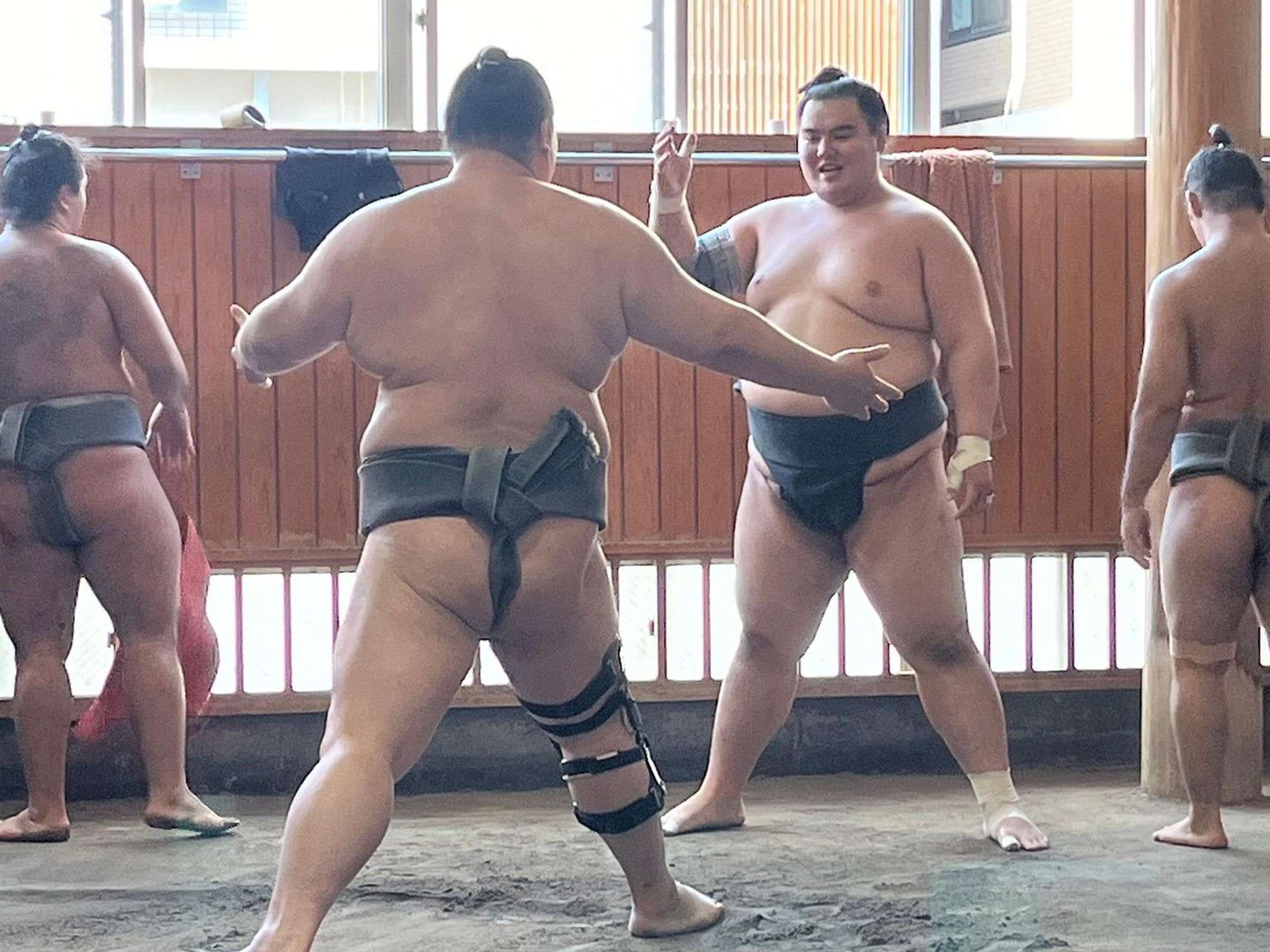
Yes, and the window is tight. Fukuoka closes the sumo year: the Kyushu tournament fills Fukuoka Kokusai Center for 15 days from mid-November, running roughly November 9 to 23, and during the tournament season the stables around Hakata Station open their morning training to guided visitors.
Outside that month there is nothing. No practice viewing, no local show. The wrestlers travel to their other five tournament cities, and Fukuoka's sumo calendar goes empty until the next November. Travelers regularly assume the November tournament runs in Tokyo, Osaka or Kyoto; it is in Fukuoka, and it finishes around November 23.
The guided visit pairs the morning at the stable with a walk through Hakata Old Town and wraps up around midday, leaving the afternoon free.
If November is your month, the pairing is one of the better sumo days in the country; if it is not, Tokyo, Osaka or Kyoto will have to carry your evening.
Where the month fits, see the Fukuoka sumo page.
One venue carries the whole city. Since August 2025 a show in Susukino has put retired professionals on a full clay ring with dinner included, three sittings a day at 1:30 pm, 5 pm and 7:30 pm, each about two hours.
The format is the familiar one: real techniques from former pros, bilingual commentary, food served as they perform, and a photo with the wrestlers at the end. Because every booking comes with a meal, there are no show-only walk-in seats, so you reserve ahead or check the calendar for a free slot.
The calendar has holes. The venue runs year-round but closes on irregular holidays, showtimes can change without notice, and it shut from July to the end of September 2026 for ring repairs before reopening in October. Look at the schedule before you fix a night.
For ranked competition you still travel; the tournaments run in Tokyo, Osaka, Nagoya and Fukuoka, never Hokkaido. What Sapporo gives you is live sumo without leaving the city, which on a Hokkaido trip is worth an evening. Details sit on the Sapporo sumo page.
Nagoya belongs to July, and July alone. The tournament takes over the city for 15 days at the arena beside Nagoya Castle, and the wrestlers arrive about two weeks early, which makes late June and July the only stretch when stables open morning practice to visitors there.
The rest of the year, professional sumo has no presence in the city.
The tickets decide the plan. General sales open in mid-May at 10 am Japan time, and the entire 15-day tournament can sell out within minutes of that moment. The most recent July basho was fully booked within about a week of sales opening, and travelers report popular days gone in under five minutes.
If your trip misses July, the fix is usually a different city or a different kind of evening, since Tokyo hosts three tournaments a year and shows run daily in Tokyo, Osaka and Kyoto.
For sale dates, the arena and the practice window, the Nagoya sumo page holds the detail.
April is the month the professional calendar skips entirely. The March tournament in Osaka ends around March 22 and the Tokyo tournament does not start until mid-May, so no ranked competition runs anywhere in Japan. Every even-numbered month looks like this, and sumo does not stop with them.
Three things fill the gap. The association's spring exhibition tour carries bouts and demonstrations to towns across the country. Daily shows in Tokyo and Osaka run fixed calendars you can book for a known date, which matters around Golden Week when crowds swell.
And the stables hold their open mornings, since practice runs normally between tournaments; February, June and October are when the training is at its fullest.
April: 5 out of 5 for how busy it gets. Very busy with travelers, and hard pre-tournament training is on show until practice tours wind down.
Tap a month to read it.
February: 5 out of 5 for tournament or practice season. With no tournament, February is one of the best months for full, intense morning practice, and it is also the quietest month on the tours.
Tap a month to read it.
Call the stable the day before to confirm training is on, and check the exhibition schedule close to your dates. If all else fails, the top division usually airs on NHK General from 4 to 6 pm, free from any hotel room.
The month's mechanics sit on the April dates page.
None of these rules weighs much. Each one just needs a thought before you pay, so the evening goes to the wrestling instead of the door policy.
Sumo is visible almost year-round in Japan, but only if you match the experience to your month. Tournament if a basho lands on your dates, a silent stable morning if you can sit still at 8 am, a show for any evening in any city.
Decide which, book two months out for practice and the moment sales open for tournaments, and sumo becomes one of the easier things to fit into a trip.
A guide to every kind of sumo experience, from watching a show to joining in, so you can pick the right one.
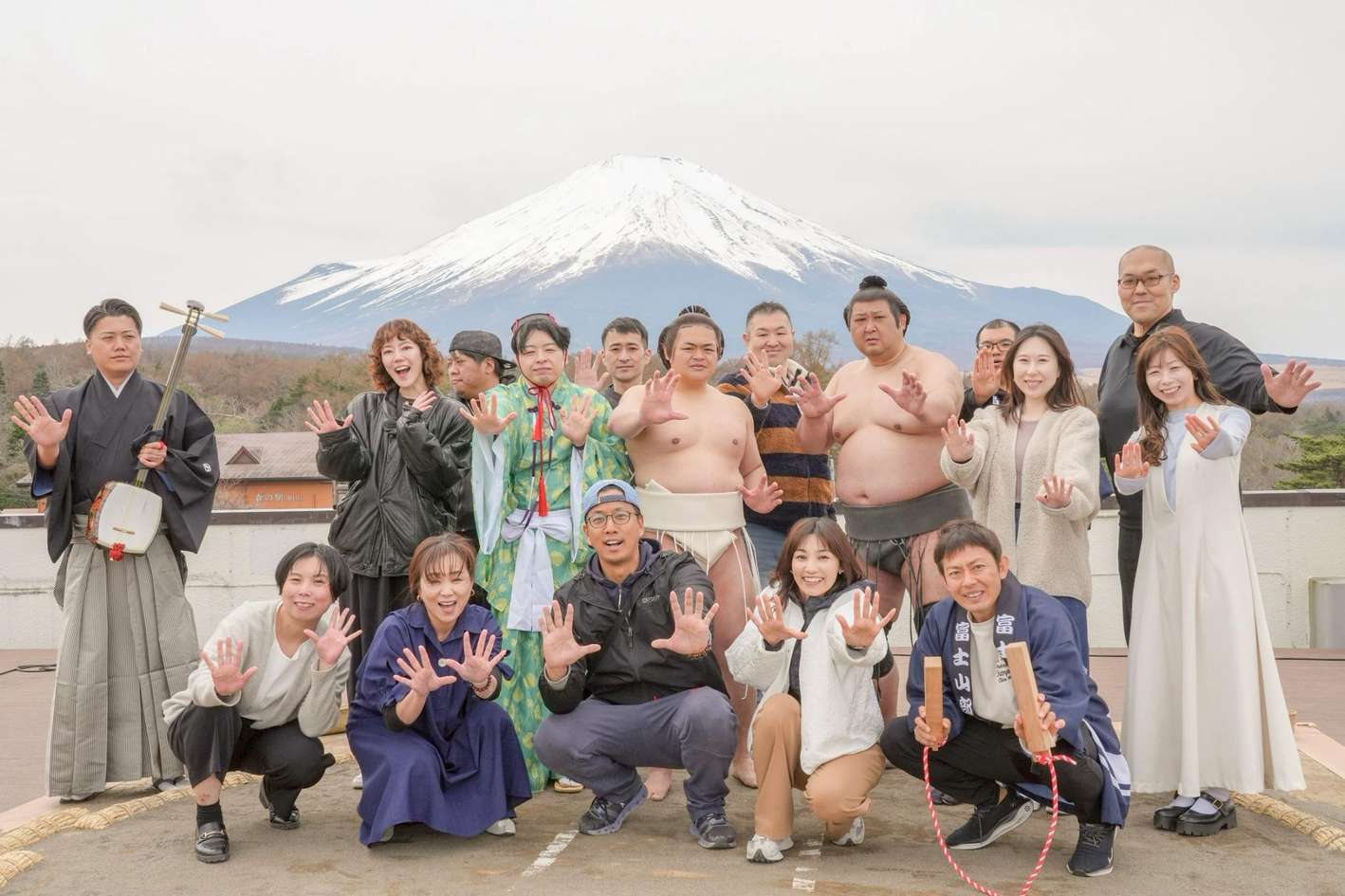
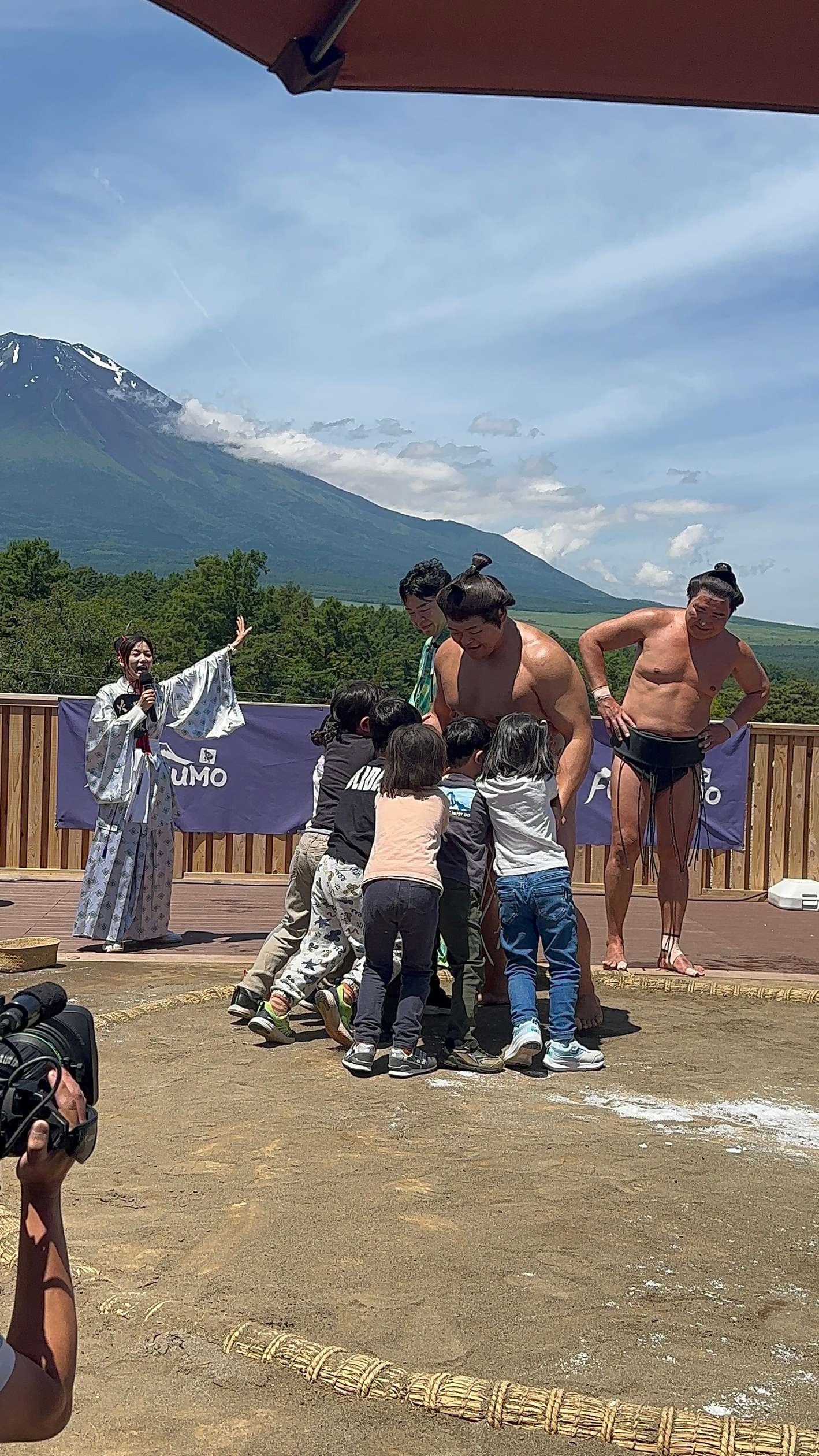
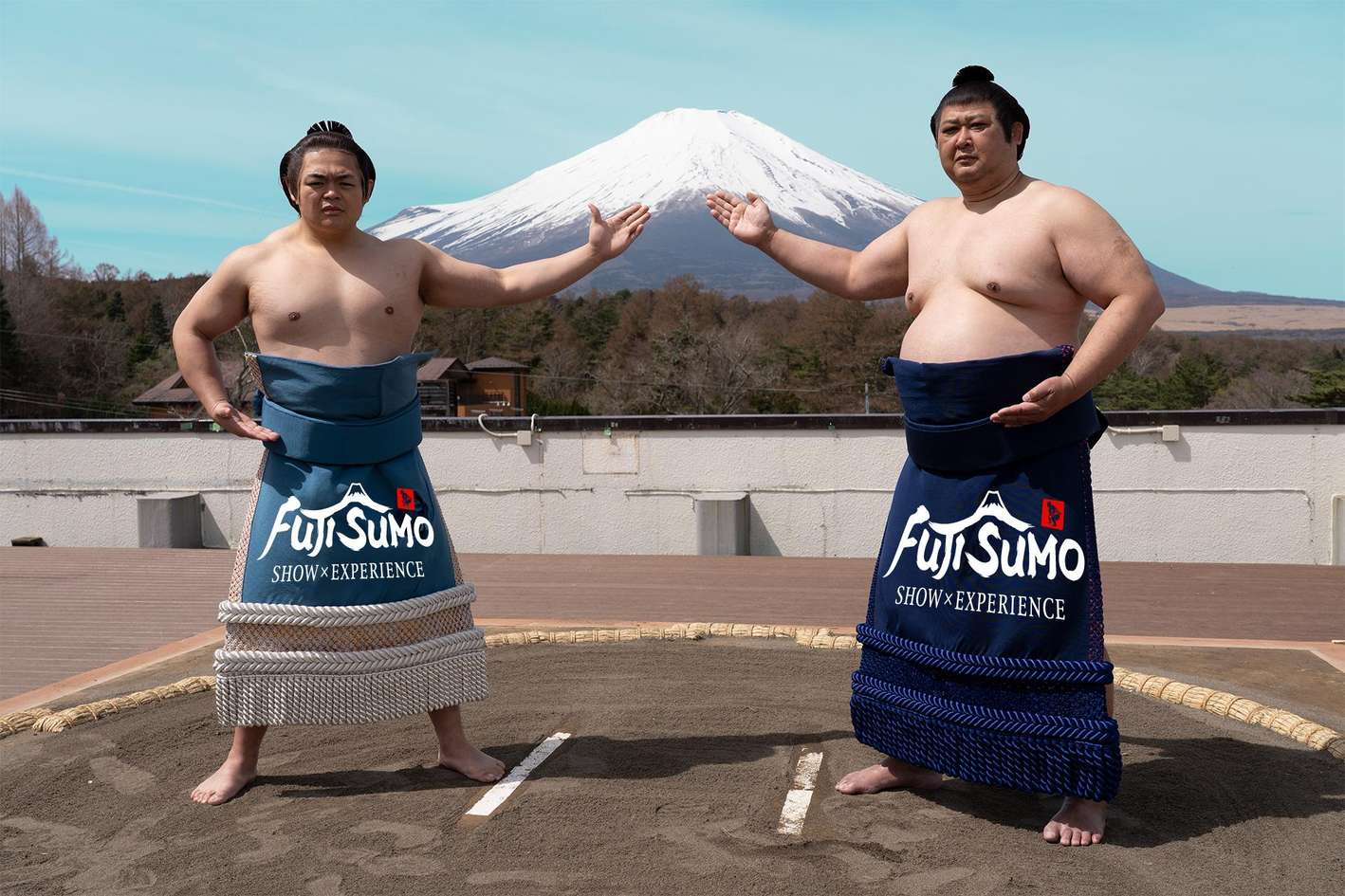
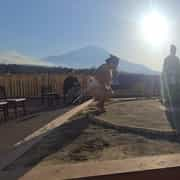
What a sumo outing at Lake Yamanaka looks like, with Mt Fuji behind the ring and options for families.
Where to learn actual sumo moves in Tokyo and Osaka, and how a class differs from watching a show.
How to book a guided visit to a Tokyo sumo stable and what a real morning practice involves.
Where in Tokyo you can wear sumo attire and build a full dress-up outing around a show.

A Tokyo masterclass on sumo's history and traditions, ending with a chanko nabe lunch.
If you searched SumoLand, find out which Osaka or Tokyo venue you mean and what to expect there.

Practical details for the Sumo Land Osaka venue, from its location to how it fits a trip.

Location and visitor details for SumoLand in Ryogoku, Tokyo, so you can judge if it fits your day.
The full yearly schedule and host cities for the grand tournament, so you can plan around it.
Dates, venue and ticket advice for the Tokyo grand tournament, three times a year at Ryogoku.
Venue and schedule for the March tournament in Osaka, and how to approach its tough tickets.
Venue and schedule details for the November grand tournament in Fukuoka.
How tickets and the venue work for the July grand tournament in Nagoya.

What the Grand Sumo Minoh Expo Tournament is and how to watch sumo in Osaka there.

Guided tournament viewing by city, with what a guide adds on the day.
How a Nagoya tournament tour fits your July plan, and what the available options cover.
Whether an Osaka tournament tour with tickets matches what you pictured for the March basho.
A clear account of tournament-viewing visits in Tokyo at the Ryogoku arena.

Where you can watch real morning training across Japan, and the guided ways to do it.

Guided options for watching morning training at Tokyo stables, plus the etiquette to expect.
How real morning training in Osaka differs from a staged show, and when you can watch it.

Training visit options in Kyoto, and how to tell real practice from a performance there.
What a sumo show includes, where they run and which kind suits your trip.
Deluxe Tokyo sumo outings with wagyu, drinks and front-row seats, compared so you can choose.
Sumo shows across Tokyo, from Ginza to Shinjuku, weighed so you can pick one and book it.

Live sumo shows and restaurant options in Osaka, and which evening works best for you.
Whether Kyoto has a sumo show, what each venue offers and how to choose between them.
The Sapporo sumo show with Japanese food, and its current status for planning a visit.

Tokyo experiences that pair a live sumo show with chanko nabe or a full lunch.
How to turn a sumo-themed dinner in Osaka into a specific evening worth booking.
A comparison of the ways to watch and try sumo across Japan, for visitors still deciding.

Practical answers on sumo rules, schedules and match length for a Tokyo visit.

Opening hours for the Tokyo sumo museum and museum options in other cities.

What makes Ryogoku worth exploring and how to see Tokyo's sumo district with context.
Short answers to the questions travelers ask when they are trying to fit sumo into a Japan trip.
 Tokyo2026
Yes. You can watch grand sumo tournaments at four arenas, join guided morning practice at real stables, and book sumo shows that run year-round. For most visitors a show is the easiest option, since tournaments sell out fast and stables have strict rules.
There are six tournaments a year, each lasting 15 days, and all in odd-numbered months. Tokyo hosts in January, May and September, Osaka in March, Nagoya in July and Fukuoka in November. In the even months no ranked tournament takes place anywhere.
Yes, in one form or another. Tournaments only run six times a year, but Tokyo shows run every day of the year, stables hold morning practice most months, and regional exhibition tours carry the top wrestlers around the country between tournaments.
Pick a sumo show with retired wrestlers, book a morning practice visit with a guide, or look for a jungyo exhibition event. Shows and dinner events are the most accessible option outside tournament season, and Tokyo has several venues running daily.
A show is staged entertainment by retired wrestlers, with commentary and audience participation, and the bouts do not count for anything. A stable visit is silent observation of real training. A tournament is the only one where ranked wrestlers genuinely compete and results change their careers.
Extremely fast. Tickets go on sale about a month before each tournament at 10 am. Japan time, and the popular days can sell out within minutes. The July 2026 Nagoya tournament was fully booked within about a week, and the September 2026 Tokyo tournament sold out all 15 days.
Yes. The Japan Sumo Association's English ticket page sells from abroad with credit cards only, adds a service fee per ticket, and issues tickets only at Seven-Eleven stores in Japan. If your dates are already close to a basho, a show is the realistic backup.
Retired professional wrestlers demonstrate techniques, explain the rituals and history, and fight exhibition bouts close enough that visitors report sitting about five feet away. A lottery picks a few guests to challenge a wrestler in the ring, and photos with the wrestlers follow at the end.
A lot. A stable visit runs about two hours, with warm-up drills first and then roughly an hour of full-intensity sparring between wrestlers whose careers depend on it. You sit quietly to the side of the ring and are usually done by about 9 am.
Yes. Women can watch tournaments from the arena seats, join guided stable visits, and attend any sumo show. What professional sumo forbids is entering or touching the ring itself, and that rule applies in the arena and at many stables.
Many visitors call it a highlight of their trip even with no prior interest. If you are new to sumo, a show is a friendly introduction with an English-speaking host; morning practice is the pick for die-hard fans who want the real thing.
Spend two hours at a working Tokyo stable with an English-speaking guide, and cancel up to 24 hours ahead for a full refund.

