




2 - 3 hours·English
4.2(24)
Fukuoka: Morning Sumo Practice and Hakata Old Town
Witness Sumo Morning PracticeExplore Historic Hakata Old TownImmerse Yourself in Local Culture
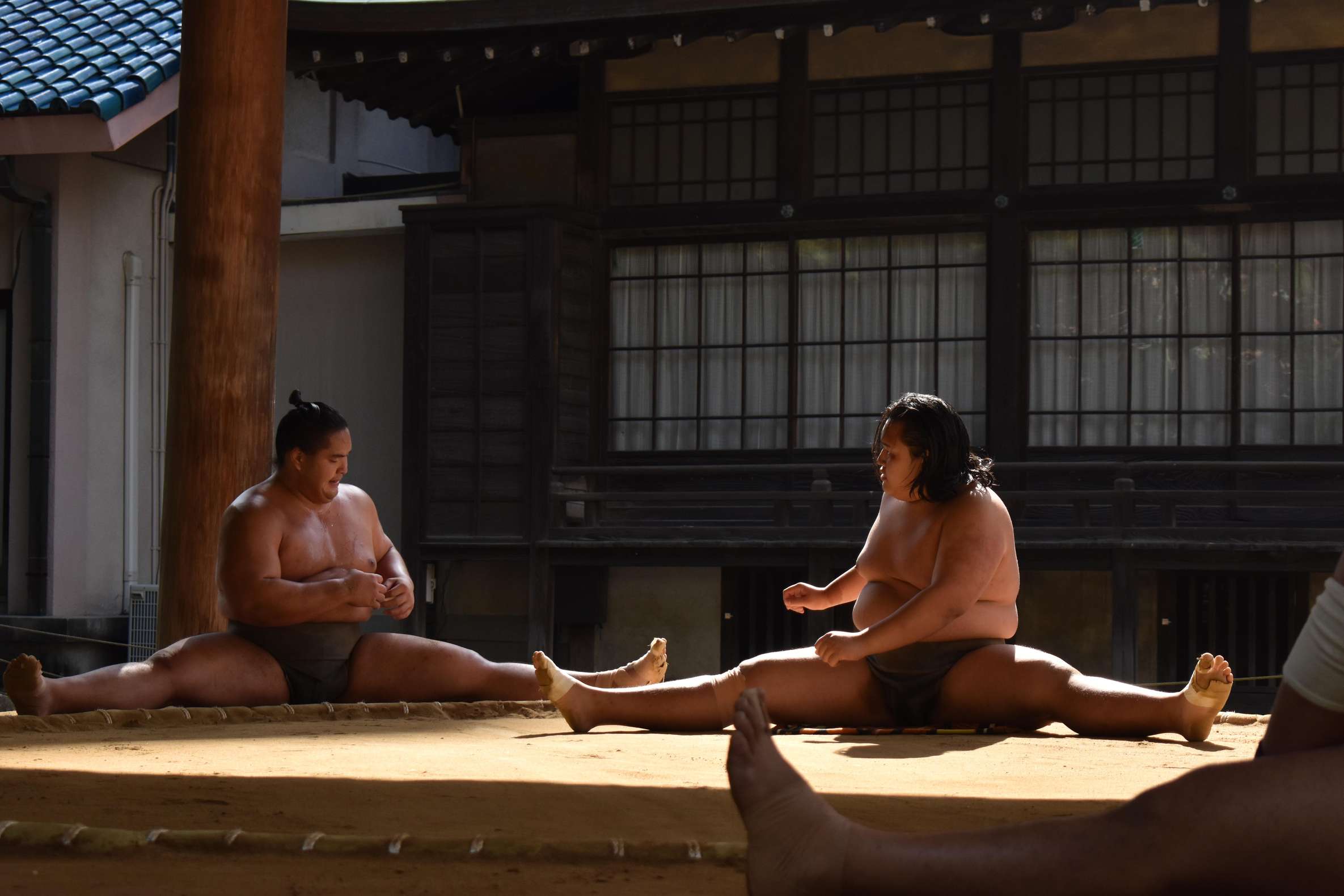
Come for the thud of real training, leave with the morning you came for. Book the Fukuoka stable visit to watch active wrestlers train during the Kyushu tournament season, or keep it in Osaka with a live sumo show by retired pros. Real practice viewing, guided, plus Hakata Old Town after.
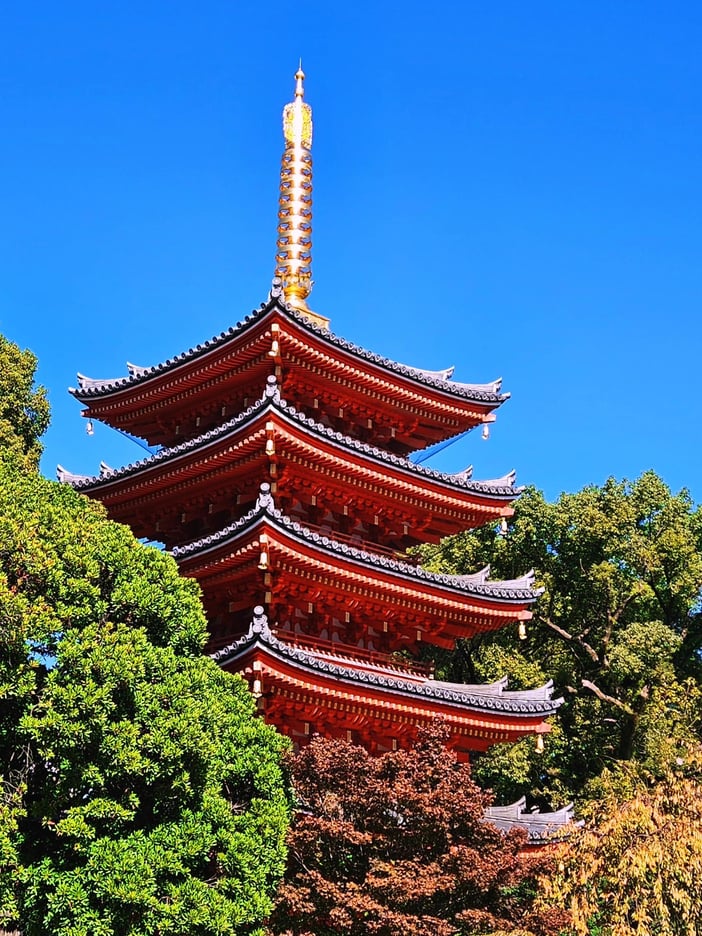
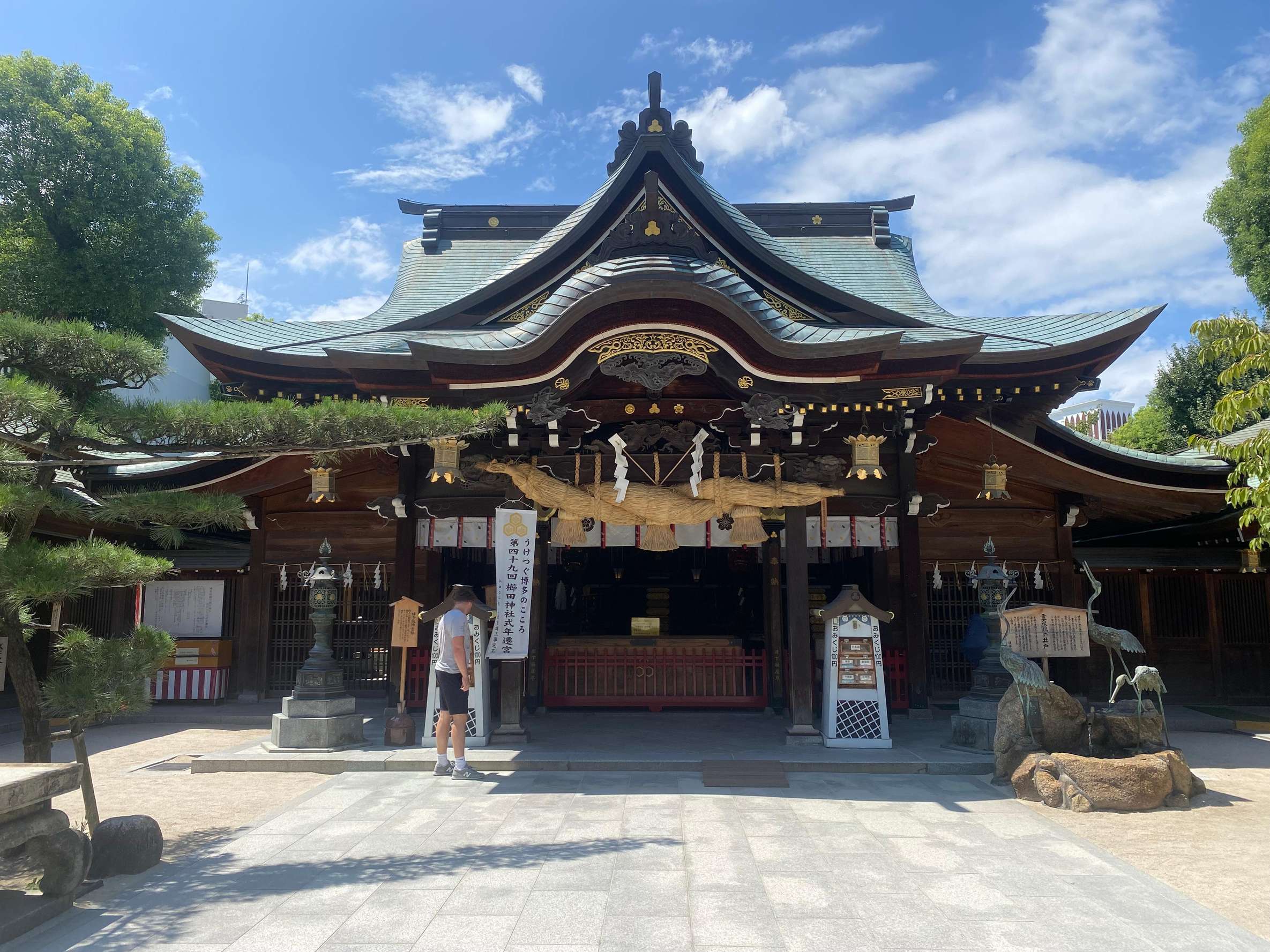
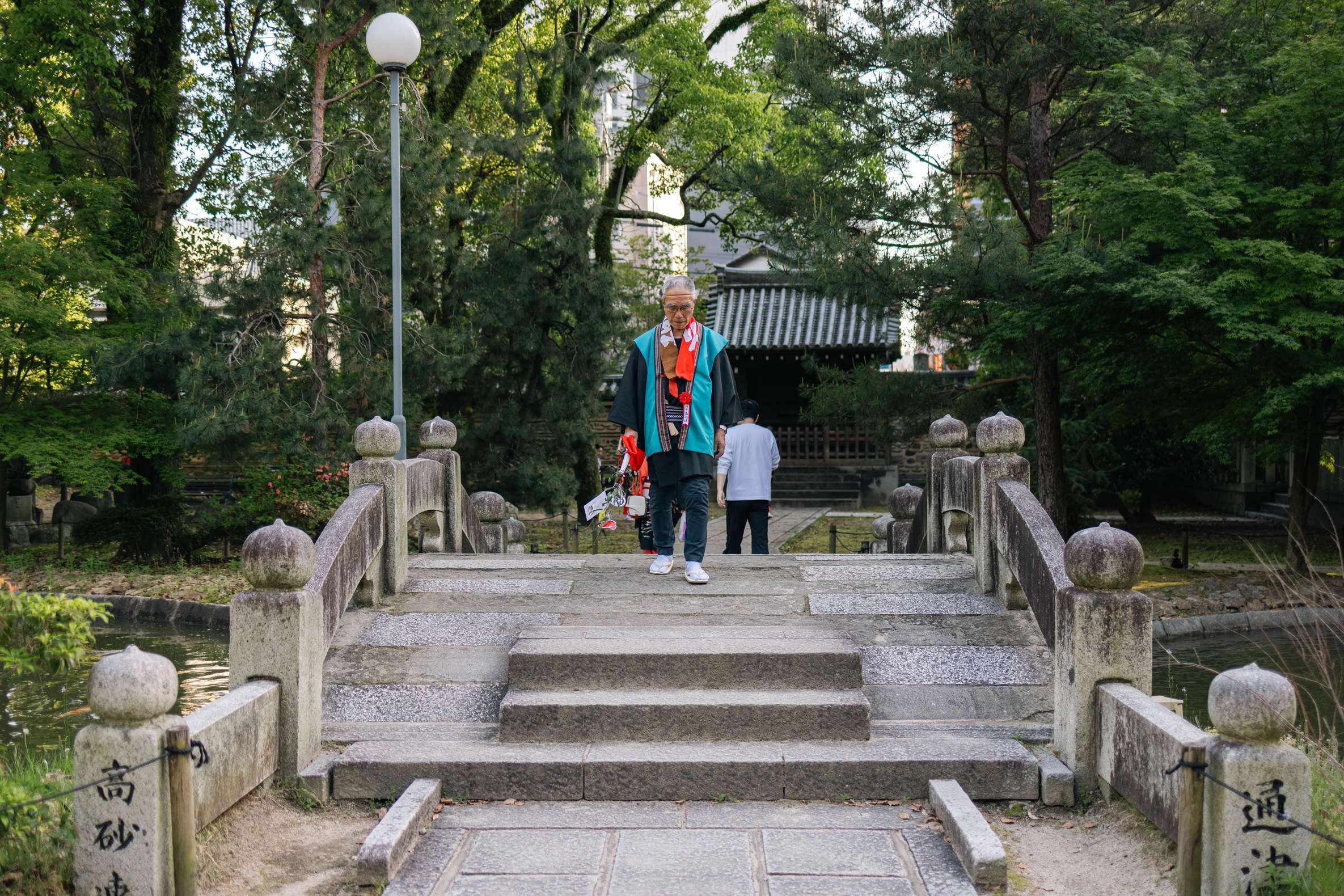
"Patrik's Fukuoka tour was fantastic! The sumo training and shrine walk through old Hakata were informative and fun. Great guide, we had a wonderful time. Highly recommended!"
Osaka's stables open their doors to visitors only in the weeks around the March tournament. The rest of the year, the sumo you can book in the city is shows by retired wrestlers. Your dates decide which one you get.
Real stable practice in Osaka runs only from late February, when wrestlers move in for the March tournament, to the tournament's start; outside it, the tours on sale are shows.
The sumo on sale in Osaka year-round is entertainment shows performed by retired wrestlers, however real the technique looks.
The one real-practice tour on this site runs in Fukuoka in November, during the Kyushu tournament, about 2 hours 24 minutes from Osaka by Shinkansen.
No tour promises a yokozuna; which wrestlers train is the stable's decision, made day by day.
Book stable visits about two months ahead, and arrive at shows 15 to 20 minutes early because seats are reserved and latecomers rush.
Book about two months ahead for the November season, and if training is called off on the day, you still get the full Hakata Old Town walking tour; if your dates fall outside November, the Osaka sumo shows run year-round instead.
The clay thuds before the sun is properly up. That is what a real morning practice sounds like, and in Osaka you can hear it only in one stretch of the year.
In late February the stables move into temples and shrines around the city to prepare for the March tournament, and until the tournament begins, wrestlers train every morning and some stables let visitors watch, usually from 6:30 am to 10 am during the tournament period and 7 am to 11 am the week before.
Real morning practice in Osaka is only possible from late February, when stables move in for the March tournament, to the tournament's start The rest of the year, no Osaka stable opens its practice to visitors; plan a show in Osaka or a practice visit in another city
The rest of the year the answer is no. In July the wrestlers are all in Nagoya, and most other months they are back at their home stables in Tokyo. That is why dinner shows dominate the Osaka sumo scene.
So you are on one of three paths: the February-to-March window, a show in Osaka, or real practice elsewhere. Sumo practice in Osaka outside tournament season is not something you can book, however the listing reads.
One more thing worth knowing: an inquiry to a stable is not a reservation. Viewing is first-come, first-served, and Sakigawa, Isenoumi, Kise and Miyagino stables are among those that have opened during the tournament season.
If what you want is genuine training, the wrestlers will tell you where to follow them: Fukuoka, in November.
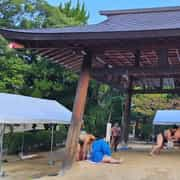
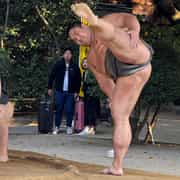
For about three weeks around the Kyushu tournament, more than 40 stables base themselves there, and the Fukuoka: Real Morning Sumo Practice & Hakata Old Town Tour takes you into one near Hakata Station for roughly an hour of guided practice viewing, then walks you through Hakata Old Town with a local guide.
This is the real thing. The tour calls it what it is: a training session for professional wrestlers preparing for an upcoming tournament, and travelers back that up, talking about hearing the impact of bodies on the clay, a sound no show reproduces.
Expect silence on your side of it: no talking, no moving, no flash photos, no eating or drinking. A stable is a working home for rikishi, so expect a sparse, silent viewing.
The gap, said plainly: it is Fukuoka, and only a limited three weeks in November. If your dates miss it, a Tokyo stable visit offers guided morning practice viewing year-round outside tournament months, with the same silent, still rules.
Real sumo training is worth arranging a trip around, if the city and the month line up.
Wrestlers rise between 4 and 6 am and head to the ring without eating breakfast; their first meal comes around noon. By the time visitors arrive, the morning is already moving. Warm-up drills come first, shiko stomps and suriashi footwork repeated until the legs know them without thinking.
Around 8 am, when the stablemaster arrives, the lower-ranked wrestlers enter the ring and grapple bout after bout, winners picking their next opponents.
Then comes roughly an hour of full-intensity sparring, and the finish, butsukari-geiko, where one wrestler drives at his partner's chest with everything he has. A visit runs about two hours, and you are usually done by 9 am
Practice is already in full swing by 7:30 am at most stables, so arrive at your meeting point a few minutes before the start.
The session winds down between 9:30 am and 10 am, and some tours meet as late as 9:45 am before walking to the stable together.
A full visit, including the walk and any meal afterwards, can stretch toward noon, so plan the whole morning for it.
The weeks before a tournament are the most intense to watch, and the room tells you when it is serious: when a top-division wrestler is present, everyone else sits straighter and moves faster. Morning practice claims your whole early day, so plan nothing else before noon.
Staying in Osaka changes the choice. In the March window, real stables open in temples and shrines across the city, from Sakigawa in Neyagawa to Miyagino in Tennoji-ku, and regional pre-tournament camps are more open to visitors than Tokyo stables ever are.
Contact the stable ahead to confirm practice is on, then arrive early, because it is first-come, first-served.
The rest of the year, the sumo in Osaka is shows. The Sumo Hall Hirakuza show in Osaka runs daily in Namba with about 180 seats around a life-sized ring, and the sumo dining experiences add chanko nabe or wagyu sukiyaki to the evening.
The wrestlers are former professionals and the technique is genuine, though the bouts are choreographed and the outcome is settled in advance. Osaka sumo shows are entertainment, and they are good entertainment, once you book them as that.
Getting to Osaka is the easy part: 14 minutes by Shinkansen from Kyoto, about 2 hours 21 minutes from Tokyo. The hard part is matching your dates to what you want to see.
The honest answer: nobody can promise it. No tour on sale guarantees a wrestler of any rank, and which wrestlers train on a given morning is the stable's decision, made day by day and changeable with weather or tournament conditions.
What works in your favor is timing. At a real tournament-season stable, the full hierarchy trains together, from the youngest recruits to the top ranks, and the presence of a top-division wrestler changes the room: everyone sits straighter, bows deeper, moves faster.
That is the closest a visitor gets to a guaranteed glimpse of the sport's summit.
During tournament months the wrestlers lodge in the tournament city, and training there can sometimes be watched, but the listings are published in Japanese only. A yokozuna sumo stable morning practice in Osaka stays a hope; go for the training itself and treat anything above that as luck.
Fukuoka takes real effort from Osaka. The fastest Shinkansen from Shin-Osaka to Hakata takes 2 hours 24 minutes, so a morning at the stable means a very early train or a night in Fukuoka.
Driving is 7 hours 27 minutes without traffic, and the fastest highway bus is 8 hours 25 minutes, neither of which fits around a 6 am practice.
So the honest arithmetic: the Fukuoka tour makes sense if you are already heading west, or if November is your month and real training is the point of the trip.
If your dates are fixed and Osaka is your base, the shows in the city give you sumo the same evening without the journey. Real morning practice is worth a dedicated trip; it is rarely worth a detour.
Doors open between 5 pm and 5:45 pm for the main show, and the advice is to arrive 15 to 20 minutes early, because all seats are reserved and latecomers do a rushed search while the room fills.
The hall holds about 180 seats around a life-sized ring, and even the standard seats sit on an incline with a clear view; front-row guests high-five the wrestlers as they pass.
All seats reserved, so arrive early
The meal, then the educational section on wrestlers' lives, stretches and rules
Three tournament-format matches plus the audience sumo challenge
The wrestling fills only the last stretch of the evening: of the two-hour slot, the bouts and the audience challenge take roughly the final 40 minutes. Shows can start noticeably later than the printed time, so build in slack.
For families, this format wins easily: children can join the playful contests, where a stable would demand silence. The Osaka sumo show is at its best on a busy night, when the crowd makes it lively.
Stable visits run on a two-month clock. Travelers book on average about 58 days ahead, and one stable-tour operator suggests getting in touch within three months of your date, because stables often finalise their schedules only a month beforehand. Leave it to the week of your trip and the good spots are gone.
The calendar matters as much as the clock. In Tokyo's tournament months, January, May and September, stables close their doors or cut practice short, and one Tokyo tour stops running entirely in every odd-numbered month.
The fullest, most intense practice sessions come in the even months between tournaments, especially February and October. Book sumo practice about two months ahead, and check your month against the tournament calendar before you fix anything else.
April: 5 out of 5 for how busy it gets. Very busy with travelers, and hard pre-tournament training is on show until practice tours wind down.
Tap a month to read it.
February: 5 out of 5 for tournament or practice season. With no tournament, February is one of the best months for full, intense morning practice, and it is also the quietest month on the tours.
Tap a month to read it.
The Osaka shows run every month of the year, with only a handful of closed days a month, so check the calendar for your exact date rather than assuming.
At a stable you are furniture, and that is the compliment. No talking, no whispering, no fidgeting, not even camera shutter sounds. No flash photos, no eating or drinking, no stepping on the dirt of the ring, and in winter no heating.
Sit on the floor, keep your legs pointed away from the ring, and save every question for the end, when the guide can translate and the wrestlers sometimes chat and take photos. Stay until practice finishes.
At a show the rules loosen: clap, cheer specific wrestlers, take photos without flash, and follow the MC if you are chosen for the ring challenge.
Keep phones on silent, stay in your seat during a bout, and never boo or throw a cushion. Stable etiquette asks for silence because the wrestlers are at work; at a show you can clap and cheer.
Women watch everywhere. The old prohibition applies to entering or touching the ring, never to spectating, at stables and arenas alike.
Sumo follows you out of the ring. Chanko nabe, the hot pot wrestlers eat as their first meal of the day, is a restaurant dish too, often at places run by retired wrestlers, cheap and generous, doubling as an izakaya in the evening where you might hear stories about the stable.
During tournaments it is made with chicken only, so the wrestler stays on two legs, like a fighting bird.
Around the Namba venues, a short walk takes you to Ikasuri Shrine about 350 meters away, Utsubo Park's greenery, or Nakanoshima by the river, where the Museum of Oriental Ceramics and the National Museum of Art sit within about 15 minutes on foot.
Elevator No. 3 in Namba Parks takes you straight up to the show hall on the 8th floor.
And if your dates land on a real tournament day, seasoned fans say take it: kids can shout along with the crowd, the mid-day break brings comedy and chances for children to dress up in the ring, and the bouts are decided by nothing but the two wrestlers in it.
A sumo day in Osaka pairs well with a hot pot and a slow walk afterwards.
If watching real training is the point, the Fukuoka morning practice tour in November is the only tour on sale that delivers it, and it is worth building a trip around.
If Osaka is fixed, go in the late February to March window for real stables, or book a show the rest of the year and enjoy it as the lively, well-made entertainment it is.
Either way, book about two months ahead and check the tournament calendar first.

Osaka's sumo shows put former professionals on a ring stage minutes from Namba, with food and participation built in.
Read the guide
Tokyo's guided stable visits show active wrestlers in real training, with a guide explaining what you see.
Read the guideThe closest on-sale practice visit runs in Fukuoka each November, paired with a Hakata Old Town walk.
Read the guideReal morning training is scarce in Osaka, so the choice is between a show in the city and a practice visit elsewhere.
Live sumo in Osaka, with retired wrestlers, meals and audience challenges

Sumo Hall Hirakuza sits on the 8th floor of Namba Parks, about 180 seats around a life-sized ring. The wrestlers are former professionals, and the bouts are staged, but the power is real. Front-row guests high-five the wrestlers as they pass, and lottery winners can step into the ring themselves.
Shows run daily, so any month works. The audience challenge show runs 1 to 1.5 hours; the Hirakuza show lasts 2 hours with a bento, snack bag or chanko nabe depending on the option.
Arrive 15 to 20 minutes early, since seats are reserved and latecomers rush. If your dates overlap the March tournament, the real thing beats any show.
Guided morning practice viewing at a real Tokyo stable
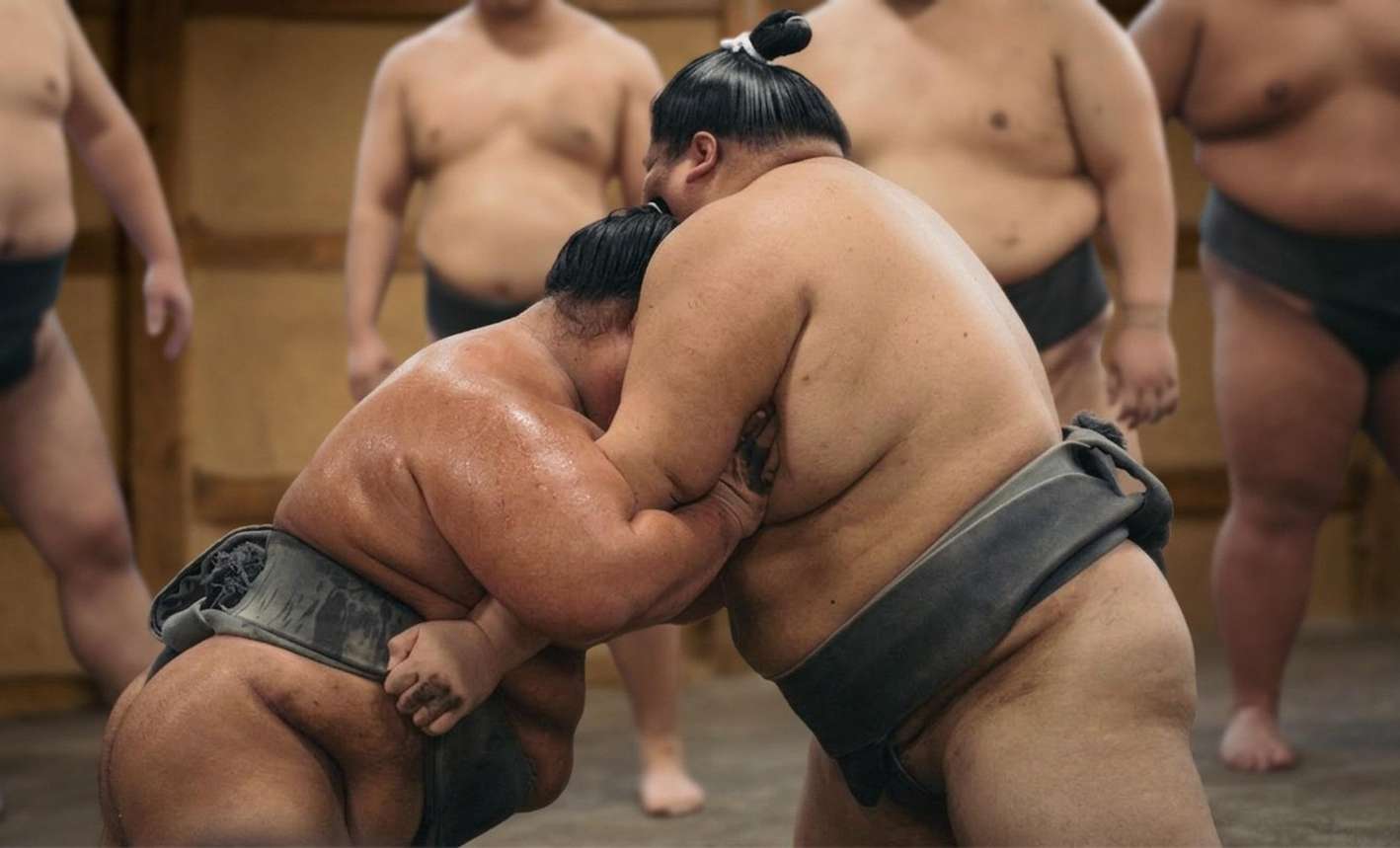
A Tokyo stable visit is the real thing: warm-up drills first, then an hour or so of full-intensity sparring while you sit to the side of the ring. The English-guided visit lasts 2 hours; the journalist-led outing runs 3 hours and adds walks and time for questions afterward.
The rules are strict. No talking, no moving, no flash photos, no eating or drinking, and you sit on the floor.
Save your questions for the end, when the guide can translate and wrestlers sometimes chat and take photos. Book well ahead, and note that stables close to visitors during tournament months, so check your dates first.
Real morning practice during the Kyushu tournament season
Each November, more than 40 stables base themselves around Fukuoka for the Kyushu tournament, and this guided visit takes you to one near Hakata Station. You watch active professional wrestlers train for about an hour, then walk Hakata Old Town with a local guide. Travelers describe hearing the impact of bodies from close by.
The window is short: a limited three weeks in November only. The stable decides the day's session, so weather or tournament conditions can change it, and if training does not happen you still get the full walking tour. No wrestler rank is promised, so a yokozuna is a hope rather than a guarantee.
A country-wide look at where real morning training can be watched, and how to plan a visit around it.

Tokyo's guided stable visits run most of the year; here is what a morning there involves and how to book one.
Kyoto has no stable practice on sale, so this page helps you weigh its sumo shows against a training visit elsewhere.

Work out which cities host tournaments, which run shows, and where sumo fits into the dates you already have.

Tokyo has the widest range of live sumo viewing, from stable mornings to shows; compare what each one gives you.
Every live sumo option in Osaka side by side, so you can pick the evening or afternoon that suits your trip.
Kyoto's sumo shows pair wrestling with geisha dance and hot pot; see whether one fits your Kyoto days.
Fukuoka's November tournament season brings real morning practice; this page turns that into a workable plan.

Sapporo runs a year-round sumo show; check its schedule and what a visit there involves before you go.

Unsure whether you want to watch or take part? This page sorts the kinds of sumo experience by what you actually do.

A sumo show with Mt Fuji as the backdrop at Lake Yamanaka; see what the 50-minute experience includes.

Want to try sumo yourself? Compare the classes and ring challenges in Tokyo and Osaka before booking.

Tokyo's guided stable tours are the most reliable way inside a real practice; here is how to choose one.

Fancy trying on sumo attire in Tokyo? See how the dress-up option fits into a show outing.

Go deeper than the bouts: a Tokyo masterclass on sumo's traditions, paired with a chanko nabe lunch.
Searching for SumoLand by name? Find the Osaka or Tokyo venue you mean and go straight to its details.

The Osaka SumoLand venue's location, opening pattern and booking notes, all in one place.

SumoLand's Ryogoku location and visitor details, so you can judge whether it fits a Tokyo day.
The full annual tournament calendar and host cities, so you can match a basho to your travel dates.

Tokyo hosts three tournaments a year; here are the dates, the venue and how tickets actually sell.

Planning around the March tournament in Osaka? Pin down its venue and schedule before tickets go.
Fukuoka's November tournament venue and dates, plus how to decide between the basho and a stable visit.

Nagoya's July tournament sells out early; get the ticket route and venue details in one place.

A one-off sumo event in Minoh near Osaka; check what it is and whether your dates line up.
Prefer a guide at the tournament? See what a guided tournament day includes and where they run.

A guided way to watch the Nagoya tournament, with an honest look at how it fits your July trip.

Watching the Osaka tournament with tickets in hand: what the guided option covers and when it runs.

Tokyo tournament visits with a guide, from the arena seats to the sumo district around it.

What a sumo show includes, where they run, and which format suits a first evening with the sport.

A deluxe Tokyo sumo evening with wagyu, drinks and front-row seats; see what the premium tiers add.

Tokyo's sumo shows in Ginza, Shinjuku and beyond, compared by seating, food and format.
Osaka's live shows and restaurant options, so your sumo evening slots into a Namba night out.

Kyoto's sumo shows run daily; see what a session includes and how to pick a time slot.

Sapporo's sumo-and-food show, with its schedule and current availability laid out plainly.

Tokyo's sumo hall venues and show options, with the seating and meal differences spelled out.

A sumo show in Ryogoku, steps from the Kokugikan; check the venue details and what you see.

Sumo at Tokyo Tower with a Japanese set meal and cultural performances; see if the evening fits.

Want sumo and lunch in one Tokyo outing? Compare the shows that come with chanko nabe.
Sumo-themed dining in Osaka, from bento shows to sukiyaki dinners, mapped to the Namba district.

Every way to watch and try sumo in Japan, compared, if you are still deciding what suits you.

Rules, schedules and match length explained simply, so you know what a sumo day involves.

The sumo museum in Tokyo, its hours and the tournament days that change them, plus other cities.

Tokyo's sumo district around Ryogoku: what to see there and how to give a visit some context.
Short answers to what visitors ask before booking a sumo experience in Osaka.
Real morning training at a stable in Osaka is largely unavailable outside the run-up to the March tournament. For most of the year, the sumo experiences on sale in Osaka are shows performed by retired wrestlers, and the closest real practice visit on this site runs in Fukuoka.
Osaka hosts its grand tournament in March, and tickets for it are among the hardest to get in Japan. If your trip falls in another month, the Osaka shows run year-round and give you live sumo technique up close, with an audience challenge and food included.
The Fukuoka: Real Morning Sumo Practice & Hakata Old Town Tour. It takes you to a genuine training session for professional wrestlers preparing for the November Kyushu tournament, not a staged performance, and adds a guided walk through Hakata Old Town.
It runs only during a limited three-week window in November, when the wrestlers are in Fukuoka for the Kyushu tournament. The visit takes two to three hours, including roughly an hour at the stable watching the morning session.
The stable, not the tour operator, decides the day's session, and weather or tournament conditions can change it. If training does not take place, you still get the full Hakata Old Town walking tour with your guide.
At a real practice you sit in silence and simply watch; no talking, no flash photos, no moving around. At an Osaka show a host explains the rules and rituals in English, the wrestlers perform demonstrations and a match, and you can join in or eat while you watch.
They can start noticeably later than the time printed on the ticket, and the ending time may shift a little too. Arrive 15 to 20 minutes early so you are seated calmly rather than rushing to find your seat as the show begins.
Yes, and families with children around 10 to 12 are a core audience for these shows. A show suits children far better than a real stable practice, where young visitors would need to sit silent and still for about two hours.
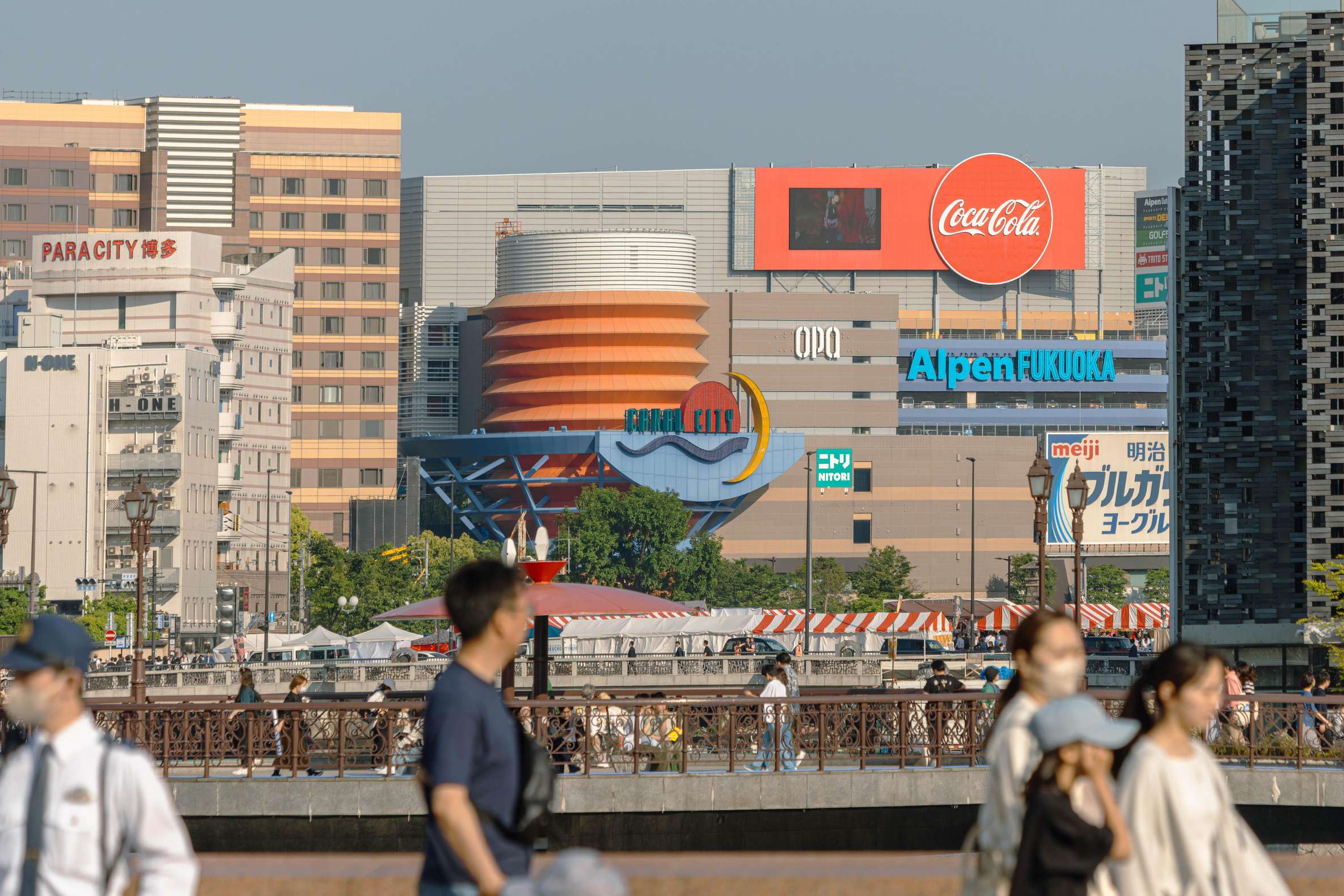
Watch real morning training at a stable, then walk Hakata Old Town, and cancel free up to 24 hours ahead if your plans shift.