




1.5 hours·English
4.9(9,863)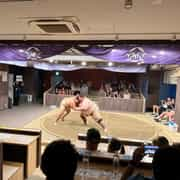
Tokyo: Shinjuku Sumo Show & Experience with a Photo
Free cancellationProfessional sumo wrestling demonstrationHistory and Background information about Sumo
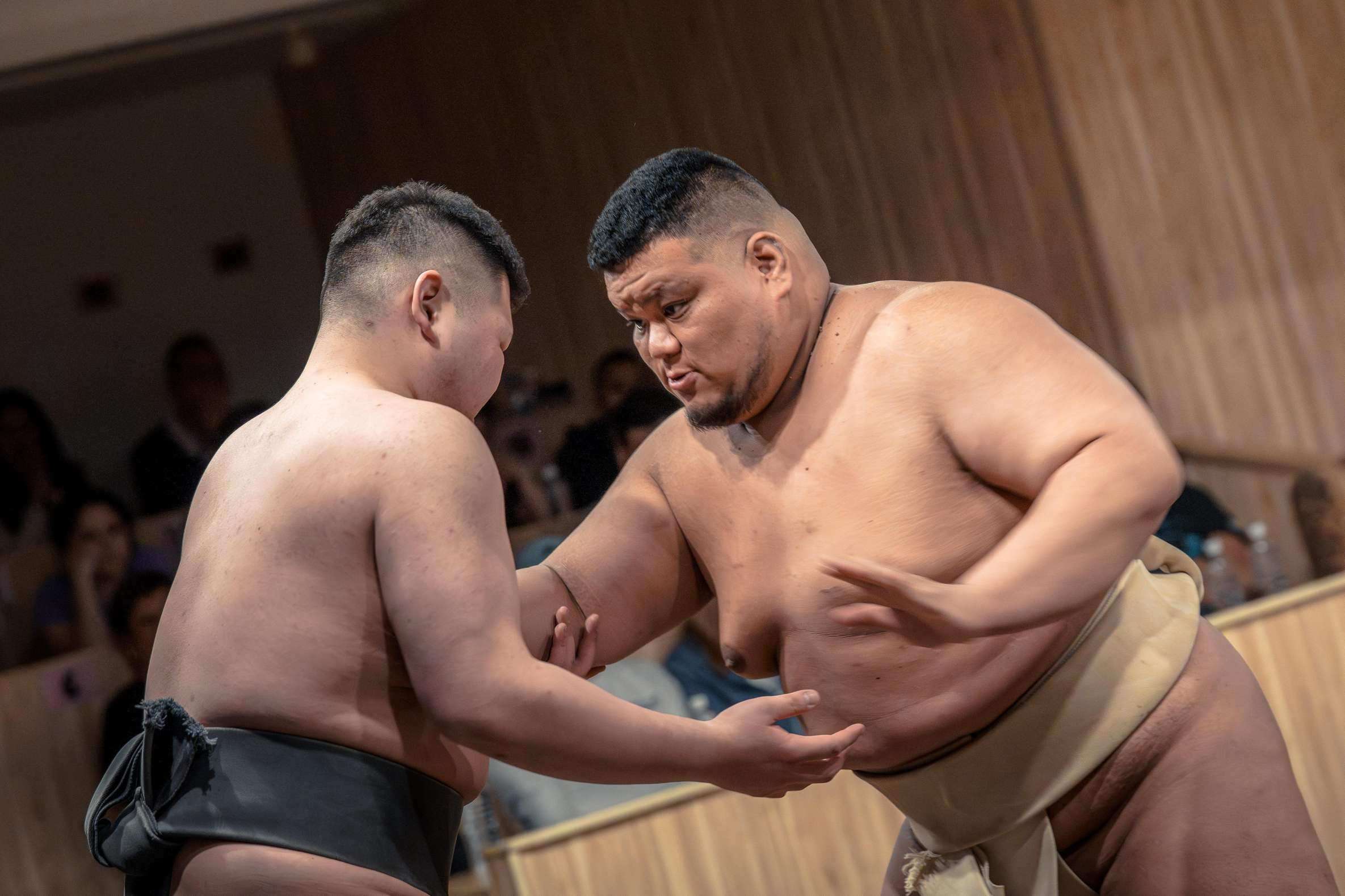
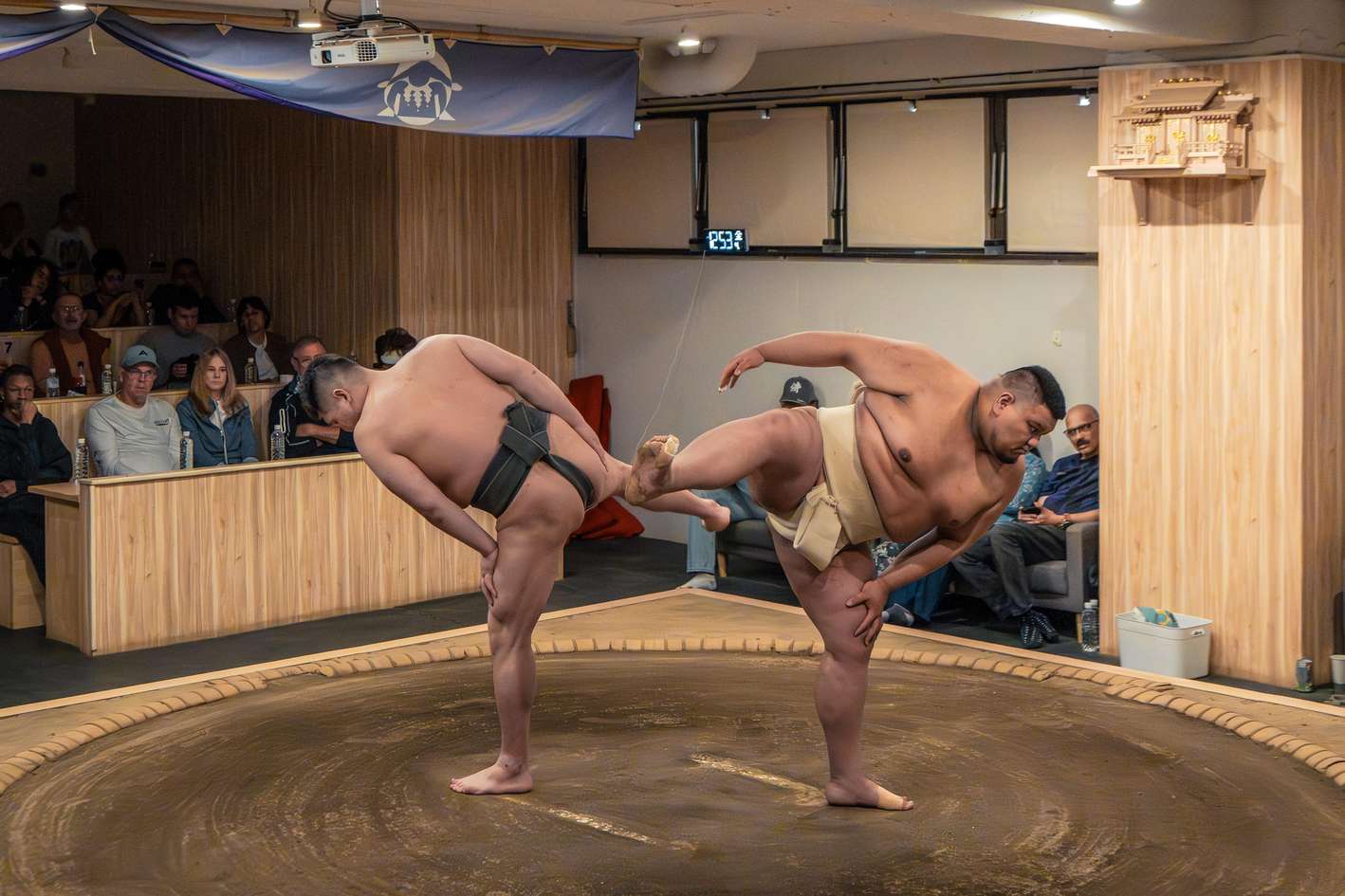
Planning a Japan trip in April and wondering where the sumo went? The grand tournaments skip April entirely. Book a live sumo show instead - retired professional wrestlers, bouts on a real sand ring, English commentary throughout, and a lottery for your own chance to step in. Fixed daily sessions, so you can lock in a date and build your day around it. Check the schedule and reserve your seat.
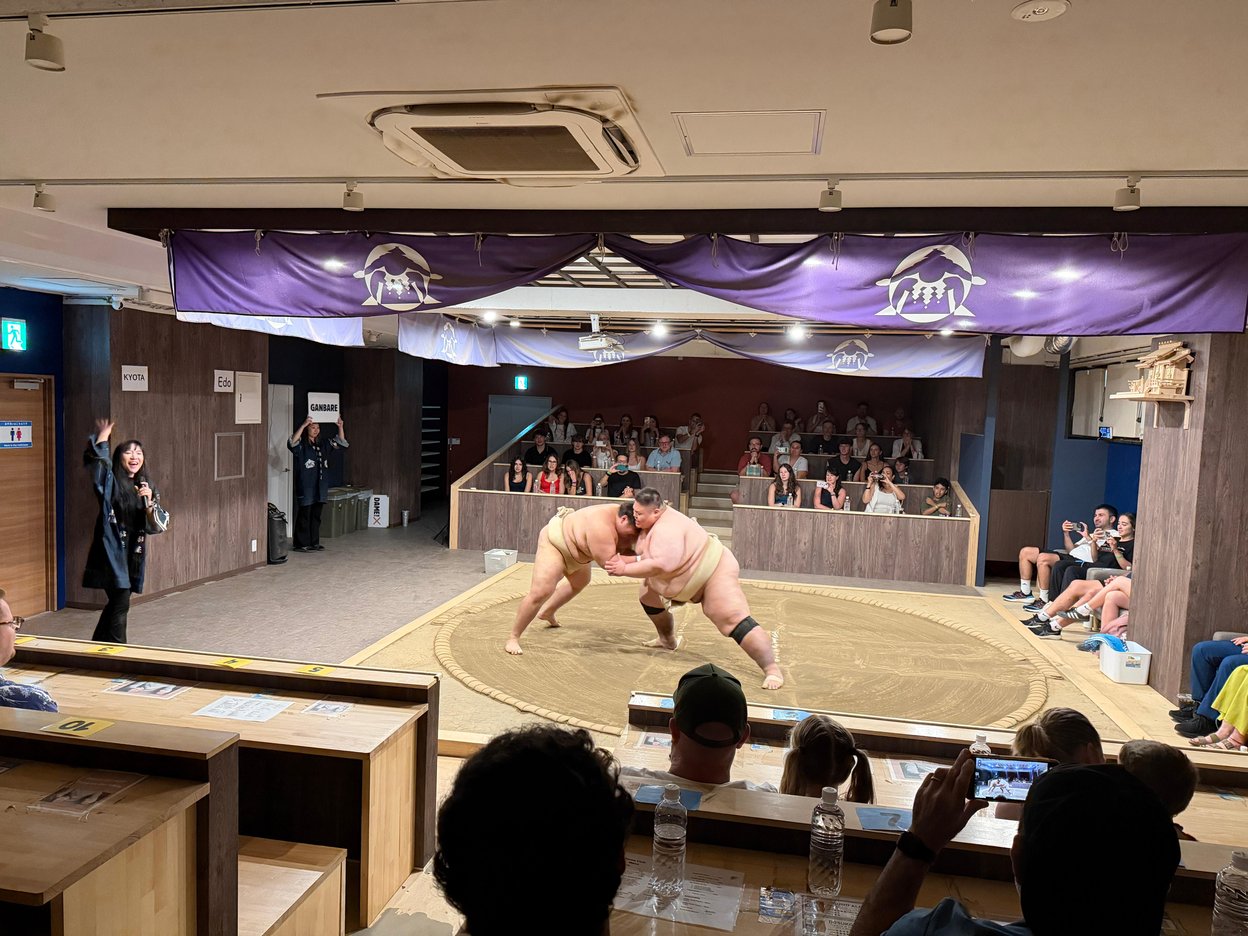
"Solo Aussie here, loved the Shinjuku sumo show. Our guide Shane really knew his stuff and made it worth it. Ryu and Miro were awesome to watch and great with the crowd."
April is the one month professional sumo skips: no grand tournament runs anywhere in the country. What fills the gap, from daily shows to spring exhibition tours and open stable mornings, is enough to build a whole sumo day around, once you know where each option lives.
No grand sumo tournament runs in Japan in April; the six honbasho fall only in odd months, and the Osaka March tournament ends around March 22.
Sumo shows on sale here run on fixed daily calendars in Tokyo and Osaka, bookable for a known date.
Show matches are choreographed entertainment by retired wrestlers, with the actual bouts often only in the last 15 to 30 minutes.
Morning practice at Tokyo stables runs normally in April; call the stable the day before to confirm.
Check the Japan Sumo Association's jungyo page close to your dates; most April sumo posts online are from past years.
Plan your April sumo day around one of the entertainment shows on this page instead: fixed, daily sessions in Tokyo, Osaka or Kyoto, run by retired professional wrestlers with commentary in English. Book a session that fits your itinerary and treat it as your sumo viewing.
The hall you pictured for April sits dark. April falls between the Osaka tournament, which ends around March 22, and the Tokyo tournament, which opens in May, and the six annual honbasho run only in odd-numbered months.
Don't assume a tournament is running in April. The schedule has been fixed since 1958: Tokyo hosts three basho (January, May and September), Osaka takes March, Nagoya July and Fukuoka November. Each runs 15 days in one city, so no tournament anywhere plays the fourth month.
The month is far from bare, though.
Where to watch sumo wrestling in Japan in April comes down to three live things: the jungyo exhibition circuit, which tours cities across the country in spring; morning practice at stables, which runs normally when no basho is on; and the sumo shows on sale here, which run daily in Tokyo and daily except Tuesdays in Osaka.
The myth that nothing sumo-related happens outside tournament months dies quickly in April.
The year at a glance shows where each month lands, and April's level against the tournament months tells you what kind of planning it needs.
January: 5 out of 5 for what is running. The January tournament fills Tokyo's Kokugikan for two weeks, and the Tokyo and Osaka sumo shows run alongside it.
Tap a month to read it.
Read April's row against March and May: the tournament months score high because a basho is running, while April sits mid-table on shows and stable mornings alone. That gap is the whole reason this guide exists.

A month with no basho leaves room for the option that bends to your schedule. A sumo show runs on a fixed daily calendar, so the evening fits your itinerary; you choose the date, and the venue confirms it.
The clearest example is the Tokyo Ginza Sumo Show: Live Performance & Photo Experience, an indoor entertainment show in central Ginza by retired professional wrestlers, about a minute's walk from Ginza Station, easy to bolt onto a Ginza or Yurakucho afternoon.
Across the city the fixed schedules stack up. The Tokyo Tower show runs four sittings a day at 10:30 am, 1:30 pm, 4:30 pm and 7:30 pm. The Shinjuku show caps its hands-on challenge at six guests per show, chosen by lottery, and follows a strict clock, so late entry may be refused.
Most bookings can be cancelled up to 24 hours ahead for a full refund, and that is what turns an April plan into something you can hold.
The shape of one of these evenings runs the same at every venue, and it helps to know where the photos fall.
Venues ask you to come ahead of the printed time
Exercises, rituals and matches with commentary
Free to join or watch
Usually the last stretch of the show
Photos come last, which is why it pays to stay to the end of the session rather than slip out early.
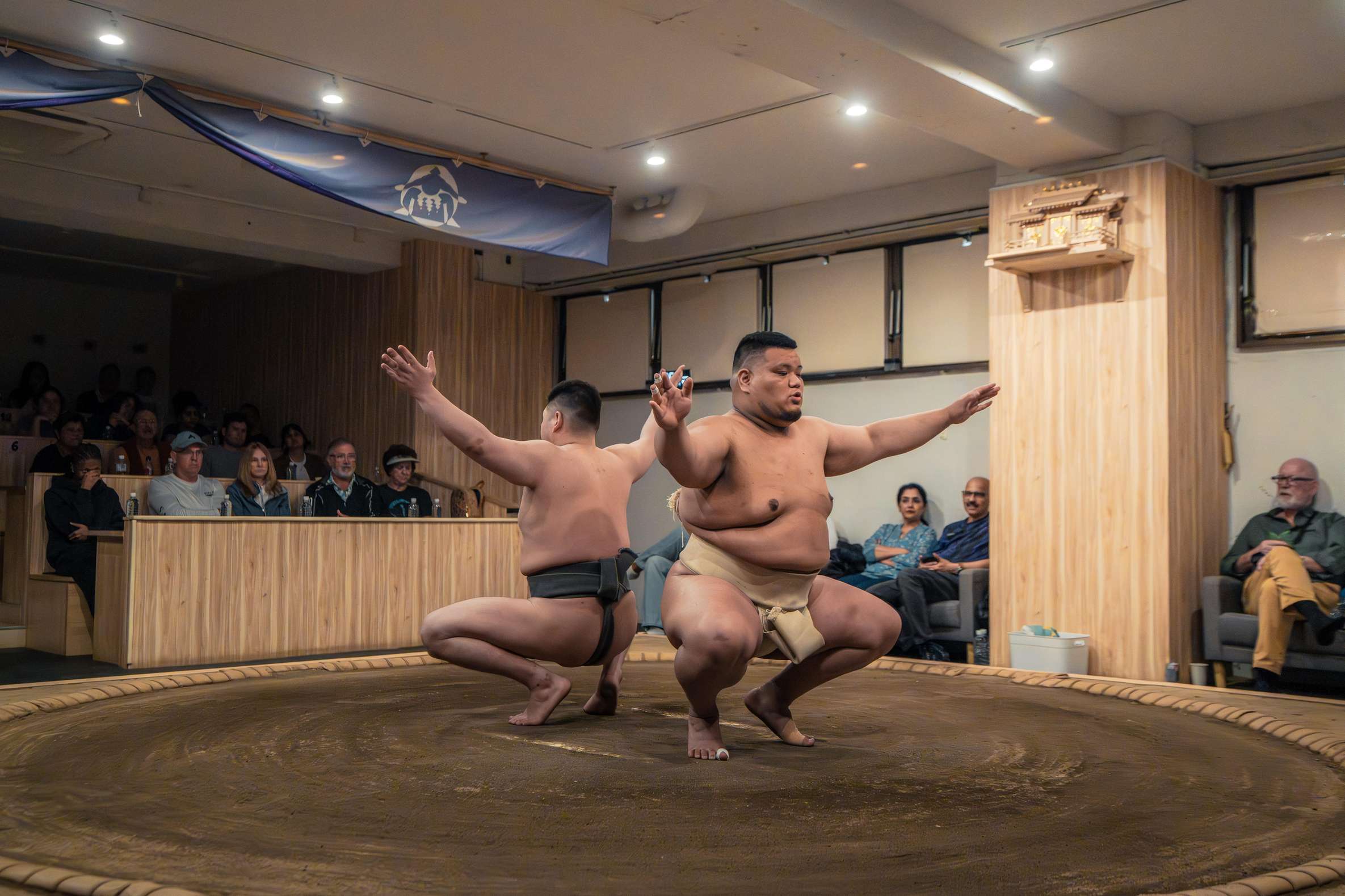
Match the option to the stops already on your trip. Tokyo has the densest offer, from the Ginza show to morning practice in Ryogoku, and the city's wider picture sits on the Tokyo sumo viewing page.
Osaka runs shows year-round in Namba, with a hall that darkens on Tuesdays and adds a 9 pm night show on many April dates; the full Osaka picture is on the Osaka sumo page.
Kyoto never hosts a grand tournament, so a show is the sumo you get there, and the Kyoto: Sumo Entertainment Show with Chicken Hot Pot & Geisha makes a full evening of it: a geisha dance opens the night, the show runs two hours around a real dohyo, and unlimited chanko hot pot and drinks flow while a host explains the rules in English.
Choose it when you want a relaxed Kyoto night with dinner built in.
Then there is the spring circuit. April brings exhibition sumo to cities across the country, including a day when the wrestlers come to Yasukuni Shrine in Tokyo. The Honozumo exhibition there is free and first-come, first-served, which makes it the cheapest seat of the month.
The map below lines the options up against each other for the month.
Shows carry April, practice fills the mornings, and the tournament row stays empty until May. Pick the row that matches your city.
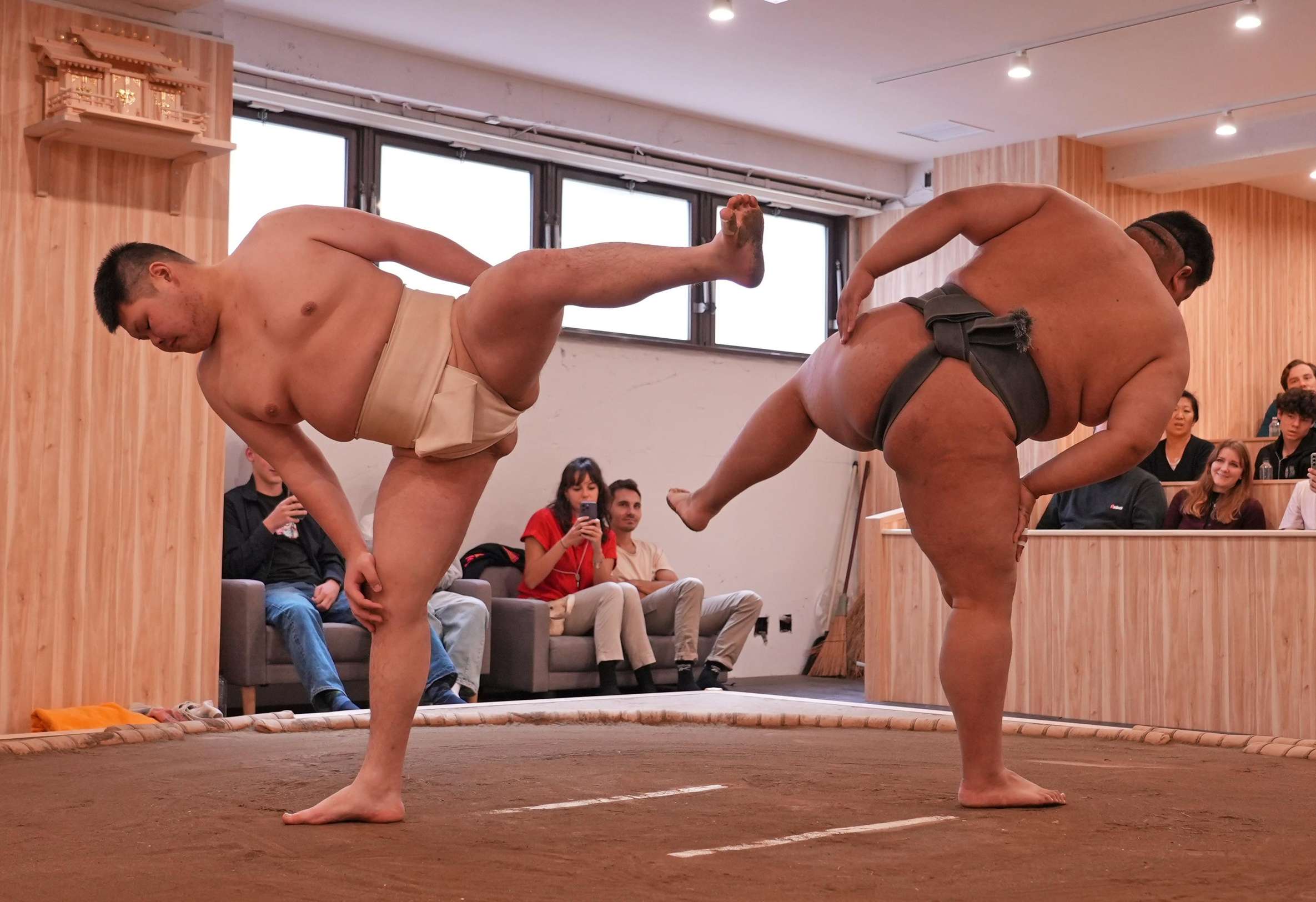
Say it plainly: show matches are choreographed. The wrestlers are retired professionals, so the technique is genuine, but nothing is contested and no result touches a ranking.
Hosts and wrestlers keep the room welcoming and often funny, and guests are invited to try warm-ups or a bout, free to join in or stay in their seat. People who book expecting genuine competition are the ones who leave disappointed.
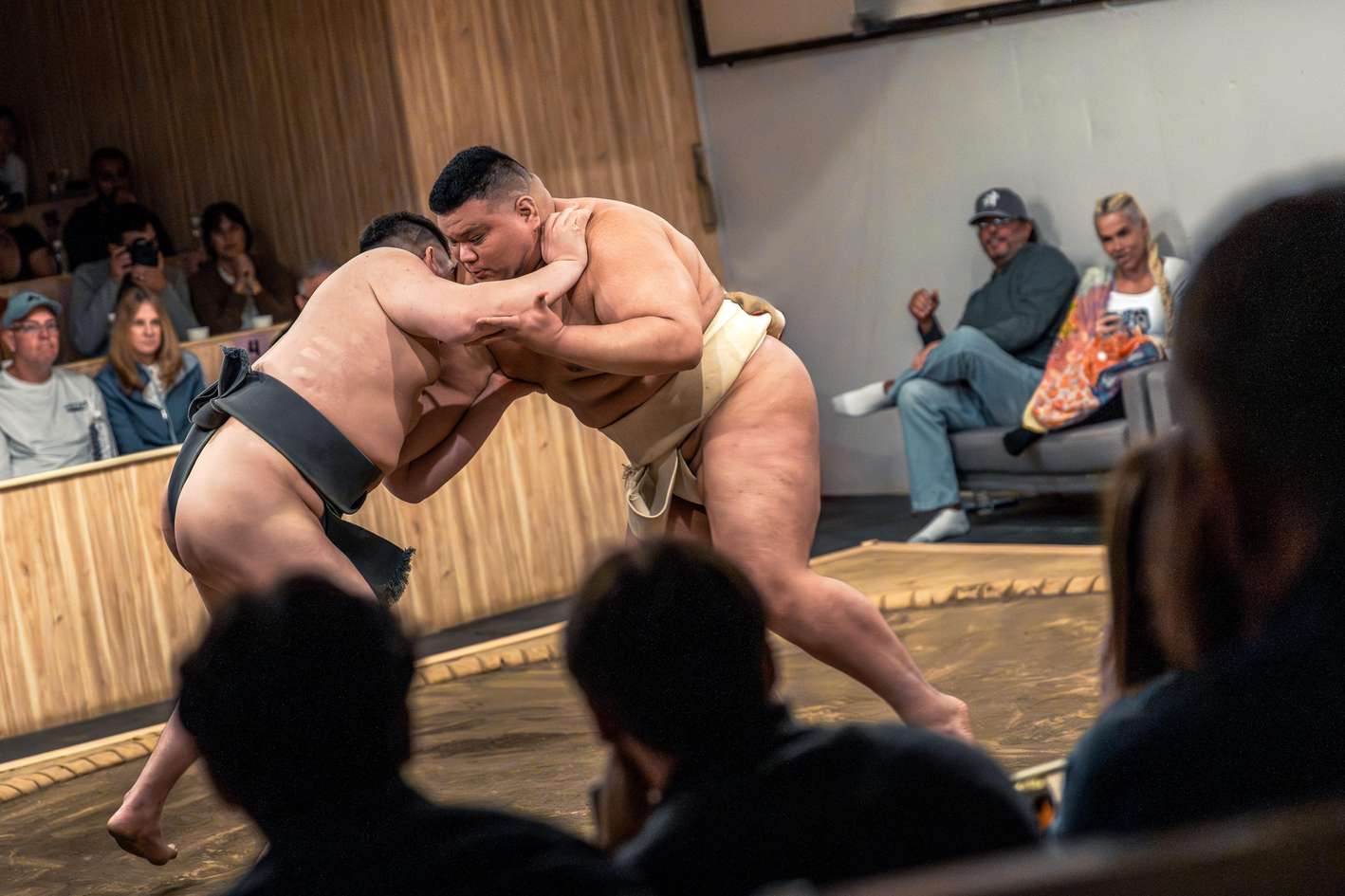
Knowing this changes what you pick. A show puts you about five feet from the ring, with photo time and a host explaining rules and history as it goes.
At many exhibition shows the wrestling comes in the last 15 to 30 minutes, which is why a meal-included seat earns its keep: the talking sections pass over dinner.
Real competition, the kind that decides rankings, happens only at the six honbasho, which April does not have. Real training is the stable morning, silent and unscripted.
For a first April visit, the show is the honest pick; the Osaka: Sumo Experience with Live Show & Audience Challenge keeps it compact, with authentic demonstrations, a one-round match between retired wrestlers and the chance to face one yourself.
Set against each other, the three April options stop looking like rivals and start looking like answers to different questions.
| Tournament in April | Where in April | Real or staged | Confirm your date | How fast it fills | |
|---|---|---|---|---|---|
| Grand tournament | None; odd months only | No basho anywhere in April | Real ranked competition | not known | Best seats sell in minutes |
| Sumo show | Runs daily year-round | Tokyo and Osaka venues | Choreographed, retired wrestlers | Check monthly calendar for dark days | Walk-ins welcome; some capped |
| Stable practice | Runs most mornings in April | Tokyo mostly; Osaka limited | Real training, silent viewing | Phone the stable day before | Book about two months ahead |
If the confirm-your-date column points at work, that is exactly the work of the next chapter.
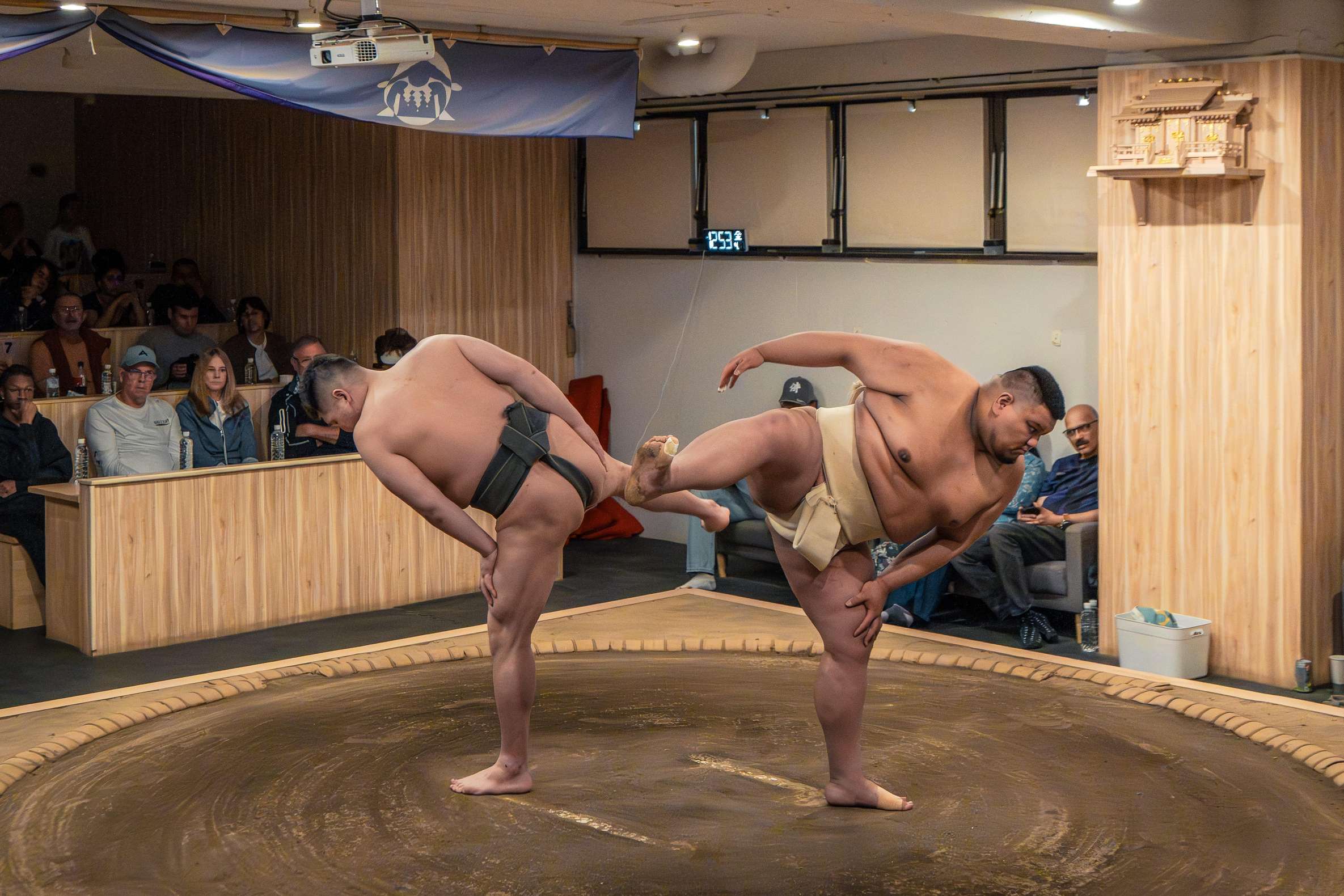
April has a verification habit all its own, because the internet works against you. Most online posts about April sumo events come from past years, and jungyo schedules are published only a few months ahead, so searching early turns up last year's dates.
Check the official Japan Sumo Association jungyo page close to your trip, and check the Japanese pages too, where the full schedules and ticket links usually live.
For shows, the check is simpler.
A booked show on a fixed calendar is the one thing you can plan a day around: the venue publishes its sessions, most tickets cancel free up to 24 hours ahead, and start times can drift, so arrive 15 to 20 minutes early and let the evening run slightly long if it does.
A stable visit, by contrast, needs a phone call the day before to confirm practice is actually happening.
The habit worth copying: check anything date-specific against a current calendar before you build another day of the trip around it.
Run any booking through three checks before you commit an evening to it.
| Check | Why it matters | Our pick |
|---|---|---|
| Date on the venue's current calendar | Old April posts are often last year's | Fixed daily schedule, reserved for a known date |
| Start time and late-start rules | Shows can begin noticeably later than printed | Fixed clock, arrive ahead of the printed time |
| Cancellation terms | Plans shift in a two-week trip | Free cancellation up to 24 hours ahead |
A fixed-schedule show passes all three, which is why it anchors an April plan. A stable visit passes the first only after that day-before call, so give it a day you can rearrange.

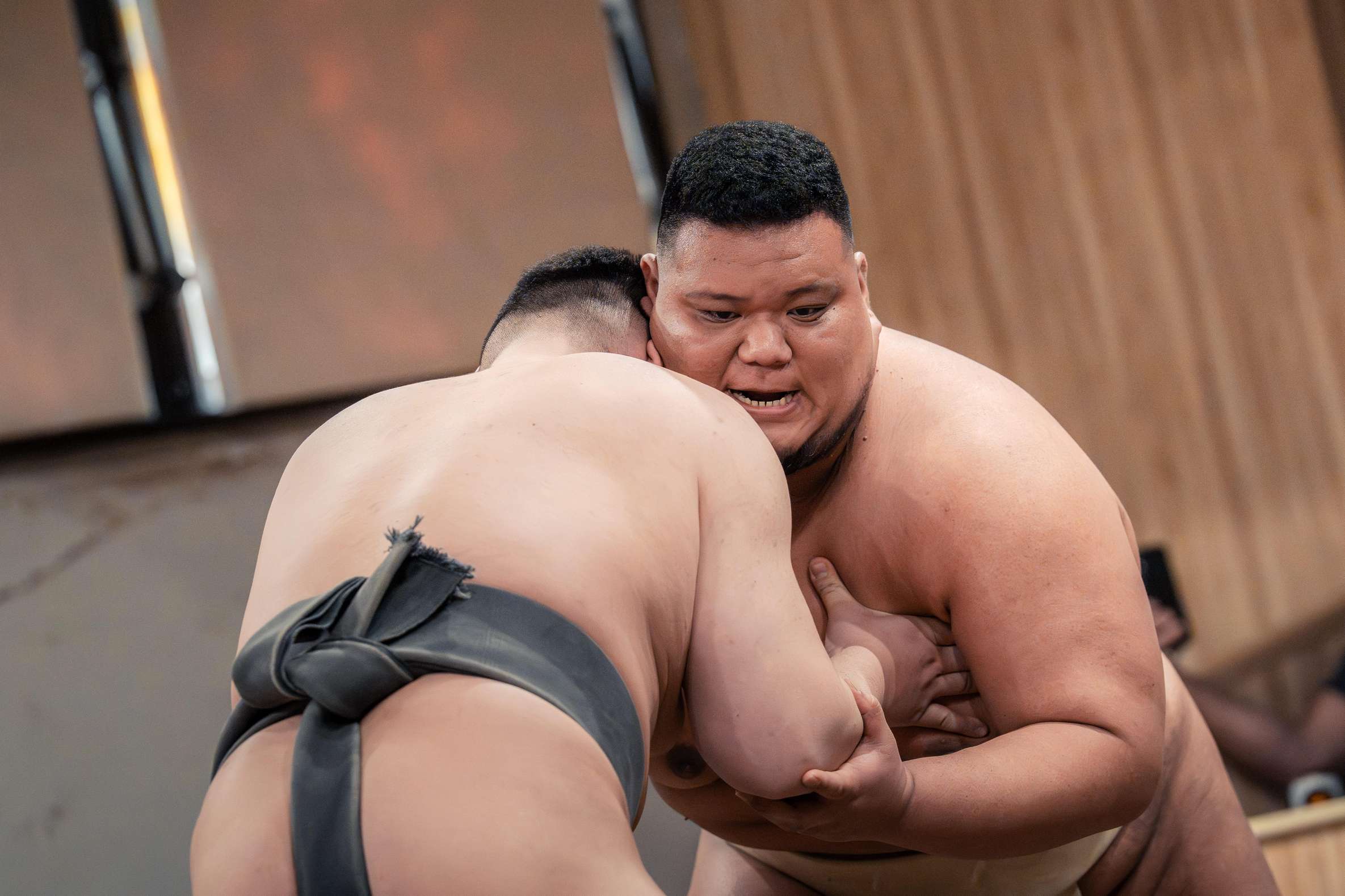
Here is the upside of the off month. With no tournament running, stable morning practice in April happens as normal, and that makes the fourth month one of the better ones to watch the real thing.
Training runs roughly 7 am to 10 am at a Tokyo stable, an early start that leaves the whole day free afterwards.
Know what you are signing up for. Practice viewing means sitting still and silent for about 90 minutes: no talking, no flash photos, no moving around, questions saved for the end when a guide can translate.
Experienced travelers call it the authentic choice for committed fans and rate the show as the better pick for casual first-timers.
Guided visits cost more because the operators pay the stables, while some stables, like Arashio in Tokyo, let anyone watch through the street window for free from about 7 am until just after 10.
If that trade sounds right, you are a morning-practice person; the full etiquette and booking picture is on the morning practice page. If children or interaction matter more, stay with the shows.
The month-by-month view shows why April and its even-numbered neighbors favor practice.
Practice scores its best in the months between tournaments, and April sits among them; the tournament rows go dark in the odd months instead.

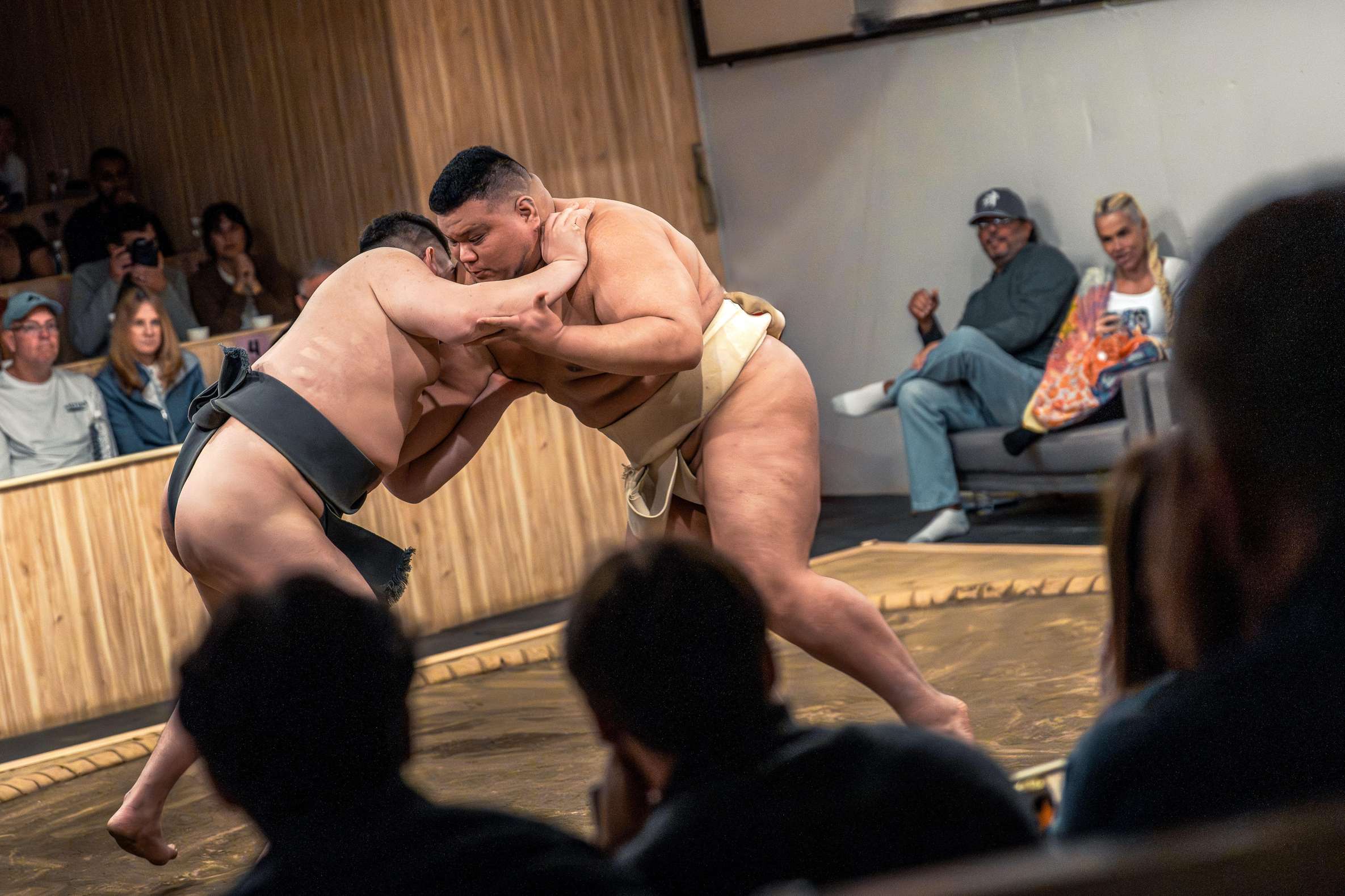
Order your bookings by how much slack each option has. Stable practice visits sit at the top: travelers book them roughly two months in advance, about 58 days on average, partly because small-group capacity can be as low as six seats and stables finalise their own schedules only about a month out.
Shows have more room but two April wrinkles. The Fuji Five Lakes area is one of them: April and October are the peak months for the outdoor Mt Fuji show, running at more than one and a half times an ordinary month, with a venue of about 80 seats over three daily sittings.
Golden Week in late April crowds the rest. Fixed-city shows with several daily sittings can usually wait closer to your dates, which is where their flexibility earns its place.
One habit covers all of it: check the tournament and regional tour schedules before fixing your itinerary, while there is still room to rearrange. The Mt Fuji family show itself is described on the Mt Fuji sumo experience page alongside what a show includes.
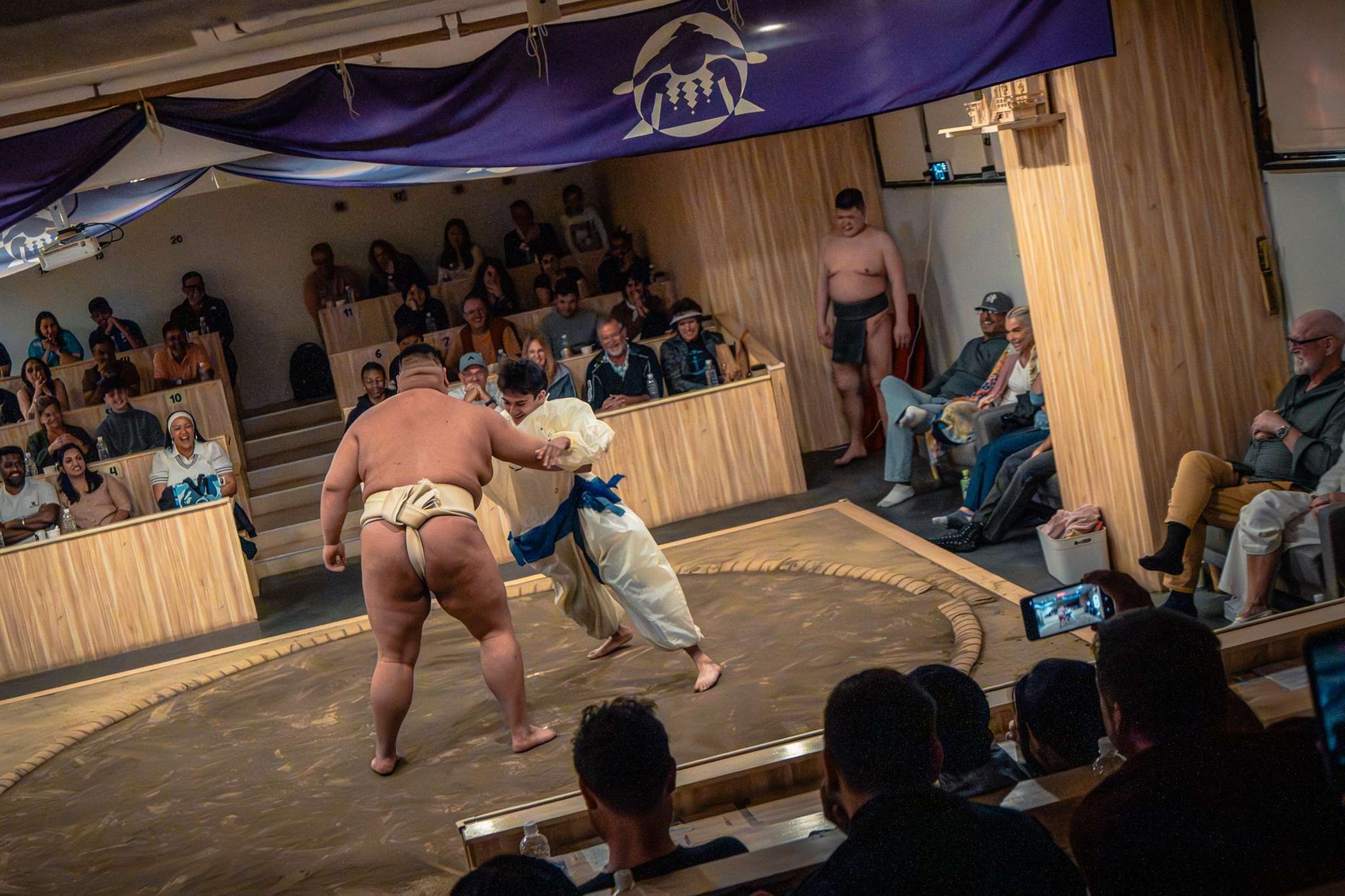
One rule does most of the work: take your cue from the crowd. The arena falls strikingly quiet before each bout, which surprises first-time visitors, and noise comes back at the charge and the finish.
Clapping and calling a favorite's name are welcome; heckling, noisemakers and phones on loud are not, and nobody should start the cushion throw that sometimes follows a big upset.
At a show the room is looser. Participation is invited, laughing is normal, and the hosts keep newcomers feeling included. Stay in your seat during a bout, keep flash off, and take photos from where you sit.
Two boundaries round it out. Women watch freely everywhere; by tradition they do not enter or touch the dohyo, and at shows the wrestlers come out to teach them pushes and moves instead.
And stay to the end: leaving before the main event wastes the ticket, a habit many first-time visitors have, and the closing bow-twirling ceremony is the part regulars stay for.
People who were in the room describe the hush best.
The silence is the ritual; when it lifts, cheer along with everyone else.
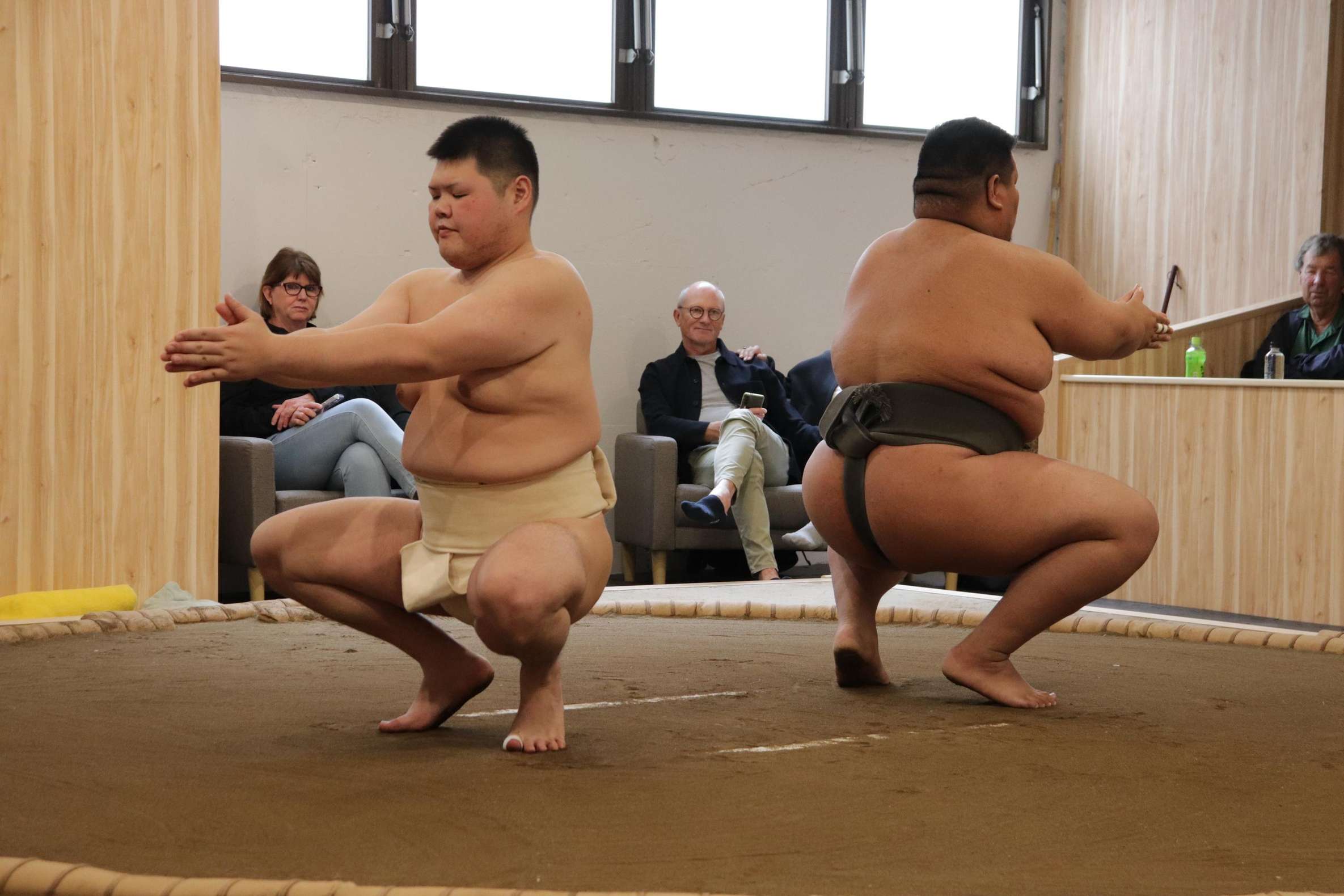
The hours around your booking are where April gets generous. Tokyo hosts a handful of special sumo events even in tournament-free months, mostly early in the month, and the retirement ceremonies of famous wrestlers are worth building a day around if one falls on your dates.
For amateur and university sumo, the Nihon Sumo Renmei schedule shows what is running in a given region.
In Tokyo, most visitors walk past the small Sumo Museum inside Ryogoku Kokugikan, the sumo-themed train station next door, and the chanko nabe restaurants run by retired wrestlers; the museum closes in the late afternoon, so go before an evening show.
In Osaka, a chanko dinner after the show needs no reservation at most places near Namba.
April's own extra is the exhibition circuit, including the free day at Yasukuni Shrine. A morning at a stable window, a show with dinner, and a bowl of chanko afterwards make a full sumo day in a month with no tournament at all.
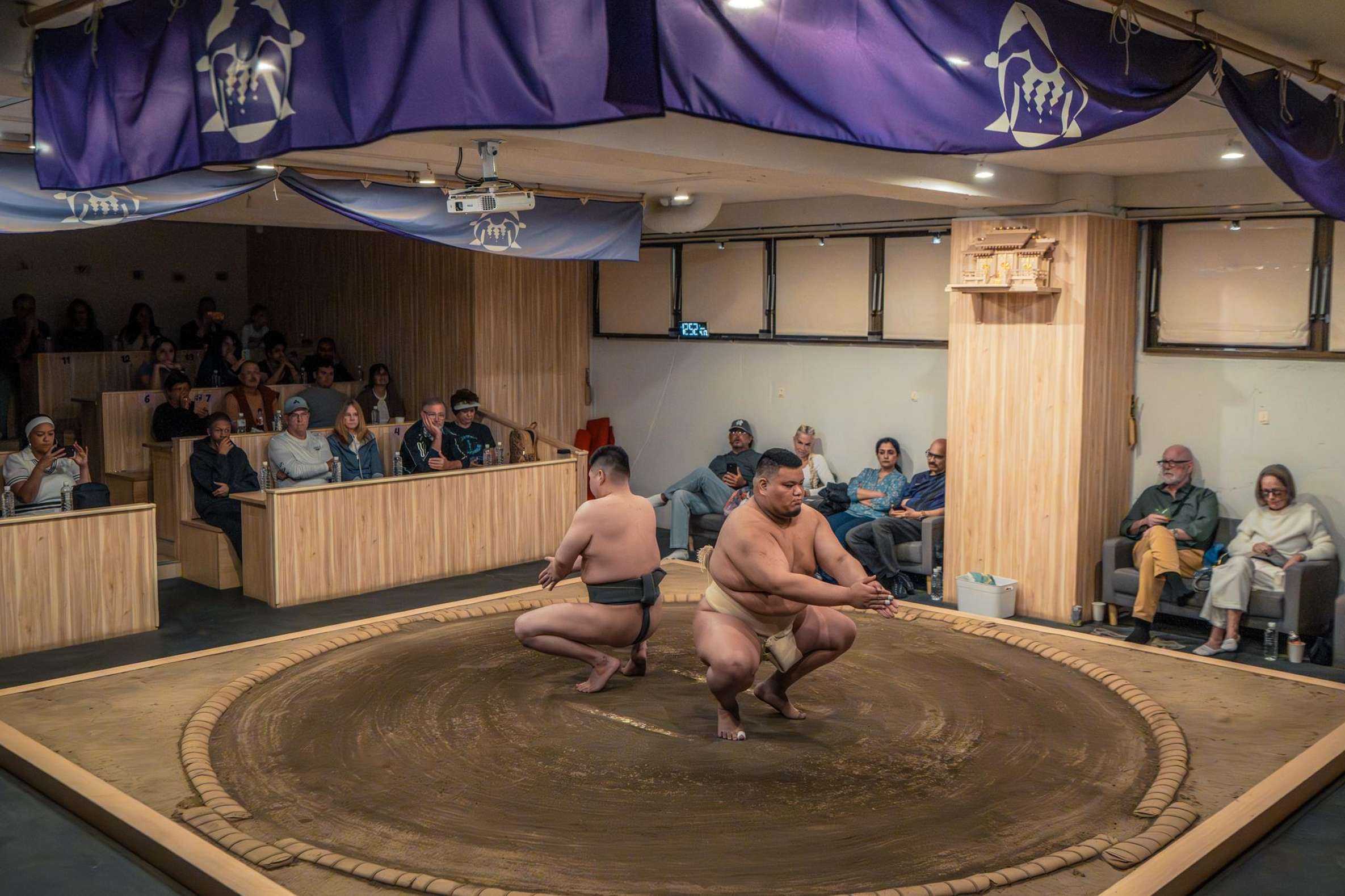
April has no grand tournament, so a show is the dependable core of a sumo day, and the Ginza show is the cleanest pick for a fixed date.
Add stable practice in the morning if the silence appeals, and hunt the free Yasukuni exhibition if your dates land on it. Go if you want sumo fitted to your itinerary; skip April for tournament drama and aim at an odd month instead.
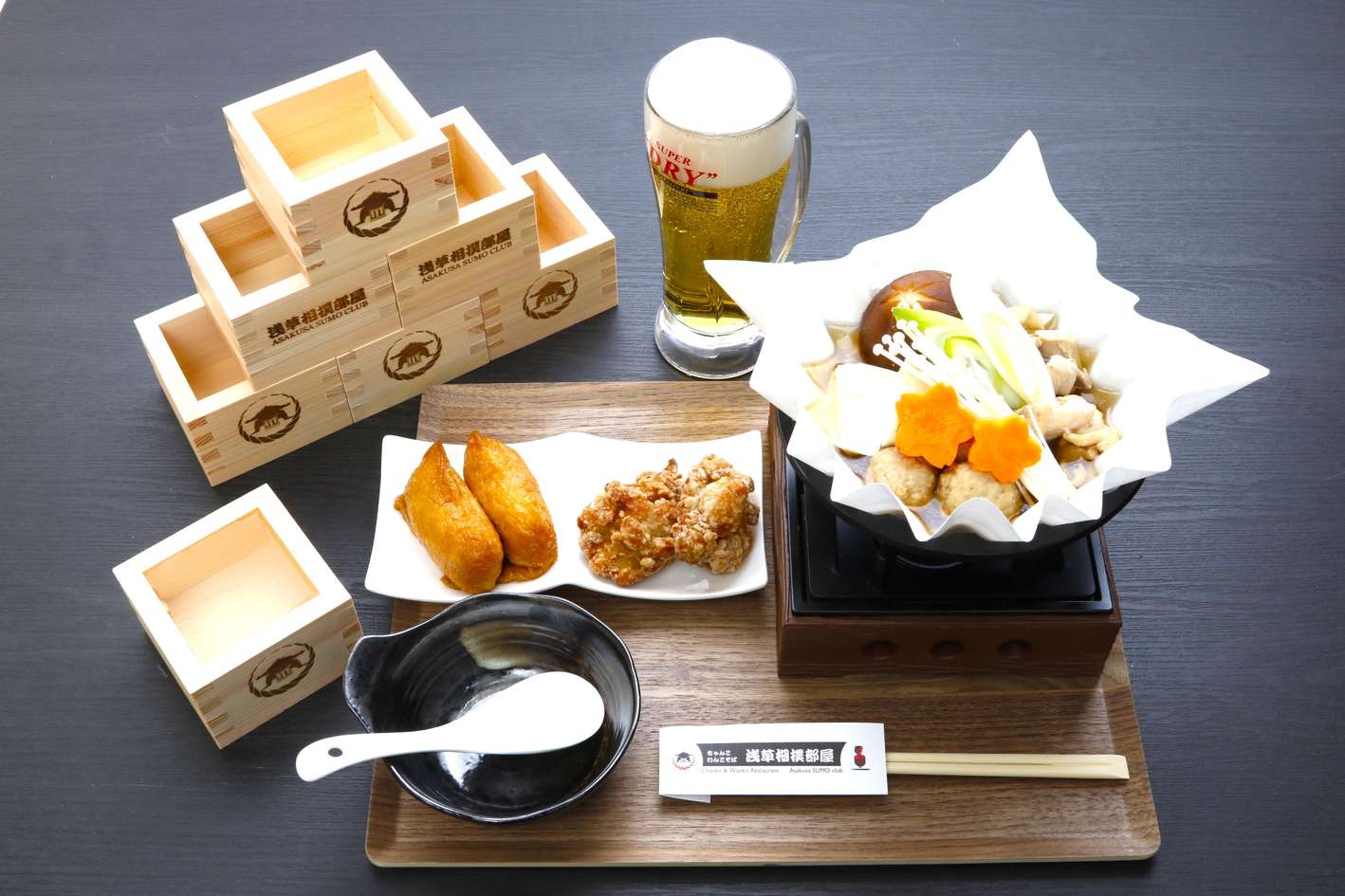
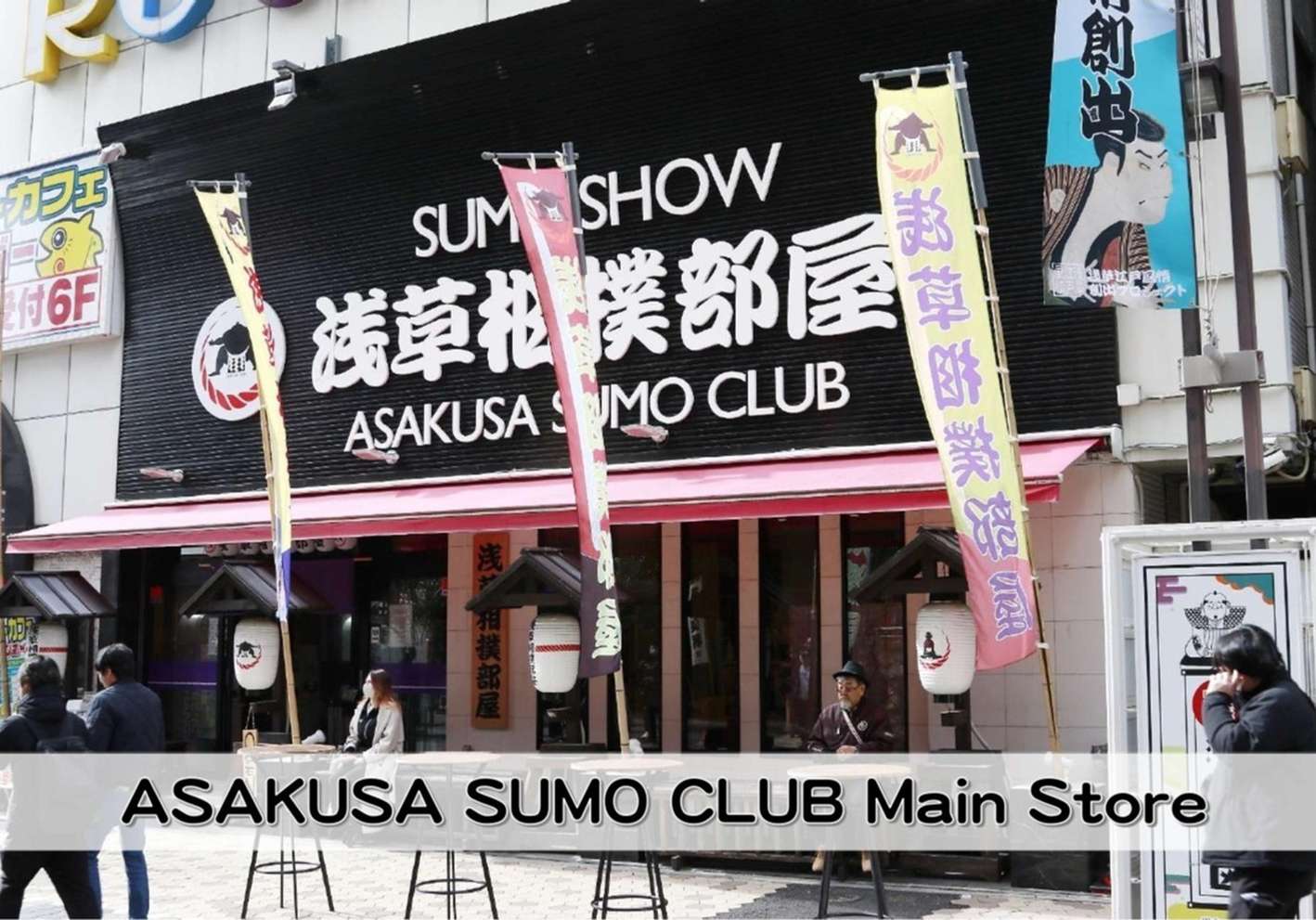








See how each Japanese city answers the where question, so you can match sumo to the stops on your route.

Compare Tokyo's live viewing options, from shows in Shinjuku and Shibuya to guided practice visits at the stables.
Turn a wish to see sumo in Osaka into a clear pick among the live shows you can book there.
Find out which sumo experiences run in Kyoto and how each one fits a day built around temples and gardens.

Get a concrete Fukuoka plan, including when morning practice viewing is possible around the November tournament.
Check what the Sapporo sumo show involves and how its schedule shapes up before you plan around it.
Sort out which kind of sumo experience suits you, whether watching a show or joining in yourself.

Picture a sumo outing with Mt Fuji in the background and see what the Lake Yamanaka show includes.

Weigh the classes where you can learn moves and face a wrestler, in Tokyo and in Osaka.

Plan a guided visit to a Tokyo sumo stable and know what a silent morning of real training looks like.
See how dressing up in sumo attire slots into a Tokyo sumo outing, including the Shinjuku show.

Go deeper than the bout itself with a Tokyo class that explains sumo's traditions and history.
Work out which sumo venue someone means by that name and carry on to the location that fits you.

Pin down the Osaka venue behind the Sumo Land name and the practical details for your visit.

Get the Ryogoku location and visitor details for the Tokyo venue, so you can judge if it fits your day.

Map the full annual schedule and host cities, so a future trip lands on a tournament month.
Work out Tokyo tournament dates, the venue and how tickets sell, for a trip in January, May or September.

Check the Osaka tournament's venue and schedule if a March trip is on your horizon.

Settle the venue and schedule questions for Fukuoka's November tournament before you commit dates.
Get a straight answer on Nagoya tournament tickets and the venue, for a July visit.

Understand what the Minoh Expo tournament event is and how to watch sumo in Osaka instead.
Compare the guided tournament-viewing options and find the city-specific information you need.
See how a Nagoya tournament tour fits your plan before you build a July day around one.

Judge whether an Osaka grand tournament experience with tickets matches the day you pictured.
Find out what a Tokyo tournament visit at the Ryogoku arena gives you and whether it suits your dates.

Locate the places where you can watch real morning training and choose a visit with confidence.

Turn an interest in Tokyo sumo practice into a real visit, with guided options at the stables.

Tell real Osaka morning training apart from a staged show before you commit an early morning.

Decide between real Kyoto training and a sumo performance, with the visit options laid out.
See what a sumo show includes, where they run and which kind of performance suits your evening.

Find a Tokyo sumo outing that feels worth choosing for the meal and drinks as much as the bouts.
Compare the Tokyo shows in Ginza, Shinjuku and Ryogoku and pick the right one for your dates.
Choose among Osaka's live shows and restaurant options, with the differences spelled out.

Answer the Kyoto question directly: which shows run there and what each experience involves.

See what the Sapporo sumo-and-food show offers and check its current availability first.

Get venue details for Tokyo's sumo halls and compare the show options at each one.

Confirm that a Ryogoku sumo show matches what you want to see before you book the slot.

See what a Tokyo Tower evening gives you: live bouts, cultural performances and a Japanese meal.

Combine sumo and lunch in Tokyo, with the chanko nabe options and show times laid out.
Turn a sumo-themed dinner in Osaka into a specific evening you feel good about booking.
Compare every way to watch and try sumo across the cities before you settle on one.

Get plain answers on sumo timing, schedules and match length to fit viewing into a Tokyo day.

Plan around the Tokyo sumo museum's hours and see what other cities keep on display.

Explore Tokyo's sumo district and see how a walk through Ryogoku pairs with a show.
No grand tournament runs in April. Here is what you can see instead and how to plan it.
 Tokyo2026
There is none. The six annual grand tournaments all run in odd-numbered months: Tokyo hosts in January, May and September, Osaka in March, Nagoya in July and Fukuoka in November. The March tournament in Osaka ends on March 22 and the May tournament in Tokyo starts on May 10, so April sits in the gap.
Three things fill the month: the spring jungyo exhibition tour, which takes wrestlers to cities across the country; morning practice at the stables; and the sumo entertainment shows sold on this page, which run year-round in Tokyo, Osaka and Kyoto on fixed schedules you can book to your dates.
Book the shows on this page, since they publish fixed daily sessions and run every day of the year. For the jungyo circuit, wait for the spring schedule to appear, because April dates go up only a few months ahead and most posts online describe past years.
The bouts at these shows are choreographed, and the wrestlers are retired professionals who once competed in the association ranks. What you get for it is the skill of real careers, close enough to touch, with an English-speaking host explaining every ritual as it happens.
The wrestling often takes up the last 15 to 30 minutes. The Shinjuku show splits its 90 minutes into about 40 minutes of explanation, about 20 minutes of bouts and demonstrations, and the final half hour for the ring challenge and photos.
Yes, and April is exactly when to do it. General sales for the Tokyo tournament open at 10 am. Japan time about a month before it starts, and decent seats sell out within minutes, so buy the moment they drop through the official English ticket site.
They can start noticeably later. Arrive 15 to 20 minutes early so you are seated before anything begins. The Shinjuku show follows a strict schedule and may refuse late entry at the front desk, so treat its start time as firm.
Yes, morning practice runs most mornings outside tournament weeks, roughly from 7 am to 10 am. Expect to sit silently on the floor for about 90 minutes with no talking, photos without flash and no interaction. Stables are preparing for the May tournament, so some have less to show and a few close their doors.
The shows are the friendliest entry point: the format is lively and humorous, families with children around 10 to 12 are a core audience, and guests can volunteer for the ring challenge or simply watch. Morning practice suits travelers who want a serious, quiet look at real training.
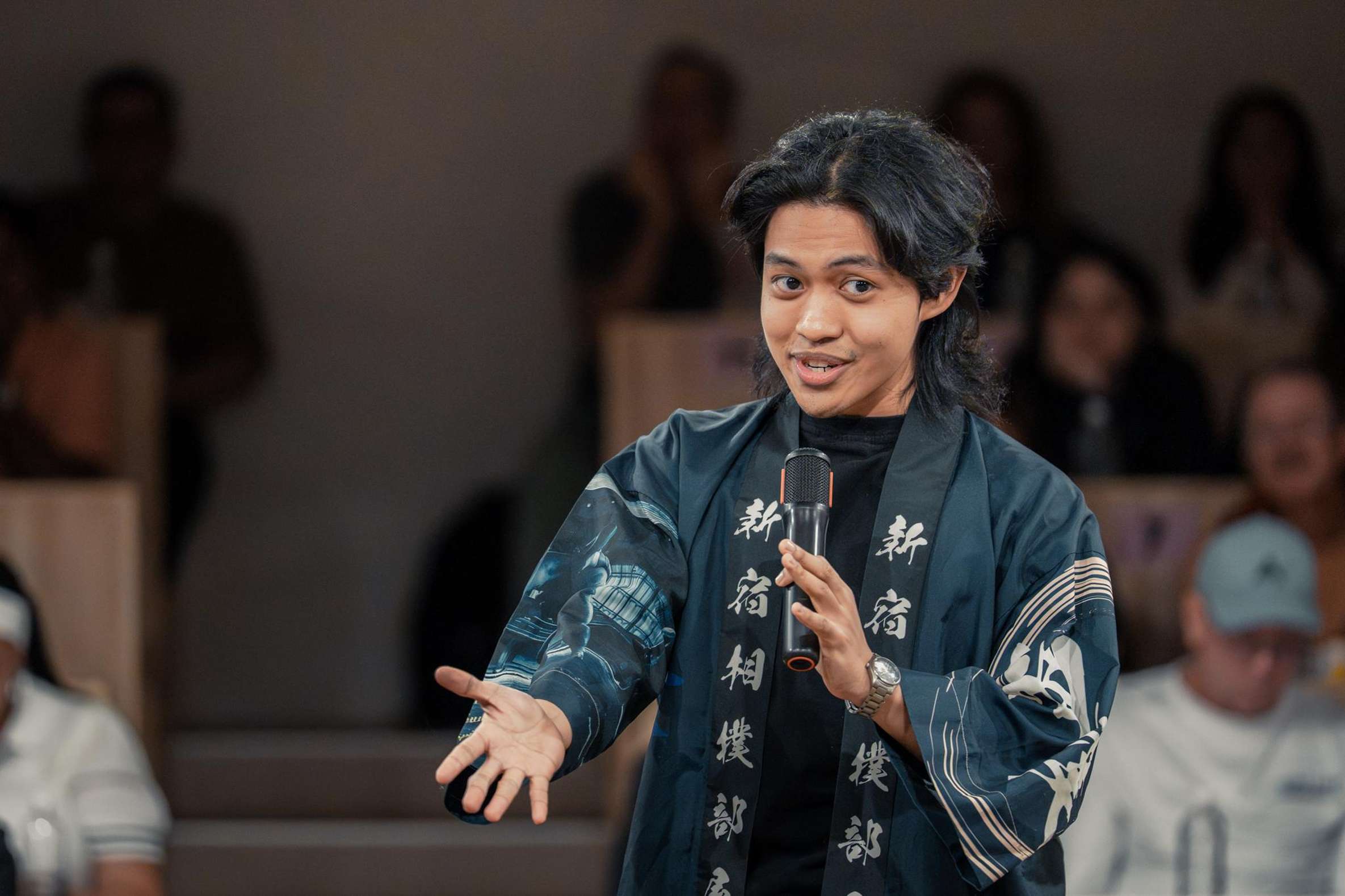
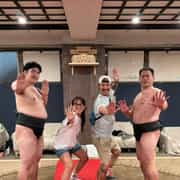
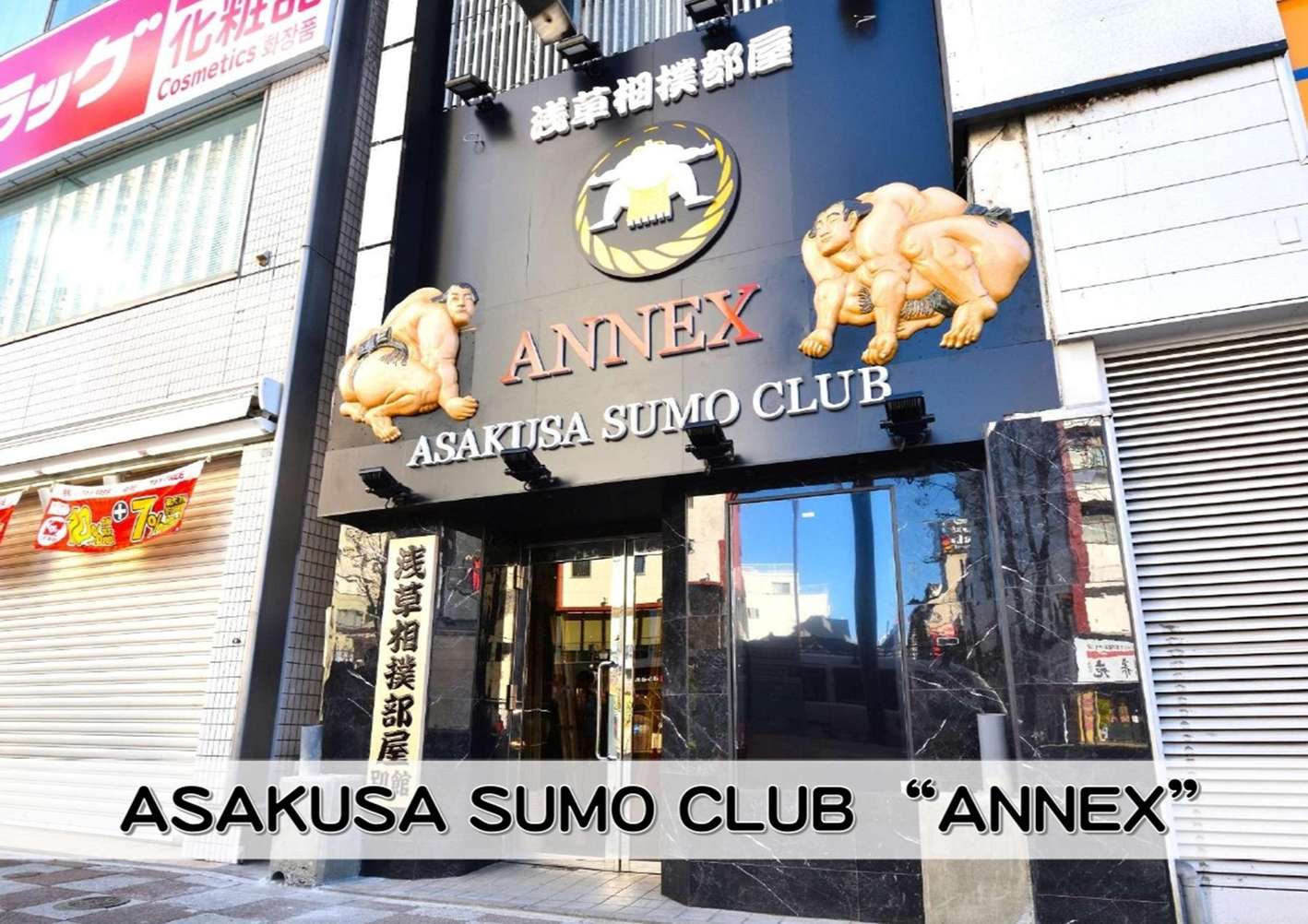
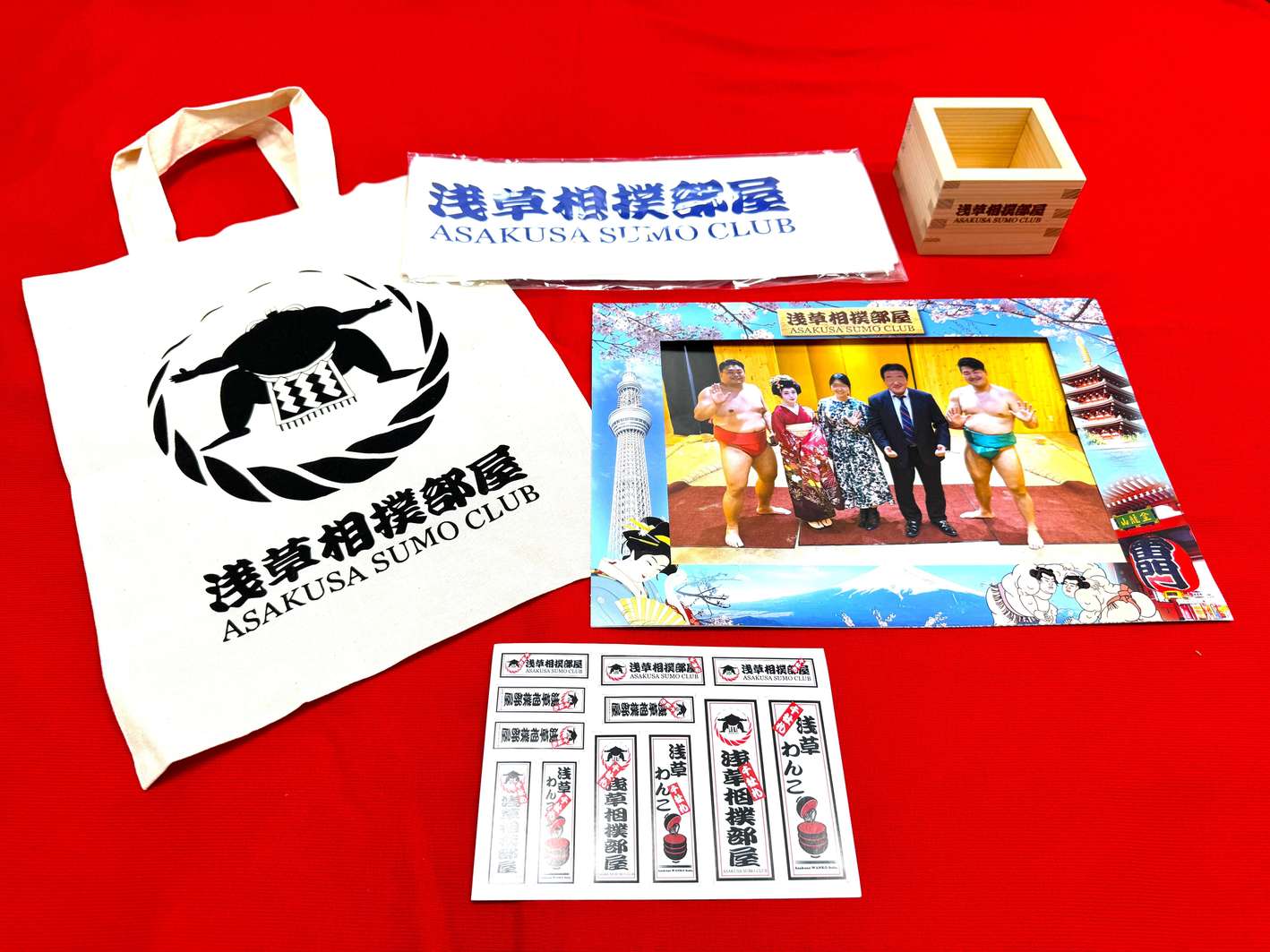
Book a live Shinjuku show with an English-speaking MC, a lottery chance to enter the ring and photos with the wrestlers, free to cancel up to 24 hours ahead.