




3 hours·English, German
4.9(6)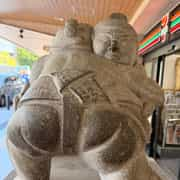
Tokyo: Discover the World of Sumo History & Lunch
Free cancellationIn English and German
See the sumo museum most visitors miss, then walk Ryogoku with a guide who explains it. A guided tour of sumo's birthplace adds Ekō-in Temple, the Kokugikan area and a chanko-nabe lunch in three hours. Book a weekday spot now.
"Exactly as promised, nothing to add. As a French speaker I worried the English explanations would be hard, but Mike kept them clear and simple. I'd recommend it even for non-fluent English speakers."
A small free museum hides inside Ryogoku Kokugikan, and most visitors never find it. **The calendar is the hard part**. Here is when it opens, what it holds, and what to do on the days it doesn't.
The Sumo Museum is free, needs no booking, and takes 20 to 30 minutes.
It opens weekdays 10:00 to 4:30 pm with last entry at 4 pm, and closes weekends, holidays and New Year.
During Tokyo tournaments in January, May and September you need a tournament ticket just to enter the museum.
Most captions are Japanese only, so bring the English pamphlet and a translation app.
If the doors are shut, Ryogoku's temple, Hokusai museum and chanko nabe restaurants keep the day sumo-flavored.
Plan your museum visit for the morning or early afternoon on a weekday outside tournaments, and check the museum schedule before you go, since it also closes on Saturdays, Sundays and some holidays.
The hours are the least forgiving part of this visit, so settle the date first. The Sumo Museum on the Kokugikan's first floor opens Monday to Friday, 10 am to 4:30 pm, with last entry at 4 pm. It closes on Saturdays, Sundays, national holidays with some exceptions, and around the New Year holidays.
Entry is free and no reservation or ticket is needed in normal weeks, so a weekday between tournaments means you just walk in. Groups of more than 20 should contact the museum before visiting.
One rule changes everything: during a Tokyo Grand Sumo tournament the museum is open only 12:30 pm to 4 pm, and a tournament ticket is required to enter the building at all. That cuts both ways.
If you hold a tournament ticket, you get to visit on days the museum is otherwise shut, and since each Tokyo tournament runs 15 days, three times a year, ticket holders get roughly 45 extra opening days a year.
If you don't have a ticket, the museum is off limits for those weeks. It can also close temporarily for display changes, so the calendar is worth a second look the day before you go.
The museum may close temporarily for display changes and other reasons, with no advance notice Check the museum's official schedule right before your visit day
The table above tells you what to do about that: the museum's own schedule is the only reliable source for a display-change closure, and a glance the day before saves a wasted trip. Beyond that, the weekday hours and the tournament rules above are the whole game.
One room, about 150 square meters, holds the whole collection. Inside you find nishiki-e woodblock prints of ancient champions, official rank listings called banzuke, and embroidered kesho-mawashi, the ceremonial aprons worn by high-ranked wrestlers. A portrait wall honors all 70 wrestlers who have reached yokozuna rank, sumo's highest.
There is no permanent collection here. Exhibits rotate roughly six times a year, so what hangs on the walls depends on your timing.
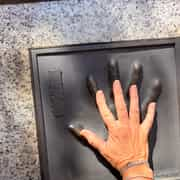
Past exhibitions have included a replica of the 1926 championship cup awarded to Oyashiyama Toranosuke, a championship plaque for Futabayama from 1941, and Kisenosato's Unryu-style yokozuna rope with his career photos. Another showed handprints of Akebono, Takanohana, Wakanohana and Musashimaru.
It is a small room, so plan 20 to 30 minutes, or up to an hour if you want to look slowly. Visitors on guided tours often say they wished they had more time, so if this museum matters to you, build in the extra half hour rather than squeezing it between appointments.
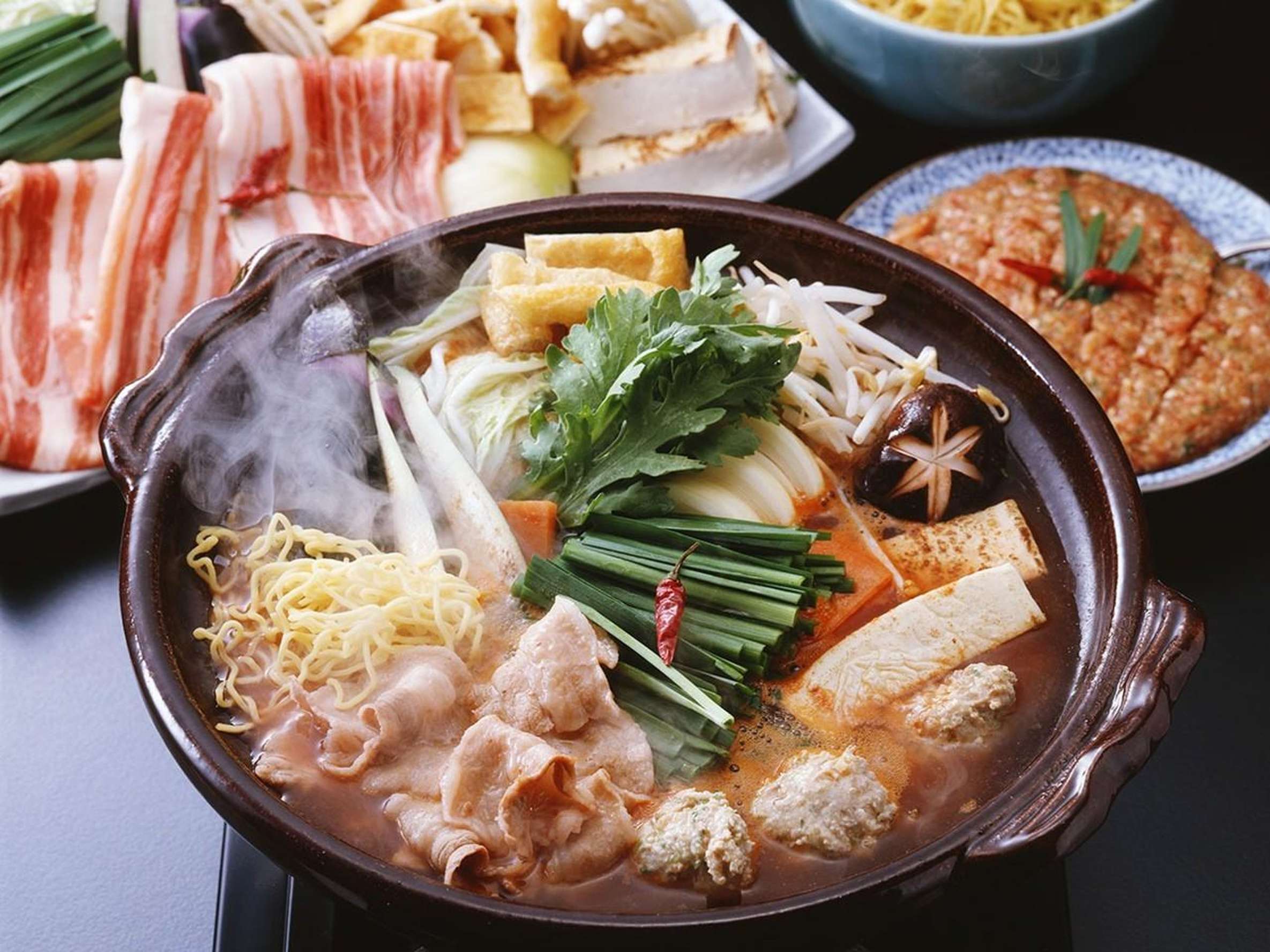
The museum sits on the first floor of the Ryogoku Kokugikan at 1-3-28 Yokoami, Sumida-ku, Tokyo, so seeing the arena building and the museum is one visit.
From central Tokyo, take the train to Ryogoku Station: the JR Sobu Line west exit is about a one-minute walk away, and the Toei Oedo Line exit A4 about five minutes.
From Tokyo Station the ride takes about 13 minutes with a change at Akihabara, or about 15 minutes by taxi over 4.5 km without traffic. From Shinjuku, the JR Sobu Line gets you there in about half an hour, direct.
Come by public transport. There is no parking at the museum, so driving ends at the station anyway.
Note one limit: you cannot enter the arena itself from the museum. The arena floor is closed to general tours outside tournaments, so the visit is the building's exterior, the museum room and the district around it.
The table below lines up the three ways to reach it, so you can see why the train wins on both speed and effort.
Every route ends at the same place, and none of them ends at a car park. If you were weighing a taxi against the train from Tokyo Station, the taxi costs more time and money for a few minutes' difference, and you still have to walk from wherever the car stops.
This is the honest decision point. The museum alone is a genuine piece of history, but it is one room, it closes around 4 pm, and most visitors miss it entirely.
A tournament gives you the living sport, 15 days of real bouts in January, May or September, but tickets sell out within minutes of going on sale. A sumo show runs in the evenings year-round, explains everything in English, and lets you eat chanko hot pot while retired wrestlers fight in front of you.
The table below sets the three options side by side, so you can see which one your day actually fits.
| Free entry | Tournament ticket required, sells out fast | Paid entry with meal options | |
|---|---|---|---|
| Time needed | 20 to 30 minutes | A full morning to evening day | 1.5 to 2.5 hours |
| What you get | Real artifacts and rank scrolls | The actual sport, bouts and crowd | Explained in English, wrestlers up close |
| Suits best | A weekday morning slot | Travelers who planned months ahead | Families and anyone without Japanese |
If the museum is a detour on a Tokyo day and you can come on a weekday morning, it is worth the stop by itself, especially paired with the sights nearby.
If sumo is the reason for your trip, treat the museum as the appetizer and book a show or a tournament for the main course.
The museum's English signage is thin, and that is where a guided walk earns its keep.
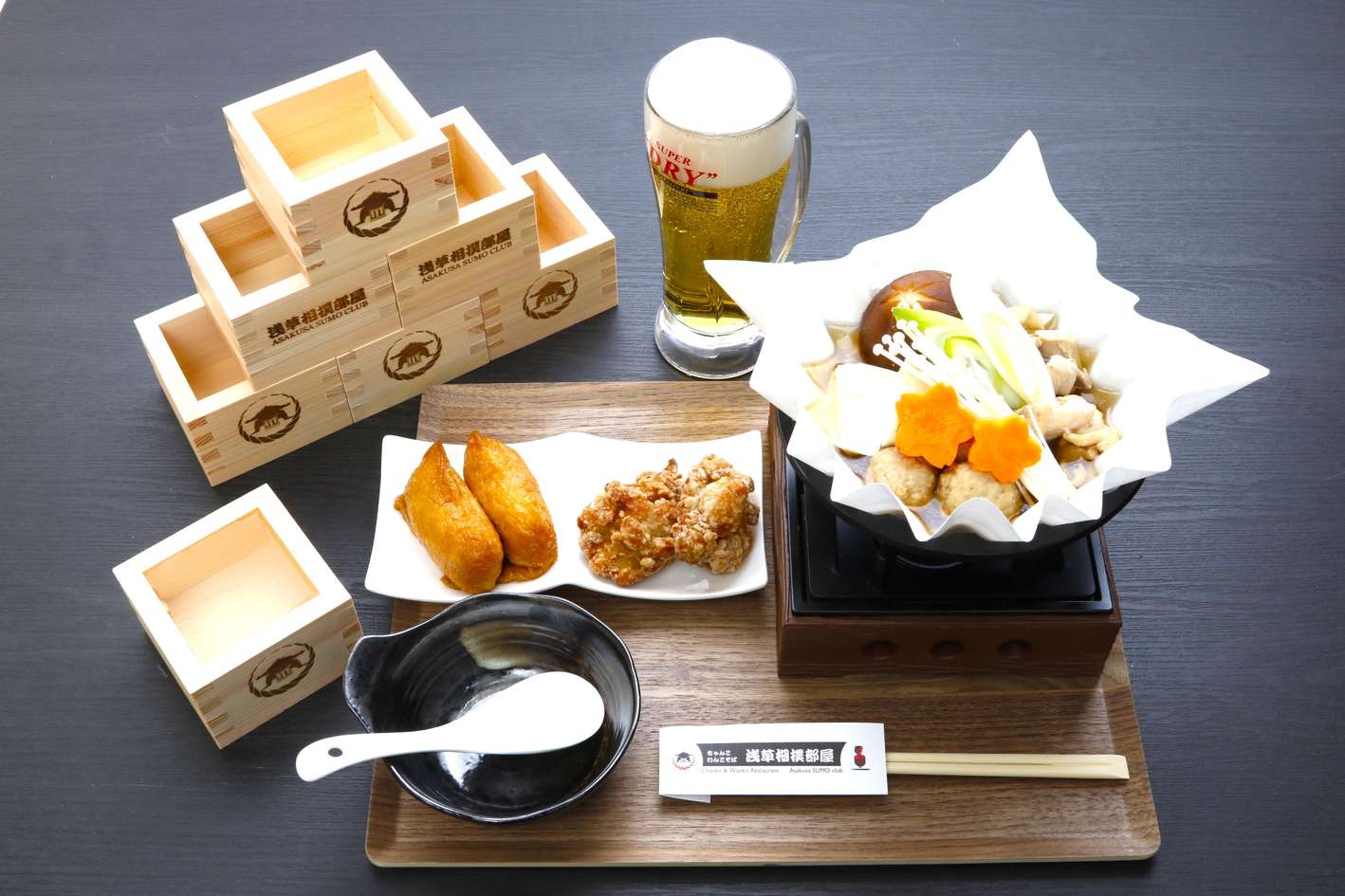
One tour, Tokyo: Discover the World of Sumo History & Lunch, takes you through Ryogoku with an expert English-speaking guide: Ekō-in Temple, the birthplace of professional sumo tournaments, the Chikara-zuka Monument, and the Kokugikan area, with Sumo Museum entry on non-tournament days and a chanko-nabe lunch in Ryogoku.
The difference is explanation. A guide connects the shrine, the arena, the stables, the old tournament site and the meal into one story, so you learn how sumo's pieces, religion, ceremony, rank, clothing and food, fit together.
Beginners need no prior knowledge, since basic terms and visual clues are taught along the way. The tour also works as preparation: you leave understanding what you would see at a tournament.
Plans change, so before you book it, the rows below show what happens if the tour or a practice cannot run.
| If this happens | What happens then |
|---|---|
| Most tours can be cancelled up to 24 hours in advance | Full refund |
| Same-day cancellation, within 24 hours of the start time | No refund, but you may be able to move to another slot or day if there is availability |
| A stable practice session is cancelled by the stable | You are notified immediately and get a full refund or an alternate experience at no additional cost |
The rules above matter less than they look: a cancellation you cancel a day early costs you nothing, and even a stable's own cancellation comes with your money back. The main risk is the same-day cancellation, so book once you are sure of the day.
Most exhibit captions at the museum are in Japanese only, and some visitors report there is very little English on the displays. The gap is closable, though.
An interactive screen near the entrance offers information in English as well as Japanese, and the museum sells an English pamphlet called The SUMO during opening hours. It covers the origins of the sport, the rules of bouts, how to read the Banzuke rankings, and how to enjoy the rituals and ceremonies.
The practical method: read the pamphlet first, then walk the room and use a translation app on your smartphone for the Japanese captions the booklet doesn't cover. Background knowledge does the rest.
With that combination you can still enjoy the exhibits without reading Japanese, and the artifacts, an embroidered apron or a champion's portrait, speak for themselves once you know what you are looking at.
The museum is one stop in a real sumo district, and the rest is a short walk away. Ekō-in temple, where wrestlers pray before tournaments, is about 151 meters from the Kokugikan, roughly five minutes on foot.
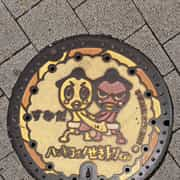
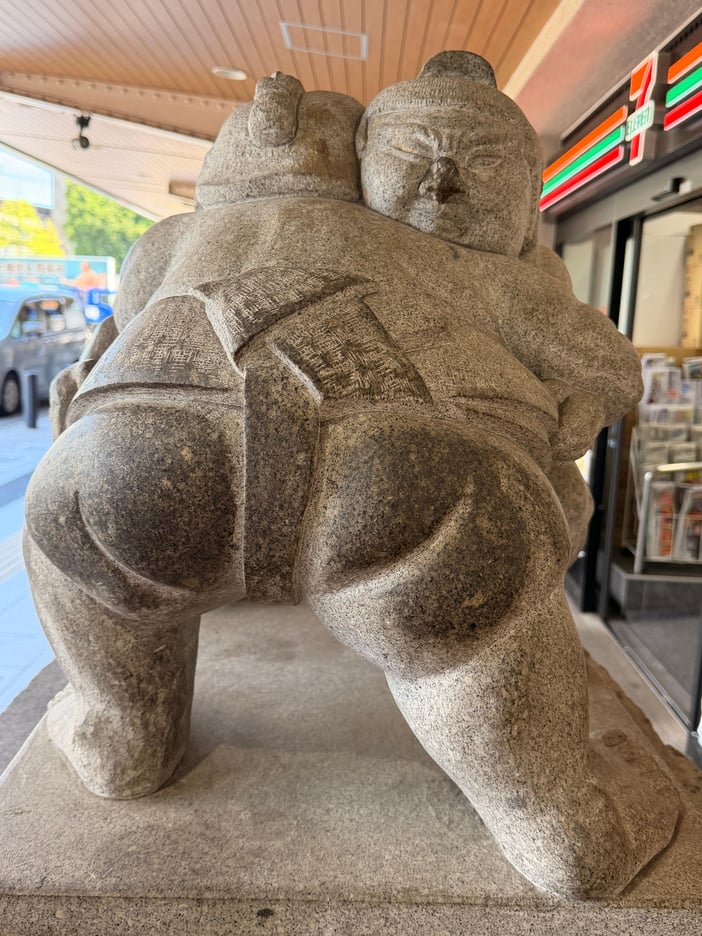
Along Kokugikan-dori Street you find statues of famous yokozuna with impressions of their hands, and chanko nabe restaurants run by retired wrestlers fill the neighborhood. The Sumida Hokusai Museum, one of Japan's best ukiyo-e museums, is about 445 meters away, open 9:30 am to 5:30 pm and closed Mondays.
One heads-up for planning: the Edo-Tokyo Museum, normally Tokyo's leading history museum and about a five-minute walk from the Kokugikan by one count (about 343 meters), is closed for renovations until March 30, 2026, reopening March 31. The exact distance matters less than the closure: plan around it and lean on the Hokusai Museum instead.
Add a sumo souvenir shop and lunch at a chanko nabe restaurant and the half-day writes itself, all walkable from Ryogoku Station, just two stops from Akihabara.
The most likely reason is a tournament running, because the museum is then reserved for ticket holders. One tour operator switches to the lively atmosphere outside the arena on those days, and you can do the same on your own.
Ryogoku stays worth the trip: Ekō-in temple is about a five-minute walk away, the Sumida Hokusai Museum about six, Sumida Park along the river about 20 minutes, and Sensō-ji with its Kaminarimon gate in Asakusa roughly 20 minutes further on foot.
If the closure is a quiet weekday one, the same district still carries the day, with the temple, the yokozuna statues and the chanko nabe restaurants doing the sumo work.
The table below lists the closest options, so you can pick a fallback without opening a map.
These times are the venue's own walking estimates, which run slightly shorter than the straight-line distances in the facts; either way, every fallback is under ten minutes on foot, so a closed museum costs you minutes, not the day.
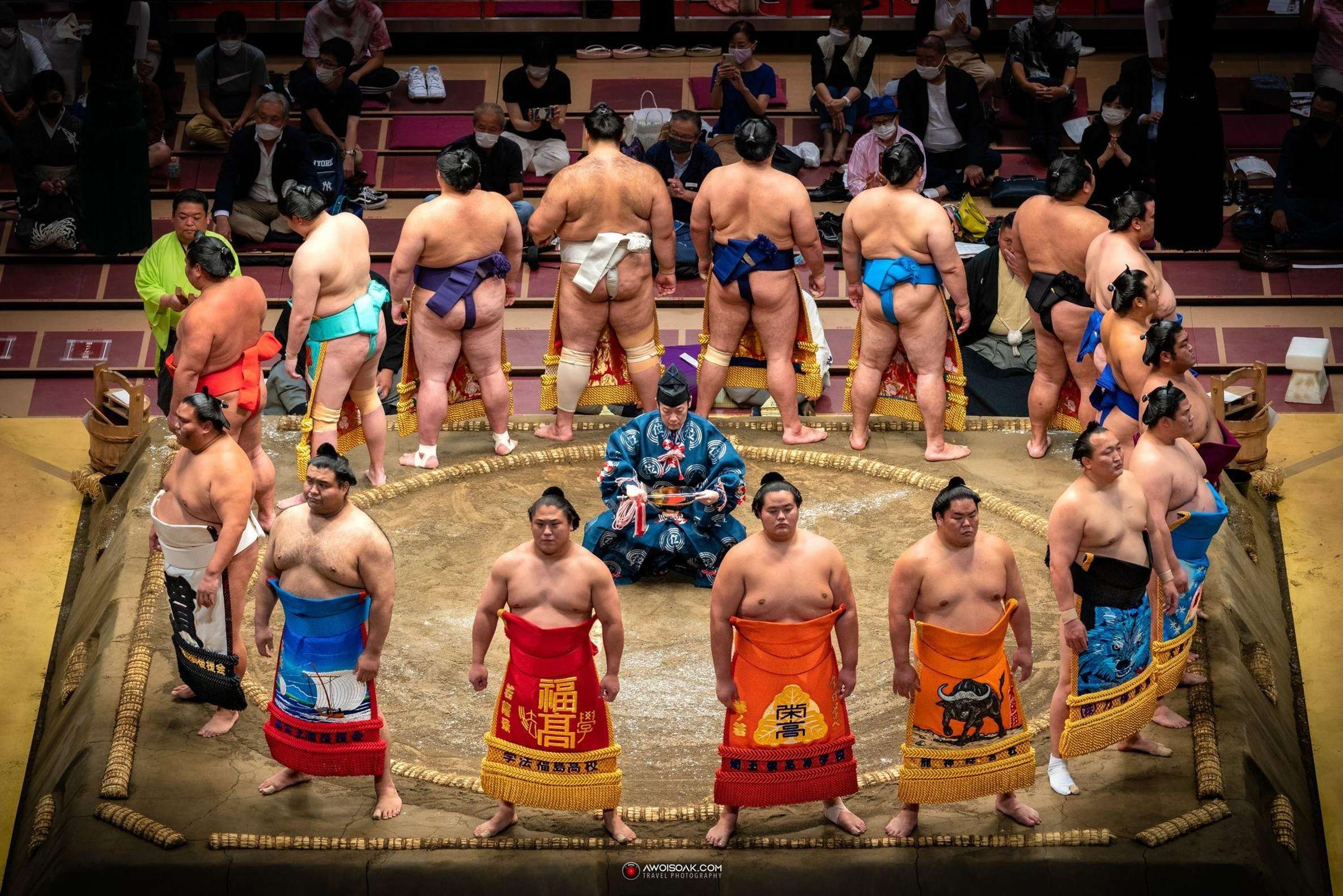
When one room feels thin, the tournament months are the real history experience. Tokyo hosts tournaments in January, May and September, each running 15 consecutive days at the Kokugikan.
On tournament days the streets between Ryogoku Station and the arena fill with food and sumo merchandise stalls, colorful nobori banners hang in front of the building, and wrestlers in traditional robes walk the same route, especially between about 8 and 10 in the morning.
The day runs from morning to about 6 pm, with lower-ranked bouts early and the top-division wrestlers competing in the final hours. Arriving in the morning lets you watch lower-division bouts in a nearly empty arena. During tournament season, some neighborhood stables open their morning practice to visitors.
Between tournaments, in the even months and late odd ones, morning practice at the stables runs as normal, so your trip never lands on nothing. Check the museum's calendar either way, since it also closes for exhibit changes.
April: 5 out of 5 for how busy it gets.
Tap a month to read it.
Kansai has its own answer. The Katsuragi City Sumo Museum Kehaya-za, opened in May 1990, sits in Katsuragi City in Nara, about a five-minute walk from Taimadera Station on the Kintetsu Minami-Osaka Line.
It is the only museum of its kind in the Kansai region, and unlike Tokyo's, it has a regulation-size dohyo that visitors can step onto and try sumo. Its second floor shows a chronological history of the sport and holds over 13,000 items.
It opens 10:00 to 5 pm and closes Tuesdays and Wednesdays. The site ties back to Taima no Kehaya, who took part in the origin contest of sumo recorded in the Nihon Shoki.
The Osaka Museum of History has held special exhibitions on Osaka sumo, once a professional center that merged with Tokyo sumo in 1927. Those are temporary displays, and the city has no permanent sumo museum of its own.
Kyoto has no sumo museum to speak of. Its sumo fix comes from the evening sumo shows with chanko hot pot and geisha, and from the participative experience near Kyoto Station where visitors can wear an authentic mawashi and step onto a real dohyo.
The Sumo Museum is free, needs no booking, and holds real artifacts, from woodblock prints to a yokozuna's rope. It is also one room with Japanese-only captions and weekday hours that end by late afternoon.
Go on a weekday morning between tournaments, pair it with Ekō-in temple and a chanko nabe lunch, and it justifies the trip to Ryogoku on its own. If sumo is the reason you came, add a tournament day or an evening show for the parts a museum room cannot give you.

Map out where sumo happens across Japan, from Tokyo arenas to shows in smaller cities.

See the full range of Tokyo sumo options and pick the kind of live viewing that suits you.

Work out which Osaka sumo outing fits your dates, with the local venues compared.
Find the Kyoto shows and experiences that make sumo possible even without a tournament.

Plan a Fukuoka sumo day around the November tournament or the local morning practice route.

Check what the Sapporo sumo show involves and when its three daily performances run.

Compare shows, classes and hands-on sessions side by side before you book one.

Picture a sumo stop on your Mt Fuji trip, with wrestlers, a ring challenge and lake views.

See where you can learn sumo basics and try a bout under a wrestler's guidance.

Get the details on visiting a Tokyo stable, from early starts to booking ahead.

Find Tokyo experiences where you can dress in sumo attire and pose for photos.

Go deeper into sumo traditions with a Tokyo class that pairs culture and food.

Turn a wish to see grand sumo into a plan with the annual schedule and host cities.

Nail down Tokyo tournament dates, the Kokugikan venue and your ticket choices.

Judge how the Osaka tournament fits your March trip, with its venue and schedule.

Set your Fukuoka dates around the November tournament and its 15-day run.

Understand Nagoya tickets and the July venue before planning your trip there.

Check the details of the Minoh Expo event and how to watch sumo at it.
See what a guided tournament visit includes and whether it suits your city.

Get a straight answer on what a Nagoya tournament tour can and cannot give you.

Weigh the Osaka tournament tour against booking tickets on your own.

See how a Tokyo tournament tour handles the arena, tickets and your day there.

Learn where morning training can be watched and how to choose a stable visit.

Plan a Tokyo morning at a stable, with meeting times and etiquette covered.

Compare real Osaka training visits with the city's staged shows before you pick.

See the Kyoto training options and decide between real practice and performance.

Understand what a sumo show includes and find one in the city you are visiting.

Find the premium Tokyo shows with sukiyaki, drinks and front-row seating.

Compare the Ginza, Shinjuku and other Tokyo shows and pick the right one.
Find an Osaka sumo show that matches your evening, meal and seating wishes.

See what Kyoto's sumo shows include, from geisha dance to chanko nabe meals.

Check the Sapporo show's food and schedule so it fits your Hokkaido trip.
Combine sumo and lunch in one Tokyo outing, with chanko nabe on the table.
Turn an Osaka dinner idea into a specific sumo-themed evening worth booking.

Compare every way to watch and try sumo across Japan in one overview.
Get Tokyo timing, rules and match length sorted so the day runs smoothly.
Explore the Ryogoku district itself, from temples to wrestler-run restaurants.
Find ticketed geisha performances in Tokyo that you can book with confidence.
Short answers to what people ask before they plan a visit to the Sumo Museum at the Kokugikan.
Tokyo2026On normal days it opens at 10 am and closes at 4:30 pm, with last entry at 4 pm. During a Tokyo tournament the hours shift to 12:30 pm to 4 pm, and a tournament ticket gets you in. The museum is open every day while the tournament runs.
It shuts on Saturdays, Sundays and national holidays, with a few exceptions, and around the New Year holidays. It can also close briefly for display changes, so look at the schedule before you go.
No. Admission is free and you can walk in during normal weeks. During a Tokyo Grand Sumo tournament you need a tournament ticket to enter the building, and groups larger than 20 should contact the museum first.
It sits on the first floor of Ryogoku Kokugikan at 1-3-28 Yokoami in Sumida-ku. Ryogoku Station is a minute away on the JR Sobu Line, about 13 minutes from Tokyo Station with one change, or roughly 30 minutes from Shinjuku. There is no parking, so come by train.
Most captions are in Japanese only. An interactive screen near the entrance has English, and the museum sells an English pamphlet called "The SUMO" covering the sport's origins, rules and ceremonies. A translation app handles the rest.
Plan on 20 to 30 minutes, up to an hour if you look slowly. It is one compact exhibition room of about 150 square meters inside the arena, so it is a short stop. Visitors on guided tours often wish they had longer, so build in the extra half hour if it matters to you.
Yes in Osaka Prefecture: the Kehaya-za in Katsuragi City, unique in Kansai, has a full-size dohyo you can step onto and more than 13,000 items upstairs. It is a five-minute walk from Taimadera Station, open 10 am to 5 pm, closed Tuesdays and Wednesdays. Kyoto has no permanent sumo history museum.
Most visitors walk right past it, and it is free, so it costs nothing to find out. The room displays woodblock prints, rank listings and ceremonial aprons on themes that rotate through the year.
Pair it with Ekō-in temple and the rest of Ryogoku, or join the guided sumo history tour with lunch for the full context.
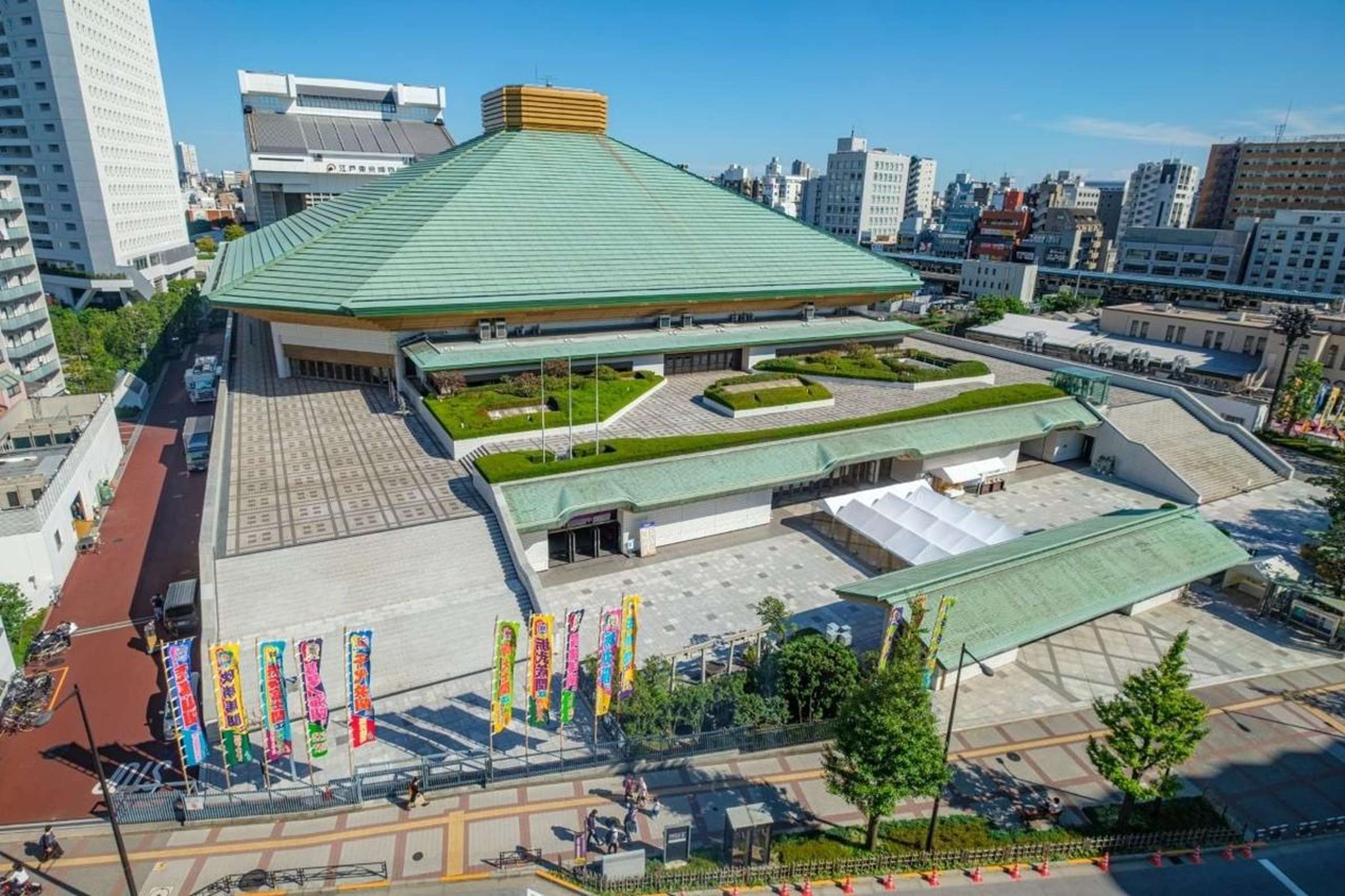
A guided Ryogoku walk with the wrestling museum, the temple where sumo began and a chanko nabe lunch, and you can cancel up to 24 hours ahead for a full refund.




