




Our pickLikely to sell out
1 - 1.5 hours·English
4.9(2,124)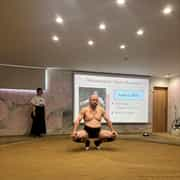
Osaka: Sumo Experience with Live Show & Audience Challenge
Free cancellationAuthentic sumo demonstrationsEnglish-speaking MC
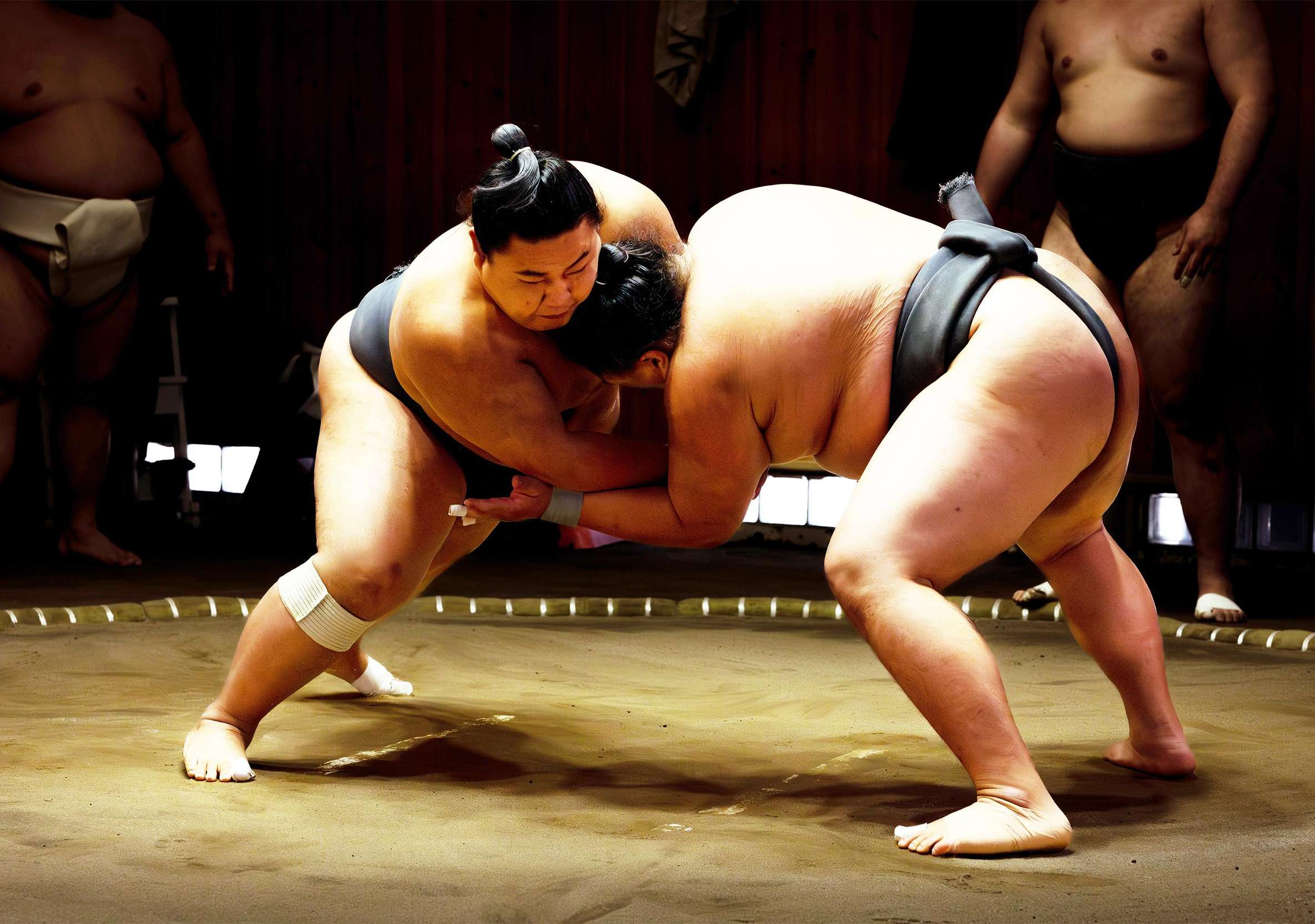
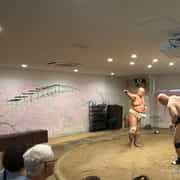
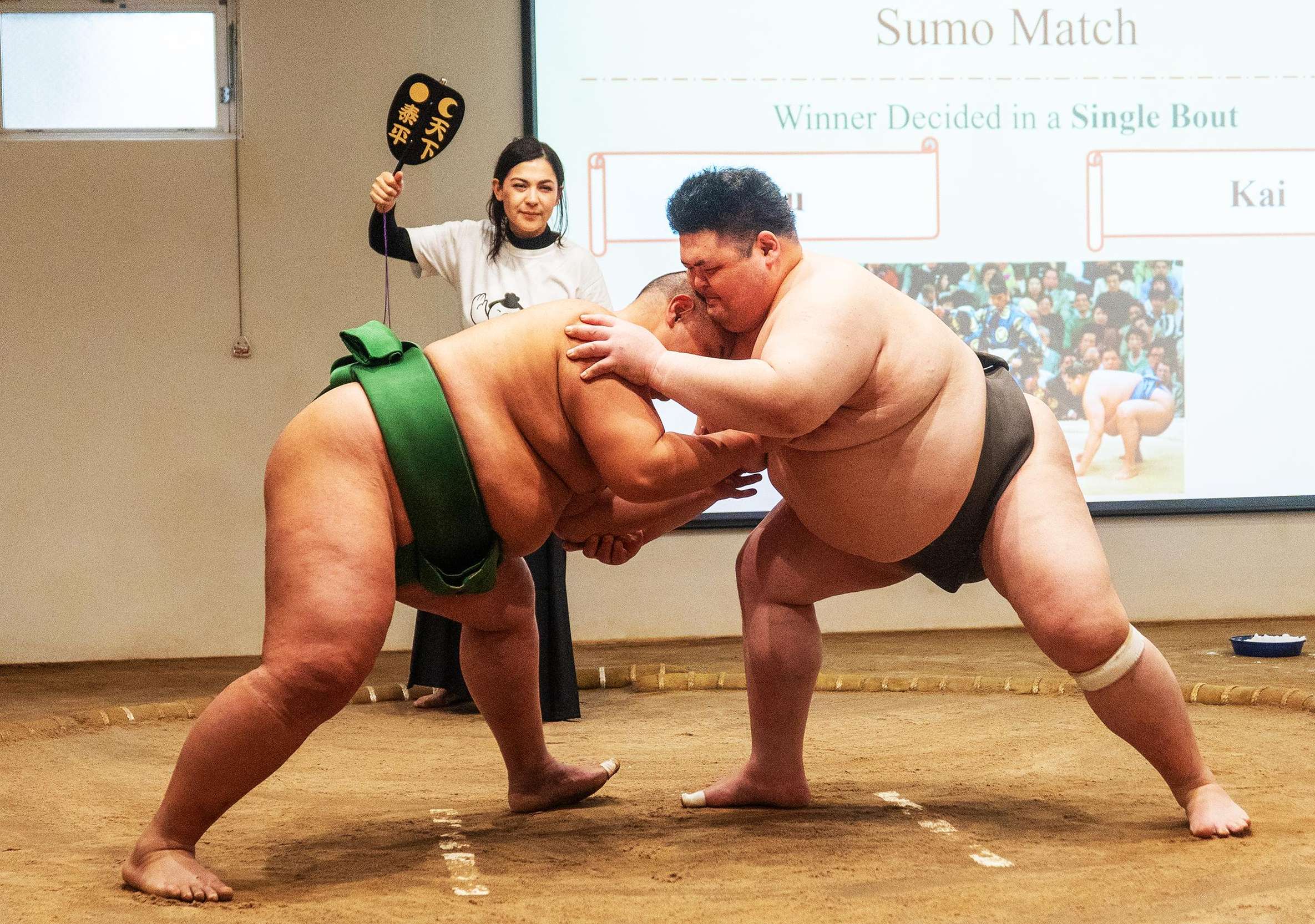
Watch retired sumo wrestlers clash in a real one-round match, then take your own shot in the ring if a spot opens. One booking puts you at a live Osaka show with an English-speaking MC, authentic training demonstrations and an audience challenge many travelers call the highlight of their trip.
An Osaka grand sumo tour with tournament tickets is not something you can book here; what this page sells instead is a live sumo experience in the city itself.
The closest match is the Osaka: Sumo Experience with Live Show & Audience Challenge, a 1.5-hour show where retired wrestlers demonstrate training routines and famous techniques, then fight a one-round match.
Like the tournament you pictured, it is real sumo skill in front of you; the difference is that it is entertainment, staged any month rather than competition in March. Spots to step into the ring yourself are limited, so booking early helps.
If your search was for an Osaka grand sumo tour with tournament tickets, here is the honest picture: no tour on this page sells entry to the March basho. What we recommend instead is the Osaka: Sumo Experience with Live Show & Audience Challenge, a live sumo show in the city you are already visiting.
It comes closer to competitive sumo than anything else on sale here. The programme includes authentic demonstrations of training routines and famous techniques, plus a one-round match between retired sumo wrestlers, so you watch real bouts with real skill rather than actors.
An English-speaking MC explains the history, rituals and rules as they happen, which is exactly the guidance a first-time tournament visitor would want. If you feel brave, limited spots let you step into the ring and face a wrestler yourself, and joining in is always your choice.
It runs about an hour to ninety minutes, so it fits easily around an evening in Osaka, and you can cancel up to 24 hours ahead for a full refund.
This one suits travelers who want sumo inside Osaka on their own dates. One thing to know before booking: the wrestlers are retired professionals performing an entertainment show, so expect demonstration matches with genuine technique.
Book the Osaka sumo experience with live show and audience challenge now.
Green marks the lowest price. Prices per person.
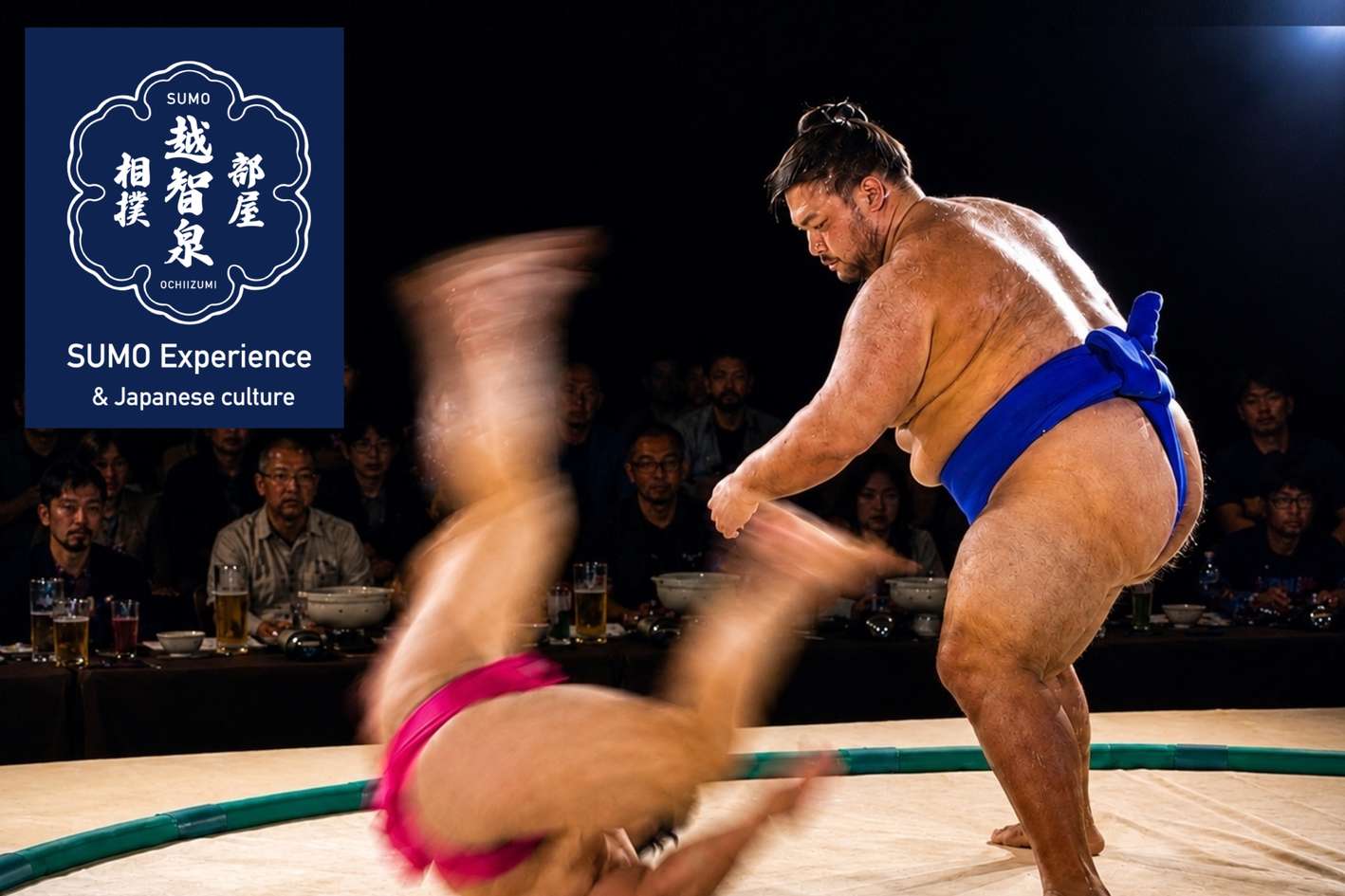
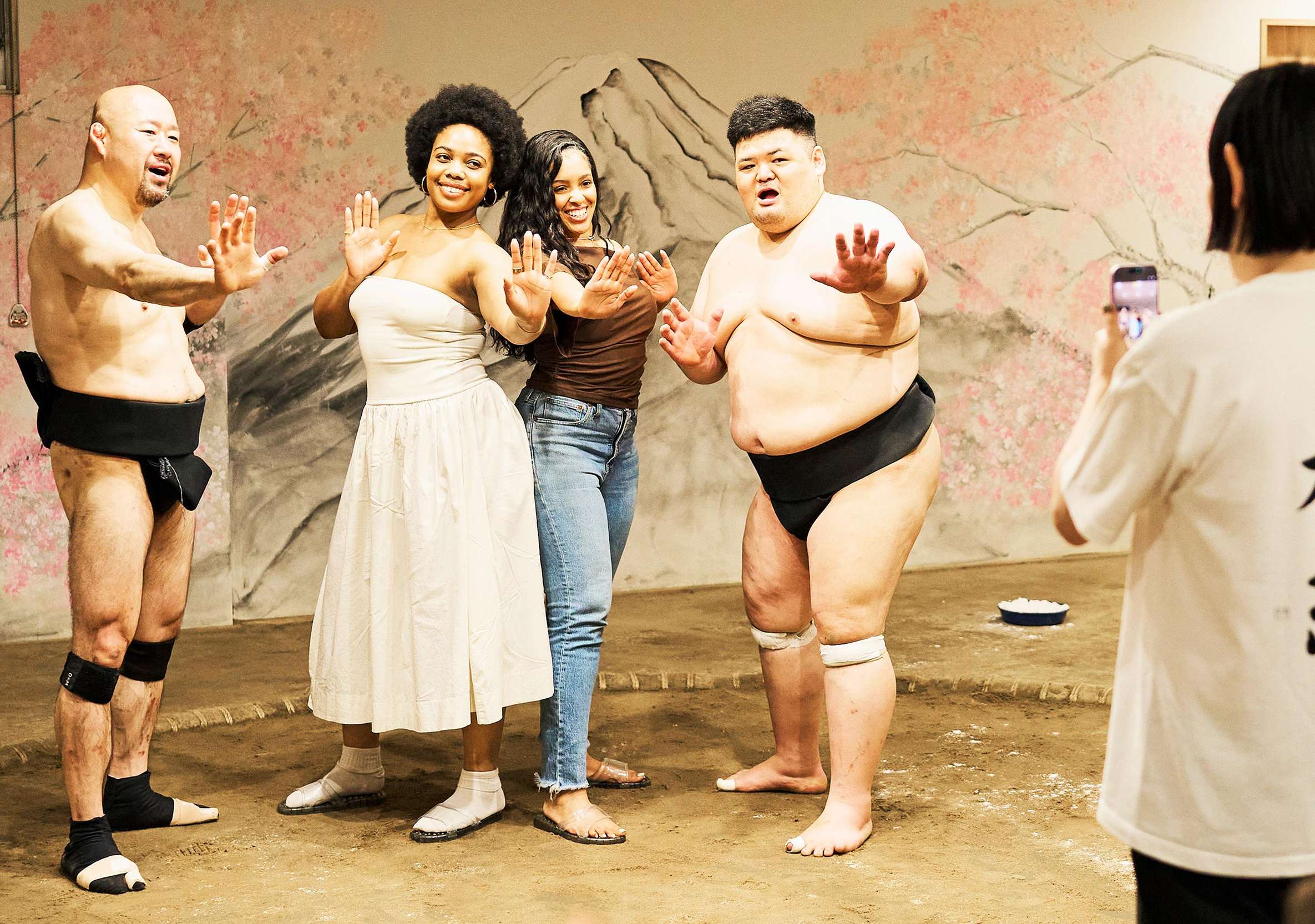
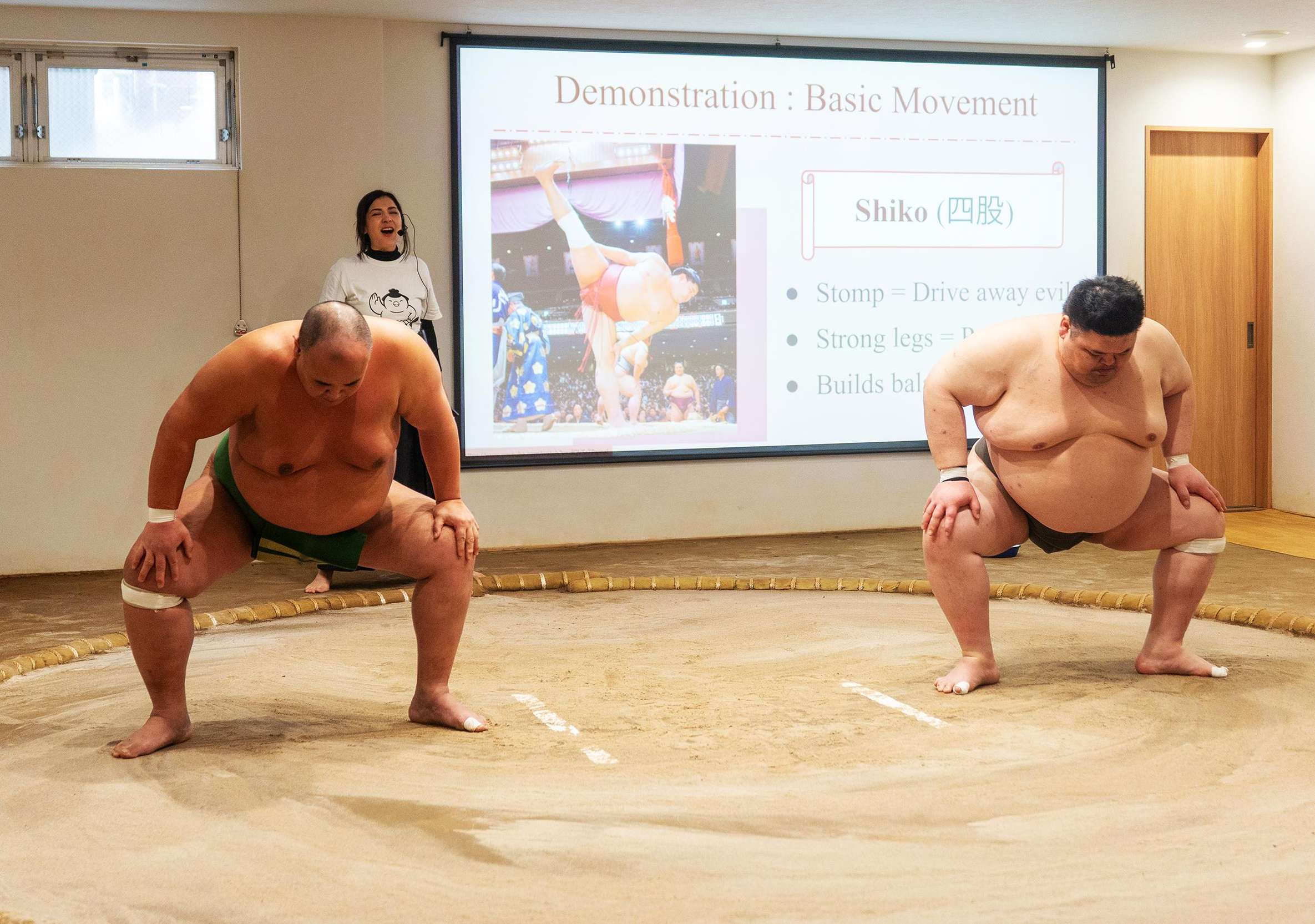
The evening starts at the ring. Retired professional wrestlers run through training routines and famous techniques, then settle into a one-round match, with an English-speaking MC explaining the history, rituals and rules as it happens. If you want more than a seat, limited spots let you step onto the dohyo and face a wrestler yourself.
The other two shows add a table to the viewing. At Sumo Hall Hirakuza on the 8th floor of Namba Parks, your booking locks in the show ticket together with a bento or snack bag and a drink, plus a commemorative photo.
The third show pairs guaranteed front-row seats with a wagyu sukiyaki dinner and a kimono try-on. All three are entertainment shows by former wrestlers, so the bouts are demonstrations, and guests choose freely whether to join the audience participation.
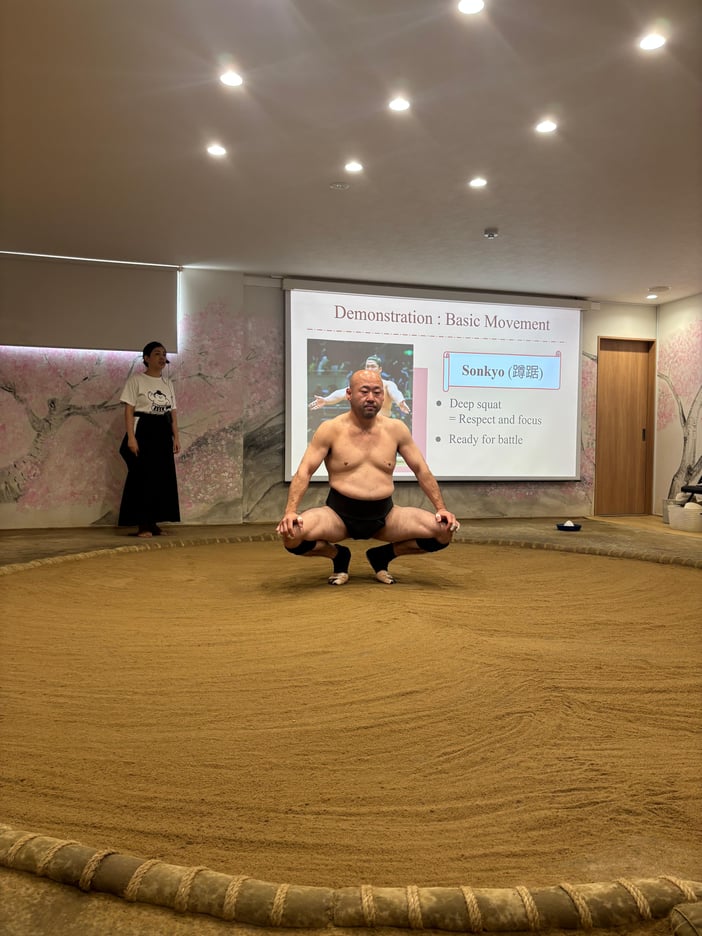
Yuki our guide was amazing and friendly.
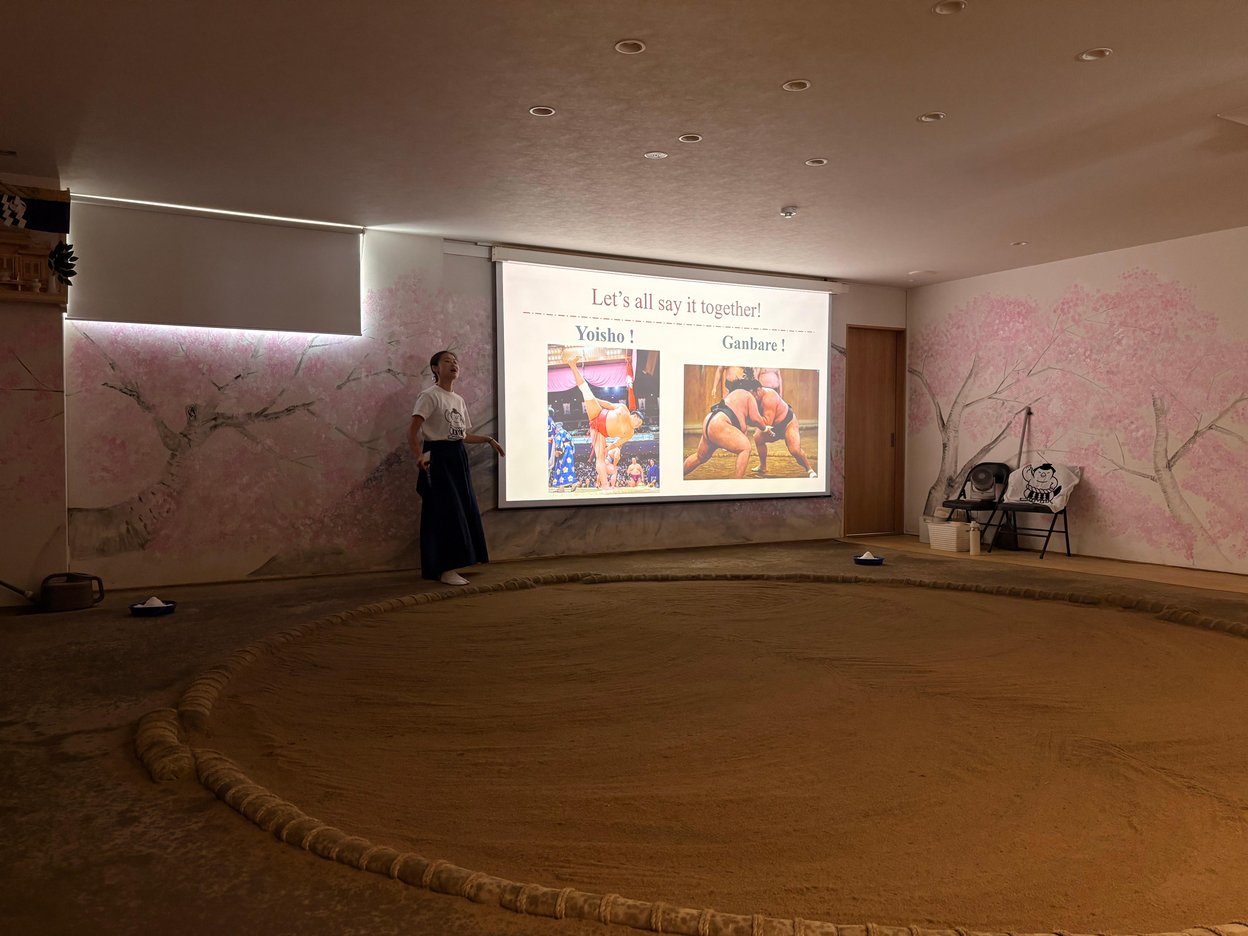
Great experience, entertaining and fun. The explanation of the sport and the wrestlers' lives was really informative.
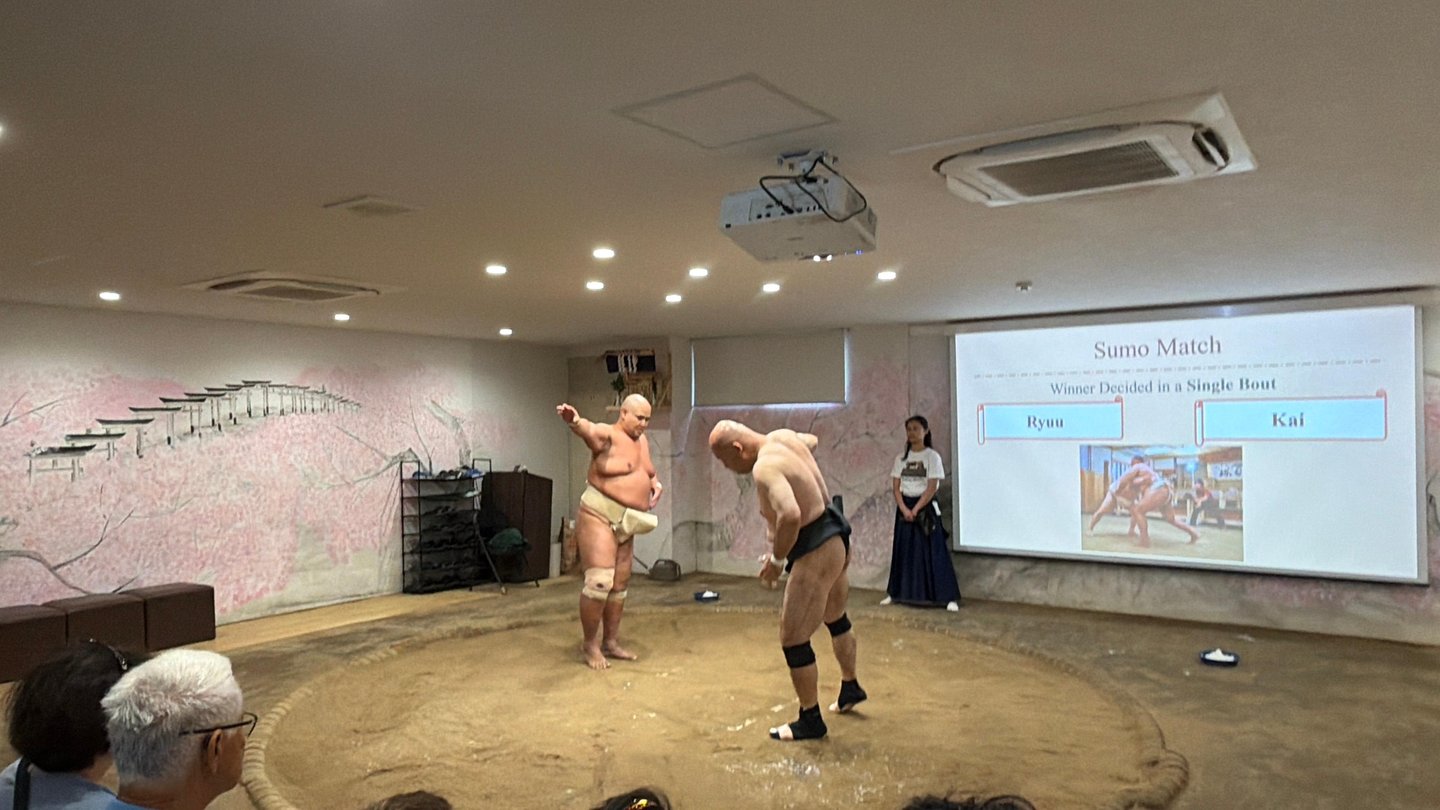
Best time learning sumo techniques and rules. Our host was engaging and super knowledgeable, and fighters Kai and Rui were great. Thanks Kai for not destroying me! 100% recommend.
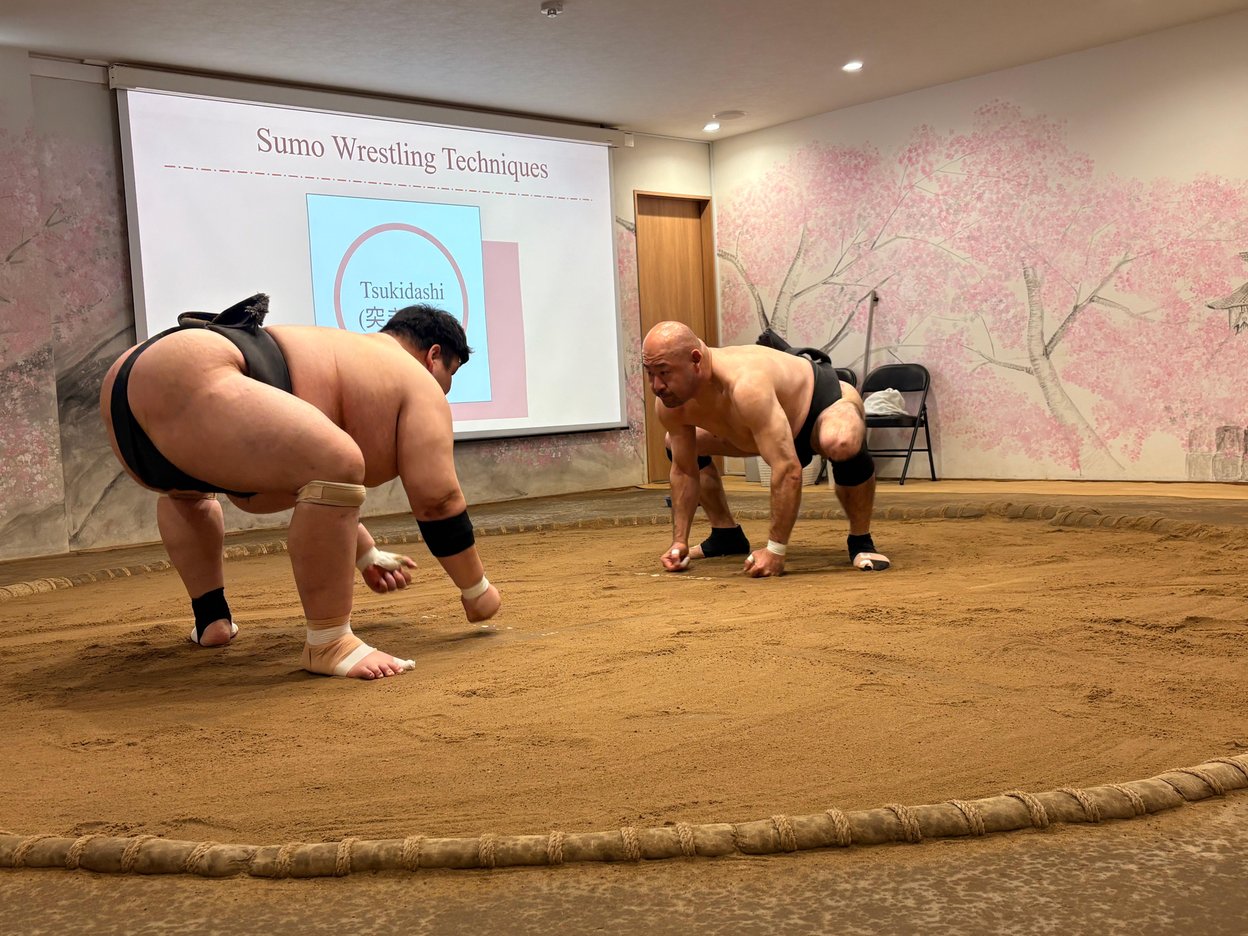
A must-try in Osaka. The team was amazing throughout. History presentation, live demo by wrestlers, then you get to practice and have a match with them. Thanks Shota and Yuki!
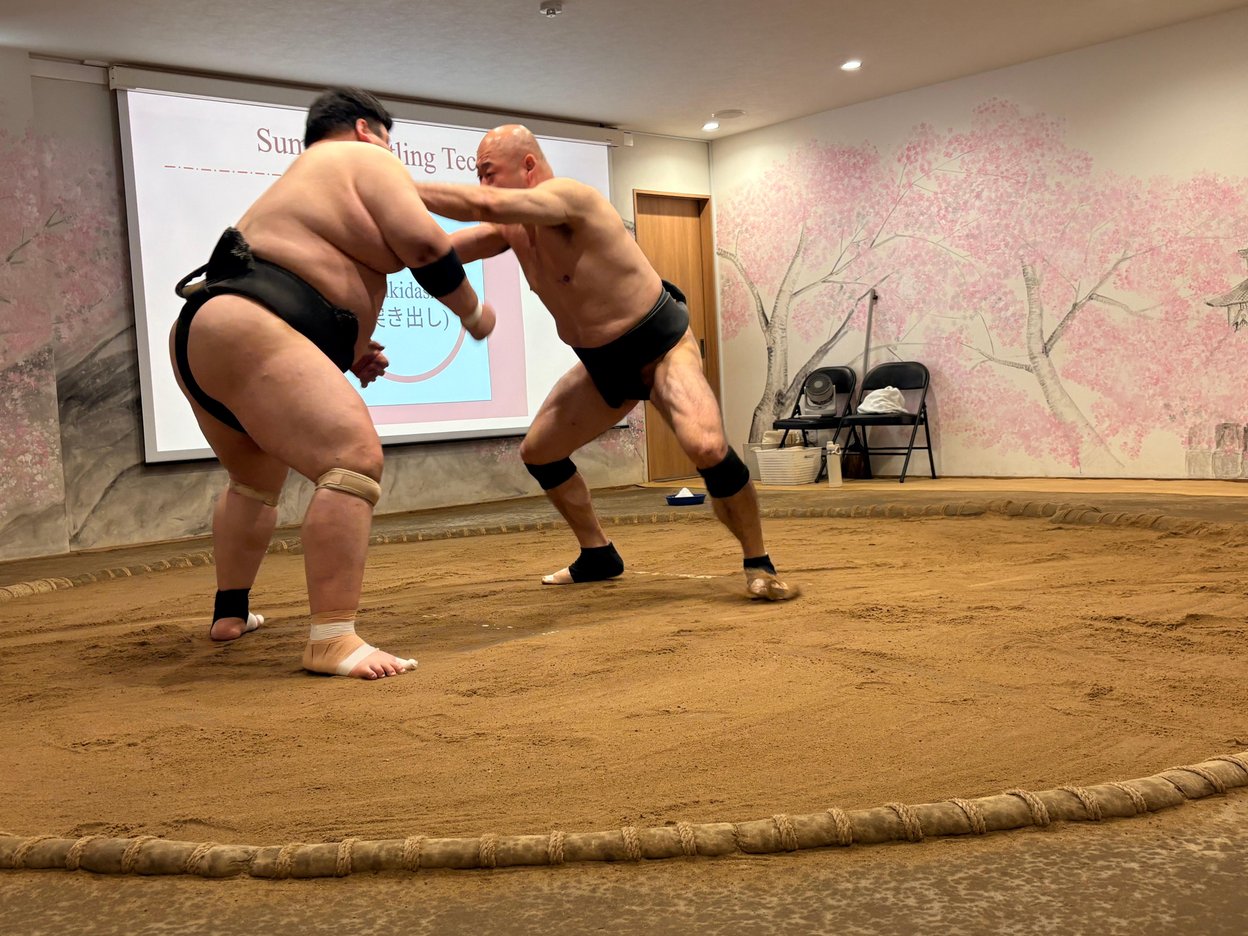
The sumo experience was so fun and hands-on. We wore a uniform and belt, learned stances and pushes, then challenged.
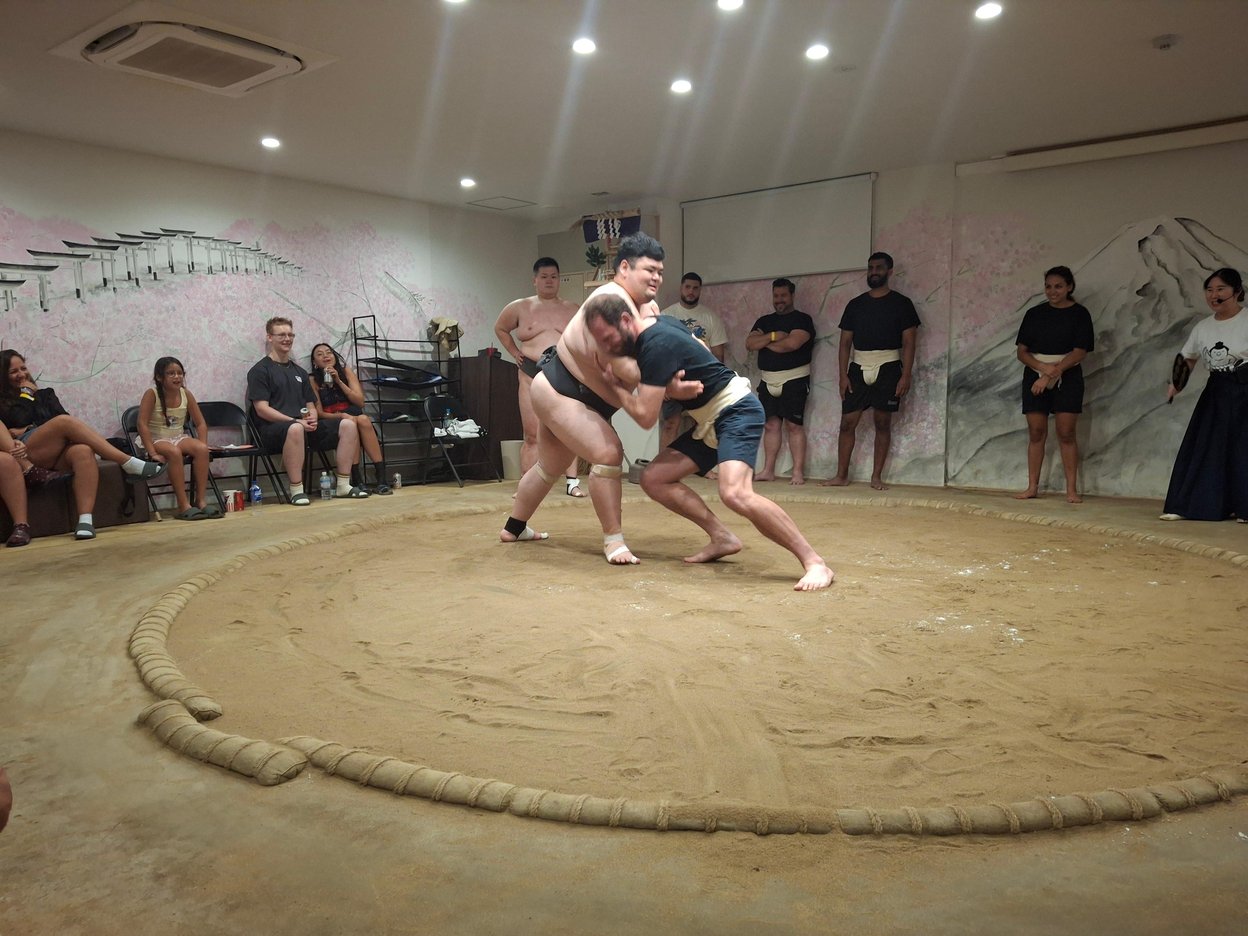
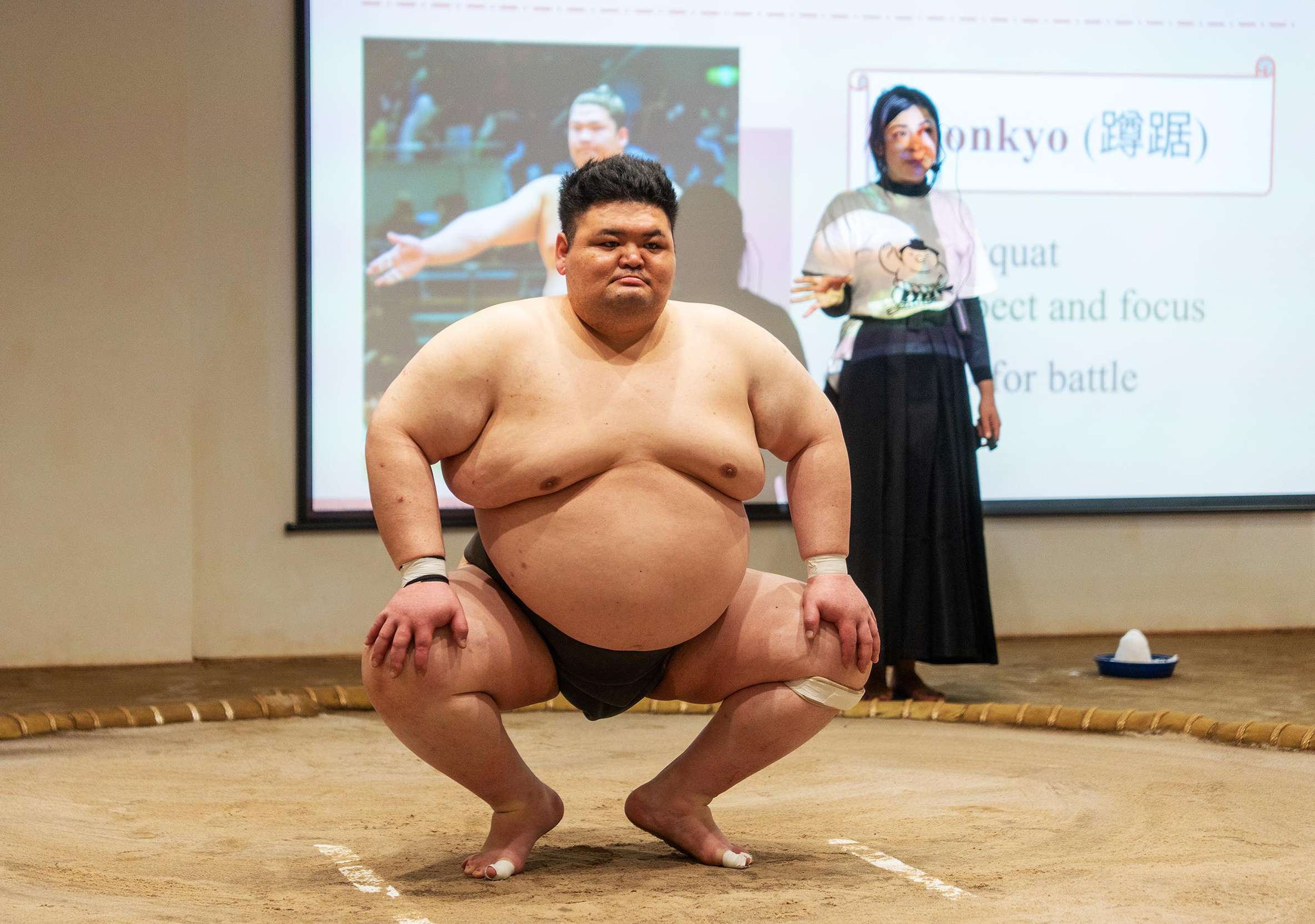
Loved it! Shota, our MC, brought so much energy and knew sumo inside out. Seeing the wrestlers up close and watching everyone join in was awesome. The wrestlers were so entertaining. Highly recommend!
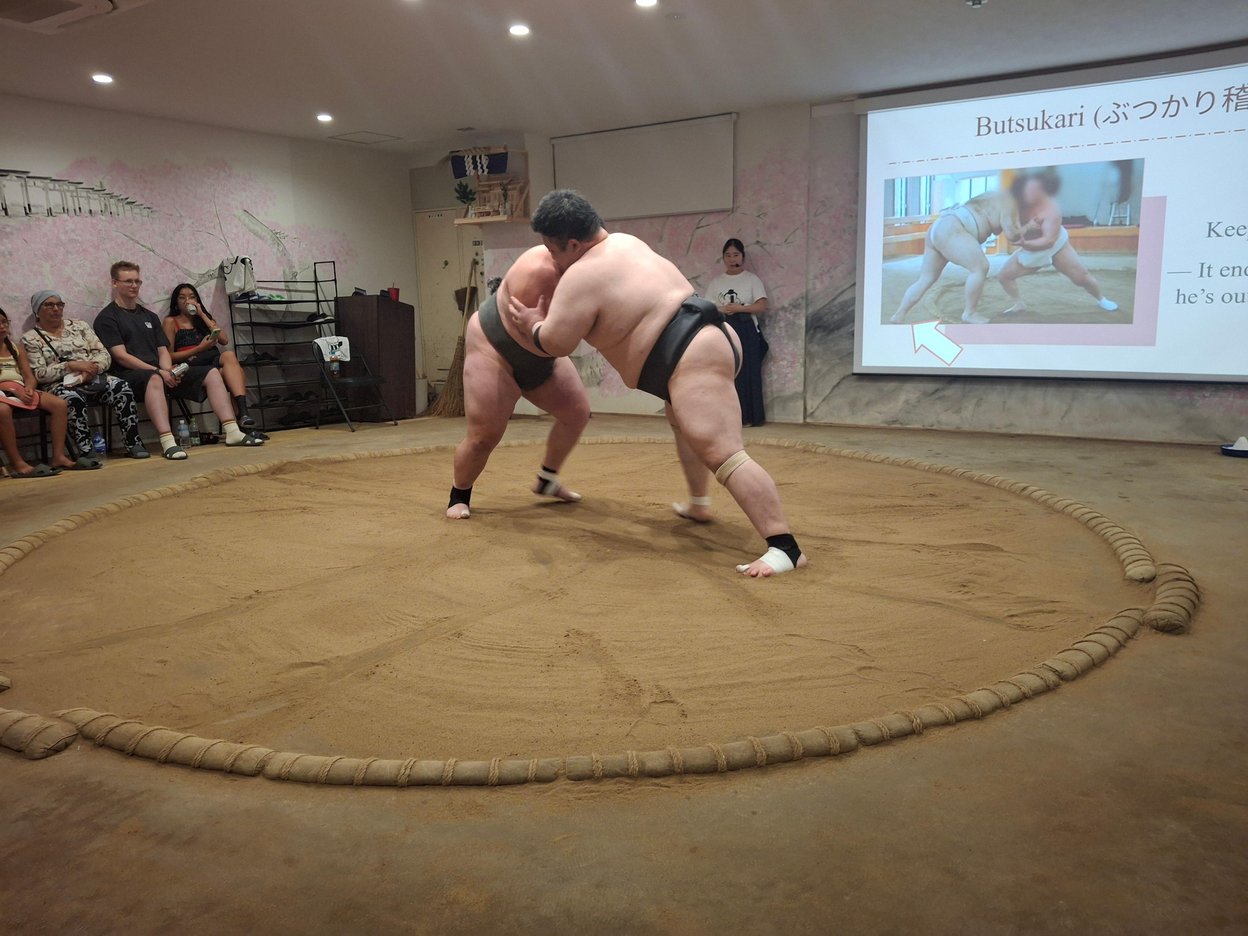
Great tour with a fun group, immersive and my teenagers loved it. We did the 10 am slot, leaving the afternoon free to explore. Highlight: watching volunteers wrestle the sumo wrestlers.
Choose between the live show with audience challenge, the Namba Parks show with bento or snack, or the front-row wagyu sukiyaki evening. The wagyu show runs a lunch sitting at 1 pm and an evening one at 6 pm; the Namba show runs 5 pm and 8 pm slots.
Common mistakeFirst-timers pick a slot without checking meal inclusions; the challenge show and the sukiyaki show include very different things.
The challenge show has a basic ticket plus popcorn or snack-and-souvenir upgrades. The Namba show splits into standard and premium seats, each with bento or a snack bag. The sukiyaki show seats everyone front row, with VIP center seats as an upgrade.
Common mistakeWaiting to decide between bento and snack bag at the door; the option is locked in when you book.
The challenge show and the sukiyaki show let you cancel up to 24 hours in advance for a full refund. The Namba Parks show is non-refundable, so only book it once your Osaka dates are fixed.
Common mistakeBooking the non-refundable Namba show before your train or hotel is confirmed.
Get to the venue 15 to 20 minutes before the printed time, since shows can start noticeably later and a late arrival means a rushed seat search. At the Namba hall, arrive by the starting time if you want to enter the sumo challenge lottery.
ImportantThe Namba hall does not admit children aged 2 and under, and unaccompanied minors are not allowed.
Meals come with the booking at several shows: a bento or snack bag with a drink at Hirakuza, chanko nabe with the workshop option, and wagyu sukiyaki with a standard or halal choice at the front-row show. Check your booking details for exactly which food and drinks your option includes.
Two of the three Osaka shows let you cancel up to 24 hours in advance for a full refund, so you can lock in a date and change your mind if plans shift. The Hirakuza booking is non-refundable, so pick that one only when your Osaka schedule is settled.
At Sumo Hall Hirakuza in Namba, ages 3 to 12 have their own ticket band, ages 2 and younger are not permitted, and unaccompanied minors are not allowed. The lively, humorous format keeps children engaged, and families with kids around 10 to 12 are a core audience.
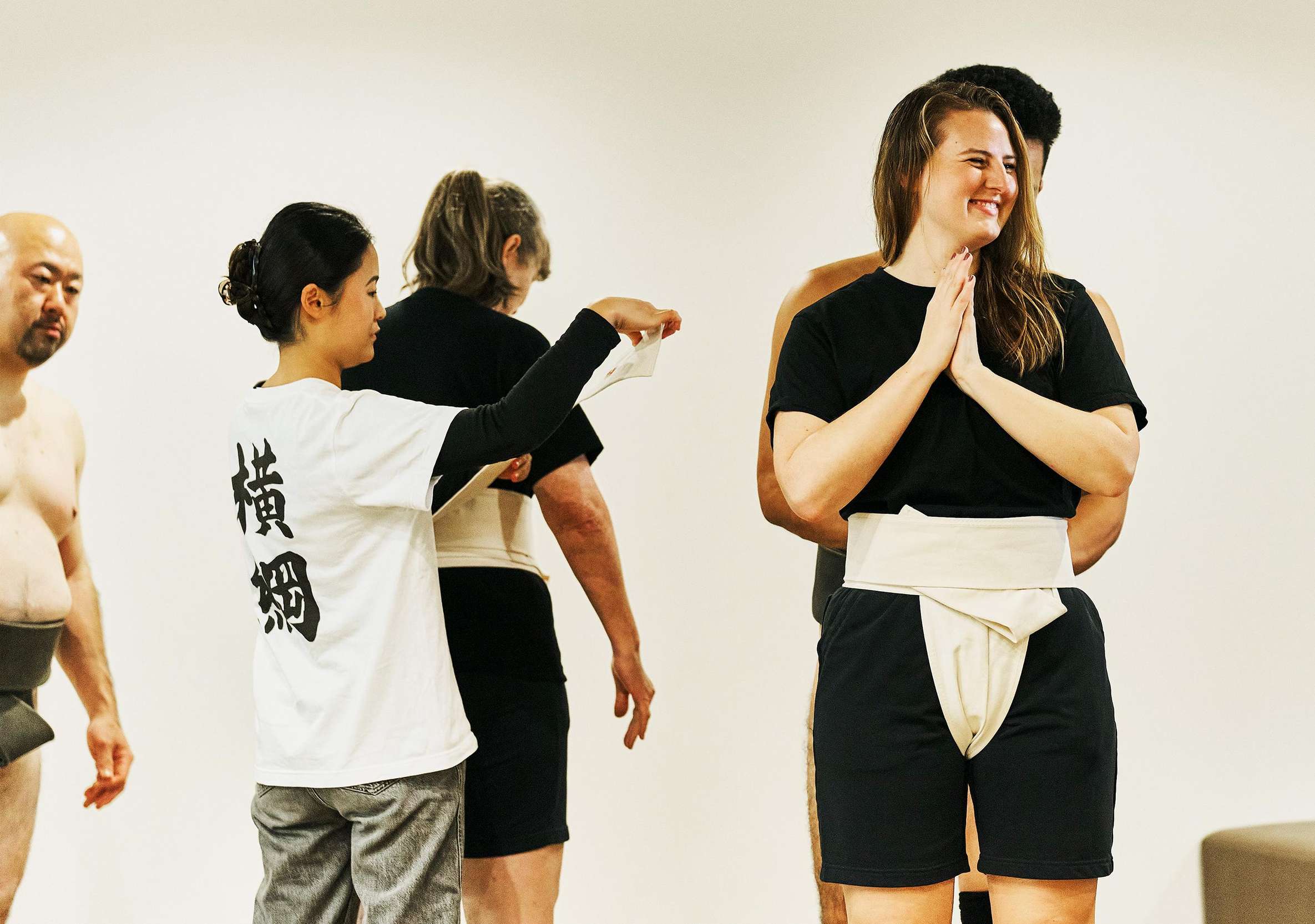
There is no dress code; comfortable clothes you would wear to any indoor theater are fine, since you may be challenged by a wrestler. Some venues ask you to remove shoes, so easy-to-slip-off footwear helps. The front-row show includes a self-dressing kimono haori try-on before the performance.
Shows can start noticeably later than the time printed on the ticket, and the ending time may vary a little. Arrive 15 to 20 minutes early so you are seated calmly when things begin. If you want to enter the ring challenge lottery at Namba, be there by the starting time.
The Osaka shows are entertainment programs performed by retired wrestlers, and the bouts are choreographed. You still get real technique, training routines and a live match in front of you, with an English-speaking MC explaining the rules and rituals as they happen.
Every show invites guests into the ring, and joining is always your choice. Spots are limited at the Osaka Sumo Experience, and at the front-row show one-on-one bouts may be assigned by random selection, so taking part is never guaranteed. Watching is a perfectly good way to spend the hour.
Photography is allowed at the shows, and a commemorative picture with the wrestlers is part of several bookings. Keep flash off during the bouts because it startles the wrestlers, put your phone on silent, and note that videos longer than one minute and live streaming are not permitted.
The grand tournament comes to Osaka only in March, and its tickets vanish within minutes of going on sale. What the city sells the rest of the year is live sumo by retired wrestlers, and choosing the right evening is what settles whether your sumo night works.
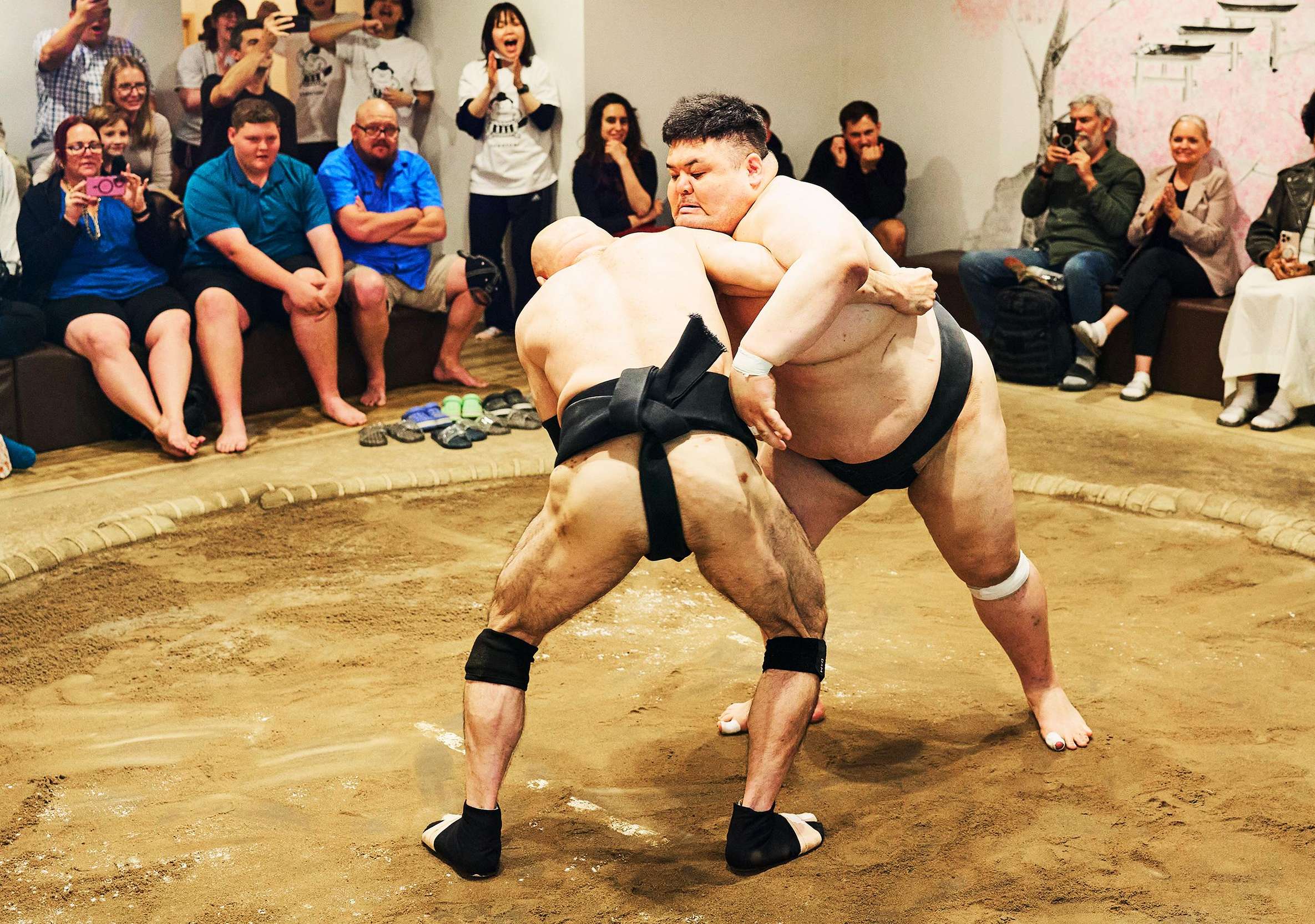
The grand tournament runs only in March; outside those two weeks, shows by retired wrestlers are what Osaka offers.
Arrive 15 to 20 minutes before the printed show time, because seats fill latecomers rush and some shows start late.
At Sumo Hall Hirakuza, same-day booking stays open online until 3 pm, but the hall closes every Tuesday.
The evening you searched for, a guided visit to the grand tournament with tickets in hand, is not among the tours on sale here.
What is on sale comes close in a different way: live sumo in Osaka, performed by retired professional wrestlers, with commentary in English and a chance to step into the ring yourself.
Four things decide which booking suits you. Being in the city points to the Osaka: Sumo Experience with Live Show & Audience Challenge, a 1 to 1.5 hour show with demonstrations, training routines and a single bout between retired wrestlers.
Wanting real competition is the wish none of the tours can grant, since the March basho is the only tournament sumo in Osaka. Having entry and food arranged in one purchase is the Sumo Hall Hirakuza show's strength.
And guidance through the whole visit is what the front-row wagyu sukiyaki evening does best.
Start with the recommended one. It runs in Osaka, an English-speaking MC explains the rituals and techniques, and limited spots let audience members face a wrestler in the ring. It is a show, not a tournament, and the next chapters weigh exactly how much that matters.
Fitting sumo into an Osaka itinerary is easier than most visitors expect, as long as you accept what the city sells.
Three kinds of venue cover it: a live-show experience with demonstrations and an audience challenge, a dinner show at Sumo Hall Hirakuza on the 8th floor of Namba Parks, and a wagyu sukiyaki venue with kimono try-on and ring training.
What the city does not sell most of the year is morning practice. Outside the run-up to the March tournament, stable training in Osaka is largely unavailable, which is why dinner shows dominate the scene here.
The Osaka: Sumo Experience with Live Show & Audience Challenge fills that gap: sumo in the city you are already sleeping in, no day trip needed.
Know what you are booking. It is an entertainment show performed by retired wrestlers, not tournament sumo, and the operators say so plainly in their own notes. For a traveler staying in Osaka, that trade usually costs little, because the alternative means chasing a tournament across the country.
Here is the honest part. No tour on sale offers grand tournament sumo, and the shows are choreographed entertainment: retired wrestlers, scripted comedy-leaning bouts, demonstrations that look like genuine skill without competitive stakes. Go in expecting the March basho and the evening disappoints; go in expecting a lively show and it lands well.
Experienced travelers put it simply: the dinner show is the better pick for casual first-timers, while die-hard fans chase the real thing. If a tournament happens to be running during your trip anywhere in Japan, they say choose it over any tourist show.
What you give up is atmosphere you cannot buy. Osaka's tournament crowd is the liveliest in the country, and after a big upset, seat cushions fly through the air, a tradition about 300 years old. The shows have warmth and humor instead, and the wrestlers' power is real even when the contest is not.
The matches are choreographed and performed by retired wrestlers; expecting tournament atmosphere is the mistake that ruins the evening
Experienced travelers call the dinner show the better pick for casual first-timers
Ticket trouble is the reason this search exists. Osaka tournament tickets are among the hardest to score in Japan: the arena is the smallest in a huge city, the March basho is the most competitive, and decent seats sell out within minutes of the 10 am general sale.
For the 2026 tournament, an official at the venue said tickets were already nearly gone on the first day of sales.
That is the case where ticket-arranging help genuinely matters, and none of the tours here sells a basho seat.
What the Osaka: Sumo Show with Bento or Snack at Sumo Hall Hirakuza does instead is lock the whole outing into one purchase: show ticket, a standard food box or snack bag, and a drink, plus a commemorative picture and a guide. No second transaction, no lottery at a convenience store machine.
The gap is real and worth saying plainly: this is a show ticket, which you can usually get, not a tournament ticket, which you often cannot. If certainty is what you wanted from having tickets handled, this booking delivers it.
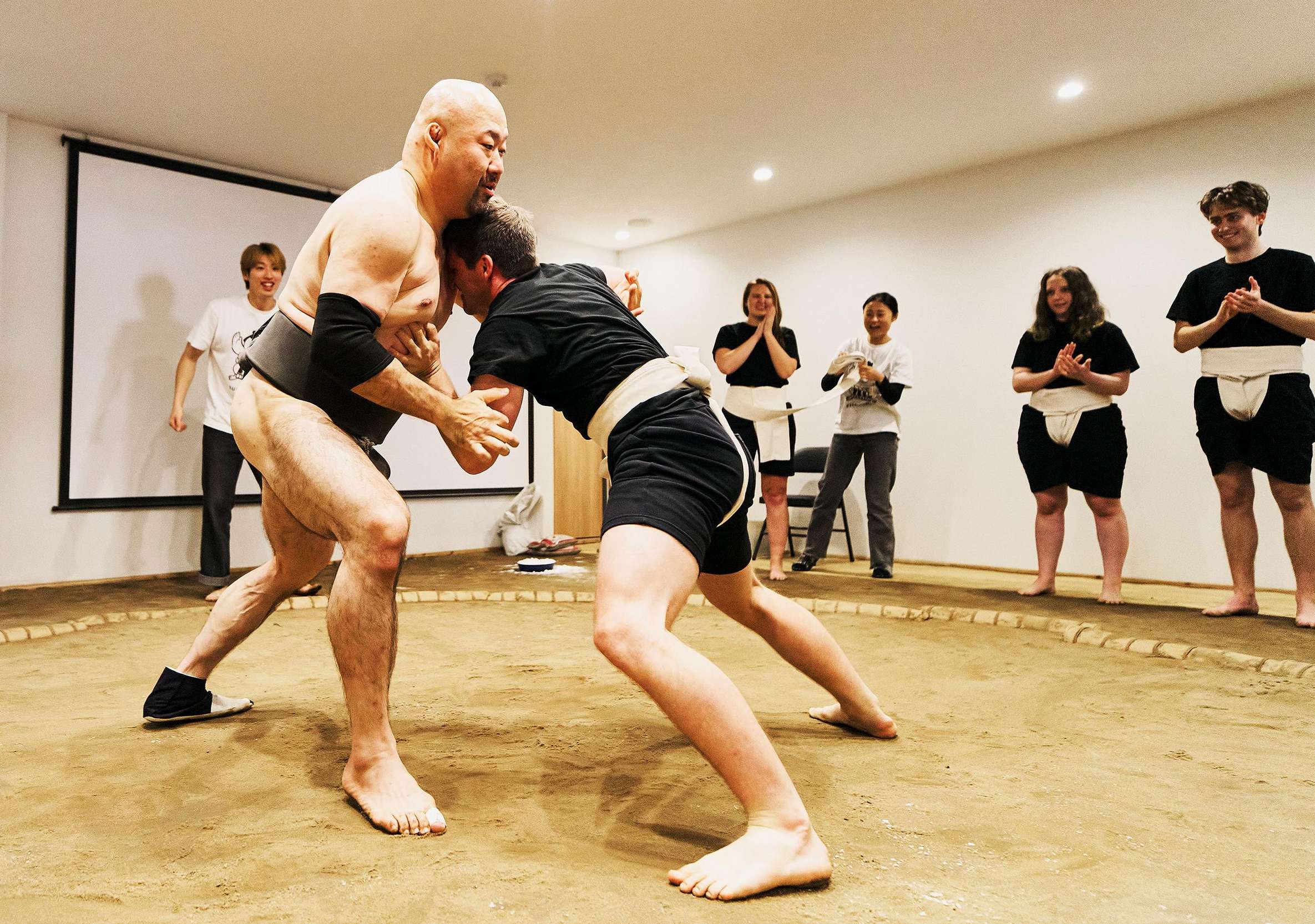
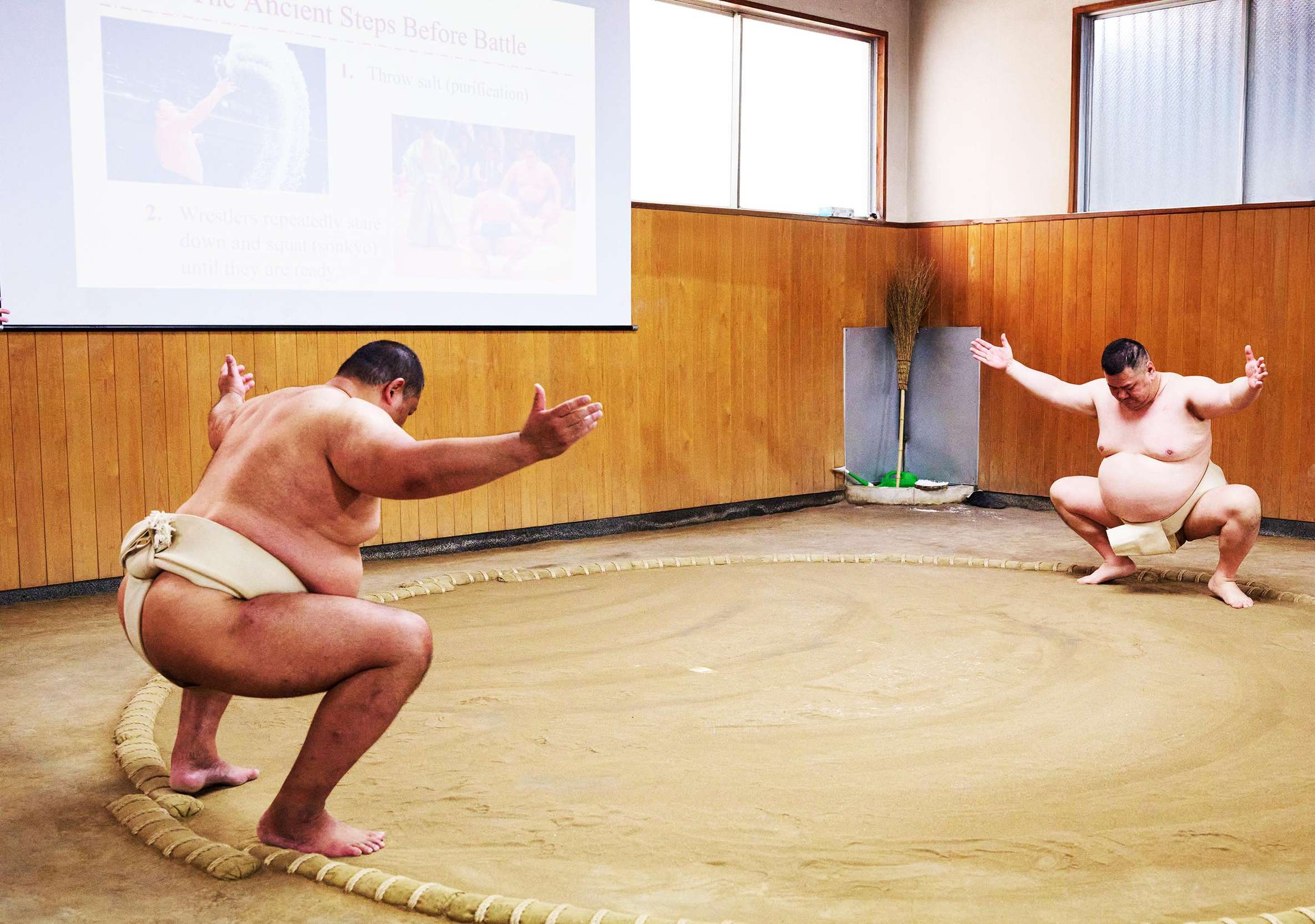
A first-timer's real worry is not getting in, it is following what happens. Salt thrown before a bout, stomping, the referee's fan: without explanation it all looks random. A guided experience fixes that, with an English-speaking sumo expert explaining the ceremonies, rankings and match rules so they make sense.
Among the tours on sale, the Osaka Sumo Show with Front-Row Seating & Wagyu Sukiyaki walks you through the whole visit.
Staff guide you to your guaranteed front-row seat, commentary covers sumo history, culture, rules and techniques, and travelers call it really informative about the traditions, the training and the wrestlers themselves. The 2.5 hours also include a wagyu sukiyaki dinner and a kimono haori try-on.
The limit is worth knowing: the guidance covers the show, and a real tournament or stable practice sits outside what it arranges. If your trip falls outside March, that distinction costs you little, because the tournament is not running anyway and this is the best-seated, best-explained evening on sale.
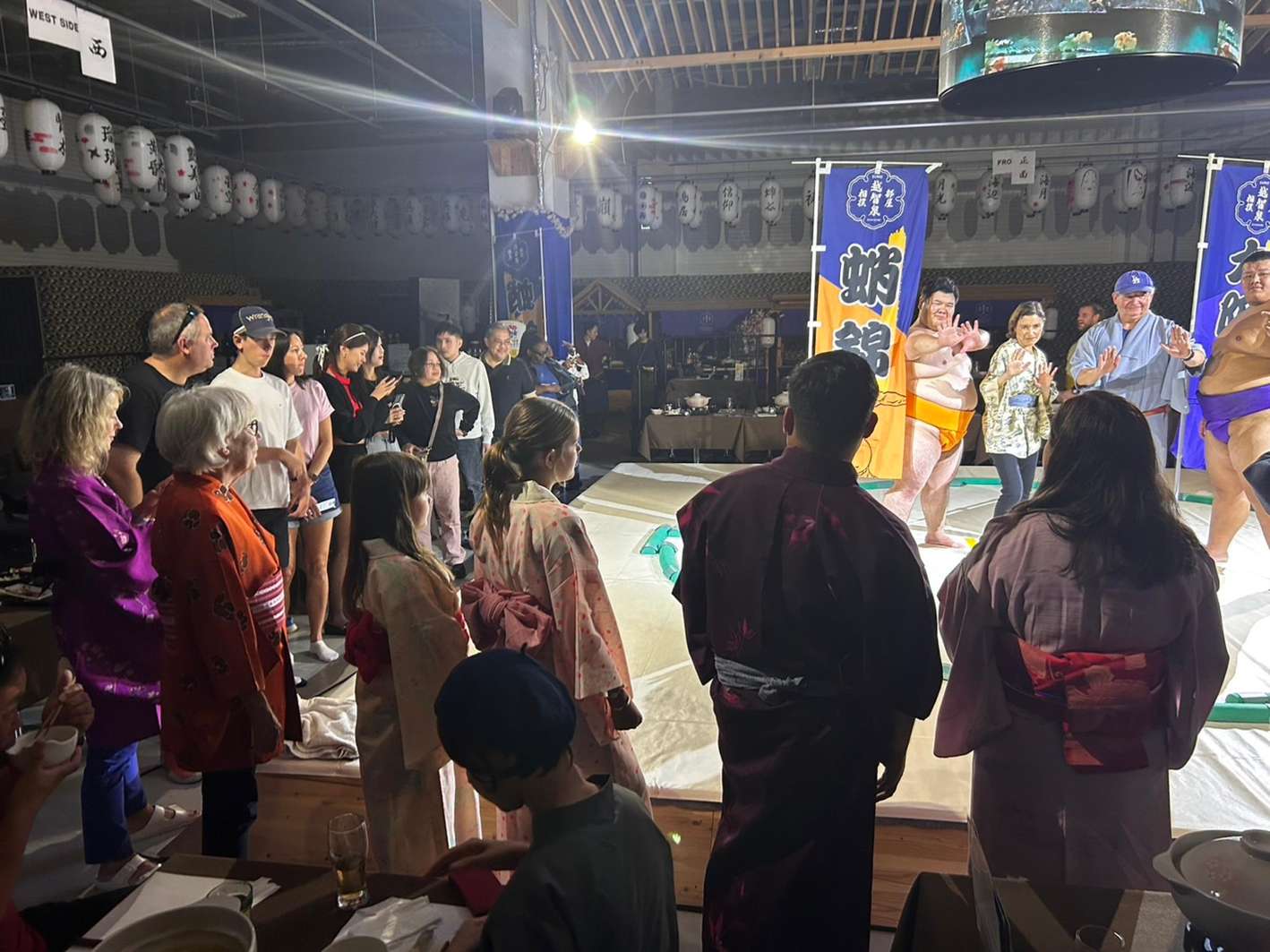
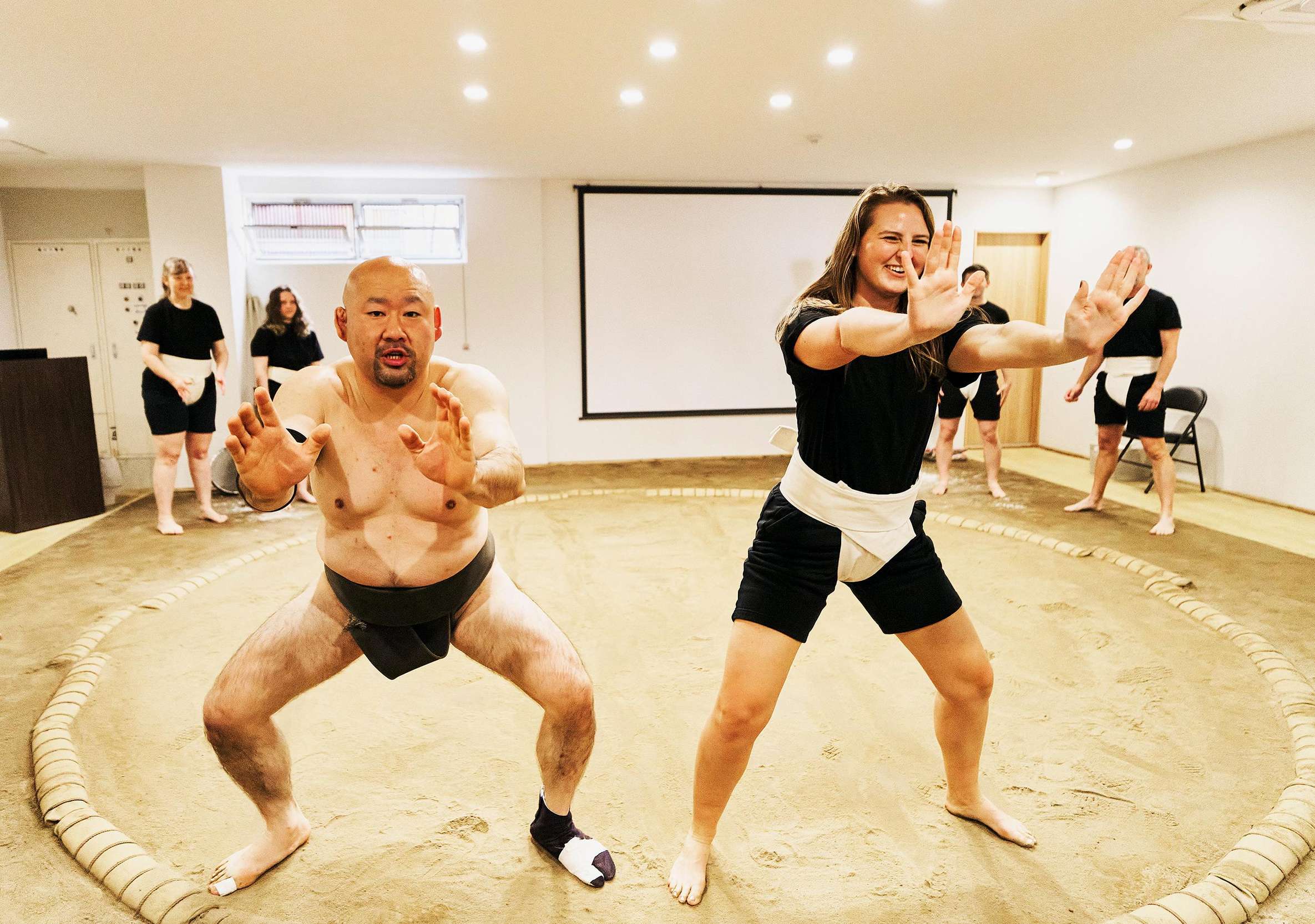
The calendar decides everything here. The grand tournament hits Osaka only in March, one of six tournaments a year, each lasting two weeks in a single host city. A tournament day runs long: first bouts from mid-morning, top-division wrestling from about 2 pm, everything finishing around 6 pm with the bow-twirling ceremony.
Outside those weeks, the shows carry the city, and they are easy to plan around. Sumo Hall Hirakuza keeps same-day booking open until 3 pm on performance days and sells remaining seats at the hall from 3 pm, so last-minute plans usually work.
One traveler booked a slot the day before and it went fine. Early booking mainly matters for premium front-row seats.
Two traps to dodge. The hall closes every Tuesday, opening on Tuesdays only during busy periods, and its closed days can be irregular, so check the performance calendar for your date. April has no tournament at all; shows and exhibitions fill the gap.
July: 5 out of 5 for how busy it gets.
Tap a month to read it.
The busy months cluster around the tournament calendar, but the shows run year-round, so a quiet month costs you nothing except the basho itself.
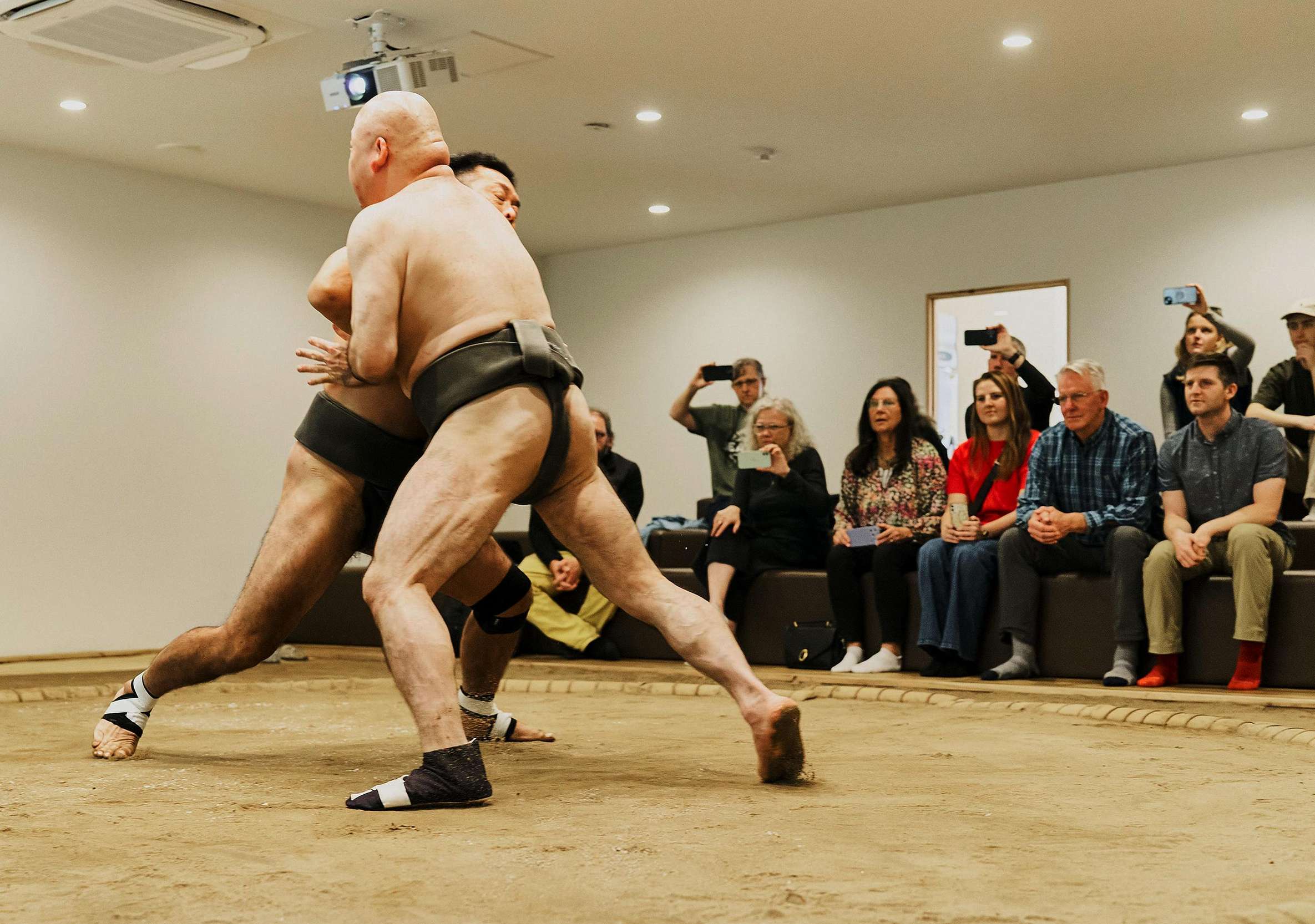
The evening has a shape, and knowing it changes how you plan. Shows open with the educational stretch: wrestlers' lives, stretches, the rules, all explained by an English-speaking MC.
The actual wrestling often only takes up the last 15 to 30 minutes. Sumo Hall Hirakuza runs a 2-hour program including meal and photo time; the wagyu sukiyaki venue's live show runs about 40 minutes inside a 2.5-hour evening.
Then comes the part people remember. A lottery picks audience members to face a wrestler in the ring, and joining is always your choice.
At the Osaka Sumo Experience, spots for the challenge are limited; at the sukiyaki venue, 1-on-1 bouts may be assigned by random selection if more guests want in than the ring allows. Photos with the wrestlers close the night.
Arriving right at ticket time risks a rushed start
The MC covers history, rules and rituals
Scripted, but the wrestlers look like they mean it
Joining the ring is optional
One more thing: shows can start noticeably later than the printed time, and Hirakuza's ending may drift slightly. Build slack into the rest of your evening.
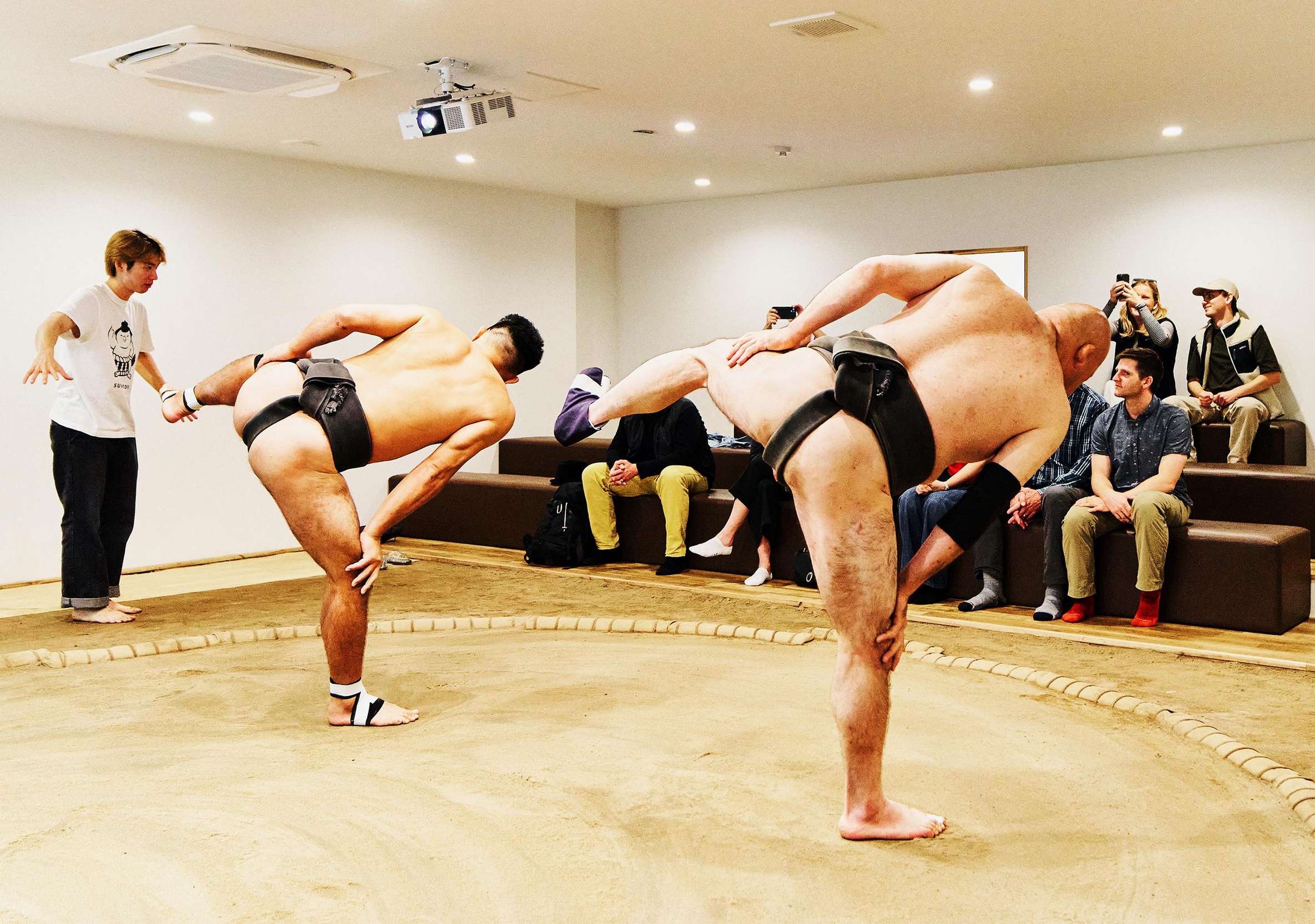
Families do well here, with one rule to check before booking. At Sumo Hall Hirakuza, ages 3 to 12 have their own ticket band, ages 2 and younger are not permitted, and unaccompanied minors are not allowed.
The Sumo Studio experience runs age bands covering 1 and younger through 13 to 99, so babies can come along there.
The format works for children because it is built for them: lively, humorous and welcoming, with hosts who pull the audience in.
Families with children around 10 to 12 are a core audience for these shows, and some Osaka-area venues let kids under 12 attend free. Unlike a real stable practice, where children must sit silent and still, a show rewards noise and laughter.
At a real tournament day, kids get their own treats: shouting along with the crowd, comedy in the mid-day break, chances to dress up in the ring.
But that option exists only in March. For the other eleven months, a show is the family-friendly choice in Osaka, and the earlier chapters' tours all welcome children within the age bands above.
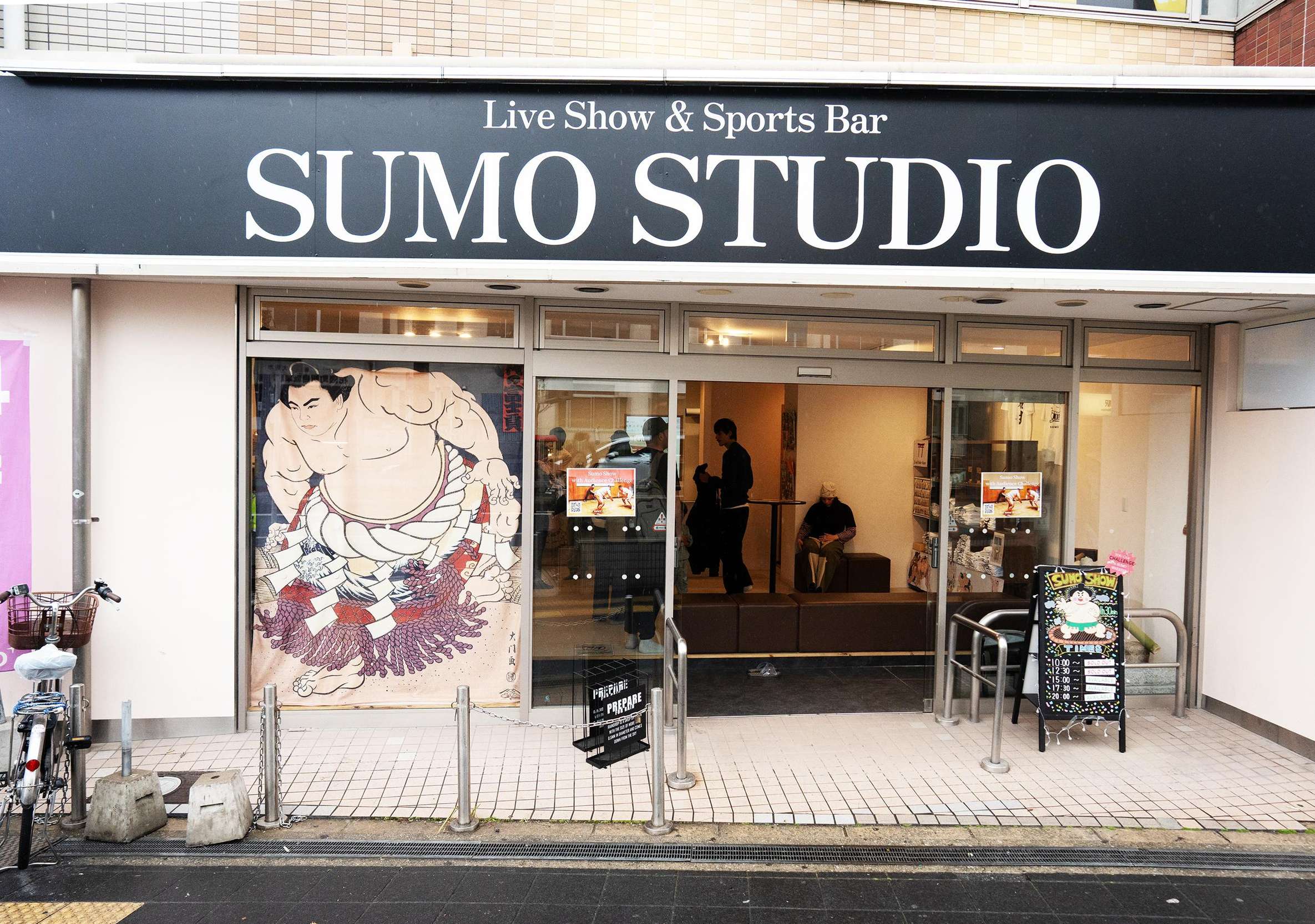
Namba is the address that matters. Edion Arena Osaka sits in Naniwa-ku, a few minutes' walk from the Namba station cluster, so most visitors arrive on foot from a train.
From Osaka Metro Namba Station Exit 5 it is about 350 m, roughly 5 minutes; from Nankai Namba's south exit about 250 m, 2 minutes; JR Namba is a 10-minute walk.
Coming from Umeda, take the Midosuji Line direct to Namba, a ride of about 7 to 9 minutes with no transfers, then walk. Sumo Hall Hirakuza sits separately, on the 8th floor of Namba Parks, also in the Namba district.
The pattern is simple: if you are sleeping in Namba, everything is a short walk. From Umeda, one direct metro ride covers it. Taxis work with luggage, but the trains are frequent enough that few visitors need one.
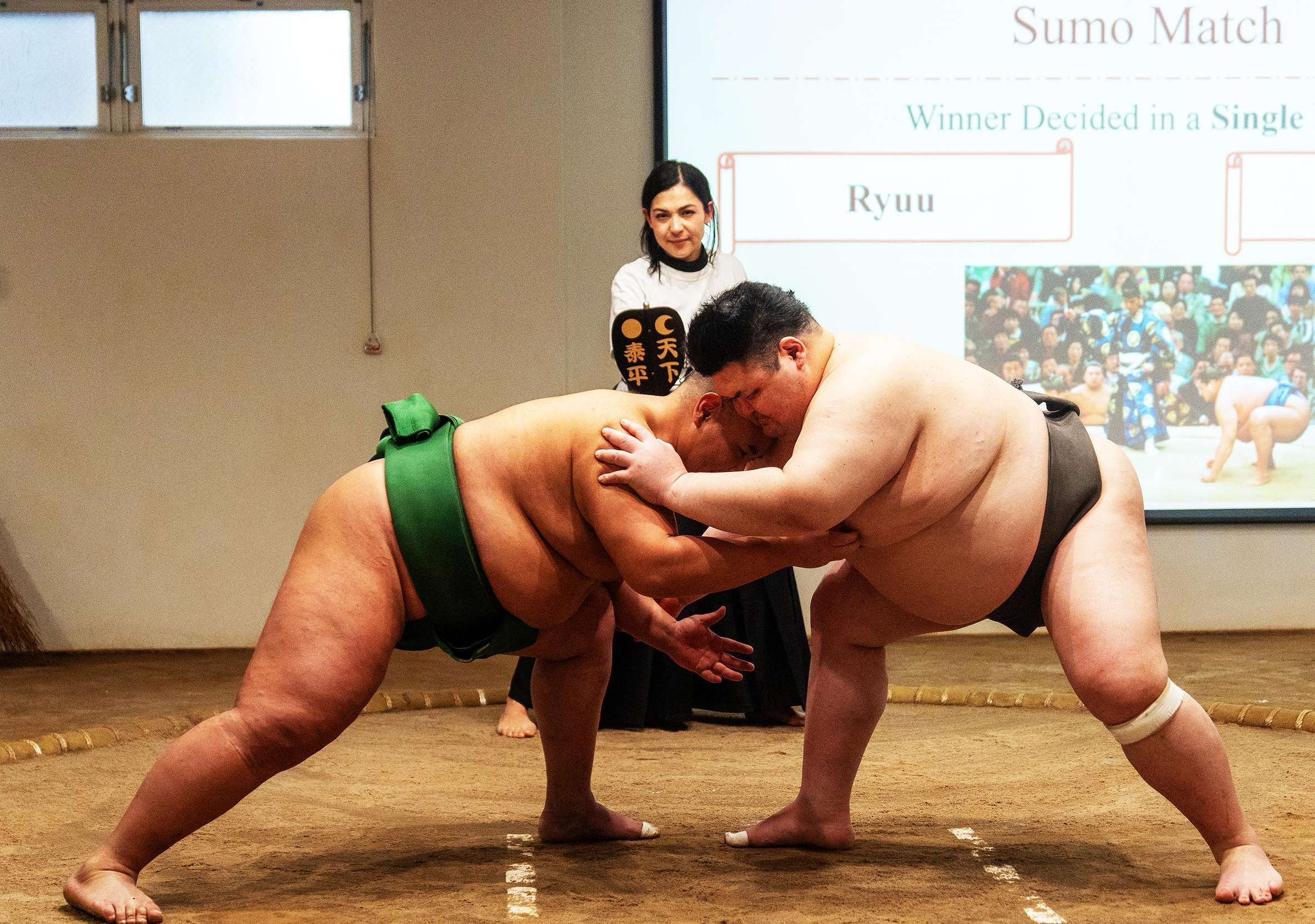
There is no dress code at the Osaka shows. Comfortable clothes you would wear to any indoor theater are fine, and easy-to-slip-off footwear helps, because some seating means shoes off.
Swimwear and overly revealing clothing are the only things ruled out. At the sukiyaki venue, a kimono haori try-on is part of the evening, so nothing special to bring there either.
For a tournament day in March, the list grows: cash for the vendors and snack stands, a small cushion if your seat lacks one, layers, binoculars and a phone battery. Food comes from the stands inside the arena, and eating at your seat is normal in the box seats.
Etiquette is lighter than newcomers fear. Keep phones on silent, show approval with your hands, stay seated during a bout, and never throw a cushion into the ring, even when the crowd at a tournament does it after an upset.
The silence surprises first-time visitors; follow the crowd's lead
Use respectful hand applause instead
Nipping out mid-match is poor form
Women watch everything: the ban in professional sumo applies to entering the ring, never to spectating.
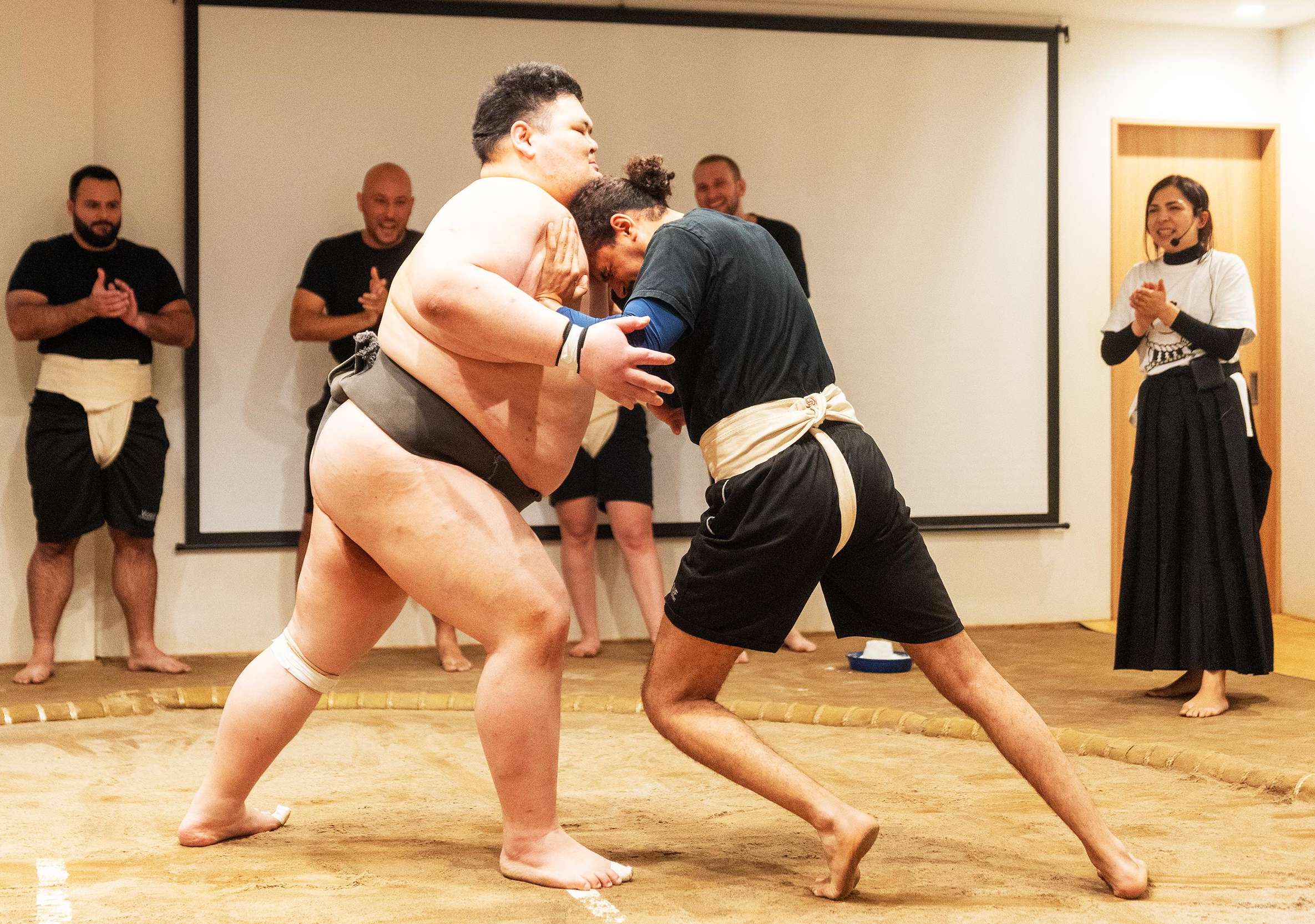
For readers who do chase the March basho, the seat map decides the day. Ringside seats, the tamari, sit just a few meters from the ring, close enough to hear the impact.
Box seats surround them on the first floor: roughly 1.3-meter squares marked by metal pipes, cushions on the floor, sold as whole four-person boxes in S, A, B and C grades, plus a two-person box with a table. You take your shoes off and eat bento and yakitori at your seat, the traditional way.
Chair seats on the stepped second floor sit considerably farther back, in grades from SS down to D, and wheelchair seats are available at the venue.
The honest trade-offs: box cushions are very thin, though the ringside seats have somewhat thicker ones, and a four-person box can feel cramped for four large adults with nowhere to put their legs.
For a family, a box can still work out well, though Osaka's venue does not offer the family-box deal Tokyo does. The front-row show plans on sale here put you closer than most chair seats ever get.
Namba does the rest of the day for you. Ikasuri Shrine sits about 350 m from the arena, Utsubo Park about 750 m, both an easy walk before the bouts.
Fifteen minutes on foot brings you to the Nakanoshima riverfront, where the Museum of Oriental Ceramics, the Osaka Science Museum and the National Museum of Art line the water. Hōzen-ji Temple and Osaka Tenmangū stay under 2 km.
The timing is the gift. Tournament matches end by 6 pm, and the shows wrap in the early evening too, which leaves Namba's eateries and bars open for the rest of the night.
The district around the arena is the pick for food and atmosphere, and if your timing is right you may spot a yukata-clad wrestler heading out after the day's work.
Plan the sumo first, the neighborhood second: book the show or the tournament seat, then let Namba fill the hours around it.
Loved it! Shota, our MC, brought so much energy and knew sumo inside out. Seeing the wrestlers up close and watching everyone join in was awesome. The wrestlers were so entertaining. Highly recommend!
No tour on sale here delivers the March grand tournament, and the shows admit it themselves: choreographed bouts by retired wrestlers, with no competition at stake. Book one anyway with open eyes and it delivers a lively, well-explained evening of real sumo skill in Osaka.
The Sumo Experience with Live Show & Audience Challenge is the closest match; Hirakuza bundles ticket and meal; the sukiyaki show adds the best seats and guidance.
Short answers to what travelers ask before booking a sumo show in Osaka, from what the bouts really are to food, timing and getting there.
The shows on this page are performed by retired professional wrestlers, and the technique is genuine. The bouts themselves are staged for the audience, so treat them as a lively demonstration with commentary and enjoy them on those terms.
If you want the competitive feel, the one-round match between retired wrestlers at the Sumo Experience is the closest thing on sale here.
The Sumo Hall Hirakuza show runs about two hours, including the meal and the commemorative photo. The front-row wagyu sukiyaki show packs a live performance of about 40 minutes into a 2.5-hour visit.
The Sumo Experience runs 1 to 1.5 hours. At exhibition shows generally, the actual wrestling often fills only the last 15 to 30 minutes.
Participation is always your choice; plenty of guests watch the whole show from their seat. At the Sumo Experience you can face a wrestler in the ring, though spots are limited.
At the front-row show, one-on-one bouts with a former rikishi may be assigned by random selection when more guests want to wrestle than the ring allows.
Yes, and families with children around 10 to 12 are a core audience. At Sumo Hall Hirakuza, ages 3 to 12 have their own ticket band, children 2 and younger cannot attend, and unaccompanied minors are not allowed. The lively, humorous format keeps kids engaged, and photos with the wrestlers afterwards are a common highlight.
It depends on the booking. Hirakuza includes a bento or a snack bag of Japanese sweets with a drink. The front-row show serves Japanese Black Wagyu sukiyaki, with a halal option, eaten at your seat.
The Sumo Experience offers add-on plans with popcorn, a welcome drink, Japanese snacks and a souvenir. Check your option's details before booking.
They can start noticeably later, so arrive 15 to 20 minutes early to settle in without a rush. At Hirakuza the ending time may vary slightly, and guests who want to enter the challenge lottery should be there by the starting time.
The Sumo Experience starts and finishes exactly on schedule and cannot be extended, so latecomers miss part of the program.
Sumo Hall Hirakuza sits on the 8th floor of Namba Parks, a few minutes' walk from the Namba station cluster, so it is easy from both Namba and Umeda. The front-row wagyu sukiyaki show recommends arriving by train, and luggage storage is available if you come straight from sightseeing.
Hirakuza cancels performances when a performer falls ill or gets injured, and refunds admission tickets in that case. Most of the shows on this page can also be cancelled by you up to 24 hours in advance for a full refund, which gives you room to rearrange the day if your Osaka plans shift.
If guided grand tournament viewing is the plan, this covers the cities, the ticket reality and how to move toward booking.

Set on Nagoya in July? Find out how a tournament tour there fits your dates and what the bookable options actually are.

Tokyo hosts three tournaments a year at Ryogoku Kokugikan; see whether a guided arena visit suits your trip better.

Working out where sumo fits into a Japan trip? Compare tournament cities, shows and practice options in one place.

Heading to Tokyo instead? Weigh guided tournament viewing, stable practice and live shows before you book.
Staying in Osaka? See how the city's live sumo shows differ in food, seating and audience participation.
Kyoto runs sumo shows daily, some with geisha dance and chanko hot pot; find the one that suits your evening.

In Fukuoka, November brings the Kyushu tournament and morning practice; work out which fits your dates.

Sapporo runs a sumo show year-round with three daily sittings; check the current schedule before planning your evening.

Unsure whether to watch a show, join a class or visit a stable? Compare the kinds of sumo experience side by side.

Near Mt Fuji, Lake Yamanaka hosts an outdoor sumo show with the mountain behind the ring; see what a visit involves.

Want to try sumo yourself? Find classes and ring challenges in Tokyo and Osaka and pick the level that suits you.

Morning practice at a Tokyo stable is the quiet, authentic side of sumo; see how a guided visit works.

Fancy dressing the part in Tokyo? See where you can try on sumo attire as part of a show outing.

Want sumo's history and rituals explained properly? A Tokyo masterclass with chanko nabe lunch goes deeper than a show.
Searched for a specific sumo venue by name? Match the location to the city and continue to the right booking.

Looking for a sumo venue in Osaka? Get the location, opening pattern and show details in one place.

The Ryogoku venue runs daily with no closed days; check the visitor details before adding it to a Tokyo plan.
Six tournaments a year, three in Tokyo; see the full schedule and host cities to plan sumo around your trip.

Planning sumo in Tokyo? Get the tournament dates, the Kokugikan venue and the ticket situation laid out.
The March basho is Osaka's hardest ticket of the year; see the venue and schedule details before you commit.

Fukuoka hosts the November tournament at Fukuoka Kokusai Center; get the dates and venue for your plan.

Nagoya's July tournament sells out weeks ahead; understand the ticket process and venue before you go.
A sumo event runs near Osaka at the Minoh Expo; see what it is and how it fits an Osaka sumo trip.

Real training, not a show: find out where morning practice can be watched and how a guided visit runs.

Tokyo stables open their morning sessions to booked visitors; see the guided options and the etiquette rules.

Morning training in Osaka is scarce outside the March run-up; see what that means for your dates.

Kyoto offers chances to watch real training; compare them with the city's livelier sumo shows.

Decided on a sumo show? See what a typical performance includes and where the best ones run.

Want a special evening in Tokyo? Compare shows with wagyu, premium drinks and front-row seating.

Tokyo has several sumo shows across Ginza, Shinjuku and Ryogoku; weigh them by seating, food and format.

Osaka's shows range from bento-and-show evenings to sukiyaki dinners; find the format that suits your night.

Kyoto's sumo shows run daily, some with geisha dance and unlimited hot pot; pick the evening that fits.

Sapporo pairs its sumo show with Japanese food; check what the evening includes and when it runs.

Searching for a sumo hall in Tokyo? Compare venues, seating and show formats before booking.

Ryogoku is sumo's home neighborhood; see what the local show venue offers and how a visit runs.

A show at Tokyo Tower adds lion dance, Oiran performers and a set meal to the bouts; see the details.

Want sumo and lunch in one Tokyo outing? See which shows serve chanko nabe alongside the bouts.
Turn a sumo-themed dinner in Osaka into a booked evening; compare the restaurants and food-inclusive shows.

Not sure which sumo experience is worth your time? Compare shows, classes and practice visits across Japan.

New to sumo? Get the rules, match length and daily schedule explained so a visit makes sense.

The sumo museum sits inside Ryogoku Kokugikan; check its hours and what else is open on non-tournament days.

Ryogoku's streets hold stables, the arena and sumo history; see how to spend a few hours there well.
Watch retired wrestlers train, clash in a one-round match, and take your own shot at the ring, with free cancellation up to 24 hours before the show.