Geisha Show in Tokyo, Japan Tickets and Where to Watch
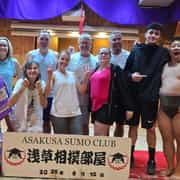
See a geisha dance, then step into the ring and eat chanko nabe at a real sumo show in Asakusa. Join 8,000 guests who booked the Tokyo Sumo Entertainment Show with Chicken Hot Pot & Geisha. It opens with a traditional dance by geisha, so you get two classic performances and dinner in one two-hour evening.
"Really fun experience, worth it if you can't catch a real tournament or morning practice. More show than fight. Best part was definitely trying to wrestle myself. Great drinks too. I'd recommend it."
4.8★average rating9,744traveler reviews100%free cancellation28countries travelers came from
Geisha show in Tokyo Japan - which evening to pick
Two Tokyo evenings combine a geisha dance with a sumo entertainment show at a venue with a real clay ring in the middle of the room. Both open with the dance, then move on to retired wrestlers, dinner and a photo. The difference that decides between them is the table: a generous hot pot feast or a quieter, more refined meal with wagyu.
BookingEntertainment, not tournaments: These shows are performances by retired wrestlers with comedy, explanations and audience chances; book a stable visit if you want the real training atmosphere.
ChildrenBoth shows are built for adults and kids alike, but babies under 1 year are not admitted.
Ring challengeOnly a few guests per show get to wrestle, and when many ask, participants are picked by lottery.
ArrivalCome 15 to 20 minutes before the printed time so you are seated and eating when the geisha dance starts.
Dietary needsVegetarian and vegan meals need reserving at least 2 days ahead; gluten-free and halal are unavailable, though you may bring your own food.
SeatingYou may share a table with other guests, and both shows have wheelchair limits, so mention any need when booking.
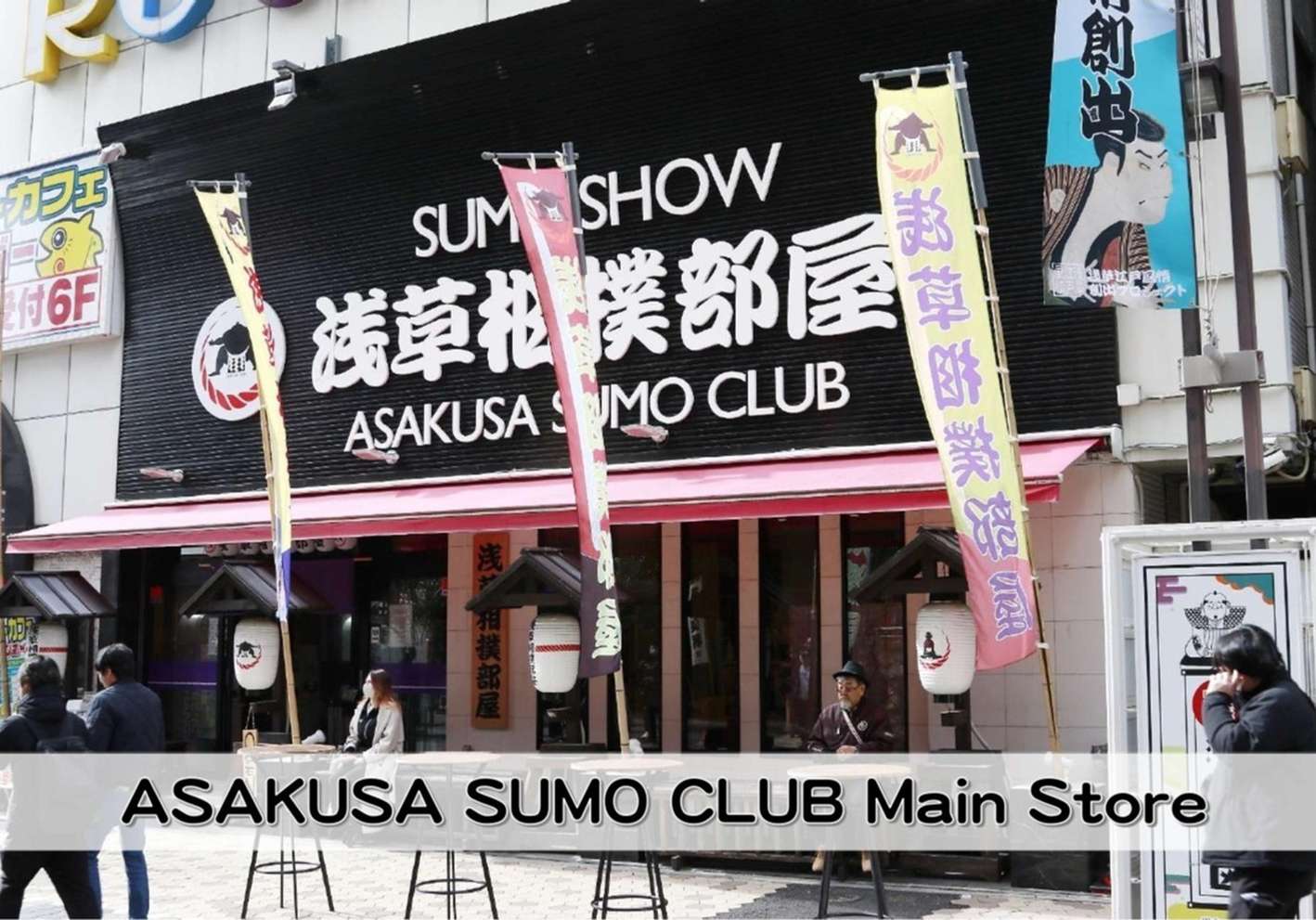
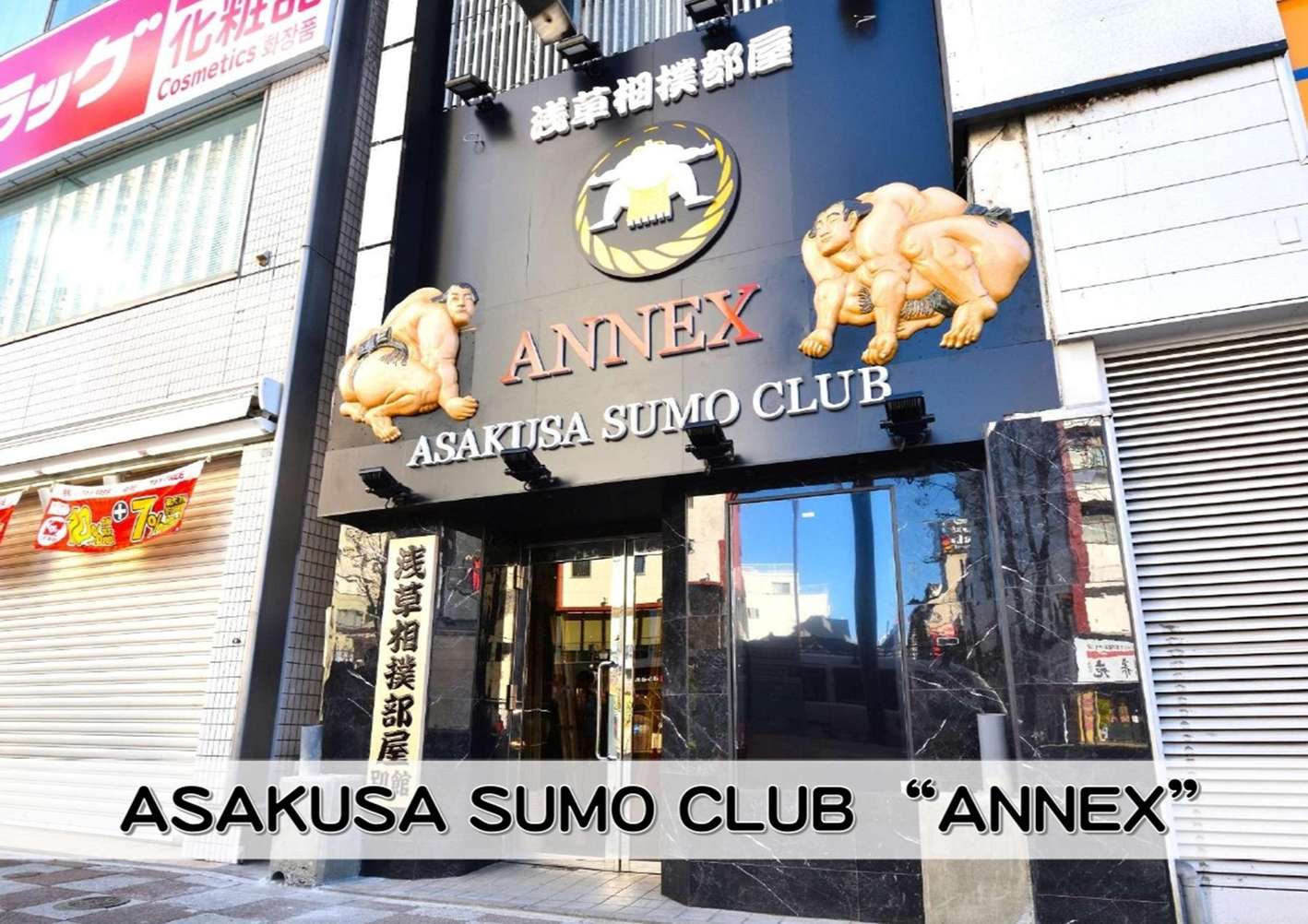
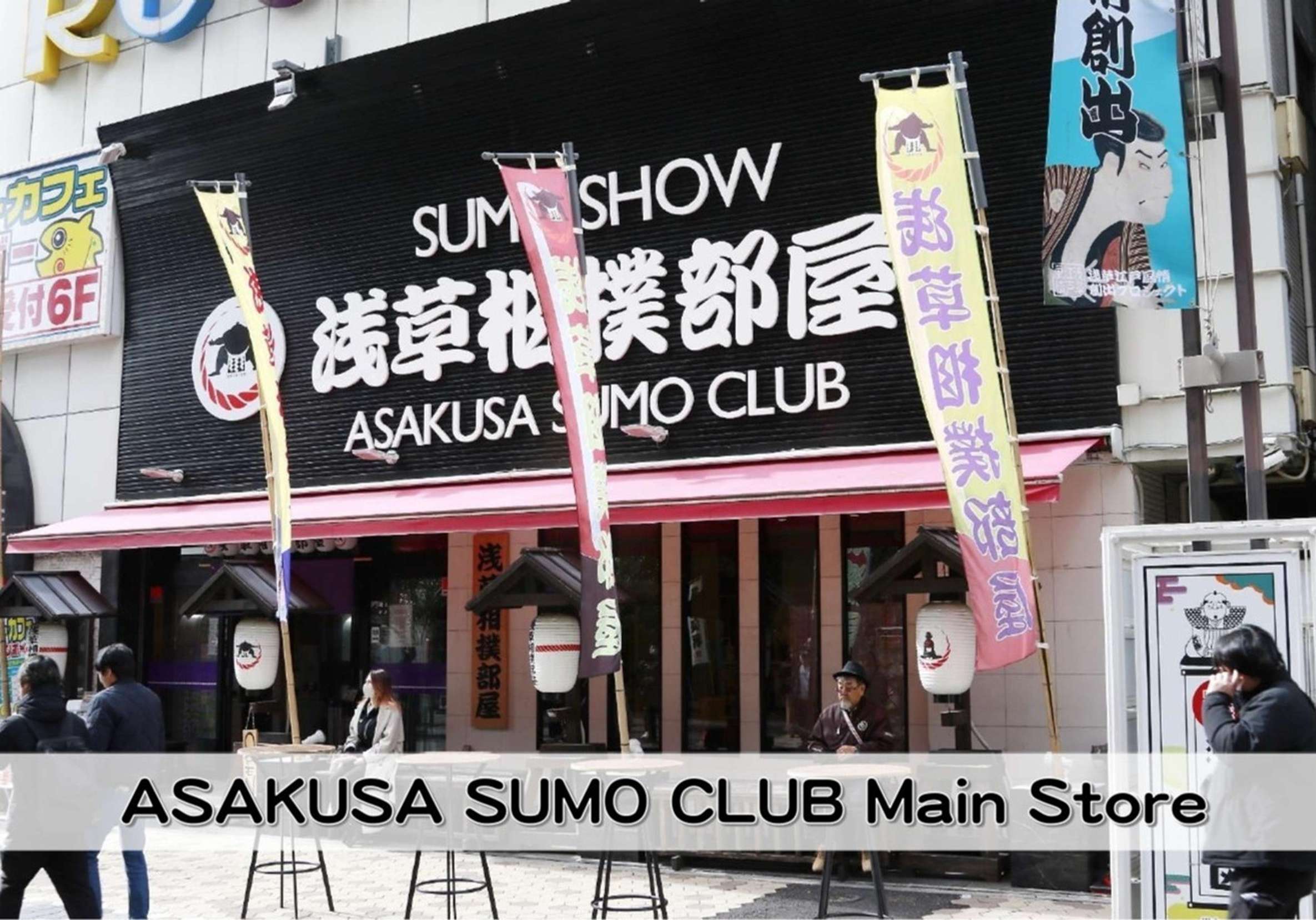
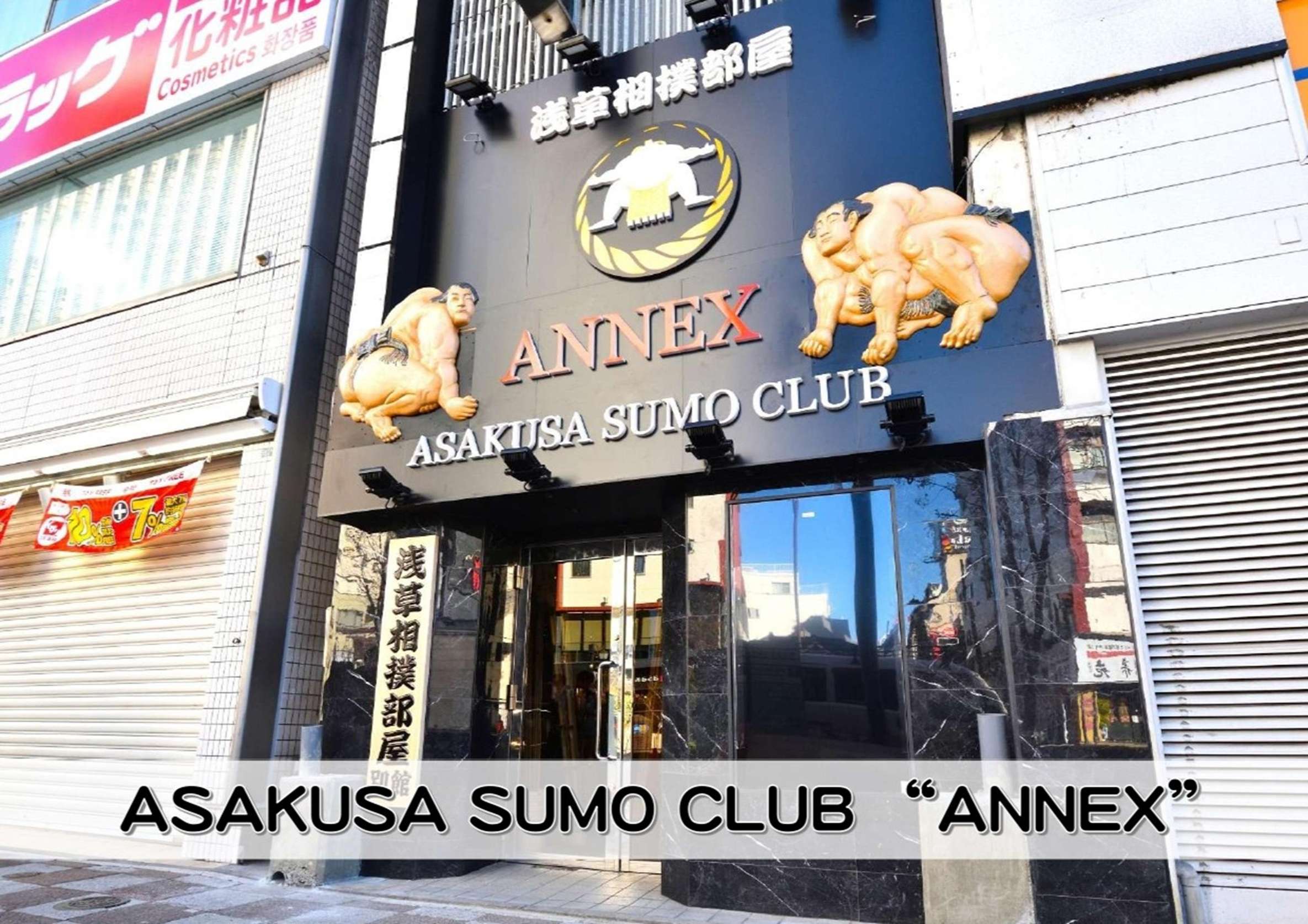
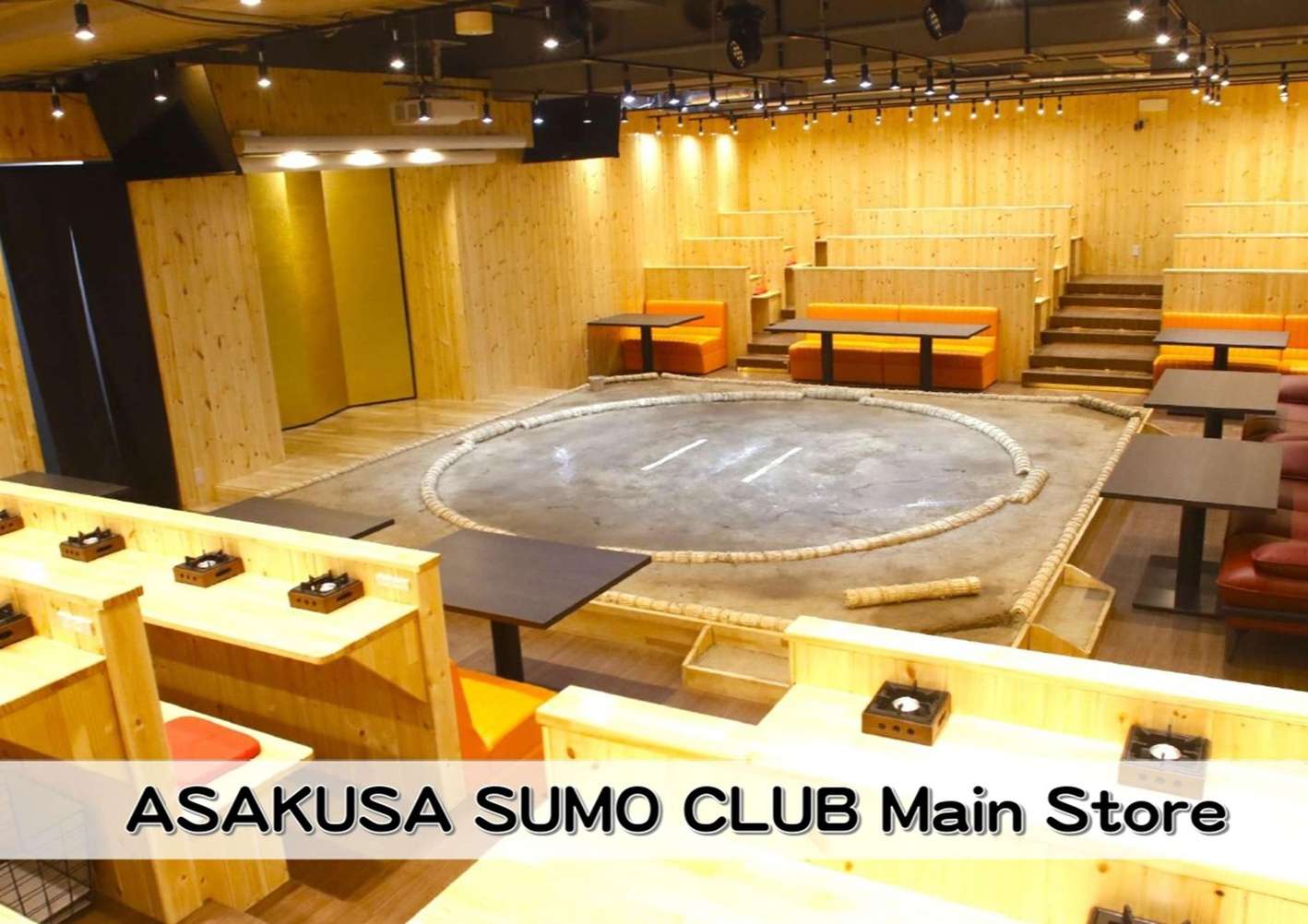
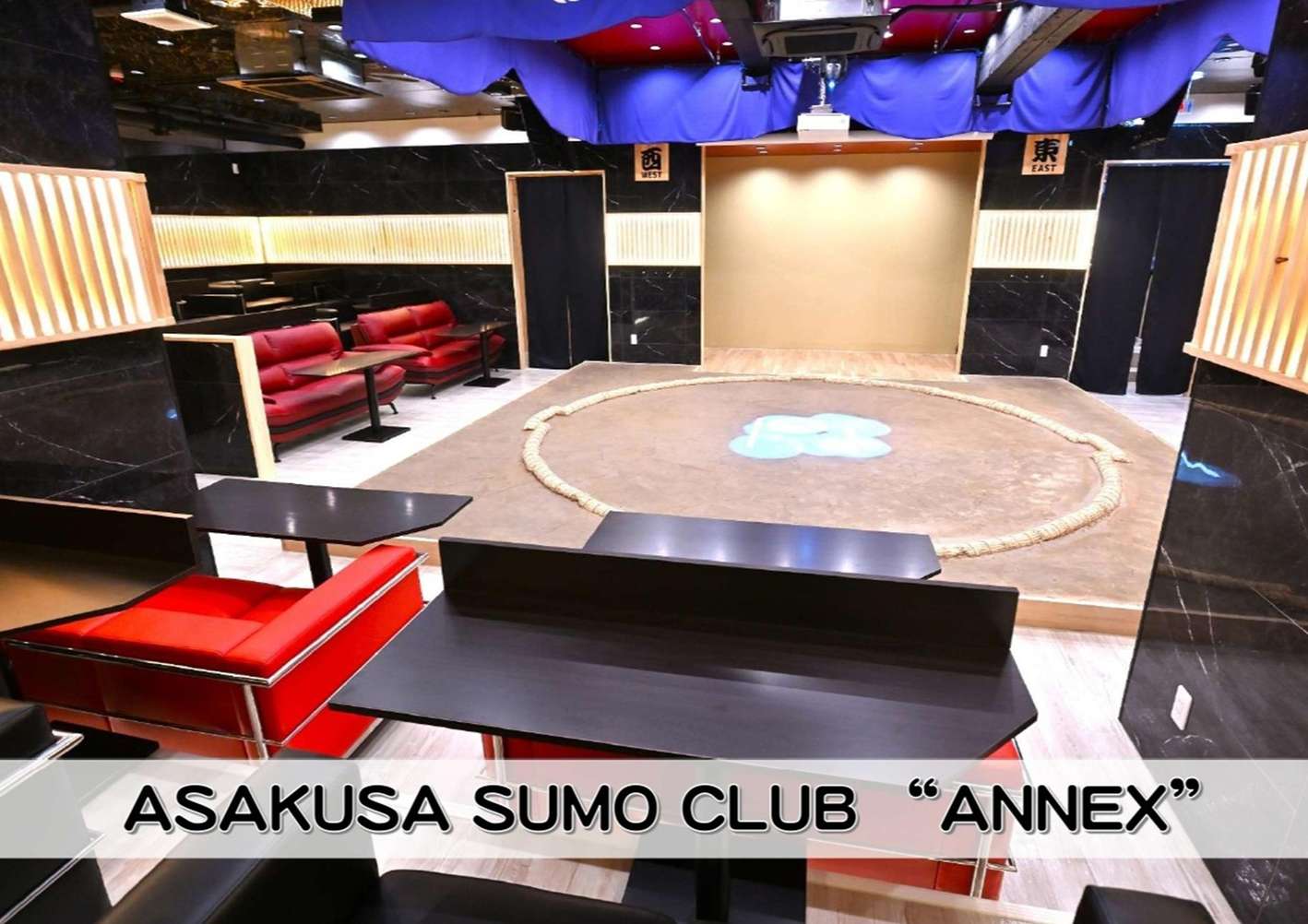
Getting thereThe chicken hot pot show runs at two Asakusa venues, the main store and the ANNEX behind it, both with the same program.
BookingCancel up to 24 hours before the show for a full refund.
EtiquetteStop talking and eating while the geisha dance, and ask before photographing her.
importantBoth Tokyo sumo and geisha shows do not admit babies under 1 year, so the youngest members of the family cannot join.
If you are travelling with an infant, plan the geisha show and dinner outing as an adults-only or parents-swapped evening, or choose a different Tokyo activity for the night that welcomes very young children.
Book your geisha show in Tokyo in Japan - two tickets compared
Most popular
2 hours
4.8(8,711)
Tokyo: Sumo Entertainment Show with Chicken Hot Pot & Geisha
The original Asakusa show, with nearly 8,500 reviews, all-you-can-eat chicken hot pot and a geisha dance to open the evening.
Free cancellationEntertaining sumo show performancesTraditional Japanese dance performance by geisha
Inside a Tokyo geisha show in Japan - the evening, start to finish
about 2 h
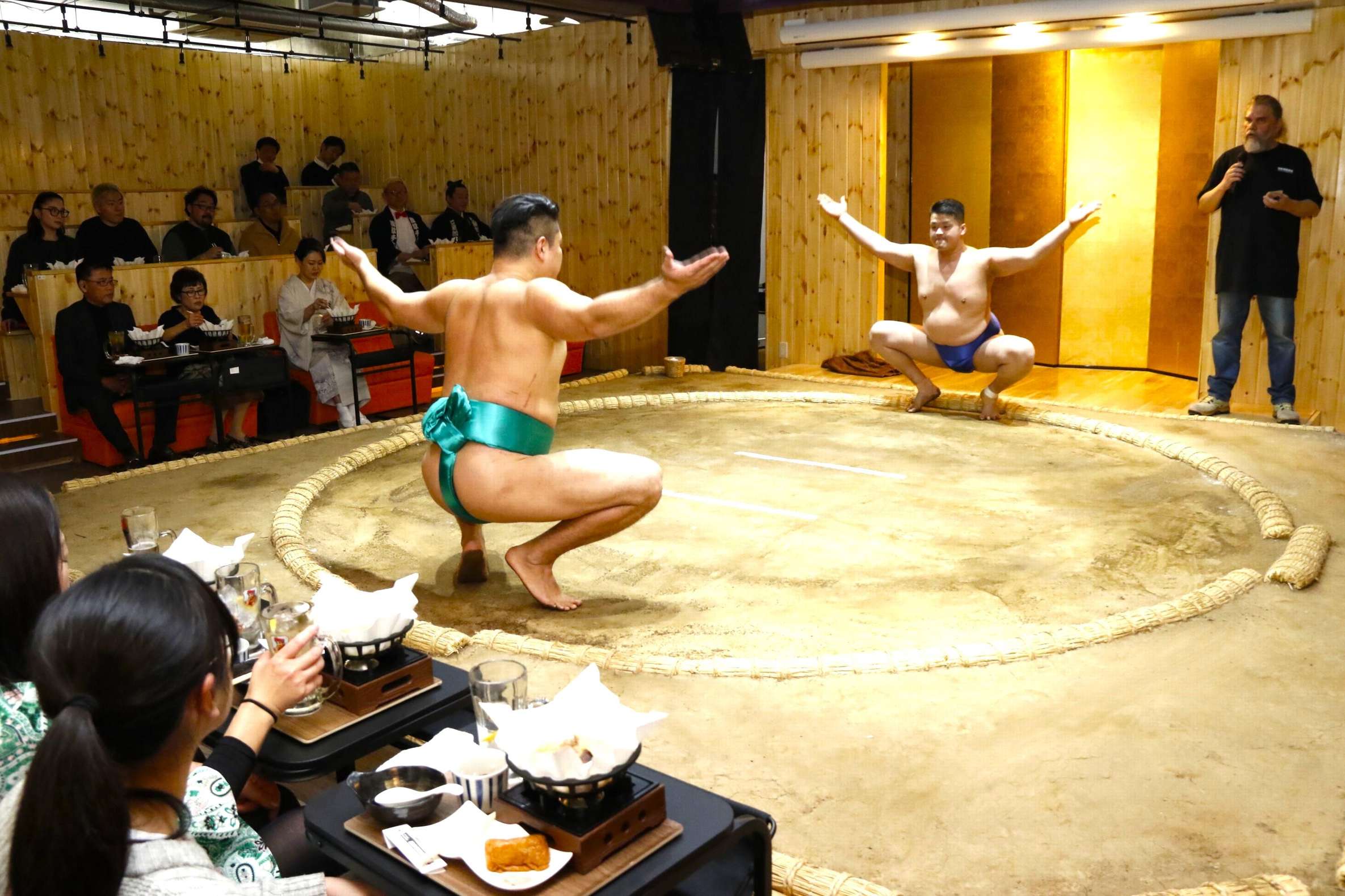
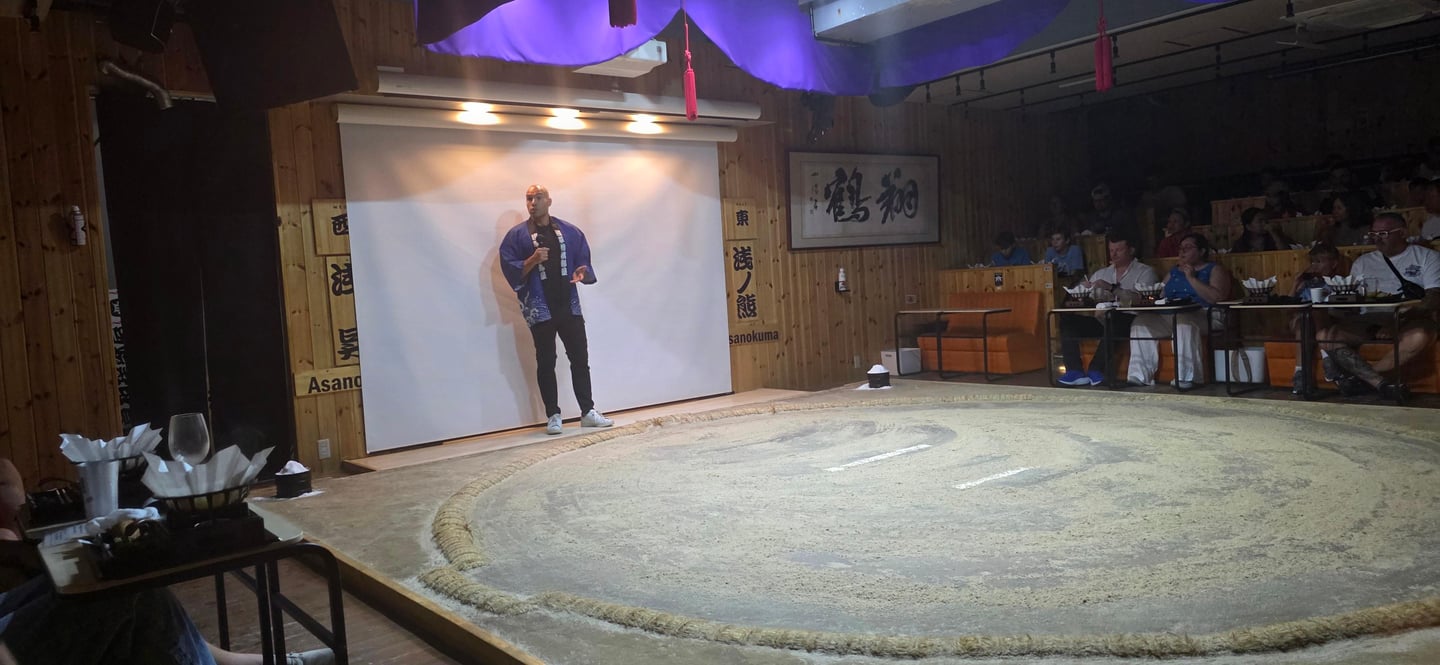
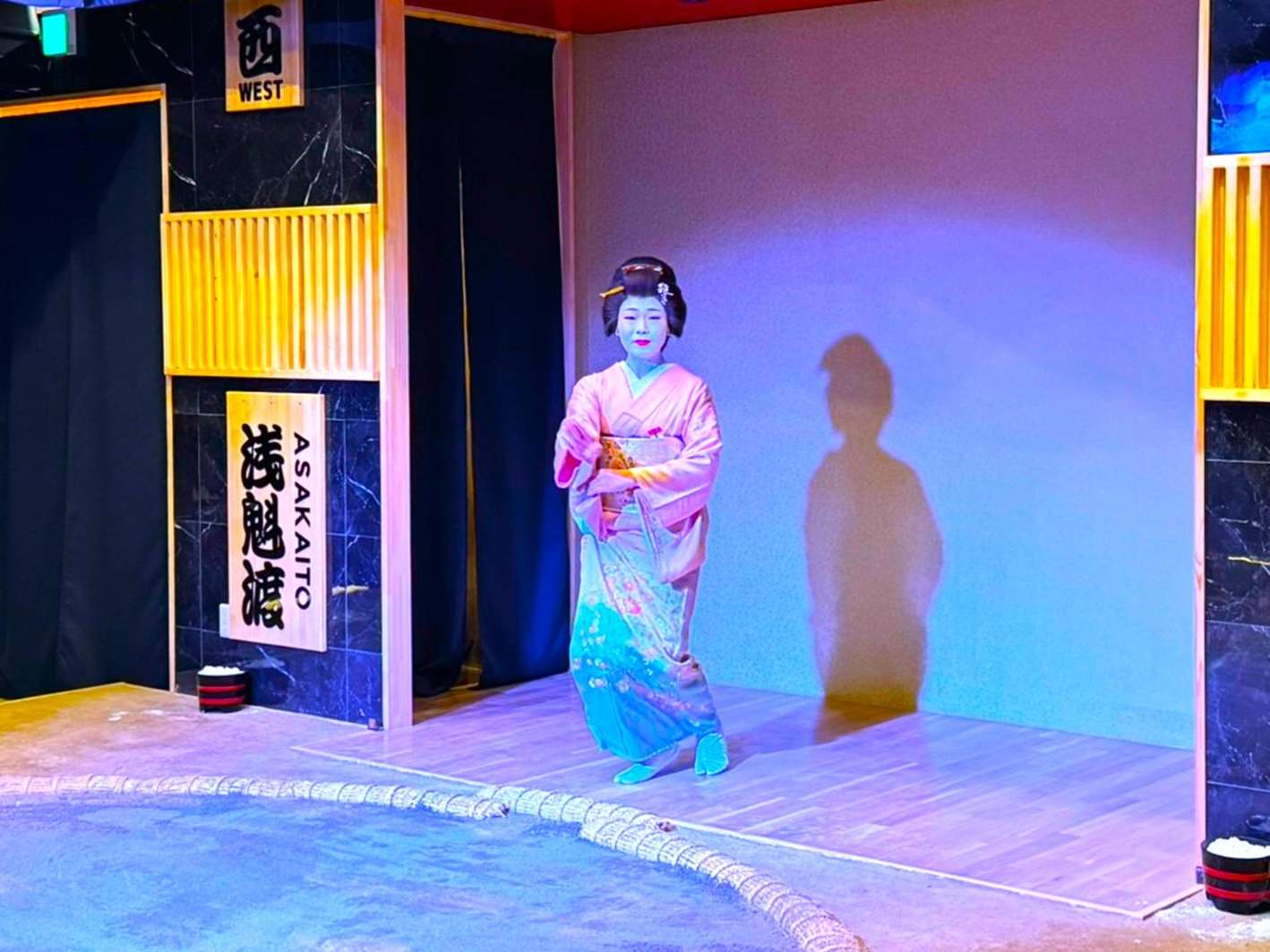
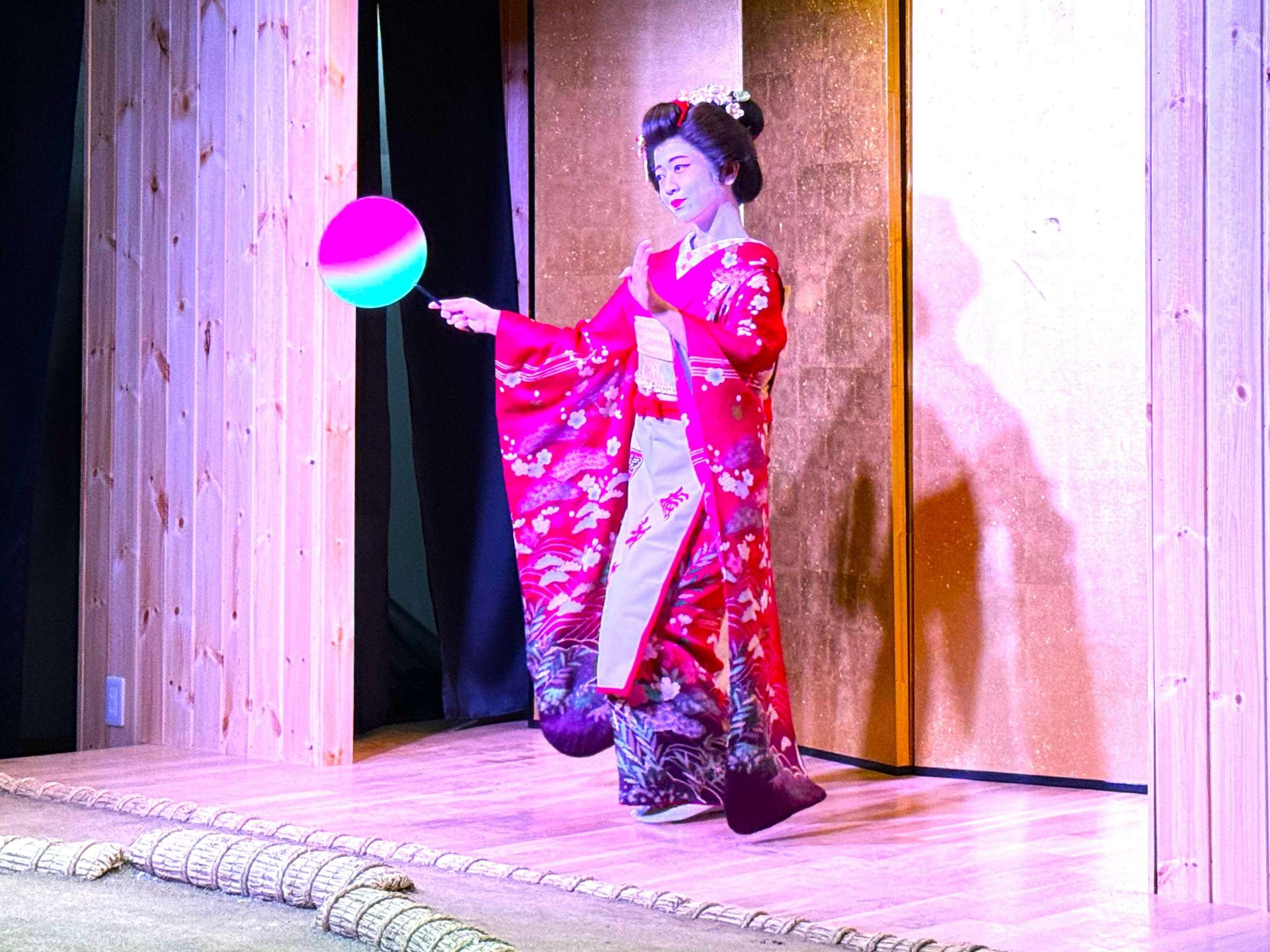
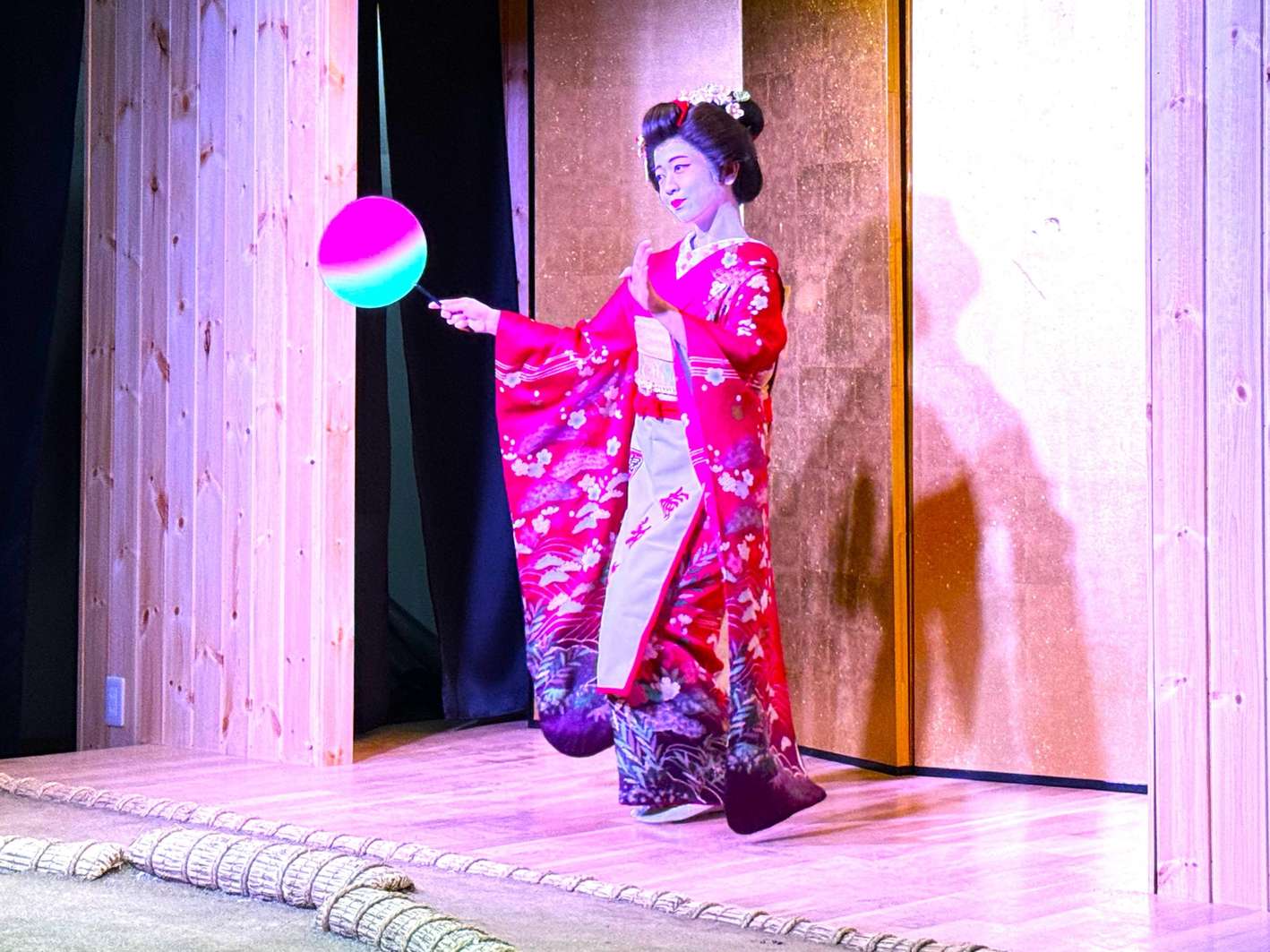
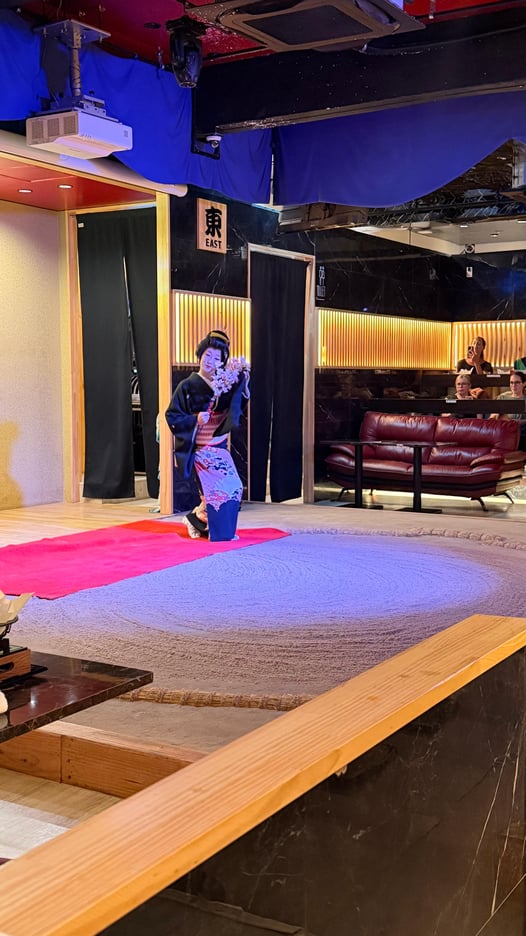
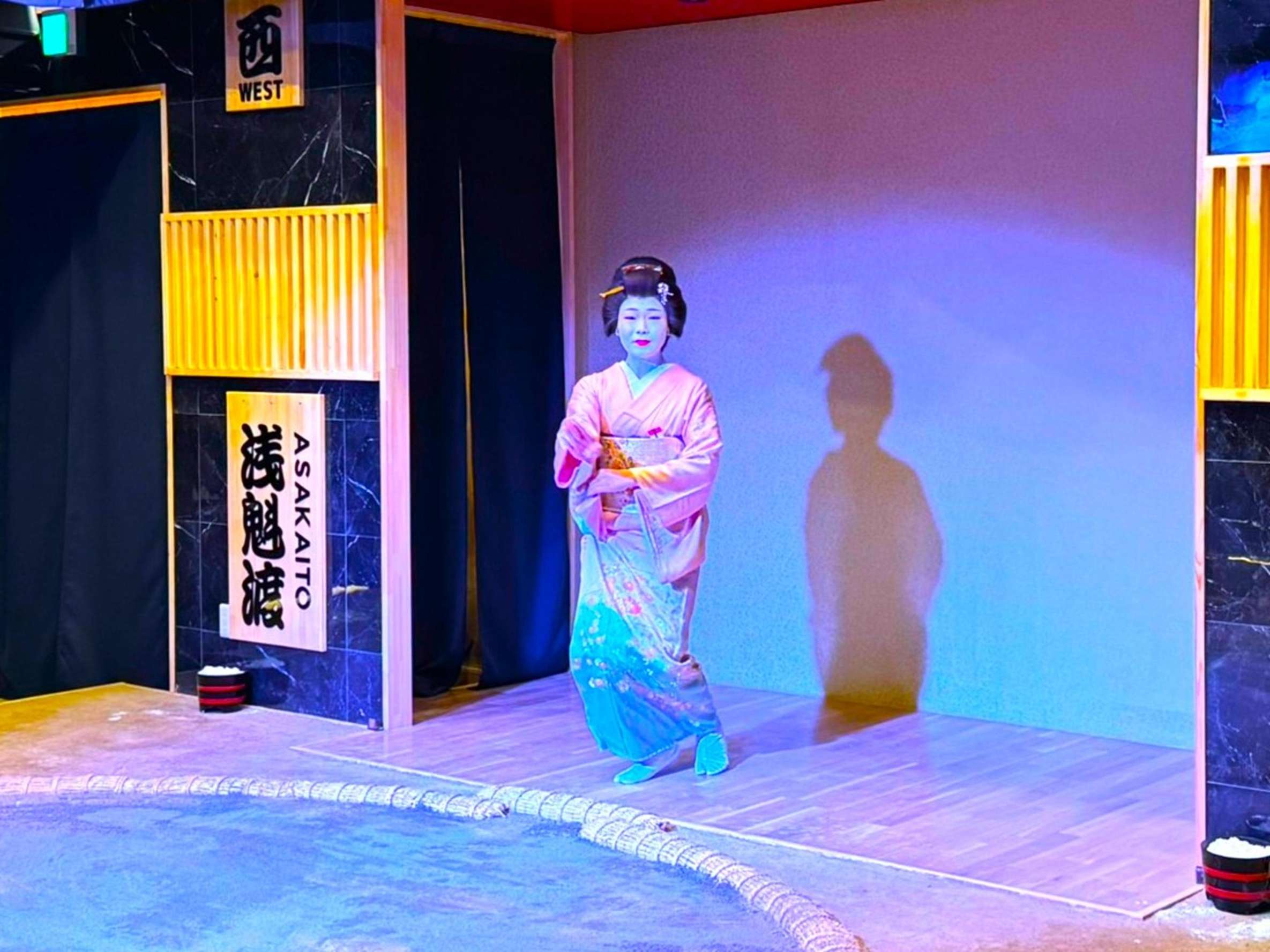
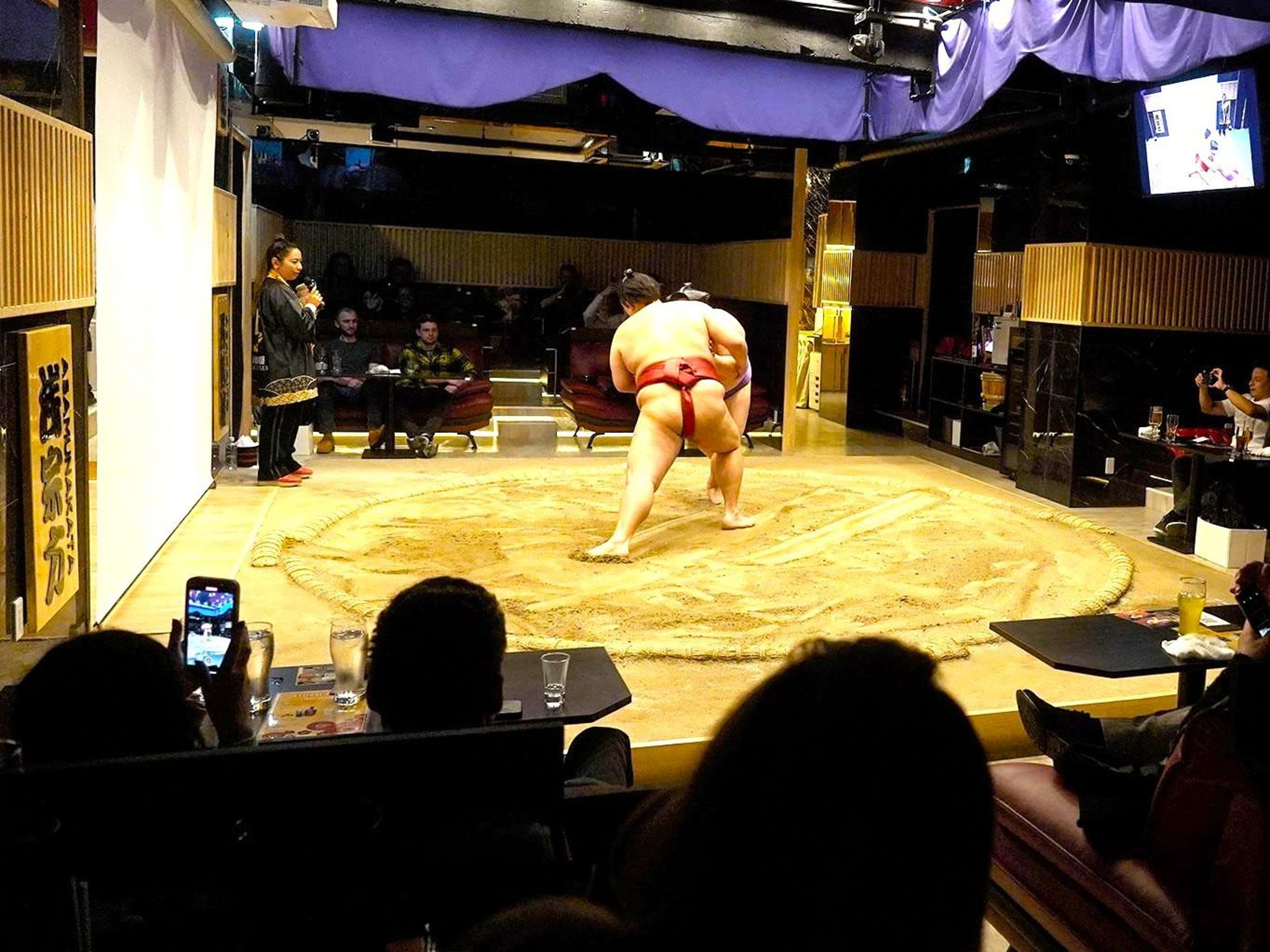
The geisha dance comes first. You sit down at a table around a real sumo ring, the hot pot is already steaming, and a geisha in kimono opens the evening with a traditional Japanese dance on stage. A host narrates everything in English and Japanese as the night moves from dance to sumo.
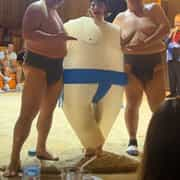
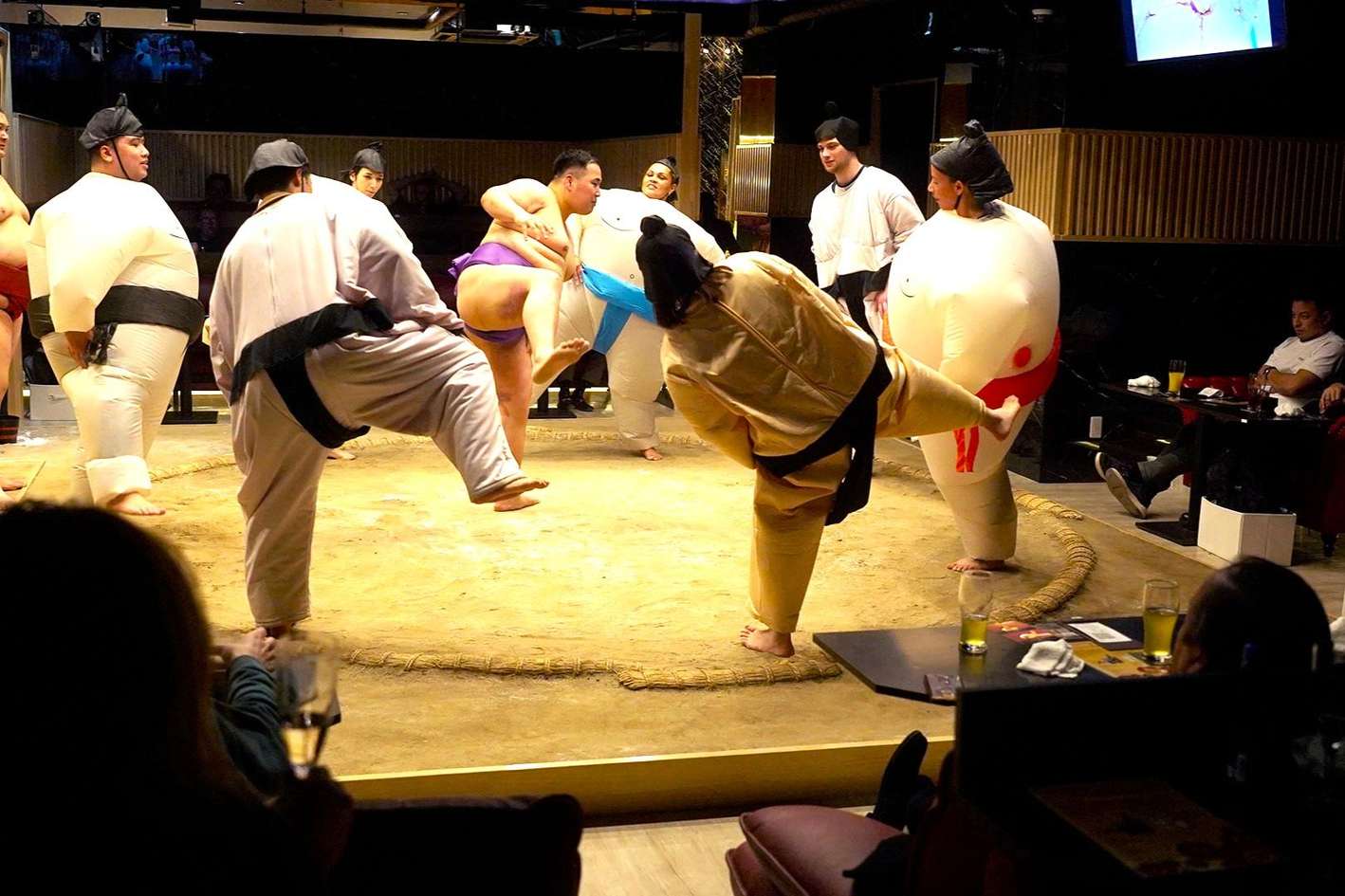
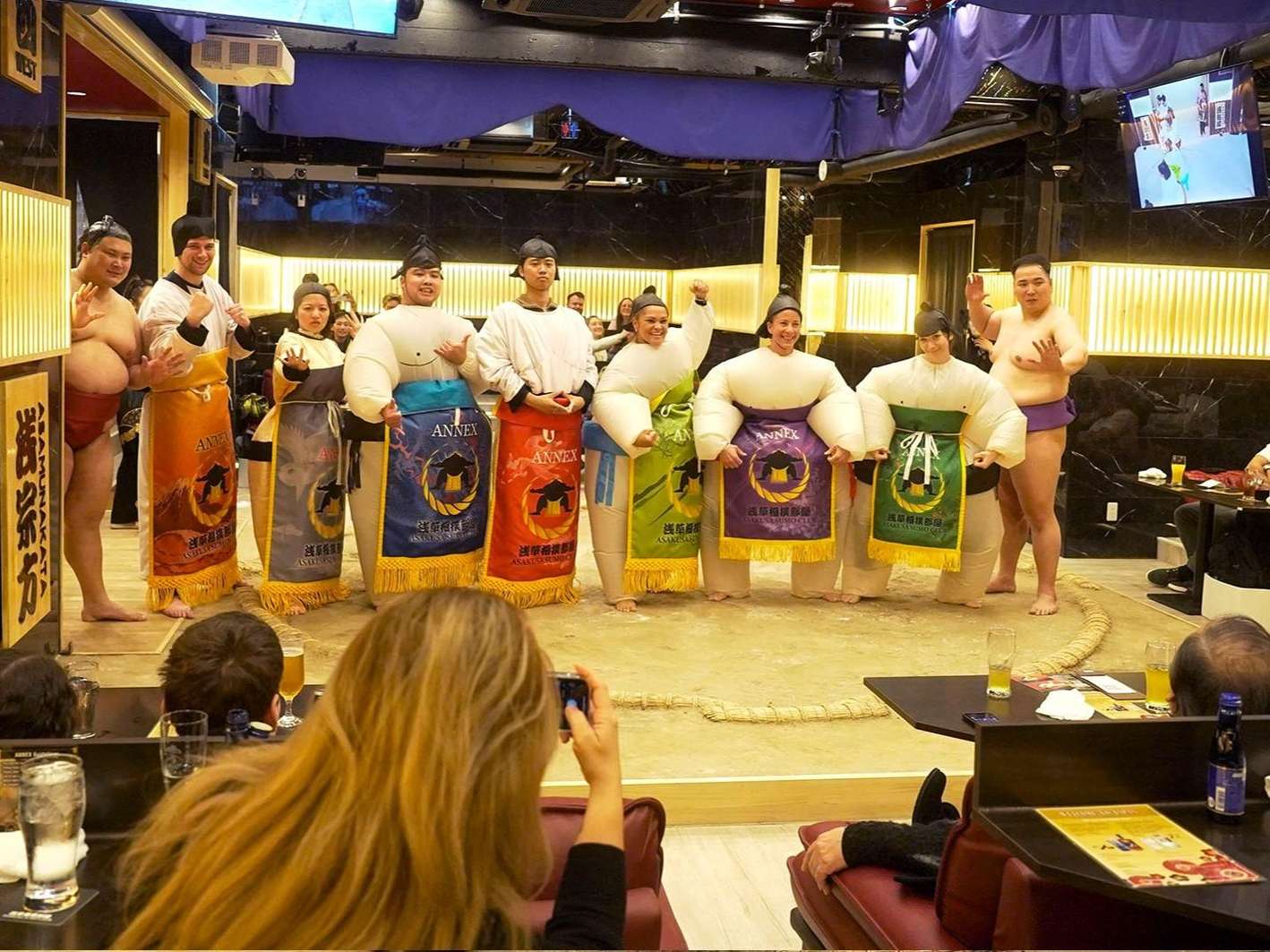
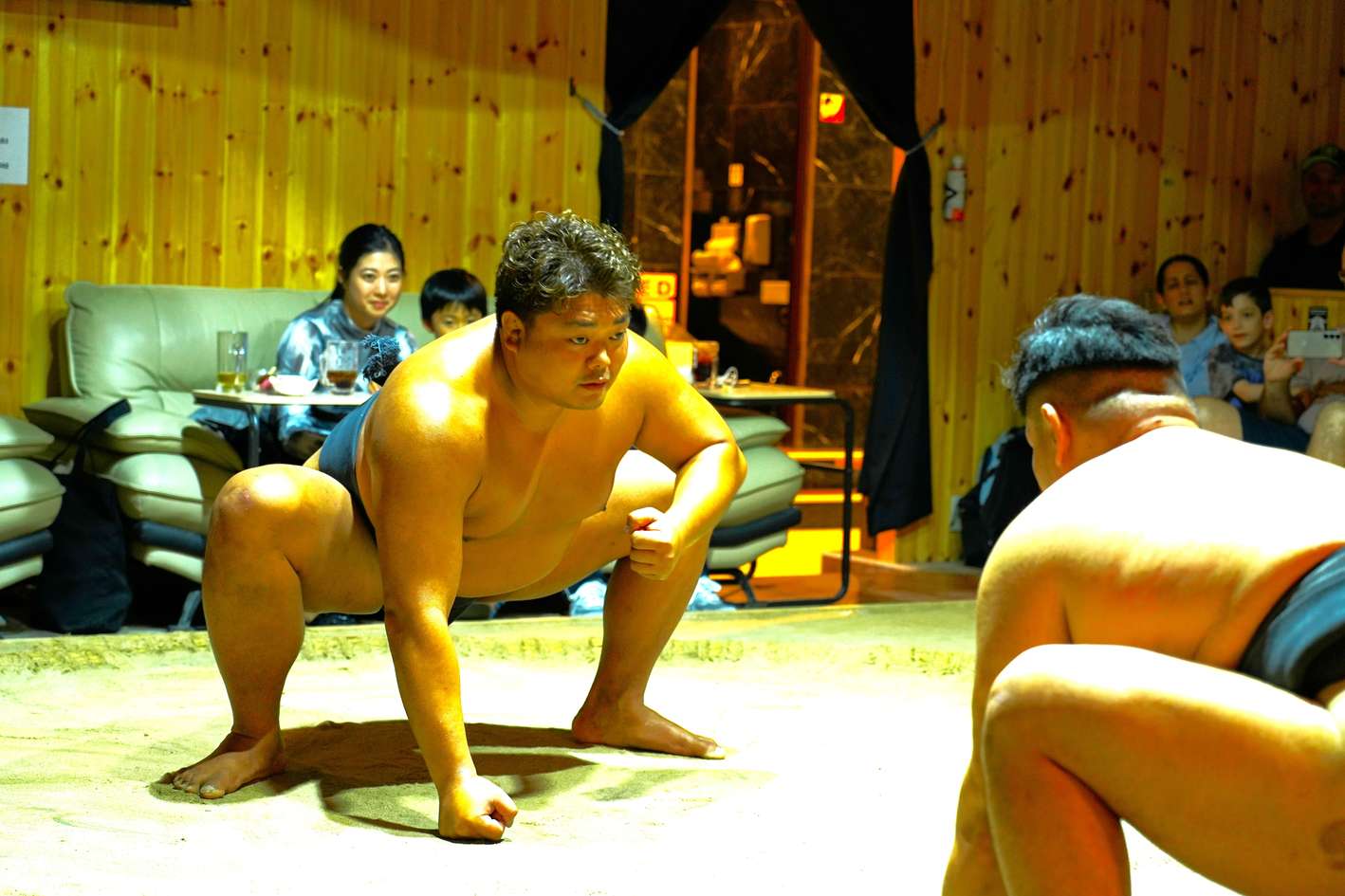
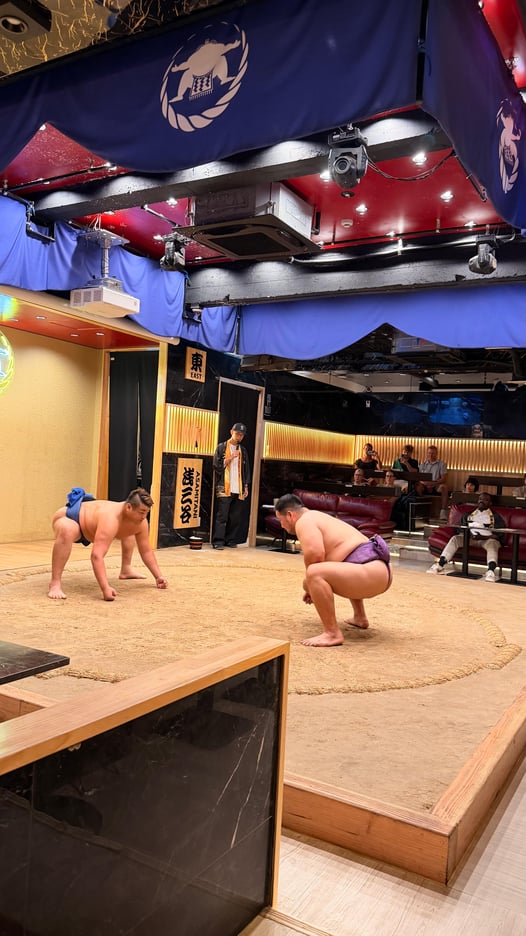
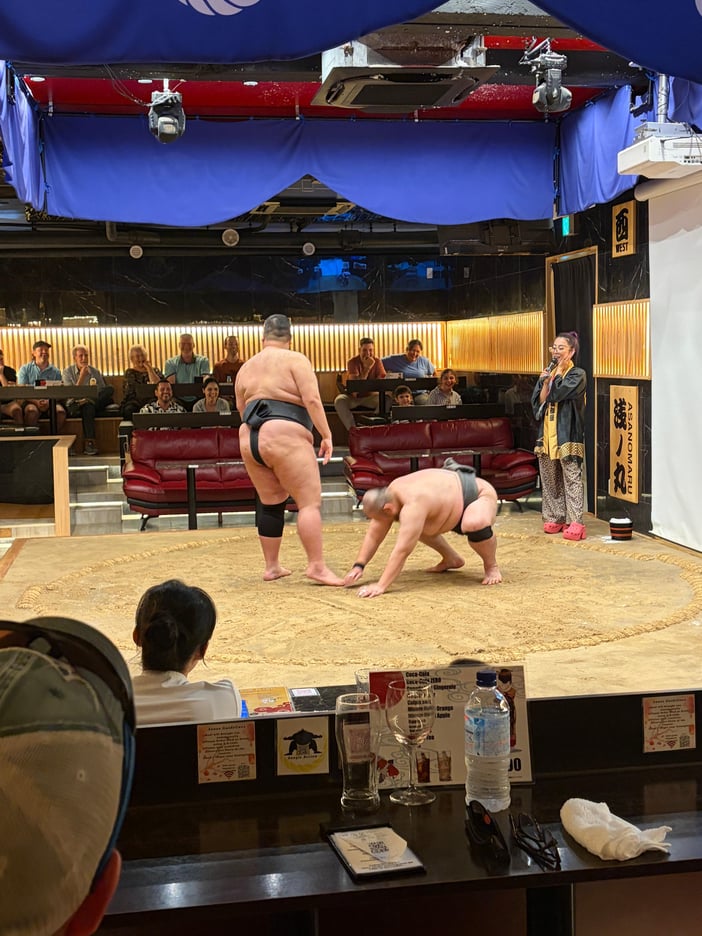
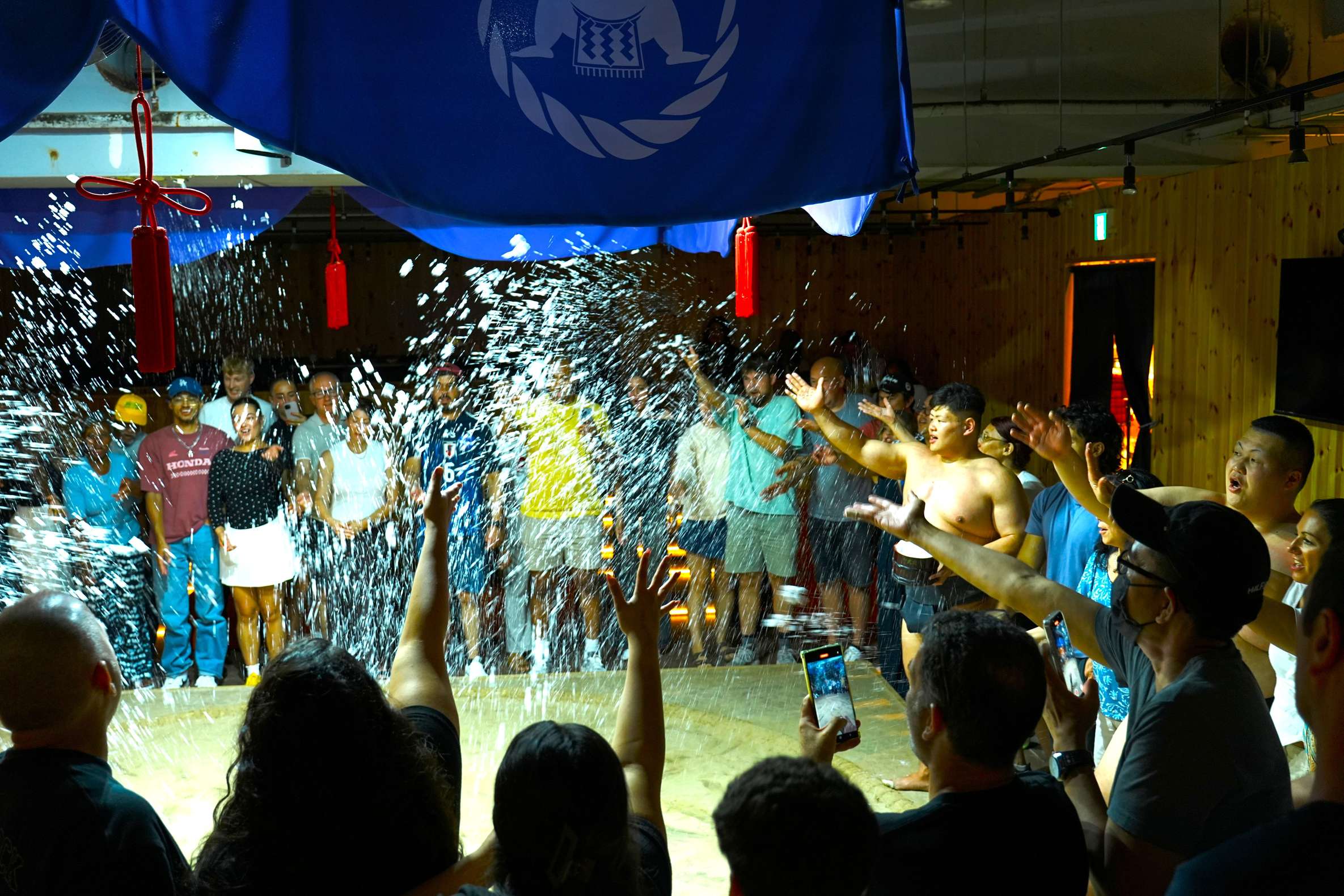
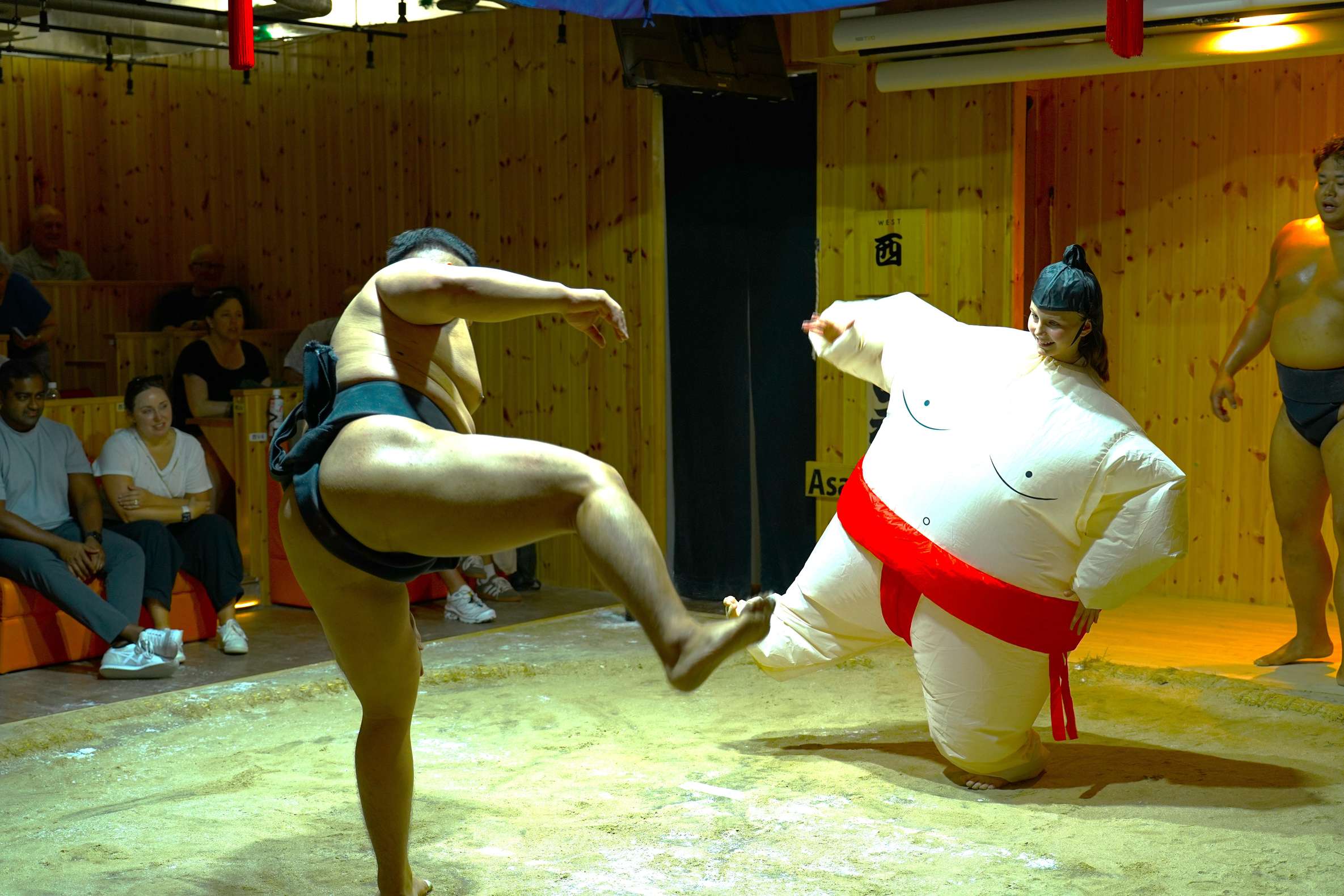
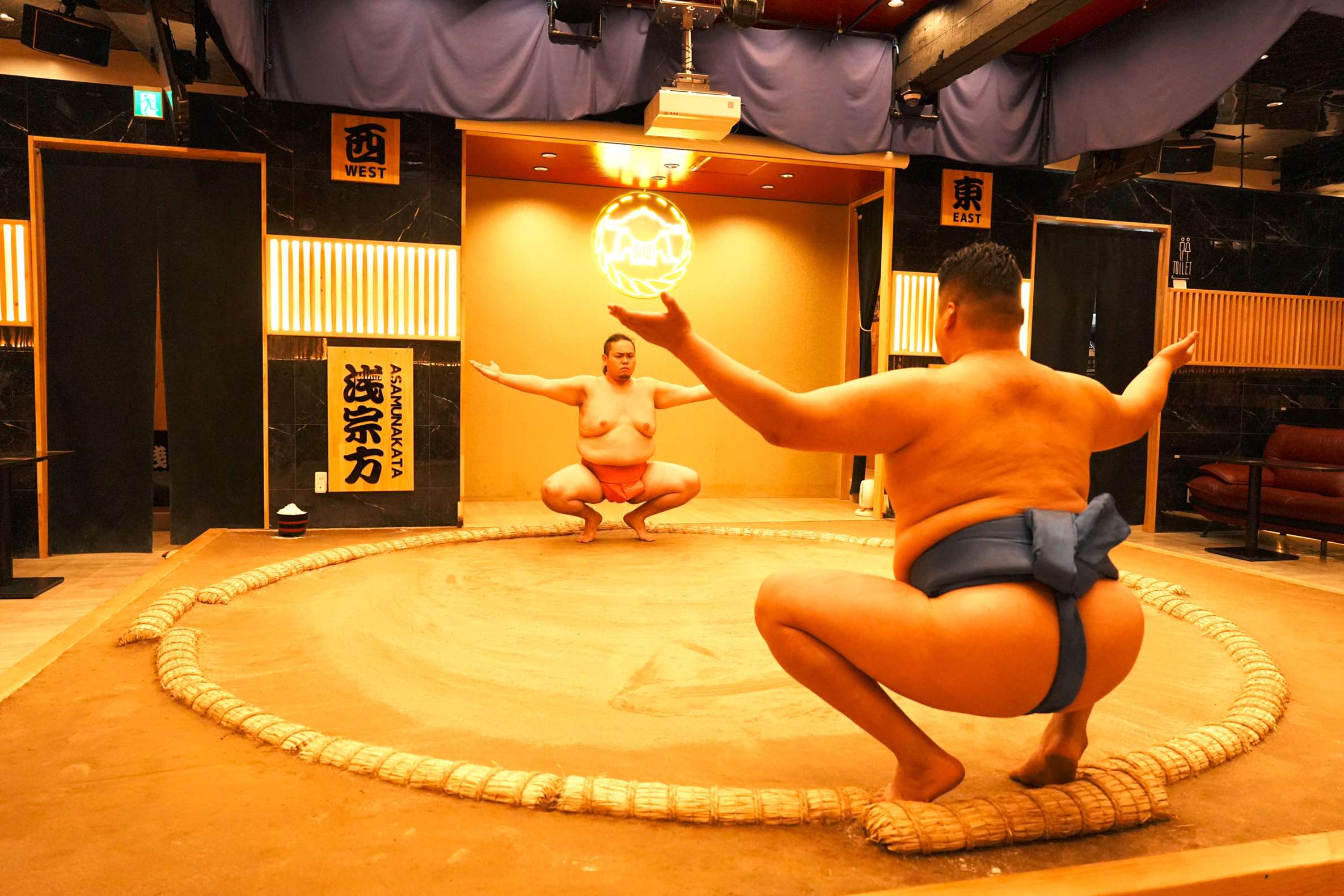
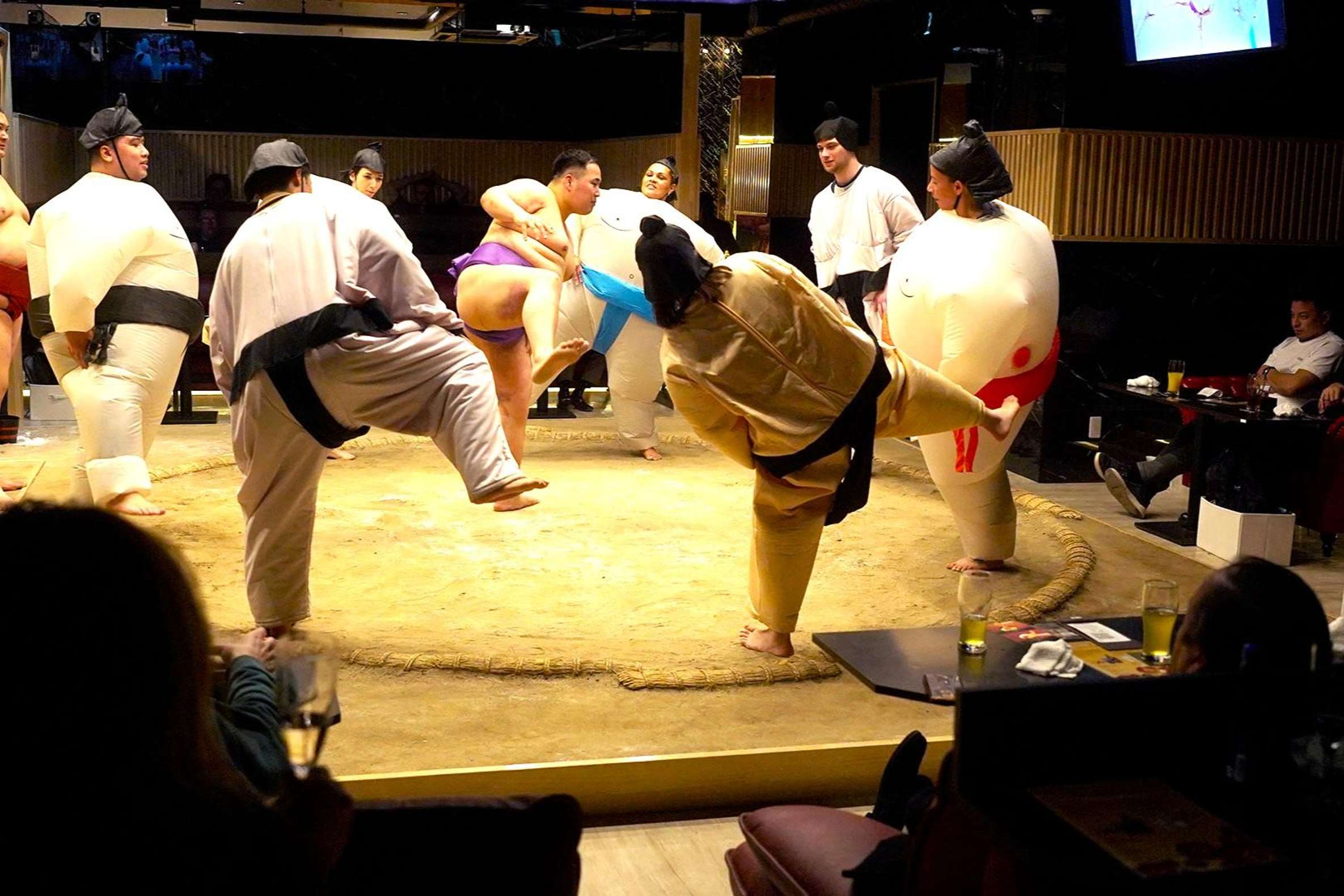
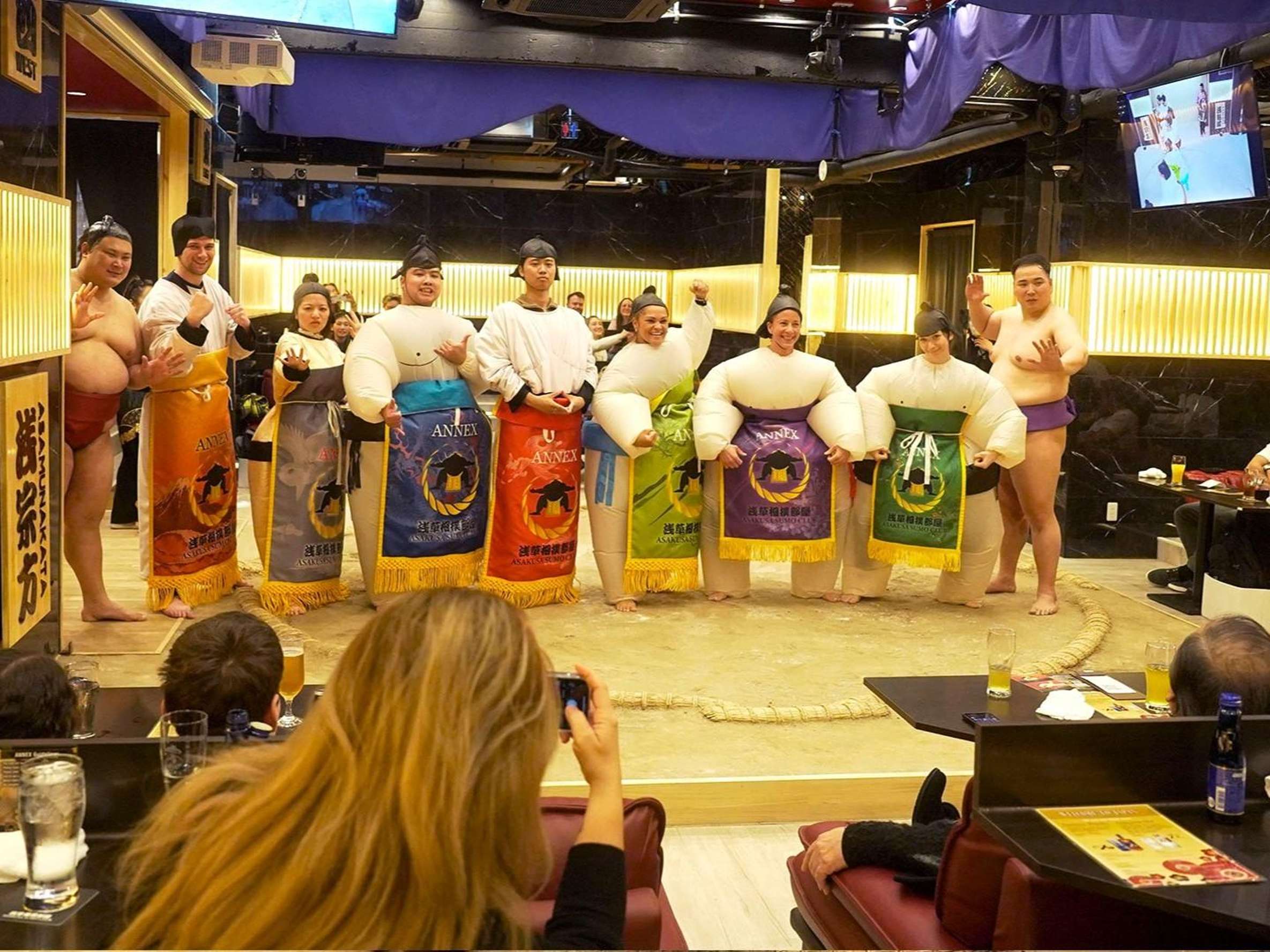
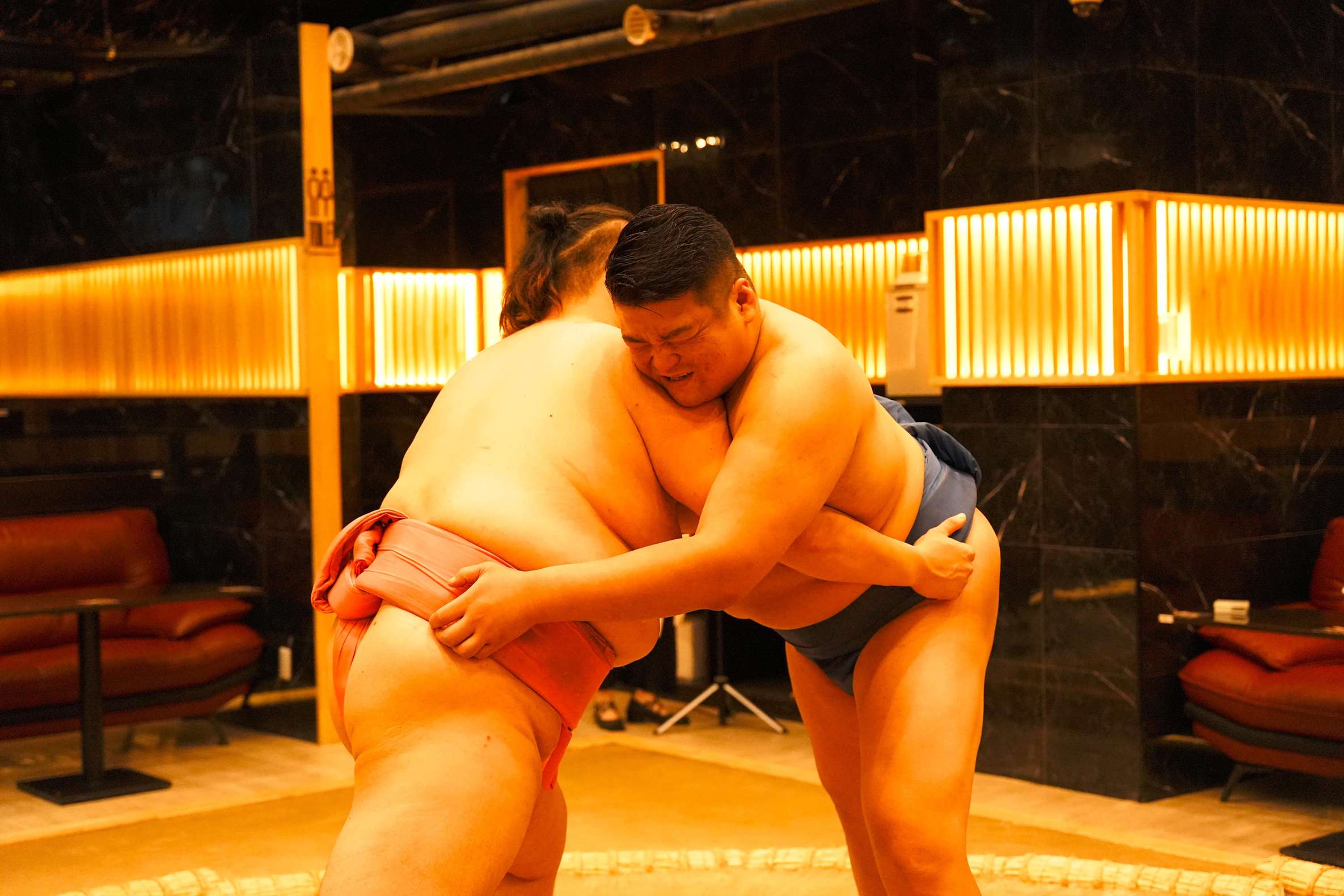
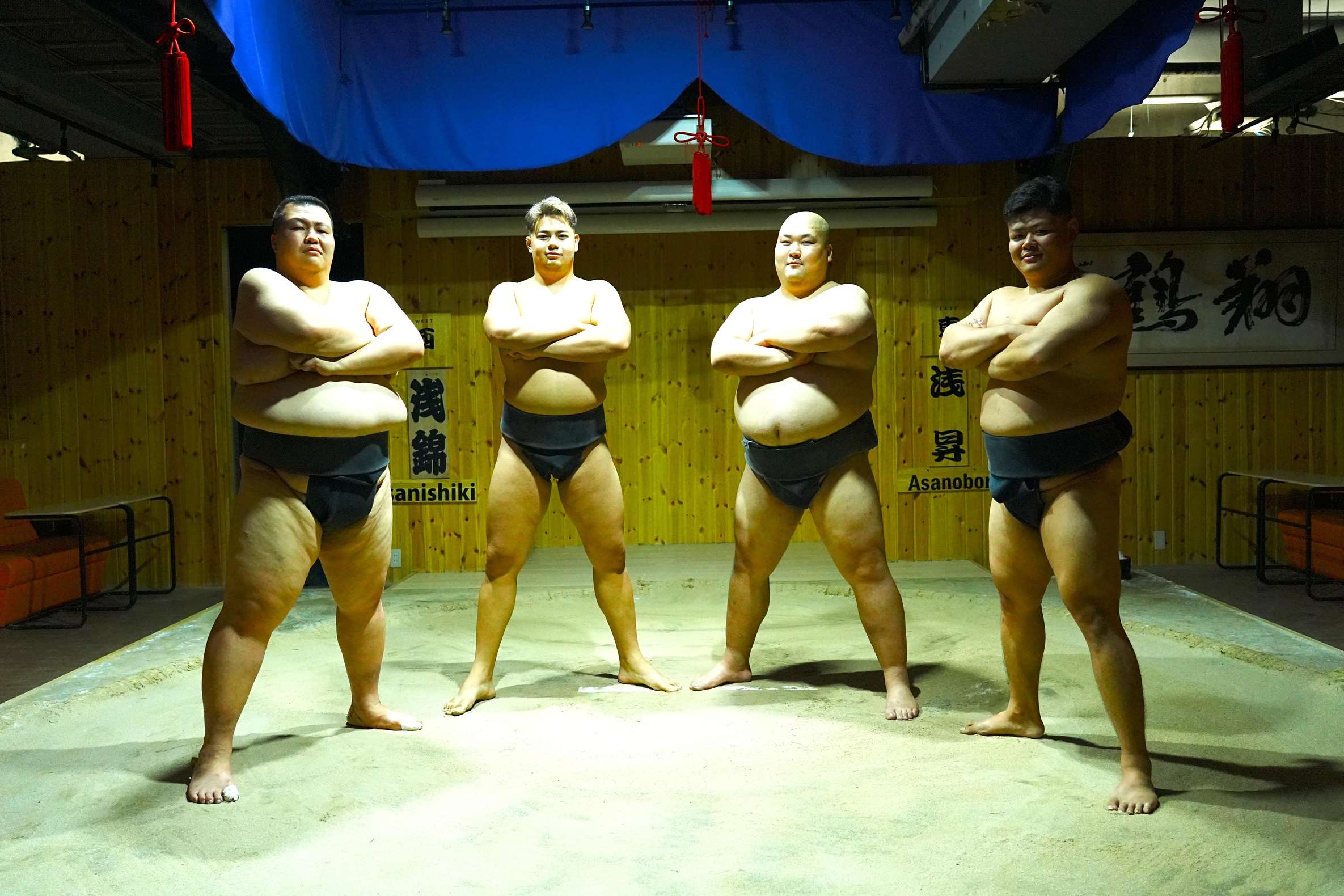
After the dance, retired professional wrestlers demonstrate morning exercises, techniques and rituals such as salt throwing, then fight a best-of-three match. Food keeps arriving throughout, because the all-you-can-eat chicken hot pot is served while the show runs.
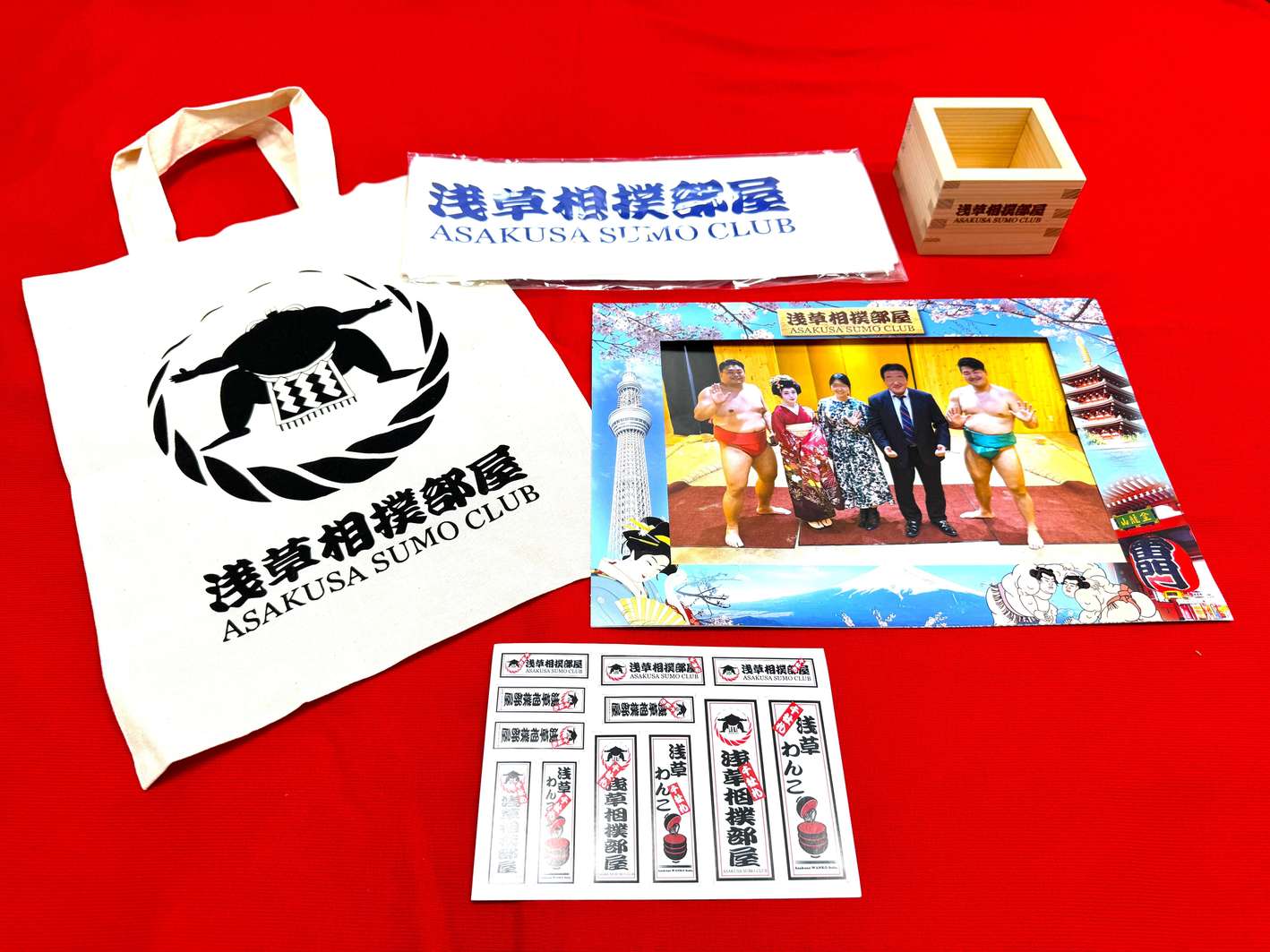
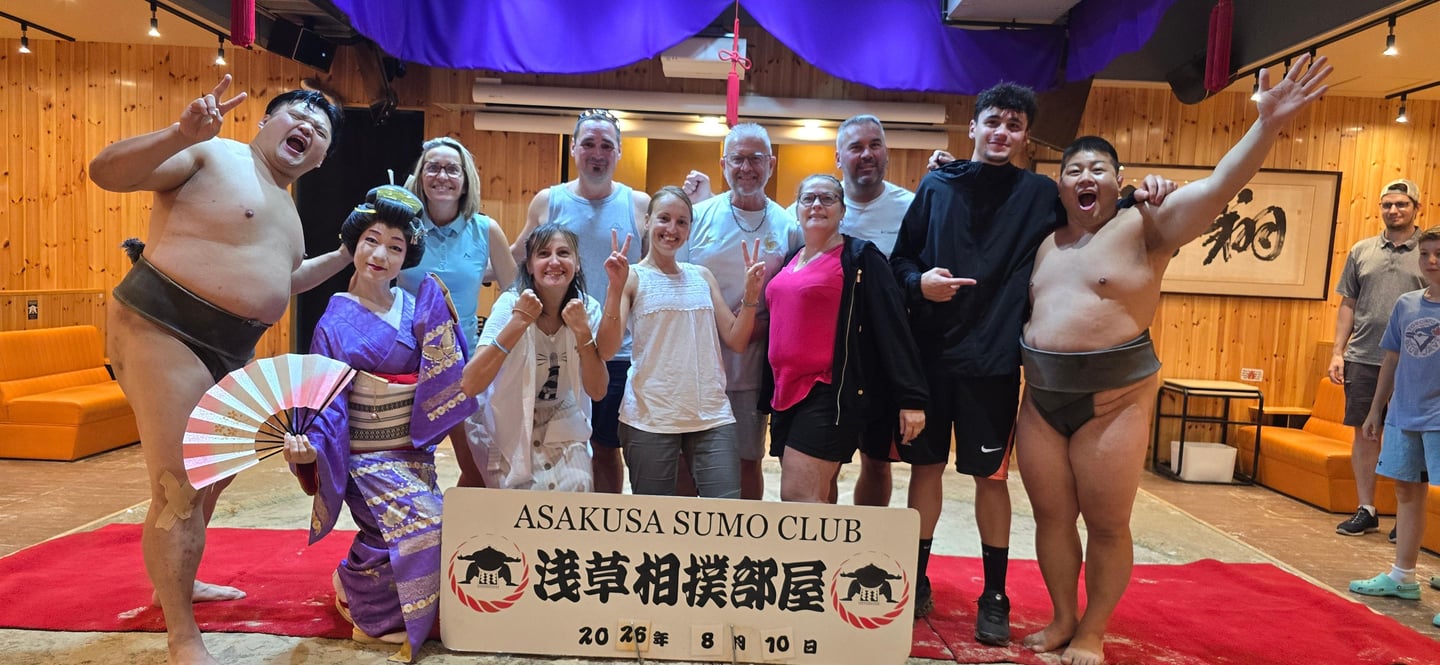
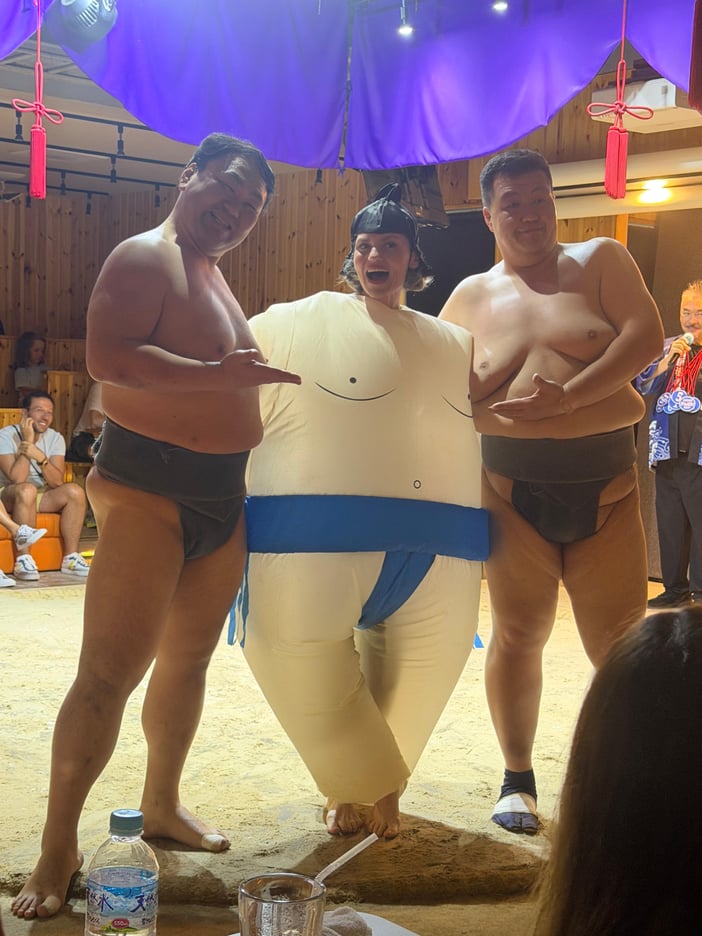
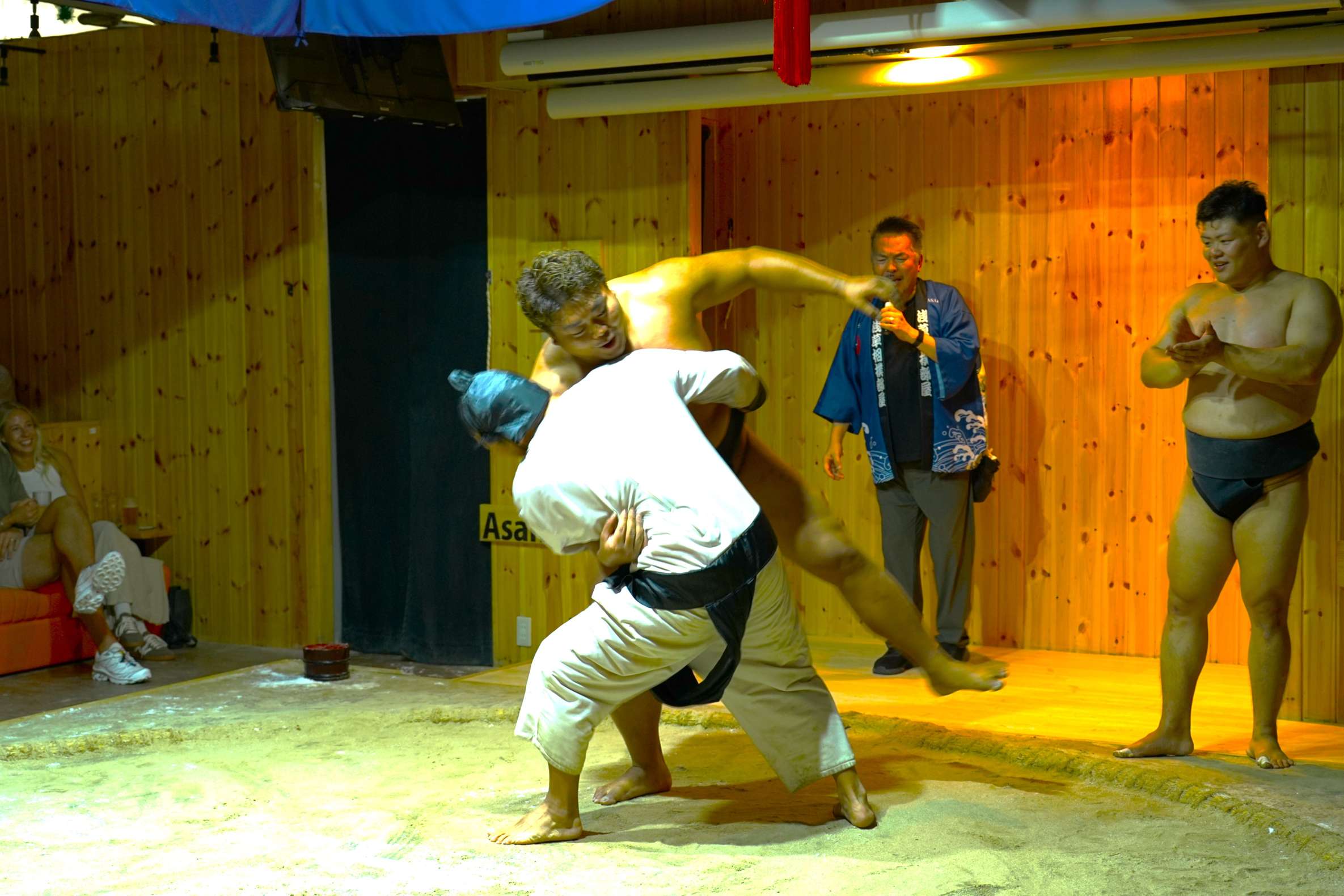
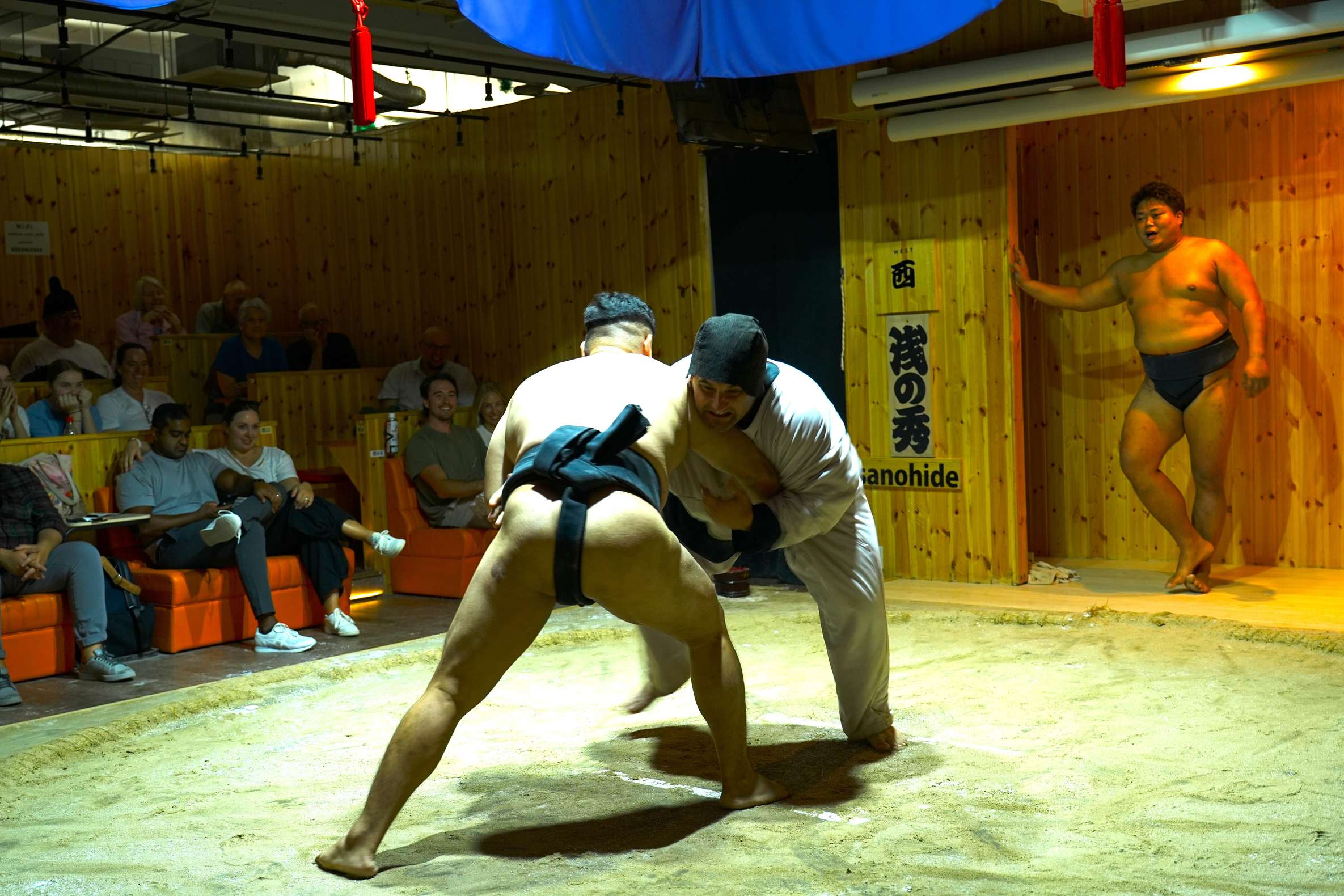
If you want a turn in the ring, put your name in; challengers are few and drawn by lottery. You leave with a printed photo and a small souvenir set.
1Geisha dance and seating· about 20 minYou are shown to your seat around the dohyo, the chanko nabe arrives, and a geisha opens the show with a traditional dance in kimono.2Sumo explained· about 30 minA bilingual host walks you through the rules, history and rituals of sumo, from the meaning of salt throwing to the do's and don'ts of the ring.3Live demonstrations· about 25 minRetired professional wrestlers show morning exercises and classic techniques up close while you keep eating the all-you-can-eat hot pot and Japanese dishes.4The matches· about 20 minThe wrestlers face off in a best-of-three bout, and the evening builds to a serious final match between them.5Ring challenge and photos· about 25 minA few lottery-drawn guests step into the ring to challenge a wrestler, then everyone gets a printed photo with the wrestlers and a souvenir set.
Included
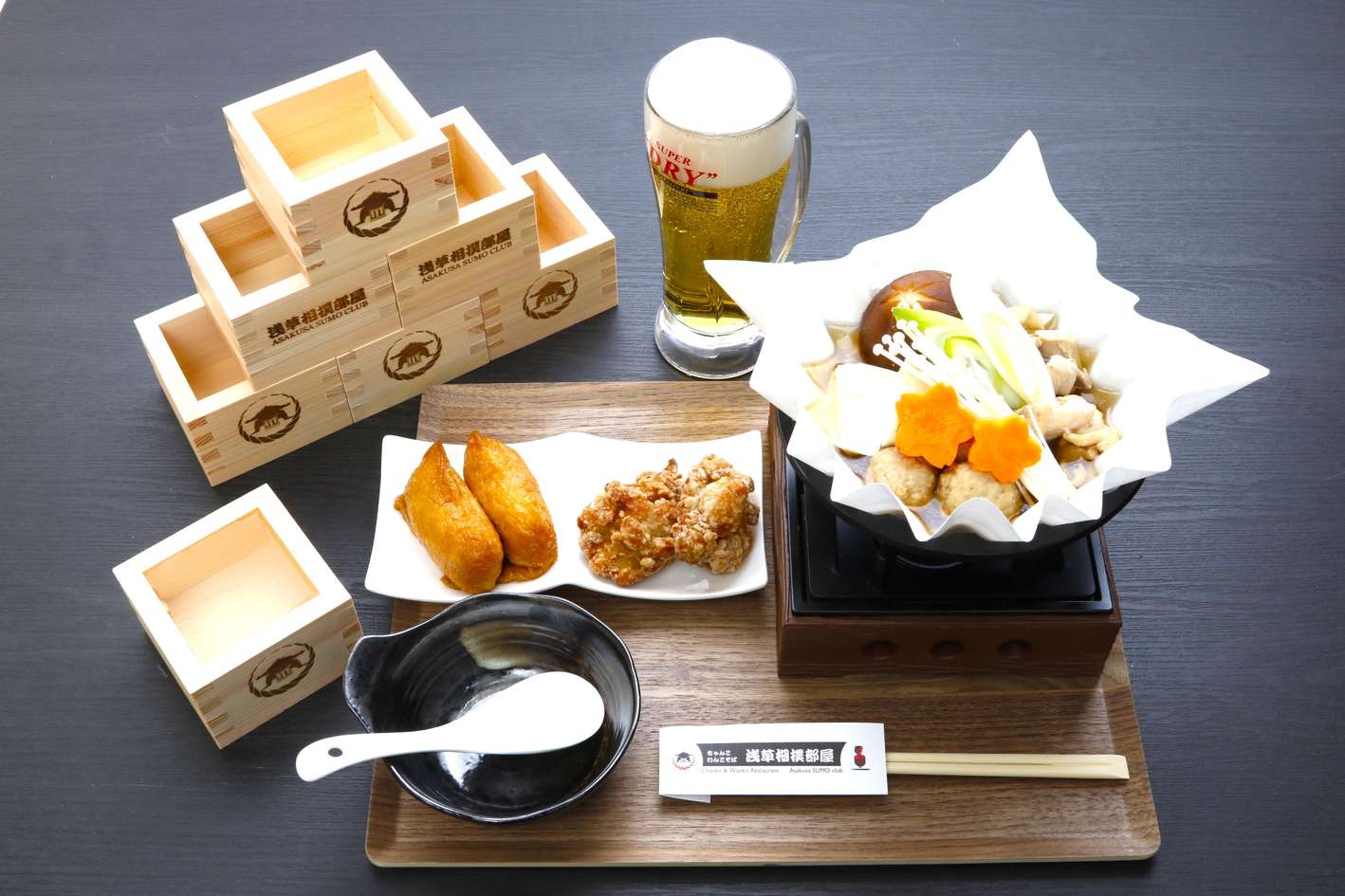
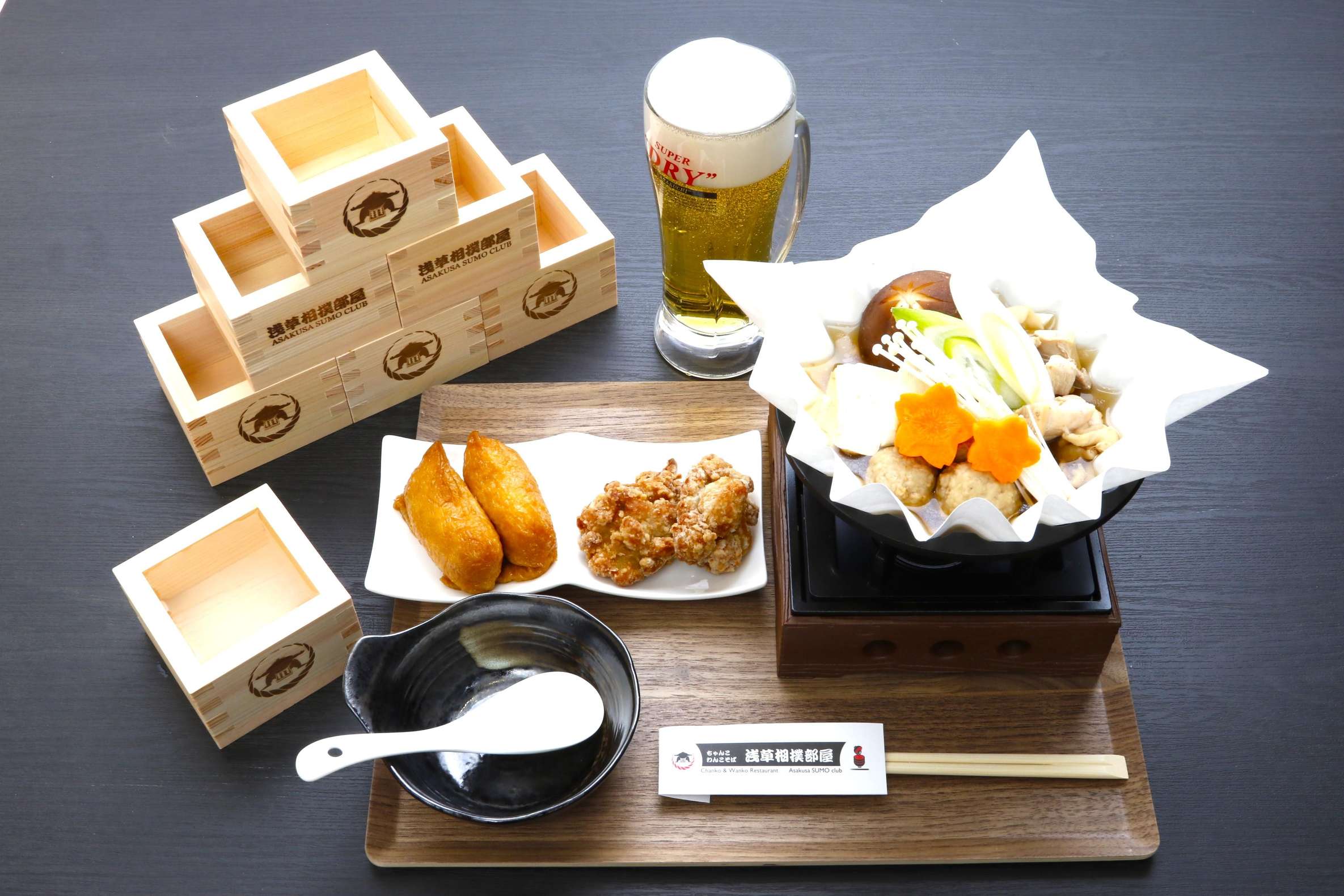
Live bilingual commentary (English and Japanese) by a moderatorEntertaining sumo show performancesChance to step into the ring and challenge a sumo wrestler (limited to a few guests per show; participants selected by lottery if demand is high)Traditional Japanese dance performance by geishaAll-you-can-eat chicken hot pot and Japanese dishes1 complimentary drink; additional drinks available for purchase
They laughed almost the whole evening, and many call it a highlight of their Japan trip.
Best surprise
Many families say the all-you-can-eat hot pot and the souvenir gift were far better than they expected.
Most common wish
A few couples wished the actual sumo bouts lasted longer than the few minutes they got.
How to book a geisha show night in Tokyo, Japan
01
Pick your date and time
Choose the evening that fits your Tokyo plans. The show runs about two hours, and the geisha dance opens the evening, so arrive before the start and settle in while dinner is served at your seat.
RecommendedGet there early enough to find your assigned seat without rushing
Common mistakePeople plan the slot tightly and arrive right at showtime, cutting into the opening dance
02
Choose where to sit
Standard seating comes in two versions, at the main store and at the annex behind it, and both run the same show. Front-row seats at the main store put you right at the ring, the closest view of the geisha dance and the bouts.
Common mistakeAssuming the two standard venues differ; the service is identical at both
RecommendedPick front row if seeing the geisha up close matters most to you
03
Sort dietary needs before booking
Vegetarian and vegan meals are available, but only if you request them at least two days ahead. The kitchen cannot provide gluten-free or halal meals, though you may bring your own food to cover that.
ImportantThe two-day deadline is firm; without it you get the regular meal
Common mistakeLeaving dietary requests to the day of the show
04
Book and keep the terms in mind
Reserve your seats and note the cancellation terms: you can cancel up to 24 hours in advance for a full refund. Wheelchair-accessible seating is limited, so mention any access needs when you book.
ImportantRequest wheelchair-accessible seating at booking time, not on arrival
Common mistakeCancelling inside 24 hours and losing the full refund
05
Know who can come along
The show suits adults and children, but babies under one year cannot be admitted, and infant meals, seating and souvenirs are not provided. Ring challenges go to a few guests per show, chosen by lottery if many want in.
ImportantChildren under one are not permitted at this show
RecommendedEnter the challenge lottery for a laugh; joining is always optional
What to know before you book a geisha show in Japan
Can stop the dayGood to knowGood news
01
ChoosingWhat it is, who it suits, when to go
4
How it runs
A sumo and geisha show in Tokyo runs about two hours, and the geisha dance opens the evening while guests eat. After that, retired wrestlers demonstrate training moves and bouts, a host explains the rituals, and the night ends with a serious match, photos and a small souvenir gift.
Seating
Seats close to the stage give the best view of the geisha dance, and the venue is small enough that even back-row seats see the ring well. Front-row options sit right at the ring edge. You may be seated together with other guests.
Drinks
Each booking comes with one complimentary drink, and extra drinks are available for purchase on the night. The luxury show adds all-you-can-drink for its higher seating categories, including premium whisky at the top level.
Participation
Guests are invited to try warm-ups or wrestling but are free to stay in their seats. The chance to challenge a wrestler in the ring is limited to a few guests per show, selected by lottery if demand is high.
02
BookingHow far ahead, and what happens if plans change
2
Meals and accessCan stop the day
Both shows welcome vegetarian and vegan requests, but only if you reserve at least two days in advance; gluten-free and halal meals are not provided, though you may bring your own food. The luxury venue has stairs and no wheelchair access, and wheelchair seating at the hot pot show is limited, so request it when booking.
Cancellation
Both shows can be cancelled up to 24 hours in advance for a full refund, so you can hold a seat early and change your mind. Babies under one year are not admitted at either venue, so plan the evening around your youngest.
03
Before you goPapers, health, what to bring
2
The meal
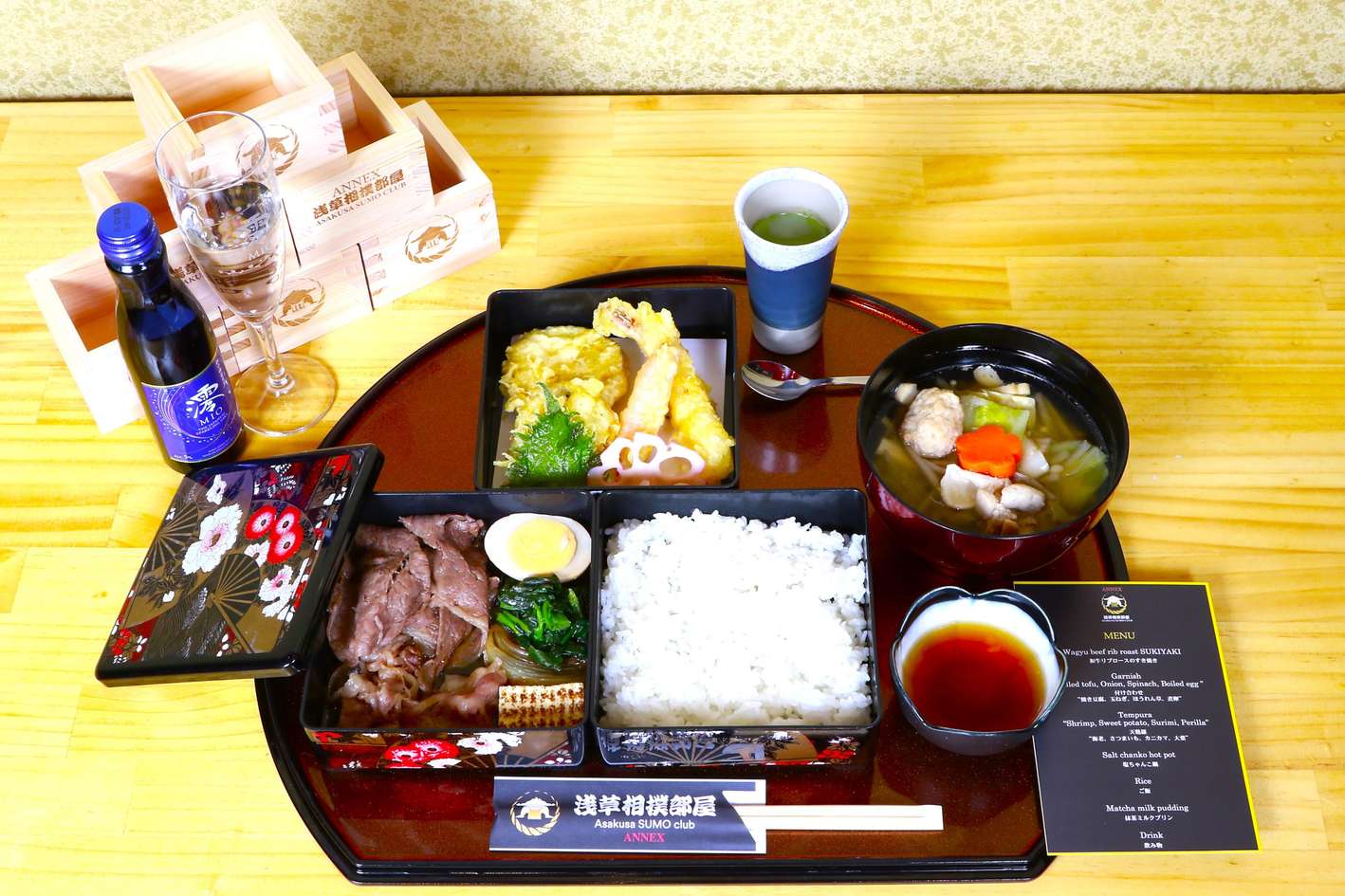
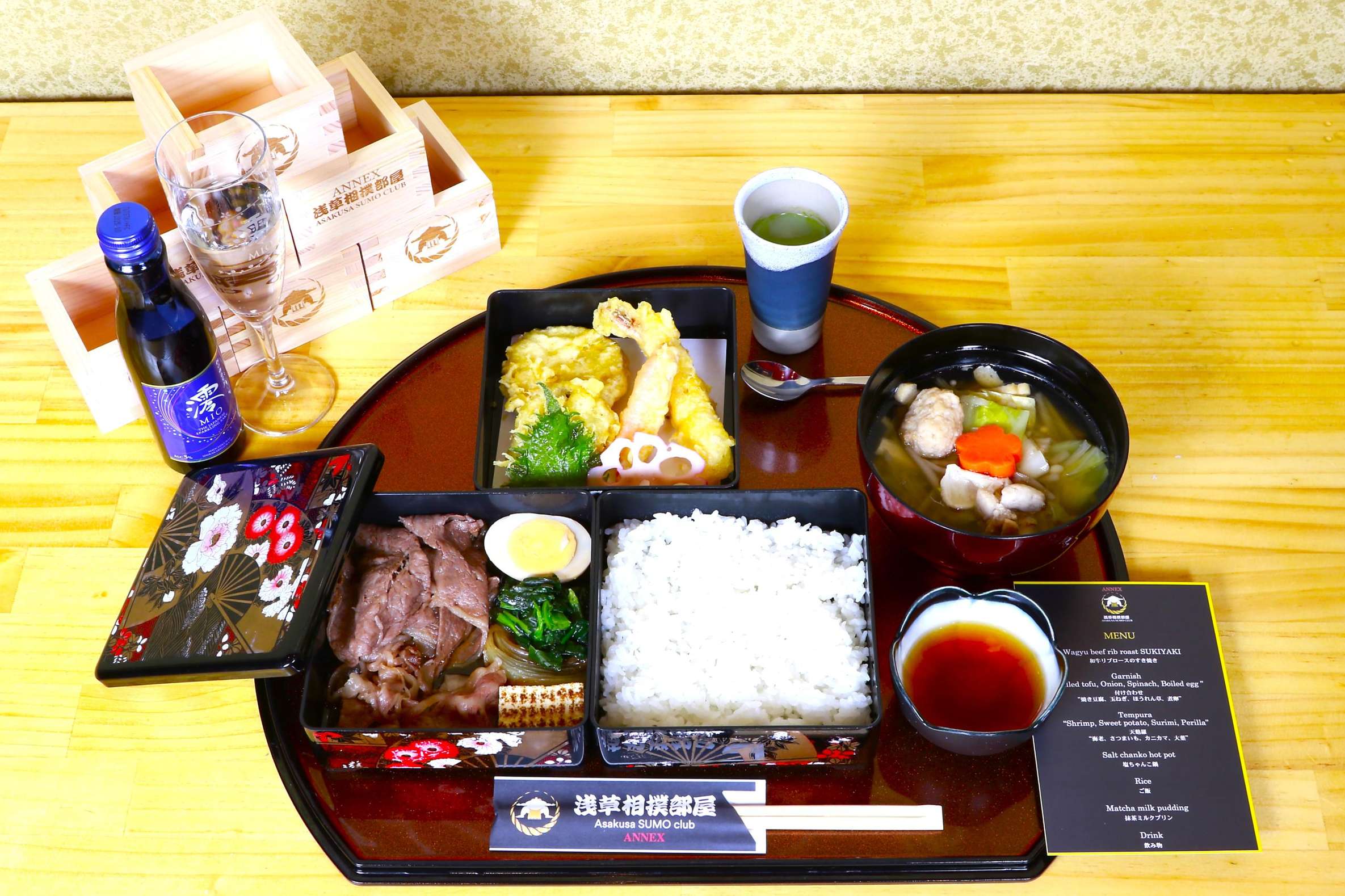
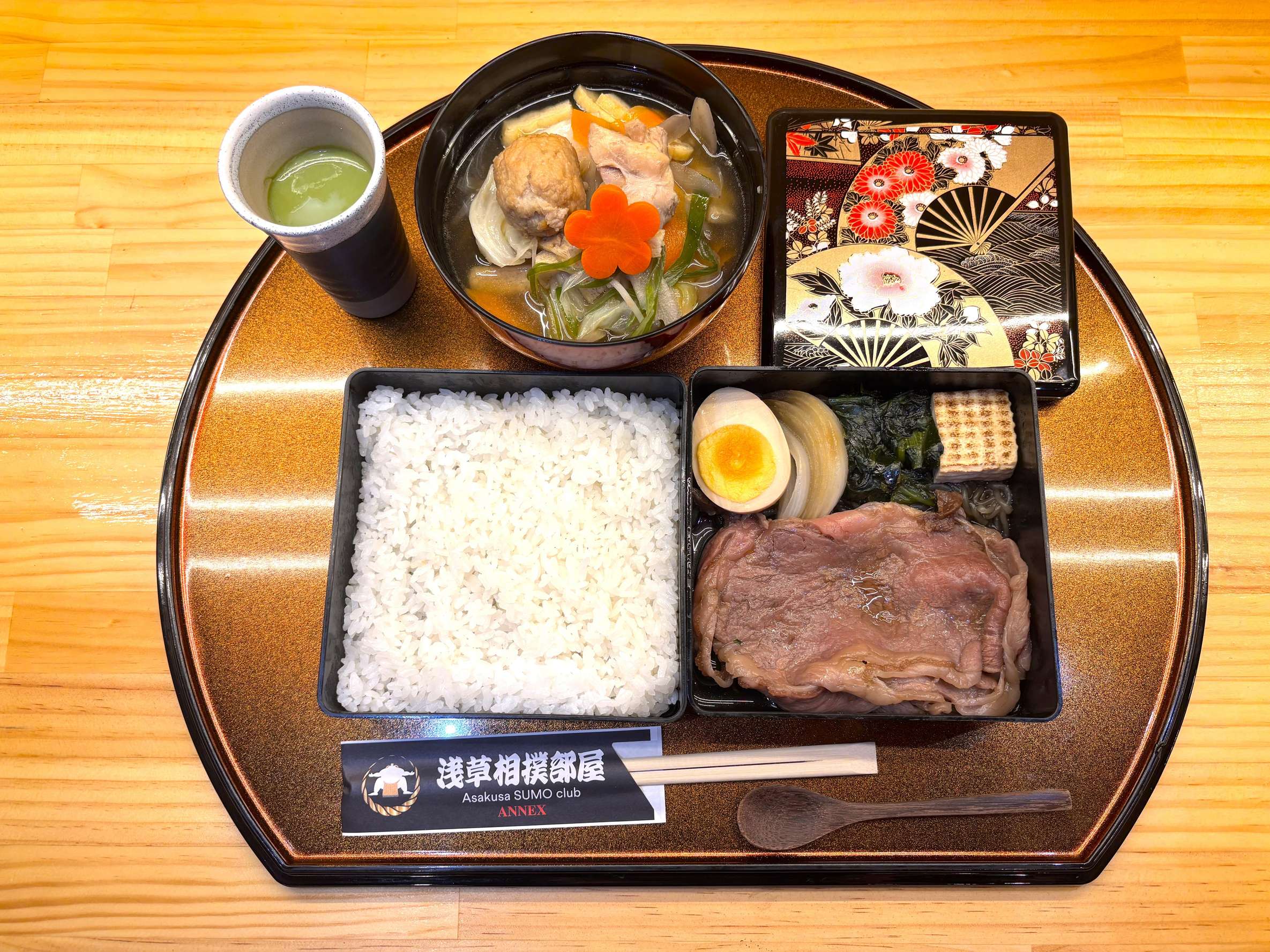
Food is served during the show rather than before or after it. The chicken hot pot show includes all-you-can-eat chanko nabe and Japanese dishes, while the luxury Asakusa show serves wagyu sukiyaki, chanko-nabe hot pot and matcha dessert.
Dress code
There is no formal dress code, so smart casual clothes you can eat a full meal in are enough. Wear slip-on shoes with clean socks, since shoes come off at the entrance for tatami seating. Choose clothes you can move in if you want to step into the ring.
04
During the tourWhat is expected of you
1
Geisha manners
Stop talking and eating while the geisha dance, and watch quietly. Ask before photographing her, and never touch her kimono or hair ornaments. You are not expected to know formal etiquette, and you can ask if unsure.
A guide to your geisha show evening in Tokyo, Japan
Tokyo's easiest ticketed geisha dance comes bundled inside a sumo entertainment show with dinner. Whether that staged evening is worth a night out, and which show to pick, are choices worth making well.
Tokyo
If you only remember three things
1
Book the two-hour evening and arrive early, because the geisha dance opens the show.
2
Cancel up to 24 hours before for a full refund; inside 24 hours you lose it but may move your slot.
3
Wear slip-on shoes with clean socks, because shoes come off at the entrance for tatami seating.
Is a sumo and geisha show night in Tokyo, Japan worth it?
The doubt shows up before the booking does: is the sumo real? The honest answer is no.
The bouts are choreographed, performed by retired professional wrestlers whose competing days are behind them, in front of a clay ring and a host who explains everything. A geisha and sumo show in Tokyo, Japan is entertainment, built for visitors.
That is the point, though. A real tournament at the Kokugikan means an afternoon of bouts and a ticket hunt that can sell out within minutes of going on sale.
A show compresses sumo into two hours with a hot dinner, comedy and a chance to step into the ring yourself, which a tournament day never gives you.
What people wrongly assume
MythA dinner show is genuine competitive sumo
Reality
The bouts are choreographed, and every wrestler on stage has retired from the professional ranks.
MythThe wrestlers are active professionals
Reality
They are retired rikishi showing real technique from careers that came before.
MythIt serves the same purpose as a tournament
Reality
A tournament day runs all afternoon; a show compresses sumo into two hours with dinner and audience participation.
Visitors who booked expecting genuine competition sometimes feel let down, and fair enough. Book it for the dance, the dinner and the laughs, and the wrestling arrives as genuine skill on top.
Tour for this
Tokyo: Sumo Entertainment Show with Chicken Hot Pot & Geisha4.8★ (8,711) · 2 hours · Free cancellation
What happens during a geisha and sumo show in Tokyo, Japan
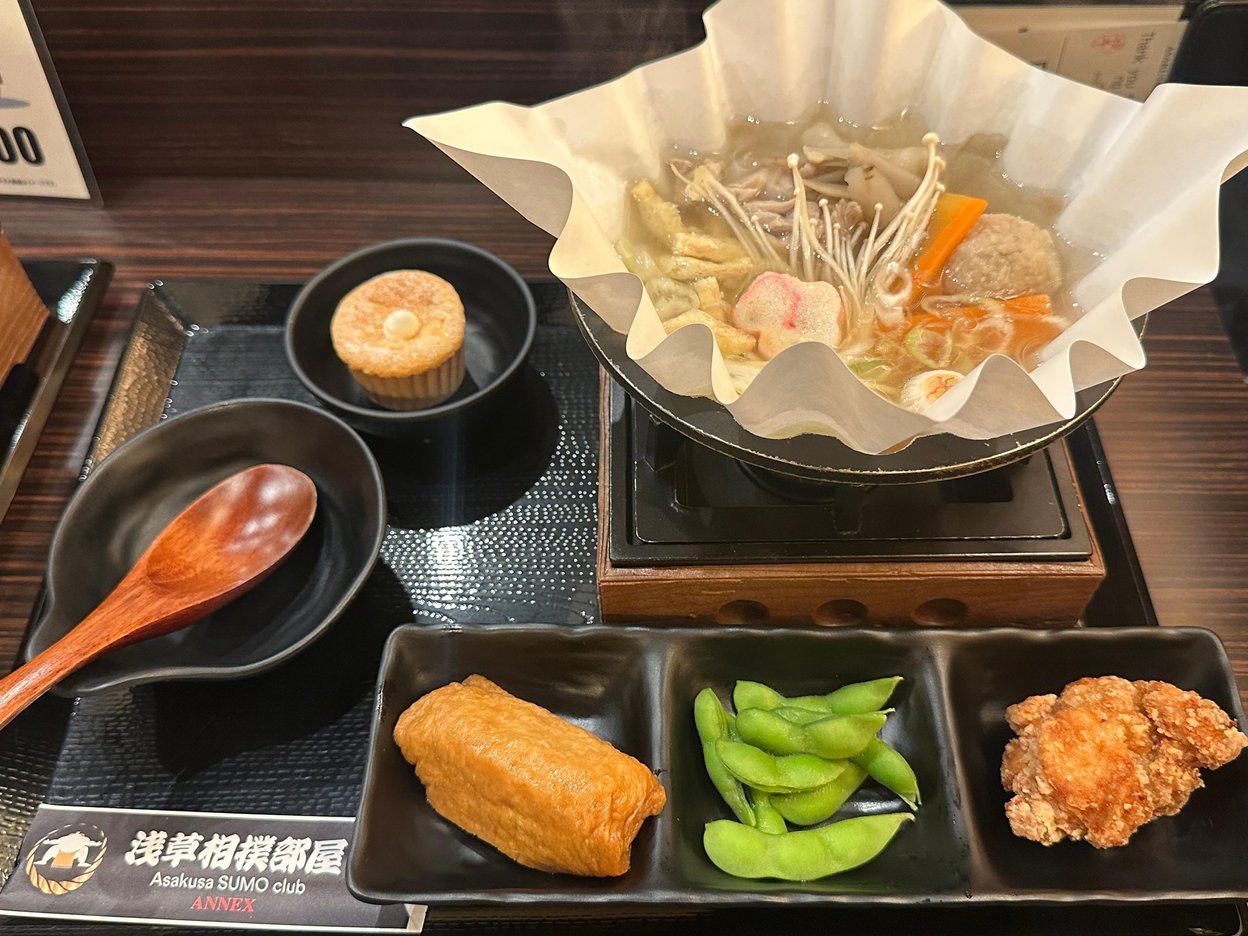
Assigned seats first, dinner second, and then the room goes quiet. The geisha dance opens the show, playing while the first bowls of chanko nabe land on the tables. Chanko nabe is the hot pot sumo wrestlers live on, and here it is all-you-can-eat while you watch.
After the dance, retired wrestlers demonstrate training routines and classic moves. A live host narrates in Japanese and English, explaining rituals such as salt-throwing, and teaches the audience how to cheer. The evening closes with a match the wrestlers treat seriously, then photos.
Two hours, start to finish. The Tokyo: Sumo Entertainment Show with Chicken Hot Pot & Geisha runs exactly this arc, with a lottery picking the few guests who challenge a wrestler in the ring.
How the evening unfolds
1
Arrival
Guests are shown to assigned seats and dinner is served
The chanko-nabe hot pot is all-you-can-eat
2
Opening
A geisha dance starts the show
It plays while guests eat
3
Middle
Retired wrestlers demonstrate training routines and moves
A host narrates in Japanese and English
4
Challenge
A few guests are drawn by lottery to enter the ring
Spots are limited per show
5
Close
A final, serious match, then photos
A printed souvenir photo and a small gift set end the night
The rhythm suits a first visit: watch, eat, learn, and take part only if you feel like it.
Tour for this
Tokyo: Luxury Sumo Show Experience & Japanese Cuisine & Drinks4.7★ (1,033) · 2 hours · Free cancellation
The music starts and the room changes. Talking stops, chopsticks rest, and the dance gets your full attention until the last step. That pause is the biggest courtesy of the night, and it costs nothing.
Photographs come with one rule: ask first, especially of the geisha, including during the performance. Flash and live-streaming are out. At the luxury show there is a photo opportunity after her dance, and both Tokyo shows include a printed picture with the wrestlers to take home.
What nobody tells you
Photography is generally fine at tourist shows
You can shoot from your seat, and a printed photo with the wrestlers is included.
Ask before photographing a geisha
During the dance, a quiet request comes first; never shoot without one.
Flash and live-streaming are out
Flashes startle the wrestlers, and streaming is banned at geisha events.
Beyond that, nobody expects you to know formal etiquette. Shoes come off at the entrance, smart casual beats jeans, and if you are unsure of anything, asking is completely fine.
Choosing your geisha show dinner in Tokyo, Japan, hot pot or sukiyaki
Two Tokyo geisha shows share the same skeleton: geisha dance first, retired wrestlers after, a lottery for the ring, a printed photo. What separates them is what lands on your table and where you sit.
Chicken hot pot show against the luxury sukiyaki show
Chicken hot pot show
Luxury sukiyaki show
Meal
All-you-can-eat chicken hot pot and Japanese dishes
Wagyu beef sukiyaki bento, chanko-nabe hot pot and matcha dessert
Drinks
One complimentary drink, more available to buy
One drink for table seats; all-you-can-drink for sofa seats, with premium whisky at the top
Seating
Standard seats at the main store or the ANNEX store, plus VIP front row
Table seats, sofa seats and front-row sofa seats
Photos
Printed souvenir photo with the wrestlers and a souvenir set
Geisha photo after the dance, printed commemorative photo, souvenirs by seat category
Ring challenge
A few guests per show, drawn by lottery
The same lottery, the same chance
Chicken hot pot show
Meal
All-you-can-eat chicken hot pot and Japanese dishes
Drinks
One complimentary drink, more available to buy
Seating
Standard seats at the main store or the ANNEX store, plus VIP front row
Photos
Printed souvenir photo with the wrestlers and a souvenir set
Ring challenge
A few guests per show, drawn by lottery
Luxury sukiyaki show
Meal
Wagyu beef sukiyaki bento, chanko-nabe hot pot and matcha dessert
Drinks
One drink for table seats; all-you-can-drink for sofa seats, with premium whisky at the top
Seating
Table seats, sofa seats and front-row sofa seats
Photos
Geisha photo after the dance, printed commemorative photo, souvenirs by seat category
Ring challenge
The same lottery, the same chance
If dinner is the point, the Tokyo:Luxury Sumo Show Experience & Japanese cuisine & Drink takes it further with wagyu sukiyaki and, at the higher seats, an open drinks list. If you want the classic hot pot night, the chicken hot pot show does it well.
Either way, the venues are small. Front-row seats sit at the ring edge, but even the back rows see fine, so you are choosing food and comfort more than view.
Tour for this
Tokyo:Luxury Sumo Show Experience & Japanese cuisine & Drink4.7★ (992) · 2 hours · Free cancellation
When to watch a geisha show in Tokyo during your Japan trip
Tokyo's geisha and sumo entertainment shows run every day of the week. Each venue sets its own dark days, and they shift month to month, so the calendar for your date is worth a look before you lock the evening in.
Aim for the evening slots. The dinner-and-show sittings run from 6 pm to 8 pm, with a later 8:30 pm seating alongside midday options. Weeknights keep the same high-energy program with more room to choose a good seat.
Which day gives the best sumo show atmosphere in Tokyo
Sat: the busiest. Saturdays fill the house, so come early for a good seat and expect the wrestler challenge spots to go to a lucky few drawn by lottery.
Bar height: how busy each day is, from very quiet to the busiestThe busiest: Sat
Tap a day to read it.
Saturdays fill the house, so come early and expect the ring challenge spots to go to a lucky few.
How busy it gets, month by month
April: 4 out of 5 for how busy it gets.
HighestApr, Oct to Nov
In betweenMar, May to Sep
LowestDec to Feb
Darker: a higher how busy it gets score, out of 5
Tap a month to read it.
The month matters less than the day of the week, though spring and autumn peaks can thin out space at the smaller venues, so booking a few days ahead helps.
The two Tokyo geisha shows both sit in Asakusa, with the luxury one along Asakusa Kokusai Street next to Matsuya Restaurant. Tokyo's other sumo venues spread across five districts, each a short walk from a station: Shinjuku Kabukicho two minutes from Higashi-Shinjuku, Shibuya one stop away at Yoyogi, Ginza, and Tokyo Tower.
From Tokyo Station, the train to Hamamatsucho and a walk beats a taxi on cost and often on time as well. From Shinjuku, count on closer to three quarters of an hour by train.
Whichever venue you pick, the walk from the platform is short enough that rain is the only real variable. Trains run late into the evening, so an 8:30 pm seating is no struggle from anywhere central.
What to wear to a geisha show night out in Tokyo, Japan
Slip-ons beat laces on the day of the show. Shoes come off at the entrance for tatami seating, and laces on low cushions are a small evening-ruining detail. Clean socks matter just as much, because the tatami gets your feet.
What to wear and bring to an evening sumo show
Smart casual clothesNo formal dress code: something comfortable you can sit and eat a full meal in is all the evening asks for.
Clothes you can move inGuests may be picked for the sumo challenge in the ring, so pick something you can bend and step in easily.
Slip-on shoesShoes come off at the entrance for tatami seating, and slip-ons make low seating and shared tables simple.
Clean socksYou go barefoot or in socks on the tatami once your shoes come off, so whole socks beat holes.
Light layersThe dining room with the hot pot can be warm while the walk back is cool, so a thin layer covers both.
Small bagA small bag on your lap beats a big daypack in the close seating around the ring.
No formal dress code exists, but smart casual is the safe register; jeans and shorts read too relaxed in a room where a geisha has just danced. Choose something you can bend and step in, because the lottery may call you to the ring.
Light layers cover the last detail. The hot pot keeps the dining room warm, and the walk back to the station after two hours can be cool.
Families sit at the center of these shows. The format is lively and humorous, and children stay engaged from the geisha dance to the final photo with the wrestlers. Both Tokyo shows welcome children, with babies under 1 year the only exclusion.
Kids around 10 to 12 are exactly the age these shows aim at, and children are sometimes picked for the ring challenge. For couples the same evening works as a dinner-and-a-show night, with the luxury show's sofa seats and drinks list leaning more adult.
A traveler's note
Totally worth the money. Incredible, funny and entertaining experience. Loved that they taught us some traditional aspects of sumo before the show. Would definitely recommend to others travelling to Japan :)
The ring challenge at geisha shows in Tokyo, Japan
The lottery decides it. Ring challenge spots are few per show, and when demand is high, names are drawn. Nothing in the evening forces you to take part; guests are invited and free to stay in their seats, and watching is a perfectly good choice.
Want better odds? Wear something you can move in, arrive early on busy nights, and check the limits before you volunteer. The hands-on training plan at the Ginza show excludes children under 5, pregnant guests and anyone with serious medical conditions.
Pro tipWear something you can move in, arrive early on busy nights and check the age and health limits before you volunteer The challenge spots are few and drawn by lottery, so preparation and timing decide whether you get one.
The wrestlers running these challenges are retired professionals who do this nightly, so complete beginners are in steady hands. Minor scrapes can happen, but the program is built for guests of different ages and fitness levels.
Refunds and changes for Tokyo geisha show tickets in Japan
Plans move in Tokyo, so know the exits before you book. Cancel more than 24 hours before the show and you get your money back in full. Inside 24 hours the refund is gone, though many venues will move you to another slot or day if space allows.
What happens if things change
If this happens
What happens then
Cancel more than 24 hours before the show
Full refund
Cancel within 24 hours
No refund, but you may move to another slot or day if there is space
Arrive after the start
You may join partway through, but the show is not extended and you miss sections
The organizer cancels or postpones
Refund procedures depend on how the ticket was bought; details are posted by the organizer
Arriving late costs a different way: the show is not extended, so you join partway and miss sections. At some venues the front desk may not accept late entry at all, because the schedule must hold.
Organizer cancellations are rare, and the terms then depend on how the ticket was bought.
The show runs two hours, which leaves an evening around it. Both sumo show neighborhoods are walkable, and the venue you choose shapes the before and after.
A 20-minute walk from the Shinjuku sumo show venue
Around the Shinjuku venue, Shinjuku Central Park is a four-minute walk and the Juniso Kumano Shrine six, with the Sompo Museum of Art close behind and Hanazono Shrine within fifteen. Around Ginza, small museums and Karasumori Shrine sit within about ten minutes of the door.
Order the night sensibly. A park or shrine in the late afternoon clears the head before the curtain, and the museums suit daylight hours, since an evening seating keeps you at the table until close.
The dance in the show is one door into a world that is still alive. Japan has several hundred geisha, probably fewer than 1,000, and Tokyo's own perform publicly, notably at the annual Azuma Odori festival.
In Tokyo the artists are simply called geisha, with apprentices known as hangyoku; Kyoto's geiko and maiko follow a more formal, courtly style.
Street sightings take luck. Asakusa's Kannon-ura backstreets and Kagurazaka's cobbled lanes both produce occasional evening glimpses of geisha heading to engagements, and no ticket or tour is needed to walk either district.
Festivals offer a free, public chance: the Sanja Matsuri in May, the Kagurazaka Street Stage the same month. If you spot one, keep your distance and ask before any photograph; tourists in Asakusa often mistake women in kimonos for geisha.
Two further doors exist. A studio makeover in Asakusa dresses and styles you as a maiko, the experience Kyoto made famous. And an ozashiki tea house session puts a geisha at your table, talking and playing games, a far more intimate night than any stage show.
Book it for what it is: two hours of geisha dance, retired wrestlers, hot pot and a printed photo. Pick the chicken hot pot show for the classic night, the luxury show if wagyu and drinks matter. Arrive early, dress for tatami, and hope the ring lottery calls your name.
Go ifYou want a geisha dance and dinner in the same two-hour eveningYou are traveling with children around 10 to 12You want to try sumo without committing to a full tournament day
Skip ifYou only want genuine competitive sumo; a tournament is the real thingYou use a wheelchair; the luxury venue has stairs and access is limited at othersYou need gluten-free or halal meals; neither venue provides them
Our pick to book
Tokyo: Sumo Entertainment Show with Chicken Hot Pot & Geisha4.8★ (8,711) · 2 hours · Free cancellation
Your geisha show in Tokyo questions, answered after a night in Japan
Short answers to the questions readers ask before booking a geisha show in Tokyo, from what happens on stage to what to wear.
Tokyo2026
The geisha dance opened the night, hot pot steaming two seats away. Book a few days out and arrive early for a front-row seat.
Is a geisha show in Tokyo a real performance by working geisha?
Yes. The ticketed Tokyo shows feature a traditional Japanese dance performed by a geisha in kimono, and Japan still has several hundred working geisha who dance, play the shamisen and entertain guests. Geisha are professional performing artists.
Where does the geisha show in Tokyo take place?
The main option runs in Asakusa, where a restaurant with a real sumo ring at its center hosts the show. A second, more intimate Asakusa venue on Asakusa Kokusai Street offers a similar evening with a geisha dance.
What happens during a geisha and sumo show evening?
The geisha dance opens the show, while guests eat at their seats. Retired professional wrestlers then demonstrate training routines and moves, a host narrates in English and Japanese, and the evening ends with a match and photos. It all runs about two hours.
Is the sumo part of the show a real match?
No, and it helps to know that going in. The bouts are choreographed entertainment performed by retired wrestlers, not official competition. Come for the fun, the food and the geisha dance rather than a tournament.
Do I need Japanese to follow the show?
No. Both Tokyo shows include live bilingual commentary in English and Japanese, so the rules, rituals and salt-throwing are explained as you watch.
Does the geisha show in Tokyo include dinner?
Yes. One show serves all-you-can-eat chicken hot pot (chanko nabe) and Japanese dishes with a complimentary drink. The luxury venue serves wagyu beef sukiyaki bento, chanko-nabe hot pot and matcha dessert, with all-you-can-drink options in the higher seating categories.
Can I take photos with the geisha and wrestlers?
Both shows include a printed photo with the wrestlers, and the luxury venue adds a photo opportunity with the geisha after her dance. Ask before photographing the geisha during the performance, and keep flash off.
How should I behave during the geisha dance?
Stop talking and eating while she dances and watch quietly. Ask before taking photos, and never touch her kimono or hair ornaments. You are not expected to know formal etiquette, so ask if unsure.
Can I be pulled into the sumo ring if I would rather not?
No. Joining the ring challenge is voluntary, and only a few guests per show take part, selected by lottery when demand is high. You can watch, clap and eat your hot pot instead.
Can you see geisha in Tokyo outside a ticketed show?
Occasionally, but it is luck rather than a plan. Geisha sometimes appear in Asakusa's Kannon-ura backstreets in the evening or at dusk in Kagurazaka. If you spot one, never follow, block or photograph her without asking.
Can you dress up as a geisha in Tokyo?
Yes. Asakusa has studios offering a full maiko makeover with makeup, hairstyling and dressing in traditional style. It is a studio service, which is a different thing from watching a working geisha perform on stage.