




Likely to sell out
1 - 1.5 hours·English
4.9(2,124)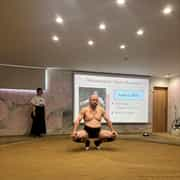
Osaka: Sumo Experience with Live Show & Audience Challenge
Free cancellationAuthentic sumo demonstrationsEnglish-speaking MC
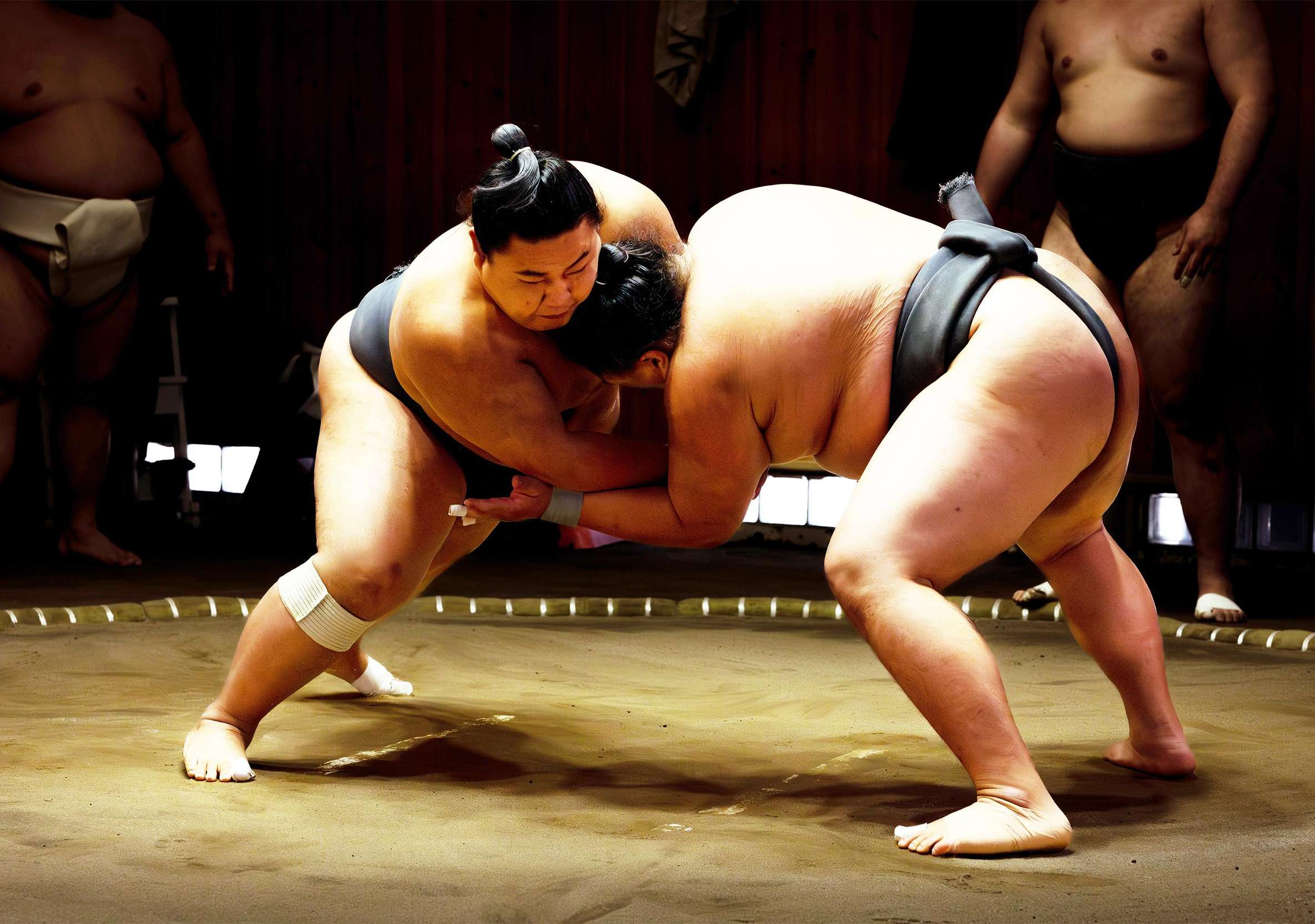
Book the closest thing to the Grand Sumo Minoh Expo Tournament - a live Osaka sumo show where retired wrestlers throw real techniques, and you can step into the ring yourself. Choose a date and book ahead to see sumo up close on your Osaka trip.
"Learned tons about sumo rules and techniques. Fun, super knowledgeable host; Kai and Rui were great. Thanks Kai for going easy in our match! 100% recommend."

The sumo you can book in Osaka is a show by retired wrestlers, not the Expo tournament itself. What that event really is, and which live sumo fits your dates, settled here.
The Expo tournament is a 2025 sumo festival with 200 Japan Sumo Association wrestlers; only the six official 15-day honbasho count toward rank.
At the Osaka shows you can book, retired professionals demonstrate real technique while match outcomes are choreographed in advance.
The most sumo-focused option is the Osaka: Sumo Experience with Live Show & Audience Challenge, about 90 minutes with a one-round match.
March tournament tickets open at 10 am about a month ahead and popular seats are gone within minutes.
Arrive 15 to 20 minutes before any show's printed time, because Osaka shows can start noticeably late.
Buy tournament tickets the moment sales open, about a month before the March basho starts, and buy from official channels rather than touts or resale sites. If your dates fall outside the tournament, an Osaka sumo show with retired wrestlers is the closest live sumo you can book.
The Osaka Minoh Expo Grand Sumo Tournament was created to liven up the 2025 Osaka Expo, under the theme "Sumo to bring the World together!". Its lineup is real: 200 wrestlers from the Japan Sumo Association, Yokozuna among them.
An official grand sumo tournament, the honbasho, is one of six 15-day events a year, and it is the only competition whose results change a wrestler's rank. The Expo tournament is a festival, not an honbasho; it sits alongside the unofficial tournaments that sumo tours also hold. Wrestlers are genuine, the stakes are not.
That distinction decides what you are booking. Seeing the event means you have watched top professionals in person; it does not make you a spectator of a rank-counting tournament.
Only the six official 15-day tournaments count toward rank; the Expo event is an Expo festival
It is a sanctioned occasion with JSA wrestlers, but not a rank-counting tournament
Unofficial tournaments held as part of sumo tours are distinguished from honbasho
Three ways to watch sumo sit within reach of an Osaka trip, and they are not interchangeable. The Minoh Expo festival is a one-off occasion with the sport's top names.
The March basho at Edion Arena is real competition, the only place in Osaka where a bout's outcome is genuinely undecided. The bookable shows run almost daily.
Only the honbasho has careers on the line. At a show, retired professionals demonstrate real technique, but the matches are choreographed and the winners were decided before you sat down. Real wrestlers train because results affect their careers; show performers are entertainers, and the atmosphere differs completely.
So the trade-off is simple. If your dates hit March, chase the tournament tickets first. Outside March, the shows are what Osaka has, and first-timers who missed tournament tickets call a show a fun and worthwhile substitute. The comparison below lays the three side by side.
| What it is | Getting there | Real or staged | |
|---|---|---|---|
| Minoh Expo Tournament | Expo 2025 sumo festival | Hankyu to Minoh, 20-min walk | Unofficial, not an honbasho |
| Grand Sumo Tournament | Official honbasho, ranks count | Namba Exit 5, 5-min walk | Real bouts, careers at stake |
| Sumo shows | Entertainment by retired wrestlers | Namba Parks 8th floor | Staged, outcomes predetermined |
Read the middle row first: the tournament is the only option with something at stake in every bout. Then match the venue column to where you are staying, because that decides the trip more than anything on the program.
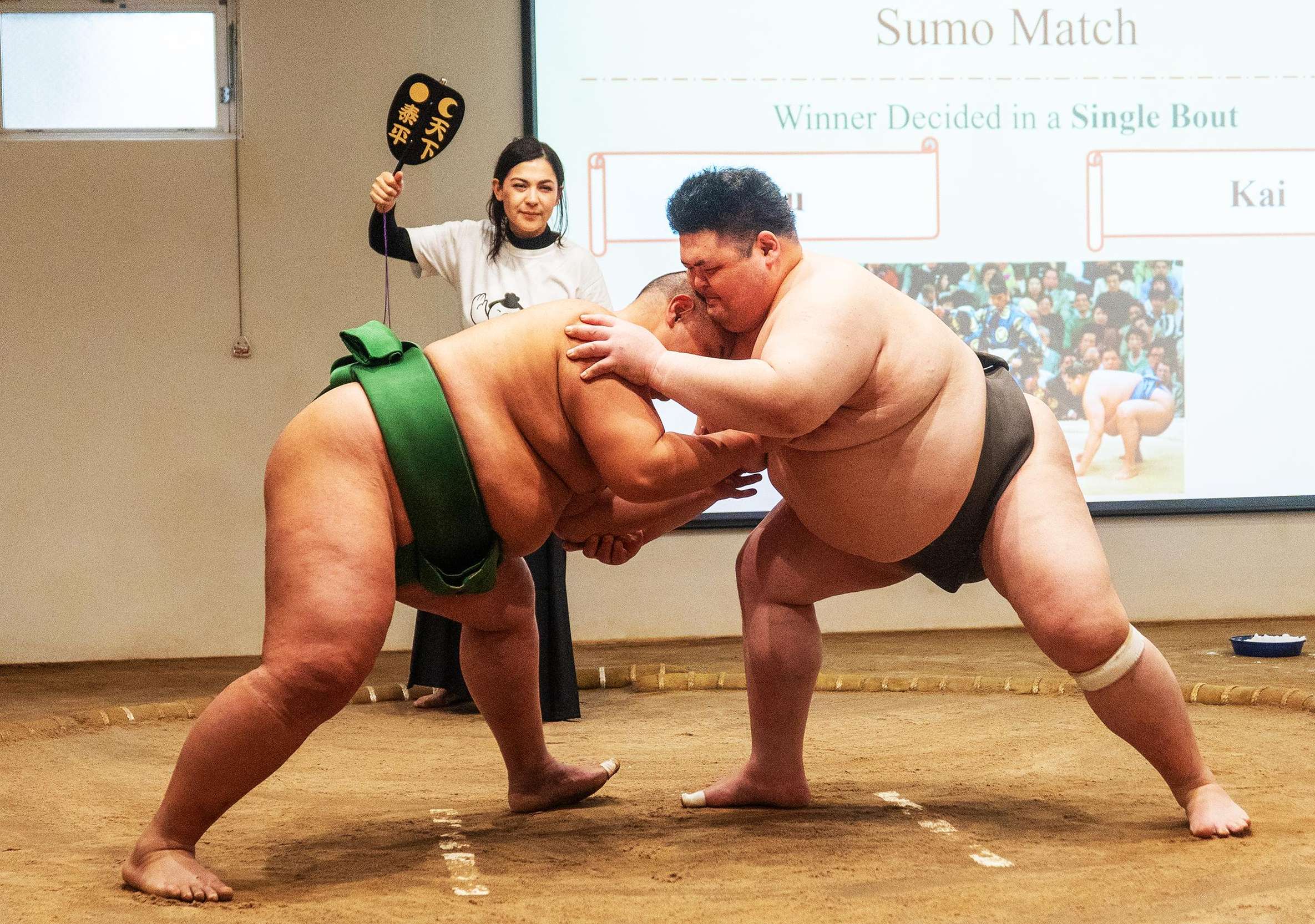
For the feel of competition, one bookable option stands closer to the ring than the rest.
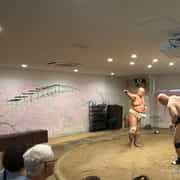
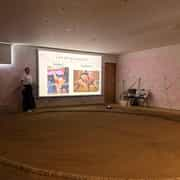
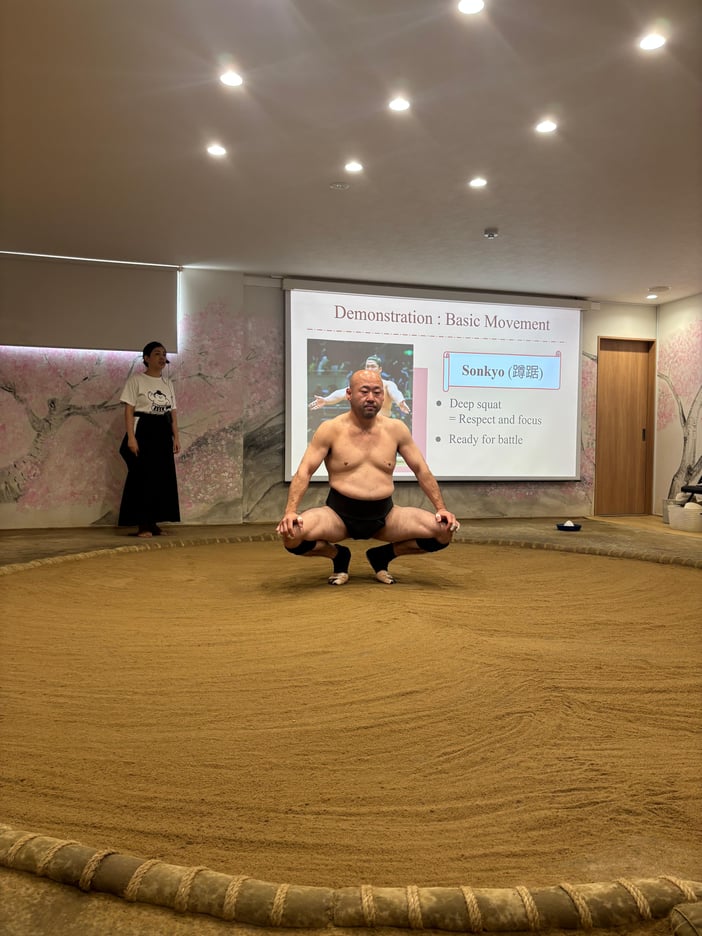
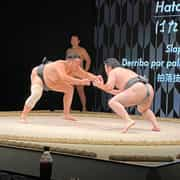
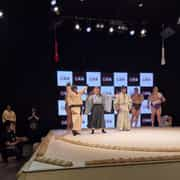
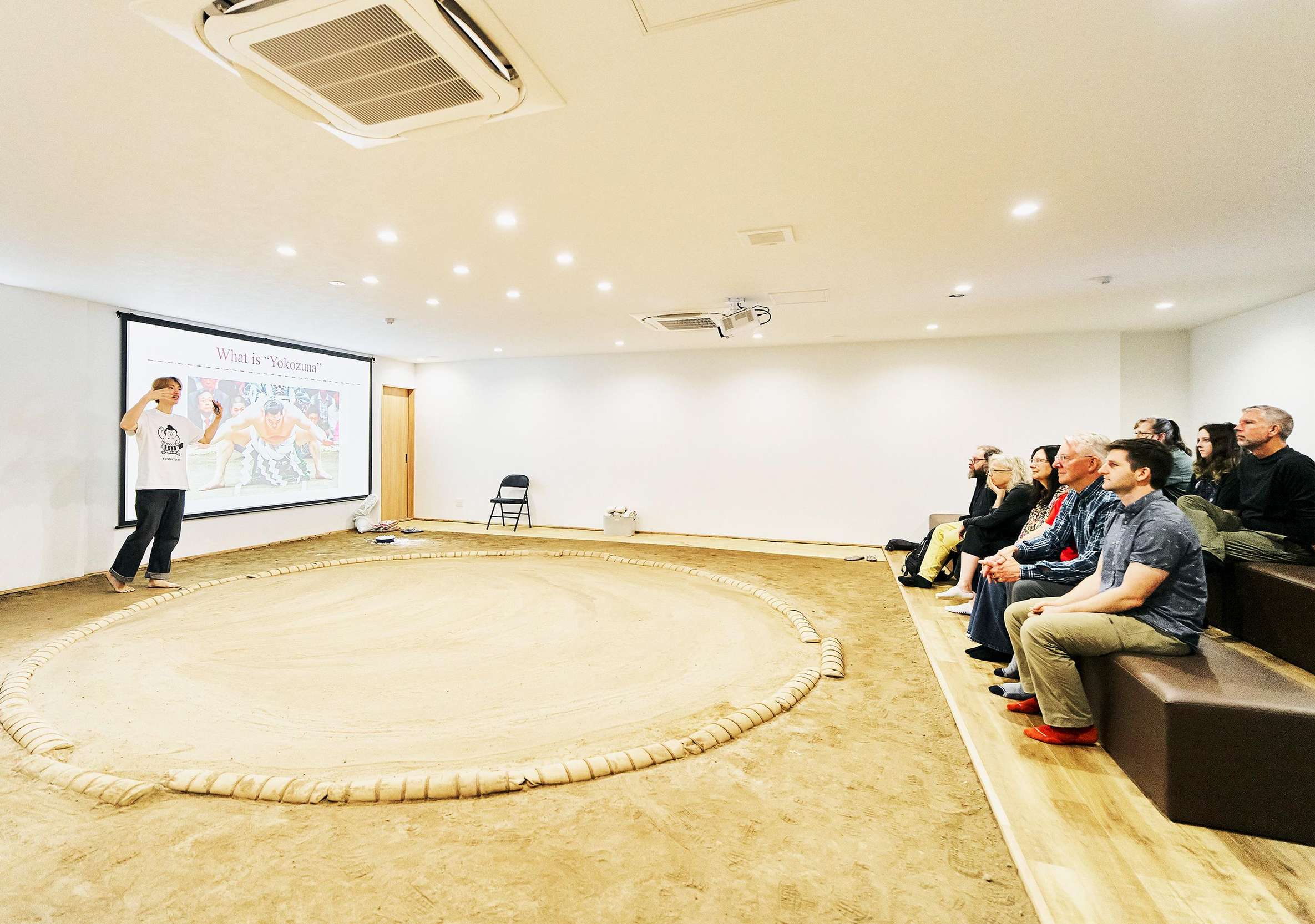
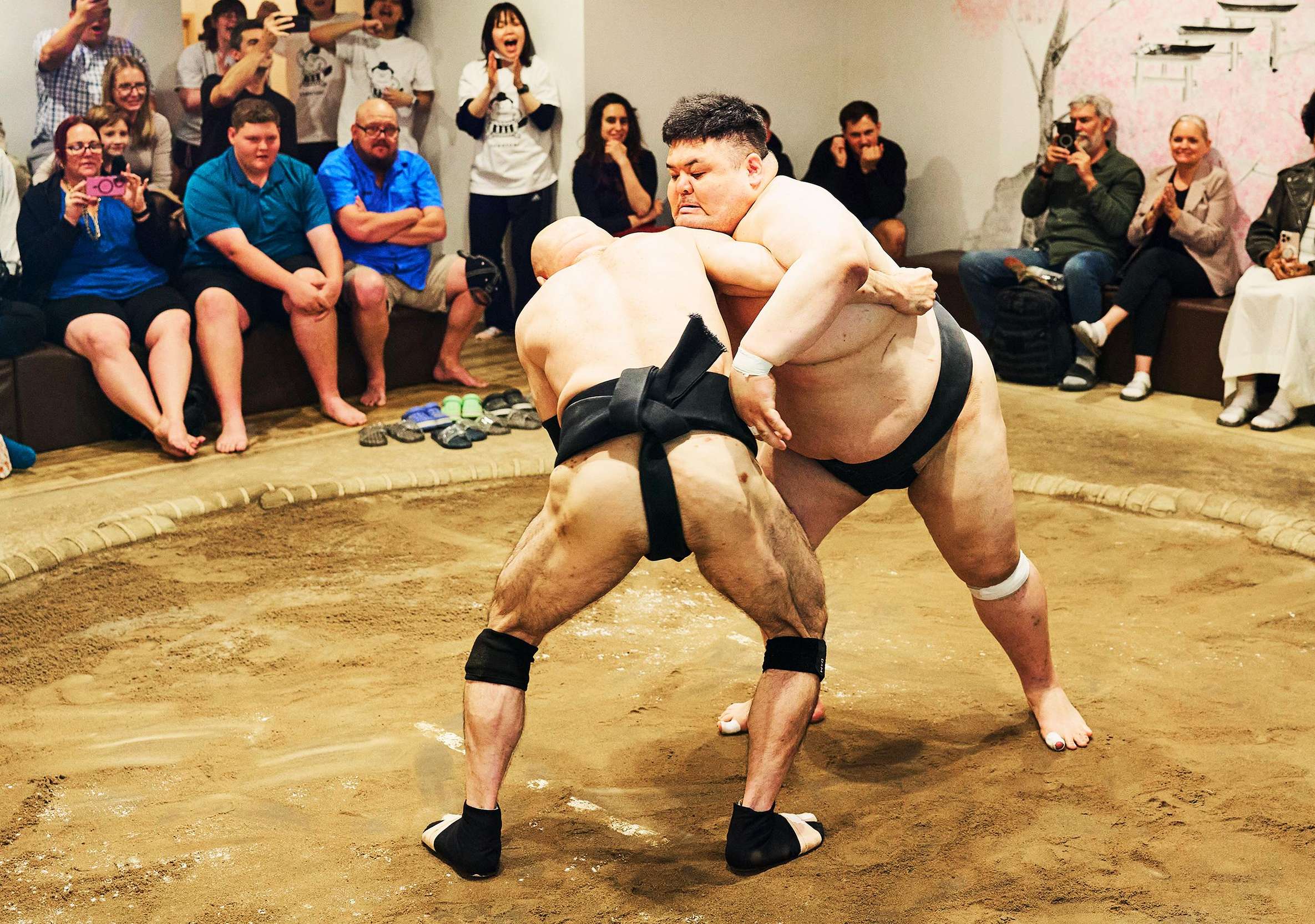
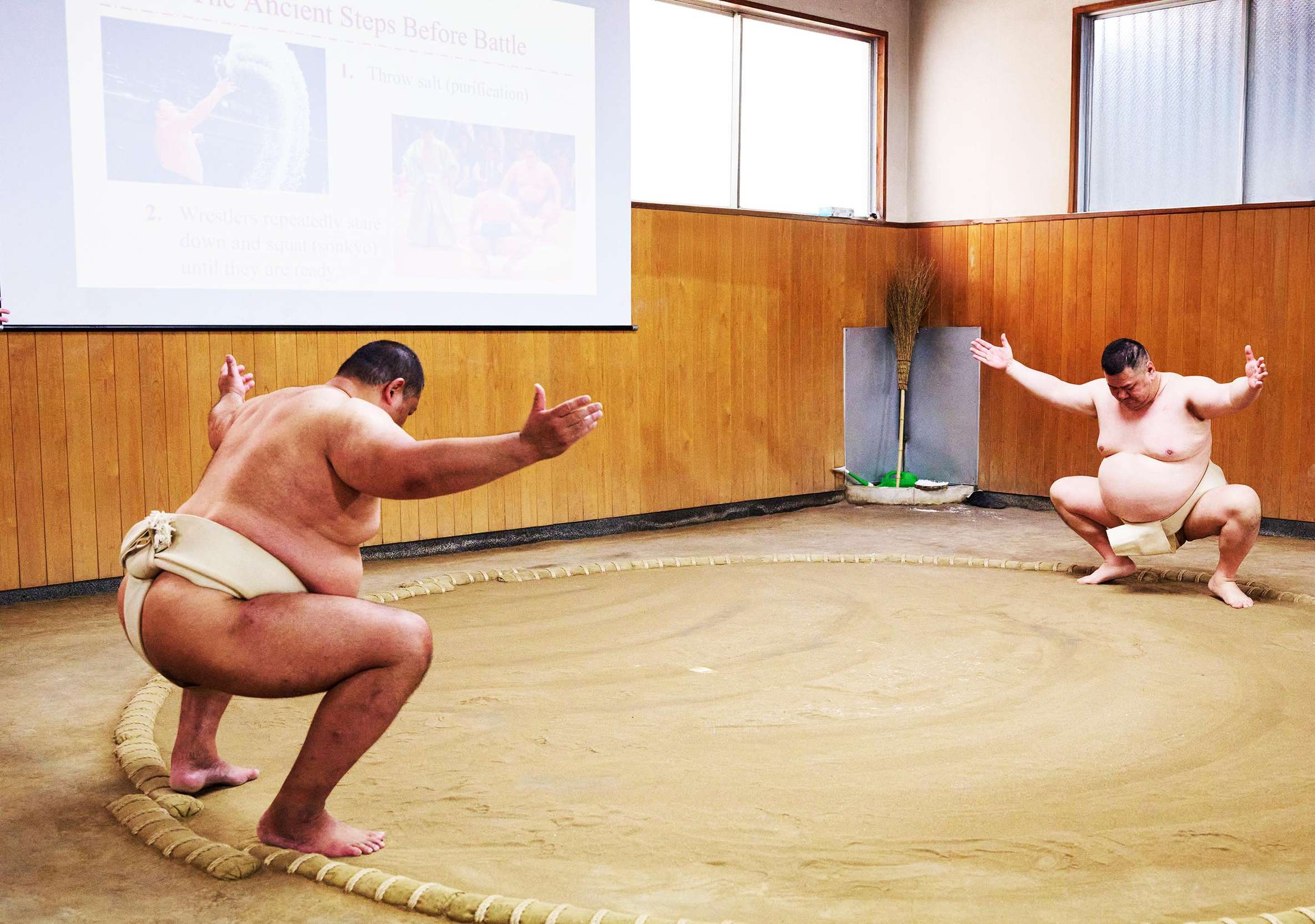
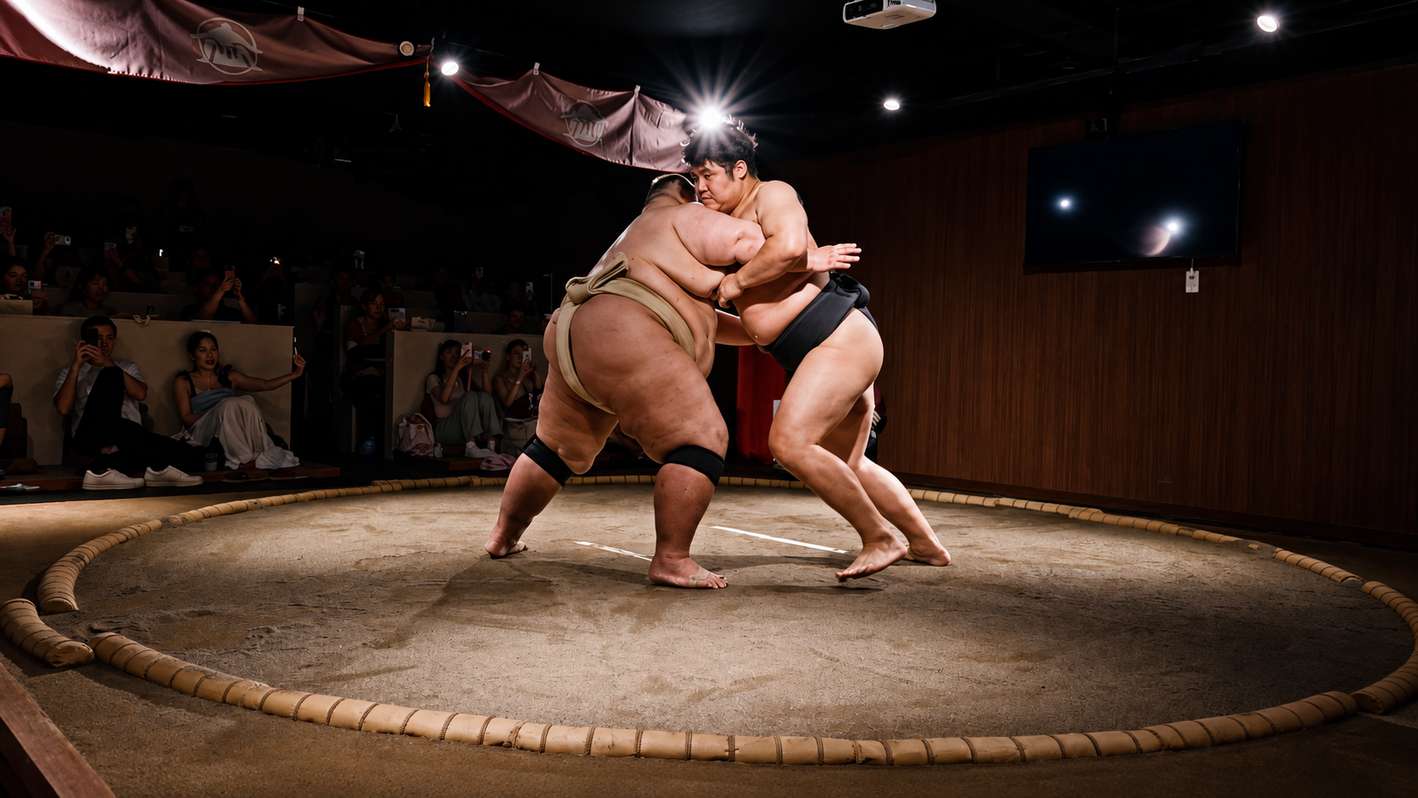
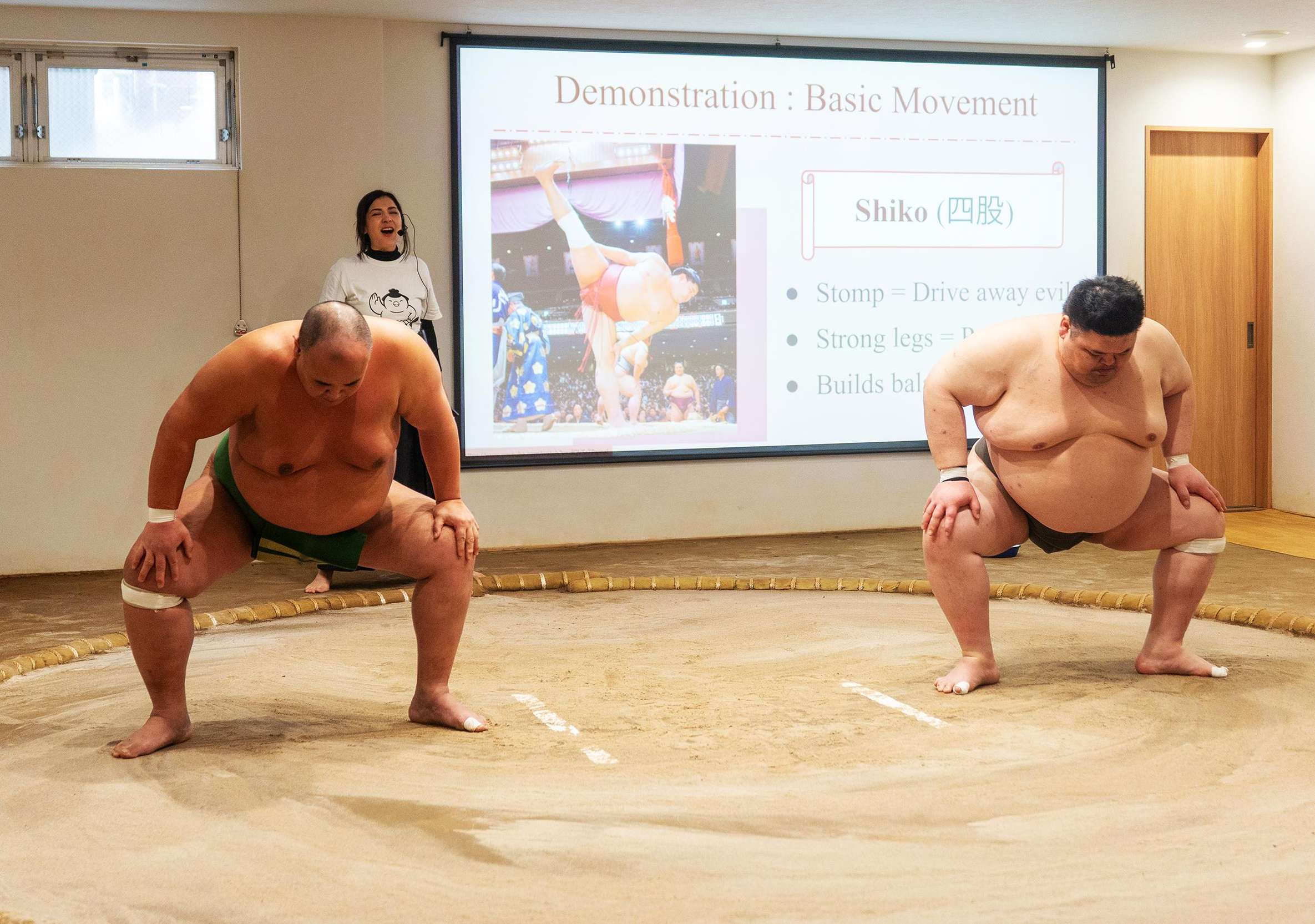
The Osaka: Sumo Experience with Live Show & Audience Challenge runs about 90 minutes and mixes demonstrations of authentic sumo training, the famous winning techniques called kimarite, and a one-round match between retired wrestlers. An English-speaking host narrates, so you follow every ritual without knowing Japanese.
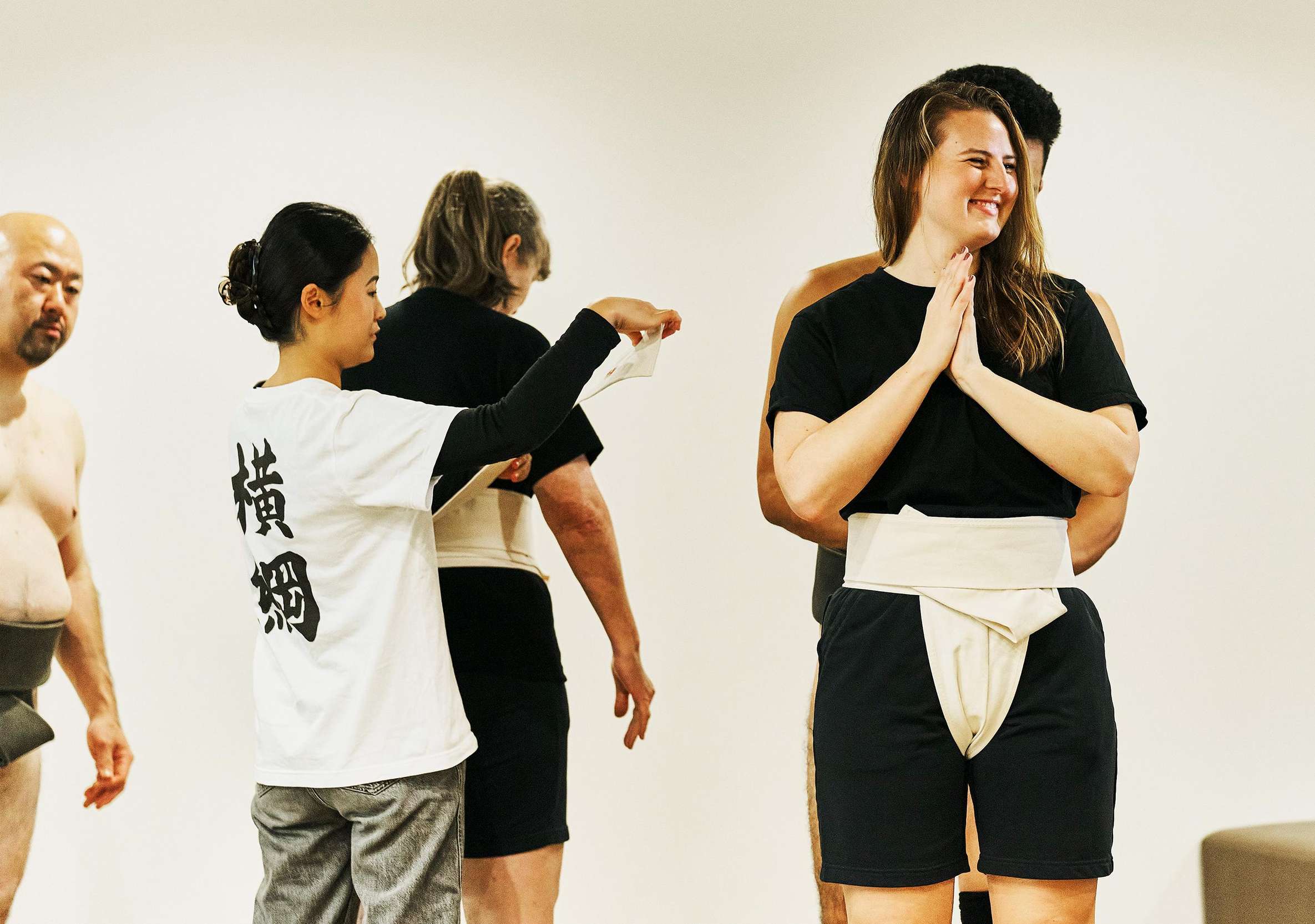
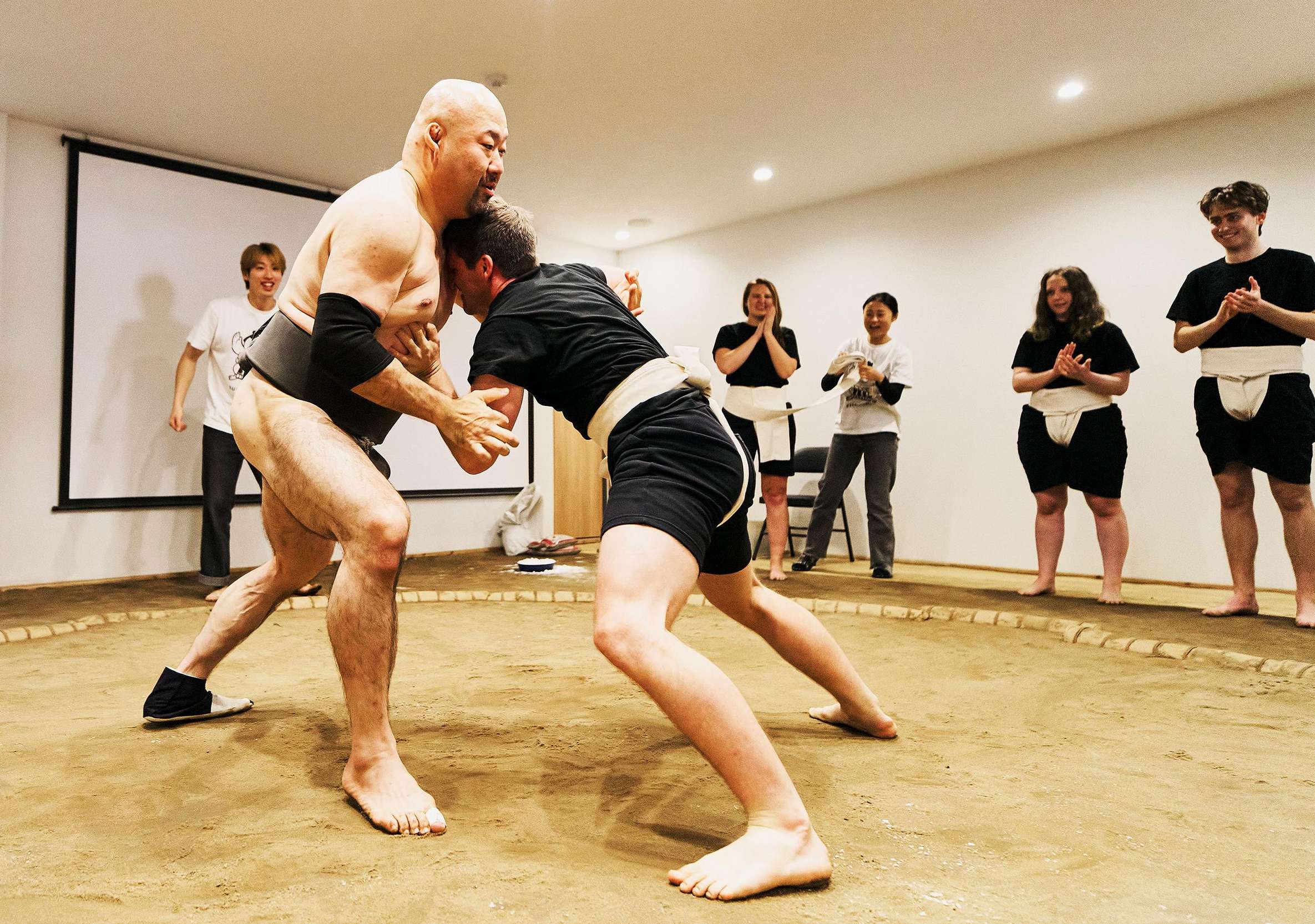
The audience challenge is the part people remember. Spots to face a wrestler in the ring are limited, and the guests picked through the lottery get to try warm-ups and wrestling themselves, free to bow out if they change their mind.
Say the gap plainly: the wrestlers here are retired professionals putting on an entertainment show, and nobody's rank is on the line. Still, it is the most sumo-focused thing bookable in Osaka, and people who knew little about sumo going in often count it among the highlights of their trip.
If competing sounds like you, book early: the challenge spots are the first thing to go, and the rest of the show matters less to the people who wanted a bout of their own.
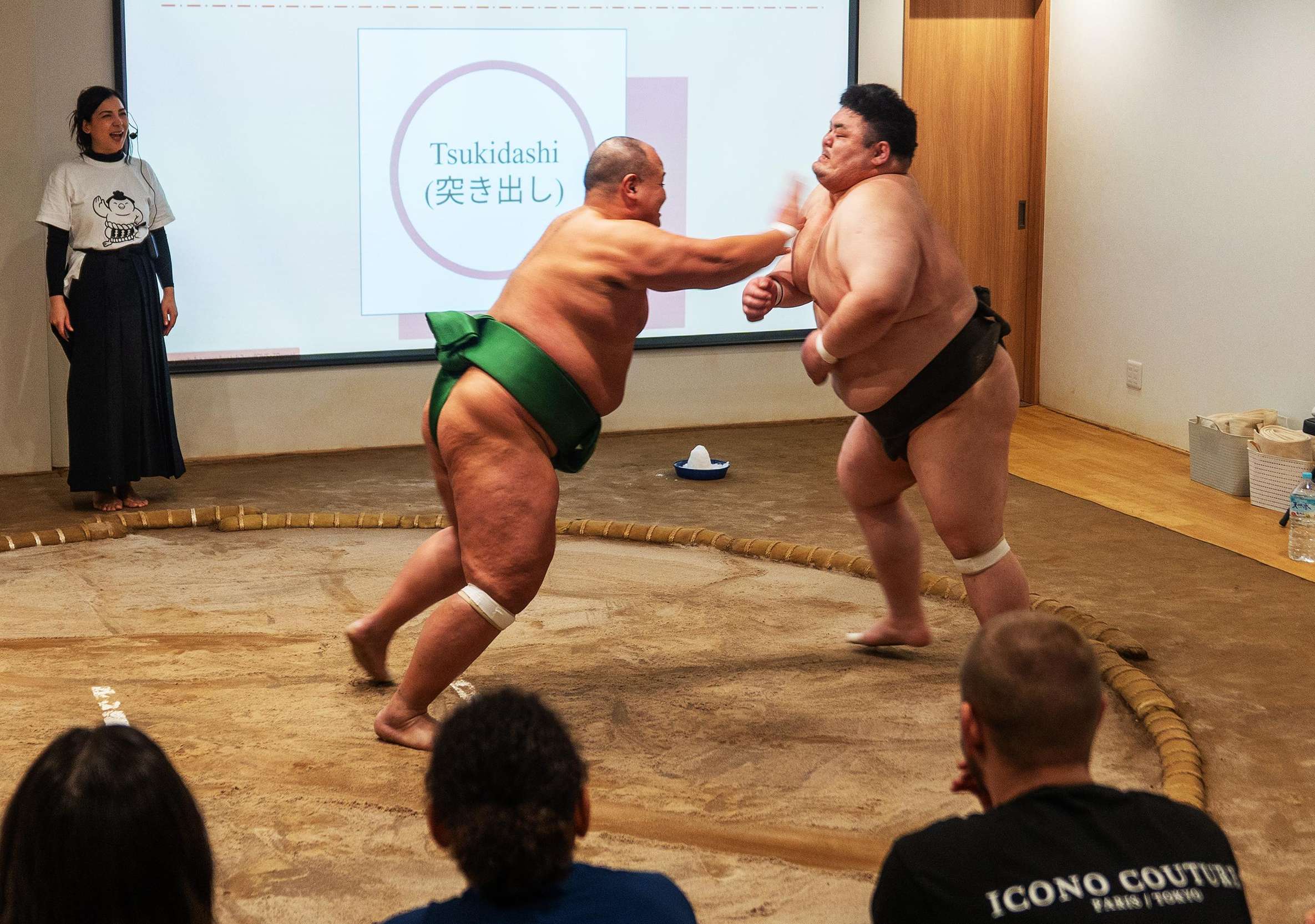
If the plan is an Osaka evening that happens to include sumo, Sumo Hall Hirakuza in Namba fits best.
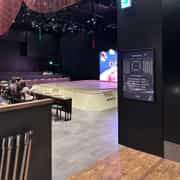
The hall holds about 180 seats around a life-sized sumo ring stage, runs shows year-round, and folds dinner into the ticket: a food box or snack bag with a drink, or a bowl of chanko nabe with the workshop option. A commemorative picture with the wrestlers comes with it.
Seating decides how much of the evening you feel. Premium front-row seats sit directly against the ring stage, close enough that guests high-five the wrestlers as they pass. Standard seats sit behind them on an incline, which means even the cheaper seats look straight over the ring.
The format gives up what the tournament has: no stakes, a theatrical production with sound and light, and an ending that may slip slightly past the printed time.
What it gives back is an indoor show in any month, in a venue that sits in Namba itself, about 10 minutes on foot from the Osaka Metro Namba station.
| If this happens | What happens then |
|---|---|
| Shows start noticeably later than the printed time | Arriving 15 to 20 minutes early protects your seat from a rushed search |
| You arrive after the show has begun | You may still enter, but the show cannot be extended and you miss sections |
| You cancel up to 24 hours ahead | Full refund on most bookings |
| You cancel on the day | No refund, though some bookings can move to another slot with availability |
Check the venue's monthly calendar too. There is no dark season, but a handful of days a month close, and the printed start time can run late; the rows above cover what follows from each.
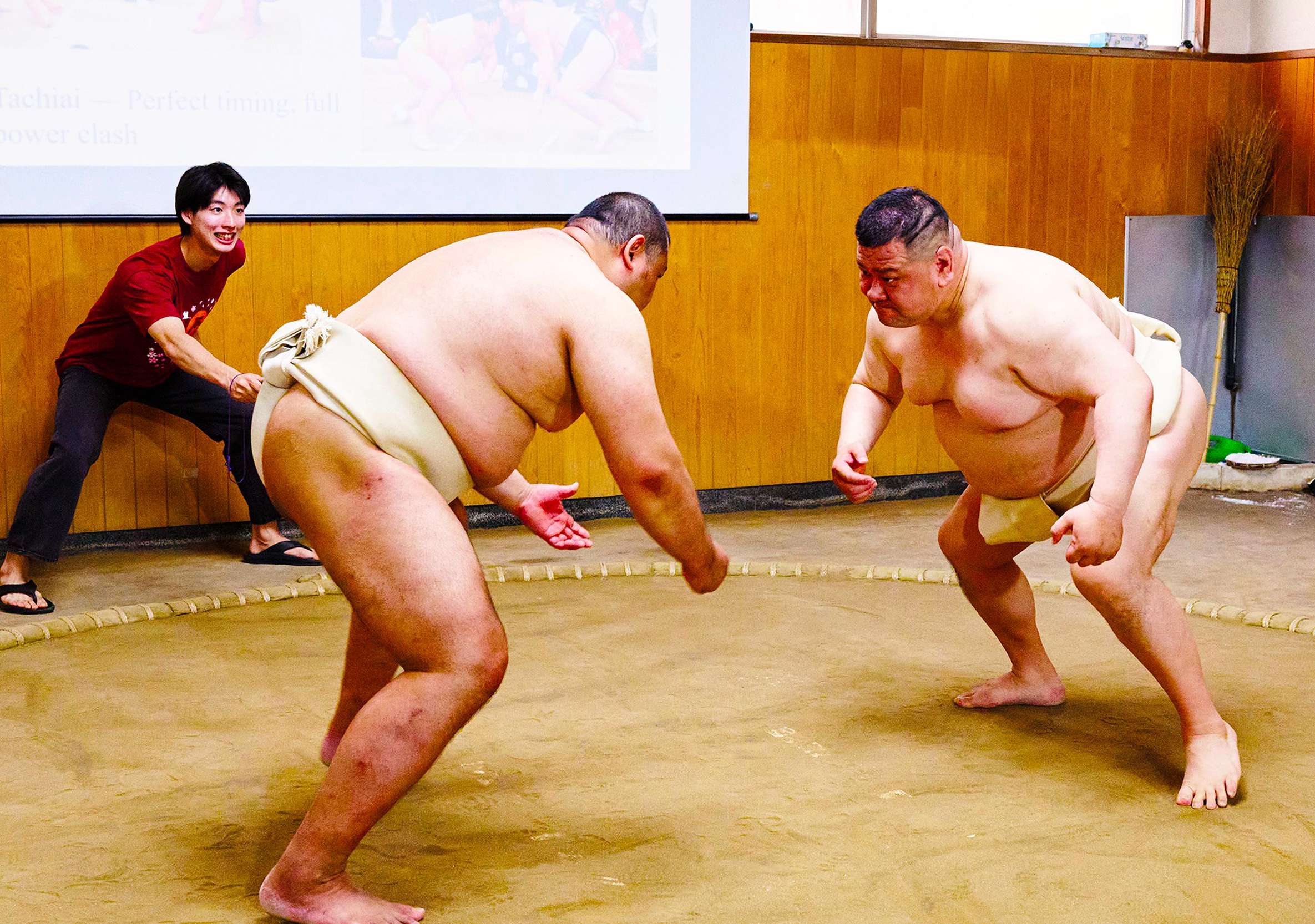
Osaka hosts a grand sumo tournament once a year, in March, over two weeks. The other five tournaments rotate through Japan: Tokyo three times, in January, May and September, Nagoya in July, Fukuoka in November. Each lasts 15 days in a single city.
If you can choose just one day of a tournament, the final day is the most spectacular and the hardest to attend, with weekends and closing days going first.
Outside March, morning practice in Osaka is largely unavailable, because the professionals leave for tournament cities. In July they are all in Nagoya. That is why dinner shows dominate the Osaka sumo scene: outside the tournament run-up, a show is often the only sumo in town.
July: 5 out of 5 for how busy it gets.
Tap a month to read it.
Read the calendar against your dates, then book around what it says. A March trip means working the ticket system in the next chapter; any other month means a show, booked a few days out.
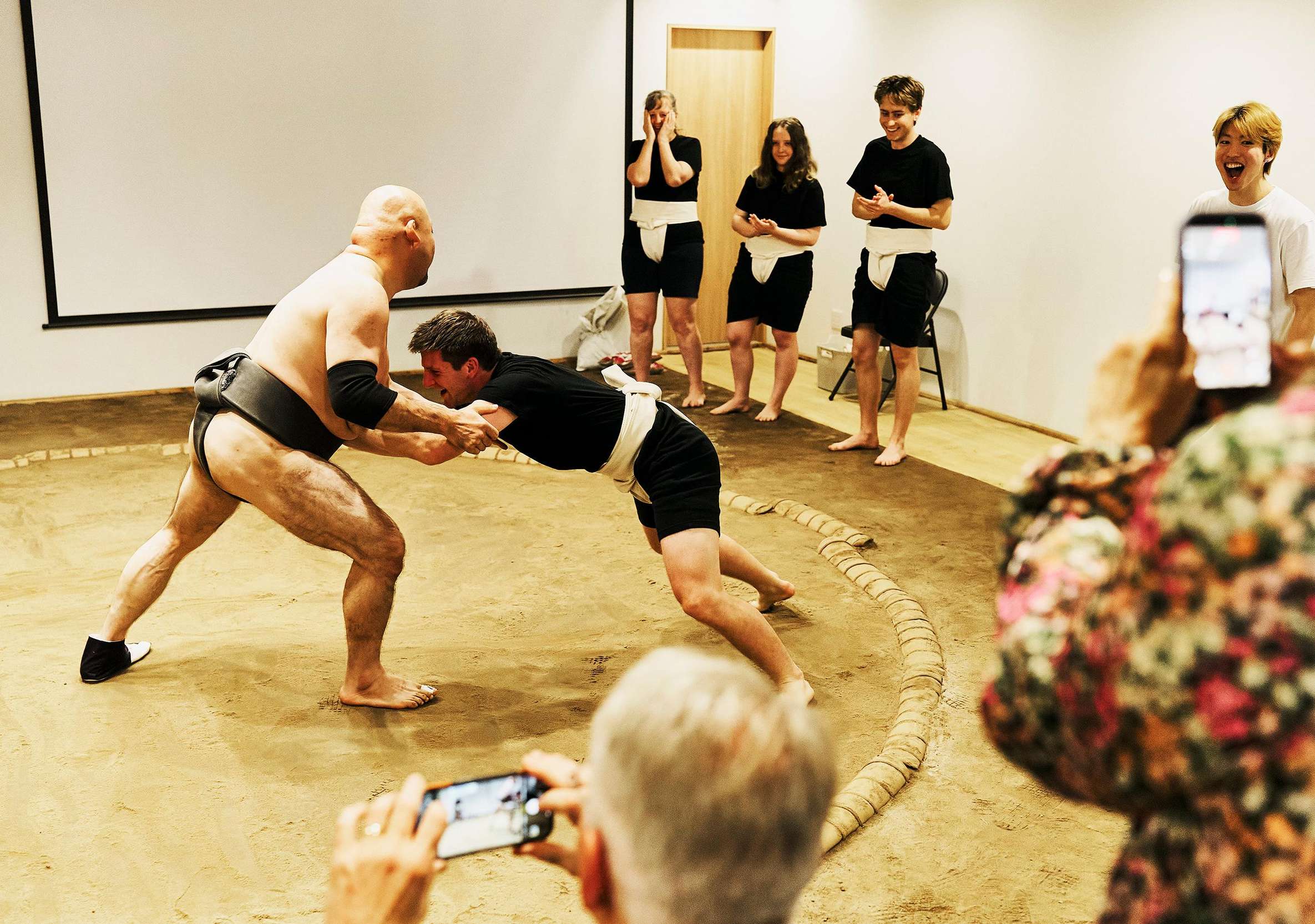
Osaka tickets are the hardest to score in Japan. The venue is the smallest on the circuit in a huge city, demand for the March basho has been compared to Ghibli park tickets, and popular seats vanish within minutes of the 10 am sale opening.
An official at the arena said tickets were already nearly gone on the first day of sales for the 2026 tournament.
For the 2026 March tournament, advance sales opened on February 7 for bouts running March 8 to 22. Weekend and final days go first, and people who waited a few hours after 10 am found nothing.
Buying from abroad means the official English ticket service: credit card only, a per-ticket fee, and the ticket issued as a printout at a Seven-Eleven in Japan.
Seat types shape the day. Box seats sell as a whole box for four and mean hours on a cushion on the floor, which is hard work if your mobility is limited. Chair seats sell individually and suit most first-timers better.
Tickets are like cash and issued only once The Japan Sumo Association will not honour a receipt, so losing or forgetting yours means no entry Popular seats sell out within minutes of 10 am Buy the moment sales open, or use the official overseas service or a guided tour
Two venues, two very different journeys. For the Minoh Expo arena, take the Hankyu Takatsuki Line express from Osaka-Umeda Station about 16 minutes to Ishibashi-handai-mae, change to the Hankyu Minoh Line for about 6 minutes, and arrive at Minoh Station.
From there the Sky Arena is a 20-minute walk, or take the Hankyu Bus or the Orange Yuzuru community bus to the Niina stop and walk about 7 minutes. On tournament days a shuttle bus has run as well.
The Namba cluster is far simpler. Edion Arena, the March tournament venue, is about a 5-minute walk from Namba Exit 5, and roughly 250 metres from the south exit of Nankai Namba, the line that runs straight from Kansai Airport in 40 to 50 minutes.
Sumo Hall Hirakuza sits above Namba too: elevator No. 3 in Namba Parks takes you to the 8th floor, about 10 minutes on foot from the Osaka Metro Namba station. One evening, no transfers, no bus timetable to worry about.
Doors open around 8:45 am at Edion Arena, and the morning is the quiet part. Lower-ranked wrestlers fight their bouts to a half-empty hall, and locals use those hours to sit where they like.
The arena fills through the afternoon, the second-tier juryo division enters the ring around 2:15 pm, and by 3 pm the atmosphere is building properly.
The top division makes its ceremonial entrance around 3:45 pm, with bouts from about 4:15 pm The top-ranked bouts, Yokozuna included, run 5:30 to 6 pm, and the day closes with the bow-twirling ceremony.
That is a 7 to 8 hour commitment, and veterans treat it as exactly that: a whole-day event with special bento and hot food ordered at your seat.
Locals arrive late on purpose
Most excitement starts around 2 pm
Arena nearly full
Cushions fly after a big upset
Morning gives you room to breathe; 3 pm gives you the electric crowd. You may be allowed one re-entry during the day, though the Osaka venue's rule deserves a check before you plan an outside lunch.
The Osaka crowd is livelier than Tokyo's, and after a big upset cushions sail through the air. Follow the crowd's lead on when to cheer and when to hold still; that instinct covers most of the etiquette.
The firm line comes before each bout. During the tense pre-charge face-off, the arena falls quiet, and shouting through the initial charge is bad manners because the moment demands total concentration.
Once the wrestlers clash, the energy pours out: call a wrestler's name, shout encouragement, applaud the throw. Cheering a wrestler is fine; cheering against his opponent is discouraged.
Stay in your seat while a bout is on and move between bouts, never during one. Keep phones silent, skip the flash, and touch neither wrestlers nor referee. Ringside tamari seats carry their own rules: no photography without permission, no eating or drinking, shoes off, and entry only from age 16.
In the traditional masu box seats you sit cross-legged on a cushion, feet never pointed at the ring, though you may shift during a long match.
A few quirks change the plan before you ever sit down. Arena A seats in Osaka sit far from the ring, unlike at Tokyo's Kokugikan where the same letter lands near the front of the upper tier; the S and SS seats are the best upper-tier picks.
Food inside the venue is poor by Osaka standards, so eat a big breakfast or use your single re-entry to eat outside, because the tea-house booths where lunch and gift pickups happen stand outside the main gate.
Since the pandemic, wrestler walkways are segregated, so casual interaction with rikishi inside the venue is no longer possible. Waiting by the front door for them to arrive costs good sumo, since nobody can say when a popular wrestler shows up.
One more thing for the walk home: touts who approach you around Umeda will almost certainly overcharge you. Buy nothing on the street, and keep your ticket on you, because it is your only one.
Tea-house pickups happen outside the main gate, so one lunch run spends your only pass
Walkways have been segregated since the pandemic, so no casual greetings inside
Later-week days and the final Sunday are also high-demand, so no day is a safe bet
Early lower-division bouts can feel slow, so plan food and patience accordingly
If your trip overlaps the March basho, work the 10 am ticket window and go, because real competition beats anything staged.
If it doesn't, the Osaka: Sumo Experience with Live Show & Audience Challenge is the most sumo-focused thing you can book, with a one-round match and a chance to enter the ring yourself. For an easy evening in Namba with food included, Sumo Hall Hirakuza delivers, any month of the year.
Fifteen days of real tournament sumo every March, five minutes on foot from Namba Station.
Read the guideBookable on most days of the year: live sumo technique with dinner, a bento or a front-row seat.
Read the guideTokyo hosts grand sumo in January, May and September at Ryogoku Kokugikan, and seats vanish fast.
Read the guide
Fukuoka hosts grand sumo every November at Kokusai Center, and all 15 days sell out on day one.
Read the guideNagoya's July basho sold out seven weeks before opening day in 2026.
Read the guideA booking plan for grand sumo tickets: sale dates, seat types and the rules that surprise buyers.
Read the guide
The rules, timing and seating of a grand tournament, told so a first-timer can follow every bout.
Read the guideOne is a real tournament for two weeks a year; the others are shows you can book on any date.
The March basho at Edion Arena, the toughest ticket in Japanese sumo
Edion Arena in Namba is the smallest venue on the grand sumo circuit, and the March basho there draws the liveliest crowd in the sport. When an underdog beats a favorite, cushions sail through the air. If your trip overlaps the two weeks of tournament, this is the sumo to see.
The price of that crowd is the ticket window: sales open about a month out at 10 am, and popular seats vanish within minutes, with weekend and final days going first.
A day runs from morning to about 6 pm, and the top division fights from around 2 pm. The page lays out dates, the arena and how to buy.
Retired professionals, English commentary and a lottery to enter the ring
Outside the March tournament, the sumo you can book in Osaka is a show, and several venues run one.
Retired professionals demonstrate real technique and famous kimarite, a host explains the rules in English, and at some shows a lottery sends guests into the ring against a wrestler. People who go often say the participatory bit is the part they remember.
The practical side is easy. The two Osaka shows on this site run about 90 minutes to two and a half hours, sit you close to the ring, and often include food such as chanko nabe or wagyu sukiyaki.
Arrive 15 to 20 minutes before the printed time, because shows can start late. One venue, Sumo Hall Hirakuza, closes on Tuesdays.
Three basho a year at the Kokugikan, with a museum and sumo town around it
Ryogoku Kokugikan holds three of the six annual grand tournaments, in January, May and September, each running 15 straight days. The arena is small enough that even the back rows see the ring clearly, and the surrounding streets are sumo town: stables, museums and chanko nabe restaurants.
Tickets sell out within minutes of the 10 am sale opening, so the plan matters more than the seat.
An upper-floor chair seat is the comfortable first choice, and the top division fights from late afternoon to about 6 pm, so an afternoon arrival catches the climax. The page covers dates, seats and the buying route.
The year's last basho in a small arena where every seat sees the ring

The Kyushu basho closes the sumo year: 15 November days at Fukuoka Kokusai Center, a ten-minute walk from Hakata Station. The arena is small, so even the cheapest seats give a clear view, and after the final bouts around 6 pm you step straight into Fukuoka's yatai street-stall culture.
Selling out is the story here. All 15 days went on the first day of general sales two years running, and fans say that window is now often minutes.
Morning practice viewing in Fukuoka runs only during the November tournament window, so if your dates miss it, sumo moves to another city. The page walks through the schedule, venue and ticket run.
July sumo at IG Arena, beside Nagoya Castle, with easy station access
Nagoya hosts its grand tournament every July, and since 2025 it has run at IG Arena near Nagoya Castle, a five-minute walk from the subway. The venue is comfortable and beginner-friendly, with chair seating that suits visitors unused to floor boxes.
The record shows how fast tickets go: in 2026 every one of the 15 days was already sold out about seven weeks before the first bout, after sales opened on May 16.
Buying from abroad means the official English service, credit card only, with tickets printed at a Seven-Eleven in Japan. Mid-afternoon arrival catches the ring-entering ceremonies and the top bouts that finish near 6 pm.
How tournament tickets go on sale, which seats to pick and what they cost
Once you know which tournament you want, the obstacle is the ticket window. Sales open at 10 am Japan time, roughly one to two months ahead, and decent seats can be gone within minutes.
Overseas buyers have one official English route, which charges a per-ticket fee and hands you the ticket only at a Seven-Eleven in Japan.
The guide settles the seat question too. Chair seats upstairs suit most first-timers because the arenas are small, floor boxes mean cushions and hours of sitting cross-legged, and ringside seats go by phone lottery that visitors rarely win. When everything is sold, the guide points to the realistic fallbacks, including the bookable sumo shows.
How a bout is won, how the day unfolds and where to sit

A tournament bout ends one of two ways: a wrestler is pushed out of the ring, or any part of him besides the soles of his feet touches the ground.
There are 82 recognized winning techniques, and forbidden moves such as closed-fist punches stop the bout at once. Knowing this turns fifteen seconds of pushing into a contest you can read.
The guide also maps the day. Lower divisions fight from mid-morning to a near-empty arena, the top division enters around late afternoon, and the crowd peaks for the final bouts before the bow-twirling ceremony. Seat types, from floor boxes to upper chairs, get the same plain treatment.
See how the six official tournaments a year map across Japan's host cities before you pick your date.

If a Tokyo basho fits your trip better, get its venue, dates and ticket picture in one place.
Planning around the March basho in Osaka instead? This page sets out the venue and schedule.
Heading to Fukuoka in November? Find the Kyushu tournament's venue and dates there.

For the July tournament in Nagoya, that page covers tickets and the venue.

Before you chase any tournament seat, learn how ticket sales, seat types and prices work.

Map every way to watch sumo in Japan, from tournaments to shows, before settling on one city.

Compare Tokyo's live viewing options, from shows to stable visits, if your trip includes the capital.
Go deeper on watching live sumo in Osaka and how the local options differ.
Kyoto-based travelers can see which sumo shows and venues fit a Kyoto itinerary.
Find out what watching sumo in Fukuoka looks like outside tournament season.

Sapporo has its own year-round sumo show; check its schedule and current availability.

Unsure whether a show, a class or a tour suits you? That page lays out the differences.

Picture a sumo show with Mt Fuji behind the ring and see what the Lake Yamanaka visit involves.

Want to try sumo yourself rather than watch? Compare classes and ring challenges in Tokyo and Osaka.

See how a guided Tokyo stable visit works and what morning practice etiquette expects of you.

If dressing as a wrestler appeals, that page shows how it fits into a Tokyo sumo outing.

For the history behind the bouts, see the Tokyo masterclass on sumo's traditions and culture.
See what a guided tournament visit adds, from tickets to explanation of the bouts.

Weigh whether a guided Nagoya tournament option matches your July travel dates.
Compare guided Osaka tournament viewing with the shows on this page before choosing.

See whether a Ryogoku arena visit with a guide fits your Tokyo plans.

Learn where real morning training happens across Japan and how to watch it respectfully.

Plan a quiet early morning at a Tokyo stable, with guided options and etiquette explained.

Understand why real morning training is scarce in Osaka outside March, and what to do instead.

Decide between real training visits and performances if practice watching is your goal in Kyoto.

Compare sumo shows across Japan by format, food and seating before you commit to one.

For a deluxe Tokyo evening, see shows paired with sukiyaki, drinks and front-row seats.

Compare Tokyo's Ginza, Shinjuku and other shows side by side to pick your live performance.

See the full range of Osaka shows and restaurant options beyond the two covered here.

Kyoto's shows come with geisha dance and hot pot; check dates and what each includes.
Sapporo's show pairs sumo with Japanese food; see what it involves and when it runs.
Pair a live show with chanko nabe at lunchtime; see which Tokyo options do both.
Turn dinner in Osaka into a sumo-themed night with restaurants and food shows compared.

Still weighing your options? That guide compares the ways to watch and try sumo across Japan.
Get quick answers on rules, schedules and match length to follow the bouts like a local.

Add the Tokyo sumo museum to your plan, with hours and other cities' options.

Walk Tokyo's sumo district around Ryogoku and see what else the neighborhood holds.
Short answers to what visitors ask before choosing how to watch sumo in Osaka.
Yes. The Osaka sumo shows run all year, while morning practice in the city is largely unavailable outside the run-up to the March tournament. Shows are the everyday way to see live sumo in Osaka.
It is an entertainment show performed by retired professional wrestlers. The technique is genuine, but the matches are choreographed rather than competitive contests.
You watch demonstrations of training routines, rituals and signature techniques, hear commentary on the rules and history, and see a one-round match between retired wrestlers. An English-speaking host explains everything as it happens.
At the Osaka show with the audience challenge, you can face a wrestler in the ring, and spots are limited. Some visitors join in, others stay in their seats; both are fine.
Not always. Some shows start noticeably later than the printed time, and at one Osaka hall the ending time can vary slightly. Arrive 15 to 20 minutes early so you are seated before the action begins.
Yes. The Namba show includes a bento or snack bag with a drink, and the wagyu sukiyaki show serves the meal at your seat during the performance. Check your booking details for exactly what your option includes.
The tournament is a genuine contest where results count, and the Osaka crowd is livelier, with cushions flying after a big upset. The show is staged, though it offers something no tournament does: the chance to enter the ring yourself.
Yes. The commentary explains rules, rituals and history in an accessible way, and many visitors count the experience a highlight of their trip even with no sumo background. Participation is always your choice.
Watch retired wrestlers train, wrestle a one-round match, and take your own turn in the ring in Osaka, with free cancellation up to 24 hours before.



