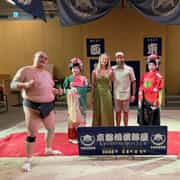
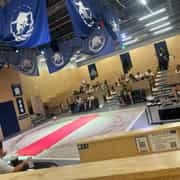
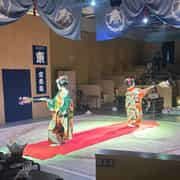
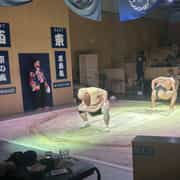
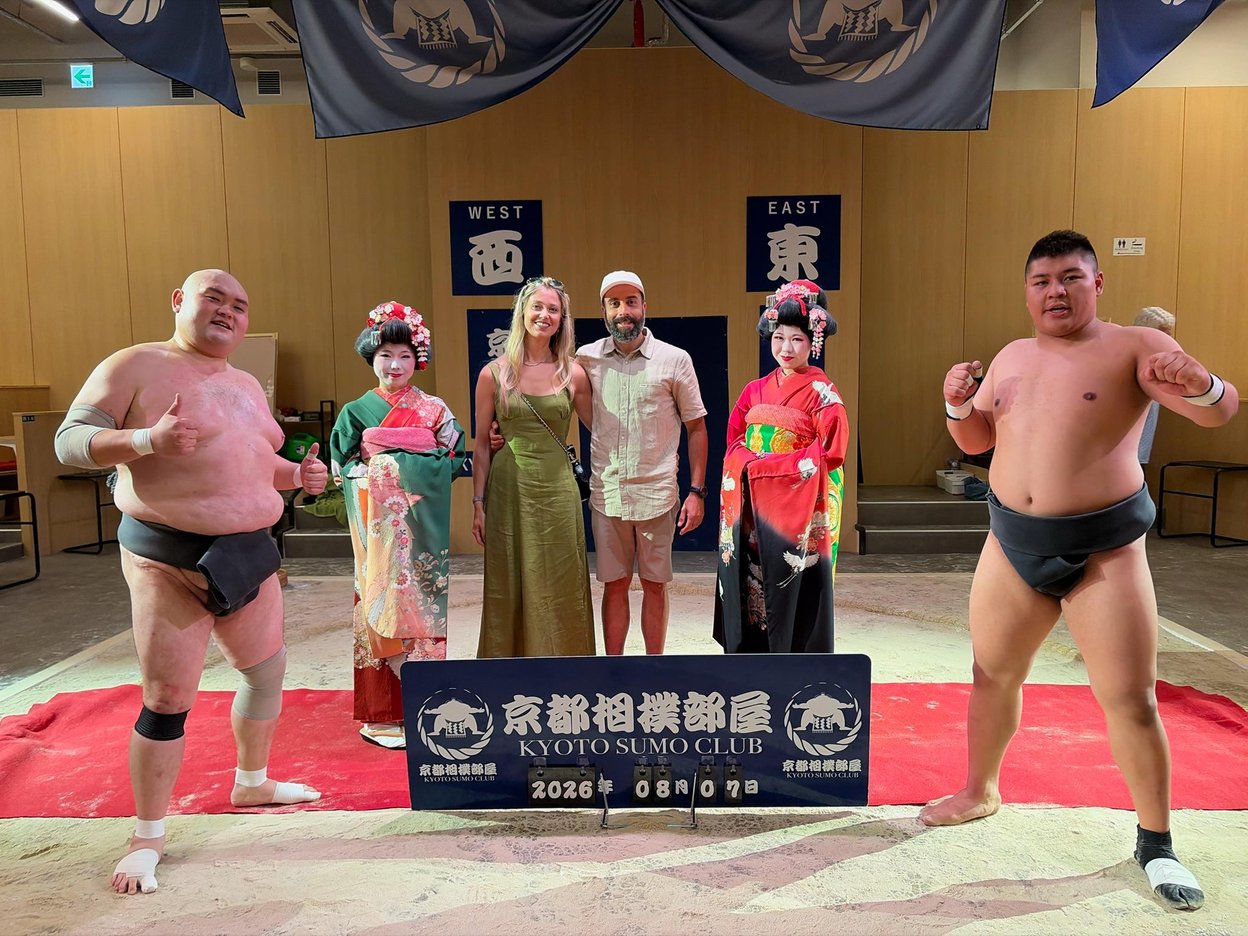
Book a real sumo show in Kyoto tonight. Sit beside the ring, eat chanko hot pot and watch a geisha dance, then step in yourself if the lottery calls your name. Over 1,600 guests have cheered, clapped and eaten their fill at this Kyoto show, and most call it a trip highlight.
"Loved this two-hour combo: geisha dancing, sumo, and cultural history, plus all-you-can-eat lunch with drinks. My partner even got to wrestle a sumo wrestler. Great value for couples."
4.8★average rating2,652traveler reviews100%free cancellation26countries travelers came from
Kyoto sumo show - which evening suits you
Kyoto runs two live sumo shows year-round, and the choice between them comes down to what you want around the wrestling. The Sumo Club show in Shinkyogoku adds a geisha dance and an all-you-can-eat hot pot buffet, so it works as a full festive evening. The participative experience near Marutamachi is smaller and built around getting you into the ring yourself.
What you'll see inside a sumo show in Kyoto, and what's included
about 2 h
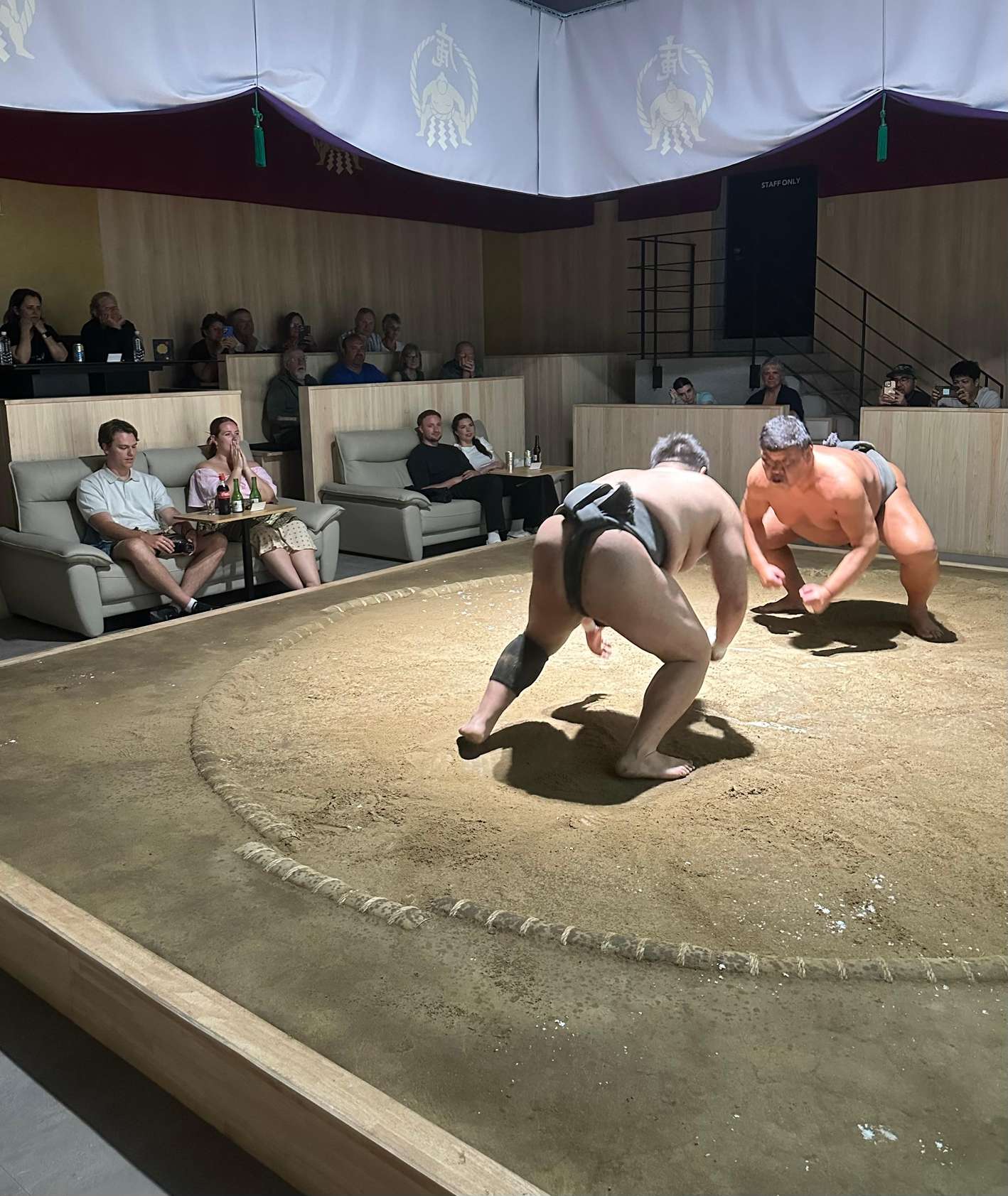
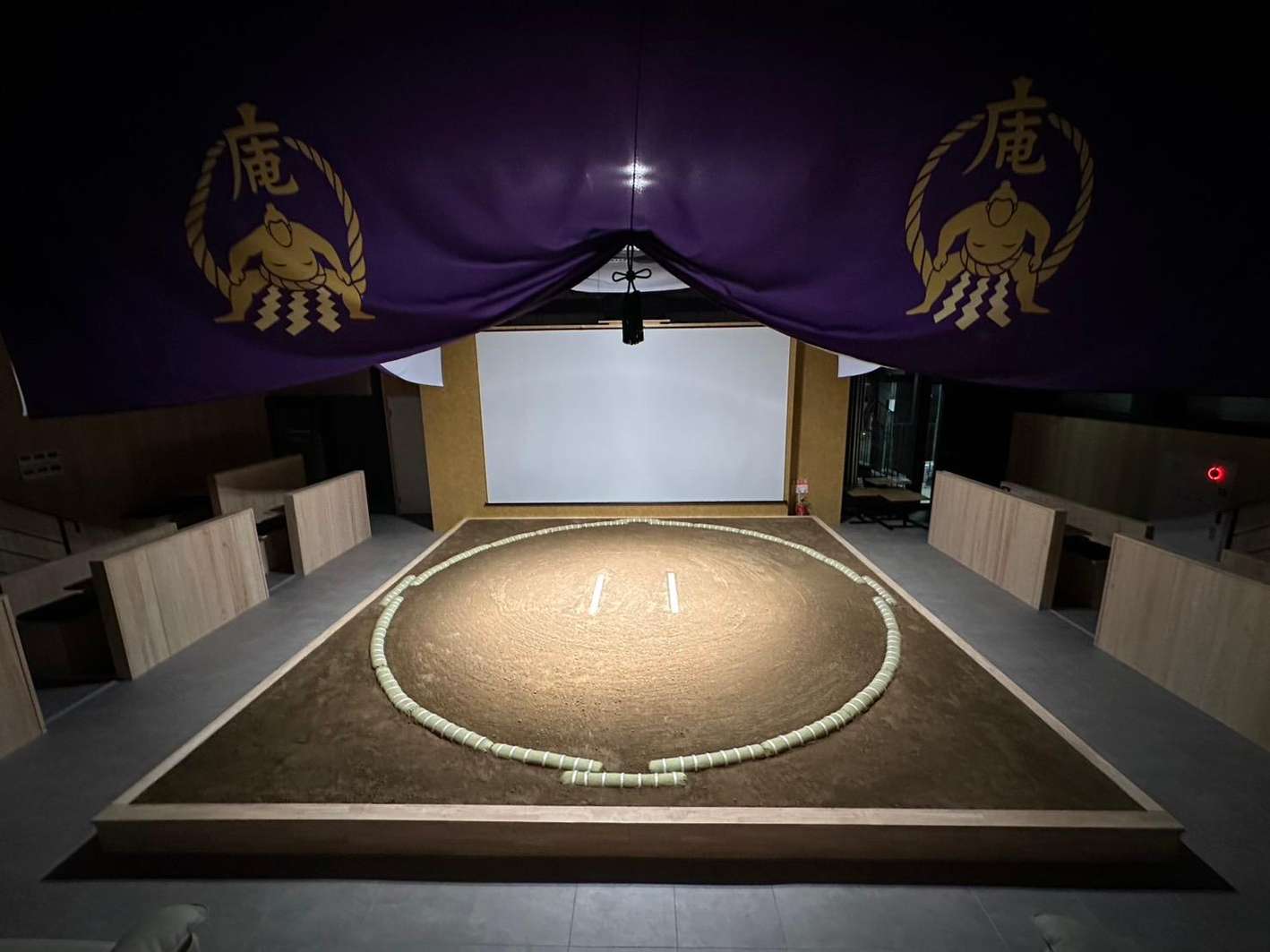
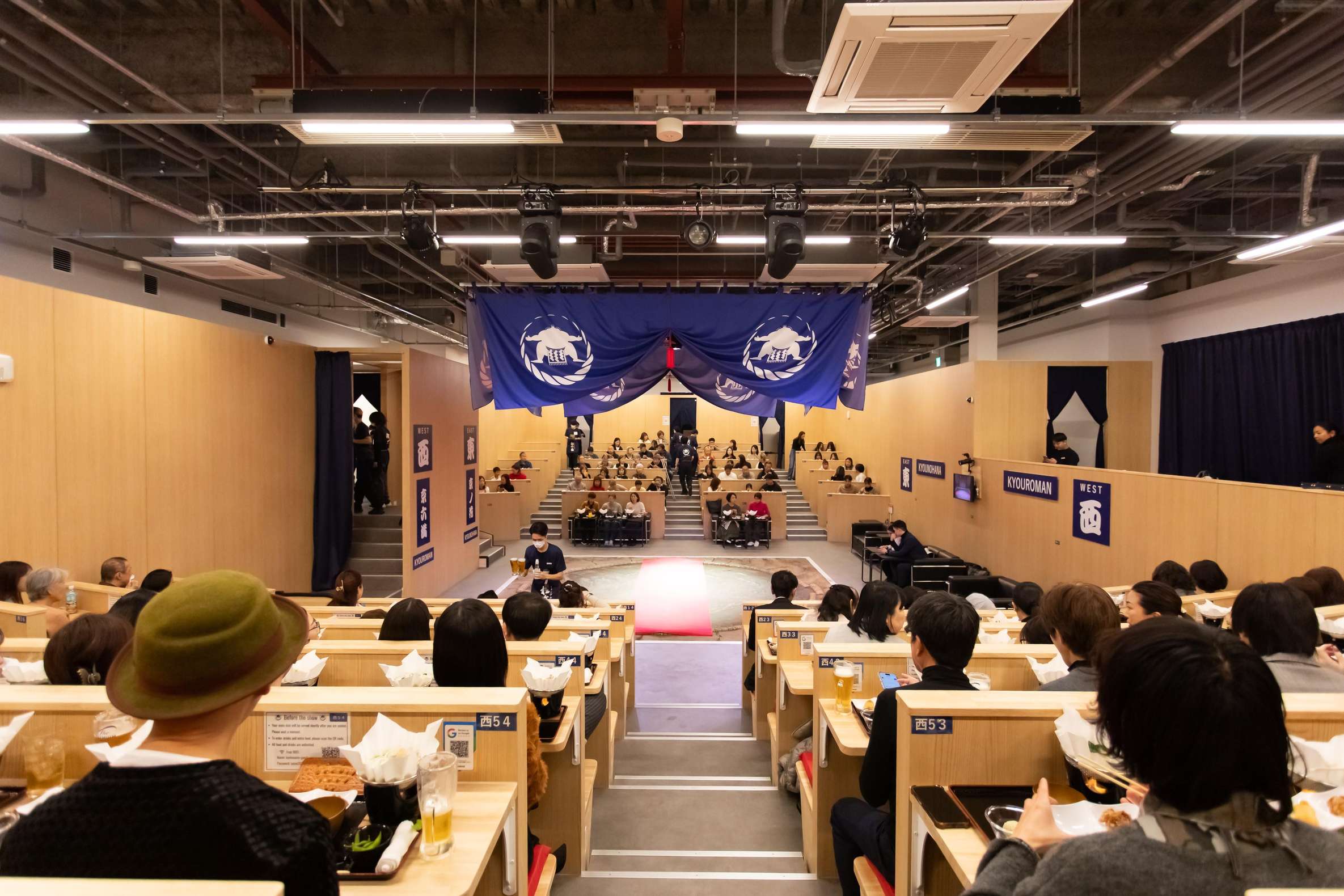
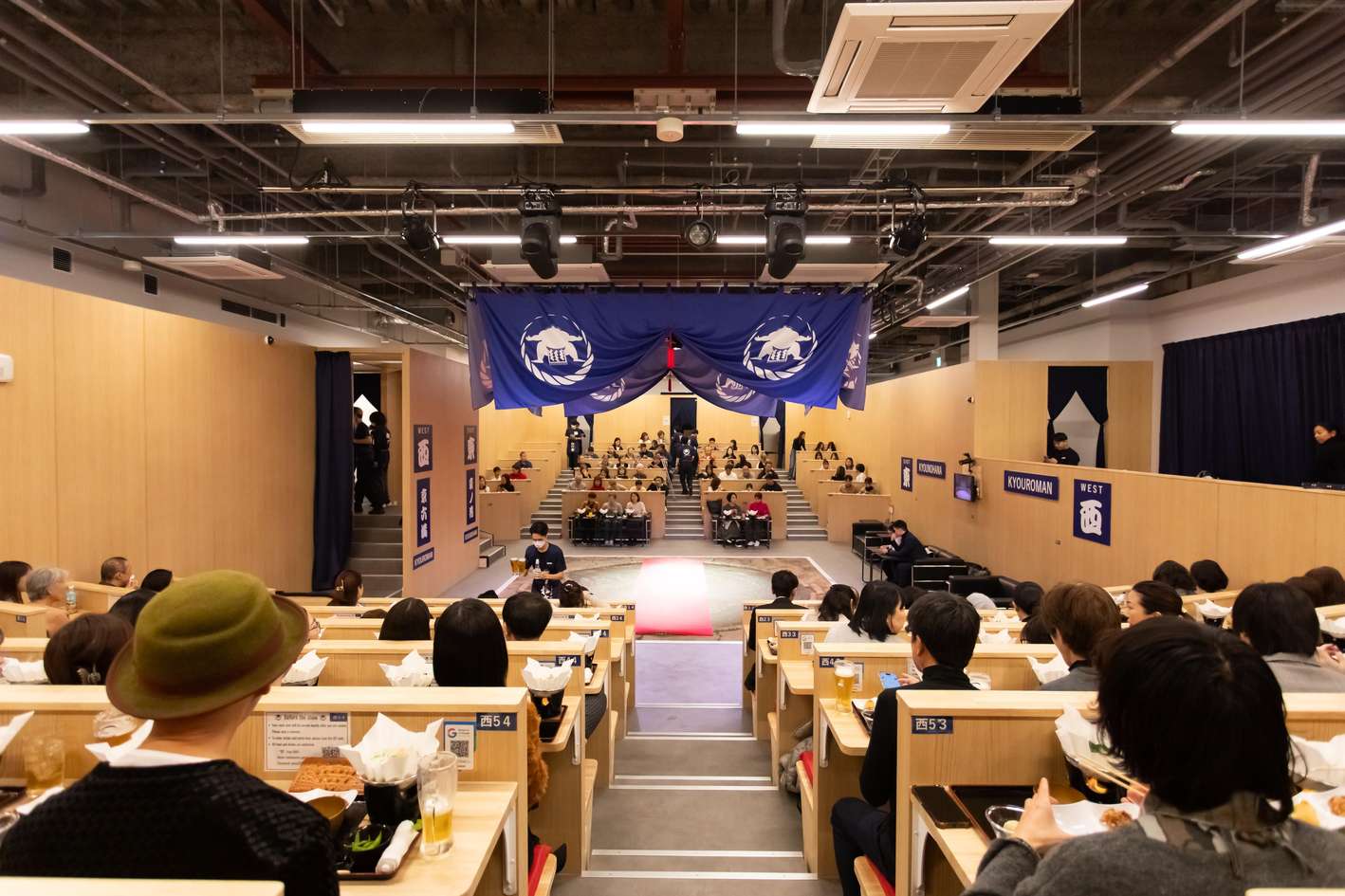
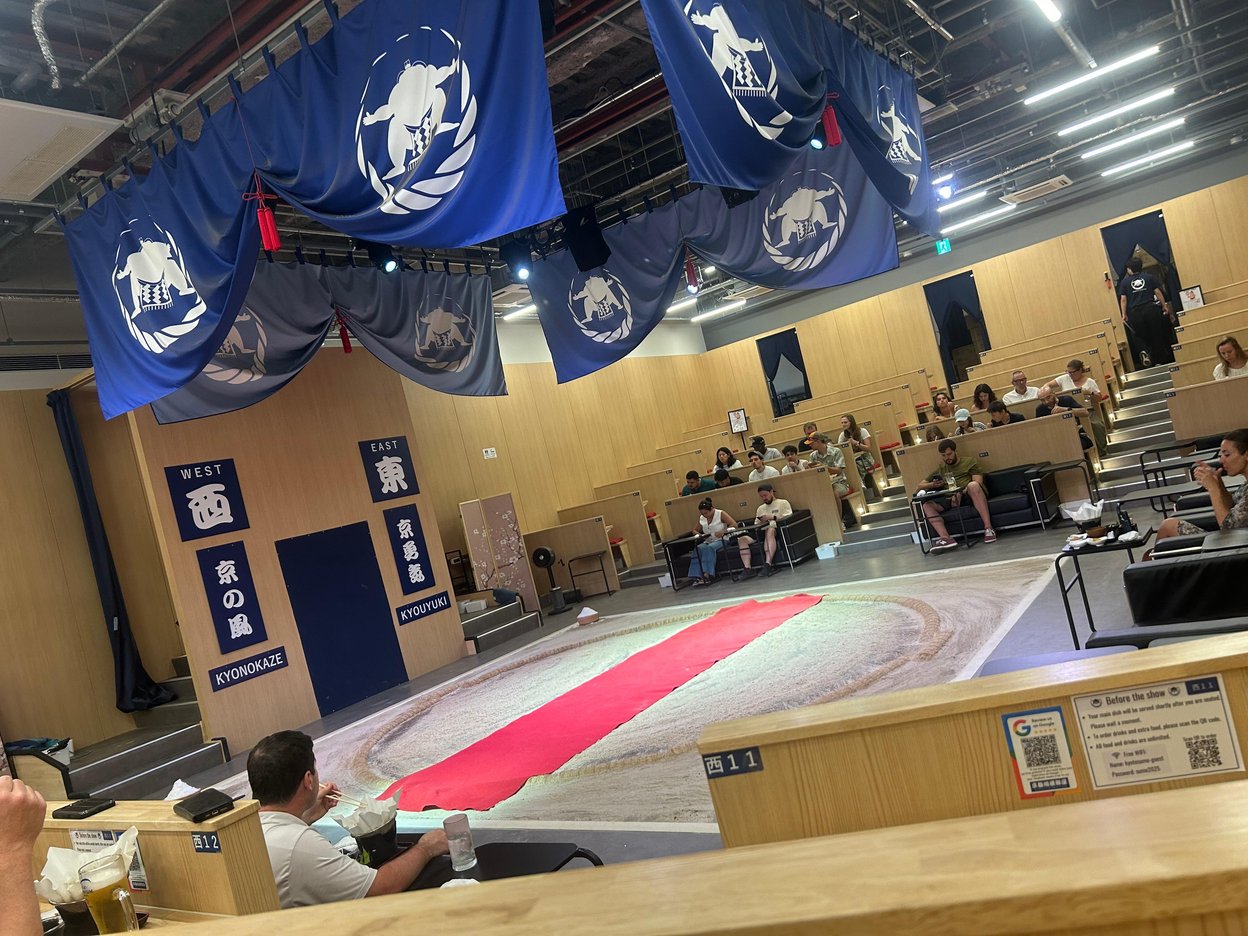
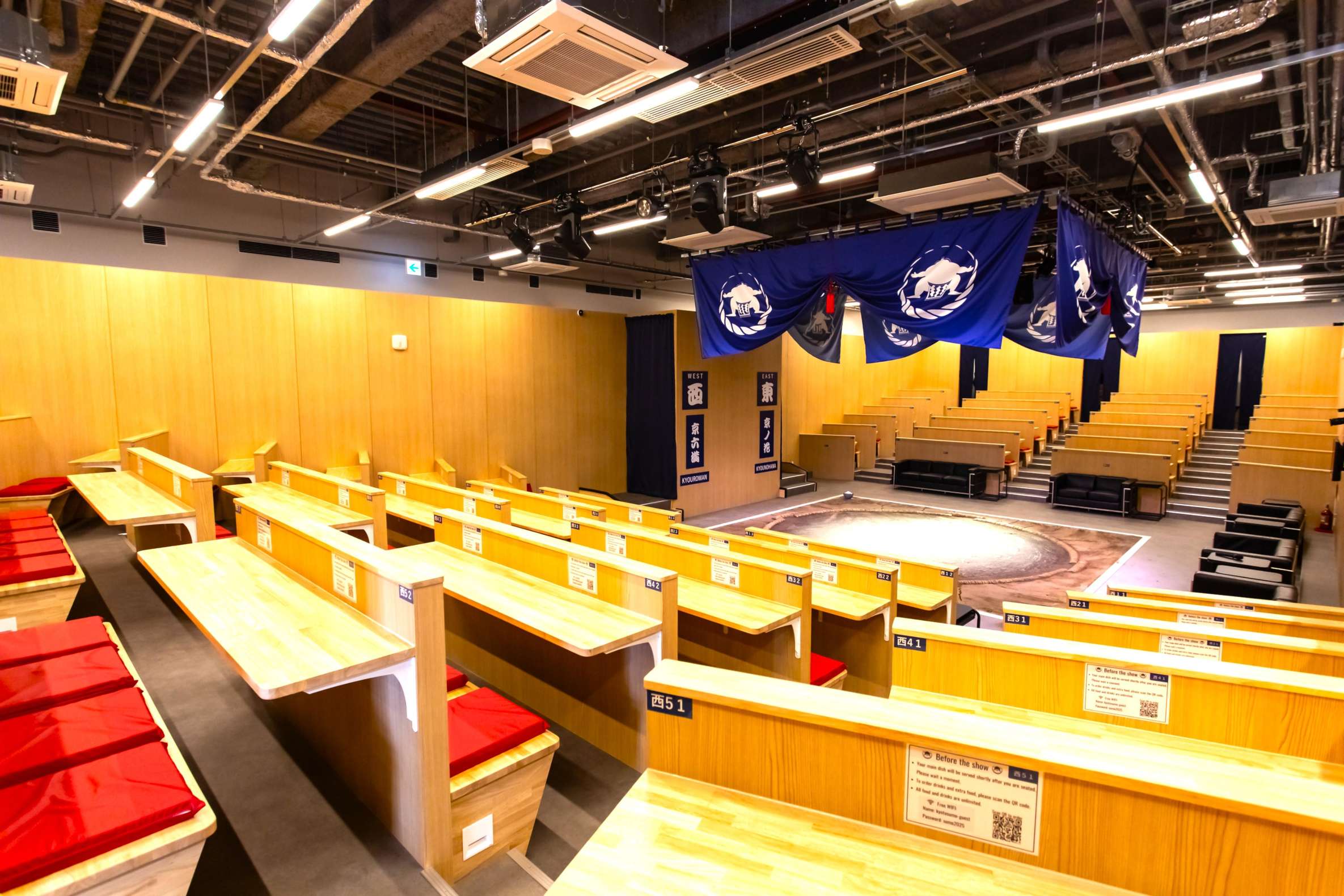
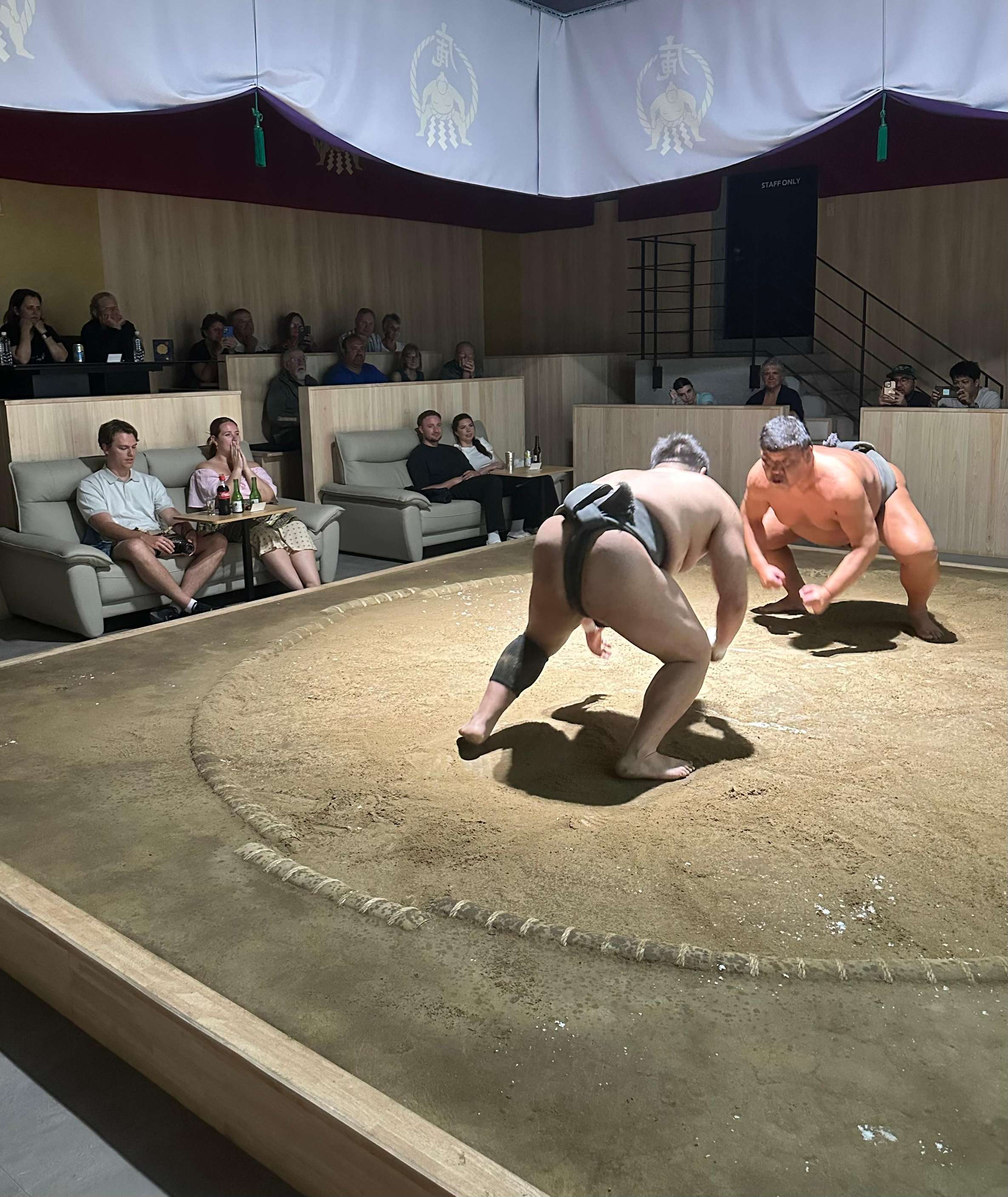
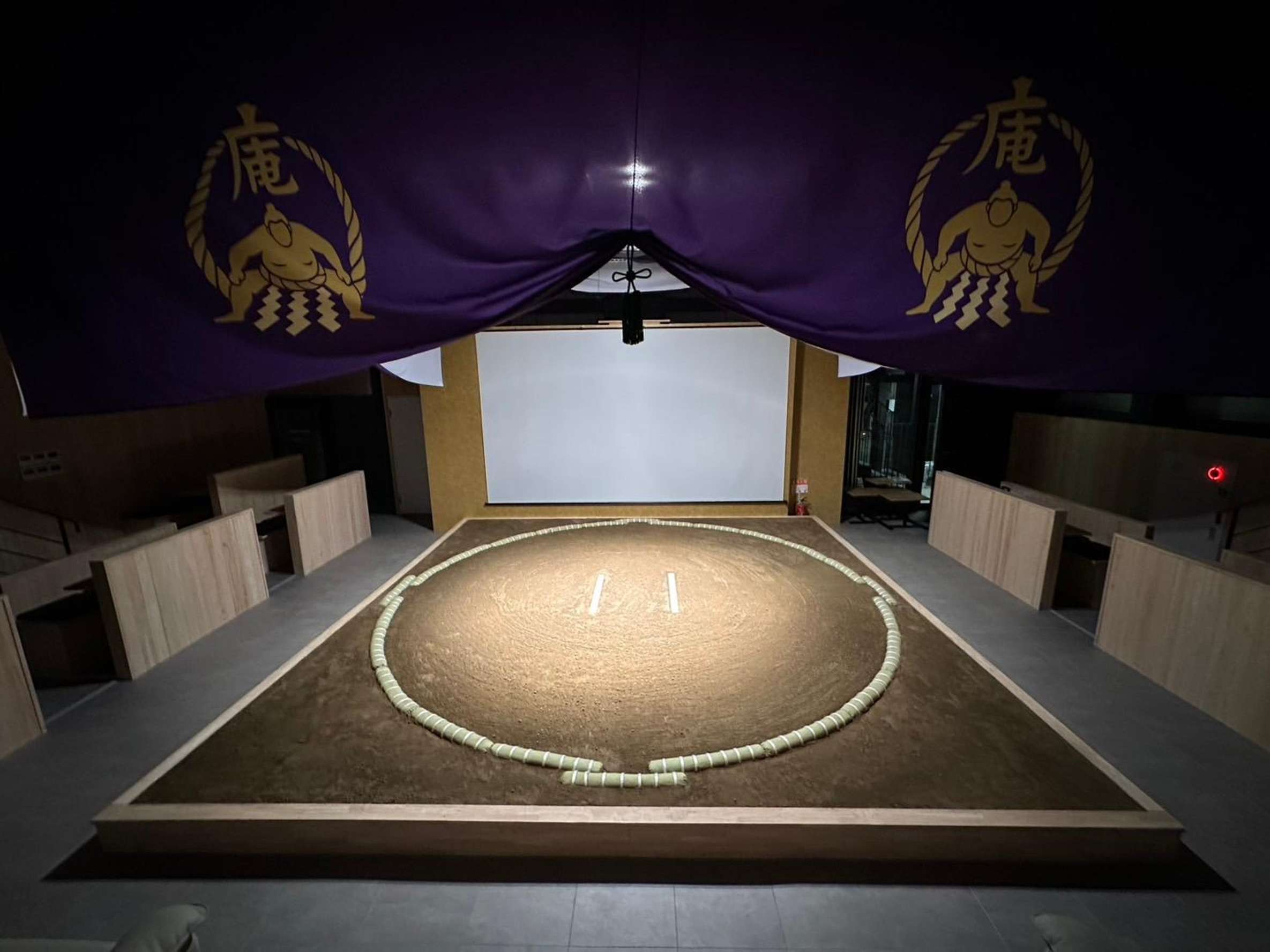
The Kyoto sumo show runs about two hours in a venue built around a real clay ring, the dohyo.
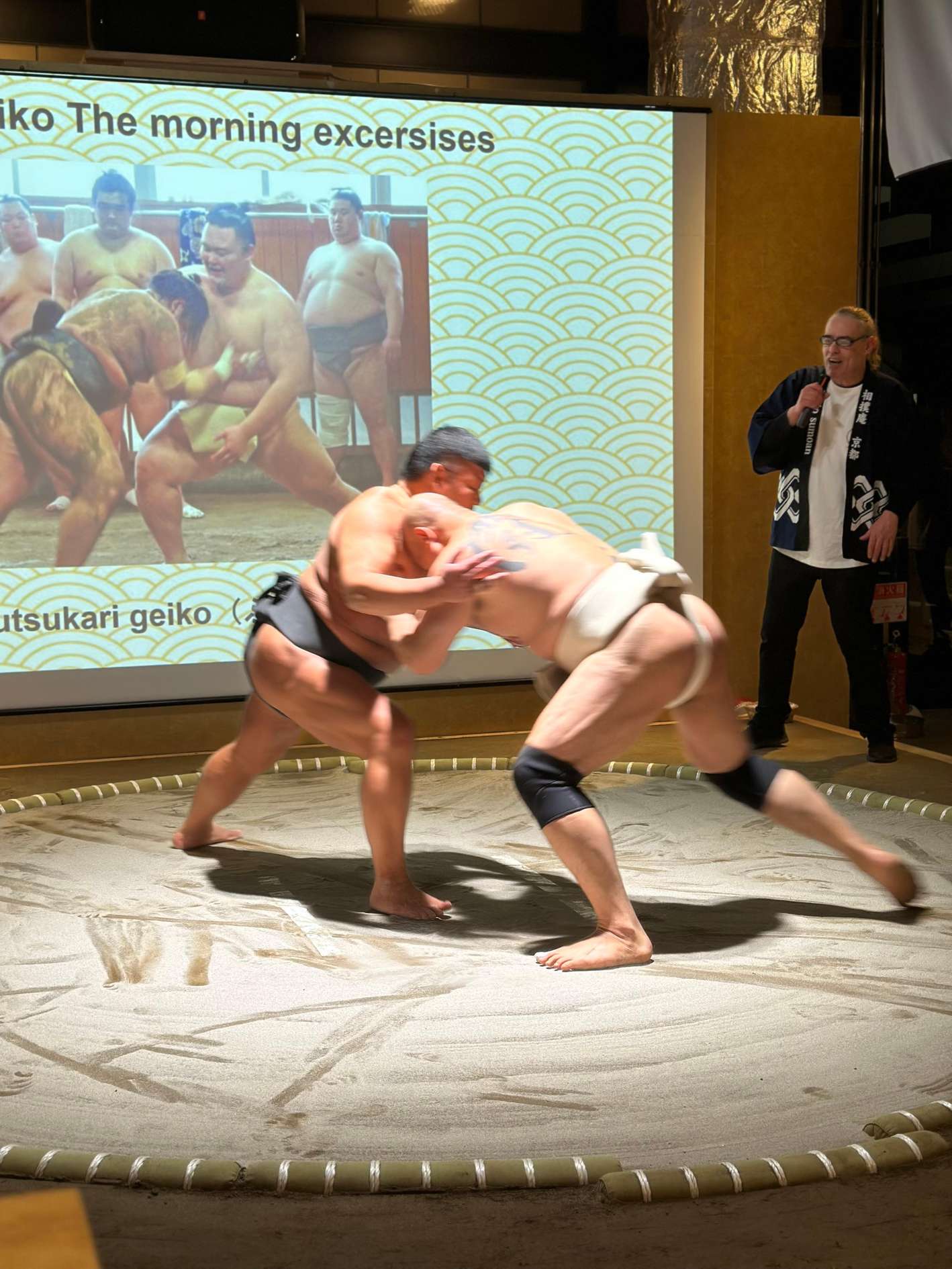
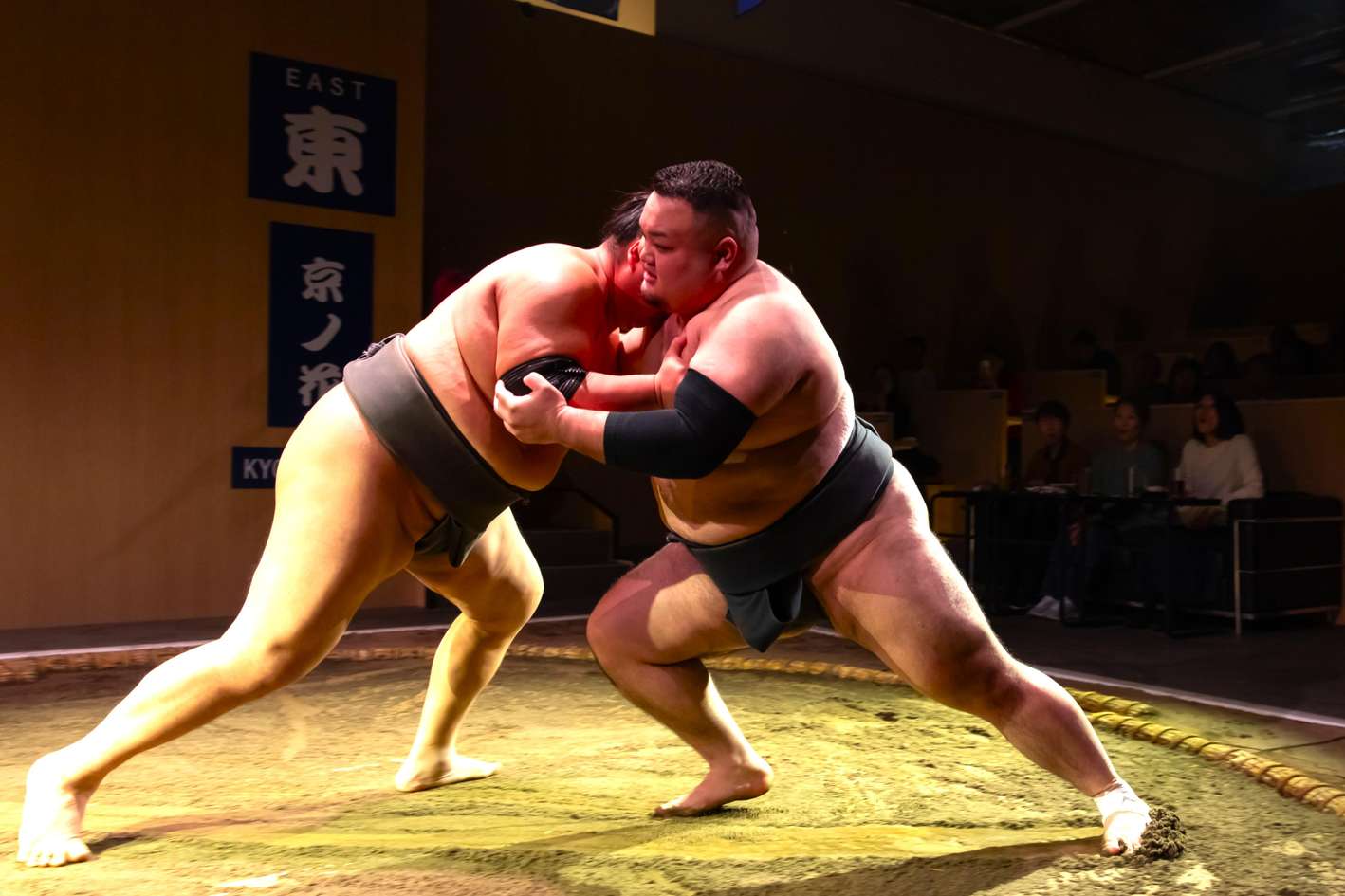
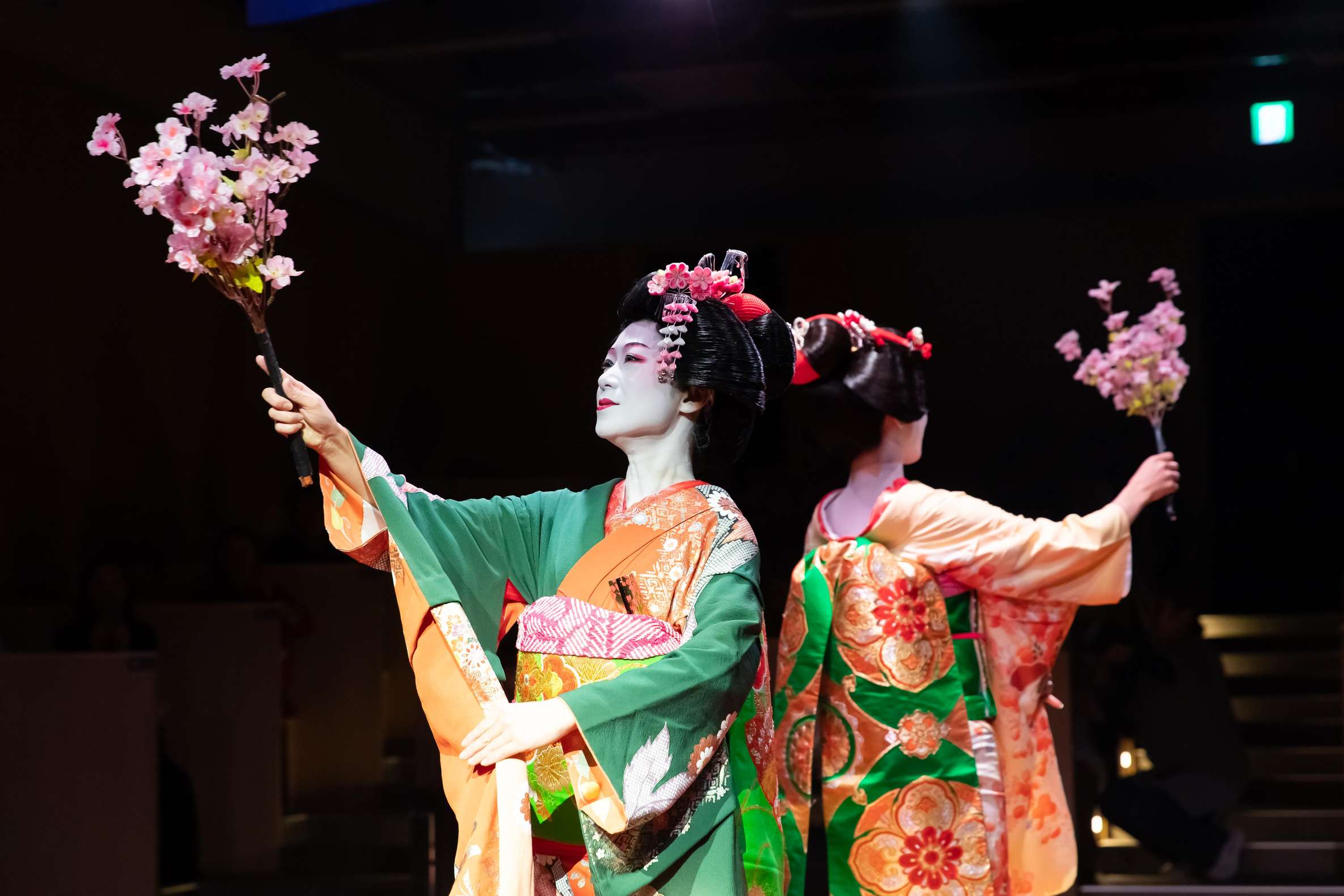
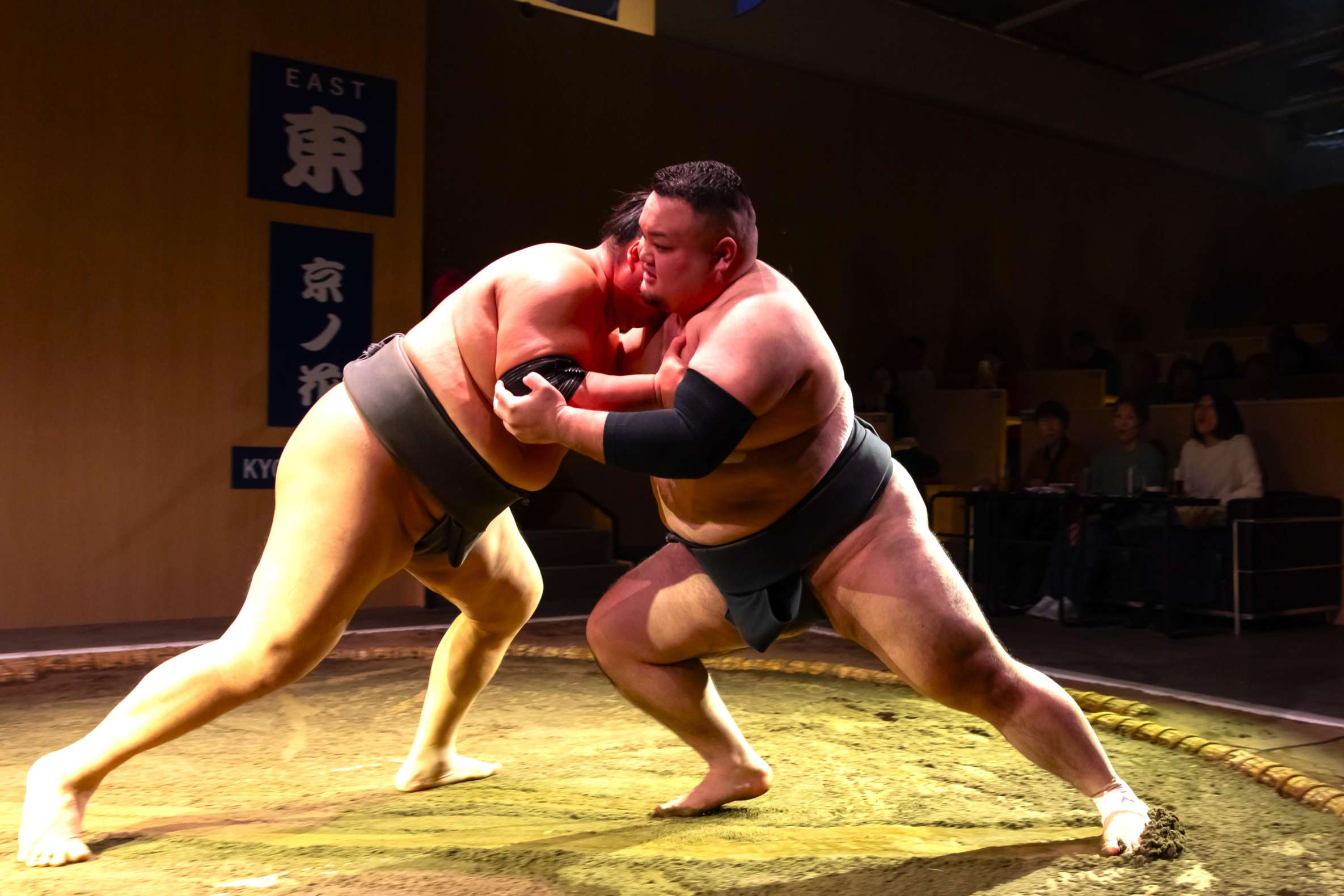
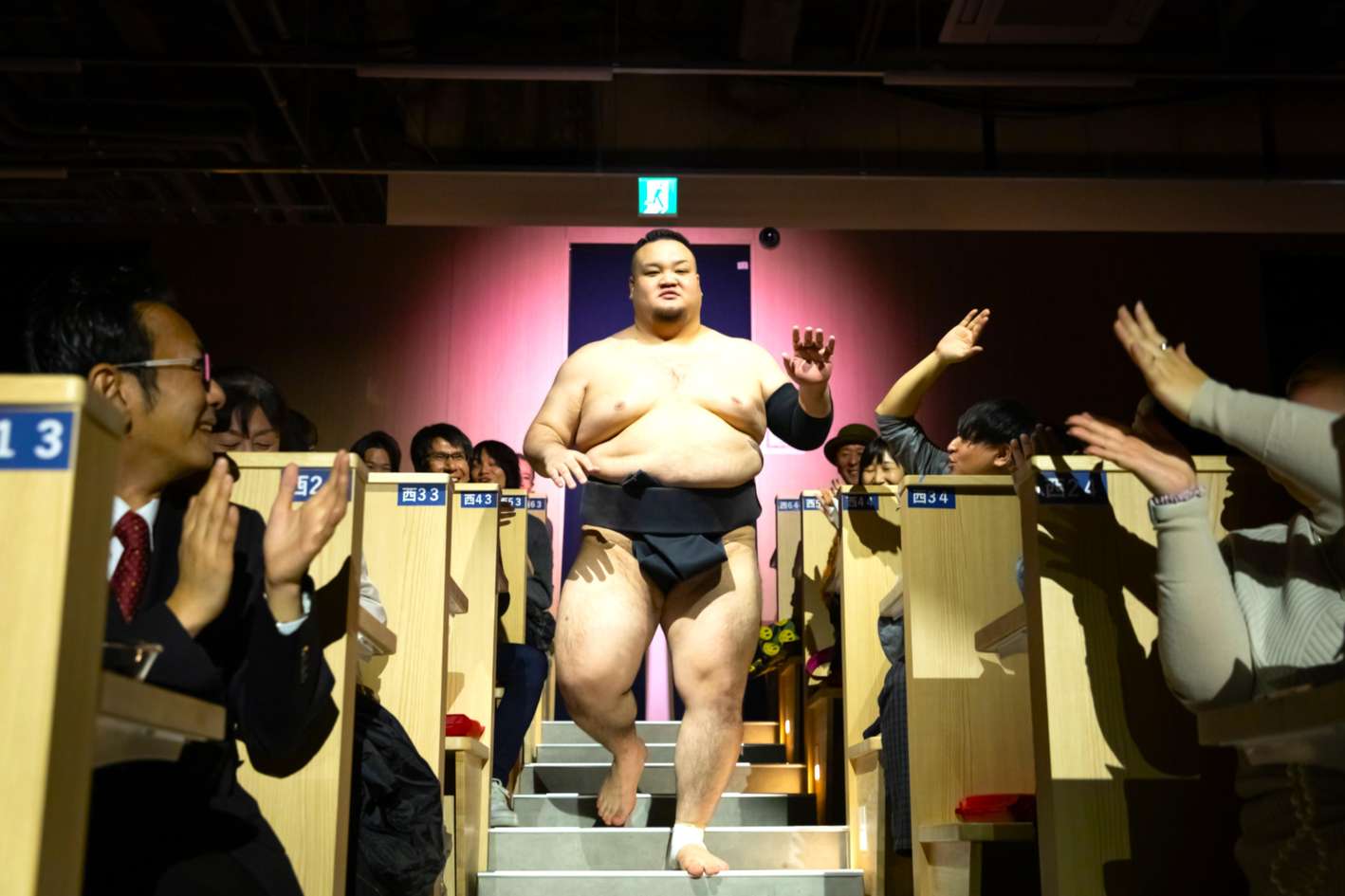
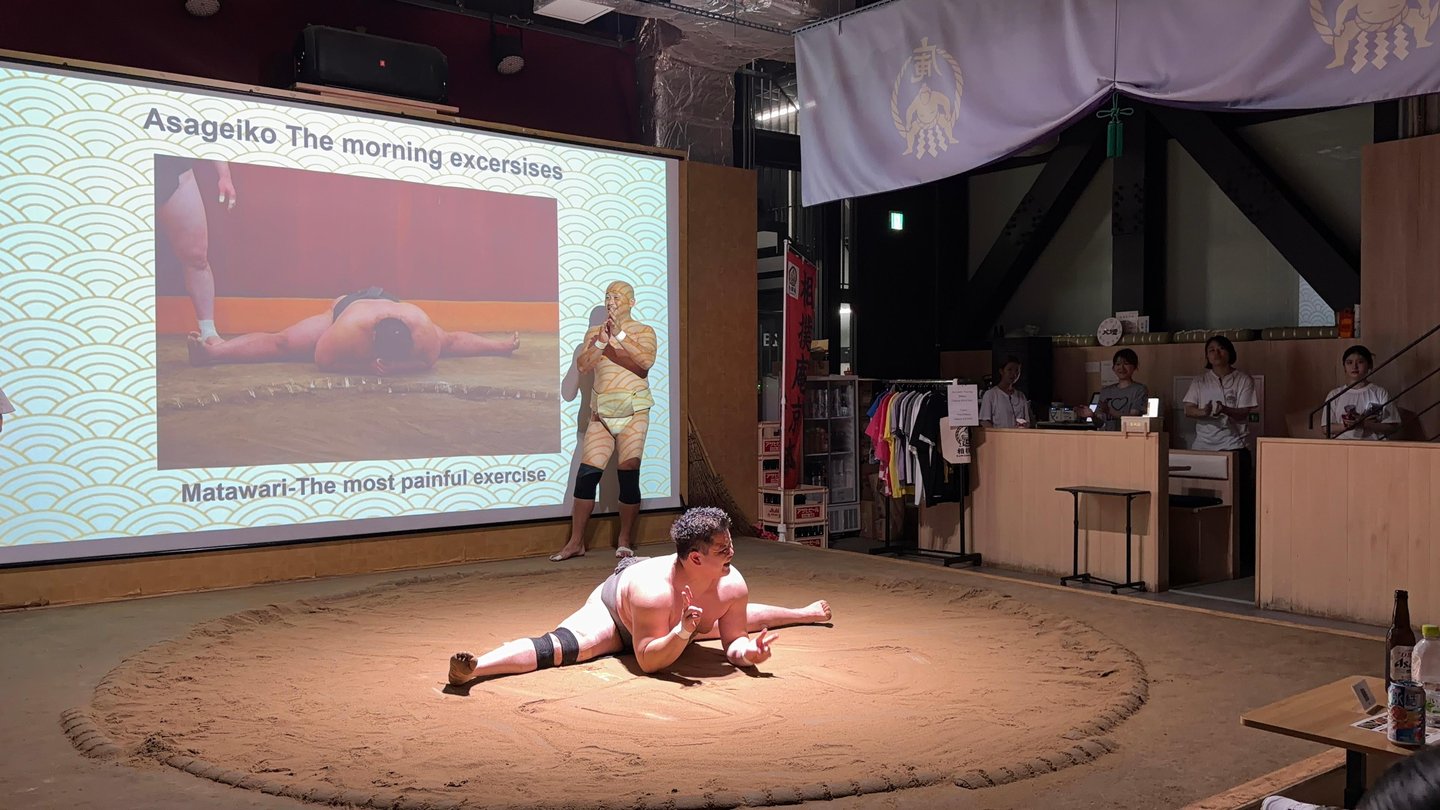
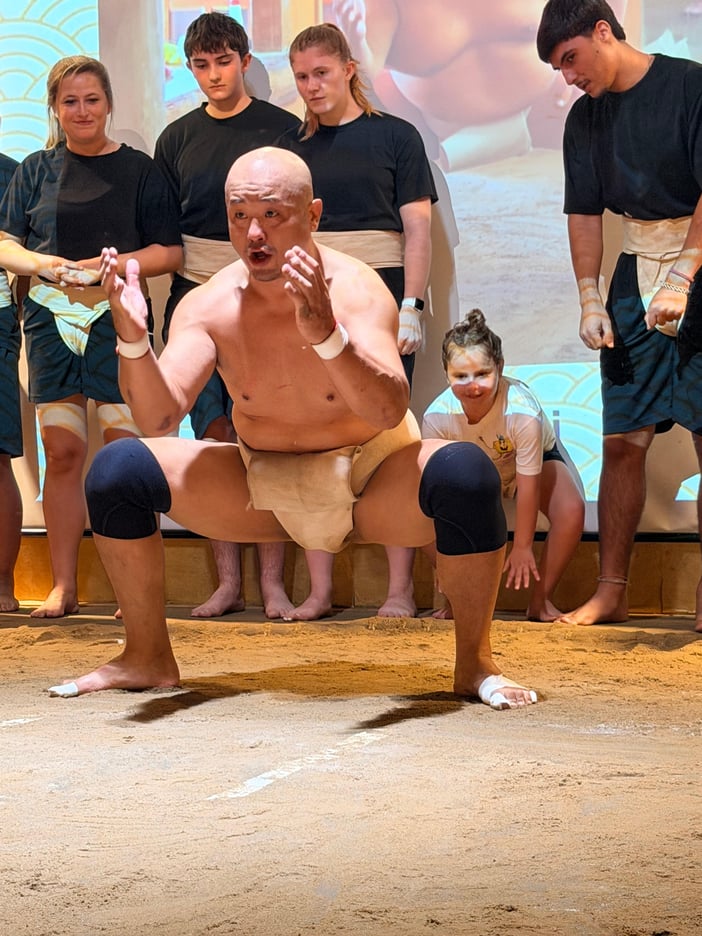
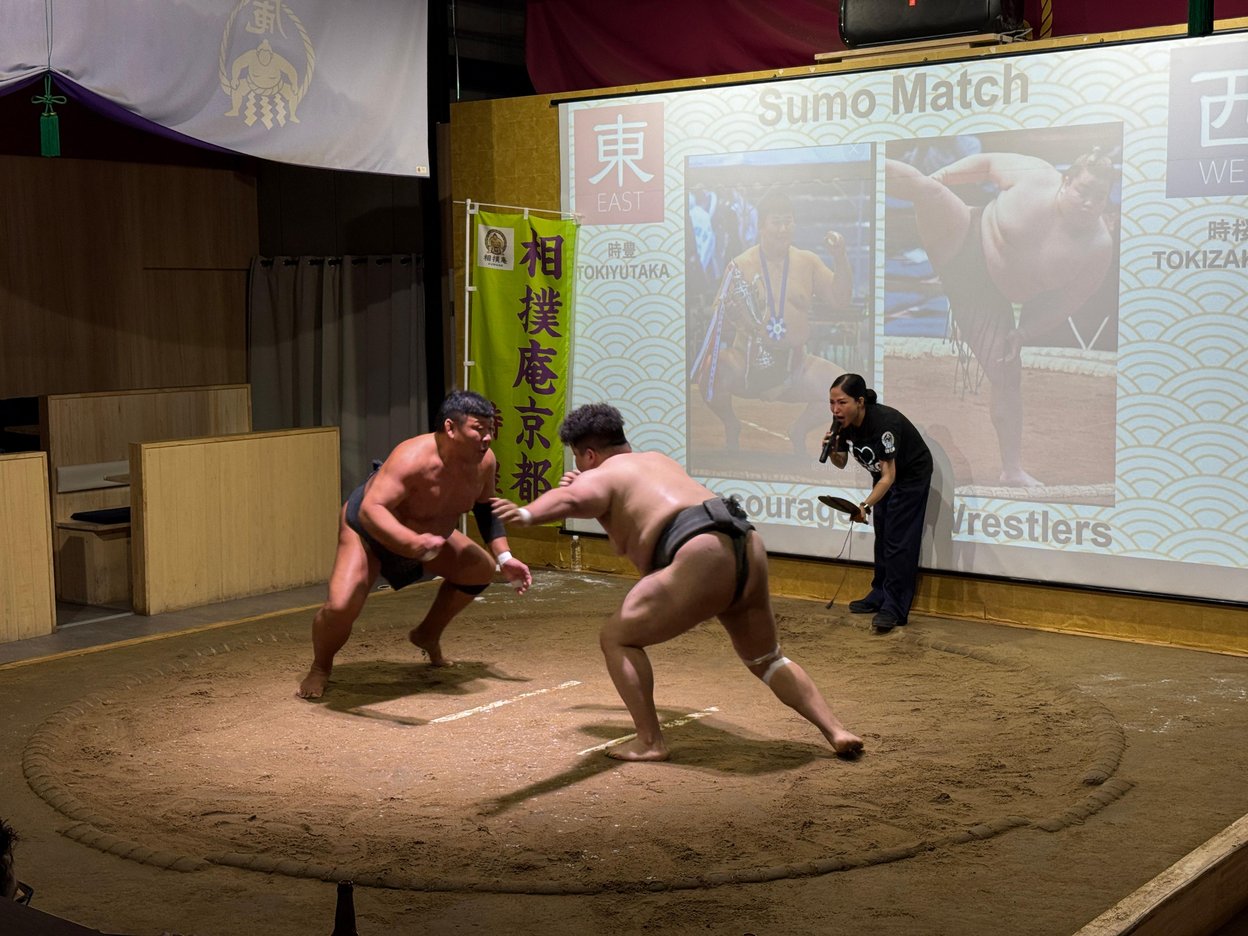
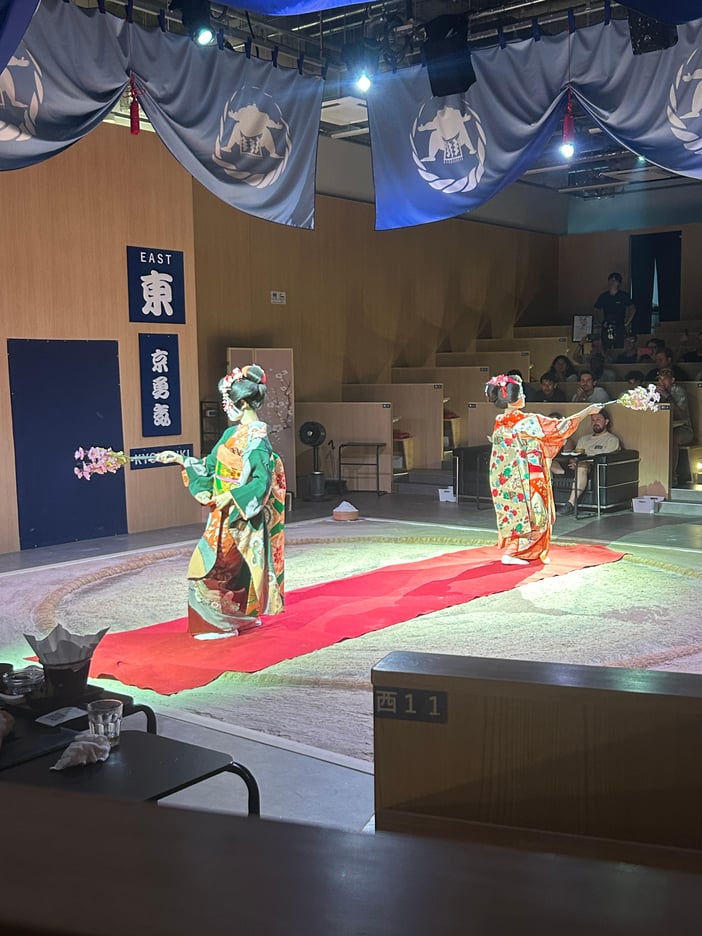
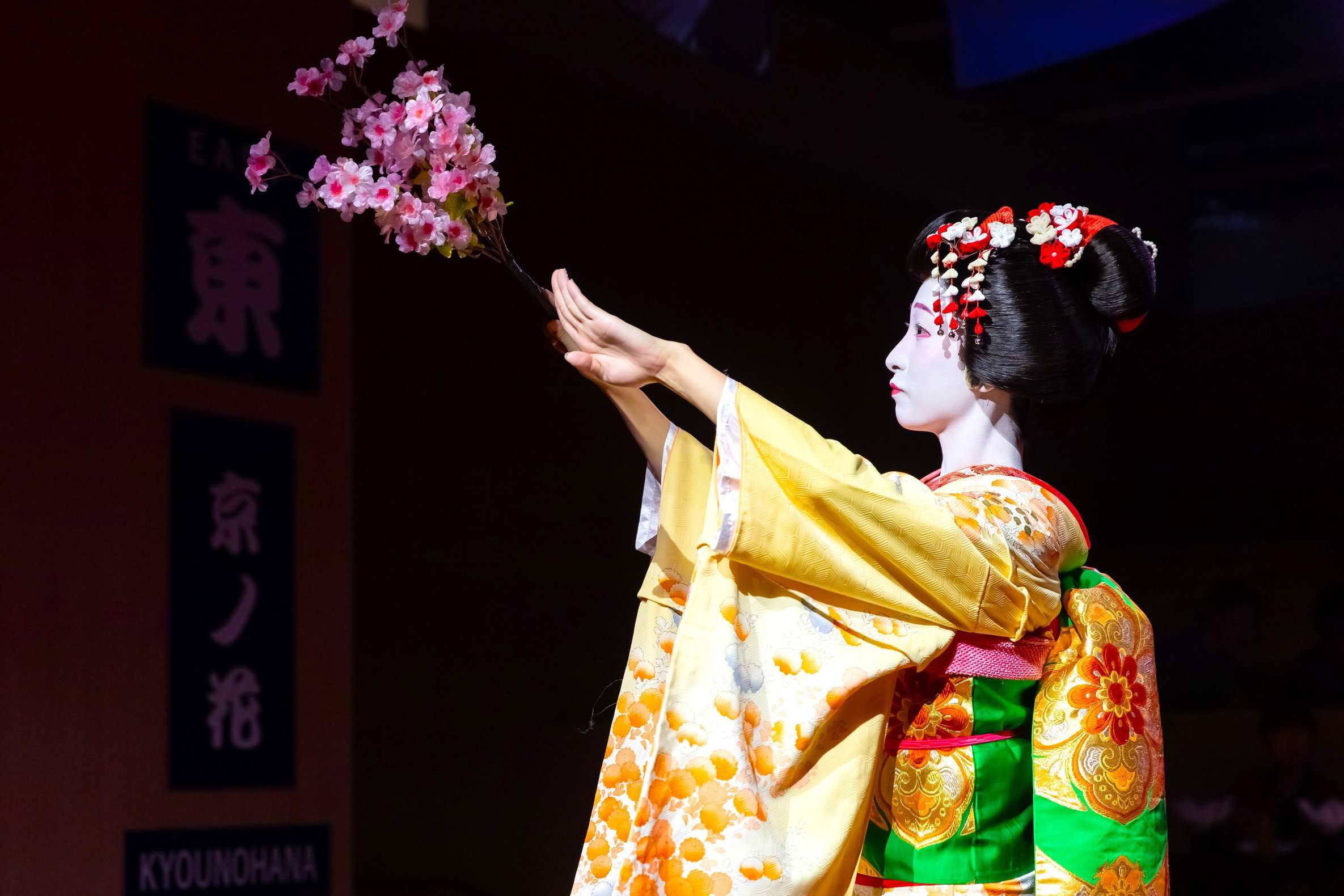
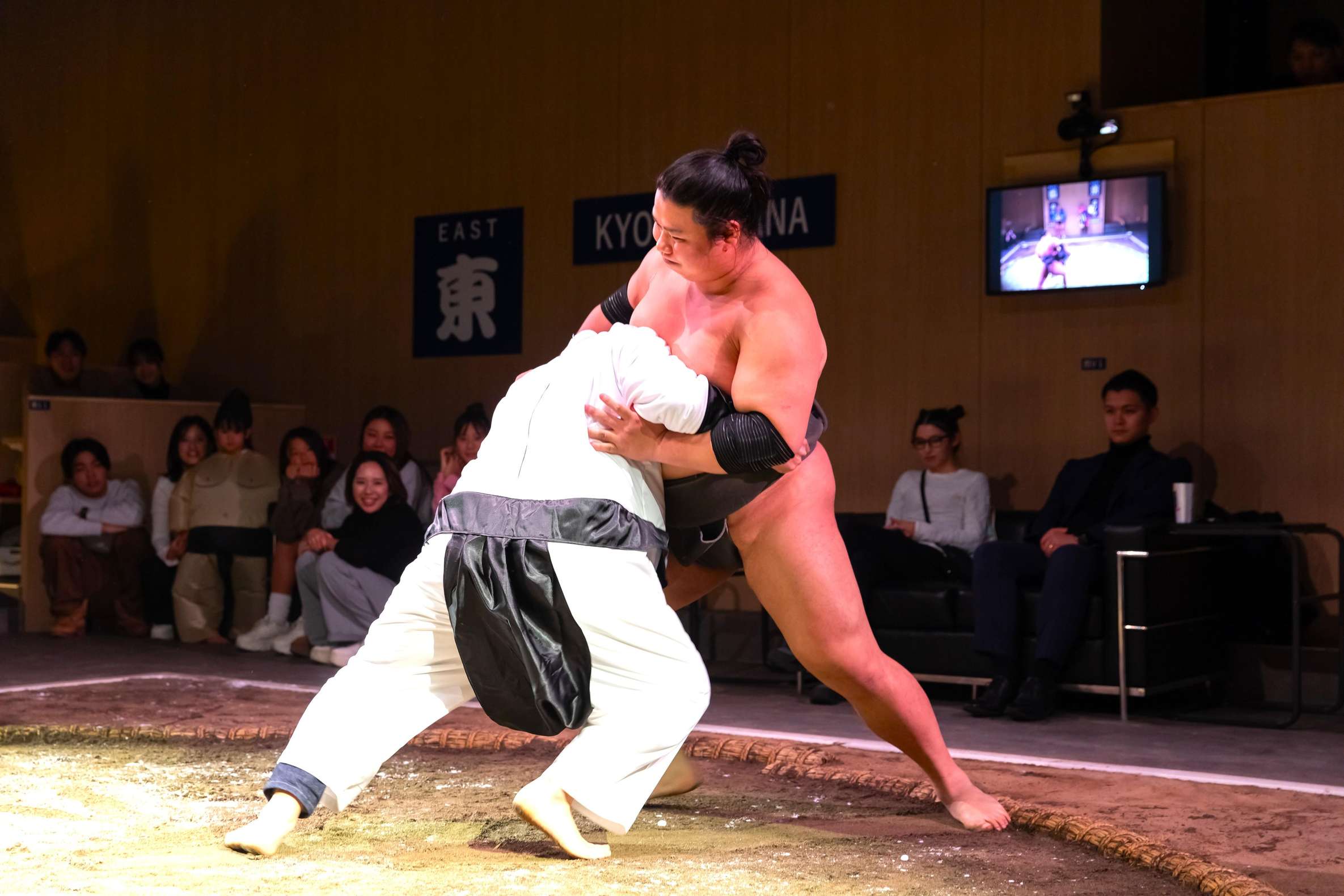
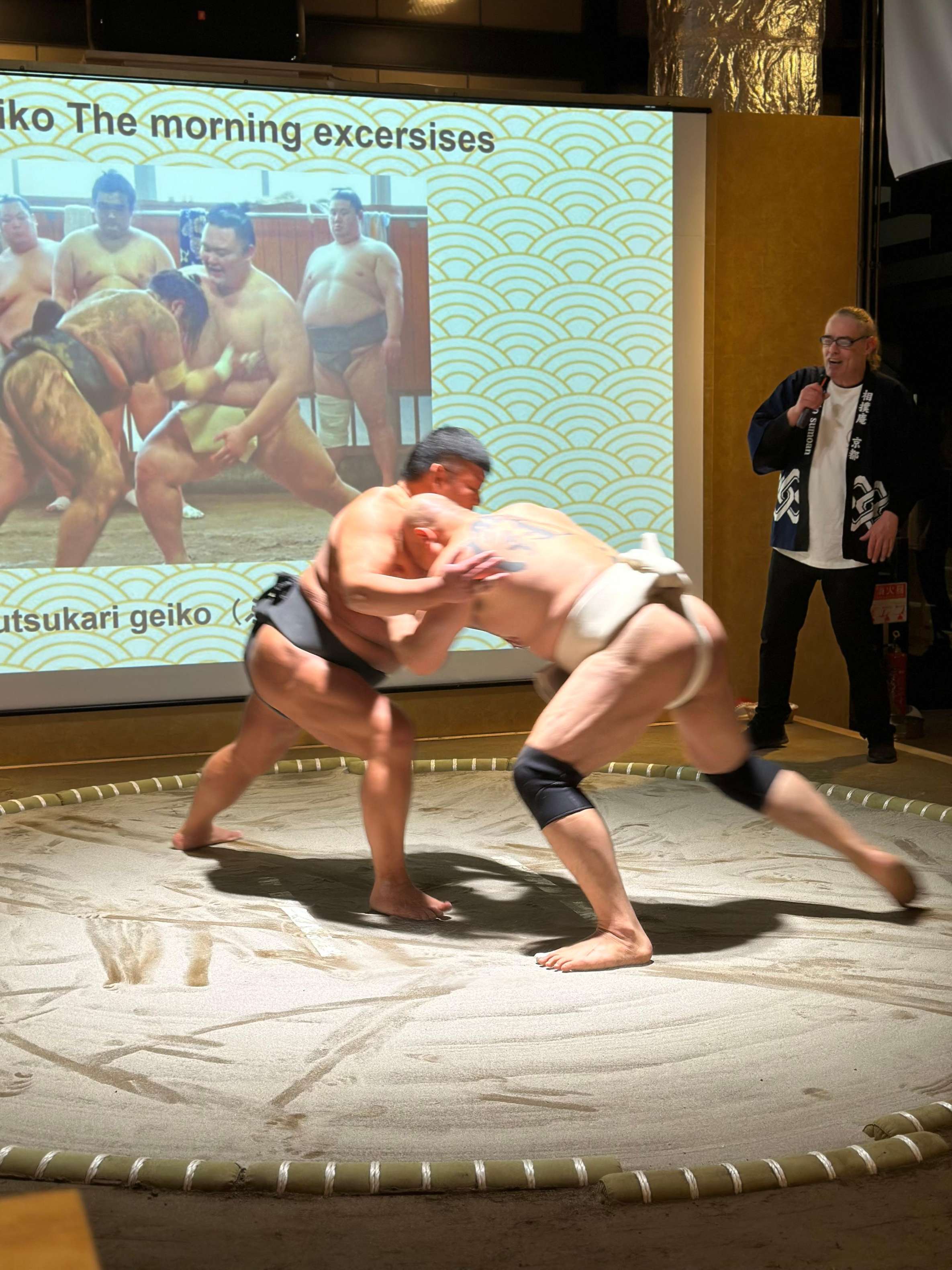
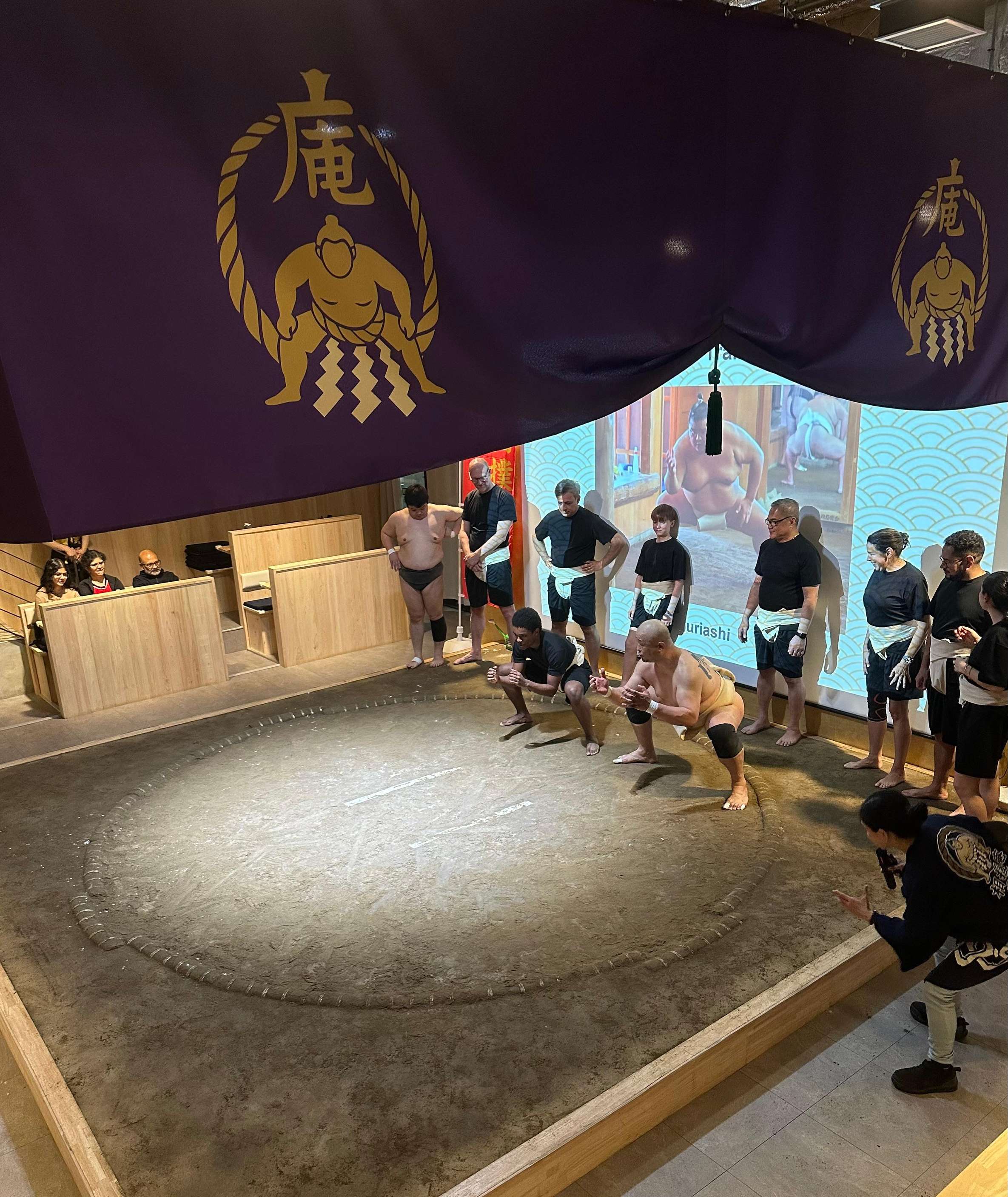
A geisha in kimono opens the evening with a traditional Japanese dance, then retired wrestlers take over: morning exercises, classic techniques, and live bouts, all explained in English by an MC who keeps it light and family-friendly.
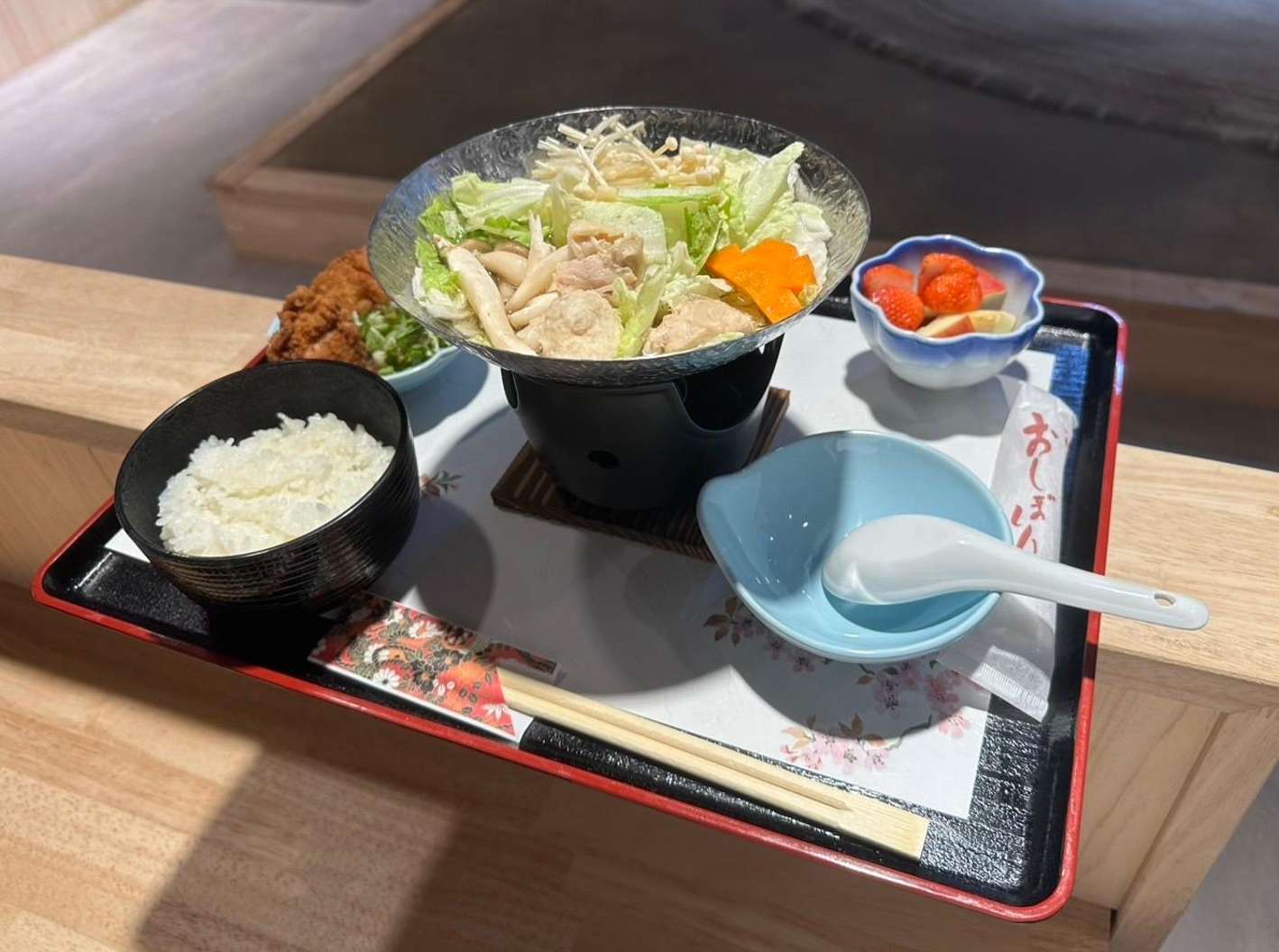
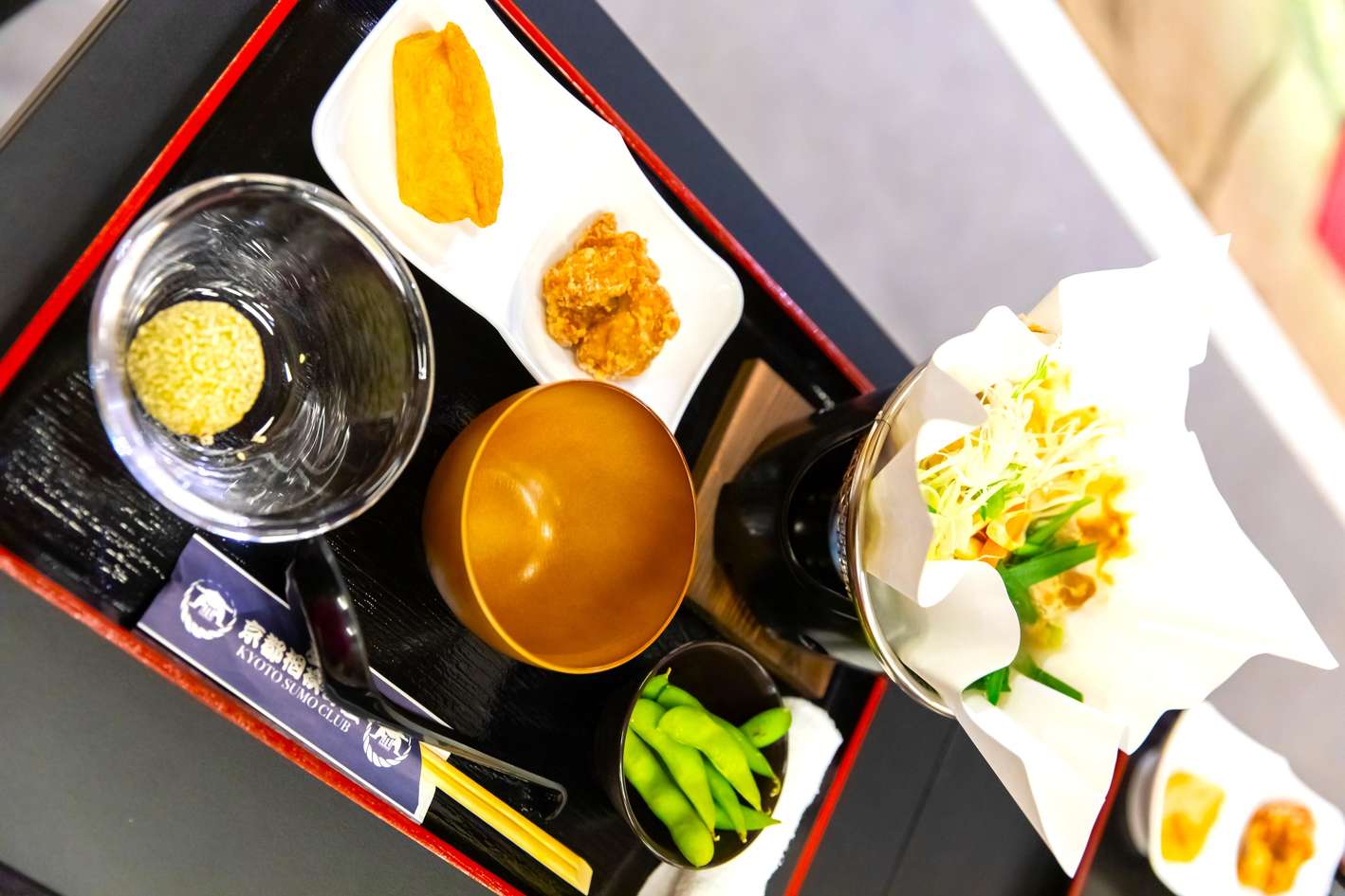
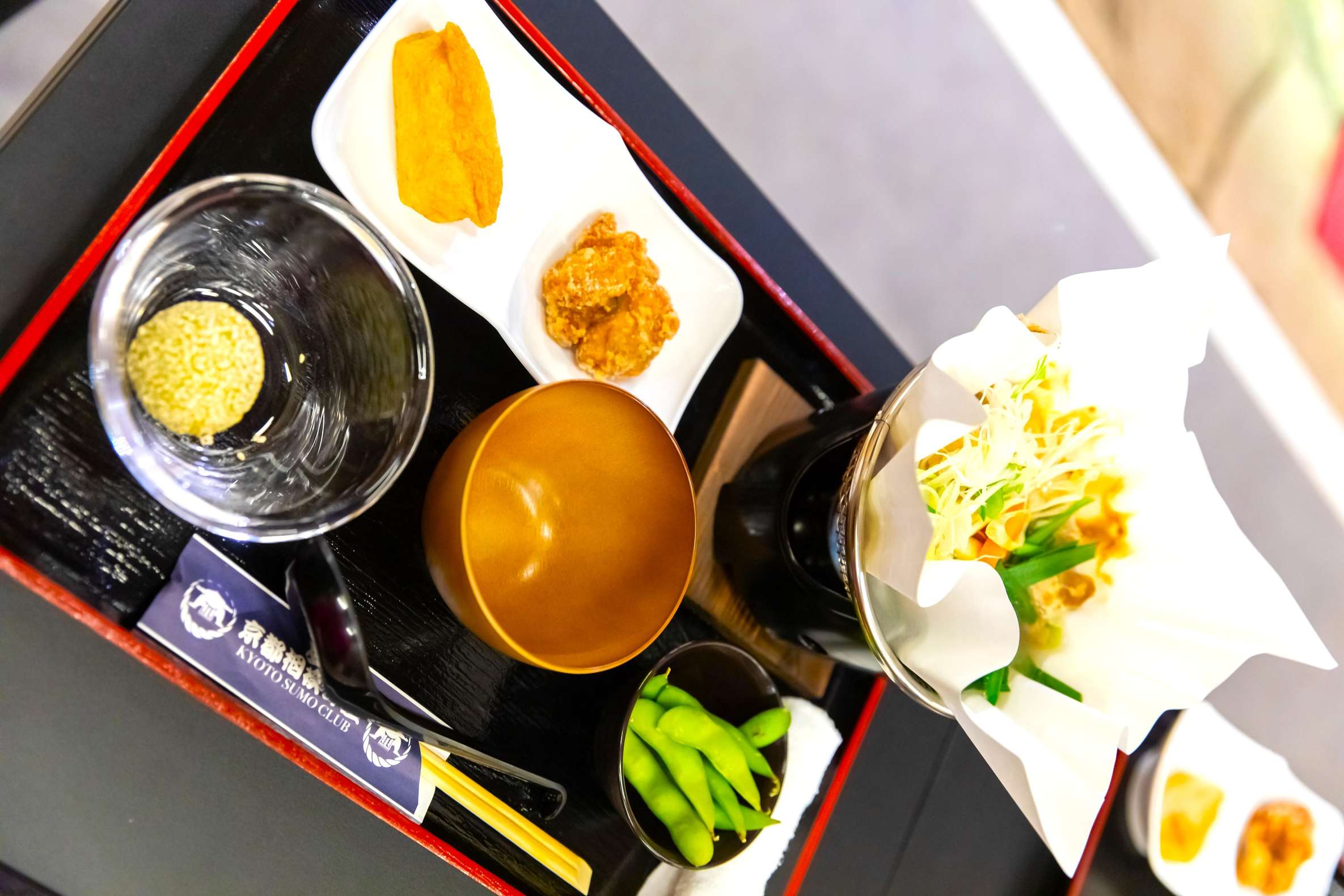
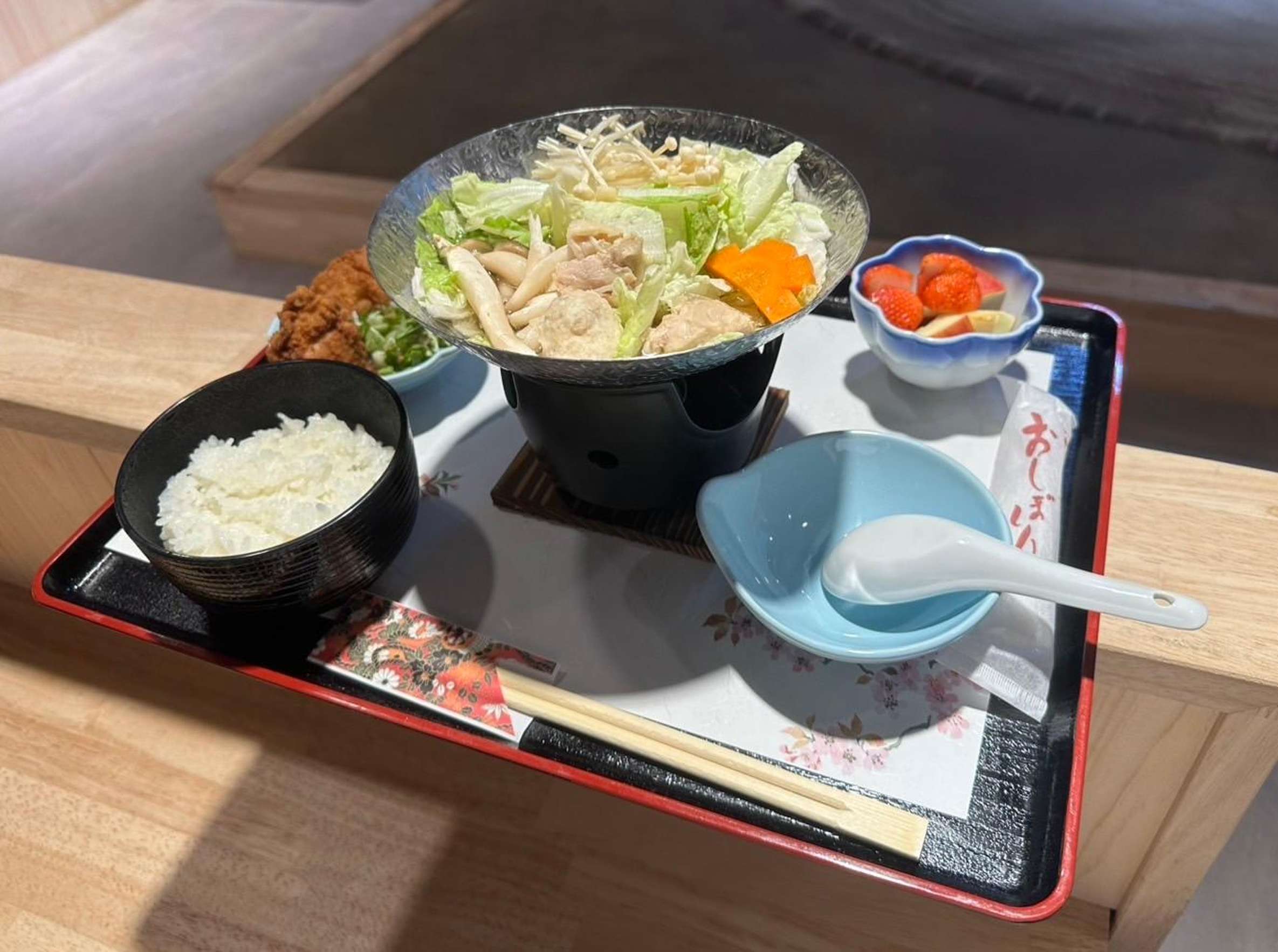
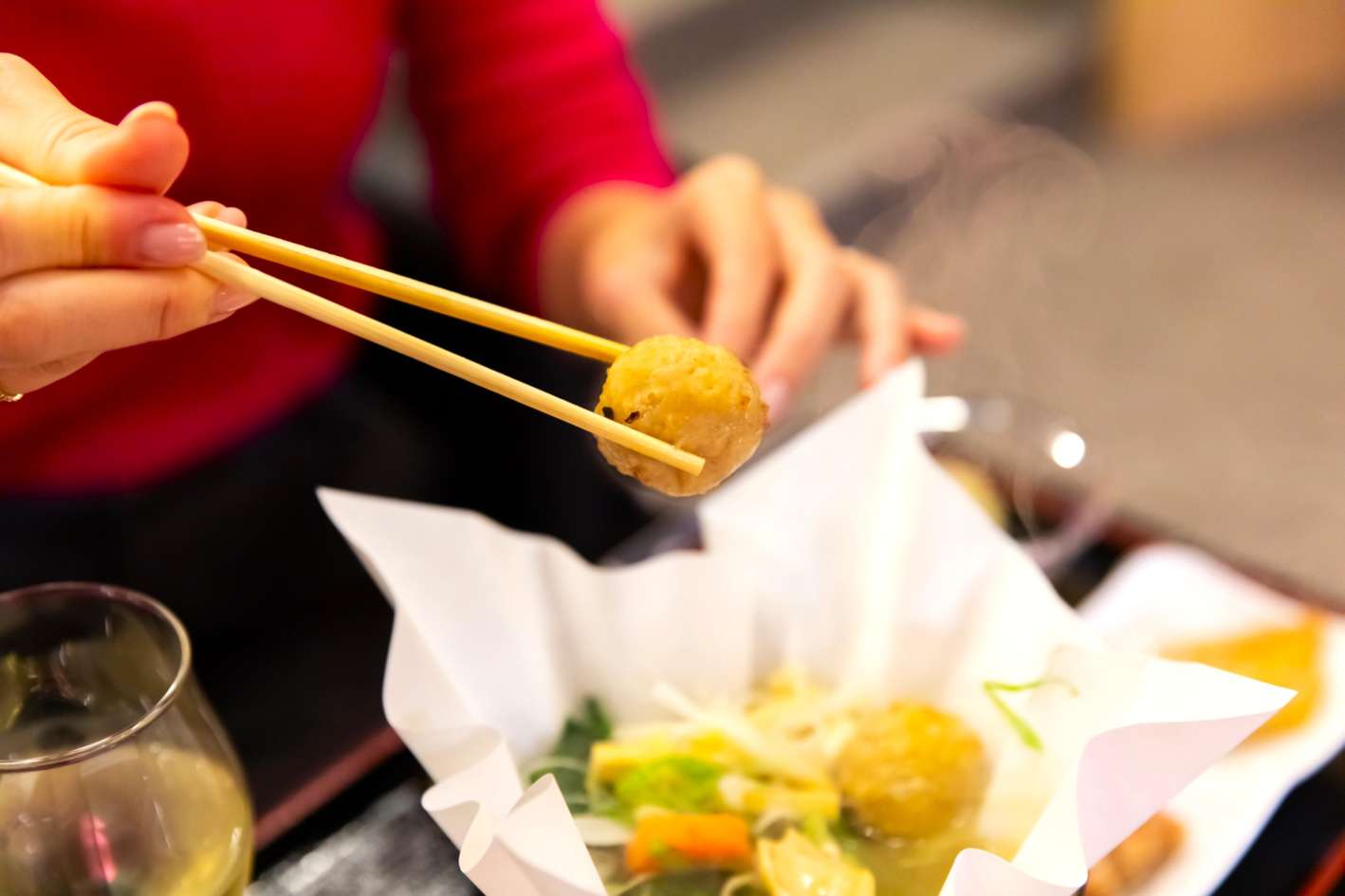
The whole time, the table fills. Chanko nabe, the hot pot wrestlers eat to build their strength, comes all-you-can-eat with a wide range of dishes and drinks.
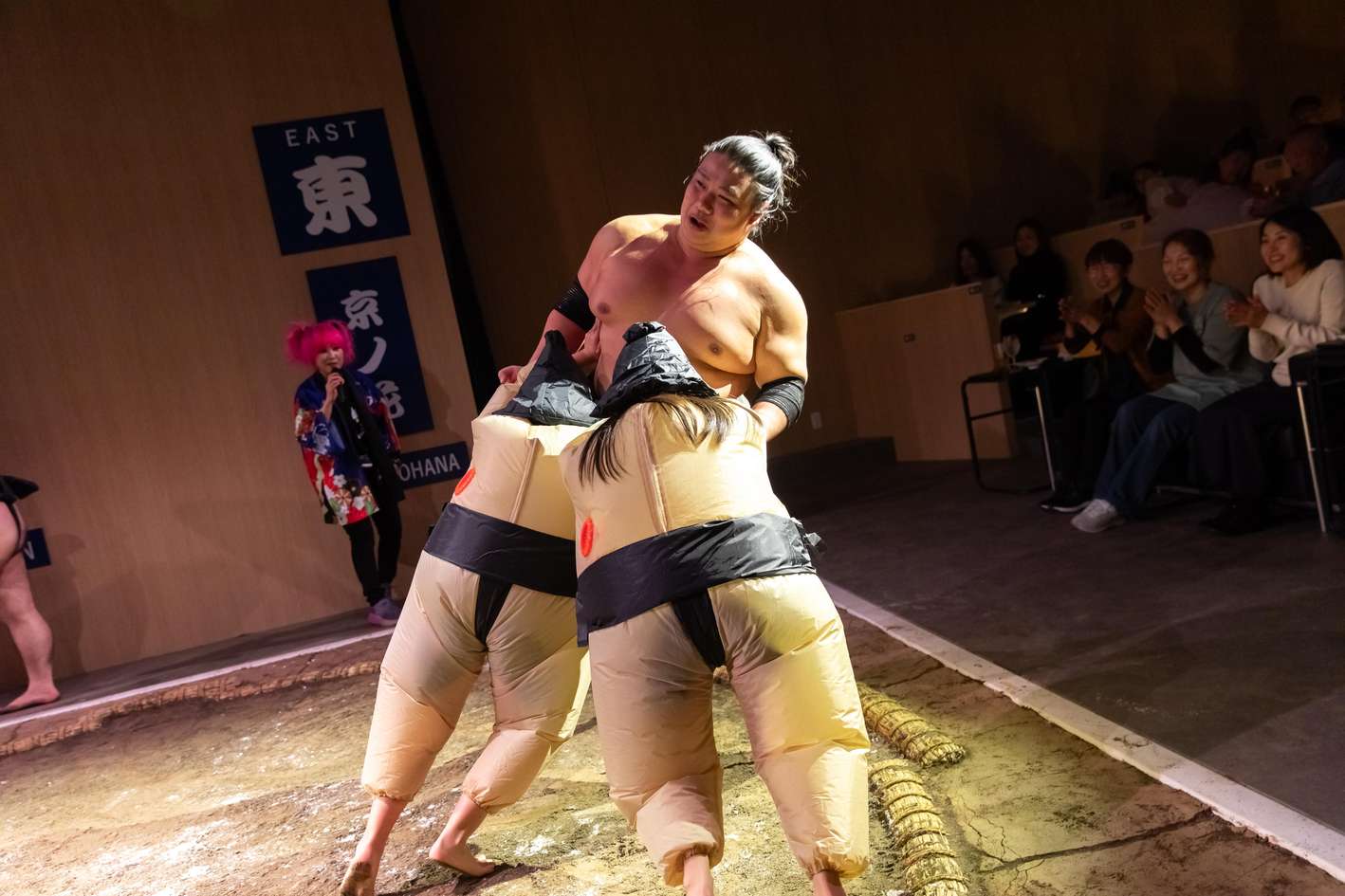
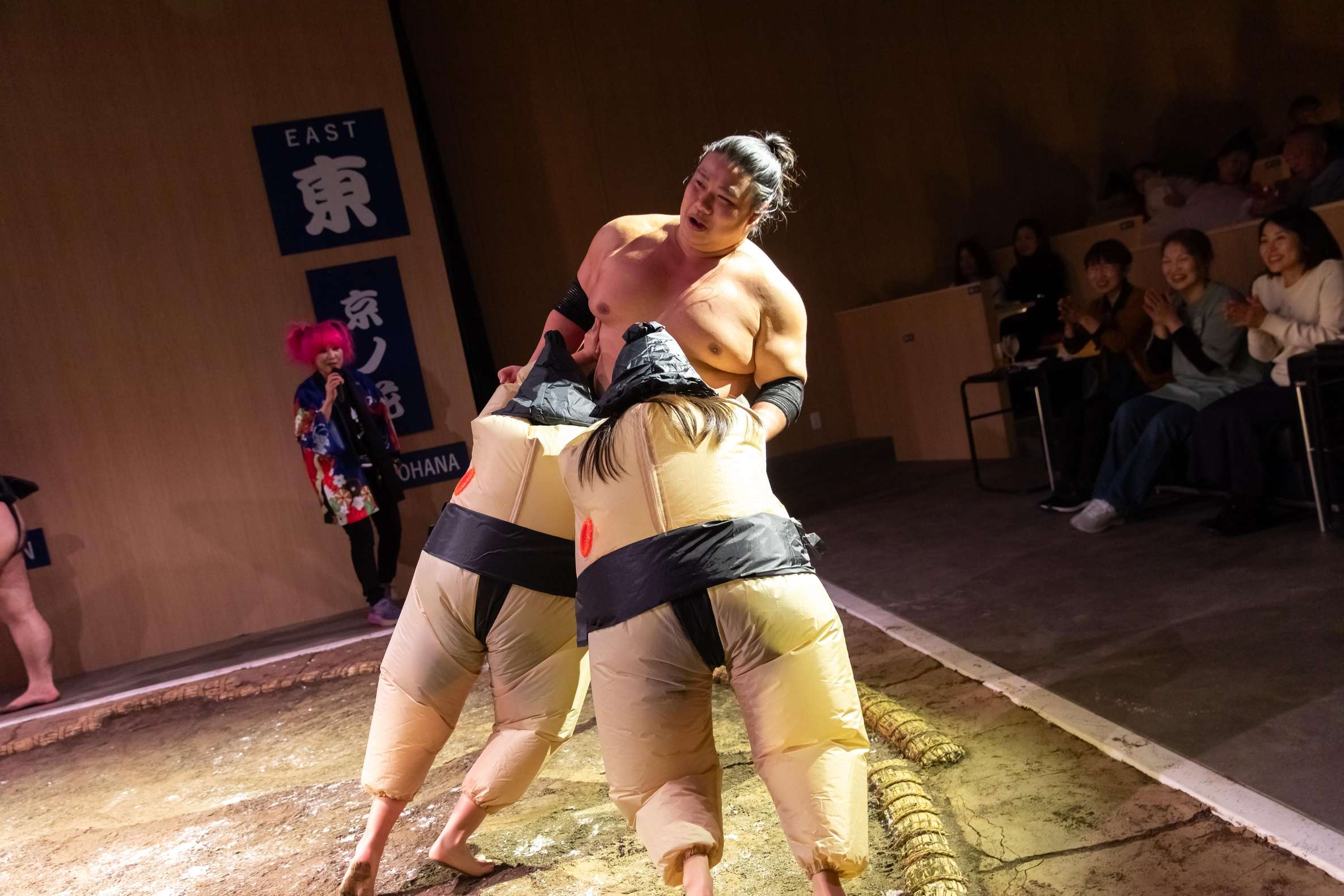
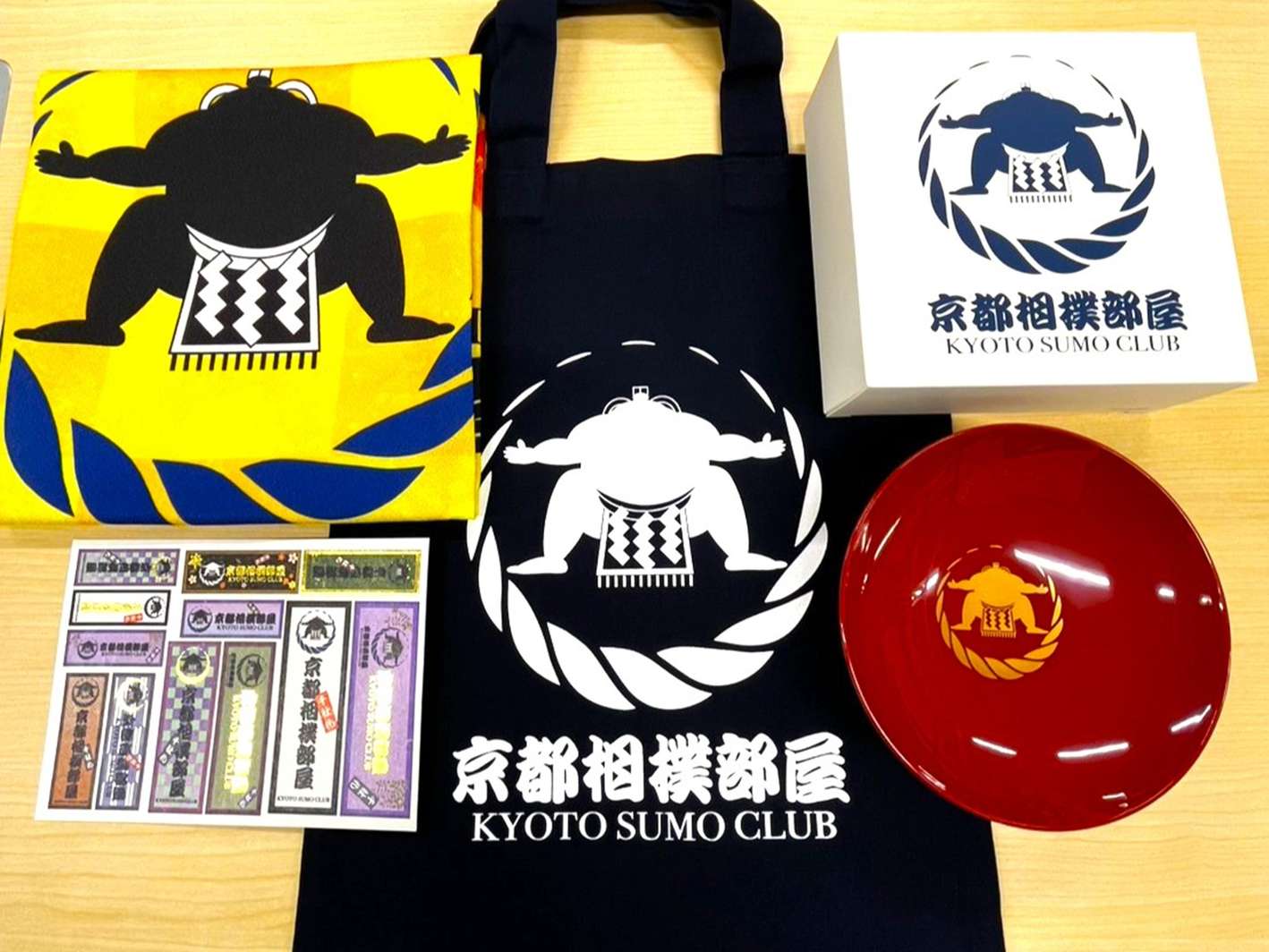
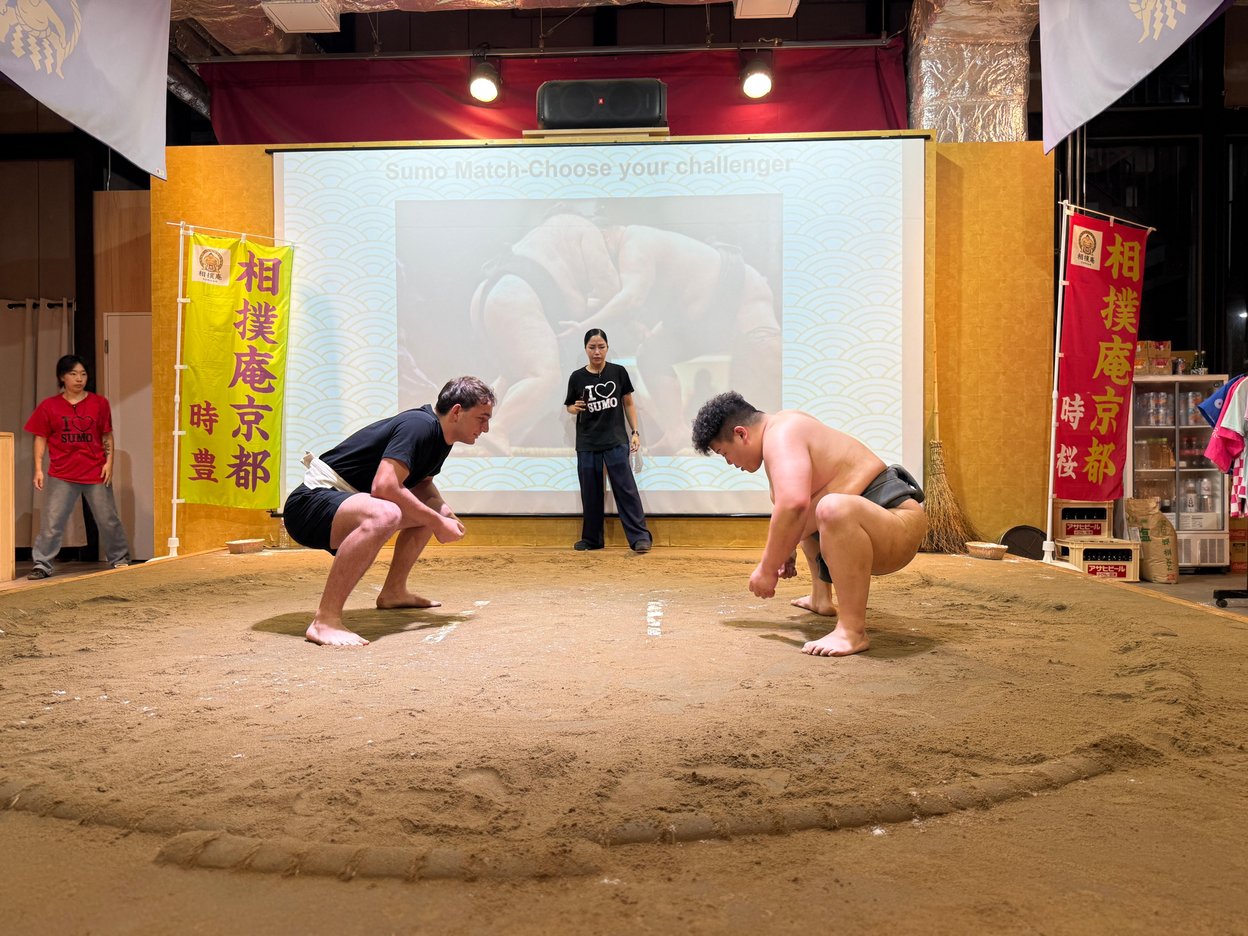
A few guests a night, chosen by lottery when demand is high, get to step into the ring and challenge a wrestler. You leave with photos, a souvenir gift set, and a full stomach.
1Arriving at the venue· about 10 minYou settle into your seat in the Shinkyogoku arcade venue, where a real sumo ring sits at the center of the restaurant. Arrive at least 20 minutes early.2Geisha dance· about 10 minThe show opens with a traditional Japanese dance performed by geisha in elegant kimono, setting the tone before any wrestling begins.3Sumo demonstrations and bouts· about 50 minRetired wrestlers demonstrate morning exercises and classic techniques, then hold live bouts, with English commentary explaining rules, rituals and history throughout.4Eating and drinking· about 30 minChanko nabe, the hearty chicken hot pot of the stables, comes all-you-can-eat and all-you-can-drink with a wide range of dishes, served while you watch.5The ring challenge· about 15 minA few guests per show step onto the dohyo and challenge a sumo wrestler. If many apply, participants are picked by lottery.6Photos and souvenir· about 5 minYou can take photos and videos of the show, then leave with a souvenir gift set whose contents change with the season.
Included
Entertaining sumo show with English commentaryTraditional Japanese dance performance by geishaAll-You-Can-Drink service (included in all plans)All-You-Can-Eat dining featuring signature Chanko-nabe and a wide range of dishes (included in Standard Plan with Meal and VIP Plan only)Chance to step into the ring and challenge a sumo wrestler (limited to a few guests per show; participants selected by lottery if demand is high; participation is not guaranteed)Souvenir gift set (included in Standard Plan with Meal and VIP Plan only)
Not included
Meals, seating, and souvenirs for infants
Travelers rated this Kyoto show - sumo, geisha and reviews
Most reviewers praise the food, calling the chanko hot pot and unlimited drinks delicious, filling and generous.
Best surprise
Many did not expect the geisha dance, and several called it a beautiful, unexpected highlight of the evening.
Most common wish
Several travelers wished they had joined the ring challenge themselves instead of watching everyone else laugh through it.
How to book your seats for a sumo show in Kyoto
01
Pick your date and time
Open the calendar for the Kyoto sumo show and pick a date. The venue runs three sittings daily, a lunchtime show at noon, an afternoon one at 3:30 pm and an evening show at 7 pm, so sumo can fit around a day of temples.
Pro tipKyoto shows run most days but list irregular one-off closures, so glance at the calendar for your date before you fix the rest of your evening
RecommendedBook several weeks ahead, because the venue is small and travelers report seats selling out well in advance
02
Choose your seating option
Decide between Standard Seats and VIP Front-Row Seating. Both cover the same two-hour show with the geisha dance and all-you-can-eat chanko hot pot; the front row simply puts you right at the edge of the ring.
Pro tipIf you want the best chance of being picked for the ring challenge, a front-row seat puts you where the wrestlers and MC look first
Common mistakeBooking separately for friends and expecting to sit together. Add their names or booking numbers in the comments and arrive together so staff can seat you in the same area
03
Sort meals and access needs
Check the included list against your group. The show covers all-you-can-eat and all-you-can-drink with chanko-nabe, a souvenir gift set and photos, but infants are not covered for meals, seating or souvenirs.
ImportantVegetarian, vegan and limited gluten-free meals are possible, but you must reserve them at least two days in advance
ImportantStrollers and wheelchairs cannot go in the show area, so contact the operator ahead to arrange the storage space and assistance
04
Confirm and get your voucher
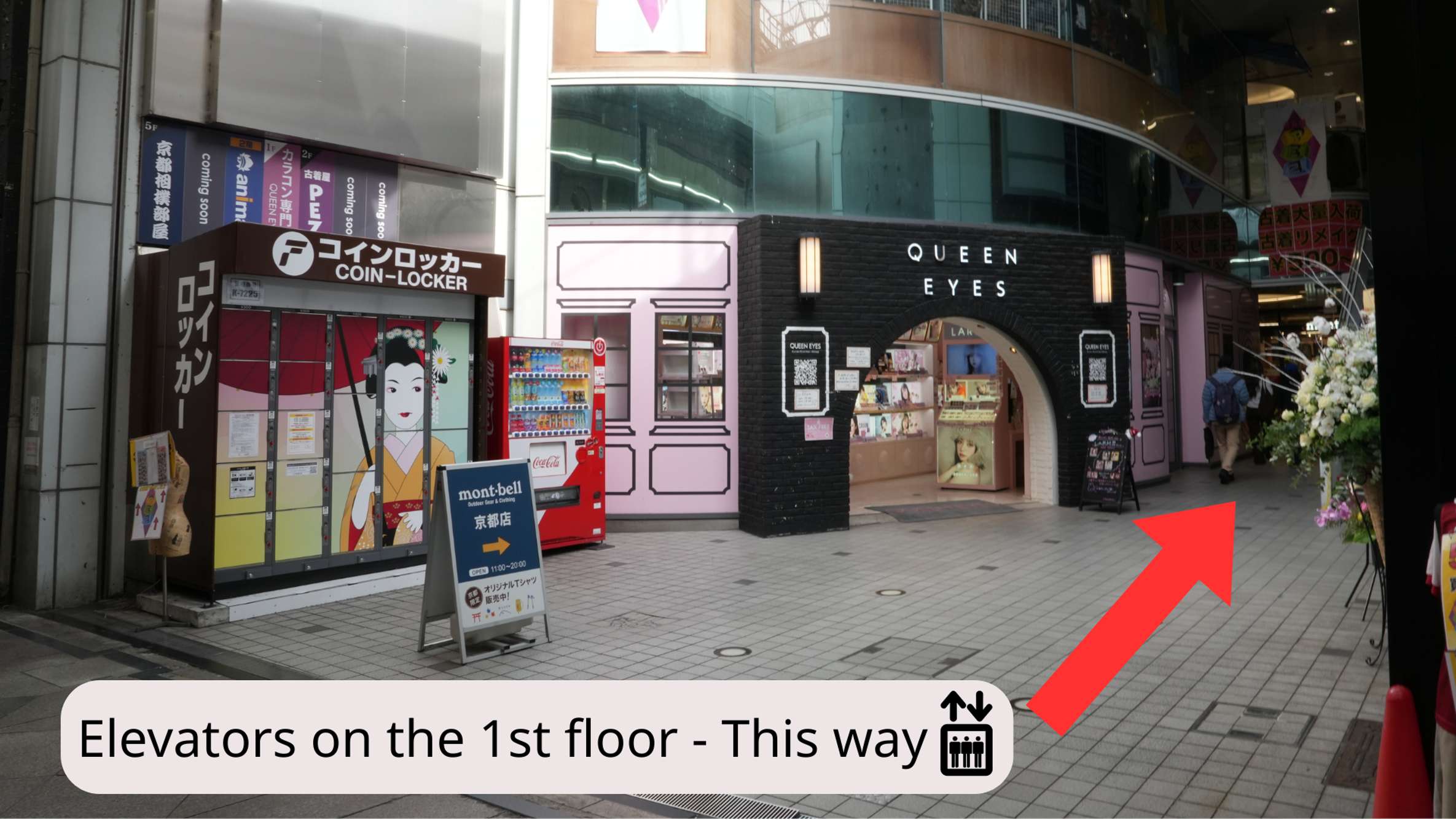
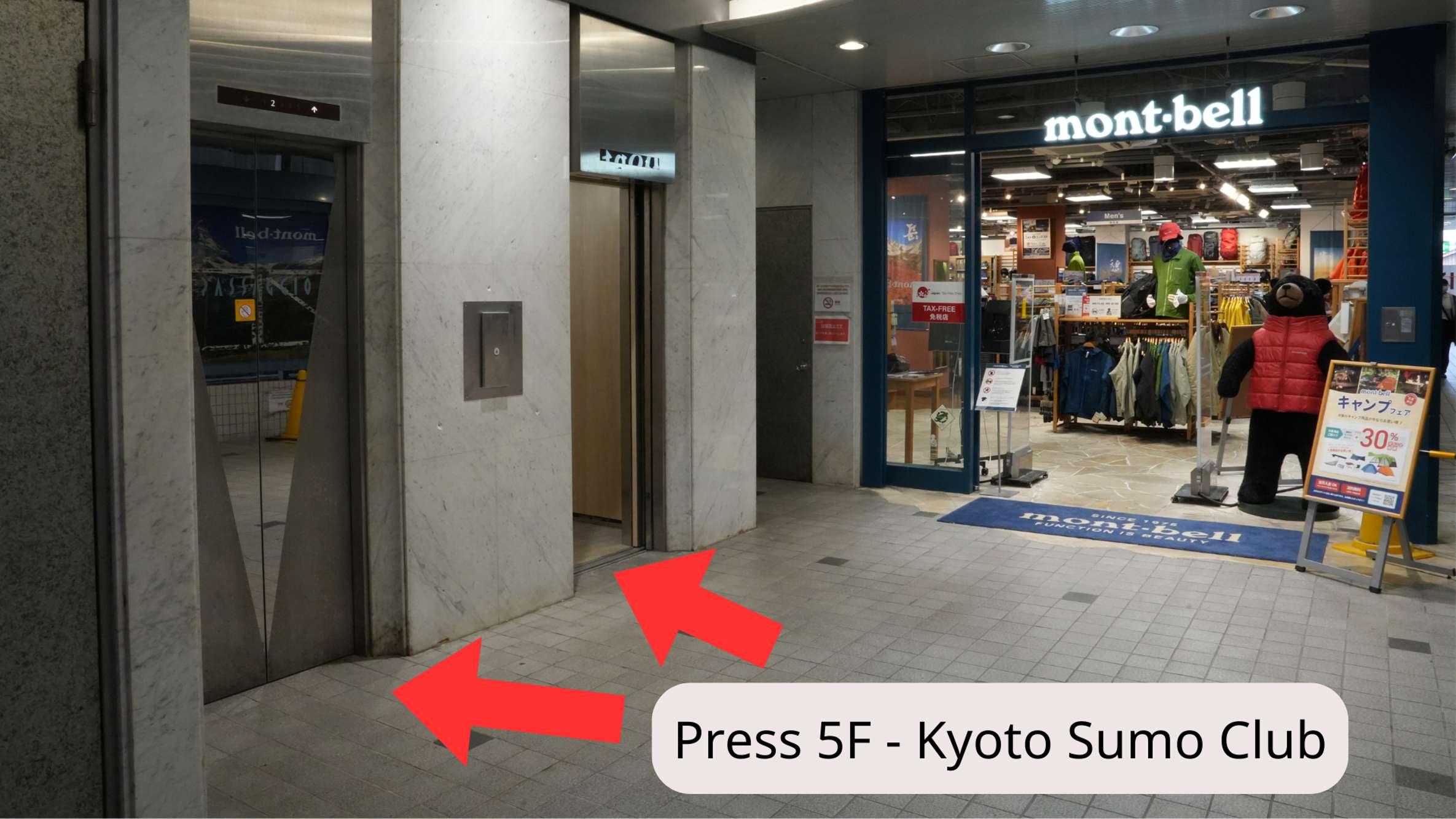
Pay through the marketplace and a confirmation with your voucher arrives by email. The venue sits on the 5th floor of the Passaggio building in the Shinkyogoku shopping arcade, reached by the elevators near the Montbell store, a 3-minute walk from Kyoto-Kawaramachi Station.
Pro tipSave the voucher on your phone before you leave your hotel, since downtown Kyoto's arcade gets crowded and you want the entrance details ready
Common mistakeCancelling inside 24 hours of the start time. You can cancel up to 24 hours ahead for a full refund, after that the refund is gone
05
On the day
Arrive at the Passaggio building at least 20 minutes before the show starts so you have time to find the floor, check in and settle at your seat before the geisha dance opens the evening.
RecommendedCome hungry. The chanko hot pot runs alongside the whole two hours, and the eating is part of the fun
Pro tipArrive right when doors open if you have kids, since the first stretch of the show is the part that explains sumo rules and keeps children following everything after
What to know before you book a Kyoto show
Can stop the dayGood to knowGood news
01
ChoosingWhat it is, who it suits, when to go
2
Food
The arcade show runs all-you-can-eat and all-you-can-drink chanko nabe alongside the whole two hours. The participative venue serves a chankonabe set meal, but the 9:30 pm Late Night Show leaves dinner out. Vegetarian, vegan and gluten-free meals at the arcade show need a request at least two days ahead.
Language
You need no Japanese for either Kyoto show. The arcade performance runs with live English commentary, and the participative experience has an English-speaking MC who takes questions as the show goes.
02
BookingHow far ahead, and what happens if plans change
2
Cancellation
Both Kyoto shows let you cancel up to 24 hours in advance for a full refund. That makes it easy to hold a spot while the rest of your itinerary settles, and move the date if a plan changes.
MobilityCan stop the day
At the arcade show, strollers and wheelchairs cannot be placed in the show area, and a designated storage area is available. Wheelchair users should contact the venue in advance so staff can help. Taking part in the ring is always optional.
03
Before you goPapers, health, what to bring
2
Age limitsCan stop the day
The arcade show takes babies from age one, with children of 12 and under welcome as guests. At the participative venue children can join from age two, though four and up is recommended, and guests aged 12 or under need a private booking with a parent or supervising adult.
What to wear
There is no dress code at either venue. Wear comfortable clothes you can move in if you want to step into the ring, and bring nothing special, since the participative venue provides the authentic sumo mawashi belt. A colourful top makes a striking photo in the ring.
04
On the dayWhere to be, when, and how you get there
1
Arrival
Arrive at least 20 minutes before the arcade show starts. The venue seats you once you are there, and guests who book separately are asked to arrive together so they can share a seating area.
05
During the tourWhat is expected of you
1
Photos
Photos and videos are welcome at both shows, with flash left off during the bouts. Live streaming and posting the whole performance online are not permitted. The participative experience ends with a free photo session with the wrestlers for every guest.
A night at the Kyoto show - sumo, hot pot and geisha
Kyoto runs two sumo shows every day of the year, one with a geisha dance and hot pot, one that puts you in the ring. Picking between them, and the slot that fits your evening, is the whole decision, and it settles in the next few pages.
Kyoto
If you only remember three things
1
Arrive 20 minutes before the show starts, because late entry can cost you whole sections.
2
Ring challenge spots are few and drawn by lottery when demand is high.
3
Both shows run daily year-round, with the arcade venue holding sittings at noon, 3:30 pm and 7 pm.
Is a Kyoto show worth an evening?
The doubt starts with the schedule. Kyoto hosts no grand sumo tournament, so it is fair to ask whether sumo here counts. It does, and for a simple reason: because the professional circuit never comes, the city runs two sumo shows every day of the year.
One pairs the bouts with all-you-can-eat chicken hot pot and a dance by geisha. The other hands you a mawashi belt and puts you in the ring.
Both are entertainment, and guests rate these shows very highly, with families and younger travelers calling them a highlight of the trip, even when they walked in knowing nothing about the sport. One visitor put it this way:
A traveler's note
Far exceeded expectations, a highlight of our Japan trip! Comfortable seating, delicious food, and the show stole it. Learned so much about sumo history, watched wrestlers demonstrate skills, and even got to participate. Unforgettable!
So the question you arrived with, whether there is any sumo to see in Kyoto at all, ends here. There is, twice over, and the only job left is picking your date and slot.
Tour for this
Kyoto: Sumo Entertainment Show with Chicken Hot Pot & Geisha4.8★ (1,815) · 2 hours · Free cancellation
What you watch at a Kyoto show, and is it real sumo
Retired professional wrestlers perform at both Kyoto venues, and their craft is genuine even when the stakes are not. The centrepiece is a best-of-three bout between them, but the wrestling fills only part of the two hours.
The rest goes on demonstrations of morning exercises and classic techniques, a geisha dance to open at one venue, and commentary in English on the history, rules and rituals.
Neither show pretends otherwise. Both venues describe their evening as a fun, family-friendly entertainment show, and the wrestling carries no competitive stakes. An English-speaking MC explains every moment, so you need no Japanese at all.
What your two hours at the sumo show look like
2 hourstotal show length
3bouts in the main match
20 minarrive before the start
The numbers settle the shape of the evening. The two hours cover dinner and performance together, so the show doubles as your night out. And arrive 20 minutes early: the schedule holds, and walking in late means joining partway through.
The Kyoto Sumo Entertainment Show with Chicken Hot Pot & Geisha sits in the Shinkyogoku arcade, downtown Kyoto's liveliest covered strip, and it plays to that energy.
A geisha in kimono opens the evening with a traditional dance, then the show moves to the real dohyo at the centre of the room for demonstrations, history and bouts, all with English commentary.
The meal runs alongside everything: all-you-can-eat and all-you-can-drink chanko-nabe and a wide range of dishes for the full two hours. Chanko-nabe is the wrestlers' own food, a hot pot simmered with chicken, napa cabbage, carrots and fried tofu, built to feed a stable after training.
Much of it is made with chicken because wrestlers want to stay on two legs like a fighting rooster, never on all fours like a beaten beast.
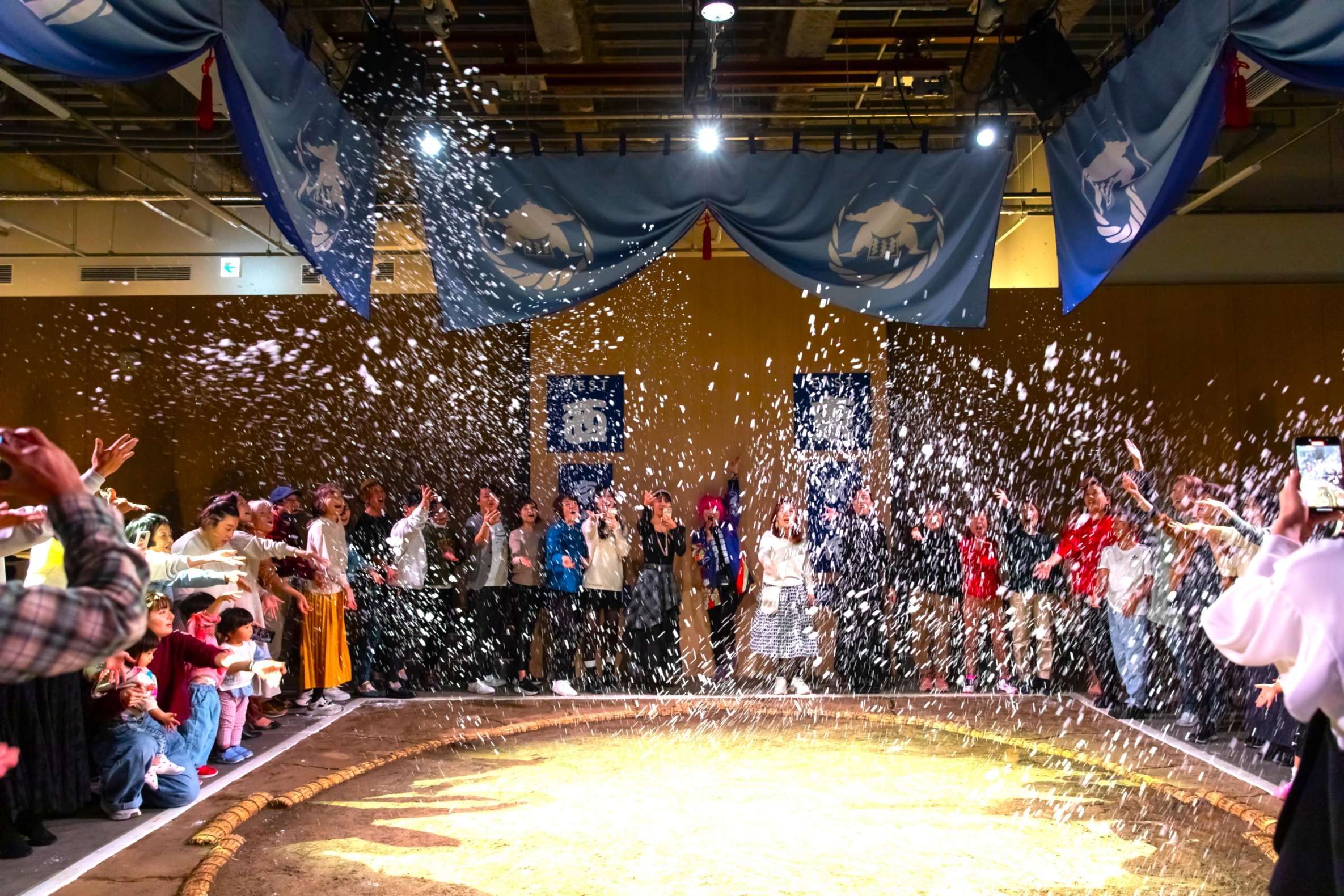
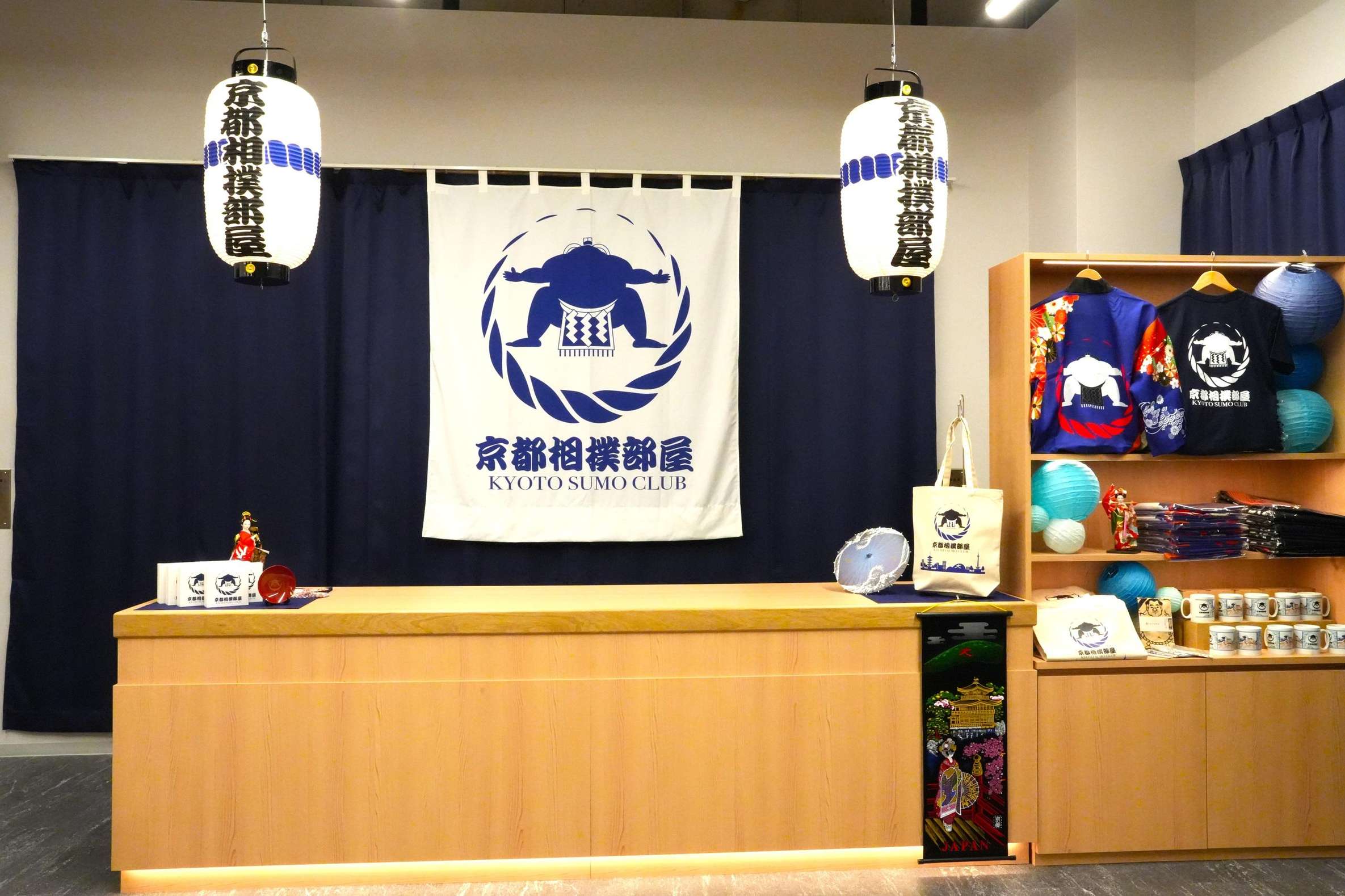
If you want more than a seat, a few guests per show can challenge a wrestler in the ring, chosen by lottery when demand is high. A souvenir gift set goes home with you.
What nobody tells you
Ring challenge spots are few and drawn by lottery when many apply
Put your name in early in the show, and hope for the draw
Kids from about age five can take the ring challenge
No sumo experience is needed, so it works for children who want in
Babies under one are not admitted
The show is family-friendly, but this floor of the age range is firm
The lottery matters because demand runs high, so if the ring is the reason you booked, arrive with the crowd and put your name in early. Everyone else gets the souvenir bag regardless.
Tour for this
Kyoto: Sumo Entertainment Show with Chicken Hot Pot & Geisha4.8★ (1,652) · 2 hours · Free cancellation
The Participative Sumo Experience, Traditional Meal, Pic trades the festival staging for closeness. Sumo An Kyoto is a 56-seat basement venue near the Kyoto Imperial Palace, seven minutes by subway from Kyoto Station and a minute's walk from Marutamachi Exit 6.
A show usually runs with about 40 guests, which leaves part of the room empty and tells you how small it really is. The seats run from general seating to sofa and sunken-table horigotatsu spots for families, and your view of the dohyo depends on where you sit.
Here the ring is not a lottery. Anyone who wants to step onto the dohyo and push against a wrestler gets to, and this is the only place in Kyoto where you wear an authentic sumo mawashi belt.
A chankonabe set meal comes with the show, an English-speaking MC takes questions, and every guest gets a free photo session with the wrestlers afterwards.
Children from age two can join, age four and up is recommended, and kids of twelve or under need a private booking with a supervising adult. A gentler programme exists for older guests. Space is tight, so strollers go into storage during the show, and wheelchair users should contact the venue when booking.
ImportantReserve vegetarian, vegan or gluten-free meals at least 2 days in advance The limited special menus cannot be arranged on the day
Everything else arrives with the booking: the meal, the English MC, the photo session. Special menus are the one thing that needs their own head start.
The Shinkyogoku arcade venue holds three shows daily, a lunchtime sitting from noon to 2 pm, an afternoon one from 3:30 pm to 5:30 pm, and the evening show from 7 pm to 9 pm, with a limited late-night running from 10 pm between March 1 and April 30, 2026.
Sumo An Kyoto keeps its own rhythm: full chankonabe meals at noon and 6 pm, a lighter afternoon tea session at 3 pm, and a 9:30 pm late show with no dinner.
When the Kyoto sumo shows run
Lunchtimenoon to 2 pm
The first show of the day runs noon to 2 pm with the full chankonabe meal, and Sumoan Kyoto also starts a lunchtime show at noon.
Afternoon3 pm to 5:30 pm
A second show runs 3:30 pm to 5:30 pm at the Shinkyogoku venue, while Sumoan Kyoto's 3 pm show serves a lighter Kyoto-style afternoon tea.
Evening6 pm to 9 pm
The main evening show runs 7 pm to 9 pm, and Sumoan Kyoto's 6 pm show includes the full chankonabe set meal; travelers often call it a fu…
Late night9:30 pm to 11 pm
A late show without dinner starts at 9:30 pm, and a limited 10 pm to 11 pm late-night show runs from March 1 to April 30, 2026.
QuietBusyThe busiest
The evening slots earn their reputation. Travelers describe them as full dinners with the show folded in, and the arcade venue's 7 pm sitting and Sumo An's 6 pm meal both work that way.
The lunchtime slots earn a place too, when a packed Kyoto itinerary leaves no evening free: the noon shows carry the same full meal, just earlier. Both venues run daily with only occasional one-off dark days, so the slot you want usually exists on the date you want it.
These are small rooms, and that is the whole booking story. Sumo An Kyoto seats 56, and the arcade venue holds a modest crowd around its dohyo, so seats are scarce by design.
Travelers who took similar shows report they sold out weeks ahead in busy stretches, and one tour operator tells guests to reserve as soon as their dates are fixed.
How busy it gets, month by month
April: 5 out of 5 for how busy it gets.
HighestMar to May, Oct
In betweenJun to Sep, Nov
LowestDec to Feb
Darker: a higher how busy it gets score, out of 5
Tap a month to read it.
What the calendar shows is where the pressure lands: April and October are the two busiest months, with cherry blossom and autumn foliage pulling crowds into the city, while February and December stay quiet.
The practical rule is simple. Book the moment your Kyoto dates are fixed, and in a peak month book the day you book your hotel.
If you have left it late, all is not lost: same-day booking at these venues was still possible when checked, with instant confirmation. A few days ahead remains the safer bet, because shows fill up.
One date behaves differently. The six official grand sumo tournaments rotate through Tokyo, Osaka, Nagoya and Fukuoka, and Kyoto is not on the professional circuit and never has been.
The closest it gets is a one-day exhibition, and the next one is worth circling: the Grand Sumo Tournament Kyoto on Friday, October 16, 2026, at Nissin-Denki Arena Kyoto in Nishikyogoku, running from 9 am to 2:30 pm.
That morning packs in things no show can stage: public training, the makuuchi and yokozuna ring-entering ceremonies, bouts from the top division, and the bow-twirling ceremony, plus a makushita tournament that features wrestlers born in Kyoto. It runs to 2:30 pm, so an evening show the same day is still possible.
Every other day in Kyoto belongs to the shows. That is not a shortfall to apologise for; the stakes at a show are demonstrative, but the wrestlers and their craft are real, and the format buys you a meal, a dance and a ring challenge that a tournament morning never could.
Kyoto show versus Tokyo and Osaka for your sumo night
Your trip date settles this question. Tokyo hosts grand tournaments in January, May and September at the Ryogoku Kokugikan, an arena of about 11,000 seats, and Osaka holds the March tournament at EDION Arena.
Outside those windows the picture flips: Tokyo has no year-round sumo show at all, only the Kokugikan museum and pre-arranged stable visits, while Osaka's dinner shows carry the city the rest of the year.
Kyoto, Tokyo or Osaka for your sumo night
Kyoto show
Tokyo
Osaka
Live sumo on your dates
Year-round shows, daily
Tournaments in Jan, May and Sep; no year-round show
March tournament; shows the other months
Format
Festive dinner show with geisha, or a hands-on ring session
Big-arena tournament, 15 days
Arena tournament in March, dinner shows otherwise
Best pick
Any date outside tournament months
January, May or September
March
Kyoto show
Live sumo on your dates
Year-round shows, daily
Format
Festive dinner show with geisha, or a hands-on ring session
Best pick
Any date outside tournament months
Tokyo
Live sumo on your dates
Tournaments in Jan, May and Sep; no year-round show
Format
Big-arena tournament, 15 days
Best pick
January, May or September
Osaka
Live sumo on your dates
March tournament; shows the other months
Format
Arena tournament in March, dinner shows otherwise
Best pick
March
For any date that misses those tournament windows, the Kyoto Sumoan show is described as the most complete bookable experience going: former top-division wrestlers, a chankonabe meal, photos and a ring challenge, in a 56-seat room that usually runs with about 40 guests.
A Tokyo show seen already? The Kyoto version stands on its own, and the geisha dance is something the others do not stage.
Getting to the Kyoto show from Station, Gion or Kawaramachi
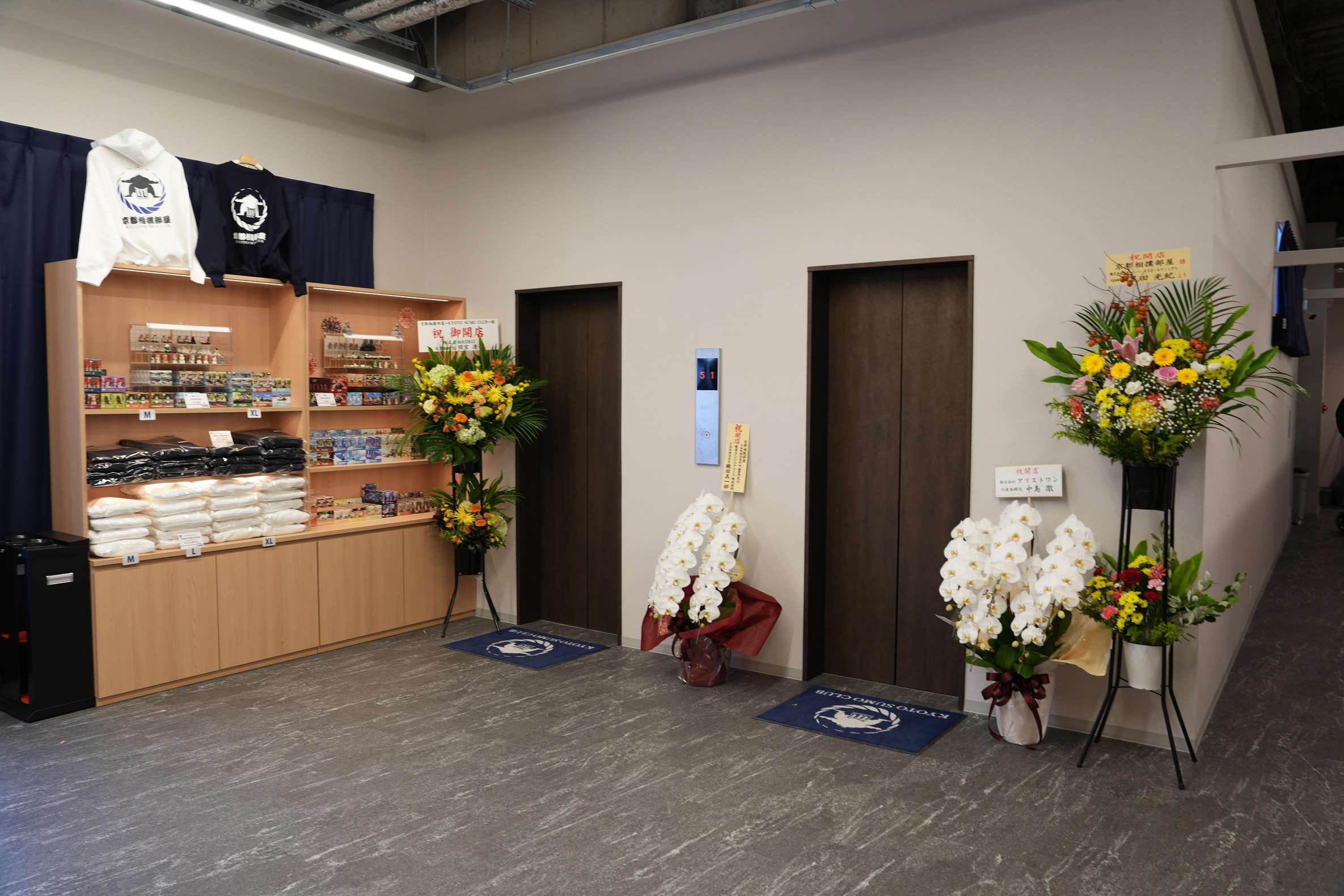
The arcade venue aims itself. The Kyoto Sumo Club show sits on the fifth floor of the Passaggio building in the Shinkyogoku arcade, and you reach it by the elevators near the Montbell store, in the building with the Animate shop.
From Hankyu Kyoto-Kawaramachi Station it is a 3-minute walk, and Gion-Shijo Station adds four more, about 0.6 km on foot. If you are already around Shijo, no train or taxi is needed.
Getting to the Kyoto sumo show venue
To Kyoto Sumo Club (Passaggio building… · Nakagyo Ward
The walk sets the evening's tone either way. Shinkyogoku is a covered, pedestrian-only arcade of youth fashion shops, souvenir stalls, capsule toy machines and matcha sweet shops, with Nishiki Market one block west. Kyoto Station takes longer, and most visitors come into town on the subway instead.
Sumo An Kyoto sits apart, in the quieter block near the Imperial Palace, one minute from Marutamachi Exit 6 on the subway. There is no parking at either venue, so come on foot or by train and let the arcade do the arriving.
Nothing here should keep you up the night before. There is no dress code at either Kyoto venue: comfortable clothes you can move in, especially if you hope to step into the ring, and easy-to-remove footwear helps.
The venue provides the authentic sumo mawashi belt for participants, so you bring no gear of your own. A colourful top earns its place in the bag if you want a striking photo in the ring. Photos and videos are welcome; only live streaming and posting the whole show online are not.
What to wear and bring to a Kyoto sumo show
Dec to FebNights drop below freezing and days reach only 8-11°C, so wear a warm coat and layers for the walk to the venue.
Mar to MayMild days of 14-23°C but the wettest stretch of the year, up to 223 mm of rain in May, so carry a compact umbrella.
Jun to SepHot and humid, with highs of 27-33°C in July and August; wear light, breathable clothes for the indoor show.
Oct to NovThe kindest weather of the year, 17-23°C and mostly dry, so ordinary comfortable clothes are all you need.
Comfortable clothesThere is no dress code, and loose, easy-to-move-in clothes matter most if you take the ring challenge.
A colourful topOptional, but it makes a striking photo if you step into the ring in the provided mawashi belt.
Nothing special to bringThe venue provides the authentic sumo mawashi belt for participants, so you need no gear of your own.
Arrive 20 minutes earlyThe show asks guests to arrive at least 20 minutes before it starts, and challenge spots are drawn by lottery.
Behaviour follows one idea: let the wrestlers run the show. Cheering is welcome at moments of real skill or the end of a match, but no random shouting, no flash, no drums or trumpets, no throwing cushions into the ring, and stay in your seat.
The whole venue is non-smoking. At Sumo An Kyoto, every guest gets a free photo session with the wrestlers afterwards, which is where most evenings end.
Weather worries dissolve first. Both Kyoto shows run indoors, the participative one in a basement store reached by stairs or elevator, the arcade one on a covered fifth floor, so Kyoto's famous rainy season changes nothing about your booking.
The exit routes are just as plain. Most of these tours can be cancelled up to 24 hours in advance for a full refund, which makes it easy to book early and still hold your flexibility.
Cancel inside that window and the refund is gone, though you may be able to move to another time slot or day if one has room.
The last hazard is your own clock. Arrive 20 minutes early, because a show on a tight schedule cannot be extended, and arriving late means joining partway through and missing whole sections of the programme. Build the buffer into the walk and the evening runs itself.
If the day goes sideways
If this happens
What happens then
The weather turns
Both shows run indoors, so rain changes nothing
You cancel up to 24 hours before
Full refund
You cancel inside 24 hours
No refund, but you may move to another slot or day if there is room
You arrive late
You may join partway through, but the show cannot be extended
Whichever way the day bends, you lose the evening only if you skip the buffer. Book early, cancel early when plans change, and walk there with twenty minutes to spare.
An evening around the Kyoto show in downtown Kyoto
Step out of the show and you are already in the best part of central Kyoto. Nishiki Tenmangū shrine stands next door, 207 metres from the arcade venue, and Honnō-ji and Kennin-ji temple sit within minutes on foot.
Kennin-ji marks the southern edge of Gion, and from there the lanes take over: lanterns along Hanamikoji-dori come on around 5 pm, the streets stay lively until about 9 pm, and Yasaka Shrine's gate and stage glow after dark, its grounds open around the clock.
The order that works best depends on your slot. Take the lunchtime show and the whole evening of Gion and the Kamo River is still ahead of you; take the 7 pm sitting and start with the shrine and Honnō-ji while the light lasts. Maruyama Park, about 1.2 km east, makes a closing stroll.
This is the quiet argument of the whole evening: the sumo show is not a ticket you squeeze in. It anchors a Kyoto night the rest of the city walks towards.
A Kyoto show earns its evening, and the choice between the two is a mood, not a ranking.
Take the Sumo Entertainment Show with Chicken Hot Pot & Geisha for the festive dinner, the arcade energy and a geisha dance; take the Participative Sumo Experience when getting onto the dohyo yourself is the point.
Both run daily, both include a chankonabe meal, and both let you meet the wrestlers. Book the 7 pm or 6 pm slot with the full meal, arrive 20 minutes early, and the rest of the night in downtown Kyoto arranges itself.
Go ifYour dates miss the January, May, September or March tournamentsYou want a dinner show with a geisha dance and unlimited hot potYou want a guaranteed turn in the ring against a retired wrestler
Skip ifYou need a baby under one at the arcade showYou want serious competitive sumo, and can catch the October 16, 2026 exhibition insteadYou cannot manage stairs or tight floor space without contacting the venue first
Our pick to book
Kyoto: Sumo Entertainment Show with Chicken Hot Pot & Geisha4.8★ (1,815) · 2 hours · Free cancellation
Short answers on the Kyoto sumo shows: what they are, what you eat, and how to pick one.
Kyoto2026
Geisha dance first, then a wrestler pulls a volunteer into the ring while you eat hot pot. Book a few days ahead, it fills up.
Are there sumo shows in Kyoto?
Yes, two run year-round. One is a sumo entertainment show with chicken hot pot and a geisha dance in the Shinkyogoku arcade. The other is a participative sumo experience with a traditional chankonabe meal near Marutamachi Station.
Is the Kyoto sumo show real sumo or staged entertainment?
Both Kyoto shows are entertainment performed by retired professional wrestlers, with no tournament or training stakes on the line. The craft is genuine, so the demonstrations show real technique, and the ring challenge is still a proper contest.
How long does the Kyoto sumo show last, and how much is wrestling?
The hot pot show runs two hours, with sittings at noon, 3:30 pm and 7 pm. The wrestling is a best-of-three match between retired professionals, plus an optional ring challenge. A geisha dance, morning-exercise demonstrations and English commentary fill the rest.
Is the chicken hot pot a full dinner, or should you eat beforehand?
The entertainment show is a proper dinner: all-you-can-eat and all-you-can-drink, with chanko-nabe as the signature dish and a wide range of other dishes. The participative experience serves a chankonabe set meal, though the 9:30 pm Late Night Show leaves dinner out.
Can you get in the ring and try sumo yourself?
Yes. At the hot pot show a few guests per show can challenge a wrestler, with participants picked by lottery when demand is high. The participative experience guarantees a ring challenge for anyone interested, and you can try salt throwing too.
Is the Kyoto sumo show suitable for young children?
The shows are built for adults and children together, with a lively, humorous format that keeps kids engaged. Babies under 1 year old are the one exception at the hot pot show, and the participative experience welcomes children from about age two.
Do the Kyoto shows run every night?
Both venues run daily sessions, with only occasional one-off dark days listed as irregular holidays. The hot pot show holds three sittings a day and the participative venue runs lunch, afternoon and evening times, so check the calendar for your date before booking.
Do you need Japanese to follow the show?
No. The entertainment show runs with live English commentary, and the participative experience has an English-speaking MC who explains the rules, rituals and history, and takes questions.
Where do the Kyoto sumo shows take place?
The hot pot show sits on the 5th floor of the Passaggio building in the Shinkyogoku shopping arcade, a 3-minute walk from Kyoto-Kawaramachi Station. The participative experience is on a basement floor one minute from Exit 6 of Marutamachi Station.
Is a Kyoto sumo show worth an evening of a Kyoto trip?
Guests rate the shows very highly, and many call the sumo experience a highlight of their whole Japan trip, even with no prior interest in the sport. Kyoto hosts no Grand Tournament, so a show is the year-round way to see live sumo here. Book a few days ahead; the good sittings fill.
See a Kyoto show with geisha dance and sumo hot pot
Book the Kyoto sumo show with an all-you-can-eat chicken hot pot, a geisha dance and a chance to challenge a wrestler, and cancel up to 24 hours ahead for a full refund.