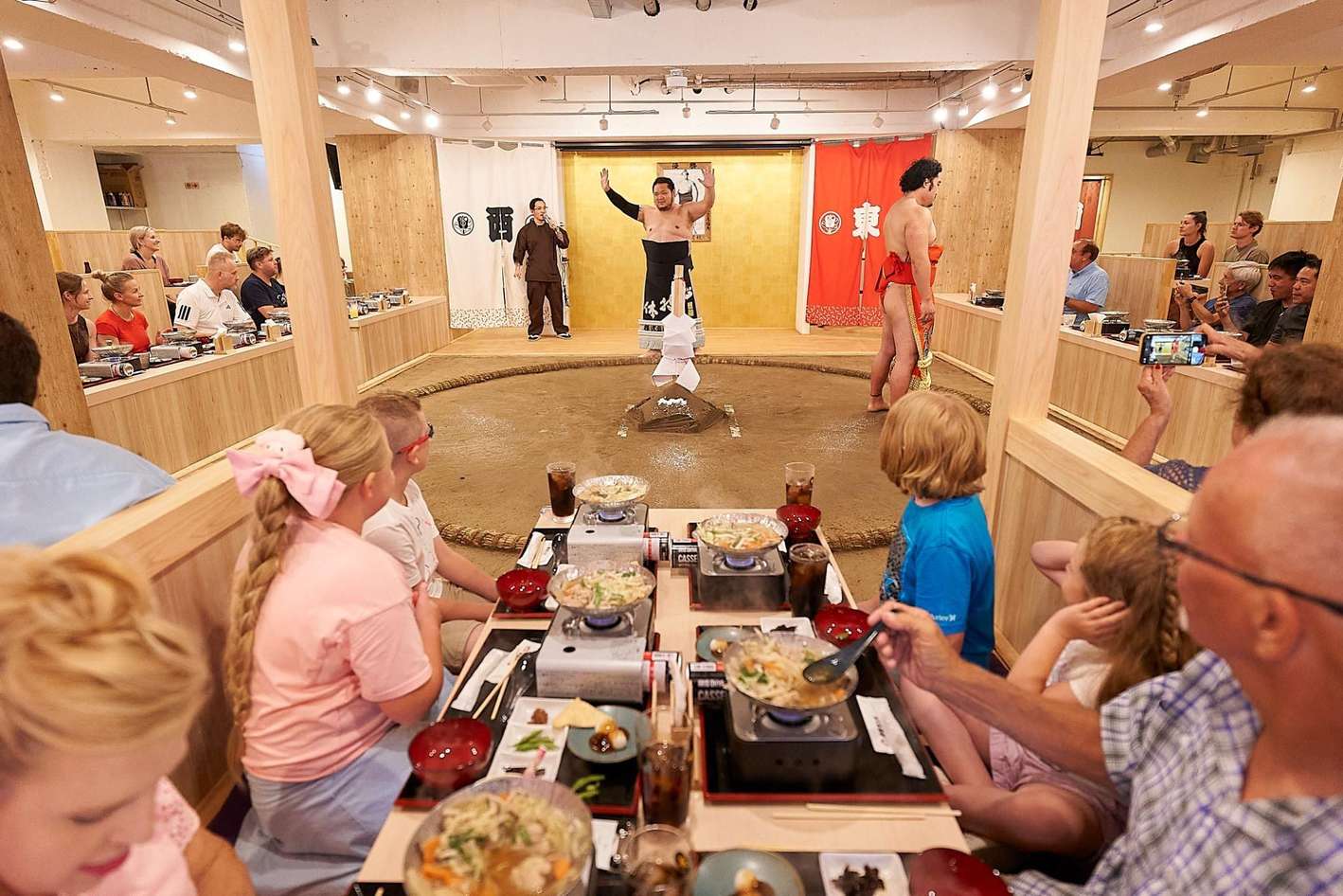
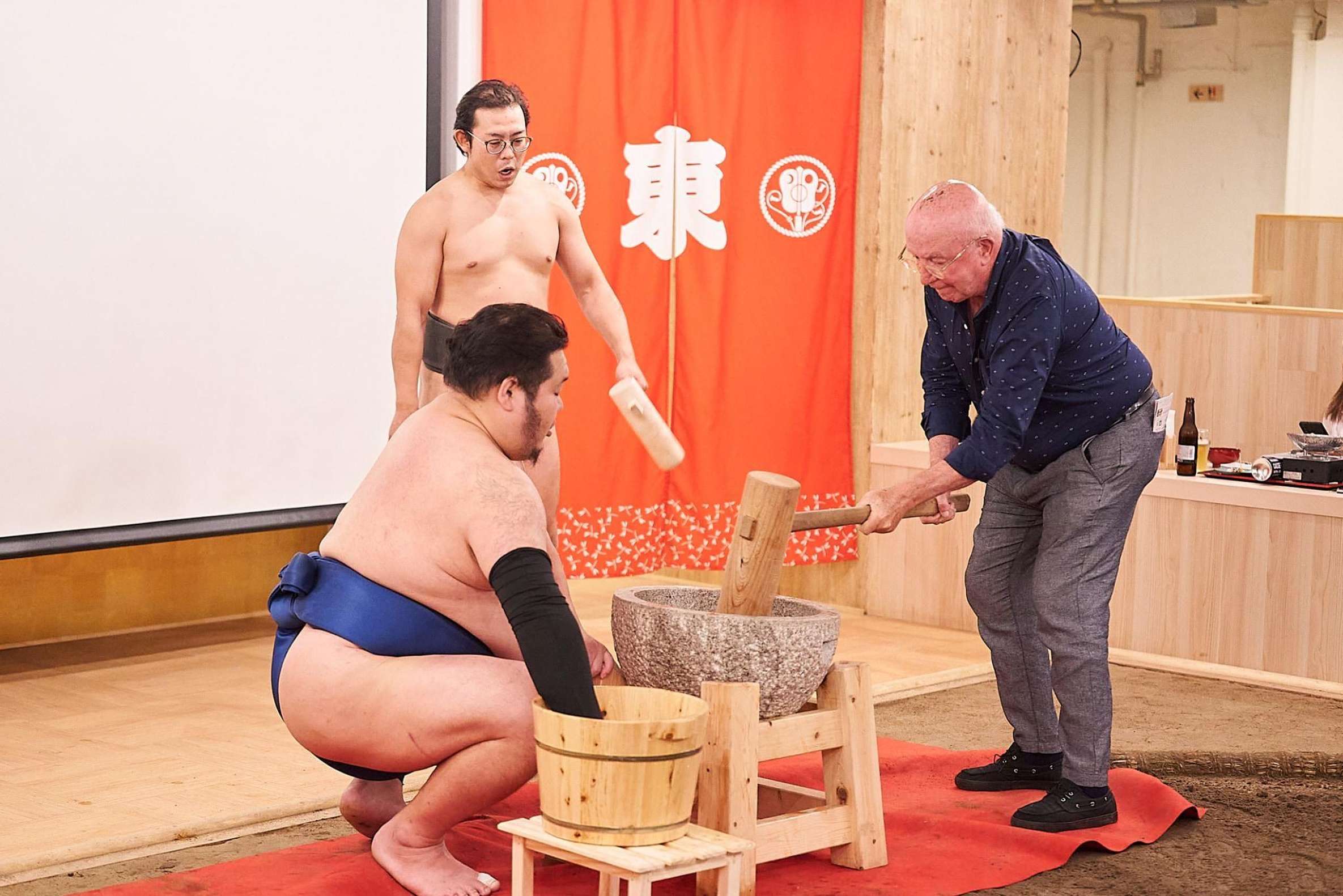
Sumo Lunch Experience in Tokyo Live Show and Chanko Nabe Lunch
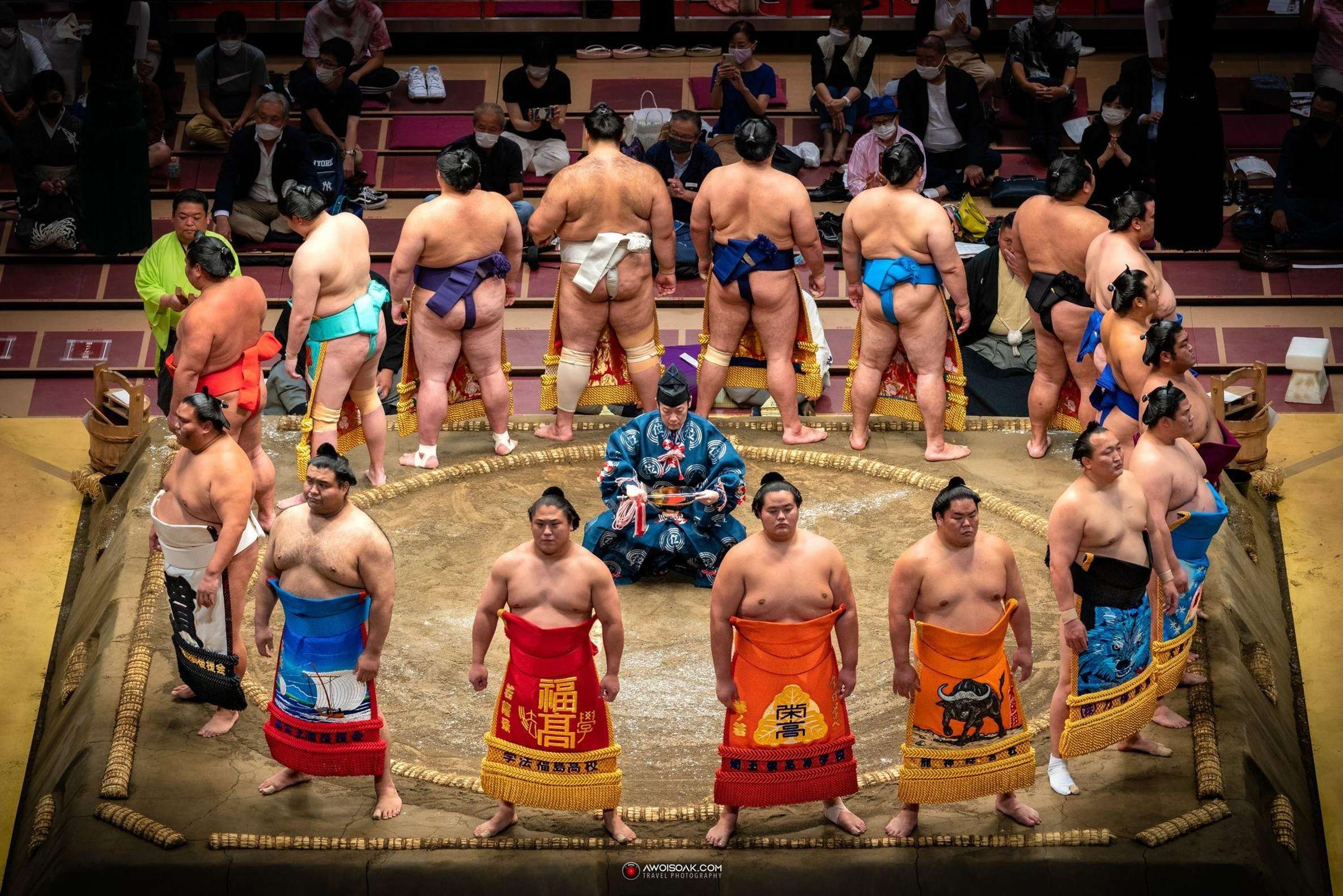
Watch sumo up close, then eat the meal that builds the wrestlers. Sit around a real ring while former pros show you the moves, then share chanko nabe, the hearty hot pot wrestlers eat after training, and finish with photos on the ring. Book your Tokyo lunch with sumo in it today.
"Great tour. Learned loads about sumo and found it fascinating. Mike's enthusiasm brought it all to life. Loved the walk, museum, stables and the tasty lunch. Well worth it."
4.6★average rating10,589traveler reviews100%free cancellation33countries travelers came from
Choosing a sumo lunch experience in Tokyo
Tokyo's sumo lunch options fall into two shapes: shows where retired wrestlers perform while you eat, and guided walks through the sumo district that end at a chanko nabe table. The choice is whether you want the meal beside a live ring or sumo history on foot first. Families lean toward the shows; readers who want depth take the walk.
Dietary requestsThe chicken hot pot show, the luxury Asakusa show and the Ryogoku experience take vegetarian and vegan requests two days in advance; none serves gluten-free or halal meals, but you may bring your own food.
AccessibilityThe Ryogoku chanko and mochi experience and the luxury Asakusa show are not wheelchair accessible, and the chicken hot pot show has limited accessible seating to request at booking.
SeatingThe Ryogoku experience assigns your seats by venue, so you cannot request a specific spot, and box seats there safely fit up to six guests, including a child on a lap.
AgesThe Asakusa shows welcome children but not babies under 1, and the Ryogoku experience is built for adults and children together.
Dark daysTokyo sumo shows run daily but individual venues keep irregular dark days, so check the calendar for your date before you fix a plan.
Tournament daysOn the Ryogoku history tour, the Sumo Museum inside the Kokugikan is open on non-tournament days; on tournament days it is reserved for ticket holders and the walk focuses on the atmosphere outside.
Ring challengeAt the Asakusa shows, the chance to wrestle a wrestler is limited per show and chosen by lottery when demand is high.
DressComfortable clothes and easy-to-move shoes suit all four outings; the walking tours run in any weather, so bring layers.
sell-outTokyo sumo lunch and chanko nabe experiences sell out days to weeks ahead for weekend slots, and weeks ahead during tournament months when Ryogoku's chanko restaurants are packed.
Book as soon as your Tokyo dates are fixed, especially if you are traveling in April, October or May, when demand runs about fifty percent above an ordinary month and the popular slots fill first.
Tokyo Sumo lunch tours worth booking
Best for depth
3 hours·English, Japanese
3.5(3)
Tokyo Sumo Culture Masterclass & Authentic Chanko Nabe Lunch
A private guided walk through Ryogoku with an expert culture guide and a chanko nabe lunch, from 75.40.
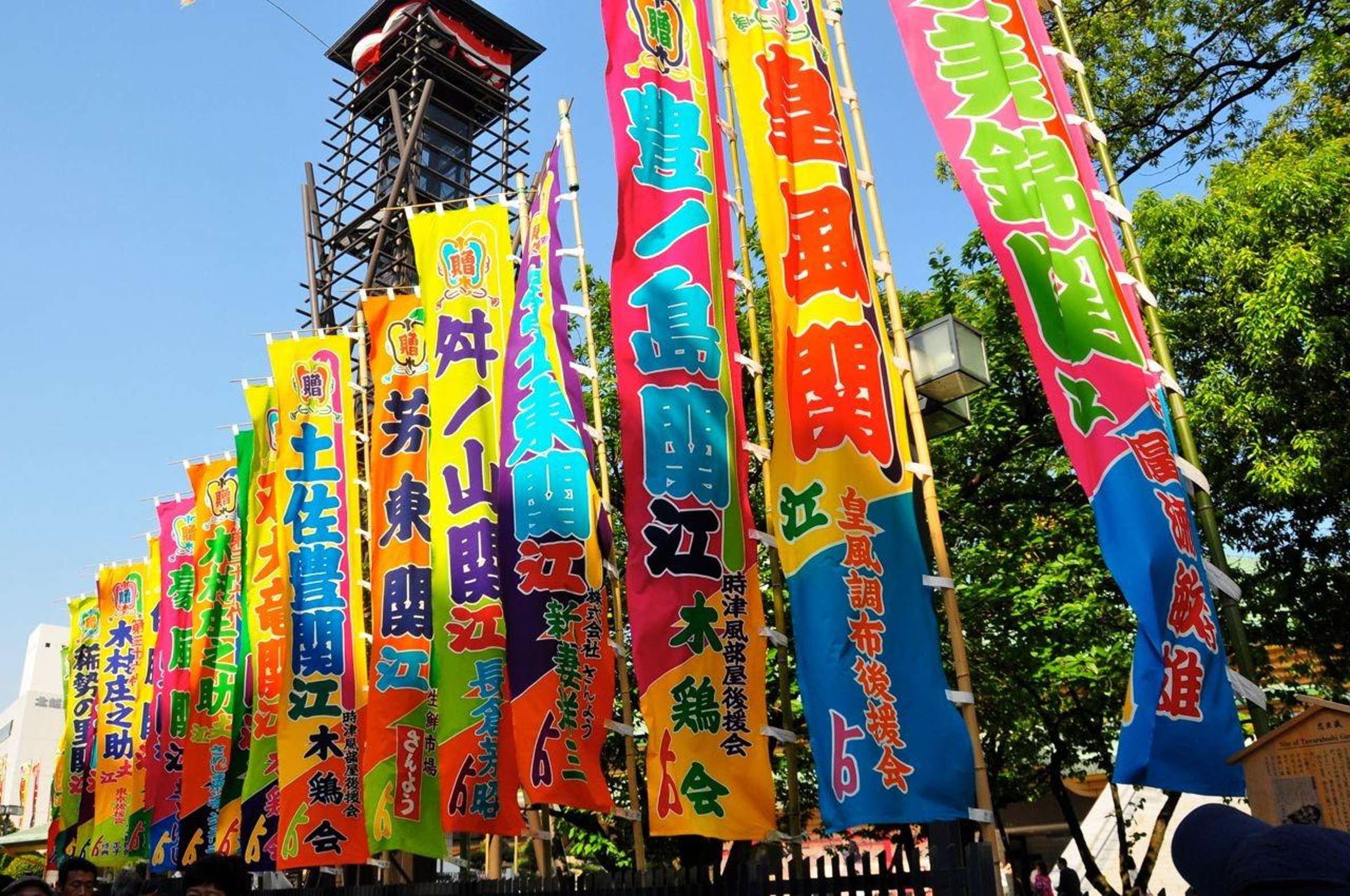
Ryogoku is Tokyo's sumo district, two stops from Akihabara, and this three-hour walking tour reads the neighborhood the way a fan would before sitting down to the meal wrestlers eat themselves. Your guide is an English speaker who knows the stories behind every banner and shrine.
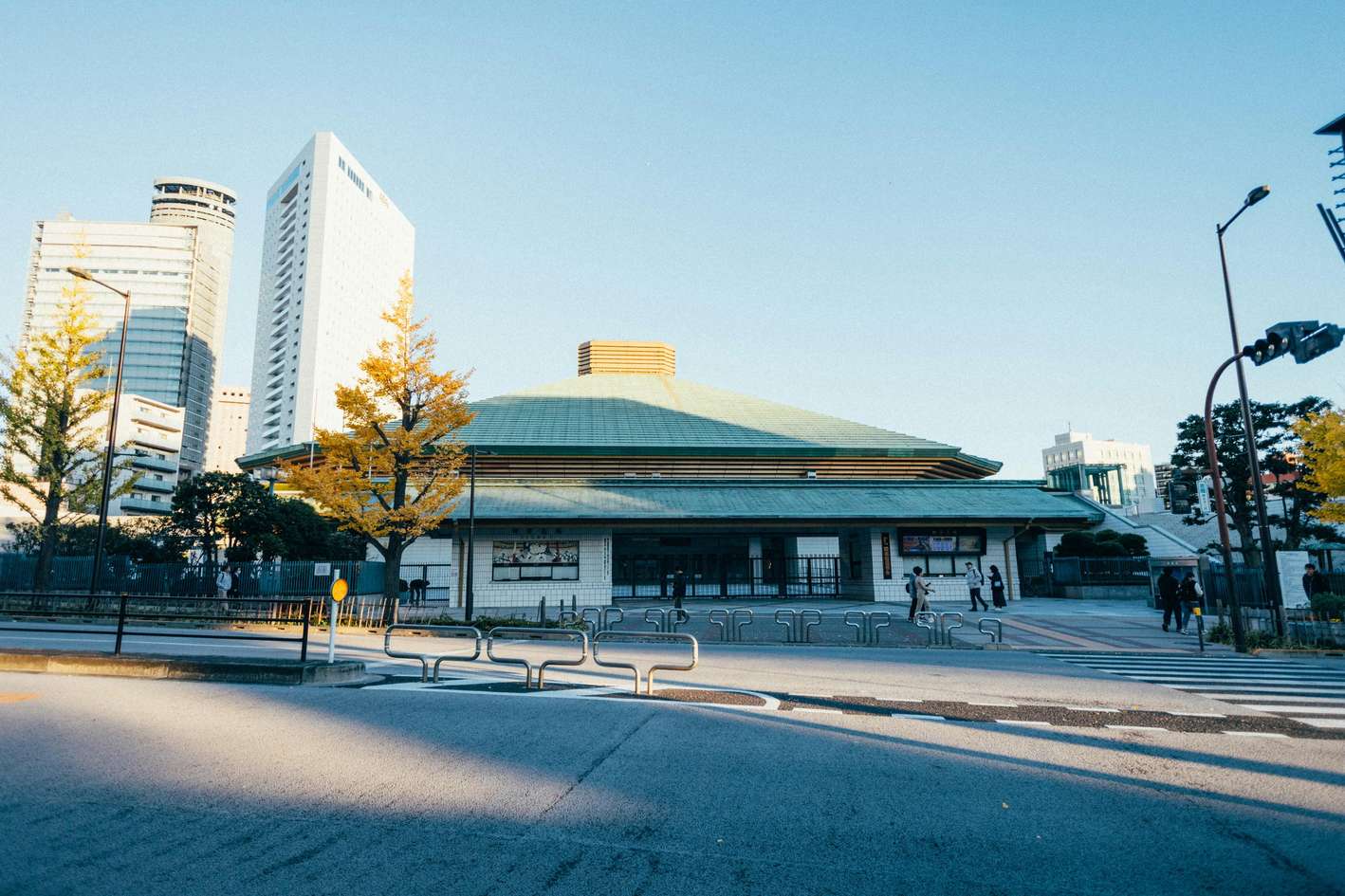
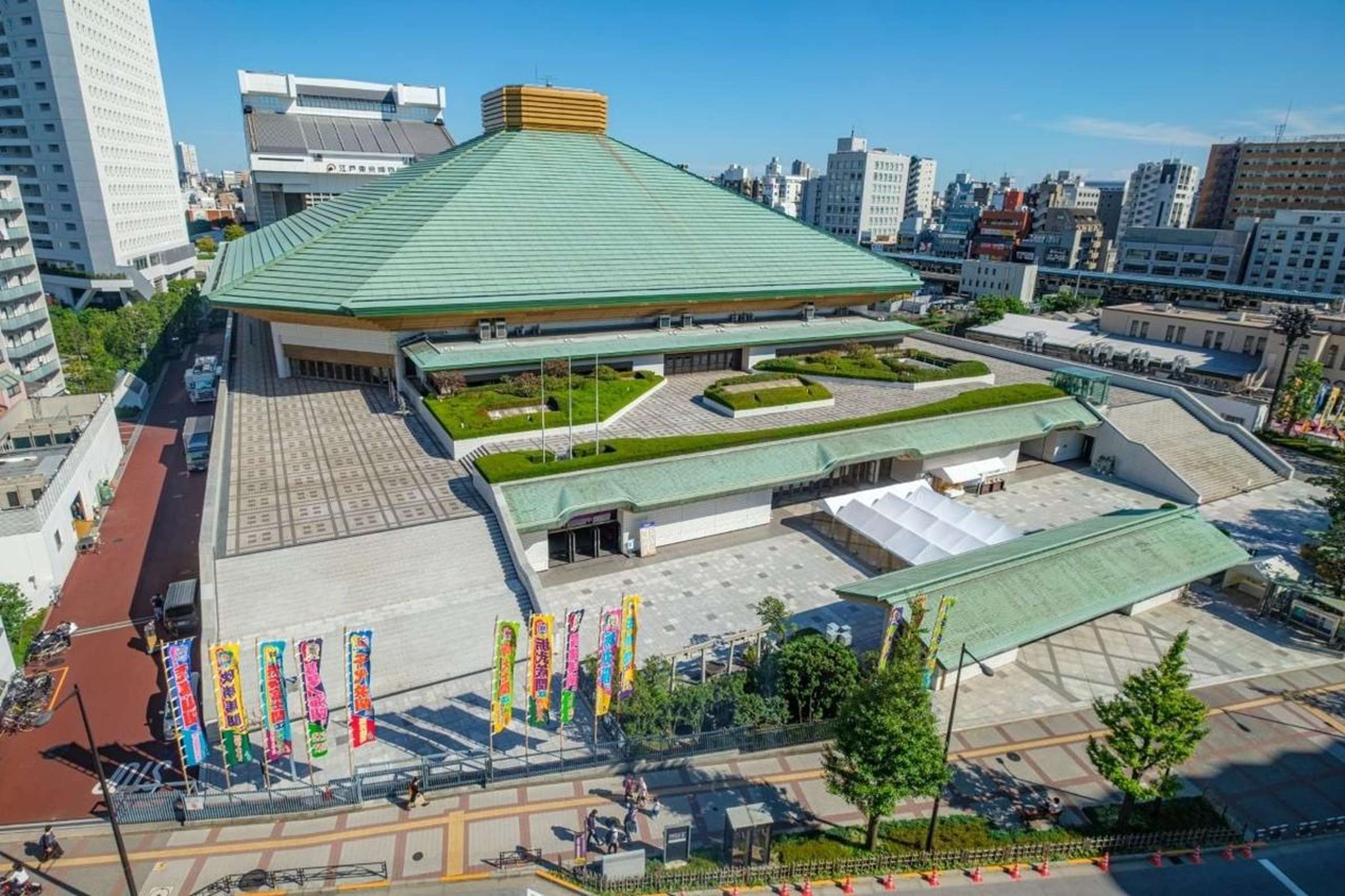
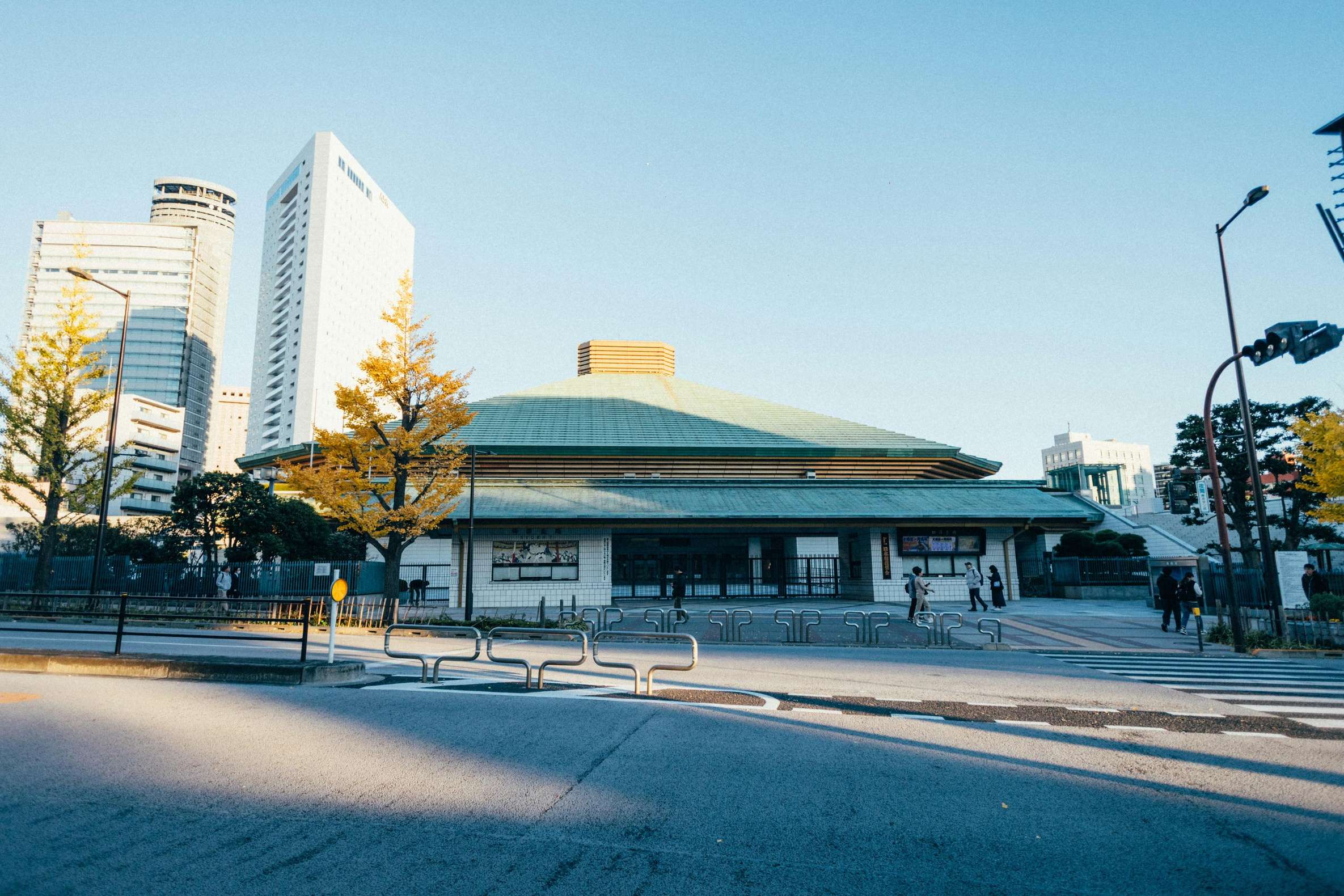
The route takes in the Kokugikan arena, Ekō-in Temple, the Chikara-zuka Monument and the Sumo Museum, with a stop at a life-sized replica ring where you can try sumo poses and learn the salt-throwing ritual.
Lunch at the end is chanko nabe, the hot pot stew that has fueled wrestlers since the Meiji era. On non-tournament days the museum is open; on tournament days the tour shifts to the atmosphere outside the arena instead.
1Ryogoku Station West Exit· about 20 minYou arrive in sumo town, a neighborhood of shops, restaurants and sumo banners, and meet your expert English-speaking guide to start the walk.2Ryogoku Kokugikan exterior· about 30 minYou see Japan's most famous sumo arena from outside, home to three grand tournaments a year, while your guide explains how tournaments are run and what the rituals mean.3Ekō-in Temple and Chikara-zuka Monument· about 35 minYou visit the birthplace of organized sumo matches in the 17th century and hear how the sport began as a Shinto prayer for peace and protection.4Sumo Museum· about 35 minInside the Kokugikan you browse historical memorabilia, photos, ceremonial aprons and trophies. On tournament days the museum is reserved for ticket holders, so the tour spends this time outside the arena instead.5Edo NOREN replica dohyō· about 25 minAt a life-sized replica sumo ring you can take photos, learn rituals like salt-throwing and try a few sumo poses yourself.6Chanko-nabe lunch· about 35 minThe tour ends with the classic wrestler's stew in Ryogoku, the traditional sumo dish simmered with chicken, vegetables and tofu, included in the tour. Extra food and drinks are on you.
Where the other tours go
Ryogoku Kokugikan
Tokyo Sumo Culture Masterclass & Authentic Chanko Nabe Lunch
Guided walking tour with expert English-speaking guideVisits to Ekō-in Temple, Chikara-zuka Monument, Ryōgoku Kokugikan areaEntry to the Sumo Museum (when open on non-tournament days)Traditional sumo dish, Chanko-nabe lunch in Ryōgoku
Not included
Hotel pickup/drop-offAdditional food, drinks, or alcoholic beverages during lunchPersonal expenses (souvenirs, snacks, train, etc.)
Which sumo lunch experience in Tokyo fits your day?
Green marks the lowest price. Prices per person.
Tour
Price
Duration
Languages
Best for
Our pick
Tokyo: Discover the World of Sumo History & Lunch
4.9★ (6)
from $89per person
3 hours
English, German
first-timers who want sumo history and lunch in one walk
Choose your date and check which slots still show availability. Weekend and evening sessions sell out days to weeks ahead, and tournament months in Tokyo, January, May and September, fill first.
Pro tipApril and October are the busiest months on this site, about 50% busier than an ordinary month, so book furthest ahead then.
RecommendedFebruary, December and January are the quietest months, so last-minute plans are most likely to work then.
02
Choose the option that fits your meal
Compare the options on the tour card before you pay. Some experiences include a full chanko nabe lunch, others offer a meal-free version, and seating tiers change what you eat and where you sit.
Common mistakeFirst-timers book the cheapest option and then assume food is included. Read what each option covers before you commit.
Pro tipOn the Ryogoku chanko and mochi experience, seat locations are assigned by the venue and you cannot request a specific seat, so pick the box seat option if a group of up to six wants to sit together.
03
Flag dietary needs before paying
Vegetarian and vegan meals are available at several shows if you request them at least two days before your reservation. Gluten-free and halal meals are not offered at some venues, but you may bring your own food.
ImportantA dietary request made later than two days out may get you a regular meal, because the kitchens plan in advance.
Pro tipThe Ryogoku experience is the one that can also provide gluten-free meals on request.
04
Complete payment and check the rules
Pay through the booking platform and read the confirmation. Most of these tours let you cancel up to 24 hours in advance for a full refund, and the operator sends arrival details and the meeting point with your booking.
Common mistakeCancelling on the day gets you no refund, though you may be able to move your booking to another slot if there is availability.
Pro tipIf a wheelchair-accessible seat is needed, mention it at the time of booking, because accessible seating is limited at these venues.
05
Arrive early on the day
Follow the meeting instructions in your confirmation and get there ahead of the start time. Seats around the ring are taken in order of arrival, so an early arrival is what puts you close to the action.
RecommendedAt the Tokyo Tower show, come to the fifth-floor front desk at least 15 minutes before your slot.
Common mistakeTurning up right at the printed start time means a rushed seat search, and at some shows late entry may not be accepted at all.
What to know before you book a sumo lunch in Tokyo
Can stop the dayGood to knowGood news
01
ChoosingWhat it is, who it suits, when to go
3
The meal
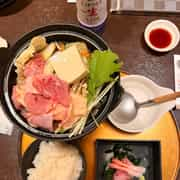
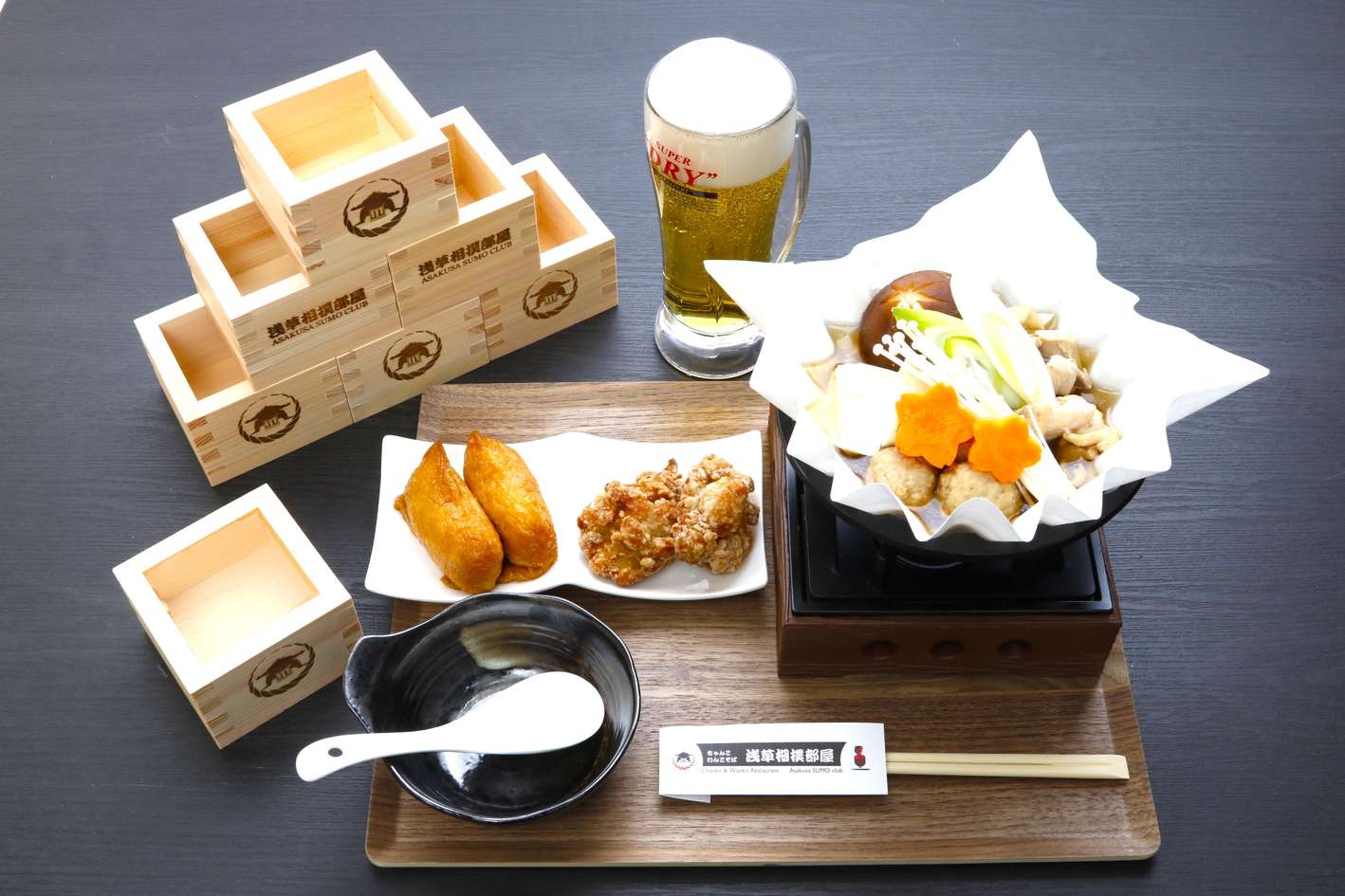
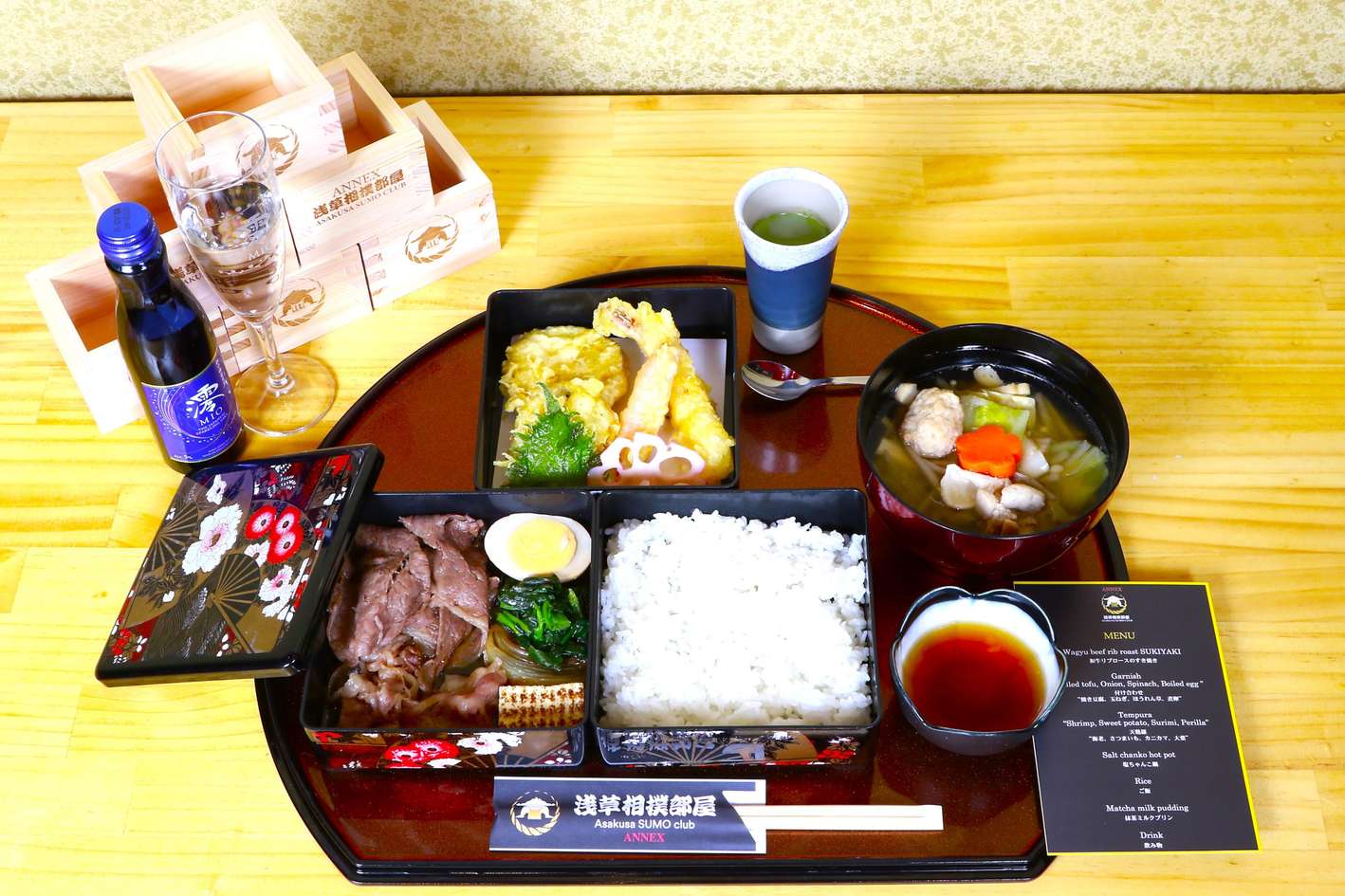
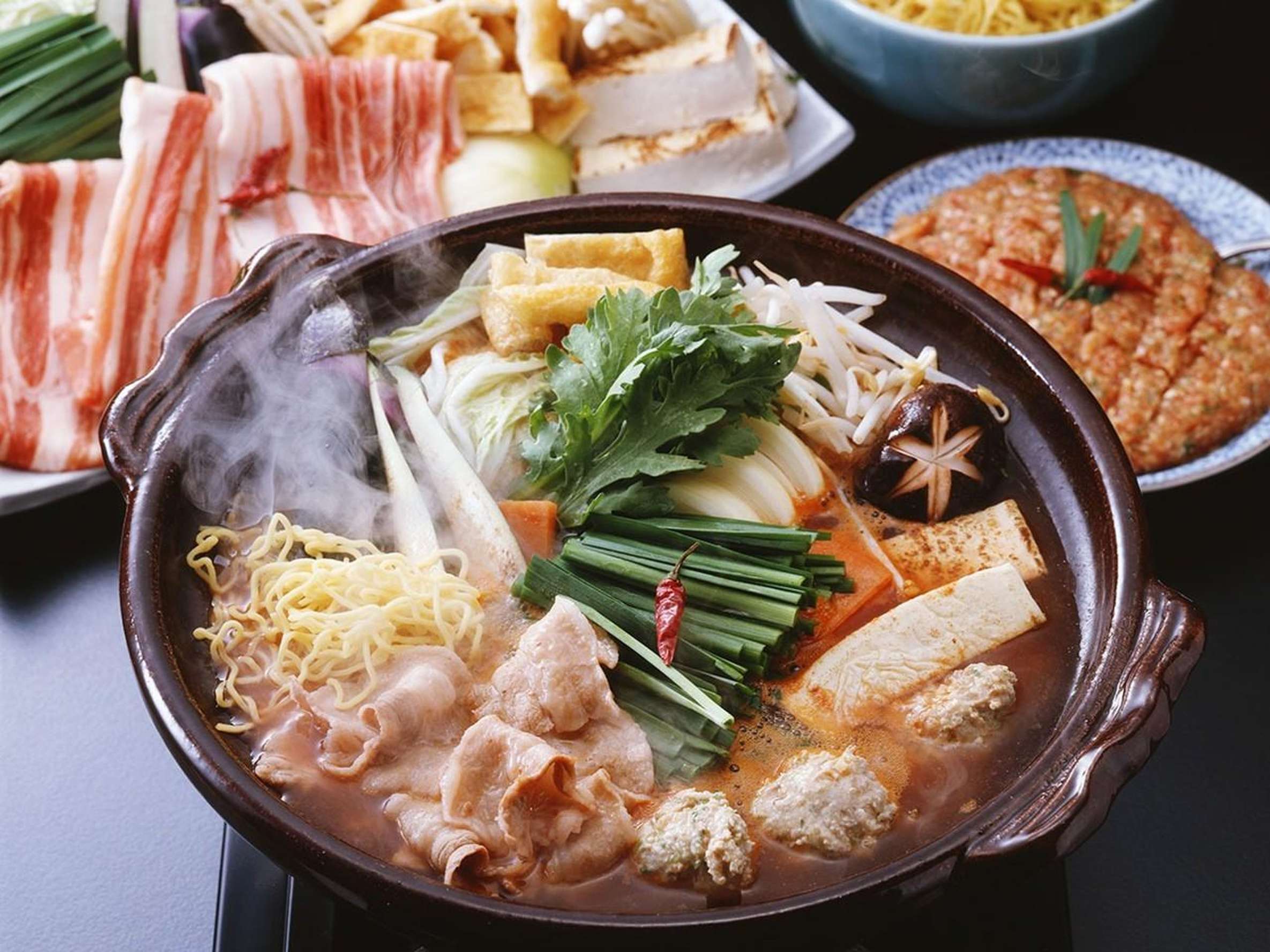
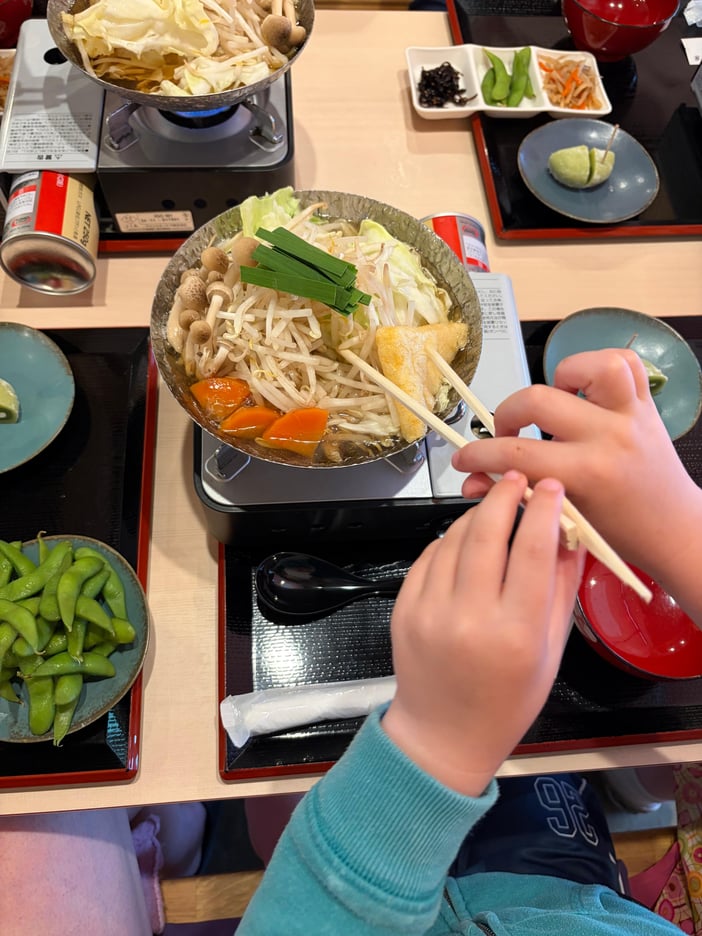
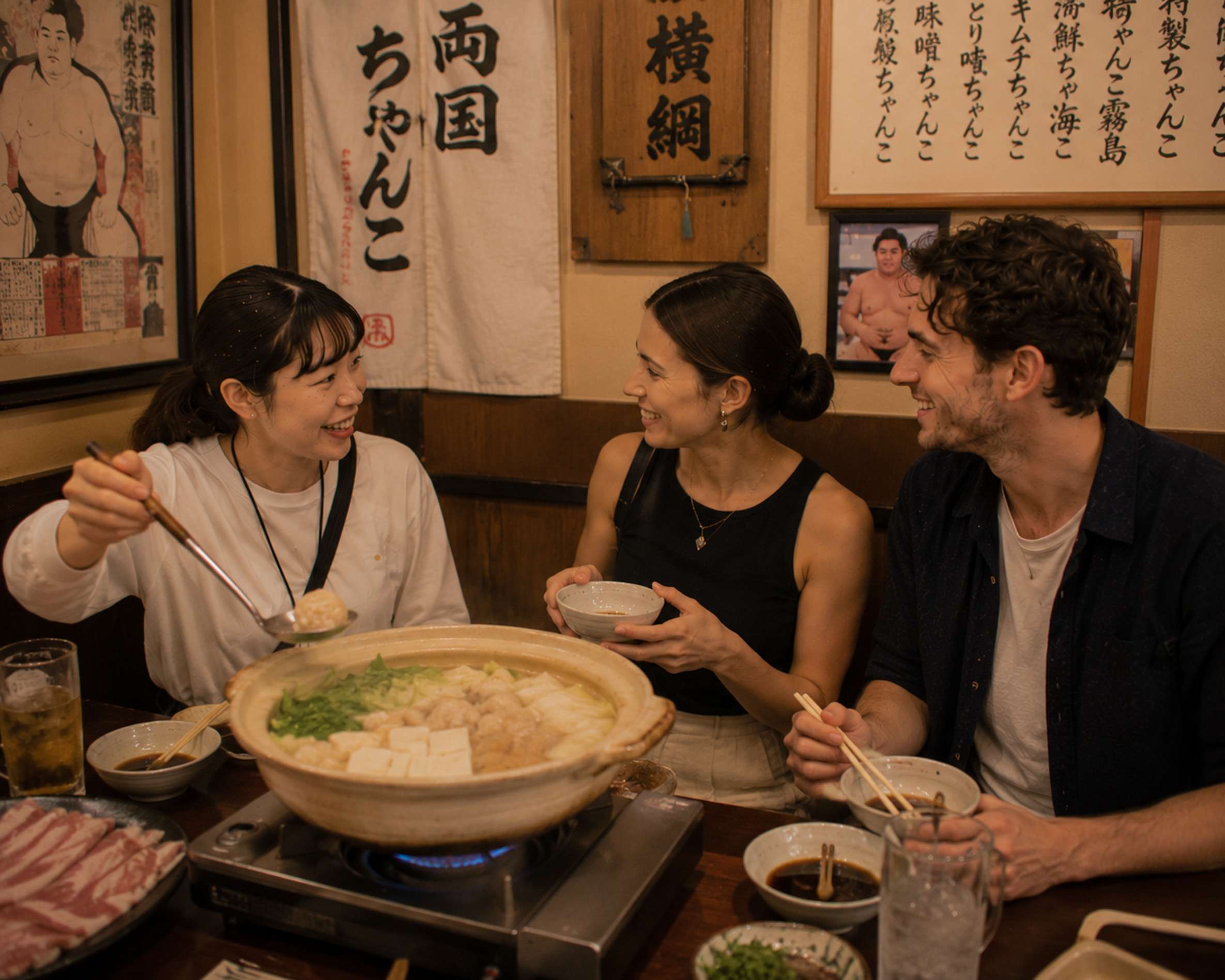
Chanko nabe is the hot pot wrestlers eat to build their bodies: chicken, napa cabbage, tofu and vegetables simmered in a seasoned broth. What arrives on the table varies by venue, from plain chanko nabe to a wagyu sukiyaki bento with matcha dessert, so read the booking details before you choose.
Length
Shows run about 90 minutes to two hours, including the meal. The wrestling itself usually comes at the end, after an opening section on sumo's history, stretches and rules, so arrive with time to enjoy the whole program.
The ring
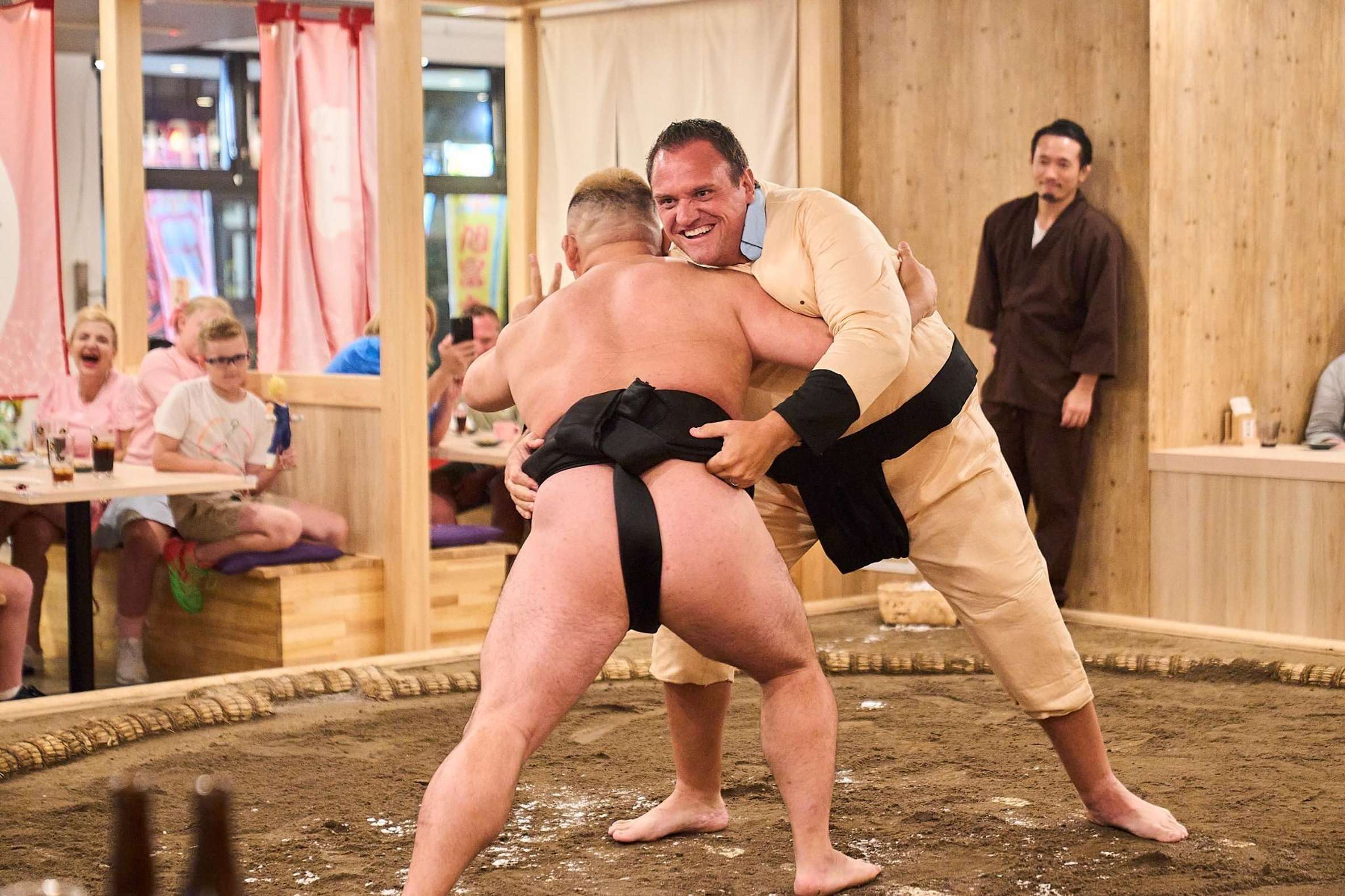
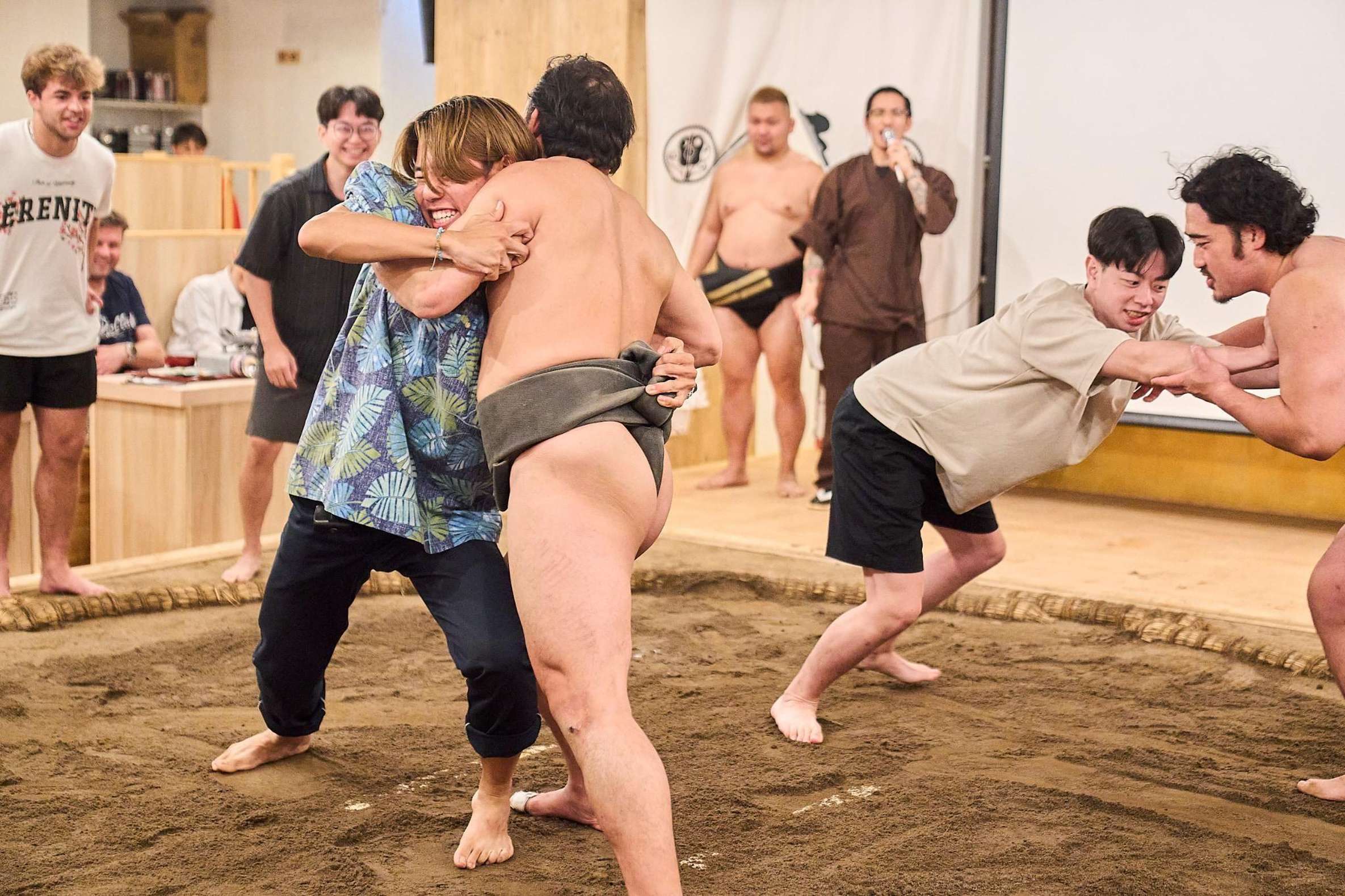
Joining in the ring is optional and free to decline. At some shows everyone gets a chance to wrestle; at others, challengers are chosen by lottery and the wrestlers go easy on participants. Come prepared to join in if you want to.
02
BookingHow far ahead, and what happens if plans change
1
Cancellation
Every tour on this page can be cancelled up to 24 hours in advance for a full refund. Cancel later than that and you lose the refund, though you may be able to move your booking to another time slot if there is space.
03
Before you goPapers, health, what to bring
2
Dietary needsCan stop the day
Vegetarian, vegan and gluten-free meals can be arranged at several venues, but only if you request them at least two days before your booking. Halal meals are not provided anywhere on this page, though guests are welcome to bring their own food.
Kids and health
Most shows welcome children, and the Ryogoku chanko and mochi experience is designed for adults and kids together. If you are pregnant or have a serious medical condition, check the limits on the hands-on options before booking, and reserve one seat per person rather than holding a child on your lap.
04
On the dayWhere to be, when, and how you get there
1
Booking lead
Book a few days ahead rather than on the day. The two-day window for special meals means late bookings get the regular menu, and popular sessions in the sumo districts fill up first.
05
During the tourWhat is expected of you
2
The show
These lunch experiences are entertainment shows led by retired professional wrestlers, with demonstrations, commentary and photos rather than ranked matches. Many visitors call the experience a highlight of their trip even when they knew little about sumo beforehand.
Photos
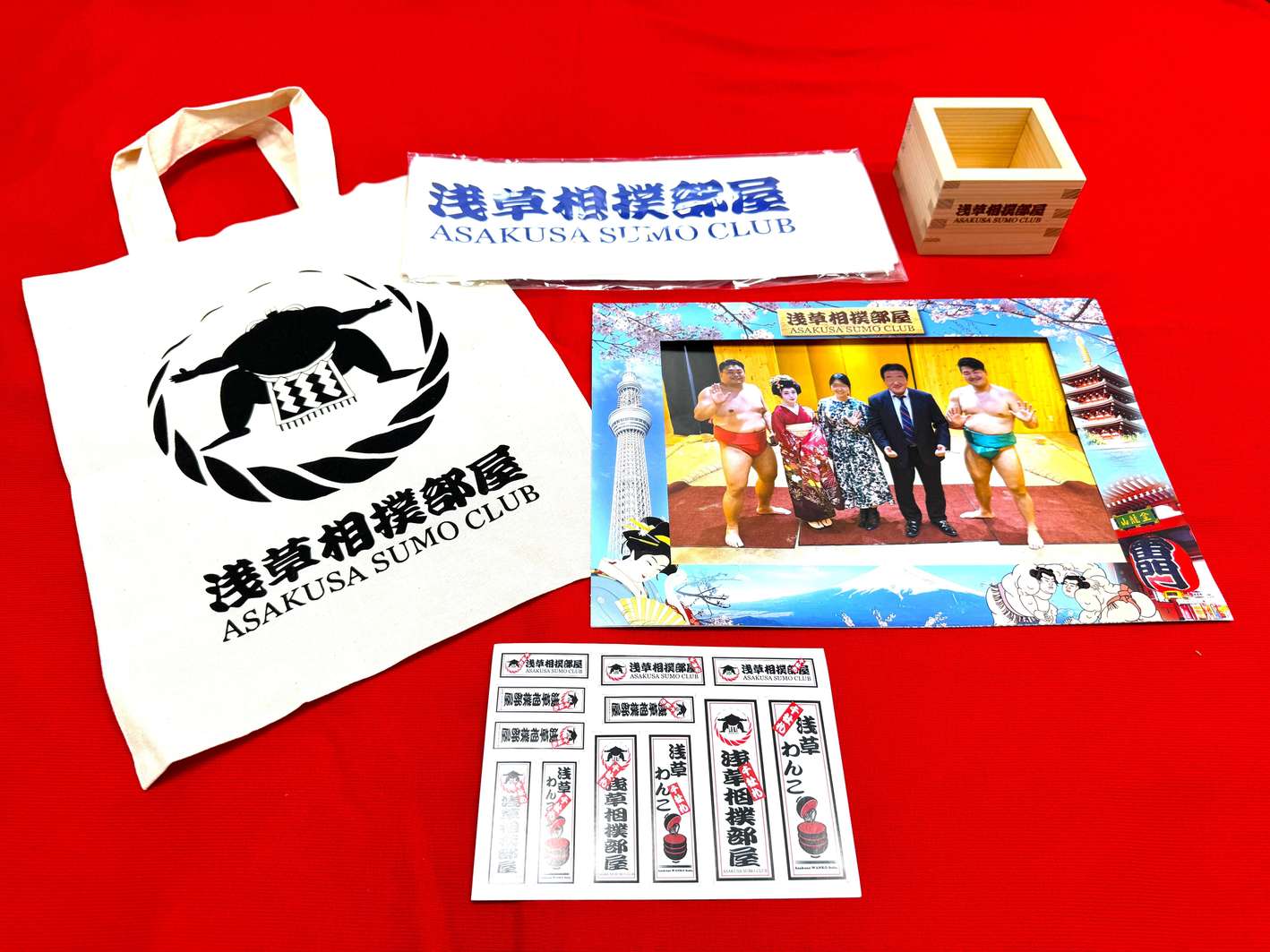
Photos with the wrestlers come at the end of the session, and you can take your own pictures with a phone or camera during that time. Many venues include a printed commemorative photo in the booking, so keep your phone on silent during the bouts and skip the flash.
Tokyo sumo lunch - the guide that settles it
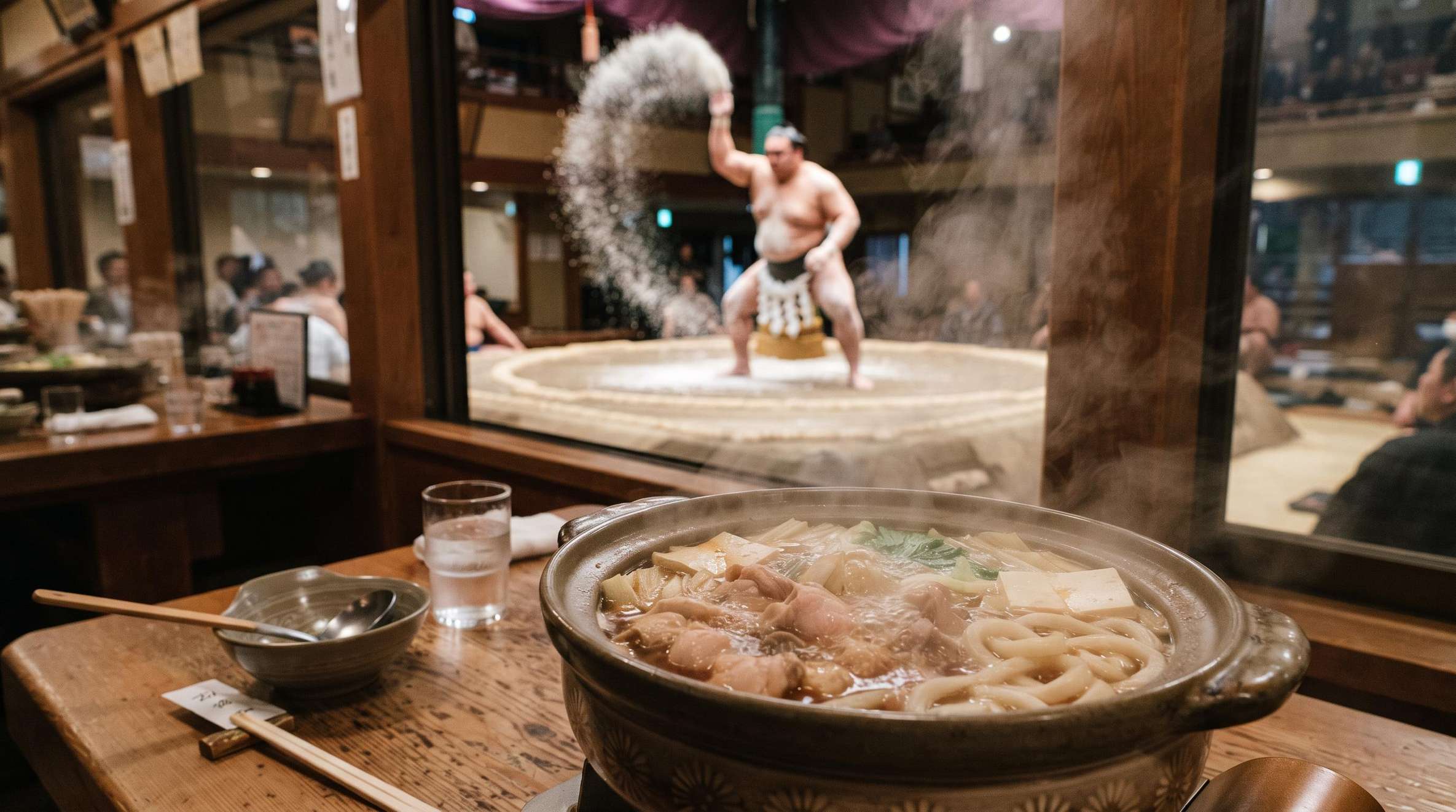
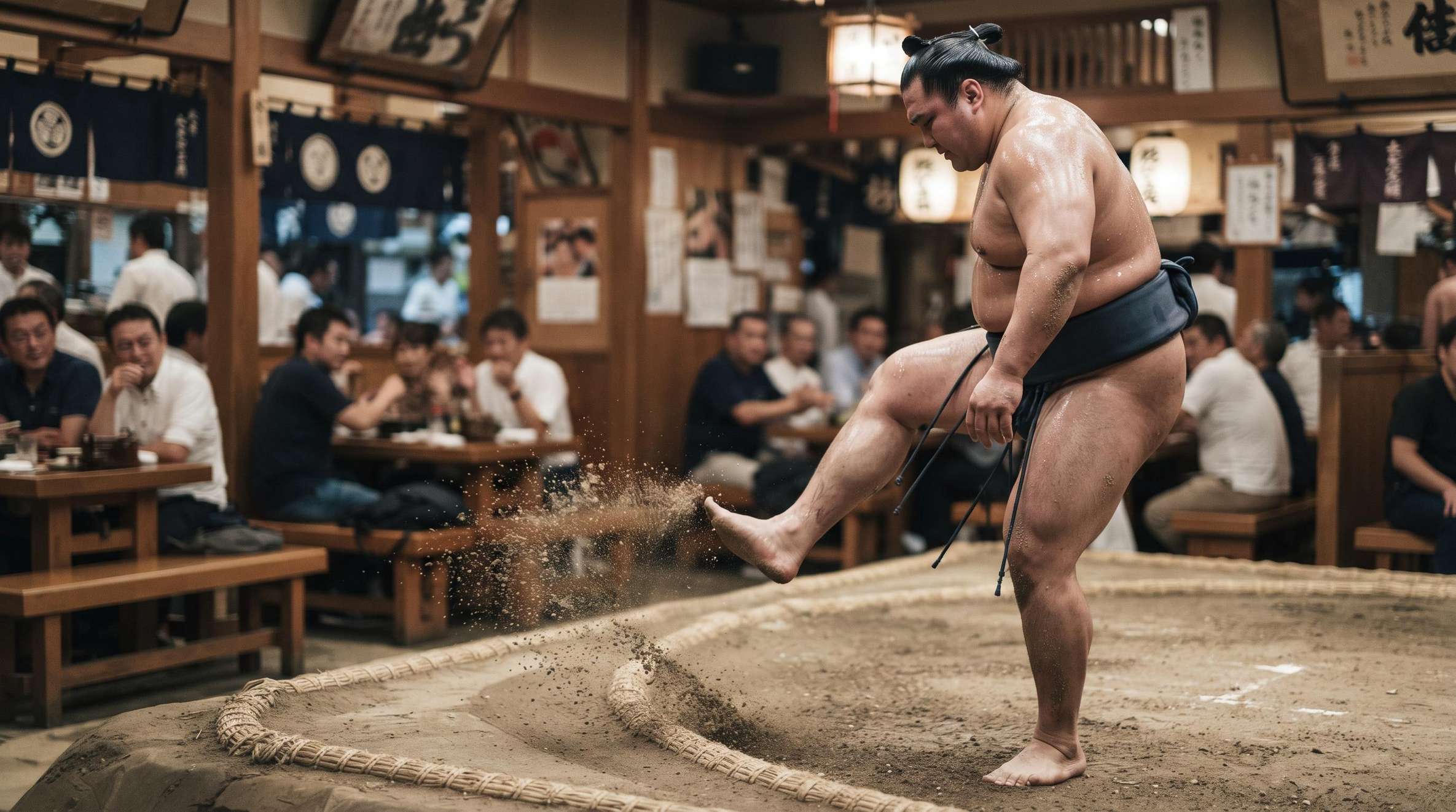
A hot pot lunch in a room with a real clay ring, cooked by retired wrestlers. The only open question is which version of the day fits your trip, and that is what the chapters below settle.
Tokyo· 35.70° N, 139.79° E
If you only remember three things
1
Book at least a few days ahead for spring and autumn, when April and October fill fastest.
2
Ask for vegetarian, vegan or gluten-free chanko at least 2 days before; halal is never provided, so bring your own food.
3
Arrive 15 minutes early: the room fills fast on weekends and the good seats near the ring go first.
Is a sumo lunch show in Tokyo actually worth it
The doubt is reasonable, and it walks in with you: a restaurant with a ring in the middle sounds like dinner theater. The doubt survives about two minutes.
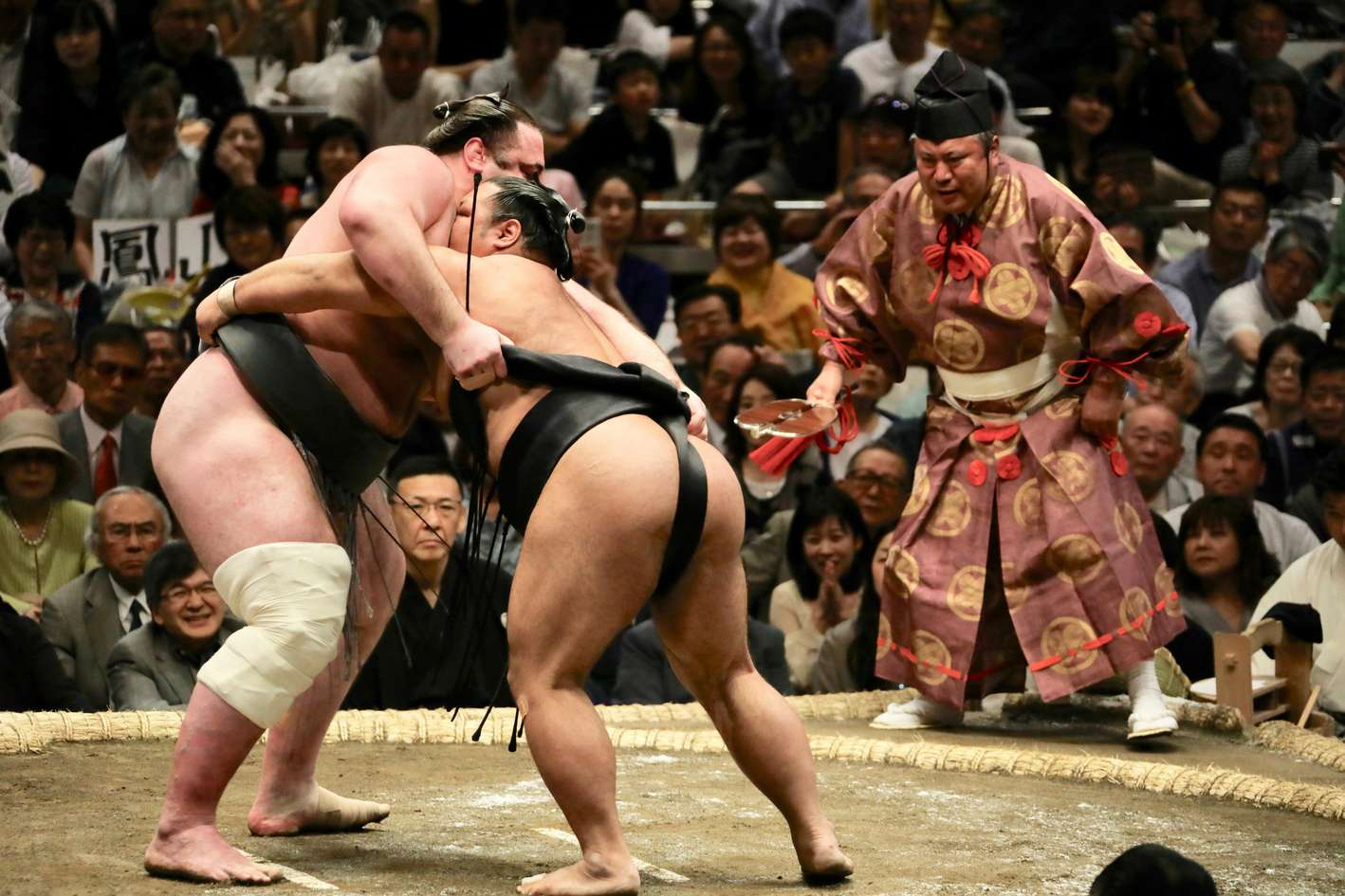
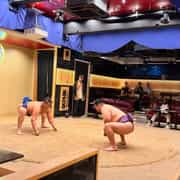
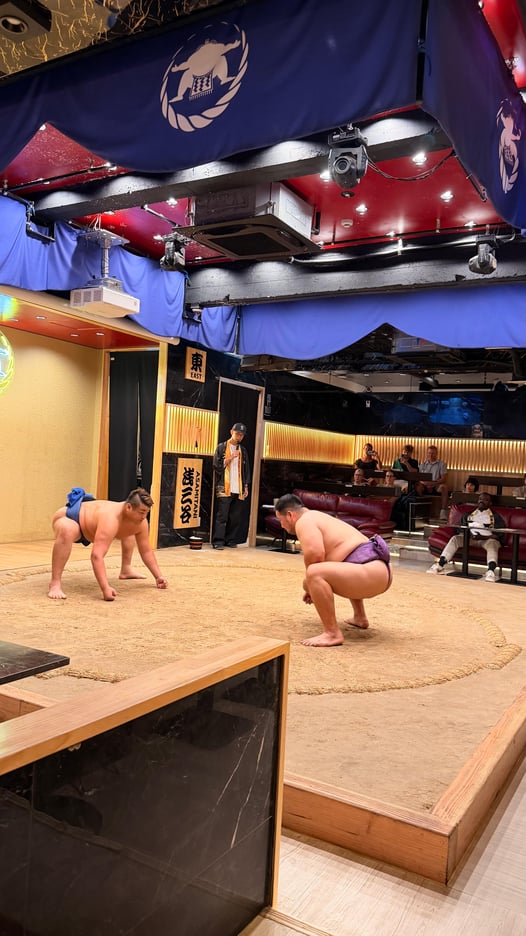
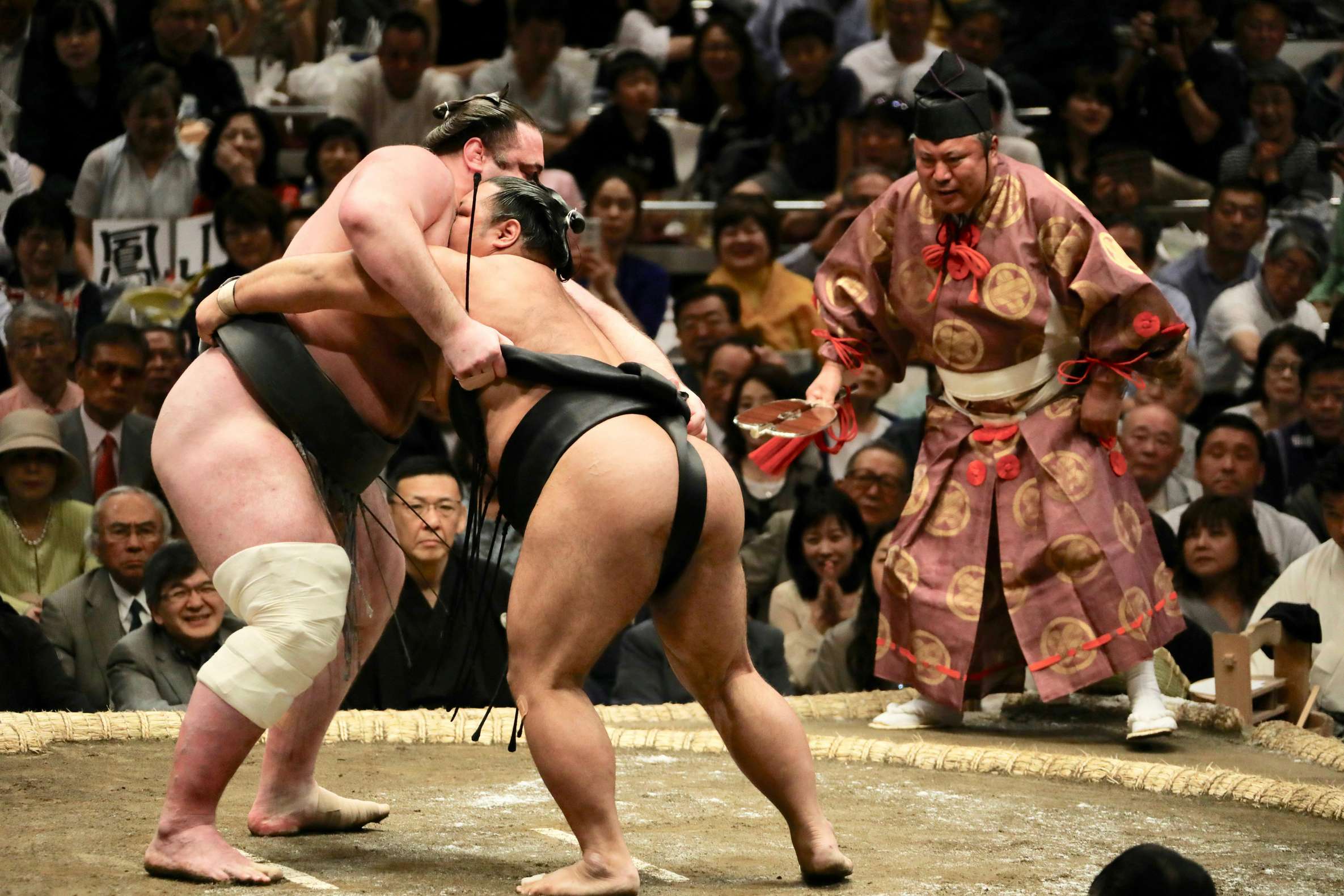
The wrestlers on these mats are mostly recently retired professionals, people who spent years in the Japan Sumo Association ranks, and exhibition sumo has long been a real part of sumo culture.
The bouts are real wrestling, choreographed for time and safety. The moves they demonstrate are the ones they trained with, and the final match of the show is played straight, no comedy about it.
Travelers who arrived skeptical, knowing nothing about the sport, are the ones who end up calling it the highlight of their Japan trip.
Set expectations right and the show delivers. It is a lively, well-explained introduction to sumo, and it runs year-round even when the stables are closed to visitors.
Casual first-timers get the most out of it; die-hard fans belong at morning practice instead. Families with children fit especially well, because the format welcomes noise and participation in a way a real training room never would.
A traveler's note
My wife and I left thrilled. Excellent attention from arrival, attentive staff, modern comfy facilities, tasty well-served food, and a more-than-excellent sumo show. We're from Mexico and we're happy! Highly recommended.
The arc is the same at nearly every venue, and it helps to know it before you sit down. Shows run about 90 minutes to two hours, built on three beats: learn, watch and eat.
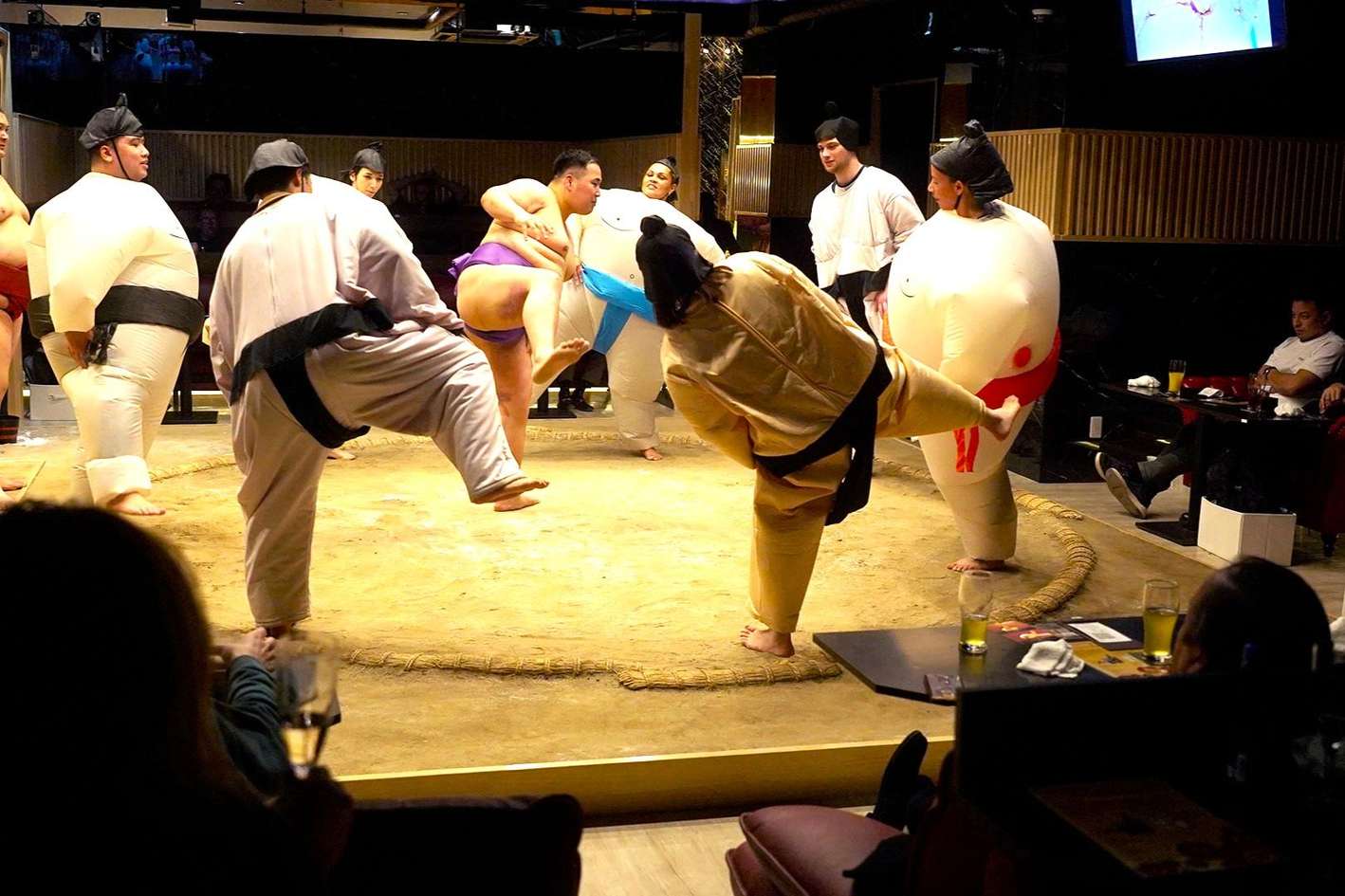
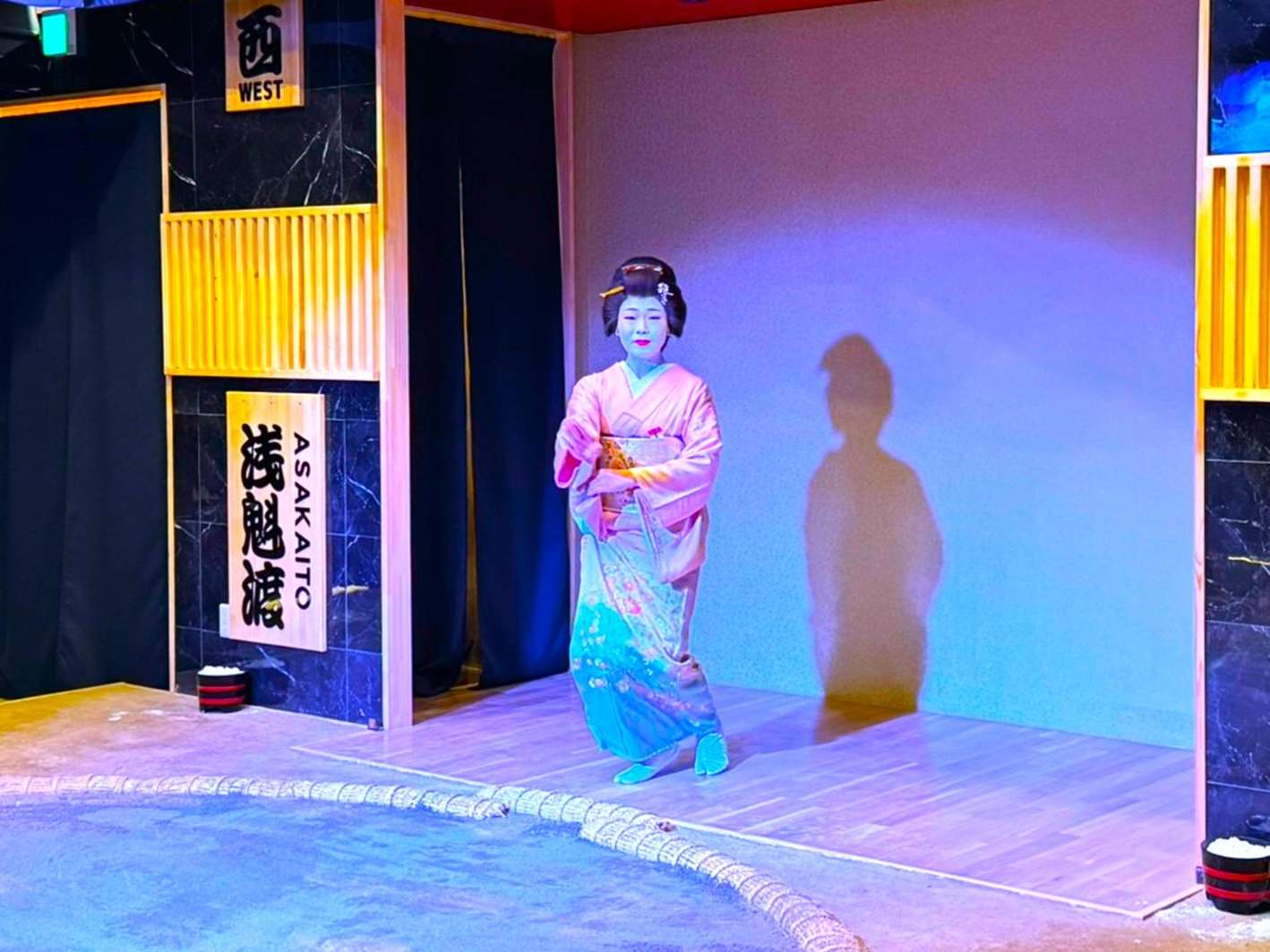
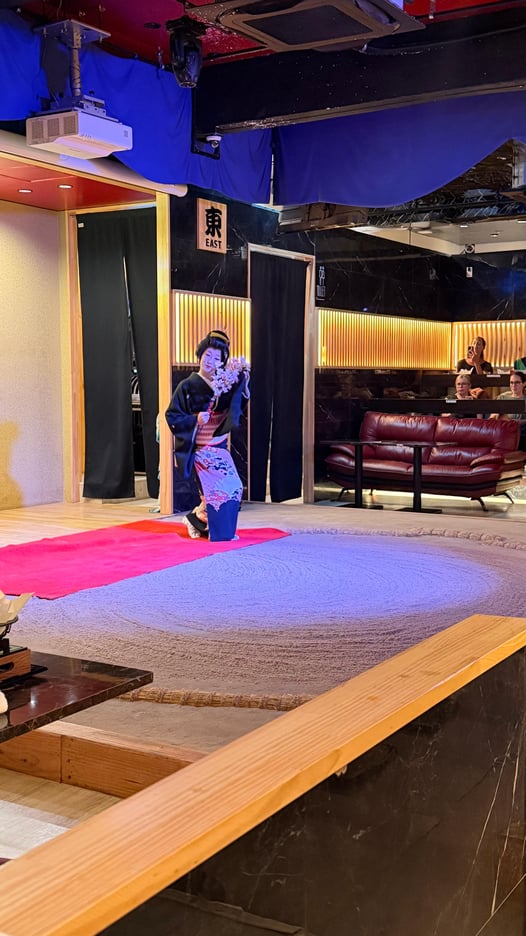
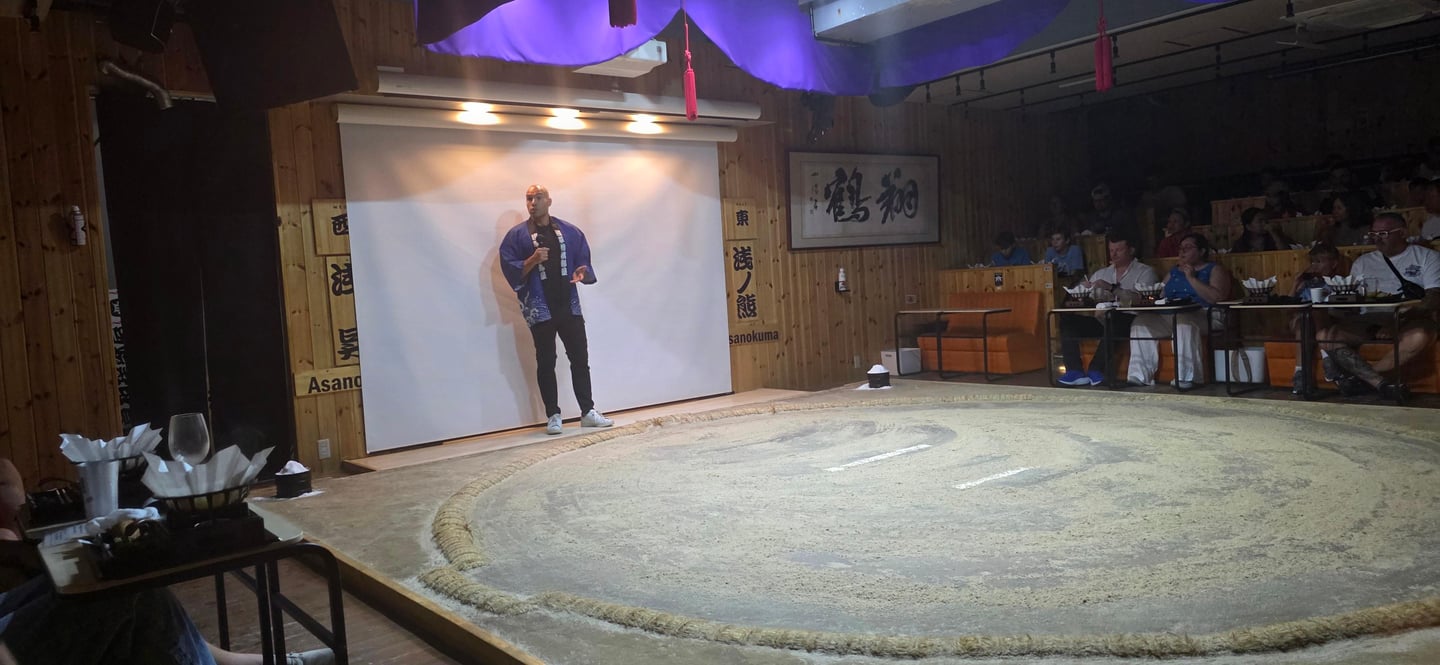
A geisha dance opens some of them. Then a host narrates the rituals in English and Japanese, the salt-throwing that purifies the ring, the stretches, the rules, for roughly the first 40 minutes.
Demonstration bouts come next: stances, splits and finishing moves, each one explained as it is performed. The wrestling itself takes up only the last 15 to 30 minutes of the program, so a first-timer who arrives expecting an hour of matches is often surprised by how much explanation fills the front.
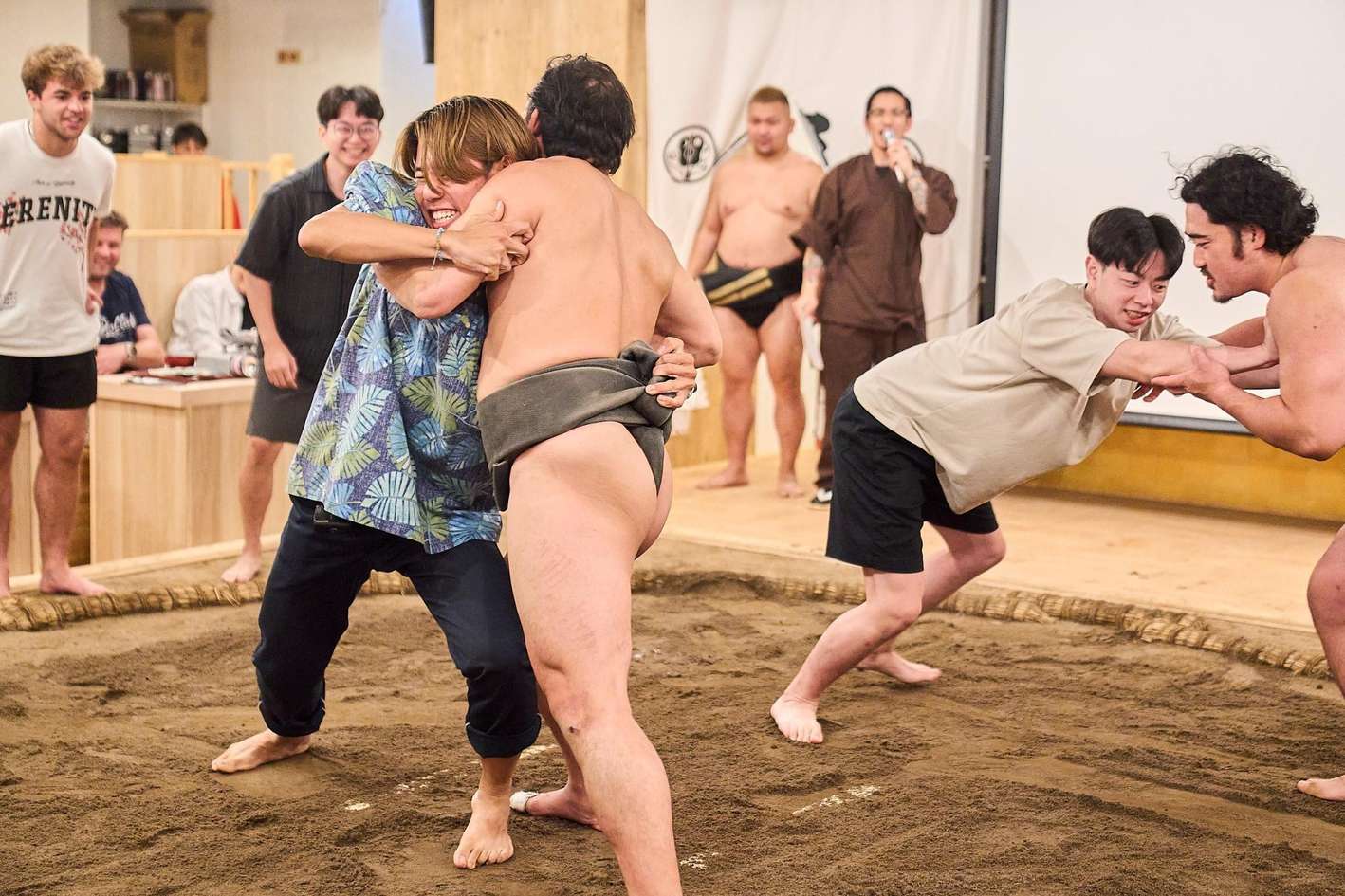
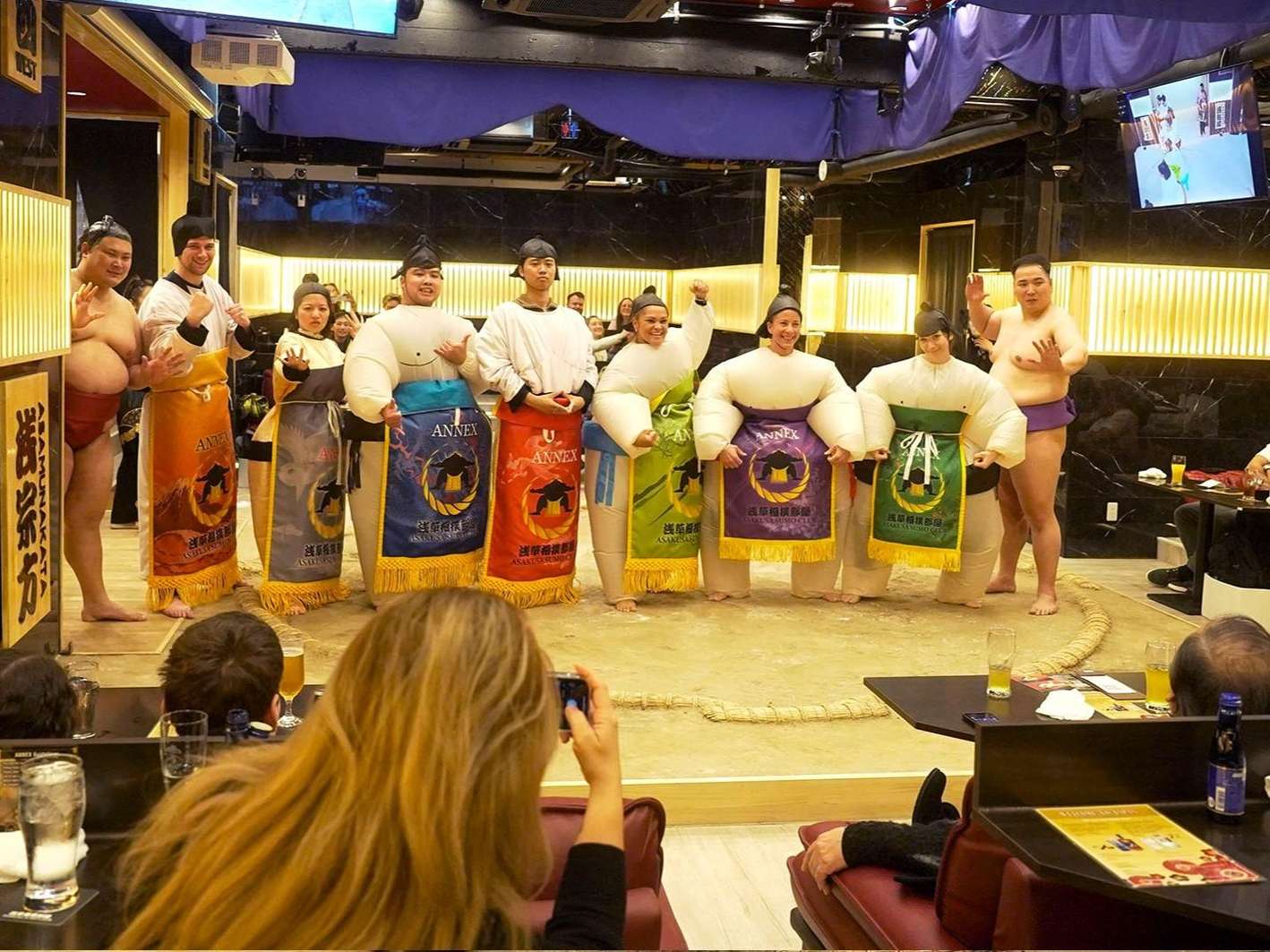
The audience challenge comes at the very end. At the Asakusa shows, eight to ten guests per show get to wrestle the performers, who go easy on them. When demand outstrips the spots, names are drawn by lottery, and joining is always your choice.
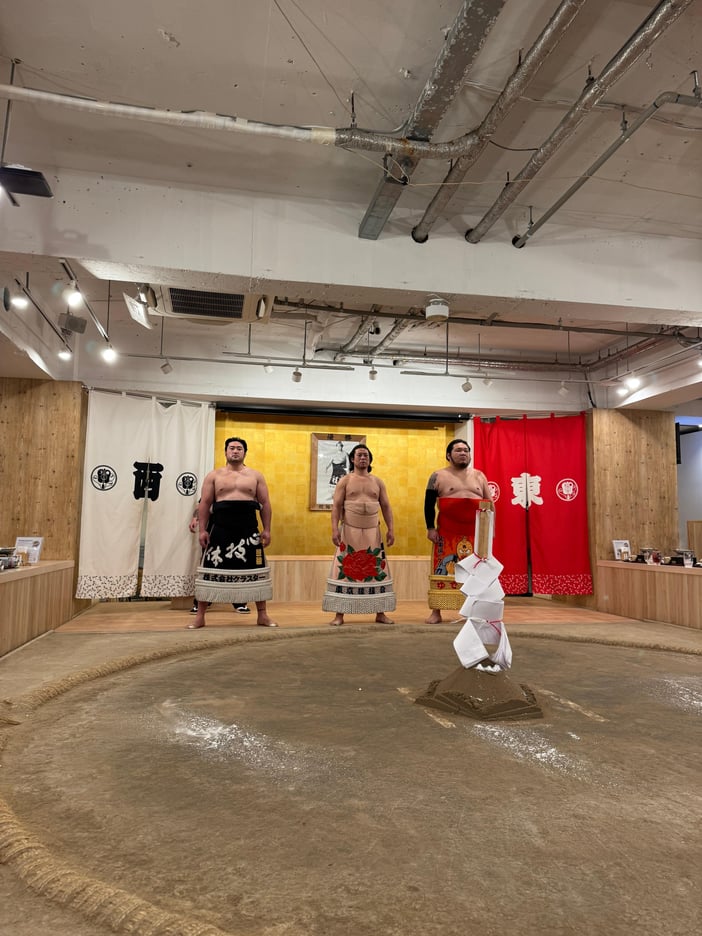
After the comedic segments comes the finale: a serious, competitive-looking match between the wrestlers themselves. Then the photos, and the hot pot that has been steaming at your elbow throughout.
1
Opening
Geisha dance and introduction to sumo history and culture
Host narrates in English and Japanese
2
First 40 minutes
Salt-throwing, stretches, rules and wrestlers' lives explained
The educational heart of the show
3
Next 20 minutes
Demonstration bouts and basic techniques
Real wrestling, choreographed for time and safety
4
Final 30 minutes
Audience ring challenge, drawn by lottery when demand is high
Photos with the wrestlers close the session
5
Throughout
Chanko nabe hot pot at your seat
Eaten while you watch
At the two-hour mark, the Asakusa option, the Tokyo: Sumo Entertainment Show with Chicken Hot Pot & Geisha, adds the all-you-can-eat chicken hot pot and a souvenir photo, which is the fullest version of this arc.
Tour for this
Tokyo: Sumo Entertainment Show with Chicken Hot Pot & Geisha4.8★ (8,711) · 2 hours · Free cancellation
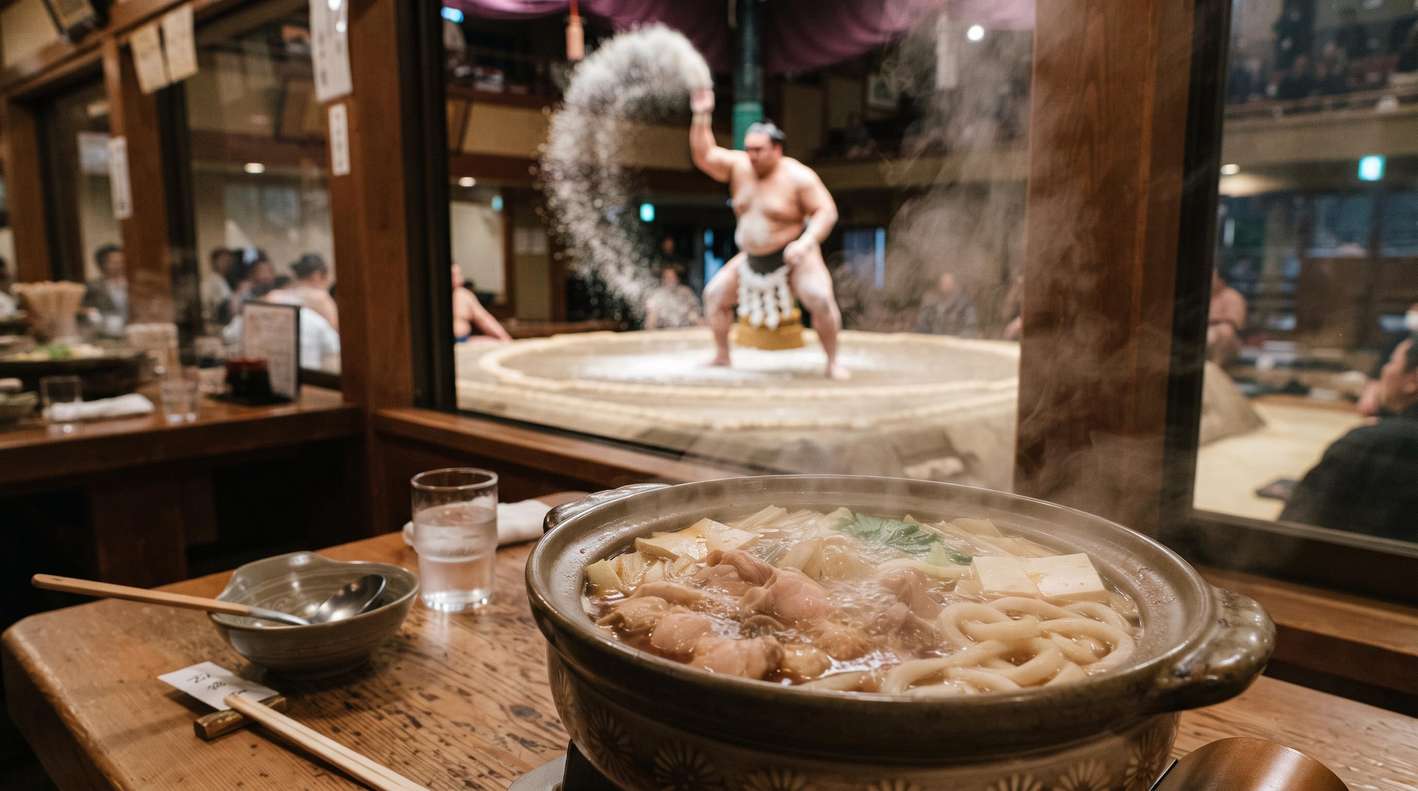
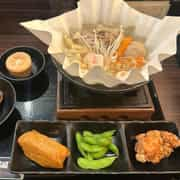
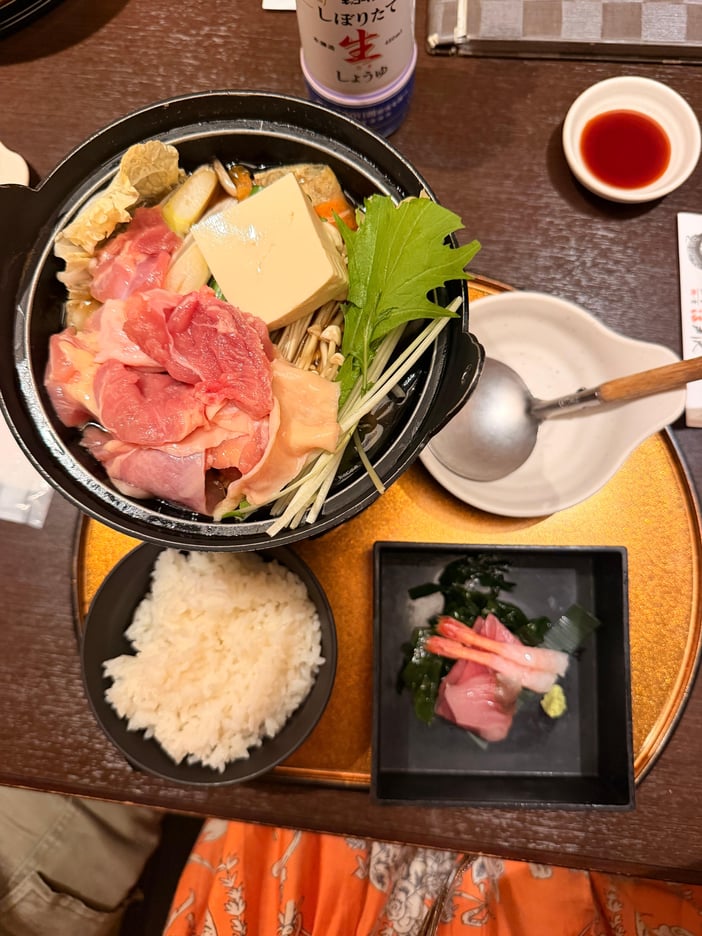
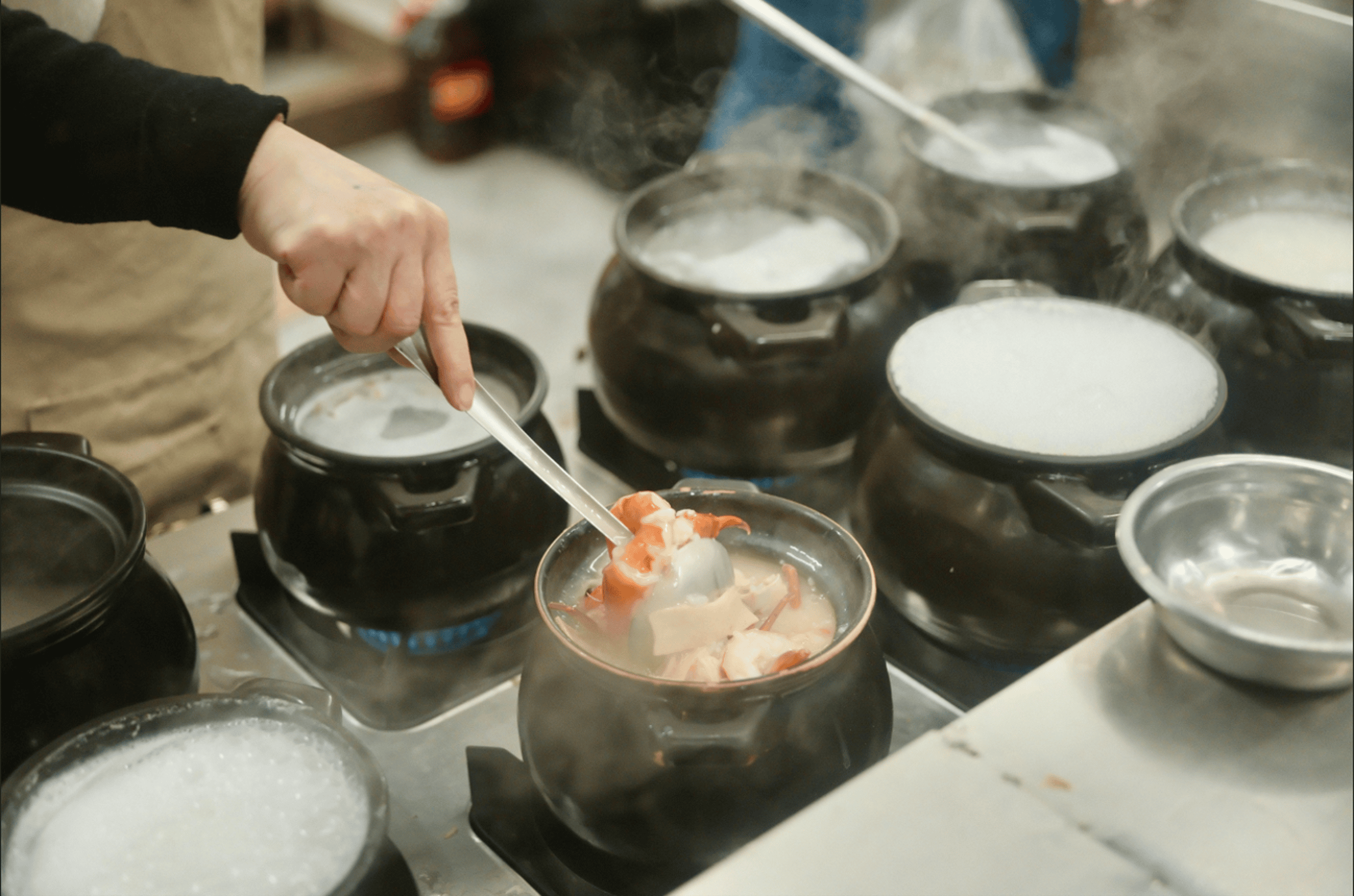
The pot arrives bubbling: chicken, napa cabbage, carrots, green onions and fried tofu in a dashi broth. This is the food that built the bodies in front of you.
Chanko nabe dates to the Meiji era, when stables needed a cheap, filling way to feed a room of wrestlers in training, and one big pot did the job.
The chicken matters. Four-legged meat was avoided because a hand on the ground means losing, so wrestlers cooked with chicken for luck, a bird that stands on two legs. During tournaments the pot is still made exclusively with chicken.
The hot pot at these shows is cooked by ex-professional wrestlers and tastes much like what the stables serve. At some lunch shows the meal stretches further, with tonkatsu, rice and ice cream alongside; the luxury Asakusa format adds wagyu sukiyaki bento and a matcha dessert. Travelers consistently praise how generous it all is.
Chanko, it turns out, is the word for any meal a wrestler eats. The hot pot is simply the most famous of them. What ordinary people cook at home is called yose-nabe instead. And at the stable table, seniority rules: seniors and guests eat first, juniors get the leftovers. As a guest, you eat early.
What nobody tells you
The word chanko covers every dish a wrestler eats
The stew has no fixed recipe; every stable and restaurant cooks its own version
The show pot is cooked by former professionals
It is the closest most visitors get to stable food
The same dish cooked at home is yose-nabe
The name chanko belongs to the sumo world
Knowing that, the bowl in front of you reads differently: it is a working meal, designed to feed a squad after training, scaled down for your table.
Tour for this
Tokyo: Discover the World of Sumo History & Lunch4.9★ (6) · 3 hours · Free cancellation
Lunch show, morning practice or a real tournament?
Three very different days carry the word sumo, and picking the wrong one is what leaves travelers disappointed. The lunch show is loud, interactive and family-friendly: you eat, you learn, and children end up in the ring. Morning practice is the opposite in every way.
It starts between about 5 and 7:30 am, lasts two to four hours, and you sit silent and still on the floor the whole time, no flash, no leaving early. That is the wrestlers' working morning, hours of serious training.
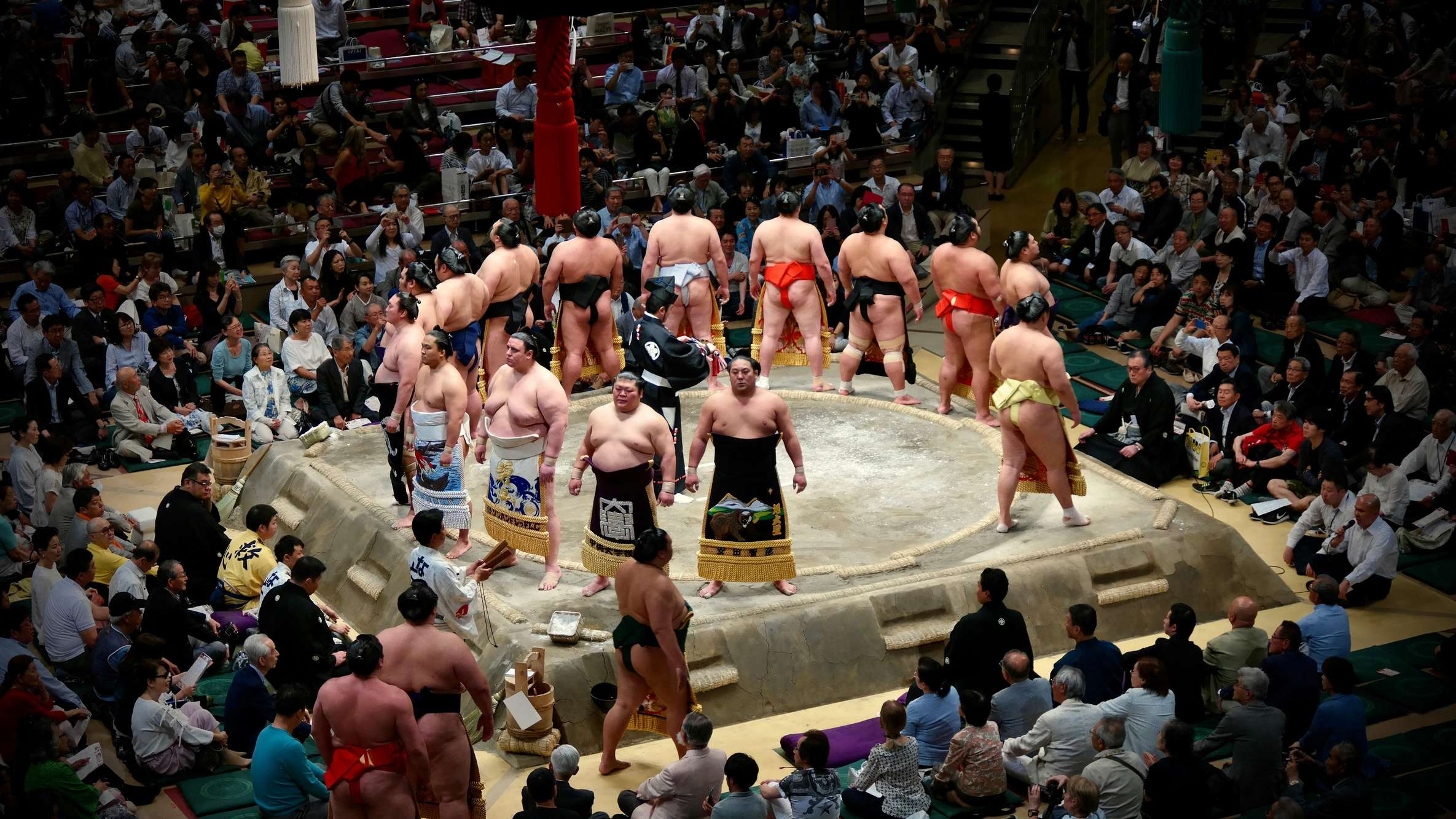
The tournament is the third option, and only tournament results count toward the official rankings. Tokyo hosts three a year, in January, May and September. If you book a show expecting genuine competitive sumo, you will feel let down; the bouts are choreographed. Book it expecting entertainment with retired wrestlers and you will leave happy.
Sumo lunch show
Morning stable practice
Grand tournament
Atmosphere
Loud, funny, interactive
Silent, serious, still
Roaring crowd, towels flying
Effort
Sit, eat, watch
Floor cushions, no talking, up to 2 hours
A whole day in the arena
Interactivity
Ring challenge, photos, Q&A
None; questions only at the end
Watch only
Suits
Families and first-timers
Hardcore sumo fans
Anyone with a ticket months ahead
Sumo lunch show
Atmosphere
Loud, funny, interactive
Effort
Sit, eat, watch
Interactivity
Ring challenge, photos, Q&A
Suits
Families and first-timers
Morning stable practice
Atmosphere
Silent, serious, still
Effort
Floor cushions, no talking, up to 2 hours
Interactivity
None; questions only at the end
Suits
Hardcore sumo fans
Grand tournament
Atmosphere
Roaring crowd, towels flying
Effort
A whole day in the arena
Interactivity
Watch only
Suits
Anyone with a ticket months ahead
So the split is simple: casual first-timers and families take the show, die-hards with a free morning take the stable, and planners who secured tickets months ago take the tournament. Shows also run during tournament weeks, when stables hold no practice at all, which makes the lunch format the reliable pick for a full-schedule trip.
Tour for this
Tokyo: Luxury Sumo Show Experience & Japanese Cuisine & Drinks4.7★ (1,033) · 2 hours · Free cancellation
The calendar is kinder than most of Japan's. Shows run every day of the week, all year, including during tournament months when the stables shut their doors. What changes through the year is crowding, and crowding decides how easy the booking is.
Spring and mid-autumn are the pressure months. April and October run at well over one and a half times an ordinary month, with May close behind, and those are the weeks when evening slots disappear first.
February, December and January sit at the other end, when seats are easiest to get and the hot pot makes the most sense anyway.
For comfort, October and November win: mild temperatures and the driest stretch of the autumn. December is the driest month of all, 25 dry days, though it turns cold after dark. If a tournament month is your only window, book earlier still, because Ryogoku's chanko restaurants pack out alongside the shows.
How busy Tokyo sumo show evenings are through the year
April: 5 out of 5 for how busy it gets. The busiest month for sumo show evenings, so book early; evenings are mild but April brings 12 wet days on average.
HighestMar to May, Oct
In betweenJun to Sep, Nov
LowestDec to Feb
Darker: a higher how busy it gets score, out of 5
Tap a month to read it.
Read that spread as a booking rule: lock in spring and autumn evenings early, and in February, December or January you can often decide much closer to the day.
Tour for this
Tokyo: Sumo Wrestling Experience with Chanko Nabe & Mochi4.8★ (746) · 1 - 2 hours · Free cancellation
Whatever slot you pick, the program is the same at every session: the shows run several times a day, and visitors describe the same high-energy, chanting, crowd-challenge atmosphere at every one of them. The variable is the room.
Saturday is the day that changes your odds. Weekend shows fill the house, which means arriving early for a decent seat and expecting the ring-challenge spots to be settled by lottery, since only a handful of guests per show get to wrestle.
Weekday evenings leave more room to manoeuvre and a better chance of being called to the ring.
On timing, the Tokyo Tower venue runs four shows daily at 10:30 am, 1:30 pm, 4:30 pm and 7:30 pm, about two hours including the meal.
Shinjuku and Kabukicho split the day into daytime slots around 10 am, 12:30 pm and 3 pm and evenings around 5:30 pm, 8 pm and 9:30 pm, each roughly 75 to 90 minutes. A genuine lunch slot is easy to find; the Tokyo Tower 1:30 pm session is the natural midday pick.
Which day gives the best sumo show atmosphere in Tokyo
Sat: the busiest. Saturdays fill the house, so come early for a good seat and expect the wrestler challenge spots to go to a lucky few drawn by lottery.
Bar height: how busy each day is, from very quiet to the busiestThe busiest: Sat
Tap a day to read it.
Whichever day you land on, aim to arrive ahead of the printed time; the front-row seats near the ring go to whoever got there early.
Tour for this
Tokyo: Sumo Entertainment with Japanese Meal at Tokyo Tower4.9★ (90) · 1.5 hours · Free cancellation
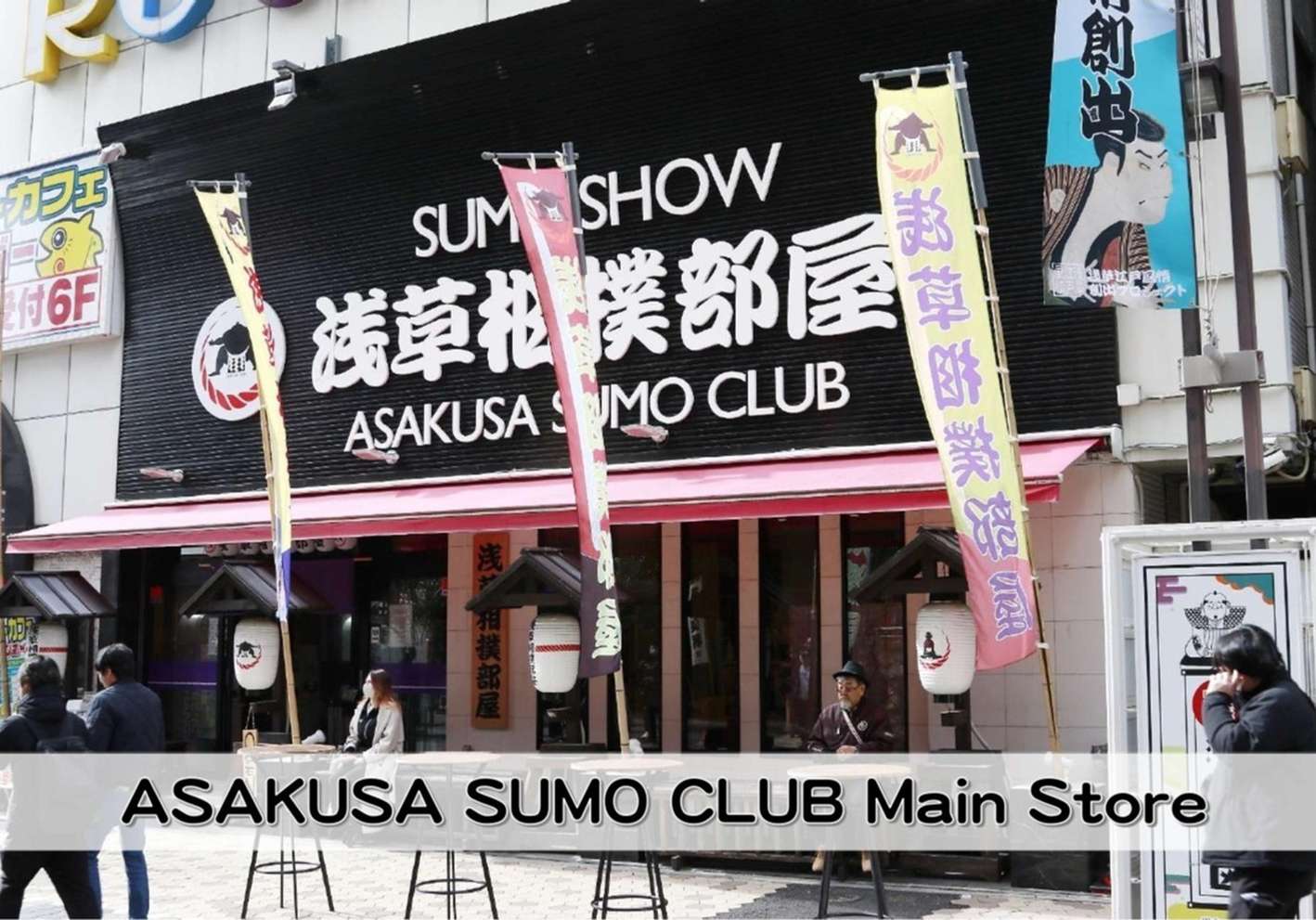
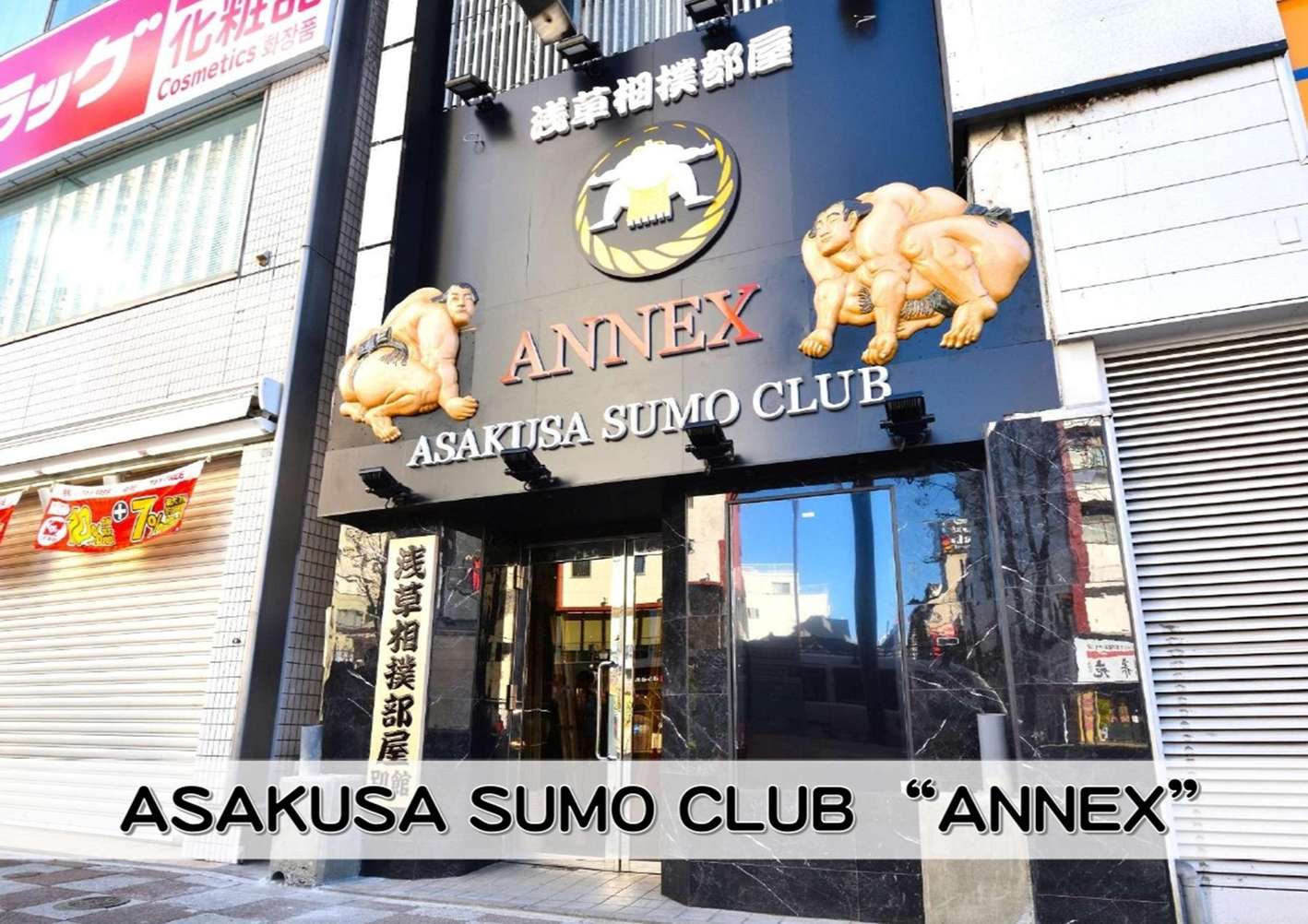
Match the room to the people in it. Families with children do best at the Asakusa Sumo Club shows, where kids can dress up, take photos with the wrestlers and join the audience challenge; the Tokyo Tower show works too, with its set meal, lion dance and lottery for the ring.
Both run in English and Japanese, so no one in the family is lost.
Adults after more depth have a clear pick: the Tokyo Sumo Culture Masterclass & Authentic Chanko Nabe Lunch, a three-hour private walk through the sumo district with a local cultural expert, ending at the hot pot.
No ultra-early start, and the 1500-year spiritual history is the whole subject. The Discover the World of Sumo History & Lunch tour covers similar ground in a small guided group through Ryogoku, Ekō-in Temple and the Sumo Museum.
Two checks before you commit. First, language: the Shinjuku luxury show runs bilingually, but confirm for your own date.
Second, ages: the Ryogoku show welcomes children 12 and under, babies under one are not suited to the Asakusa venues, and the Shinjuku and Shibuya shows use age bands of 13 to 99 and 12 and younger.
Dietary needs, ages and mobility before you book a sumo lunch
The meal is half the reason you searched for this, so the dietary rules decide the booking. Vegetarian and vegan chanko nabe can be arranged at most of these venues, but only if you request it at least two days before your reservation. Miss the window and a regular meal is what gets prepared.
Halal is the harder case: none of the operators provides halal meals. Guests are welcome to bring their own food instead, which solves it if you plan for it.
Gluten-free varies by venue: the chicken hot pot show and the luxury Asakusa show cannot do it, while the Ryogoku experience can, again with two days' notice.
On mobility, honesty up front. The Ryogoku and Shibuya shows are not suitable for wheelchair users, the Asakusa luxury restaurant has stairs, and the Asakusa club venue has limited wheelchair-accessible seating that must be requested at booking. At the Ginza show, wheelchair users should contact staff in advance.
Taking part in the wrestling is optional everywhere; watching or adapted activities are normal. Pregnant guests and anyone with a serious medical condition should sit out the hands-on portions, and at the Ginza training plan that is the operator's stated rule.
Can stop the day
Halal meals are not provided by any operator, and dietary requests need two days' notice Request vegetarian, vegan or gluten-free when booking, or plan to bring your own food
Make that one request at booking time and the meal side of your day is settled.
Getting to your sumo lunch in Ryogoku, Tokyo Tower or Shinjuku
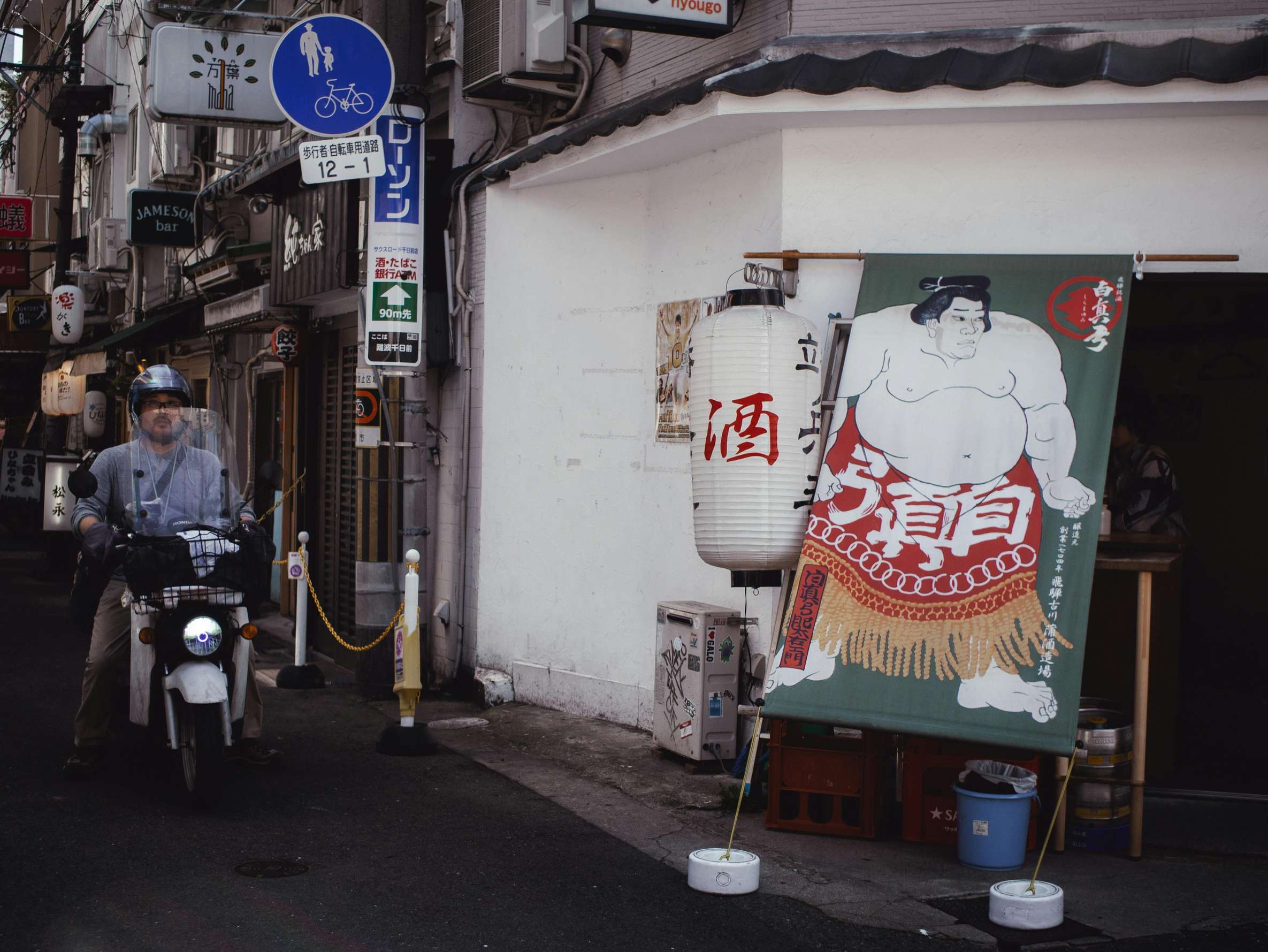
Three neighborhoods, all easy from wherever you are staying. Ryogoku is the one that matches the meal to the place: the traditional sumo district, with the Kokugikan arena, stables and chanko restaurants clustered steps from the station, and the masterclass venue a 4-minute, 300-meter walk from Ryogoku Station itself.
The district sits two stops from Akihabara, so it slots neatly between electronics shopping and dinner.
The other two trade setting for landmarks. The Tokyo Tower show sits on the 5th floor of Foot Town inside the tower itself, which makes the venue impossible to miss and pairs the show with the view before or after.
Shinjuku hosts the luxury Asakusa-format show with Japanese cuisine and drinks, convenient if that is your hotel base.
Tokyo Station to Ryogoku takes about 16 minutes by train, the shortest ride of the three. From Shinjuku or Shibuya a taxi runs roughly 35 minutes, about 13 kilometers.
Getting to the Ryogoku sumo lunch venue from central Tokyo
The room's rules are simple once you know they exist. Follow the crowd's lead on noise: clapping is welcome, and after a strong throw the applause comes naturally.
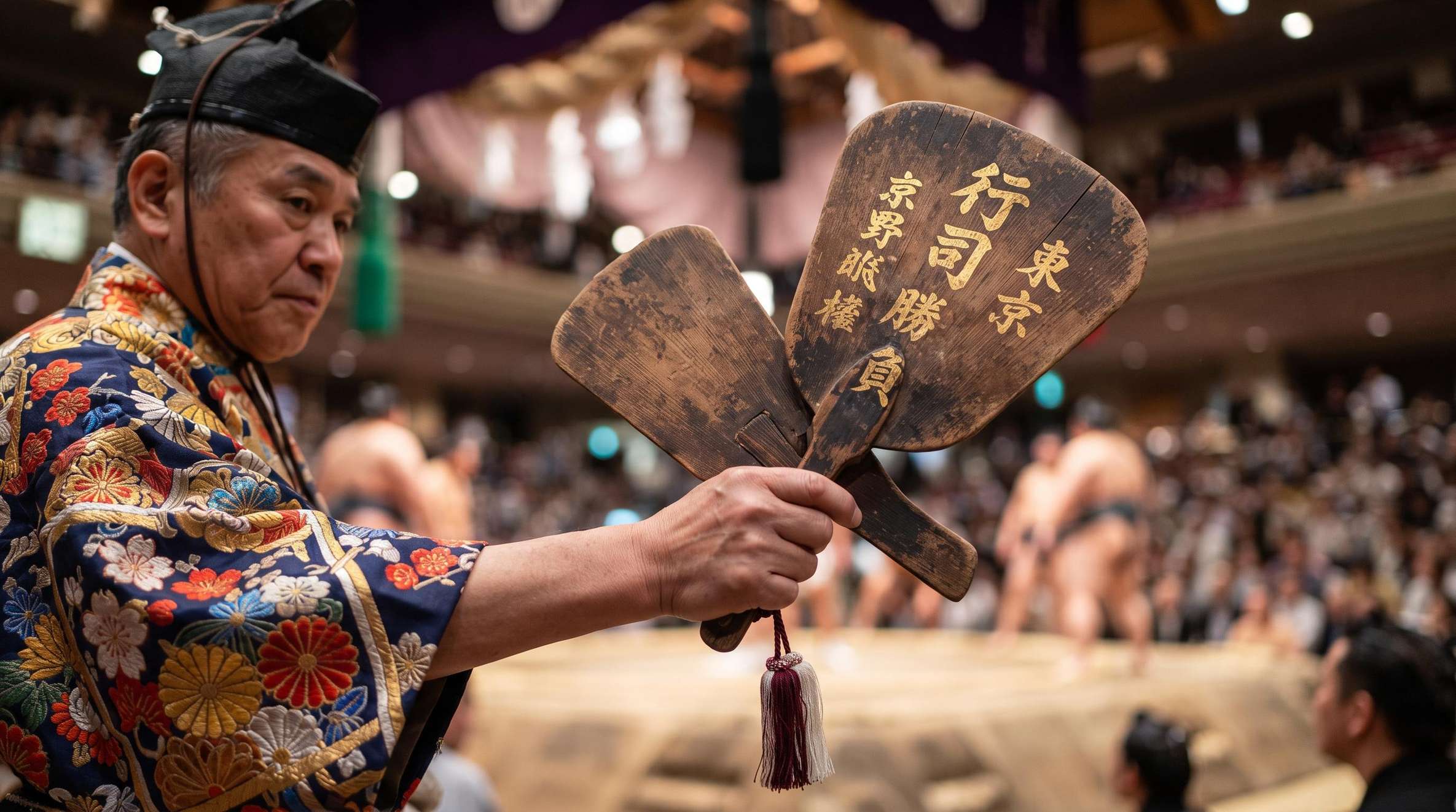
Heckling, booing and noisemakers are poor form, and loud yelling during the initial charge is not done. When the referee's fan points forward for the charge, watch quietly.
A few things catch visitors out. Cushion-throwing, the ritual you may have seen at tournaments after a big upset, is officially banned at shows because the cushions cause injuries, so leave yours where it is.
Never enter or touch the ring without being invited, never touch a wrestler unasked, and keep your phone on silent. Flash is strictly prohibited at every stage; it startles the wrestlers.
The photos come at the very end, after the ring session, and this is the part people remember.
A commemorative picture with the wrestlers is included in most of these shows, and you are free to take your own pictures and videos throughout the photo session with your phone or camera. Keep the battery for the last half hour.
Pro tipPhotos happen at the very end, after the ring session Keep your phone charged; you shoot your own pictures and videos freely during that session
Charge the phone before you arrive, then. It is the last half hour you will want it for.
Booking anxiety has three sources here, and all three are manageable. The first is sell-outs: weekend and evening slots go days to weeks ahead, and during tournament months in January, May and September, when Ryogoku's chanko restaurants are packed, weeks ahead is the safe margin.
April and October fill first of all. Travelers who left it late put it plainly: book early, because the options are few and they sell.
The second is timing on the day. Shows can start noticeably later than the time printed on the ticket, so build slack into anything scheduled after.
The flip side cuts harder: latecomers cannot stretch the show, they join partway through and miss sections, and at the Shinjuku venue the front desk may refuse late entry altogether because the schedule is fixed.
The third is cancellation, and it is the easiest. Most of these tours cancel free up to 24 hours in advance for a full refund.
Inside 24 hours there is no refund, though many operators will move your booking to another slot or day when there is space. Book the slot you want early, keep the free-cancellation window open, and arrive 15 minutes before the printed time.
Ryogoku repays a slow afternoon, and most visitors walk past its best bits without noticing. Start inside the Kokugikan itself: the small Sumo Museum is free on non-tournament days, holding ceremonial aprons, trophies and old prints.
On tournament days it is reserved for ticket holders, so the walk outside the arena takes its place, and the museum also closes in the late afternoon.
Two minutes away stands Ekō-in Temple, where organized sumo matches began in the 17th century as a Shinto prayer for peace. Wrestlers still pray there before tournaments. The Chikara-zuka Monument nearby honors the ring's history, and a life-sized replica dohyo at Edo NOREN lets you try a pose without climbing into anything sacred.
The Edo-Tokyo Museum sits four minutes from the station for a wider view of the city the sport grew up in. Morning stable practice finishes around 9 or 10 am, which leaves the whole afternoon for exactly this route: temple, museum, a stroll past the chanko restaurants run by retired wrestlers, then your lunch show.
A Tokyo sumo lunch is a genuine introduction to the sport, provided you book it as what it is: entertainment by retired professionals with a real hot pot at the table.
Go for the Asakusa chicken hot pot show with children, the masterclass with lunch if you want depth, and settle dietary needs and mobility at booking rather than at the door.
Go ifYou want sumo and a meal in one planned Tokyo outingYou are traveling with children who cannot sit silent for two hoursYour trip falls outside a tournament or you could not get tickets
Skip ifYou expect genuine competitive bouts that count toward rankingsYou want the silent, authentic training room of a real stableYou need halal meals and cannot bring your own food
Our pick to book
Tokyo: Discover the World of Sumo History & Lunch4.9★ (6) · 3 hours · Free cancellation
Short answers to what readers ask before booking sumo with a meal in Tokyo.
Is a sumo lunch experience in Tokyo real wrestling or a show?
It is an entertainment show performed by retired professional wrestlers. The bouts are choreographed for time and safety, and the tone is lively and family-friendly. Only the six official grand tournaments of the year affect rankings, so a show is a different kind of afternoon: taught, performed and genuinely skilled.
Which Tokyo sumo experiences include a full lunch?
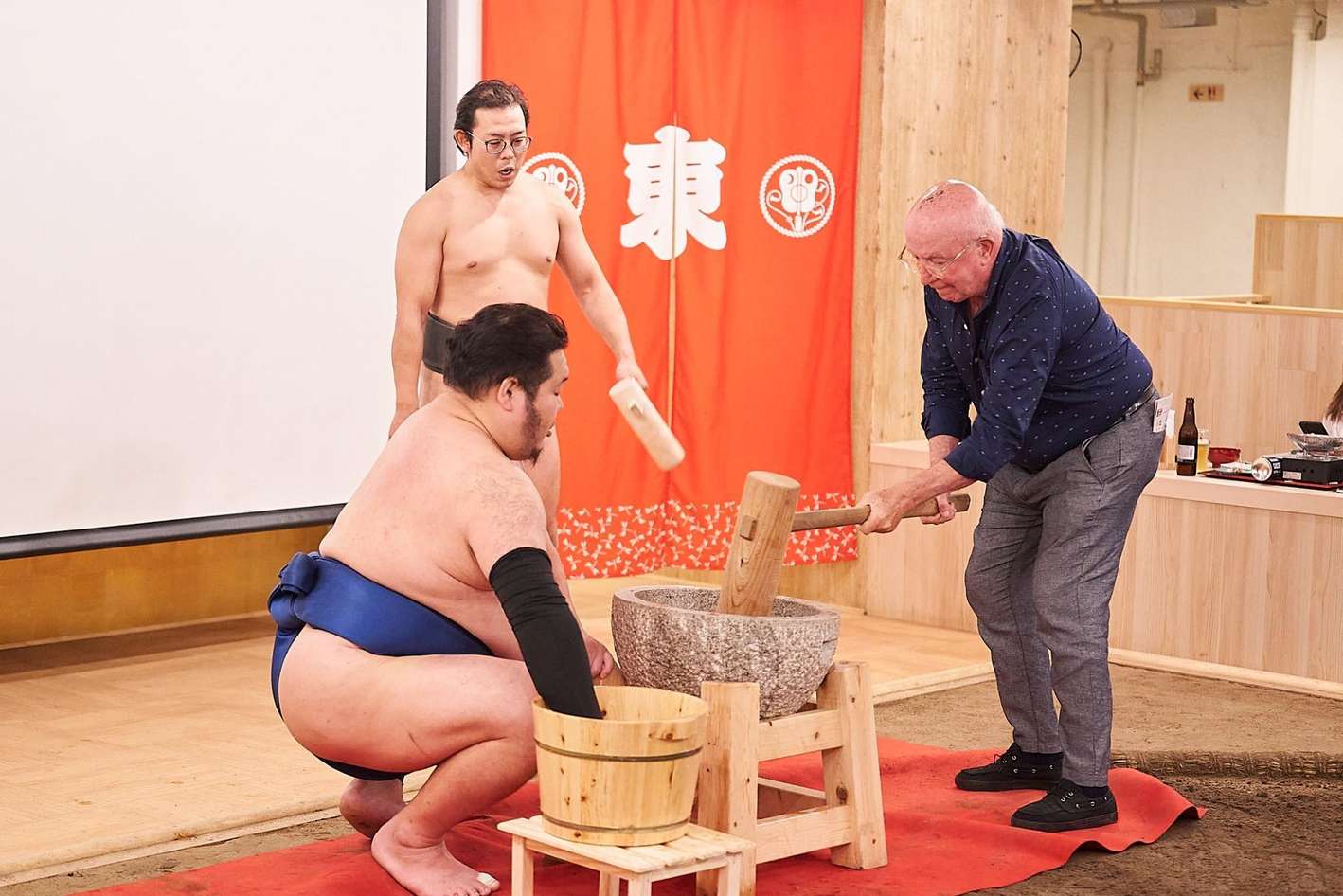
Two guided walking tours in Ryogoku end with a proper chanko nabe lunch, and the Ryogoku experience with mochi making includes a chanko nabe meal. The Asakusa and Tokyo Tower shows also serve full Japanese meals during the performance, so check each option's inclusions before you book.
What is chanko nabe and why is it the sumo dish?
Chanko nabe is the hot pot stew wrestlers eat in vast quantities, usually chicken simmered with napa cabbage, carrots, green onions and fried tofu in a seasoned broth. During tournaments it is made only with chicken, so the wrestler stays on two legs like a chicken. One big pot feeds a whole stable.
What else gets served at a sumo lunch show in Tokyo?
It depends on the option. The Asakusa luxury show serves a wagyu beef sukiyaki bento, chanko nabe and a matcha dessert, with tempura for higher seat tiers. One lunch show adds tonkatsu, rice with furikake and vanilla ice cream to the hot pot. Your booking details list exactly what food and drinks are included.
Are Tokyo sumo lunch shows good for children?
Yes, several are built for it. The Ryogoku chanko nabe and mochi experience is designed for adults and children together, and the Asakusa Sumo Club shows suit families especially well, with kids invited to dress up and take photos with the wrestlers. Babies under one year are not admitted at some venues.
Can vegetarian or other dietary needs be handled?
Most of these venues can. Vegetarian and vegan meals are available on request at the Asakusa shows and the Ryogoku chanko and mochi experience, if you ask at least two days before your booking. The Ryogoku venue also offers gluten-free meals. Halal meals are unavailable at these venues, though you may bring your own food.
How long does a Tokyo sumo lunch experience last?
Tokyo shows run about 1.5 to 2 hours, and the guided Ryogoku tours take 3 hours including the walk and lunch. The wrestling itself usually fills the last 15 to 30 minutes, after an opening section on wrestlers' lives, stretches and rules. Audience participation comes at the very end, followed by photos.
Where in Tokyo do these sumo lunch experiences take place?
Three neighborhoods cover it. Ryogoku is the traditional sumo district, two stops from Akihabara, with the masterclass meeting at Ryogoku Station and its venue a 4-minute, 300-meter walk away. Asakusa hosts the shows with geisha dance, and the Tokyo Tower show sits on the 5th floor of Foot Town.
How far ahead should I book a sumo lunch in Tokyo?
Days to weeks ahead for weekend and evening slots, and further ahead in tournament months of January, May and September, when Ryogoku's chanko restaurants fill up too. April and October are the busiest months for these tours, so book early for spring and mid-autumn. February, December and January are the quietest.
Can I combine a lunch show with the sumo museum or Ryogoku?
The two guided Ryogoku tours build it in, visiting Ekō-in Temple, the Kokugikan area and the Sumo Museum on non-tournament days before the chanko nabe lunch. On your own, morning practice at a stable ends around 9 or 10 am, leaving time for the museum, a stroll through the sumo district, then lunch.
This guided Ryogoku lunch tour ends with a chanko-nabe hot pot, the same stew wrestlers eat, and you can cancel up to 24 hours ahead for a full refund.