- 1
Book well before you fly: popular evening slots sell out fast, and April, May and October are the busiest months.
- 2
Cancel more than 24 hours ahead for a full refund; cancel on the day and you lose the money, though you may move the date.
- 3
Arrive early, because a show that starts late cannot be extended and latecomers miss sections of the program.
Luxury sumo show in Tokyo reviews and what travelers said
The welcoming hosts and wrestlers made almost every reviewer feel at ease, even the solo travelers.
Many visitors did not expect to laugh for most of the two hours, several said their mouths ached from smiling.
A few families wished they had skipped the top seat upgrade, which felt overpriced to them.
 ★★★★★
My wife and I left thrilled. Attention was excellent from arrival, staff so attentive, modern.
ANGELES · Mexico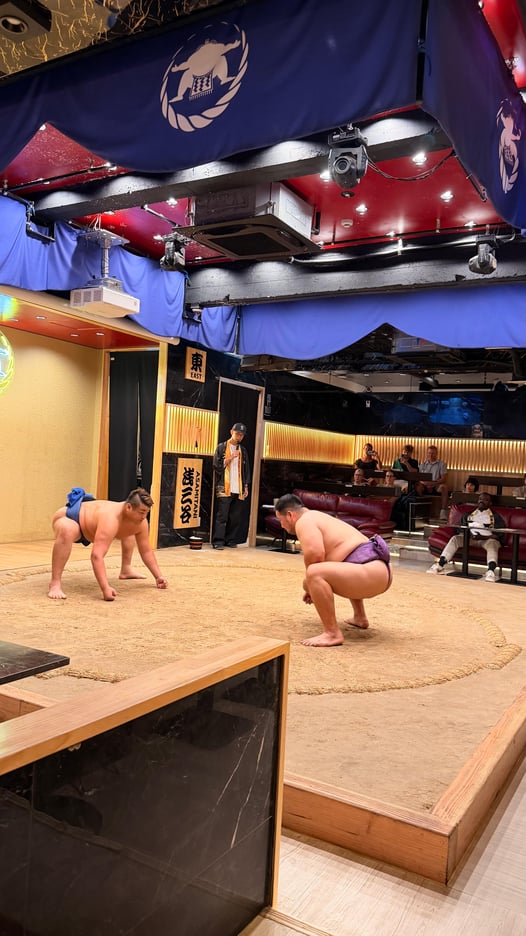 ★★★★★
Solo traveler unsure what to expect, I thoroughly enjoyed the evening. Everyone was welcoming, professional, kind and friendly. I'd happily repeat it. Loved every aspect. David Clark
David · United Kingdom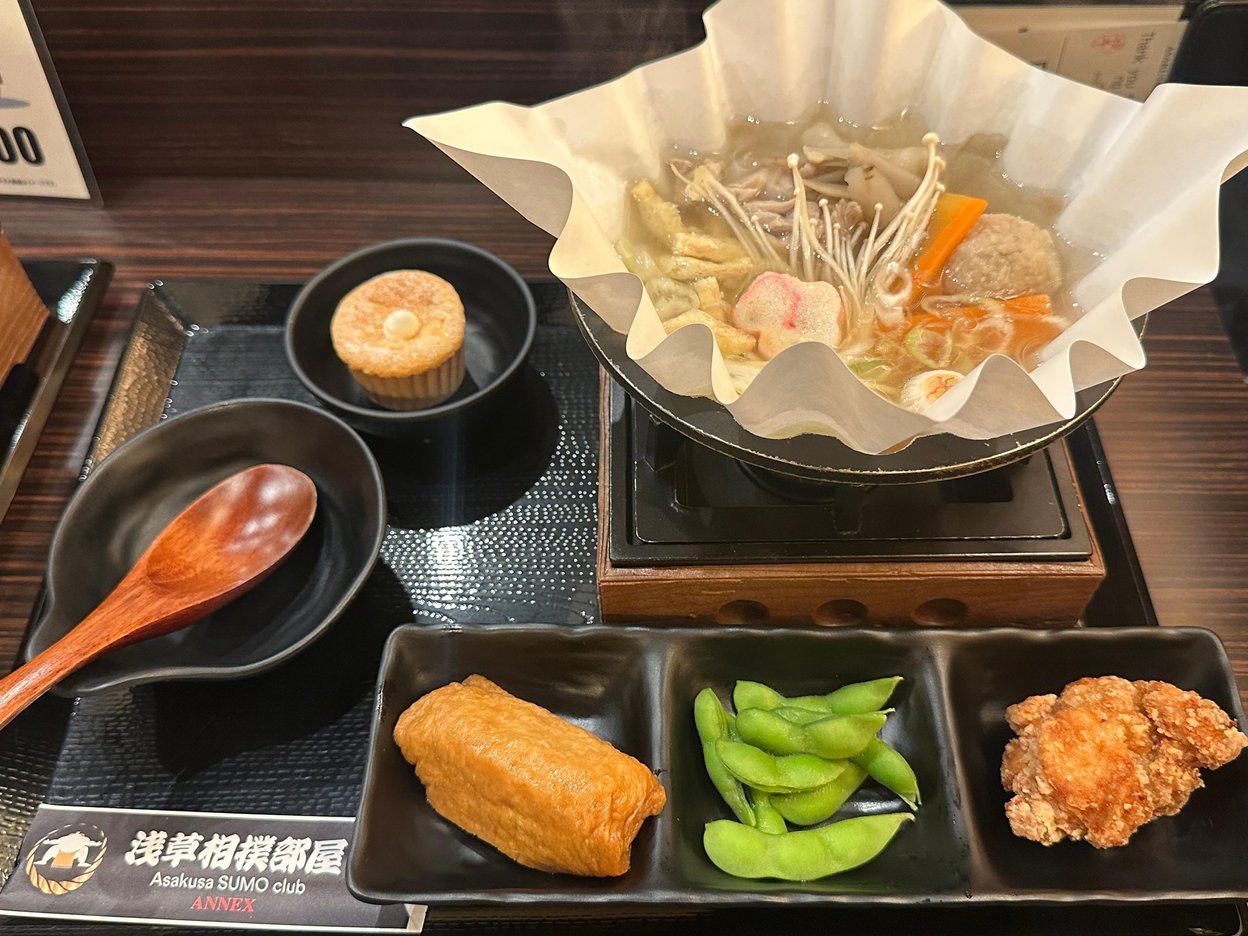 ★★★★★
Everything was beautiful, entertainment great, audience interaction great, and picture-taking allowed, wonderful. So much food and drinks, awesome gift. 100 out of 100, a must-see in Tokyo. My family loved it.
Paula · United States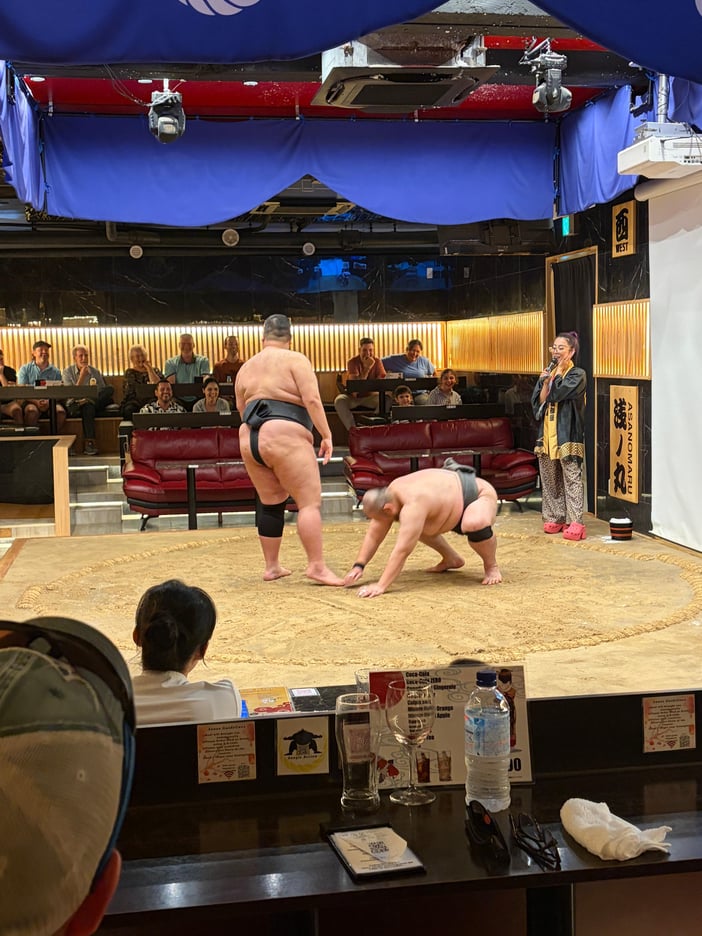 ★★★★★
Want to eat, learn and laugh? This is it. Family friendly, every seat good, nice souvenir pack and photo. Interactive if you want.
Dale · Canada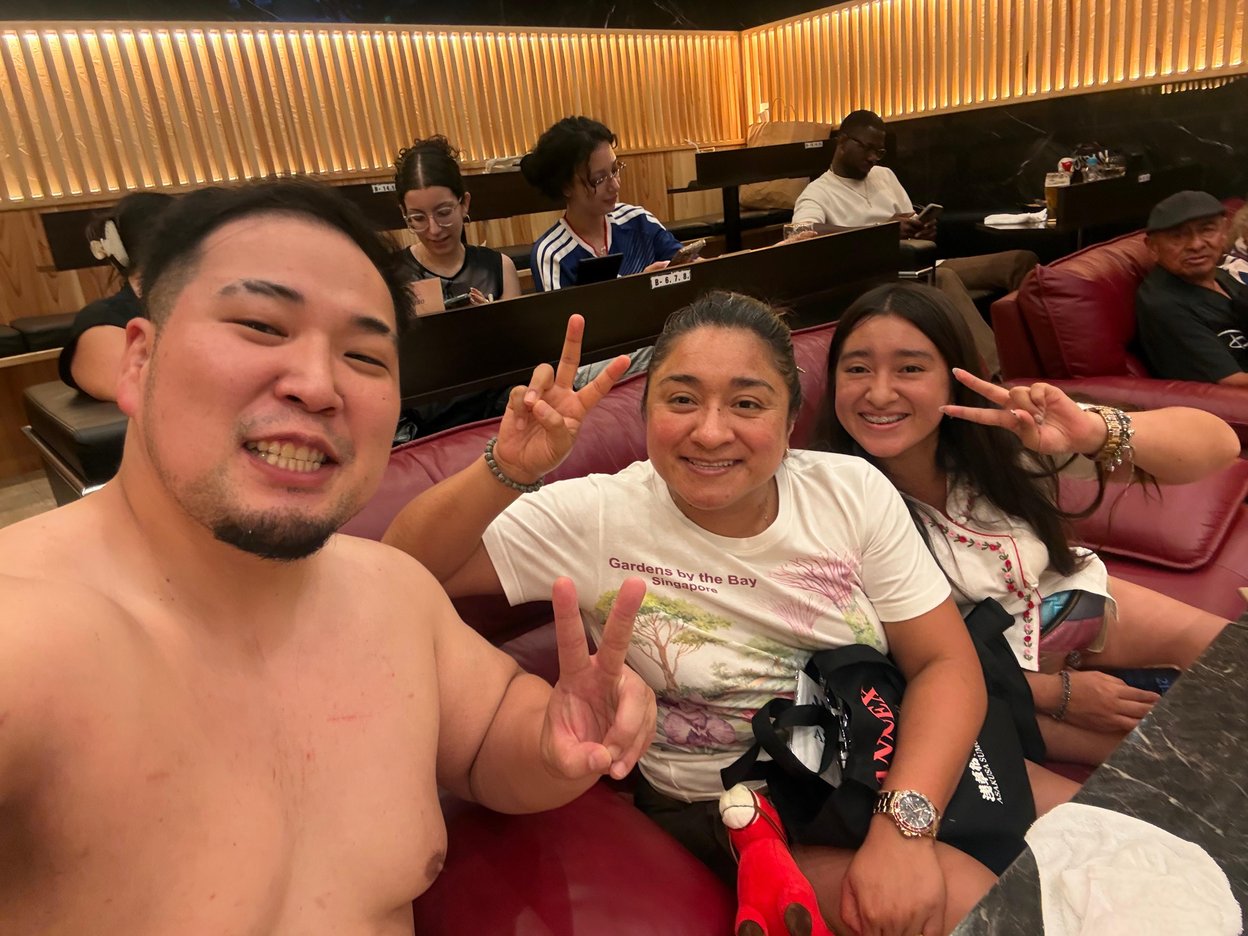 ★★★★★
Excellent show, I loved it. Delicious food, and the open bar was super cool.
Celia · Mexico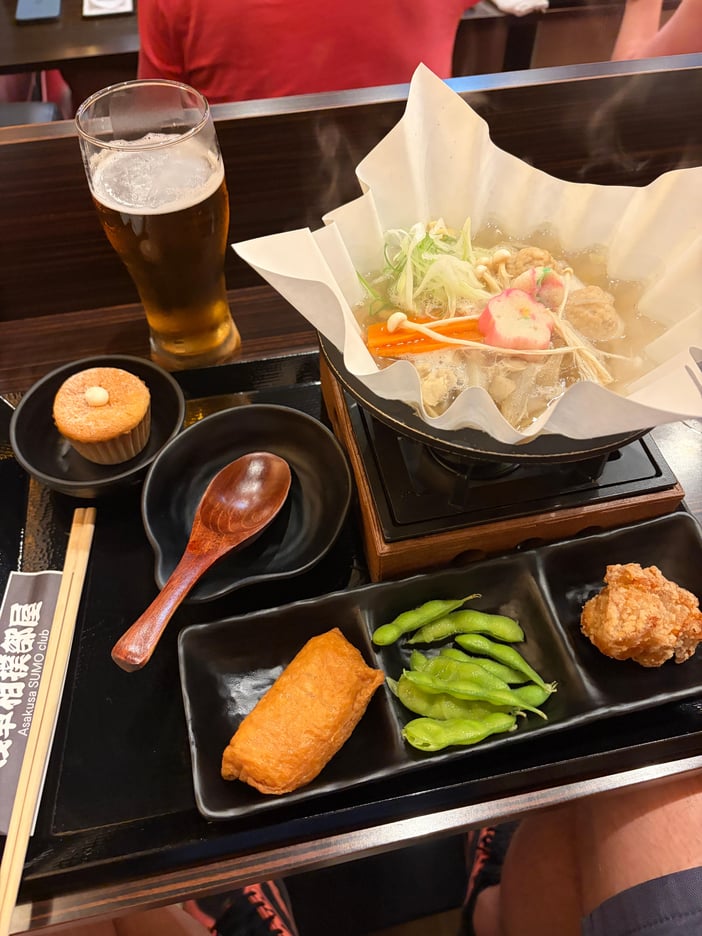 ★★★★★
Had an amazing time! A must do in Japan. Great food, great staff, funny and interesting (learning sumo history) and interactive, we got to fight the wrestlers! Amazing experience :)
annabel · Australia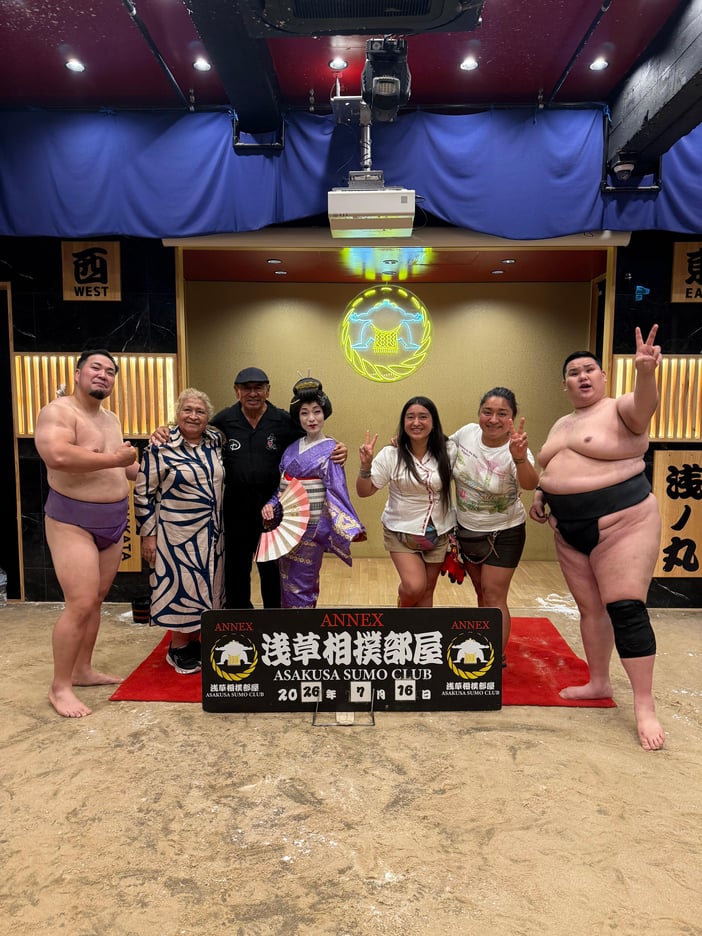 ★★★★★
Incredible experience! Everyone clearly loves their work and does it perfectly. From the welcome cocktail to lunch to the show, absolutely everything was amazing. 100% recommendable!
Claudio · Argentina
Is a Tokyo sumo show worth it for adults
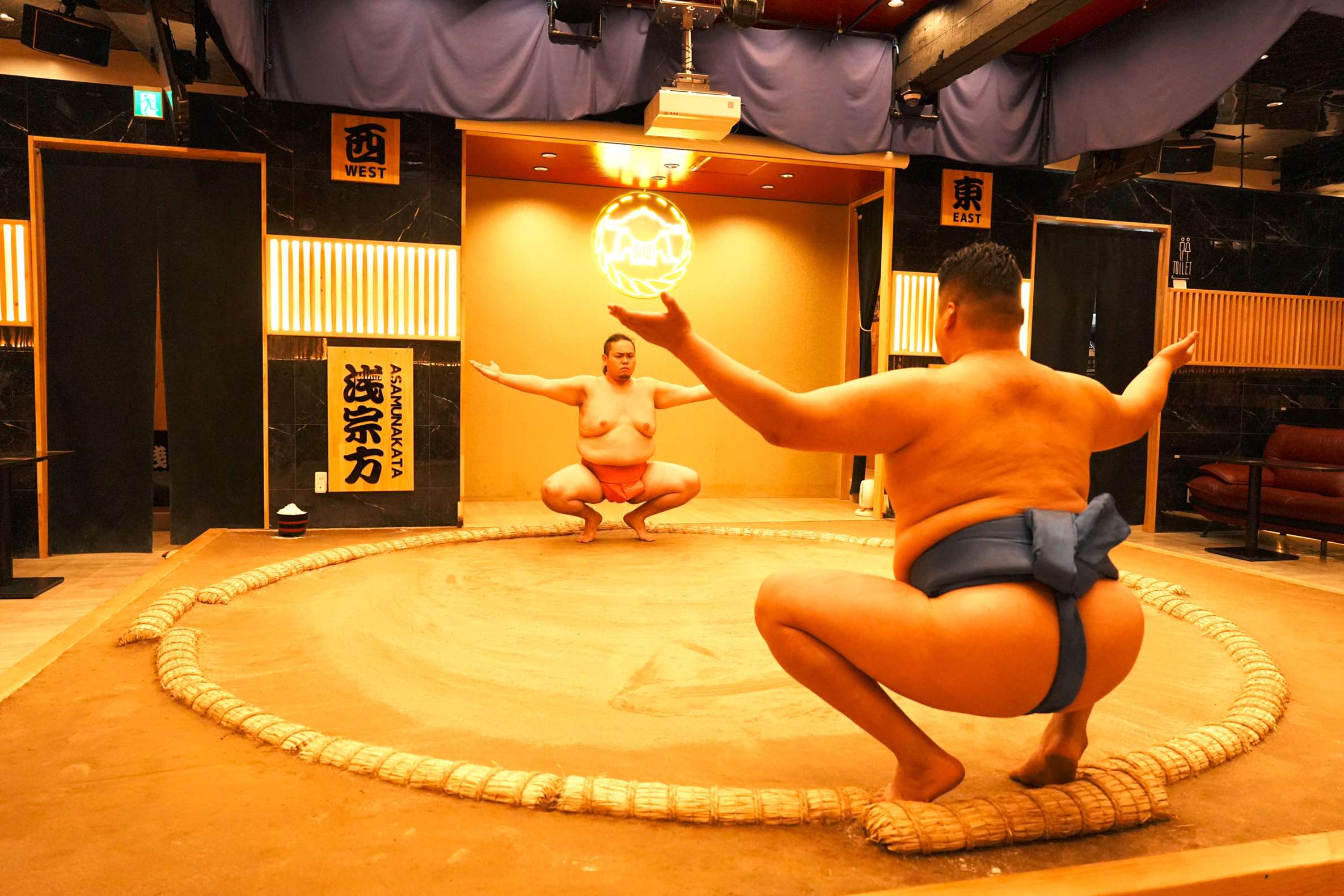
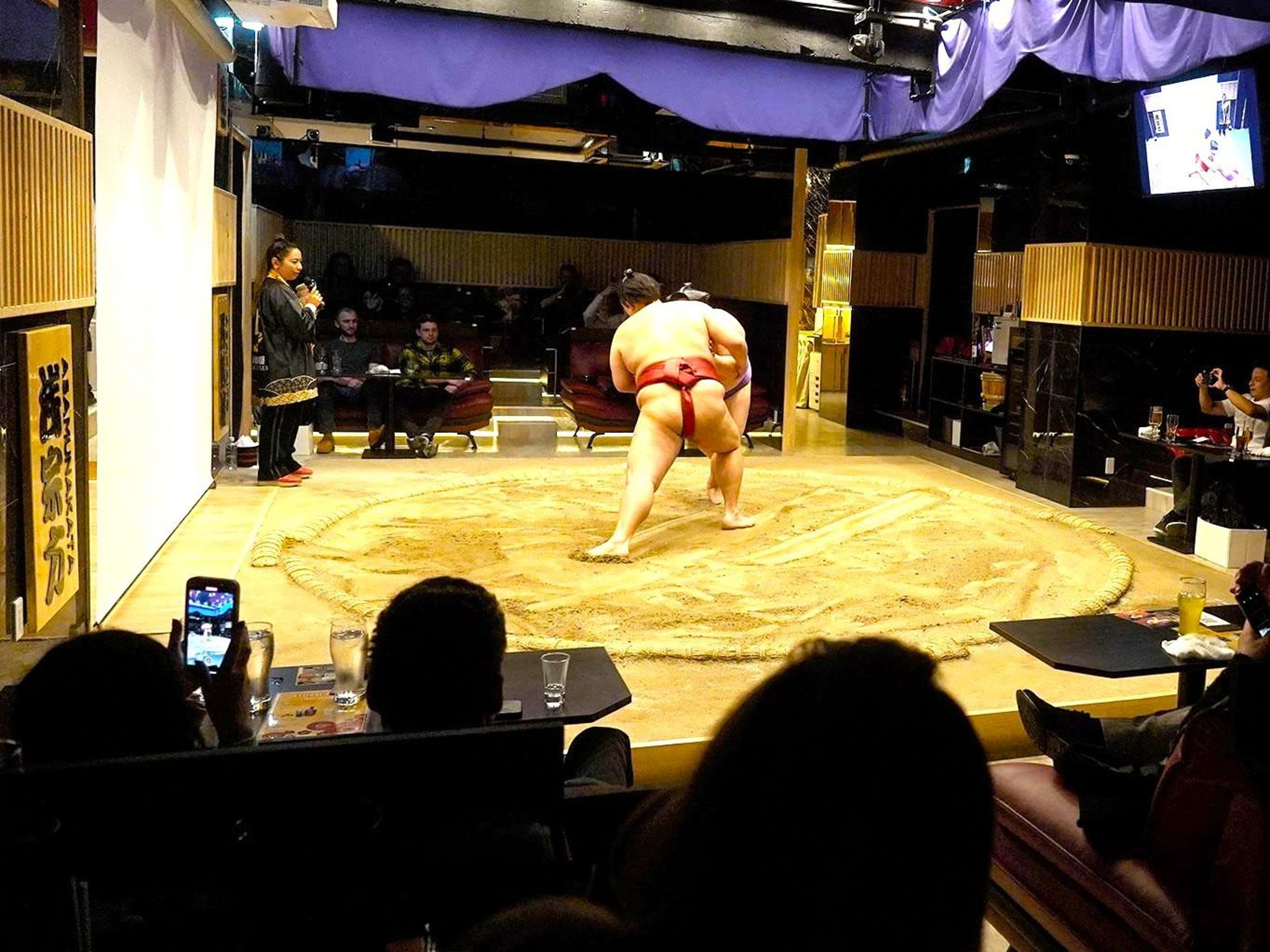
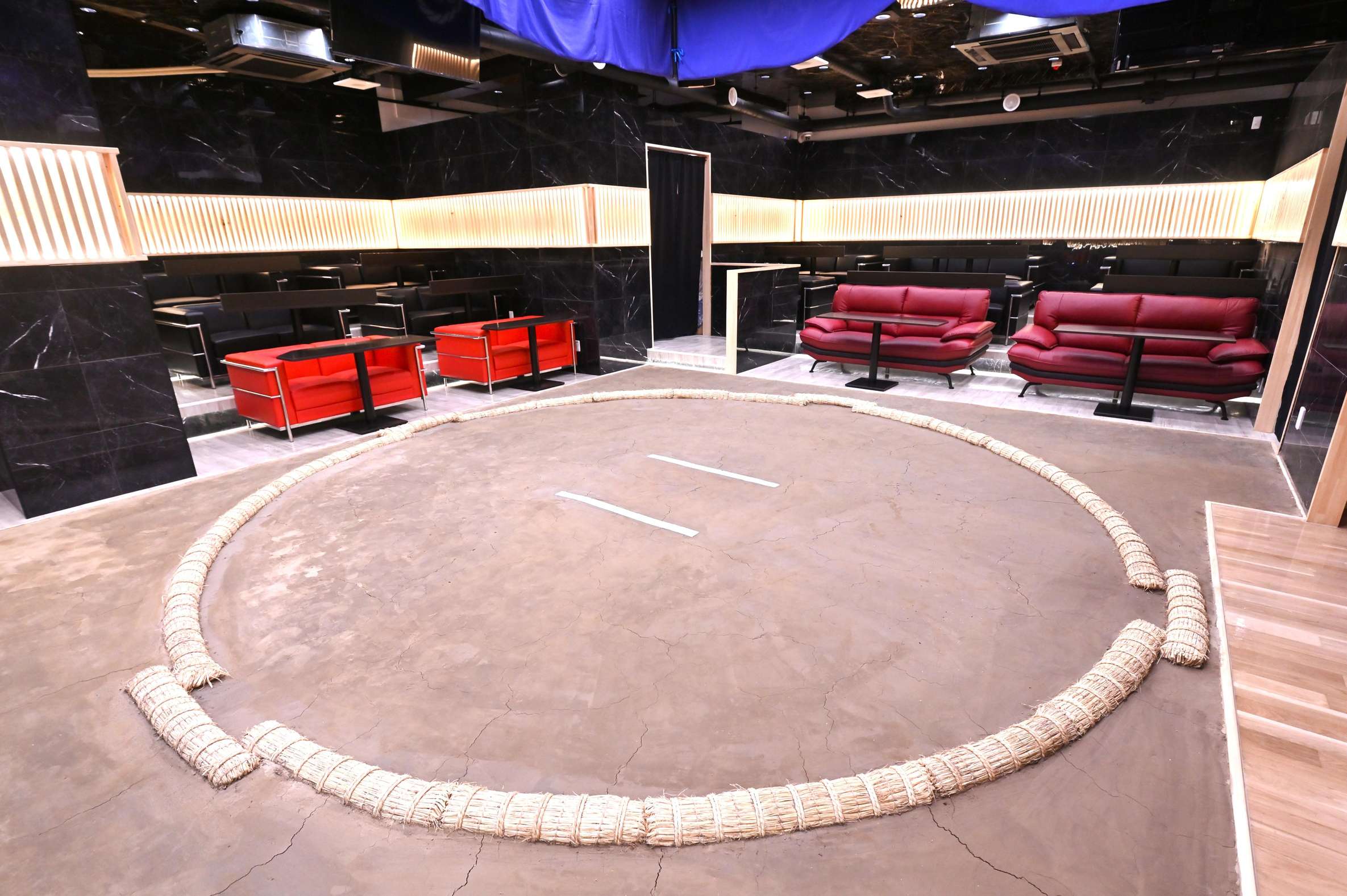
The ring stands in the middle of the room, and the first thing that reaches you is the sound: bare feet on clay, then the salt, thrown to purify the ring before anyone lays a hand on anyone.
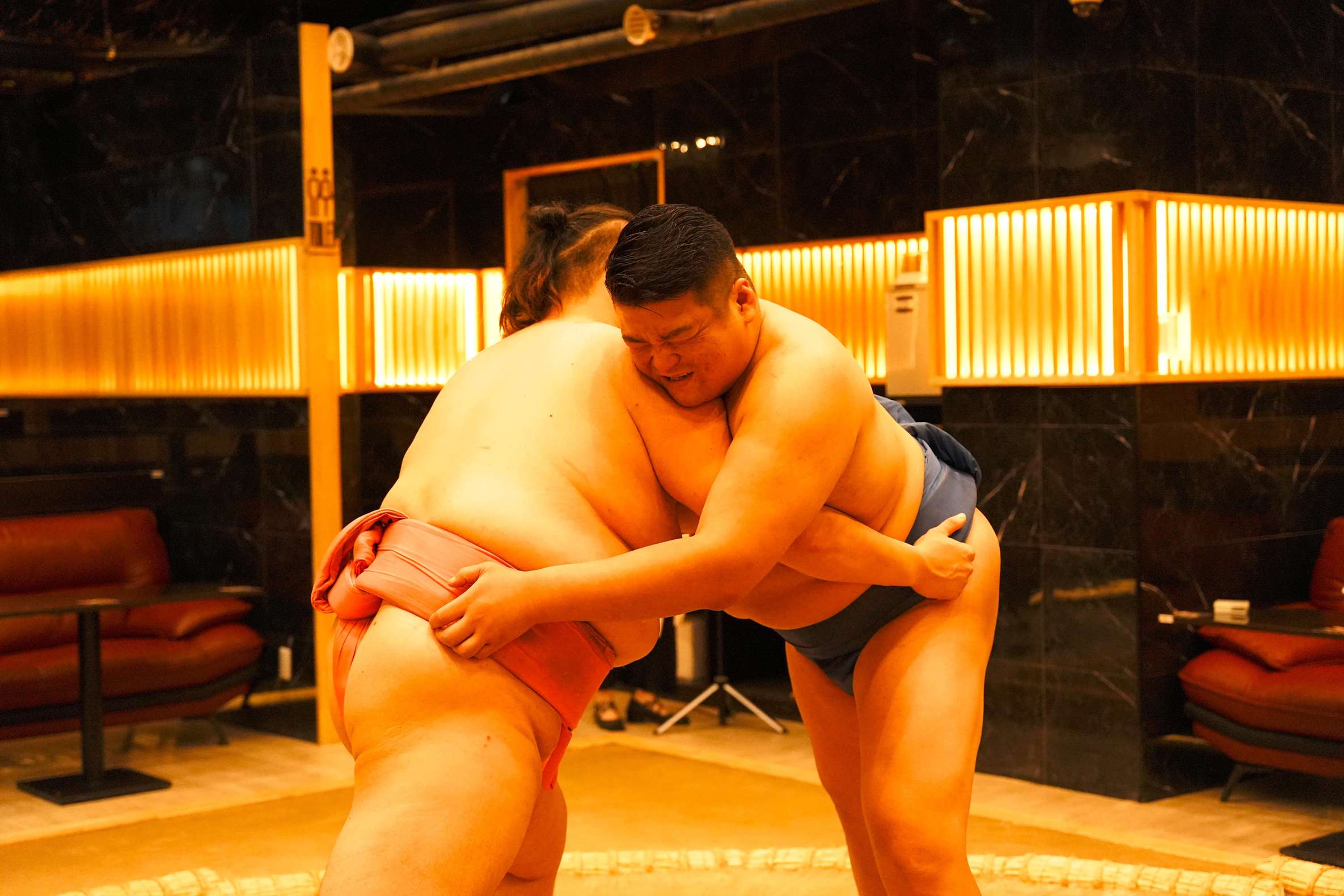
What follows is a show built around retired professional wrestlers, and the bouts are choreographed from start to finish.
That honesty matters before you book. A Tokyo sumo show is entertainment performed by real, former professionals showing genuine technique; nobody should book it as a tournament, and visitors who arrive expecting competitive sumo come away flat.
Come for what it is: history and rules explained in English by the MC, a geisha dance, hot pot, and wrestlers who talk with the audience. Adults, couples and first-timers get plenty from the demonstrations, and participation stays optional.
It is staged entertainment performed by retired wrestlers
Adults and couples get plenty from it, and can skip the ring challenge
It is a fun introduction, best done once, and it leaves the real thing for another day
Worth it as a night out: yes. Worth it as your only sumo: also yes, as long as you know that a tournament or a morning practice sits on a different shelf.

When to book a sumo show in Tokyo
Evening slots go first. Sumo shows sell out quickly, and popular sessions can be gone by the time you try to rebook closer to the trip, so the rule is simple: book well before you fly. Availability that has disappeared rarely comes back.
The calendar matters too. April, October and May are the busiest months on the show circuit, and November draws the most public interest in sumo even when the venues themselves run calmer. February and December sit at the other end, which makes them the easier months to land a front-row seat at shorter notice.
April: 5 out of 5 for how busy it gets. This is one of the busiest months for tours, and public interest is moderate.
Tap a month to read it.
November: sightings 50,798 readers a month. Tour availability is moderate, but public interest in sumo is at its highest.
Tap a month to read it.
Read the pattern against your own dates: travelling in a peak month means booking the moment your flights are set, while a quiet-month trip can wait a little, though the sofa seats still go early.

Where sumo shows are held in Tokyo and how to get there
Five Tokyo districts host the shows, and every venue is a short walk from a station. Shinjuku's club sits in Kabukicho, two minutes from Higashi-Shinjuku. Shibuya's is one stop from Shibuya at Yoyogi. Ginza's runs in a basement a minute from Ginza-itchome, and the Tokyo Tower show fills the fifth floor of Foot Town.
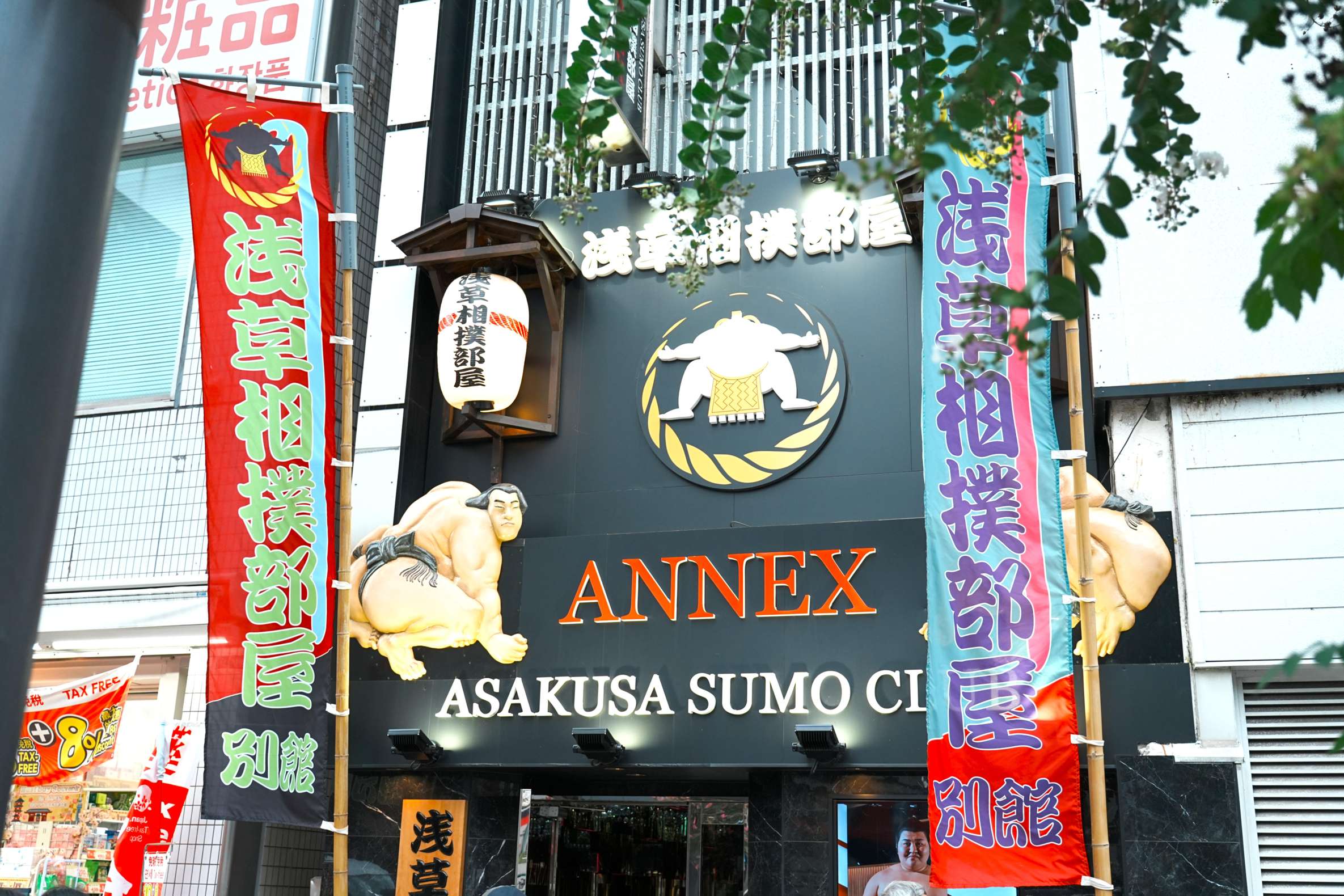
Asakusa's venues pair the show with dinner best, and the luxury venue there sets a real sumo ring in the middle of the restaurant. From Tokyo Station the trip runs 15 to 20 minutes by taxi to the tower or Asakusa venues, while the train and a short walk can be quicker to Ginza.
Pick the venue by the night you want around it: Ginza and the tower sit among the sights, Asakusa among old Tokyo streets, and all of them are an easy ride from the big hotel districts.

What happens during a two-hour sumo show
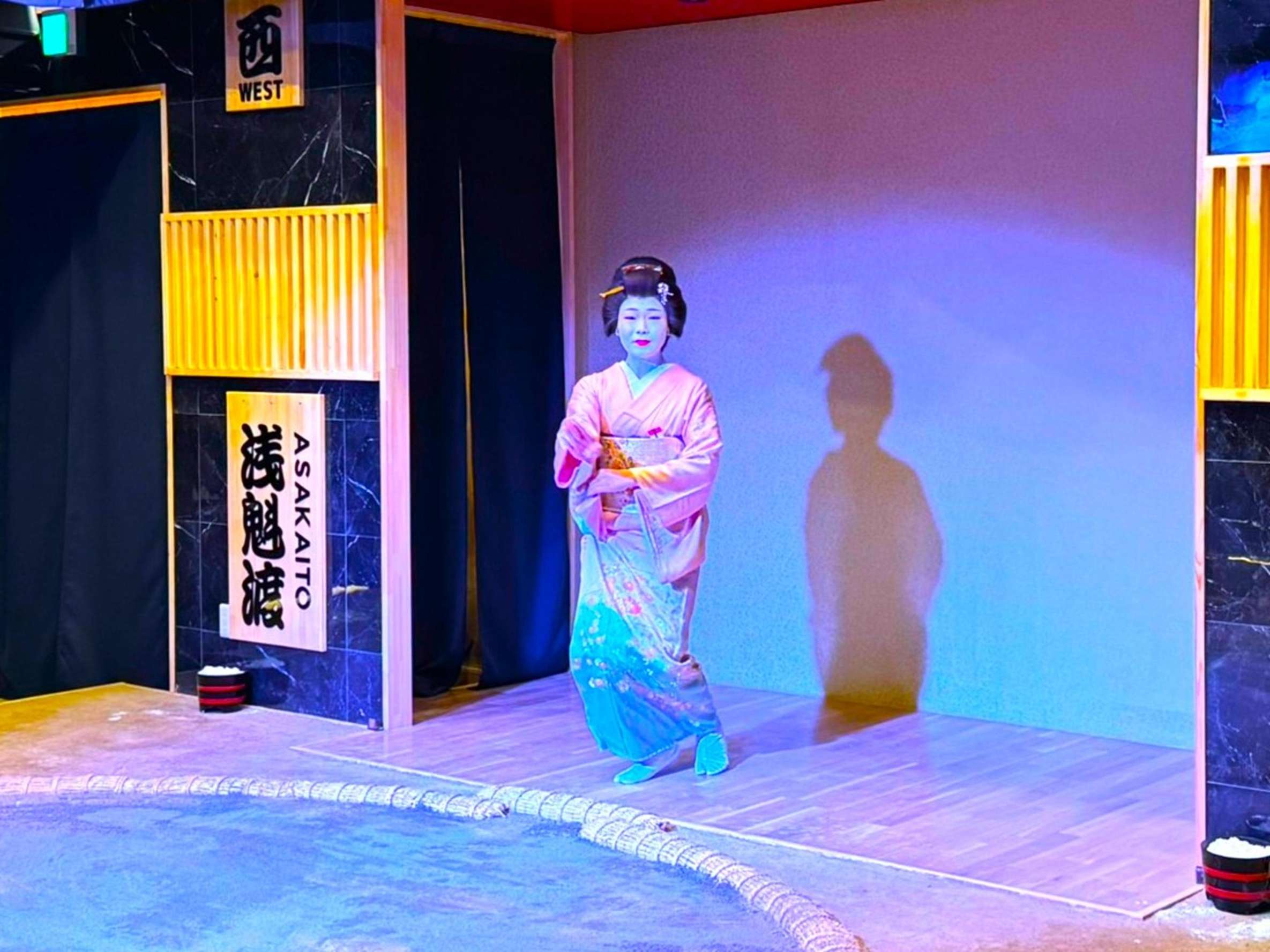
Welcome and seating come first, and from the moment you sit the clock runs: the whole visit, meal included, lasts about two hours.
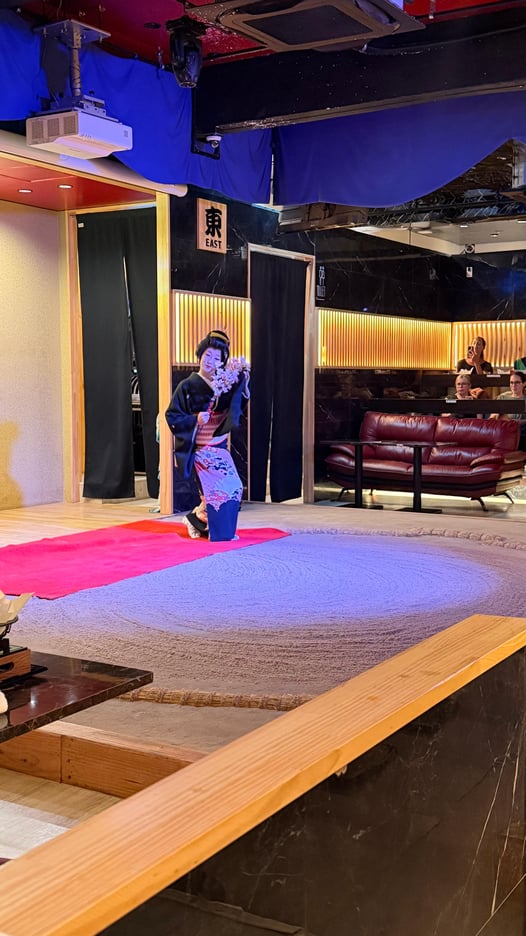
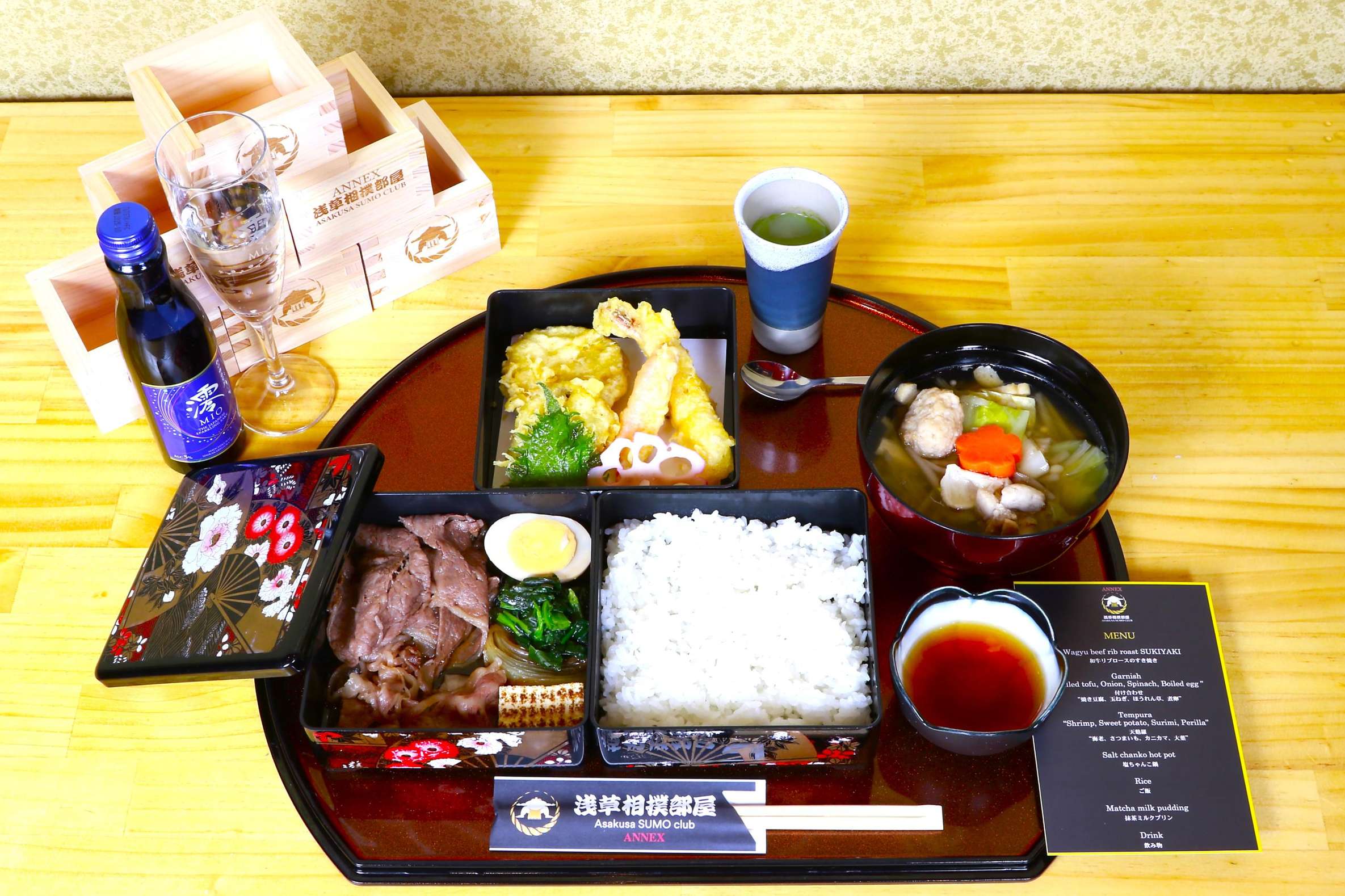
A geisha opens the evening with a dance, the MC covers sumo's history, rules and rituals in English and Japanese, and then the wrestlers take the ring. Salt-throwing comes before the bouts, a Shinto purification that only top-division wrestlers perform.
Watching quietly during the initial charge is the norm, and clapping afterwards is welcome. The ring challenge follows, and guests are free to choose whether to join. Printed photos with the wrestlers close the night.
- 1Arrival and seatingA welcome drink or first pour lands at the table
Check your tier: what is included differs by seat
- 2Geisha dance and introductionThe MC covers history, rules and rituals in English and Japanese
Questions are welcome between bouts
- 3Salt ritual and the boutsRetired wrestlers perform choreographed matches
Watch the charge quietly, clap afterwards
- 4The ring challengeGuests are invited into the ring, chosen by lottery if demand is high
Joining is optional
- 5Photos and keepsakesPrinted photos with the wrestlers and souvenir gifts
Saved for the end, after the meal
The order matters for your table: the meal arrives as the bouts run, so a front-row sofa lets you eat, watch and be photographed without ever leaving your seat.
Chanko nabe and wagyu - the meal and drink service explained
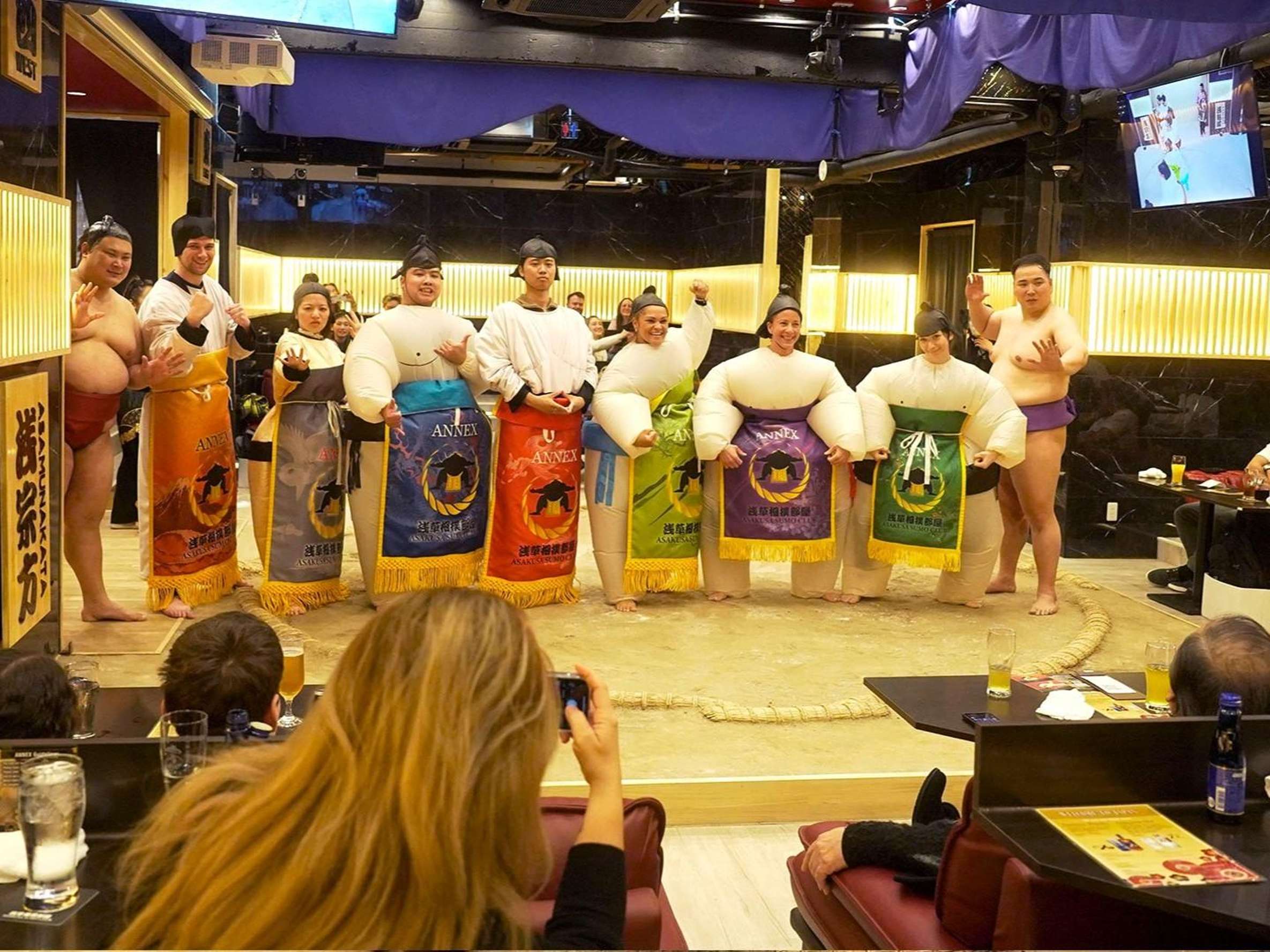
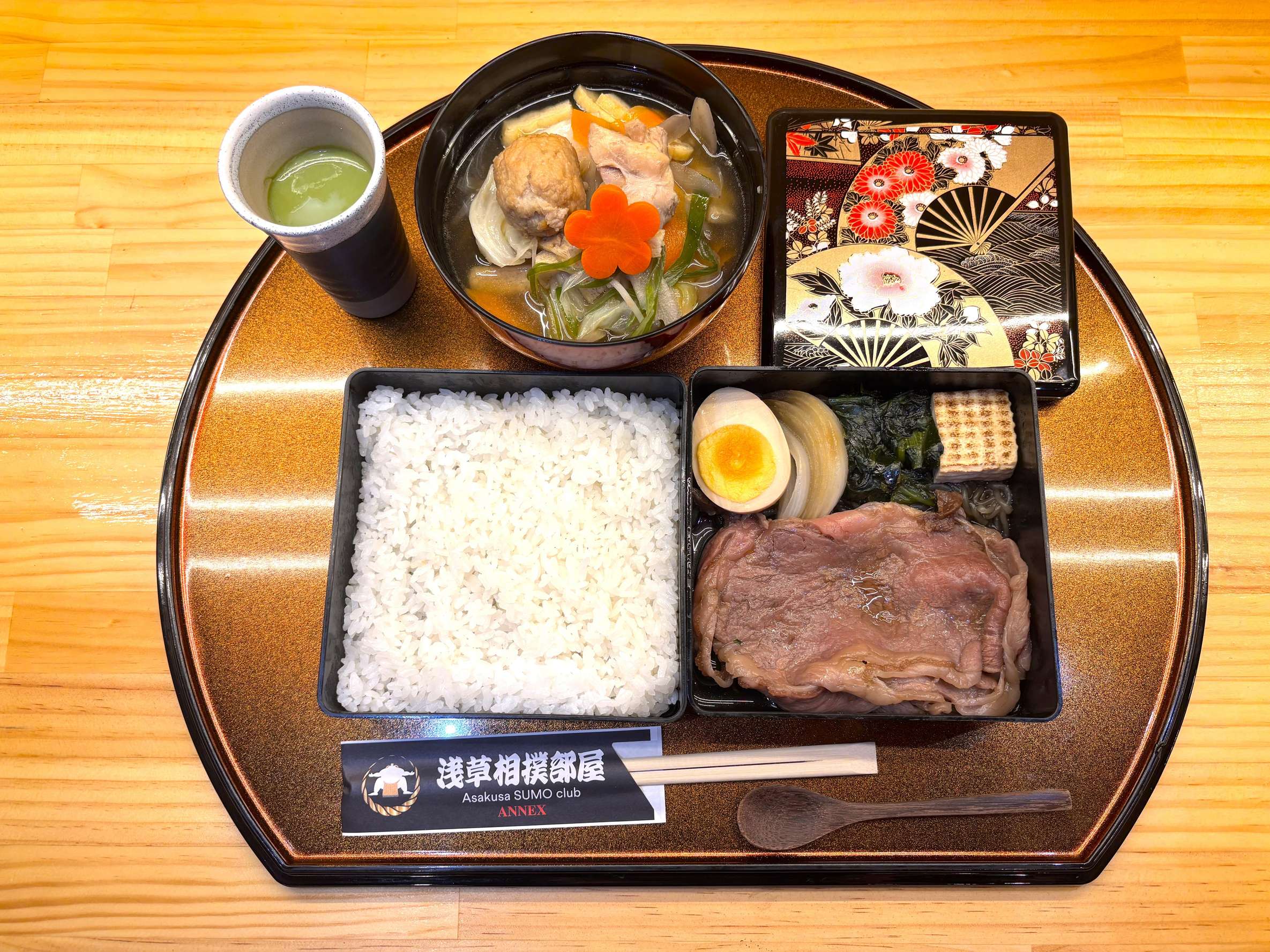
The food is part of the ticket, and the tiers treat it that way. Every seat at the luxury Asakusa show eats the wrestlers' own chanko nabe, the hot pot that fuels sumo training, alongside a wagyu beef sukiyaki bento and a matcha dessert.
Business and First Class add tempura, and the drink service follows the seat: Standard gets one complimentary drink, Business and First run all-you-can-drink with Japanese whisky, draft beer and soft drinks, and First Class pours unlimited premium Yamazaki whisky all evening.
That tier is what separates a premium evening from a standard seat: the front-row sofa with the full table. Judged purely as dinner the food is simple, so the price lands better when you count the show with it. Travelers call the portions hearty and generous.
So the dietary request goes in at booking, and the confirmation tells you before you arrive whether your seat eats the full table or the simpler one.
Sumo show or real sumo - how to choose
The question every repeat visitor answers the same way: what is the show for?
Morning practice at a stable is the authentic choice, a silent, still 90 minutes watching active wrestlers train for careers on the line, usually running from about 7:30 am to 10 am. Stables close during tournament weeks and for days after, while shows run year-round.
A show fits an evening, children, and anyone who wants dinner with the spectacle. Morning practice belongs to the die-hards who will sit still and quiet for a long stretch with no performance put on for them. First-timers who cannot get tournament tickets call the dinner show a fun and worthwhile substitute.
Everything was beautiful, entertainment great, audience interaction great, and picture-taking allowed, wonderful. So much food and drinks, awesome gift. 100 out of 100, a must-see in Tokyo. My family loved it.
Decide by your appetite: if you want to watch real athletes work for themselves, book practice. If you want the sport explained, the hot pot served and the wrestlers smiling, book the show.
How the Tokyo sumo shows compare
Tokyo's shows differ in everything except the wrestling. The Ginza show runs in a basement a short walk from Tokyo Station, and it is a cashless venue where food and drinks are left off the ticket.
Shinjuku's meets on the second floor of the Sekisaku Building, also cashless, with a bottled-water welcome drink.
Shibuya's sits a minute from Yoyogi Station and pours its own welcome drink, and the Tokyo Tower show runs four times daily inside the tower's Foot Town building, pairing a Japanese set meal and one drink with Oiran dancers and a lion dance.
Asakusa goes furthest on food. The Tokyo: Sumo Entertainment Show with Chicken Hot Pot & Geisha includes all-you-can-eat hot pot, a geisha dance and a printed photo, built for adults and children together. Its ANNEX venue is the luxury show, with sofa seating tiers and the unlimited whisky service for the top seats.
The main Tokyo shows side by side
| Ginza | Tokyo Tower | Asakusa luxury show | |
|---|---|---|---|
| Food and drink | Not included, cashless venue | Japanese set meal and one drink | Wagyu sukiyaki, chanko nabe and all-you-can-drink tiers |
| Seating | General or premium | Standard up to V-VIP sofa | Standard, Business and First Class sofa |
| Photos | Photo opportunities with the show | Photo session and souvenir | Printed commemorative photo and gifts |
| Best for | Pairing with Ginza sights | Families and an evening at the tower | Couples and anyone marking an occasion |
- Food and drink
- Not included, cashless venue
- Seating
- General or premium
- Photos
- Photo opportunities with the show
- Best for
- Pairing with Ginza sights
- Food and drink
- Japanese set meal and one drink
- Seating
- Standard up to V-VIP sofa
- Photos
- Photo session and souvenir
- Best for
- Families and an evening at the tower
- Food and drink
- Wagyu sukiyaki, chanko nabe and all-you-can-drink tiers
- Seating
- Standard, Business and First Class sofa
- Photos
- Printed commemorative photo and gifts
- Best for
- Couples and anyone marking an occasion
Read the rows as a question about your evening: if food and a drink in hand are the point, the Asakusa column is the only one that covers the whole night, while Ginza leaves you free to eat elsewhere first.
What to look for in a luxury sumo tour
A premium sumo evening lives or dies on four things: how close the seat puts you, what the meal really includes, how the drinks run, and what you carry home.
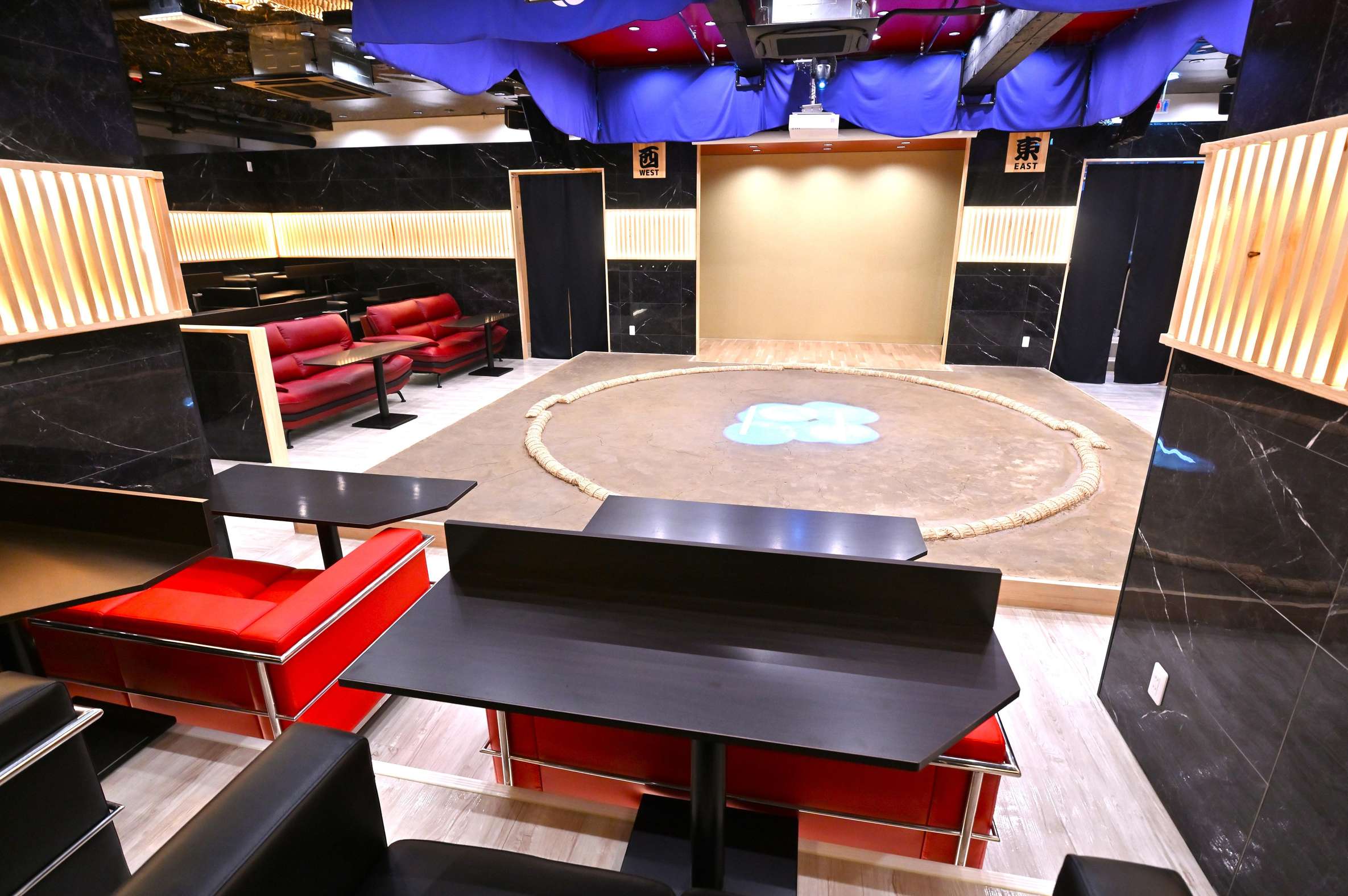
Front-row sofa seats put you right at the edge of the ring, close enough that even standard back rows in the same small room still see fine.
The Tokyo:Luxury Sumo Show Experience & Japanese cuisine & Drink answers each check: First Class is a front-row sofa, the table carries wagyu sukiyaki bento, chanko nabe, tempura and matcha dessert, Business and First run all-you-can-drink with unlimited Yamazaki in First, and a printed commemorative photo plus souvenir gifts go home with you.
How to choose a luxury sumo show
| Check | Why it matters | Our pick |
|---|---|---|
| How close the seat puts you | Front-row sofas sit at the edge of the ring, and the room is small | First Class is a front-row sofa seat |
| What the meal includes | Dinner is part of the ticket, and the tiers differ sharply | Wagyu sukiyaki bento, chanko nabe and matcha dessert, tempura on higher tiers |
| How drinks run | One included drink versus all-you-can-drink changes the bill | Unlimited premium Yamazaki whisky in First Class |
| What you carry home | Photos and souvenirs are the memory of the night | Printed commemorative photo and seating-tier souvenir gifts |
Run any other show you are weighing against the same four checks, and the gaps show up fast: a venue that leaves food and drinks off the ticket turns a premium price into a bar bill.
How to behave at a sumo show
Follow the crowd and you will be fine, because the room tells you when to be loud. Clapping is welcome after a strong throw. The charge itself is watched in silence, and the room falls strikingly quiet before each bout.
Three rules cover most of it. No flash photography, which startles the wrestlers. No heckling, and keep the phone on silent. Never enter or touch the ring, and never touch a wrestler without permission.
The cushion throw is the one that catches first-timers. At a real tournament the crowd can send zabuton flying after a big upset, but at a show the throw is officially banned because cushions cause injury.
Leave the cushion where it is and let the wrestlers have the spectacle. Shoes come off in box seating, and your trash goes out with you.
What to wear and bring to an evening sumo show
There is no formal dress code. Smart casual clothes you can sit and eat a full meal in cover it, with one catch: the ring challenge rewards clothes you can bend and step in, since guests are invited to try.
Slip-on shoes and whole socks matter more than style, because shoes come off at the entrance for tatami and low seating.
Arrive early. Sumo shows can start noticeably later than the time printed on the ticket, and a late start is not extended, so a rushed arrival costs you sections of the program. Carry the booking details that state which food and drinks your tier includes.
- Smart casual clothesNo formal dress code: something comfortable you can sit and eat a full meal in is all the evening asks for.
- Clothes you can move inGuests may be picked for the sumo challenge in the ring, so pick something you can bend and step in easily.
- Slip-on shoesShoes come off at the entrance for tatami seating, and slip-ons make low seating and shared tables simple.
- Clean socksYou go barefoot or in socks on the tatami once your shoes come off, so whole socks beat holes.
- Light layersThe dining room with the hot pot can be warm while the walk back is cool, so a thin layer covers both.
- Small bagA small bag on your lap beats a big daypack in the close seating around the ring.
The list is short on purpose: comfort beats formality, and a small bag on your lap beats a big daypack in the close seating around the ring.
What happens if your plans change
The rules are kind up to a point. Cancel more than 24 hours before the start and you get a full refund. Cancel on the day and there is no refund, though you may be able to move the booking to another slot if space allows.
Late arrivals cost more than time. The show follows a fixed schedule and cannot be extended, so arriving late means joining partway through and missing sections; at some venues the front desk may not accept late entry at all. If the organizer cancels, refunds follow the way the ticket was bought.
If the day changes
| If this happens | What happens then |
|---|---|
| Cancel more than 24 hours ahead | Full refund |
| Cancel within 24 hours of the start | No refund, but a move to another slot may be possible if there is availability |
| Arrive late | The show is not extended, so you join partway and miss sections |
| The organizer cancels | Refund procedures depend on how the ticket was obtained |
Build the buffer in anyway: an early arrival keeps your sofa, your full meal and the whole program, and a same-day change of heart keeps only the option to move dates.
What else to do near the sumo show venue
The Shinjuku venue hands you the classic local evening. Locals eat first in Omoide Yokocho, a lantern-lit lane of tiny yakitori counters best around 5 pm, then drift to Golden Gai, a cluster of micro-bars, for drinks after 9 pm.
Around the venue itself, Shinjuku Central Park is four minutes on foot and the Sompo Museum of Art seven.
If sumo is the thread of the whole trip, the Ryogoku district adds the Edo-Tokyo Museum, the Sumida Hokusai Museum and a street of chanko nabe restaurants.
- 1Shinjuku Central Parkpark or garden4 min walkDirections
- 2Juniso Kumano Shrinetemple, shrine or church6 min walkDirections
- 3Sompo Museum of Artmuseum7 min walkDirections
Show all 7 places
- 4Japanese Sword Museummuseum11 min walkDirections
- 5Hanazono Shrinetemple, shrine or church15 min walkDirections
- 6Meiji Shrinetemple, shrine or church19 min walkDirections
- 7Shinjuku Gyo-enpark or garden20 min walkDirections
- 1Aoyama Kumano Shrinetemple, shrine or church9 min driveDirections
- 2Watari Museum of Contemporary Artmuseum9 min driveDirections
- 3Lifehouse International Churchtemple, shrine or church10 min driveDirections
- 4Meiji Shrine Outer Gardenpark or garden10 min driveDirections
- 5Ukiyo-e Ōta Memorial Museum of Artmuseum12 min driveDirections
- 6Yoyogi National Stadiumpark or garden14 min driveDirections
Bookend the show the way the neighbourhood does: yakitori early, the ring in the middle, micro-bars late, and an easy walk or ride home afterwards.
What to know before you book a luxury sumo show in Tokyo
Tokyo sumo shows sell out, especially for weekend sessions, front seats and evening slots. Book as soon as your dates are fixed, because rebooking closer to your trip often finds no space left.
You can cancel up to 24 hours in advance for a full refund. If you cancel inside that window you may be able to move your booking to another slot, but there is no refund.
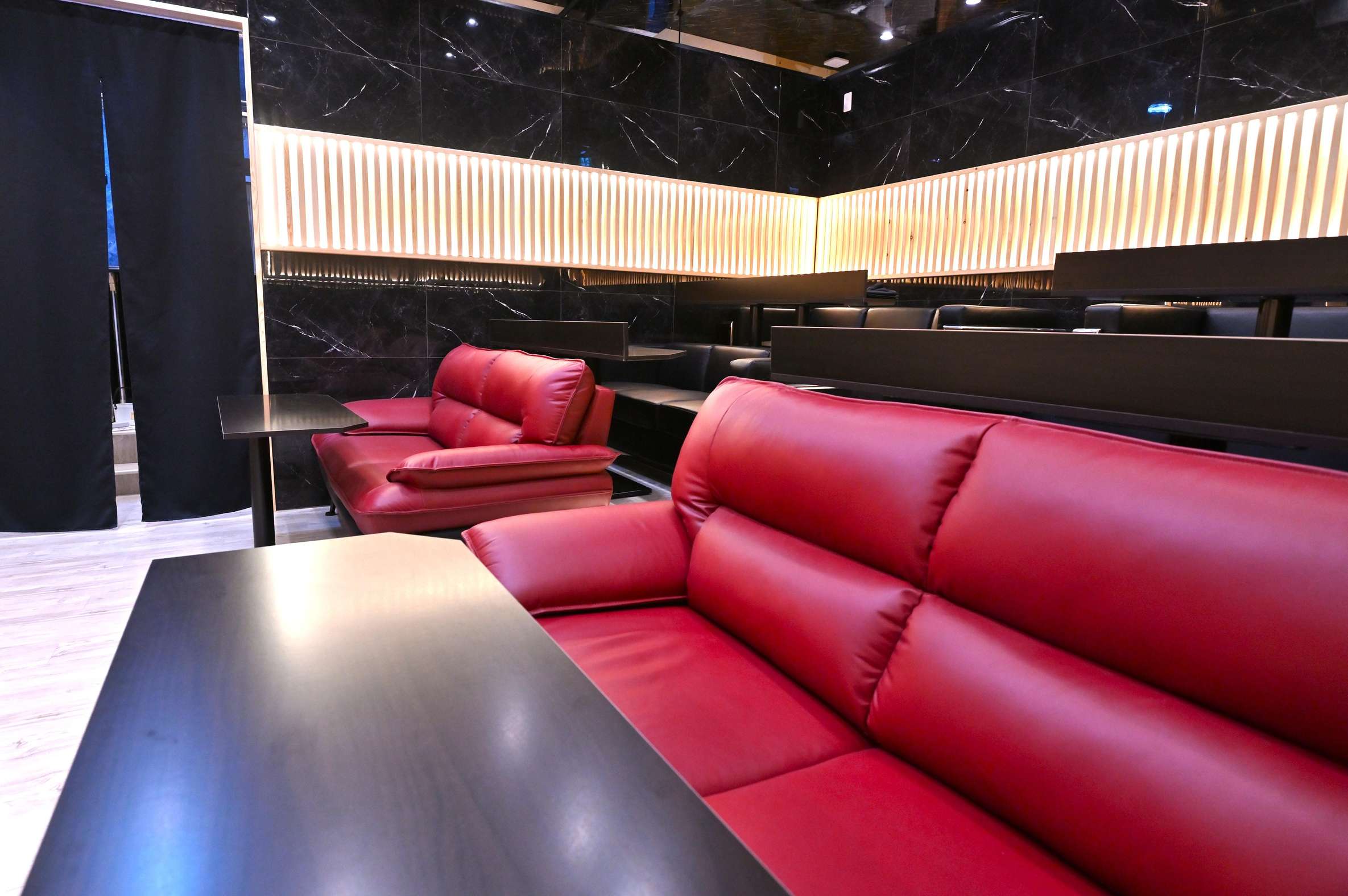
The luxury Asakusa venue has three tiers: Standard table seats, Business sofa seats and First Class front-row sofas at the edge of the ring. The room is small, so even the back rows see well.
The meal runs from wagyu sukiyaki bento and chanko-nabe to matcha dessert, with tempura added for Business and First Class. Vegetarian and vegan meals exist but must be requested at least two days before. No gluten-free or halal meals are provided, though you may bring your own food.
What you drink depends on the seat. Standard guests get one drink with extras billed separately, while Business and First Class include all-you-can-drink whiskey, draft beer and soft drinks. First Class adds unlimited premium Yamazaki whisky.
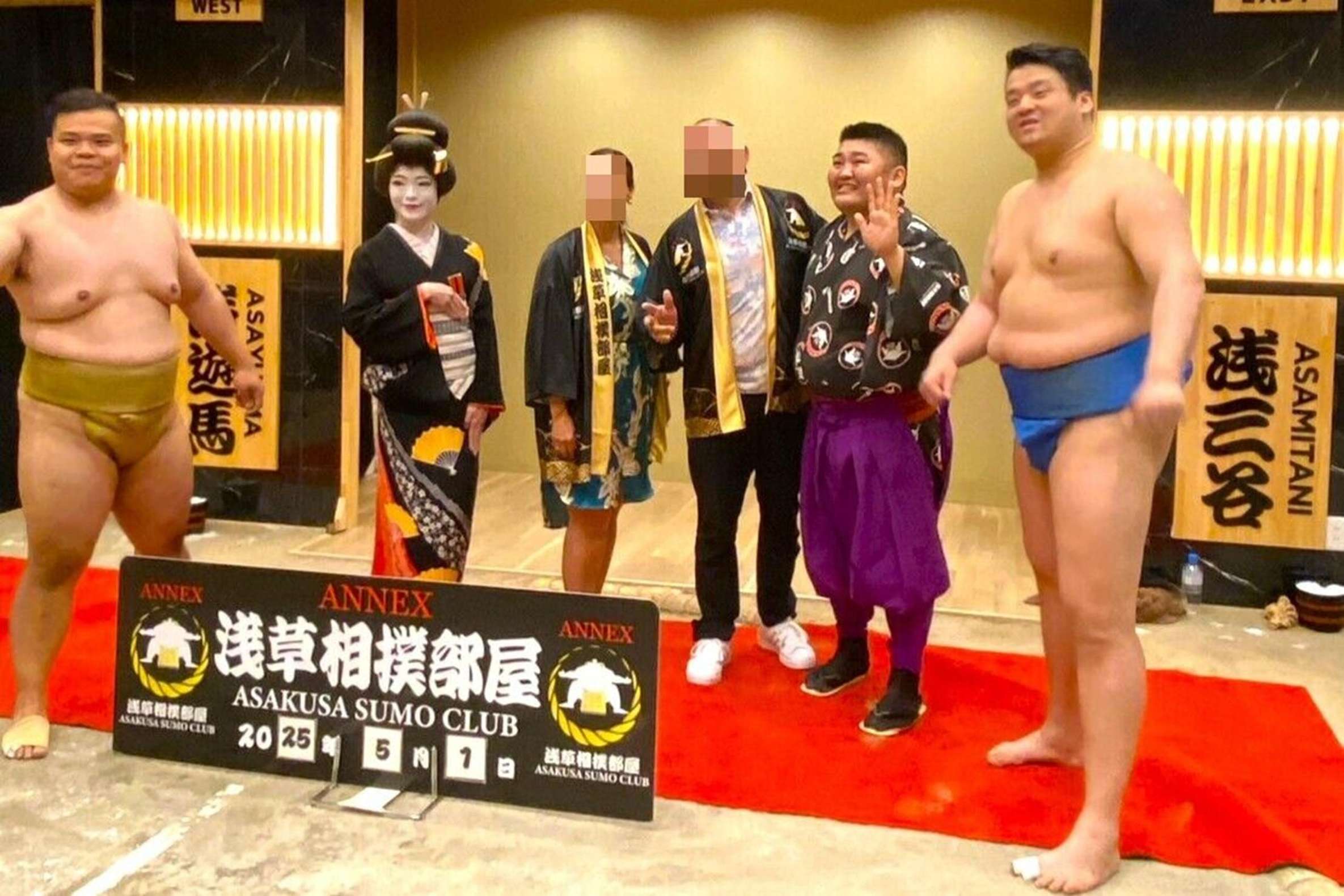
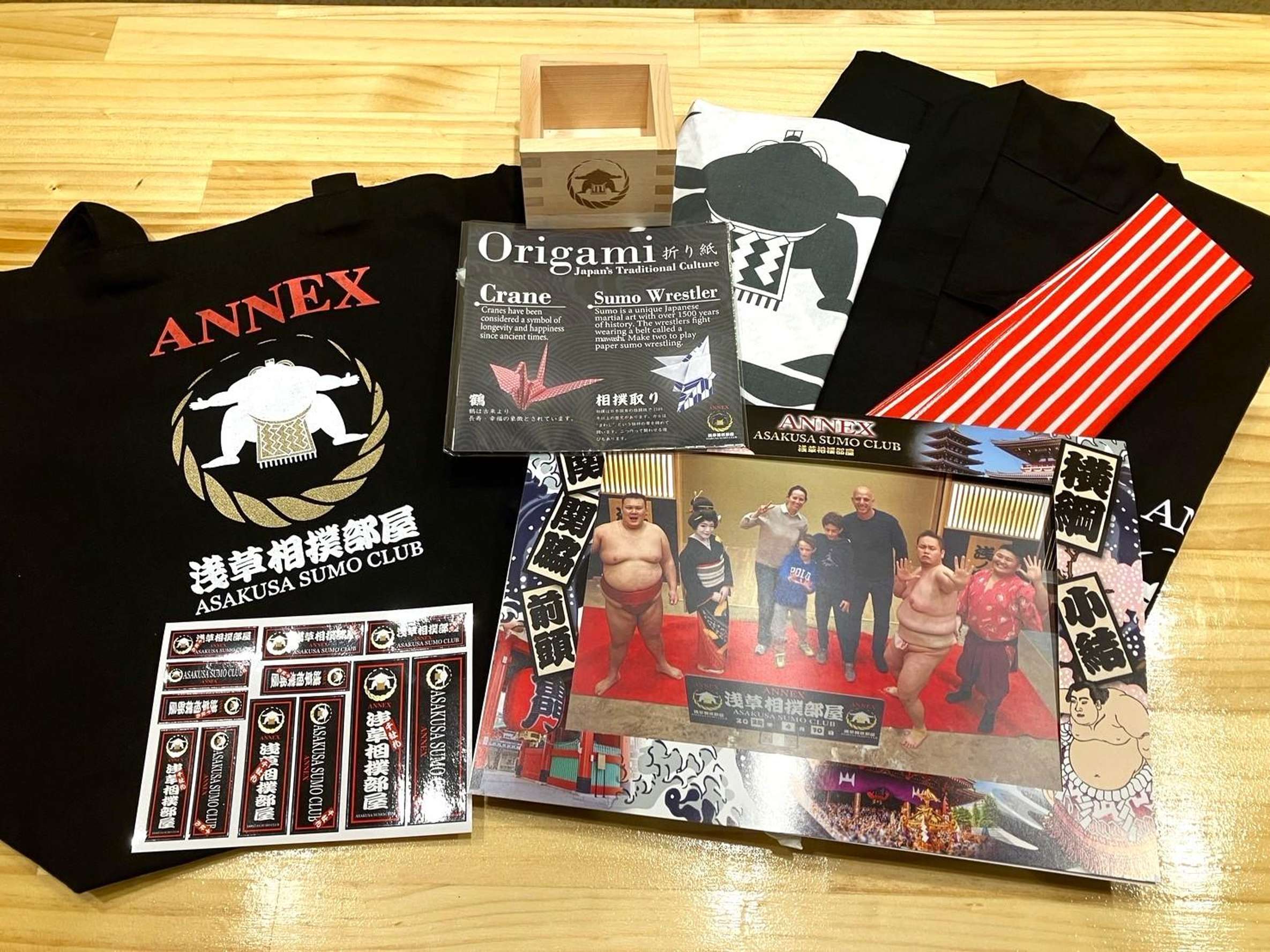
A printed commemorative photo with the wrestlers is included, plus a geisha photo after her dance and souvenir gifts by seating tier. Keep phones on silent during bouts and no flash while the wrestlers are on the ring.
There is no dress code; smart casual clothes you can eat a full meal in are fine. Wear slip-on shoes with clean socks, since shoes come off at the entrance, and choose clothes you can move in if you hope to join the ring challenge.
The restaurant is reached by stairs and is not wheelchair accessible. Babies under one year are not suited to the venue, and you may be seated together with other guests. For the ring challenge, participants are chosen by lottery when demand is high.
Worth it for the front row
Book the First Class front-row sofa if the occasion calls for it: the meal, the drinks and the photo make the evening complete.
The Asakusa luxury show suits couples and anyone marking a trip. Families may be happier at the standard Asakusa club or Tokyo Tower, and die-hard sumo fans should book a stable practice instead.
Skip it if you want genuine competitive sumo or a quiet, private fine-dining meal.
Your questions about the luxury sumo show in Tokyo, answered
Is a Tokyo sumo show a real match or staged for tourists?+
It is entertainment with retired wrestlers, and the bouts are choreographed for the audience. The wrestlers are former professionals, so the techniques are genuine, and the demonstrations still look demanding.
Book it expecting a lively evening with history, food and audience participation, and you will enjoy it; expect an official tournament and you will leave puzzled.
What does the deluxe Japanese meal at the luxury show include?+
At the Asakusa luxury show, the meal covers a wagyu beef sukiyaki bento, chanko-nabe hot pot and matcha dessert. Tempura comes with the Business and First Class seats.
The chanko nabe is the same hot pot sumo wrestlers eat, and travelers regularly praise how hearty and generous it is. Confirm the exact inclusions on your booking before you go.
How does the drink service work, and does it run all evening?+
Drink service runs through the whole show, but it depends on your seat class. Standard seats get one complimentary drink, with anything extra billed separately. Business and First Class seats include all-you-can-drink Japanese whisky, draft beer and soft drinks, and First Class adds unlimited premium Yamazaki whisky.
Can you take photos with the sumo wrestlers, and what do you go home with?+
Yes. The luxury show includes a printed commemorative photo with the wrestlers, plus a geisha photo opportunity after her dance. Souvenir gifts are handed out according to your seating category, and the contents change with the season. Many visitors say the photos with the wrestlers are the part they remember most.
Does a front-row sofa seat really put you next to the action?+
It does. The First Class sofas sit right at the front, at the edge of the ring, so you feel the thud of every charge. Even the standard back-row seats give a clear view, because the venue is small, but the front row is where the evening feels like an occasion.
Is the venue accessible for wheelchair users?+
The Asakusa luxury show's restaurant has stairs, so wheelchair access is a problem there. The Tokyo Tower sumo show is worth checking instead, since that venue's accessibility differs, and its Front row V-VIP sofa seats come with an upgraded sukiyaki meal.
Contact any venue in advance so they can tell you what is possible on your date.
Can the show cater to vegetarians and other dietary needs?+
Vegetarian and vegan meals are available at the luxury show if you request them at least two days before your reservation; otherwise a regular meal is prepared.
Gluten-free and halal meals cannot be provided, though you are welcome to bring your own food. Mention any allergy when you book, so the kitchen hears it in time.
Is a sumo dinner show in Tokyo good for kids?+
Very much so. The Asakusa shows are designed for adults and children together, with a humorous, welcoming format that keeps children engaged, and the Asakusa Sumo Club suits a four-year-old.
The two-hour run can feel long for very young ones, and babies under one cannot attend. Families with little ones get the most from a show with a hot pot meal.
Will I be pulled into the ring if I would rather not?+
Participation is always your choice. Guests are invited to try warm-ups or a friendly wrestling challenge, and anyone who prefers to watch can simply stay seated. When many guests want to wrestle, participants are chosen by lottery, so there is a real chance the ring passes you by entirely.
How far in advance should I book a Tokyo sumo show?+
Book well ahead. Popular dates and evening slots sell out fast, and availability can disappear when you try to rebook closer to your trip. Front-row seats and weekend sessions go first, so lock in First Class seating as early as you know your dates. Cancellation is free up to 24 hours before the show.