4.631,939 travelers stepped into the Shinjuku ring
Sumo Experience Classes, Tours and Other Activities
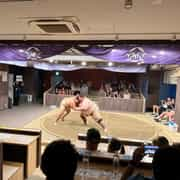
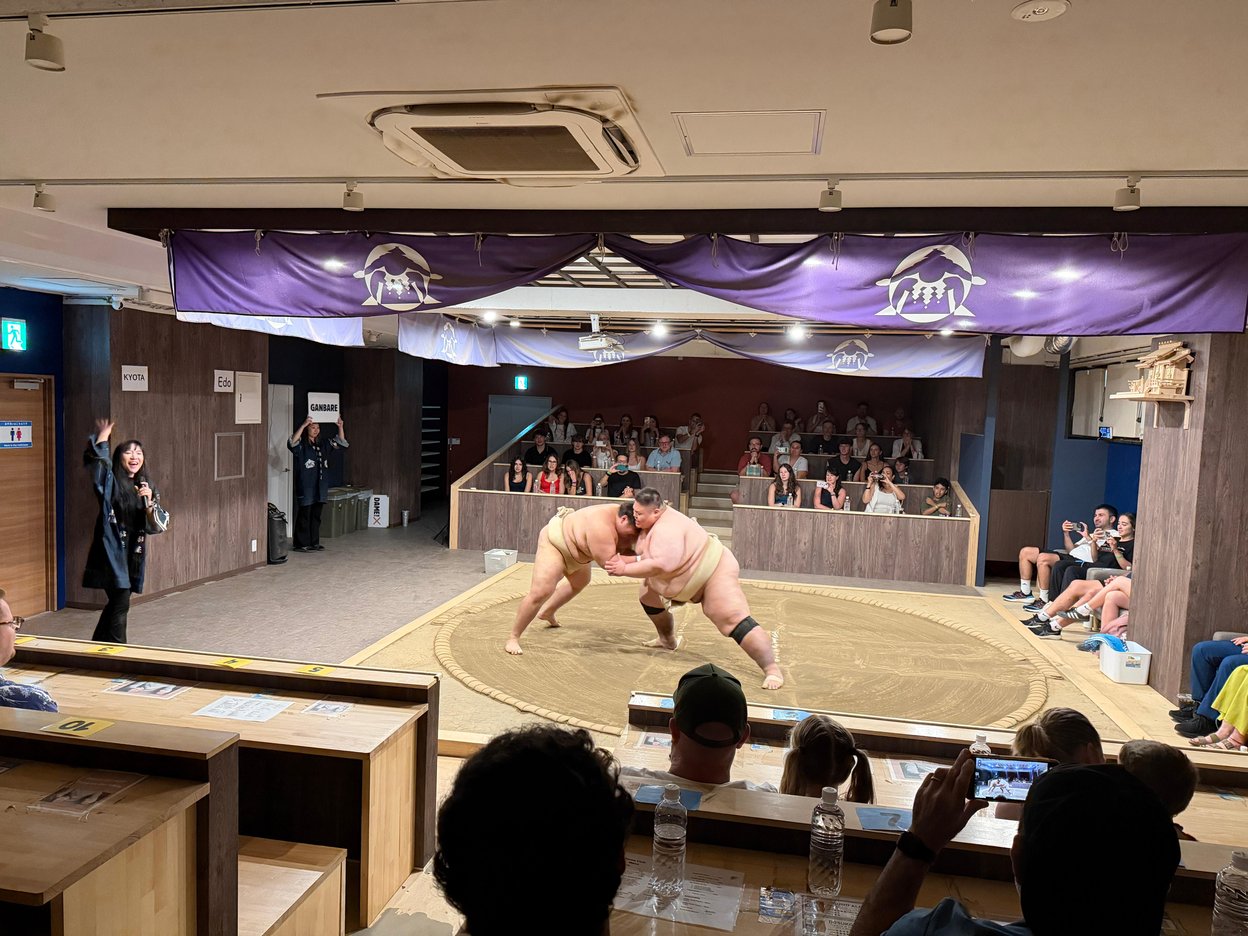
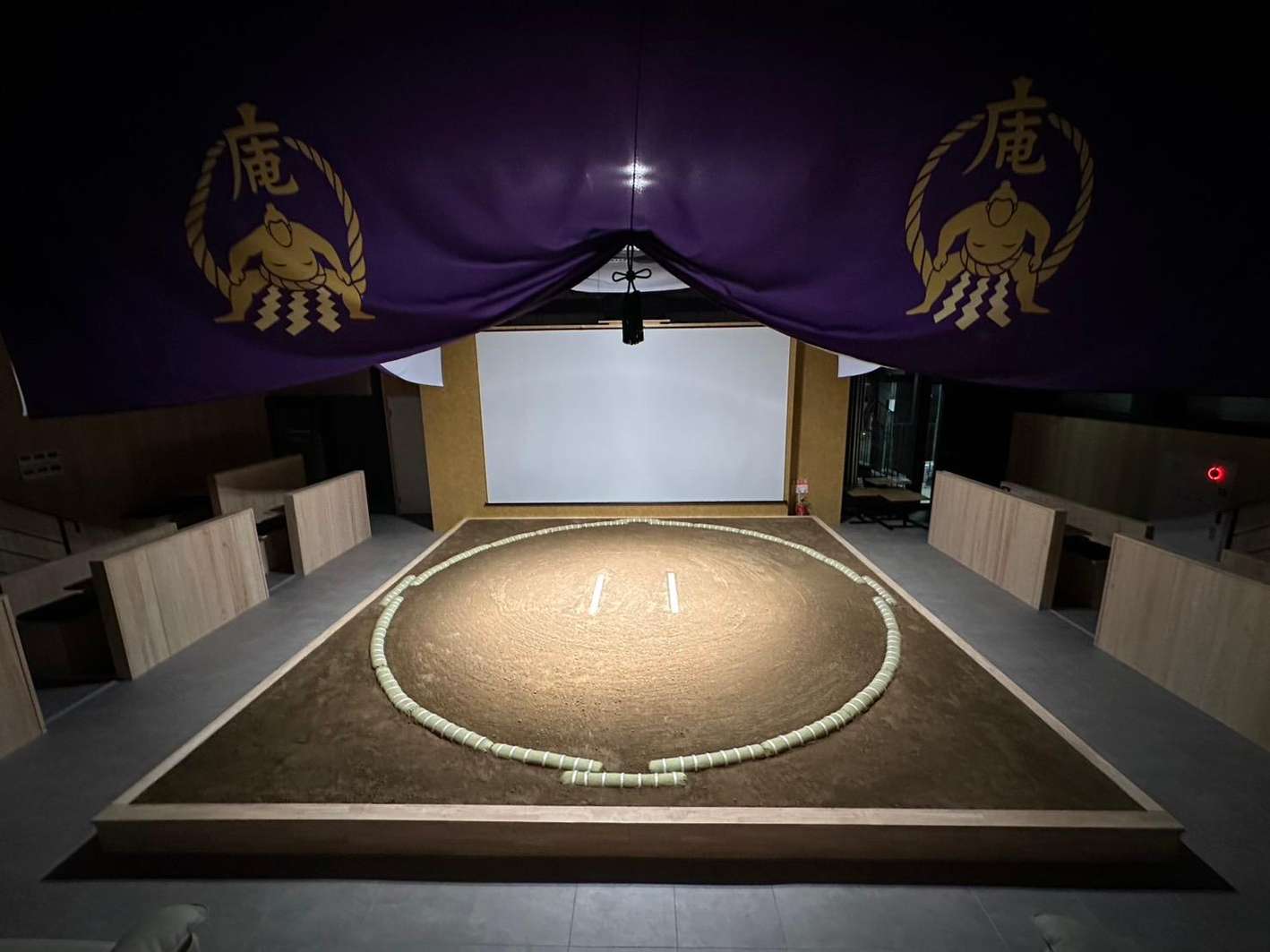
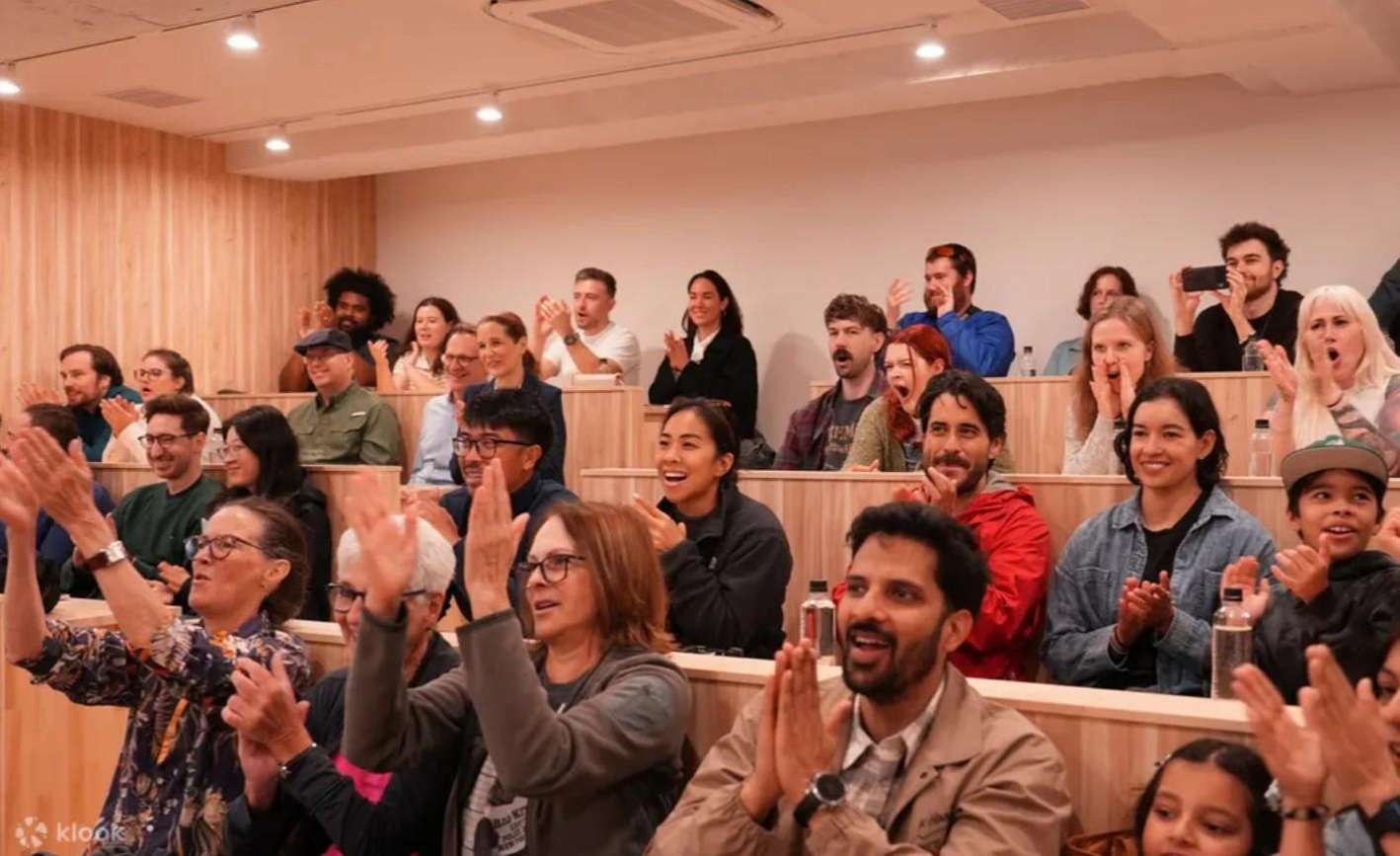
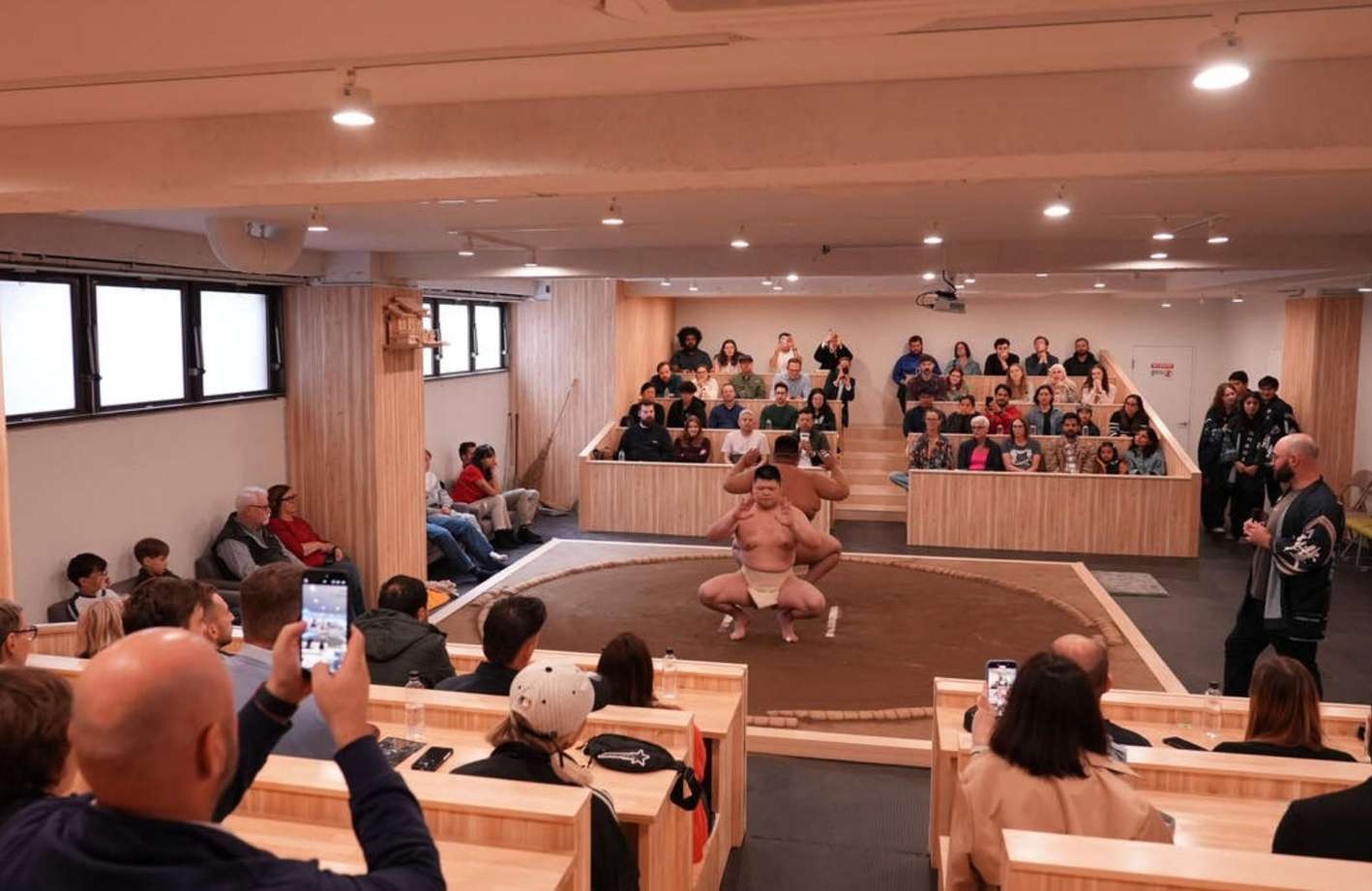
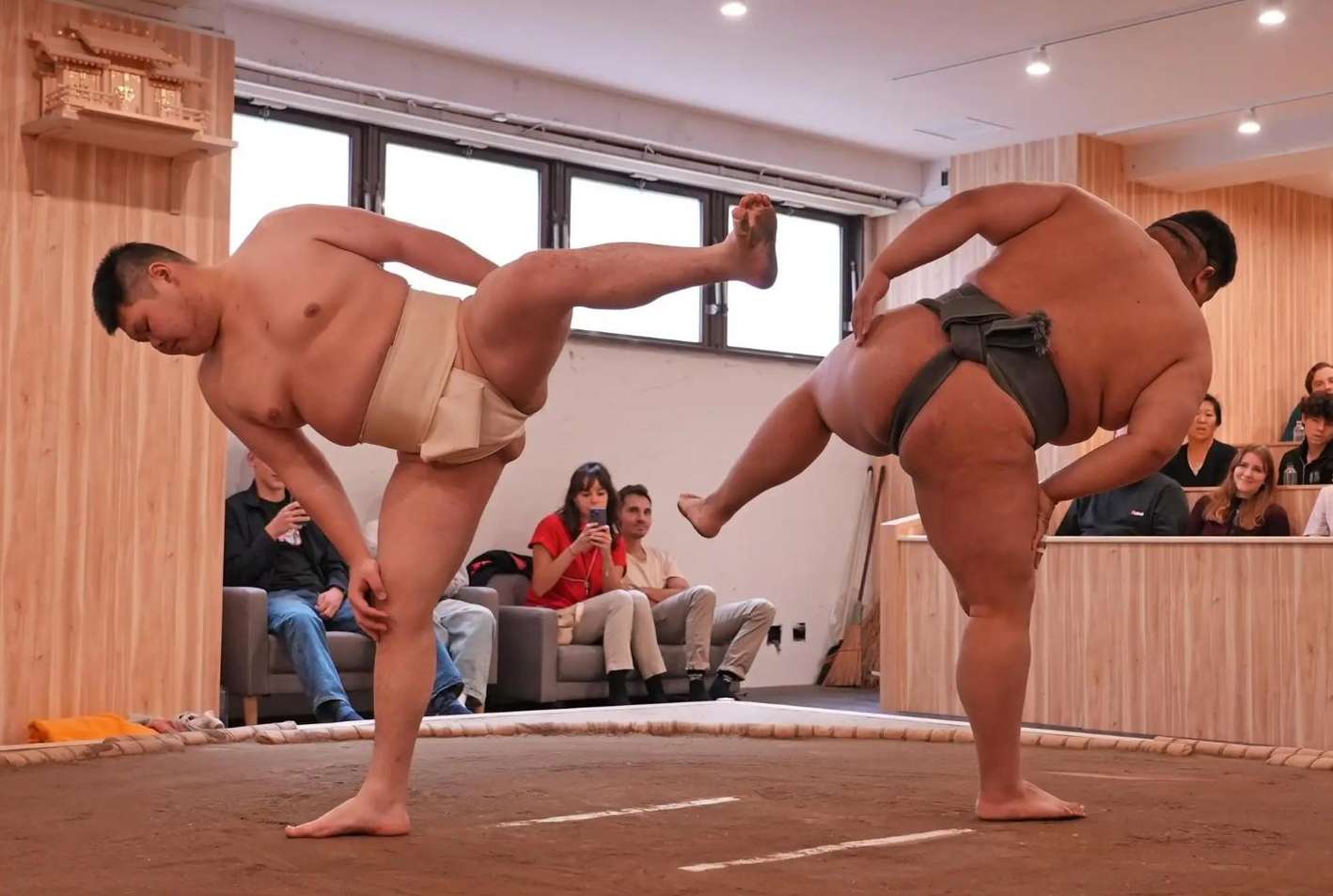
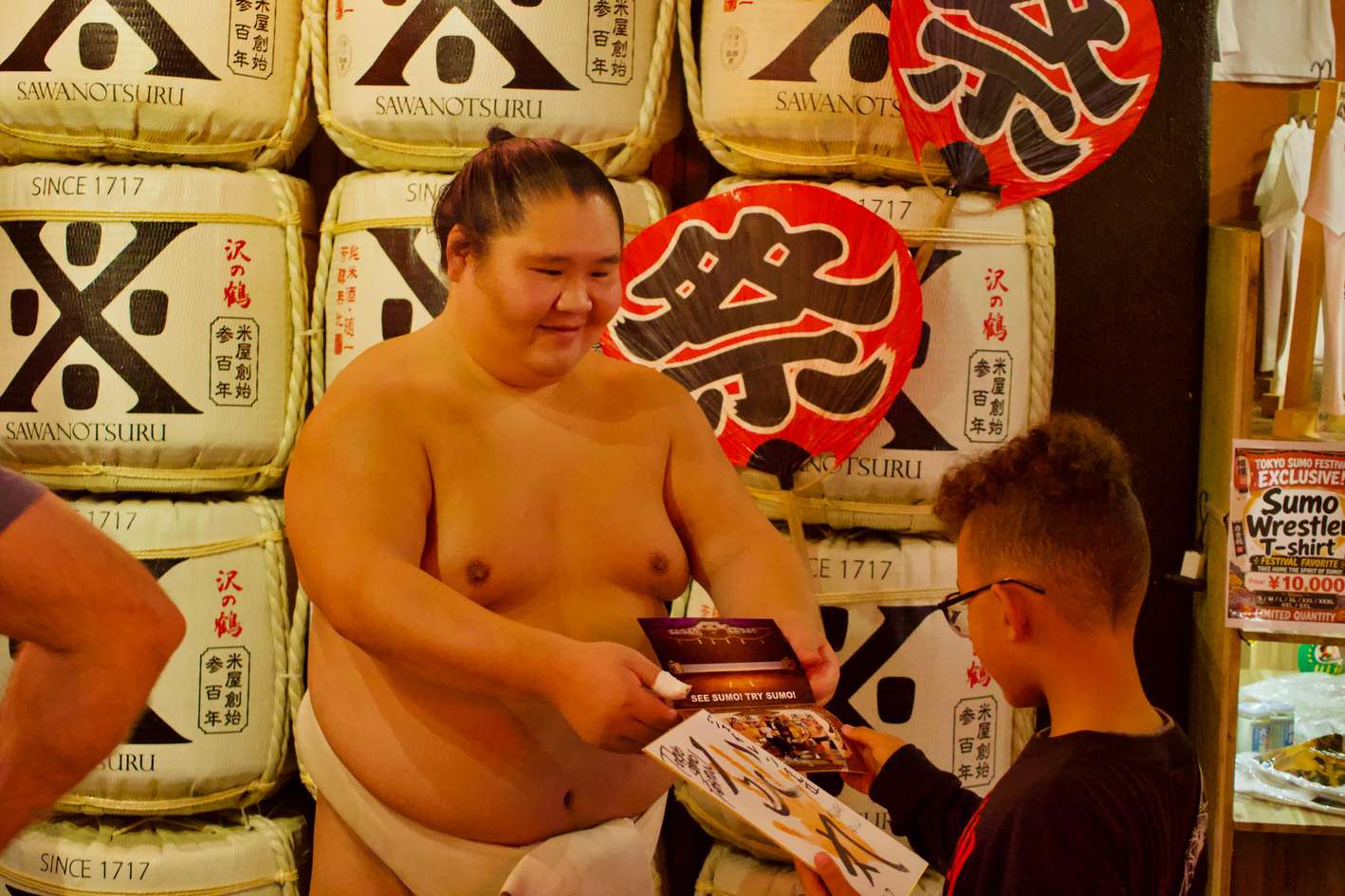
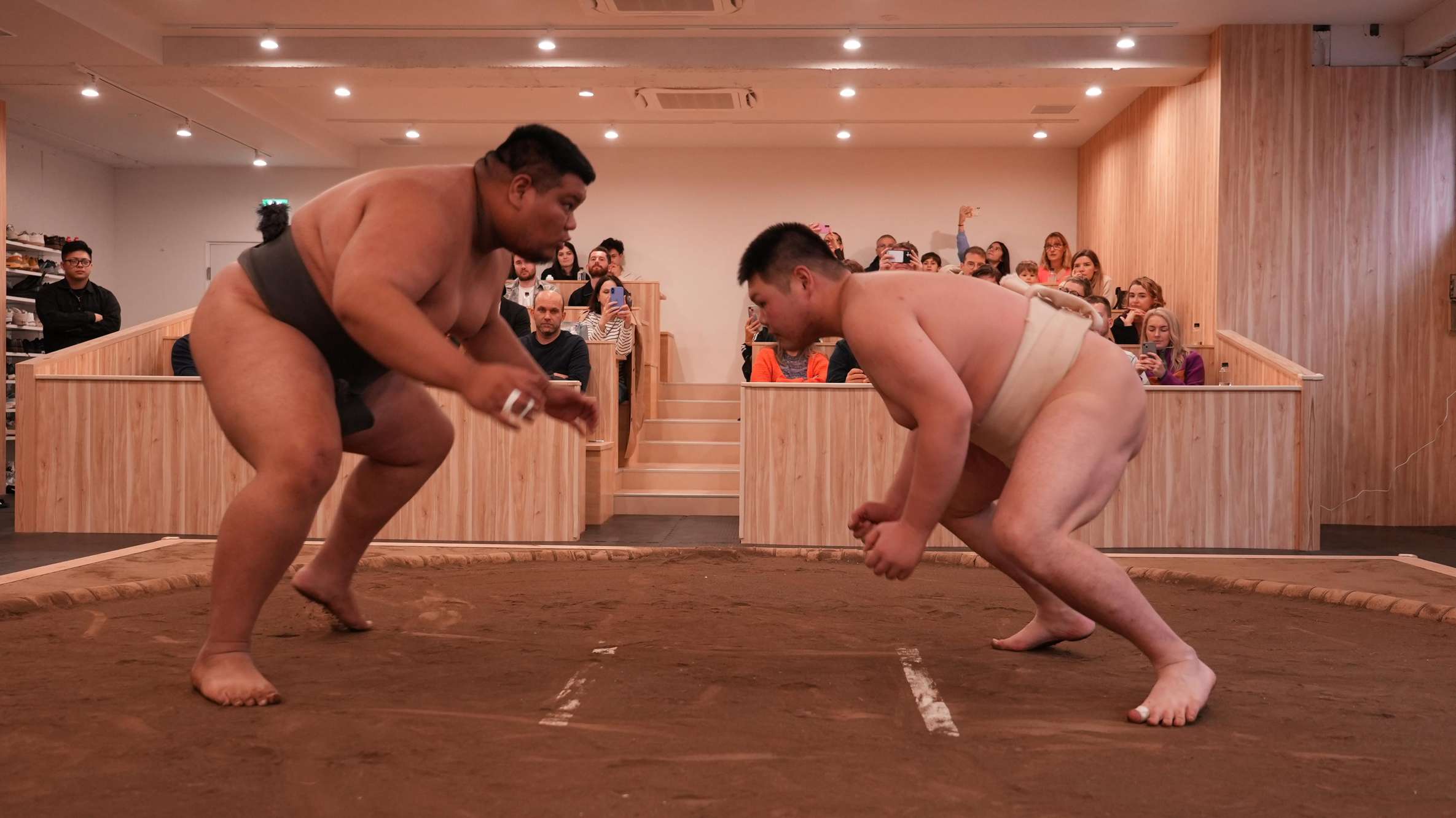
Book a sumo experience that puts you in the story. Watch retired pros throw salt and spar on a real dohyo, hear an English-speaking MC explain the rituals, then try the ring challenge yourself. Thousands of travelers call it a highlight of their Japan trip, even as complete beginners. Pick your show and book your seat.
4.6★average rating31,939traveler reviews18 of 19free cancellation64countries travelers came from
Sumo experience classes, tours and other activities - where to start
Four kinds of sumo outing sit side by side in Japan: a live show where retired wrestlers perform and pull guests into the ring, a guided walk through the sport's history, a meal-and-show evening, and an open-air show with Mt Fuji behind the ring. The choice comes down to how much you want to watch and how much you want to take part.
ShowsThese are entertainment shows performed by retired wrestlers, and every one of them says so plainly; the wrestling is a demonstration, not a ranked tournament bout.
Ring spotsThe chance to challenge a wrestler is limited to a handful of guests per show, chosen by lottery when too many apply, so treat it as a bonus rather than a promise.
TimingArrive 15 to 20 minutes before the start; the Shinjuku show follows a fixed schedule and the front desk may refuse late entry.
KidsThe Shinjuku and Shibuya shows take children 12 and under, infants sit on laps at Shibuya, and the Ginza hands-on plan is not for children under 5, pregnant guests or anyone with a serious medical condition.
AccessThe Shibuya show is not suitable for wheelchair users, the Asakusa venue has limited wheelchair-accessible seating that you must request when booking, and the Mt Fuji show moves indoors to a covered third-floor space when it rains.
DietVegetarian and vegan meals are available at the hot pot shows if you request them at least two days ahead, and gluten-free or halal meals are not provided, though you may bring your own food.
WeatherThe Mt Fuji show runs in rain or shine, and if a typhoon is forecast you get a free date change or a full refund.
SeasonTokyo stables close to visitors when wrestlers are away at tournaments in other cities, so whole months offer no morning practice; shows run year-round regardless.
sell-outSumo shows in Tokyo and Osaka are busiest in April, May and October, and some Tokyo experiences are likely to sell out in those peak months.
Book early if your trip falls in a busy period. Quieter months like February, December and January leave more room, and the Osaka venue keeps online sales open until 3 pm on the day when seats remain.
Which sumo experience classes and tours to book, plus other activities
Cheapest ring challenge
1.5 hours
4.8(837)
Kyoto: Participative Sumo Experience, Traditional Meal, Pic
The lowest starting price of the four, and the only one that guarantees every guest who wants to can step into the ring with a wrestler.
Free cancellationSumo showLive MC with English explanations
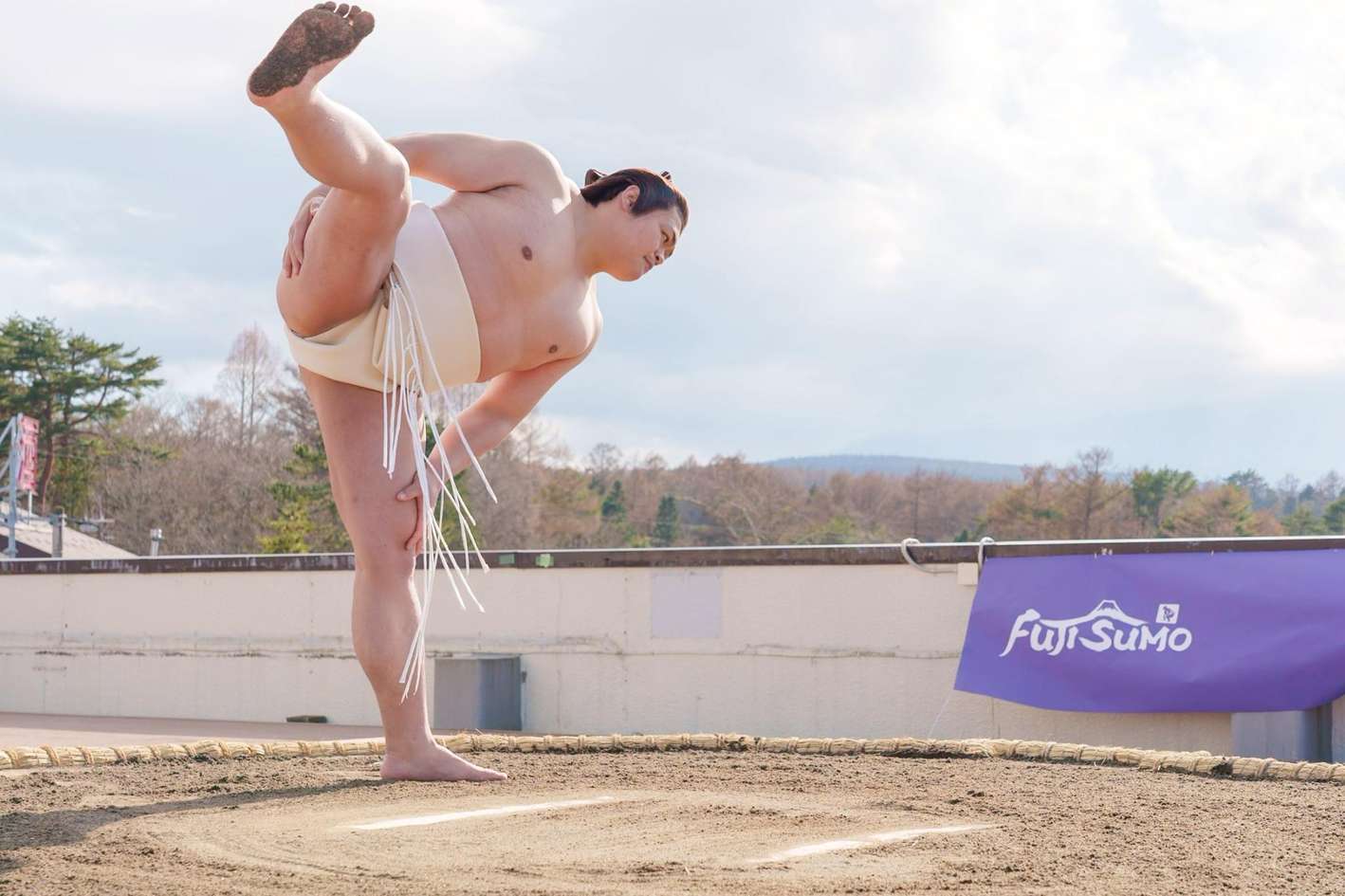
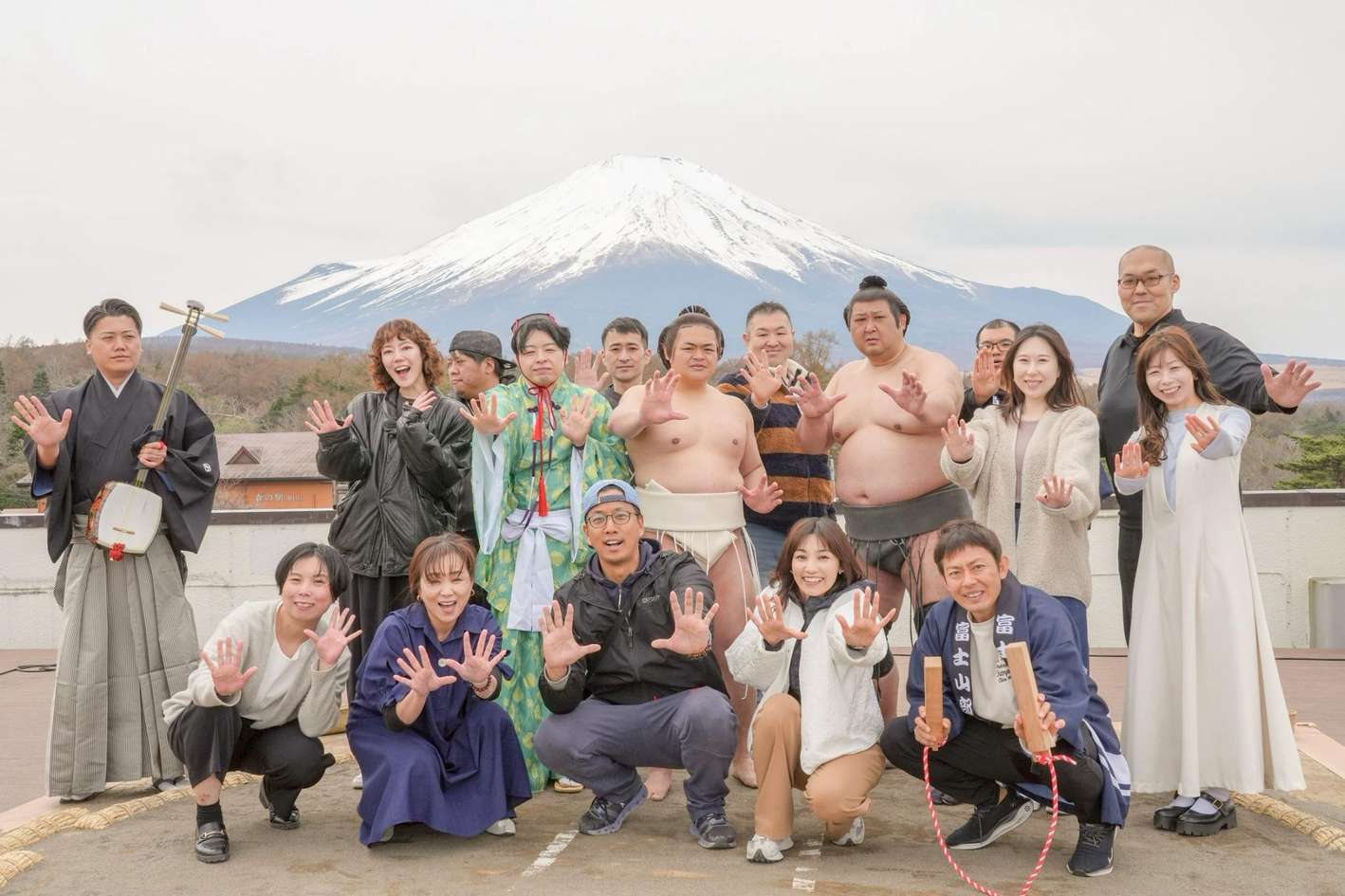
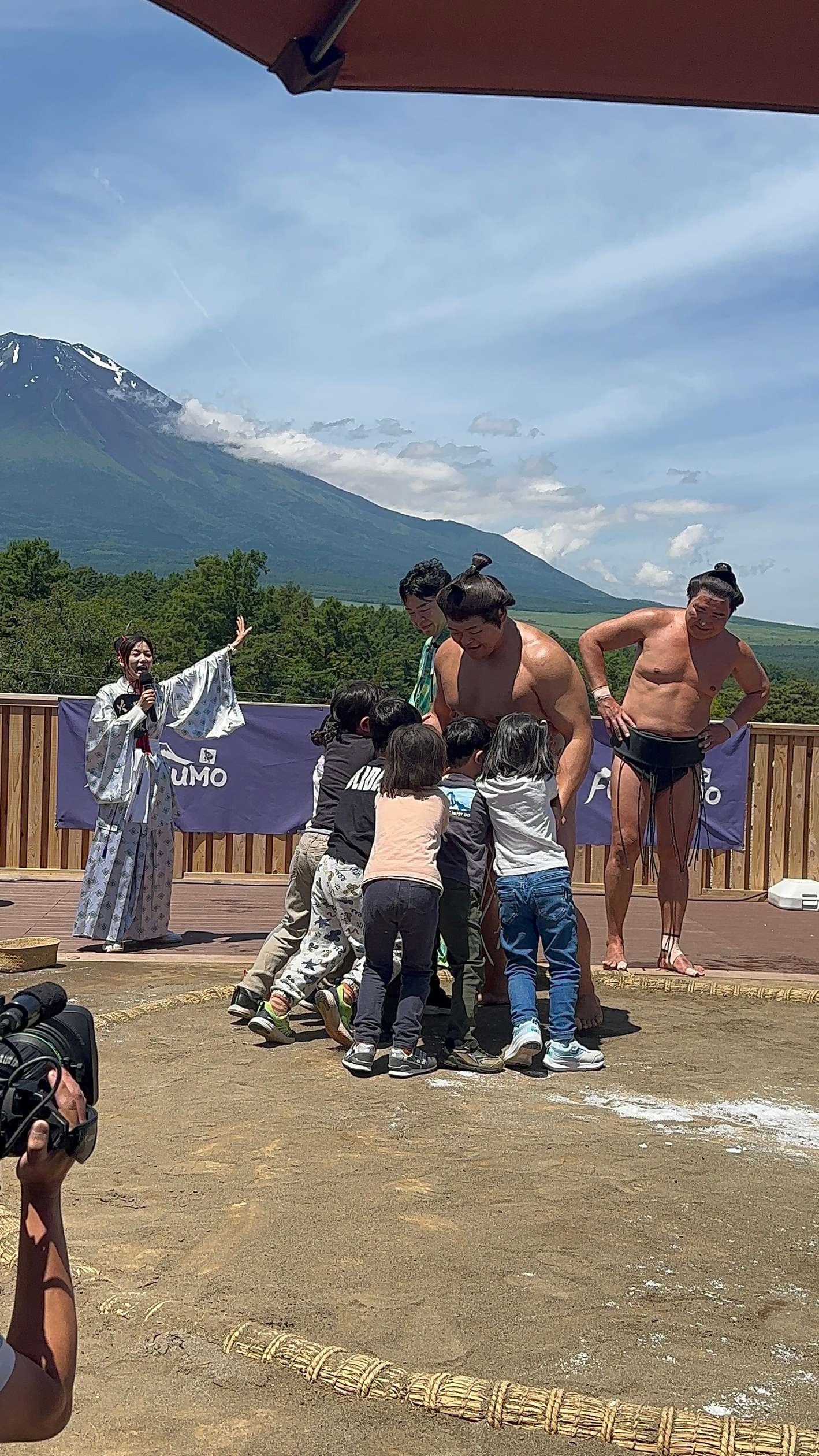
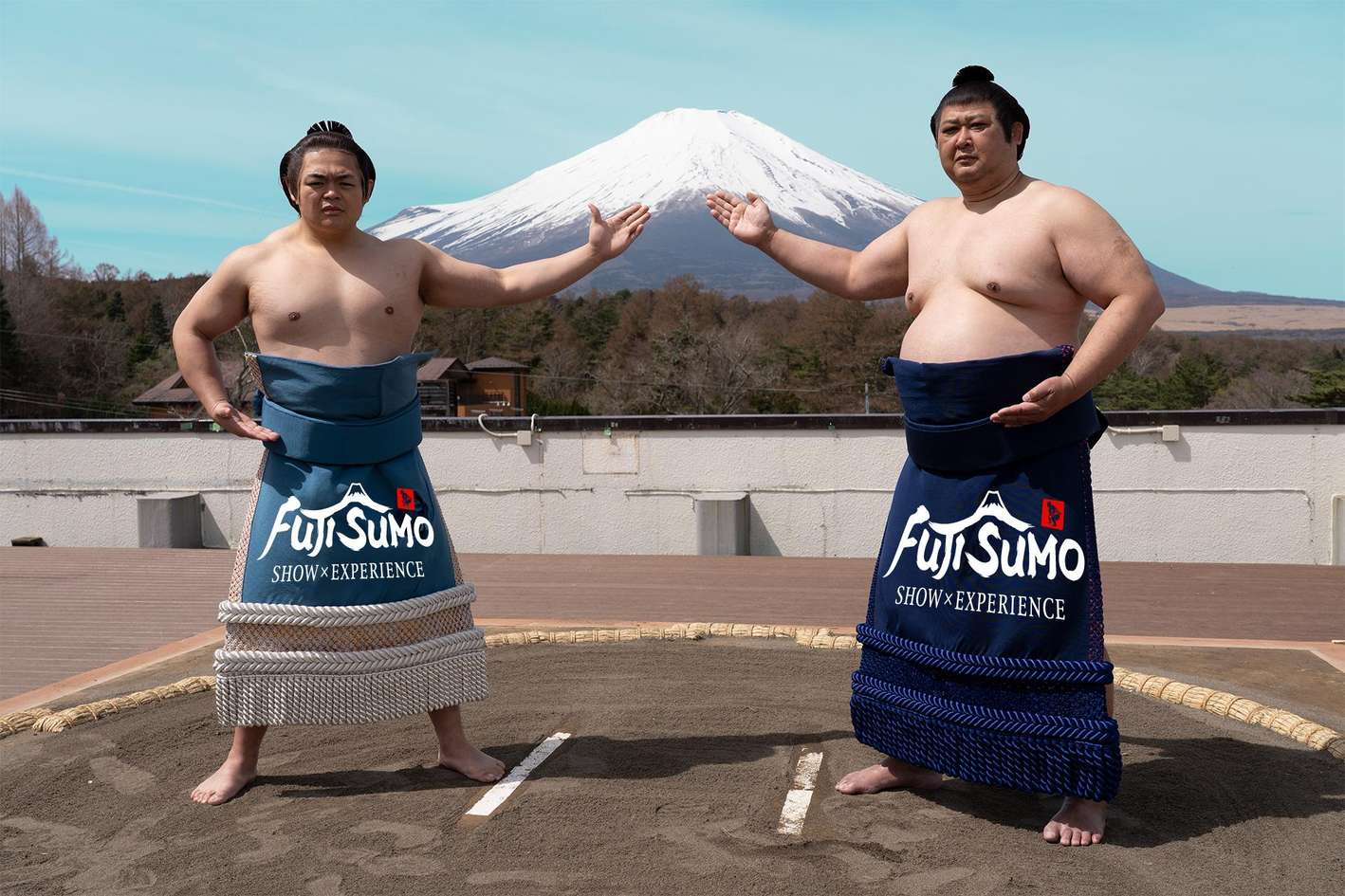
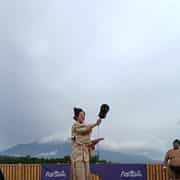
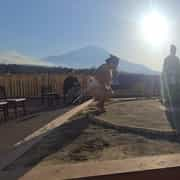
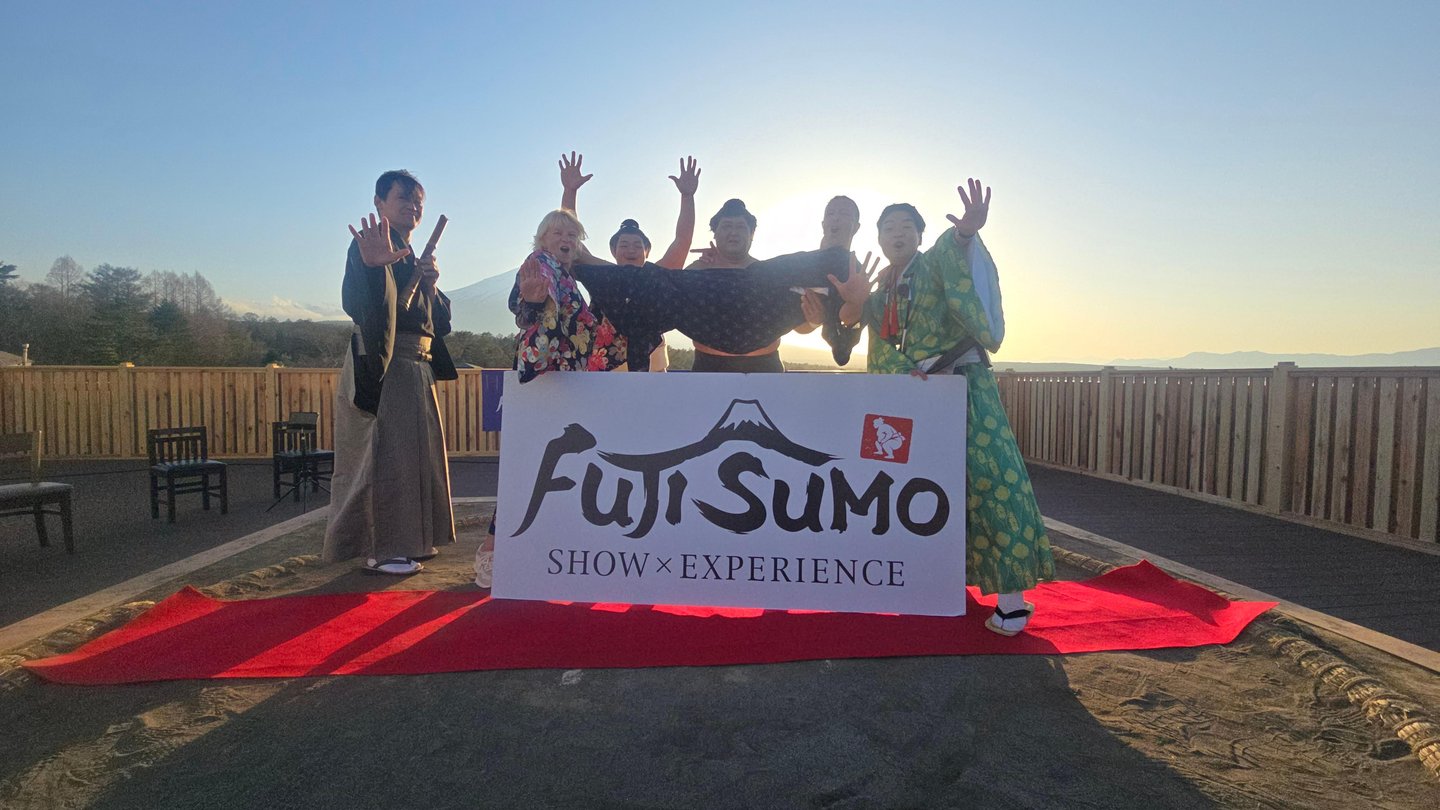
At Lake Yamanaka, a live sumo show runs with Mt Fuji visible behind the ring, in an outdoor venue that seats about 80 people per sitting. You watch rituals and matches, and selected guests can step in for the sumo challenge.
General admission includes a group photo, while VIP seats add a private photo with a wrestler and a souvenir. It suits families and anyone pairing sumo with a Fuji day trip.
If you want to learn and take part rather than only watch, several shows put you in the ring.
The Ginza show has an optional hands-on training plan with shiko foot stomps and drills led by a former professional, while the Shinjuku, Shibuya, Osaka and Kyoto shows all run audience challenges, usually chosen by lottery. The hands-on plan in Ginza is not suitable for children under 5 or pregnant guests.
Morning practice at a real stable is the quiet, unfiltered side of sumo. Guided visits meet at Ryogoku Station at 7:45 am and watch training from 8 am for 90 to 120 minutes, sitting silently on the floor with no talking, no flash photos and no moving around.
One tour adds a journalist guide who answers your questions afterwards. It suits travelers who can sit still and start early.
For a slower, deeper look at the sport, a three-hour Tokyo class walks you through sumo's 1,500-year spiritual history and the Ryogoku sumo district, then sits you down to an authentic chanko nabe hot pot lunch, the dish wrestlers eat.
There are no ultra-early wakeups, and the pace is relaxed. It suits visitors who want context and food along with their sumo, not just a match.
Sumo classes and other activities - A morning at the stable
Morning practice at a real sumo stable is the closest most visitors get to the sport as the wrestlers live it. A guided visit starts at Ryogoku Station, two stops from Akihabara, where your English-speaking guide runs through stable etiquette before the short walk.
Inside the stable you sit on the tatami and watch 90 to 120 minutes of training, from warm-up drills to full-intensity sparring.
The rules are strict: no talking, no moving, no flash photos, no eating or drinking. Save your questions for the end, when the guide can translate and the wrestlers may chat and take photos with visitors.
Places you'll pass
両国駅 · Takasago-beya Sumo Stable · 両国HANAWAビル · Ryōgoku Edo NOREN · Ryogoku Kokugikan · Ryogoku · Local restaurant · Tokyo · Shinjuku
Included
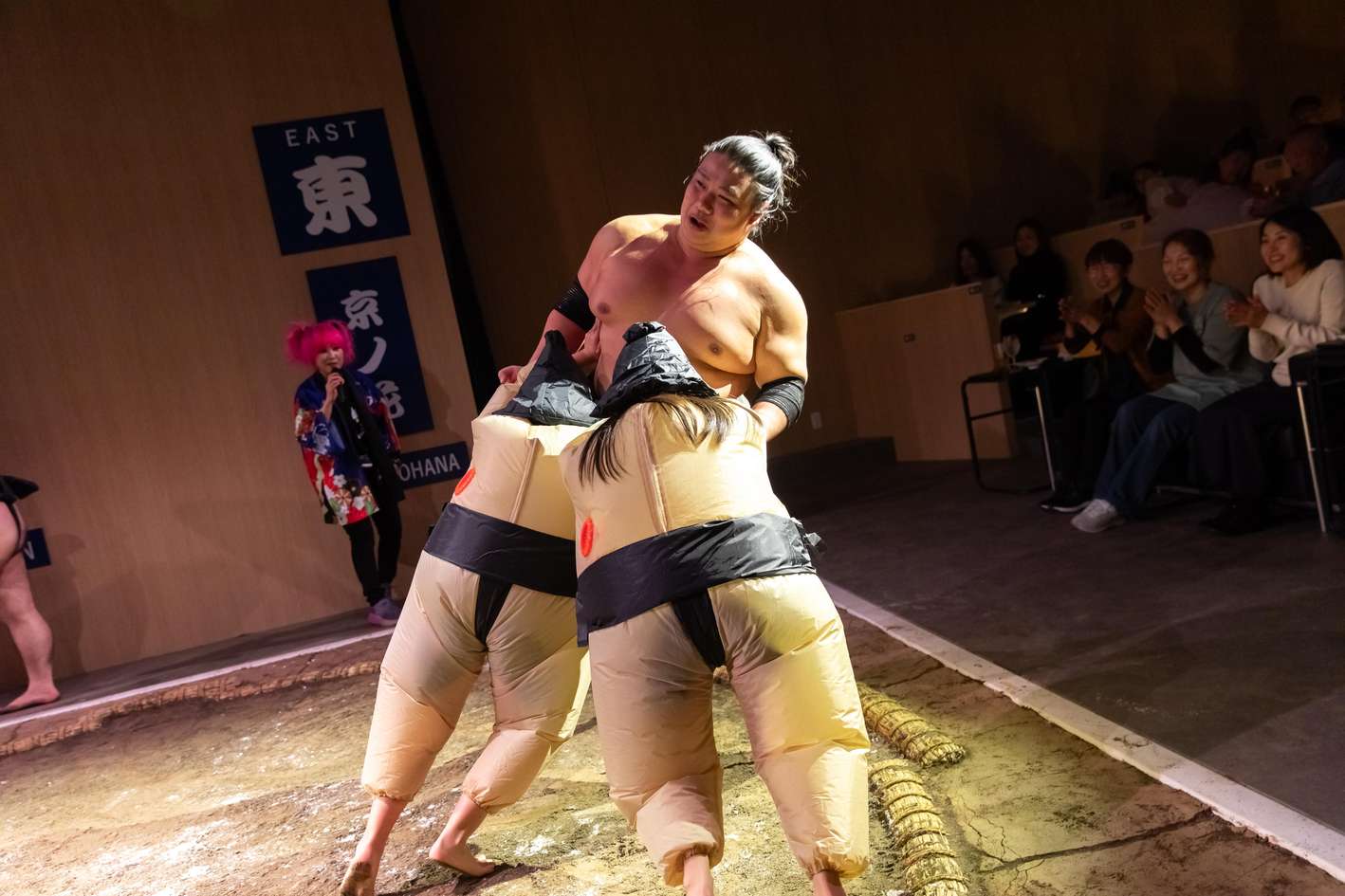
Professional sumo wrestling demonstrationHistory and Background information about SumoEnglish speaking MCWelcome drink (Bottled water)Opportunity to challenge a sumo wrestler (Limited participants; lottery if too many apply)
How the sumo classes, tours and other activities stack up
Green marks the lowest price. Each price says whether it is per person or per group.
Tour
Price
Duration
Languages
Best for
Our pick
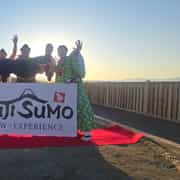
Tokyo: Shinjuku Sumo Show & Experience with a Photo
4.9★ (9,863)
from $49per person
1.5 hours
English
first-timers who want a short show with a ring challenge
How to book your sumo experience - classes, tours and other activities
01
Pick your date and city
Decide first whether you want Tokyo, Osaka or Kyoto, then open the calendar for your dates. Shows run daily at most Tokyo venues, and evening slots go first in the busy April, May and October season, so book those weeks early.
Pro tipFebruary, December and January are the quiet months, so last-minute seats are easier to find then; in peak season, lock in your evening slot as soon as your flights are set.
Common mistakeFirst-timers wait until they arrive in Japan to book. Availability can vanish when you try to rebook closer to your trip date, especially for popular evening sessions.
02
Choose the right option
Read what each option changes before you tap it: seating tier, meal, duration and whether the hands-on training plan is separate. At the Ginza show, for example, the main event is the live show and the training experience is a separate selectable plan.
Pro tipA meal-included seat keeps the long talking sections of the show entertaining, so the two-hour formats with chanko nabe or a bento often pace better than the shorter show-only ones.
ImportantThe Ginza hands-on plan is unsuitable for children under 5, pregnant guests and anyone with a serious medical condition. Check the age and health notes on your chosen option before booking it for your group.
03
Book and watch for messages
Pay online and you get instant confirmation by email. Most of these tours let you cancel up to 24 hours in advance for a full refund, so an early booking stays flexible while the rest of your itinerary settles.
Pro tipBook any special meal at least two days ahead. Vegetarian and vegan menus exist at several venues, and gluten-free is limited, so requests made at the door usually come too late.
ImportantSame-day cancellations get no refund, though you may be able to move to another time slot if one is open. Set a reminder for the 24-hour cutoff.
04
Sort access needs and the meeting point
Check the voucher for the exact address and entrance. Some venues are picky about where you enter: at the Shinjuku show you come in through the front door facing the main entrance next to Daiso. Private Tokyo tours include hotel pickup, so the driver's details arrive by message.
ImportantWheelchair-accessible seating is limited at several venues and must be requested when you reserve, so mention it in the booking notes the moment you pay.
RecommendedScreenshot the meeting instructions before you leave your hotel. Venues sit in basements and arcades where phone signal can drop right when you need the map.
05
Arrive early on the day
Get there 15 to 20 minutes before the printed start time to check in calmly and settle your seat. Several venues only admit guests before the show begins, and the Shinjuku front desk may turn away late arrivals because the schedule cannot stretch.
RecommendedCome hungry if your option includes food, and put your phone on silent before the bouts start. The sumo challenge is decided by lottery at the start, so being seated on time keeps you in the draw.
Common mistakeTurning up at the printed time. Latecomers can miss the pre-show explanations, the challenge lottery, or in the worst case the whole first section of the show.
What to know before you book - sumo classes, tours and other activities
Can stop the dayGood to knowGood news
01
ChoosingWhat it is, who it suits, when to go
4
Taking part
Most shows end with a Sumo Challenge where a few guests step into the ring, and joining is always your choice. Spots are limited, so venues pick challengers by lottery when too many apply. The Ginza show also sells a separate hands-on training option you can add.
Group size
These are small-room events where you sit close to the ring, and you may be seated alongside other guests. Some venues offer front-row or VIP seating if you want a guaranteed view. Box seats at the Ryogoku experience hold up to six people, including a child on a lap.
Included
What you get depends on the booking, so read the details before you pay. A typical show includes the performance, an English-speaking MC, a welcome drink and photos with the wrestlers. Meal-included seats add chanko nabe hot pot, bento or a full Japanese set meal; some shows also throw in a geisha dance and a souvenir.
What it is
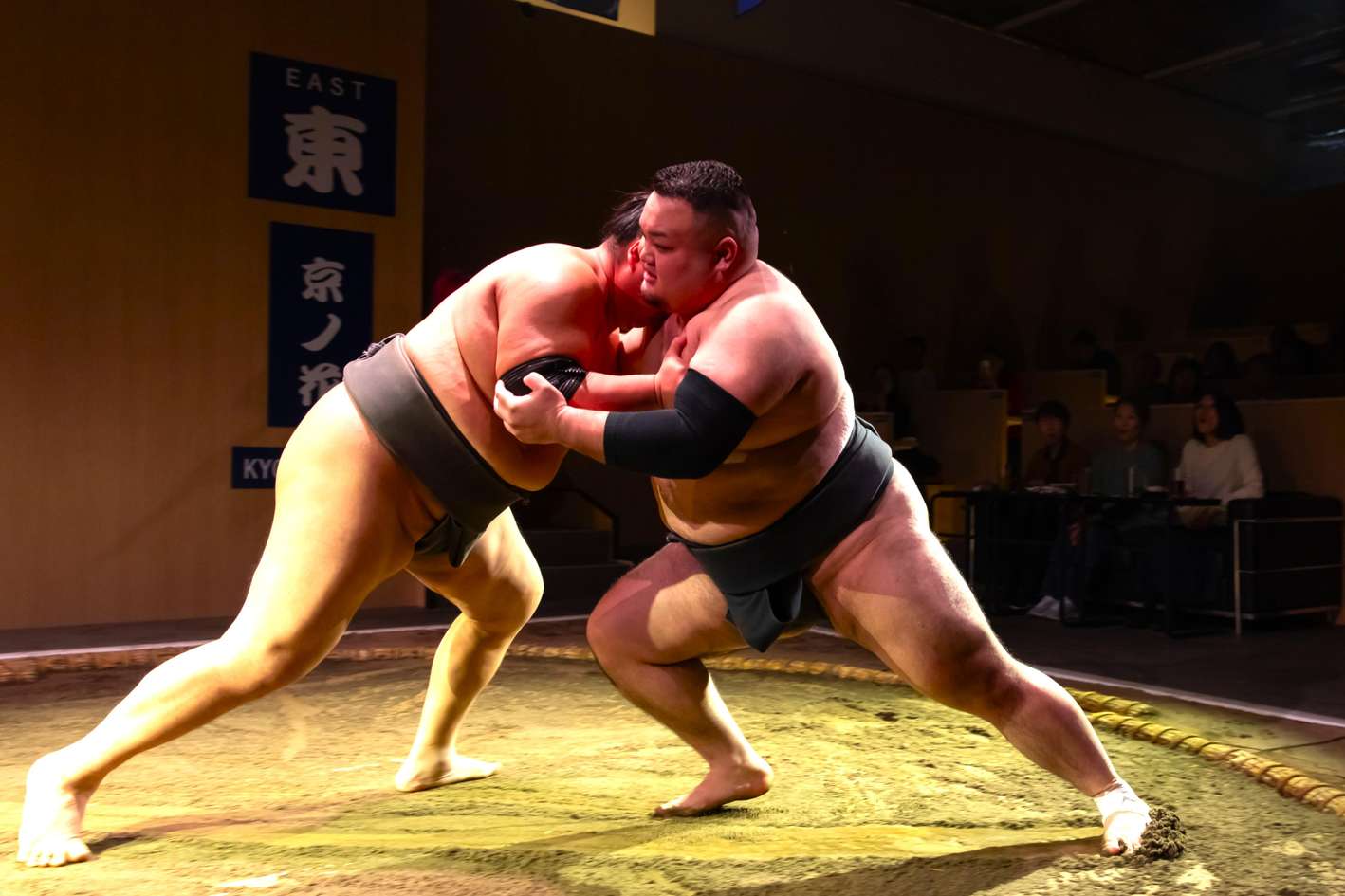
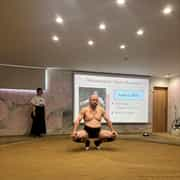
These are entertainment shows built around retired professional wrestlers, with choreographed matches and plenty of explanation between bouts. The actual wrestling usually fills the last 15 to 30 minutes. If you want real competition, a grand tournament is the thing to book instead.
02
BookingHow far ahead, and what happens if plans change
2
Booking ahead
Book a few days out at minimum. Kyoto's shows fill up and recommend advance booking, though same-day spots with instant confirmation have been possible when checked. Guided stable practice tours sell out faster and need more lead time.
Cancellation
Most of these tours can be cancelled up to 24 hours in advance for a full refund. Cancel inside that window and there is no refund, though you may be able to move to another time slot or day if one is open. Free cancellation up to a day ahead takes the pressure off planning.
03
Before you goPapers, health, what to bring
2
Venue rules
Several venues are cashless, so bring a card for anything you buy on site. The Shinjuku show follows a strict schedule and the front desk may refuse late entry. At the Kyoto show you can film, but live streaming and posting the whole show online are not permitted.
Health and ageCan stop the day
The Ginza show's hands-on training option is unsuitable for children under 5, pregnant guests and anyone with a serious medical condition. The Shibuya show cannot take wheelchair users, and the Asakusa venue has limited accessible seating, so mention any needs when you book. Babies under 1 are not admitted at some venues.
04
On the dayWhere to be, when, and how you get there
2
Meeting
None of the shows include hotel pickup, so you make your own way to the venue. Most sit in central districts a short walk from a train station, and your confirmation names the exact door. At the Shinjuku show, entry is only through the front door next to Daiso.
Timing
Arrive 15 to 20 minutes before the printed start time to check in and settle into your seat. Shows run about 1.5 to 2 hours, and some venues start noticeably later than the ticket says or finish slightly over. Arriving right on the dot risks a rushed seat search.
05
During the tourWhat is expected of you
1
Photos
Photography is welcome at the shows, and a commemorative picture with the wrestlers is part of most bookings. Skip the flash during bouts, since it startles the wrestlers. On a stable practice visit you can shoot as long as it stays out of the wrestlers' way.
A guide to sumo experience classes and other activities in Japan
Sumo runs all year in Japan, but the six grand tournaments do not, so most visitors choose between shows, stable visits and hands-on classes. The right pick depends on who you are, and the best slots go first.
Tokyo· 35.70° N, 139.80° E
If you only remember three things
1
Book evening sumo shows first: those slots sell out before any other time of day.
2
Arrive 15 to 20 minutes before the printed time, or you can lose your seat or the challenge lottery.
3
Tokyo stables close to visitors in tournament months, so plan practice visits between the basho.
Sumo classes, shows and other activities worth your evening
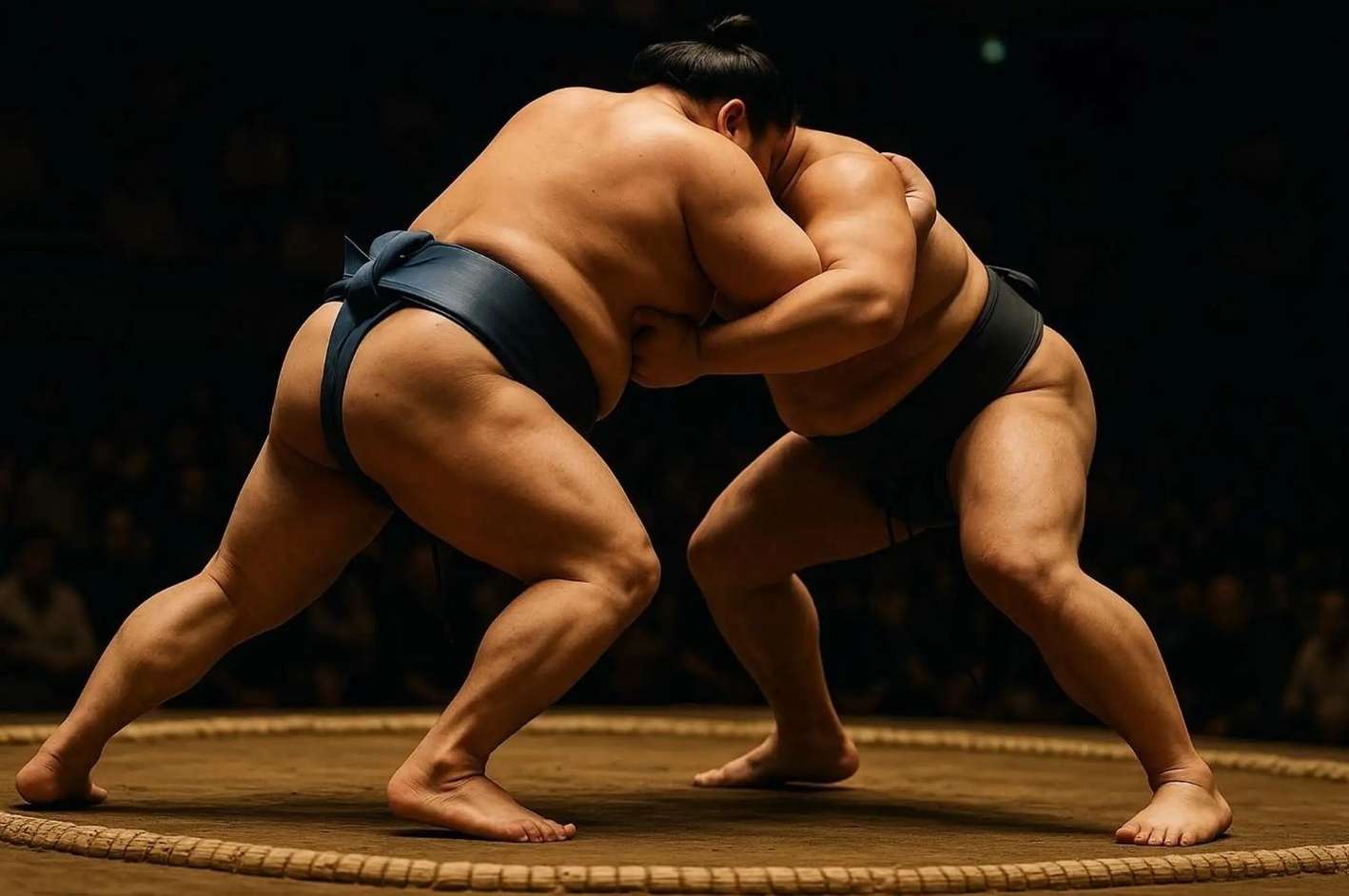
The salt hits the clay ring with a slap you feel in your chest, and a wrestler the size of a doorway lifts one leg high and brings it down. That sound, the shiko stomp, is the moment people who booked a sumo show on a whim stop checking their phones.
Many visitors call the sumo experience a highlight of their Japan trip, even when they arrived knowing nothing about the sport. The honest split, the one repeat travelers keep drawing, runs like this: casual first-timers get more from a dinner show, while die-hard fans should chase morning practice at a real stable instead.
So place yourself on that line before you book anything. If sumo is one evening among many in your itinerary, a show with an English-speaking MC, a hot pot meal and a chance to step into the ring is the friendly introduction.
If you have read ranking charts for fun, the silent two hours inside a stable will mean more to you than any performance.
A traveler's note
Four of us saw this sumo fight in Kyoto and it was incredible! Warm welcome, attentive staff throughout, plus an excellent, perfectly prepared meal. Authentic, memorable atmosphere. Highly recommend!
Which sumo classes, shows and other activities are yours
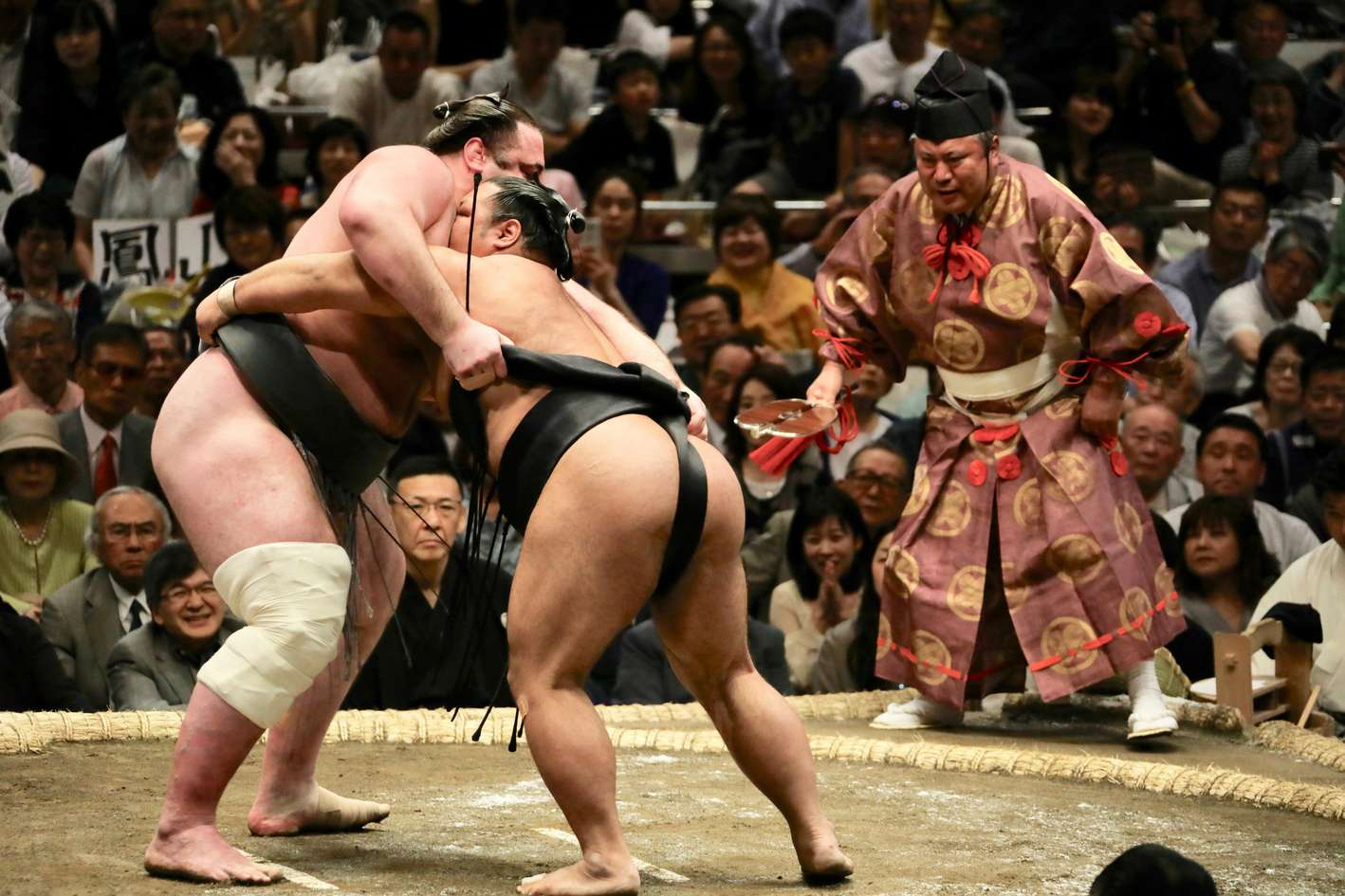
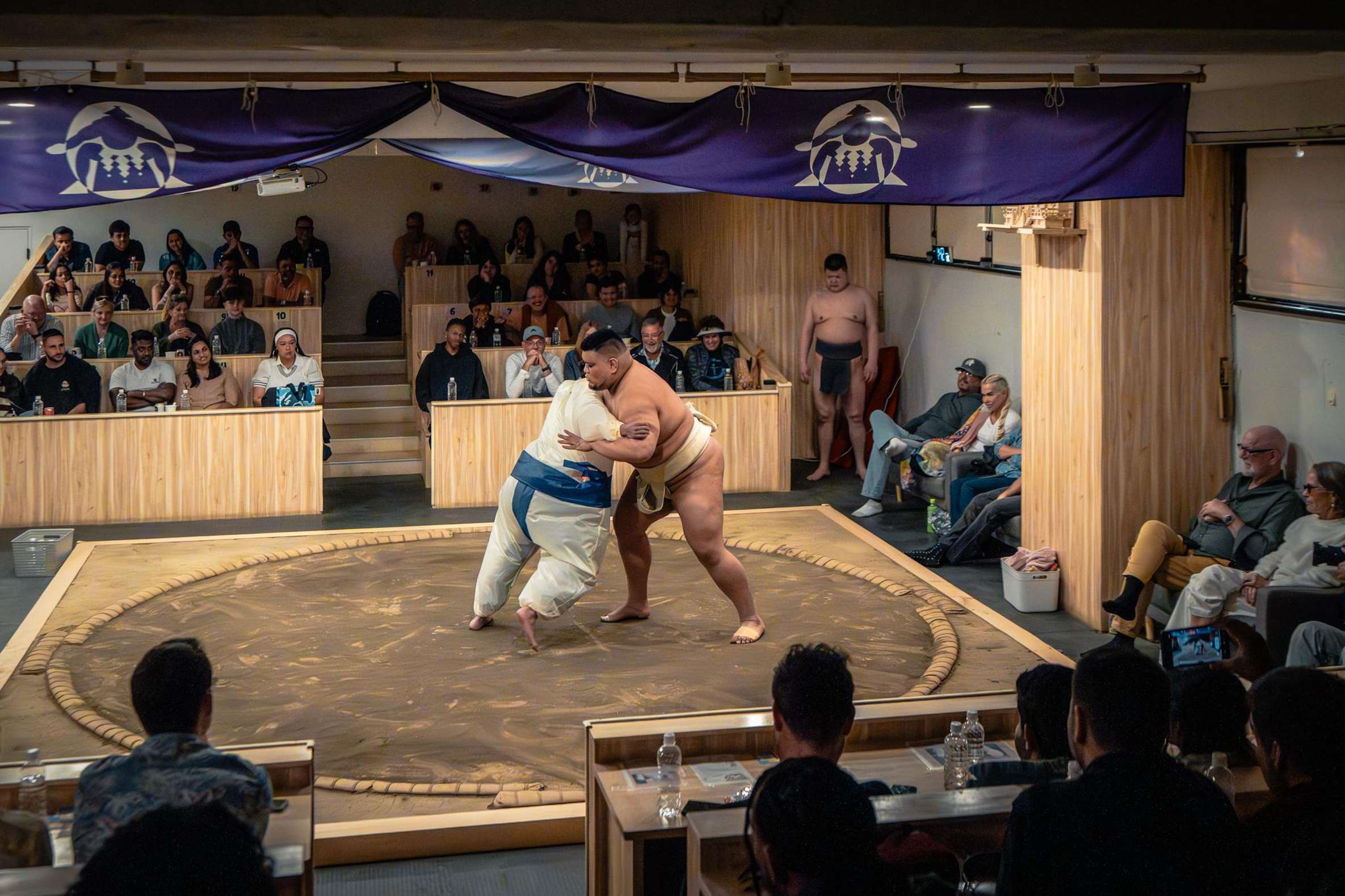
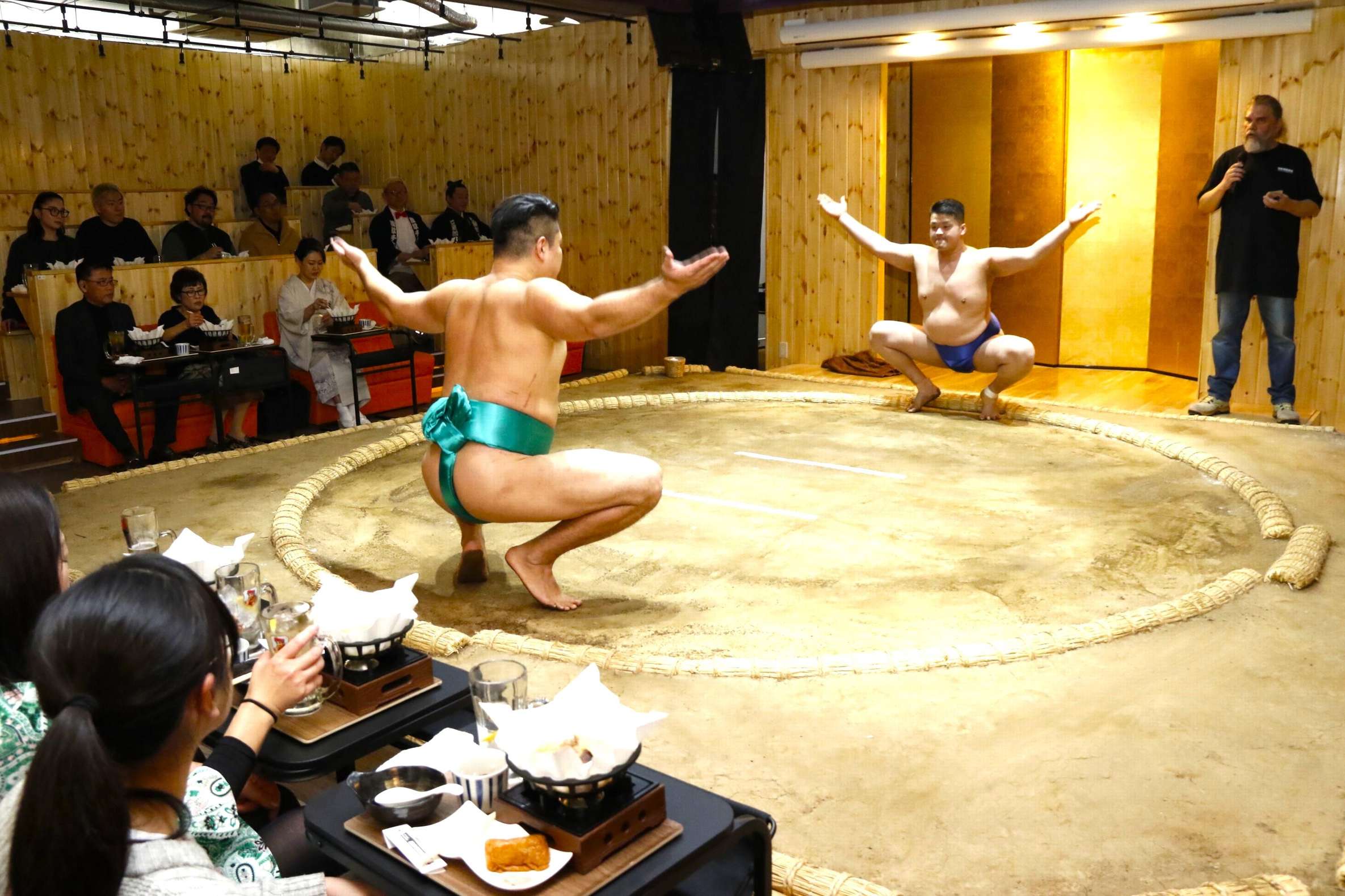
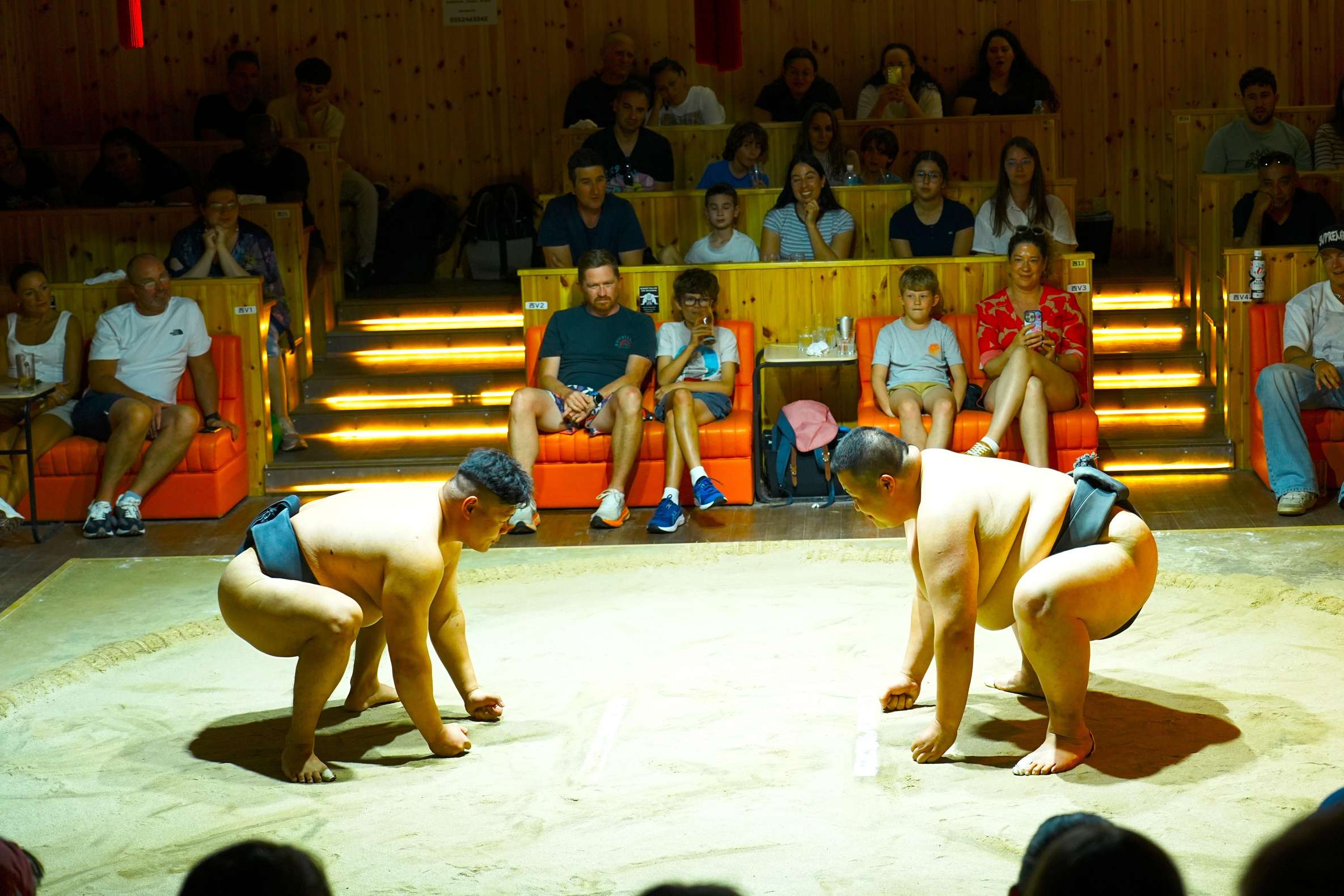
Four formats compete for your evening, and each gives a different day. At a show you watch retired wrestlers perform, hear commentary on rules and rituals, and can join audience participation like warm-ups or a ring challenge.
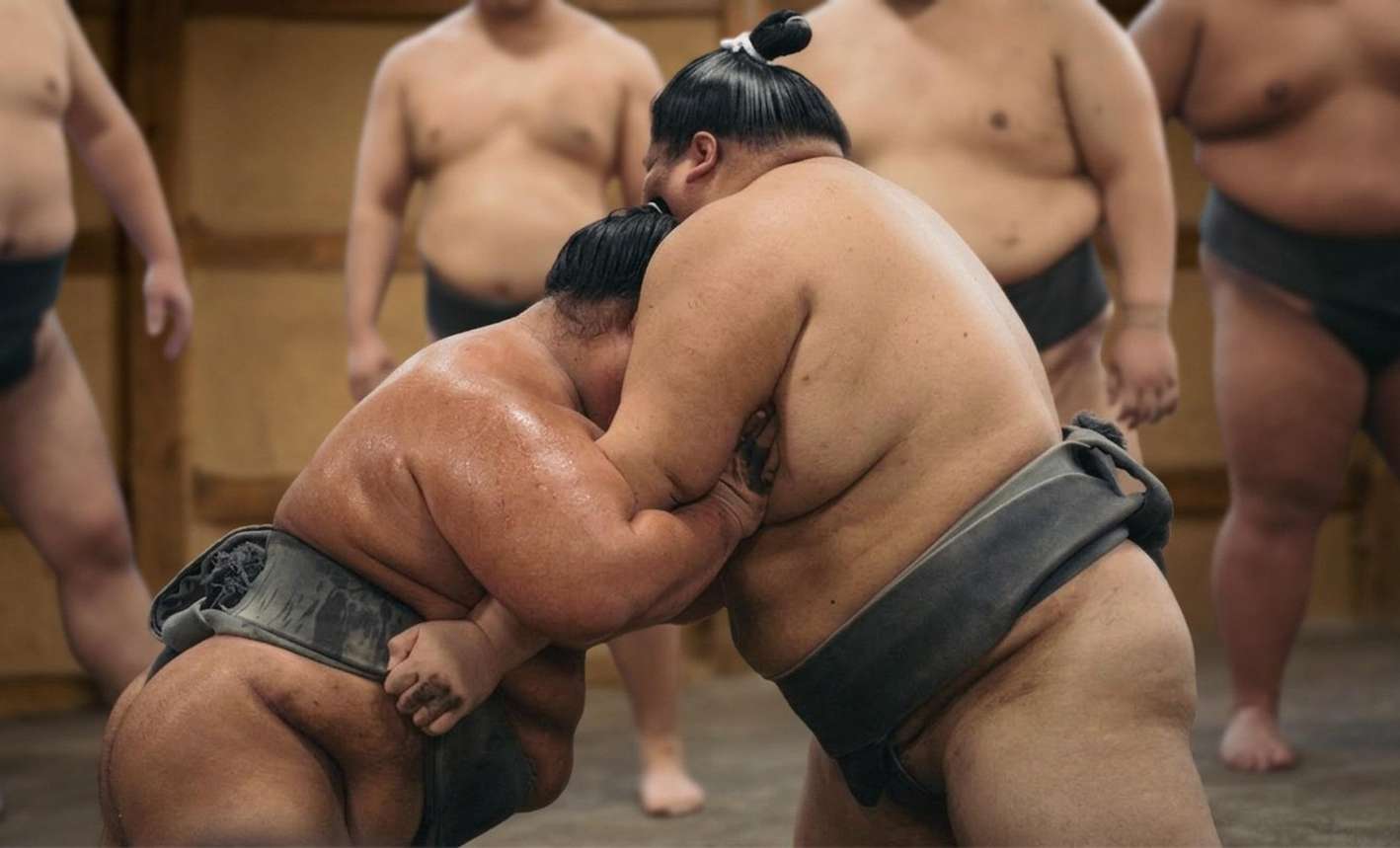
At a stable you sit silent and still while real training unfolds, from warm-up drills to full-intensity bouts. At a tournament the crowd roars, towels fly after upsets, and each short bout carries real stakes. A class puts you on the dohyo yourself, and it is genuinely hard work.
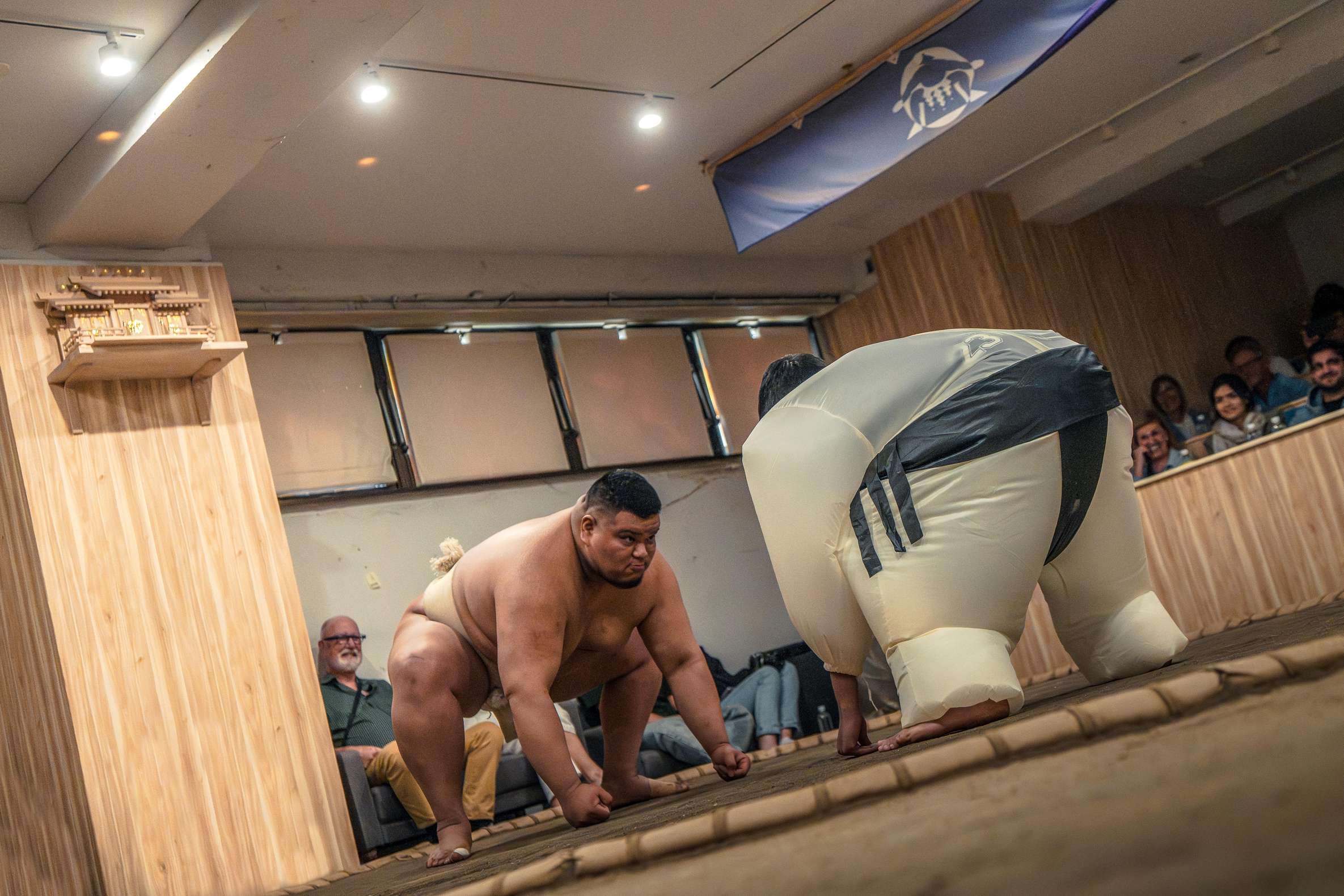
Know what a show is before you buy. The matches are choreographed, the actual wrestling often fills only the last 15 to 30 minutes, and the Shinjuku show says plainly on its own listing that it is not a real tournament.
Exhibition sumo is a real part of sumo culture all the same, and the better shows are performed by former professionals. A show is no substitute for a honbasho, and if a real tournament falls during your trip, experienced travelers say go to the real thing.
Myth vs reality
MythEvery sumo experience sold online is real stable training
Reality
Most are entertainment shows with retired wrestlers, photos and audience participation; genuine stable visits take more digging to find
MythTourist shows are a trap
Reality
The performers are often former pros, and a show is a great introduction before a tournament
MythA show replaces a tournament
Reality
The competitive pressure and ceremony of a honbasho are absent; shows run year-round, tournaments do not
Name your format before you book, and the rest of the decision is easy: the show for a first evening, the stable for the real thing, the tournament if your dates allow.
Tour for this
Osaka: Sumo Experience with Live Show & Audience Challenge4.9★ (2,124) · 1 - 1.5 hours · Free cancellation
Sumo classes, shows and other activities minute by minute
A show runs about two hours and follows the same arc almost everywhere. Check in 15 to 20 minutes early, because several venues only admit guests before the start.
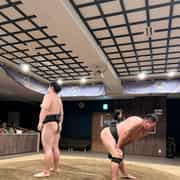
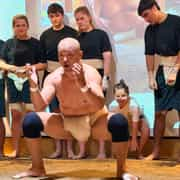
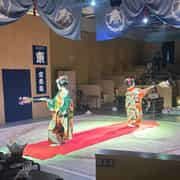
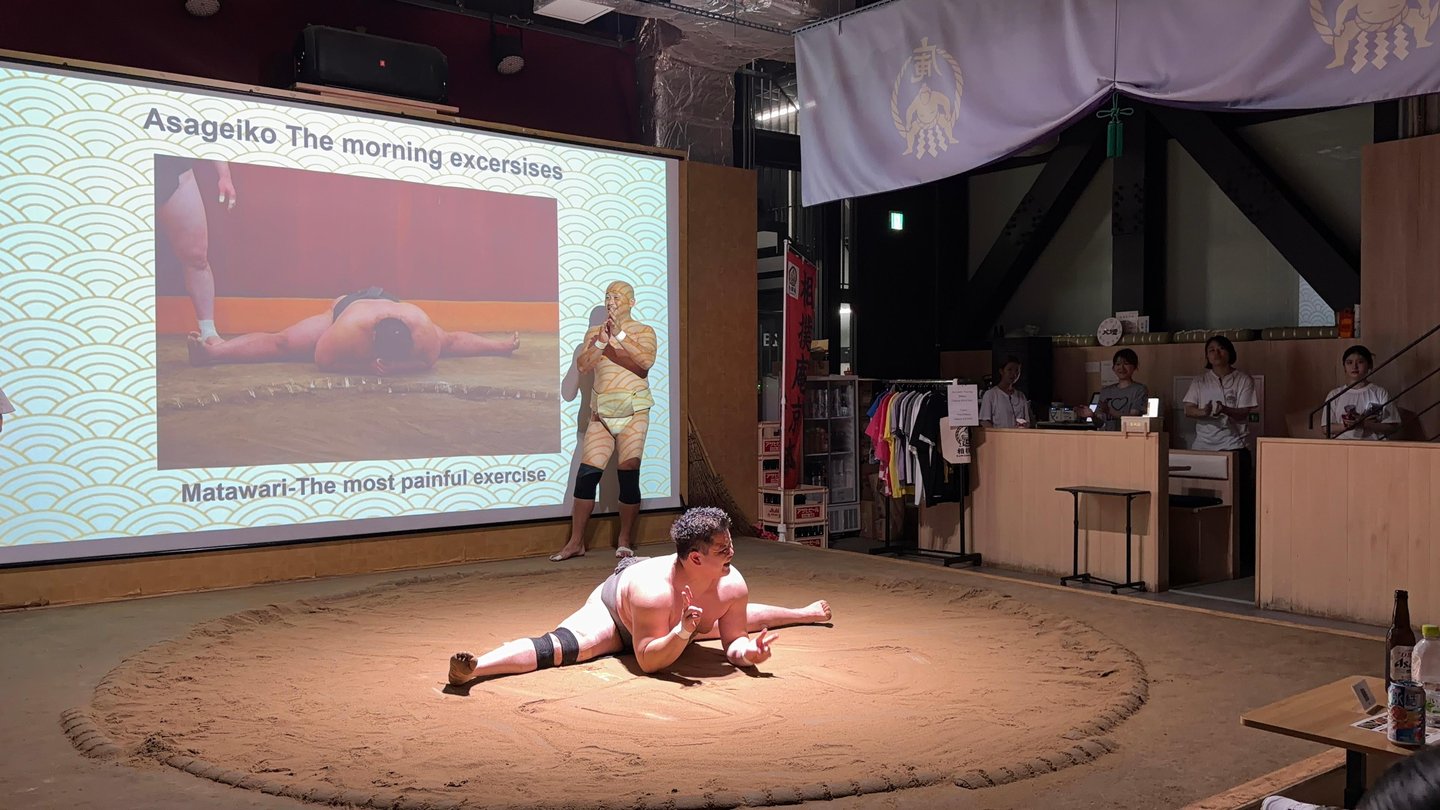
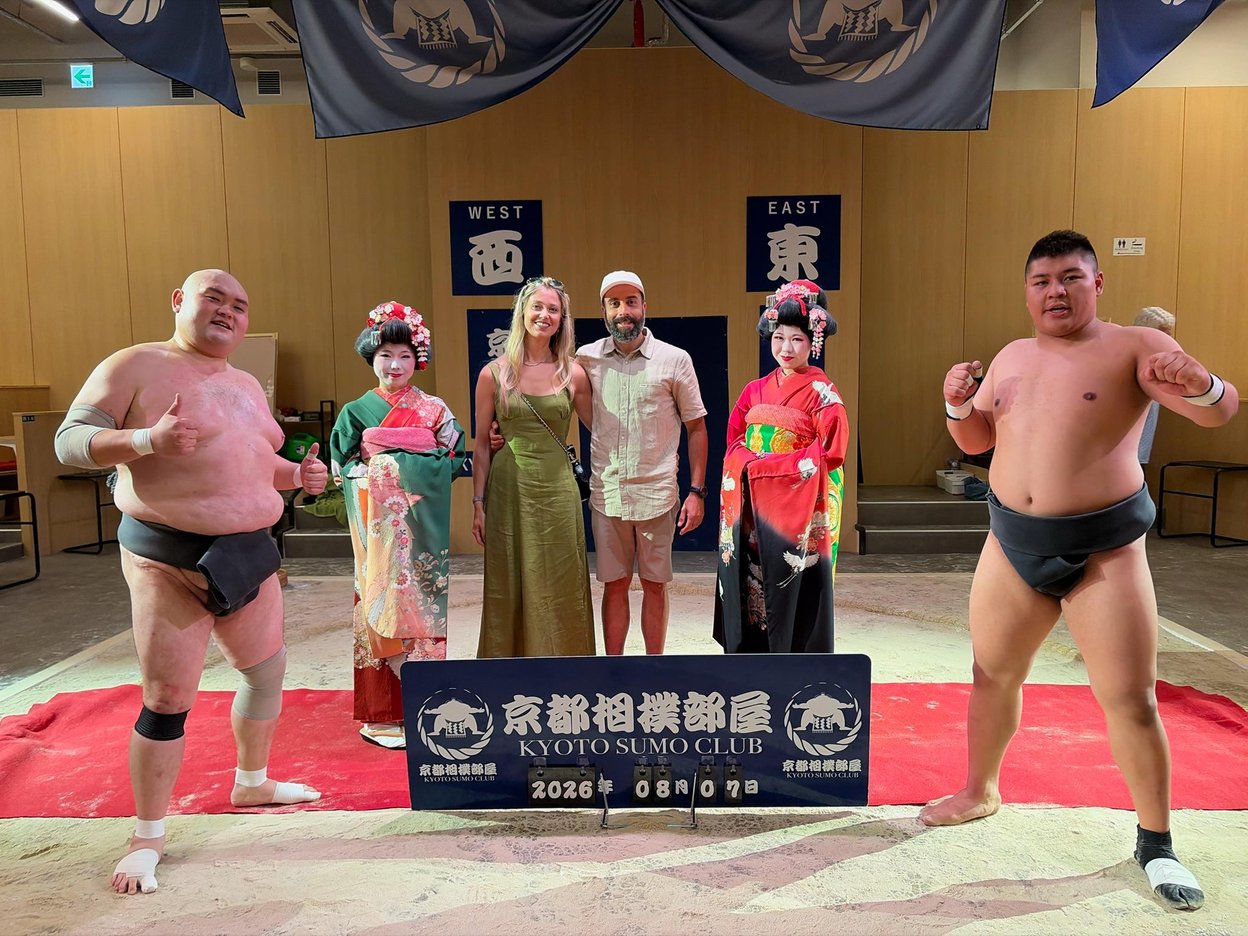
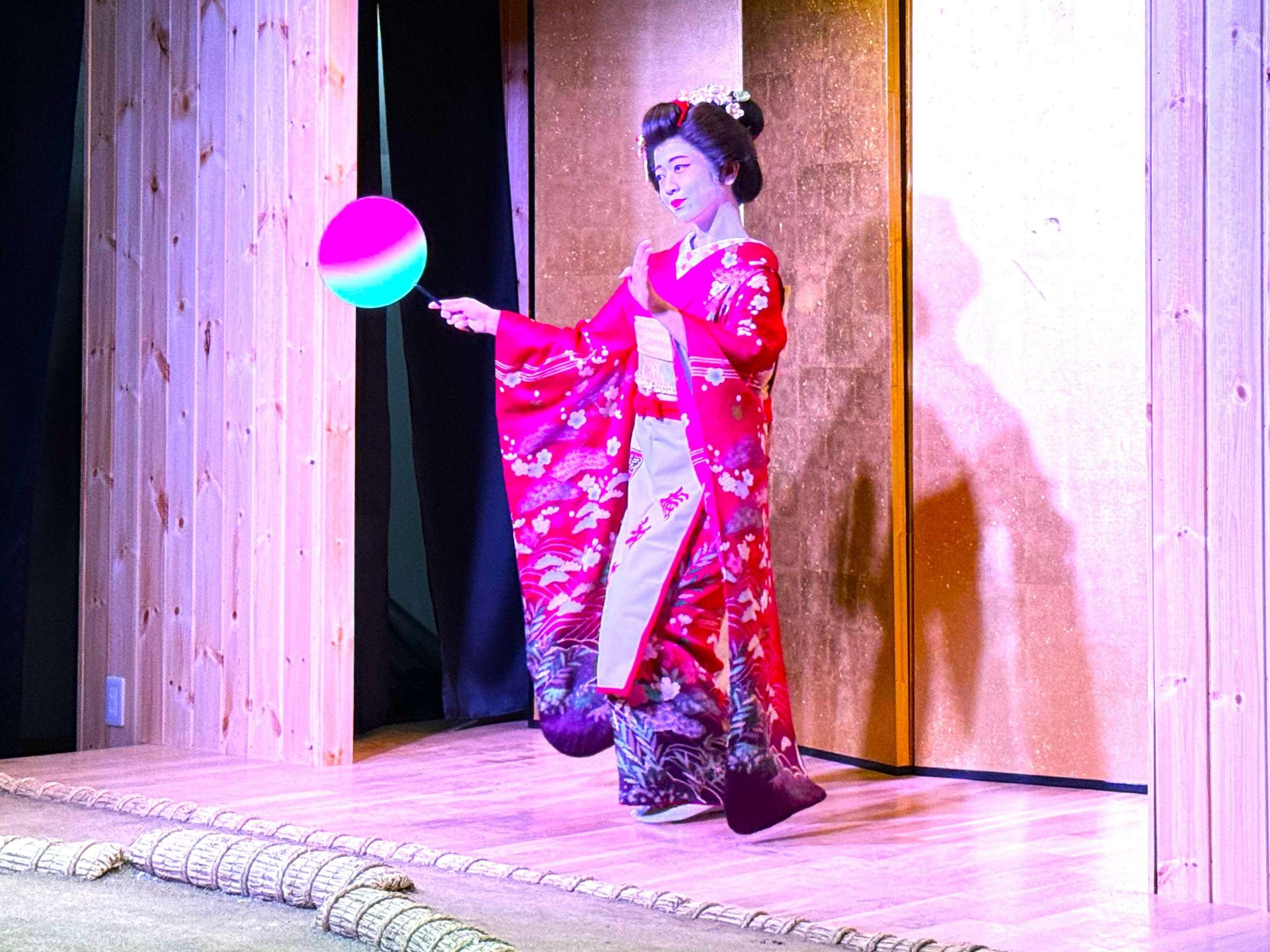
A geisha dance opens the evening at some venues, then an English-speaking MC walks you through sumo's history, the shiko stomp and the salt ritual, which purifies the ring and is thrown as a prayer for safety.
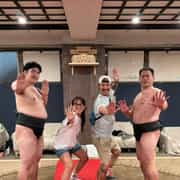
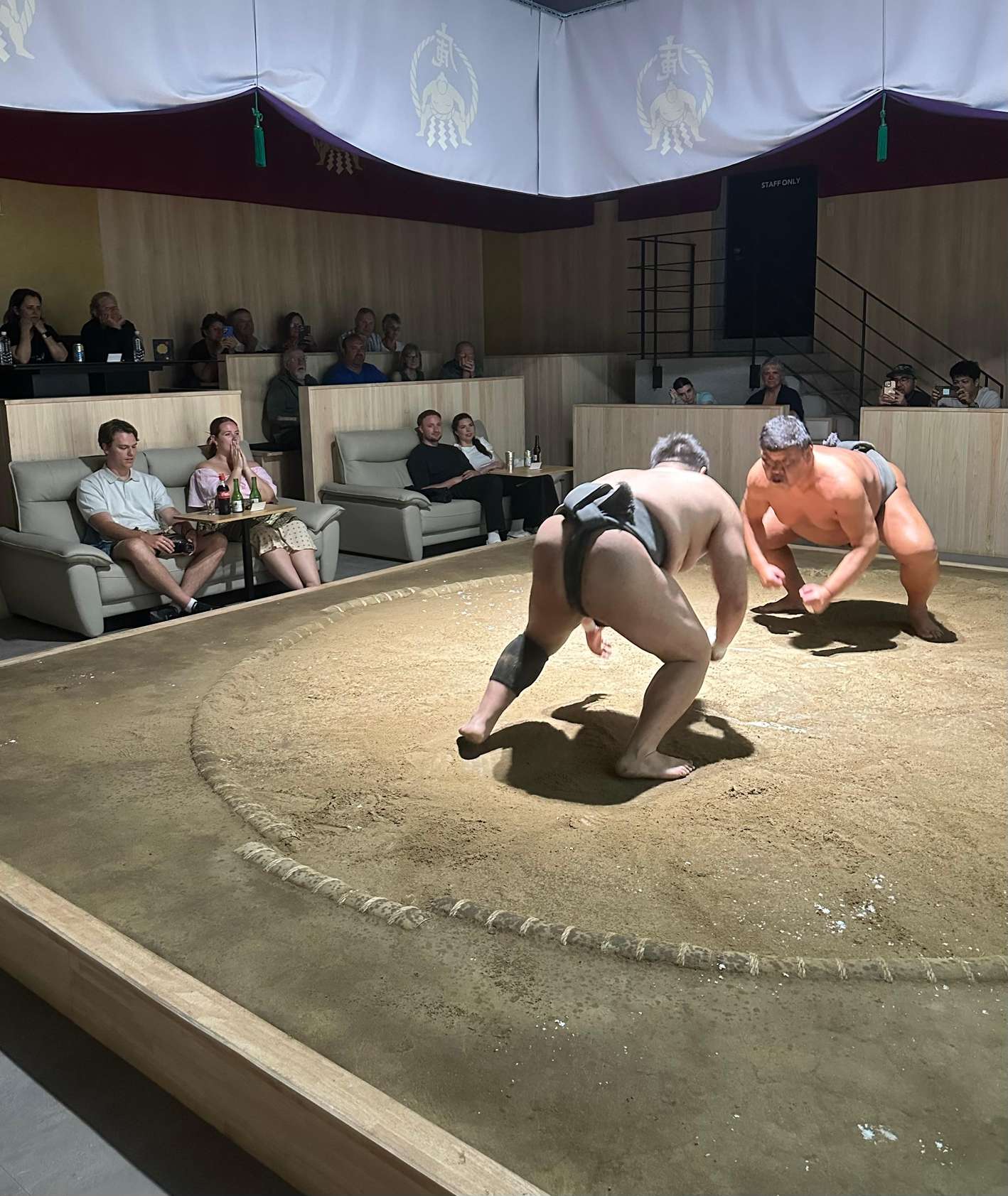
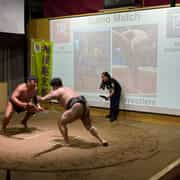
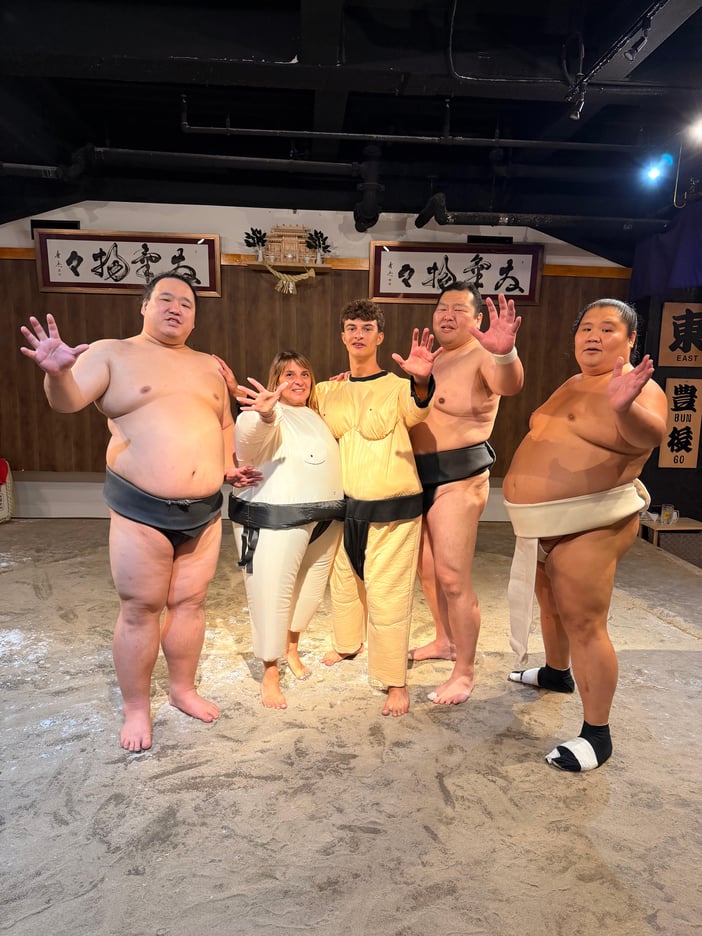
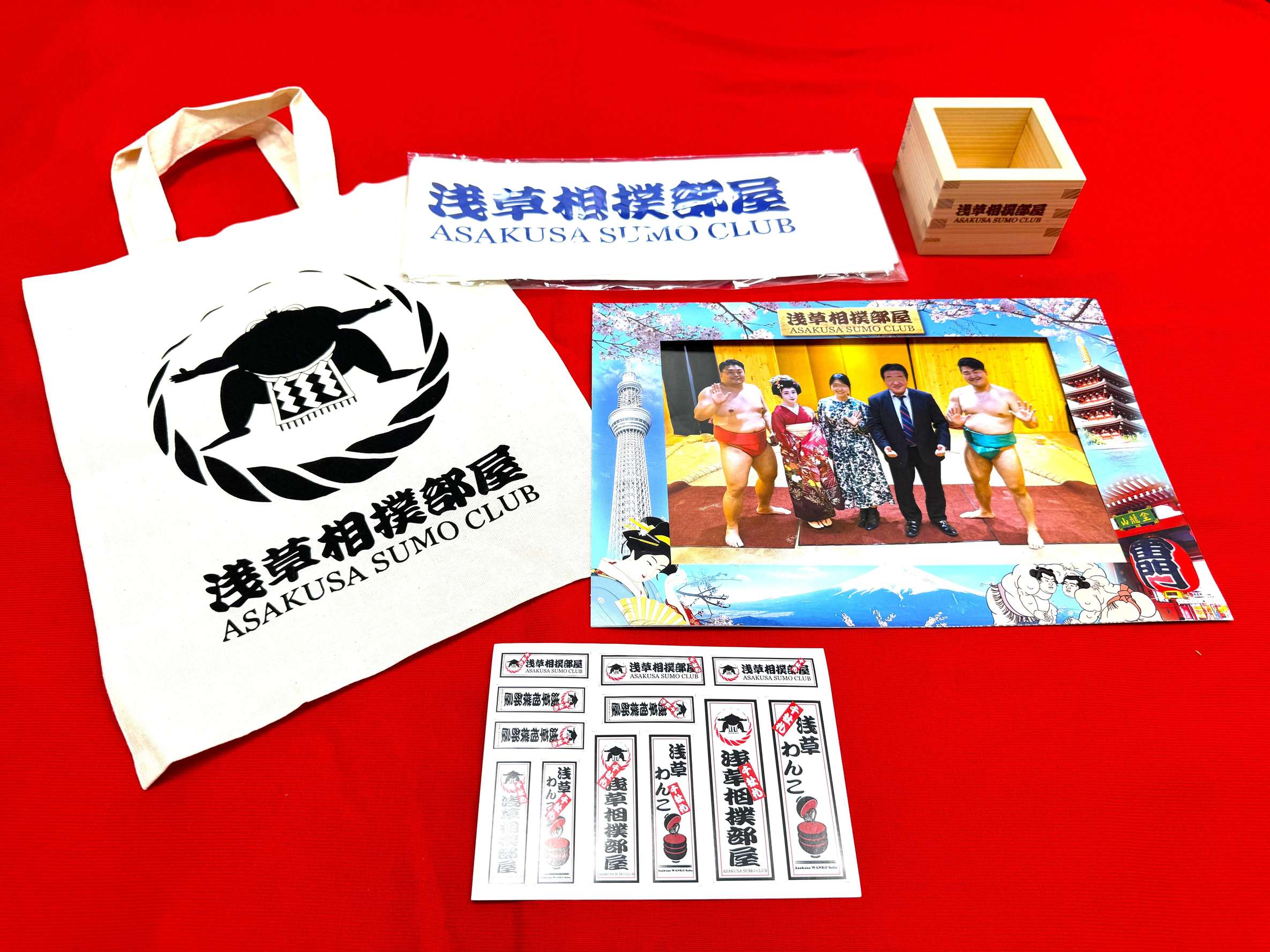
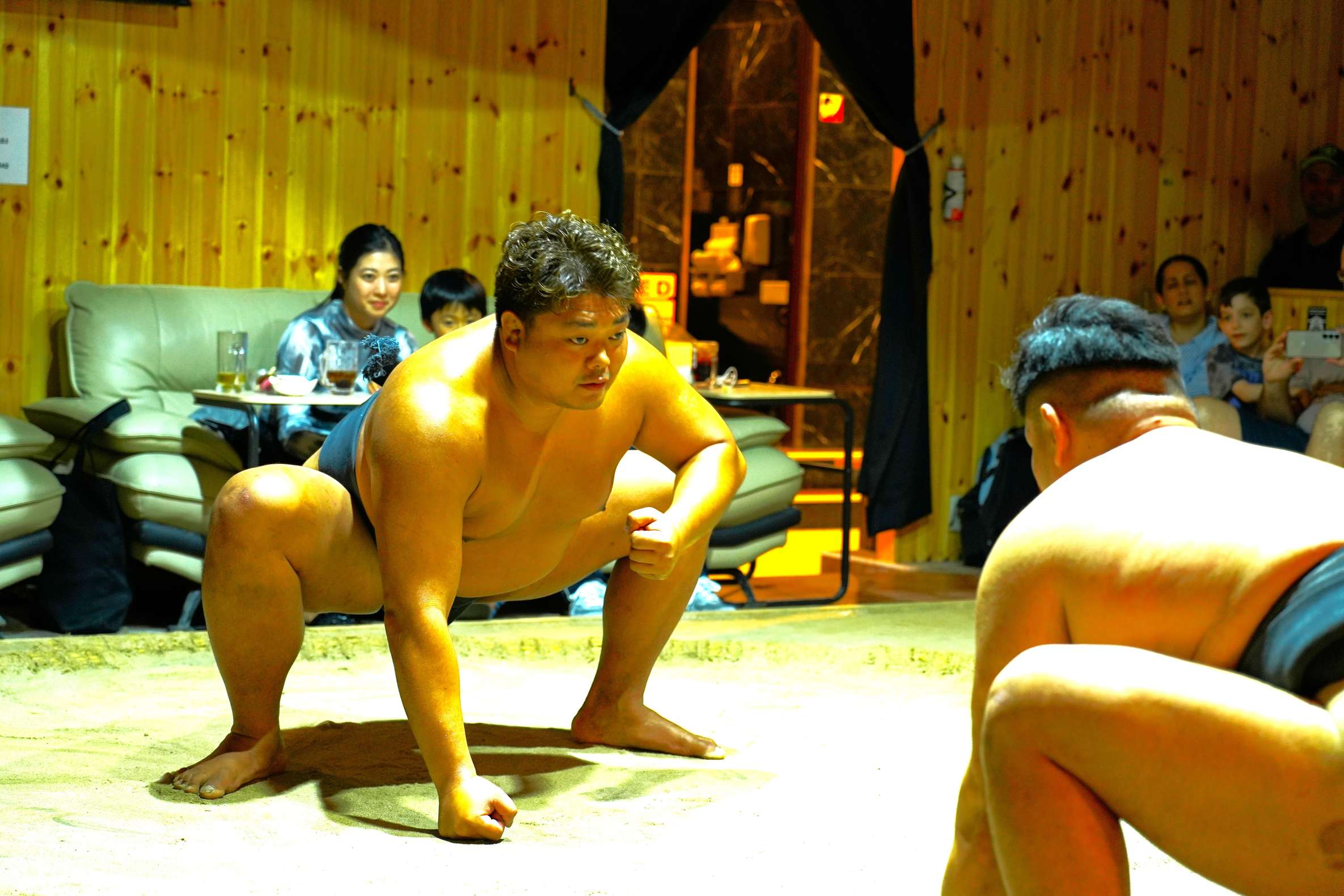
Matches between retired professionals follow, a few lottery-selected guests step in for the Sumo Challenge, and it all ends with a commemorative photo and a souvenir bag.
The talking sections run long, which is exactly why a meal-included seat earns its keep.
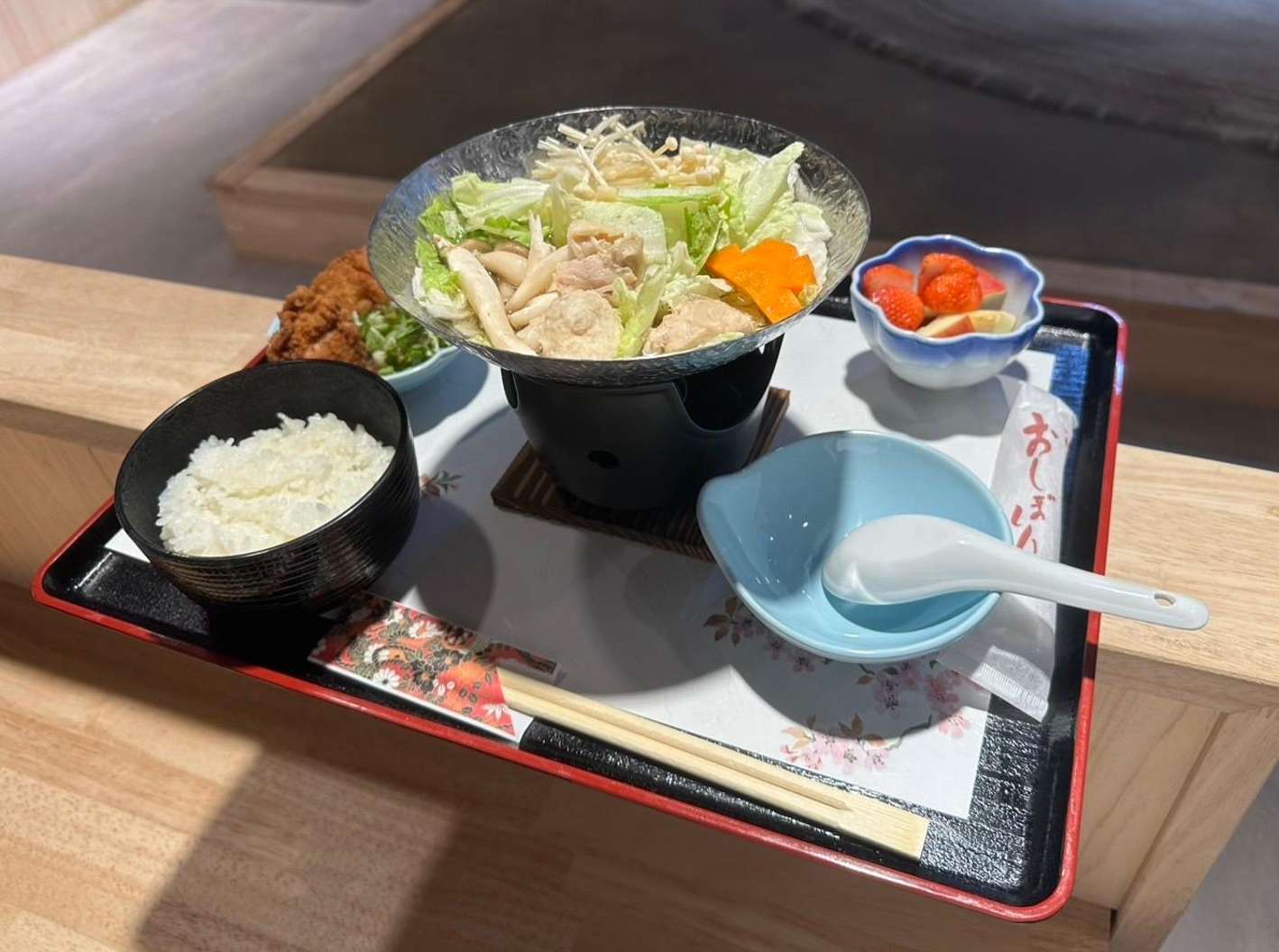
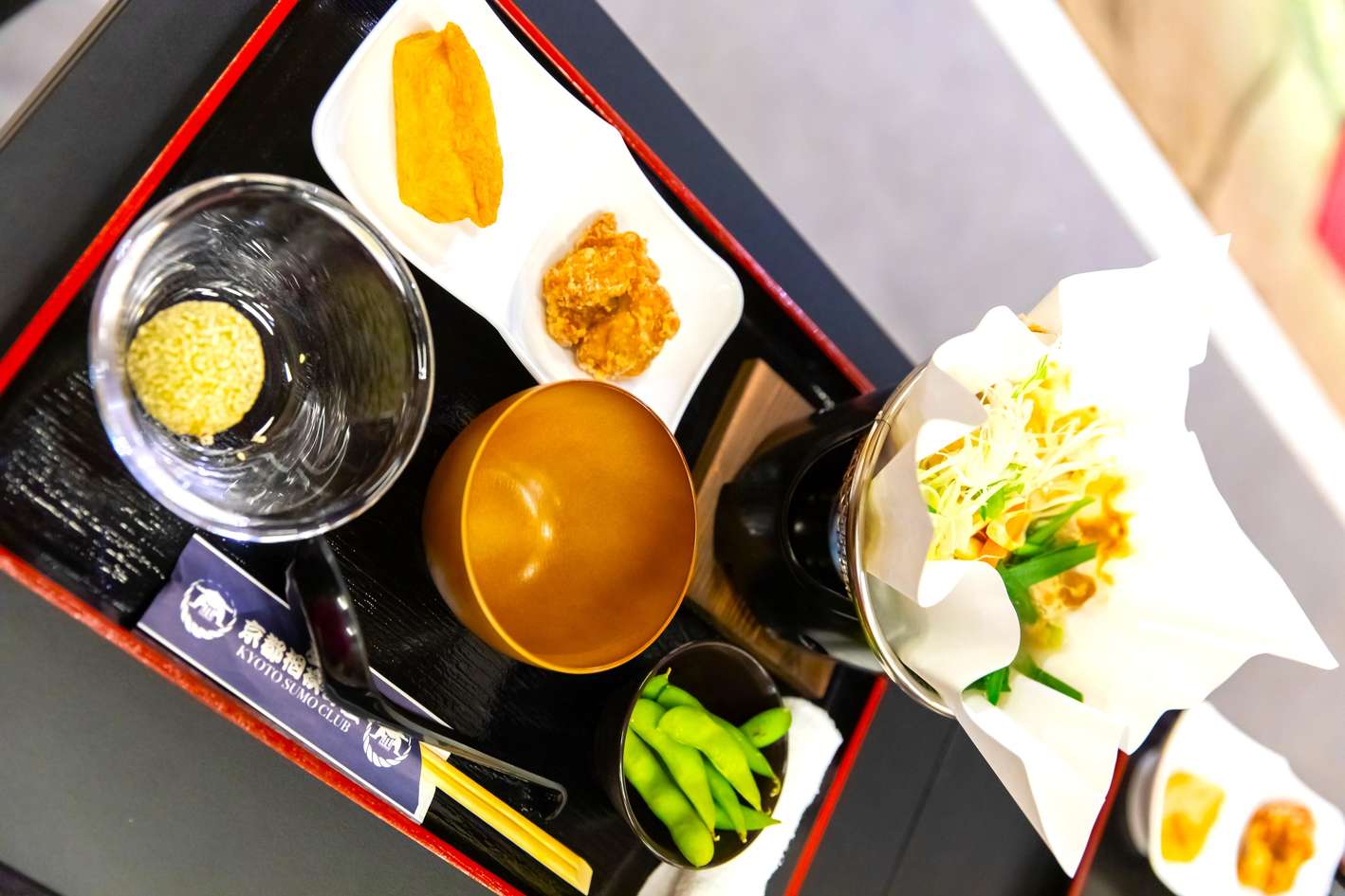
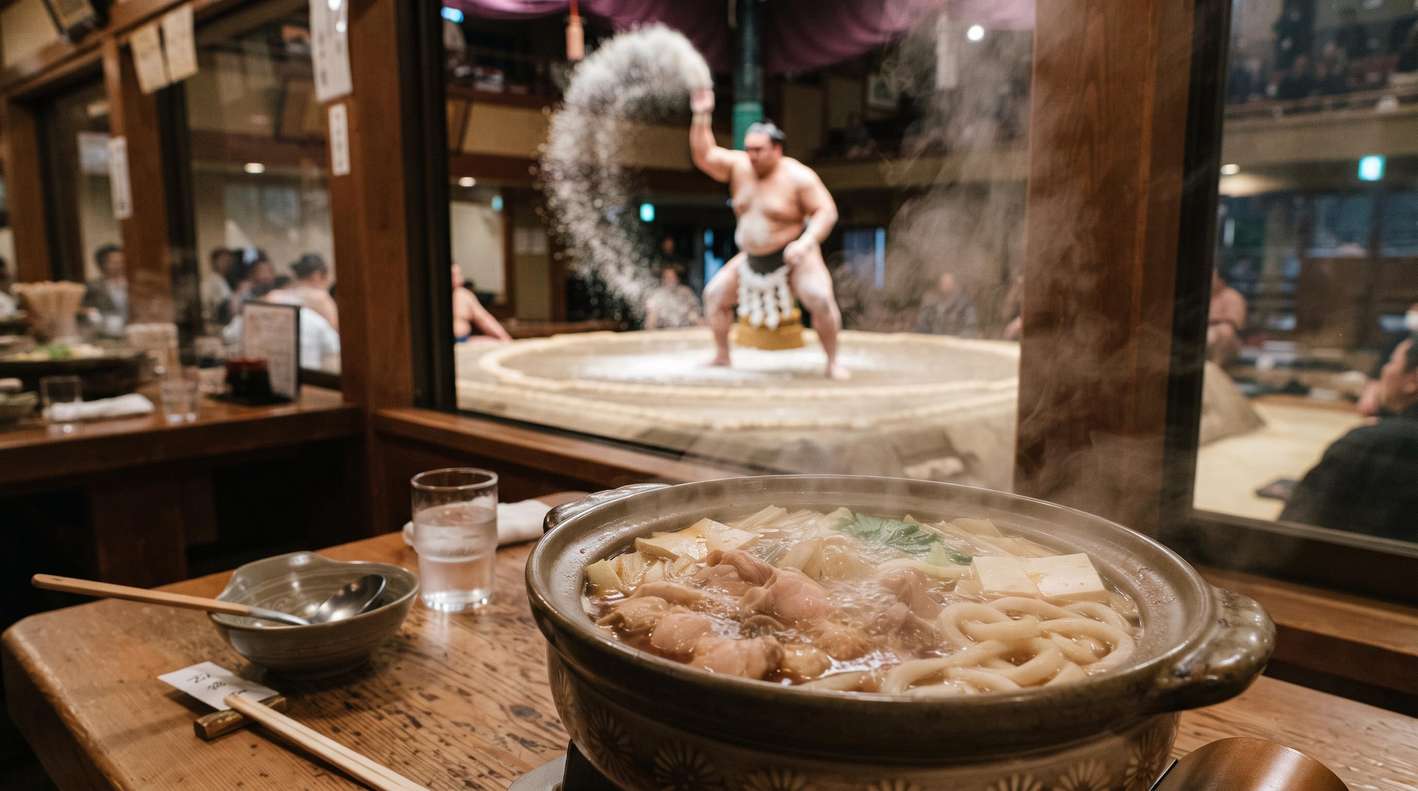
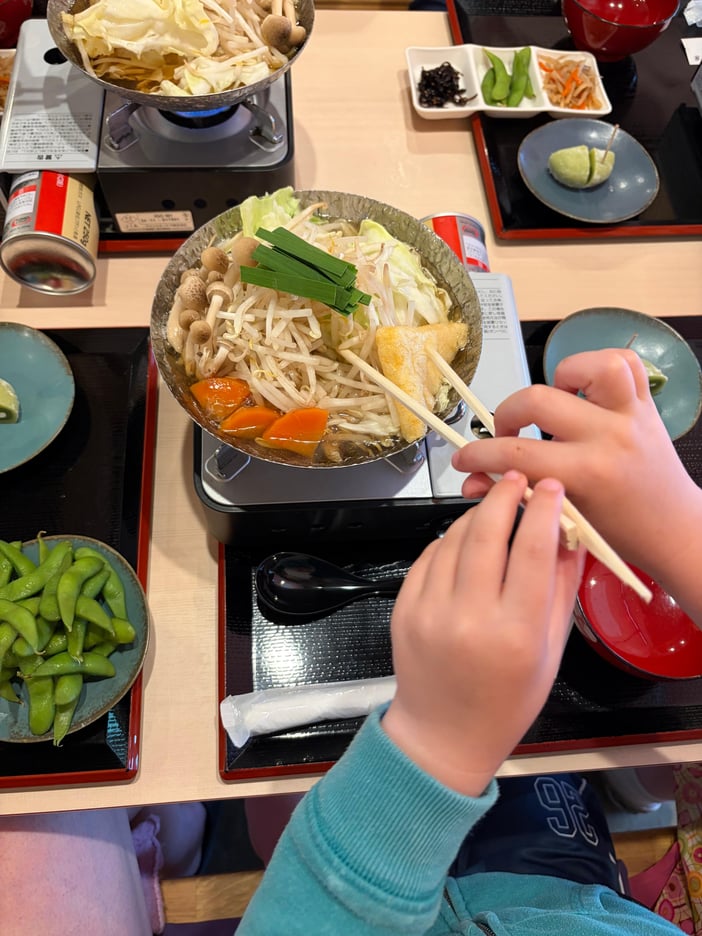
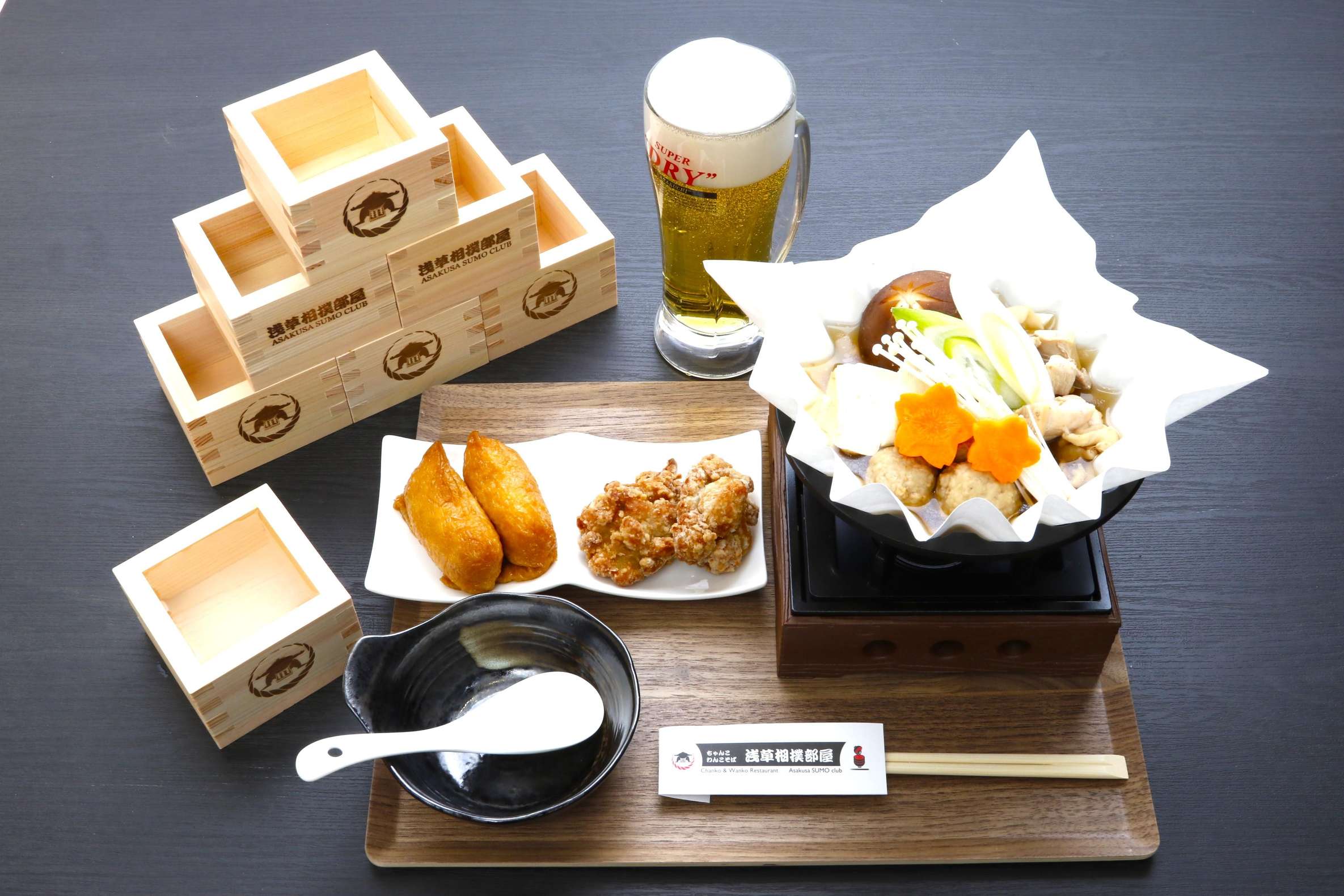
Eating through the explanations keeps the pacing lively, and the food is no sideshow: chanko nabe is the hot pot wrestlers eat to build their bodies, simmered with chicken, napa cabbage and fried tofu, served all-you-can-eat at the Tokyo and Kyoto shows. Travelers praise how hearty and generous it is.
The Tokyo: Sumo Entertainment Show with Chicken Hot Pot & Geisha packs all of this into two hours, with bilingual commentary and a ring challenge for a few guests chosen by lottery.
1
15 to 20 minutes before
Check in and find your seat
Late arrivals may be refused at venues that follow a strict schedule
2
Opening
Geisha dance and MC introduction
History, rules, shiko and the salt ritual explained in English
3
Main matches
Retired professional wrestlers bout in the ring
The wrestling often fills only the last 15 to 30 minutes
4
Sumo Challenge
Selected guests enter the ring
Spots are limited and chosen by lottery
5
Closing
Photos with the wrestlers and chanko nabe
Souvenir gift bag usually included
The arc holds at nearly every venue, so whichever show you pick, the photo at the end and the hot pot are the parts people talk about afterwards.
Tour for this
Tokyo: Sumo Entertainment Show with Chicken Hot Pot & Geisha4.8★ (8,711) · 2 hours · Free cancellation
Stable practice among sumo classes and other activities
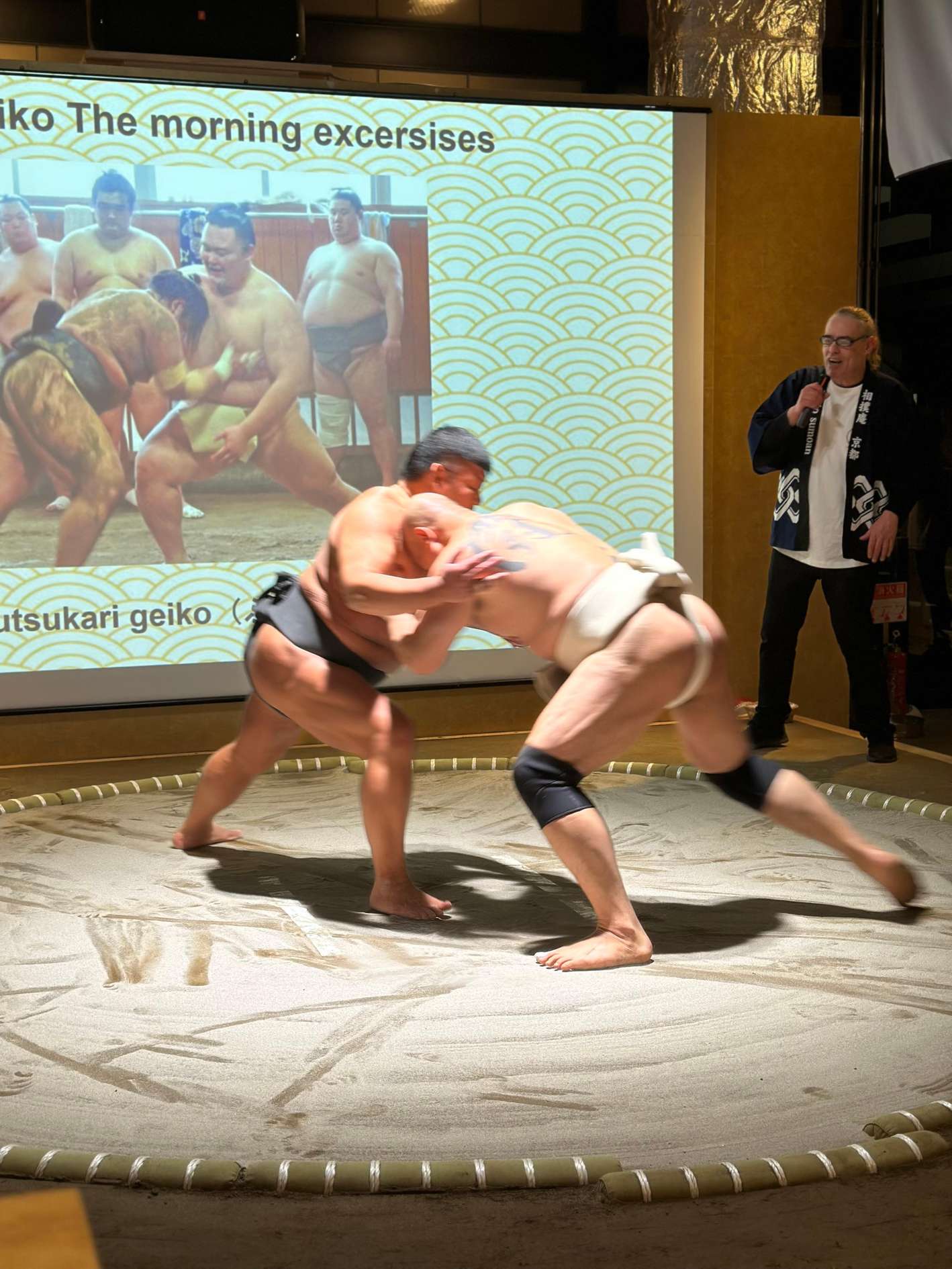
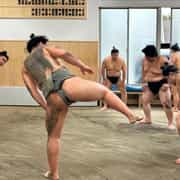
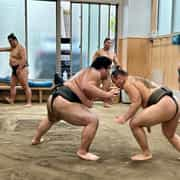
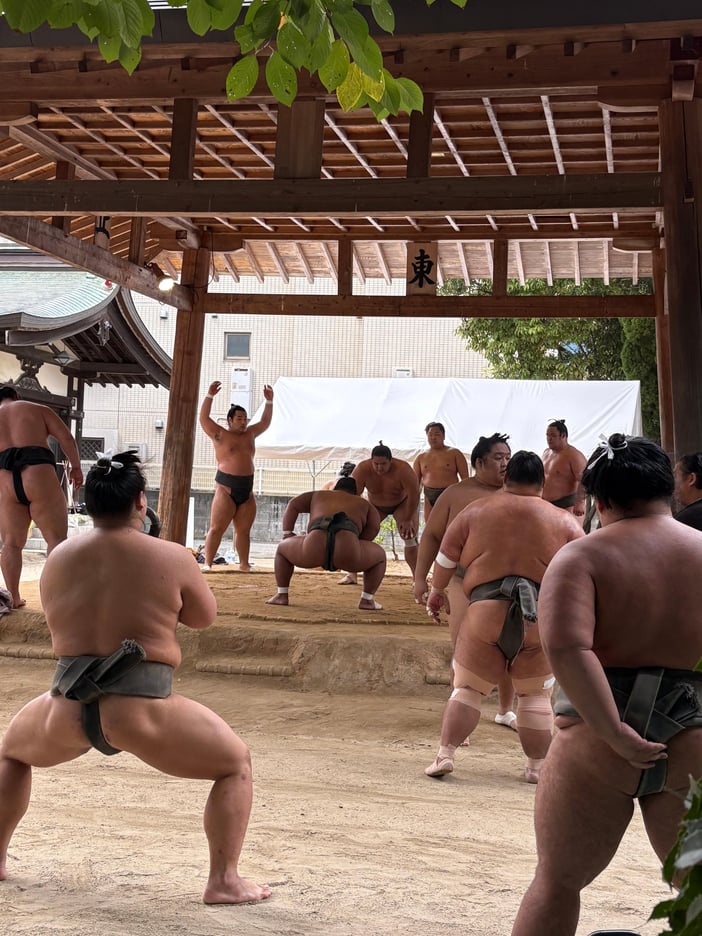
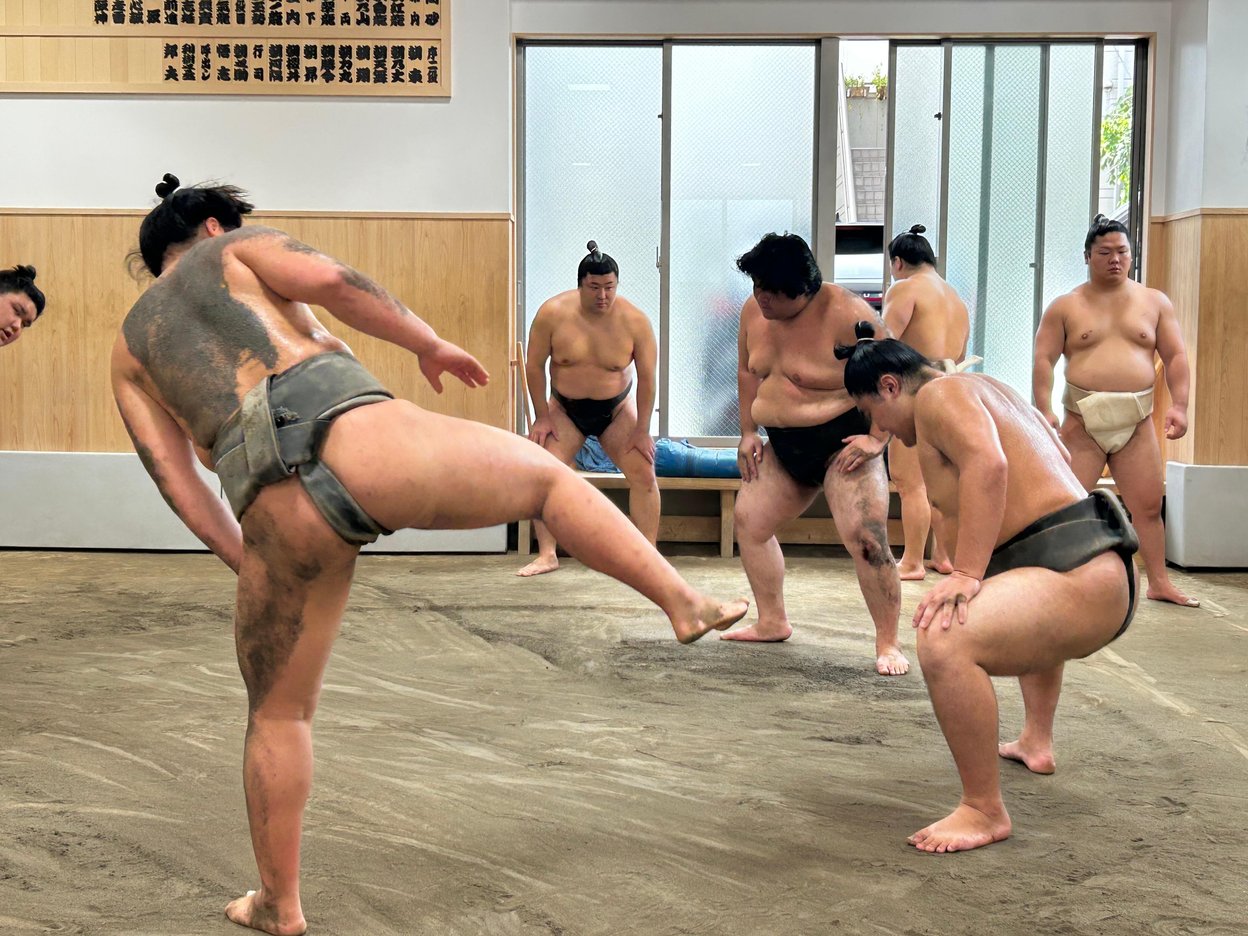
A heya, a sumo stable, is where wrestlers live and train. Expect a sparse room, a clay ring, and 90 to 120 minutes of real work: warm-up drills first, then roughly an hour of full-intensity sparring. Nobody performs for you. The wrestlers train because results shape their careers.
The rules are strict because the place is a workplace and a home. Silence is total, down to camera shutters. No moving around, no flash photos, no eating or drinking; shoes come off and you sit cross-legged on tatami with no chair. Never step on the dirt, and stay until the wrestlers finish.
Most stables do not take walk-ins, so a guided tour is the realistic route, and places sell out well in advance.
One free exception: Arashio stable lets anyone watch through its street window from about 7:30 to 9 am, no booking needed, though practice can break off suddenly and there is no one explaining what you are seeing.
The Tokyo: Watch sumo! with English Guide gets you inside a stable for a two-hour morning session with a guide who explains the training as it happens.
What nobody tells you
Save your questions for the end
The guide translates, and the wrestlers may chat and take selfies with visitors after practice
The free Arashio window viewing exists
No reservation needed, but no explanation either, and the schedule is not guaranteed
The practice window can start earlier than posted
Arrive early or you may miss the opening drills
Book stable tours about two months ahead
Places are few, confirmations can take days, and tournament months go dark
Book the guided version when you want the explanation; the free window suits a flexible morning when you are already nearby.
Tour for this
Tokyo: Sumo Watching with journalist and walks4.9★ (309) · 3 hours · Free cancellation
When to book sumo classes, shows and other activities
Two calendars decide your booking, and they do not overlap. The travel calendar puts the crush in April, October and May, when cherry blossom and autumn leaves pull crowds and sumo shows fill fastest. February, December and January are the quiet months, when a booking a week out can still work.
The sumo calendar is the one that surprises people. Tokyo stables close to visitors when the wrestlers travel to tournaments in other cities, so March, July and November offer whole months with no morning practice in Tokyo.
Even in a Tokyo tournament month, January, May or September, stables do only light practice and most shut their doors. Between the basho, morning practice runs as normal.
Shows are the steadier bet: Tokyo venues run every day of the year regardless of the tournament schedule. In the busy months, book as early as you can; a same-day gamble rarely pays off.
How busy it gets, month by month
April: 5 out of 5 for how busy it gets.
HighestMar to May, Oct
In betweenJun to Sep, Nov
LowestDec to Feb
Darker: a higher how busy it gets score, out of 5
Tap a month to read it.
In April or October, book the moment your flights are fixed, especially for a stable visit. In February, December or January, a booking a week out often still works.
Time slots for sumo classes, shows and other activities
Sumo runs across the whole day in Tokyo, and the slot you pick shapes the experience. The earliest option is real: stable practice tours meet around 7:25 am, and one traveler's regret says it plainly, wishing they had known the meet was 7:25 and not 7:30.
Shows then run from late morning to late evening, with the Tokyo Tower club holding four sittings a day at 10:30 am, 1:30 pm, 4:30 pm and 7:30 pm, and dinner performances at 6 pm and later carrying the fullest rooms.
Evening slots sell out first, so book the dinner-show version before anything else if food and drinks are the point. Treat the printed time as a starting point: shows can start noticeably later than the ticket says, while some venues start and finish exactly on schedule.
Either way, arriving right at the ticket time risks a rushed seat search, so aim for 15 to 20 minutes early. Arrive late and you may miss the challenge lottery, the pre-show explanations, or the whole event.
When sumo runs through the day in Tokyo
Early morning practice7:25 am to 9 am
The most authentic option: real wrestlers training at a stable, but you must meet around 7:25 am and arrive on time.
Late morning shows10:30 am to 11 am
First entertainment shows of the day at Tokyo Tower and Ginza, good for families and easy schedules.
Midday and early afternoon1 pm to 3:30 pm
Shows at 1 pm and 1:30 pm with meals included, plus Ginza training experiences at 1:30 pm and 3 pm.
Late afternoon4:30 pm to 5 pm
A quieter slot: the 4:30 pm Tokyo Tower show and the 5 pm Ginza training experience, before the dinner crowds.
Evening Peak6 pm to 8:30 pm
The best slot for the full experience: dinner-show performances at 6 pm, 7:30 pm and 8:30 pm with food, drinks and the liveliest crowds.
QuietBusyThe busiest
Early risers get the most authentic morning in the city, families do well before noon, and the evening carries the fullest rooms and the dinner-show format at its best.
Tour for this
Tokyo: Sumo Entertainment with Japanese Meal at Tokyo Tower4.9★ (90) · 1.5 hours · Free cancellation
Finding your way to sumo classes, shows and other activities
Tokyo's visitor sumo shows sit in five districts, each a short walk from a station. The Shinjuku show is about two minutes from Higashi-Shinjuku Station. The Shibuya show hides in the Daiichi Silver Building, one minute from JR Yoyogi Station, a single stop from Shibuya.
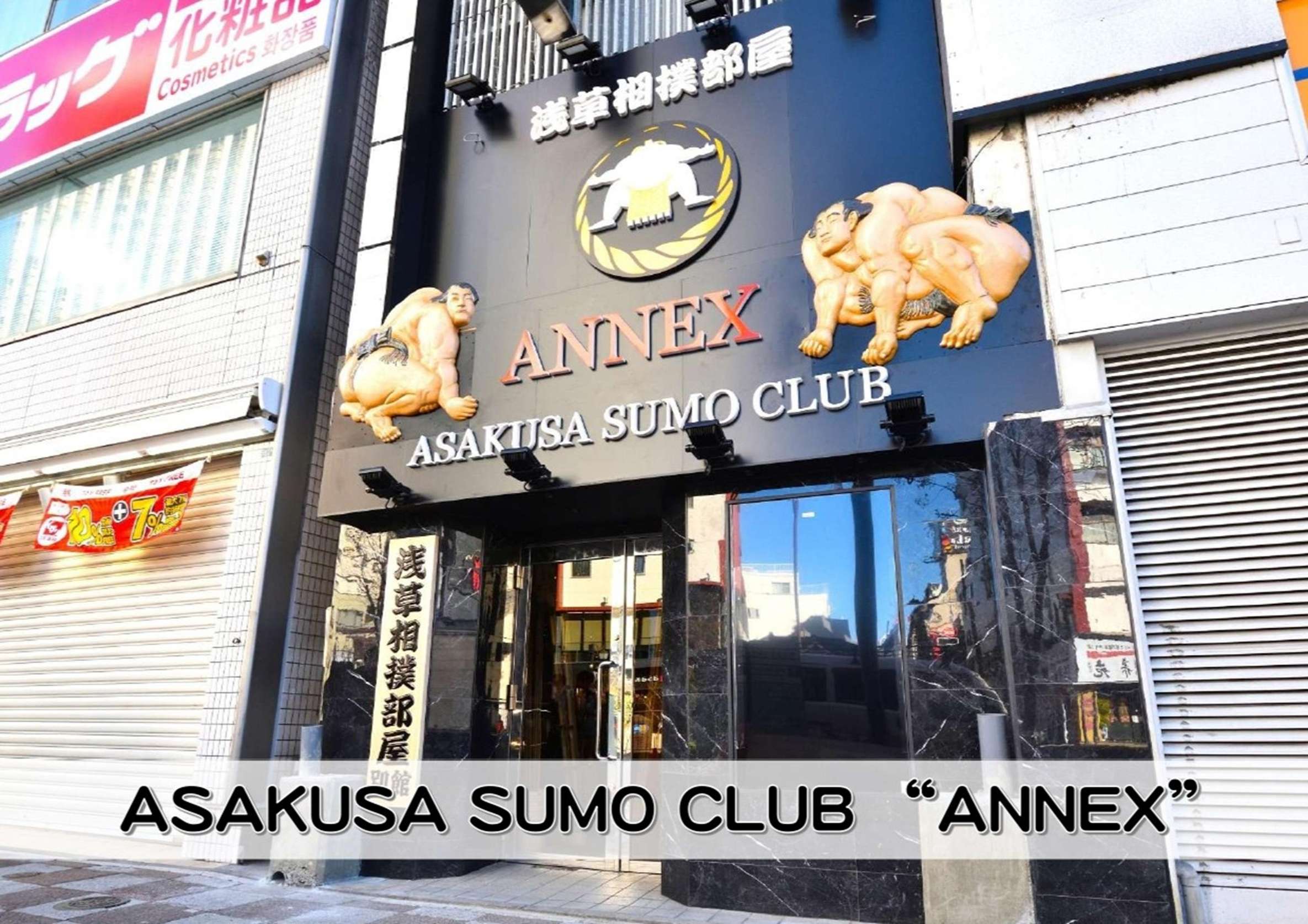
The Ginza venue is a minute from Ginza-itchome, close enough to Tokyo Station to pair with an afternoon of sightseeing. Asakusa, Tokyo Tower and Ryogoku round out the map.
The train beats a taxi almost every time. From Tokyo Station, the Marunouchi Line reaches the Ginza show in about ten minutes including the walk, faster than a car in any traffic.
From Shibuya, two stops on the Yamanote plus a short walk put you at the Shinjuku venue in about six minutes. Taxis make sense with tired children or tight timings, and tight timings are the one thing this evening punishes.
What to wear to sumo classes, shows and other activities
There is no dress code at a sumo show, but think about what happens if you end up in the ring. The provided mawashi, the sumo belt, goes over your own clothes, so you will not fully change.
Stiff jeans and restrictive outfits work against you the moment you crouch for the challenge, and some venues have you remove shoes at box seats.
The packing list is short. Comfortable, flexible clothes you would wear to a casual gym class. Socks you do not mind being seen in on a floor.
A towel and a change of clothes if you are taking the hands-on part seriously, plus about 500 ml of drinking water. Glasses wearers should switch to contacts for the experience, or be ready to take them off before entering the ring.
Pro tipPro-tip Wear socks you don't mind being on the floor in, and switch glasses to contacts if you're taking part in the ring challenge
That is the whole preparation. Anyone telling you that you need special gear has not been; the venue supplies the belt and the activity equipment.
Ages and health limits for sumo classes and other activities
Participation is always optional, and that is the first thing to know. Guests can watch the whole show, cheer from their seat, and skip the ring entirely. The experiences are designed for complete beginners, with programmes built to accommodate different fitness levels and ages.
The limits that do exist sit at the hands-on end. At the Ginza show, the hands-on Plan B is not suitable for children under 5, pregnant guests, or anyone with a serious medical condition, and children must be accompanied by a guardian.
The Shinjuku and Shibuya shows use age bands of 13 to 99 and 12 and younger.
Access needs vary by venue: the Shibuya show is not suitable for wheelchair users, the Ginza show asks wheelchair users to contact staff in advance, and wheelchair-accessible seating at some Tokyo shows is limited and must be requested at the time of reservation.
Women join freely. Professional sumo keeps women out of the dohyo, but at these experiences some venues welcome women and children onto the ring, and women watch stable practice from designated seating.
Can stop the day
The Ginza hands-on Plan B excludes children under 5, pregnant guests and serious medical conditions, and some venues have no wheelchair access Flag age, health and access needs to the operator when you book, well before the day
A small risk of scrapes or bruises comes with any physical activity in the ring, and guests who join accept that at their own discretion.
Tour for this
Tokyo Ginza Sumo Show: Live Performance & Photo Experience4.7★ (2,064) · 1.5 hours · Free cancellation
Shows are built for families, and the lively, humorous, welcoming format keeps children engaged across ages. Kids around 10 to 12 are the core audience, and some Osaka-area venues let children under 12 attend free.
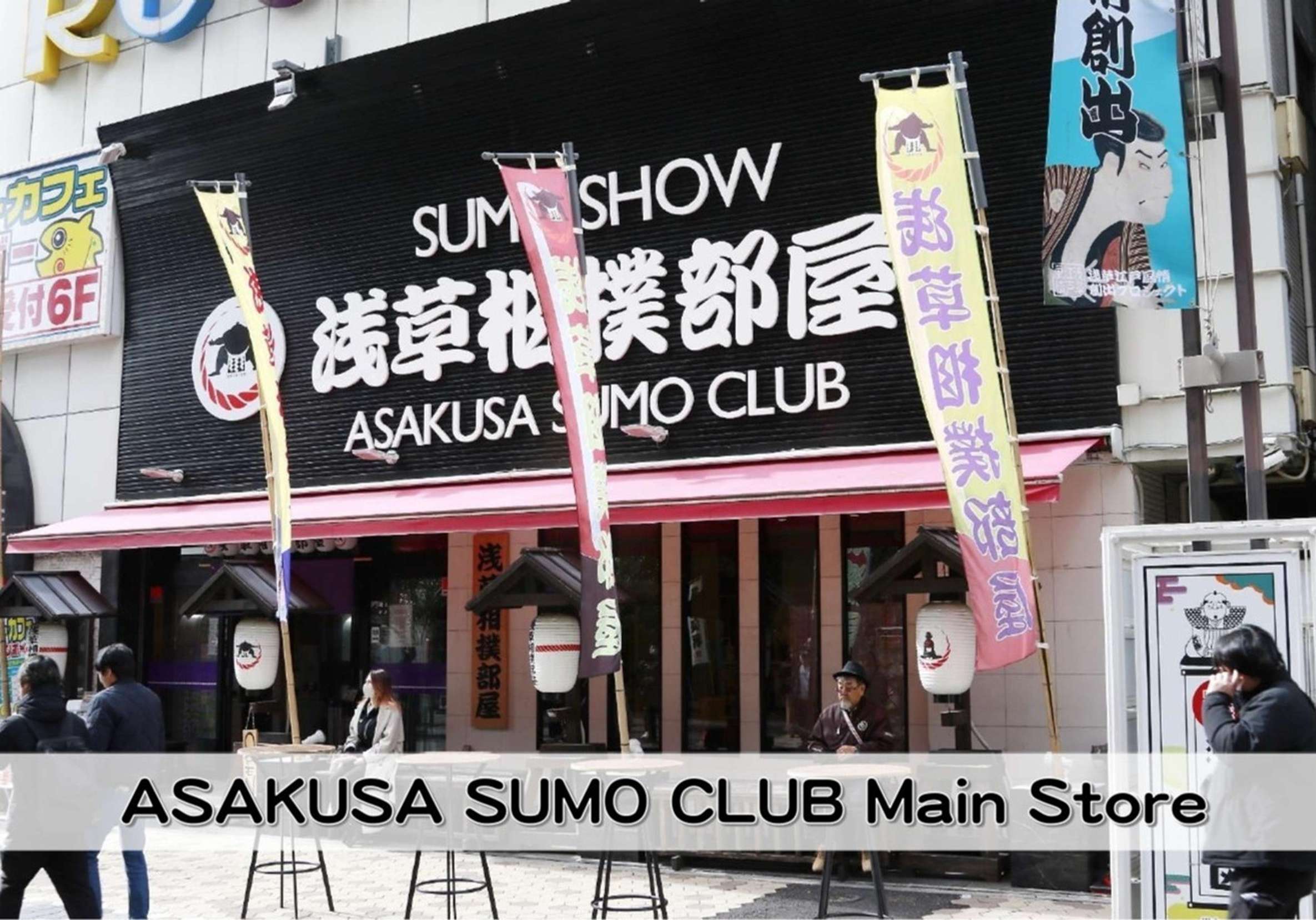
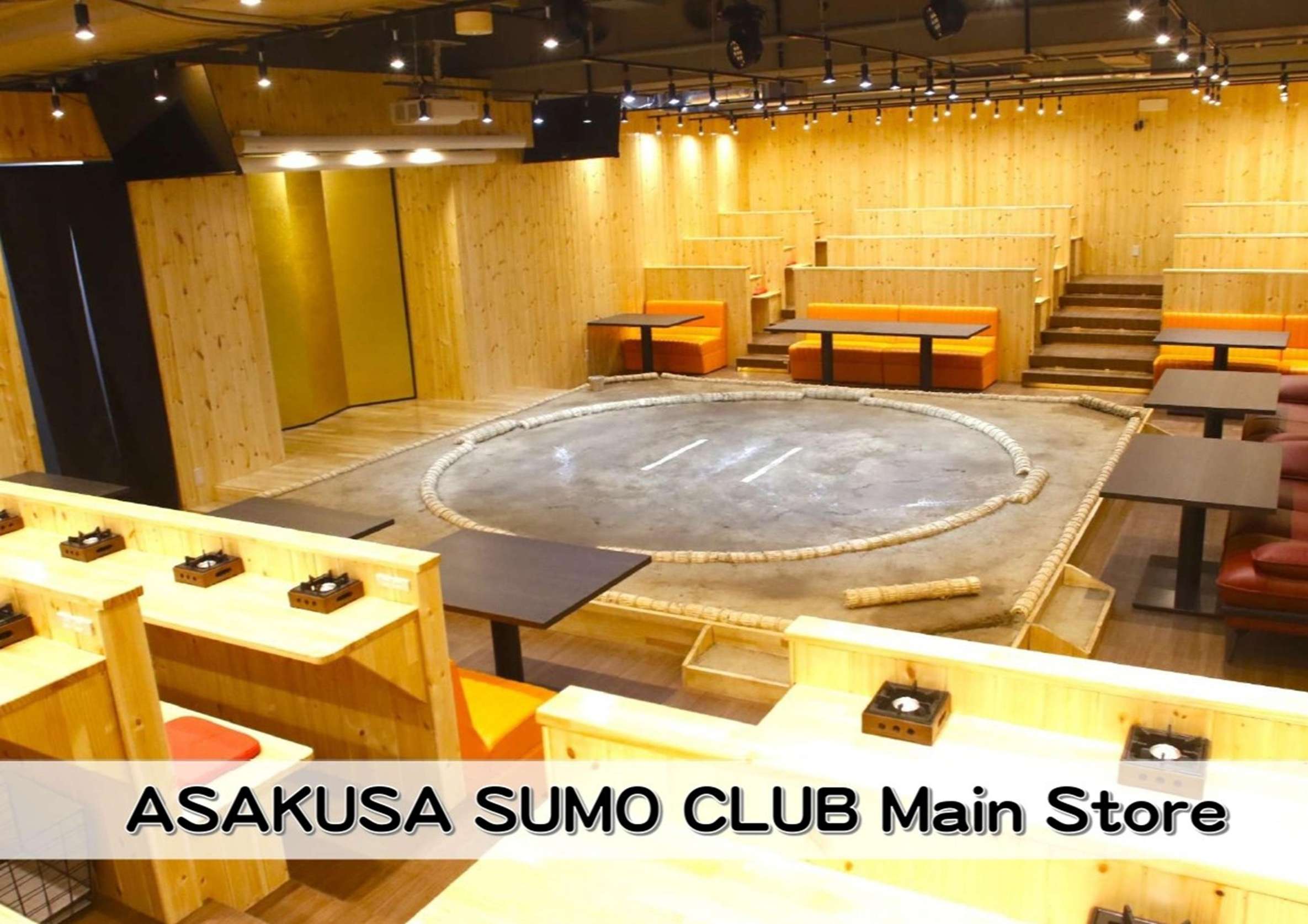
The Asakusa Sumo Club suits a four-year-old, the Tokyo entertainment show with the geisha dance and chicken hot pot is designed for adults and children together, and the Ryogoku experience adds mochi making to the mix. At the Shibuya show, infants sit on laps.
A stable visit is the opposite bet. Children can observe on the Tokyo practice tour, paying the same fee as adults, but only if they can sit quietly and still for two hours or more.
Morning practice is the best option for families with teenagers; for anyone younger who cannot hold the silence, a show or a tournament is the far better fit.
One more family note: at a real tournament day, kids can shout along with the crowd, and the mid-day break features comedy and chances for children to dress up in the ring. If your dates line up with a basho, that alone can decide the format for you.
Tour for this
Kyoto: Sumo Entertainment Show with Chicken Hot Pot & Geisha4.8★ (1,815) · 2 hours · Free cancellation
Tournaments among sumo classes and other activities
Six grand tournaments a year, each two weeks long, in odd-numbered months: Tokyo in January, May and September, Osaka in March, Nagoya in July, Fukuoka in November.
If one falls inside your trip, experienced travelers say book it over a show. The crowd yells for favorites, towels fly after big upsets, and the arena falls strikingly quiet right before each charge.
Tickets are the hard part. General sales open at 10 am Japan time, roughly a month to two months before each tournament, and decent seats sell out within minutes.
The entire 15 days can be gone just as fast; all 15 days of the 2026 Nagoya tournament had sold out about seven weeks before opening day. Buy the moment tickets drop, through the Japan Sumo Association's English site, a 7-Eleven machine, or a ticket agent if you are buying from abroad.
Missed the sale? During a Tokyo basho, queue at the Ryogoku Kokugikan main entrance around 6 am with cash for a same-day seat, then return for the afternoon bouts. And stay to the end for the bow-twirling ceremony; leaving early wastes the ticket.
Tour for this
Tokyo: Luxury Sumo Show Experience & Japanese Cuisine & Drinks4.7★ (1,033) · 2 hours · Free cancellation
Around the venues of sumo classes and other activities
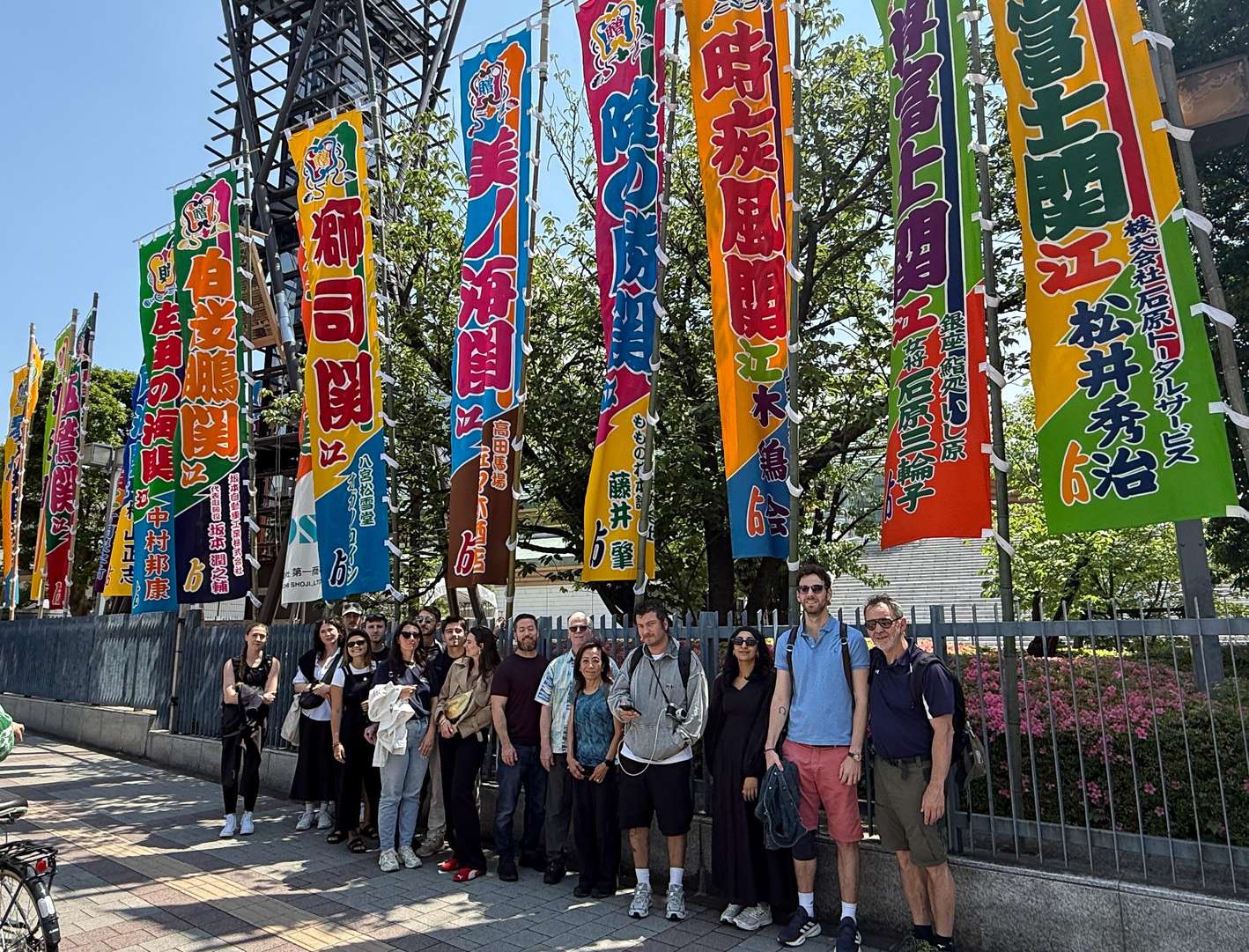
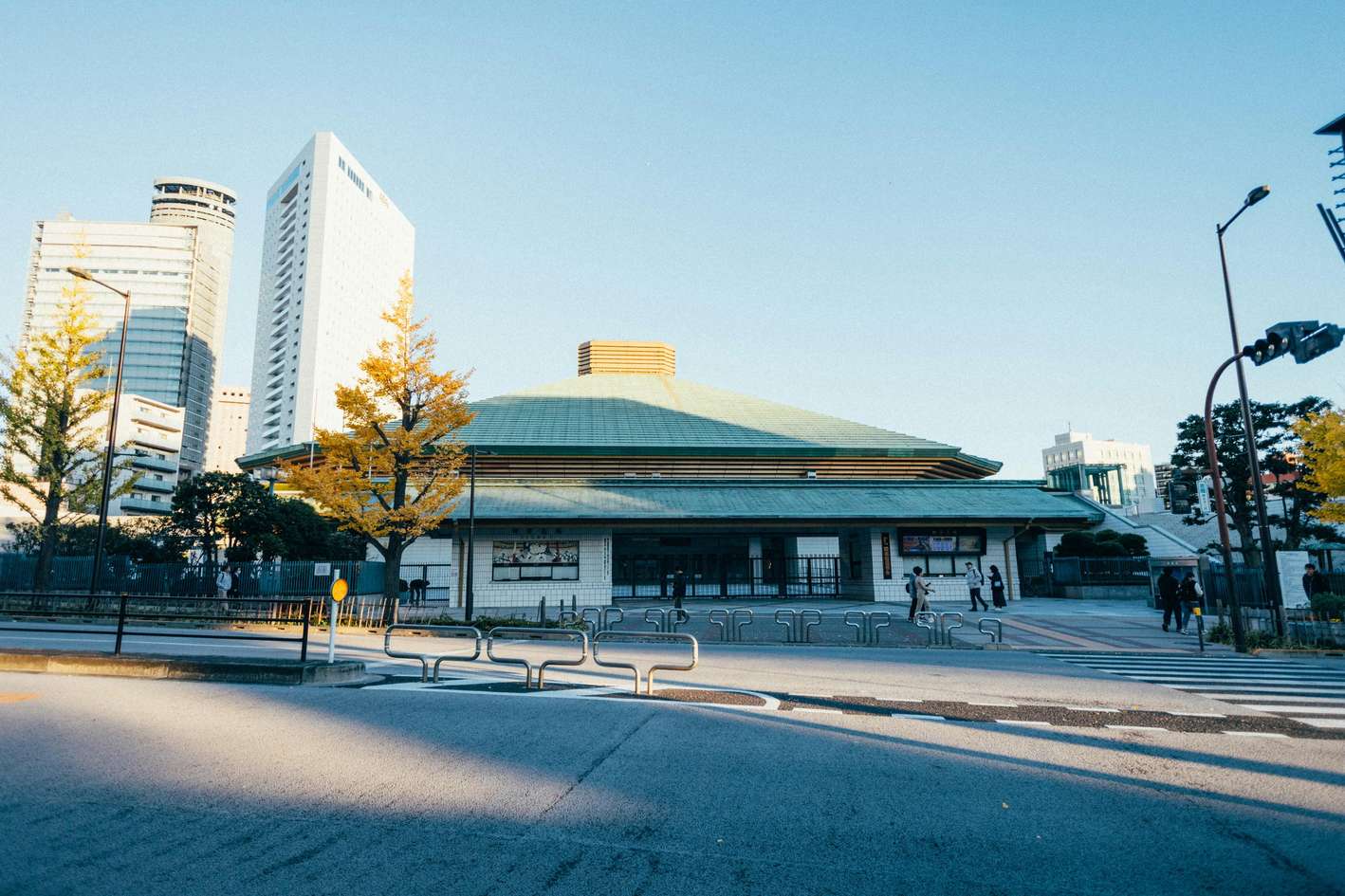
Book in Ryogoku and you turn one evening into a half-day. This is Tokyo's sumo district, two stops from Akihabara, and most visitors walk straight past its best sights.
The small Sumo Museum inside the Kokugikan closes in the late afternoon, so see it before the top division bouts or on a non-tournament weekday. Ekō-in Temple is where wrestlers pray before tournaments, and the chanko nabe restaurants nearby are run by retired wrestlers who know what the hot pot should taste like.
The walking tour route takes in Ekō-in, the Chikara-zuka Monument and the Kokugikan area, with museum entry on non-tournament days. Beyond sumo, Asakusa, Akihabara, Nihonbashi and Tokyo Skytree all sit within easy reach of Ryogoku Station, so a morning show, an afternoon of temples and an evening chanko dinner stack neatly into one day.
Pick two stops before and after your booking and the district fills the rest of the day; the sumo-themed train station alone is worth a photo on the way out.
Tour for this
Tokyo: Discover the World of Sumo History & Lunch4.9★ (6) · 3 hours · Free cancellation
Sumo is one of the few Japanese experiences that works for almost any traveler, as long as you match the format to who you are.
Book the evening dinner show if this is your first taste of sumo, chase a stable visit if you want the real thing, and grab tournament tickets the minute they drop if your dates allow.
Whatever you choose, book early in April, May and October, arrive 15 to 20 minutes before the printed time, and leave room for chanko nabe afterwards.
Go ifGo if you want a lively, family-friendly evening with food, commentary and a chance to enter the ringGo if you can sit silently for two hours and want to see real training at a stableGo if a grand tournament falls in January, May, September, March, July or November of your trip
Skip ifSkip the stable visit if young children cannot stay quiet and still for two hoursSkip the hands-on ring challenge if you are pregnant or have a serious medical conditionSkip expecting real competition at a show; the matches are choreographed entertainment
Our pick to book
Tokyo: Sumo Wrestling Experience with Chanko Nabe & Mochi4.8★ (746) · 1 - 2 hours · Free cancellation
FAQ - sumo experience classes, tours and other activities
Quick answers on booking a sumo experience, from shows and ring challenges to private tours in Tokyo.
Which sumo experiences in Japan let you actually take part in a match?
Plenty of them. The Shinjuku, Shibuya, Asakusa, Tokyo Tower and Kyoto shows all include a chance to step into the ring and challenge a wrestler, usually with limited spots chosen by lottery. The Osaka show offers a face-off against a retired wrestler, and the Ginza venue has a separate hands-on training option.
Can you book a private sumo experience in Tokyo just for your own group?
Yes. One private sumo show tour in Tokyo includes pickup and drop-off in a luxury vehicle, a live professional sumo show, a chance to step into the ring, photos with the wrestlers and an English-speaking host with a welcome drink.
Which sumo experiences teach you about the culture and traditions of sumo?
The Shinjuku show includes history and background on sumo, and the Kyoto participative experience covers its history, rules and etiquette. The private Tokyo show adds an introduction to sumo traditions, and guides on stable-practice tours explain the training routines, often with time for questions afterwards.
Where can you watch a live sumo show in Japan?
Live shows run in Tokyo (Shinjuku, Shibuya, Ginza, Asakusa, Tokyo Tower and Ryogoku), in Osaka and Kyoto, and near Mt Fuji at Yamanaka. Tokyo's lunch and dinner shows usually feature retired wrestlers and run year-round, whatever the tournament calendar is doing.
Is a sumo entertainment show real competition or a staged performance?
The matches at exhibition shows are choreographed, and the Shinjuku show says so plainly on its own page. The actual wrestling often takes up only the last 15 to 30 minutes. The performers are usually retired professionals, so the technique is genuine even though the outcome is arranged.
Which sumo experience is best for kids?
The shows built for families work well: the Asakusa and Tokyo Tower shows are designed for adults and children together, and the Ryogoku experience with chanko nabe and mochi making suits little ones too. Morning practice visits suit families with teenagers who can sit quietly for a couple of hours.
What should you wear to a sumo experience in Tokyo?
Comfortable, flexible clothing you can move in, like a casual gym class. You don't need special gear: the mawashi belt for the hands-on part is provided and worn over your own clothes. Skip stiff jeans, and wear socks you don't mind having on the floor.
What is the difference between a sumo show, a class, a stable visit and a tournament?
At a show you watch retired wrestlers, hear commentary on rules and rituals, and can join audience participation. A class teaches the history and etiquette before you try anything.
At a stable you sit silently and watch real training with no talking, no flash photos and no moving around. At a tournament the crowd yells for favorites and towels fly.
Do sumo shows include food like chanko nabe?
Many do. The Asakusa and Kyoto shows include all-you-can-eat chicken hot pot with a drink, and the Ryogoku experience pairs the show with chanko nabe and mochi. Eating during the show keeps the longer talking sections entertaining, so a meal-included seat can be worth it for the pacing alone.
More sumo classes and other activities across Japan